
S E L E N E
12.8k Posts

S E L E N E
 Square Verified+
Report
Block User
Turning Volatility Into Opportunity 📈🚀
689 Following
32.7K+ Followers
28.7K+ Liked
Posts
Portfolio
All
Quotes
Live

·
--
See translation
JUST IN: Treasury Secretary Bessent says passing the Crypto Clarity Act is crucial for the U.S. to stay ahead in the global technology race.
#crypto
JUST IN: Treasury Secretary Bessent says passing the Crypto Clarity Act is crucial for the U.S. to stay ahead in the global technology race.
#crypto
#crypto

2
149
·
--
See translation
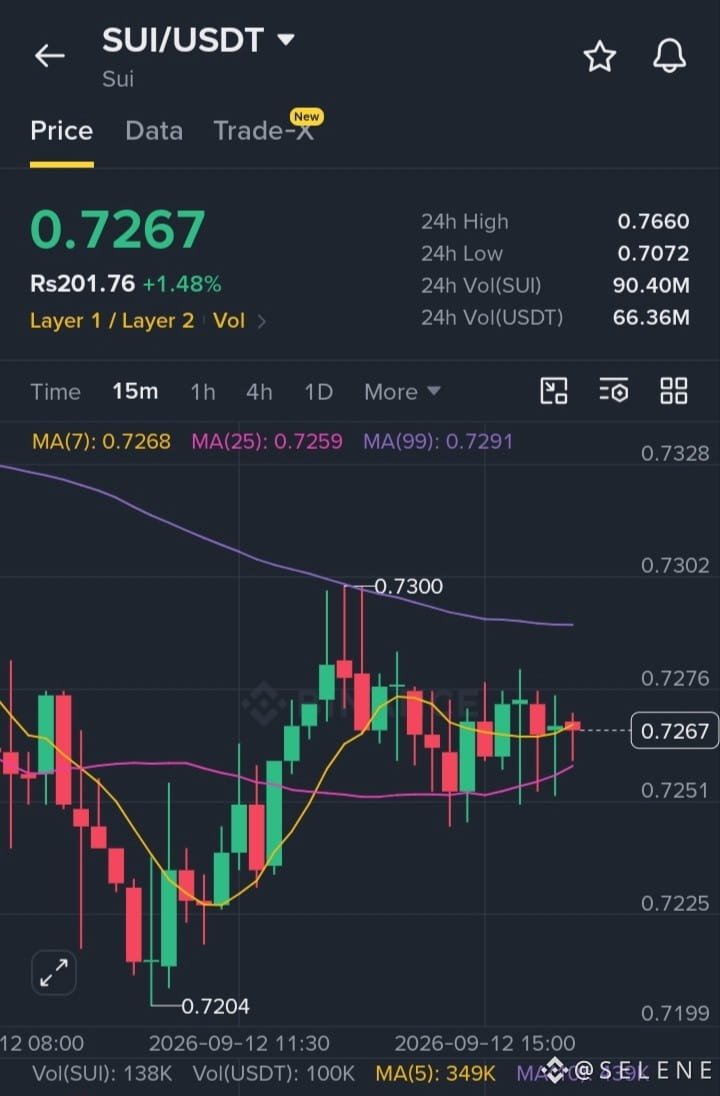
$SUI
{spot}(SUIUSDT)
holding support around $0.7250 and consolidating near moving averages for a potential upward push.
Entry: 0.7250 – 0.7270
TP1: 0.7320
TP2: 0.7450
TP3: 0.7600
Stop Loss: 0.7180
#SUİ
$SUI
holding support around $0.7250 and consolidating near moving averages for a potential upward push.
Entry: 0.7250 – 0.7270
TP1: 0.7320
TP2: 0.7450
TP3: 0.7600
Stop Loss: 0.7180
#SUİ
holding support around $0.7250 and consolidating near moving averages for a potential upward push.
Entry: 0.7250 – 0.7270
TP1: 0.7320
TP2: 0.7450
TP3: 0.7600
Stop Loss: 0.7180
#SUİ
2
198
·
--
See translation
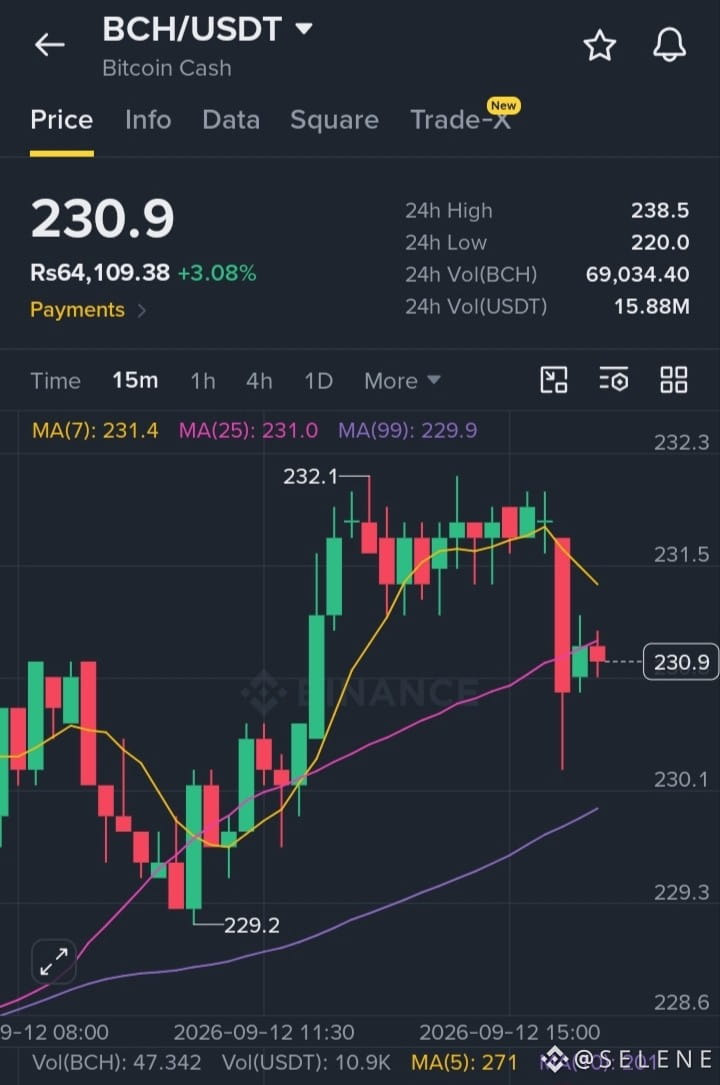
$BCH
{spot}(BCHUSDT)
holding above key dynamic support near $230 after a minor pullback, setting up a potential continuation move upward.
Entry: 230.0 – 231.0
TP1: 232.5
TP2: 235.0
TP3: 238.0
Stop Loss: 228.5
$BCH
holding above key dynamic support near $230 after a minor pullback, setting up a potential continuation move upward.
Entry: 230.0 – 231.0
TP1: 232.5
TP2: 235.0
TP3: 238.0
Stop Loss: 228.5
holding above key dynamic support near $230 after a minor pullback, setting up a potential continuation move upward.
Entry: 230.0 – 231.0
TP1: 232.5
TP2: 235.0
TP3: 238.0
Stop Loss: 228.5
1
76
·
--
See translation
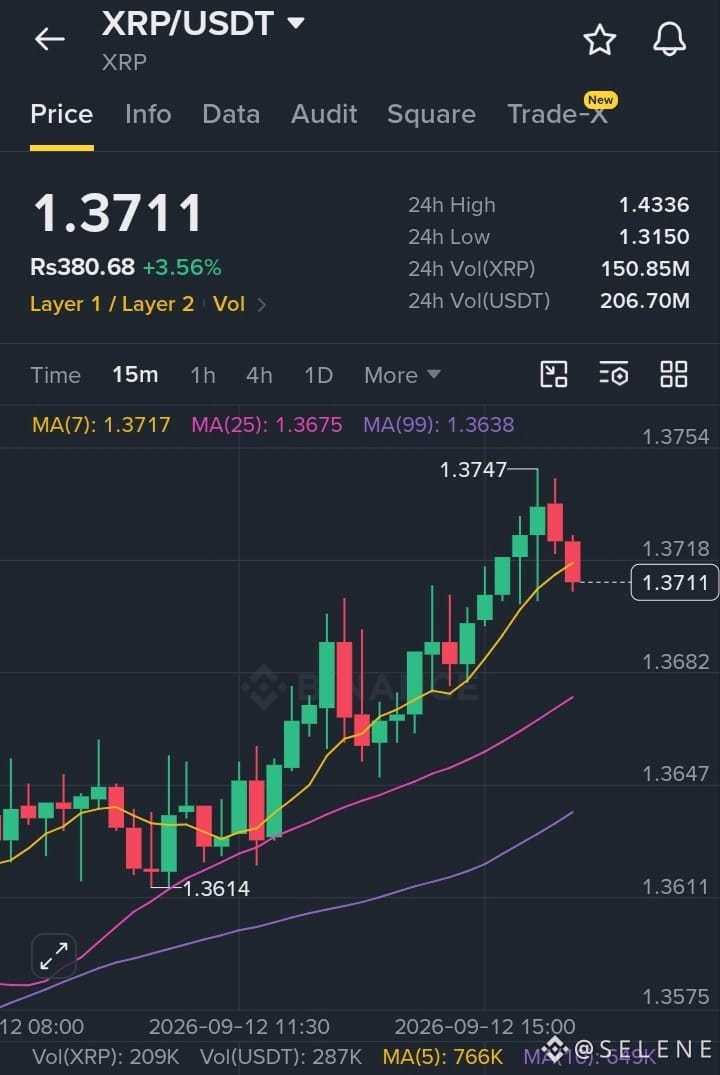
$XRP
{spot}(XRPUSDT)
Maintaining a strong bullish trajectory above its key moving averages, consolidating near resistance for a potential upward breakout.
Entry: 1.3680 – 1.3715
TP1: 1.3750
TP2: 1.3950
TP3: 1.4300
Stop Loss: 1.3600
#xrp
$XRP
Maintaining a strong bullish trajectory above its key moving averages, consolidating near resistance for a potential upward breakout.
Entry: 1.3680 – 1.3715
TP1: 1.3750
TP2: 1.3950
TP3: 1.4300
Stop Loss: 1.3600
#xrp
Maintaining a strong bullish trajectory above its key moving averages, consolidating near resistance for a potential upward breakout.
Entry: 1.3680 – 1.3715
TP1: 1.3750
TP2: 1.3950
TP3: 1.4300
Stop Loss: 1.3600
#xrp
1
100
·
--
See translation
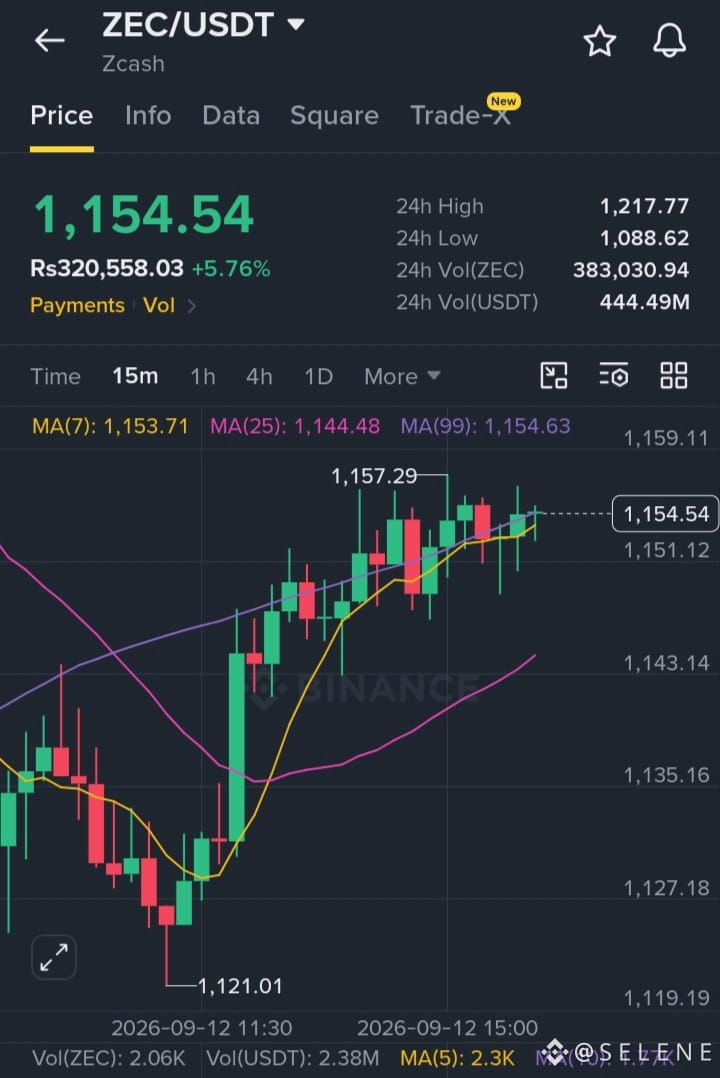
$ZEC
{spot}(ZECUSDT)
has reclaimed its key moving averages and is building strong momentum along a steady upward curve. Higher lows on the short-term timeframe indicate potential continuation toward local highs.
Entry: 1,150.00 – 1,155.00
TP1: 1,170.00
TP2: 1,195.00
TP3: 1,215.00
Stop Loss: 1,138.00
#zec
$ZEC
has reclaimed its key moving averages and is building strong momentum along a steady upward curve. Higher lows on the short-term timeframe indicate potential continuation toward local highs.
Entry: 1,150.00 – 1,155.00
TP1: 1,170.00
TP2: 1,195.00
TP3: 1,215.00
Stop Loss: 1,138.00
#zec
has reclaimed its key moving averages and is building strong momentum along a steady upward curve. Higher lows on the short-term timeframe indicate potential continuation toward local highs.
Entry: 1,150.00 – 1,155.00
TP1: 1,170.00
TP2: 1,195.00
TP3: 1,215.00
Stop Loss: 1,138.00
#zec
2
126
·
--
See translation
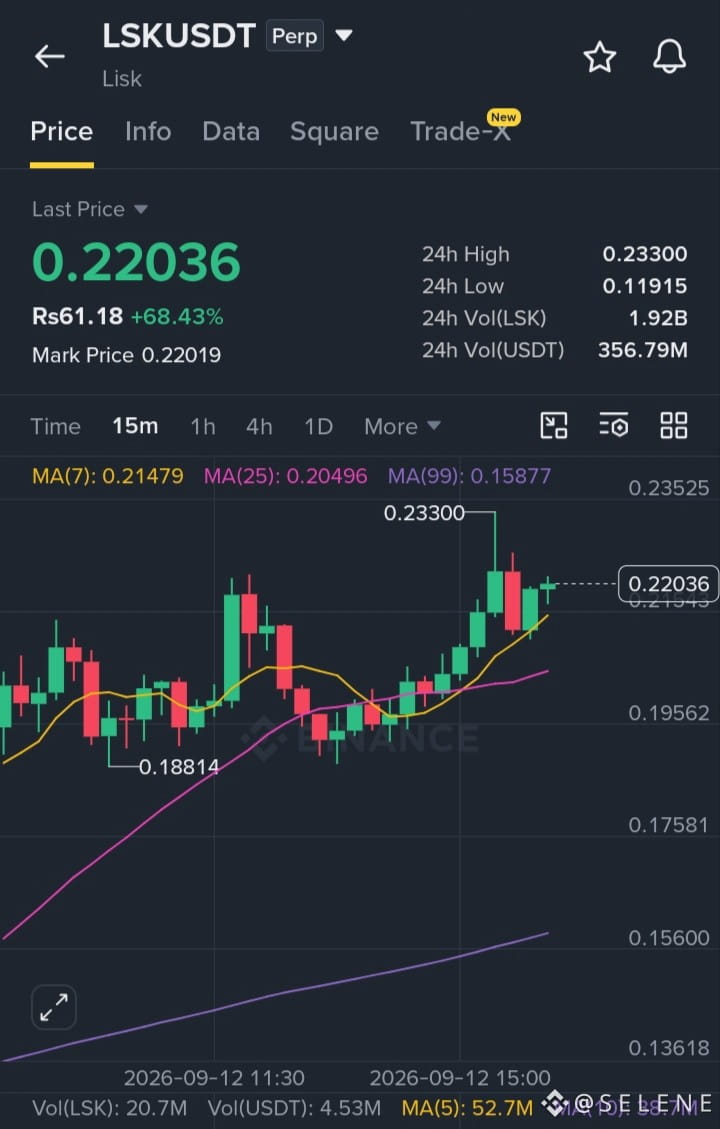
$LSK
{spot}(LSKUSDT)
strong bullish momentum up +68%, holding well above its short-term moving averages.
Consolidation around current levels offers a solid long setup targeting a retest of the 0.23300 peak.
Entry: 0.21800 – 0.22050
TP1: 0.22800
TP2: 0.23300
TP3: 0.24500
Stop Loss: 0.20400
#LSK
$LSK
strong bullish momentum up +68%, holding well above its short-term moving averages.
Consolidation around current levels offers a solid long setup targeting a retest of the 0.23300 peak.
Entry: 0.21800 – 0.22050
TP1: 0.22800
TP2: 0.23300
TP3: 0.24500
Stop Loss: 0.20400
#LSK
strong bullish momentum up +68%, holding well above its short-term moving averages.
Consolidation around current levels offers a solid long setup targeting a retest of the 0.23300 peak.
Entry: 0.21800 – 0.22050
TP1: 0.22800
TP2: 0.23300
TP3: 0.24500
Stop Loss: 0.20400
#LSK
3
173
·
--
See translation
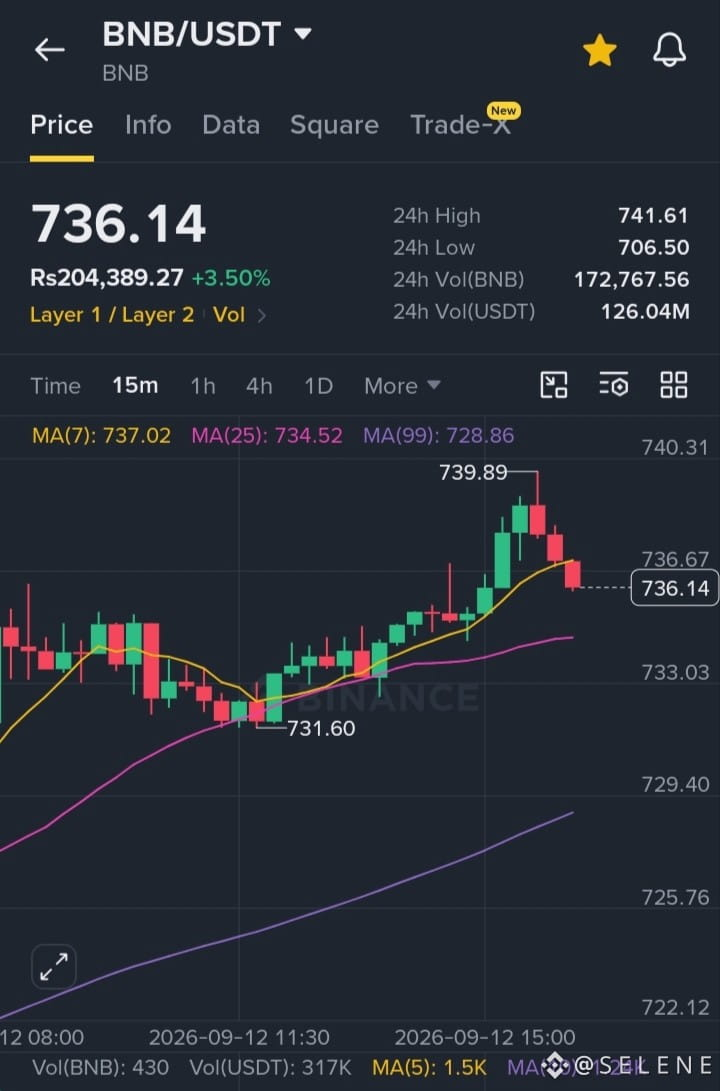
$BNB
{spot}(BNBUSDT)
maintaining strong upward momentum, holding well above the MA(25) support line after a brief pullback from 739.89.
Consolidation near current levels presents a solid long setup targeting a retest of the 24-hour high at 741.61.
Entry: 734.00 – 736.50
TP1: 739.80
TP2: 741.60
TP3: 748.00
Stop Loss: 731.00
#bnb
$BNB
maintaining strong upward momentum, holding well above the MA(25) support line after a brief pullback from 739.89.
Consolidation near current levels presents a solid long setup targeting a retest of the 24-hour high at 741.61.
Entry: 734.00 – 736.50
TP1: 739.80
TP2: 741.60
TP3: 748.00
Stop Loss: 731.00
#bnb
maintaining strong upward momentum, holding well above the MA(25) support line after a brief pullback from 739.89.
Consolidation near current levels presents a solid long setup targeting a retest of the 24-hour high at 741.61.
Entry: 734.00 – 736.50
TP1: 739.80
TP2: 741.60
TP3: 748.00
Stop Loss: 731.00
#bnb
2
110
·
--
See translation
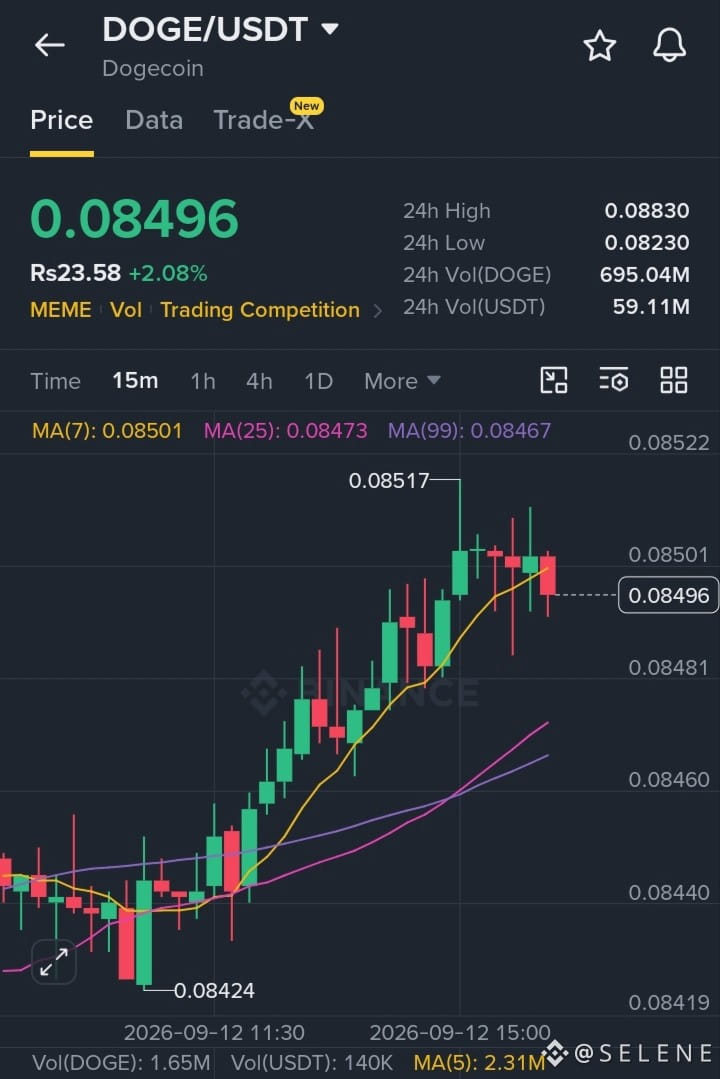
$DOGE
{spot}(DOGEUSDT)
maintaining a steady upward recovery holding firm above its key moving average support around 0.08470.
A clean move above immediate resistance at 0.08517 opens up further momentum toward higher intraday targets.
Entry: 0.08450 – 0.08495
TP1: 0.08520
TP2: 0.08650
TP3: 0.08830
Stop Loss: 0.08410
#DOGE
$DOGE
maintaining a steady upward recovery holding firm above its key moving average support around 0.08470.
A clean move above immediate resistance at 0.08517 opens up further momentum toward higher intraday targets.
Entry: 0.08450 – 0.08495
TP1: 0.08520
TP2: 0.08650
TP3: 0.08830
Stop Loss: 0.08410
#DOGE
maintaining a steady upward recovery holding firm above its key moving average support around 0.08470.
A clean move above immediate resistance at 0.08517 opens up further momentum toward higher intraday targets.
Entry: 0.08450 – 0.08495
TP1: 0.08520
TP2: 0.08650
TP3: 0.08830
Stop Loss: 0.08410
#DOGE
2
208
·
--
See translation
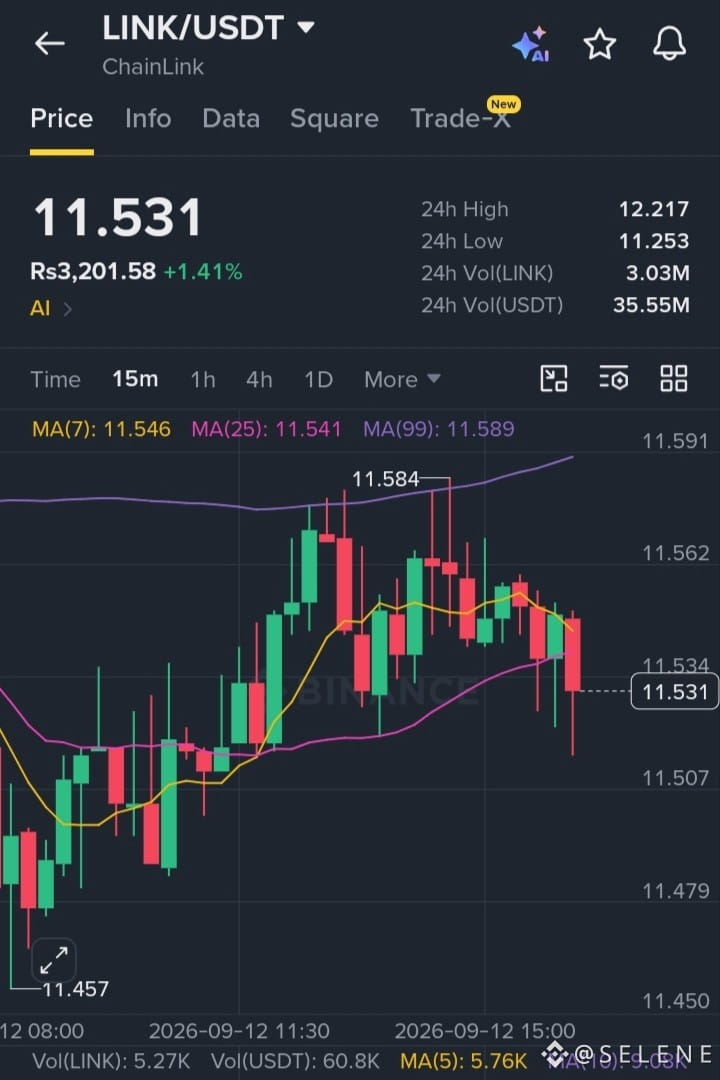
$LINK
{spot}(LINKUSDT)
Holding support near 11.50 and preparing for a potential short-term bullish move.
Watch for a clean bounce off the current levels to target key resistance levels above.
Entry: 11.500 – 11.530
Tp1: 11.580
Tp2: 11.750
Tp3: 12.000
Stop loss: 11.440
#LINK
$LINK
Holding support near 11.50 and preparing for a potential short-term bullish move.
Watch for a clean bounce off the current levels to target key resistance levels above.
Entry: 11.500 – 11.530
Tp1: 11.580
Tp2: 11.750
Tp3: 12.000
Stop loss: 11.440
#LINK
Holding support near 11.50 and preparing for a potential short-term bullish move.
Watch for a clean bounce off the current levels to target key resistance levels above.
Entry: 11.500 – 11.530
Tp1: 11.580
Tp2: 11.750
Tp3: 12.000
Stop loss: 11.440
#LINK
1
144
·
--
See translation
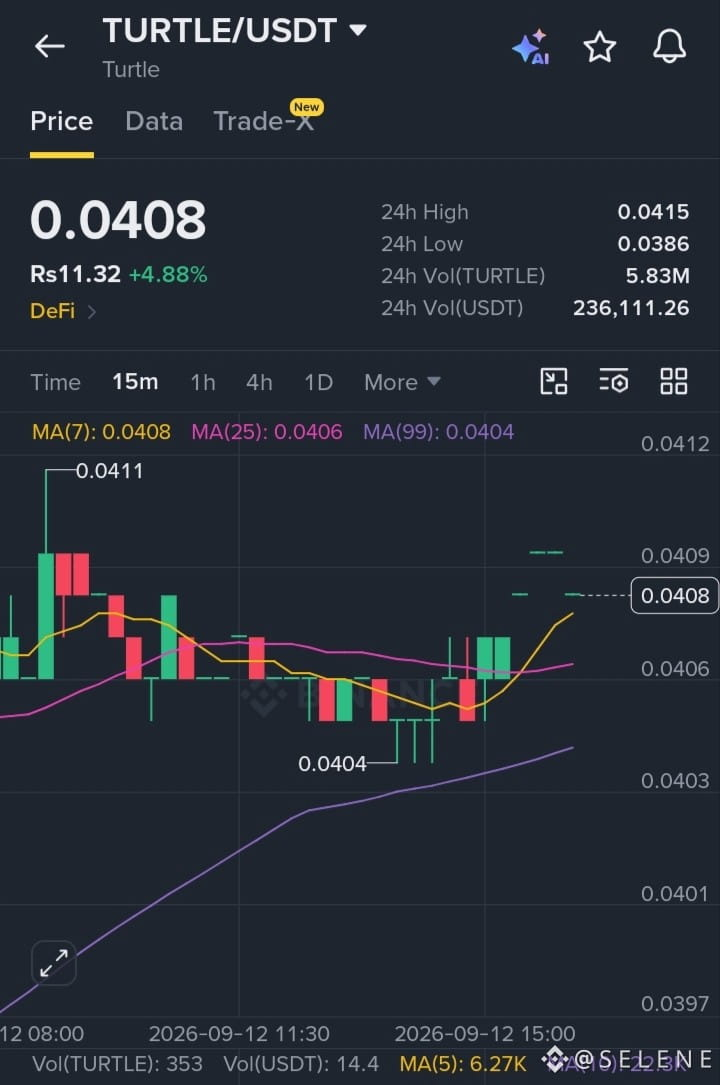
$TURTLE
{spot}(TURTLEUSDT)
building bullish momentum holding key support around 0.0404.
A sustained push above current levels opens the door for a retest of the recent 24h high.
Entry: 0.0405 – 0.0408
Tp1: 0.0411
Tp2: 0.0415
Tp3: 0.0425
Stop loss: 0.0398
#TURTLE
$TURTLE
building bullish momentum holding key support around 0.0404.
A sustained push above current levels opens the door for a retest of the recent 24h high.
Entry: 0.0405 – 0.0408
Tp1: 0.0411
Tp2: 0.0415
Tp3: 0.0425
Stop loss: 0.0398
#TURTLE
building bullish momentum holding key support around 0.0404.
A sustained push above current levels opens the door for a retest of the recent 24h high.
Entry: 0.0405 – 0.0408
Tp1: 0.0411
Tp2: 0.0415
Tp3: 0.0425
Stop loss: 0.0398
#TURTLE
1
169
·
--
See translation
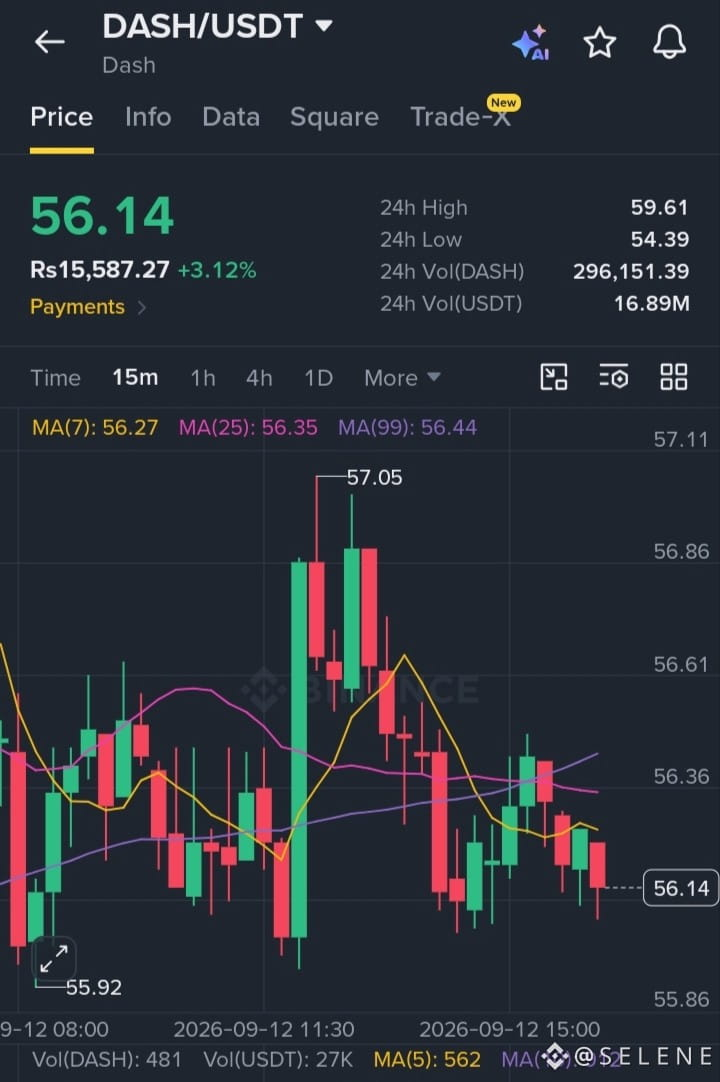
$DASH
{spot}(DASHUSDT)
pulling back toward local support near 55.90 after experiencing a rejection from 57.05.
A successful defense of this support zone opens up a potential short-term bounce back toward higher moving averages.
Entry: 55.90 – 56.15
Tp1: 56.50
Tp2: 57.00
Tp3: 57.80
Stop loss: 55.40
#DASH
$DASH
pulling back toward local support near 55.90 after experiencing a rejection from 57.05.
A successful defense of this support zone opens up a potential short-term bounce back toward higher moving averages.
Entry: 55.90 – 56.15
Tp1: 56.50
Tp2: 57.00
Tp3: 57.80
Stop loss: 55.40
#DASH
pulling back toward local support near 55.90 after experiencing a rejection from 57.05.
A successful defense of this support zone opens up a potential short-term bounce back toward higher moving averages.
Entry: 55.90 – 56.15
Tp1: 56.50
Tp2: 57.00
Tp3: 57.80
Stop loss: 55.40
#DASH
2
479
·
--
See translation
🚨 REMINDER: U.S. CPI DATA DROPS TODAY AT 8:30 AM ET!
Previous: 3.4% - Forecast: 3.4%
IF CPI INFLATION > 3.4% → MARKETS CRASH HARD
IF CPI INFLATION < 3.4% → MARKETS RALLY HARD
IF CPI INFLATION = 3.4% → EXPECT A MIXED REACTION
#CPIWatch
🚨 REMINDER: U.S. CPI DATA DROPS TODAY AT 8:30 AM ET!
Previous: 3.4% - Forecast: 3.4%
IF CPI INFLATION > 3.4% → MARKETS CRASH HARD
IF CPI INFLATION < 3.4% → MARKETS RALLY HARD
IF CPI INFLATION = 3.4% → EXPECT A MIXED REACTION
#CPIWatch
Previous: 3.4% - Forecast: 3.4%
IF CPI INFLATION > 3.4% → MARKETS CRASH HARD
IF CPI INFLATION < 3.4% → MARKETS RALLY HARD
IF CPI INFLATION = 3.4% → EXPECT A MIXED REACTION
#CPIWatch

1
193
·
--
See translation
🔥 CPI Is Out — Now Crypto Has to Prove Its Strength
U.S. August CPI landed around expectations, but inflation is still running above the Fed’s 2% target.
For crypto, the interesting part isn’t just the CPI number. It’s what traders do next.
If Treasury yields stay elevated and rate-cut hopes weaken, BTC and altcoins could face another volatility test. But if markets decide the inflation data isn’t bad enough to change the bigger picture, risk assets could recover quickly.
I’m watching BTC’s reaction more closely than the headline itself.
Sometimes the first move after macro data isn’t the real move. 👀
CPI → Yields → Fed expectations → Crypto
#CPIWatch
🔥 CPI Is Out — Now Crypto Has to Prove Its Strength
U.S. August CPI landed around expectations, but inflation is still running above the Fed’s 2% target.
For crypto, the interesting part isn’t just the CPI number. It’s what traders do next.
If Treasury yields stay elevated and rate-cut hopes weaken, BTC and altcoins could face another volatility test. But if markets decide the inflation data isn’t bad enough to change the bigger picture, risk assets could recover quickly.
I’m watching BTC’s reaction more closely than the headline itself.
Sometimes the first move after macro data isn’t the real move. 👀
CPI → Yields → Fed expectations → Crypto
#CPIWatch
U.S. August CPI landed around expectations, but inflation is still running above the Fed’s 2% target.
For crypto, the interesting part isn’t just the CPI number. It’s what traders do next.
If Treasury yields stay elevated and rate-cut hopes weaken, BTC and altcoins could face another volatility test. But if markets decide the inflation data isn’t bad enough to change the bigger picture, risk assets could recover quickly.
I’m watching BTC’s reaction more closely than the headline itself.
Sometimes the first move after macro data isn’t the real move. 👀
CPI → Yields → Fed expectations → Crypto
#CPIWatch

2
183
·
--
See translation
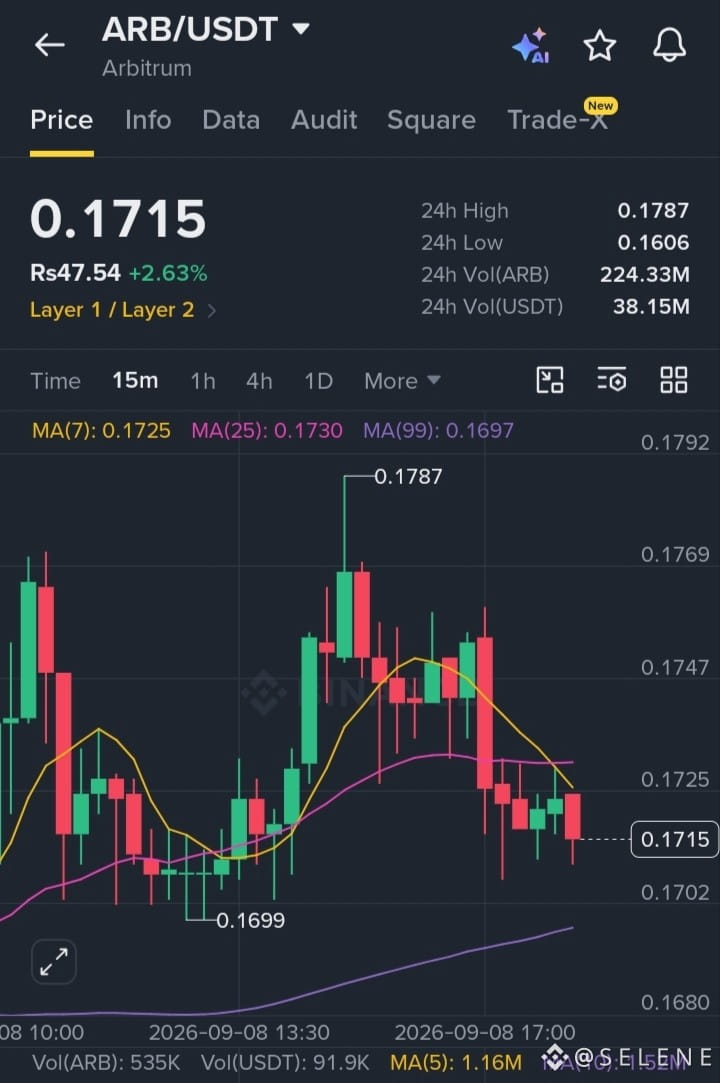
$ARB
{spot}(ARBUSDT)
holding steady around key support near $0.1700 following its pullback from $0.1787.
A bounce back toward local resistance levels remains favorable if buyers defend this range.
Entry: 0.1700 – 0.1715
TP1: 0.1745
TP2: 0.1785
TP3: 0.1820
Stop Loss: 0.1680
#ARB
$ARB
holding steady around key support near $0.1700 following its pullback from $0.1787.
A bounce back toward local resistance levels remains favorable if buyers defend this range.
Entry: 0.1700 – 0.1715
TP1: 0.1745
TP2: 0.1785
TP3: 0.1820
Stop Loss: 0.1680
#ARB
holding steady around key support near $0.1700 following its pullback from $0.1787.
A bounce back toward local resistance levels remains favorable if buyers defend this range.
Entry: 0.1700 – 0.1715
TP1: 0.1745
TP2: 0.1785
TP3: 0.1820
Stop Loss: 0.1680
#ARB
1
188
·
--
See translation
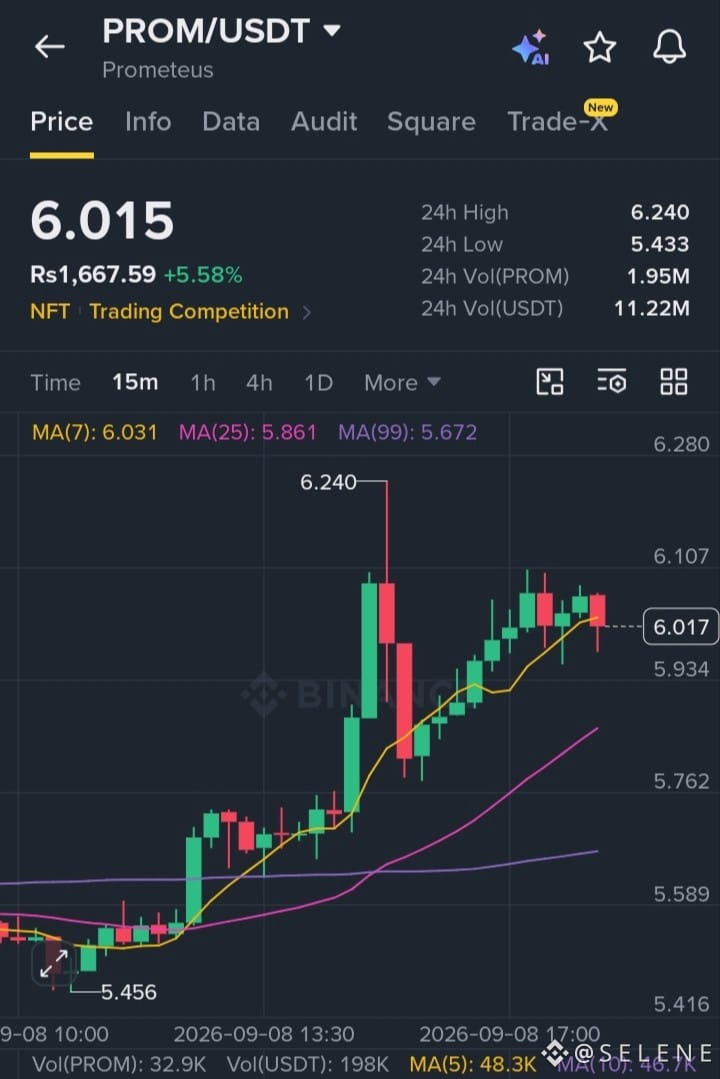
$PROM
{spot}(PROMUSDT)
displaying steady bullish momentum after breaking out to $6.240 and consolidating above $6.00.
A sustained hold above the MA(25) support near $5.86 opens the path for another upward leg.
Entry: 5.950 – 6.015
TP1: 6.120
TP2: 6.240
TP3: 6.400
Stop Loss: 5.820
#prom
$PROM
displaying steady bullish momentum after breaking out to $6.240 and consolidating above $6.00.
A sustained hold above the MA(25) support near $5.86 opens the path for another upward leg.
Entry: 5.950 – 6.015
TP1: 6.120
TP2: 6.240
TP3: 6.400
Stop Loss: 5.820
#prom
displaying steady bullish momentum after breaking out to $6.240 and consolidating above $6.00.
A sustained hold above the MA(25) support near $5.86 opens the path for another upward leg.
Entry: 5.950 – 6.015
TP1: 6.120
TP2: 6.240
TP3: 6.400
Stop Loss: 5.820
#prom
3
219
·
--
See translation
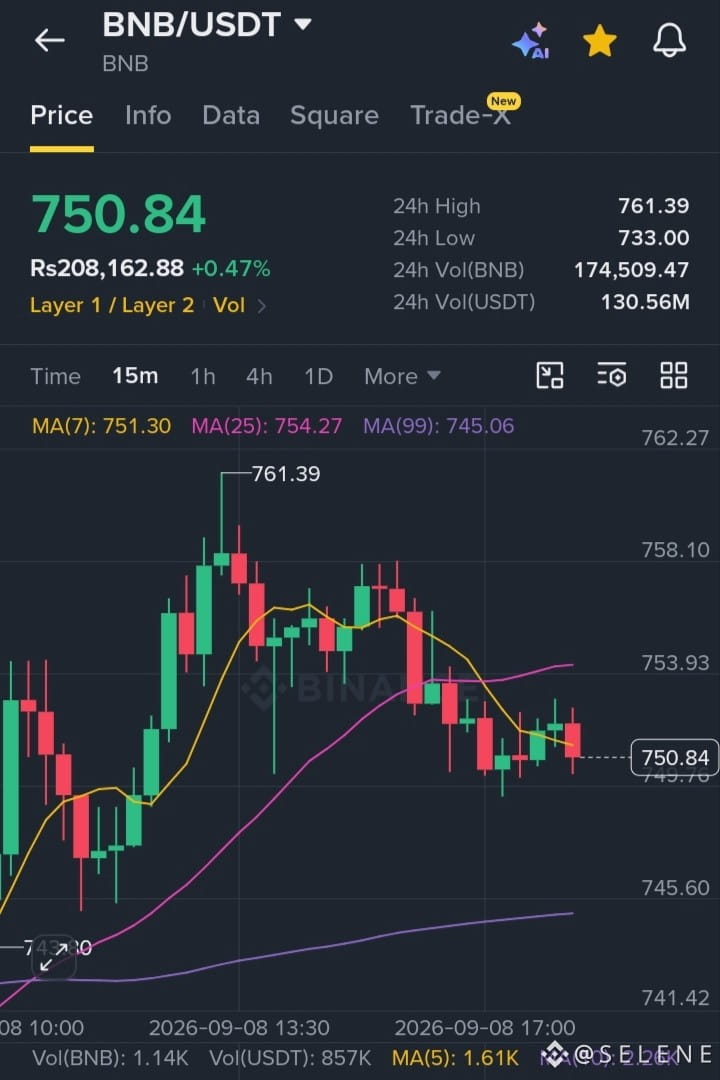
$BNB
{spot}(BNBUSDT)
consolidating around $750 after pulling back from its recent high of $761.39.
Holding solid support above the MA(99) level near $745 keeps the potential open for a rebound toward higher levels.
Entry: 748.00 – 751.50
TP1: 756.00
TP2: 761.00
TP3: 768.00
Stop Loss: 743.50
#bnb
$BNB
consolidating around $750 after pulling back from its recent high of $761.39.
Holding solid support above the MA(99) level near $745 keeps the potential open for a rebound toward higher levels.
Entry: 748.00 – 751.50
TP1: 756.00
TP2: 761.00
TP3: 768.00
Stop Loss: 743.50
#bnb
consolidating around $750 after pulling back from its recent high of $761.39.
Holding solid support above the MA(99) level near $745 keeps the potential open for a rebound toward higher levels.
Entry: 748.00 – 751.50
TP1: 756.00
TP2: 761.00
TP3: 768.00
Stop Loss: 743.50
#bnb
2
118
·
--
See translation
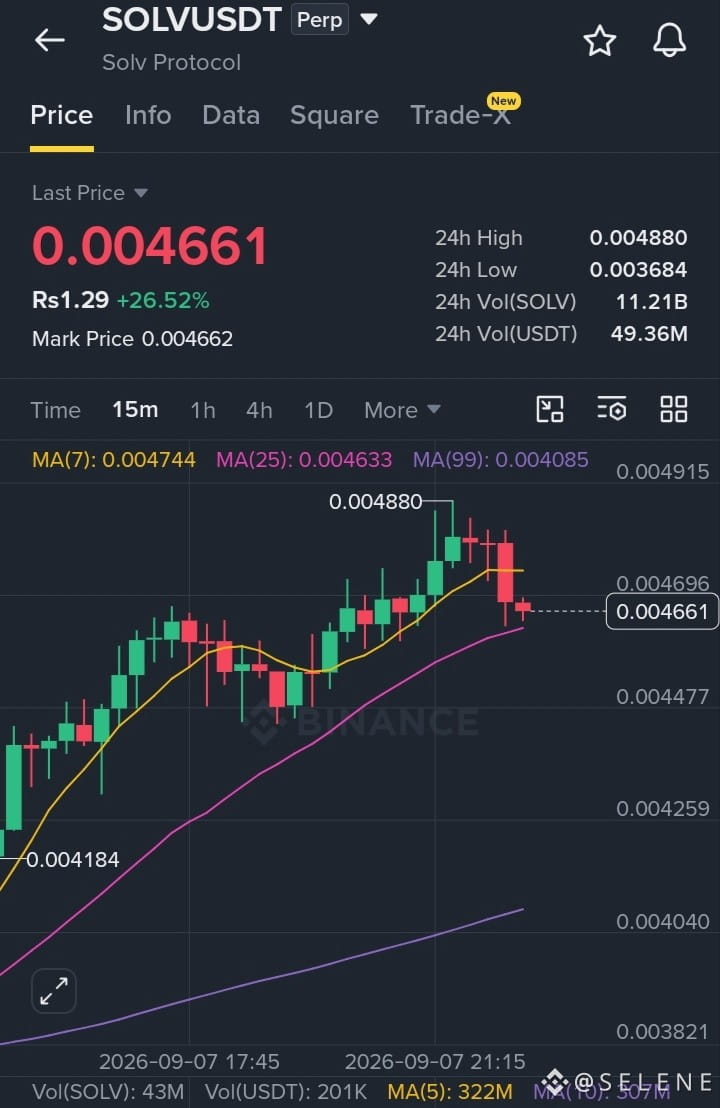
$SOLV
{spot}(SOLVUSDT)
maintaining strong bullish momentum after a +26% push, currently holding above key moving average support around $0.00463.
Entry: 0.004630 – 0.004660
TP1: 0.004750
TP2: 0.004880
TP3: 0.005050
Stop Loss: 0.004450
#solv
$SOLV
maintaining strong bullish momentum after a +26% push, currently holding above key moving average support around $0.00463.
Entry: 0.004630 – 0.004660
TP1: 0.004750
TP2: 0.004880
TP3: 0.005050
Stop Loss: 0.004450
#solv
maintaining strong bullish momentum after a +26% push, currently holding above key moving average support around $0.00463.
Entry: 0.004630 – 0.004660
TP1: 0.004750
TP2: 0.004880
TP3: 0.005050
Stop Loss: 0.004450
#solv
1
137
·
--
See translation
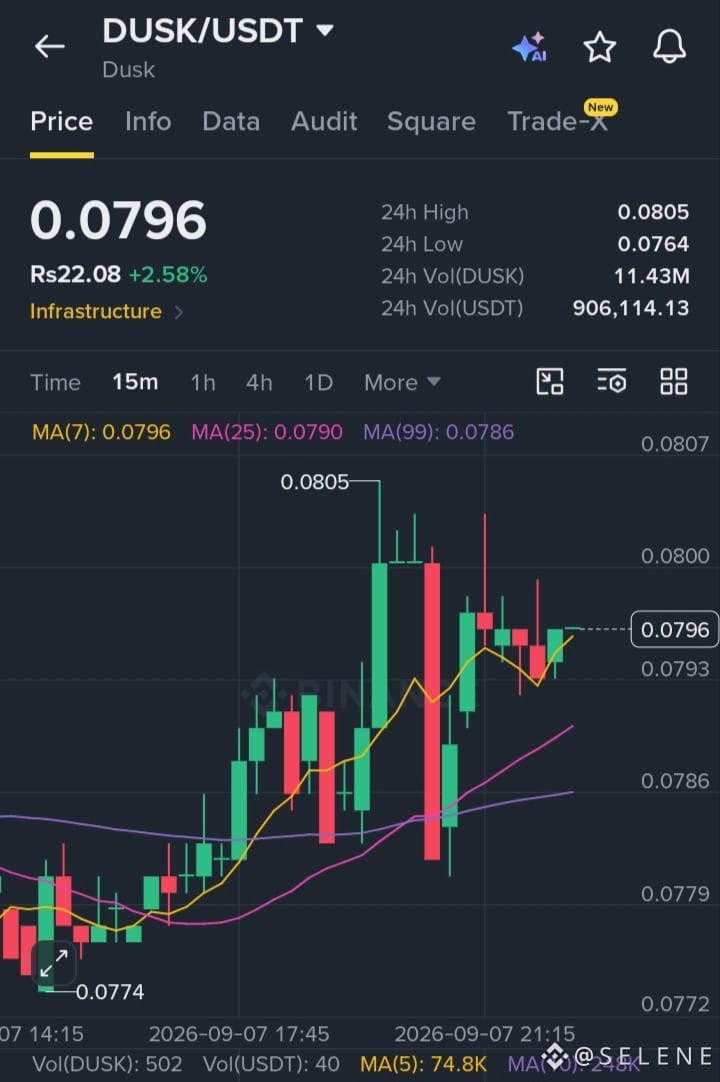
$DUSK
{spot}(DUSKUSDT)
holding firm above the 7MA and 25MA support cluster around $0.0790, signaling steady bullish momentum.
Entry: 0.0790 – 0.0796
TP1: 0.0805
TP2: 0.0820
TP3: 0.0845
Stop Loss: 0.0778
#dusk
$DUSK
holding firm above the 7MA and 25MA support cluster around $0.0790, signaling steady bullish momentum.
Entry: 0.0790 – 0.0796
TP1: 0.0805
TP2: 0.0820
TP3: 0.0845
Stop Loss: 0.0778
#dusk
holding firm above the 7MA and 25MA support cluster around $0.0790, signaling steady bullish momentum.
Entry: 0.0790 – 0.0796
TP1: 0.0805
TP2: 0.0820
TP3: 0.0845
Stop Loss: 0.0778
#dusk
3
229
·
--
See translation
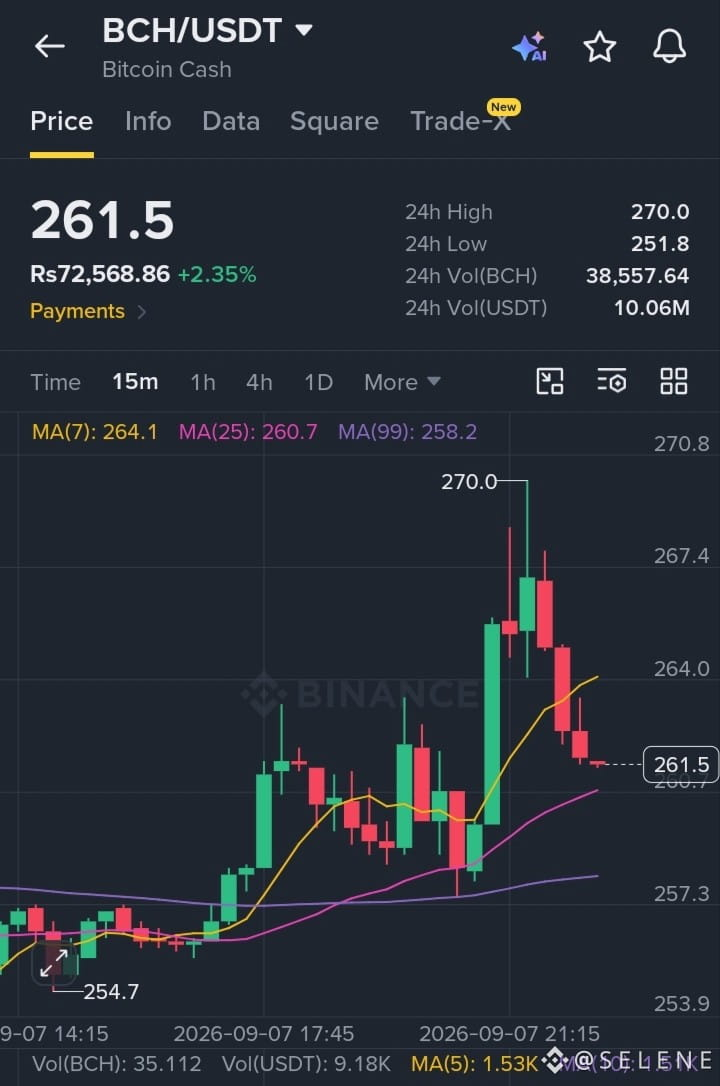
$BCH
{spot}(BCHUSDT)
stabilizing around the 25MA support near $260.7 after pulling back from its recent high of $270.0.
Entry: 260.0 – 261.5
TP1: 265.0
TP2: 270.0
TP3: 276.0
Stop Loss: 256.5
#BitcoinCash
#BCH
$BCH
stabilizing around the 25MA support near $260.7 after pulling back from its recent high of $270.0.
Entry: 260.0 – 261.5
TP1: 265.0
TP2: 270.0
TP3: 276.0
Stop Loss: 256.5
#BitcoinCash
#BCH
stabilizing around the 25MA support near $260.7 after pulling back from its recent high of $270.0.
Entry: 260.0 – 261.5
TP1: 265.0
TP2: 270.0
TP3: 276.0
Stop Loss: 256.5
#BitcoinCash
#BCH
1
153
Log in to explore more content
Join global crypto users on Binance Square
⚡️ Get latest and useful information about crypto.
💬 Trusted by the world’s largest crypto exchange.
👍 Discover real insights from verified creators.
Email / Phone number
Trending Topics
FedRateWatch
1.5M views
6,795 Discussing
Share & Win Traffic Reward in our Trending Hashtag Campaign
✨Topic: FOMC September, What's The Fed's Next Move?
👉How to Join:
Publish a short post or article with hashtag #FedRateWatch
Create content based on the below angles:
- August core CPI rose 0.3% month-over-month, and the odds of a 25bp hike this week are now close to 90%. Do you anticipate a rate hike this week? Is it a one-off, or the start of a longer hiking cycle?
- If the hike lands, how does it play out for BTC, tech stocks, and gold? Bullish or bearish?
- How are you planning to trade next? Share your BTC, stocks or gold trade/holdings with our trade sharing widget.
⏰Campaign Period:
- 2026-09-15 11:00 - 2026-09-17 3:00 UTC
🎁Reward:
- Qualified posts that comply with the above guidelines and contain more than 100 words will be reviewed and may receive a random traffic boost of 500 to 3,000 views. You will receive a notification from your feed secretary if your post is selected.
- Get a chance to have your article featured on Binance Square Official
Need ideas for your post? Visit the topic page #FedRateWatch or the Square Guide on How to Post for Better Reach.
Binance Square Official
·650 Likes
·1.7M views
ZcashRises6%
56,474 views
677 Discussing
XRPSinks10%
37,711 views
441 Discussing