
BolsaDeValoresCrypto
2k Posts

BolsaDeValoresCrypto
Report
Block User
🏦 Gestión de Capital y Disciplina de Mercado. 📈 Mentoría en Acción del Precio y Velas Japonesas.🚀 Te ayudo a operar con estrategia, no con emociones.
Frequent Trader
1.3 Years
0 Following
1.0K+ Followers
4.2K+ Liked
Posts
All
Quotes
Videos
PINNED
Article
📌 WELCOME TO THE CRYPTO STOCK EXCHANGE 🏛️📈Our mission is clear: to transform the complexity of the market into smart and profitable decisions. We do not operate with emotions, we operate with strategy.
What do we offer?
📊 Technical Analysis: Real projections of $BTC, $SOL, and Altcoins.
🎓 Education: Mentorships in Price Action and Japanese Candles.
⚖️ Risk Management: Institutional discipline to protect your capital.
🎙️ Crypto News: What really moves the market, without noise.
👇 Join the new era of professional trading! > Follow us and turn on notifications 🔔
📌 WELCOME TO THE CRYPTO STOCK EXCHANGE 🏛️📈
Our mission is clear: to transform the complexity of the market into smart and profitable decisions. We do not operate with emotions, we operate with strategy.
What do we offer?
📊 Technical Analysis: Real projections of $BTC, $SOL, and Altcoins.
🎓 Education: Mentorships in Price Action and Japanese Candles.
⚖️ Risk Management: Institutional discipline to protect your capital.
🎙️ Crypto News: What really moves the market, without noise.
👇 Join the new era of professional trading! > Follow us and turn on notifications 🔔
What do we offer?
📊 Technical Analysis: Real projections of $BTC, $SOL, and Altcoins.
🎓 Education: Mentorships in Price Action and Japanese Candles.
⚖️ Risk Management: Institutional discipline to protect your capital.
🎙️ Crypto News: What really moves the market, without noise.
👇 Join the new era of professional trading! > Follow us and turn on notifications 🔔
1
4
128
I told them first thing in the morning: the one who chose to enter already charged, with good interest $BTC
{spot}(BTCUSDT)
I told them first thing in the morning: the one who chose to enter already charged, with good interest $BTC
3
1.6k
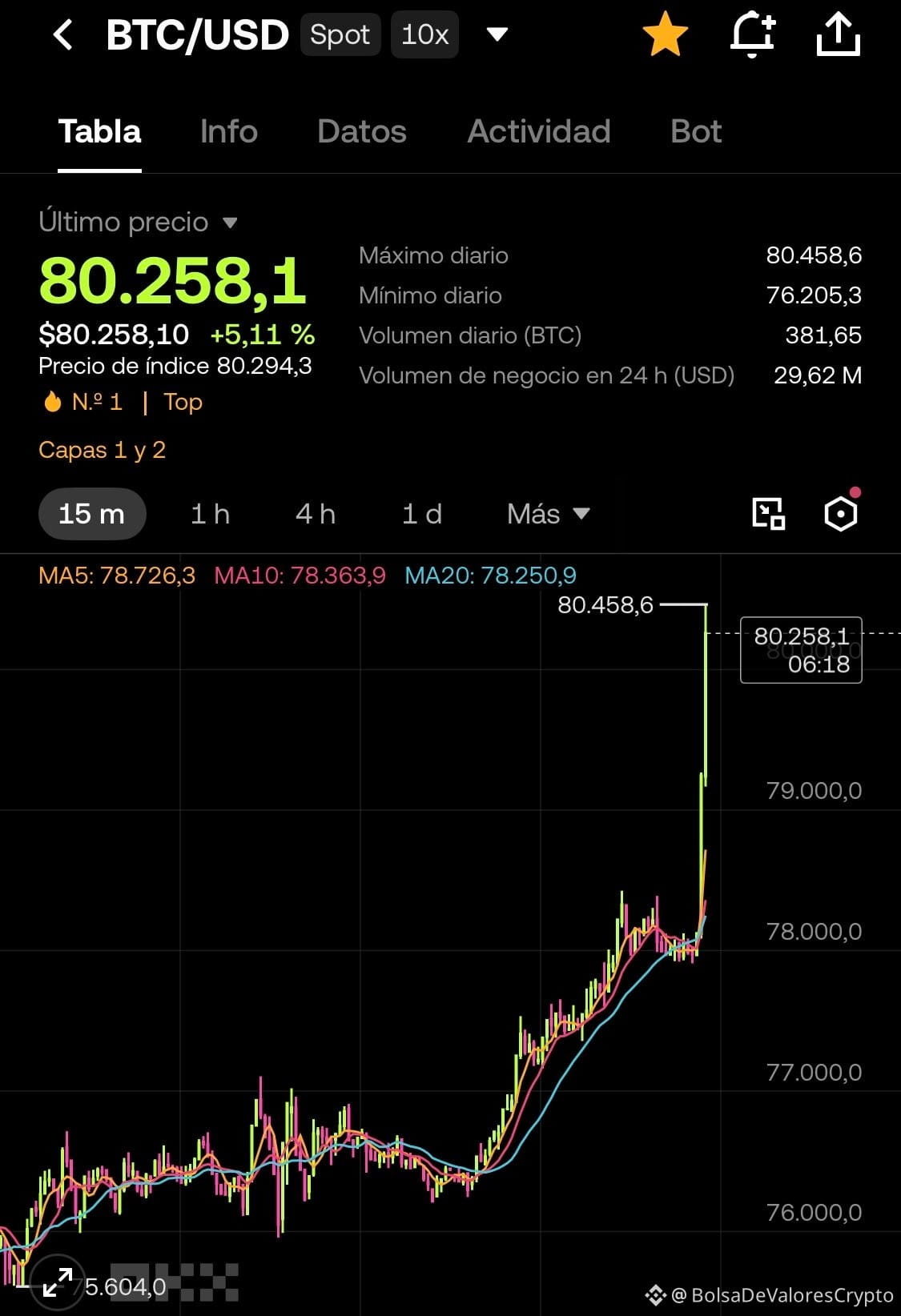
$Bitcoin back on track to reach 80k 👀‼️
They’re doing a good cleanup of shorts 🧼
We’ll see if the rally is sustainable ✍️
$Bitcoin back on track to reach 80k 👀‼️
They’re doing a good cleanup of shorts 🧼
We’ll see if the rally is sustainable ✍️
They’re doing a good cleanup of shorts 🧼
We’ll see if the rally is sustainable ✍️
1
99
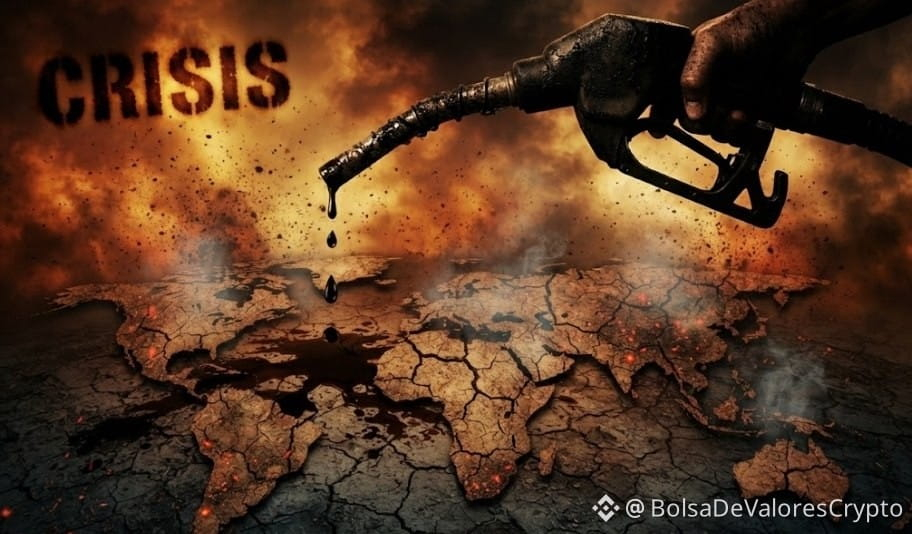
Executives from the largest oil companies in the US say that the global fuel crisis they had been warning about for months has finally arrived, amid the prolonged closure of the Strait of Hormuz, the depletion of reserves, and new attacks on energy infrastructure in the Middle East.
The physical shortage of crude oil and refined products directly affects production and transportation costs worldwide, fueling inflationary pressures and raising the specter of a widespread economic slowdown.
The shortage of petroleum derivatives and the rise in fertilizer prices particularly threaten economies of the Global South, which depend on diesel for transportation and agricultural production. Brazil, for example, imports around 25% of the fuel it consumes, while experts warn that higher energy and agricultural costs could deepen global food security problems in 2027. $CL
{future}(CLUSDT)
Executives from the largest oil companies in the US say that the global fuel crisis they had been warning about for months has finally arrived, amid the prolonged closure of the Strait of Hormuz, the depletion of reserves, and new attacks on energy infrastructure in the Middle East.
The physical shortage of crude oil and refined products directly affects production and transportation costs worldwide, fueling inflationary pressures and raising the specter of a widespread economic slowdown.
The shortage of petroleum derivatives and the rise in fertilizer prices particularly threaten economies of the Global South, which depend on diesel for transportation and agricultural production. Brazil, for example, imports around 25% of the fuel it consumes, while experts warn that higher energy and agricultural costs could deepen global food security problems in 2027. $CL
The physical shortage of crude oil and refined products directly affects production and transportation costs worldwide, fueling inflationary pressures and raising the specter of a widespread economic slowdown.
The shortage of petroleum derivatives and the rise in fertilizer prices particularly threaten economies of the Global South, which depend on diesel for transportation and agricultural production. Brazil, for example, imports around 25% of the fuel it consumes, while experts warn that higher energy and agricultural costs could deepen global food security problems in 2027. $CL
2
140
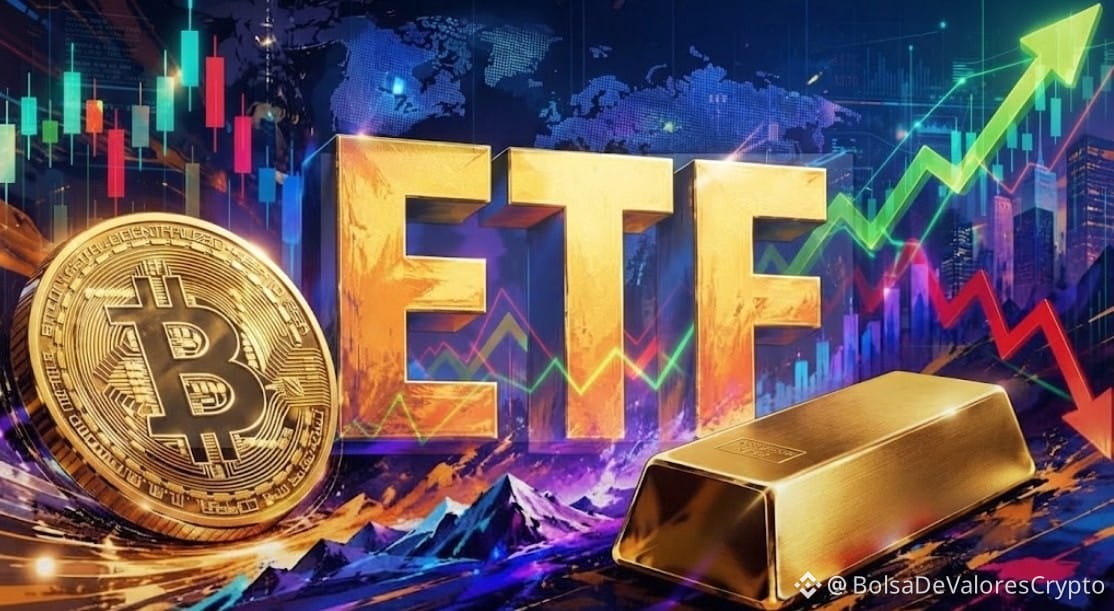
According to Bloomberg analyst Eric Balchunas, Bitcoin ETFs will eventually triple in size compared to gold ETFs, citing BTC’s younger investor base and increasing institutional use as it matures. BTC investors tend to be considerably younger than traditional gold buyers. This investor base views BTC as their preferred store of value, which ensures a steady long-term flow of capital.
If this forecast holds true in the medium to long term, assets under management for BTC ETFs could scale to figures close to US$1.8 trillion, far surpassing the current levels of their gold counterparts. This would directly impact BTC’s market capitalization and overall valuation within the global financial ecosystem.
According to Bloomberg analyst Eric Balchunas, Bitcoin ETFs will eventually triple in size compared to gold ETFs, citing BTC’s younger investor base and increasing institutional use as it matures. BTC investors tend to be considerably younger than traditional gold buyers. This investor base views BTC as their preferred store of value, which ensures a steady long-term flow of capital.
If this forecast holds true in the medium to long term, assets under management for BTC ETFs could scale to figures close to US$1.8 trillion, far surpassing the current levels of their gold counterparts. This would directly impact BTC’s market capitalization and overall valuation within the global financial ecosystem.
If this forecast holds true in the medium to long term, assets under management for BTC ETFs could scale to figures close to US$1.8 trillion, far surpassing the current levels of their gold counterparts. This would directly impact BTC’s market capitalization and overall valuation within the global financial ecosystem.
1
82
1
342
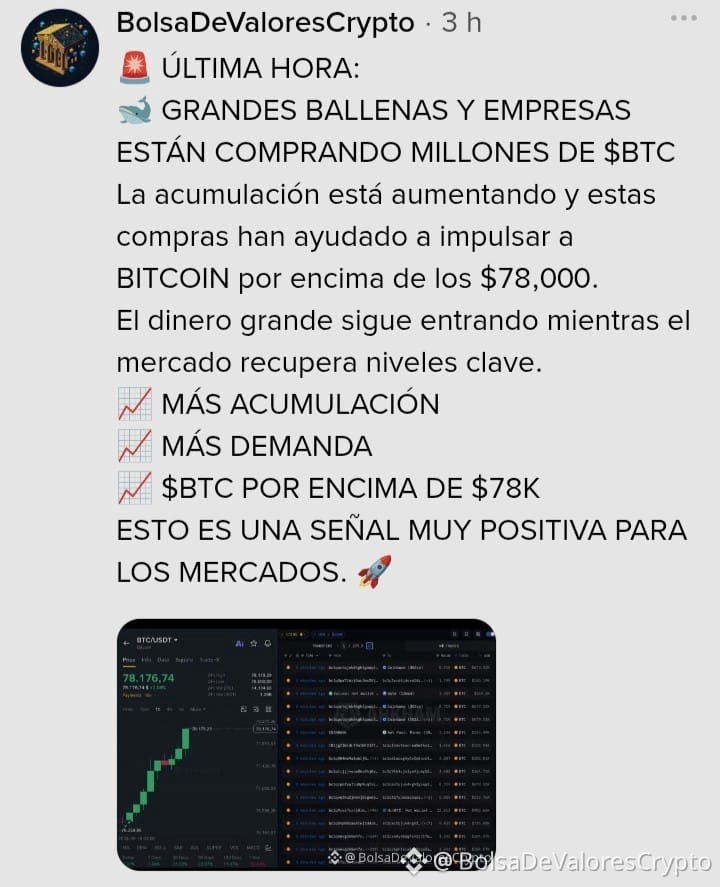
🚨 BREAKING NEWS:
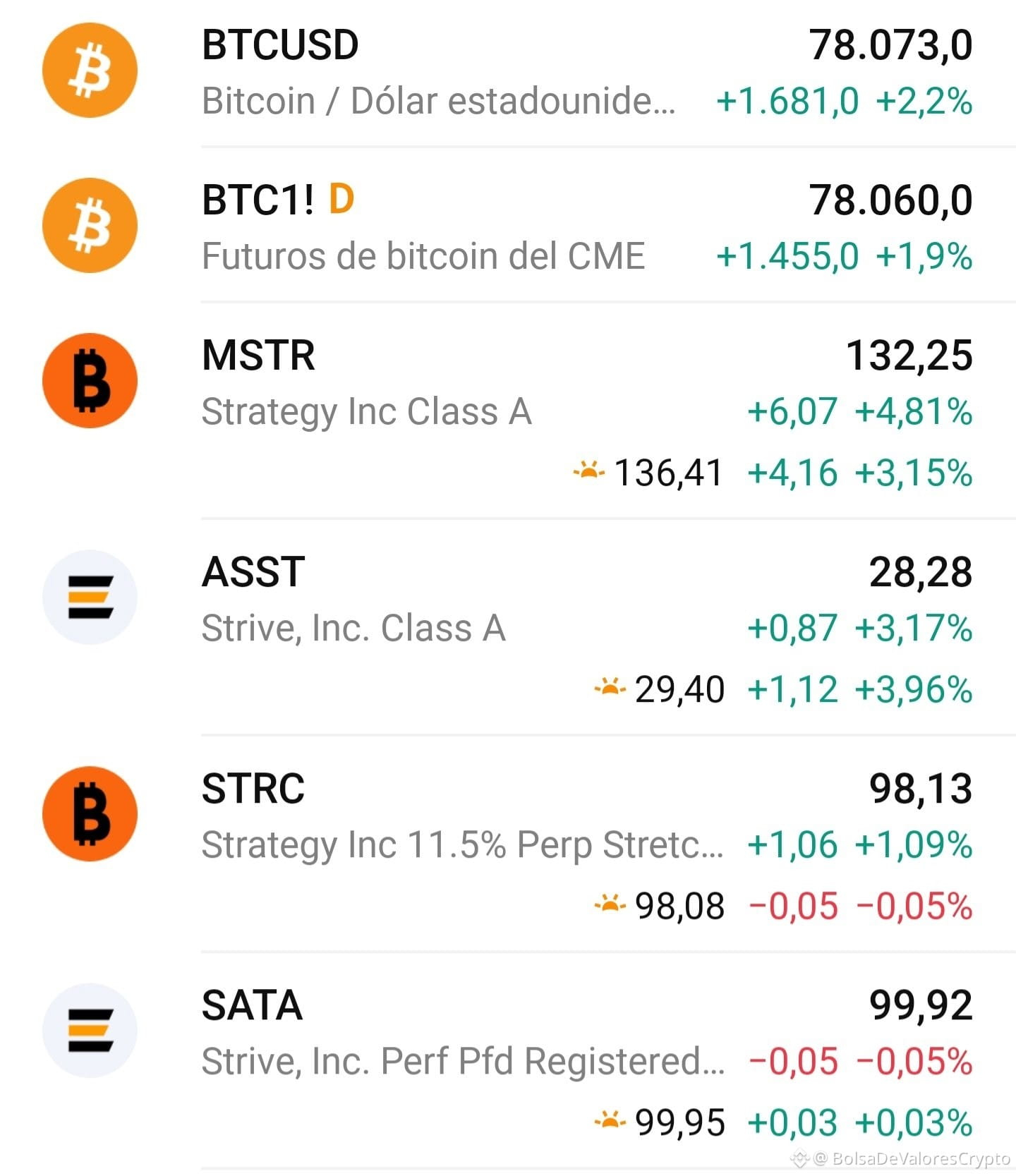
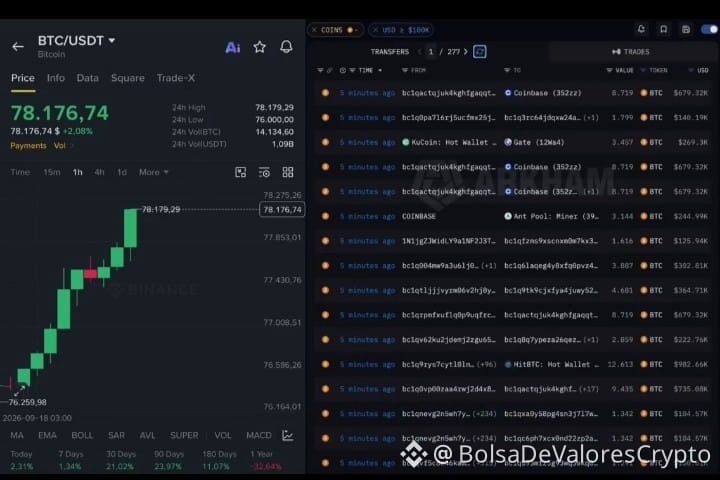
🐋 LARGE WHALES AND COMPANIES ARE BUYING MILLIONS OF $BTC
Accumulation is increasing and these buys have helped push BITCOIN above $78,000.
Big money is still flowing in as the market regains key levels.
📈 MORE ACCUMULATION
📈 MORE DEMAND
📈 $BTC ABOVE $78K
THIS IS A VERY POSITIVE SIGNAL FOR MARKETS. 🚀
🚨 BREAKING NEWS:
🐋 LARGE WHALES AND COMPANIES ARE BUYING MILLIONS OF $BTC
Accumulation is increasing and these buys have helped push BITCOIN above $78,000.
Big money is still flowing in as the market regains key levels.
📈 MORE ACCUMULATION
📈 MORE DEMAND
📈 $BTC ABOVE $78K
THIS IS A VERY POSITIVE SIGNAL FOR MARKETS. 🚀
🐋 LARGE WHALES AND COMPANIES ARE BUYING MILLIONS OF $BTC
Accumulation is increasing and these buys have helped push BITCOIN above $78,000.
Big money is still flowing in as the market regains key levels.
📈 MORE ACCUMULATION
📈 MORE DEMAND
📈 $BTC ABOVE $78K
THIS IS A VERY POSITIVE SIGNAL FOR MARKETS. 🚀
4
2
1.2k
Verified
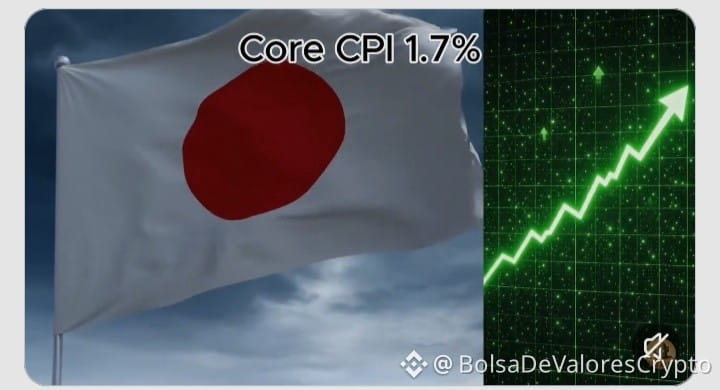
🚨 URGENT: JAPAN CPI ARRIVES COLD — 1.7% vs 1.8% EXPECTED
→ Japan Core CPI (August): 1.7%
Inflation cools more than expected, right beside
today’s BOJ decision.
This removes some urgency from future rate hikes. Less pressure on the yen means that cheap-funding carry trades remain intact for a little longer.
Bullish for markets.
Over a decade in these markets. This is what I do.
Follow me and enable notifications. $BTC
{spot}(BTCUSDT)
$ETH
{spot}(ETHUSDT)
🚨 URGENT: JAPAN CPI ARRIVES COLD — 1.7% vs 1.8% EXPECTED
→ Japan Core CPI (August): 1.7%
Inflation cools more than expected, right beside
today’s BOJ decision.
This removes some urgency from future rate hikes. Less pressure on the yen means that cheap-funding carry trades remain intact for a little longer.
Bullish for markets.
Over a decade in these markets. This is what I do.
Follow me and enable notifications. $BTC
$ETH
→ Japan Core CPI (August): 1.7%
Inflation cools more than expected, right beside
today’s BOJ decision.
This removes some urgency from future rate hikes. Less pressure on the yen means that cheap-funding carry trades remain intact for a little longer.
Bullish for markets.
Over a decade in these markets. This is what I do.
Follow me and enable notifications. $BTC
$ETH
3
829
According to Chainalysis, hackers linked to states accounted for approximately two-thirds of new activity in each quarter, while the number of times attackers stored malware instructions or information about infrastructure on public blockchains increased by 420% over the last 12 months.
Hackers can change their server infrastructure by publishing another Bitcoin transaction, after which the infected devices would automatically retrieve the new information. Once the malware obtained those instructions, the operation moved to run off-chain for activities that could include remote access, credential theft, and distribution of additional malware.
According to Chainalysis, hackers linked to states accounted for approximately two-thirds of new activity in each quarter, while the number of times attackers stored malware instructions or information about infrastructure on public blockchains increased by 420% over the last 12 months.
Hackers can change their server infrastructure by publishing another Bitcoin transaction, after which the infected devices would automatically retrieve the new information. Once the malware obtained those instructions, the operation moved to run off-chain for activities that could include remote access, credential theft, and distribution of additional malware.
Hackers can change their server infrastructure by publishing another Bitcoin transaction, after which the infected devices would automatically retrieve the new information. Once the malware obtained those instructions, the operation moved to run off-chain for activities that could include remote access, credential theft, and distribution of additional malware.

1
279
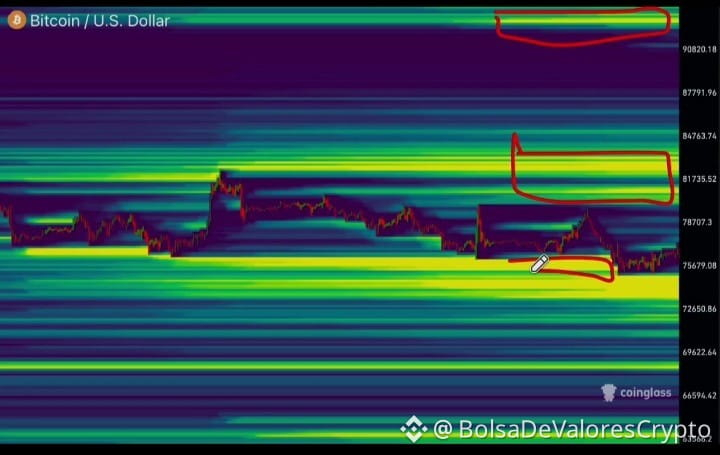
🚨 $BTC: LARGE LIQUIDITY CLUSTERS
There are two key zones in the market:
🔻 $73,000
🔺 $83,000
Liquidity has been accumulating at both ends.
The big question is:
WHICH LEVEL WILL BITCOIN VISIT FIRST? 👀
The market is about to decide.
🚨 $BTC: LARGE LIQUIDITY CLUSTERS
There are two key zones in the market:
🔻 $73,000
🔺 $83,000
Liquidity has been accumulating at both ends.
The big question is:
WHICH LEVEL WILL BITCOIN VISIT FIRST? 👀
The market is about to decide.
There are two key zones in the market:
🔻 $73,000
🔺 $83,000
Liquidity has been accumulating at both ends.
The big question is:
WHICH LEVEL WILL BITCOIN VISIT FIRST? 👀
The market is about to decide.
4
1.7k
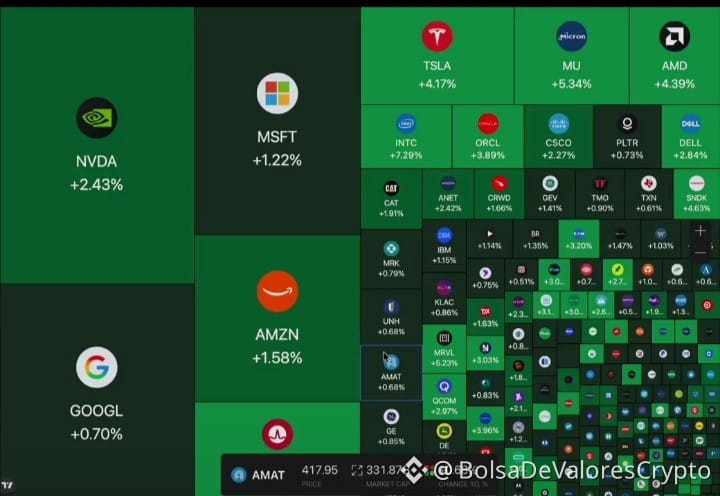
🚨 🇺🇸 MORE THAN $500 BILLION WOULD HAVE FLOWED INTO THE U.S. STOCK MARKET IN JUST 30 MINUTES.
The S&P 500 continues to recover after the FOMC’s interest-rate decision yesterday.
📈 MONEY IS HEADING BACK TO THE MARKET.
This could be a positive sign for markets and, especially, for risk assets.
ALL EYES ON WALL STREET. 👀
🚨 🇺🇸 MORE THAN $500 BILLION WOULD HAVE FLOWED INTO THE U.S. STOCK MARKET IN JUST 30 MINUTES.
The S&P 500 continues to recover after the FOMC’s interest-rate decision yesterday.
📈 MONEY IS HEADING BACK TO THE MARKET.
This could be a positive sign for markets and, especially, for risk assets.
ALL EYES ON WALL STREET. 👀
The S&P 500 continues to recover after the FOMC’s interest-rate decision yesterday.
📈 MONEY IS HEADING BACK TO THE MARKET.
This could be a positive sign for markets and, especially, for risk assets.
ALL EYES ON WALL STREET. 👀
1
64
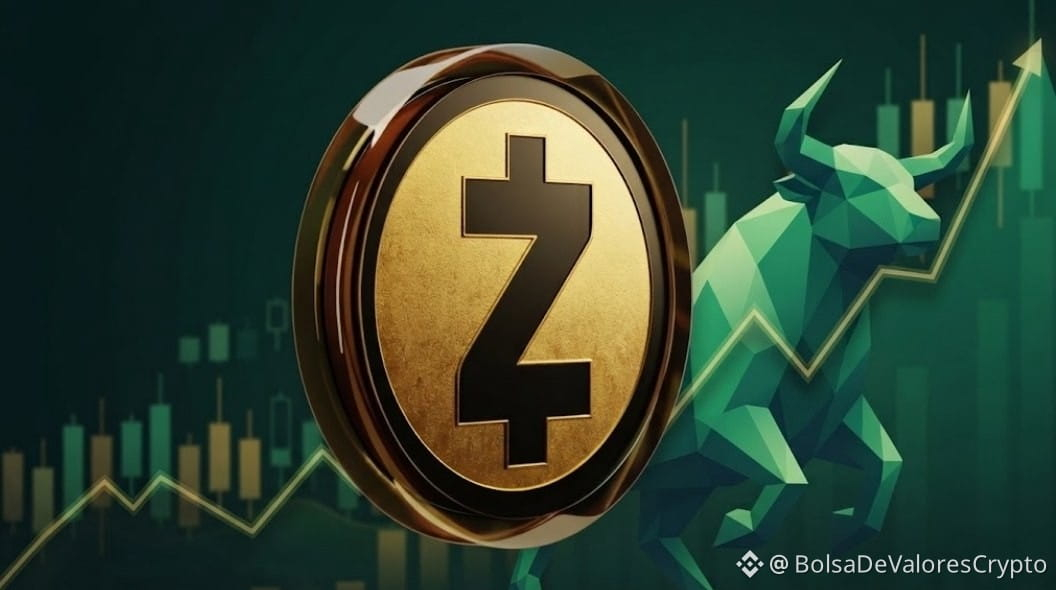
The decentralized cryptocurrency created in 2016 that focuses on offering total privacy and optional anonymity in financial transactions, Zcash, gained 20% as Paradigm’s founder revealed that the firm invested in ZEC. The cryptocurrency market reacted strongly to this strategic move, which is once again boosting the privacy-focused crypto sector.
The rally accelerated after Matt Huang, cofounder of the influential crypto investment firm Paradigm, publicly revealed that the company has invested in ZEC. This institutional backing aligns with a period of great dynamism for Zcash, which has recently seen progress in adoption, a strong trading volume, and governance discussions within its community aimed at improving the scalability and speed of its private transactions.
The decentralized cryptocurrency created in 2016 that focuses on offering total privacy and optional anonymity in financial transactions, Zcash, gained 20% as Paradigm’s founder revealed that the firm invested in ZEC. The cryptocurrency market reacted strongly to this strategic move, which is once again boosting the privacy-focused crypto sector.
The rally accelerated after Matt Huang, cofounder of the influential crypto investment firm Paradigm, publicly revealed that the company has invested in ZEC. This institutional backing aligns with a period of great dynamism for Zcash, which has recently seen progress in adoption, a strong trading volume, and governance discussions within its community aimed at improving the scalability and speed of its private transactions.
The rally accelerated after Matt Huang, cofounder of the influential crypto investment firm Paradigm, publicly revealed that the company has invested in ZEC. This institutional backing aligns with a period of great dynamism for Zcash, which has recently seen progress in adoption, a strong trading volume, and governance discussions within its community aimed at improving the scalability and speed of its private transactions.
1
41
💥The U.S. SEC issued an innovation exemption for five years that allows tokenized U.S. shares to be traded via AMMs with permissions on public blockchains.
💥The U.S. SEC issued an innovation exemption for five years that allows tokenized U.S. shares to be traded via AMMs with permissions on public blockchains.
1
42
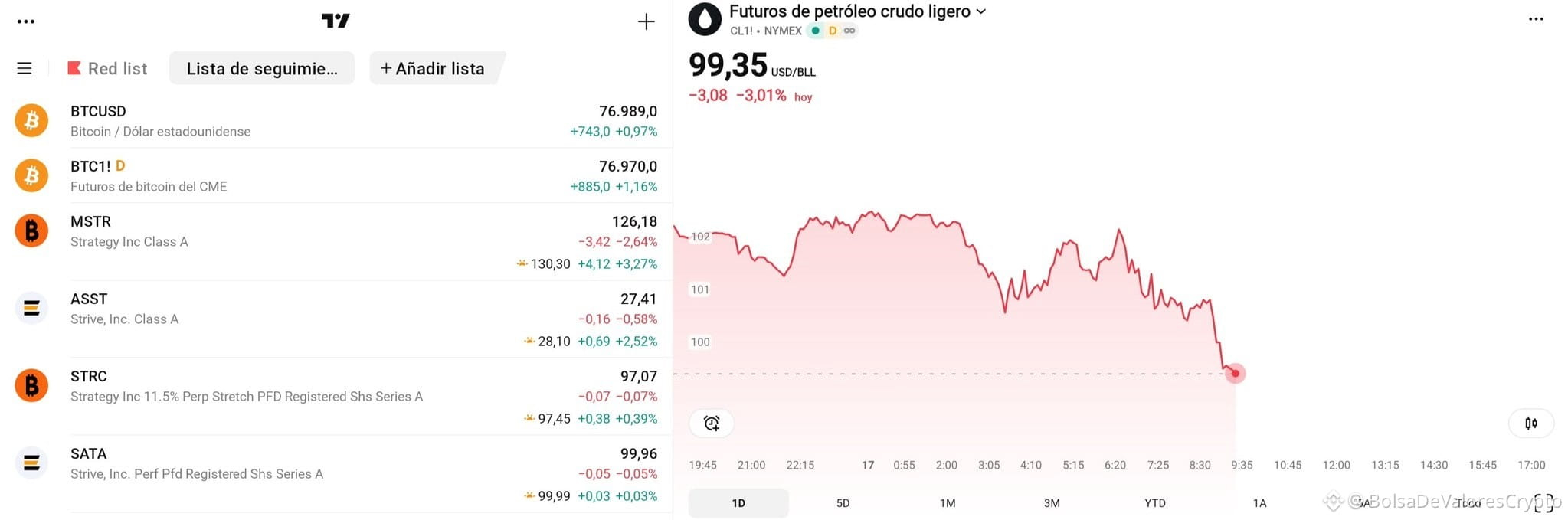
After two days of fiascos with Clarity and the FED stabbing Trump in the back, Bitcoin looks pretty good.
Even oil is dropping below $100 USD.
The central thesis for Bitcoin is fiscal dominance and the debt crisis in the long end of bonds.
$BTC
{spot}(BTCUSDT)
After two days of fiascos with Clarity and the FED stabbing Trump in the back, Bitcoin looks pretty good.
Even oil is dropping below $100 USD.
The central thesis for Bitcoin is fiscal dominance and the debt crisis in the long end of bonds.
$BTC
Even oil is dropping below $100 USD.
The central thesis for Bitcoin is fiscal dominance and the debt crisis in the long end of bonds.
$BTC
1
582
Partly True
🚨 REMINDER 🇺🇸
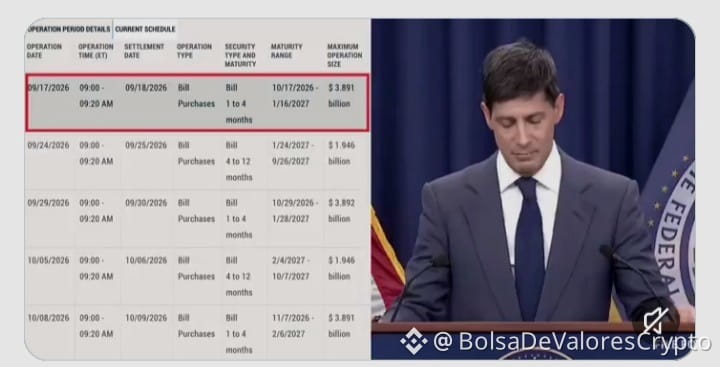
IT IS EXPECTED THAT THE FED WILL INJECT $3,891,000,000 INTO THE ECONOMY AT 9:00 AM ET, JUST AFTER THE U.S. MARKET OPENS.
👀 ALL EYES ON THE MARKET.
WILL WE SEE VOLATILITY AFTER THE OPEN?
$BTC $ETH
🚨 REMINDER 🇺🇸
IT IS EXPECTED THAT THE FED WILL INJECT $3,891,000,000 INTO THE ECONOMY AT 9:00 AM ET, JUST AFTER THE U.S. MARKET OPENS.
👀 ALL EYES ON THE MARKET.
WILL WE SEE VOLATILITY AFTER THE OPEN?
$BTC $ETH
IT IS EXPECTED THAT THE FED WILL INJECT $3,891,000,000 INTO THE ECONOMY AT 9:00 AM ET, JUST AFTER THE U.S. MARKET OPENS.
👀 ALL EYES ON THE MARKET.
WILL WE SEE VOLATILITY AFTER THE OPEN?
$BTC $ETH
7
1.4k
Verified
🚨🇺🇸 Reminder: Key Data Today
The U.S. weekly unemployment claims will be released at 8:30 AM ET.
📉 < 200K → BULLISH for the markets
⚖️ ≈ 205K → FLAT MARKETS
📈 > 210K → BEARISH for the markets
ALL EYES ON THIS DATA.
It can generate immediate volatility in $BTC and the rest of the crypto market. 👀 $BTC
{spot}(BTCUSDT)
🚨🇺🇸 Reminder: Key Data Today
The U.S. weekly unemployment claims will be released at 8:30 AM ET.
📉 < 200K → BULLISH for the markets
⚖️ ≈ 205K → FLAT MARKETS
📈 > 210K → BEARISH for the markets
ALL EYES ON THIS DATA.
It can generate immediate volatility in $BTC and the rest of the crypto market. 👀 $BTC
The U.S. weekly unemployment claims will be released at 8:30 AM ET.
📉 < 200K → BULLISH for the markets
⚖️ ≈ 205K → FLAT MARKETS
📈 > 210K → BEARISH for the markets
ALL EYES ON THIS DATA.
It can generate immediate volatility in $BTC and the rest of the crypto market. 👀 $BTC

5
1.1k
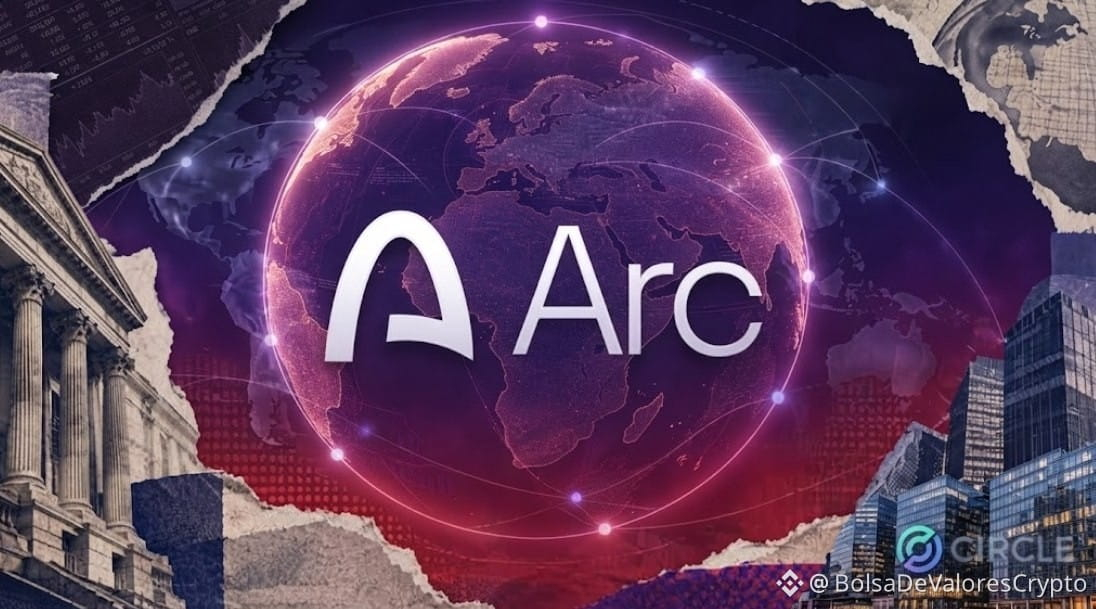
The official launch of Arc’s mainnet by Circle marks an important milestone in the crypto ecosystem. It is a Layer 1 blockchain network designed specifically to optimize payments with stablecoins, the economy of autonomous agents, and financial markets. The most notable innovation is that you don’t need a volatile token, such as ETH, to pay network fees. Transactions are paid directly in USDC, drastically simplifying the user experience.
It’s optimized to deliver ultra-fast transactions with near-instant finality, making it ideal for institutional payments, global commerce, and decentralized finance. It enables secure native movement of USDC between Arc and other compatible chains without the need for traditional or risky fractionalization methods or wrapped token risks.
The official launch of Arc’s mainnet by Circle marks an important milestone in the crypto ecosystem. It is a Layer 1 blockchain network designed specifically to optimize payments with stablecoins, the economy of autonomous agents, and financial markets. The most notable innovation is that you don’t need a volatile token, such as ETH, to pay network fees. Transactions are paid directly in USDC, drastically simplifying the user experience.
It’s optimized to deliver ultra-fast transactions with near-instant finality, making it ideal for institutional payments, global commerce, and decentralized finance. It enables secure native movement of USDC between Arc and other compatible chains without the need for traditional or risky fractionalization methods or wrapped token risks.
It’s optimized to deliver ultra-fast transactions with near-instant finality, making it ideal for institutional payments, global commerce, and decentralized finance. It enables secure native movement of USDC between Arc and other compatible chains without the need for traditional or risky fractionalization methods or wrapped token risks.
1
296
The theft of identification documents in Revolut highlights the dangers of KYC. An attacker managed to bypass the controls using a sophisticated social engineering technique with a real government email account. Unlike a password or a cryptocurrency private key, a passport, a biometric selfie, or a leaked identity document can’t be changed. Once exposed, the risk of identity impersonation for victims is indefinite.
Zero-knowledge technology could allow companies to verify who you are without storing your identity documents. It’s a mathematical proof that something is true without revealing the details. For example, you could use a phone app to generate a proof that confirms your driver’s license shows you’re over 18, without sending your date of birth or an image of the license itself.
The theft of identification documents in Revolut highlights the dangers of KYC. An attacker managed to bypass the controls using a sophisticated social engineering technique with a real government email account. Unlike a password or a cryptocurrency private key, a passport, a biometric selfie, or a leaked identity document can’t be changed. Once exposed, the risk of identity impersonation for victims is indefinite.
Zero-knowledge technology could allow companies to verify who you are without storing your identity documents. It’s a mathematical proof that something is true without revealing the details. For example, you could use a phone app to generate a proof that confirms your driver’s license shows you’re over 18, without sending your date of birth or an image of the license itself.
Zero-knowledge technology could allow companies to verify who you are without storing your identity documents. It’s a mathematical proof that something is true without revealing the details. For example, you could use a phone app to generate a proof that confirms your driver’s license shows you’re over 18, without sending your date of birth or an image of the license itself.

1
66
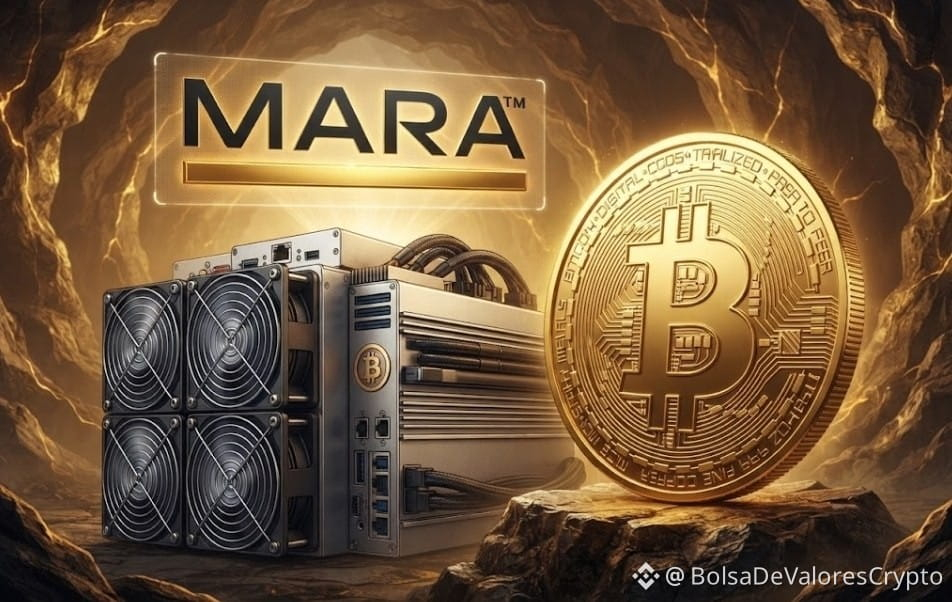
The cryptocurrency mining company MARA Holdings bought 1,292 Bitcoin, equivalent to more than US$98 million. This acquisition, made through FalconX’s OTC service, significantly strengthens its corporate treasury. The accumulation of BTC is taking place in parallel with its investments and expansion of artificial intelligence infrastructure, showing that they continue to strongly back the asset despite diversifying their technology operations.
The purchase also replaces part of the BTC sold to fund the financial restructuring and the development of infrastructure. The new accumulation by MARA strengthens its reserves without reversing its broader strategy of expanding artificial intelligence computing.
The cryptocurrency mining company MARA Holdings bought 1,292 Bitcoin, equivalent to more than US$98 million. This acquisition, made through FalconX’s OTC service, significantly strengthens its corporate treasury. The accumulation of BTC is taking place in parallel with its investments and expansion of artificial intelligence infrastructure, showing that they continue to strongly back the asset despite diversifying their technology operations.
The purchase also replaces part of the BTC sold to fund the financial restructuring and the development of infrastructure. The new accumulation by MARA strengthens its reserves without reversing its broader strategy of expanding artificial intelligence computing.
The purchase also replaces part of the BTC sold to fund the financial restructuring and the development of infrastructure. The new accumulation by MARA strengthens its reserves without reversing its broader strategy of expanding artificial intelligence computing.
2
129
The energy shock is over!
The Fed concluded its policy statement saying: "The Committee will deliver price stability," making it clear that inflation is its top priority.
$BTC
{spot}(BTCUSDT)
The energy shock is over!
The Fed concluded its policy statement saying: "The Committee will deliver price stability," making it clear that inflation is its top priority.
$BTC
The Fed concluded its policy statement saying: "The Committee will deliver price stability," making it clear that inflation is its top priority.
$BTC
1
70
Log in to explore more content
Join global crypto users on Binance Square
⚡️ Get latest and useful information about crypto.
💬 Trusted by the world’s largest crypto exchange.
👍 Discover real insights from verified creators.
Email / Phone number
Trending Topics
BTCBreaks80K
38,470 views
1,013 Discussing
🚨 BITCOIN $80K IS BACK IN FOCUS! 🔥
BTC is pushing toward the $80,000 psychological resistance after reclaiming the $78K zone. A clean breakout and hold above $80K could bring $82K–$85K into focus next. 📈
But traders need to watch the rejection zone carefully — losing $77K–$78K could trigger another pullback.
🎯 Key levels:
• 🔥 Breakout: $80K
• 🚀 Next zone: $82K–$85K
• ⚠️ Support: $77K–$78K
$80K isn’t just a number — it’s the level bulls need to conquer.
Are we about to see the next BTC breakout? 👇
#bitcoin #BTC #BinanceSquare #btcbreaks80k
$BTC
ASHFAQ NAEEM
·4 Likes
·5.1k views
比特币突破8万
45,431 views
111 Discussing
BuffettBecomesBerkshireChairmanEmeritus
6,606 views
311 Discussing