
Bitcoin Newbie
24.2k Posts

Bitcoin Newbie
Report
Block User
35 Following
10.9K+ Followers
11.1K+ Liked
Posts
All
Quotes
Videos
Live
See translation
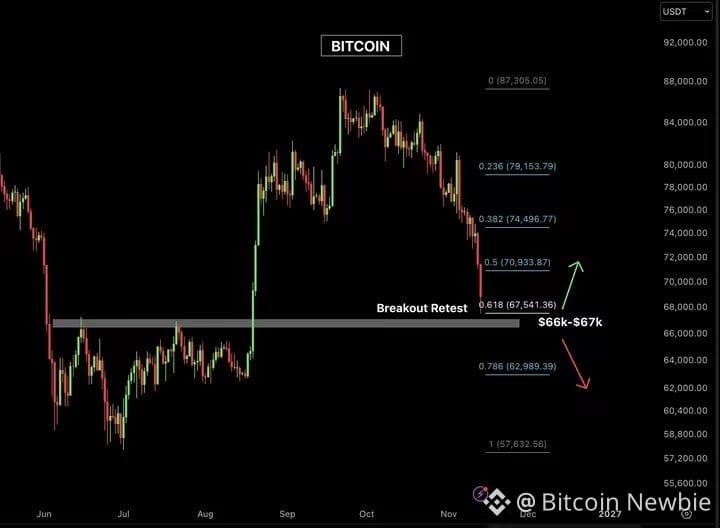
𝐁𝐈𝐓𝐂𝐎𝐈𝐍 𝐔𝐏𝐃𝐀𝐓𝐄: 𝐁𝐢𝐭𝐜𝐨𝐢𝐧 𝐢𝐬 𝐝𝐨𝐰𝐧 -𝟐𝟐% 𝐟𝐫𝐨𝐦 𝐢𝐭𝐬 $𝟖𝟕𝐊 𝐡𝐢𝐠𝐡.
BTC is now testing a critical neckline support zone around $66K–$67K, which also aligns with the Fibonacci Golden Ratio (0.618). This is a crucial level for Bitcoin.
Here's what worth watching:
🔴 THE BEARISH CASE
A breakdown below $66K could trigger another wave of selling pressure and potentially invalidate the current bullish structure.
Several factors are adding pressure to the market:
- Institutional Bitcoin ETF outflows.
- Massive leveraged liquidations.
- Rising inflation concerns.
- Uncertainty around Federal Reserve rate decisions.
- Weakness in technology stocks.
- Declining investor risk appetite.
- A strengthening US dollar, with the DXY recently reaching 103 for the first time in nearly two years.
MSCI has officially removed Strategy $MSTR from their indexes. Index exclusions and reduced access to capital could limit their ability to raise funds and continue accumulating BTC.
Historically, Bitcoin has also experienced significant volatility around US midterm election cycles, with post-midterm weakness worth watching.
🟢 THE BULLISH CASE
If BTC manages to defend the $66K–$67K zone and reclaim higher resistance levels, this could turn into a major relief rally.
A successful defense of the Fibonacci Golden Ratio would suggest buyers are still willing to step in at key levels.
If selling pressure starts fading, ETF flows stabilize, and the dollar loses momentum, we could see sentiment shift quickly.
BUT HERE'S THE BIG QUESTION:
Could this be the last shakeout before Bitcoin's next major move higher?
Or are we about to see another leg down?
No confirmation, no rush.
#crypto #bitcoin #HedgeFundsCMEBitcoinNetShortsFall89% #JaneStreetNearlyOctuplesFidelityBitcoinETFHoldings #WhatWillDriveCryptoandStocks’NextRebound?
$BTC
{spot}(BTCUSDT)
$SPCXB
{spot}(SPCXBUSDT)
$XRP
{spot}(XRPUSDT)
𝐁𝐈𝐓𝐂𝐎𝐈𝐍 𝐔𝐏𝐃𝐀𝐓𝐄: 𝐁𝐢𝐭𝐜𝐨𝐢𝐧 𝐢𝐬 𝐝𝐨𝐰𝐧 -𝟐𝟐% 𝐟𝐫𝐨𝐦 𝐢𝐭𝐬 $𝟖𝟕𝐊 𝐡𝐢𝐠𝐡.
BTC is now testing a critical neckline support zone around $66K–$67K, which also aligns with the Fibonacci Golden Ratio (0.618). This is a crucial level for Bitcoin.
Here's what worth watching:
🔴 THE BEARISH CASE
A breakdown below $66K could trigger another wave of selling pressure and potentially invalidate the current bullish structure.
Several factors are adding pressure to the market:
- Institutional Bitcoin ETF outflows.
- Massive leveraged liquidations.
- Rising inflation concerns.
- Uncertainty around Federal Reserve rate decisions.
- Weakness in technology stocks.
- Declining investor risk appetite.
- A strengthening US dollar, with the DXY recently reaching 103 for the first time in nearly two years.
MSCI has officially removed Strategy $MSTR from their indexes. Index exclusions and reduced access to capital could limit their ability to raise funds and continue accumulating BTC.
Historically, Bitcoin has also experienced significant volatility around US midterm election cycles, with post-midterm weakness worth watching.
🟢 THE BULLISH CASE
If BTC manages to defend the $66K–$67K zone and reclaim higher resistance levels, this could turn into a major relief rally.
A successful defense of the Fibonacci Golden Ratio would suggest buyers are still willing to step in at key levels.
If selling pressure starts fading, ETF flows stabilize, and the dollar loses momentum, we could see sentiment shift quickly.
BUT HERE'S THE BIG QUESTION:
Could this be the last shakeout before Bitcoin's next major move higher?
Or are we about to see another leg down?
No confirmation, no rush.
#crypto #bitcoin #HedgeFundsCMEBitcoinNetShortsFall89% #JaneStreetNearlyOctuplesFidelityBitcoinETFHoldings #WhatWillDriveCryptoandStocks’NextRebound?
$BTC
$SPCXB
$XRP
110
See translation
The world's most intelligent man was destroyed by a girl.The world's most intelligent man was destroyed by a girl.
I don't believe this but it's true
The man who gave AI to the world. The man who created the world's biggest chip company. The man whose one decision shook the whole world market. The same man used by a girl today.
His name is Jensen Huang.
CEO of Nvidia. Over 60 years old. Wealth over $160 billion. 8th richest man in the world. Married for 40 years. Wife with children.
And on the other side is Alice Huang.
A girl with a clean past. Sometimes called reporter, sometimes called fund manager, sometimes called executive of Singaporean company Megaspeed.
But the girl was recruited by Chinese intelligence, according to US authorities. Her job was to get close to Jensen. Her job was befriend her. Her job is to get the secrets of America's AI chips out of her.
And Jensen got caught in that trap.
Jensen admitted himself. On November 8 he wrote a letter to his employees. He wrote that I had been unfaithful to my wife. My actions hurt my wife and children. He admitted that he had no excuse for his mistake. Not justified and he apologizes to his wife and children.
In the letter, Jensen Huang also said he accepts full responsibility for his mistake and will try to regain his family's trust.
But the story doesn't end here.
On November 8, 2026, NVIDIA’s Board of Directors announced the launch of an independent investigation into the matter. The purpose of the investigation is to determine whether a foreign intelligence agency through a relationship with Jensen Huang has obtained information related to the company or US national security. Was trying to get it.
According to reports from US intelligence sources, Alice Huang is accused of working for China's state security ministry and intended to obtain information from the head of NVIDIA.
However, it has not yet been proven that Alice did indeed obtain any classified information and deliver it to China or expose NVIDIA's trade secrets. The company's board also initially said it had national security or company secrets disclosure. There is no proof.
An important aspect in the matter is the position of the Singapore government. Singapore's Home Ministry clarified that it did not investigate Alice Huang's alleged intelligence links to China. However, it has been confirmed that an investigation into Mega speed company is ongoing.
This incident is a big lesson for the world:
Wealth, fame, power and success cannot protect a man from every danger.
On one hand, the owner of a billion-dollar tech empire, head of one of the most powerful tech companies in the world, and on the other, a personal affair that has made his private life and company reputation the topic of global debate.
Now all eyes are on the NVIDIA investigation. The real question is, was it just a personal relationship matter or was there really an international intelligence operation behind it?
Only investigations can give the final answer.
The world's most intelligent man was destroyed by a girl.
The world's most intelligent man was destroyed by a girl.
I don't believe this but it's true
The man who gave AI to the world. The man who created the world's biggest chip company. The man whose one decision shook the whole world market. The same man used by a girl today.
His name is Jensen Huang.
CEO of Nvidia. Over 60 years old. Wealth over $160 billion. 8th richest man in the world. Married for 40 years. Wife with children.
And on the other side is Alice Huang.
A girl with a clean past. Sometimes called reporter, sometimes called fund manager, sometimes called executive of Singaporean company Megaspeed.
But the girl was recruited by Chinese intelligence, according to US authorities. Her job was to get close to Jensen. Her job was befriend her. Her job is to get the secrets of America's AI chips out of her.
And Jensen got caught in that trap.
Jensen admitted himself. On November 8 he wrote a letter to his employees. He wrote that I had been unfaithful to my wife. My actions hurt my wife and children. He admitted that he had no excuse for his mistake. Not justified and he apologizes to his wife and children.
In the letter, Jensen Huang also said he accepts full responsibility for his mistake and will try to regain his family's trust.
But the story doesn't end here.
On November 8, 2026, NVIDIA’s Board of Directors announced the launch of an independent investigation into the matter. The purpose of the investigation is to determine whether a foreign intelligence agency through a relationship with Jensen Huang has obtained information related to the company or US national security. Was trying to get it.
According to reports from US intelligence sources, Alice Huang is accused of working for China's state security ministry and intended to obtain information from the head of NVIDIA.
However, it has not yet been proven that Alice did indeed obtain any classified information and deliver it to China or expose NVIDIA's trade secrets. The company's board also initially said it had national security or company secrets disclosure. There is no proof.
An important aspect in the matter is the position of the Singapore government. Singapore's Home Ministry clarified that it did not investigate Alice Huang's alleged intelligence links to China. However, it has been confirmed that an investigation into Mega speed company is ongoing.
This incident is a big lesson for the world:
Wealth, fame, power and success cannot protect a man from every danger.
On one hand, the owner of a billion-dollar tech empire, head of one of the most powerful tech companies in the world, and on the other, a personal affair that has made his private life and company reputation the topic of global debate.
Now all eyes are on the NVIDIA investigation. The real question is, was it just a personal relationship matter or was there really an international intelligence operation behind it?
Only investigations can give the final answer.
154
See translation
$NVDA 🟢 Tom Lee says buy the $NVDA dip after Jensen Huang’s resignation.
The Fundstrat and Bitmine chairman says Nvidia’s edge in chip design, supply chain and CUDA won’t disappear with a CEO change, and its deep engineering bench reduces the risk. 💪
At ~10x forward earnings, he calls Nvidia the most attractive AI stock on a risk-reward basis. 📈
#HuangExitNvidiaStrategyInFocus #WhatWillDriveCryptoandStocks’NextRebound? #Anthropic’s6xIPODemandSignalsPotentialRecordRaise #Market_Update #Binance
$NVDA
{future}(NVDAUSDT)
$NVDA 🟢 Tom Lee says buy the $NVDA dip after Jensen Huang’s resignation.
The Fundstrat and Bitmine chairman says Nvidia’s edge in chip design, supply chain and CUDA won’t disappear with a CEO change, and its deep engineering bench reduces the risk. 💪
At ~10x forward earnings, he calls Nvidia the most attractive AI stock on a risk-reward basis. 📈
#HuangExitNvidiaStrategyInFocus #WhatWillDriveCryptoandStocks’NextRebound? #Anthropic’s6xIPODemandSignalsPotentialRecordRaise #Market_Update #Binance
$NVDA


79
See translation
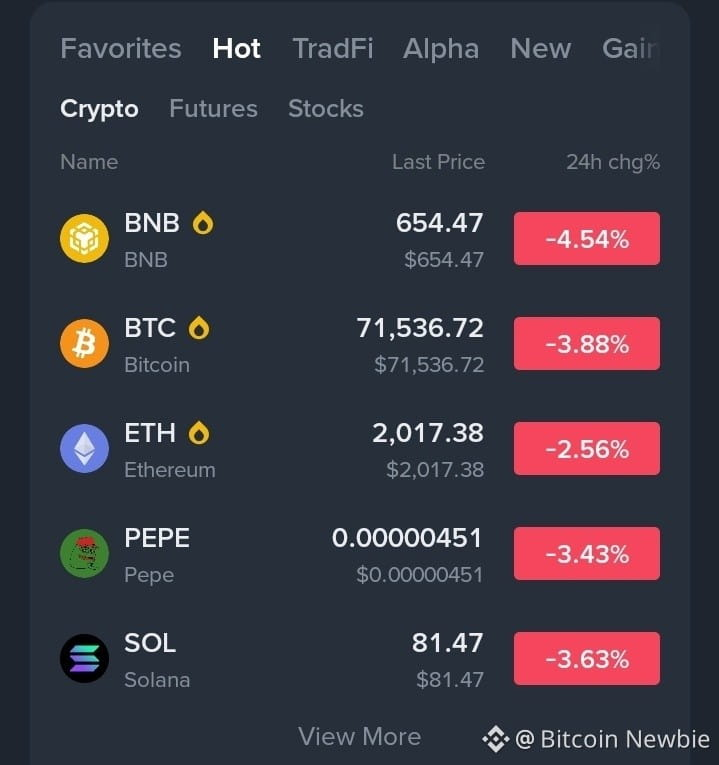
$BTC Why is crypto dropping so much?
#MarketSentimentToday #Market_Update #cryptotrader #BTC #HuangExitNvidiaStrategyInFocus
$BTC
{future}(BTCUSDT)
$ETH
{future}(ETHUSDT)
$BTC Why is crypto dropping so much?
#MarketSentimentToday #Market_Update #cryptotrader #BTC #HuangExitNvidiaStrategyInFocus
$BTC
$ETH
#MarketSentimentToday #Market_Update #cryptotrader #BTC #HuangExitNvidiaStrategyInFocus
$BTC
$ETH
108
See translation
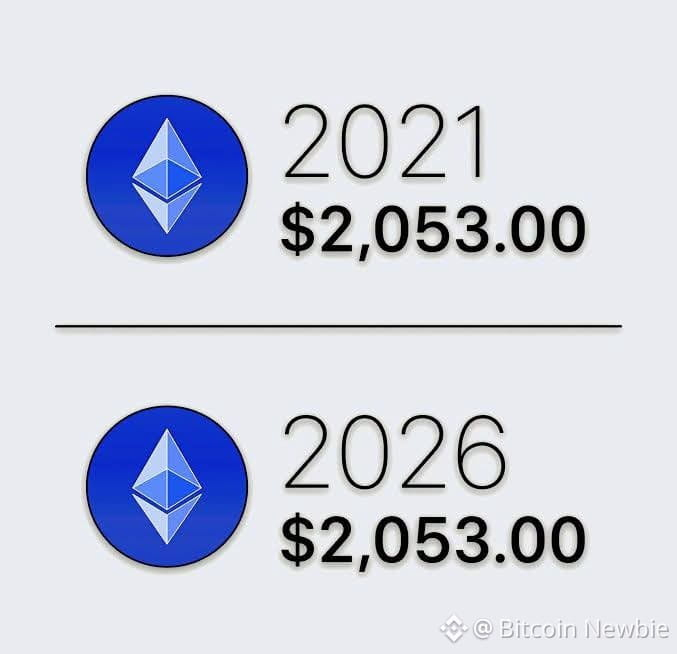
🚨 The Price of #Ethereum Remains Identical a Lustre Later
#ETH #Ethereum #Market_Update #MarketSentimentToday
$ETH
{future}(ETHUSDT)
$BNB
{future}(BNBUSDT)
$LINK
{future}(LINKUSDT)
🚨 The Price of #Ethereum Remains Identical a Lustre Later
#ETH #Ethereum #Market_Update #MarketSentimentToday
$ETH
$BNB
$LINK
#ETH #Ethereum #Market_Update #MarketSentimentToday
$ETH
$BNB
$LINK
1
138
See translation
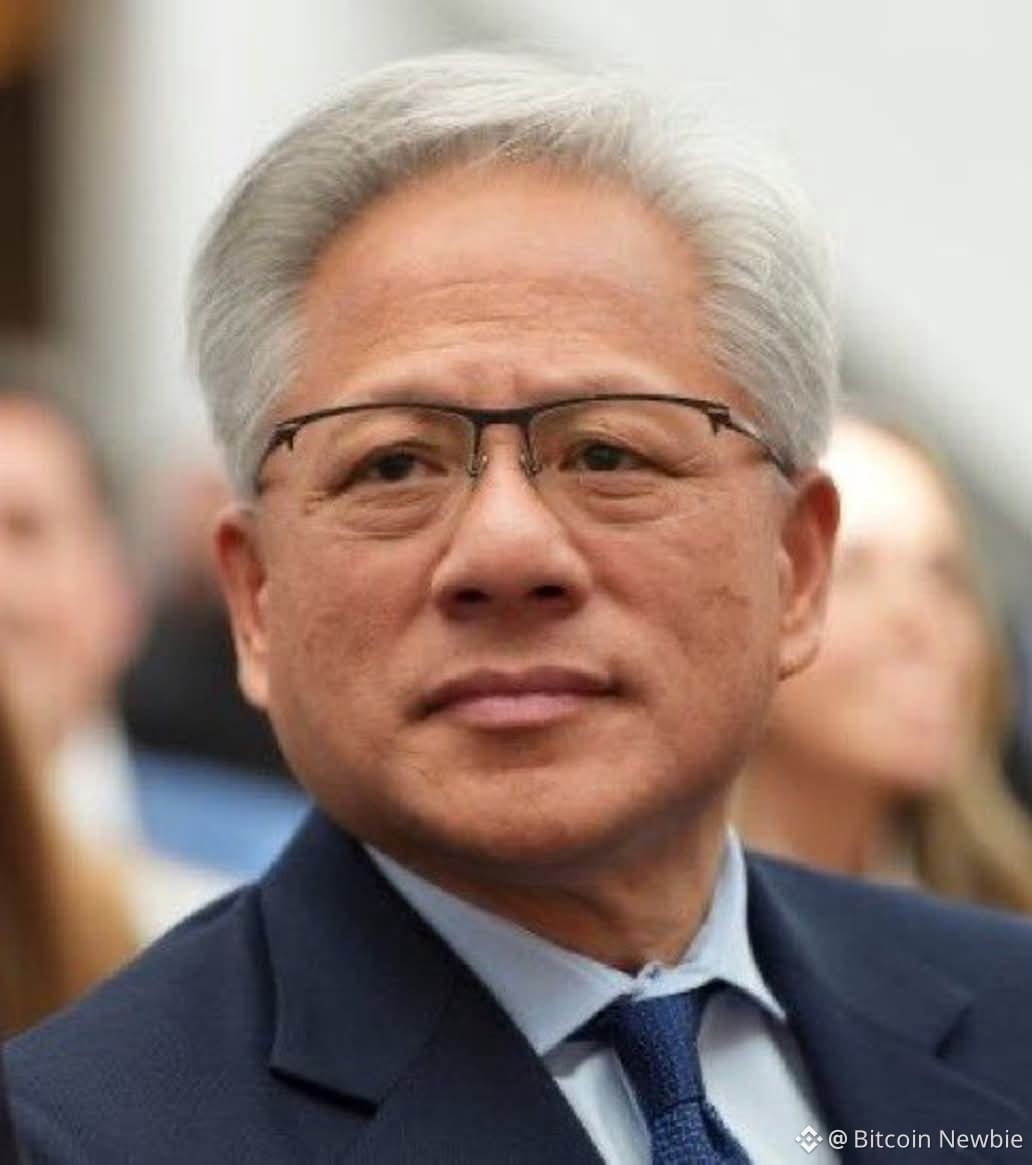
JUST IN: Former Nvidia $NVDA CEO Jensen Huang had an intimate relationship with a second employee, bringing his total number of affairs to 3, Reuters reports.
#HuangExitNvidiaStrategyInFocus #ChipStocksExtendLossesAfterNvidiaCEOChange #AnthropicRejectsIPODelayValuationinQuestion #Market_Update #Binance
$NVDA
{future}(NVDAUSDT)
$PENGU
{future}(PENGUUSDT)
JUST IN: Former Nvidia $NVDA CEO Jensen Huang had an intimate relationship with a second employee, bringing his total number of affairs to 3, Reuters reports.
#HuangExitNvidiaStrategyInFocus #ChipStocksExtendLossesAfterNvidiaCEOChange #AnthropicRejectsIPODelayValuationinQuestion #Market_Update #Binance
$NVDA
$PENGU
#HuangExitNvidiaStrategyInFocus #ChipStocksExtendLossesAfterNvidiaCEOChange #AnthropicRejectsIPODelayValuationinQuestion #Market_Update #Binance
$NVDA
$PENGU
33
See translation
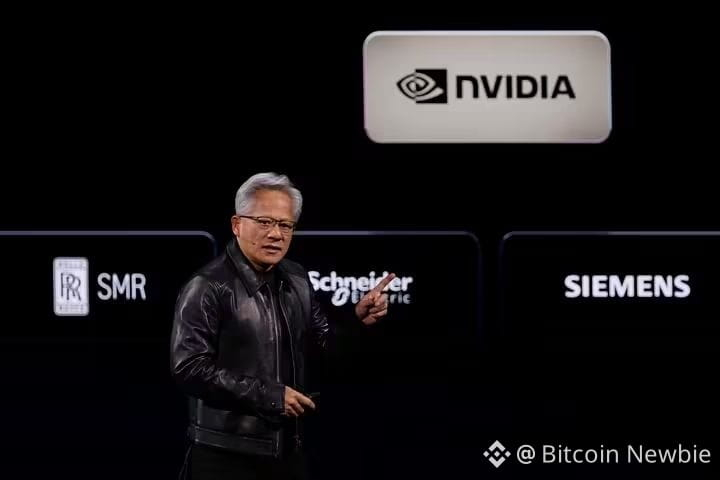
AI titan Jensen Huang out as Nvidia CEO.
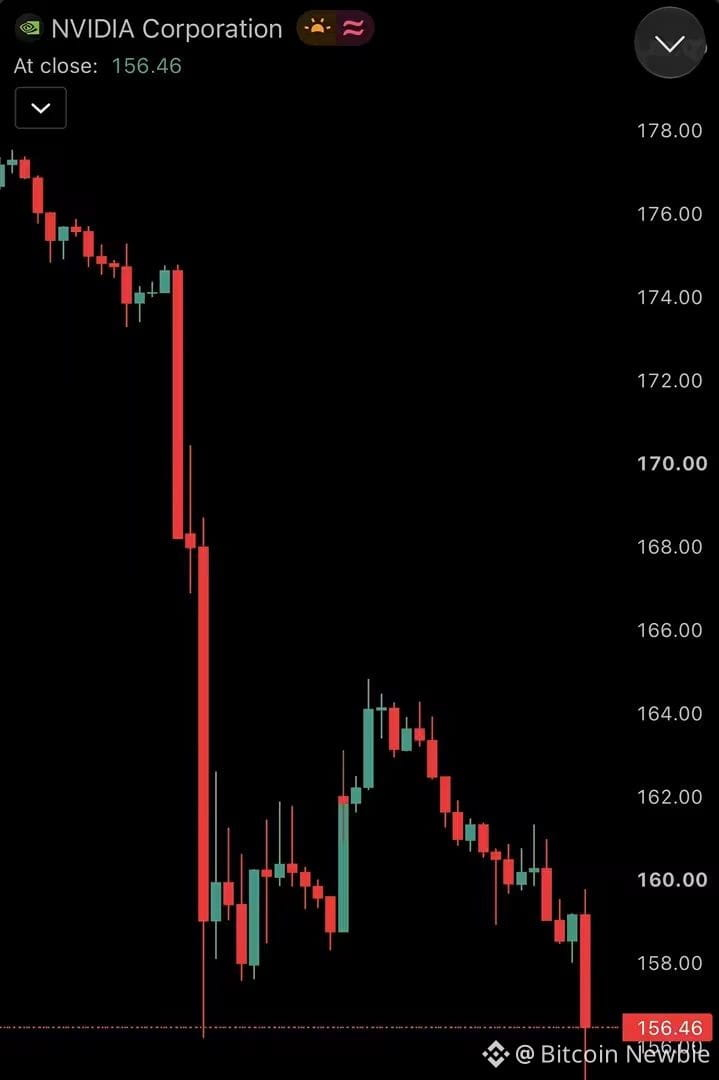
$NVDA crashes 10% to $156 pre-market following CEO Jensen Huang resignation.
#HuangExitNvidiaStrategyInFocus #ChipStocksExtendLossesAfterNvidiaCEOChange #NVDA #Market_Update #AnthropicRejectsIPODelayValuationinQuestion
$NVDA
{future}(NVDAUSDT)
$XRP
{future}(XRPUSDT)
AI titan Jensen Huang out as Nvidia CEO.
$NVDA crashes 10% to $156 pre-market following CEO Jensen Huang resignation.
#HuangExitNvidiaStrategyInFocus #ChipStocksExtendLossesAfterNvidiaCEOChange #NVDA #Market_Update #AnthropicRejectsIPODelayValuationinQuestion
$NVDA
$XRP
$NVDA crashes 10% to $156 pre-market following CEO Jensen Huang resignation.
#HuangExitNvidiaStrategyInFocus #ChipStocksExtendLossesAfterNvidiaCEOChange #NVDA #Market_Update #AnthropicRejectsIPODelayValuationinQuestion
$NVDA
$XRP
196
See translation
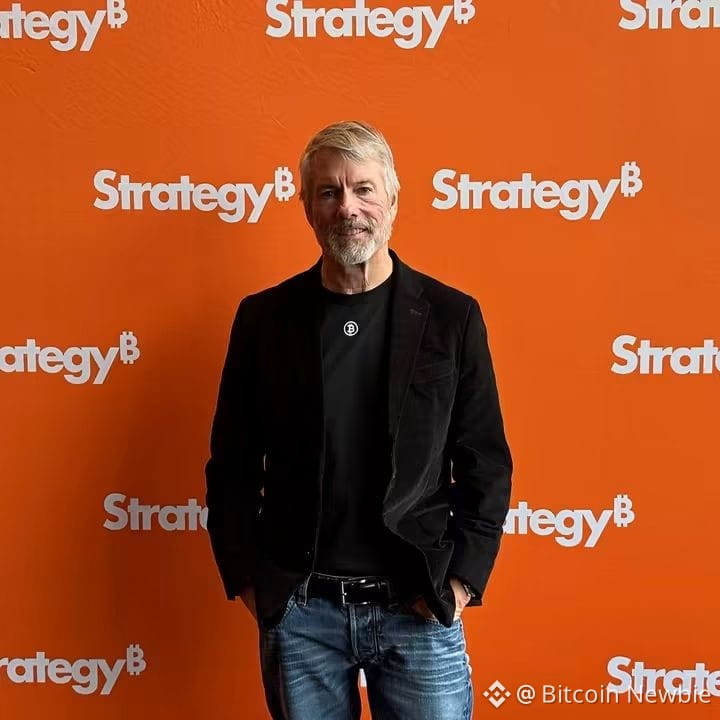
JUST IN: #JPMorgan increases its exposure to Michael Saylor's #Strategy, buying 224,545 additional shares of #MSTR (worth $25.5 Million).
The bank now holds 848,932 shares, a 36% increase in its stake 👀
Its not the same as JPMorgan buying #BTC directly, but it is a notable institutional position in a company whose value is closely tied to #bitcoin and its treasury strategy 🔥
#StrategyBTCPurchase
$BTC
{spot}(BTCUSDT)
$DOGE
{future}(DOGEUSDT)
$PEPE
{spot}(PEPEUSDT)
JUST IN: #JPMorgan increases its exposure to Michael Saylor's #Strategy, buying 224,545 additional shares of #MSTR (worth $25.5 Million).
The bank now holds 848,932 shares, a 36% increase in its stake 👀
Its not the same as JPMorgan buying #BTC directly, but it is a notable institutional position in a company whose value is closely tied to #bitcoin and its treasury strategy 🔥
#StrategyBTCPurchase
$BTC
$DOGE
$PEPE
The bank now holds 848,932 shares, a 36% increase in its stake 👀
Its not the same as JPMorgan buying #BTC directly, but it is a notable institutional position in a company whose value is closely tied to #bitcoin and its treasury strategy 🔥
#StrategyBTCPurchase
$BTC
$DOGE
$PEPE

36
See translation
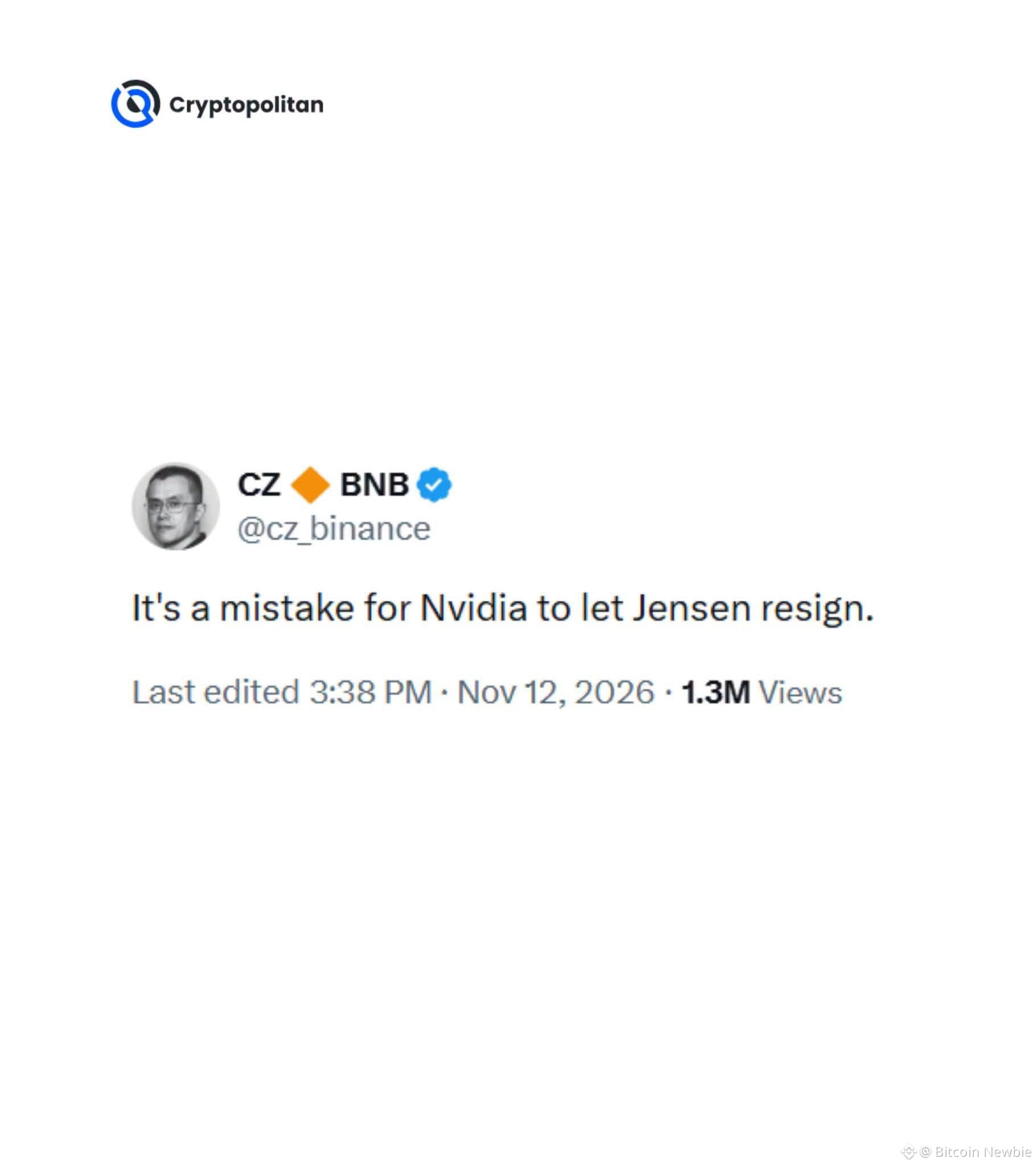
JUST IN: Binance Co-founder, CZ, says "It's a mistake for Nvidia to let Jensen resign."
#HuangExitNvidiaStrategyInFocus #ChipStocksExtendLossesAfterNvidiaCEOChange #Binance #CZ #AnthropicRejectsIPODelayValuationinQuestion
$NVDA
{future}(NVDAUSDT)
$BTC
{future}(BTCUSDT)
$SOL
{future}(SOLUSDT)
JUST IN: Binance Co-founder, CZ, says "It's a mistake for Nvidia to let Jensen resign."
#HuangExitNvidiaStrategyInFocus #ChipStocksExtendLossesAfterNvidiaCEOChange #Binance #CZ #AnthropicRejectsIPODelayValuationinQuestion
$NVDA
$BTC
$SOL
#HuangExitNvidiaStrategyInFocus #ChipStocksExtendLossesAfterNvidiaCEOChange #Binance #CZ #AnthropicRejectsIPODelayValuationinQuestion
$NVDA
$BTC
$SOL

220
See translation
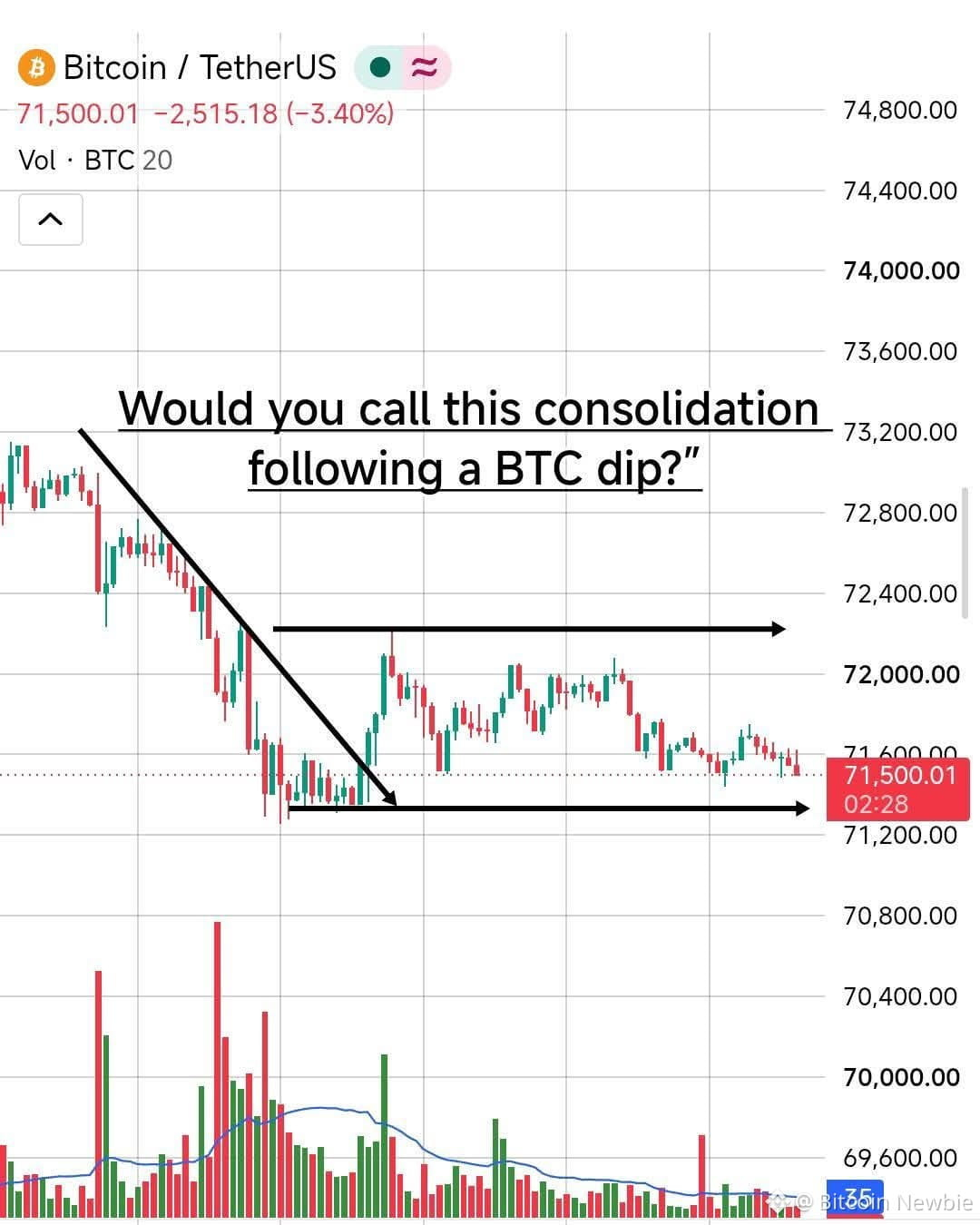
Bitcoin seems to be taking a little break after being chased down by the bears! 🐻 Now it's moving sideways, perhaps trying to catch its breath before choosing its next direction to run to.
Check the comment For the rest ⬇️
Disclaimer: This content is for educational and informational purposes only. It is not financial advice and does not guarantee any trading outcome or profit.
#bitcoin #BTC #CryptoMarket #Bitcoinprice #MSCIRemovalMayCurbStrategy’sBitcoinBuying
$BTC
{future}(BTCUSDT)
$SPCXB
{spot}(SPCXBUSDT)
$TSLAB
{spot}(TSLABUSDT)
Bitcoin seems to be taking a little break after being chased down by the bears! 🐻 Now it's moving sideways, perhaps trying to catch its breath before choosing its next direction to run to.
Check the comment For the rest ⬇️
Disclaimer: This content is for educational and informational purposes only. It is not financial advice and does not guarantee any trading outcome or profit.
#bitcoin #BTC #CryptoMarket #Bitcoinprice #MSCIRemovalMayCurbStrategy’sBitcoinBuying
$BTC
$SPCXB
$TSLAB
Check the comment For the rest ⬇️
Disclaimer: This content is for educational and informational purposes only. It is not financial advice and does not guarantee any trading outcome or profit.
#bitcoin #BTC #CryptoMarket #Bitcoinprice #MSCIRemovalMayCurbStrategy’sBitcoinBuying
$BTC
$SPCXB
$TSLAB
48
See translation
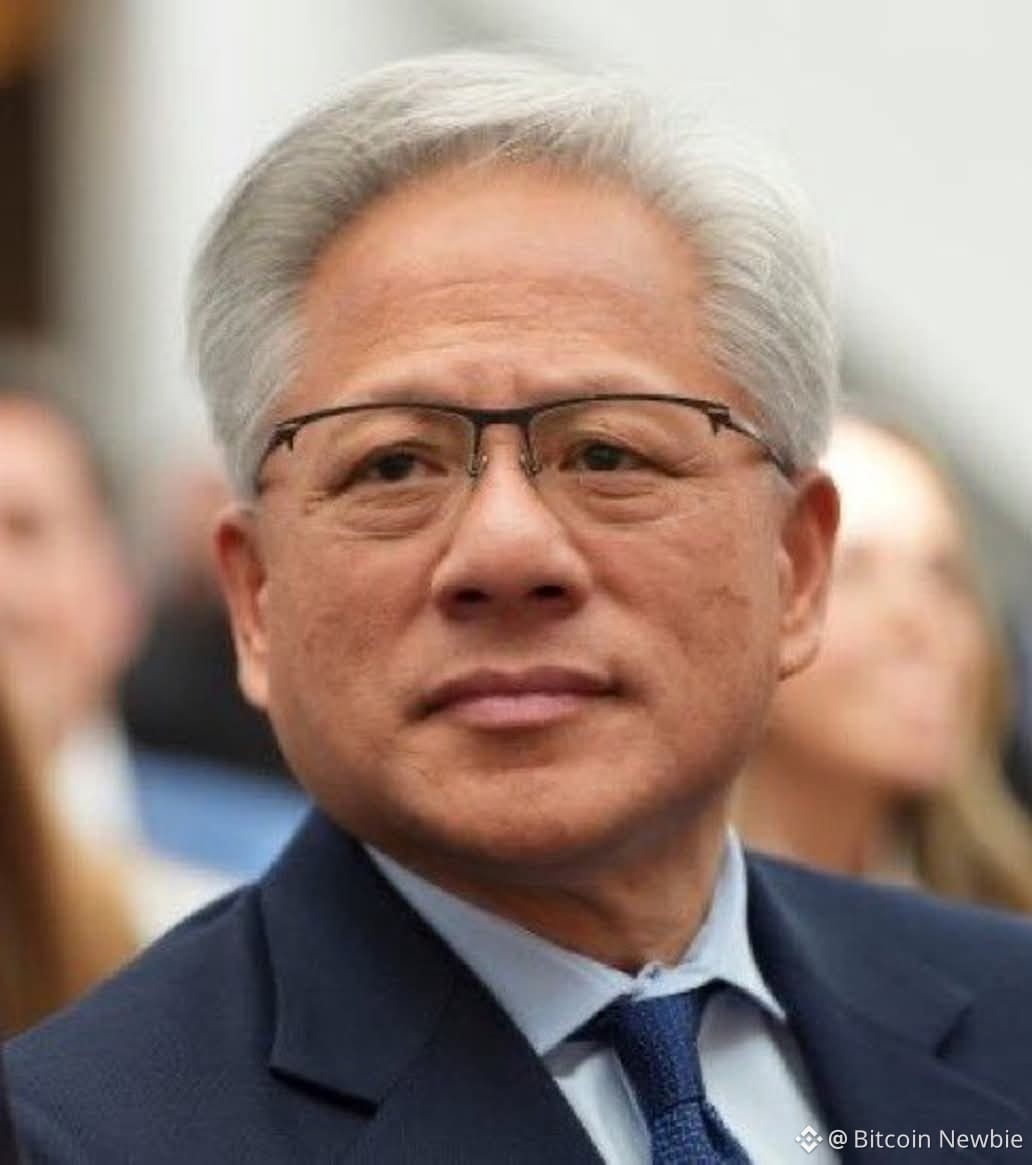
#Binance founder CZ says It's a "mistake" to have let Nvidia $NVDA CEO Jensen Huang resign.
#ChipStocksExtendLossesAfterNvidiaCEOChange #HuangExitNvidiaStrategyInFocus #CZ #BinanceSquareFamily
$NVDA
{future}(NVDAUSDT)
$BNB
{future}(BNBUSDT)
#Binance founder CZ says It's a "mistake" to have let Nvidia $NVDA CEO Jensen Huang resign.
#ChipStocksExtendLossesAfterNvidiaCEOChange #HuangExitNvidiaStrategyInFocus #CZ #BinanceSquareFamily
$NVDA
$BNB
#ChipStocksExtendLossesAfterNvidiaCEOChange #HuangExitNvidiaStrategyInFocus #CZ #BinanceSquareFamily
$NVDA
$BNB

31
See translation
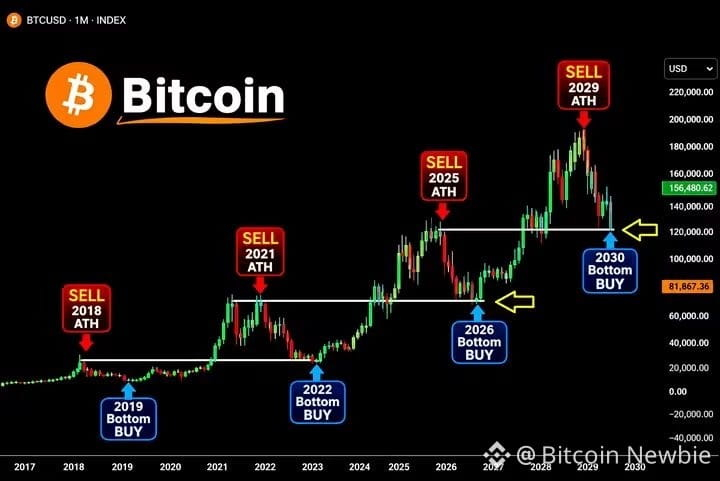
₿ What if Bitcoin's next major cycle follows a very different timeline than most investors expect?
I've been looking at Bitcoin's long-term monthly chart, and there's an interesting scenario worth discussing.
Historically, Bitcoin has gone through major expansion phases followed by deep corrections and periods of accumulation.
Looking at the broader cycle structure, here's one possible long-term roadmap:
🔴 2025: A potential cycle peak and major profit-taking phase.
🔵 2026: A possible market bottom and long-term accumulation opportunity.
🔴 2029: Another potential cycle high, possibly pushing Bitcoin above $200K.
🔵 2030: A new correction and potential long-term accumulation phase.
Now, I'm not suggesting these dates or price levels are guaranteed.
In fact, the interesting part is whether Bitcoin's traditional four-year cycle will continue to repeat, or whether institutional adoption, ETFs, liquidity, and changing market dynamics will fundamentally alter its historical behavior.
Here's what I'd really like to debate:
1️⃣ Do you believe Bitcoin will continue following its historical four-year cycle?
2️⃣ Could the next major Bitcoin peak happen around 2029, or will institutional demand change the entire cycle structure?
3️⃣ If BTC experiences another major correction, would you be accumulating aggressively or waiting for stronger confirmation of a bottom?
Personally, I think the biggest mistake investors can make is treating any historical pattern as a guarantee of what comes next.
What's your long-term Bitcoin thesis: $200K+ by 2029, or a completely different market cycle?
Let's hear the arguments from both sides. 👇
#bitcoin #MSCIRemovalMayCurbStrategy’sBitcoinBuying #BuyTheDip #StrategyBTCPurchase #AnthropicRejectsIPODelayValuationinQuestion
$BTC
{future}(BTCUSDT)
$PEPE
{spot}(PEPEUSDT)
$SUI
{future}(SUIUSDT)
₿ What if Bitcoin's next major cycle follows a very different timeline than most investors expect?
I've been looking at Bitcoin's long-term monthly chart, and there's an interesting scenario worth discussing.
Historically, Bitcoin has gone through major expansion phases followed by deep corrections and periods of accumulation.
Looking at the broader cycle structure, here's one possible long-term roadmap:
🔴 2025: A potential cycle peak and major profit-taking phase.
🔵 2026: A possible market bottom and long-term accumulation opportunity.
🔴 2029: Another potential cycle high, possibly pushing Bitcoin above $200K.
🔵 2030: A new correction and potential long-term accumulation phase.
Now, I'm not suggesting these dates or price levels are guaranteed.
In fact, the interesting part is whether Bitcoin's traditional four-year cycle will continue to repeat, or whether institutional adoption, ETFs, liquidity, and changing market dynamics will fundamentally alter its historical behavior.
Here's what I'd really like to debate:
1️⃣ Do you believe Bitcoin will continue following its historical four-year cycle?
2️⃣ Could the next major Bitcoin peak happen around 2029, or will institutional demand change the entire cycle structure?
3️⃣ If BTC experiences another major correction, would you be accumulating aggressively or waiting for stronger confirmation of a bottom?
Personally, I think the biggest mistake investors can make is treating any historical pattern as a guarantee of what comes next.
What's your long-term Bitcoin thesis: $200K+ by 2029, or a completely different market cycle?
Let's hear the arguments from both sides. 👇
#bitcoin #MSCIRemovalMayCurbStrategy’sBitcoinBuying #BuyTheDip #StrategyBTCPurchase #AnthropicRejectsIPODelayValuationinQuestion
$BTC
$PEPE
$SUI
24
See translation
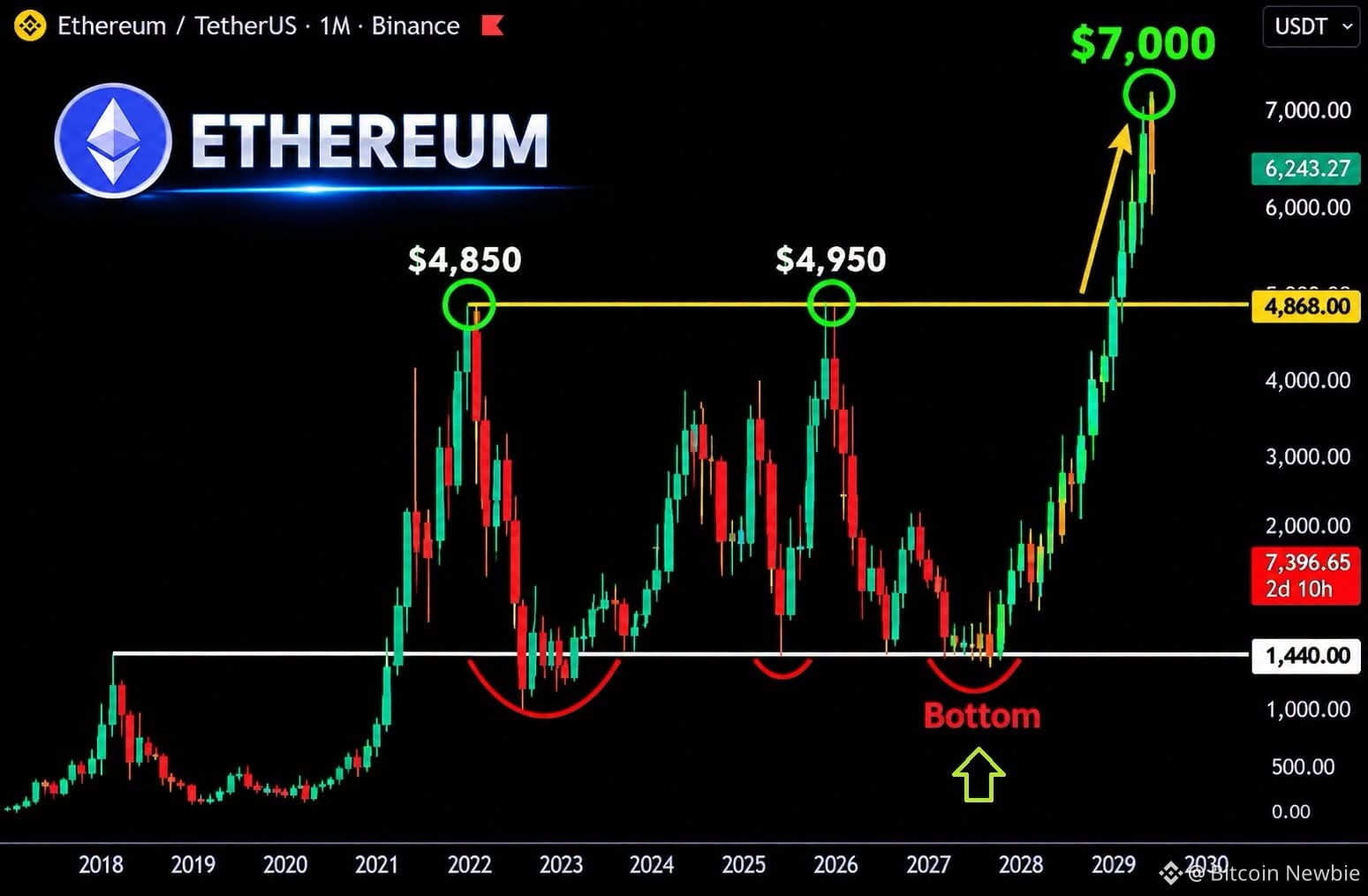
🚨 ETHEREUM: $1,440 OR $7,000… WHICH SIDE OF THIS CHART ARE YOU ON? 👀
Most people are focused on Ethereum's next short-term move.
But the monthly chart raises a much bigger question:
What if the market is building another major cycle bottom before its next expansion?
Look at the structure:
🔹 $4,850–$4,950: Two major historical highs that created a significant resistance zone.
🔹 $1,440: A critical long-term support area that has attracted attention across multiple market cycles.
🔹 2027 scenario: If ETH revisits this support region, holds it, and confirms a new bullish structure, it could potentially establish the foundation for another major expansion.
🔹 Long-term target: Under this bullish scenario, a move toward $4,950 and eventually $7,000 becomes a possibility worth discussing.
But here's where I want to challenge both sides.
To the bears: Are you assuming Ethereum's best days are behind it, or do you have evidence that its long-term market structure has permanently changed?
To the bulls: What makes you confident that ETH can reclaim its previous highs and go beyond them?
And most importantly, what would prove your current thesis wrong?
I'm not saying $1,440 must be the bottom, and $7,000 is certainly not guaranteed. This is a long-term scenario that needs confirmation at every stage.
Let's make this interesting:
1️⃣ Is Ethereum still capable of reaching $7,000 in a future cycle?
2️⃣ Would a revisit to $1,440 represent a generational buying opportunity or a warning sign?
3️⃣ Has ETH lost its competitive advantage, or is the market underestimating its long-term potential?
4️⃣ If you had to choose one: Would you rather accumulate ETH during a major correction or wait for a confirmed breakout above $4,950?
I want actual arguments, not just price predictions.
Bullish, bearish, or somewhere in between — defend your view.
Let's see which thesis has the stronger evidence. 👇
#ETH #Ethereum #Market_Update #CryptoNews #CryptoMarketAnalysis
$ETH
{future}(ETHUSDT)
$SPCXB
{spot}(SPCXBUSDT)
🚨 ETHEREUM: $1,440 OR $7,000… WHICH SIDE OF THIS CHART ARE YOU ON? 👀
Most people are focused on Ethereum's next short-term move.
But the monthly chart raises a much bigger question:
What if the market is building another major cycle bottom before its next expansion?
Look at the structure:
🔹 $4,850–$4,950: Two major historical highs that created a significant resistance zone.
🔹 $1,440: A critical long-term support area that has attracted attention across multiple market cycles.
🔹 2027 scenario: If ETH revisits this support region, holds it, and confirms a new bullish structure, it could potentially establish the foundation for another major expansion.
🔹 Long-term target: Under this bullish scenario, a move toward $4,950 and eventually $7,000 becomes a possibility worth discussing.
But here's where I want to challenge both sides.
To the bears: Are you assuming Ethereum's best days are behind it, or do you have evidence that its long-term market structure has permanently changed?
To the bulls: What makes you confident that ETH can reclaim its previous highs and go beyond them?
And most importantly, what would prove your current thesis wrong?
I'm not saying $1,440 must be the bottom, and $7,000 is certainly not guaranteed. This is a long-term scenario that needs confirmation at every stage.
Let's make this interesting:
1️⃣ Is Ethereum still capable of reaching $7,000 in a future cycle?
2️⃣ Would a revisit to $1,440 represent a generational buying opportunity or a warning sign?
3️⃣ Has ETH lost its competitive advantage, or is the market underestimating its long-term potential?
4️⃣ If you had to choose one: Would you rather accumulate ETH during a major correction or wait for a confirmed breakout above $4,950?
I want actual arguments, not just price predictions.
Bullish, bearish, or somewhere in between — defend your view.
Let's see which thesis has the stronger evidence. 👇
#ETH #Ethereum #Market_Update #CryptoNews #CryptoMarketAnalysis
$ETH
$SPCXB
75
See translation
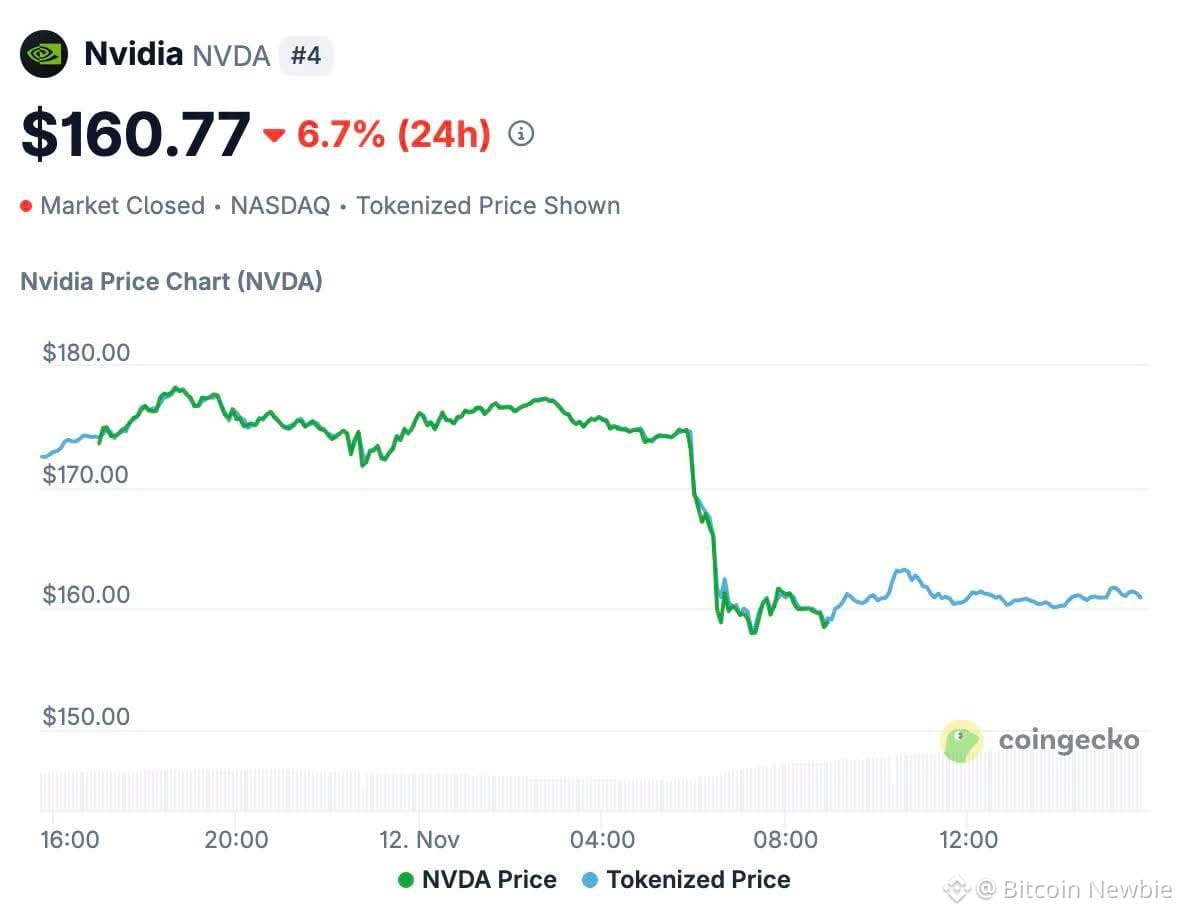
#NVDA falls to $160 after a report that CEO Jensen Huang had a second affair, as the board reportedly weighs his removal.
#NVIDIA #CanNvidiaEarningsEaseMarketConcerns? #CoreWeaveJumps10%On168%RevenueGrowth #MarketSentimentToday
$NVDA
{future}(NVDAUSDT)
$SPCXB
{spot}(SPCXBUSDT)
$HYPE
{future}(HYPEUSDT)
#NVDA falls to $160 after a report that CEO Jensen Huang had a second affair, as the board reportedly weighs his removal.
#NVIDIA #CanNvidiaEarningsEaseMarketConcerns? #CoreWeaveJumps10%On168%RevenueGrowth #MarketSentimentToday
$NVDA
$SPCXB
$HYPE
#NVIDIA #CanNvidiaEarningsEaseMarketConcerns? #CoreWeaveJumps10%On168%RevenueGrowth #MarketSentimentToday
$NVDA
$SPCXB
$HYPE
34
See translation
$BTC They will soon rush to buy at $126k
#bitcoin #BTC #BuyTheDip #StrategyBTCPurchase #Market_Update
$BTC
{future}(BTCUSDT)
$SPCXB
{spot}(SPCXBUSDT)
$BTC They will soon rush to buy at $126k
#bitcoin #BTC #BuyTheDip #StrategyBTCPurchase #Market_Update
$BTC
$SPCXB
#bitcoin #BTC #BuyTheDip #StrategyBTCPurchase #Market_Update
$BTC
$SPCXB

56
See translation
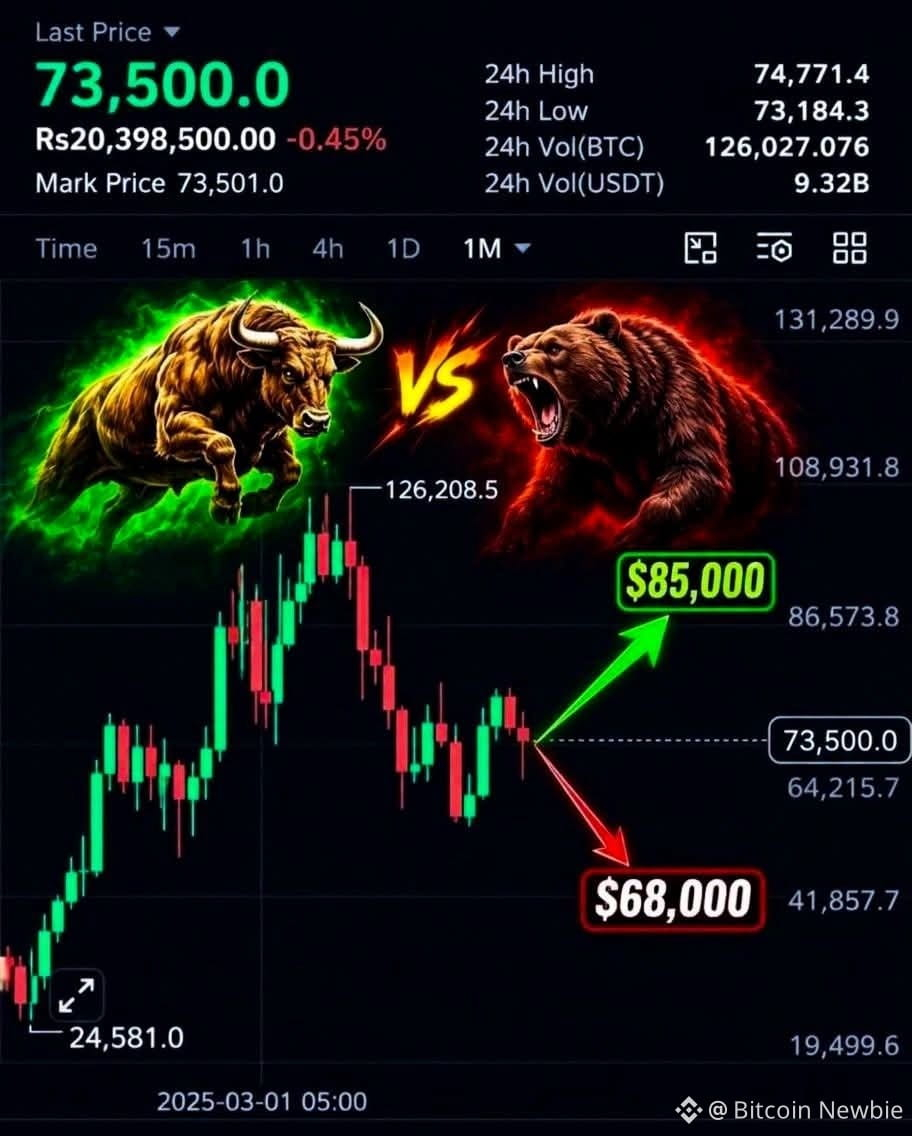
🚨 BREAKING: #BTC at the crossroads: Will it reach $85,000 or drop to $68,000?
#bitcoin #MSCIRemovalMayCurbStrategy’sBitcoinBuying #Market_Update #CryptoNews
$BTC
{future}(BTCUSDT)
$ETH
{future}(ETHUSDT)
$XRP
{future}(XRPUSDT)
🚨 BREAKING: #BTC at the crossroads: Will it reach $85,000 or drop to $68,000?
#bitcoin #MSCIRemovalMayCurbStrategy’sBitcoinBuying #Market_Update #CryptoNews
$BTC
$ETH
$XRP
#bitcoin #MSCIRemovalMayCurbStrategy’sBitcoinBuying #Market_Update #CryptoNews
$BTC
$ETH
$XRP
106
See translation
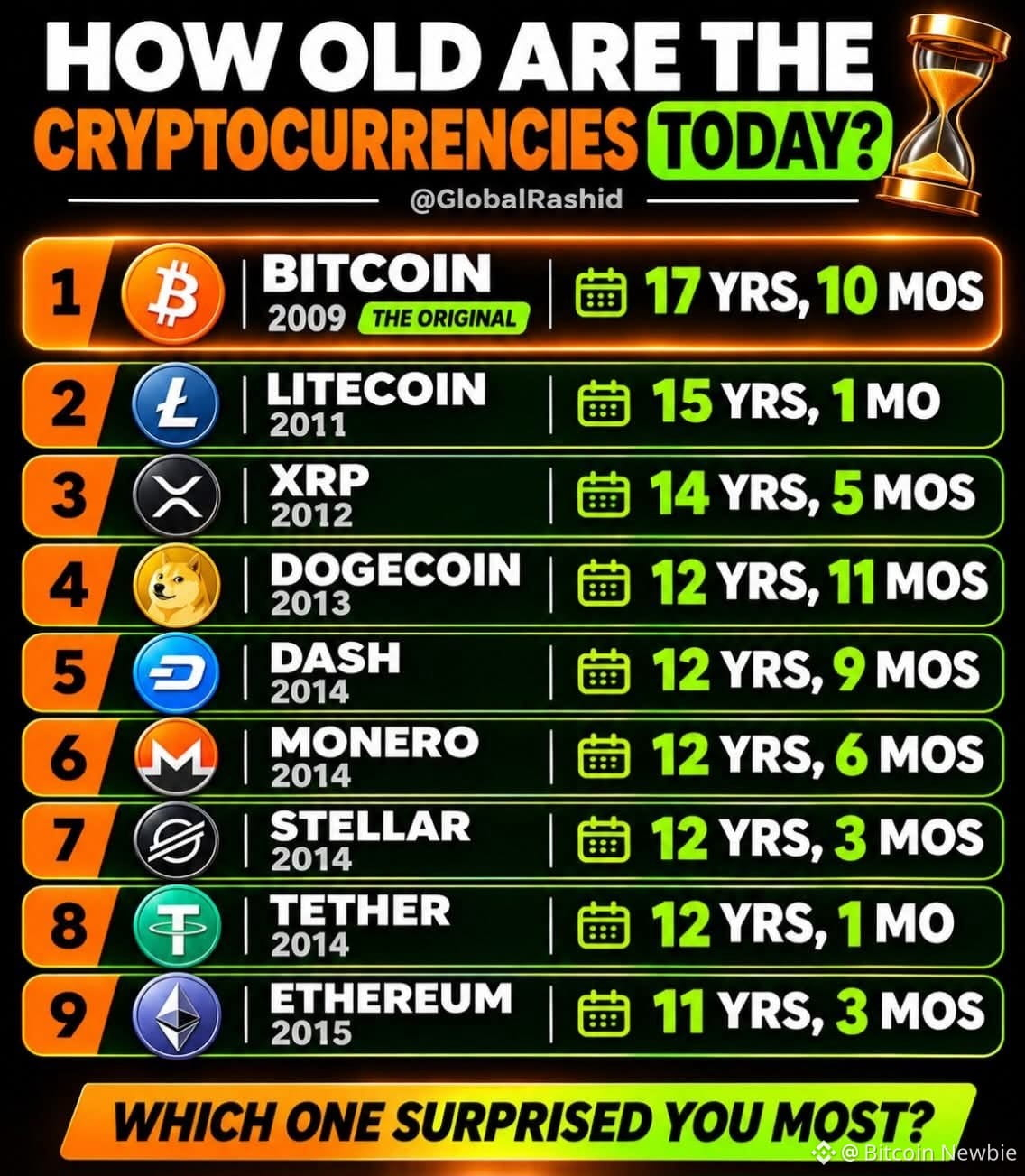
Crypto Age
Ever wondered how old your favourite cryptocurrencies are?
Bitcoin is almost 18 years old, while Ethereum is over 11 years old. Some of the biggest names in crypto have been around much longer than many people think.
Which cryptocurrency surprised you the most?
Disclaimer: Crypto information is for educational purposes only.
Bitcoin, Ethereum, XRP, Litecoin, Dogecoin, Crypto History, Blockchain
#BTC #ETH #bnb #xrp #HotCPIDecemberHikePriced
$BTC
{spot}(BTCUSDT)
$ETH
{spot}(ETHUSDT)
$BNB
{spot}(BNBUSDT)
Crypto Age
Ever wondered how old your favourite cryptocurrencies are?
Bitcoin is almost 18 years old, while Ethereum is over 11 years old. Some of the biggest names in crypto have been around much longer than many people think.
Which cryptocurrency surprised you the most?
Disclaimer: Crypto information is for educational purposes only.
Bitcoin, Ethereum, XRP, Litecoin, Dogecoin, Crypto History, Blockchain
#BTC #ETH #bnb #xrp #HotCPIDecemberHikePriced
$BTC
$ETH
$BNB
109
See translation
BREAKING: Nvidia is preparing to fire Jensen Huang, its founder and CEO, after allegations of a second affair have surfaced, per WSJ.
The board is preparing to meet as soon as today to determine his future.
#NVIDIA #CanNvidiaEarningsEaseMarketConcerns? #CoreWeaveJumps10%On168%RevenueGrowth #HotCPIDecemberHikePriced #AnthropicRejectsIPODelayValuationinQuestion
$NVDA
{future}(NVDAUSDT)
$XRP
{future}(XRPUSDT)
$DOGE
{future}(DOGEUSDT)
BREAKING: Nvidia is preparing to fire Jensen Huang, its founder and CEO, after allegations of a second affair have surfaced, per WSJ.
The board is preparing to meet as soon as today to determine his future.
#NVIDIA #CanNvidiaEarningsEaseMarketConcerns? #CoreWeaveJumps10%On168%RevenueGrowth #HotCPIDecemberHikePriced #AnthropicRejectsIPODelayValuationinQuestion
$NVDA
$XRP
$DOGE
The board is preparing to meet as soon as today to determine his future.
#NVIDIA #CanNvidiaEarningsEaseMarketConcerns? #CoreWeaveJumps10%On168%RevenueGrowth #HotCPIDecemberHikePriced #AnthropicRejectsIPODelayValuationinQuestion
$NVDA
$XRP
$DOGE
493
See translation
LATEST: 📊 Bitcoin is on track for its first back-to-back annual losses, down about 16% in 2026 after a 6.34% drop in 2025, unless it recovers above $87,500 by Dec. 31.
#bitcoin #Market_Update #CryptoNews #BuyTheDip #BitcoinFiveWeeklyLosses
$BTC
{future}(BTCUSDT)
$ETH
{future}(ETHUSDT)
$BNB
{future}(BNBUSDT)
LATEST: 📊 Bitcoin is on track for its first back-to-back annual losses, down about 16% in 2026 after a 6.34% drop in 2025, unless it recovers above $87,500 by Dec. 31.
#bitcoin #Market_Update #CryptoNews #BuyTheDip #BitcoinFiveWeeklyLosses
$BTC
$ETH
$BNB
#bitcoin #Market_Update #CryptoNews #BuyTheDip #BitcoinFiveWeeklyLosses
$BTC
$ETH
$BNB


81
See translation
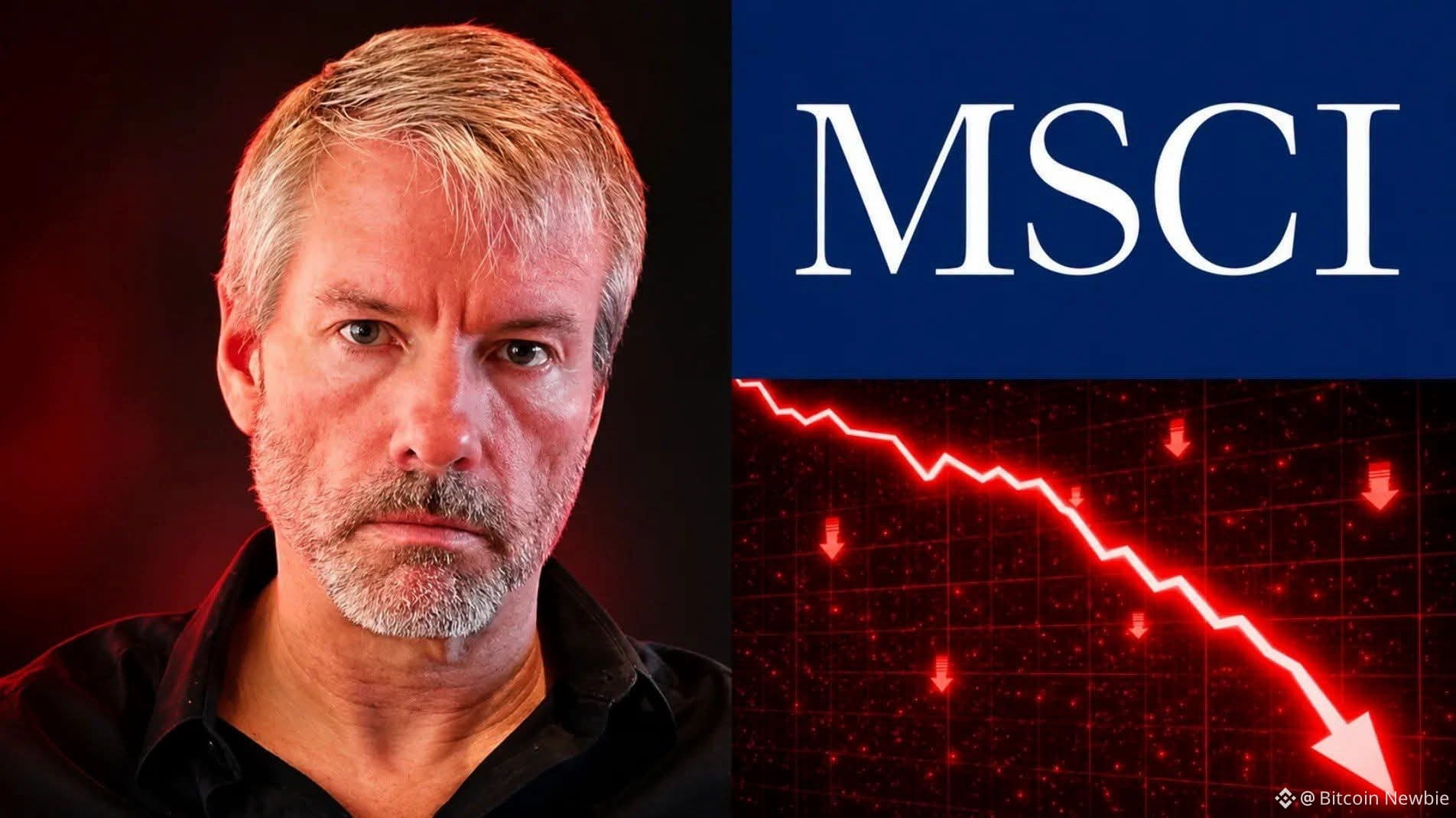
🚨 NEXT 24 HOURS ARE VERY CRUCIAL FOR CRYPTO TREASURY COMPANIES
Today, the MSCI will announce its decision regarding whether companies like Strategy will be considered "non-operating" due to heavy crypto holdings.
If Strategy and other crypto treasury companies are considered "non-operating" companies, they will be removed from the MSCI index.
A removal means Billions in fund selling, which will crash their stock prices and will also impact the crypto market.
#StrategyBTCPurchase #Market_Update #CryptoNews #bitcoin #BarclaysRaisesBlackRockBitcoinETFStake48%
$BTC
{future}(BTCUSDT)
$BNB
{future}(BNBUSDT)
$SPCXB
{spot}(SPCXBUSDT)
🚨 NEXT 24 HOURS ARE VERY CRUCIAL FOR CRYPTO TREASURY COMPANIES
Today, the MSCI will announce its decision regarding whether companies like Strategy will be considered "non-operating" due to heavy crypto holdings.
If Strategy and other crypto treasury companies are considered "non-operating" companies, they will be removed from the MSCI index.
A removal means Billions in fund selling, which will crash their stock prices and will also impact the crypto market.
#StrategyBTCPurchase #Market_Update #CryptoNews #bitcoin #BarclaysRaisesBlackRockBitcoinETFStake48%
$BTC
$BNB
$SPCXB
63
Log in to explore more content
Join global crypto users on Binance Square
⚡️ Get latest and useful information about crypto.
💬 Trusted by the world’s largest crypto exchange.
👍 Discover real insights from verified creators.
Email / Phone number
Trending Topics
WhatWillDriveCryptoandStocks’NextRebound?
69,417 views
945 Discussing
Bitcoin Slips Below $70,000 as Dollar Index Hits 19-Month High
Binance News
·19 Likes
·38.6k views
BitcoinBreaksBelow200WeekMovingAverage
1,016 views
37 Discussing
SpaceXTeslaMergerTalksWouldCombine30220BTC
0 views
0 Discussing