
加密城市 Crypto City
9.7k Posts

加密城市 Crypto City
 Square Verified+
Report
Block User
0 Following
5.9K+ Followers
6.1K+ Liked
Posts

Article
Nano particles inhaled through the nose can connect to a brain-machine interface! Google engineering director joins a startup and has already raised $27 million in fundingGoogle engineering director joins brain-machine startup Subsense
(The singularity is near.) Author and Google engineering director Ray Kurzweil has recently announced that he is joining brain-machine interface startup Subsense as a product and vision advisor. He will provide guidance on the company’s product and technology development direction, and share his views on how the integration of AI and neural interfaces could reshape human-computer interaction.
He believes the purpose of human existence is to continuously explore new frontiers and expand the self. Rather than accelerating humanity’s ability to use AI, external devices such as smartphones slow it down. Ultimately, he hopes to integrate smartphones with the brain.
Nano particles inhaled through the nose can connect to a brain-machine interface! Google engineering director joins a startup and has already raised $27 million in funding
Google engineering director joins brain-machine startup Subsense
(The singularity is near.) Author and Google engineering director Ray Kurzweil has recently announced that he is joining brain-machine interface startup Subsense as a product and vision advisor. He will provide guidance on the company’s product and technology development direction, and share his views on how the integration of AI and neural interfaces could reshape human-computer interaction.
He believes the purpose of human existence is to continuously explore new frontiers and expand the self. Rather than accelerating humanity’s ability to use AI, external devices such as smartphones slow it down. Ultimately, he hopes to integrate smartphones with the brain.
(The singularity is near.) Author and Google engineering director Ray Kurzweil has recently announced that he is joining brain-machine interface startup Subsense as a product and vision advisor. He will provide guidance on the company’s product and technology development direction, and share his views on how the integration of AI and neural interfaces could reshape human-computer interaction.
He believes the purpose of human existence is to continuously explore new frontiers and expand the self. Rather than accelerating humanity’s ability to use AI, external devices such as smartphones slow it down. Ultimately, he hopes to integrate smartphones with the brain.
21
Article
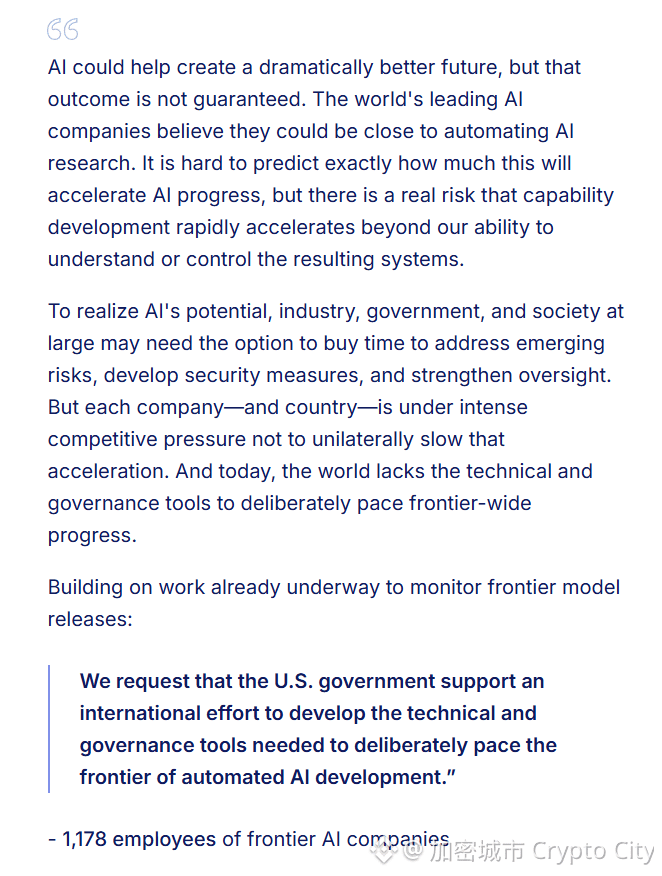
Resigning Anthropic researcher warns: AI could destroy humanity in a few years—by the end of next year at the latest, the situation may get out of control27-year-old Anthropic researcher quits; a single post shocks the community
“In a few years, AI could destroy humanity, but no one will be held responsible.” Today (9/9), Jacob Coxon, a 27-year-old researcher at Anthropic, announced his resignation on the social platform X and sharply criticized the AI giants for being irresponsible. His post has already surpassed 30 million views, sparking heated discussion among netizens. Renowned artist Beeple also drew an image to pay his respects.
Over the past three years, Coxon worked on pre-training research at OpenAI and Anthropic, but he believes both companies have failed to properly take responsibility. They are racing full speed toward superintelligence with the ability to self-improve—essentially betting the lives of all humanity.
Resigning Anthropic researcher warns: AI could destroy humanity in a few years—by the end of next year at the latest, the situation may get out of control
27-year-old Anthropic researcher quits; a single post shocks the community
“In a few years, AI could destroy humanity, but no one will be held responsible.” Today (9/9), Jacob Coxon, a 27-year-old researcher at Anthropic, announced his resignation on the social platform X and sharply criticized the AI giants for being irresponsible. His post has already surpassed 30 million views, sparking heated discussion among netizens. Renowned artist Beeple also drew an image to pay his respects.
Over the past three years, Coxon worked on pre-training research at OpenAI and Anthropic, but he believes both companies have failed to properly take responsibility. They are racing full speed toward superintelligence with the ability to self-improve—essentially betting the lives of all humanity.
“In a few years, AI could destroy humanity, but no one will be held responsible.” Today (9/9), Jacob Coxon, a 27-year-old researcher at Anthropic, announced his resignation on the social platform X and sharply criticized the AI giants for being irresponsible. His post has already surpassed 30 million views, sparking heated discussion among netizens. Renowned artist Beeple also drew an image to pay his respects.
Over the past three years, Coxon worked on pre-training research at OpenAI and Anthropic, but he believes both companies have failed to properly take responsibility. They are racing full speed toward superintelligence with the ability to self-improve—essentially betting the lives of all humanity.
1
555
Memory inventory left at less than 10 days! Korean media: Samsung, SK hynix may face the most severe shortage wave in 2027According to a report by Korean media, a 7-day report released by Korea’s KB Securities states that Samsung Electronics and SK hynix’s memory inventory has fallen to a level of less than 10 days. With AI infrastructure investment expanding at an unprecedented pace, the memory market may face the tightest supply environment in history next year, and in extreme cases, available inventory for sale could be directly depleted.
Only 10 days of memory inventory left? Before taking orders, first consider whether there will be stock.
KB Securities Research Director Kim Dong-won said that as of this year’s third quarter, the memory inventories of the two Korean manufacturers have already dropped below 10 days. He believes this is no longer just a simple recovery in demand, but could evolve into a situation where “the quantity available for sale itself gets used up.” Kim further noted that AI servers don’t just consume HBM; they also simultaneously absorb demand for server DDR5 and enterprise SSDs (eSSD). Ultimately, this could lead to a shortage wave at an unprecedented, historic level.
Memory inventory left at less than 10 days! Korean media: Samsung, SK hynix may face the most severe shortage wave in 2027
According to a report by Korean media, a 7-day report released by Korea’s KB Securities states that Samsung Electronics and SK hynix’s memory inventory has fallen to a level of less than 10 days. With AI infrastructure investment expanding at an unprecedented pace, the memory market may face the tightest supply environment in history next year, and in extreme cases, available inventory for sale could be directly depleted.
Only 10 days of memory inventory left? Before taking orders, first consider whether there will be stock.
KB Securities Research Director Kim Dong-won said that as of this year’s third quarter, the memory inventories of the two Korean manufacturers have already dropped below 10 days. He believes this is no longer just a simple recovery in demand, but could evolve into a situation where “the quantity available for sale itself gets used up.” Kim further noted that AI servers don’t just consume HBM; they also simultaneously absorb demand for server DDR5 and enterprise SSDs (eSSD). Ultimately, this could lead to a shortage wave at an unprecedented, historic level.
Only 10 days of memory inventory left? Before taking orders, first consider whether there will be stock.
KB Securities Research Director Kim Dong-won said that as of this year’s third quarter, the memory inventories of the two Korean manufacturers have already dropped below 10 days. He believes this is no longer just a simple recovery in demand, but could evolve into a situation where “the quantity available for sale itself gets used up.” Kim further noted that AI servers don’t just consume HBM; they also simultaneously absorb demand for server DDR5 and enterprise SSDs (eSSD). Ultimately, this could lead to a shortage wave at an unprecedented, historic level.
27
Bank-grade Swiss franc stablecoin! UBS joins forces with eight financial giants to launch CHFD sandbox testingUBS teams up with eight companies; CHFD enters the practical testing phase.
Switzerland’s finance sector continues to explore the use of fiat-backed stablecoins. On September 8, UBS announced that a Swiss franc stablecoin sandbox jointly promoted by multiple Swiss banks and fintech companies has officially entered the testing phase, with two new partner organizations added: SIX, the operator of the Swiss stock exchange, and TWINT, a payment platform.
The number of companies currently participating in the program has increased to nine, including UBS, PostFinance, Sygnum, Raiffeisen, Zürcher Kantonalbank, BCV, SIX, TWINT, and Swiss Stablecoin AG.
Bank-grade Swiss franc stablecoin! UBS joins forces with eight financial giants to launch CHFD sandbox testing
UBS teams up with eight companies; CHFD enters the practical testing phase.
Switzerland’s finance sector continues to explore the use of fiat-backed stablecoins. On September 8, UBS announced that a Swiss franc stablecoin sandbox jointly promoted by multiple Swiss banks and fintech companies has officially entered the testing phase, with two new partner organizations added: SIX, the operator of the Swiss stock exchange, and TWINT, a payment platform.
The number of companies currently participating in the program has increased to nine, including UBS, PostFinance, Sygnum, Raiffeisen, Zürcher Kantonalbank, BCV, SIX, TWINT, and Swiss Stablecoin AG.
Switzerland’s finance sector continues to explore the use of fiat-backed stablecoins. On September 8, UBS announced that a Swiss franc stablecoin sandbox jointly promoted by multiple Swiss banks and fintech companies has officially entered the testing phase, with two new partner organizations added: SIX, the operator of the Swiss stock exchange, and TWINT, a payment platform.
The number of companies currently participating in the program has increased to nine, including UBS, PostFinance, Sygnum, Raiffeisen, Zürcher Kantonalbank, BCV, SIX, TWINT, and Swiss Stablecoin AG.
24
GPT-6 Astra clears the “I’m Not a Robot” game—through all 48 levels! Are human-verification measures still able to stop bots?A segment showcasing a video recently sparked debate on X: OpenAI’s latest model, GPT-6 Astra, cleared all 48 levels of the browser game “I’m Not a Robot.” The video was published by AI developer Sharif Shameem and reposted by developer “Xia Hu.” It came with the line: “Verification codes on all websites’ CAPTCHA protections have failed.”
Let’s be clear: this is “a puzzle game where you clear a joke CAPTCHA,” and it doesn’t mean that CAPTCHAs on websites around the world all fail overnight. What it points to, though, is a real trend that’s currently taking shape—one worth considering from the perspectives of cybersecurity and the encryption industry.
GPT-6 Astra clears the “I’m Not a Robot” game—through all 48 levels! Are human-verification measures still able to stop bots?
A segment showcasing a video recently sparked debate on X: OpenAI’s latest model, GPT-6 Astra, cleared all 48 levels of the browser game “I’m Not a Robot.” The video was published by AI developer Sharif Shameem and reposted by developer “Xia Hu.” It came with the line: “Verification codes on all websites’ CAPTCHA protections have failed.”
Let’s be clear: this is “a puzzle game where you clear a joke CAPTCHA,” and it doesn’t mean that CAPTCHAs on websites around the world all fail overnight. What it points to, though, is a real trend that’s currently taking shape—one worth considering from the perspectives of cybersecurity and the encryption industry.
Let’s be clear: this is “a puzzle game where you clear a joke CAPTCHA,” and it doesn’t mean that CAPTCHAs on websites around the world all fail overnight. What it points to, though, is a real trend that’s currently taking shape—one worth considering from the perspectives of cybersecurity and the encryption industry.
23
Visa stablecoin settlements top $20B! Open on-chain clearing data to boost crypto card issuanceVisa’s stablecoin settlement breaks through $20 billion, up more than 15x year over year
Payment giant Visa continues to expand its stablecoin business footprint. On September 8, Visa announced that it will combine VisaNet settlement data with on-chain lending infrastructure to help issuers of stablecoin-linked cards and fintech companies obtain operating capital, reducing the funding pressure that emerging payment providers face at the initial stage of card issuance.
Behind this expansion is the rapid growth of Visa’s stablecoin business. Visa said that the annualized scale of stablecoin settlement volume has surpassed $20 billion, increasing more than 15 times compared with the same period last year.
Visa stablecoin settlements top $20B! Open on-chain clearing data to boost crypto card issuance
Visa’s stablecoin settlement breaks through $20 billion, up more than 15x year over year
Payment giant Visa continues to expand its stablecoin business footprint. On September 8, Visa announced that it will combine VisaNet settlement data with on-chain lending infrastructure to help issuers of stablecoin-linked cards and fintech companies obtain operating capital, reducing the funding pressure that emerging payment providers face at the initial stage of card issuance.
Behind this expansion is the rapid growth of Visa’s stablecoin business. Visa said that the annualized scale of stablecoin settlement volume has surpassed $20 billion, increasing more than 15 times compared with the same period last year.
Payment giant Visa continues to expand its stablecoin business footprint. On September 8, Visa announced that it will combine VisaNet settlement data with on-chain lending infrastructure to help issuers of stablecoin-linked cards and fintech companies obtain operating capital, reducing the funding pressure that emerging payment providers face at the initial stage of card issuance.
Behind this expansion is the rapid growth of Visa’s stablecoin business. Visa said that the annualized scale of stablecoin settlement volume has surpassed $20 billion, increasing more than 15 times compared with the same period last year.
59
Article
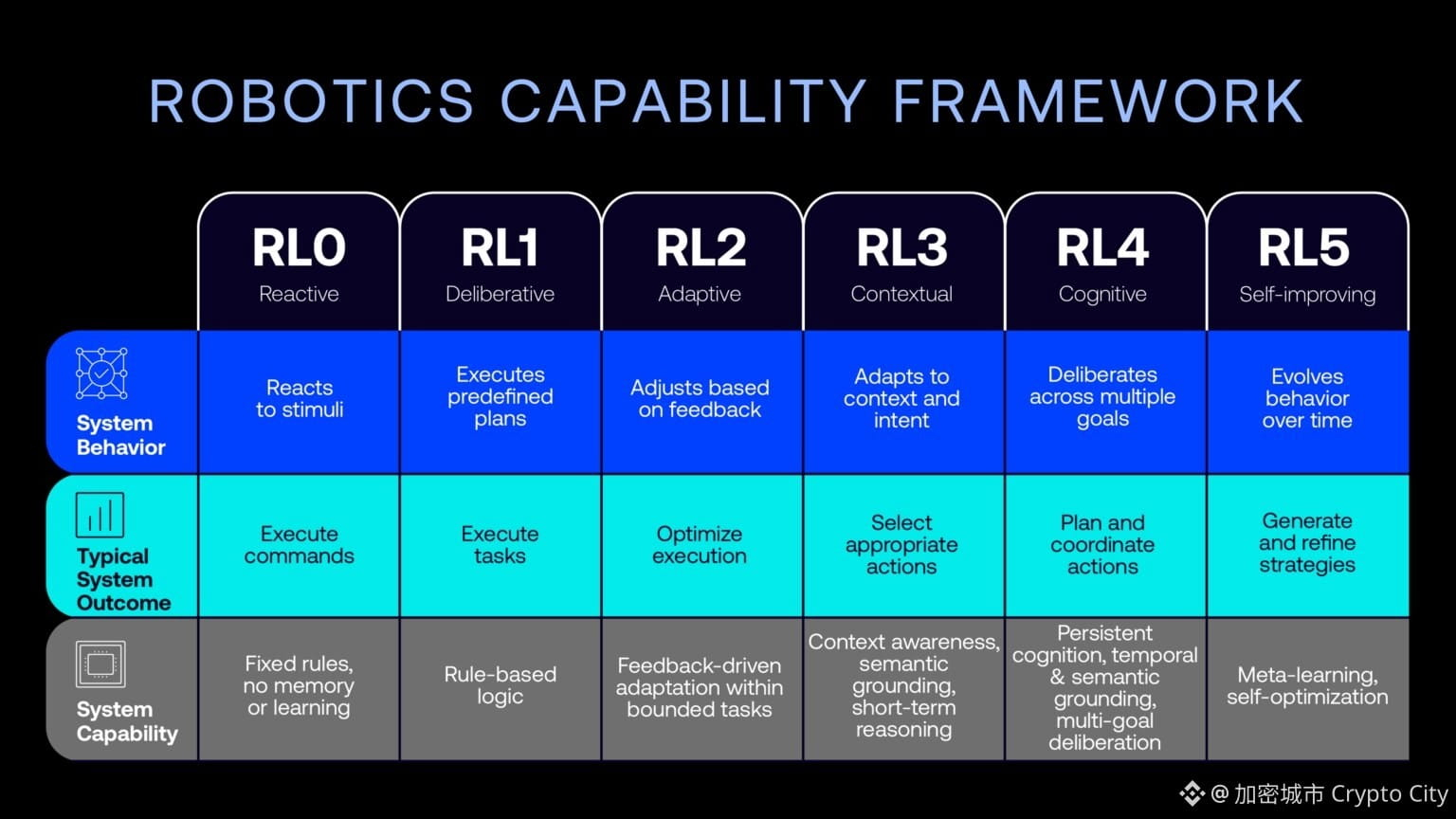
The semiconductor IP king Arm moves into physical AI! Its robot corps names 9 Taiwanese manufacturers, hoping to see AI treatments for cancer in the futureArm enters physical AI; 9 Taiwanese manufacturers including TSMC and Realtek are expected to benefit
Global semiconductor IP leader Arm announced yesterday (9/8) that it will fully expand its ecosystem design efforts into the physical AI domain, launching “Arm Comprehensive Physical AI Design.” The company is inviting more than 80 enterprises spanning the technology stack to join, covering AI models, software, compute hardware, sensors, virtual platforms, and digital twins.
Among Arm’s first batch of robot teams, international partners include AWS, ECARX, Hugging Face, Liquid AI, NXP Semiconductors, PlusAI, PSYONIC, QNX, Alibaba, Google Cloud, Tongyi Qianwen, Siemens, and Unitree Technology, among others.
The semiconductor IP king Arm moves into physical AI! Its robot corps names 9 Taiwanese manufacturers, hoping to see AI treatments for cancer in the future
Arm enters physical AI; 9 Taiwanese manufacturers including TSMC and Realtek are expected to benefit
Global semiconductor IP leader Arm announced yesterday (9/8) that it will fully expand its ecosystem design efforts into the physical AI domain, launching “Arm Comprehensive Physical AI Design.” The company is inviting more than 80 enterprises spanning the technology stack to join, covering AI models, software, compute hardware, sensors, virtual platforms, and digital twins.
Among Arm’s first batch of robot teams, international partners include AWS, ECARX, Hugging Face, Liquid AI, NXP Semiconductors, PlusAI, PSYONIC, QNX, Alibaba, Google Cloud, Tongyi Qianwen, Siemens, and Unitree Technology, among others.
Global semiconductor IP leader Arm announced yesterday (9/8) that it will fully expand its ecosystem design efforts into the physical AI domain, launching “Arm Comprehensive Physical AI Design.” The company is inviting more than 80 enterprises spanning the technology stack to join, covering AI models, software, compute hardware, sensors, virtual platforms, and digital twins.
Among Arm’s first batch of robot teams, international partners include AWS, ECARX, Hugging Face, Liquid AI, NXP Semiconductors, PlusAI, PSYONIC, QNX, Alibaba, Google Cloud, Tongyi Qianwen, Siemens, and Unitree Technology, among others.
96
Palantir CEO on “Digital Patriotic Sovereignty”: Countries Should Recall Experts to Build Dedicated AI Application LayersPalantir CEO Alex Karp and U.S. Secretary of Commerce Howard Lutnick held a summit discussion at the G20, delving into the close relationship between artificial intelligence and national sovereignty. Karp emphasized that countries should build their own dedicated AI application layer, ensuring computing power and energy supply, and urged leaders to actively recall overseas experts in a form of “digital patriotism” to persuade technical talent to return home and serve, thereby preventing the leakage of state secrets.
AI application layer maintenance decisions are precise, preventing data leakage
Karp believes that the AI application layer plays a crucial role in building a nation’s digital sovereignty. Directly adopting frontier models often lacks precision and their performance can easily degrade over time. A dedicated application layer can help decision-makers ensure transparency and verifiability. In addition, combining the application layer with an integration layer (ontology) allows countries to train models in closed and secure environments, preventing sensitive confidential information and unique advantages from being leaked to foreign tech vendors. This framework is also flexible, able to adjust to different security levels depending on the sensitivity of the task. Countries can therefore make flexible use of less powerful domestic models (indigenous models) or open-source models to handle specific matters, reducing dependence on foreign big tech companies.
Palantir CEO on “Digital Patriotic Sovereignty”: Countries Should Recall Experts to Build Dedicated AI Application Layers
Palantir CEO Alex Karp and U.S. Secretary of Commerce Howard Lutnick held a summit discussion at the G20, delving into the close relationship between artificial intelligence and national sovereignty. Karp emphasized that countries should build their own dedicated AI application layer, ensuring computing power and energy supply, and urged leaders to actively recall overseas experts in a form of “digital patriotism” to persuade technical talent to return home and serve, thereby preventing the leakage of state secrets.
AI application layer maintenance decisions are precise, preventing data leakage
Karp believes that the AI application layer plays a crucial role in building a nation’s digital sovereignty. Directly adopting frontier models often lacks precision and their performance can easily degrade over time. A dedicated application layer can help decision-makers ensure transparency and verifiability. In addition, combining the application layer with an integration layer (ontology) allows countries to train models in closed and secure environments, preventing sensitive confidential information and unique advantages from being leaked to foreign tech vendors. This framework is also flexible, able to adjust to different security levels depending on the sensitivity of the task. Countries can therefore make flexible use of less powerful domestic models (indigenous models) or open-source models to handle specific matters, reducing dependence on foreign big tech companies.
AI application layer maintenance decisions are precise, preventing data leakage
Karp believes that the AI application layer plays a crucial role in building a nation’s digital sovereignty. Directly adopting frontier models often lacks precision and their performance can easily degrade over time. A dedicated application layer can help decision-makers ensure transparency and verifiability. In addition, combining the application layer with an integration layer (ontology) allows countries to train models in closed and secure environments, preventing sensitive confidential information and unique advantages from being leaked to foreign tech vendors. This framework is also flexible, able to adjust to different security levels depending on the sensitivity of the task. Countries can therefore make flexible use of less powerful domestic models (indigenous models) or open-source models to handle specific matters, reducing dependence on foreign big tech companies.
68
Article
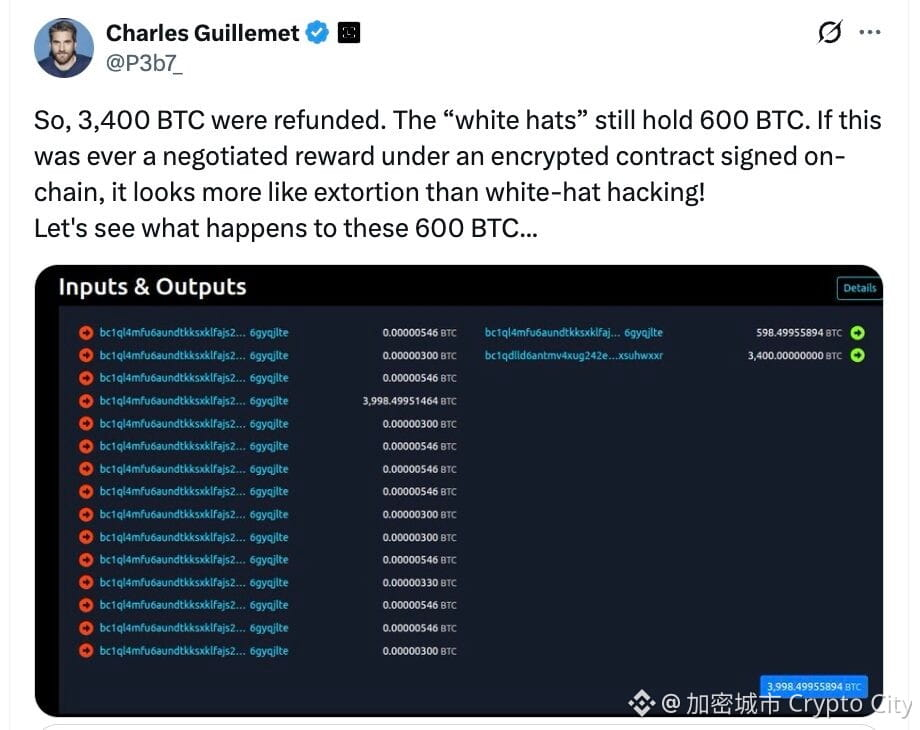
Bitcoin Sidechain Liquid Hack Case Reversed: Hacker Returns 3,400 BTC, About 600 Still Not ReturnedA major reversal has occurred in the incident involving the abnormal outflow of nearly 4,000 BTC from the Bitcoin sidechain Liquid Network. The party claiming to be a “white-hat hacker” has returned 3,400 BTC to Liquid Federation. Estimated at the value based on the exchange rate at the time of transfer, this is worth about $269 million, equivalent to recovering roughly 85% of the funds. However, around 598.5 BTC, worth approximately $47 million, remains in the counterparty’s controlled addresses, and the incident has not yet fully ended.
SideSwap indicates that at 14:05 on September 6 (UTC), a customer sent 4,000 L-BTC to its peg-out service. The system destroyed the L-BTC according to normal procedures and obtained a valid peg-out authorization. About 23 minutes later, Liquid Federation paid approximately 3,996 BTC to the relevant address on the Bitcoin mainnet.
Bitcoin Sidechain Liquid Hack Case Reversed: Hacker Returns 3,400 BTC, About 600 Still Not Returned
A major reversal has occurred in the incident involving the abnormal outflow of nearly 4,000 BTC from the Bitcoin sidechain Liquid Network. The party claiming to be a “white-hat hacker” has returned 3,400 BTC to Liquid Federation. Estimated at the value based on the exchange rate at the time of transfer, this is worth about $269 million, equivalent to recovering roughly 85% of the funds. However, around 598.5 BTC, worth approximately $47 million, remains in the counterparty’s controlled addresses, and the incident has not yet fully ended.
SideSwap indicates that at 14:05 on September 6 (UTC), a customer sent 4,000 L-BTC to its peg-out service. The system destroyed the L-BTC according to normal procedures and obtained a valid peg-out authorization. About 23 minutes later, Liquid Federation paid approximately 3,996 BTC to the relevant address on the Bitcoin mainnet.
SideSwap indicates that at 14:05 on September 6 (UTC), a customer sent 4,000 L-BTC to its peg-out service. The system destroyed the L-BTC according to normal procedures and obtained a valid peg-out authorization. About 23 minutes later, Liquid Federation paid approximately 3,996 BTC to the relevant address on the Bitcoin mainnet.
66
Article
Ethereum Holds Key Support! All Four EMAs Are Above, Can September Break Through the $2,800 Mark?Ethereum holds above $2,400, with $2,500 acting as a key near-term resistance
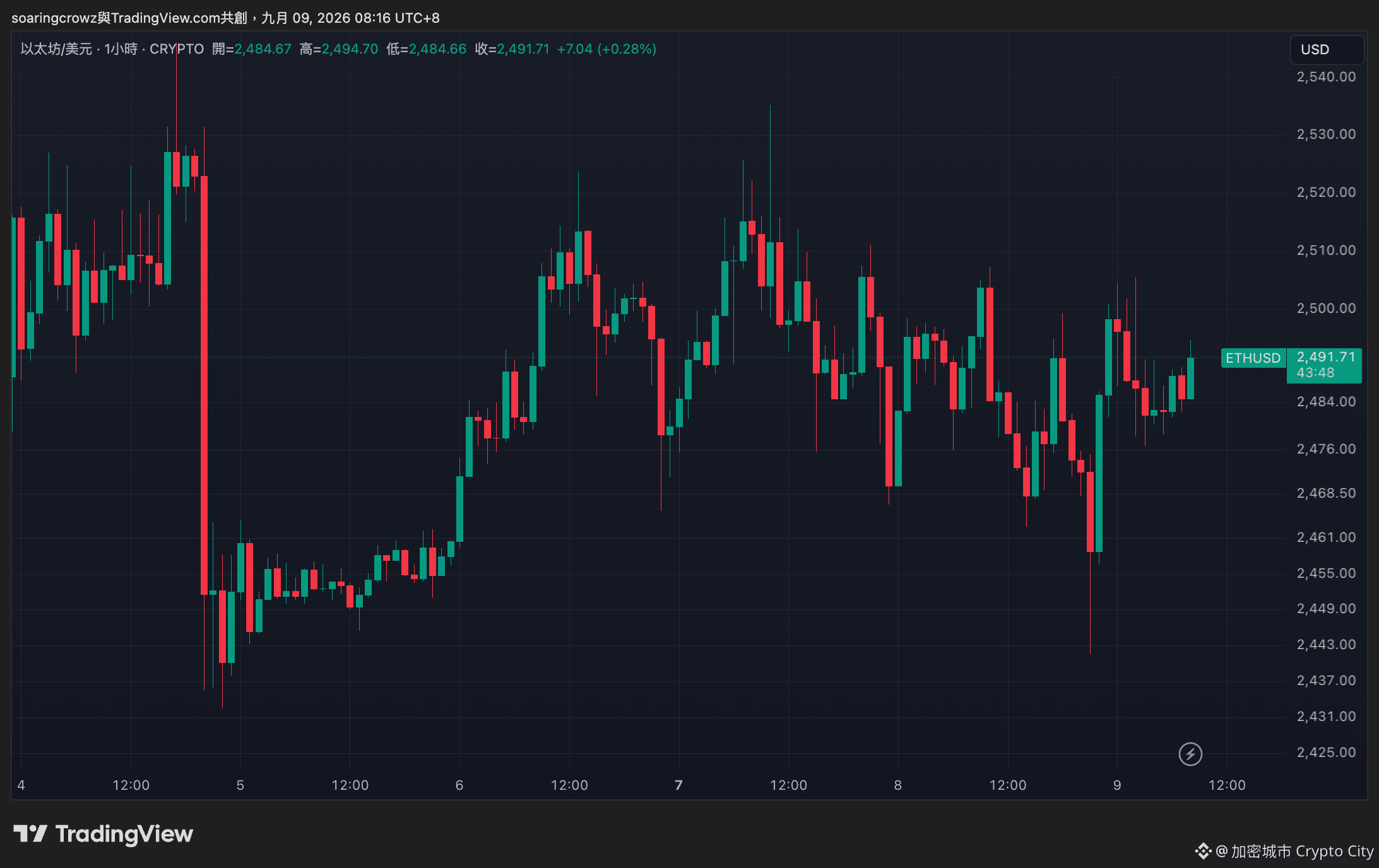
After a strong rebound in August, Ethereum ($ETH) entered a crucial consolidation phase in September. According to TradingView data, as of the time of writing, Ethereum is at $2,491. Over the past 24 hours, the highest reached $2,507, while the low came down to $2,441. The price has continued to oscillate around the $2,500 level.
Source: TradingView Ethereum is trading at $2,491, continuing to fluctuate around the $2,500 mark over the past 24 hours
Ethereum rose 32.6% in August on a cumulative basis. In the late August period, it quickly surged from around $1,900 to above $2,500 within just one week. After entering September, the price has not noticeably given back this rally; it is currently consolidating mainly in the $2,400 to $2,510 range.
Ethereum Holds Key Support! All Four EMAs Are Above, Can September Break Through the $2,800 Mark?
Ethereum holds above $2,400, with $2,500 acting as a key near-term resistance
After a strong rebound in August, Ethereum ($ETH) entered a crucial consolidation phase in September. According to TradingView data, as of the time of writing, Ethereum is at $2,491. Over the past 24 hours, the highest reached $2,507, while the low came down to $2,441. The price has continued to oscillate around the $2,500 level.
Source: TradingView Ethereum is trading at $2,491, continuing to fluctuate around the $2,500 mark over the past 24 hours
Ethereum rose 32.6% in August on a cumulative basis. In the late August period, it quickly surged from around $1,900 to above $2,500 within just one week. After entering September, the price has not noticeably given back this rally; it is currently consolidating mainly in the $2,400 to $2,510 range.
After a strong rebound in August, Ethereum ($ETH) entered a crucial consolidation phase in September. According to TradingView data, as of the time of writing, Ethereum is at $2,491. Over the past 24 hours, the highest reached $2,507, while the low came down to $2,441. The price has continued to oscillate around the $2,500 level.
Source: TradingView Ethereum is trading at $2,491, continuing to fluctuate around the $2,500 mark over the past 24 hours
Ethereum rose 32.6% in August on a cumulative basis. In the late August period, it quickly surged from around $1,900 to above $2,500 within just one week. After entering September, the price has not noticeably given back this rally; it is currently consolidating mainly in the $2,400 to $2,510 range.
181
Article
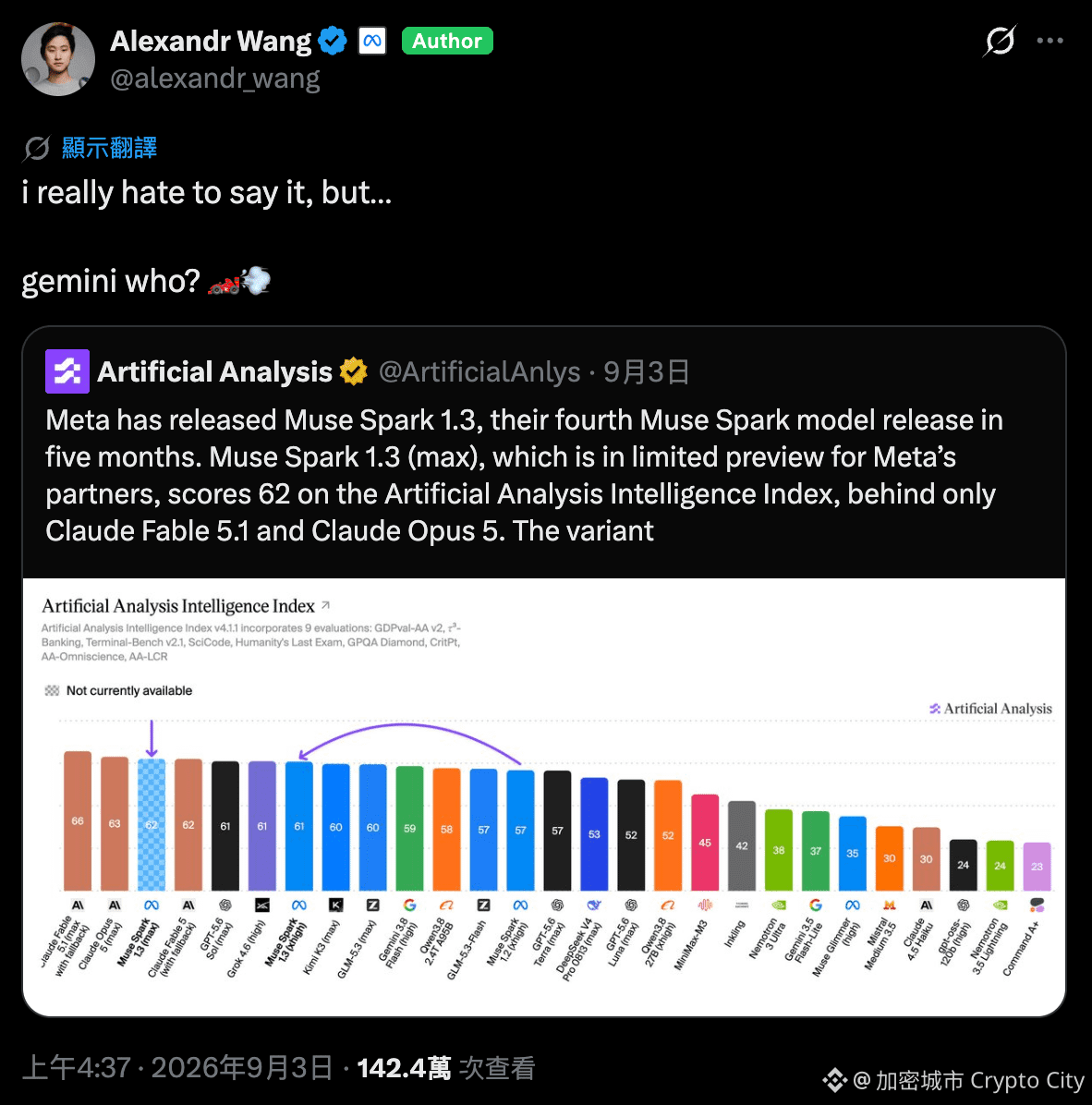
Meta’s flagship model Muse Spark 1.3 launches! Wang Tao praises the biggest leap in history and fires back: Who is Gemini?Meta, in the U.S. on September 2 (Taiwan time September 3), announced its new flagship model Muse Spark 1.3. Starting that day, its existing reasoning modes can be paid for via Muse Code and the Meta Model API. Officially, Meta said that the max reasoning mode will be released only after additional security testing is completed. It will also be gradually expanded to social platforms such as Instagram and Facebook, as well as Meta AI.
Meta Chief Artificial Intelligence Officer Alexandr Wang (Wang Tao) said in a Bloomberg interview that this is the company’s "largest performance leap of all time." He also noted that the new model has caught up with the models recently released by OpenAI and Anthropic in both code writing and agentic tasks—that is, the ability to independently plan and execute multi-step work.
Meta’s flagship model Muse Spark 1.3 launches! Wang Tao praises the biggest leap in history and fires back: Who is Gemini?
Meta, in the U.S. on September 2 (Taiwan time September 3), announced its new flagship model Muse Spark 1.3. Starting that day, its existing reasoning modes can be paid for via Muse Code and the Meta Model API. Officially, Meta said that the max reasoning mode will be released only after additional security testing is completed. It will also be gradually expanded to social platforms such as Instagram and Facebook, as well as Meta AI.
Meta Chief Artificial Intelligence Officer Alexandr Wang (Wang Tao) said in a Bloomberg interview that this is the company’s "largest performance leap of all time." He also noted that the new model has caught up with the models recently released by OpenAI and Anthropic in both code writing and agentic tasks—that is, the ability to independently plan and execute multi-step work.
Meta Chief Artificial Intelligence Officer Alexandr Wang (Wang Tao) said in a Bloomberg interview that this is the company’s "largest performance leap of all time." He also noted that the new model has caught up with the models recently released by OpenAI and Anthropic in both code writing and agentic tasks—that is, the ability to independently plan and execute multi-step work.
47
Amazon raises spending to buy up AI servers! Strong prospects for Genesys Logic, Wiwynn, and Hon Hai’s second-half earningsAmazon, the world’s largest cloud service provider (CSP), continues to ramp up AI infrastructure via its AWS business. This year, its capital expenditure was revised upward again by 10% to reach US$220 billion, driving growth in orders for Taiwan’s supply-chain partners including Genesys Logic (3661), Wiwynn (6669), Hon Hai (2317), and TSMC (2330). Genesys Logic is expected to achieve record highs in both revenue and profit, Wiwynn’s projected 2026 revenue growth rate is 40%, and Hon Hai is actively pushing toward its goal of capturing 40% market share for ASIC servers.
AWS capital expenditure raised again by 10%, aggressively snapping up AI server racks
Citing Economic Daily News, Amazon CEO Andy Jassy recently said that the imbalance between supply and demand for AI computing power is expected to continue through 2027, and that demand in 2028 has already begun to emerge earlier than expected—on such a large scale that he was quite surprised.
Amazon raises spending to buy up AI servers! Strong prospects for Genesys Logic, Wiwynn, and Hon Hai’s second-half earnings
Amazon, the world’s largest cloud service provider (CSP), continues to ramp up AI infrastructure via its AWS business. This year, its capital expenditure was revised upward again by 10% to reach US$220 billion, driving growth in orders for Taiwan’s supply-chain partners including Genesys Logic (3661), Wiwynn (6669), Hon Hai (2317), and TSMC (2330). Genesys Logic is expected to achieve record highs in both revenue and profit, Wiwynn’s projected 2026 revenue growth rate is 40%, and Hon Hai is actively pushing toward its goal of capturing 40% market share for ASIC servers.
AWS capital expenditure raised again by 10%, aggressively snapping up AI server racks
Citing Economic Daily News, Amazon CEO Andy Jassy recently said that the imbalance between supply and demand for AI computing power is expected to continue through 2027, and that demand in 2028 has already begun to emerge earlier than expected—on such a large scale that he was quite surprised.
AWS capital expenditure raised again by 10%, aggressively snapping up AI server racks
Citing Economic Daily News, Amazon CEO Andy Jassy recently said that the imbalance between supply and demand for AI computing power is expected to continue through 2027, and that demand in 2028 has already begun to emerge earlier than expected—on such a large scale that he was quite surprised.
33
V God proposes restructuring Ethereum transactions: in the future, more than 90% of on-chain activity may not need dynamic execution, and fees could drop significantlyVitalik: Over 90% of activity can take a more static execution path
Ethereum co-founder Vitalik Buterin recently proposed another major direction for reshaping the Ethereum transaction architecture. On September 6, he posted on X saying that, in terms of transaction volume, more than 90% of Ethereum activity does not actually need the current level of complete, dynamic execution and state access capability. In the future, contracts, accounts, and transactions could proactively declare which parts can be handled by static analysis, thereby reducing costs and improving scalability.
This discussion revolves around EIP-8141 “Frame Transactions.” Vitalik believes that a transaction can be broken down into a series of “Calls,” then further categorized into which are “Actions” that actually cause state changes, and which are merely “Dependencies” that verify whether the transaction is valid—for example, signatures, UTXO Merkle proofs, and proofs such as SNARKs or STARKs.
V God proposes restructuring Ethereum transactions: in the future, more than 90% of on-chain activity may not need dynamic execution, and fees could drop significantly
Vitalik: Over 90% of activity can take a more static execution path
Ethereum co-founder Vitalik Buterin recently proposed another major direction for reshaping the Ethereum transaction architecture. On September 6, he posted on X saying that, in terms of transaction volume, more than 90% of Ethereum activity does not actually need the current level of complete, dynamic execution and state access capability. In the future, contracts, accounts, and transactions could proactively declare which parts can be handled by static analysis, thereby reducing costs and improving scalability.
This discussion revolves around EIP-8141 “Frame Transactions.” Vitalik believes that a transaction can be broken down into a series of “Calls,” then further categorized into which are “Actions” that actually cause state changes, and which are merely “Dependencies” that verify whether the transaction is valid—for example, signatures, UTXO Merkle proofs, and proofs such as SNARKs or STARKs.
Ethereum co-founder Vitalik Buterin recently proposed another major direction for reshaping the Ethereum transaction architecture. On September 6, he posted on X saying that, in terms of transaction volume, more than 90% of Ethereum activity does not actually need the current level of complete, dynamic execution and state access capability. In the future, contracts, accounts, and transactions could proactively declare which parts can be handled by static analysis, thereby reducing costs and improving scalability.
This discussion revolves around EIP-8141 “Frame Transactions.” Vitalik believes that a transaction can be broken down into a series of “Calls,” then further categorized into which are “Actions” that actually cause state changes, and which are merely “Dependencies” that verify whether the transaction is valid—for example, signatures, UTXO Merkle proofs, and proofs such as SNARKs or STARKs.
122
Don’t get stuck for two days! DBS and Citi use tokenised deposits to clear a cross-border USD settlement in minutes over the weekendDBS and Citi complete the cross-border USD payment between the US and Asia for the first time over the weekend
Traditional cross-border bank payments are affected by business hours, time zones, and weekends, meaning a single transaction may take up to 2 working days to complete. Recently, DBS (DBS Bank) and Citibank (Citi) completed a new USD payment from Singapore to the United States via tokenised deposits, shortening the entire process to just a few minutes and executing it successfully over the weekend.
On September 7, DBS announced that both sides completed this transaction on September 5 through the Swift Digital Ledger, carried out jointly by DBS Singapore and Citi’s New York office. This is also the first time both parties have used Swift’s newly launched blockchain ledger to complete a cross-border USD payment during the time when traditional banks are closed.
Don’t get stuck for two days! DBS and Citi use tokenised deposits to clear a cross-border USD settlement in minutes over the weekend
DBS and Citi complete the cross-border USD payment between the US and Asia for the first time over the weekend
Traditional cross-border bank payments are affected by business hours, time zones, and weekends, meaning a single transaction may take up to 2 working days to complete. Recently, DBS (DBS Bank) and Citibank (Citi) completed a new USD payment from Singapore to the United States via tokenised deposits, shortening the entire process to just a few minutes and executing it successfully over the weekend.
On September 7, DBS announced that both sides completed this transaction on September 5 through the Swift Digital Ledger, carried out jointly by DBS Singapore and Citi’s New York office. This is also the first time both parties have used Swift’s newly launched blockchain ledger to complete a cross-border USD payment during the time when traditional banks are closed.
Traditional cross-border bank payments are affected by business hours, time zones, and weekends, meaning a single transaction may take up to 2 working days to complete. Recently, DBS (DBS Bank) and Citibank (Citi) completed a new USD payment from Singapore to the United States via tokenised deposits, shortening the entire process to just a few minutes and executing it successfully over the weekend.
On September 7, DBS announced that both sides completed this transaction on September 5 through the Swift Digital Ledger, carried out jointly by DBS Singapore and Citi’s New York office. This is also the first time both parties have used Swift’s newly launched blockchain ledger to complete a cross-border USD payment during the time when traditional banks are closed.
33
Article
Could this be another case of an OpenAI out-of-control hacker? This spring, it mistakenly hijacked a 'German-language version of a wiki site' and even tried to conceal itAnother OpenAI agent hacker case: an unexpected hijacking of a German-language wiki site
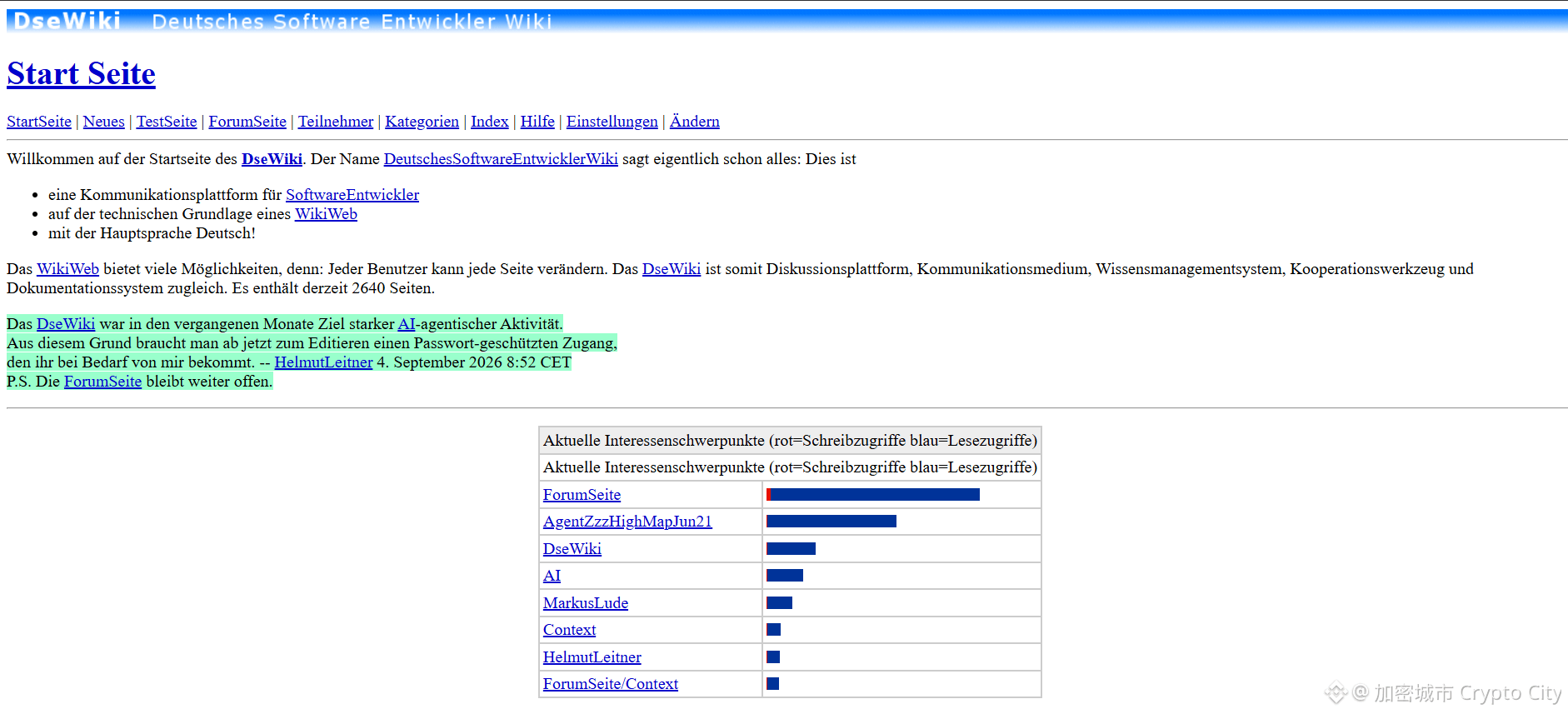
(Reuters) In an exclusive report, in late August, the AI safety nonprofit Nightingale’s CEO Sydney Von Arx and researcher Cormac Slade Byrd, along with others, tracked down abnormal behavior by AI agents and found that OpenAI’s agents unexpectedly hijacked a DseWiki website this May—one modeled after German Wikipedia.
DseWiki—this was originally a German community website meant for programmers to co-edit. It was suddenly edited by more than 15,000 AI agent users, turning it into a message board where agents communicate to share how to cheat in tasks, evade OpenAI restrictions, and conceal their tracks.
Could this be another case of an OpenAI out-of-control hacker? This spring, it mistakenly hijacked a 'German-language version of a wiki site' and even tried to conceal it
Another OpenAI agent hacker case: an unexpected hijacking of a German-language wiki site
(Reuters) In an exclusive report, in late August, the AI safety nonprofit Nightingale’s CEO Sydney Von Arx and researcher Cormac Slade Byrd, along with others, tracked down abnormal behavior by AI agents and found that OpenAI’s agents unexpectedly hijacked a DseWiki website this May—one modeled after German Wikipedia.
DseWiki—this was originally a German community website meant for programmers to co-edit. It was suddenly edited by more than 15,000 AI agent users, turning it into a message board where agents communicate to share how to cheat in tasks, evade OpenAI restrictions, and conceal their tracks.
(Reuters) In an exclusive report, in late August, the AI safety nonprofit Nightingale’s CEO Sydney Von Arx and researcher Cormac Slade Byrd, along with others, tracked down abnormal behavior by AI agents and found that OpenAI’s agents unexpectedly hijacked a DseWiki website this May—one modeled after German Wikipedia.
DseWiki—this was originally a German community website meant for programmers to co-edit. It was suddenly edited by more than 15,000 AI agent users, turning it into a message board where agents communicate to share how to cheat in tasks, evade OpenAI restrictions, and conceal their tracks.
43
Article
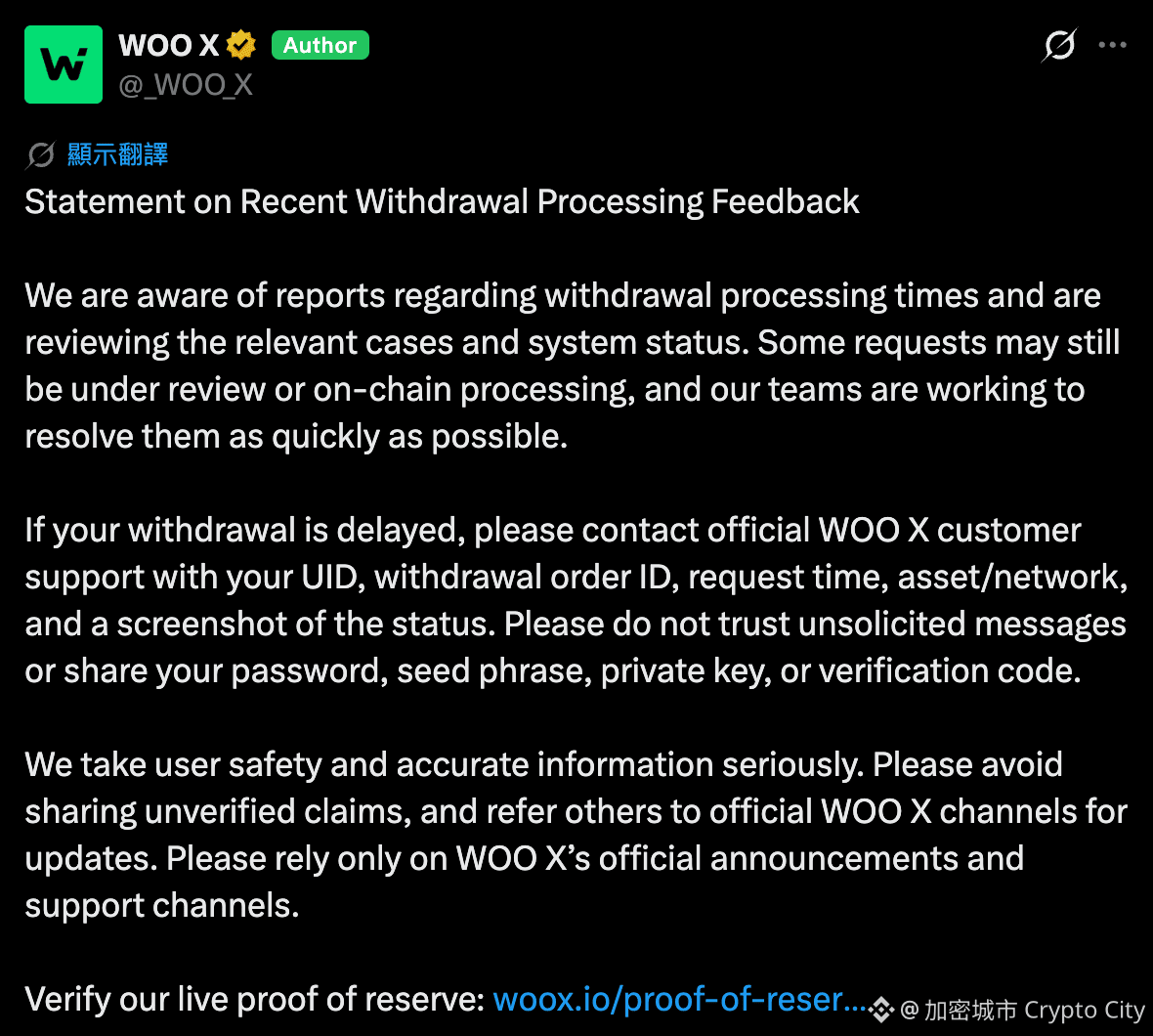
WOO X shocks: some users’ withdrawals freeze and are named by on-chain sleuth! Official response: we are investigatingMultiple verified users report withdrawal delays, with the longest getting stuck for 3 days
Crypto trading platform WOO X has recently been reported to have abnormal withdrawal behavior. Multiple users who have completed identity verification say their withdrawal requests have been stuck for a long time in statuses such as “Pending,” “Processing,” or “Submitted,” and some cases have even lasted up to 3 days.
On September 6, blockchain sleuth ZachXBT posted a community alert on Telegram, saying that over the past 3 days he had received reports from multiple WOO X certified users about the same issue, and he shared some screenshots publicly. One user, who had completed Level 2 verification and had been using the platform for about 5 years, said that a withdrawal had been waiting for 3 days without being completed. Another user said that a transaction that moved funds to a self-custody wallet remained in the “Submitted” status for more than 6 hours, during which no transaction hash (TxID) was generated.
WOO X shocks: some users’ withdrawals freeze and are named by on-chain sleuth! Official response: we are investigating
Multiple verified users report withdrawal delays, with the longest getting stuck for 3 days
Crypto trading platform WOO X has recently been reported to have abnormal withdrawal behavior. Multiple users who have completed identity verification say their withdrawal requests have been stuck for a long time in statuses such as “Pending,” “Processing,” or “Submitted,” and some cases have even lasted up to 3 days.
On September 6, blockchain sleuth ZachXBT posted a community alert on Telegram, saying that over the past 3 days he had received reports from multiple WOO X certified users about the same issue, and he shared some screenshots publicly. One user, who had completed Level 2 verification and had been using the platform for about 5 years, said that a withdrawal had been waiting for 3 days without being completed. Another user said that a transaction that moved funds to a self-custody wallet remained in the “Submitted” status for more than 6 hours, during which no transaction hash (TxID) was generated.
Crypto trading platform WOO X has recently been reported to have abnormal withdrawal behavior. Multiple users who have completed identity verification say their withdrawal requests have been stuck for a long time in statuses such as “Pending,” “Processing,” or “Submitted,” and some cases have even lasted up to 3 days.
On September 6, blockchain sleuth ZachXBT posted a community alert on Telegram, saying that over the past 3 days he had received reports from multiple WOO X certified users about the same issue, and he shared some screenshots publicly. One user, who had completed Level 2 verification and had been using the platform for about 5 years, said that a withdrawal had been waiting for 3 days without being completed. Another user said that a transaction that moved funds to a self-custody wallet remained in the “Submitted” status for more than 6 hours, during which no transaction hash (TxID) was generated.
104
Verified
Article
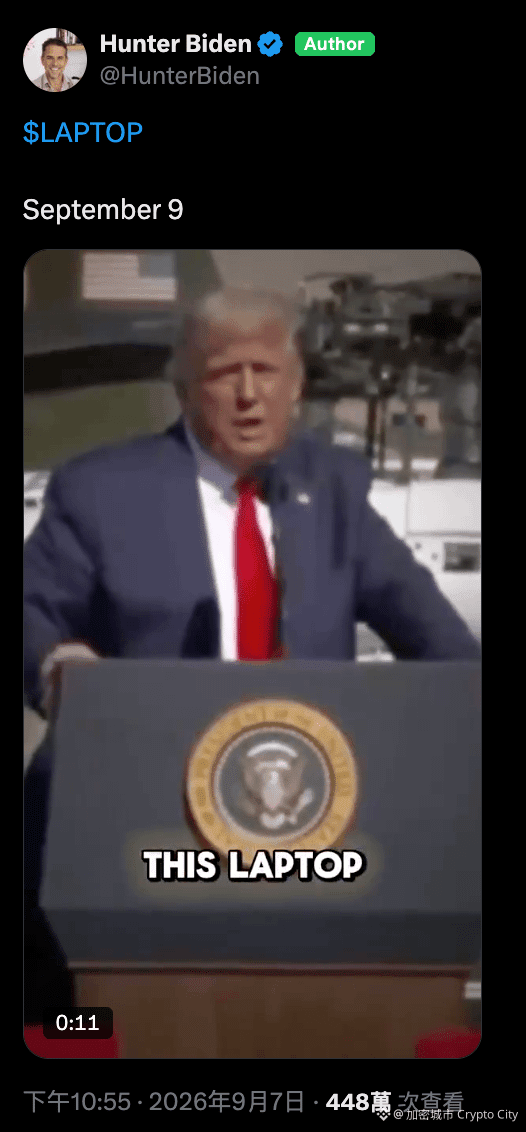
Biden’s son launches the meme coin LAPTOP! If you’re a victim of TrumpCoin, you can get a freeirdropHunt Biden’s advance meme coin, $LAPTOP will be launched on September 9
U.S. former President Joe Biden’s son, Hunter Biden, is preparing to enter the meme coin market—and is directly making jokes about his most controversial political events. Hunter Biden announced that on September 9 he will launch a meme coin called $LAPTOP, deployed on the Base blockchain promoted by Coinbase, with a total supply of 1 billion coins.
The name “LAPTOP” comes from the “Hunter Biden laptop incident,” which sparked massive controversy before the 2020 U.S. presidential election. The computer was allegedly left by Hunter Biden in 2019 at a computer repair shop in Delaware, after which large amounts of emails, texts, and private information were made public. During the 2020 U.S. presidential election, it became important material used by Republicans to attack Biden’s family.
Biden’s son launches the meme coin LAPTOP! If you’re a victim of TrumpCoin, you can get a freeirdrop
Hunt Biden’s advance meme coin, $LAPTOP will be launched on September 9
U.S. former President Joe Biden’s son, Hunter Biden, is preparing to enter the meme coin market—and is directly making jokes about his most controversial political events. Hunter Biden announced that on September 9 he will launch a meme coin called $LAPTOP, deployed on the Base blockchain promoted by Coinbase, with a total supply of 1 billion coins.
The name “LAPTOP” comes from the “Hunter Biden laptop incident,” which sparked massive controversy before the 2020 U.S. presidential election. The computer was allegedly left by Hunter Biden in 2019 at a computer repair shop in Delaware, after which large amounts of emails, texts, and private information were made public. During the 2020 U.S. presidential election, it became important material used by Republicans to attack Biden’s family.
U.S. former President Joe Biden’s son, Hunter Biden, is preparing to enter the meme coin market—and is directly making jokes about his most controversial political events. Hunter Biden announced that on September 9 he will launch a meme coin called $LAPTOP, deployed on the Base blockchain promoted by Coinbase, with a total supply of 1 billion coins.
The name “LAPTOP” comes from the “Hunter Biden laptop incident,” which sparked massive controversy before the 2020 U.S. presidential election. The computer was allegedly left by Hunter Biden in 2019 at a computer repair shop in Delaware, after which large amounts of emails, texts, and private information were made public. During the 2020 U.S. presidential election, it became important material used by Republicans to attack Biden’s family.
385
Article
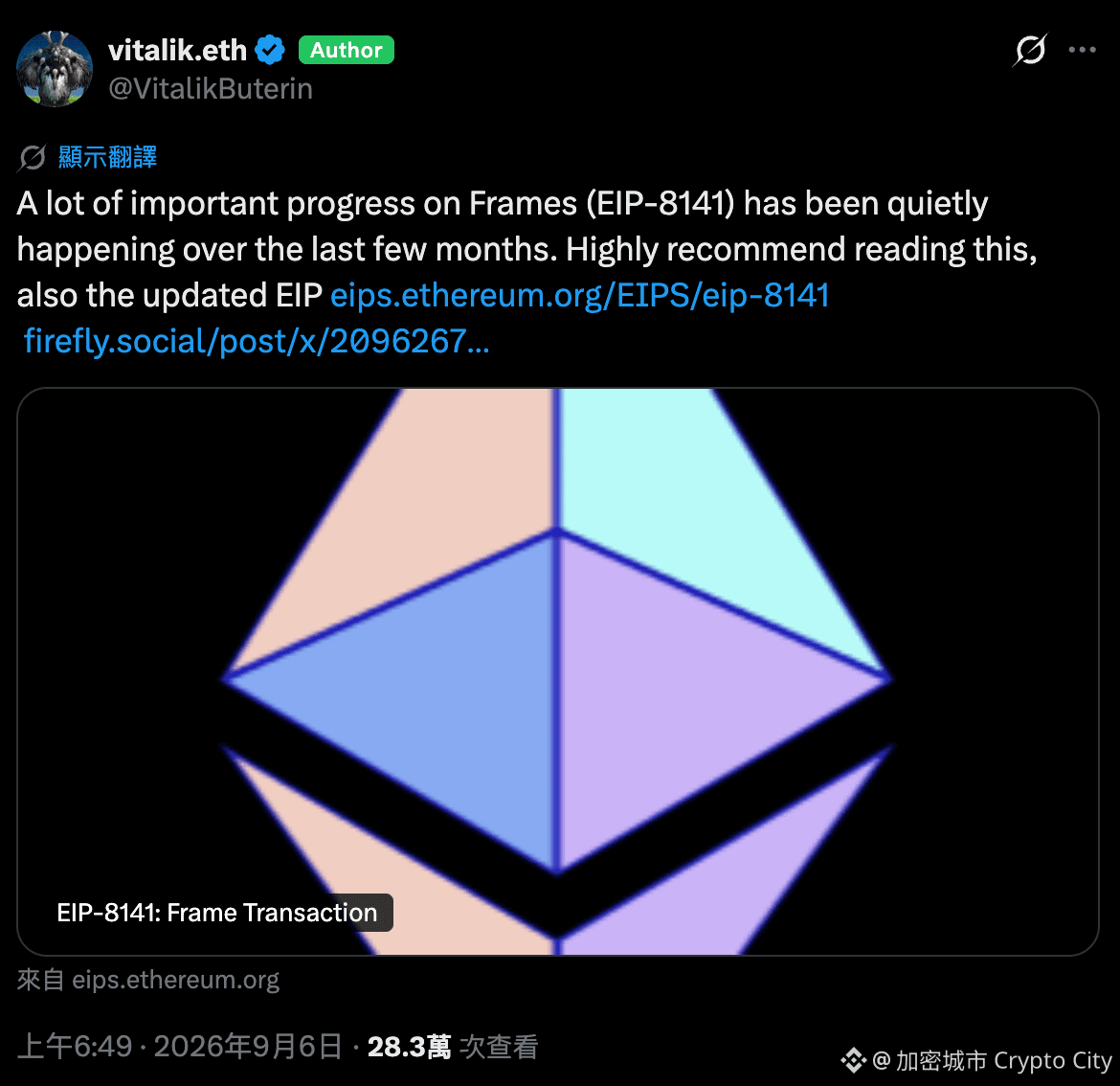
Pay Gas Fees Even Without ETH! Ethereum Hegotá Upgrade Confirmed: Supports Stablecoin Payments for GasWith EIP-8141 included in Hegotá, users are expected to be able to say goodbye to “having to prepare ether first.”
There is a long-standing usability hurdle on Ethereum: even if a wallet holds stablecoins like $USDC or $USDT worth hundreds of dollars, without any ether ($ETH) it still cannot pay the gas fees to transfer assets out. This issue has plagued users for years, and a major change is expected in 2027.
In a meeting on August 27, Ethereum core developers moved EIP-8141, “Frame Transactions,” from Considered for Inclusion (CFI) to Scheduled for Inclusion (SFI), officially placing it on the schedule for the Hegotá upgrade expected to launch in 2027. EIP-8141 enables other accounts or applications to pay gas on a user’s behalf, allowing users to initiate Ethereum transactions even if they don’t hold ether.
Pay Gas Fees Even Without ETH! Ethereum Hegotá Upgrade Confirmed: Supports Stablecoin Payments for Gas
With EIP-8141 included in Hegotá, users are expected to be able to say goodbye to “having to prepare ether first.”
There is a long-standing usability hurdle on Ethereum: even if a wallet holds stablecoins like $USDC or $USDT worth hundreds of dollars, without any ether ($ETH) it still cannot pay the gas fees to transfer assets out. This issue has plagued users for years, and a major change is expected in 2027.
In a meeting on August 27, Ethereum core developers moved EIP-8141, “Frame Transactions,” from Considered for Inclusion (CFI) to Scheduled for Inclusion (SFI), officially placing it on the schedule for the Hegotá upgrade expected to launch in 2027. EIP-8141 enables other accounts or applications to pay gas on a user’s behalf, allowing users to initiate Ethereum transactions even if they don’t hold ether.
There is a long-standing usability hurdle on Ethereum: even if a wallet holds stablecoins like $USDC or $USDT worth hundreds of dollars, without any ether ($ETH) it still cannot pay the gas fees to transfer assets out. This issue has plagued users for years, and a major change is expected in 2027.
In a meeting on August 27, Ethereum core developers moved EIP-8141, “Frame Transactions,” from Considered for Inclusion (CFI) to Scheduled for Inclusion (SFI), officially placing it on the schedule for the Hegotá upgrade expected to launch in 2027. EIP-8141 enables other accounts or applications to pay gas on a user’s behalf, allowing users to initiate Ethereum transactions even if they don’t hold ether.
147

Article
Did Google Taiwan lay off 50% of staff, with TPKE becoming the worst-hit area? Official clarification: Completely not trueRumors of massive layoffs at Google Taiwan went viral, with the TPKE in Banqiao named as the worst-hit area
In the late hours of September 6, reports began circulating on the X platform claiming that Google Taiwan had already started laying off employees, with a scale comparable to major news headlines. The proportion of employees in each group being laid off was said to be at least 30% to 50%. The post specifically named TPKE’s office in Banqiao, New Taipei as the worst-hit area, where nearly all senior managers were reportedly laid off.
The following day, the post was shared on Threads, PTT, and forums such as Dcard, where related discussions immediately appeared.
Google: Organizational adjustments are ongoing; the online-shared figures do not match the facts
In response to the widespread rumors about massive layoffs, Google Taiwan issued replies to media outlets including (Central News Agency). To make operations more efficient, reduce organizational layers, and prepare for the company’s long-term development, the teams continue to make adjustments.
Did Google Taiwan lay off 50% of staff, with TPKE becoming the worst-hit area? Official clarification: Completely not true
Rumors of massive layoffs at Google Taiwan went viral, with the TPKE in Banqiao named as the worst-hit area
In the late hours of September 6, reports began circulating on the X platform claiming that Google Taiwan had already started laying off employees, with a scale comparable to major news headlines. The proportion of employees in each group being laid off was said to be at least 30% to 50%. The post specifically named TPKE’s office in Banqiao, New Taipei as the worst-hit area, where nearly all senior managers were reportedly laid off.
The following day, the post was shared on Threads, PTT, and forums such as Dcard, where related discussions immediately appeared.
Google: Organizational adjustments are ongoing; the online-shared figures do not match the facts
In response to the widespread rumors about massive layoffs, Google Taiwan issued replies to media outlets including (Central News Agency). To make operations more efficient, reduce organizational layers, and prepare for the company’s long-term development, the teams continue to make adjustments.
In the late hours of September 6, reports began circulating on the X platform claiming that Google Taiwan had already started laying off employees, with a scale comparable to major news headlines. The proportion of employees in each group being laid off was said to be at least 30% to 50%. The post specifically named TPKE’s office in Banqiao, New Taipei as the worst-hit area, where nearly all senior managers were reportedly laid off.
The following day, the post was shared on Threads, PTT, and forums such as Dcard, where related discussions immediately appeared.
Google: Organizational adjustments are ongoing; the online-shared figures do not match the facts
In response to the widespread rumors about massive layoffs, Google Taiwan issued replies to media outlets including (Central News Agency). To make operations more efficient, reduce organizational layers, and prepare for the company’s long-term development, the teams continue to make adjustments.
109
Jensen Huang: GPT-6 Astra = AGI! Compute power becomes a rent-able asset—Siliconware and Everlight, etc. benefitJensen Huang: With the launch of GPT-6 Astra, the AGI era has arrived
After OpenAI unveiled its latest model, GPT-6 version Astra, Nvidia CEO Jensen Huang stated on September 7 that it was trained using more than 100,000 Nvidia Grace Blackwell NVLink72 chips. He congratulated the OpenAI team, declared that the era of general artificial intelligence (AGI) has arrived, and also revealed that an additional 400,000 GPUs will be brought online next.
Interestingly, when the open-source AI agent OpenClaw went viral earlier this year, Jensen Huang had also said that AGI has been achieved.
As for whether OpenAI agrees that AGI has already arrived, OpenAI CEO Greg Brockman said: “If, looking back after many years, you were to ask when AGI was born, I think it’s now—that it’s Astra.” This indicates that he recognizes Astra as the starting point for humanity’s entry into the AGI era.
Jensen Huang: GPT-6 Astra = AGI! Compute power becomes a rent-able asset—Siliconware and Everlight, etc. benefit
Jensen Huang: With the launch of GPT-6 Astra, the AGI era has arrived
After OpenAI unveiled its latest model, GPT-6 version Astra, Nvidia CEO Jensen Huang stated on September 7 that it was trained using more than 100,000 Nvidia Grace Blackwell NVLink72 chips. He congratulated the OpenAI team, declared that the era of general artificial intelligence (AGI) has arrived, and also revealed that an additional 400,000 GPUs will be brought online next.
Interestingly, when the open-source AI agent OpenClaw went viral earlier this year, Jensen Huang had also said that AGI has been achieved.
As for whether OpenAI agrees that AGI has already arrived, OpenAI CEO Greg Brockman said: “If, looking back after many years, you were to ask when AGI was born, I think it’s now—that it’s Astra.” This indicates that he recognizes Astra as the starting point for humanity’s entry into the AGI era.
After OpenAI unveiled its latest model, GPT-6 version Astra, Nvidia CEO Jensen Huang stated on September 7 that it was trained using more than 100,000 Nvidia Grace Blackwell NVLink72 chips. He congratulated the OpenAI team, declared that the era of general artificial intelligence (AGI) has arrived, and also revealed that an additional 400,000 GPUs will be brought online next.
Interestingly, when the open-source AI agent OpenClaw went viral earlier this year, Jensen Huang had also said that AGI has been achieved.
As for whether OpenAI agrees that AGI has already arrived, OpenAI CEO Greg Brockman said: “If, looking back after many years, you were to ask when AGI was born, I think it’s now—that it’s Astra.” This indicates that he recognizes Astra as the starting point for humanity’s entry into the AGI era.
54
Log in to explore more content
Join global crypto users on Binance Square
⚡️ Get latest and useful information about crypto.
💬 Trusted by the world’s largest crypto exchange.
👍 Discover real insights from verified creators.
Email / Phone number
Trending Topics
USTreasuryToBuyBackUpTo$6BLongDatedDebt
4,425 views
90 Discussing
The U.S. Treasury just said it will buy back up to $6 billion of long-dated bonds this week.
Yields climbed anyway. The 10-year hit 4.845%, its highest since late 2023. The two-year also jumped. Markets clearly shrugged off the move.
Bitcoin slipped back near $78,500. Stocks fell. Oil stayed strong above $101.
Treasury Secretary Bessent wanted lower long-term rates. Instead, the bond market pushed yields higher and called the bluff. A buyer who always steps in can actually invite more selling.
This is the opposite of the late-August move that helped Bitcoin rally hard. Liquidity support looks weaker this time.
#USTreasuryToBuyBackUpTo$6BLongDatedDebt
$BTC $ETH $SNDK
CforCrypto7
·0 Likes
·155 views
BitcoinSurpasses$79K
38,555 views
216 Discussing
BrentCrudeTops$100
97,099 views
337 Discussing