
Clara_Crypto
697 Posts

Clara_Crypto
I am a professional crypto trader. And content creator. Follow me if you wanna get free signals 🤷
Open Trade
Frequent Trader
1.6 Years
21 Following
2.7K+ Followers
842 Liked
Posts
Portfolio
All
Quotes
Live
Markets reward preparation more than prediction. A trading journal helps improve every decision. #ShareMyTradFi
Patience often creates better opportunities than rushing. Waiting for quality setups is part of my plan. #ShareMyTradFi
Every trade teaches something new about patience and timing. Risk management matters more than chasing quick profits. #ShareMyTradFi
Following a clear strategy helps reduce emotional decisions. Consistency is more valuable than luck in trading. #ShareMyTradFi
I always review my trades before opening the next position. Learning from mistakes builds long-term confidence. #ShareMyTradFi
Small, disciplined wins can outperform risky decisions. Protecting capital is always my first priority. #ShareMyTradFi
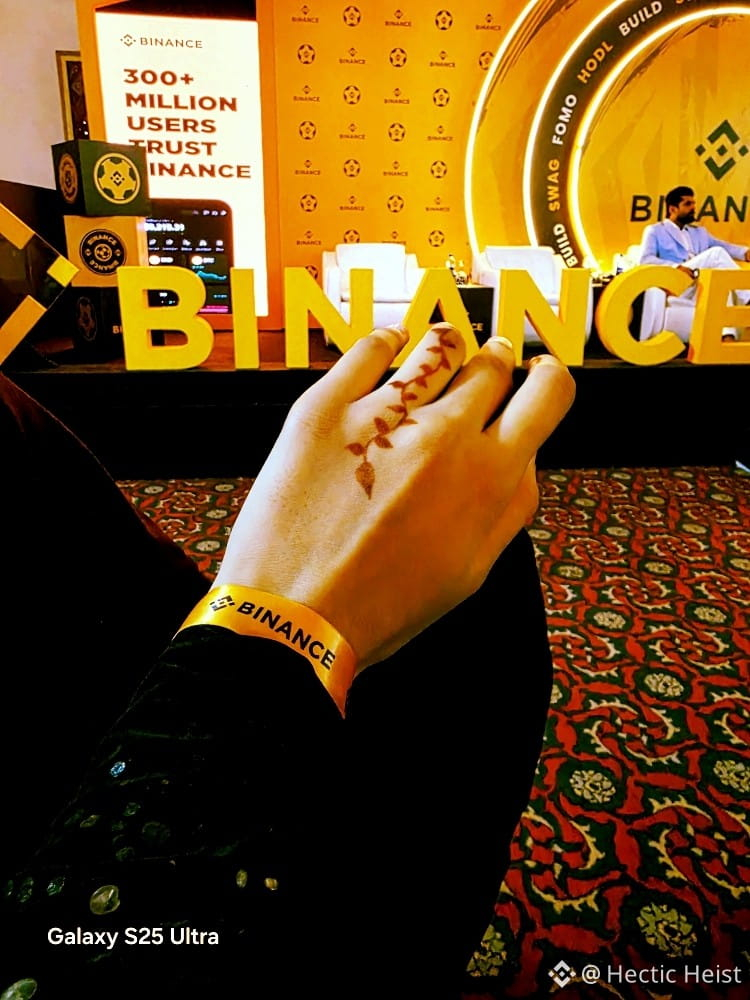
🎉 I'm so happy to be celebrating Binance's 9th Anniversary with the amazing community here in Islamabad! 🇵🇰
It's been a great experience meeting fellow crypto enthusiasts, sharing ideas, and enjoying this special day together. Congratulations, Binance, on 9 incredible years of innovation and growth. Here's to many more! 🧡🚀
@Binance Pakistan
#BinanceTurns9 #binancepakisatan
It's been a great experience meeting fellow crypto enthusiasts, sharing ideas, and enjoying this special day together. Congratulations, Binance, on 9 incredible years of innovation and growth. Here's to many more! 🧡🚀
@Binance Pakistan
#BinanceTurns9 #binancepakisatan
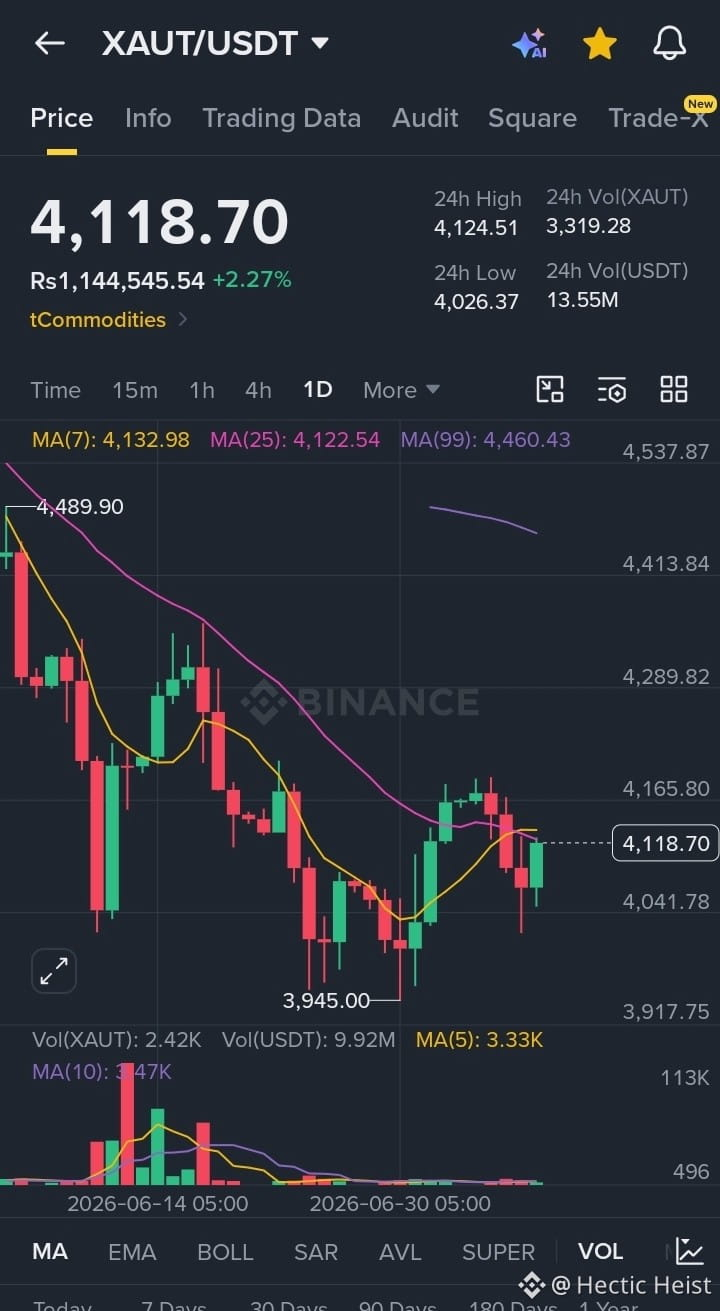
$XAUT Gold is trying to recover after a sharp correction, but buyers still haven't taken full control. The recent bounce from the $3,945 area shows that demand is slowly returning, although the overall daily trend remains cautious.
Trading Signal
🟢 If $XAUT holds above $4,040, buyers may attempt another push toward $4,165 and then $4,230.
🔴 If price loses $4,040 with strong selling volume, a retest of the $3,980–$3,945 support zone becomes more likely.
Right now, this isn't a market to chase. Patience usually pays better than rushing into a trade. A confirmed breakout above resistance or a clean bounce from support will offer a higher-probability setup than entering in the middle of the range.$XAUT
This is a technical view based only on the chart you shared, not financial advice. Waiting for confirmation before entering a trade helps reduce unnecessary risk.
Trading Signal
🟢 If $XAUT holds above $4,040, buyers may attempt another push toward $4,165 and then $4,230.
🔴 If price loses $4,040 with strong selling volume, a retest of the $3,980–$3,945 support zone becomes more likely.
Right now, this isn't a market to chase. Patience usually pays better than rushing into a trade. A confirmed breakout above resistance or a clean bounce from support will offer a higher-probability setup than entering in the middle of the range.$XAUT
This is a technical view based only on the chart you shared, not financial advice. Waiting for confirmation before entering a trade helps reduce unnecessary risk.
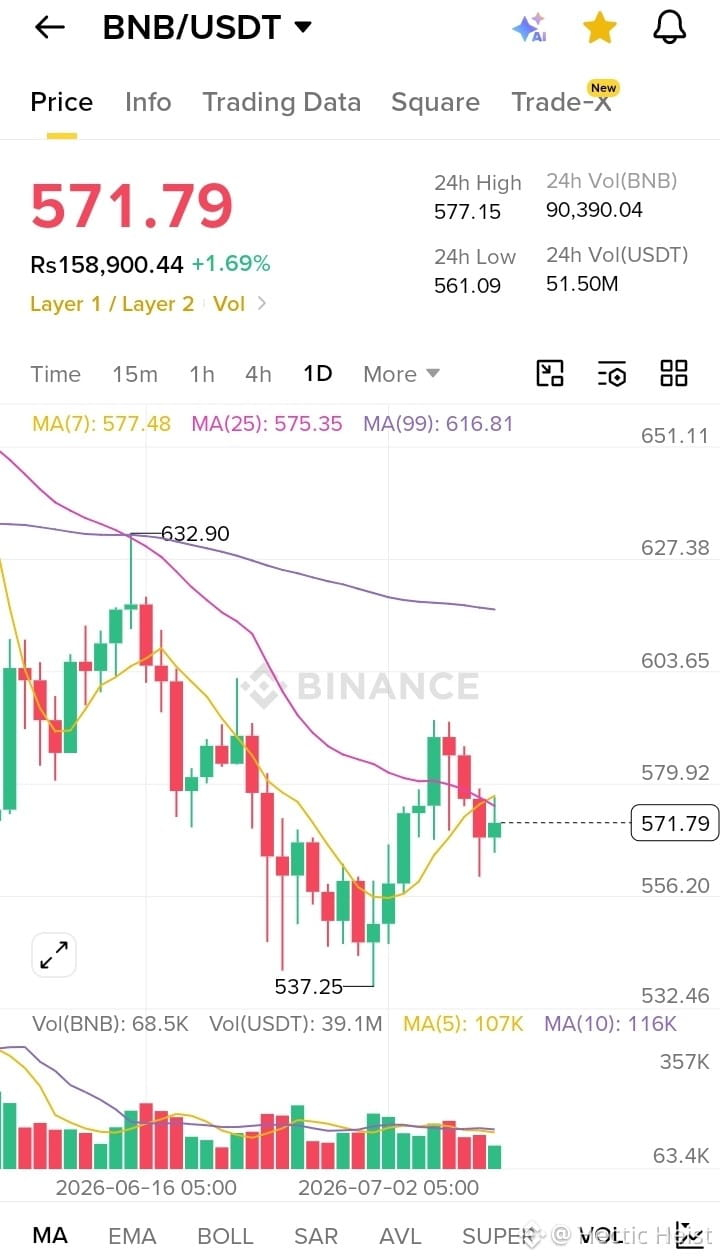
📊 $BNB is approaching a key decision zone.
After the recent pullback, sellers seem to be losing momentum while buyers are slowly stepping back in. I'm watching $BNB for confirmation before entering a trade.
Patience wins more trades than emotions.$BNB The best trades aren't chased—they're patiently waited for......
After the recent pullback, sellers seem to be losing momentum while buyers are slowly stepping back in. I'm watching $BNB for confirmation before entering a trade.
Patience wins more trades than emotions.$BNB The best trades aren't chased—they're patiently waited for......
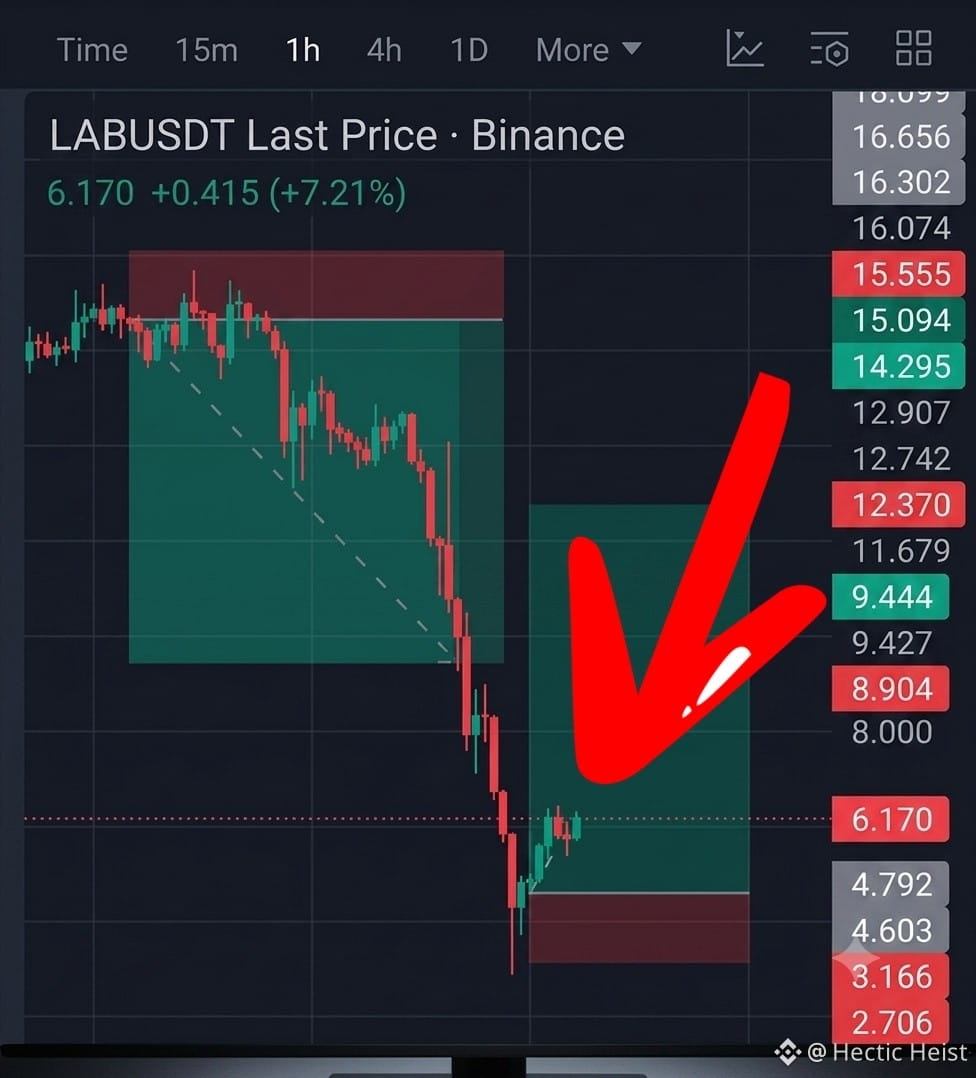
Is Everyone Giving Up on $LAB ... Right Before the Opportunity? 👀
I've seen this story play out again and again.
When a coin is flying 🚀, everyone suddenly believes it's "going to the moon." FOMO takes over, and people buy without thinking twice.
But when that same coin drops hard 📉, the mood completely changes. Fear replaces excitement, and many rush to sell at the worst possible time.
$LAB has already gone through a major correction, yet I still see people expecting another massive crash.
Maybe they're right... maybe they're not.
But here's what catches my attention:
The deeper a correction goes, the more the risk-to-reward ratio starts improving. Much of the panic selling may already be behind us, which makes this the kind of area where experienced investors begin paying closer attention—not because they're certain, but because they understand how market psychology works.
I'm not interested in chasing shorts here.
Instead, I'm watching for signs of strength, looking for accumulation zones, and preparing for potential long opportunities if the market confirms them.
No one can predict the future, and every trade carries risk. That's why risk management always comes first.
One lesson the market has taught me is this:
The crowd usually follows emotions. Smart traders follow probabilities.
Fear often creates the opportunities that excitement hides.
Are you ignoring $LAB ... or quietly watching it? Let's discuss your view below. 👇
I've seen this story play out again and again.
When a coin is flying 🚀, everyone suddenly believes it's "going to the moon." FOMO takes over, and people buy without thinking twice.
But when that same coin drops hard 📉, the mood completely changes. Fear replaces excitement, and many rush to sell at the worst possible time.
$LAB has already gone through a major correction, yet I still see people expecting another massive crash.
Maybe they're right... maybe they're not.
But here's what catches my attention:
The deeper a correction goes, the more the risk-to-reward ratio starts improving. Much of the panic selling may already be behind us, which makes this the kind of area where experienced investors begin paying closer attention—not because they're certain, but because they understand how market psychology works.
I'm not interested in chasing shorts here.
Instead, I'm watching for signs of strength, looking for accumulation zones, and preparing for potential long opportunities if the market confirms them.
No one can predict the future, and every trade carries risk. That's why risk management always comes first.
One lesson the market has taught me is this:
The crowd usually follows emotions. Smart traders follow probabilities.
Fear often creates the opportunities that excitement hides.
Are you ignoring $LAB ... or quietly watching it? Let's discuss your view below. 👇
"Never stop trying even if it feels harder and impossible"

I've already joined and made good profits from your signal. Thank you for creating this chatroom for small traders like us.
We get to learn and earn at the same time.
Really appreciate your guidance and support. 🙏
We get to learn and earn at the same time.
Really appreciate your guidance and support. 🙏


Hua BNB
·
--
Bearish𝐃𝐞𝐚𝐫 𝐓𝐫𝐚𝐝𝐞𝐫𝐬 ♥️ 𝐉𝐮𝐬𝐭 𝐜𝐡𝐞𝐜𝐤 𝐨𝐮𝐫 𝐬𝐢𝐠𝐧𝐚𝐥 𝐚𝐜𝐜𝐮𝐫𝐚𝐜𝐲... #𝐁𝐨𝐨𝐨𝐦 🤤🥰
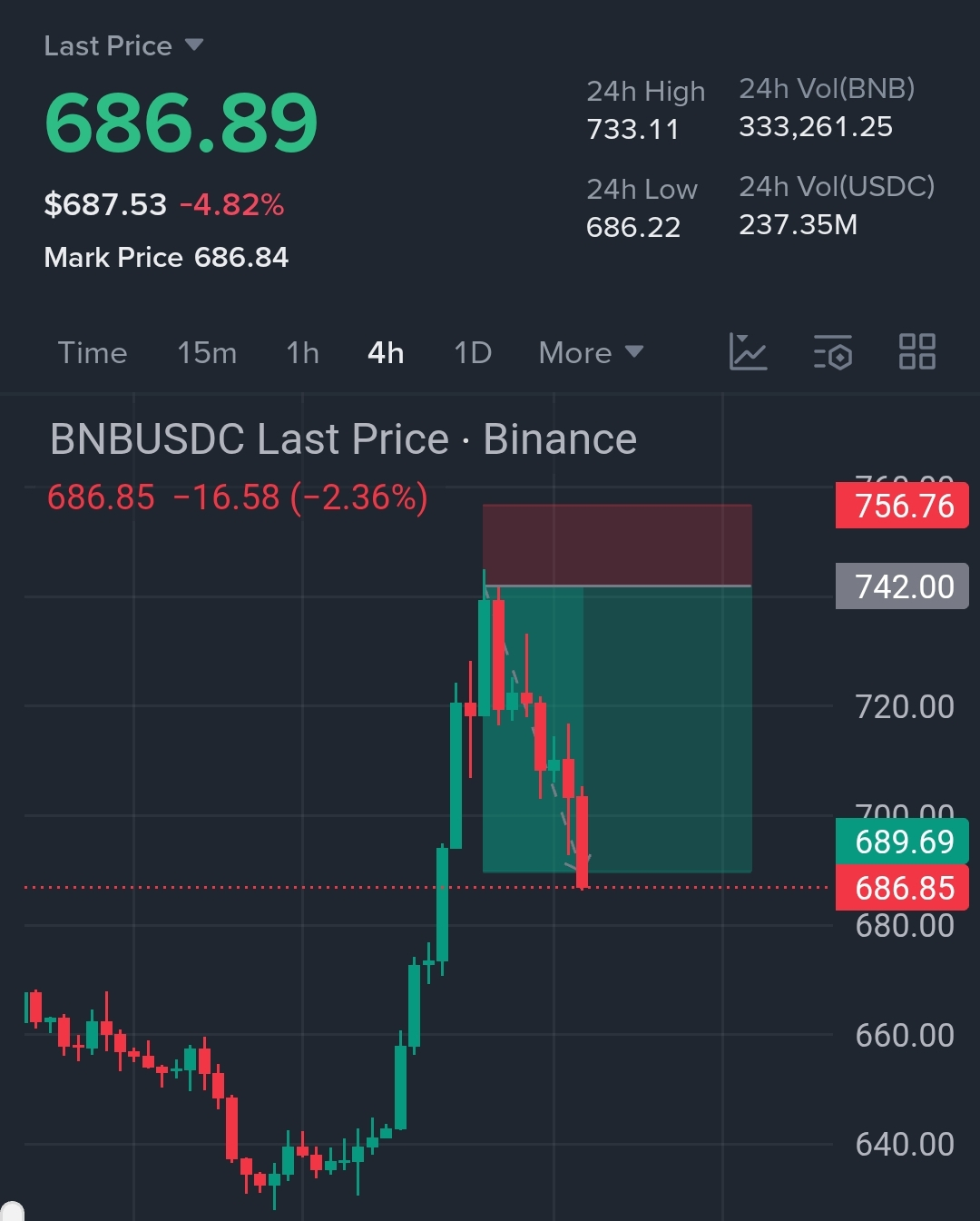
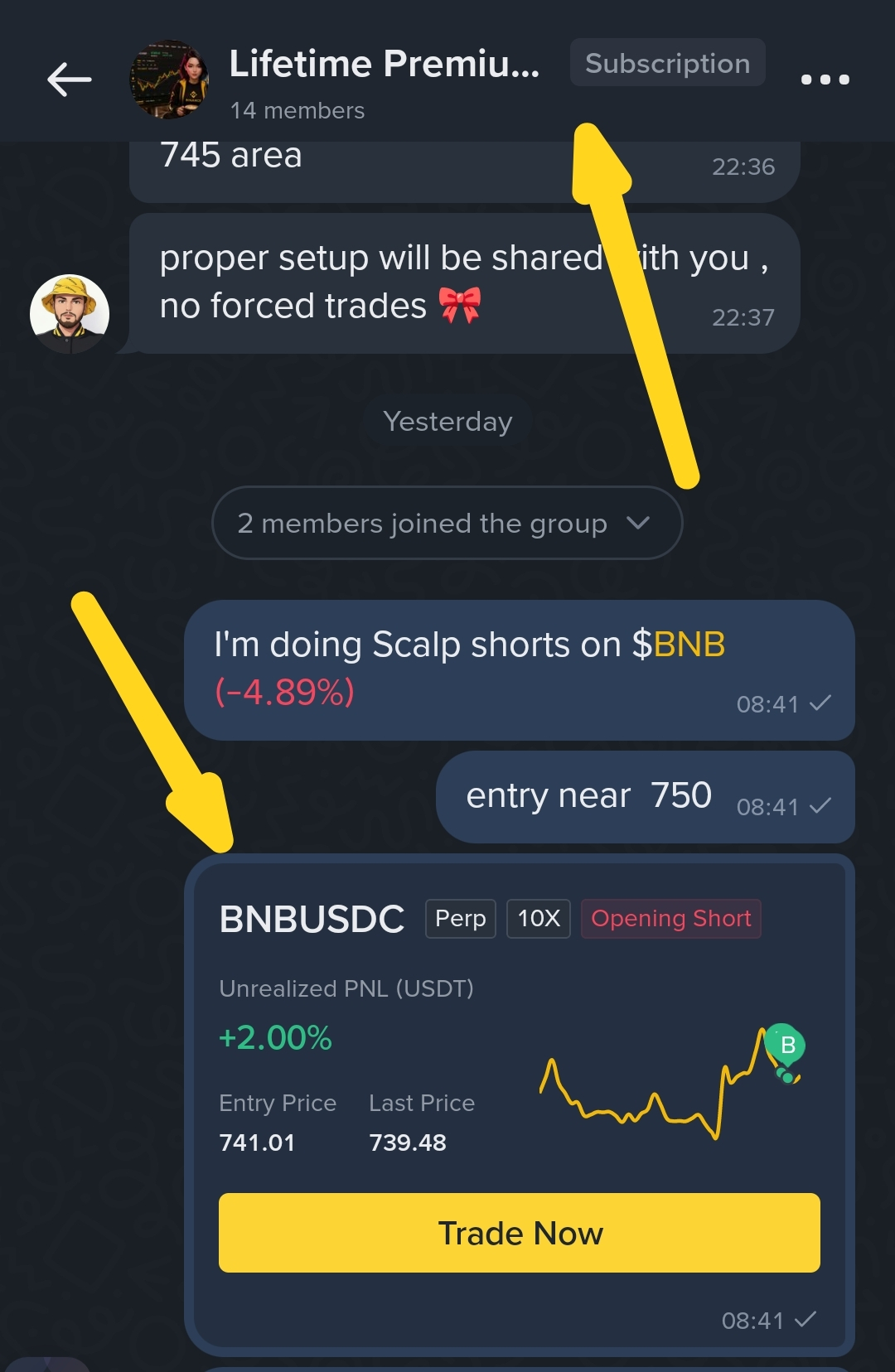
Yesterday i shared this $BNB short signal on my premium chat room i clearly told all members to short $BNB around $740 just check now bnb has dump exact point from $742 where i share short call now it's currently sitting below $690 and all our signal tps hit 🎉🤩
My Prime Members enjoy your gains i personally made solid profits 🥳
This is what pure analysis and 5 years of experience results 😎💰
If 14 members are booking daily profits, then why can’t you?
In my premium signal group, I share highly profitable signals every day with up to 95% accuracy, and my premium members are already enjoying solid profits. 💰🤤
The membership fee is kept very low only $19 for lifetime premium signals so that even small traders can easily join.
It will be on a first-come, first-served basis. Those who have already joined are making daily profits.
If you hesitate or delay, the loss is yours...
Join here 👇👇
Click here to join Group Life Time Premium Signals Group 🤝💰
Yesterday i shared this $BNB short signal on my premium chat room i clearly told all members to short $BNB around $740 just check now bnb has dump exact point from $742 where i share short call now it's currently sitting below $690 and all our signal tps hit 🎉🤩
My Prime Members enjoy your gains i personally made solid profits 🥳
This is what pure analysis and 5 years of experience results 😎💰
If 14 members are booking daily profits, then why can’t you?
In my premium signal group, I share highly profitable signals every day with up to 95% accuracy, and my premium members are already enjoying solid profits. 💰🤤
The membership fee is kept very low only $19 for lifetime premium signals so that even small traders can easily join.
It will be on a first-come, first-served basis. Those who have already joined are making daily profits.
If you hesitate or delay, the loss is yours...
Join here 👇👇
Click here to join Group Life Time Premium Signals Group 🤝💰
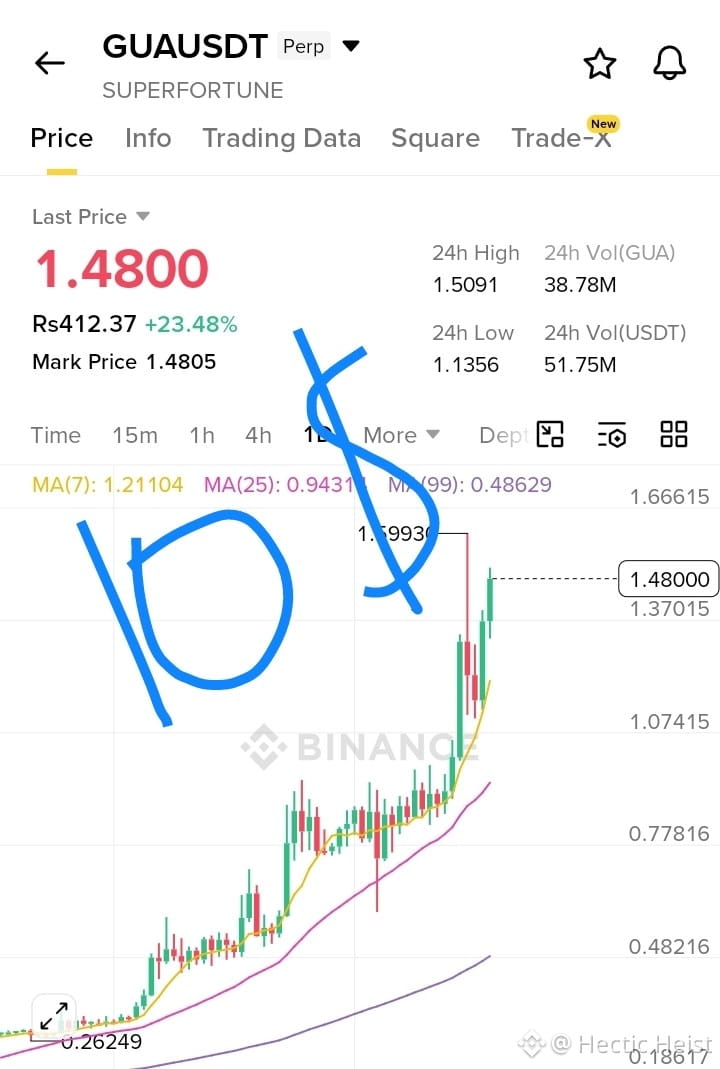
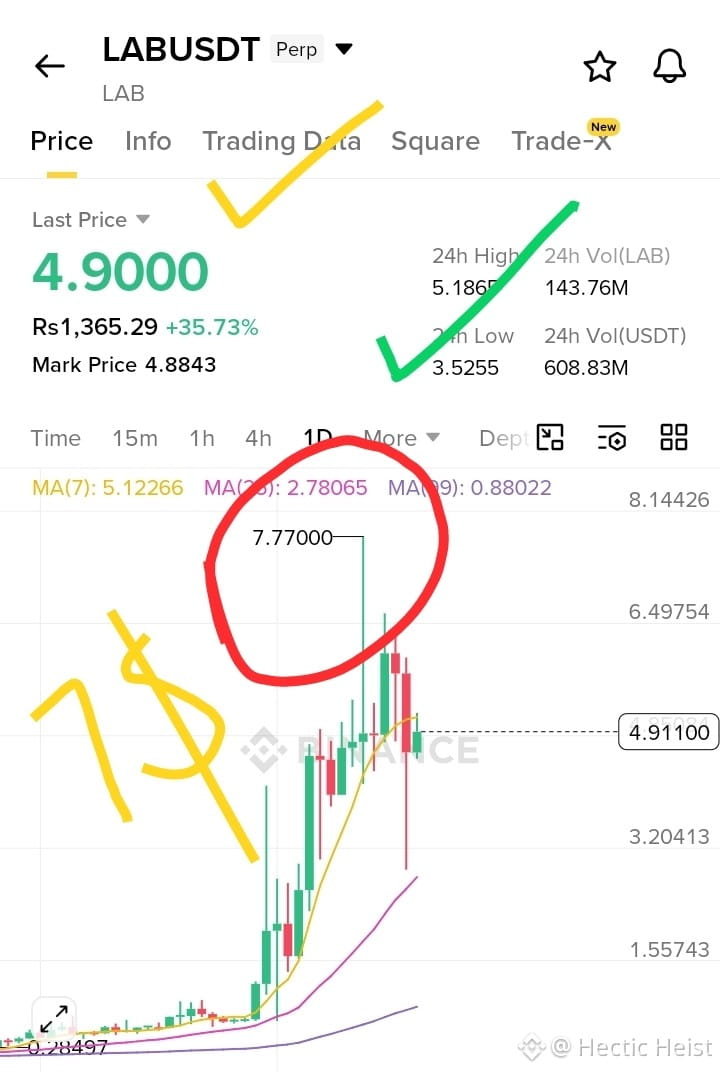
$LAB Next Target 7$ mark my words and thank me later 👍🏻😉😉😉😉
Long Now with 100x leverage and you will become milliamere this month. 🤑💰🤑💰🤑💰🤑💰🤑
Long Now with 100x leverage and you will become milliamere this month. 🤑💰🤑💰🤑💰🤑💰🤑
$BTC Next Target 80k+ or 75k ...??? 🤔🤔🤔🤔🤔🤔
What do you think guys ????🛑🛑🤔🤔
What do you think guys ????🛑🛑🤔🤔
yes 80k 💪🏻💪🏻🥰🥰
50%
75k confirmed 🤭😭😂
50%
26 votes • Voting closed
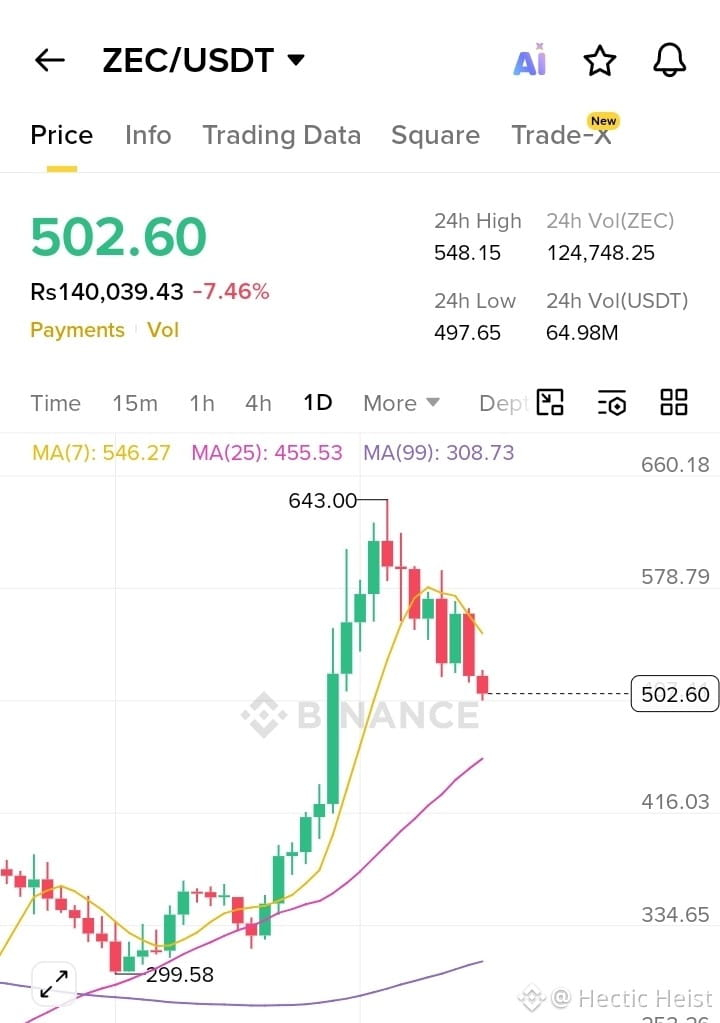
Guys I am going to take short trade on $ZEC Token.... 🛑🛑🛑
And my target is $480 🚨🚨🚨
Come on keep shorting $ZEC soon it will dump heavily 📉📉📉
And my target is $480 🚨🚨🚨
Come on keep shorting $ZEC soon it will dump heavily 📉📉📉

I keep going back and forth on reputation systems in Pixels.
Part of me sees them as necessary.
Part of me sees them as something that might quietly introduce new problems over time.🤨
Because reputation tries to answer a difficult question:
how do you define a “good” player?
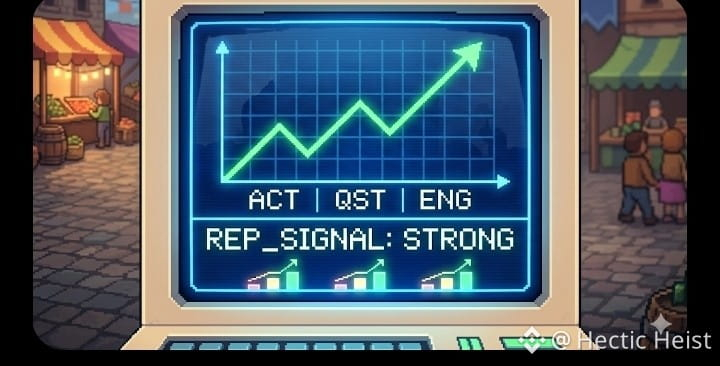
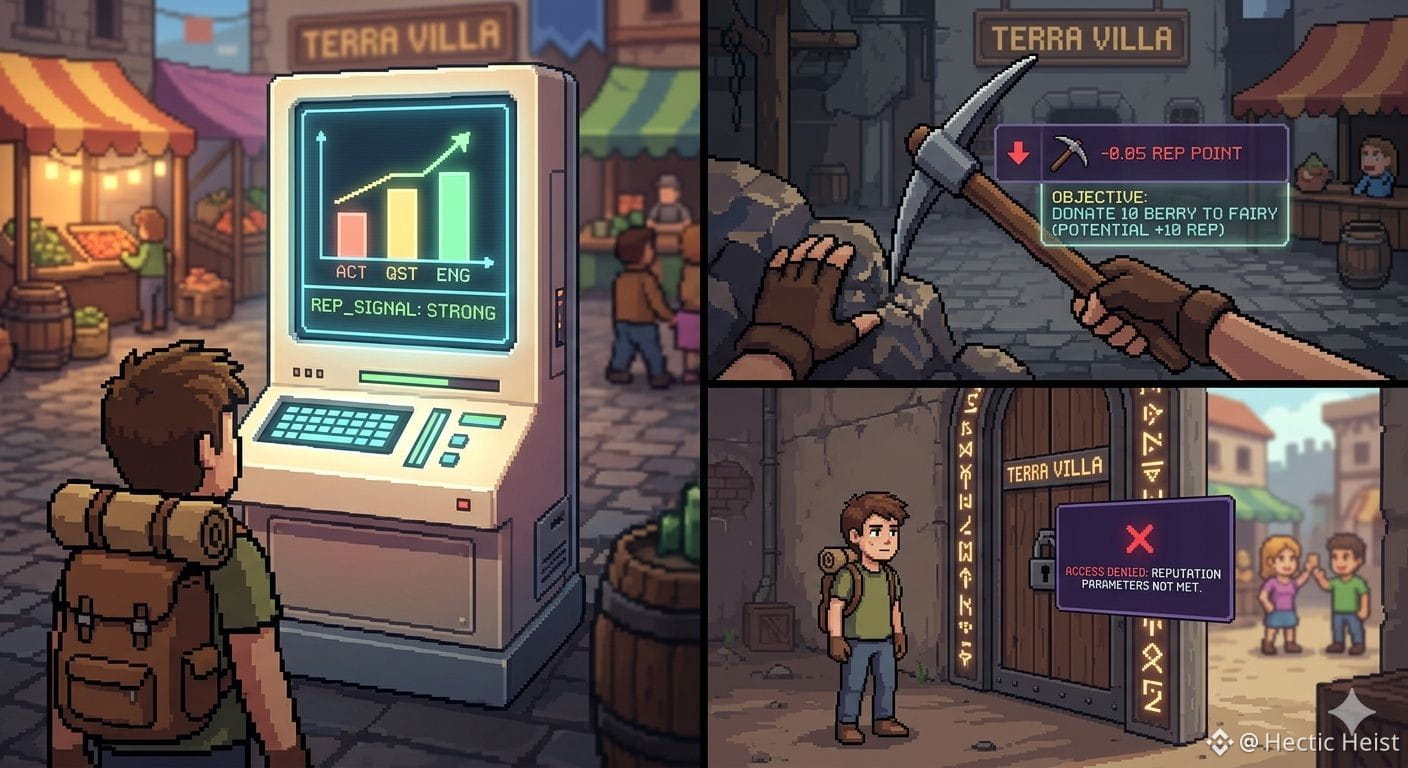
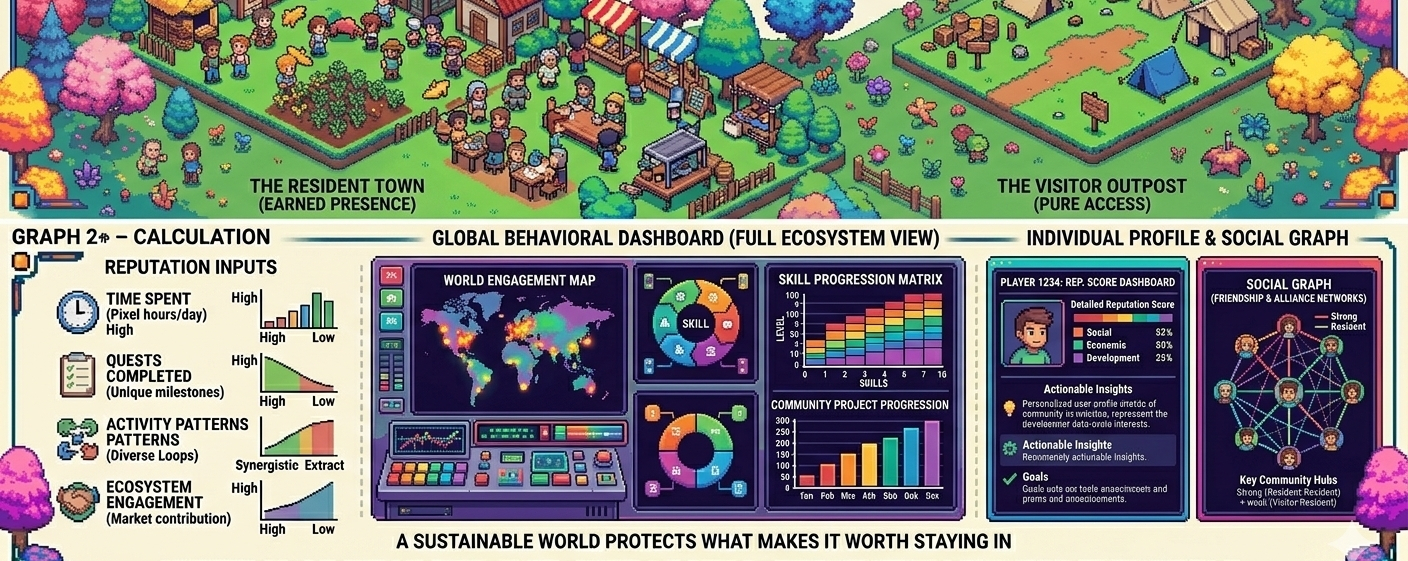
Pixels approaches it through behavior. Activity, quests, time spent, engagement patterns. All of it tries to build a signal around who is actually participating in the world.👠
Reputation becomes a way to push back against tha🤝t.
To say that presence matters.
That consistency matters.
That contribution matters.
But I also think the moment you start measuring behavior, you start shaping it.
Players don’t just play the game anymore.
They start playing the system behind the game.🙄
They optimize for score, access, eligibility.
And that can quietly change the experience.
Actions become less about what feels natural…
and more about what improves standing.
I think that’s where the tension lives.
Reputation can protect a game.
But it can also make parts of it feel less organic.
It can filter noise…😎
but also introduce opacity.
Players may not fully understand why they are being rewarded or limited.
And that uncertainty can turn into friction.
So I don’t really see reputation as a clean solution.
I see it more like a balancing layer.
Something that tries to hold the system together, while creating new dynamics at the same time.
And maybe that’s unavoidable.🧐
Because once value exists inside a game, behavior becomes uneven.
Some form of distinction starts becoming necessary.
The question is just how that distinction is handled.
Pixels doesn’t solve that completely.
And I think that matters.
Because pretending all players behave the same may feel fair…
but it usually doesn’t protect the system for long.🌺
@Pixels #pixel $PIXEL
Part of me sees them as necessary.
Part of me sees them as something that might quietly introduce new problems over time.🤨
Because reputation tries to answer a difficult question:
how do you define a “good” player?
Pixels approaches it through behavior. Activity, quests, time spent, engagement patterns. All of it tries to build a signal around who is actually participating in the world.👠
Reputation becomes a way to push back against tha🤝t.
To say that presence matters.
That consistency matters.
That contribution matters.
But I also think the moment you start measuring behavior, you start shaping it.
Players don’t just play the game anymore.
They start playing the system behind the game.🙄
They optimize for score, access, eligibility.
And that can quietly change the experience.
Actions become less about what feels natural…
and more about what improves standing.
I think that’s where the tension lives.
Reputation can protect a game.
But it can also make parts of it feel less organic.
It can filter noise…😎
but also introduce opacity.
Players may not fully understand why they are being rewarded or limited.
And that uncertainty can turn into friction.
So I don’t really see reputation as a clean solution.
I see it more like a balancing layer.
Something that tries to hold the system together, while creating new dynamics at the same time.
And maybe that’s unavoidable.🧐
Because once value exists inside a game, behavior becomes uneven.
Some form of distinction starts becoming necessary.
The question is just how that distinction is handled.
Pixels doesn’t solve that completely.
And I think that matters.
Because pretending all players behave the same may feel fair…
but it usually doesn’t protect the system for long.🌺
@Pixels #pixel $PIXEL
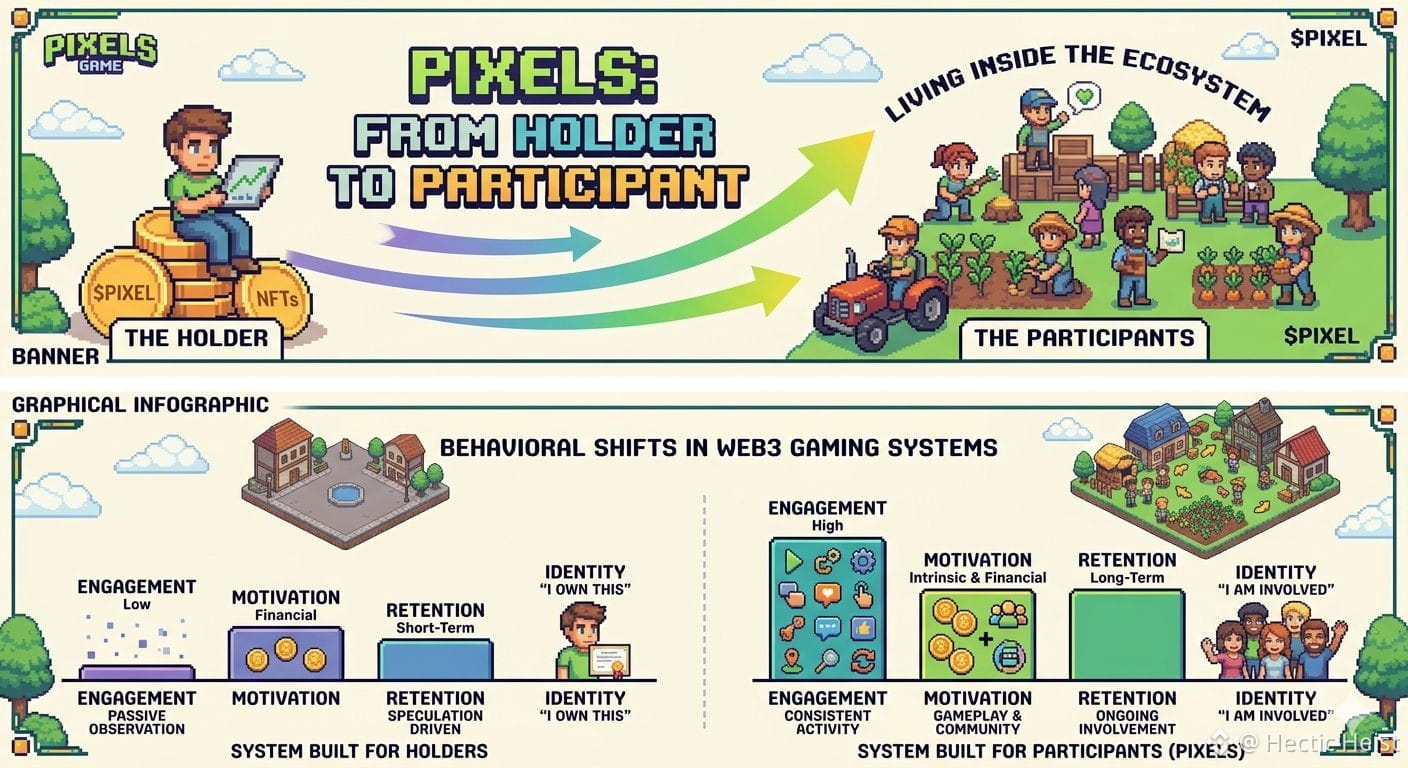
#pixel $PIXEL I keep thinking the real shift in Pixels is not from player to holder…
but from holder to participant.🍁
In a lot of Web3 systems, holding is enough. You own the token, you stake it, you wait. The relationship becomes mostly passive.😮💨
Pixels feels like it is trying to move away from that.
Holding $PIXEL still matters, but it does not seem to be the full story. There is an expectation that you stay active, that you remain inside the game, that your role is tied to what you do, not just what you own.
And I think that changes the dynamic.
Because a holder observes the system.
🤝A participant lives inside it.
That difference may sound subtle, but I think it shapes behavior in a deeper way.
When people feel like participants, they engage more consistently. They pay attention. They return, not just for rewards, but because they are part of something ongoing.🫡
Of course, incentives are still there.
Rewards still exist.
People will still optimize.
That does not disappear.
But the structure seems to nudge identity in a different direction.
Not just “I hold this”…🙂
but “I am involved in this.”😉
And I keep wondering if that is one of the more important shifts for Web3 games.
Because a system built only around holders can grow quickly…👌
but a system built around participants may be the one that actually lasts.
@Pixels #pixel $PIXEL
but from holder to participant.🍁
In a lot of Web3 systems, holding is enough. You own the token, you stake it, you wait. The relationship becomes mostly passive.😮💨
Pixels feels like it is trying to move away from that.
Holding $PIXEL still matters, but it does not seem to be the full story. There is an expectation that you stay active, that you remain inside the game, that your role is tied to what you do, not just what you own.
And I think that changes the dynamic.
Because a holder observes the system.
🤝A participant lives inside it.
That difference may sound subtle, but I think it shapes behavior in a deeper way.
When people feel like participants, they engage more consistently. They pay attention. They return, not just for rewards, but because they are part of something ongoing.🫡
Of course, incentives are still there.
Rewards still exist.
People will still optimize.
That does not disappear.
But the structure seems to nudge identity in a different direction.
Not just “I hold this”…🙂
but “I am involved in this.”😉
And I keep wondering if that is one of the more important shifts for Web3 games.
Because a system built only around holders can grow quickly…👌
but a system built around participants may be the one that actually lasts.
@Pixels #pixel $PIXEL
Log in to explore more content