
阿Bob波哥说币
414 Posts
阿Bob波哥说币
公众号:《恋上波哥》 关注我,多交流,祝各位钱包越来越鼓!多年交易经验,走过多轮牛熊,对市场节奏和资金动向有成熟判断。依靠稳定的信息源和实战策略做交易,不空谈理论。长期用同一套逻辑操作,胜率保持在 80%–85%。分享真实思路,追求稳健、长期收益。
7 Following
36 Followers
251 Liked
Posts
This approach is something I’ve used for a long time—the core is just one sentence: do less, do it slower, and go with the trend.
First, there are three things to avoid as much as possible. When prices are rising, don’t rush to chase; real opportunities are often not when sentiment is at its highest, but after the market has cooled down. Don’t go all in on a position; being fully invested is like tying yourself down, and with even a slight market swing you’ll have no room to adjust. Also, don’t trade too frequently. When the market is moving sideways, random actions consume not only fees, but also your judgment.
The rhythm of short-term trading is also worth noting: after consolidation, a direction usually emerges, but don’t act before that direction is confirmed. Most actions during a sideways phase are unnecessary; patience matters more than entering the market. Candlesticks can provide a reference for timing, but don’t let emotions run opposite to them. After trend acceleration, the market often enters consolidation, and during that period it’s best to reduce activity. Build positions in batches; don’t deploy everything at once. The market can change at any time—don’t be greedy when it rises, and don’t panic when it falls. The key is to adjust with the structure, not guess tops and bottoms.
In the end, what trading competes on is not technique, but restraint, patience, and execution. Only those who can control their hands are qualified to stay in the market.
ZEC market cap surpasses DOGE
#伊朗将设霍尔木兹海峡限制区
First, there are three things to avoid as much as possible. When prices are rising, don’t rush to chase; real opportunities are often not when sentiment is at its highest, but after the market has cooled down. Don’t go all in on a position; being fully invested is like tying yourself down, and with even a slight market swing you’ll have no room to adjust. Also, don’t trade too frequently. When the market is moving sideways, random actions consume not only fees, but also your judgment.
The rhythm of short-term trading is also worth noting: after consolidation, a direction usually emerges, but don’t act before that direction is confirmed. Most actions during a sideways phase are unnecessary; patience matters more than entering the market. Candlesticks can provide a reference for timing, but don’t let emotions run opposite to them. After trend acceleration, the market often enters consolidation, and during that period it’s best to reduce activity. Build positions in batches; don’t deploy everything at once. The market can change at any time—don’t be greedy when it rises, and don’t panic when it falls. The key is to adjust with the structure, not guess tops and bottoms.
In the end, what trading competes on is not technique, but restraint, patience, and execution. Only those who can control their hands are qualified to stay in the market.
ZEC market cap surpasses DOGE
#伊朗将设霍尔木兹海峡限制区
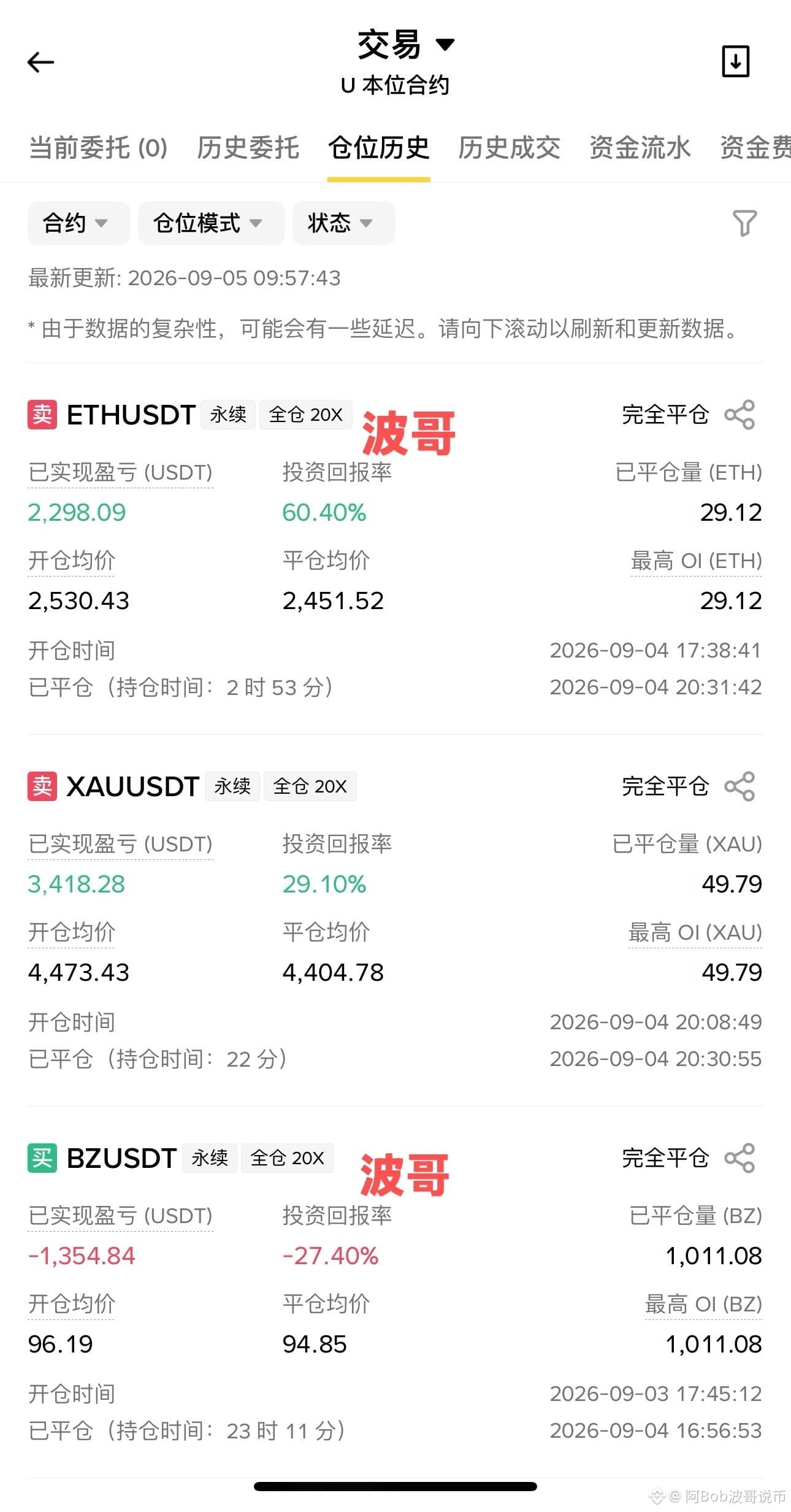
To be honest, making money in the crypto world isn’t as complicated as people imagine—just don’t be greedy. From last year to now, some followers have turned 10,000 U into over 1 million U. That wasn’t luck; it was a system at work. To make money steadily in crypto, the core is not prediction, but a process that can be executed repeatedly.
Step 1: Build a watchlist. Filter out coins that have appeared on the gainers list within the past 11 days, and eliminate those that have fallen for more than 3 consecutive days. Don’t touch assets that are still dropping.
Step 2: Check the monthly trend. Only trade coins whose monthly MACD has already formed a golden cross. Don’t look at anything with a weak overall direction, and don’t stubbornly hold in a downtrend.
Step 3: Look for daily entry signals. Focus on the 60-day moving average. Only act when the price pulls back to the moving average while volume increases. If there’s no volume, don’t enter; if volume doesn’t expand, don’t confirm.
Step 4: Position rules. Hold when the price is above the 60-day moving average, and exit once it breaks below it—without hesitation. Stay or go, you should be able to tell at a glance, without overthinking.
Three execution details:
When the price rises to a certain level, reduce positions in batches. Lock in the profits that have already run, and let the remaining position ride the trend. The most important rule—if the price directly falls below the 60-day moving average the next day, you must close all positions. Don’t wait, don’t hold, and don’t fantasize about a rebound. Following this one rule can already help you avoid 90% of unnecessary losses.
The method isn’t hard; what’s hard is sticking to it.
Step 1: Build a watchlist. Filter out coins that have appeared on the gainers list within the past 11 days, and eliminate those that have fallen for more than 3 consecutive days. Don’t touch assets that are still dropping.
Step 2: Check the monthly trend. Only trade coins whose monthly MACD has already formed a golden cross. Don’t look at anything with a weak overall direction, and don’t stubbornly hold in a downtrend.
Step 3: Look for daily entry signals. Focus on the 60-day moving average. Only act when the price pulls back to the moving average while volume increases. If there’s no volume, don’t enter; if volume doesn’t expand, don’t confirm.
Step 4: Position rules. Hold when the price is above the 60-day moving average, and exit once it breaks below it—without hesitation. Stay or go, you should be able to tell at a glance, without overthinking.
Three execution details:
When the price rises to a certain level, reduce positions in batches. Lock in the profits that have already run, and let the remaining position ride the trend. The most important rule—if the price directly falls below the 60-day moving average the next day, you must close all positions. Don’t wait, don’t hold, and don’t fantasize about a rebound. Following this one rule can already help you avoid 90% of unnecessary losses.
The method isn’t hard; what’s hard is sticking to it.
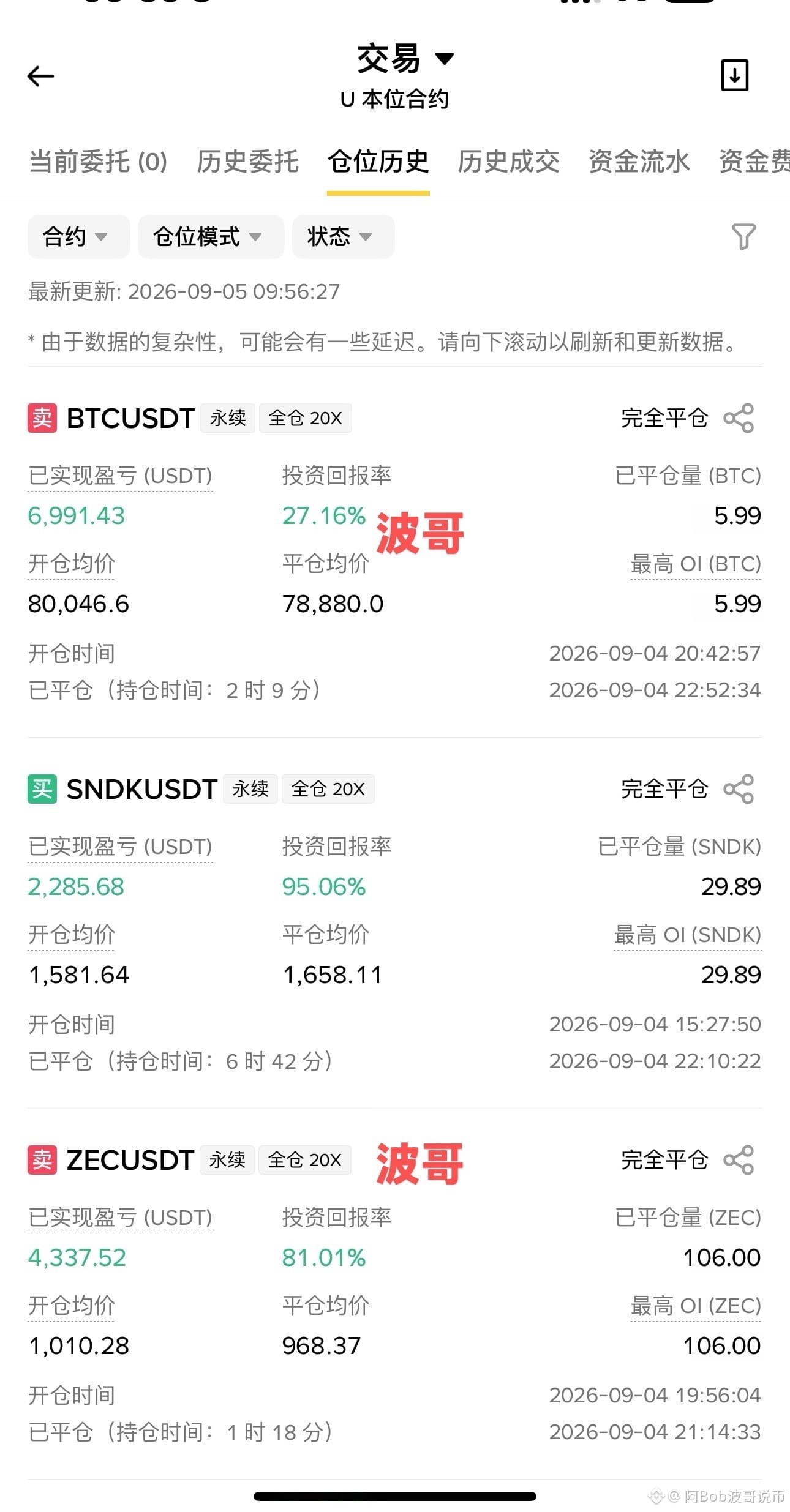
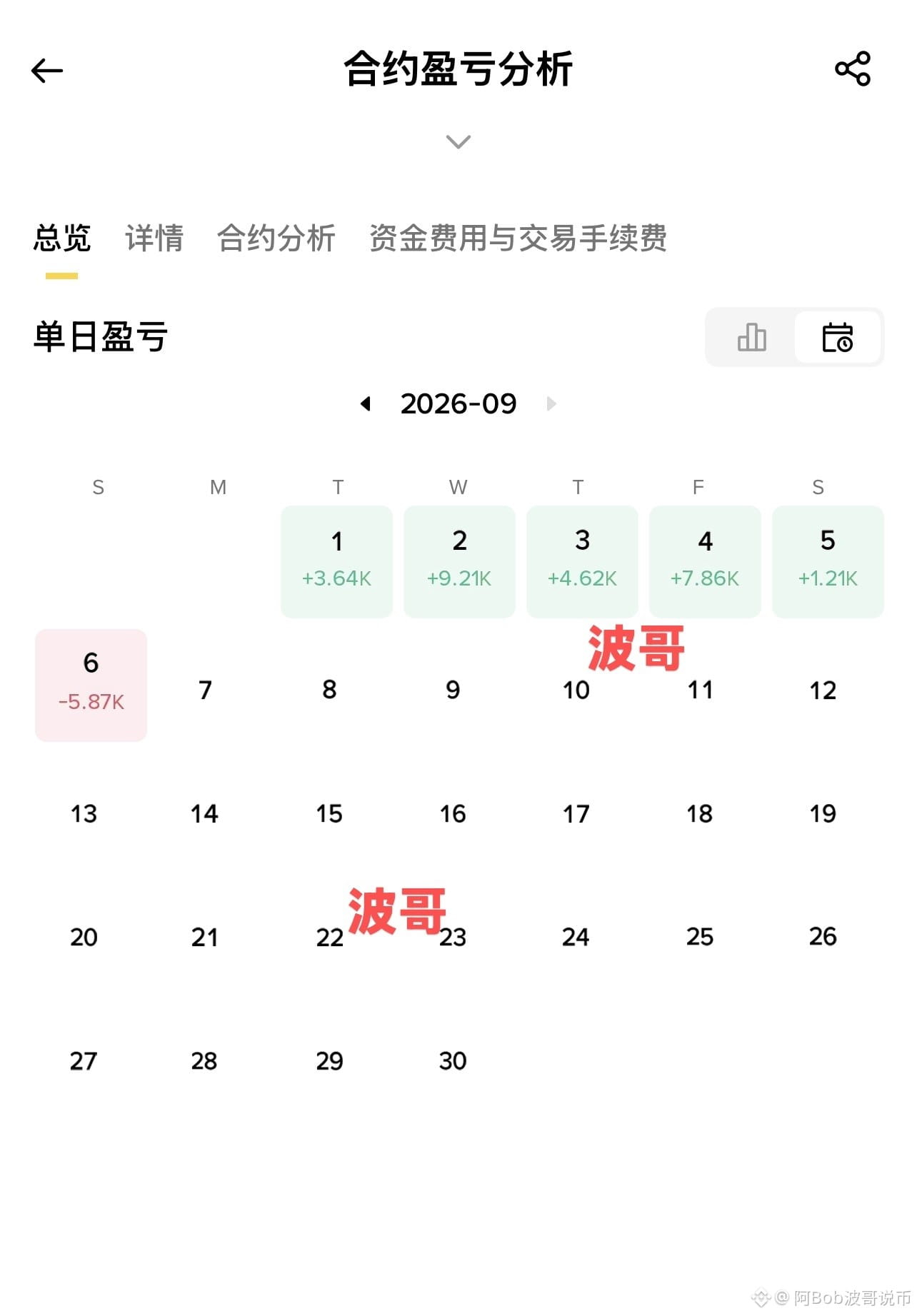


For accounts under 8000U, the easiest mistake is not being unable to read the market, but always wanting to win it back in one shot. I recently worked with a guy who started with 8000U. He didn’t go all-in or use heavy leverage; he simply controlled position sizing and pacing, pushing forward little by little.
First, split your money up; don’t bet it all at once. 8000U should be divided into several parts: one for short-term trades, one for trends, and one as a reserve. Never let a single trade decide whether you can keep going. People who go all in get greedy when it rises and panic when it falls—no exceptions.
Second, when you can’t understand the market, treat it as if you didn’t see it. If it’s moving sideways and the trend is unclear, do nothing. Wait until an opportunity appears before making a move, and once you’re in profit, take it in batches. Don’t always try to eat the whole move from beginning to end. The part of the profit you can actually keep is what’s yours.
Third, feelings can’t be trusted; you need rules. Before opening a position, write down your stop-loss and take-profit, and exit when they’re hit. If you’re in profit, protect part of it first. If you’re losing, don’t add to the position, and never increase size just to recover losses. An account is not a tool for venting your temper.
For small capital to grow, it doesn’t depend on making a big win in one trade. It depends on making fewer mistakes, controlling drawdowns, and letting the account climb slowly. 8000U is not the limit; it’s the starting point. What truly determines how far you can go is whether you can control your position size and emotions.
If one person charges in recklessly, they’ll crash sooner or later; with someone guiding the way, you can walk more steadily.
#美国空袭伊朗油轮德黑兰限制霍尔木兹海峡
#三星SK海力士领涨韩股走高
First, split your money up; don’t bet it all at once. 8000U should be divided into several parts: one for short-term trades, one for trends, and one as a reserve. Never let a single trade decide whether you can keep going. People who go all in get greedy when it rises and panic when it falls—no exceptions.
Second, when you can’t understand the market, treat it as if you didn’t see it. If it’s moving sideways and the trend is unclear, do nothing. Wait until an opportunity appears before making a move, and once you’re in profit, take it in batches. Don’t always try to eat the whole move from beginning to end. The part of the profit you can actually keep is what’s yours.
Third, feelings can’t be trusted; you need rules. Before opening a position, write down your stop-loss and take-profit, and exit when they’re hit. If you’re in profit, protect part of it first. If you’re losing, don’t add to the position, and never increase size just to recover losses. An account is not a tool for venting your temper.
For small capital to grow, it doesn’t depend on making a big win in one trade. It depends on making fewer mistakes, controlling drawdowns, and letting the account climb slowly. 8000U is not the limit; it’s the starting point. What truly determines how far you can go is whether you can control your position size and emotions.
If one person charges in recklessly, they’ll crash sooner or later; with someone guiding the way, you can walk more steadily.
#美国空袭伊朗油轮德黑兰限制霍尔木兹海峡
#三星SK海力士领涨韩股走高
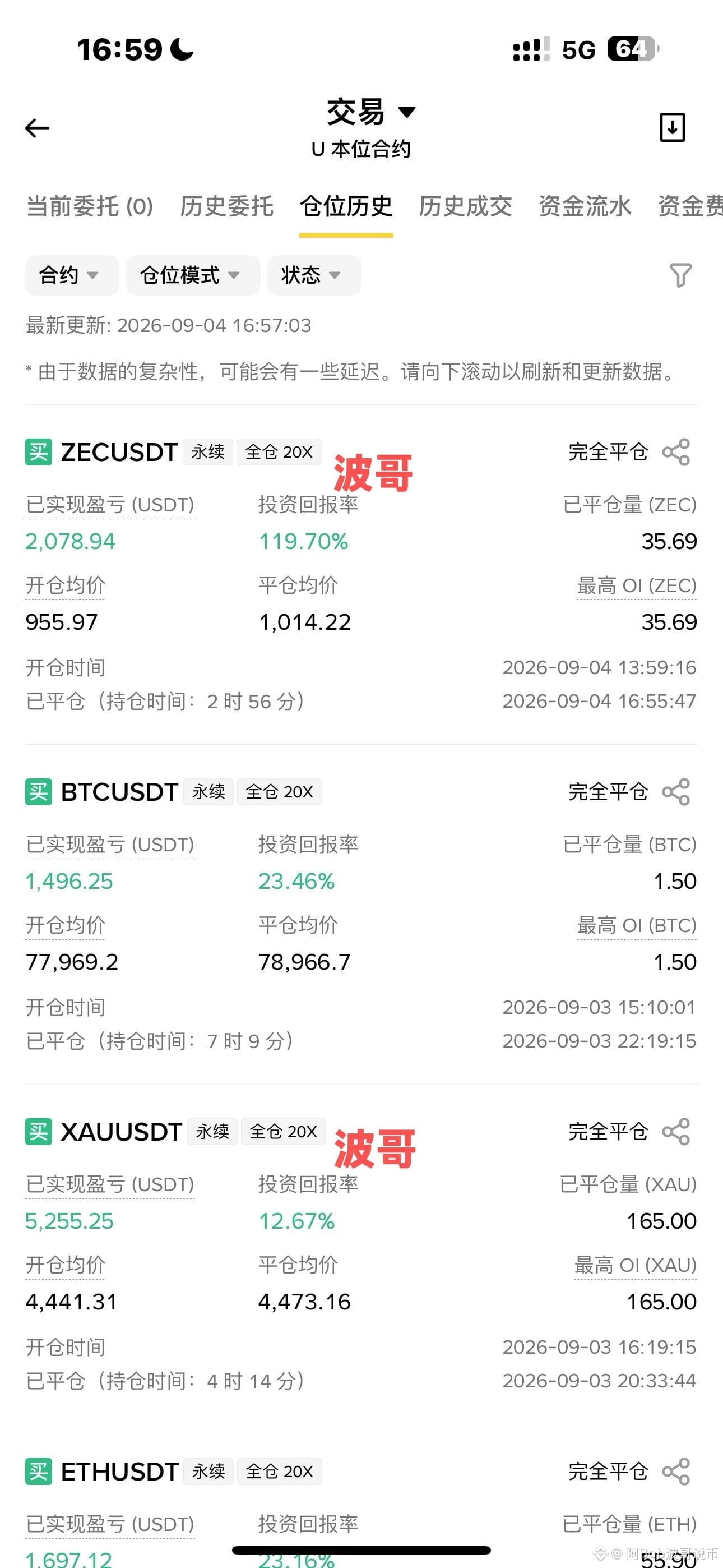
That line, “nailing one move doesn’t mean long-term profits,” is where many people start losing money.
After making a few quick gains, they start chasing hot topics, opening trades frequently, and increasing position sizes. When the market changes, the profits from before are quickly given back.
People who can truly keep trading long term have surprisingly simple trading logic. I’m more willing now to wait and only trade setups I can understand. If there’s no clear opportunity, I stay flat and don’t force an entry out of fear of missing out. When choosing coins, I first look at the trend and where the money is paying attention, and I don’t chase coins that have already surged for several straight sessions with clearly increased risk.
Once the direction is clear, I wait for a suitable entry and scale in gradually, instead of jumping in after seeing one big bullish candle. After entering, I also don’t get greedy and try to catch the entire move; once the target is reached, I gradually lock in profits and let the remaining position follow the trend.
The hardest part of trading has never been finding a method, but executing it all the way through. When it’s time to cut losses, people hate to leave; after a loss, they add to the position; when the market is wrong, they still want to hold on and recover it; in the end, a small loss turns into a big one. The market is never short of opportunities; what is truly scarce is discipline.
In the end, trading is not about who can predict best, but about who can control emotions, stick to the rules, and keep to their own rhythm.
#美伊互袭油轮冲突升级
#美国空袭伊朗油轮德黑兰限制霍尔木兹海峡
After making a few quick gains, they start chasing hot topics, opening trades frequently, and increasing position sizes. When the market changes, the profits from before are quickly given back.
People who can truly keep trading long term have surprisingly simple trading logic. I’m more willing now to wait and only trade setups I can understand. If there’s no clear opportunity, I stay flat and don’t force an entry out of fear of missing out. When choosing coins, I first look at the trend and where the money is paying attention, and I don’t chase coins that have already surged for several straight sessions with clearly increased risk.
Once the direction is clear, I wait for a suitable entry and scale in gradually, instead of jumping in after seeing one big bullish candle. After entering, I also don’t get greedy and try to catch the entire move; once the target is reached, I gradually lock in profits and let the remaining position follow the trend.
The hardest part of trading has never been finding a method, but executing it all the way through. When it’s time to cut losses, people hate to leave; after a loss, they add to the position; when the market is wrong, they still want to hold on and recover it; in the end, a small loss turns into a big one. The market is never short of opportunities; what is truly scarce is discipline.
In the end, trading is not about who can predict best, but about who can control emotions, stick to the rules, and keep to their own rhythm.
#美伊互袭油轮冲突升级
#美国空袭伊朗油轮德黑兰限制霍尔木兹海峡
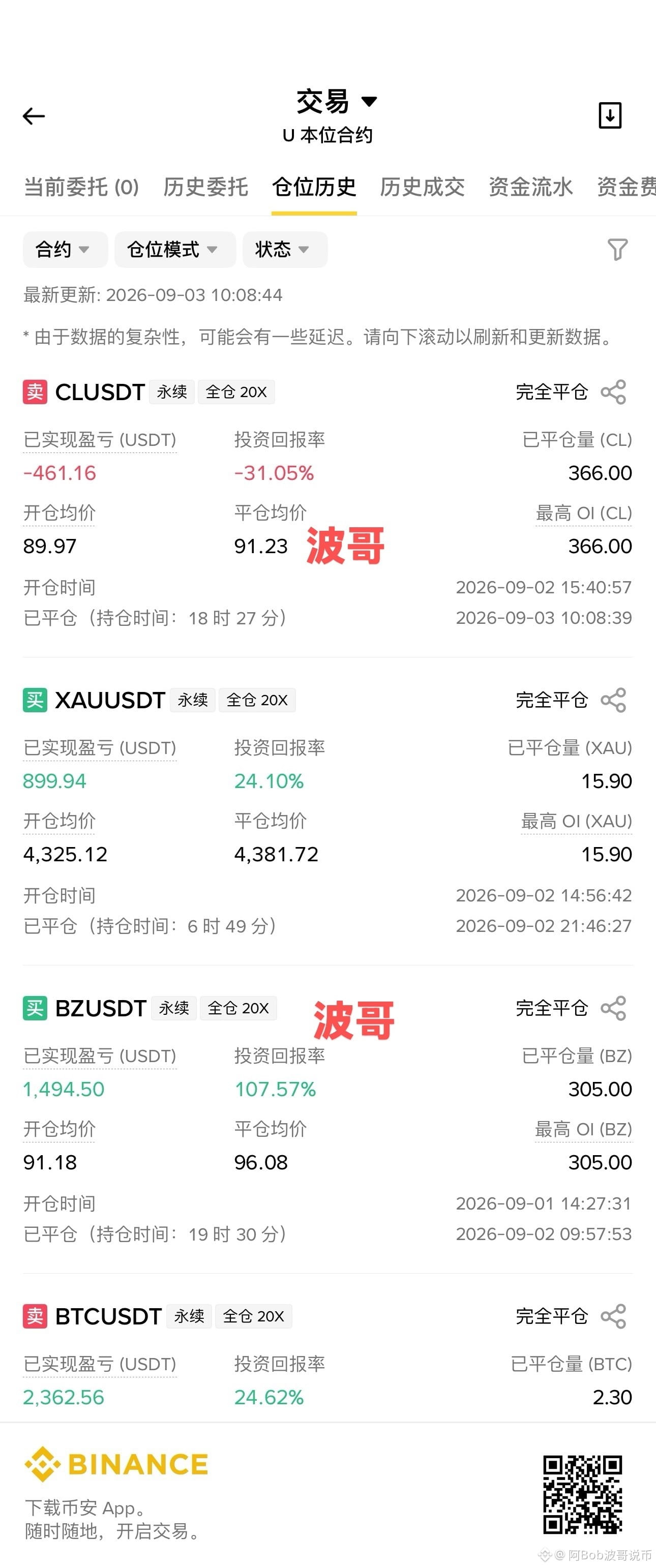
If your account isn’t even in the five-figure range, and you’re still going all-in on altcoins and trading contracts every day? That’s not trading, that’s handing out money. The only goal for small-cap retail traders is to survive — no liquidation, no going to zero, slowly compounding, that’s the way out for ordinary people.
For coin selection, only trust the daily MACD golden cross. Signals above the zero line are the most reliable, because they mean the trend has officially started. Retail traders don’t bottom-fish; they follow the trend and pick up steady money.
For holding positions, just watch one daily moving average: hold while price stays above it, and get out once it breaks below. No exceptions, no fantasies, no gambling — if the line breaks, it breaks.
For entries, confirm price and volume at the same time. Only act when price holds above the moving average and breaks out with rising volume. Breakouts without volume are basically traps to lure buyers; don’t chase, don’t get greedy.
Take profits in stages: cut half when it rises 40%, cut more when it rises 80%, and liquidate everything if it falls below the moving average. Don’t be greedy for the last bit; how much you can take away matters far more than guessing the direction right.
For stop-loss, stick to one hard rule: if the closing price falls below the moving average, exit unconditionally the next day. Don’t wait, don’t hold, don’t doubt.
Missing a move only means making a little less; stubbornly holding a losing position will definitely lead to a big loss. This method won’t make you rich overnight, but it can help you break free from the cycle of repeatedly going back to zero.
For coin selection, only trust the daily MACD golden cross. Signals above the zero line are the most reliable, because they mean the trend has officially started. Retail traders don’t bottom-fish; they follow the trend and pick up steady money.
For holding positions, just watch one daily moving average: hold while price stays above it, and get out once it breaks below. No exceptions, no fantasies, no gambling — if the line breaks, it breaks.
For entries, confirm price and volume at the same time. Only act when price holds above the moving average and breaks out with rising volume. Breakouts without volume are basically traps to lure buyers; don’t chase, don’t get greedy.
Take profits in stages: cut half when it rises 40%, cut more when it rises 80%, and liquidate everything if it falls below the moving average. Don’t be greedy for the last bit; how much you can take away matters far more than guessing the direction right.
For stop-loss, stick to one hard rule: if the closing price falls below the moving average, exit unconditionally the next day. Don’t wait, don’t hold, don’t doubt.
Missing a move only means making a little less; stubbornly holding a losing position will definitely lead to a big loss. This method won’t make you rich overnight, but it can help you break free from the cycle of repeatedly going back to zero.
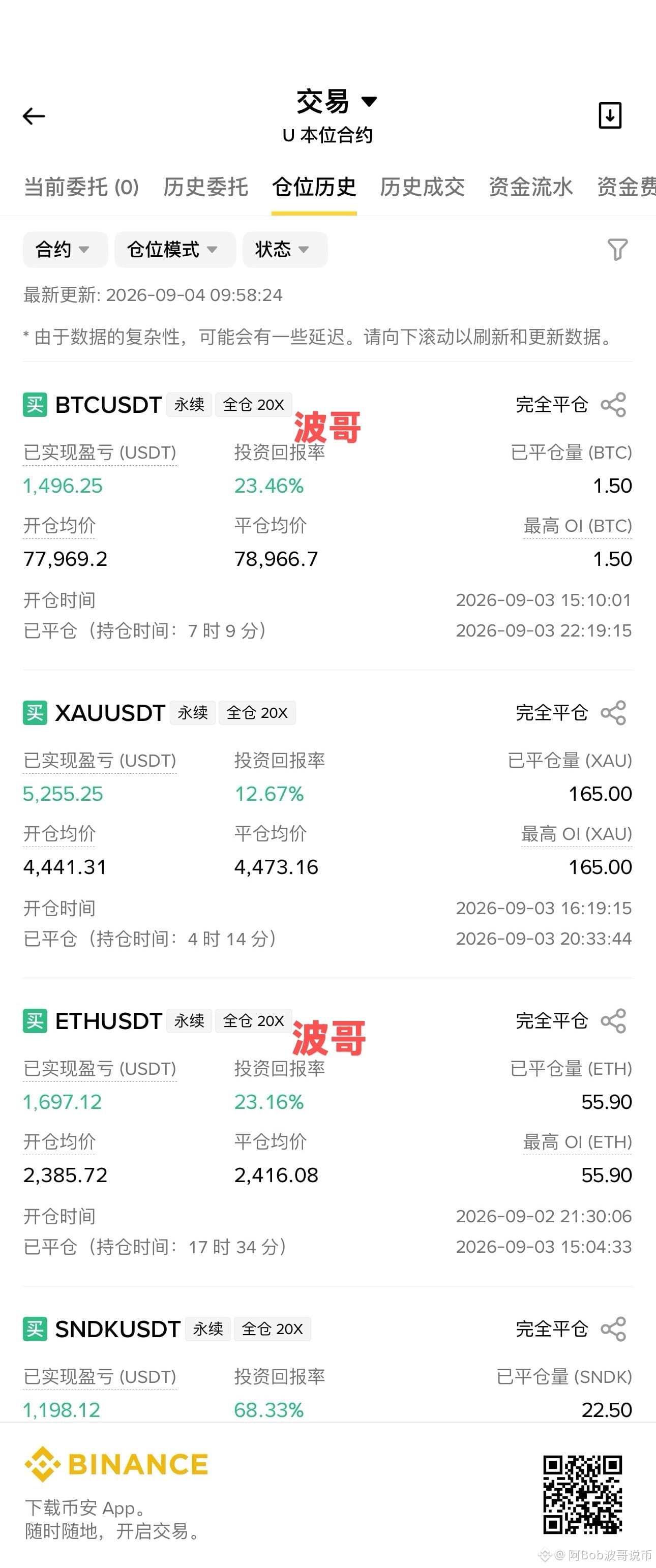
With the same 3000U, some people build big in four months, while others go back to zero in four days. The difference is not the market, but the rules.
I once led someone who started with 3000U and grew it to 20W+, and the process was not exciting, but it was very steady—no liquidation, no loss of control. He only did three things right:
First, separate the funds. One portion for short-term trades, one for waiting on trends, and one untouched. Those who leave themselves no fallback won’t go far. People who go all-in are not trading; they are gambling with their lives.
Second, only take the setups you are sure about. If there is no direction, stay in cash; do not participate in sideways markets. Doing less is more important than doing more. Most people lose money not because they read the direction wrong, but because they cannot sit still.
Third, lock the rules in place. If losses hit the limit, exit. If profits hit the target, take them. Withdraw profits, do not add to losing positions. If you do not exit when you’re up and stubbornly hold when you’re down, your account will never be stable.
Many people lose not because they do not know how, but because they cannot control themselves. The moment they rush to recover losses, increase position size, and lose rhythm, it is basically over. In the crypto world, in the end, it is not who earns the most, but who is still in the game. If you are still losing repeatedly and getting messier the more you trade, do not rush to turn things around—first change the method.
#美国空袭伊朗油轮德黑兰限制霍尔木兹海峡
#BTC触及80000美元
I once led someone who started with 3000U and grew it to 20W+, and the process was not exciting, but it was very steady—no liquidation, no loss of control. He only did three things right:
First, separate the funds. One portion for short-term trades, one for waiting on trends, and one untouched. Those who leave themselves no fallback won’t go far. People who go all-in are not trading; they are gambling with their lives.
Second, only take the setups you are sure about. If there is no direction, stay in cash; do not participate in sideways markets. Doing less is more important than doing more. Most people lose money not because they read the direction wrong, but because they cannot sit still.
Third, lock the rules in place. If losses hit the limit, exit. If profits hit the target, take them. Withdraw profits, do not add to losing positions. If you do not exit when you’re up and stubbornly hold when you’re down, your account will never be stable.
Many people lose not because they do not know how, but because they cannot control themselves. The moment they rush to recover losses, increase position size, and lose rhythm, it is basically over. In the crypto world, in the end, it is not who earns the most, but who is still in the game. If you are still losing repeatedly and getting messier the more you trade, do not rush to turn things around—first change the method.
#美国空袭伊朗油轮德黑兰限制霍尔木兹海峡
#BTC触及80000美元
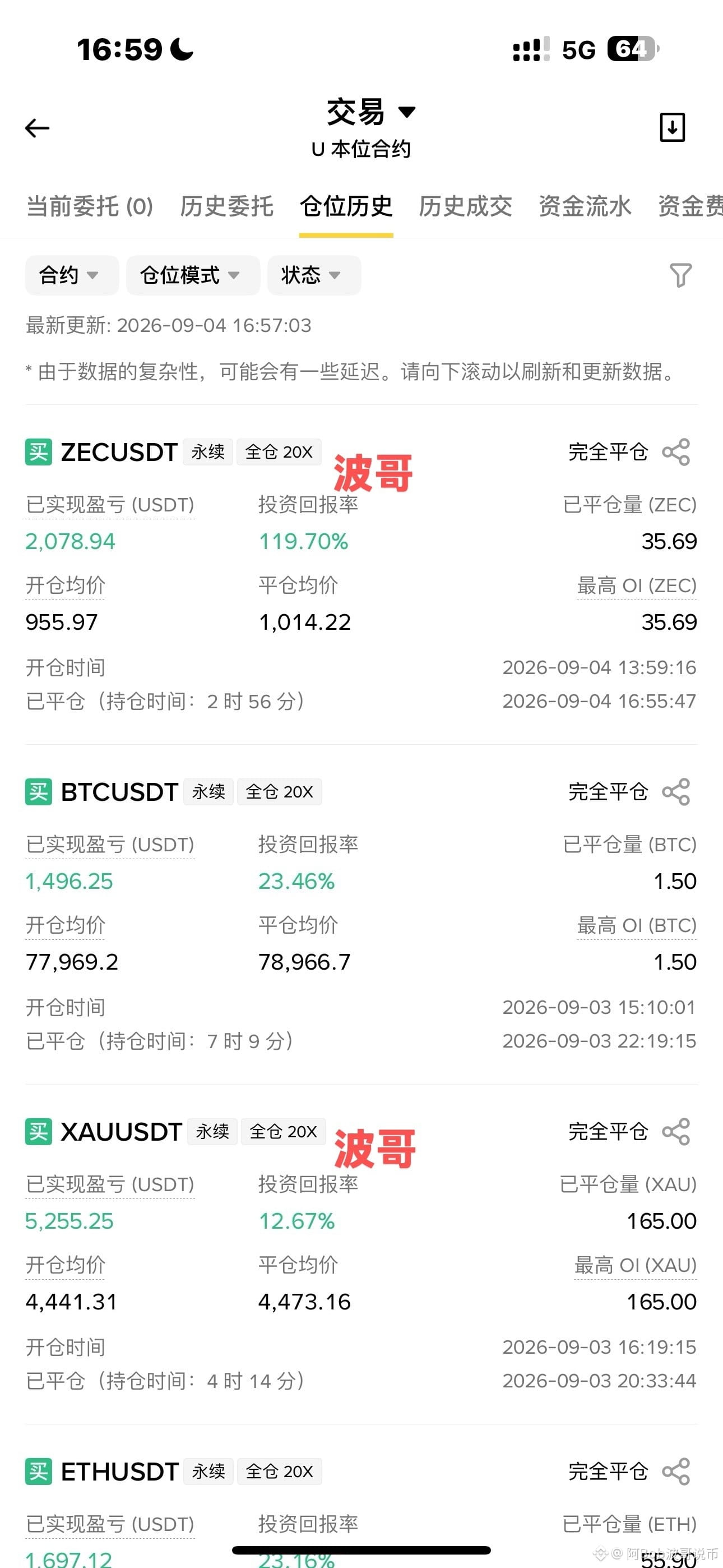
Losing money as a beginner is often not because the market is too hard, but because you haven’t yet learned how to deal with yourself.
Below are the six most common traps—see how many you’ve fallen into:
First, you chase when prices rise and panic when they fall. Before entering, you never thought about where to stop loss or where to take profit; after entering, you only start thinking about it, and it’s already too late.
Second, after getting lucky and making money a few times right after entering, you think you’ve found the secret. One win does not prove ability; being able to control yourself consistently is what really counts.
Third, when others post their profits, you fear missing out; when your own position drops, you rush to exit. The hotter the market gets, the calmer you need to be. When you don’t understand what’s going on, waiting is more important than charging in.
Fourth, you keep changing methods—chasing hot topics today, learning new indicators tomorrow. Finding rules that suit you and sticking to them is far better than knowing a little bit of everything.
Fifth, you only think about how much you can make, and never about how much you could lose if you’re wrong. If you can leave with a small loss, you still have a chance; one big loss may completely block your path.
Sixth, you always feel like there are opportunities every day, so even without a signal you force a trade. Some trades are more valuable not to do than to do.
At the end of the day, the biggest opponent is never the market—it’s your own greed and luck-based thinking. As a beginner, learning how to make fewer mistakes is a hundred times more important than learning how to make quick money.
#俄乌同时宣布停火3天
ZEC's market cap surpasses DOGE
Below are the six most common traps—see how many you’ve fallen into:
First, you chase when prices rise and panic when they fall. Before entering, you never thought about where to stop loss or where to take profit; after entering, you only start thinking about it, and it’s already too late.
Second, after getting lucky and making money a few times right after entering, you think you’ve found the secret. One win does not prove ability; being able to control yourself consistently is what really counts.
Third, when others post their profits, you fear missing out; when your own position drops, you rush to exit. The hotter the market gets, the calmer you need to be. When you don’t understand what’s going on, waiting is more important than charging in.
Fourth, you keep changing methods—chasing hot topics today, learning new indicators tomorrow. Finding rules that suit you and sticking to them is far better than knowing a little bit of everything.
Fifth, you only think about how much you can make, and never about how much you could lose if you’re wrong. If you can leave with a small loss, you still have a chance; one big loss may completely block your path.
Sixth, you always feel like there are opportunities every day, so even without a signal you force a trade. Some trades are more valuable not to do than to do.
At the end of the day, the biggest opponent is never the market—it’s your own greed and luck-based thinking. As a beginner, learning how to make fewer mistakes is a hundred times more important than learning how to make quick money.
#俄乌同时宣布停火3天
ZEC's market cap surpasses DOGE
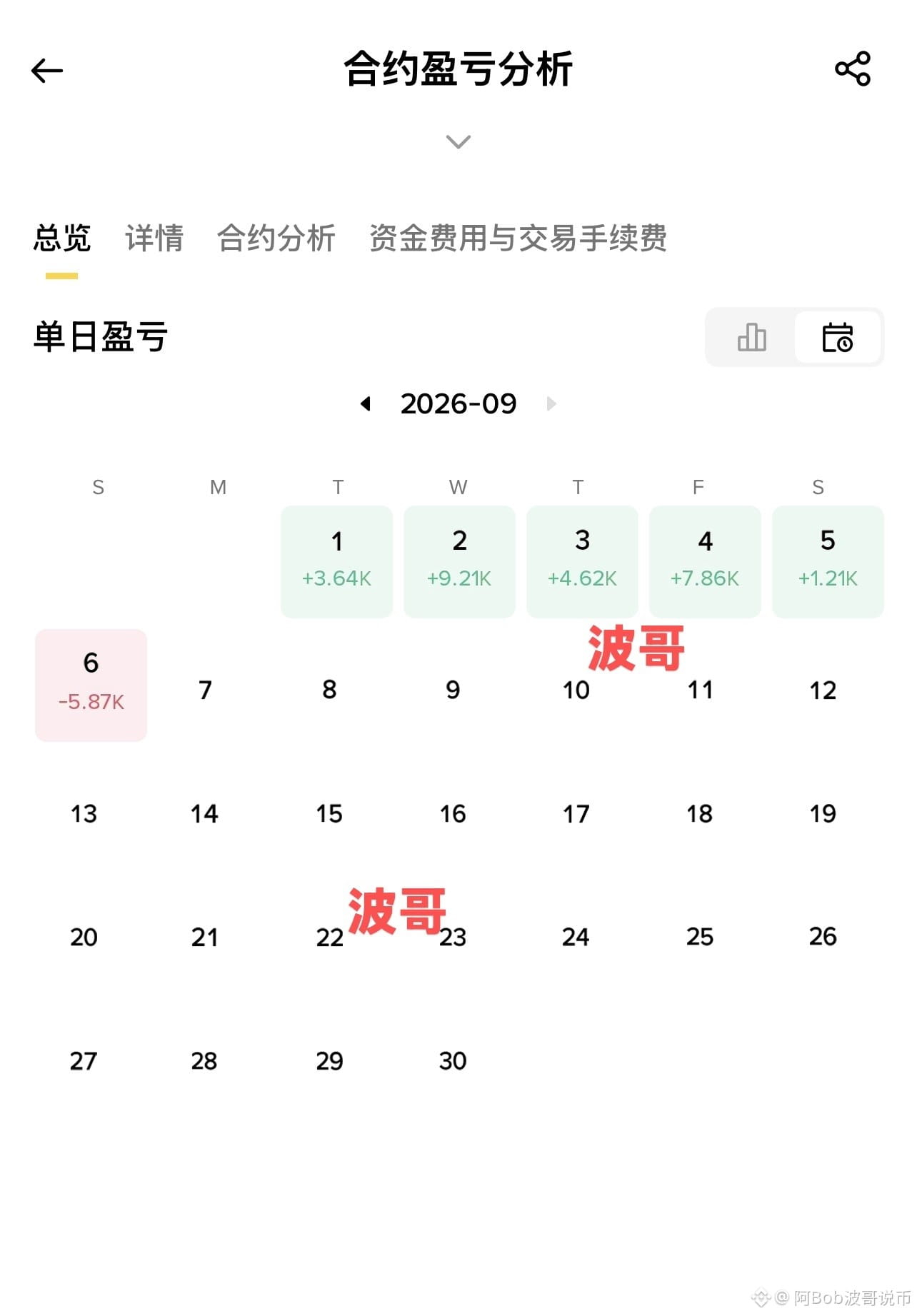
Verified
🔥 The tanker war has escalated dramatically, with Brent briefly approaching $97
Over the weekend, the U.S.-Iran “tanker exchange” entered a new phase.
On September 5, the U.S. military struck three Iranian crude oil tankers — disabling the Downy off the coast of Kharg Island, destroying Stark 1 near Jask, and sinking the empty tanker Kylo in the Gulf of Oman. The U.S. military later released video of Kylo's sinking.
Iran immediately retaliated, claiming it hit three vessels linked to the United States that had passed through the Strait of Hormuz without authorization. Iranian parliamentary speaker Ghalibaf warned that “the era of proportional response is over,” and that any attack on Iranian interests would be met with a “faster, heavier, and more painful” retaliation. Iran's top security official Rezaei announced that in the coming days a new restricted zone will be established outside the Strait of Hormuz.
Brent crude rose as much as 0.8% intraday on Monday, briefly nearing $97 per barrel. Last week, Brent had already surged 7.8%, while WTI gained nearly 10%.
🛢️ Traffic through the strait falls to its lowest since May
Kpler data shows that over the past 10 days, average daily traffic through the Strait of Hormuz was only about 10 merchant vessels, the lowest since May. Only 2 vessels passed on Saturday and 6 on Sunday. Traffic has fallen more than 85% from normal levels.
U.S. Energy Secretary Wright said the U.S. Navy's maritime blockade on Iranian oil exports will not be relaxed.
🎯 Trump's new policy: “tanker for tanker”
Axios reported that Trump approved a new policy last week — “tanker for tanker” — to strike Iranian tankers in kind, mirroring Iran's attacks on commercial shipping. Previously, Trump said he wanted to “strangle” Iran's economy. Treasury Secretary Bessent said Tehran still has about 30 million barrels of crude oil available for potential Chinese buyers.
The tanker war is escalating from “limited retaliation” into “systematic strikes.” Iran's announcement of a new restricted zone means the risks around the strait are expanding rather than contracting. Oil prices are likely to remain easier to rise than fall in the short term; if Brent holds above $97, the next target is $100.
#美伊互袭油轮冲突升级
Over the weekend, the U.S.-Iran “tanker exchange” entered a new phase.
On September 5, the U.S. military struck three Iranian crude oil tankers — disabling the Downy off the coast of Kharg Island, destroying Stark 1 near Jask, and sinking the empty tanker Kylo in the Gulf of Oman. The U.S. military later released video of Kylo's sinking.
Iran immediately retaliated, claiming it hit three vessels linked to the United States that had passed through the Strait of Hormuz without authorization. Iranian parliamentary speaker Ghalibaf warned that “the era of proportional response is over,” and that any attack on Iranian interests would be met with a “faster, heavier, and more painful” retaliation. Iran's top security official Rezaei announced that in the coming days a new restricted zone will be established outside the Strait of Hormuz.
Brent crude rose as much as 0.8% intraday on Monday, briefly nearing $97 per barrel. Last week, Brent had already surged 7.8%, while WTI gained nearly 10%.
🛢️ Traffic through the strait falls to its lowest since May
Kpler data shows that over the past 10 days, average daily traffic through the Strait of Hormuz was only about 10 merchant vessels, the lowest since May. Only 2 vessels passed on Saturday and 6 on Sunday. Traffic has fallen more than 85% from normal levels.
U.S. Energy Secretary Wright said the U.S. Navy's maritime blockade on Iranian oil exports will not be relaxed.
🎯 Trump's new policy: “tanker for tanker”
Axios reported that Trump approved a new policy last week — “tanker for tanker” — to strike Iranian tankers in kind, mirroring Iran's attacks on commercial shipping. Previously, Trump said he wanted to “strangle” Iran's economy. Treasury Secretary Bessent said Tehran still has about 30 million barrels of crude oil available for potential Chinese buyers.
The tanker war is escalating from “limited retaliation” into “systematic strikes.” Iran's announcement of a new restricted zone means the risks around the strait are expanding rather than contracting. Oil prices are likely to remain easier to rise than fall in the short term; if Brent holds above $97, the next target is $100.
#美伊互袭油轮冲突升级

These few points below were not learned from reading, but from losses:
Don’t rush to act in the early session. Let the market move clearly first; if you can’t see it clearly, wait. Don’t chase what’s rising fast, and don’t run from what’s falling hard. Most of the time, waiting is much better than rushing in.
Don’t make random moves on small dips. Stay out of choppy markets. When there’s no direction, the more busy you are, the faster you lose money. Before buying or selling, write out your plan first. Don’t sell before the target is reached, and don’t buy before the right level is reached. What you fear most is being led by emotion.
Going with the trend is more useful than trying to guess the bottom. The more excited others are, the calmer you should be; the more panicked others are, the more you need to look for an entry point.
In consolidation, do less. Wait for a confirmed breakout before considering anything. After a big rise, be willing to take profits; only what you lock in is truly yours.
Keep your emotions steady and stick to the rules, and you’ll be able to stay in this market longer.
#中国八大金融机构注资3600亿元
#伊朗将设霍尔木兹海峡限制区
Don’t rush to act in the early session. Let the market move clearly first; if you can’t see it clearly, wait. Don’t chase what’s rising fast, and don’t run from what’s falling hard. Most of the time, waiting is much better than rushing in.
Don’t make random moves on small dips. Stay out of choppy markets. When there’s no direction, the more busy you are, the faster you lose money. Before buying or selling, write out your plan first. Don’t sell before the target is reached, and don’t buy before the right level is reached. What you fear most is being led by emotion.
Going with the trend is more useful than trying to guess the bottom. The more excited others are, the calmer you should be; the more panicked others are, the more you need to look for an entry point.
In consolidation, do less. Wait for a confirmed breakout before considering anything. After a big rise, be willing to take profits; only what you lock in is truly yours.
Keep your emotions steady and stick to the rules, and you’ll be able to stay in this market longer.
#中国八大金融机构注资3600亿元
#伊朗将设霍尔木兹海峡限制区
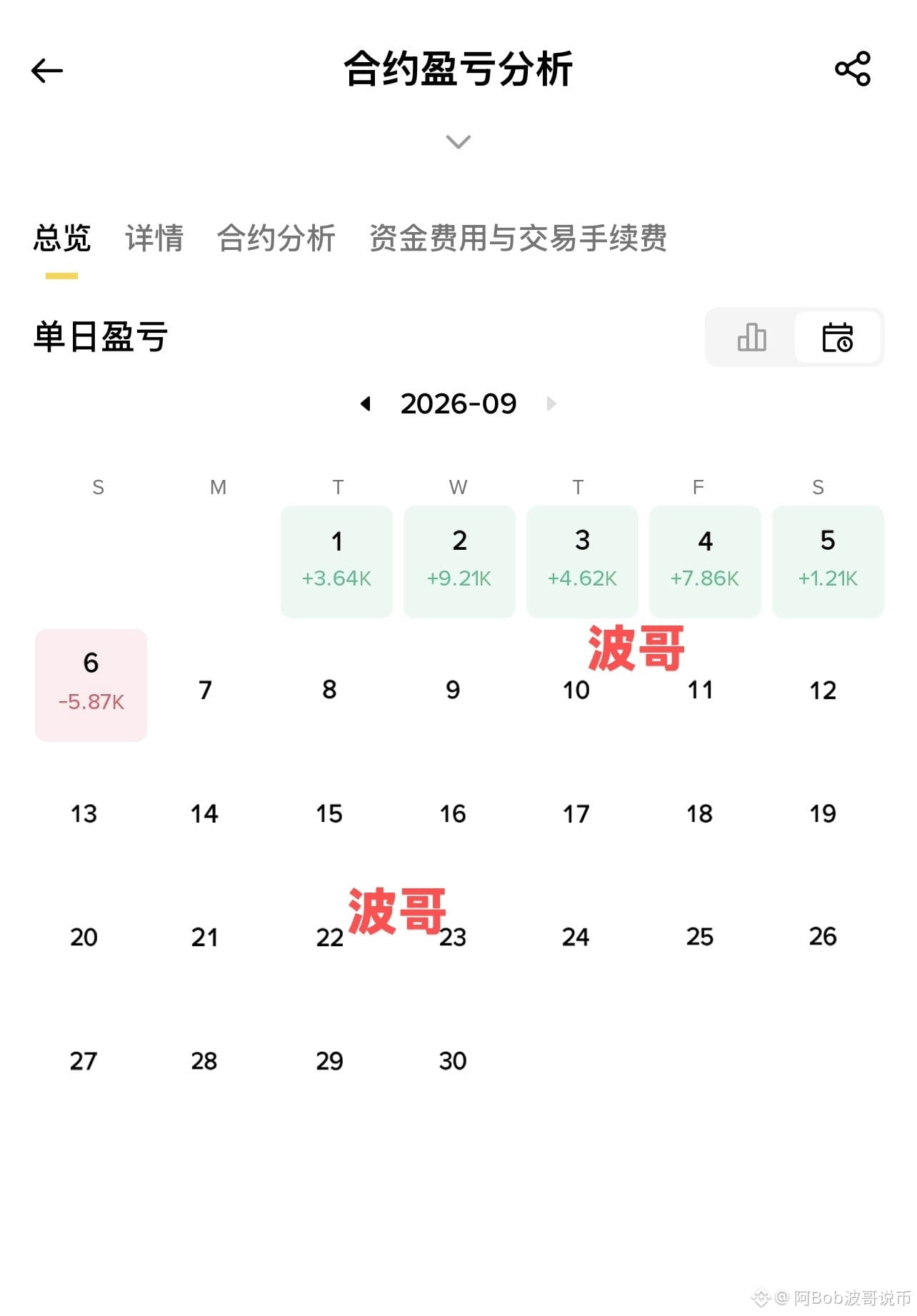
Many people have this idea — when they are young, they always think a turnaround depends on catching one big trend and betting on the right big move, as if life can be completely reversed that way. But by the end, you realize that what truly keeps you steady is never winning once by luck, but making fewer mistakes and accumulating small advantages little by little.
To survive in the crypto world, courage alone is not enough. What can really keep you alive are a few rules you can stick to all the time. Over the years, I’ve seen too many people suffer losses, not because they couldn’t understand the direction, but because once the market moved, their hands no longer obeyed them.
When a strong coin keeps falling, don’t panic and cut your losses right away. First look for signs that the decline is stopping and volume is picking up. After a continuous rise, don’t think about squeezing out every last bit of profit either. Take some profit off the table at the right time, and only then can you keep it.
When you encounter a coin that suddenly surges, don’t chase it immediately. Wait for a pullback with lower volume and for the price to stabilize before acting; the pace is often much more comfortable. If it has been moving sideways for too long with no direction, don’t keep hanging on — capital has a time cost. Buying wrong is not scary; what is scary is constantly finding excuses for a mistake and, in the end, letting a small loss turn into a big one.
Trading volume is also worth paying closer attention to. A breakout with increased volume at a low level means资金 has started to act; if volume rises at a high level but the price cannot move up, you should be alert that资金 is slowly pulling back.
Don’t make trading too complicated. Follow the trend when it comes, and exit in time when key levels break. For small capital, the most important thing is not to make money fast, but to survive longer. The market never lacks opportunities; what it lacks is patience and execution.
If you don’t understand, wait. If you do understand, then move. If you’re wrong, adjust in time; if you’re right, hold patiently. People who truly stay steady rely not on being right every time, but on controlling themselves in every choice they make.
This road is not easy, but if the direction is right, every step counts.
ZEC market cap surpasses DOGE
To survive in the crypto world, courage alone is not enough. What can really keep you alive are a few rules you can stick to all the time. Over the years, I’ve seen too many people suffer losses, not because they couldn’t understand the direction, but because once the market moved, their hands no longer obeyed them.
When a strong coin keeps falling, don’t panic and cut your losses right away. First look for signs that the decline is stopping and volume is picking up. After a continuous rise, don’t think about squeezing out every last bit of profit either. Take some profit off the table at the right time, and only then can you keep it.
When you encounter a coin that suddenly surges, don’t chase it immediately. Wait for a pullback with lower volume and for the price to stabilize before acting; the pace is often much more comfortable. If it has been moving sideways for too long with no direction, don’t keep hanging on — capital has a time cost. Buying wrong is not scary; what is scary is constantly finding excuses for a mistake and, in the end, letting a small loss turn into a big one.
Trading volume is also worth paying closer attention to. A breakout with increased volume at a low level means资金 has started to act; if volume rises at a high level but the price cannot move up, you should be alert that资金 is slowly pulling back.
Don’t make trading too complicated. Follow the trend when it comes, and exit in time when key levels break. For small capital, the most important thing is not to make money fast, but to survive longer. The market never lacks opportunities; what it lacks is patience and execution.
If you don’t understand, wait. If you do understand, then move. If you’re wrong, adjust in time; if you’re right, hold patiently. People who truly stay steady rely not on being right every time, but on controlling themselves in every choice they make.
This road is not easy, but if the direction is right, every step counts.
ZEC market cap surpasses DOGE
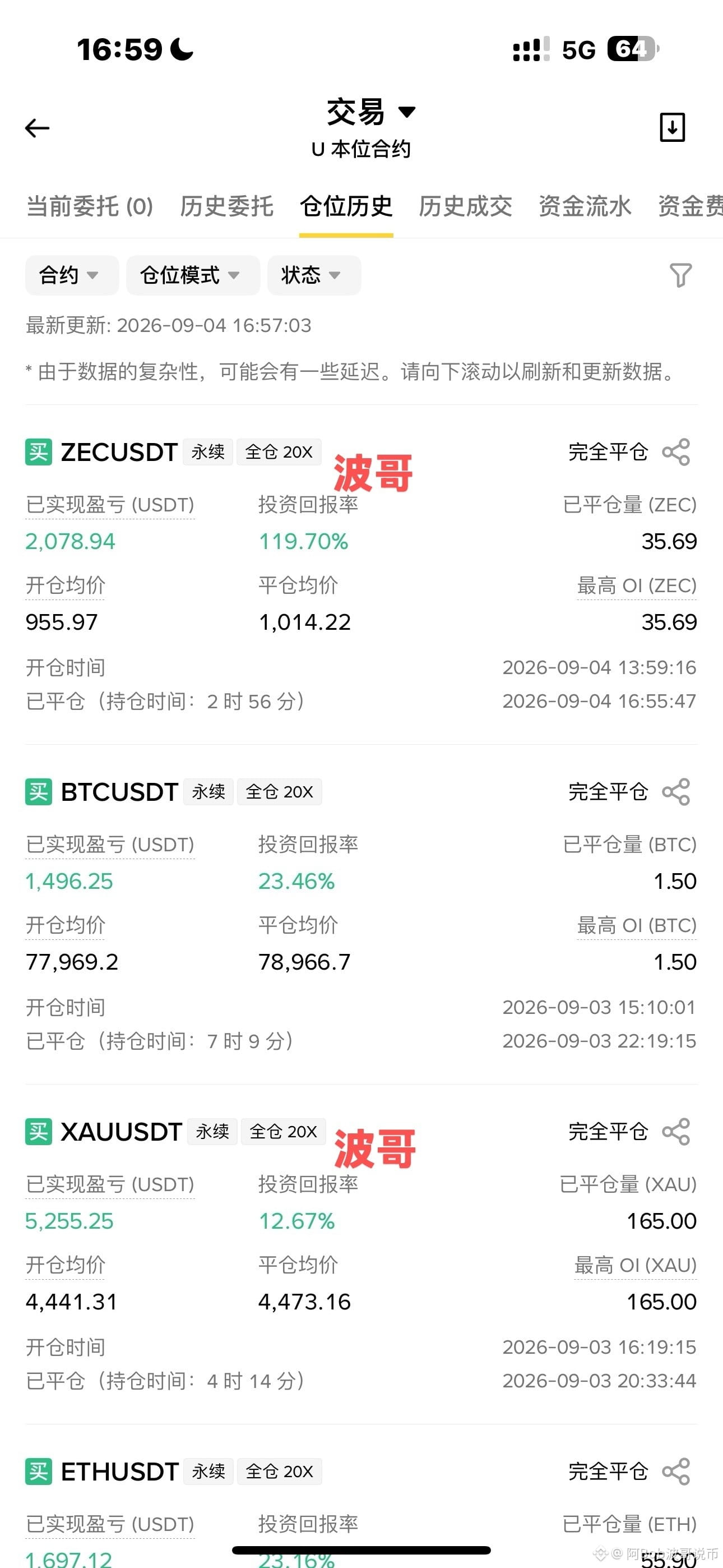
To be honest, for a position of just a few hundred U, the big players really have no need to target you specifically. Stop-losses get swept not because of bad luck, but often because they’re placed in very obvious spots — a little below the previous low, a little below a round number, a little below the moving average. These are the places most retail traders tend to set them. The market quickly dips down to take out those stop-losses and then bounces back up. It happens all the time.
You’re not being singled out; you’re just crowded into the same spot as too many other people.
So how should you place a stop-loss? You can try avoiding the obvious crowd spots and leave some room below key support levels, or use volatility indicators like ATR to adjust the distance. Another method is a time stop: if the price still hasn’t moved as expected after entering, you don’t necessarily have to wait for a price-based stop-loss to trigger — you can exit proactively and save your capital for the next opportunity.
A stop-loss isn’t there so you can perfectly escape the top every time; it’s there to control risk and help you stay in the market long term. Placing it reasonably is far more important than setting it at some arbitrary number. Don’t let your trading plan become an easy target the market can see at a glance.
#比特币ETF创1月以来最大单日流入
You’re not being singled out; you’re just crowded into the same spot as too many other people.
So how should you place a stop-loss? You can try avoiding the obvious crowd spots and leave some room below key support levels, or use volatility indicators like ATR to adjust the distance. Another method is a time stop: if the price still hasn’t moved as expected after entering, you don’t necessarily have to wait for a price-based stop-loss to trigger — you can exit proactively and save your capital for the next opportunity.
A stop-loss isn’t there so you can perfectly escape the top every time; it’s there to control risk and help you stay in the market long term. Placing it reasonably is far more important than setting it at some arbitrary number. Don’t let your trading plan become an easy target the market can see at a glance.
#比特币ETF创1月以来最大单日流入
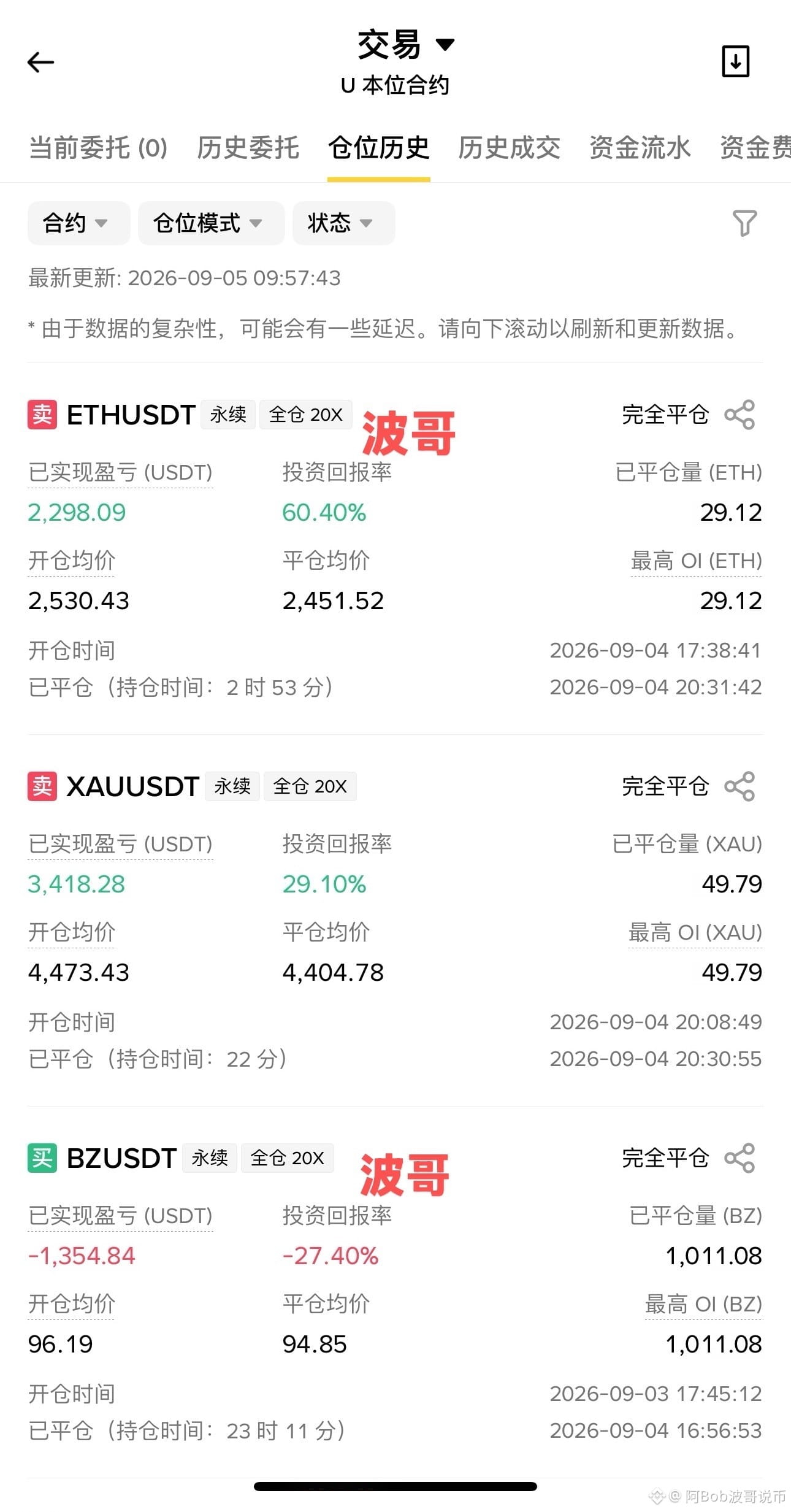
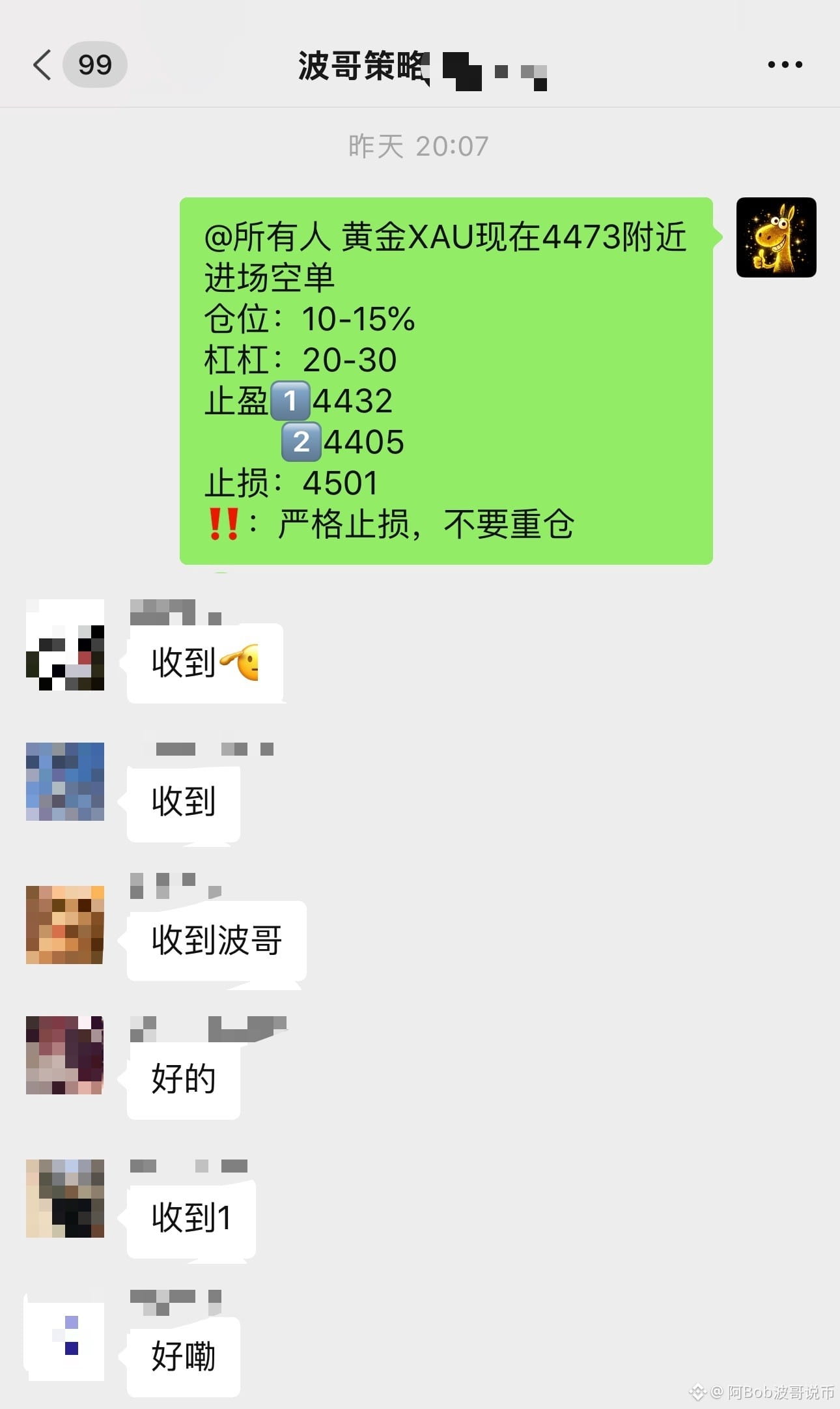

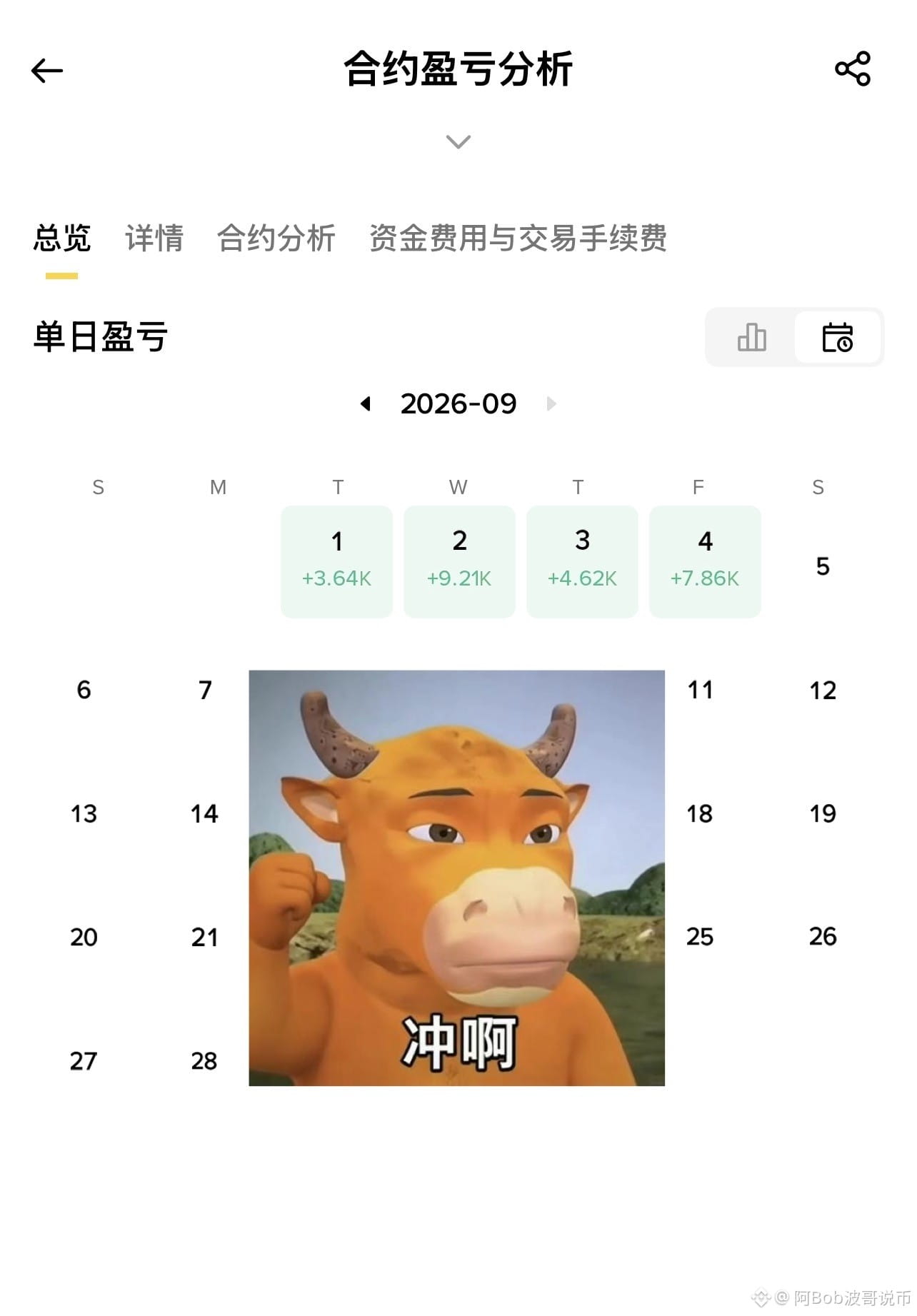
I’ve kept this sentence in mind for a long time: many people fail not because they lack ability, but because when making decisions, they forget about risk.
Later I slowly understood that you can pursue higher returns, but the premise is that you must not force yourself into a situation where you have no options left.
A friend told me after blowing up his account: “Contracts really can’t be touched; they’re too ruthless.” I asked him how much leverage he used, and he said 5x. I asked how big his position was, and he said full margin, putting in the entire ten thousand U.
Is 5x really that high? With 1x full margin, it takes a 100% drop to go to zero; with 5x full margin, a 20% drop wipes out your principal. What’s truly dangerous has never been the leverage itself, but the position size that leaves no way back.
I’ve blown up my account several times too, and only when reviewing my trades did I realize it was never really about the leverage. It was that I always bet too heavily. Once, I used nearly 80% of my funds to open a 3x leveraged position. I eventually got the direction right, but a normal pullback in the middle stopped me out early. Since then I set a rule for myself: control each position size, don’t go heavy too easily; if I want to add, wait until there are unrealized gains first; never bet all my chips on one direction.
Leverage determines how fast you make money; position size determines how long you can survive. Market opportunities are always there, as long as you’re still in the game. Before every trade, ask yourself: if this trade is wrong, do I still have the chance to start over?
#美国8月新增就业16.2万近预期三倍
Later I slowly understood that you can pursue higher returns, but the premise is that you must not force yourself into a situation where you have no options left.
A friend told me after blowing up his account: “Contracts really can’t be touched; they’re too ruthless.” I asked him how much leverage he used, and he said 5x. I asked how big his position was, and he said full margin, putting in the entire ten thousand U.
Is 5x really that high? With 1x full margin, it takes a 100% drop to go to zero; with 5x full margin, a 20% drop wipes out your principal. What’s truly dangerous has never been the leverage itself, but the position size that leaves no way back.
I’ve blown up my account several times too, and only when reviewing my trades did I realize it was never really about the leverage. It was that I always bet too heavily. Once, I used nearly 80% of my funds to open a 3x leveraged position. I eventually got the direction right, but a normal pullback in the middle stopped me out early. Since then I set a rule for myself: control each position size, don’t go heavy too easily; if I want to add, wait until there are unrealized gains first; never bet all my chips on one direction.
Leverage determines how fast you make money; position size determines how long you can survive. Market opportunities are always there, as long as you’re still in the game. Before every trade, ask yourself: if this trade is wrong, do I still have the chance to start over?
#美国8月新增就业16.2万近预期三倍
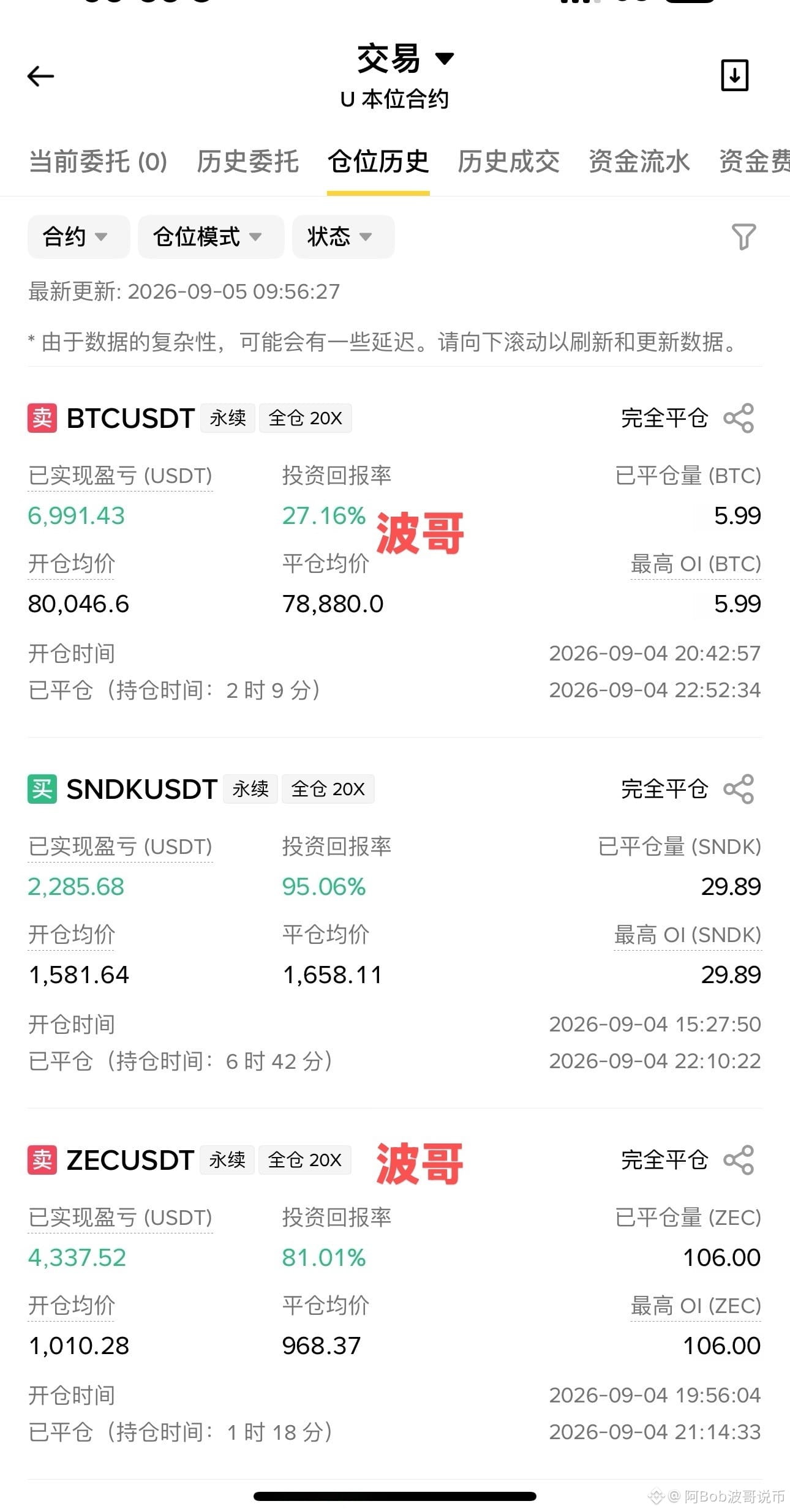
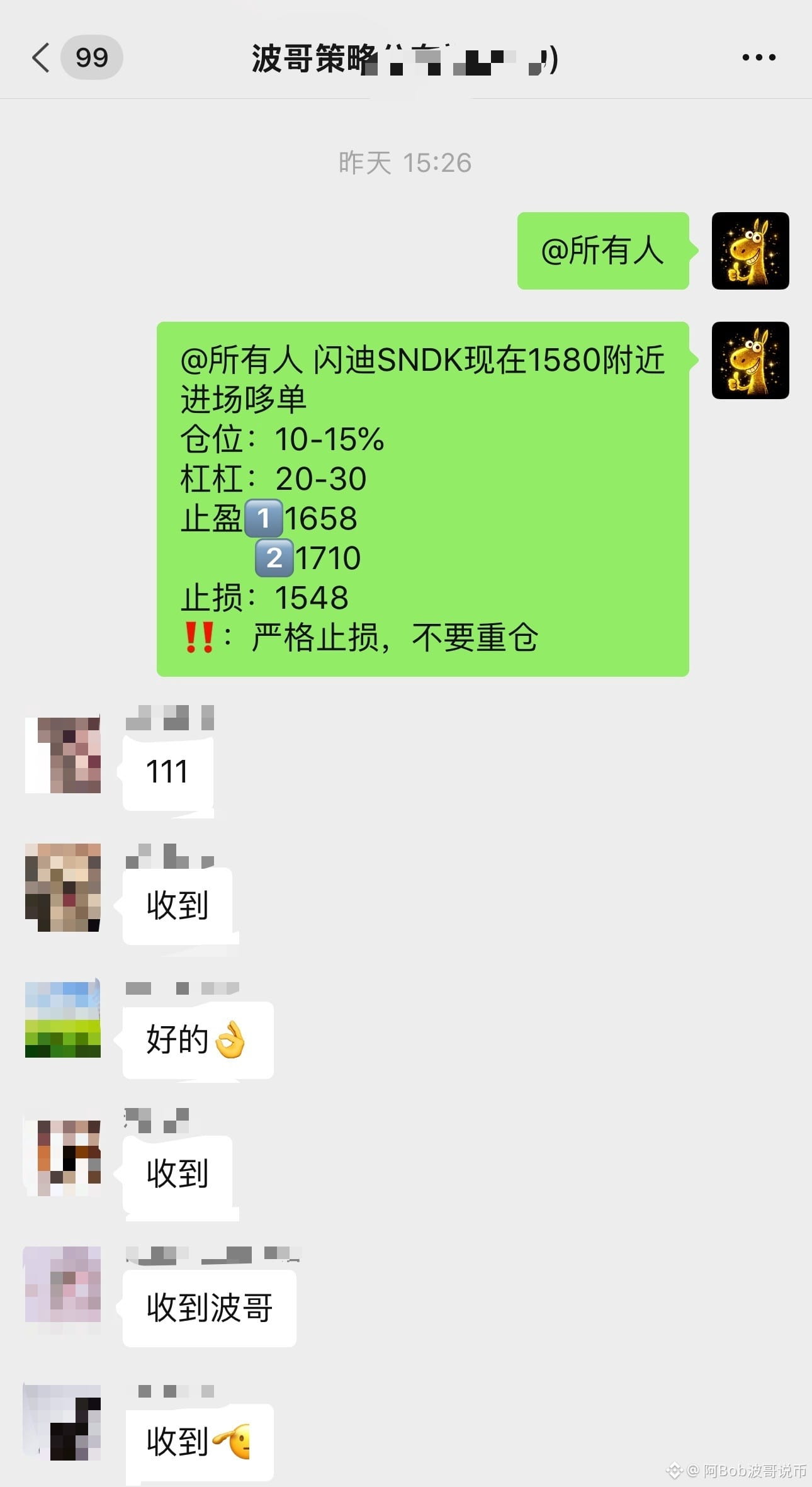

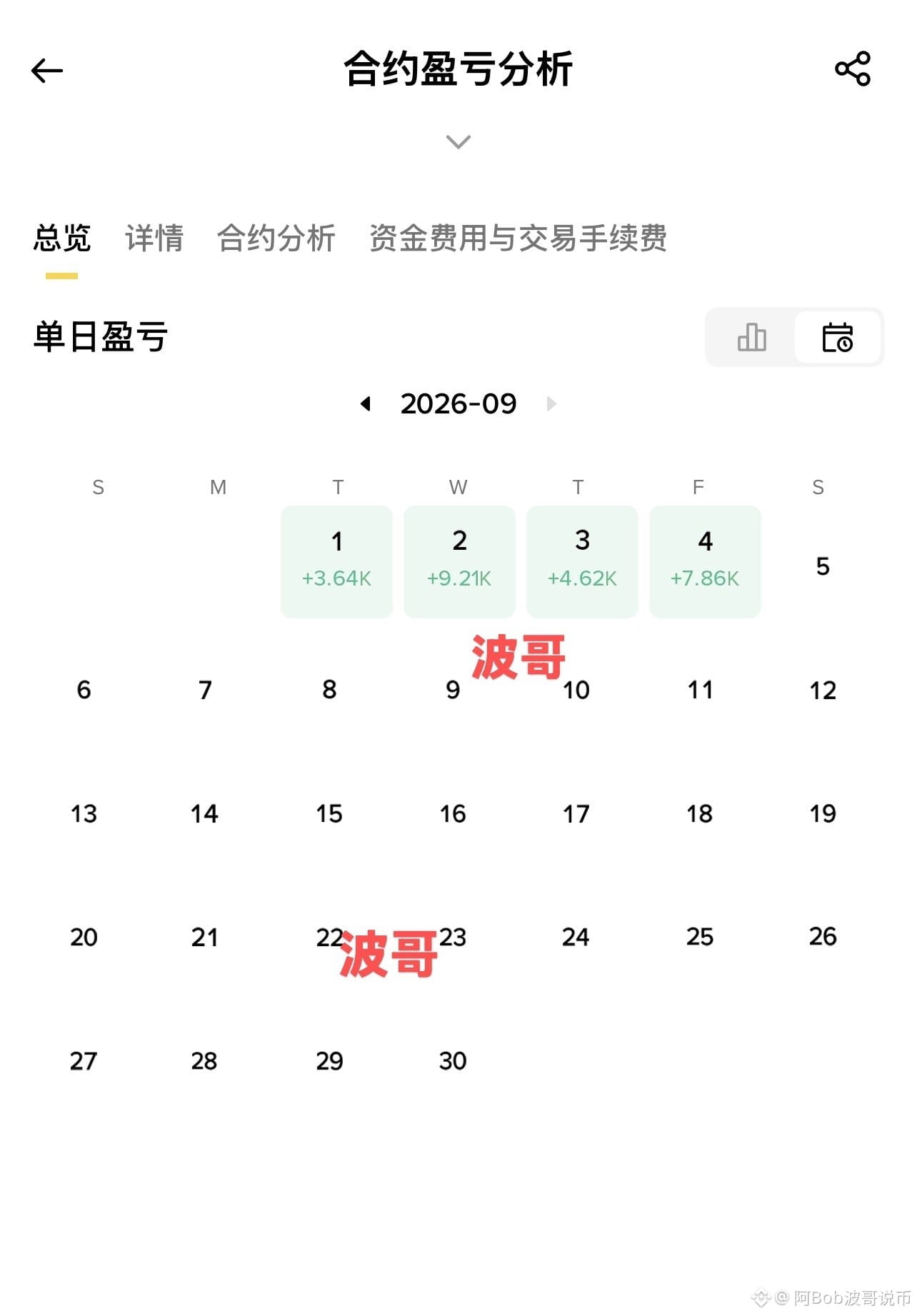
Choosing coins doesn’t have to be complicated—just remember these 6 points.
I used to chase pumps and dump on dips too. After making lots of mistakes, I realized trading doesn’t need fancy tricks; simple methods are actually easier to stick with.
First, look for strong coins on the gainers list. Coins that haven’t started moving and aren’t getting any attention from capital are unlikely to produce a big rally. Where the money flows is where the opportunity is.
Second, only pay attention to higher-timeframe signals. Don’t spend all day messing around with intraday candlesticks. Wait until the monthly MACD shows a clear bullish crossover before considering an entry. If there’s no signal, wait.
Third, watch the key moving averages. When price pulls back to a moving average and volume expands in sync, that’s a better entry opportunity. If the signal hasn’t appeared, don’t rush in.
Fourth, exit promptly when support breaks. Many people lose money because they refuse to admit they’re wrong. Going from a small profit to being deeply trapped happens because they can’t bear to sell.
Fifth, take profits in batches. When it rises 30%, take some off the table first; when it rises 50%, continue protecting your gains. Don’t try to eat the whole thing in one bite.
Sixth, if it breaks below a key moving average, get out decisively. The market always has opportunities—you don’t need to risk your principal on a reversal.
Trading doesn’t have to be too complicated; simple methods are easier to execute.
I used to chase pumps and dump on dips too. After making lots of mistakes, I realized trading doesn’t need fancy tricks; simple methods are actually easier to stick with.
First, look for strong coins on the gainers list. Coins that haven’t started moving and aren’t getting any attention from capital are unlikely to produce a big rally. Where the money flows is where the opportunity is.
Second, only pay attention to higher-timeframe signals. Don’t spend all day messing around with intraday candlesticks. Wait until the monthly MACD shows a clear bullish crossover before considering an entry. If there’s no signal, wait.
Third, watch the key moving averages. When price pulls back to a moving average and volume expands in sync, that’s a better entry opportunity. If the signal hasn’t appeared, don’t rush in.
Fourth, exit promptly when support breaks. Many people lose money because they refuse to admit they’re wrong. Going from a small profit to being deeply trapped happens because they can’t bear to sell.
Fifth, take profits in batches. When it rises 30%, take some off the table first; when it rises 50%, continue protecting your gains. Don’t try to eat the whole thing in one bite.
Sixth, if it breaks below a key moving average, get out decisively. The market always has opportunities—you don’t need to risk your principal on a reversal.
Trading doesn’t have to be too complicated; simple methods are easier to execute.
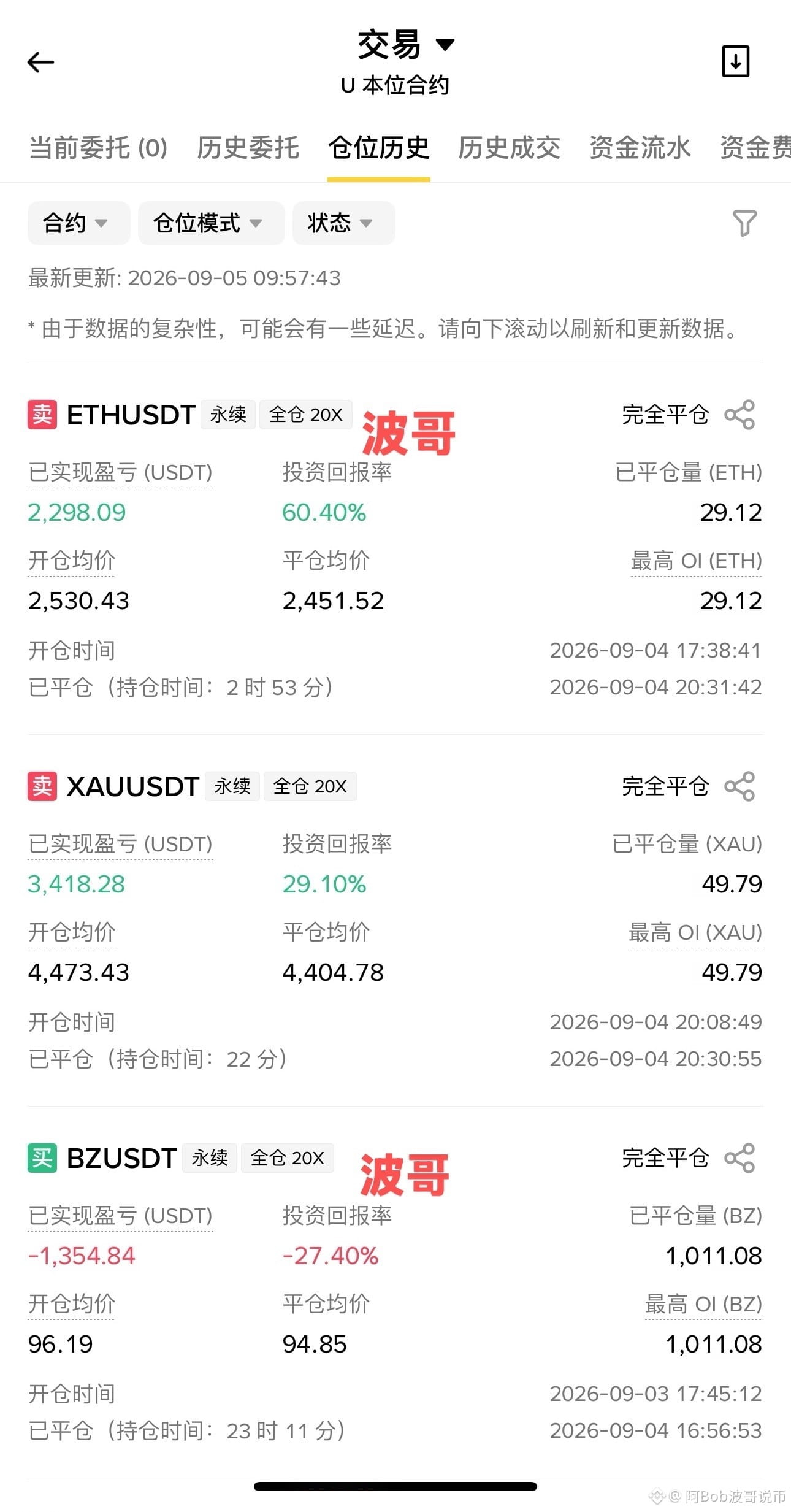
The dumbest way to trade crypto is often the one most likely to keep you alive. But unfortunately, 90% of people can’t stick with it to the end. The problem is being too impatient—wanting to make quick money too much, and wanting to turn things around with one wave of the market too much.
And the three things that most easily make people lose money are usually these:
First, jumping in when you see prices rising. When the candlestick shoots up, emotions rise too. Afraid of missing out, afraid others are making money while you’re left behind, you rush in. The result: just after you enter, the market starts to pull back. People with real experience don’t act when things are hottest; they wait slowly when the market is quiet and no one is talking about it.
Second, using too large a position and then forcing it. You feel your analysis is correct, so you go heavy. But in trading, being right about direction doesn’t mean you’ll definitely make money. A normal fluctuation in the middle of the move can shake out anyone who is overleveraged in advance. Even a good judgment needs a reasonable position size to support it.
Third, getting emotional and going all in. When you make money, you feel invincible; when you lose, you want to win it back immediately, step by step getting carried away by emotions. What many people lose to is not the market, but their own impulse.
Over the years of trading, I’ve increasingly felt that the truly effective methods are often very simple: do less when the market is range-bound, wait when you can’t understand it, don’t always try to catch the top or the bottom, enter and exit in batches, always leave yourself some funds, and leave room for the next opportunity. Don’t get too excited when prices rise, don’t panic too much when they fall, and wait for signals before acting. That’s far more reliable than betting on instinct.
The market is never short of opportunities.
And the three things that most easily make people lose money are usually these:
First, jumping in when you see prices rising. When the candlestick shoots up, emotions rise too. Afraid of missing out, afraid others are making money while you’re left behind, you rush in. The result: just after you enter, the market starts to pull back. People with real experience don’t act when things are hottest; they wait slowly when the market is quiet and no one is talking about it.
Second, using too large a position and then forcing it. You feel your analysis is correct, so you go heavy. But in trading, being right about direction doesn’t mean you’ll definitely make money. A normal fluctuation in the middle of the move can shake out anyone who is overleveraged in advance. Even a good judgment needs a reasonable position size to support it.
Third, getting emotional and going all in. When you make money, you feel invincible; when you lose, you want to win it back immediately, step by step getting carried away by emotions. What many people lose to is not the market, but their own impulse.
Over the years of trading, I’ve increasingly felt that the truly effective methods are often very simple: do less when the market is range-bound, wait when you can’t understand it, don’t always try to catch the top or the bottom, enter and exit in batches, always leave yourself some funds, and leave room for the next opportunity. Don’t get too excited when prices rise, don’t panic too much when they fall, and wait for signals before acting. That’s far more reliable than betting on instinct.
The market is never short of opportunities.
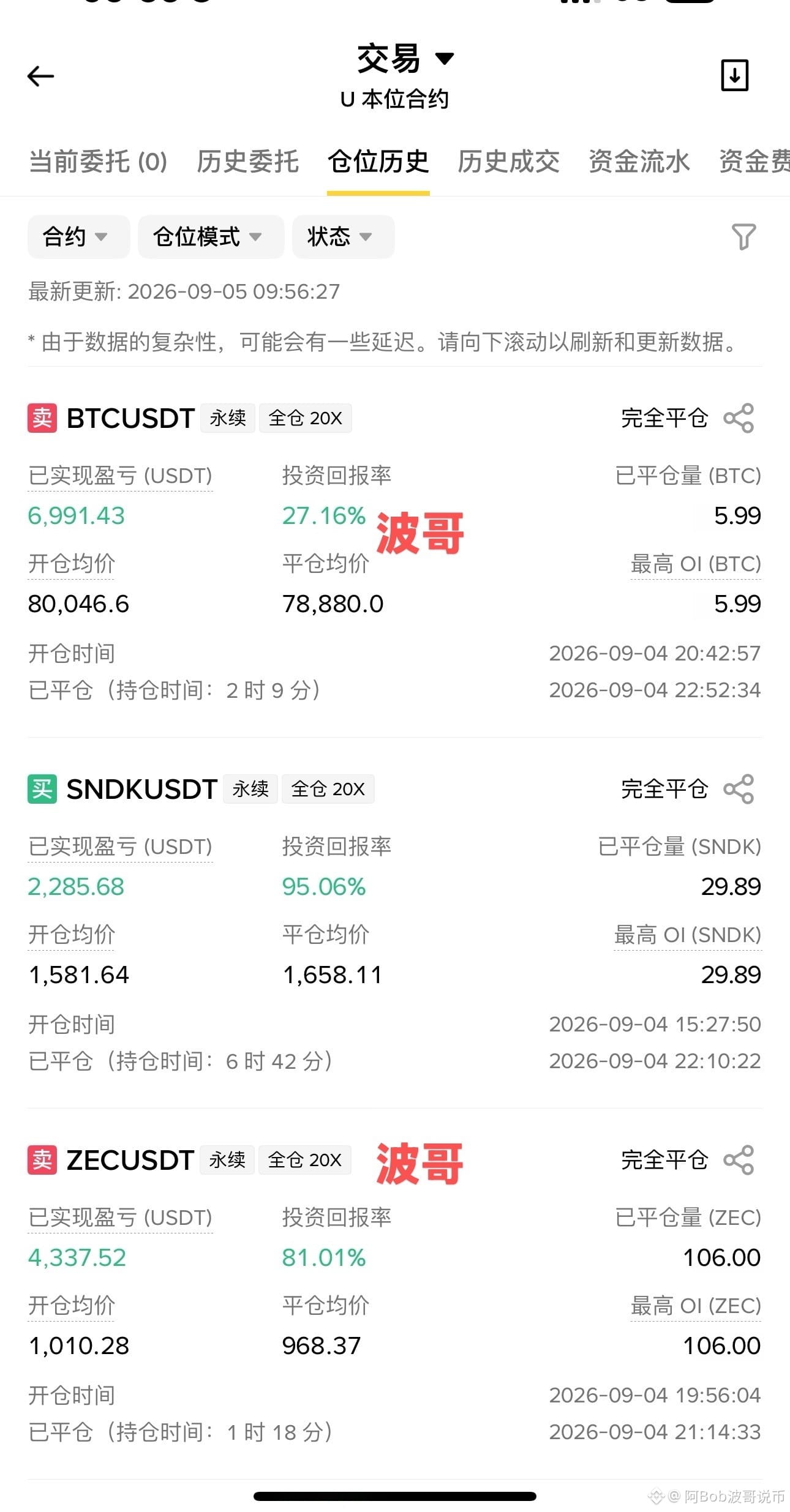
Direction, entry, stop loss, position sizing, and exit—if any one part goes wrong, the result can be completely different. Even with a complete trading system, it does not mean every trade will make money. Trading itself is a game of probabilities. The key is: when you're wrong, can you control the loss; when you're right, can you hold onto the profit?
What is harder than technique is human nature. People hold losing trades, get greedy on winning ones, and in the end, give back everything in one drawdown.
What sets traders apart is not how many indicators they understand, but whether they can still execute the plan during consecutive losses and stay calm during consecutive wins. Technical skills can be learned, methods can be summarized, but control over emotions and desires can only be refined slowly by oneself in the market.
A mature trader is not someone who is always right, but someone who cuts losses promptly when wrong and protects profits when right. The market always has opportunities; in the end, those who remain are the ones who can control themselves, respect the rules, and persist for the long term.
What is harder than technique is human nature. People hold losing trades, get greedy on winning ones, and in the end, give back everything in one drawdown.
What sets traders apart is not how many indicators they understand, but whether they can still execute the plan during consecutive losses and stay calm during consecutive wins. Technical skills can be learned, methods can be summarized, but control over emotions and desires can only be refined slowly by oneself in the market.
A mature trader is not someone who is always right, but someone who cuts losses promptly when wrong and protects profits when right. The market always has opportunities; in the end, those who remain are the ones who can control themselves, respect the rules, and persist for the long term.
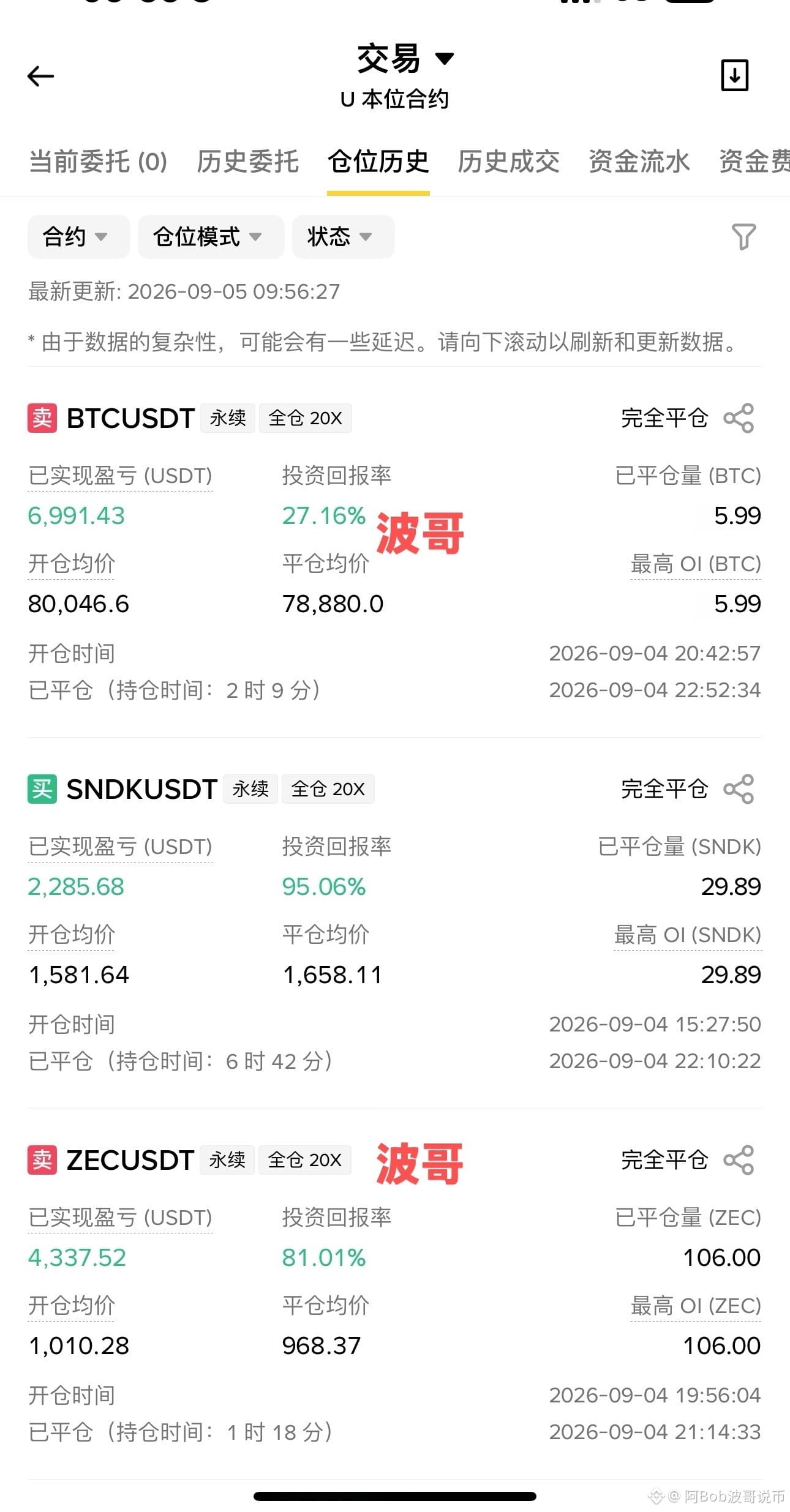
Many people enter the crypto market with the first thought of how to get rich overnight. But the more you think about getting rich quickly, the easier it is to lose everything. I started with only a few thousand U, with no large capital and no background, slowly building my account one trade at a time. Later I realized that what truly determines the result is not how much you make in a single trade, but whether you can stay in the market for the long term.
My trading process can be roughly divided into three stages:
Stage one: control position size and first build survival ability. When capital is limited, split the position into smaller parts and only deploy a portion each time. Think through stop-loss and take-profit in advance for every trade, and first make sure you won’t be forced out by one mistake.
Stage two: after making profits, expand with the trend. Once the account has grown, don’t suddenly go all in; instead, participate in batches based on market strength. Follow when a trend emerges, and wait when the direction is unclear. Making money depends on rhythm, not impulse.
Stage three: protect profits in time. Many people become overconfident after making a little money; when prices rise, they feel invincible, and when there is a pullback, they realize they’ve given all the profits back. So once funds reach a certain scale, you need to learn to lock in gains: withdraw when you should, and rest when you should.
The root cause of many liquidations is the same: oversized positions, no stop-loss, stubbornly holding when the direction is wrong, and thinking you’ve mastered the market after making a little profit. But the market never rewards impulsiveness. Truly great traders are not the ones who win every trade, but the ones who know when to act and when to wait.
Whether with small capital or large capital, the core is the same: control risk, maintain discipline, and let profits accumulate slowly. Don’t rush to prove how much you can make; first prove how long you can survive in the market. As long as the account is still there, there will be another opportunity.
#美国8月新增就业16.2万近预期三倍
My trading process can be roughly divided into three stages:
Stage one: control position size and first build survival ability. When capital is limited, split the position into smaller parts and only deploy a portion each time. Think through stop-loss and take-profit in advance for every trade, and first make sure you won’t be forced out by one mistake.
Stage two: after making profits, expand with the trend. Once the account has grown, don’t suddenly go all in; instead, participate in batches based on market strength. Follow when a trend emerges, and wait when the direction is unclear. Making money depends on rhythm, not impulse.
Stage three: protect profits in time. Many people become overconfident after making a little money; when prices rise, they feel invincible, and when there is a pullback, they realize they’ve given all the profits back. So once funds reach a certain scale, you need to learn to lock in gains: withdraw when you should, and rest when you should.
The root cause of many liquidations is the same: oversized positions, no stop-loss, stubbornly holding when the direction is wrong, and thinking you’ve mastered the market after making a little profit. But the market never rewards impulsiveness. Truly great traders are not the ones who win every trade, but the ones who know when to act and when to wait.
Whether with small capital or large capital, the core is the same: control risk, maintain discipline, and let profits accumulate slowly. Don’t rush to prove how much you can make; first prove how long you can survive in the market. As long as the account is still there, there will be another opportunity.
#美国8月新增就业16.2万近预期三倍
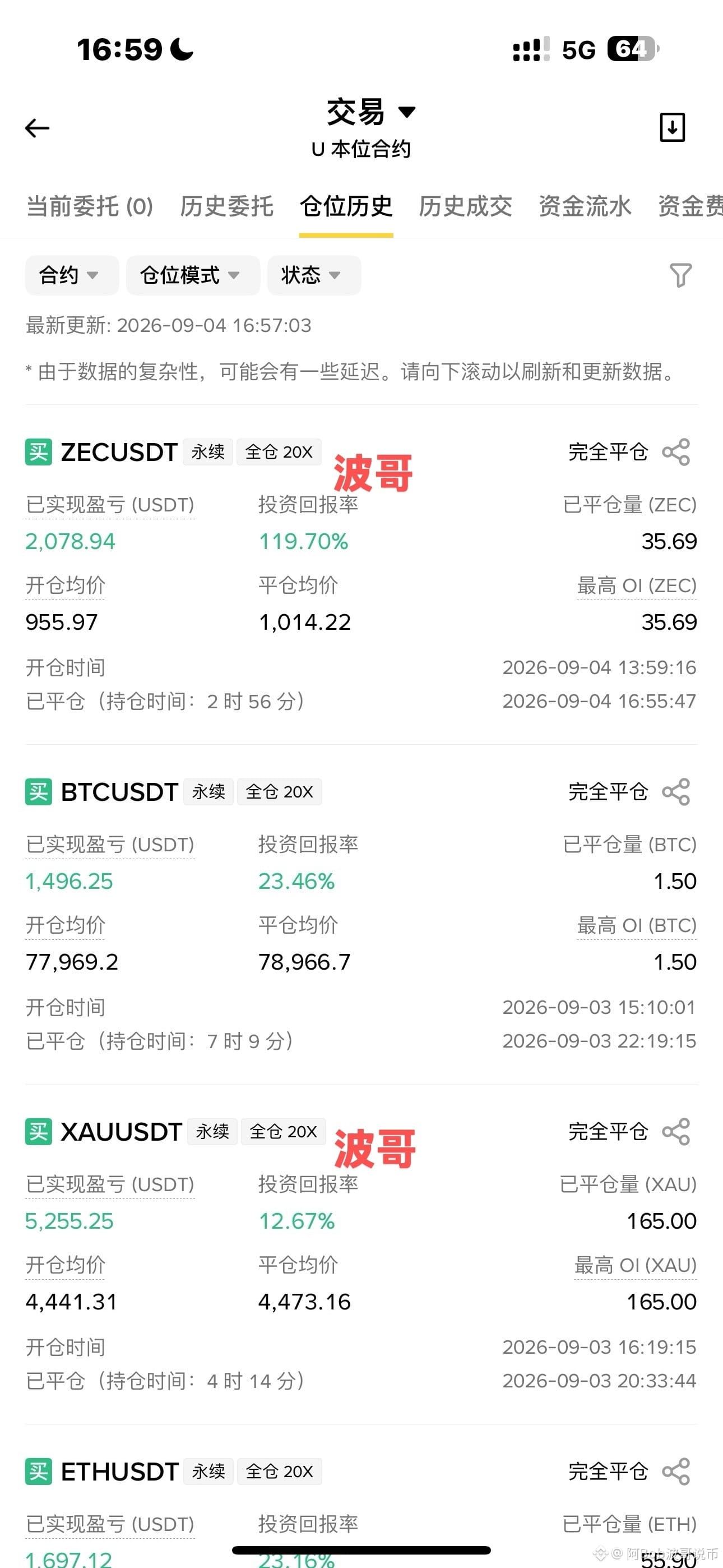
For those who have been trading crypto for more than a year and still haven’t reached their goals, these tips are worth taking the time to read.
I’ve lost money and made mistakes too, and later I realized: what determines whether you can keep going long term isn’t how great your skills are, but whether you can repeatedly do the most basic things right.
If your capital isn’t large, don’t think about going all-in to turn things around. Catching one or two highly certain opportunities a year is better than making frequent trades every day. Staying alive matters more than anything.
Practice first, then put real money on the line. Demo trading is not about making money; it’s about discipline and mindset. Going straight in without practice is the most costly approach.
Don’t rush to chase after good news once it’s already priced in. By the time the news comes out, the money may already have entered early. After a sharp open and surge, profit-taking pressure often follows.
Control your position size around important events. Holidays and major announcements usually bring bigger volatility; when you can’t read the market, trading less is the best choice.
Always keep some cash for medium- to long-term trades. Don’t put all your chips in; leave yourself some room to adjust, and you’ll have the initiative.
For short-term trades, only choose coins with liquidity. Assets with active trading and market attention are easier to time.
Understand the market rhythm before acting. When the market is slowly trending down, don’t rush to buy the dip; after a fast decline has flushed out the risk, rebound opportunities are more likely to appear.
Cut losses quickly when you’re wrong. Trading is never 100% accurate; the real danger is being wrong and still refusing to let go.
Indicators are only a reference, not the answer. Tools can help with judgment, but in the end you still have to look at the trend, the capital flow, and the market environment.
Find the method that suits you and keep executing it. People who make money are often not using the most complicated strategies—they are repeatedly doing one simple approach well.
There are plenty of opportunities in crypto, but only a few will ever stay. Making fewer mistakes is itself a way to make money. First learn risk control, then talk about profits.
I’ve lost money and made mistakes too, and later I realized: what determines whether you can keep going long term isn’t how great your skills are, but whether you can repeatedly do the most basic things right.
If your capital isn’t large, don’t think about going all-in to turn things around. Catching one or two highly certain opportunities a year is better than making frequent trades every day. Staying alive matters more than anything.
Practice first, then put real money on the line. Demo trading is not about making money; it’s about discipline and mindset. Going straight in without practice is the most costly approach.
Don’t rush to chase after good news once it’s already priced in. By the time the news comes out, the money may already have entered early. After a sharp open and surge, profit-taking pressure often follows.
Control your position size around important events. Holidays and major announcements usually bring bigger volatility; when you can’t read the market, trading less is the best choice.
Always keep some cash for medium- to long-term trades. Don’t put all your chips in; leave yourself some room to adjust, and you’ll have the initiative.
For short-term trades, only choose coins with liquidity. Assets with active trading and market attention are easier to time.
Understand the market rhythm before acting. When the market is slowly trending down, don’t rush to buy the dip; after a fast decline has flushed out the risk, rebound opportunities are more likely to appear.
Cut losses quickly when you’re wrong. Trading is never 100% accurate; the real danger is being wrong and still refusing to let go.
Indicators are only a reference, not the answer. Tools can help with judgment, but in the end you still have to look at the trend, the capital flow, and the market environment.
Find the method that suits you and keep executing it. People who make money are often not using the most complicated strategies—they are repeatedly doing one simple approach well.
There are plenty of opportunities in crypto, but only a few will ever stay. Making fewer mistakes is itself a way to make money. First learn risk control, then talk about profits.
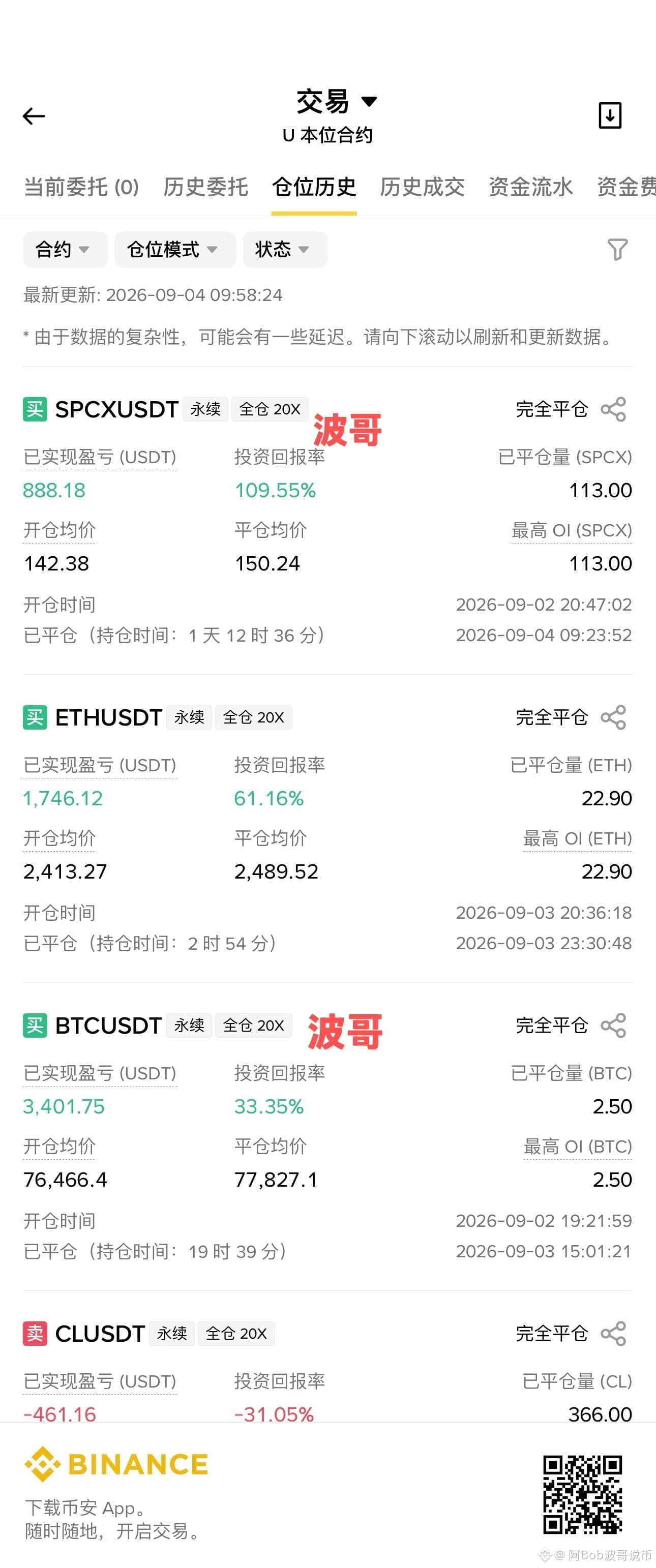
This is something I have to keep reminding myself: the most dangerous thing in the crypto world is not that it makes you lose money, but that it lets you taste success first, then slowly amplifies your greed.
Many people are actually pretty rational when they first enter the market. They put in a little money to test the waters, feel happy when they make a profit, and know to stop when they lose. But once they experience one big win, their mindset starts to change — before, they were satisfied with making a few hundred a day; later, that felt too slow. Before, they knew to take profits when they had gains; later, they always wanted to hold for just a bit more. Before, they would admit a loss; later, they only thought about making it back on the next trade.
I’ve seen too many people who originally just wanted to earn some extra income, but gradually ended up unable to put their phones down, checking the market while eating, and scrolling prices right before bed. When the market rises, they get excited; when it falls, they get anxious; when it moves sideways, their hands start itching again. The most dangerous part is that even when they clearly know their state is wrong, they still can’t resist opening another position.
In fact, many times, what you lack is not the next opportunity, but the ability to stop and adjust your pace.
The people who can truly stay in the market for the long term all know how to control themselves — they don’t trade when the market is unclear, they exit when stop-loss is triggered, they take profits in time, and they pause to review after consecutive losses. These principles sound simple, but very few people can actually do them.
In the end, trading is not about who catches the most opportunities every day, but who can stay calm and not be driven by their emotions.
If you find yourself getting more and more impulsive lately, wanting to win back losses after losing, or wanting to add to your position after making money, don’t rush to look for the next market move. If you want to learn how to steady your pace, come chat with Brother Bo @阿Bob波哥说币
#美国8月新增就业16.2万近预期三倍
Many people are actually pretty rational when they first enter the market. They put in a little money to test the waters, feel happy when they make a profit, and know to stop when they lose. But once they experience one big win, their mindset starts to change — before, they were satisfied with making a few hundred a day; later, that felt too slow. Before, they knew to take profits when they had gains; later, they always wanted to hold for just a bit more. Before, they would admit a loss; later, they only thought about making it back on the next trade.
I’ve seen too many people who originally just wanted to earn some extra income, but gradually ended up unable to put their phones down, checking the market while eating, and scrolling prices right before bed. When the market rises, they get excited; when it falls, they get anxious; when it moves sideways, their hands start itching again. The most dangerous part is that even when they clearly know their state is wrong, they still can’t resist opening another position.
In fact, many times, what you lack is not the next opportunity, but the ability to stop and adjust your pace.
The people who can truly stay in the market for the long term all know how to control themselves — they don’t trade when the market is unclear, they exit when stop-loss is triggered, they take profits in time, and they pause to review after consecutive losses. These principles sound simple, but very few people can actually do them.
In the end, trading is not about who catches the most opportunities every day, but who can stay calm and not be driven by their emotions.
If you find yourself getting more and more impulsive lately, wanting to win back losses after losing, or wanting to add to your position after making money, don’t rush to look for the next market move. If you want to learn how to steady your pace, come chat with Brother Bo @阿Bob波哥说币
#美国8月新增就业16.2万近预期三倍
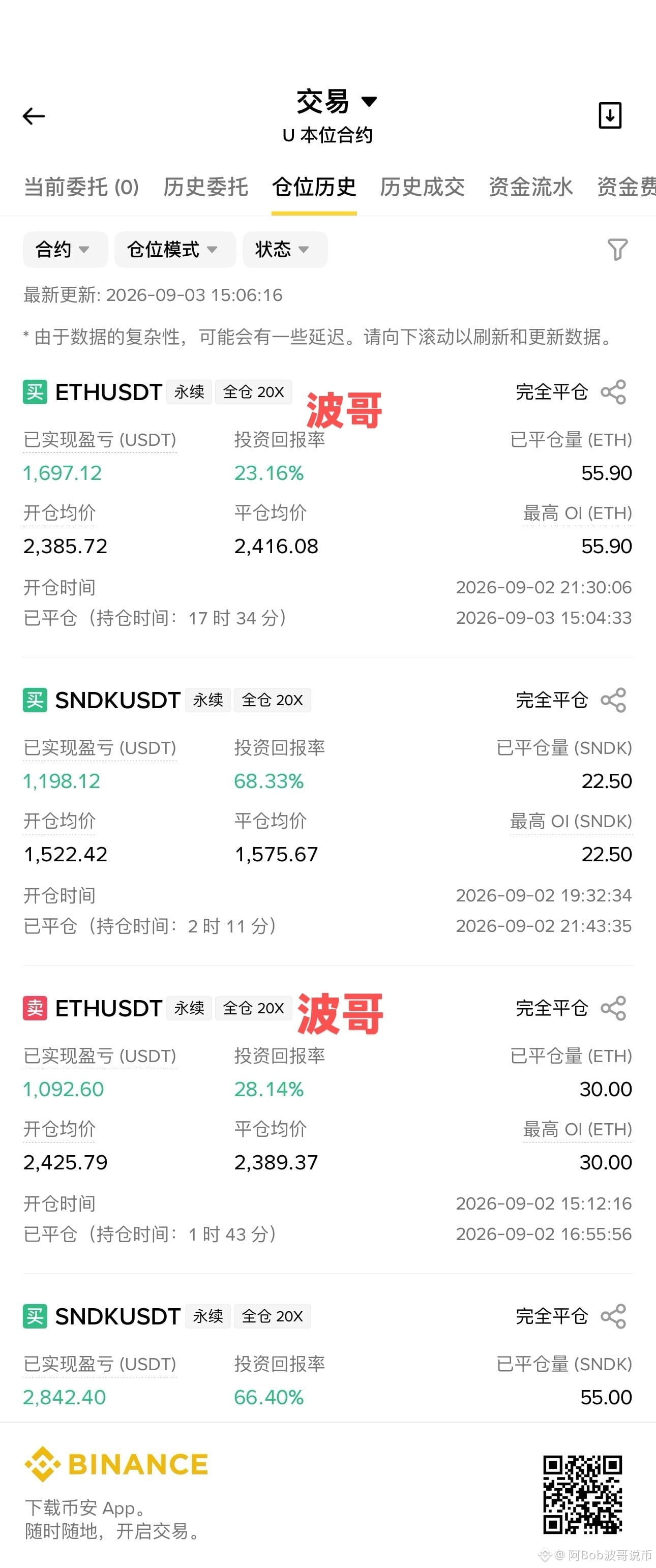
Position sizing and risk control are challenges every retail trader must overcome. If you can’t handle these two things, trading crypto really is like playing with fire.
How should you allocate your position? Don’t put all your eggs in one basket. At the beginning, keep each trade to no more than 30% of your capital, and leave the rest aside to add only after the trend is confirmed. As you gain experience and your account grows, you can raise it appropriately, but there is one bottom line: never go all in, and never be heavily leveraged.
How do you control risk? Stop-loss is your insurance. Before every trade, decide your stop-loss level first. If the loss exceeds your preset range, exit immediately—don’t hesitate. Those who don’t like using stop-losses have already been punished hard by this market.
Put simply, position management is the steering wheel, and stop-loss is the seat belt. Keep these two under control, and you won’t fear sharp pumps or crashes, and you’ll be able to stand firm in the crypto market. Before you trade, think through every step clearly, don’t be greedy, don’t be afraid, and follow the rules.
In this market, it really is hard to go it alone. If you want to learn how to manage positions and set stop-losses, come chat with Brother Bo @阿Bob波哥说币
#比特币ETF创1月以来最大单日流入
How should you allocate your position? Don’t put all your eggs in one basket. At the beginning, keep each trade to no more than 30% of your capital, and leave the rest aside to add only after the trend is confirmed. As you gain experience and your account grows, you can raise it appropriately, but there is one bottom line: never go all in, and never be heavily leveraged.
How do you control risk? Stop-loss is your insurance. Before every trade, decide your stop-loss level first. If the loss exceeds your preset range, exit immediately—don’t hesitate. Those who don’t like using stop-losses have already been punished hard by this market.
Put simply, position management is the steering wheel, and stop-loss is the seat belt. Keep these two under control, and you won’t fear sharp pumps or crashes, and you’ll be able to stand firm in the crypto market. Before you trade, think through every step clearly, don’t be greedy, don’t be afraid, and follow the rules.
In this market, it really is hard to go it alone. If you want to learn how to manage positions and set stop-losses, come chat with Brother Bo @阿Bob波哥说币
#比特币ETF创1月以来最大单日流入
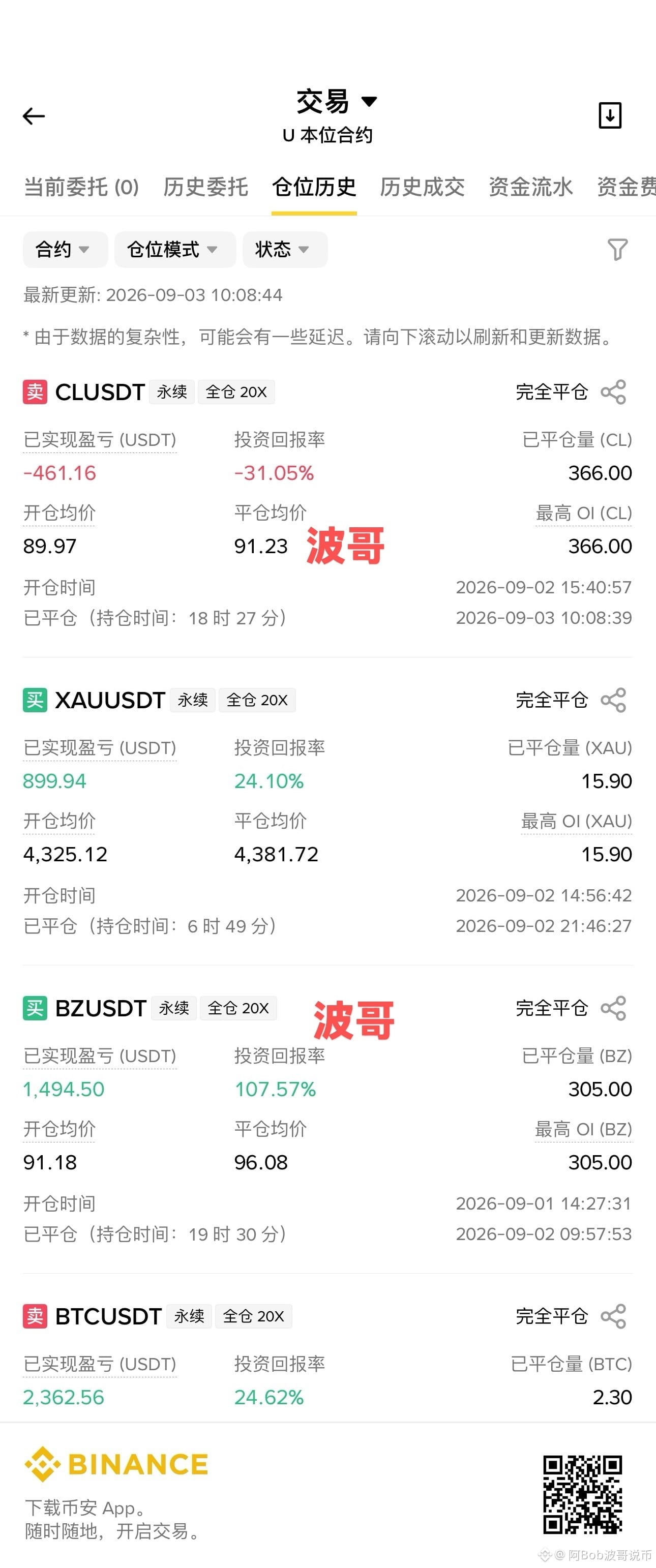
In the crypto world, making money is only the first half; whether you can keep it is the real skill. The nine things below are best avoided.
Don’t go around telling people you trade crypto, and don’t show off your profits or assets. Staying low-key is the best protection for yourself. Don’t flaunt your lifestyle; the money you’ve made is your own business, and there’s no need to prove anything to others.
After your wealth changes, your circle should be screened too. This doesn’t mean becoming cold; it means staying away from people who only come close when you have money. Gambling and drugs are off-limits: one destroys judgment, the other destroys your body. No matter how much you earn, you can’t withstand that kind of damage.
Argue less and avoid pointless emotional drain. When you meet people who aren’t worth it, walking away quietly is far more useful than arguing. Don’t see yourself as a savior; help when you can, but don’t sacrifice your own life and boundaries for others.
Don’t invest recklessly in fields you don’t know well. You can’t make money beyond your own understanding. After you make money, the first thing is to protect what you’ve earned, not to keep increasing risk. Starting a business is not a shortcut to getting rich either; don’t dump a lot of money into an unfamiliar industry on a whim.
Making money is only the first step; keeping the money you’ve made is the real ability. Only do trades you understand, don’t chase opportunities you’re not familiar with, and don’t touch markets you can’t make sense of. The market will always have opportunities; what truly matters is that when opportunity comes, you still have capital and a clear judgment.
Don’t go around telling people you trade crypto, and don’t show off your profits or assets. Staying low-key is the best protection for yourself. Don’t flaunt your lifestyle; the money you’ve made is your own business, and there’s no need to prove anything to others.
After your wealth changes, your circle should be screened too. This doesn’t mean becoming cold; it means staying away from people who only come close when you have money. Gambling and drugs are off-limits: one destroys judgment, the other destroys your body. No matter how much you earn, you can’t withstand that kind of damage.
Argue less and avoid pointless emotional drain. When you meet people who aren’t worth it, walking away quietly is far more useful than arguing. Don’t see yourself as a savior; help when you can, but don’t sacrifice your own life and boundaries for others.
Don’t invest recklessly in fields you don’t know well. You can’t make money beyond your own understanding. After you make money, the first thing is to protect what you’ve earned, not to keep increasing risk. Starting a business is not a shortcut to getting rich either; don’t dump a lot of money into an unfamiliar industry on a whim.
Making money is only the first step; keeping the money you’ve made is the real ability. Only do trades you understand, don’t chase opportunities you’re not familiar with, and don’t touch markets you can’t make sense of. The market will always have opportunities; what truly matters is that when opportunity comes, you still have capital and a clear judgment.
Log in to explore more content