

土豆谈币
4.9k Posts

土豆谈币
Report
Block User
公众号:《听宝儿姐说》,喂(TDTB07)自有投研团队,顶级一二级资源,擅长各种现货均线理论分析操作,以及短线合约策略入场布局!
14 Following
3.4K+ Followers
4.0K+ Liked
Posts
All
Videos
PINNED
·
--
Come to the Binance chat collection
Seize future layout opportunities
Share swing and long-term strategies in real time!
Come to the Binance chat collection
Seize future layout opportunities
Share swing and long-term strategies in real time!
Seize future layout opportunities
Share swing and long-term strategies in real time!

4
64
·
--
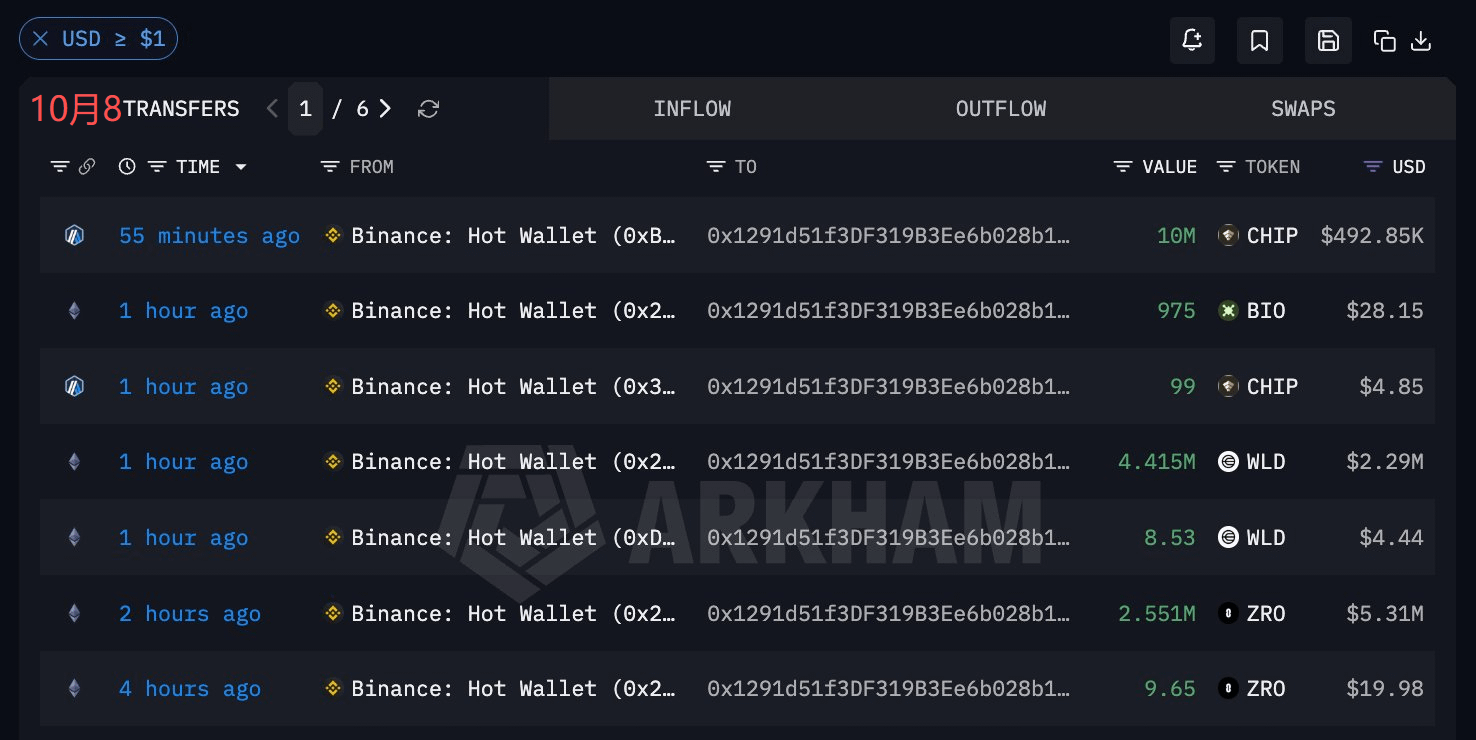
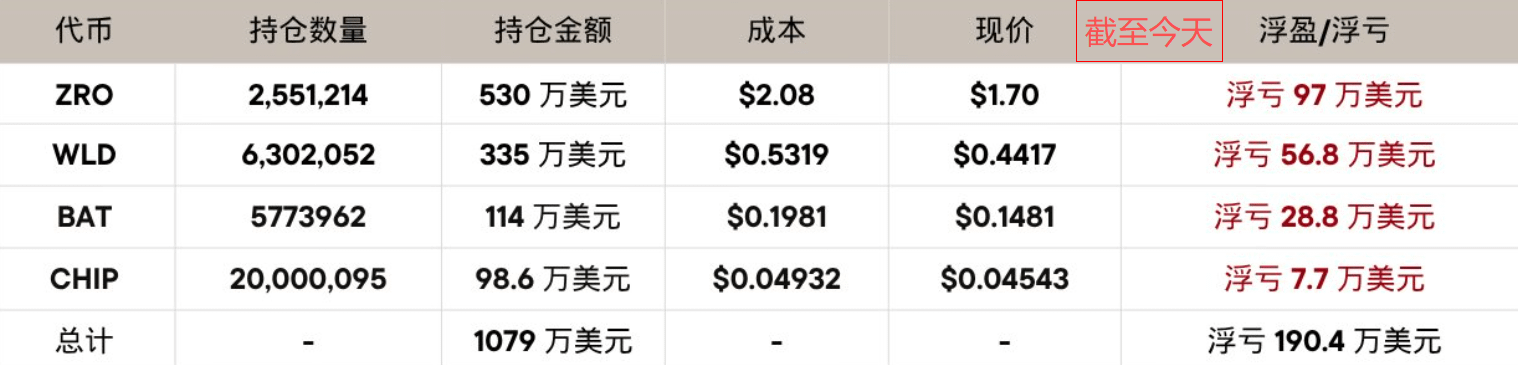
There’s a trader who spent $8.09 million accumulating altcoins in early October. Despite being in the red, he added to his positions, putting in another $2.7 million. His total holdings now stand at $10.79 million, with $1.9 million in unrealized losses—a 17.6% drawdown—and he still hasn’t sold.
Four coins, four different kinds of pain: $ZRO is the worst, down $970,000. The tech and narrative are strong, but the price isn’t buying it. $WLD is also down, and the team is still sending tokens to exchanges—the opposite of what the whale is doing by adding to his position. BAT is hovering around its cost basis, while CHIP has lost the least and is still cushioned by an 85% gain over the past 90 days.
The key question isn’t the $1.9 million in unrealized losses; it’s whether he’s adding to the right positions. ZRO is structurally weak, and WLD’s team is sending tokens to exchanges—this may not be a case of the market unfairly punishing them. If the thesis is leaking, adding more only sinks you deeper. Before you follow, think carefully about whether you can stomach holding these coins.
{future}(WLDUSDT)
{future}(ZROUSDT)
There’s a trader who spent $8.09 million accumulating altcoins in early October. Despite being in the red, he added to his positions, putting in another $2.7 million. His total holdings now stand at $10.79 million, with $1.9 million in unrealized losses—a 17.6% drawdown—and he still hasn’t sold.
Four coins, four different kinds of pain: $ZRO is the worst, down $970,000. The tech and narrative are strong, but the price isn’t buying it. $WLD is also down, and the team is still sending tokens to exchanges—the opposite of what the whale is doing by adding to his position. BAT is hovering around its cost basis, while CHIP has lost the least and is still cushioned by an 85% gain over the past 90 days.
The key question isn’t the $1.9 million in unrealized losses; it’s whether he’s adding to the right positions. ZRO is structurally weak, and WLD’s team is sending tokens to exchanges—this may not be a case of the market unfairly punishing them. If the thesis is leaking, adding more only sinks you deeper. Before you follow, think carefully about whether you can stomach holding these coins.
102
·
--

Article
October 26 Market Analysis: Why Is the Market Falling Today? Trading Tips for BTC, ETH, BNB, SOL, DOOD, ERA, OSMO, T, and QUICK Altcoins!🚀The crypto market fell 0.5% over the past 24 hours. This wasn’t caused by a single major negative catalyst; rather, macro uncertainty, outflows, and leveraged liquidations all weighed on the market. Overall, it remains choppy and weak as traders wait for the Fed to provide direction.
1. The main reason: the Fed’s decision and Waller’s remarks are just around the corner, while tensions between the U.S. and Iran are escalating. Oil prices have surged, reigniting inflation concerns and prompting investors to pull back from risk assets, with crypto bearing the brunt.
2. Other factors: AI-related stocks weakened, with Asian tech stocks falling first. Samsung, SK Hynix, CoreWeave, and Meta all took a hit, putting AI-themed coins under pressure as well. Add noise from platform security incidents, wallet leaks, and Hayes selling, and short-term sentiment got even worse.
October 26 Market Analysis: Why Is the Market Falling Today? Trading Tips for BTC, ETH, BNB, SOL, DOOD, ERA, OSMO, T, and QUICK Altcoins!
🚀The crypto market fell 0.5% over the past 24 hours. This wasn’t caused by a single major negative catalyst; rather, macro uncertainty, outflows, and leveraged liquidations all weighed on the market. Overall, it remains choppy and weak as traders wait for the Fed to provide direction.
1. The main reason: the Fed’s decision and Waller’s remarks are just around the corner, while tensions between the U.S. and Iran are escalating. Oil prices have surged, reigniting inflation concerns and prompting investors to pull back from risk assets, with crypto bearing the brunt.
2. Other factors: AI-related stocks weakened, with Asian tech stocks falling first. Samsung, SK Hynix, CoreWeave, and Meta all took a hit, putting AI-themed coins under pressure as well. Add noise from platform security incidents, wallet leaks, and Hayes selling, and short-term sentiment got even worse.
42
·
--
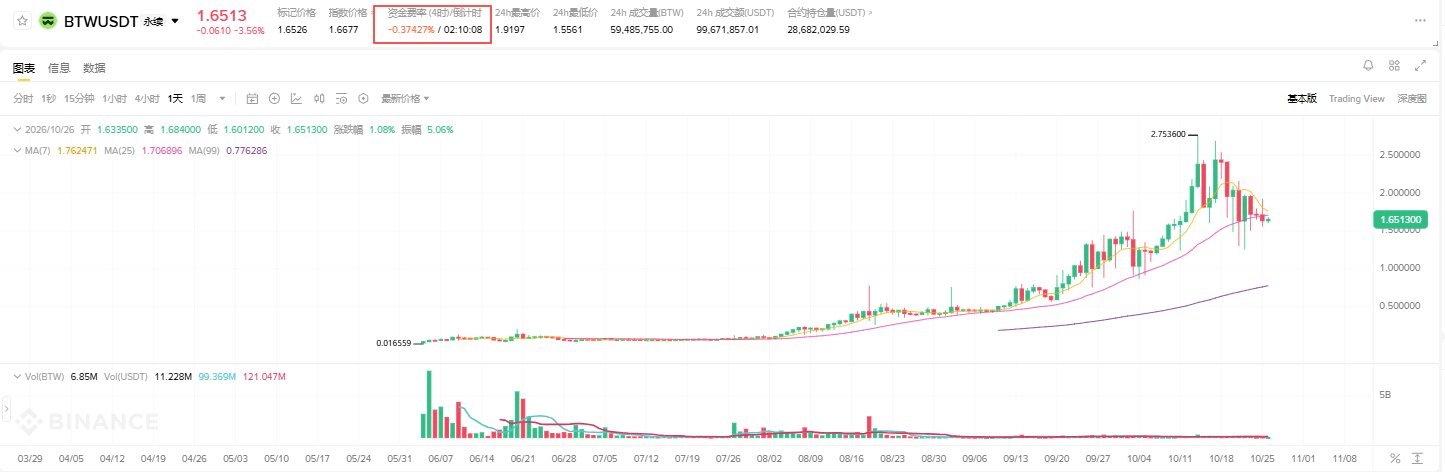
$BTW Everyone thinks we're in the endgame now, so they're piling in to short and shouting “crash” every day.
But in reality, the shorts have been getting drained by high funding fees all along. A friend’s short position was nearly liquidated, with the liquidation price above 20. The chances of it reaching 20 are low, but not zero. The market maker has kept it sideways here for almost a month. Can the bears really hold out?
Even if it does eventually crash, by the time that day comes, funding fees will have eaten up most of the profits. Shorting may look satisfying, but it’s far from cheap.
{future}(BTWUSDT)
$BTW Everyone thinks we're in the endgame now, so they're piling in to short and shouting “crash” every day.
But in reality, the shorts have been getting drained by high funding fees all along. A friend’s short position was nearly liquidated, with the liquidation price above 20. The chances of it reaching 20 are low, but not zero. The market maker has kept it sideways here for almost a month. Can the bears really hold out?
Even if it does eventually crash, by the time that day comes, funding fees will have eaten up most of the profits. Shorting may look satisfying, but it’s far from cheap.
120
·
--
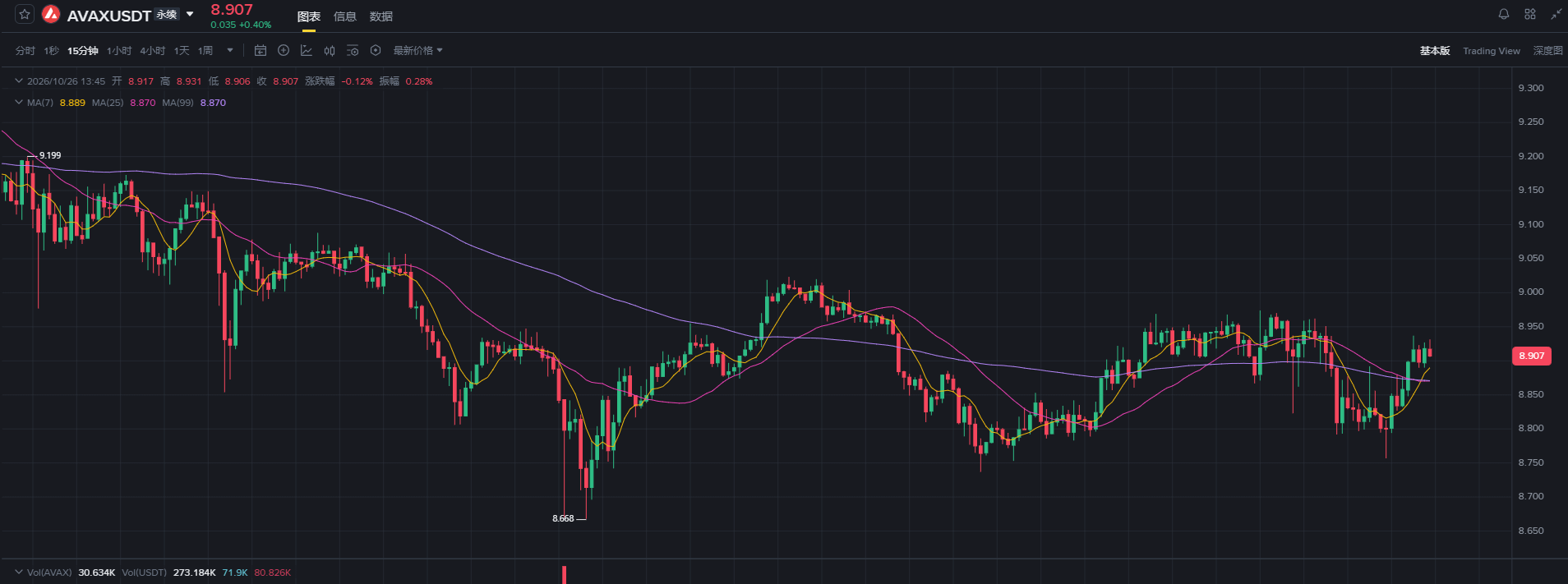
Looking again at $AVAX , it actually moves in tandem with most coins, like $BTC .
After distribution at the top, the decline begins. The timing may be earlier or later, but fundamentally, it’s a highly correlated coin: once it tops out, it has to fall. No exceptions.
{spot}(BTCUSDT)
{spot}(AVAXUSDT)
Looking again at $AVAX , it actually moves in tandem with most coins, like $BTC .
After distribution at the top, the decline begins. The timing may be earlier or later, but fundamentally, it’s a highly correlated coin: once it tops out, it has to fall. No exceptions.
After distribution at the top, the decline begins. The timing may be earlier or later, but fundamentally, it’s a highly correlated coin: once it tops out, it has to fall. No exceptions.
74
·
--
Retail traders are loading up, while whales are locking up their coins. The cleaner the transfer, the farther could the next move go?
Retail traders and whales are moving in opposite directions: retail traders are sending coins to Binance $BTC , with 30-day inflows jumping from $5.5 billion to $10.75 billion—as if they’re loading their guns. Whales, on the other hand, are withdrawing coins from exchanges. Wallets holding 10–10,000 coins added 85,000–89,000 coins in mid-to-late September, bringing pure whale holdings back to 3.03 million coins. They’re accumulating and locking them away.
The key is which way the divergence resolves: retail selling pressure is likely to emerge around 84k–87.7k, where cost-basis levels overlap with moving-average resistance. If the price rallies into that zone, gets absorbed, and doesn’t get pushed back down, it suggests serious money is buying up the supply, leaving a cleaner bottom. If it gets knocked straight back down, the market may need more time to grind.
80k–81.5k is supported by ETF and spot buying, and that support is holding firm for now. But whale accumulation tends to lag; it doesn’t mean an immediate reversal. In the short term, watch whether volume can keep up when a rally reaches the 84k–87.7k resistance zone, and whether the price can hold above it.
{spot}(BTCUSDT)
Retail traders are loading up, while whales are locking up their coins. The cleaner the transfer, the farther could the next move go?
Retail traders and whales are moving in opposite directions: retail traders are sending coins to Binance $BTC , with 30-day inflows jumping from $5.5 billion to $10.75 billion—as if they’re loading their guns. Whales, on the other hand, are withdrawing coins from exchanges. Wallets holding 10–10,000 coins added 85,000–89,000 coins in mid-to-late September, bringing pure whale holdings back to 3.03 million coins. They’re accumulating and locking them away.
The key is which way the divergence resolves: retail selling pressure is likely to emerge around 84k–87.7k, where cost-basis levels overlap with moving-average resistance. If the price rallies into that zone, gets absorbed, and doesn’t get pushed back down, it suggests serious money is buying up the supply, leaving a cleaner bottom. If it gets knocked straight back down, the market may need more time to grind.
80k–81.5k is supported by ETF and spot buying, and that support is holding firm for now. But whale accumulation tends to lag; it doesn’t mean an immediate reversal. In the short term, watch whether volume can keep up when a rally reaches the 84k–87.7k resistance zone, and whether the price can hold above it.

109
·
--
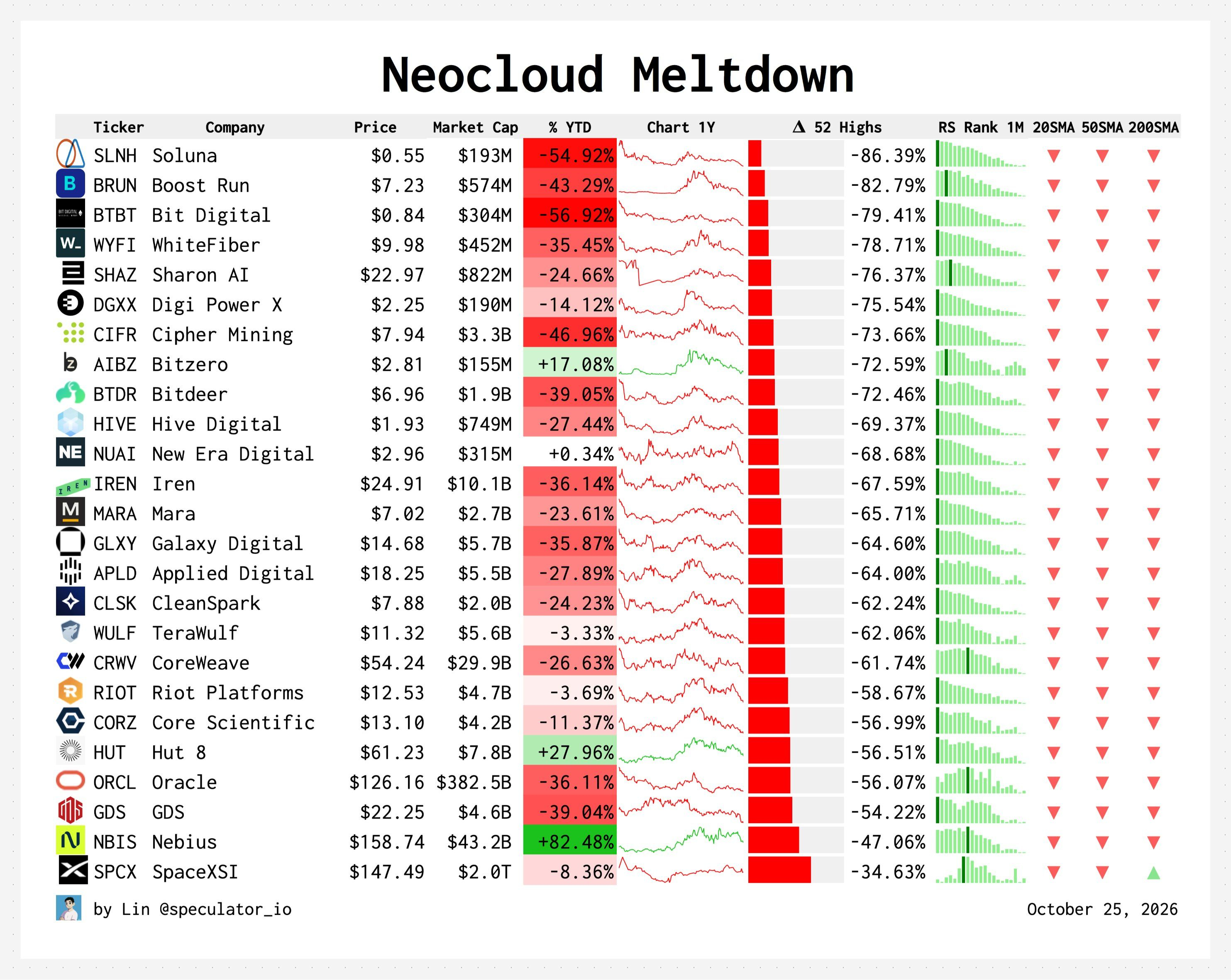
Musk warns: Of the more than 200 emerging AI cloud providers worldwide, only a handful may survive; most will go bankrupt or be consolidated.
The most awkwardly positioned are the companies that pivoted from Bitcoin mining to AI: IREN, WULF, CIFR, HIVE, and others. They have land, power, and mining sites, so they seem to have every advantage. But AI data centers cost far more than mining operations, and GPUs become outdated quickly. Many have piled on debt before they’ve even started making steady profits.
CoreWeave has taken on about $50 billion in debt, and yields on some of its bonds briefly surged to 15%–16%. As of October 22, short sellers betting against five AI infrastructure companies, including CoreWeave, IREN, and NBIS, had racked up about $6 billion in cumulative unrealized gains in October.
SpaceX was able to secure $40 billion in GPU debt financing because independent revenue from Starlink and rocket launches backs its credit. Many neocloud companies don’t have that kind of foundation and can only count on future computing rental income to repay their debt.
Does this sound like the dot-com bubble of 2000? Back then, many companies that rushed to lay fiber-optic cables and build infrastructure didn’t survive to see the industry truly flourish...$DOGE
{spot}(DOGEUSDT)
Musk warns: Of the more than 200 emerging AI cloud providers worldwide, only a handful may survive; most will go bankrupt or be consolidated.
The most awkwardly positioned are the companies that pivoted from Bitcoin mining to AI: IREN, WULF, CIFR, HIVE, and others. They have land, power, and mining sites, so they seem to have every advantage. But AI data centers cost far more than mining operations, and GPUs become outdated quickly. Many have piled on debt before they’ve even started making steady profits.
CoreWeave has taken on about $50 billion in debt, and yields on some of its bonds briefly surged to 15%–16%. As of October 22, short sellers betting against five AI infrastructure companies, including CoreWeave, IREN, and NBIS, had racked up about $6 billion in cumulative unrealized gains in October.
SpaceX was able to secure $40 billion in GPU debt financing because independent revenue from Starlink and rocket launches backs its credit. Many neocloud companies don’t have that kind of foundation and can only count on future computing rental income to repay their debt.
Does this sound like the dot-com bubble of 2000? Back then, many companies that rushed to lay fiber-optic cables and build infrastructure didn’t survive to see the industry truly flourish...$DOGE
78
·
--
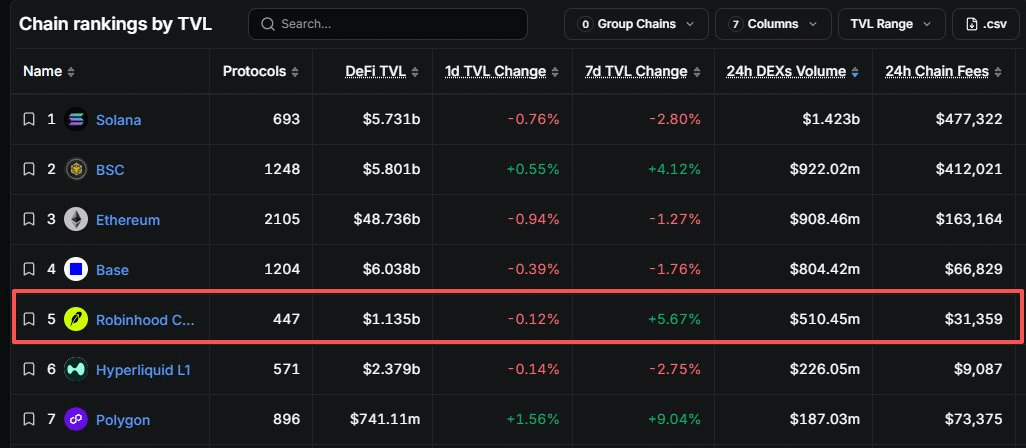
Can PONS still be saved?
Let’s look at the numbers first: daily trading volume is around 24 million, down 97.4% from its peak. It’s anyone’s guess whether it can even stay above 20 million.
This isn’t just a problem for PONS—Robinhood Chain as a whole has cooled off. On-chain volume has fallen from 3.5 billion to around 500 million, dropping it to fifth place. Platform fees, protocol revenue, and token issuance are all down. About 200,000 tokens have been burned, bringing the cumulative total to 32.77%, and 250,000 remain in the buyback pool. But burning alone won’t save it.
The fact is, the chain just isn’t hot anymore! For PONS to turn things around, it first needs to wait for Robinhood Chain to heat up again and bring a fresh wave of buzz.
140
·
--
It’s a super week for global markets, with everything happening all at once.
Monday: China’s Fifth Plenum of the 20th Central Committee opens and runs through the 29th.
Tuesday: U.S. September durable goods orders and October consumer confidence; the Fed’s FOMC meeting begins; Robinhood and Visa report earnings after the close.
Thursday is the big one: the Fed’s rate decision and Warsh’s press conference in the early hours, plus earnings from Microsoft and Google; then, in the evening, U.S. third-quarter GDP, September core PCE, and the ECB’s rate decision—all on the same day.
Friday is no quieter: earnings from Amazon, Coinbase, MSTR, and Intel; the Bank of Japan’s decision and press conference; the U.S. third-quarter Employment Cost Index; and earnings from ExxonMobil and Chevron.
With the Fed, GDP, PCE, and Big Tech earnings all on deck, this week is bound to be volatile.
201
·
--
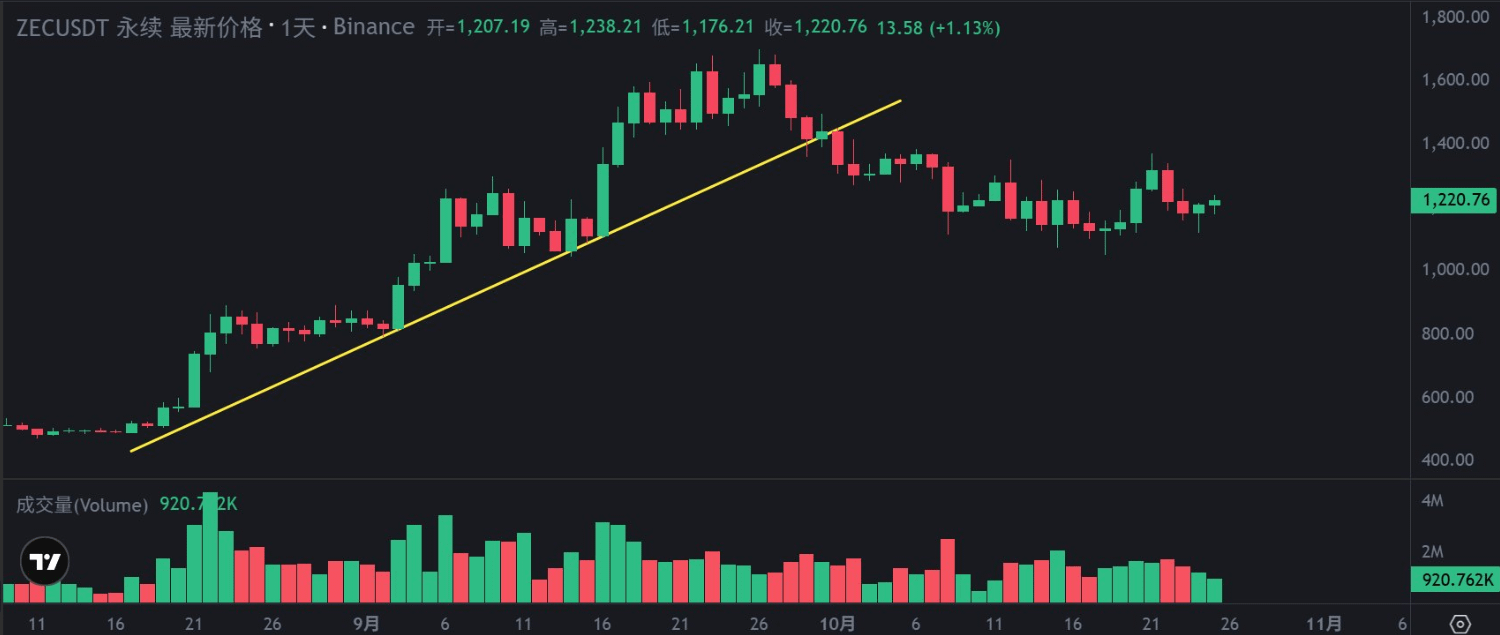
Ethereum ETFs are bleeding, but one coin is quietly being scooped up by investors.
Last week, the Grayscale ZEC ETF saw net inflows of $41.1 million, its strongest single week since September. Just the week before, it had recorded net outflows for three consecutive weeks, totaling $143 million.
Even more striking: during that same week, BTC ETFs saw net inflows of $301 million, while ETH ETFs saw net outflows of $220.7 million. ZEC is rising as BTC and ETH fall—the money is changing direction.$ETH $ZEC
{spot}(ZECUSDT)
{spot}(ETHUSDT)
Ethereum ETFs are bleeding, but one coin is quietly being scooped up by investors.
Last week, the Grayscale ZEC ETF saw net inflows of $41.1 million, its strongest single week since September. Just the week before, it had recorded net outflows for three consecutive weeks, totaling $143 million.
Even more striking: during that same week, BTC ETFs saw net inflows of $301 million, while ETH ETFs saw net outflows of $220.7 million. ZEC is rising as BTC and ETH fall—the money is changing direction.$ETH $ZEC
186
·
--
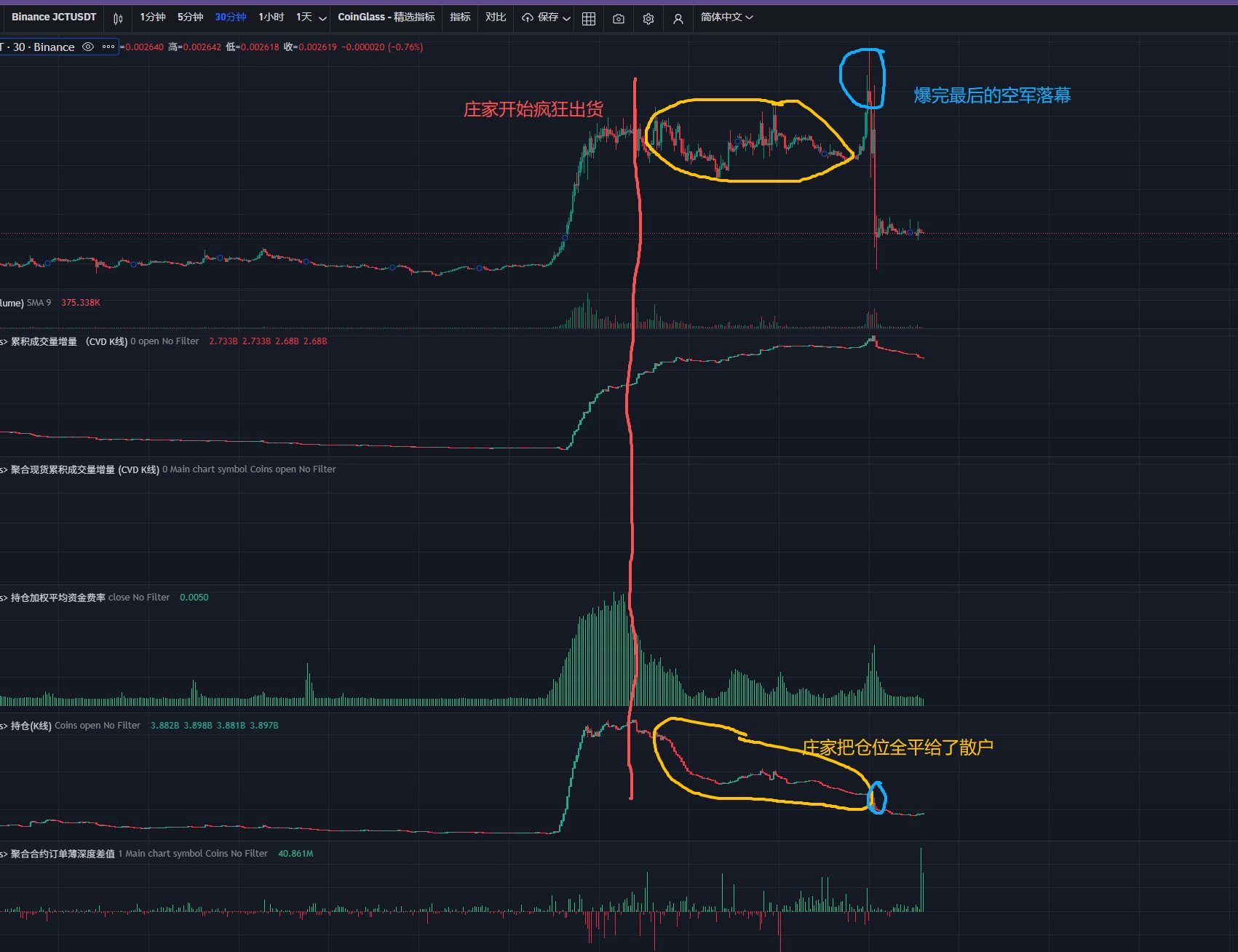
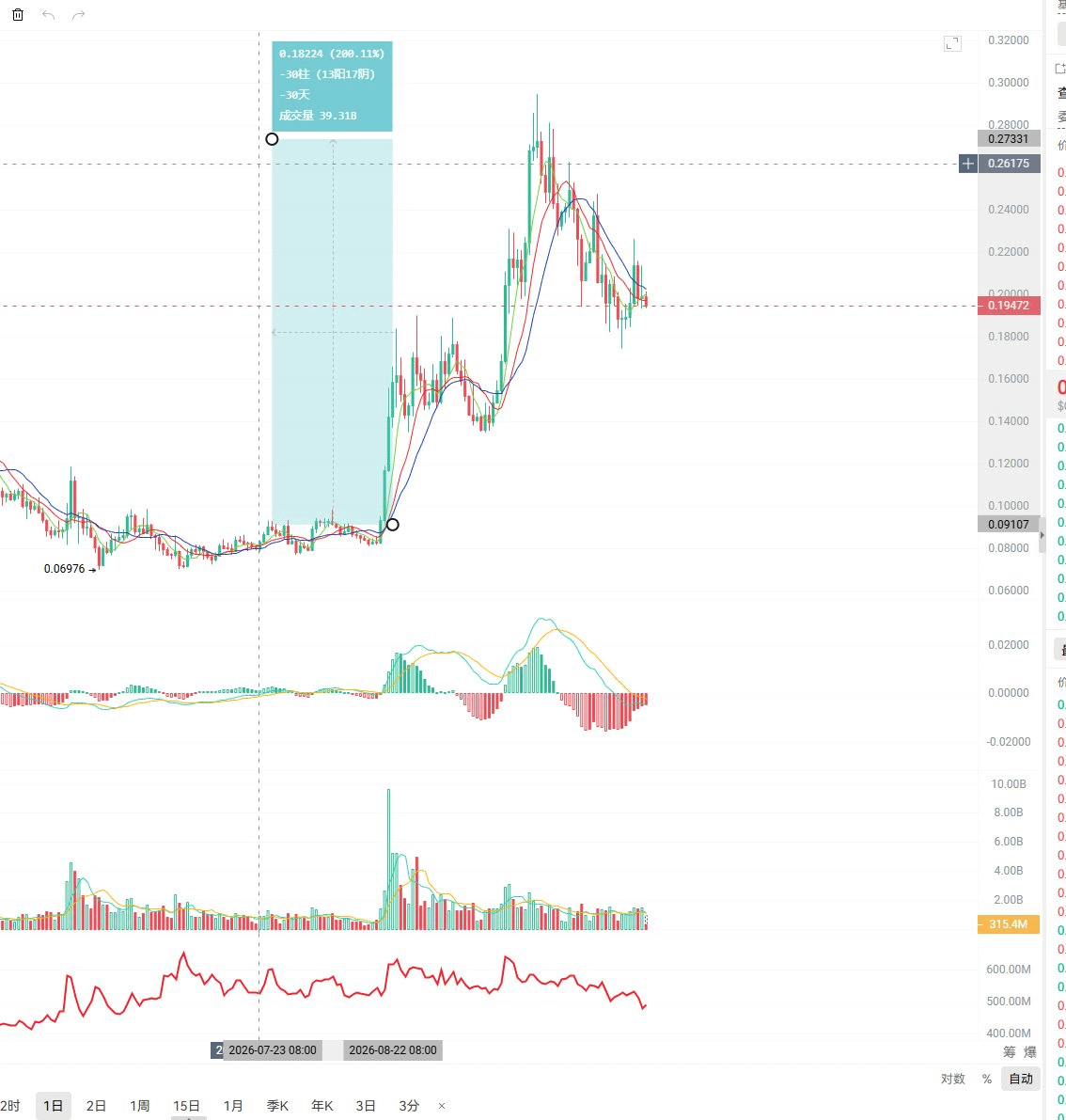
Is this kind of analysis valuable? Just look at the chart—it’s clearly worth tens of millions.
$JCT saw a huge surge in trading volume yesterday, while open interest plunged. It’s obvious someone was closing their positions. But retail traders are still rushing to buy, thinking this is a breakout and that it could rise 10x or even 30x like $AKE . There are all kinds of reasons to buy, but many of them are wrong—and obviously so.
Successful traders win 99% of the time by reviewing and categorizing: which patterns, volume-price movements, and OI signals point to a higher chance of a rally. For example, when ETH starts pumping, buy ENA right away. Even if you were late to the last rally, you could still have made 2x.
Making money isn’t hard; learning is. And there’s one thing that never changes: change. Once everyone figures out the market makers’ playbook, they switch tactics and shake everyone down. When everyone thinks of buying ENA, there’s not much upside left.
125
·
--
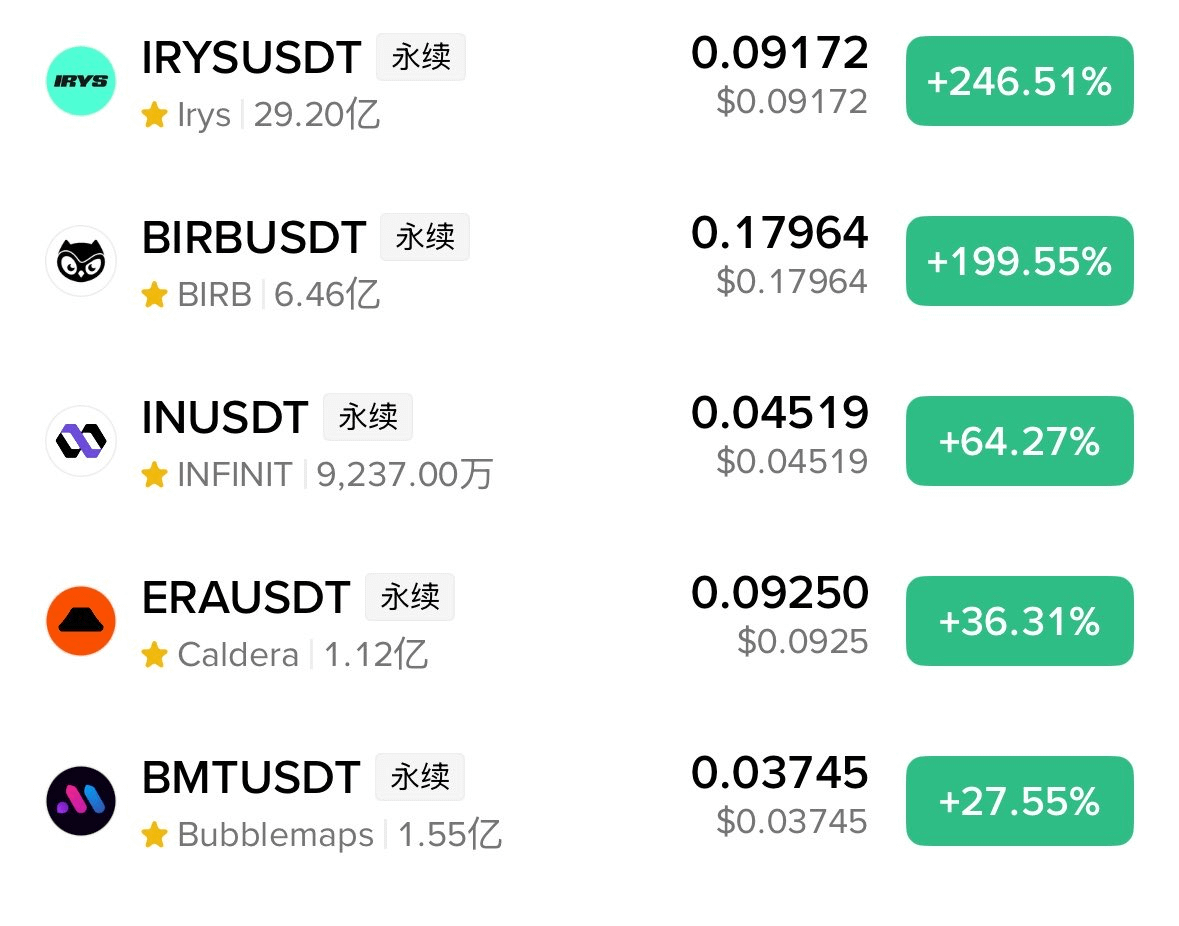
Most of the coins that have surged recently were flagged ahead of time, and their price levels were also tracked. The smallest gains were dozens of points, while the biggest have already multiplied several times.
Going forward, keep an eye on: $BIRB —can it hold? If so, there could be several times more upside; $ERA —if it breaks above 1, look toward 2; $IN —if it stabilizes, see whether it can reach 8. $bmt is setting up for a rebound next.
Going forward, keep an eye on: $BIRB —can it hold? If so, there could be several times more upside; $ERA —if it breaks above 1, look toward 2; $IN —if it stabilizes, see whether it can reach 8. $bmt is setting up for a rebound next.
256
·
--
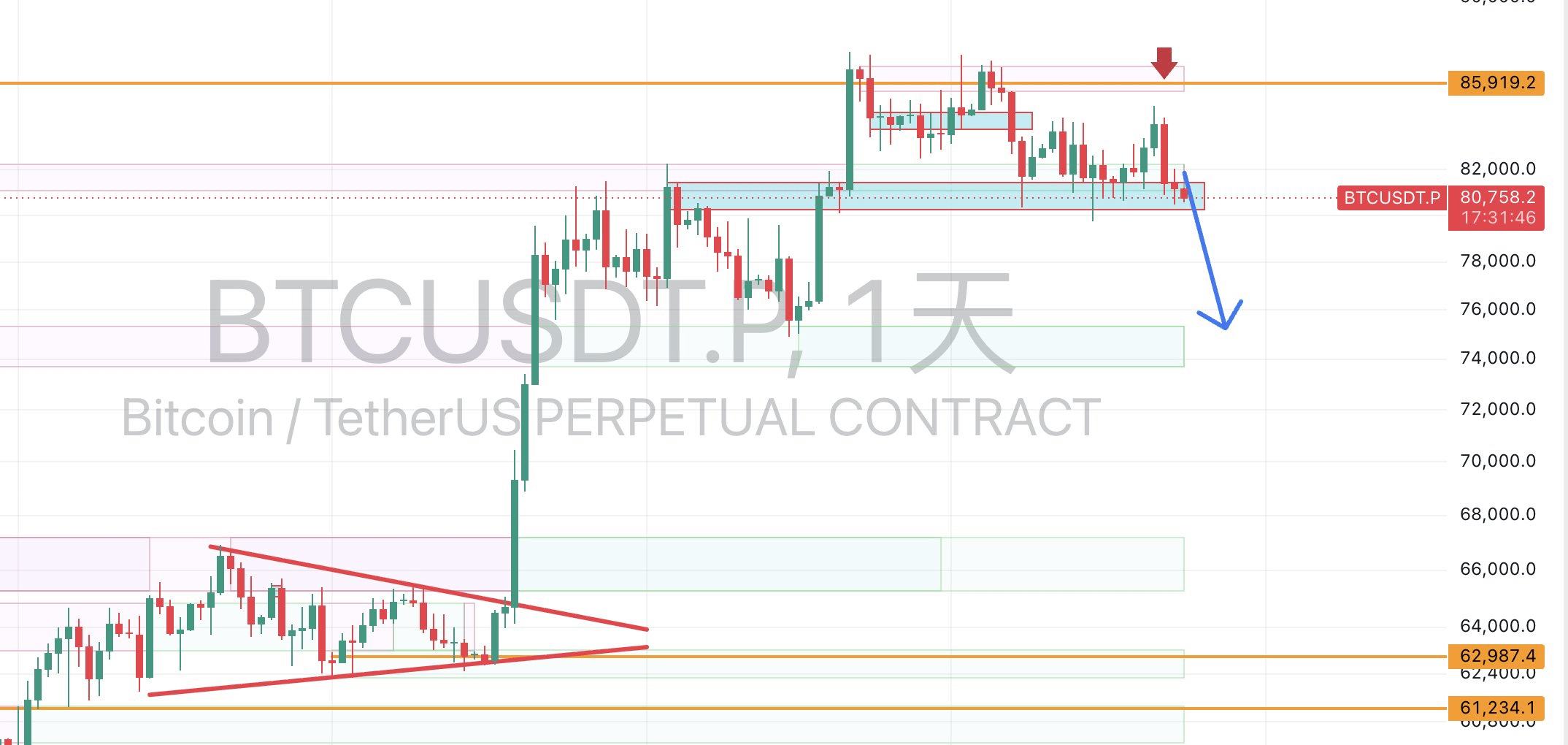
$BTC If this decline breaks below key support, it will likely continue downward. Now is a good time to chase shorts; set the stop-loss for short positions above 81500.
There’s plenty of room to fall. Three attempts to build momentum and break through to the upside have all failed, indicating that the bulls haven’t built up enough strength at this level.
{spot}(BTCUSDT)
$BTC If this decline breaks below key support, it will likely continue downward. Now is a good time to chase shorts; set the stop-loss for short positions above 81500.
There’s plenty of room to fall. Three attempts to build momentum and break through to the upside have all failed, indicating that the bulls haven’t built up enough strength at this level.
There’s plenty of room to fall. Three attempts to build momentum and break through to the upside have all failed, indicating that the bulls haven’t built up enough strength at this level.
153
·
--
A few coins that aren't as popular
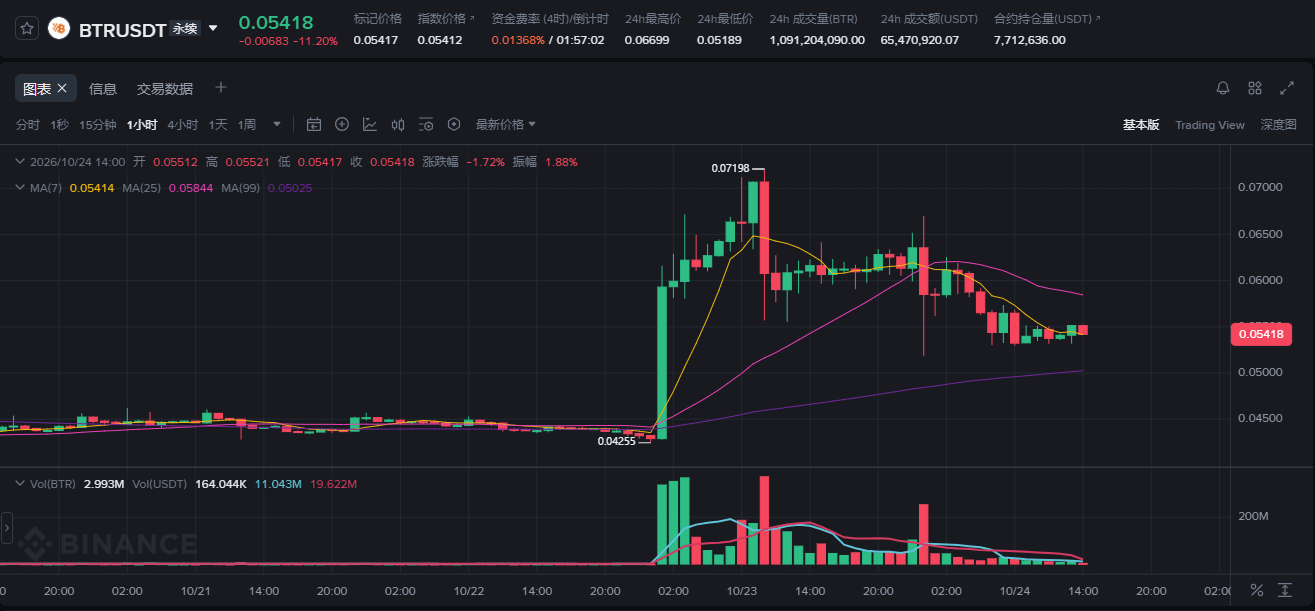
$BTR is pretty strange. Yesterday, just after 12, several coins pumped together, then got dumped shortly afterward. Now they're all sitting on the top losers list. BTR had a positive funding rate in the afternoon, but its borrow rate surged. That doesn't look like the work of arbitrageurs; it looks more like the market maker was taking action to reduce selling pressure. OI has been gradually increasing. The pump at 12 and the dump right on time could be seen as a market test. The test didn't go well, so it ended up on the losers list.
$JCT was also jumping all over the place. If I had to guess the purpose, it was probably a market test too. They didn't see any counterparties, so they closed out a lot of OI and pulled out.
$BRIB is still on the top gainers list. It's been rallying for a few days, but OI is mediocre, spot trading volume is mediocre, and the funding rate is negative. Futures had already been seeing net outflows three days ago; now both spot and futures are seeing outflows.
{future}(JCTUSDT)
{future}(BTRUSDT)
A few coins that aren't as popular
$BTR is pretty strange. Yesterday, just after 12, several coins pumped together, then got dumped shortly afterward. Now they're all sitting on the top losers list. BTR had a positive funding rate in the afternoon, but its borrow rate surged. That doesn't look like the work of arbitrageurs; it looks more like the market maker was taking action to reduce selling pressure. OI has been gradually increasing. The pump at 12 and the dump right on time could be seen as a market test. The test didn't go well, so it ended up on the losers list.
$JCT was also jumping all over the place. If I had to guess the purpose, it was probably a market test too. They didn't see any counterparties, so they closed out a lot of OI and pulled out.
$BRIB is still on the top gainers list. It's been rallying for a few days, but OI is mediocre, spot trading volume is mediocre, and the funding rate is negative. Futures had already been seeing net outflows three days ago; now both spot and futures are seeing outflows.
135
·
--
On the last trading day of the week, oil prices surged again: WTI topped $103, Brent topped $116, and there are just 11 days left until the midterm elections. With oil this expensive, if Trump and the Republicans still manage to win, they’ll have only themselves to blame. Iran and Trump are mainly responsible, but Trump bears more of the blame.
High oil prices used to hold the Fed back from raising rates. Now, though, they could make rate hikes less urgent, because AI poses a risk of dragging the economy down—and AI’s troubles also stem from oil prices: higher oil prices → expectations of rate hikes rise → Treasury yields rise → corporate financing and capital spending get more expensive. But AI’s returns are still uncertain, and people worry they won’t get their money back after pouring it in. So AI and semiconductor stocks have been pulling back frequently. There’s also too much money crowded into AI—the South Korean market is a case in point.
Go full circle, and it all comes back to Trump.
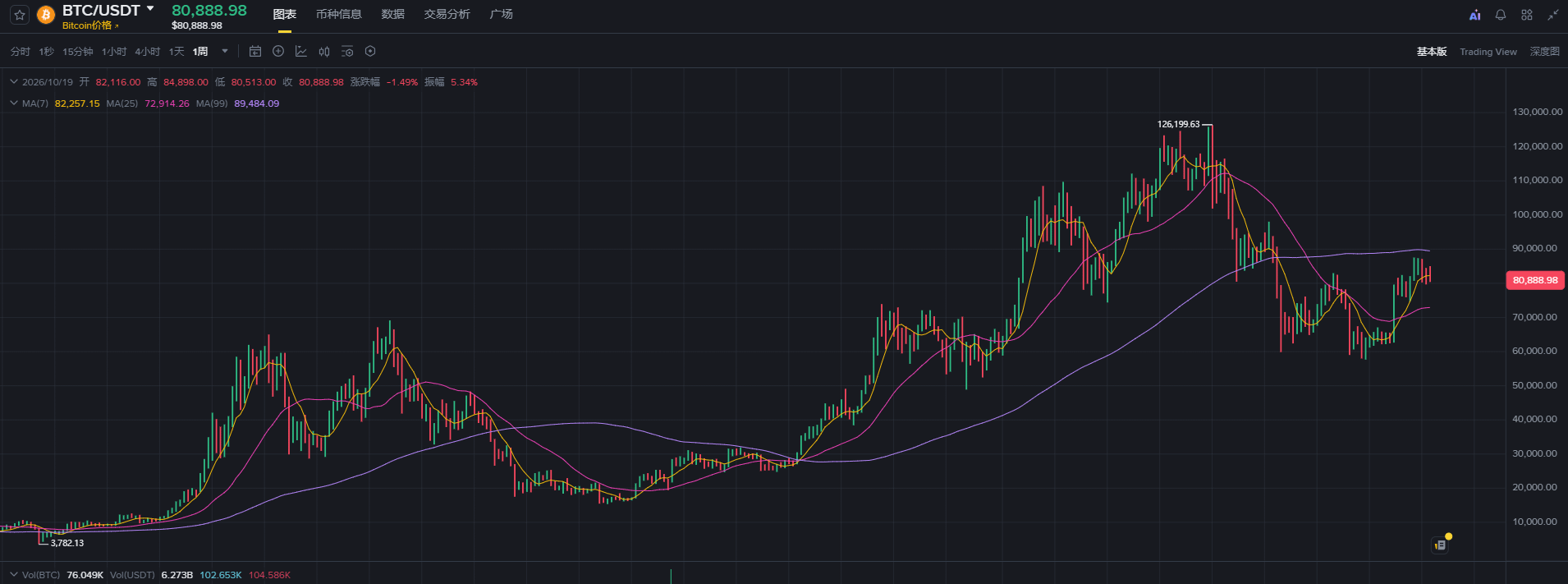
AI and semiconductor stocks may look rough, but $BTC is holding up reasonably well. Its overall direction is in line with tech stocks, but with less volatility. You can keep placing orders around 79,000 and aim for returns of about 10%.
{spot}(BTCUSDT)
On the last trading day of the week, oil prices surged again: WTI topped $103, Brent topped $116, and there are just 11 days left until the midterm elections. With oil this expensive, if Trump and the Republicans still manage to win, they’ll have only themselves to blame. Iran and Trump are mainly responsible, but Trump bears more of the blame.
High oil prices used to hold the Fed back from raising rates. Now, though, they could make rate hikes less urgent, because AI poses a risk of dragging the economy down—and AI’s troubles also stem from oil prices: higher oil prices → expectations of rate hikes rise → Treasury yields rise → corporate financing and capital spending get more expensive. But AI’s returns are still uncertain, and people worry they won’t get their money back after pouring it in. So AI and semiconductor stocks have been pulling back frequently. There’s also too much money crowded into AI—the South Korean market is a case in point.
Go full circle, and it all comes back to Trump.
AI and semiconductor stocks may look rough, but $BTC is holding up reasonably well. Its overall direction is in line with tech stocks, but with less volatility. You can keep placing orders around 79,000 and aim for returns of about 10%.
133
·
--
You think U.S. stocks are falling because of the AI bubble, and $BTC is falling because of ETF outflows? You’re wrong on both counts.
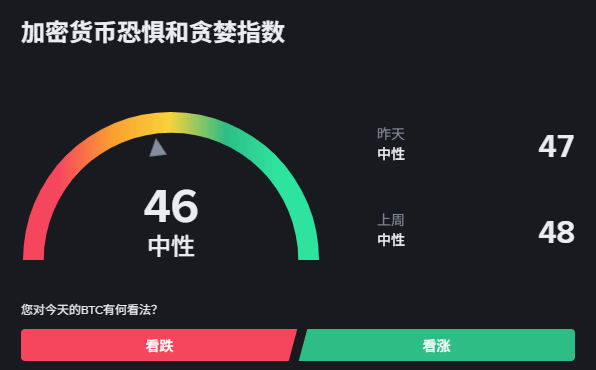
Strange, isn’t it? U.S. stocks fall, and BTC follows. U.S. stocks bounce, and BTC barely moves. The correlation between the Nasdaq and BTC is now around 40%. They’re following the same script, weighed down by two major forces.
First: rate-hike expectations are driving the dollar higher. Tensions in the Middle East are pushing up oil prices, inflation won’t go away, and the threat of a December rate hike is hanging over the market. As the dollar strengthens, Treasury yields are holding stubbornly above 5%. Tech stocks and BTC both generate no income, so the stronger the dollar gets, the harder it is for them to breathe.
Second: Japan and the U.S. are draining liquidity together. With rate hikes in Japan and the U.S., both 10- and 30-year Treasury yields are above 5%. Global capital is flowing back into dollars, draining risk assets and non-yielding assets alike.
But the outcomes are different: Tech stocks are backed by the strong earnings of Nvidia, Micron, and Microsoft. BTC has no cash flow; it relies entirely on liquidity and sentiment. So when liquidity is drained, it falls harder—but it also bounces back faster.
Right now, the U.S. stock market is “indices in the clouds, individual stocks in the mud.” If the AI bubble bursts, even good companies won’t be able to hold up the indices. The real focus isn’t the charts—it’s the December rate decision and 10-year Treasury yields still sitting above 5%. Worse still, there will probably be two more rate hikes in 2027.
So for now, everyone is just hanging on. The recovery window won’t truly open until the rate decision is behind us and Treasury yields break below 5% convincingly and turn downward. Until then, keep your hands off the trigger and save your ammo for the rebound.
Which do you think will be the first to climb back after the December rate decision—U.S. stocks or BTC?
{spot}(BTCUSDT)
You think U.S. stocks are falling because of the AI bubble, and $BTC is falling because of ETF outflows? You’re wrong on both counts.
Strange, isn’t it? U.S. stocks fall, and BTC follows. U.S. stocks bounce, and BTC barely moves. The correlation between the Nasdaq and BTC is now around 40%. They’re following the same script, weighed down by two major forces.
First: rate-hike expectations are driving the dollar higher. Tensions in the Middle East are pushing up oil prices, inflation won’t go away, and the threat of a December rate hike is hanging over the market. As the dollar strengthens, Treasury yields are holding stubbornly above 5%. Tech stocks and BTC both generate no income, so the stronger the dollar gets, the harder it is for them to breathe.
Second: Japan and the U.S. are draining liquidity together. With rate hikes in Japan and the U.S., both 10- and 30-year Treasury yields are above 5%. Global capital is flowing back into dollars, draining risk assets and non-yielding assets alike.
But the outcomes are different: Tech stocks are backed by the strong earnings of Nvidia, Micron, and Microsoft. BTC has no cash flow; it relies entirely on liquidity and sentiment. So when liquidity is drained, it falls harder—but it also bounces back faster.
Right now, the U.S. stock market is “indices in the clouds, individual stocks in the mud.” If the AI bubble bursts, even good companies won’t be able to hold up the indices. The real focus isn’t the charts—it’s the December rate decision and 10-year Treasury yields still sitting above 5%. Worse still, there will probably be two more rate hikes in 2027.
So for now, everyone is just hanging on. The recovery window won’t truly open until the rate decision is behind us and Treasury yields break below 5% convincingly and turn downward. Until then, keep your hands off the trigger and save your ammo for the rebound.
Which do you think will be the first to climb back after the December rate decision—U.S. stocks or BTC?
279
·
--
Bullish
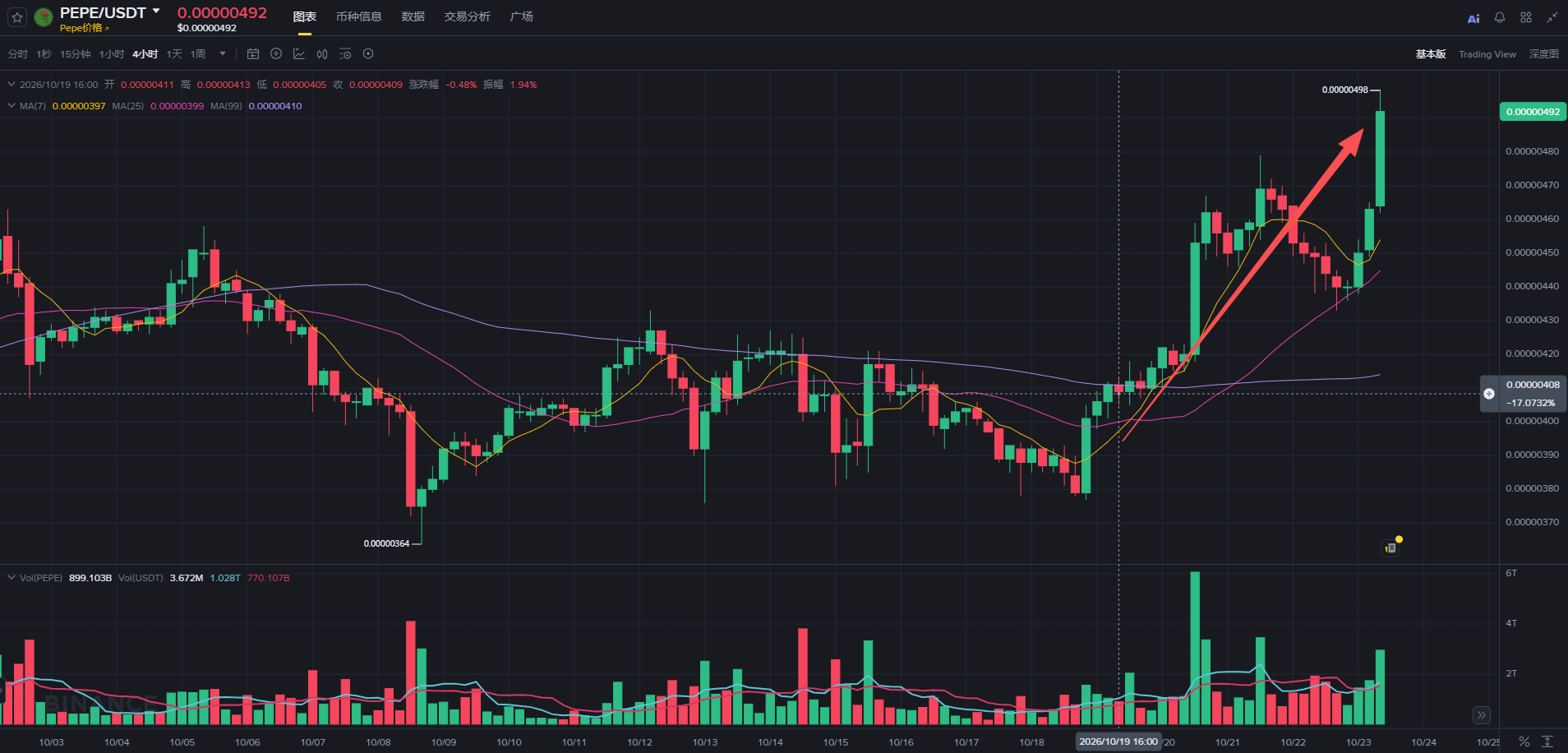
$PEPE This rebound has been solid. Earlier, I said the initial target was 0.0000055 and called for a buy near 0.0000044. Looking at it now, both the analysis and strategy were right. Stop saying altcoins have no profit potential—following the trends and picking the right assets are what matter.
Why buy PEPE?
Simple: the related ETF amendment was updated on October 2. If it really gets approved, there’s at least a 2x upside expectation. Lately, the market has been focused on crypto stocks and privacy coins, and people are getting tired of them. Memes haven’t had a major catalyst in a long time. The last Meme ETF was for DOGE, but that was during a bear market, so nobody was buying.
If PEPE really gets an ETF pathway, its scarcity will become apparent immediately, and funds are likely to flow back into leading meme coins. A lot of people still don’t understand why PEPE is strong—that’s the information gap.
{spot}(PEPEUSDT)
$PEPE This rebound has been solid. Earlier, I said the initial target was 0.0000055 and called for a buy near 0.0000044. Looking at it now, both the analysis and strategy were right. Stop saying altcoins have no profit potential—following the trends and picking the right assets are what matter.
Why buy PEPE?
Simple: the related ETF amendment was updated on October 2. If it really gets approved, there’s at least a 2x upside expectation. Lately, the market has been focused on crypto stocks and privacy coins, and people are getting tired of them. Memes haven’t had a major catalyst in a long time. The last Meme ETF was for DOGE, but that was during a bear market, so nobody was buying.
If PEPE really gets an ETF pathway, its scarcity will become apparent immediately, and funds are likely to flow back into leading meme coins. A lot of people still don’t understand why PEPE is strong—that’s the information gap.

157
·
--
Bullish
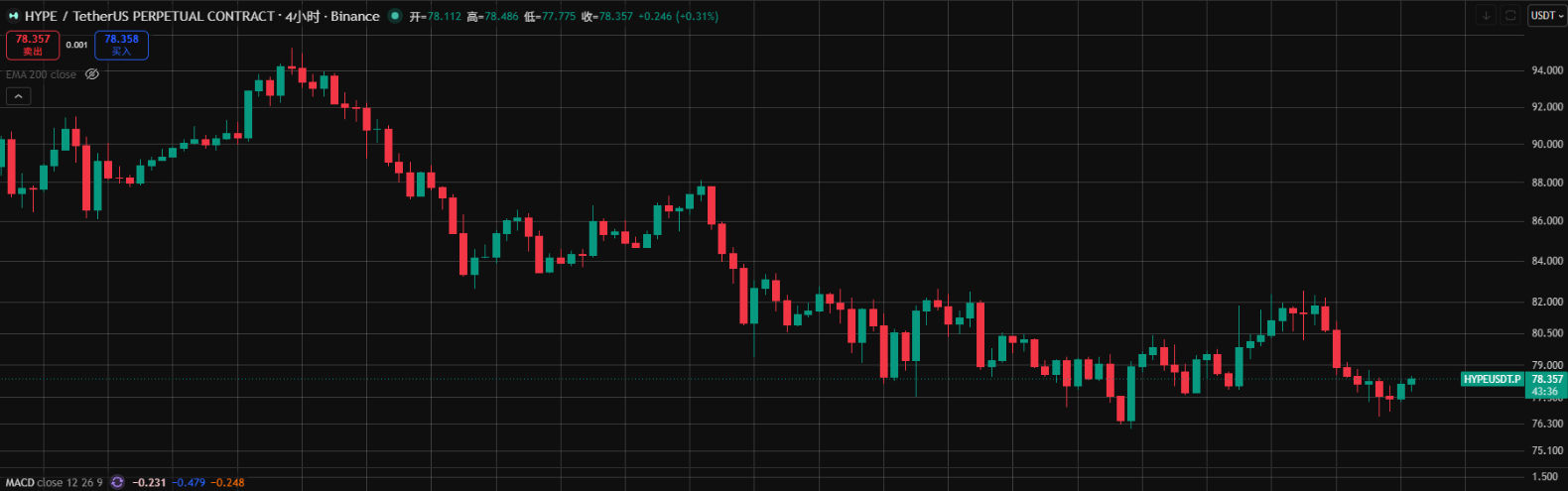
$HYPE The move from 38 to 98 was impressive, but since peaking at 98, each high has been lower than the last. Price has already fallen below the 10- and 20-day EMAs, and the MACD is still below the zero line, so the short-term outlook is weak.
76–77 is the current support zone. Only consider a small long position if it holds and price gets back above 79, initially targeting 80–82. If price breaks above 82 and then retests it successfully, you can add to the position. If 76 gives way, don't try to catch the fall; look toward 72–74 and wait for a fresh sign that the decline is stabilizing.
{future}(HYPEUSDT)
$HYPE The move from 38 to 98 was impressive, but since peaking at 98, each high has been lower than the last. Price has already fallen below the 10- and 20-day EMAs, and the MACD is still below the zero line, so the short-term outlook is weak.
76–77 is the current support zone. Only consider a small long position if it holds and price gets back above 79, initially targeting 80–82. If price breaks above 82 and then retests it successfully, you can add to the position. If 76 gives way, don't try to catch the fall; look toward 72–74 and wait for a fresh sign that the decline is stabilizing.
76–77 is the current support zone. Only consider a small long position if it holds and price gets back above 79, initially targeting 80–82. If price breaks above 82 and then retests it successfully, you can add to the position. If 76 gives way, don't try to catch the fall; look toward 72–74 and wait for a fresh sign that the decline is stabilizing.
60
·
--
Bullish
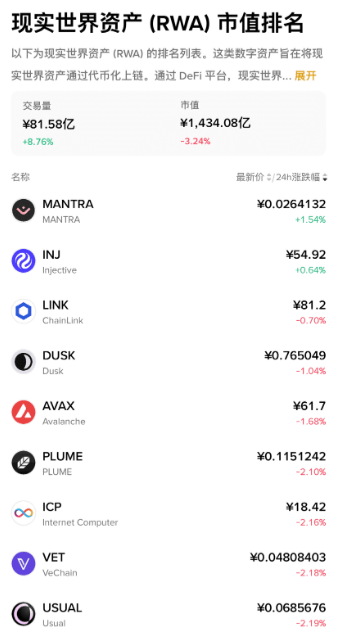
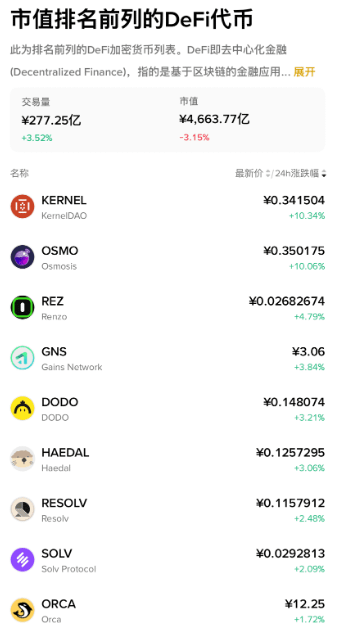
Most retail investors are still betting on derivatives, while Wall Street is already paving the way by bringing real money on-chain. DeFi and RWA are the two sectors institutions are racing into while retail investors have yet to catch on.
Goldman Sachs has said it: tokenization is the next phase for Wall Street. Demand for tokenized assets rose 41% over the past 30 days, with more than 490,000 holders. Money is moving—not just talk.
Key assets: $ONDO , PENDLE, AAVE, UNI, ENA, LINK, AVAX, AERO. They cover tokenized treasuries, yield splitting, lending, DEXs, stablecoins, oracles, and cross-chain infrastructure—basically the full picture of “bringing assets on-chain.”
There are signals, too: On October 22, whales spent $7.22 million buying up assets over 24 hours, focusing on ENA, ONDO, AERO, and UNI—a strong overlap with this list.
So when the market pulls back, don’t just scan the top gainers—keep an eye on these eight. Institutions are paving the way, and whales are picking up tokens. That’s how the knowledge gap widens.
{spot}(ONDOUSDT)
Most retail investors are still betting on derivatives, while Wall Street is already paving the way by bringing real money on-chain. DeFi and RWA are the two sectors institutions are racing into while retail investors have yet to catch on.
Goldman Sachs has said it: tokenization is the next phase for Wall Street. Demand for tokenized assets rose 41% over the past 30 days, with more than 490,000 holders. Money is moving—not just talk.
Key assets: $ONDO , PENDLE, AAVE, UNI, ENA, LINK, AVAX, AERO. They cover tokenized treasuries, yield splitting, lending, DEXs, stablecoins, oracles, and cross-chain infrastructure—basically the full picture of “bringing assets on-chain.”
There are signals, too: On October 22, whales spent $7.22 million buying up assets over 24 hours, focusing on ENA, ONDO, AERO, and UNI—a strong overlap with this list.
So when the market pulls back, don’t just scan the top gainers—keep an eye on these eight. Institutions are paving the way, and whales are picking up tokens. That’s how the knowledge gap widens.
125
·
--
October 23 Market Analysis: Why Is the Market Down Today? Trading Tips for BTC, ETH, BNB, SOL, AKE, BMT, REZ, PTB, LUMIA, and ALT Altcoins!🚀The crypto market fell 0.87% over the past 24 hours, primarily due to a rapid reversal in institutional ETF demand. The market’s correlation with the S&P 500 reached 69%, suggesting that this move was driven by shared macroeconomic factors.
1. Main reason: Heavy outflows from US spot Bitcoin ETFs. The $635 million withdrawn on October 22 ended a three-day streak of inflows, weakening a key source of price support.
2. Other factors: Weaker market sentiment and rising geopolitical uncertainty ahead of the US midterm elections intensified risk aversion.
3. Short-term outlook: Market direction will largely depend on whether ETF inflows remain stable. If support at $2.77 trillion holds, the market may move sideways. A break below that level could lead to a retest of the $2.72 trillion low.
October 23 Market Analysis: Why Is the Market Down Today? Trading Tips for BTC, ETH, BNB, SOL, AKE, BMT, REZ, PTB, LUMIA, and ALT Altcoins!
🚀The crypto market fell 0.87% over the past 24 hours, primarily due to a rapid reversal in institutional ETF demand. The market’s correlation with the S&P 500 reached 69%, suggesting that this move was driven by shared macroeconomic factors.
1. Main reason: Heavy outflows from US spot Bitcoin ETFs. The $635 million withdrawn on October 22 ended a three-day streak of inflows, weakening a key source of price support.
2. Other factors: Weaker market sentiment and rising geopolitical uncertainty ahead of the US midterm elections intensified risk aversion.
3. Short-term outlook: Market direction will largely depend on whether ETF inflows remain stable. If support at $2.77 trillion holds, the market may move sideways. A break below that level could lead to a retest of the $2.72 trillion low.
86
Log in to explore more content
Join global crypto users on Binance Square
⚡️ Get latest and useful information about crypto.
💬 Trusted by the world’s largest crypto exchange.
👍 Discover real insights from verified creators.
Email / Phone number