Binance Square
Paul Nguyen
445 Posts

Paul Nguyen

Crypto OG, managing Vietnam Blockchain Community.
65 Following
141 Followers
527 Liked
Posts
·
--
Binance P2P lets both regular verified users and dedicated merchants post ads, and understanding the difference has changed how I choose who to trade with, especially for larger amounts. Every trade either way still runs on the same core protection, escrow holding the crypto and a dispute appeal if something goes wrong, but a merchant badge on Binance P2P generally means the trader has met a higher bar: a security deposit held by Binance, a stronger track record requirement, and closer monitoring of their trading pattern over time. That doesn't mean every regular trader is riskier, plenty of individual users have excellent histories, but it does mean the verification signals are stronger and worth weighing when I'm deciding where to place a large trade. Counterparty checks still apply either way. I look at completion rate and order volume regardless of merchant status, since a badge tells me about the account's standing, not about the specific trade in front of me. Watching for red flags matters just as much with merchants as with anyone else, since no badge removes the need to confirm payment directly before releasing crypto. For anything above my usual trading size, I lean toward merchants with long histories and high volume, simply because there's more publicly visible track record to evaluate before I commit. For smaller, routine trades, I'm comfortable with well reviewed regular users too, since the completion rate and order count tell most of the story either way. What I won't do is treat a badge as a reason to skip my own checks. I still confirm the payment lands in my account before releasing, I still watch the chat for anything that feels rushed or evasive, and I still keep my records the same way regardless of who I'm trading with. If I'm ever uncertain whether a merchant's terms are standard, Binance support can clarify policy questions directly, which is far more reliable than guessing based on how professional an ad looks. @Binance_Vietnam #BinanceP2PAnToan
Binance P2P lets both regular verified users and dedicated merchants post ads, and understanding the difference has changed how I choose who to trade with, especially for larger amounts. Every trade either way still runs on the same core protection, escrow holding the crypto and a dispute appeal if something goes wrong, but a merchant badge on Binance P2P generally means the trader has met a higher bar: a security deposit held by Binance, a stronger track record requirement, and closer monitoring of their trading pattern over time. That doesn't mean every regular trader is riskier, plenty of individual users have excellent histories, but it does mean the verification signals are stronger and worth weighing when I'm deciding where to place a large trade. Counterparty checks still apply either way. I look at completion rate and order volume regardless of merchant status, since a badge tells me about the account's standing, not about the specific trade in front of me. Watching for red flags matters just as much with merchants as with anyone else, since no badge removes the need to confirm payment directly before releasing crypto.

For anything above my usual trading size, I lean toward merchants with long histories and high volume, simply because there's more publicly visible track record to evaluate before I commit. For smaller, routine trades, I'm comfortable with well reviewed regular users too, since the completion rate and order count tell most of the story either way. What I won't do is treat a badge as a reason to skip my own checks. I still confirm the payment lands in my account before releasing, I still watch the chat for anything that feels rushed or evasive, and I still keep my records the same way regardless of who I'm trading with. If I'm ever uncertain whether a merchant's terms are standard, Binance support can clarify policy questions directly, which is far more reliable than guessing based on how professional an ad looks.

@Binance Vietnam #BinanceP2PAnToan
EPIC on fire! 🔥 A whale added $4M+ in 48h, price broke $1 to ~$1.15 (+50%). Low float + Binance Square hype + RWA/XRP story = volume blowout. Fast and choppy! $EPIC #EPIC Not a financial advice. Be responsible for your own financial decision.
EPIC on fire! 🔥 A whale added $4M+ in 48h, price broke $1 to ~$1.15 (+50%). Low float + Binance Square hype + RWA/XRP story = volume blowout. Fast and choppy!
$EPIC #EPIC
Not a financial advice. Be responsible for your own financial decision.
Partly True
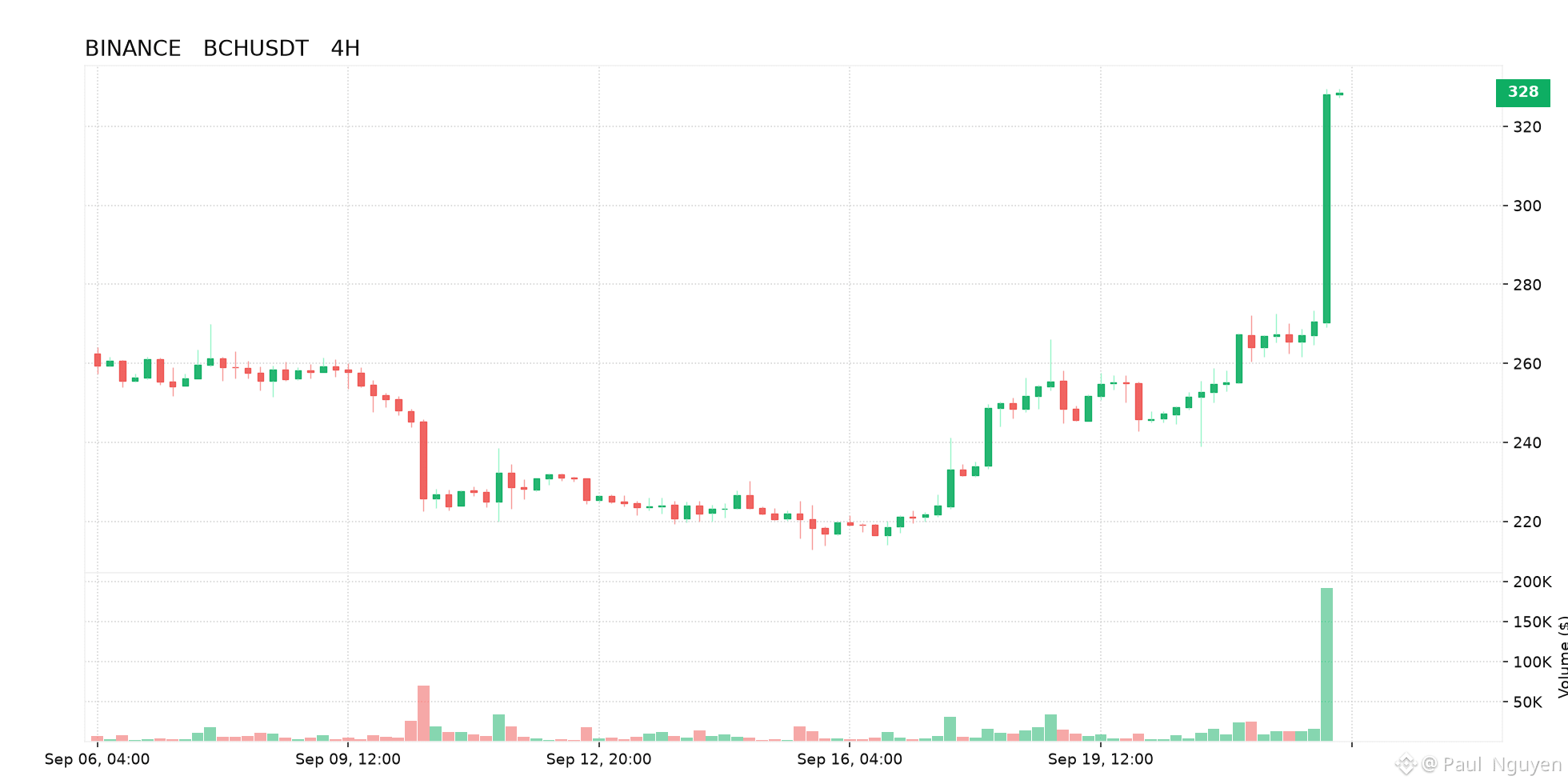
BMT surges as Bubblemaps launches its new AI token intelligence tool, boosting on-chain data demand. Hype plus exchange momentum = big green candle. $BMT #BMT Not a financial advice. Be responsible for your own financial decision.
BMT surges as Bubblemaps launches its new AI token intelligence tool, boosting on-chain data demand. Hype plus exchange momentum = big green candle.
$BMT #BMT
Not a financial advice. Be responsible for your own financial decision.
A near perfect rating on Binance P2P used to be enough for me to feel comfortable with a counterparty, until I noticed how easy it is for a rating average to hide more than it reveals. A profile with 99 trades and a 98% positive rating still had two recent reviews mentioning slow responses and one vague complaint about a payment delay, details that a star average alone would never surface. I read reviews differently now. Recent activity matters more to me than an account's entire history, since a profile can build a strong reputation over months and then behave differently once trust is established. I look for specific complaints rather than just counting stars, and I pay attention to whether negative feedback clusters around a particular issue, like payment timing or communication delays, since a pattern tells me more than a single outlier ever could. I also compare how a counterparty responds to their own negative reviews, if any are visible, since a calm, specific reply about what happened tells me more than the complaint itself. Silence or a defensive response to legitimate feedback shifts my attention toward caution regardless of the overall percentage displayed. Ratings also do not replace the core checks Binance P2P is actually built around. I still confirm payment through my own bank app regardless of how strong a counterparty's history looks, and I still watch for red flags in the moment rather than assuming a high rating makes them impossible. KYC and escrow protect every trade structurally, but reputation on top of that is only ever a supporting signal, not a guarantee. When a rating and my own read of a conversation disagree, I trust my own checks first, and I keep the chat and payment records regardless, in case Binance support ever needs the specifics. @Binance_Vietnam #BinanceP2PAnToan
A near perfect rating on Binance P2P used to be enough for me to feel comfortable with a counterparty, until I noticed how easy it is for a rating average to hide more than it reveals. A profile with 99 trades and a 98% positive rating still had two recent reviews mentioning slow responses and one vague complaint about a payment delay, details that a star average alone would never surface.

I read reviews differently now. Recent activity matters more to me than an account's entire history, since a profile can build a strong reputation over months and then behave differently once trust is established. I look for specific complaints rather than just counting stars, and I pay attention to whether negative feedback clusters around a particular issue, like payment timing or communication delays, since a pattern tells me more than a single outlier ever could.

I also compare how a counterparty responds to their own negative reviews, if any are visible, since a calm, specific reply about what happened tells me more than the complaint itself. Silence or a defensive response to legitimate feedback shifts my attention toward caution regardless of the overall percentage displayed.

Ratings also do not replace the core checks Binance P2P is actually built around. I still confirm payment through my own bank app regardless of how strong a counterparty's history looks, and I still watch for red flags in the moment rather than assuming a high rating makes them impossible. KYC and escrow protect every trade structurally, but reputation on top of that is only ever a supporting signal, not a guarantee.

When a rating and my own read of a conversation disagree, I trust my own checks first, and I keep the chat and payment records regardless, in case Binance support ever needs the specifics.

@Binance Vietnam #BinanceP2PAnToan
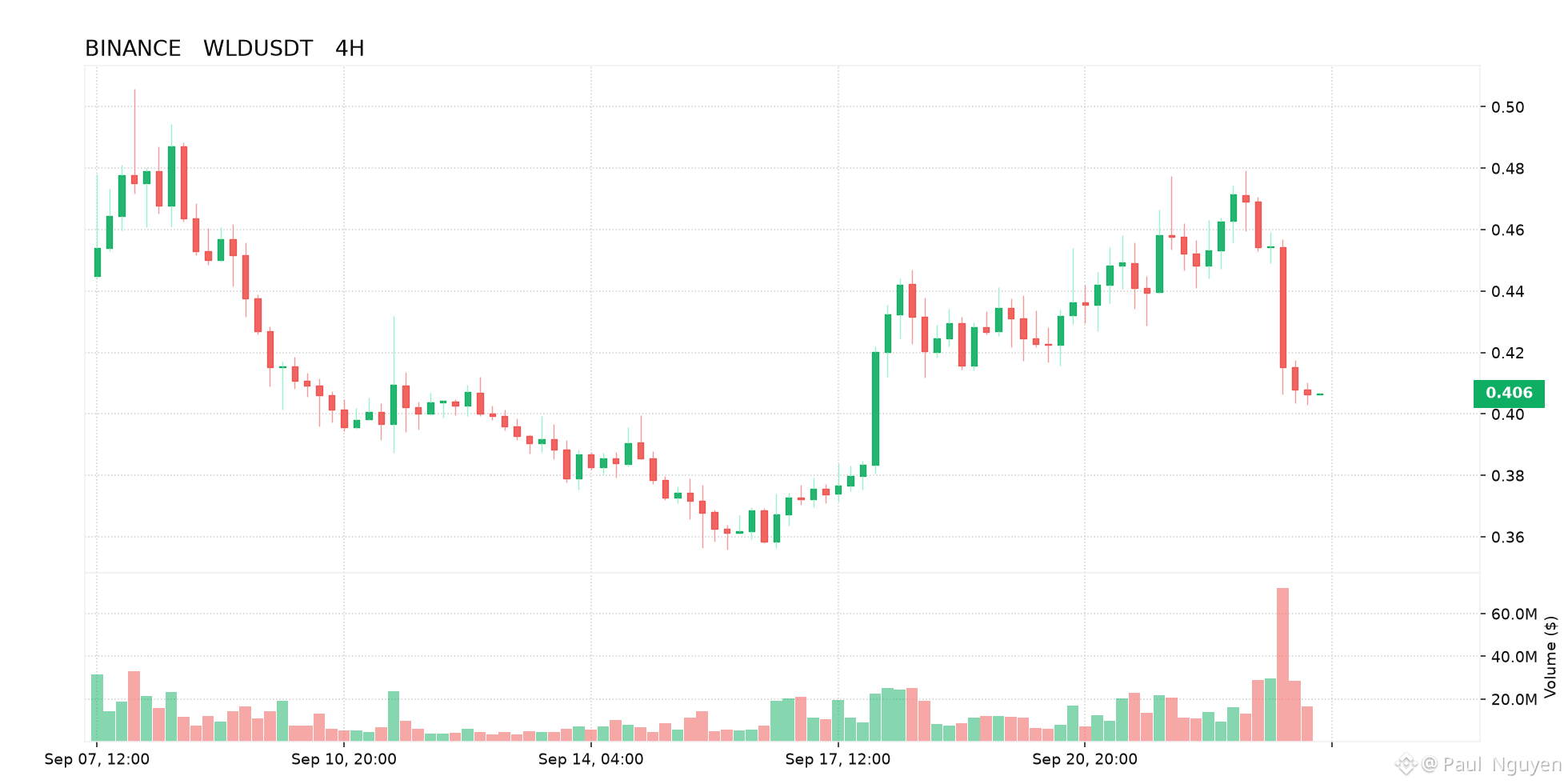
IOTX is ripping as fresh exchange-access news boosts attention: IoTeX was newly listed on Sumeria in France, expanding retail access and fueling momentum. $IOTX #IOTX Not a financial advice. Be responsible for your own financial decision.
IOTX is ripping as fresh exchange-access news boosts attention: IoTeX was newly listed on Sumeria in France, expanding retail access and fueling momentum.
$IOTX #IOTX
Not a financial advice. Be responsible for your own financial decision.
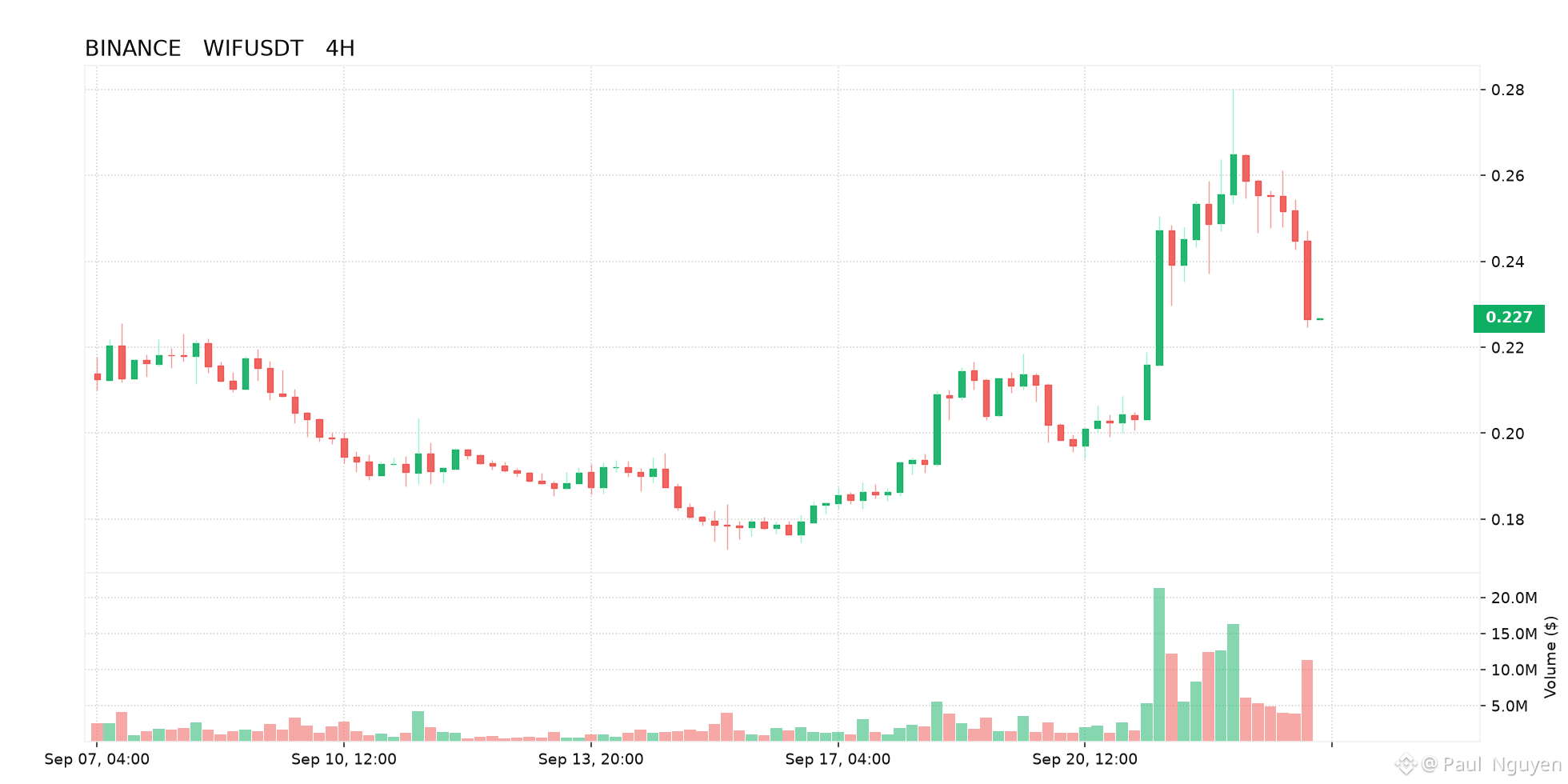
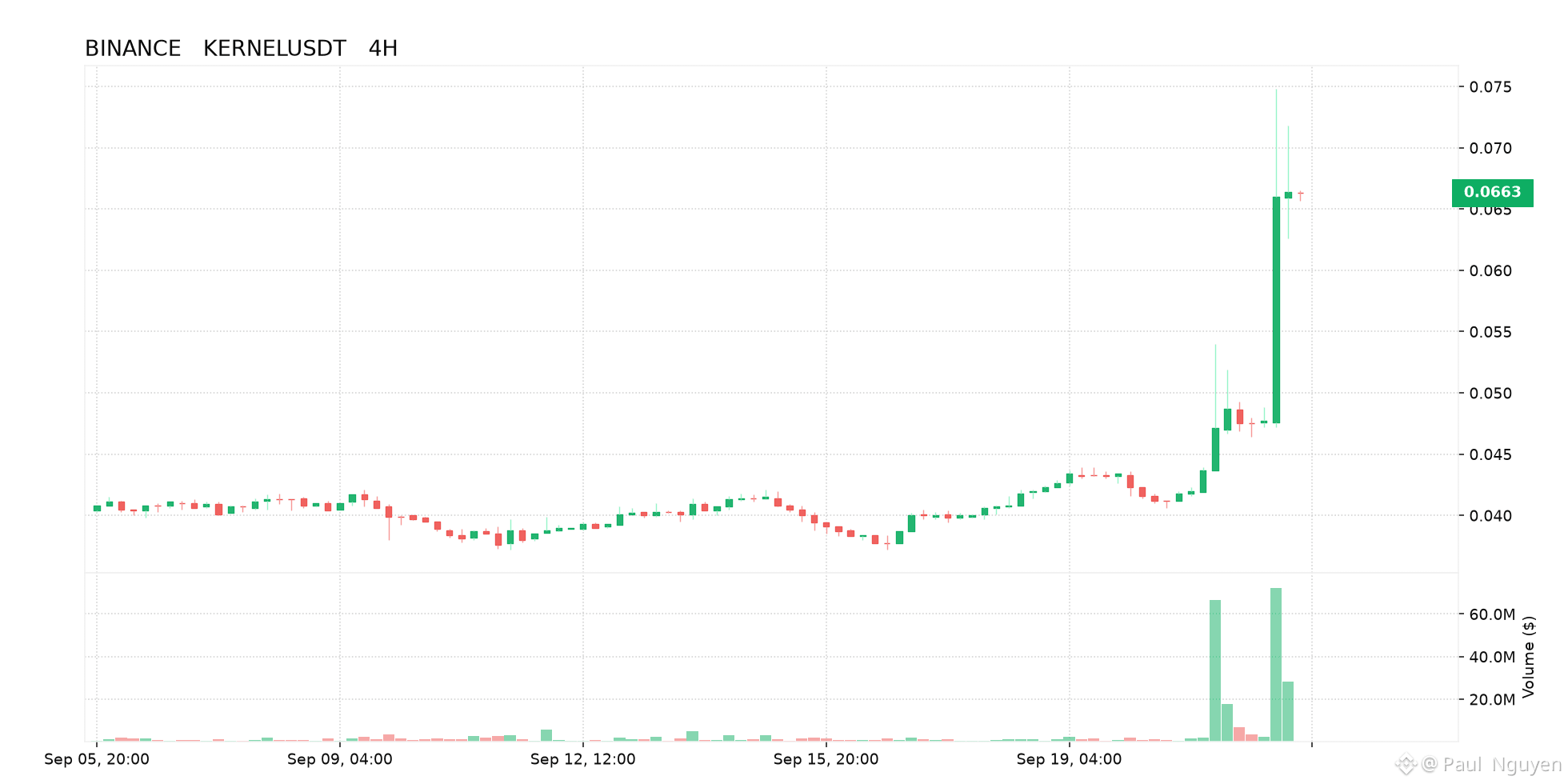
TUT is ripping as traders rotate into high-beta Binance memes: huge 24h volume spike, trending status, and renewed focus on its live AI learning app/platform are fueling momentum. $TUT #TUT Not a financial advice. Be responsible for your own financial decision.
TUT is ripping as traders rotate into high-beta Binance memes: huge 24h volume spike, trending status, and renewed focus on its live AI learning app/platform are fueling momentum.
$TUT #TUT
Not a financial advice. Be responsible for your own financial decision.
Not long after finishing a trade on Binance P2P, I received a message claiming my account needed urgent reverification and asking me to reply with my login password and a one time verification code to avoid suspension. The formatting looked professional. The request itself was the problem. Binance P2P protects traders through identity verification, an escrow lock on the crypto asset during a trade, an in-app chat for documented communication, and a dispute appeal process if a trade goes wrong, none of which ever requires sharing a password or a verification code with anyone. Real support can see order details, trade history, and account status through their own internal tools. They do not need your password to do their job, and they will never ask for a one time code sent to your phone or email, since that code exists to prevent unauthorized account access. The same caution applies to an actual trading counterparty, verifying who you are dealing with and keeping every part of a trade, chat and payment alike, entirely inside Binance P2P, since that is what keeps a dispute appeal possible if a real trade problem comes up later. Any message requesting a password or a verification code is not a gray area, it is a direct red flag regardless of how convincing the rest of the message looks. I did not reply. I did not click any link included in the message. Instead I opened the Binance app directly and navigated to the official support section through the normal menu, described what I had received, and confirmed there was no actual issue with my account. Since then, my rule is absolute. I never share a password or verification code with anyone for any reason connected to a trade or an account issue. I verify claims about my account only through the official app, never through a link provided in an unsolicited message. I report suspicious messages rather than simply deleting them. The only account access anyone legitimately needs is the access you already control. @Binance_Vietnam #BinanceP2PAnToan
Not long after finishing a trade on Binance P2P, I received a message claiming my account needed urgent reverification and asking me to reply with my login password and a one time verification code to avoid suspension. The formatting looked professional. The request itself was the problem.

Binance P2P protects traders through identity verification, an escrow lock on the crypto asset during a trade, an in-app chat for documented communication, and a dispute appeal process if a trade goes wrong, none of which ever requires sharing a password or a verification code with anyone. Real support can see order details, trade history, and account status through their own internal tools. They do not need your password to do their job, and they will never ask for a one time code sent to your phone or email, since that code exists to prevent unauthorized account access. The same caution applies to an actual trading counterparty, verifying who you are dealing with and keeping every part of a trade, chat and payment alike, entirely inside Binance P2P, since that is what keeps a dispute appeal possible if a real trade problem comes up later. Any message requesting a password or a verification code is not a gray area, it is a direct red flag regardless of how convincing the rest of the message looks.

I did not reply. I did not click any link included in the message. Instead I opened the Binance app directly and navigated to the official support section through the normal menu, described what I had received, and confirmed there was no actual issue with my account. Since then, my rule is absolute. I never share a password or verification code with anyone for any reason connected to a trade or an account issue. I verify claims about my account only through the official app, never through a link provided in an unsolicited message. I report suspicious messages rather than simply deleting them.

The only account access anyone legitimately needs is the access you already control.

@Binance Vietnam #BinanceP2PAnToan
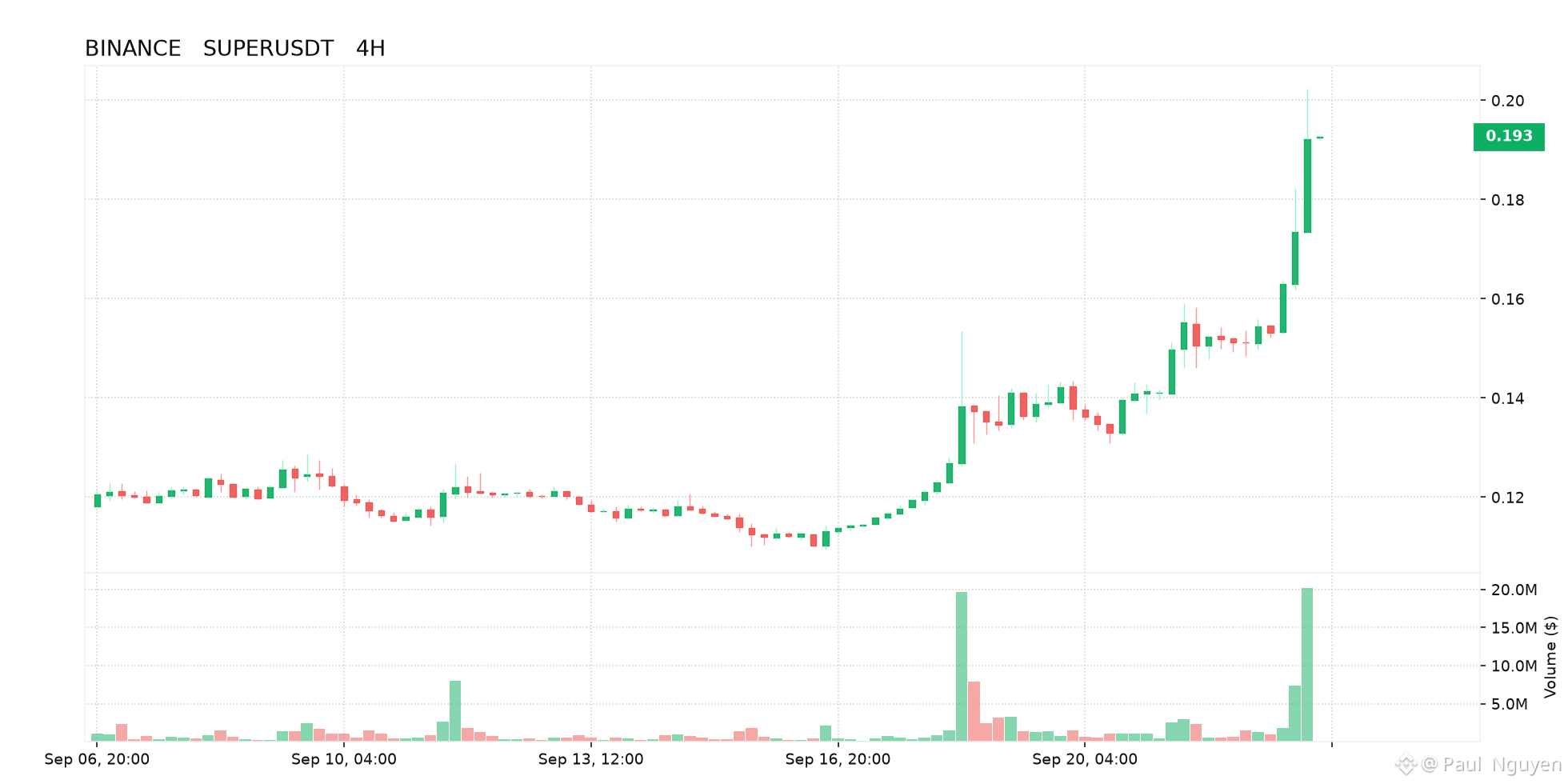
HFT is likely ripping on low-float momentum, not fresh fundamentals: no major Hashflow catalyst surfaced this week, and traders are likely reacting to today’s token-unlock flow/positioning squeeze. $HFT #HFT Not a financial advice. Be responsible for your own financial decision.
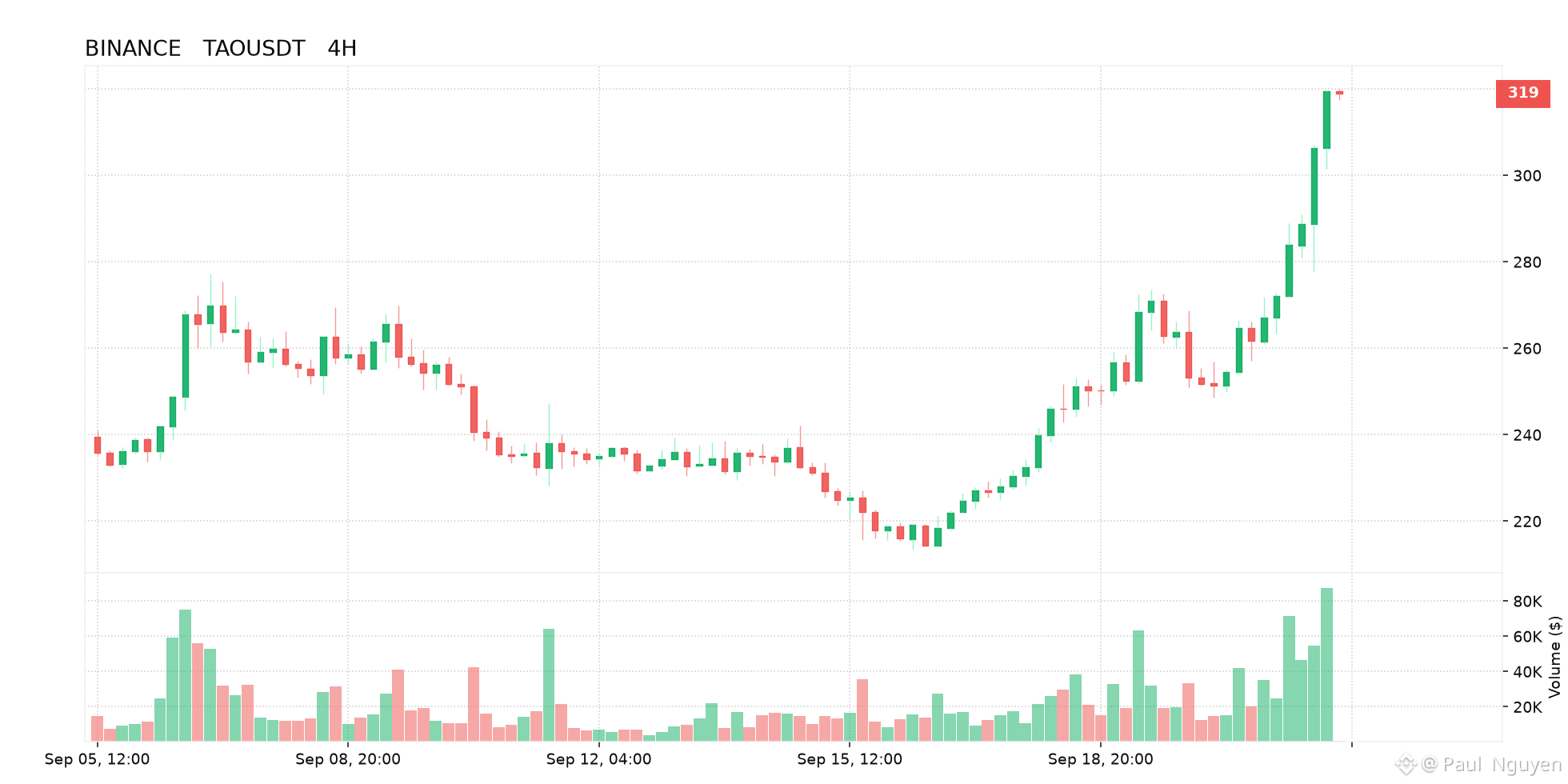
HFT is likely ripping on low-float momentum, not fresh fundamentals: no major Hashflow catalyst surfaced this week, and traders are likely reacting to today’s token-unlock flow/positioning squeeze.
$HFT #HFT
Not a financial advice. Be responsible for your own financial decision.
"My bank app is glitching, just release it and I will show you proof after." I have heard some version of that line more than once trading on Binance P2P, and it never once turned out to be true. Urgency is a tool, not an accident. Scammers on any platform lean on rushed language because a calm trader checks details and a panicked one skips them, and Binance P2P is no exception just because it has strong protections built in. The protections only work if you actually use them instead of getting talked past them. A short list of phrases that now make me slow down rather than speed up: claims of a technical error preventing proof from generating, insistence that "trust me" should replace an actual bank confirmation, sudden urgency about needing the crypto for an unrelated emergency, and requests to continue talking somewhere outside the official Binance P2P chat because it is "easier." None of these are proof of a scam by themselves, but stacked together or delivered under pressure, they follow a pattern I no longer ignore. My response stays the same regardless of how the pressure is framed. I check my own banking app, not a description of what it supposedly shows. I confirm the sender's name matches their verified Binance P2P profile. I keep the conversation inside the app so there is a record if anything needs escalating. If the pressure keeps building instead of easing once I ask a calm question, I stop the trade and let Binance P2P support handle it if needed, rather than negotiating with urgency that was manufactured in the first place. I also save a screenshot of the chat and the order number whenever a trade shows even one of these signs, whether it escalates or not, since Binance P2P support can act on a reported pattern faster than on a single complaint filed after money is already gone. Real payments do not need convincing, elaborate excuses, or pressure to skip a single verification step. Only fake ones do, and learning to notice that difference is worth more than any single piece of advice on its own. @Binance_Vietnam #BinanceP2PAnToan
"My bank app is glitching, just release it and I will show you proof after." I have heard some version of that line more than once trading on Binance P2P, and it never once turned out to be true.

Urgency is a tool, not an accident. Scammers on any platform lean on rushed language because a calm trader checks details and a panicked one skips them, and Binance P2P is no exception just because it has strong protections built in. The protections only work if you actually use them instead of getting talked past them.

A short list of phrases that now make me slow down rather than speed up: claims of a technical error preventing proof from generating, insistence that "trust me" should replace an actual bank confirmation, sudden urgency about needing the crypto for an unrelated emergency, and requests to continue talking somewhere outside the official Binance P2P chat because it is "easier." None of these are proof of a scam by themselves, but stacked together or delivered under pressure, they follow a pattern I no longer ignore.

My response stays the same regardless of how the pressure is framed. I check my own banking app, not a description of what it supposedly shows. I confirm the sender's name matches their verified Binance P2P profile. I keep the conversation inside the app so there is a record if anything needs escalating. If the pressure keeps building instead of easing once I ask a calm question, I stop the trade and let Binance P2P support handle it if needed, rather than negotiating with urgency that was manufactured in the first place.

I also save a screenshot of the chat and the order number whenever a trade shows even one of these signs, whether it escalates or not, since Binance P2P support can act on a reported pattern faster than on a single complaint filed after money is already gone.

Real payments do not need convincing, elaborate excuses, or pressure to skip a single verification step. Only fake ones do, and learning to notice that difference is worth more than any single piece of advice on its own.

@Binance Vietnam #BinanceP2PAnToan
I value a Binance P2P merchant badge, but I do not outsource my judgment to it. Merchant status and strong profile history can help me filter ads. They cannot prove that a particular payment is settled, that a new message is genuine, or that an account has never been compromised. When trading on Binance P2P, I review completed activity, completion patterns, feedback, account history when visible, ad terms, limits, and price. I ask whether the payment method fits my own verified account. A badge with confusing terms or an unexplained beneficiary change does not pass simply because the profile looks established. The live order creates the stronger safety structure. KYC identifies users, escrow reserves the seller's crypto, order chat preserves communication, and Appeal lets Binance Support examine a dispute. I keep all instructions inside that structure. I will not accept a third-party payer, send to a substitute recipient, follow an external link, or continue privately after cancellation, regardless of the counterparty's status. Payment verification is non-transferable. When selling, I open my bank or wallet, compare the sender with the buyer's verified name, match the exact amount, and confirm a final, usable credit before release. When buying, I pay only the details displayed in the active order from an account in my name. A badge cannot convert a screenshot into money or make a mismatched name acceptable. If status is used to pressure me, I record that in order chat. I keep the order number, terms, relevant profile details, and transaction evidence, then use Appeal or official Binance Support when uncertain. I remain factual because a high-volume counterparty can face an honest error, while an impressive profile can also be imitated in a message. I use badges to decide whom to inspect first, not whom to trust blindly. The order still has to pass 4 gates: suitable profile, matching identity, on-platform conduct, and verified payment. Reputation begins the assessment. It never replaces it. @Binance_Vietnam #BinanceP2PAnToan $MANTRA
I value a Binance P2P merchant badge, but I do not outsource my judgment to it. Merchant status and strong profile history can help me filter ads. They cannot prove that a particular payment is settled, that a new message is genuine, or that an account has never been compromised.

When trading on Binance P2P, I review completed activity, completion patterns, feedback, account history when visible, ad terms, limits, and price. I ask whether the payment method fits my own verified account. A badge with confusing terms or an unexplained beneficiary change does not pass simply because the profile looks established.

The live order creates the stronger safety structure. KYC identifies users, escrow reserves the seller's crypto, order chat preserves communication, and Appeal lets Binance Support examine a dispute. I keep all instructions inside that structure. I will not accept a third-party payer, send to a substitute recipient, follow an external link, or continue privately after cancellation, regardless of the counterparty's status.

Payment verification is non-transferable. When selling, I open my bank or wallet, compare the sender with the buyer's verified name, match the exact amount, and confirm a final, usable credit before release. When buying, I pay only the details displayed in the active order from an account in my name. A badge cannot convert a screenshot into money or make a mismatched name acceptable.

If status is used to pressure me, I record that in order chat. I keep the order number, terms, relevant profile details, and transaction evidence, then use Appeal or official Binance Support when uncertain. I remain factual because a high-volume counterparty can face an honest error, while an impressive profile can also be imitated in a message.

I use badges to decide whom to inspect first, not whom to trust blindly. The order still has to pass 4 gates: suitable profile, matching identity, on-platform conduct, and verified payment. Reputation begins the assessment. It never replaces it.

@Binance Vietnam #BinanceP2PAnToan $MANTRA
Most projects only show up in a partner's governance forum when they want something, a new market, a listing, a bigger allocation. Babylon showed up recently to give something instead, and I think that detail says more about the Aave relationship than the technical integration does on its own. Following an exploit elsewhere in DeFi that destabilized markets and spilled over into Aave, a coordinated industry effort called DeFi United formed to help compensate affected users and restore confidence, eventually gathering over 300 million dollars in pledges from major participants across the space. The Babylon Foundation committed 3 million dollars in USDT to that effort, splitting it 2 million toward Aave V3 and 1 million toward Aave V4, the same version hosting Babylon's own native Bitcoin-backed borrowing integration. I don't think that timing is a coincidence, and I don't think it needs to be read cynically either. Babylon has real, growing skin in the game on Aave's stability specifically, the Babylon Core Lending Spoke and BTC Vault Swap Spoke both depend on Aave v4's liquidity and reputation staying intact for native Bitcoin-backed borrowing to actually work at scale. A protocol whose entire lending use case depends on a partner platform's health has a direct incentive to protect that health, beyond simple goodwill. Capital commitments like this are easy to make once and never repeat, so I'd treat it as one data point rather than a permanent character reference. But for a project asking Bitcoin holders to trust it with a fundamentally new collateral mechanism, contributing real capital to keep its own lending venue solvent during a crisis is a more concrete signal than another integration announcement would have been. @babylonlabs_io $BABY #baby $HEI
Most projects only show up in a partner's governance forum when they want something, a new market, a listing, a bigger allocation. Babylon showed up recently to give something instead, and I think that detail says more about the Aave relationship than the technical integration does on its own.

Following an exploit elsewhere in DeFi that destabilized markets and spilled over into Aave, a coordinated industry effort called DeFi United formed to help compensate affected users and restore confidence, eventually gathering over 300 million dollars in pledges from major participants across the space. The Babylon Foundation committed 3 million dollars in USDT to that effort, splitting it 2 million toward Aave V3 and 1 million toward Aave V4, the same version hosting Babylon's own native Bitcoin-backed borrowing integration.

I don't think that timing is a coincidence, and I don't think it needs to be read cynically either. Babylon has real, growing skin in the game on Aave's stability specifically, the Babylon Core Lending Spoke and BTC Vault Swap Spoke both depend on Aave v4's liquidity and reputation staying intact for native Bitcoin-backed borrowing to actually work at scale. A protocol whose entire lending use case depends on a partner platform's health has a direct incentive to protect that health, beyond simple goodwill.

Capital commitments like this are easy to make once and never repeat, so I'd treat it as one data point rather than a permanent character reference. But for a project asking Bitcoin holders to trust it with a fundamentally new collateral mechanism, contributing real capital to keep its own lending venue solvent during a crisis is a more concrete signal than another integration announcement would have been.

@BabylonLabs_io $BABY #baby $HEI
Every testnet eventually asks the same question of the protocol behind it: what has to be true before this touches mainnet with real capital. Babylon's Trustless Bitcoin Vaults, with native Bitcoin-backed borrowing via Aave v4 now live on public testnet and several major brands already participating, is at exactly that stage, and I think it's worth laying out what I'd want resolved before mainnet rather than just celebrating the launch. First, security audits specific to the vault mechanism that handles native BTC without wrapping or bridging, published publicly rather than referenced vaguely. Second, clarity on how liquidation and oracle mechanics perform under real volatility, something testnet conditions rarely simulate honestly. Third, some indication of whether the major brands currently testing intend to commit real volume once mainnet arrives, or whether testnet participation was closer to due diligence than commitment. None of that is a criticism of what's been built so far. Native Bitcoin-backed borrowing that's self-custodial, trustless, and capital efficient against DeFi borrow rates is a genuinely hard problem, and getting a working testnet live with credible participants is real progress. I just don't think "live on testnet" and "ready for your Bitcoin" are the same claim, and Babylon's own next moves, not this announcement, will be what actually answers whether they are. @babylonlabs_io $BABY #baby $AXTIB
Every testnet eventually asks the same question of the protocol behind it: what has to be true before this touches mainnet with real capital. Babylon's Trustless Bitcoin Vaults, with native Bitcoin-backed borrowing via Aave v4 now live on public testnet and several major brands already participating, is at exactly that stage, and I think it's worth laying out what I'd want resolved before mainnet rather than just celebrating the launch.

First, security audits specific to the vault mechanism that handles native BTC without wrapping or bridging, published publicly rather than referenced vaguely. Second, clarity on how liquidation and oracle mechanics perform under real volatility, something testnet conditions rarely simulate honestly. Third, some indication of whether the major brands currently testing intend to commit real volume once mainnet arrives, or whether testnet participation was closer to due diligence than commitment.

None of that is a criticism of what's been built so far. Native Bitcoin-backed borrowing that's self-custodial, trustless, and capital efficient against DeFi borrow rates is a genuinely hard problem, and getting a working testnet live with credible participants is real progress. I just don't think "live on testnet" and "ready for your Bitcoin" are the same claim, and Babylon's own next moves, not this announcement, will be what actually answers whether they are.

@BabylonLabs_io $BABY #baby $AXTIB
A 1,000x improvement is the kind of number that spreads fast, and it has been spreading around Babylon's BABE protocol since David Tse announced it in January 2026, cited in write ups as shorthand for how much better Babylon's approach to Bitcoin has become. The actual claim is narrower than the way it gets repeated. BABE, short for BAbylon-BErkeley, is a Groth16 proof verification protocol, and the 1,000x figure specifically describes the reduction in setup and storage cost for verifying zero knowledge proofs on Bitcoin, roughly three orders of magnitude compared to prior state of the art approaches. It says nothing on its own about transaction speed for an end user, borrowing costs on Trustless Bitcoin Vaults, or how safe funds are once they're locked in a vault. That gap between the technical claim and its popular retelling matters because BABE reached Babylon's alpha testnet in February 2026 and fed directly into the TBV design that hit Aave v4 public testnet by June 2. A cost reduction in proof verification is a real engineering win, it makes certain constructions cheaper to run on Bitcoin at all, but cheaper and safer are different properties, and only one of them is what BABE's number actually measures. Babylon's 1,000x claim is accurate and narrow at the same time, a genuine efficiency gain in proof verification cost that says nothing directly about user safety. The number is doing real work under the hood, just not the work most people assume when they read it as a headline. @babylonlabs_io $BABY #baby
A 1,000x improvement is the kind of number that spreads fast, and it has been spreading around Babylon's BABE protocol since David Tse announced it in January 2026, cited in write ups as shorthand for how much better Babylon's approach to Bitcoin has become.

The actual claim is narrower than the way it gets repeated. BABE, short for BAbylon-BErkeley, is a Groth16 proof verification protocol, and the 1,000x figure specifically describes the reduction in setup and storage cost for verifying zero knowledge proofs on Bitcoin, roughly three orders of magnitude compared to prior state of the art approaches. It says nothing on its own about transaction speed for an end user, borrowing costs on Trustless Bitcoin Vaults, or how safe funds are once they're locked in a vault.

That gap between the technical claim and its popular retelling matters because BABE reached Babylon's alpha testnet in February 2026 and fed directly into the TBV design that hit Aave v4 public testnet by June 2. A cost reduction in proof verification is a real engineering win, it makes certain constructions cheaper to run on Bitcoin at all, but cheaper and safer are different properties, and only one of them is what BABE's number actually measures.

Babylon's 1,000x claim is accurate and narrow at the same time, a genuine efficiency gain in proof verification cost that says nothing directly about user safety. The number is doing real work under the hood, just not the work most people assume when they read it as a headline.

@BabylonLabs_io $BABY #baby
I want to end on the question that actually matters more than any single feature of Trustless Bitcoin Vaults: does native, unwrapped Bitcoin collateral eventually become the default way BTC enters DeFi, or does it stay a security-conscious niche next to wrapped assets that already have years of liquidity and integration behind them. The case for default status is real. Babylon removes custodial and bridge risk that has caused real losses across this industry before, brings native BTC directly into Aave v4 through Trustless Bitcoin Vaults, and is doing it with backing from serious infrastructure players and a growing list of integrations spanning hardware wallets to mining operations. If Bitcoin's idle capital, most of which still sits outside DeFi entirely, starts moving through mechanisms like this instead of wrapped tokens, that is a structural shift in where BTC liquidity actually lives on-chain. The case for niche status is just as real, though. Wrapped BTC has years of production history, deep existing liquidity, and integration across nearly every DeFi protocol that matters, while TBV is still on public testnet, still mid-audit, still unproven against real liquidations with real Bitcoin and real adversarial pressure. Incumbents with a head start do not lose that advantage just because a newer design is more elegant. My honest read: this is currently one serious, well-backed attempt among several at solving native Bitcoin collateral, not yet the inevitable winner. Whether it becomes the default depends entirely on what happens after testnet, not on anything proven so far. @babylonlabs_io $AXTIB $BABY #baby
I want to end on the question that actually matters more than any single feature of Trustless Bitcoin Vaults: does native, unwrapped Bitcoin collateral eventually become the default way BTC enters DeFi, or does it stay a security-conscious niche next to wrapped assets that already have years of liquidity and integration behind them.

The case for default status is real. Babylon removes custodial and bridge risk that has caused real losses across this industry before, brings native BTC directly into Aave v4 through Trustless Bitcoin Vaults, and is doing it with backing from serious infrastructure players and a growing list of integrations spanning hardware wallets to mining operations. If Bitcoin's idle capital, most of which still sits outside DeFi entirely, starts moving through mechanisms like this instead of wrapped tokens, that is a structural shift in where BTC liquidity actually lives on-chain.

The case for niche status is just as real, though. Wrapped BTC has years of production history, deep existing liquidity, and integration across nearly every DeFi protocol that matters, while TBV is still on public testnet, still mid-audit, still unproven against real liquidations with real Bitcoin and real adversarial pressure. Incumbents with a head start do not lose that advantage just because a newer design is more elegant.

My honest read: this is currently one serious, well-backed attempt among several at solving native Bitcoin collateral, not yet the inevitable winner. Whether it becomes the default depends entirely on what happens after testnet, not on anything proven so far.

@BabylonLabs_io $AXTIB $BABY #baby
I locked test Bitcoin into a Trustless Bitcoin Vault this week and then just sat there, refreshing the block explorer like something dramatic was about to happen. Nothing dramatic did, which is honestly the point. Babylon's native Bitcoin-backed borrowing, live on public testnet with Aave v4, worked exactly the way the documentation described it would. The part that actually struck me wasn't the cryptography, it was the waiting. Locking BTC into the vault and having that collateral state become verifiable on Ethereum takes real time, Bitcoin's own confirmation pace plus Babylon's proof generation, not the instant finality I'm used to from purely Ethereum-native DeFi actions. Borrowing supported assets like USDC against that collateral through Aave v4 felt fast once the vault state was actually confirmed. Getting to that confirmed state was the slower part nobody's whitepaper summary really prepares you for. None of this is a criticism of the security model. A trustless system that depends on Bitcoin's own settlement pace and a genuine proof-based verification process should feel different from a purely synthetic, instantly-finalized wrapped token, because it's doing meaningfully more cryptographic work to earn that "native" label. But felt experience and technical correctness are two separate things worth judging separately, and I think Babylon's community should be testing both right now, not just confirming the happy path works. What I'd want other testnet participants to actually report back on is edge cases, failed transactions, timing under network congestion, anything that breaks the smooth flow I happened to get. That's the entire point of a public testnet, and it's more valuable than another thread telling everyone it worked perfectly. @babylonlabs_io $BABY #baby $MMT
I locked test Bitcoin into a Trustless Bitcoin Vault this week and then just sat there, refreshing the block explorer like something dramatic was about to happen. Nothing dramatic did, which is honestly the point. Babylon's native Bitcoin-backed borrowing, live on public testnet with Aave v4, worked exactly the way the documentation described it would.

The part that actually struck me wasn't the cryptography, it was the waiting. Locking BTC into the vault and having that collateral state become verifiable on Ethereum takes real time, Bitcoin's own confirmation pace plus Babylon's proof generation, not the instant finality I'm used to from purely Ethereum-native DeFi actions. Borrowing supported assets like USDC against that collateral through Aave v4 felt fast once the vault state was actually confirmed. Getting to that confirmed state was the slower part nobody's whitepaper summary really prepares you for.

None of this is a criticism of the security model. A trustless system that depends on Bitcoin's own settlement pace and a genuine proof-based verification process should feel different from a purely synthetic, instantly-finalized wrapped token, because it's doing meaningfully more cryptographic work to earn that "native" label. But felt experience and technical correctness are two separate things worth judging separately, and I think Babylon's community should be testing both right now, not just confirming the happy path works.

What I'd want other testnet participants to actually report back on is edge cases, failed transactions, timing under network congestion, anything that breaks the smooth flow I happened to get. That's the entire point of a public testnet, and it's more valuable than another thread telling everyone it worked perfectly.

@BabylonLabs_io $BABY #baby $MMT
Seeing five named audit firms attached to a new DeFi integration, spanning smart contract review, cryptographic review, and zero knowledge specialists, is usually a strong trust signal on its own. Serious review pipelines cost real money and reputational risk for the firms involved, and most retail-facing scams skip this step entirely. Reading the coverage more carefully, "audits underway" and "audits complete and published" turn out to be different claims. As of the Temp Check stage, Babylon's own submission explicitly pushes full detail on oracle design and trust assumptions to a later Aave Request for Comment. The governance path runs Temp Check first, then ARFC, then a final onchain AIP vote, and the deepest risk specifics aren't public at this earliest stage, the one getting most of the current attention and testnet activity. For someone deciding how much confidence to place in "trustless" today, that timing matters. Five audit firms being engaged is a genuine signal of seriousness. It isn't the same as five completed reports being published with findings the community can actually read and judge for itself before forming an opinion. Babylon is not yet a fully verified trust model, it is a project with credibility signals in progress. It has earned real ones through the audit firms it's engaged, but it doesn't yet have the specific oracle and trust-assumption details those audits will cover published for the community to judge for itself. @babylonlabs_io $BABY #baby $ACH
Seeing five named audit firms attached to a new DeFi integration, spanning smart contract review, cryptographic review, and zero knowledge specialists, is usually a strong trust signal on its own. Serious review pipelines cost real money and reputational risk for the firms involved, and most retail-facing scams skip this step entirely.

Reading the coverage more carefully, "audits underway" and "audits complete and published" turn out to be different claims. As of the Temp Check stage, Babylon's own submission explicitly pushes full detail on oracle design and trust assumptions to a later Aave Request for Comment. The governance path runs Temp Check first, then ARFC, then a final onchain AIP vote, and the deepest risk specifics aren't public at this earliest stage, the one getting most of the current attention and testnet activity.

For someone deciding how much confidence to place in "trustless" today, that timing matters. Five audit firms being engaged is a genuine signal of seriousness. It isn't the same as five completed reports being published with findings the community can actually read and judge for itself before forming an opinion.

Babylon is not yet a fully verified trust model, it is a project with credibility signals in progress. It has earned real ones through the audit firms it's engaged, but it doesn't yet have the specific oracle and trust-assumption details those audits will cover published for the community to judge for itself.

@BabylonLabs_io $BABY #baby $ACH
The word "vault" carries a specific mental image before anyone reads a single technical detail. Vaults are where things go to sit still, protected, locked away, inactive by definition, the opposite of an asset out working for you. A reasonable person hearing "Trustless Bitcoin Vault" for the first time could be forgiven for picturing their BTC going quiet the moment it goes in. The mechanics run in the opposite direction. Bitcoin locked in a Babylon vault while also staked through the underlying protocol can simultaneously secure a proof of stake chain by delegating voting power to a finality provider, serve as verifiable collateral on Ethereum through the Aave integration to borrow stablecoins, and back a position on a perpetual exchange, all from the same locked coins at the same time, without unwinding one use to enable another. Babylon's own materials describe the vaults supporting stablecoin minting and liquid staking on top of that. The stereotype the word invites is almost the exact inverse of what the product does. A bank vault holds one asset for one purpose until someone withdraws it; a Babylon vault holds one asset while its provable state gets referenced by multiple other systems that never take custody of it or compete with each other for it. Calling it a vault at all borrows a word built around inactivity to describe a mechanism whose entire value proposition is making one locked asset simultaneously productive across several unrelated systems. Babylon's vaults don't lock Bitcoin into inactivity the way the word suggests, they let one locked deposit secure a chain, collateralize a loan, and back a derivatives position all at once. The name undersells the product, a vault that makes an asset do multiple jobs simultaneously is closer to a multiplier than a container. @babylonlabs_io $BABY #baby $DIA
The word "vault" carries a specific mental image before anyone reads a single technical detail. Vaults are where things go to sit still, protected, locked away, inactive by definition, the opposite of an asset out working for you. A reasonable person hearing "Trustless Bitcoin Vault" for the first time could be forgiven for picturing their BTC going quiet the moment it goes in.

The mechanics run in the opposite direction. Bitcoin locked in a Babylon vault while also staked through the underlying protocol can simultaneously secure a proof of stake chain by delegating voting power to a finality provider, serve as verifiable collateral on Ethereum through the Aave integration to borrow stablecoins, and back a position on a perpetual exchange, all from the same locked coins at the same time, without unwinding one use to enable another. Babylon's own materials describe the vaults supporting stablecoin minting and liquid staking on top of that.

The stereotype the word invites is almost the exact inverse of what the product does. A bank vault holds one asset for one purpose until someone withdraws it; a Babylon vault holds one asset while its provable state gets referenced by multiple other systems that never take custody of it or compete with each other for it. Calling it a vault at all borrows a word built around inactivity to describe a mechanism whose entire value proposition is making one locked asset simultaneously productive across several unrelated systems.

Babylon's vaults don't lock Bitcoin into inactivity the way the word suggests, they let one locked deposit secure a chain, collateralize a loan, and back a derivatives position all at once. The name undersells the product, a vault that makes an asset do multiple jobs simultaneously is closer to a multiplier than a container.

@BabylonLabs_io $BABY #baby $DIA
Article
Does Newton Actually Eliminate Counterparty RiskA friend who trades commodities professionally once explained to me why he never fully believes anyone who claims a system has zero counterparty risk. In his experience, that phrase almost always means the risk got moved somewhere less visible, not actually removed, a clearinghouse instead of a single trading partner, a custodian instead of a broker, the exposure just relocates to whichever party is now standing behind the guarantee. He said the honest version of that claim is always "reduced and redistributed," never truly "eliminated," because someone, somewhere, is still on the hook if something breaks. That instinct is exactly the right lens for a fuzzy claim that circulates around verifiable automation protocols generally, and Newton specifically, the idea that cryptographic verification through TEEs and zero-knowledge proofs effectively eliminates counterparty risk because you're no longer trusting a person or operator, you're trusting math. It's a compelling pitch, and it captures something real. Whether it holds up as a literal, complete claim rather than a directionally true simplification is worth actually working through rather than accepting or dismissing outright. The case for real risk reduction is genuine and specific. First, TEE execution removes the need to trust that an operator is honestly reporting what their off-chain process actually did, since the computation itself runs sealed inside an attested enclave the operator can't tamper with unnoticed. Second, zero-knowledge proofs let any outside party independently verify an agent's action matched its permitted rules, without needing to trust the operator's self-reported summary of what happened. Third, ERC-4337 smart account scoping means a user never hands over their actual signing key to an agent or operator, removing the specific counterparty risk of a bad actor gaining full wallet control, a very real and common failure mode in less carefully designed automation setups. Fourth, staked collateral with slashing means an operator who does misbehave faces direct financial consequence, redistributed to affected users, which is a meaningfully different risk position than trusting an operator with nothing on the line beyond reputation. But my commodities trader friend's instinct applies directly here too, because the risk doesn't vanish, it relocates to a handful of specific new dependencies that are easy to overlook precisely because they're less visible than the AI trusting an operator. First, TEE security itself depends on hardware manufacturers and firmware integrity, a form of counterparty risk that's simply moved from the automation operator to the chip vendor and enclave provider, and TEEs have had documented side-channel vulnerabilities across the industry over the years, meaning this isn't a purely theoretical relocation. Second, zero-knowledge verification depends on the correctness of the underlying zk-VM frameworks like Succinct and Risc Zero, a dependency on external, still-maturing tooling rather than a fully self-contained guarantee Newton controls end to end. Third, validators securing the Keystore rollup are being onboarded progressively rather than fully decentralized from launch, meaning near-term trust is still concentrated among a smaller set of parties than the eventual vision describes, a real counterparty concentration during this transitional phase. Fourth, slashing only compensates users up to the amount of collateral actually staked by the offending party, meaning a sufficiently large violation from an undercollateralized operator could still leave a gap between what was lost and what gets recovered, the risk reduced but not zeroed out in every possible scenario. Neither the enthusiastic "counterparty risk eliminated" framing nor a dismissive "it's all still trust in different clothes" framing fully captures what's actually going on. The honest, fuzzy middle is that Newton's architecture genuinely relocates and shrinks several specific, serious risks, particularly the risk of an operator lying about what happened, while introducing or retaining other, less visible dependencies, hardware integrity, zk tooling maturity, validator set concentration during rollout, that a user should understand rather than assume away because the word cryptographic sounds definitive. Newton doesn't eliminate counterparty risk so much as it changes which counterparties you're actually exposed to and gives you cryptographic proof when they fail. That's real, meaningful progress over trusting an operator's word alone, but "relocated and reduced" is a more accurate description than the cleaner marketing claim, and understanding the difference is exactly the kind of due diligence that separates informed conviction from a slogan repeated without ever examining what it actually means. @NewtonProtocol $NEWT #Newt $SKHYB

Does Newton Actually Eliminate Counterparty Risk

A friend who trades commodities professionally once explained to me why he never fully believes anyone who claims a system has zero counterparty risk. In his experience, that phrase almost always means the risk got moved somewhere less visible, not actually removed, a clearinghouse instead of a single trading partner, a custodian instead of a broker, the exposure just relocates to whichever party is now standing behind the guarantee. He said the honest version of that claim is always "reduced and redistributed," never truly "eliminated," because someone, somewhere, is still on the hook if something breaks.
That instinct is exactly the right lens for a fuzzy claim that circulates around verifiable automation protocols generally, and Newton specifically, the idea that cryptographic verification through TEEs and zero-knowledge proofs effectively eliminates counterparty risk because you're no longer trusting a person or operator, you're trusting math. It's a compelling pitch, and it captures something real. Whether it holds up as a literal, complete claim rather than a directionally true simplification is worth actually working through rather than accepting or dismissing outright.
The case for real risk reduction is genuine and specific. First, TEE execution removes the need to trust that an operator is honestly reporting what their off-chain process actually did, since the computation itself runs sealed inside an attested enclave the operator can't tamper with unnoticed. Second, zero-knowledge proofs let any outside party independently verify an agent's action matched its permitted rules, without needing to trust the operator's self-reported summary of what happened. Third, ERC-4337 smart account scoping means a user never hands over their actual signing key to an agent or operator, removing the specific counterparty risk of a bad actor gaining full wallet control, a very real and common failure mode in less carefully designed automation setups. Fourth, staked collateral with slashing means an operator who does misbehave faces direct financial consequence, redistributed to affected users, which is a meaningfully different risk position than trusting an operator with nothing on the line beyond reputation.
But my commodities trader friend's instinct applies directly here too, because the risk doesn't vanish, it relocates to a handful of specific new dependencies that are easy to overlook precisely because they're less visible than the AI trusting an operator. First, TEE security itself depends on hardware manufacturers and firmware integrity, a form of counterparty risk that's simply moved from the automation operator to the chip vendor and enclave provider, and TEEs have had documented side-channel vulnerabilities across the industry over the years, meaning this isn't a purely theoretical relocation. Second, zero-knowledge verification depends on the correctness of the underlying zk-VM frameworks like Succinct and Risc Zero, a dependency on external, still-maturing tooling rather than a fully self-contained guarantee Newton controls end to end. Third, validators securing the Keystore rollup are being onboarded progressively rather than fully decentralized from launch, meaning near-term trust is still concentrated among a smaller set of parties than the eventual vision describes, a real counterparty concentration during this transitional phase. Fourth, slashing only compensates users up to the amount of collateral actually staked by the offending party, meaning a sufficiently large violation from an undercollateralized operator could still leave a gap between what was lost and what gets recovered, the risk reduced but not zeroed out in every possible scenario.
Neither the enthusiastic "counterparty risk eliminated" framing nor a dismissive "it's all still trust in different clothes" framing fully captures what's actually going on. The honest, fuzzy middle is that Newton's architecture genuinely relocates and shrinks several specific, serious risks, particularly the risk of an operator lying about what happened, while introducing or retaining other, less visible dependencies, hardware integrity, zk tooling maturity, validator set concentration during rollout, that a user should understand rather than assume away because the word cryptographic sounds definitive.
Newton doesn't eliminate counterparty risk so much as it changes which counterparties you're actually exposed to and gives you cryptographic proof when they fail. That's real, meaningful progress over trusting an operator's word alone, but "relocated and reduced" is a more accurate description than the cleaner marketing claim, and understanding the difference is exactly the kind of due diligence that separates informed conviction from a slogan repeated without ever examining what it actually means.
@NewtonProtocol $NEWT #Newt $SKHYB
My gym has a chalkboard tracking total reps lifted by all members, a tally that only ever goes up. I used to think it was meaningless, of course it climbs, more people means a bigger total. Then I timed how fast each thousand got added, and the pace told a different story. Crypto projects get accused of the same trick constantly, stack up a huge cumulative volume figure, wave it around, and let the size of the number distract from whether growth is actually accelerating or just accumulating on autopilot. GRVT's cumulative trading volume passed $393 billion double-sided as of early 2026, the kind of headline figure that invites exactly that skepticism. But the pace behind that total tells a more specific story. Each successive $50 billion increase in cumulative volume arrived faster than the one before it, the first taking 51 days, the next 43 days, and the most recent just 30 days. That's not a static tally climbing at a fixed rate, that's the rate of volume generation itself speeding up. Monthly active traders back that up from a different angle, crossing 10,000 for the first time in January 2026, a 76% jump since Season 2 started, and the platform added more new wallets in the first five months of that season than in the entire previous year combined. A big cumulative number alone would be reasonable to dismiss as a vanity metric. A cumulative number whose growth rate is measurably compounding, corroborated by accelerating active-trader counts, is a different and more specific claim. GRVT's giant cumulative volume figure isn't just a vanity total padded by time, each new $50 billion milestone is arriving measurably faster and matches a real jump in active traders, the actual evidence a skeptic should check for. @grvt_io #grvt $LAB
My gym has a chalkboard tracking total reps lifted by all members, a tally that only ever goes up. I used to think it was meaningless, of course it climbs, more people means a bigger total. Then I timed how fast each thousand got added, and the pace told a different story.

Crypto projects get accused of the same trick constantly, stack up a huge cumulative volume figure, wave it around, and let the size of the number distract from whether growth is actually accelerating or just accumulating on autopilot. GRVT's cumulative trading volume passed $393 billion double-sided as of early 2026, the kind of headline figure that invites exactly that skepticism. But the pace behind that total tells a more specific story. Each successive $50 billion increase in cumulative volume arrived faster than the one before it, the first taking 51 days, the next 43 days, and the most recent just 30 days. That's not a static tally climbing at a fixed rate, that's the rate of volume generation itself speeding up. Monthly active traders back that up from a different angle, crossing 10,000 for the first time in January 2026, a 76% jump since Season 2 started, and the platform added more new wallets in the first five months of that season than in the entire previous year combined. A big cumulative number alone would be reasonable to dismiss as a vanity metric. A cumulative number whose growth rate is measurably compounding, corroborated by accelerating active-trader counts, is a different and more specific claim.

GRVT's giant cumulative volume figure isn't just a vanity total padded by time, each new $50 billion milestone is arriving measurably faster and matches a real jump in active traders, the actual evidence a skeptic should check for.
@grvt_io #grvt $LAB
I used to work a restaurant host stand where we'd hold extra tables during a rush instead of seating everyone first come first served, because instant seating just meant the kitchen collapsed twenty minutes later. Sometimes fairness means pacing, not maximizing throughput. Newton's fee model borrows that same logic from Ethereum's EIP-1559 design. Every time a user issues, updates, or revokes a zkPermission or session key, that action costs NEWT, and the fee mechanism is built to ensure fair transaction ordering while preventing congestion during busy periods, rather than letting whoever pays the most simply cut the line indefinitely. As agent activity scales, especially with many autonomous strategies potentially firing permission changes around similar market conditions at once, an unmanaged fee market could turn into exactly the kind of gas war that made Ethereum painful during high-demand moments. The decision to build this in from the start, rather than bolting on congestion pricing after the network gets popular, says something about what Newton is preparing for. A protocol whose core activity is machines executing financial actions on triggers is going to see correlated demand spikes that human-driven activity rarely produces, everyone's volatility-triggered agent can fire in the same five-minute window. Borrowing a proven fee structure instead of inventing a new one is the less flashy choice, but it means Newton isn't experimenting with novel fee mechanics and agent security risk at the same time. Newton isn't trying to reinvent fee markets, it took a model already stress-tested by years of Ethereum congestion and applied it to a workload, correlated automated triggers, that could stress a naive system faster than human trading ever would. @NewtonProtocol $NEWT #Newt $ZBT
I used to work a restaurant host stand where we'd hold extra tables during a rush instead of seating everyone first come first served, because instant seating just meant the kitchen collapsed twenty minutes later. Sometimes fairness means pacing, not maximizing throughput.

Newton's fee model borrows that same logic from Ethereum's EIP-1559 design. Every time a user issues, updates, or revokes a zkPermission or session key, that action costs NEWT, and the fee mechanism is built to ensure fair transaction ordering while preventing congestion during busy periods, rather than letting whoever pays the most simply cut the line indefinitely. As agent activity scales, especially with many autonomous strategies potentially firing permission changes around similar market conditions at once, an unmanaged fee market could turn into exactly the kind of gas war that made Ethereum painful during high-demand moments.

The decision to build this in from the start, rather than bolting on congestion pricing after the network gets popular, says something about what Newton is preparing for. A protocol whose core activity is machines executing financial actions on triggers is going to see correlated demand spikes that human-driven activity rarely produces, everyone's volatility-triggered agent can fire in the same five-minute window. Borrowing a proven fee structure instead of inventing a new one is the less flashy choice, but it means Newton isn't experimenting with novel fee mechanics and agent security risk at the same time.
Newton isn't trying to reinvent fee markets, it took a model already stress-tested by years of Ethereum congestion and applied it to a workload, correlated automated triggers, that could stress a naive system faster than human trading ever would.

@NewtonProtocol $NEWT #Newt $ZBT
Log in to explore more content
Join global crypto users on Binance Square
⚡️ Get latest and useful information about crypto.
💬 Trusted by the world’s largest crypto exchange.
👍 Discover real insights from verified creators.
Email / Phone number
Sitemap
Cookie Preferences
Platform T&Cs