

The Crypto Jack
6.8k Posts

The Crypto Jack
 Square Verified+
Report
Block User
Trading bits since 2019. ( X: @cryptojack4u )

4 Holder
High-Frequency Trader
4.9 Years
46 Following
48.5K+ Followers
17.4K+ Liked
Posts
All
Quotes
Videos
Live
PINNED
·
--
Bullish
See translation
Zcash (ZEC) is a privacy-focused cryptocurrency, and like Bitcoin, it undergoes a "halving" event approximately every four years. During a halving, the block reward given to miners is reduced by 50%, which decreases the rate at which new ZEC coins are generated.
### Key Points about Zcash Halving:
1. **Purpose**: The halving process is designed to reduce inflation over time and control the total supply of Zcash. The total supply is capped at 21 million ZEC, similar to Bitcoin.
2. **Next Halving**: Zcash’s last halving occurred in November 2020, which reduced the block reward from 6.25 ZEC to 3.125 ZEC. The next halving is in 49 days, further reducing the reward to 1.5625 ZEC.
3. **Impact**: The reduction in supply typically generates interest in the market, as fewer new coins are introduced, potentially affecting ZEC's price. Past halvings for cryptocurrencies have often led to increased market activity and speculation about price appreciation.
4. **Mining**: Zcash uses a proof-of-work consensus mechanism, and the halving impacts miners directly by reducing their earnings per block mined. This could lead to reduced miner participation if prices do not rise proportionally to offset the reduced rewards.
5. **Privacy Focus**: A unique aspect of Zcash is its zero-knowledge proof protocol called zk-SNARKs, which allows transactions to be shielded for privacy. The halving event does not affect the technology itself but is significant from a supply-demand perspective.
Overall, Zcash halvings are an important mechanism that can influence market dynamics, miner behavior, and ZEC’s price over time.
#BinanceLaunchpoolHMSTR #SpotGoldATH #CATIonBinance #BTCReboundsAfterFOMC #NeiroOnBinance
$NEIRO $BTC $PEPE
Zcash (ZEC) is a privacy-focused cryptocurrency, and like Bitcoin, it undergoes a "halving" event approximately every four years. During a halving, the block reward given to miners is reduced by 50%, which decreases the rate at which new ZEC coins are generated.
### Key Points about Zcash Halving:
1. **Purpose**: The halving process is designed to reduce inflation over time and control the total supply of Zcash. The total supply is capped at 21 million ZEC, similar to Bitcoin.
2. **Next Halving**: Zcash’s last halving occurred in November 2020, which reduced the block reward from 6.25 ZEC to 3.125 ZEC. The next halving is in 49 days, further reducing the reward to 1.5625 ZEC.
3. **Impact**: The reduction in supply typically generates interest in the market, as fewer new coins are introduced, potentially affecting ZEC's price. Past halvings for cryptocurrencies have often led to increased market activity and speculation about price appreciation.
4. **Mining**: Zcash uses a proof-of-work consensus mechanism, and the halving impacts miners directly by reducing their earnings per block mined. This could lead to reduced miner participation if prices do not rise proportionally to offset the reduced rewards.
5. **Privacy Focus**: A unique aspect of Zcash is its zero-knowledge proof protocol called zk-SNARKs, which allows transactions to be shielded for privacy. The halving event does not affect the technology itself but is significant from a supply-demand perspective.
Overall, Zcash halvings are an important mechanism that can influence market dynamics, miner behavior, and ZEC’s price over time.
#BinanceLaunchpoolHMSTR #SpotGoldATH #CATIonBinance #BTCReboundsAfterFOMC #NeiroOnBinance
$NEIRO $BTC $PEPE
### Key Points about Zcash Halving:
1. **Purpose**: The halving process is designed to reduce inflation over time and control the total supply of Zcash. The total supply is capped at 21 million ZEC, similar to Bitcoin.
2. **Next Halving**: Zcash’s last halving occurred in November 2020, which reduced the block reward from 6.25 ZEC to 3.125 ZEC. The next halving is in 49 days, further reducing the reward to 1.5625 ZEC.
3. **Impact**: The reduction in supply typically generates interest in the market, as fewer new coins are introduced, potentially affecting ZEC's price. Past halvings for cryptocurrencies have often led to increased market activity and speculation about price appreciation.
4. **Mining**: Zcash uses a proof-of-work consensus mechanism, and the halving impacts miners directly by reducing their earnings per block mined. This could lead to reduced miner participation if prices do not rise proportionally to offset the reduced rewards.
5. **Privacy Focus**: A unique aspect of Zcash is its zero-knowledge proof protocol called zk-SNARKs, which allows transactions to be shielded for privacy. The halving event does not affect the technology itself but is significant from a supply-demand perspective.
Overall, Zcash halvings are an important mechanism that can influence market dynamics, miner behavior, and ZEC’s price over time.
#BinanceLaunchpoolHMSTR #SpotGoldATH #CATIonBinance #BTCReboundsAfterFOMC #NeiroOnBinance
$NEIRO $BTC $PEPE

11
10
54
24.5k
·
--
Bullish
See translation
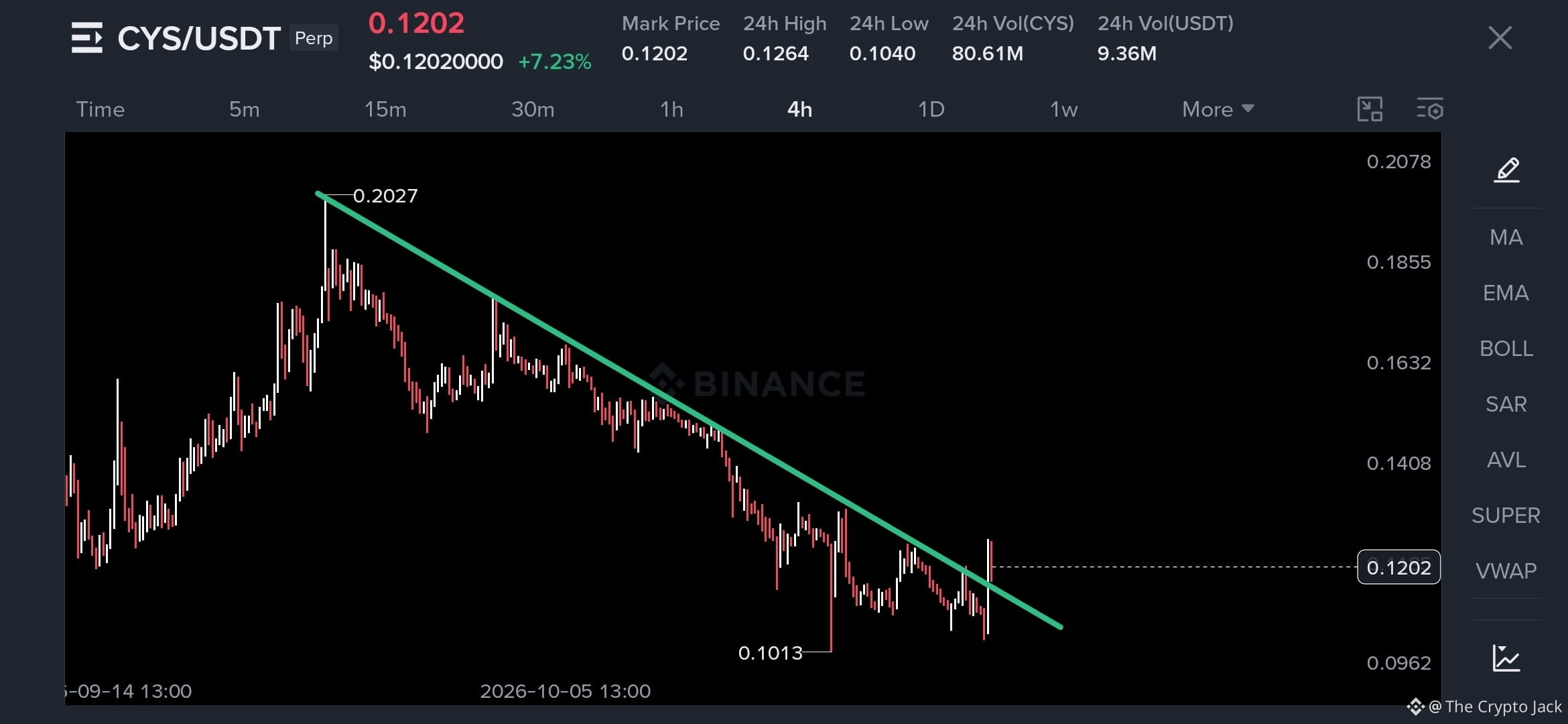
$CYS No Wonder we will see it again at $2.
Be ready.
Breakout on daily and 4H is done.
Position yourself and Build 100x Longs.
$2 is COMING.
.
.
.
.
$BMT $ORDER
$CYS No Wonder we will see it again at $2.
Be ready.
Breakout on daily and 4H is done.
Position yourself and Build 100x Longs.
$2 is COMING.
.
.
.
.
$BMT $ORDER
Be ready.
Breakout on daily and 4H is done.
Position yourself and Build 100x Longs.
$2 is COMING.
.
.
.
.
$BMT $ORDER
6
1
989
·
--
Bullish
See translation
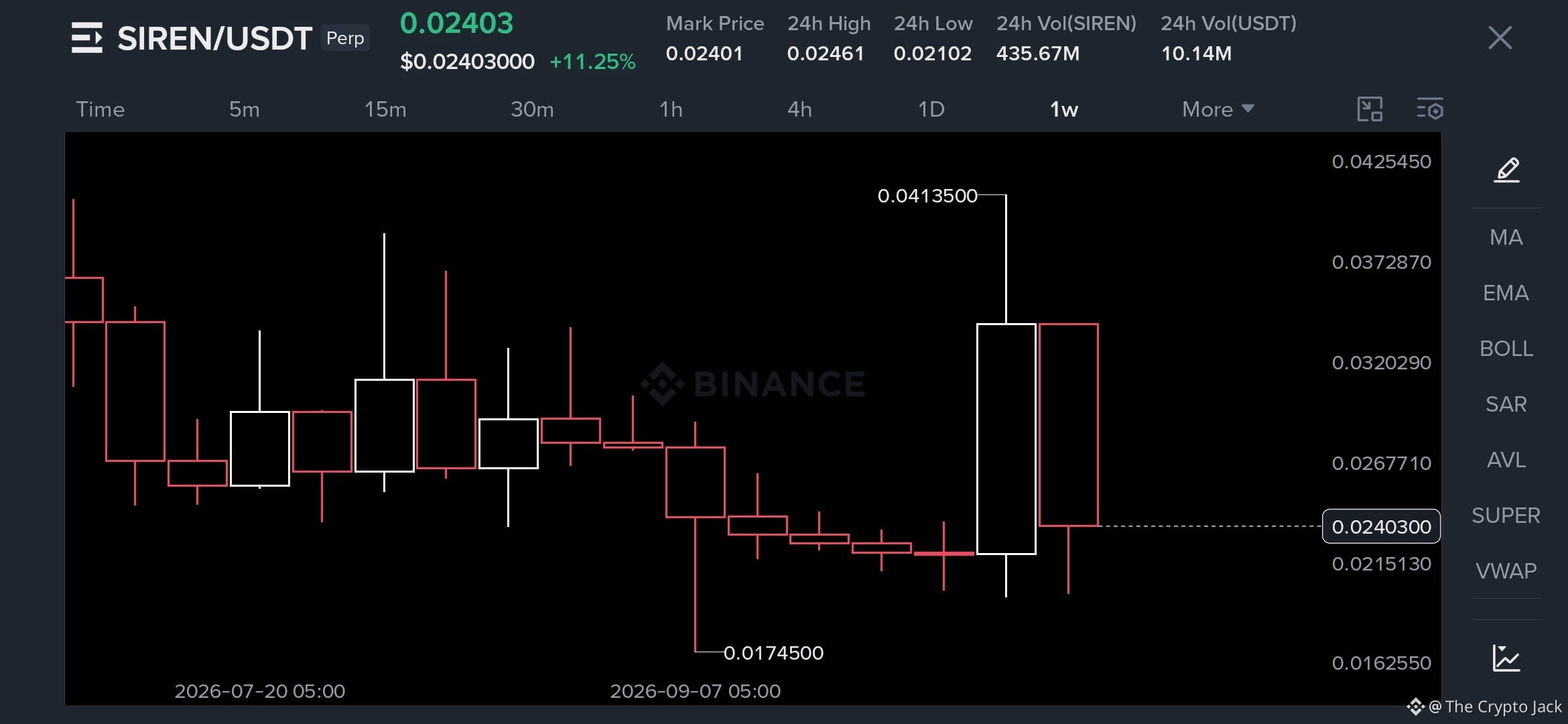
$SIREN if you look at the weekly candle you can clearly see that siren want to trade higher.
It was just a liquidity grab and bigger PUMP is ahead.
Build your 100x LONGs and sit with patience.
Matter of time only.
.
.
.
.
$LIGHT $JCT
$SIREN if you look at the weekly candle you can clearly see that siren want to trade higher.
It was just a liquidity grab and bigger PUMP is ahead.
Build your 100x LONGs and sit with patience.
Matter of time only.
.
.
.
.
$LIGHT $JCT
It was just a liquidity grab and bigger PUMP is ahead.
Build your 100x LONGs and sit with patience.
Matter of time only.
.
.
.
.
$LIGHT $JCT
8
3
736
·
--
Bullish
See translation
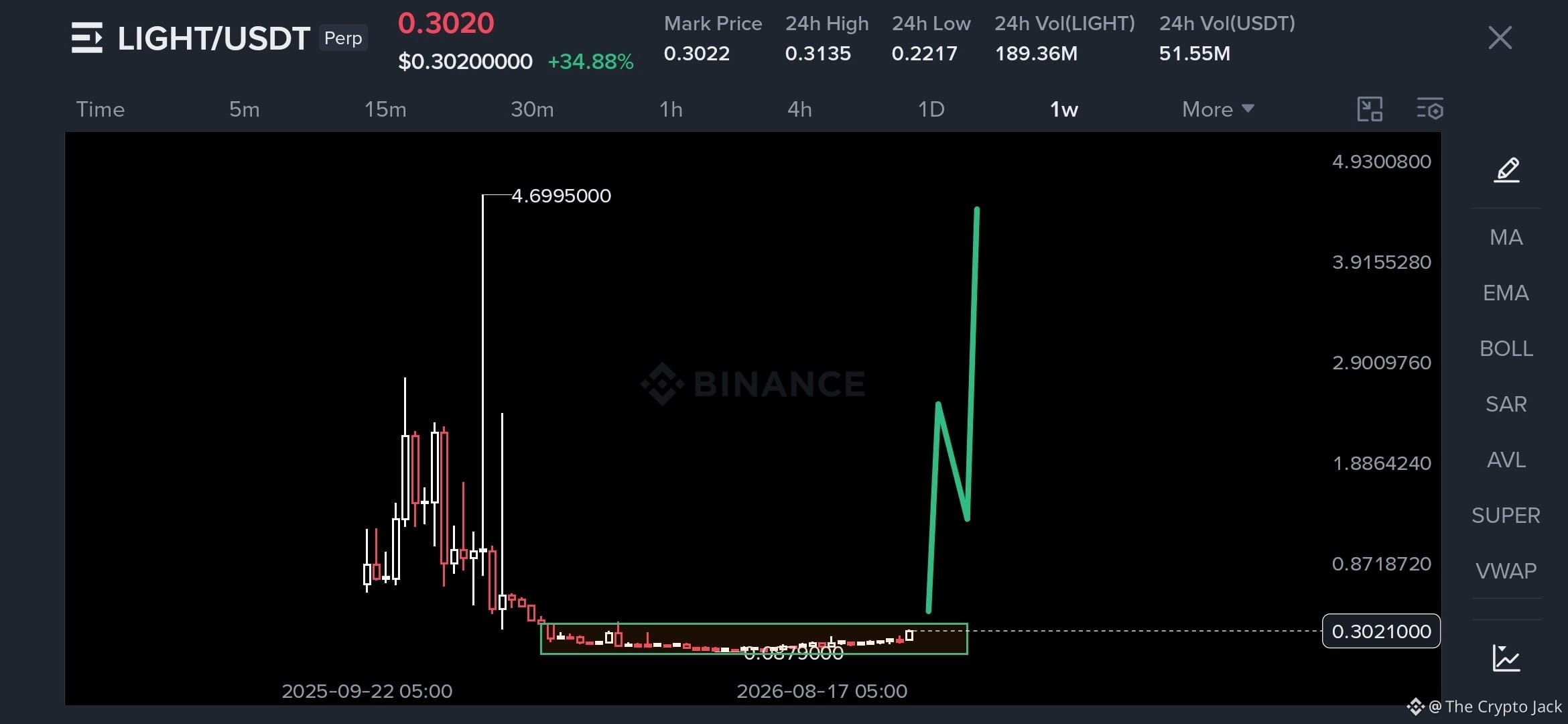
$LIGHT after strong accumulation Light started again.
Big move is coming.
Nobody knows how much but it will be much bigger.
Build your 100x Longs.
.
.
.
.
$JCT $IRYS
$LIGHT after strong accumulation Light started again.
Big move is coming.
Nobody knows how much but it will be much bigger.
Build your 100x Longs.
.
.
.
.
$JCT $IRYS
Big move is coming.
Nobody knows how much but it will be much bigger.
Build your 100x Longs.
.
.
.
.
$JCT $IRYS
4
2
639
·
--
Bullish
See translation
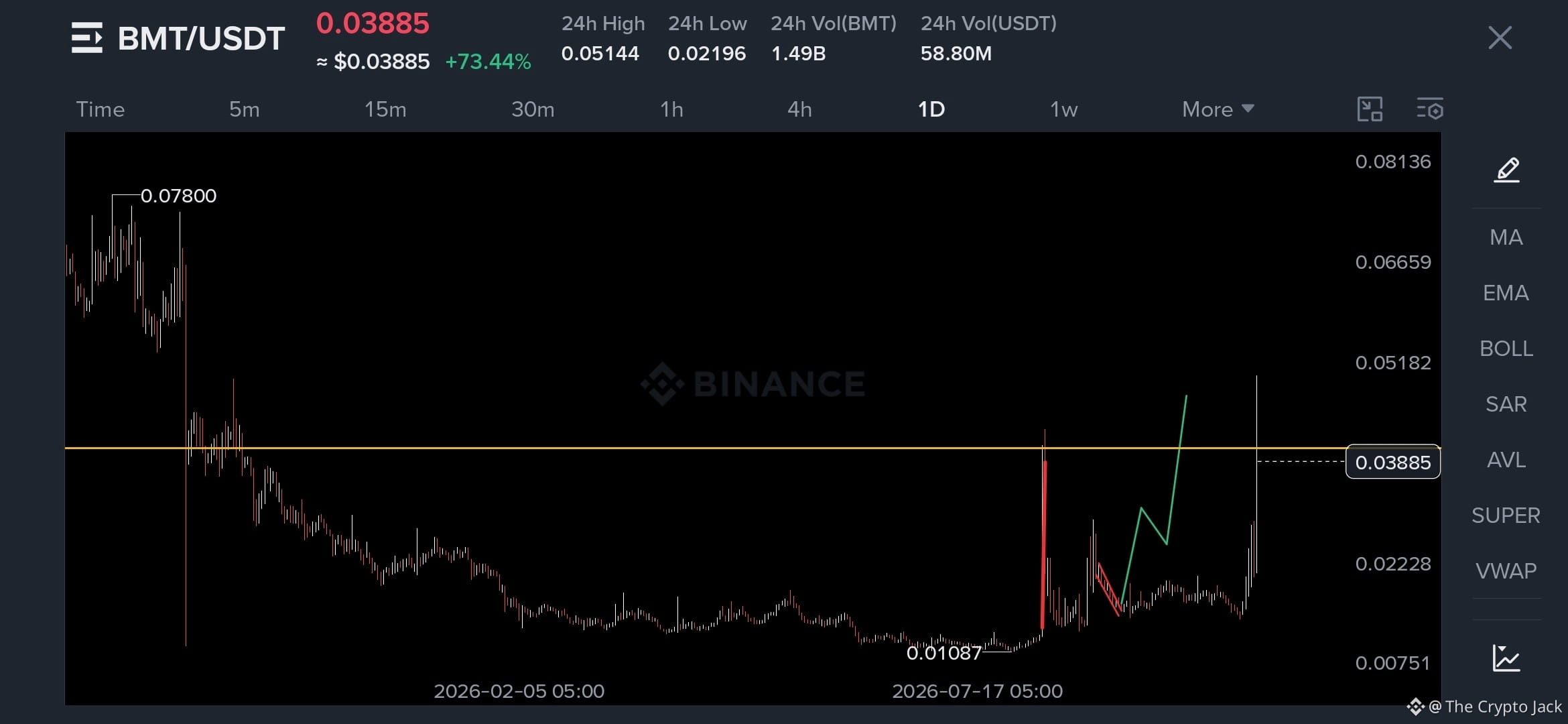
$BMT $0.078 is COMING.
Look for 100x Longs on Pullback.
It will go big soon.
Telling you in advance.
.
.
.
.
$IRYS $BTW
$BMT $0.078 is COMING.
Look for 100x Longs on Pullback.
It will go big soon.
Telling you in advance.
.
.
.
.
$IRYS $BTW
Look for 100x Longs on Pullback.
It will go big soon.
Telling you in advance.
.
.
.
.
$IRYS $BTW
3
2
649
·
--
Bullish
See translation
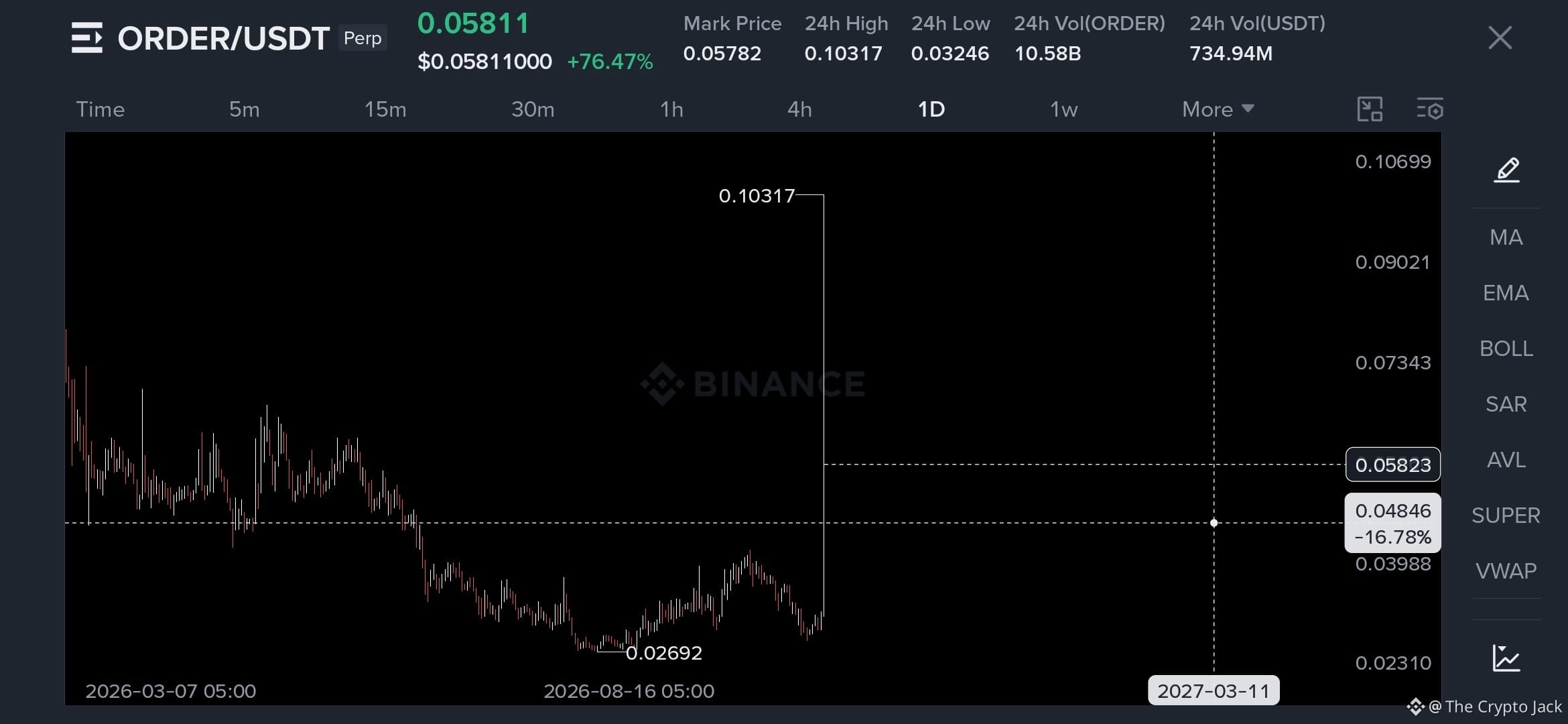
$ORDER Look for Scalp LONGS near $0.048
Dont Short.
Take this seriously.
.
.
.
.
.
$JCT $BMT
$ORDER Look for Scalp LONGS near $0.048
Dont Short.
Take this seriously.
.
.
.
.
.
$JCT $BMT
Dont Short.
Take this seriously.
.
.
.
.
.
$JCT $BMT
4
2
502
·
--
Bullish
See translation
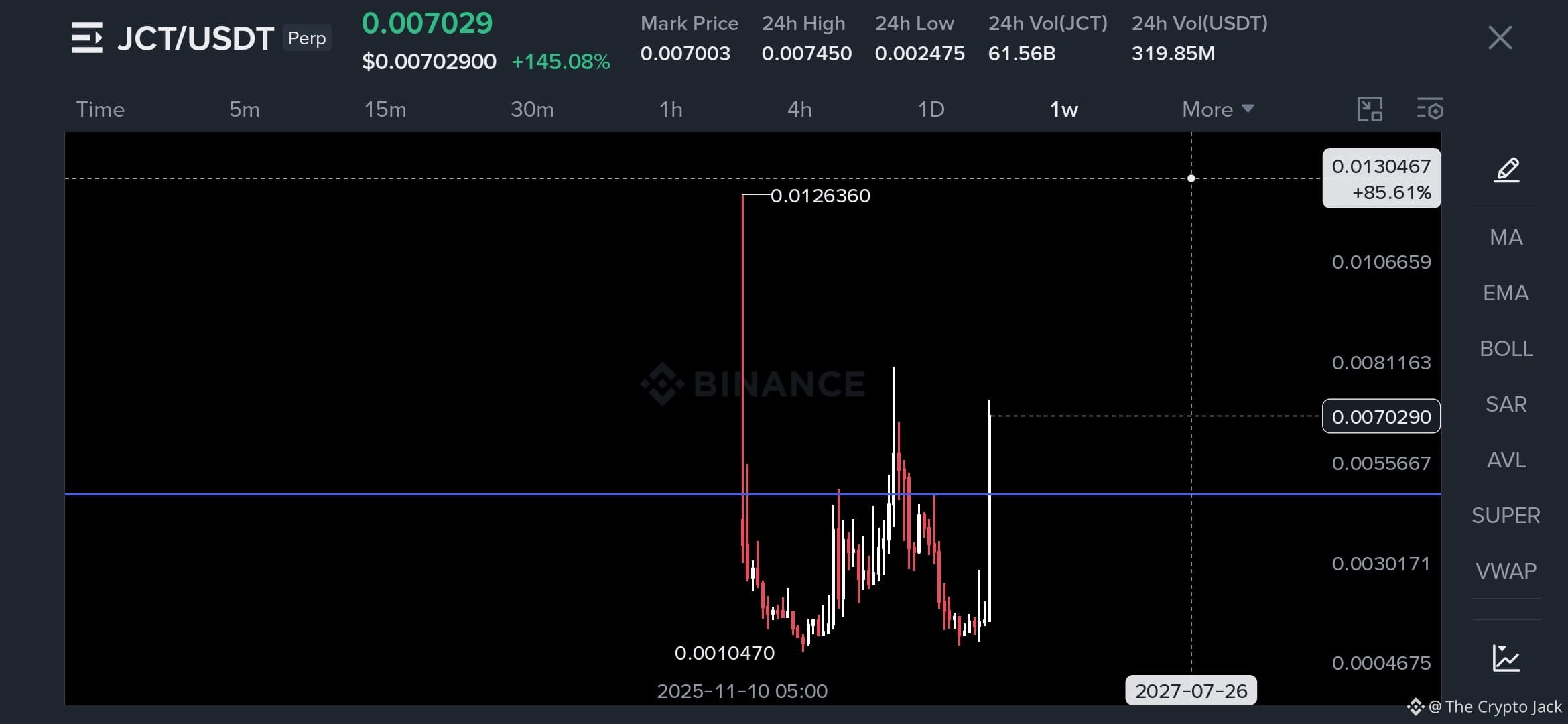
$JCT Dont Short.
Instead Look for LONGS on Pullback.
New ATH is coming for this one.
.
.
.
.
.
.
$ORDER $BMT
$JCT Dont Short.
Instead Look for LONGS on Pullback.
New ATH is coming for this one.
.
.
.
.
.
.
$ORDER $BMT
Instead Look for LONGS on Pullback.
New ATH is coming for this one.
.
.
.
.
.
.
$ORDER $BMT
4
2
679
·
--
Bullish
See translation
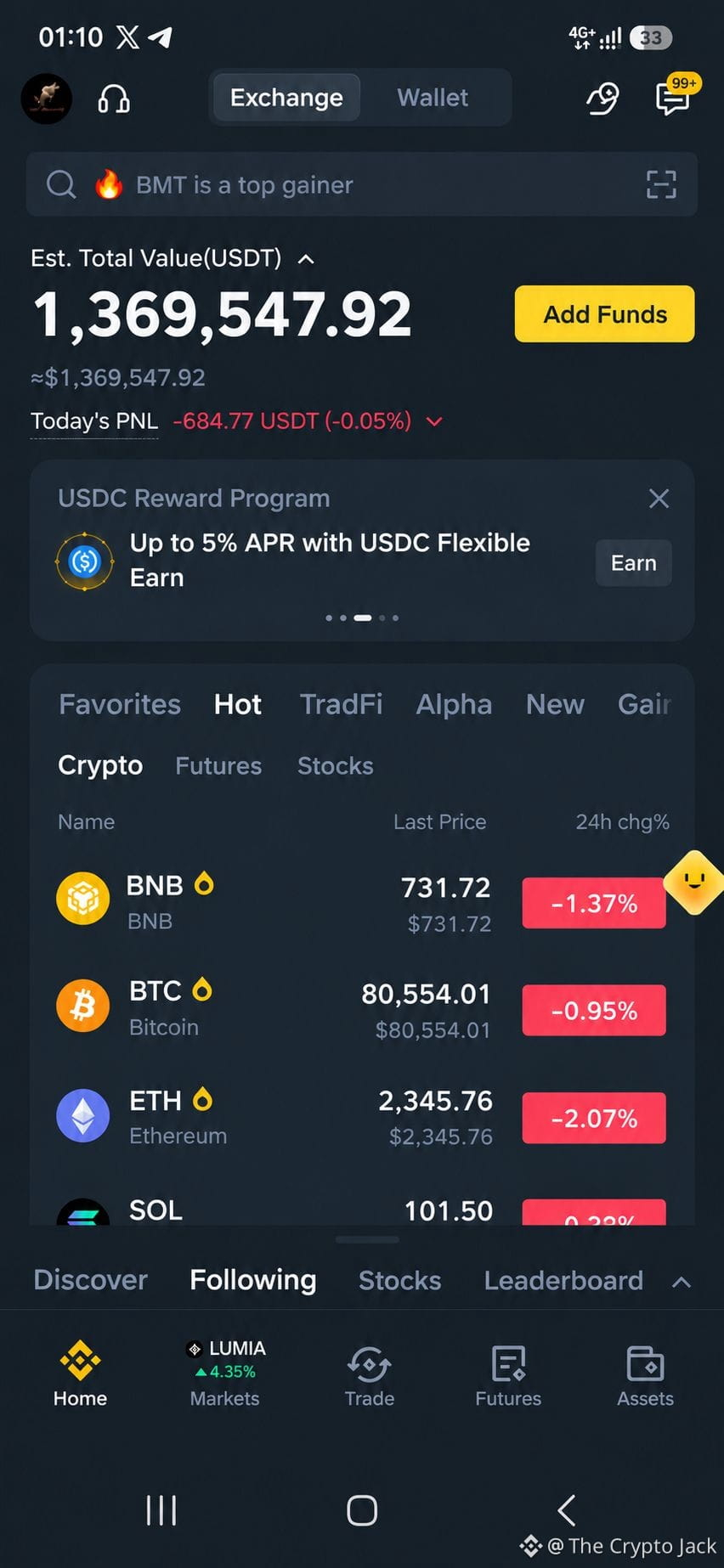
The Crypto Market is easy to make big money.
You just need patience and energy.
My chatroom members will make millions with me.
Trust me i am going to make them millionaires in the next few months.
Here is the link. Be my guest to see it all live: [The Crypto Jack Chatroom](https://app.binance.com/uni-qr/Wan4myUb)
.
.
.
$JCT $BMT $ORDER
The Crypto Market is easy to make big money.
You just need patience and energy.
My chatroom members will make millions with me.
Trust me i am going to make them millionaires in the next few months.
Here is the link. Be my guest to see it all live: The Crypto Jack Chatroom
.
.
.
$JCT $BMT $ORDER
You just need patience and energy.
My chatroom members will make millions with me.
Trust me i am going to make them millionaires in the next few months.
Here is the link. Be my guest to see it all live: The Crypto Jack Chatroom
.
.
.
$JCT $BMT $ORDER
4
1
289
·
--
Bullish
See translation
$BMT all my targets reached.
Easiest trade. Shared multiple time with you guys.
Jack is the KING of this market.
Catch more coins like this with me on my Chatroom here: [The Crypto Jack Chatroom](https://app.binance.com/uni-qr/Wan4myUb)
100x Wealth opportunity is waiting for you.
.
.
.
.
.
$JCT $IRYS
$BMT all my targets reached.
Easiest trade. Shared multiple time with you guys.
Jack is the KING of this market.
Catch more coins like this with me on my Chatroom here: The Crypto Jack Chatroom
100x Wealth opportunity is waiting for you.
.
.
.
.
.
$JCT $IRYS
Easiest trade. Shared multiple time with you guys.
Jack is the KING of this market.
Catch more coins like this with me on my Chatroom here: The Crypto Jack Chatroom
100x Wealth opportunity is waiting for you.
.
.
.
.
.
$JCT $IRYS
The Crypto Jack
·
--
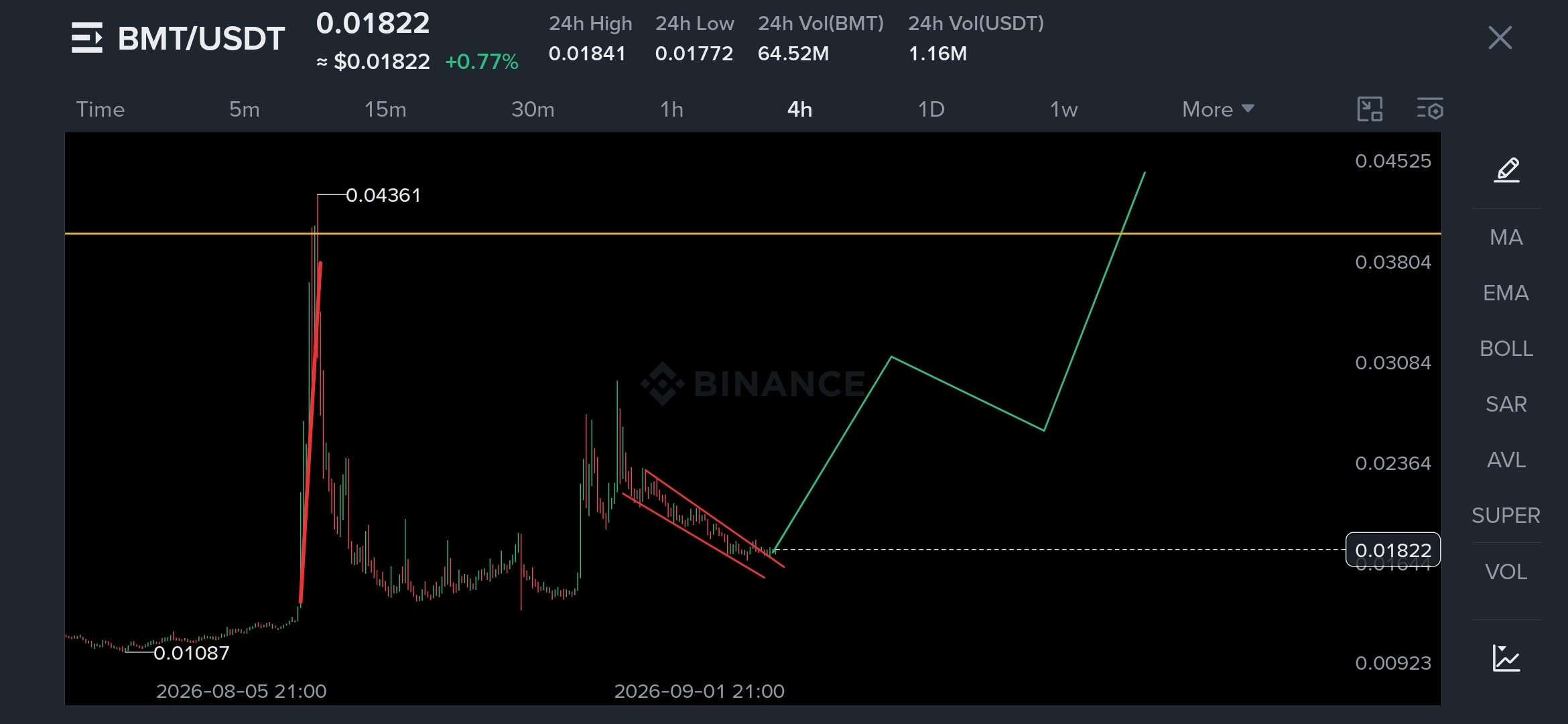
BullishGet ready.
$BMT Time soon.
.
.
.
.
$4 $BULLA
$BMT Time soon.
.
.
.
.
$4 $BULLA
8
3
604
·
--
Bullish
See translation
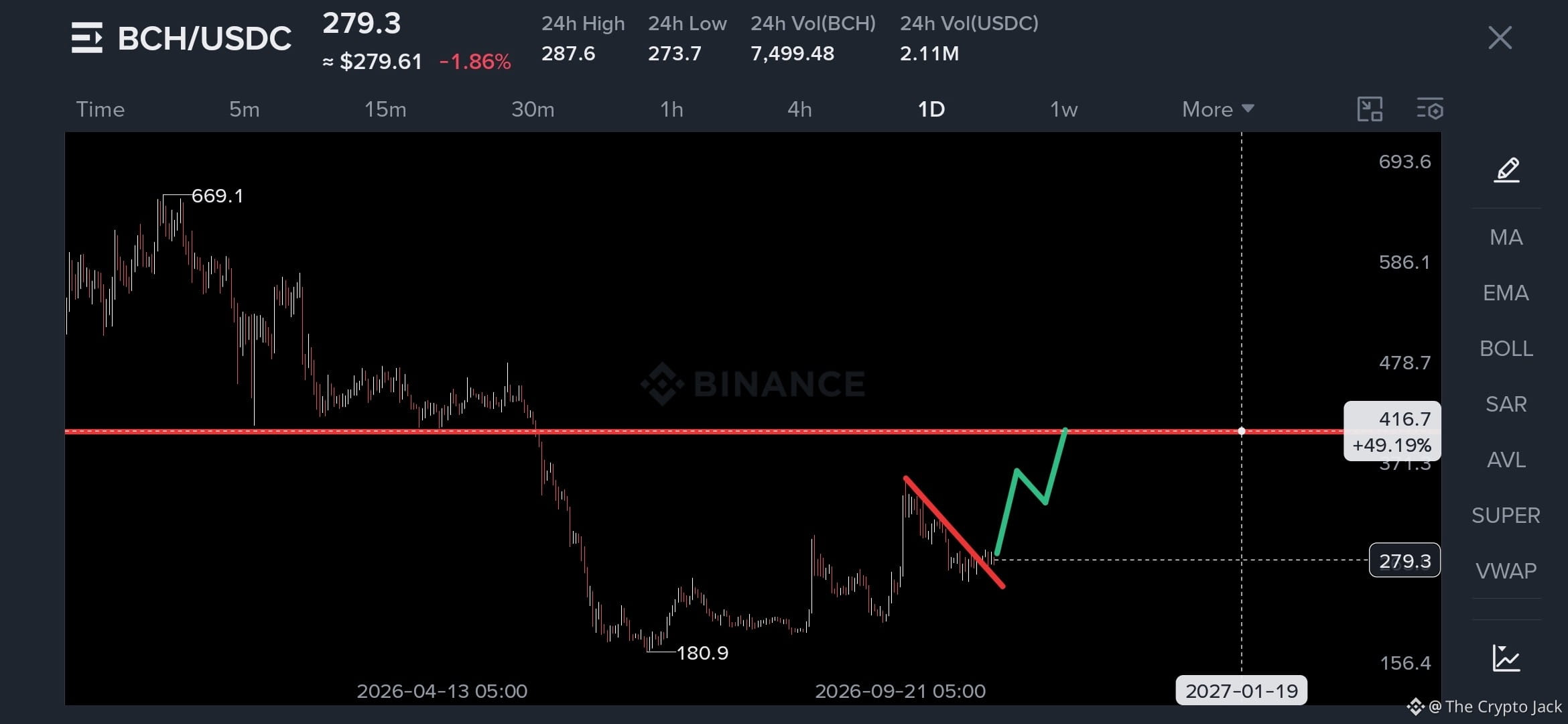
$BCH $416+ Is coming.
100x Long the Longs.
Breakout and Retest on daily is done.
Easy money mode.
.
.
.
.
$ORDER $BIRB
$BCH $416+ Is coming.
100x Long the Longs.
Breakout and Retest on daily is done.
Easy money mode.
.
.
.
.
$ORDER $BIRB
100x Long the Longs.
Breakout and Retest on daily is done.
Easy money mode.
.
.
.
.
$ORDER $BIRB
6
2
625
·
--
Bullish
See translation
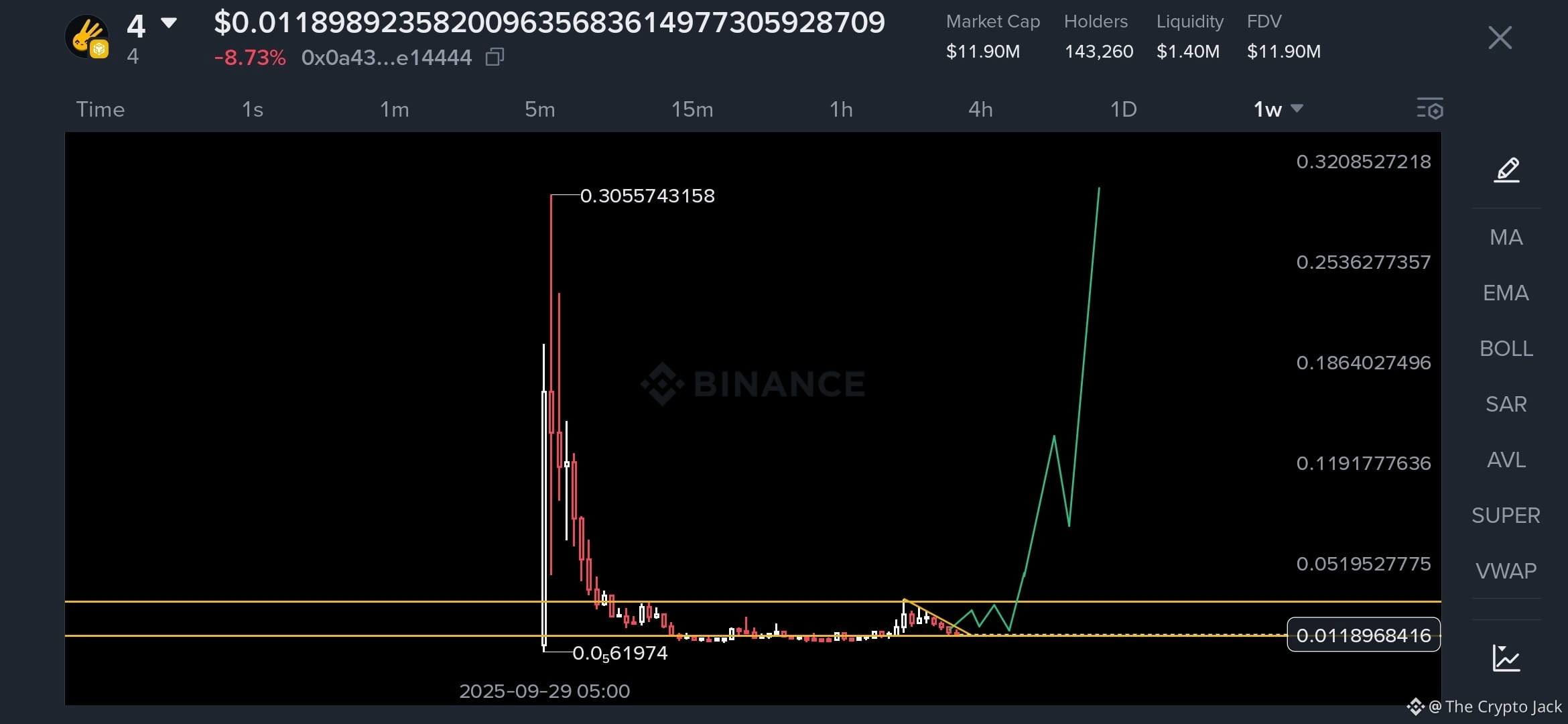
$4 you got more time to accumulate.
$1+ Is coming.
im 100% sure about this.
choice is yours.
.
.
.
.
$IRYS $ORDER
$4 you got more time to accumulate.
$1+ Is coming.
im 100% sure about this.
choice is yours.
.
.
.
.
$IRYS $ORDER
$1+ Is coming.
im 100% sure about this.
choice is yours.
.
.
.
.
$IRYS $ORDER
12
4
2.2k
·
--
Bullish
See translation
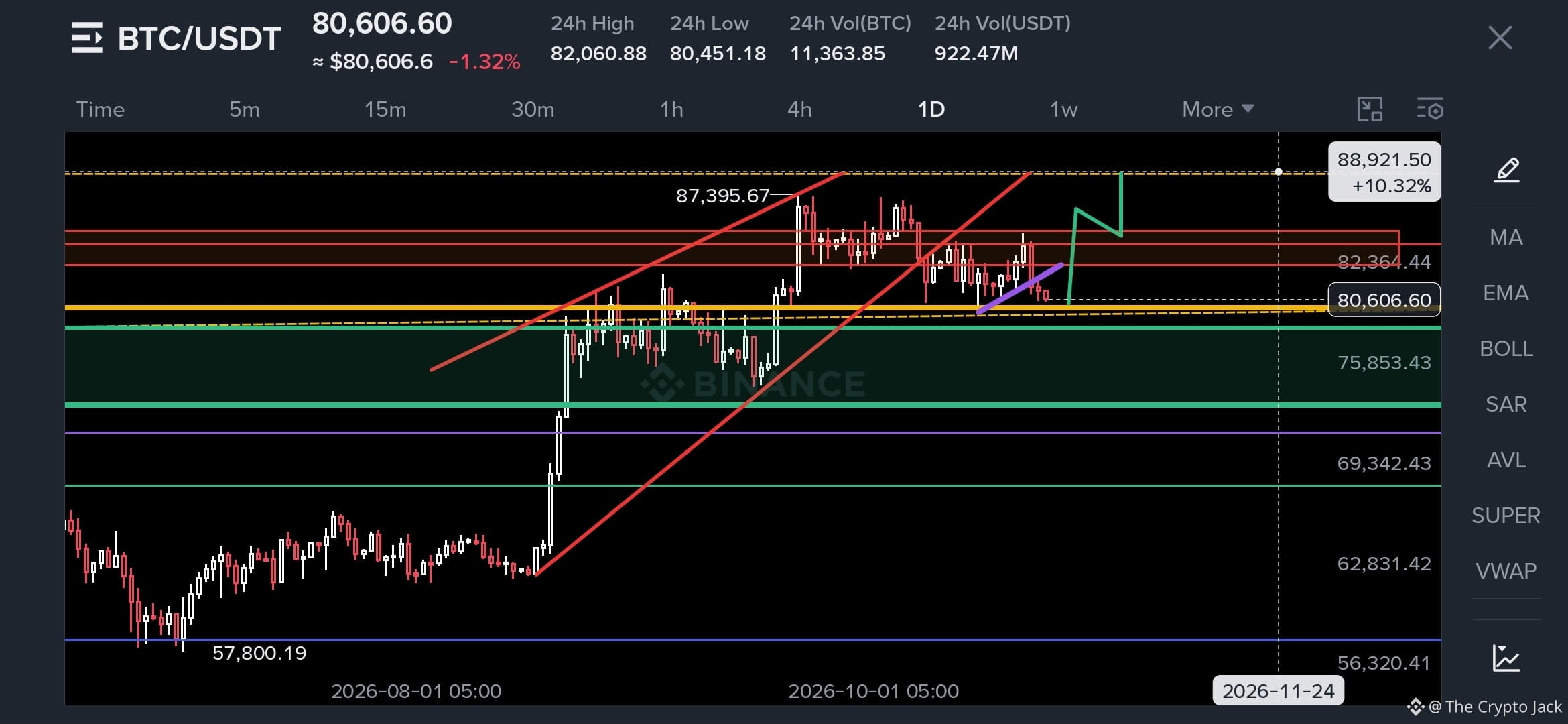
$BTC 90k IS COMING.
I AM TELLING YOU AGAIN 90k IS COMING.
Dont MISS THis MOVE.
100x LONGs OPPORTUNITY.
.
.
.
.
.
$ORDER $BIRB
$BTC 90k IS COMING.
I AM TELLING YOU AGAIN 90k IS COMING.
Dont MISS THis MOVE.
100x LONGs OPPORTUNITY.
.
.
.
.
.
$ORDER $BIRB
I AM TELLING YOU AGAIN 90k IS COMING.
Dont MISS THis MOVE.
100x LONGs OPPORTUNITY.
.
.
.
.
.
$ORDER $BIRB
8
2
857
·
--
Bullish
See translation
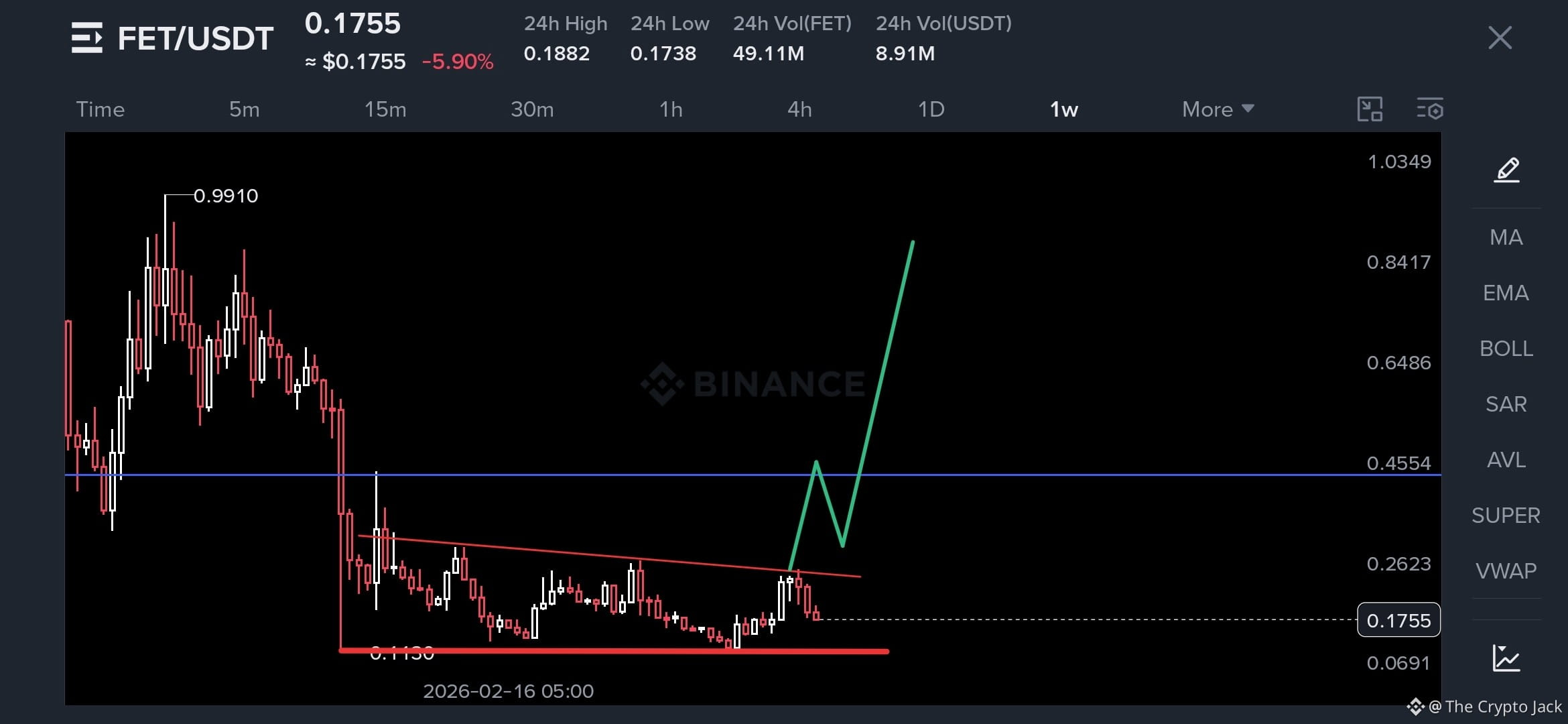
$FET Start building your POSITIONS.
Start Buying and building Swing 100x Longs.
$1+ WILL COME.
Easy mode.
Accumulate.
.
.
.
.
.
$BIRB $IRYS
$FET Start building your POSITIONS.
Start Buying and building Swing 100x Longs.
$1+ WILL COME.
Easy mode.
Accumulate.
.
.
.
.
.
$BIRB $IRYS
Start Buying and building Swing 100x Longs.
$1+ WILL COME.
Easy mode.
Accumulate.
.
.
.
.
.
$BIRB $IRYS
8
2
866
·
--
Bullish
See translation
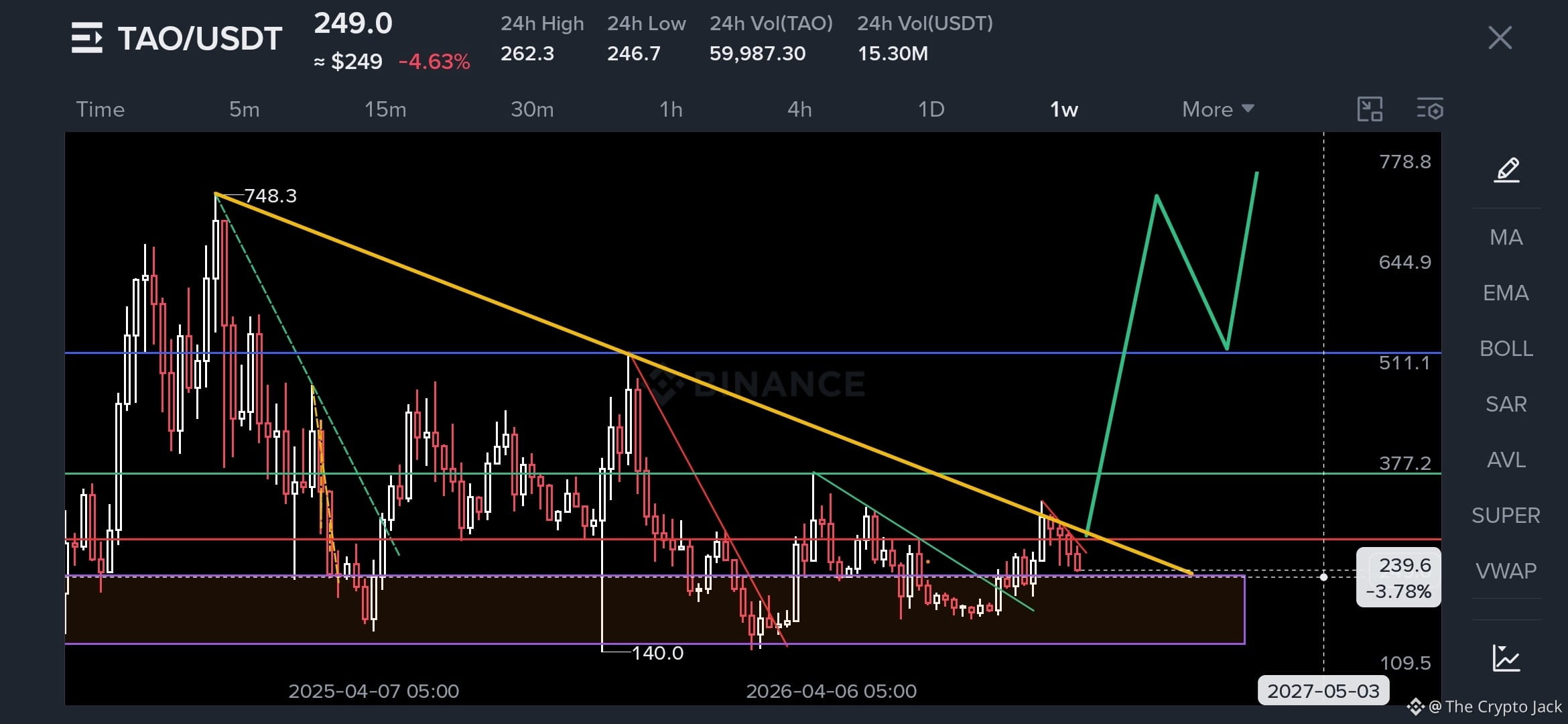
$TAO Time to build your POSITIONS here.
$370+ Is coming.
Inverse Head and shoulder play soon.
Build your 100x Longs and spot positions.
Lets goooo.
.
.
.
.
.
$IRYS $ORDER
$TAO Time to build your POSITIONS here.
$370+ Is coming.
Inverse Head and shoulder play soon.
Build your 100x Longs and spot positions.
Lets goooo.
.
.
.
.
.
$IRYS $ORDER
$370+ Is coming.
Inverse Head and shoulder play soon.
Build your 100x Longs and spot positions.
Lets goooo.
.
.
.
.
.
$IRYS $ORDER
8
2
808
·
--
Bullish
See translation
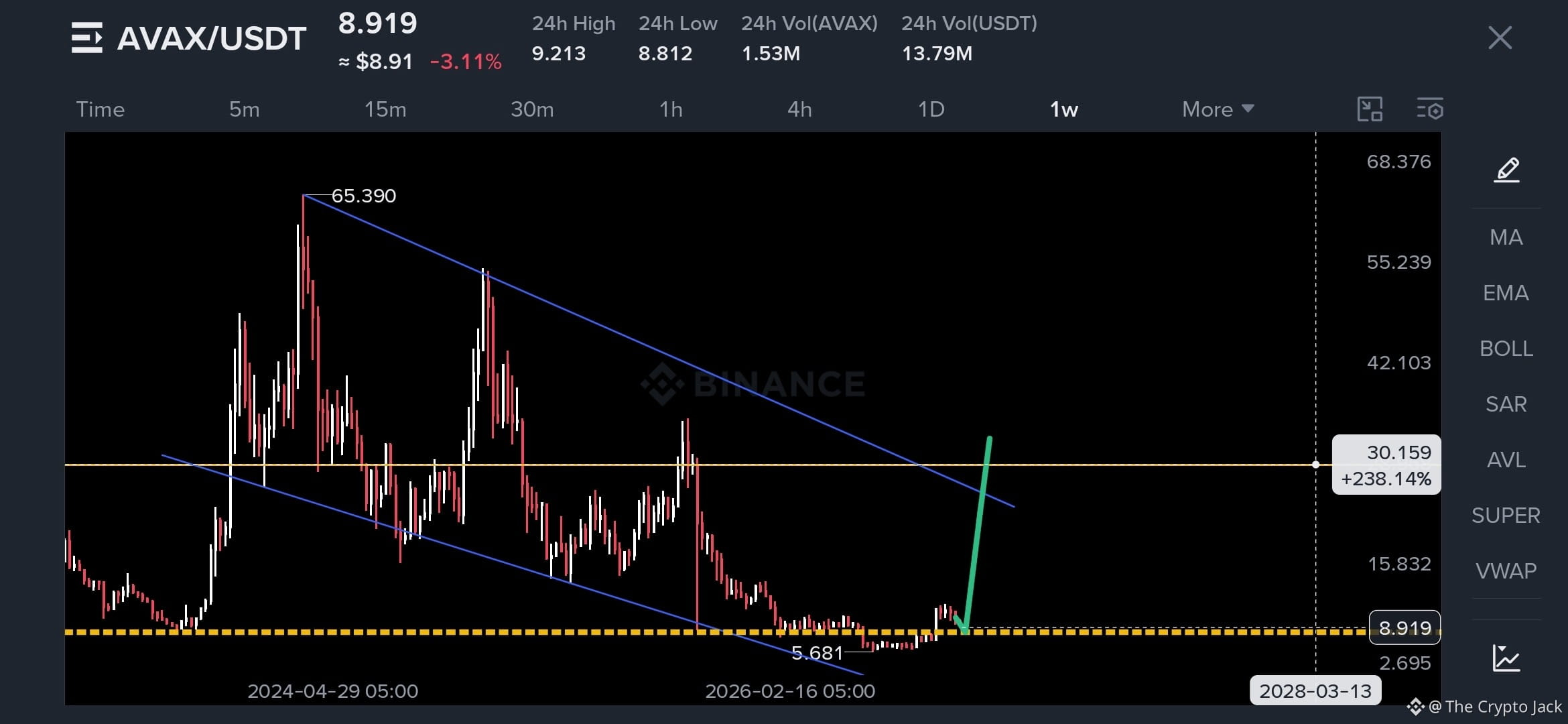
$AVAX The Dip IS Here which i marked previously.
Time to build your 100x Long and Spots positions here.
$30+ IS COMING.
Easy money mode soon.
It time boys and girls.
.
.
.
$IRYS $BMT
$AVAX The Dip IS Here which i marked previously.
Time to build your 100x Long and Spots positions here.
$30+ IS COMING.
Easy money mode soon.
It time boys and girls.
.
.
.
$IRYS $BMT
Time to build your 100x Long and Spots positions here.
$30+ IS COMING.
Easy money mode soon.
It time boys and girls.
.
.
.
$IRYS $BMT
11
3
708
·
--
Bullish
See translation
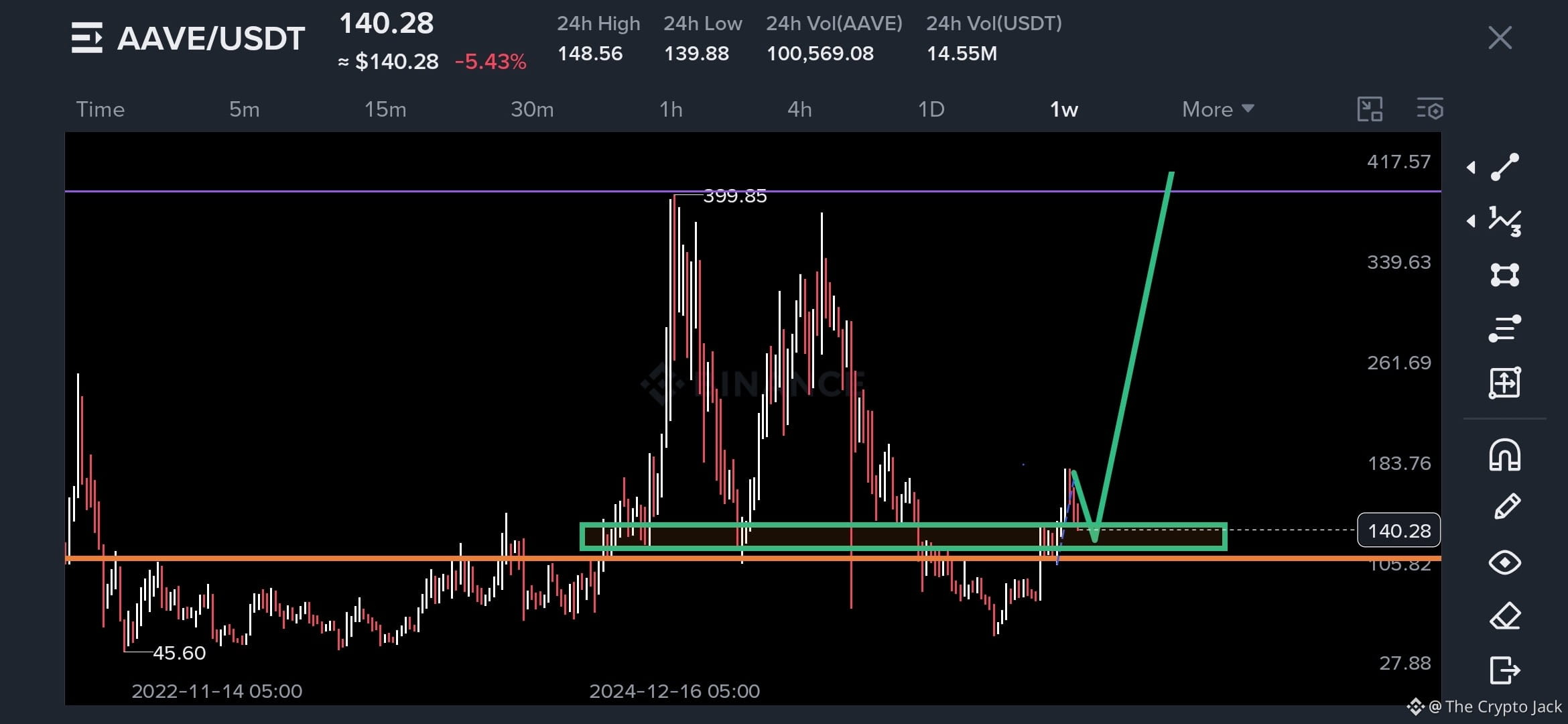
$AAVE ENTERING our Buy zone.
100x LONGS and SPOT Buy POSITIONS Here.
600+ IS THE TARGET.
Position Yourself.
Easy mode soon.
.
.
.
$IRYS $ORDER
$AAVE ENTERING our Buy zone.
100x LONGS and SPOT Buy POSITIONS Here.
600+ IS THE TARGET.
Position Yourself.
Easy mode soon.
.
.
.
$IRYS $ORDER
100x LONGS and SPOT Buy POSITIONS Here.
600+ IS THE TARGET.
Position Yourself.
Easy mode soon.
.
.
.
$IRYS $ORDER
6
1
537
See translation
You see how we did 200% on $BMT
Learn from Jack my boys.
.
.
.
.
.
.
$IRYS $BIRB
You see how we did 200% on $BMT
Learn from Jack my boys.
.
.
.
.
.
.
$IRYS $BIRB
Learn from Jack my boys.
.
.
.
.
.
.
$IRYS $BIRB
The Crypto Jack
·
--
BullishGet ready.
$BMT Time soon.
.
.
.
.
$4 $BULLA
$BMT Time soon.
.
.
.
.
$4 $BULLA
3
3
771
·
--
Bullish
See translation
$BMT almost up 200% on it.
Hahahahahahaha.
Learn and earn with JACK.
$BMT almost up 200% on it.
Hahahahahahaha.
Learn and earn with JACK.
Hahahahahahaha.
Learn and earn with JACK.
The Crypto Jack
·
--
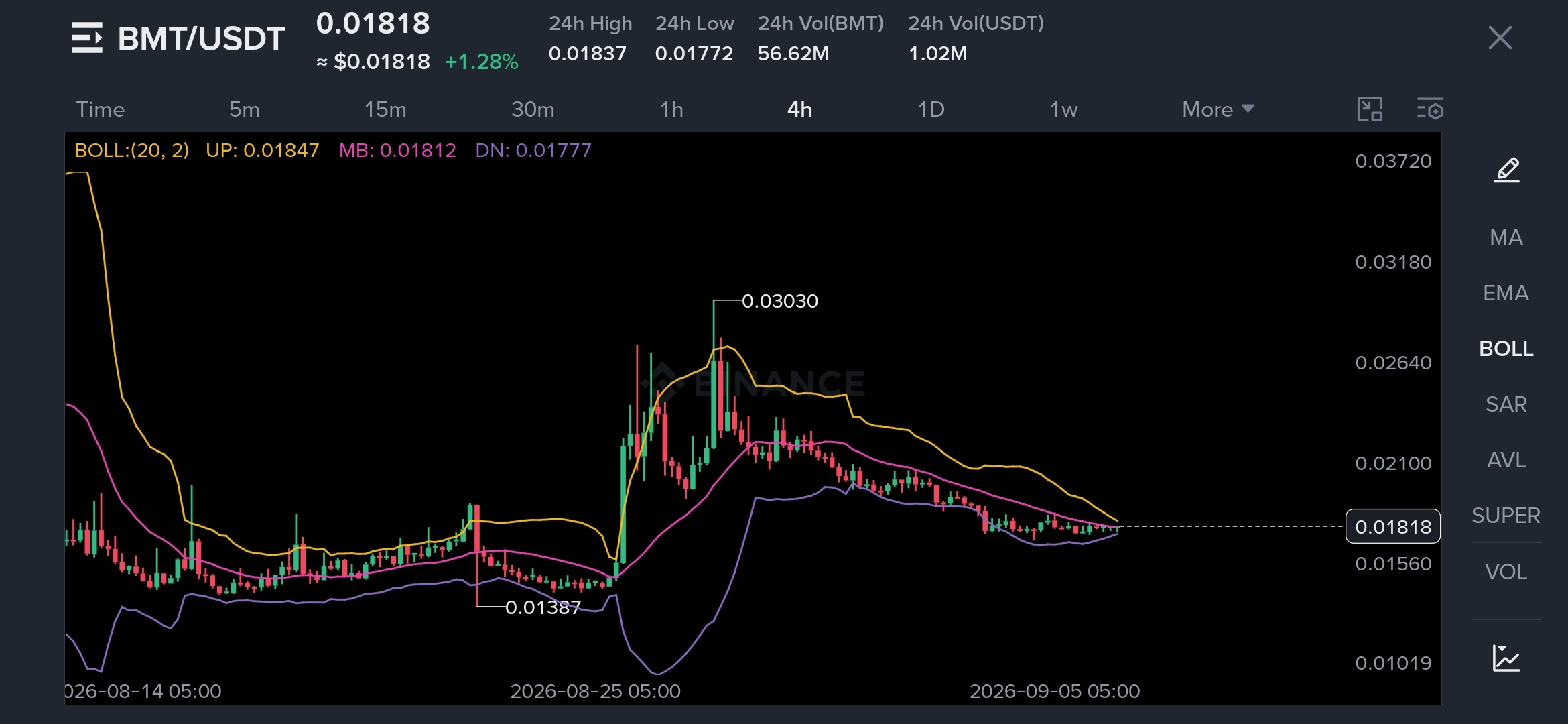
Bullish$BMT SOON.
Only few KNOWS.
Only few KNOWS.
3
1.2k
·
--
Bullish
See translation
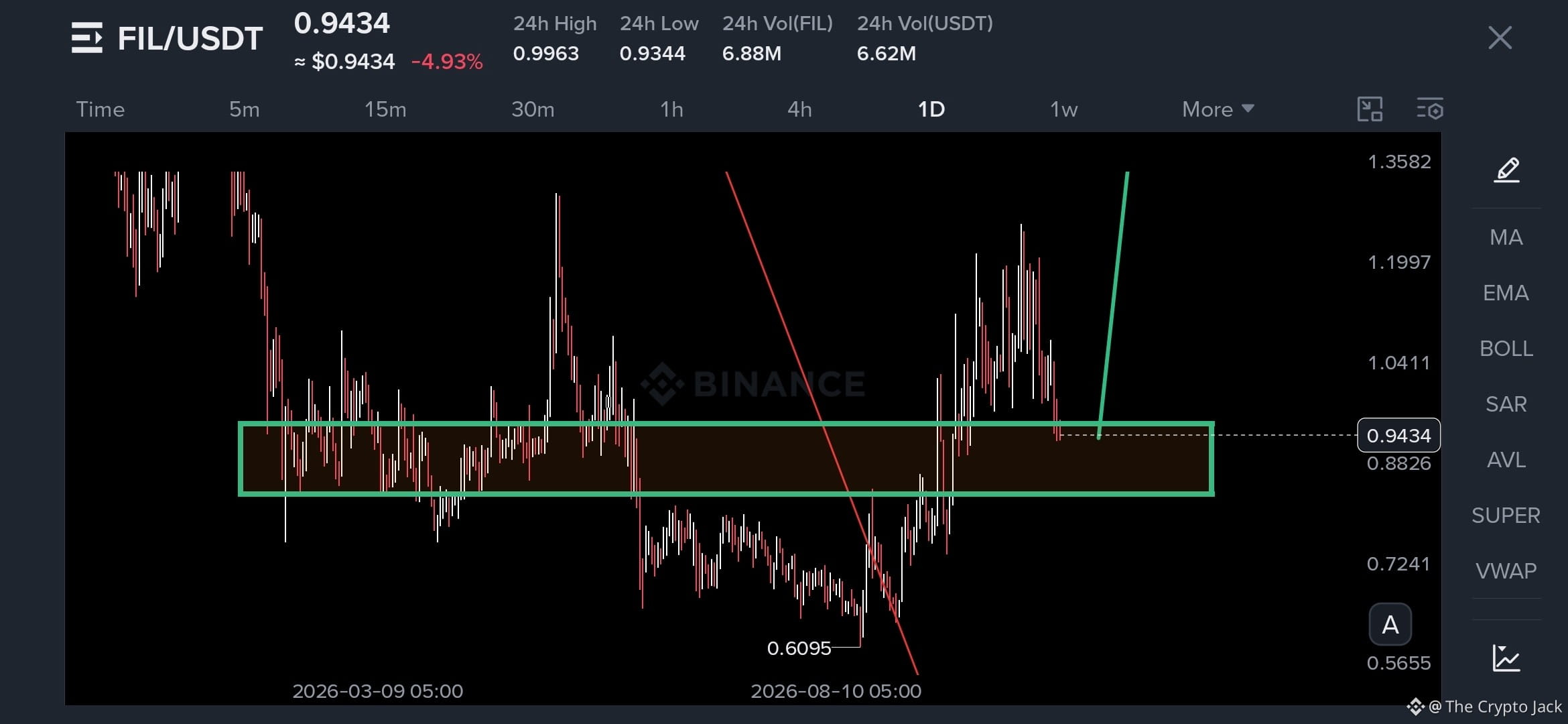
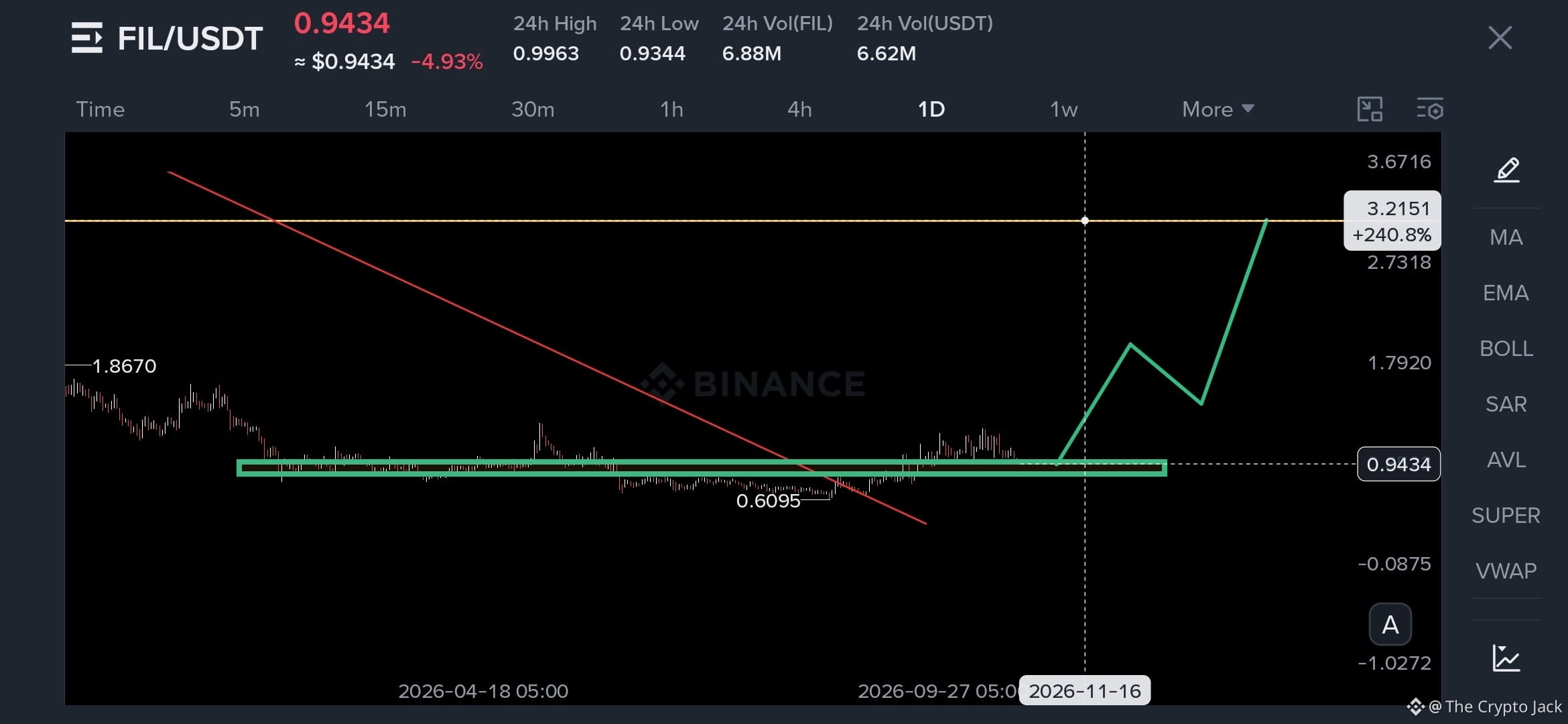
$FIL The Dips you were waiting for are here.
$3 IS COMING.
Build your 100x + SPOT order in the Green Box.
Easy money mode soon
LETS gooo.
.
.
.
$IRYS $ORDER
$FIL The Dips you were waiting for are here.
$3 IS COMING.
Build your 100x + SPOT order in the Green Box.
Easy money mode soon
LETS gooo.
.
.
.
$IRYS $ORDER
$3 IS COMING.
Build your 100x + SPOT order in the Green Box.
Easy money mode soon
LETS gooo.
.
.
.
$IRYS $ORDER
7
3
1.5k
·
--
Bullish
See translation
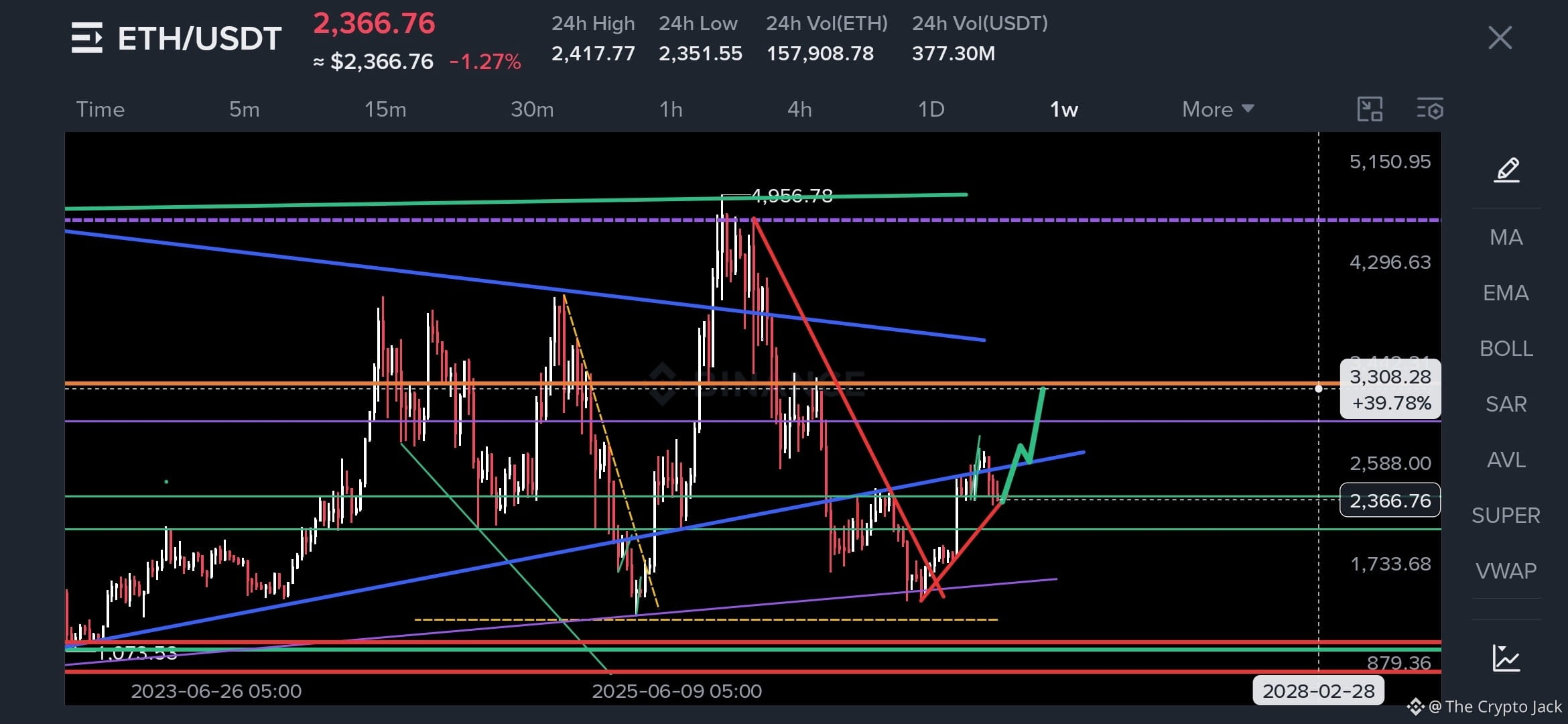
$ETH Its a clear WARNING to Build your 100x LONGS And SPOT trades.
$3k + IS COMING.
LONG The LONGS
Easy mode soon
.
.
.
.
$BIRB $ORDER
$ETH Its a clear WARNING to Build your 100x LONGS And SPOT trades.
$3k + IS COMING.
LONG The LONGS
Easy mode soon
.
.
.
.
$BIRB $ORDER
$3k + IS COMING.
LONG The LONGS
Easy mode soon
.
.
.
.
$BIRB $ORDER
8
5
892
Log in to explore more content
Join global crypto users on Binance Square
⚡️ Get latest and useful information about crypto.
💬 Trusted by the world’s largest crypto exchange.
👍 Discover real insights from verified creators.
Email / Phone number
Trending Topics
BinancePick
2.6M views
142,012 Discussing
Join #EarningsSeason: Predict Earnings on Binance Pick, Share Your Take on Binance Square!
Binance Square Official
·401 Likes
·338.6k views
EarningsSeason
5M views
24,402 Discussing
FranklinTempletonFilesForTwoDividendToBitcoinETFs
2,034 views
116 Discussing