

trader叫兽
869 Posts

trader叫兽
Report
Block User
手续费8折邀请码:JIAOSHOU
Youtube:@trader叫兽
X:@cryptomallqy
超短线高杠杆合约|6年合约交易经验|专注价格行为及威科夫理论,账户30次以上翻倍
我懂你为什么扛单,
懂你为什么拿不住,
懂你为什么总是在同一个地方摔。
你信我,
是因为我在你身上,看见了我自己。
60 Following
13.0K+ Followers
3.7K+ Liked
Posts
All
Quotes
Videos
Live
PINNED
·
--
🧧🧧🧧🧧
Happy National Day
One cruel yet fair thing about financial markets is this: even if you’re poor, the market won’t pity you. Even if you work hard, the market won’t single you out and reward you. Whether you can stay depends only on whether you can survive after one mistake after another
#以太坊三季度涨70.9%
🧧🧧🧧🧧
Happy National Day
One cruel yet fair thing about financial markets is this: even if you’re poor, the market won’t pity you. Even if you work hard, the market won’t single you out and reward you. Whether you can stay depends only on whether you can survive after one mistake after another
#以太坊三季度涨70.9%
Happy National Day
One cruel yet fair thing about financial markets is this: even if you’re poor, the market won’t pity you. Even if you work hard, the market won’t single you out and reward you. Whether you can stay depends only on whether you can survive after one mistake after another
#以太坊三季度涨70.9%

569
11
35
569
PINNED
·
--
SMC Smart Money First Lesson: Concept Breakdown, Core Terminology, and a Practical Guide to Market Structure (Full video can be found on the homepage YouTube)
SMC Smart Money First Lesson: Concept Breakdown, Core Terminology, and a Practical Guide to Market Structure (Full video can be found on the homepage YouTube)
2
2
373
·
--
Has the BTC direction turned yet? I judge it with this trick— the secret of short-term winning streaks
How to tell if the BTC direction has changed? One move to identify a turn! Bitcoin short-term trading tips! Futures/contract trading tutorial!
Has the BTC direction turned yet? I judge it with this trick— the secret of short-term winning streaks
How to tell if the BTC direction has changed? One move to identify a turn! Bitcoin short-term trading tips! Futures/contract trading tutorial!
How to tell if the BTC direction has changed? One move to identify a turn! Bitcoin short-term trading tips! Futures/contract trading tutorial!
1
216
·
--
You think you’re smarter than your parents—just because you’re standing on tools they never saw.
Many people assume: if you could travel back to your parents’ generation, with your current brain, you would have built the business long ago, bought a house early, and grabbed opportunities sooner. If your parents didn’t catch them, it’s because their horizons weren’t wide enough; if you can’t catch them, it’s because the times are too competitive.
But this misses a layer.
That extra slice of “smartness” you have—most of it isn’t talent; it’s intelligence that the era essentially handed to you for free. Information density, tool leverage, earlier education—everything gets baked into your cognition. Now a six-year-old can use AI to edit photos, and an eight-year-old can stumble their way through English—not because everyone’s genes suddenly changed at once, but because they learn earlier and use more powerful tools. Your parents might think their kid is a genius, but that’s usually a misread—not that your child is exceptionally bright, but that the brightness of an entire generation has been lifted together. Intelligence has become inflated.
So the time-travel narrative itself isn’t fair. You go back carrying search engines, models, a global case library, and frameworks that have been repeatedly validated—like you’re wearing a full set of legendary gear to fight someone in bare armor. Confucian classics and the Art of War look shallow to you because you’ve read versions that have been broken down, falsified, and iterated upon. Your opponents don’t have those “cheats,” so losing to you is completely normal. And it’s normal that your parents back then didn’t buy the assets that later skyrocketed—their information boundary is simply the boundary of that era.
What truly makes you feel “there are no opportunities now” isn’t that opportunities disappear—it’s that your opponents also put on the same set of legendary gear. As soon as a window opens, people who are also刷信息, use the same tools, and train the same kind of competitive cognition will rush in first. What you can’t beat is not the previous generation—it’s people of the same era.
Fair comparisons can only be horizontal. When you outperform your coworkers and peers in execution, and your understanding surpasses most of what’s been publicly discussed, then opportunities will eventually fall to you. Comparing vertically—to your parents or to ancient times—even if you “win,” it doesn’t count. If they had been born into this information density, chances are they wouldn’t be any duller than you.
Big opportunities in any era only belong to the small group whose cognition is clearly ahead of their peers. The rest just feel like they were born in the wrong year.
You think you’re smarter than your parents—just because you’re standing on tools they never saw.
Many people assume: if you could travel back to your parents’ generation, with your current brain, you would have built the business long ago, bought a house early, and grabbed opportunities sooner. If your parents didn’t catch them, it’s because their horizons weren’t wide enough; if you can’t catch them, it’s because the times are too competitive.
But this misses a layer.
That extra slice of “smartness” you have—most of it isn’t talent; it’s intelligence that the era essentially handed to you for free. Information density, tool leverage, earlier education—everything gets baked into your cognition. Now a six-year-old can use AI to edit photos, and an eight-year-old can stumble their way through English—not because everyone’s genes suddenly changed at once, but because they learn earlier and use more powerful tools. Your parents might think their kid is a genius, but that’s usually a misread—not that your child is exceptionally bright, but that the brightness of an entire generation has been lifted together. Intelligence has become inflated.
So the time-travel narrative itself isn’t fair. You go back carrying search engines, models, a global case library, and frameworks that have been repeatedly validated—like you’re wearing a full set of legendary gear to fight someone in bare armor. Confucian classics and the Art of War look shallow to you because you’ve read versions that have been broken down, falsified, and iterated upon. Your opponents don’t have those “cheats,” so losing to you is completely normal. And it’s normal that your parents back then didn’t buy the assets that later skyrocketed—their information boundary is simply the boundary of that era.
What truly makes you feel “there are no opportunities now” isn’t that opportunities disappear—it’s that your opponents also put on the same set of legendary gear. As soon as a window opens, people who are also刷信息, use the same tools, and train the same kind of competitive cognition will rush in first. What you can’t beat is not the previous generation—it’s people of the same era.
Fair comparisons can only be horizontal. When you outperform your coworkers and peers in execution, and your understanding surpasses most of what’s been publicly discussed, then opportunities will eventually fall to you. Comparing vertically—to your parents or to ancient times—even if you “win,” it doesn’t count. If they had been born into this information density, chances are they wouldn’t be any duller than you.
Big opportunities in any era only belong to the small group whose cognition is clearly ahead of their peers. The rest just feel like they were born in the wrong year.
Many people assume: if you could travel back to your parents’ generation, with your current brain, you would have built the business long ago, bought a house early, and grabbed opportunities sooner. If your parents didn’t catch them, it’s because their horizons weren’t wide enough; if you can’t catch them, it’s because the times are too competitive.
But this misses a layer.
That extra slice of “smartness” you have—most of it isn’t talent; it’s intelligence that the era essentially handed to you for free. Information density, tool leverage, earlier education—everything gets baked into your cognition. Now a six-year-old can use AI to edit photos, and an eight-year-old can stumble their way through English—not because everyone’s genes suddenly changed at once, but because they learn earlier and use more powerful tools. Your parents might think their kid is a genius, but that’s usually a misread—not that your child is exceptionally bright, but that the brightness of an entire generation has been lifted together. Intelligence has become inflated.
So the time-travel narrative itself isn’t fair. You go back carrying search engines, models, a global case library, and frameworks that have been repeatedly validated—like you’re wearing a full set of legendary gear to fight someone in bare armor. Confucian classics and the Art of War look shallow to you because you’ve read versions that have been broken down, falsified, and iterated upon. Your opponents don’t have those “cheats,” so losing to you is completely normal. And it’s normal that your parents back then didn’t buy the assets that later skyrocketed—their information boundary is simply the boundary of that era.
What truly makes you feel “there are no opportunities now” isn’t that opportunities disappear—it’s that your opponents also put on the same set of legendary gear. As soon as a window opens, people who are also刷信息, use the same tools, and train the same kind of competitive cognition will rush in first. What you can’t beat is not the previous generation—it’s people of the same era.
Fair comparisons can only be horizontal. When you outperform your coworkers and peers in execution, and your understanding surpasses most of what’s been publicly discussed, then opportunities will eventually fall to you. Comparing vertically—to your parents or to ancient times—even if you “win,” it doesn’t count. If they had been born into this information density, chances are they wouldn’t be any duller than you.
Big opportunities in any era only belong to the small group whose cognition is clearly ahead of their peers. The rest just feel like they were born in the wrong year.

407
·
--
SMC advanced: When consecutive FVGs appear, how to choose your entry
SMC advanced: When consecutive FVGs appear, how to choose your entry
1
238
·
--
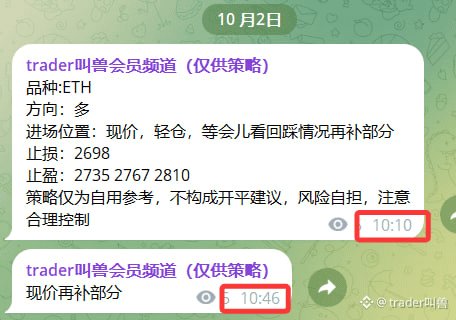
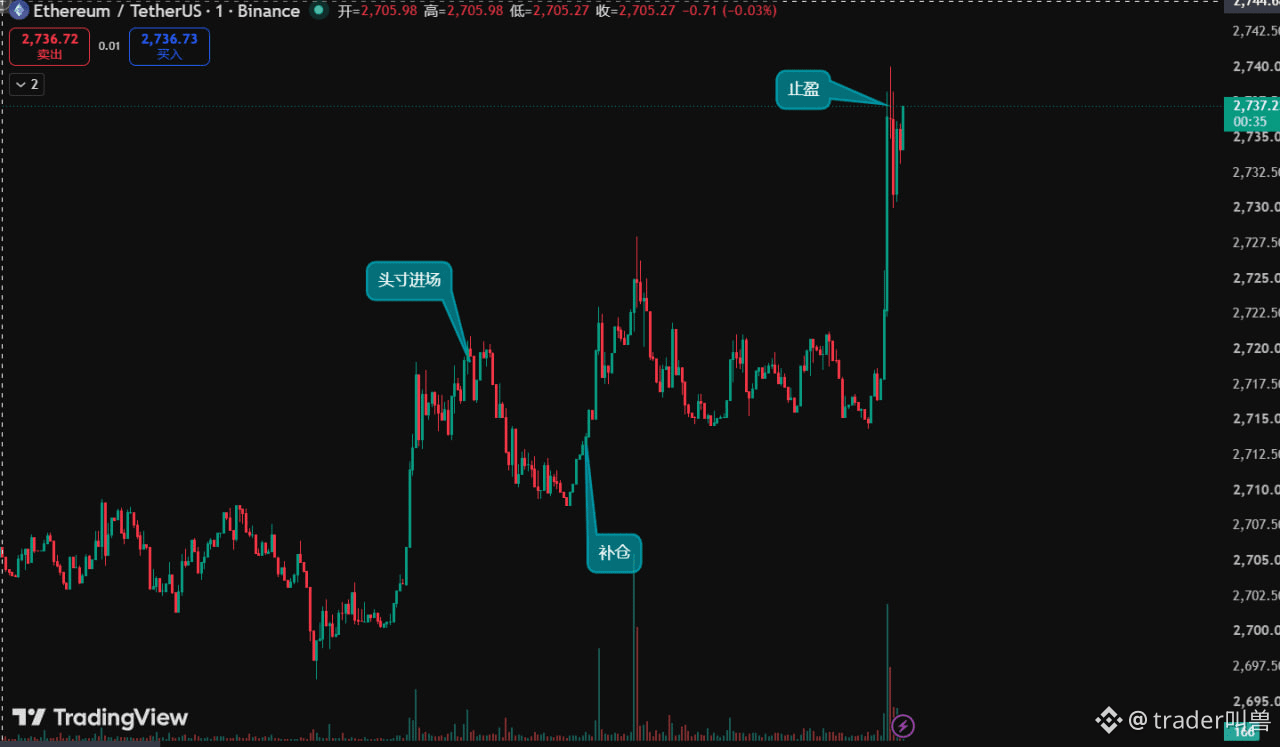
National Day is crowded everywhere
Don’t know why our crypto circle’s “medicine” goes out to join the fun
Aren’t trading at home more appealing?
#ETH走势分析
National Day is crowded everywhere
Don’t know why our crypto circle’s “medicine” goes out to join the fun
Aren’t trading at home more appealing?
#ETH走势分析
Don’t know why our crypto circle’s “medicine” goes out to join the fun
Aren’t trading at home more appealing?
#ETH走势分析
2
649
·
--
Want to make quick money from Bitcoin short-term trading? Then only short, not much else
BTC short-selling strategy! Warning for long-position bag-holders! Contract trading ideas!
For Bitcoin short-term, only short—not much else! Earn money by shorting! Bitcoin futures quick-profit strategy! Risk for long positions!
Want to make quick money from Bitcoin short-term trading? Then only short, not much else
BTC short-selling strategy! Warning for long-position bag-holders! Contract trading ideas!
For Bitcoin short-term, only short—not much else! Earn money by shorting! Bitcoin futures quick-profit strategy! Risk for long positions!
BTC short-selling strategy! Warning for long-position bag-holders! Contract trading ideas!
For Bitcoin short-term, only short—not much else! Earn money by shorting! Bitcoin futures quick-profit strategy! Risk for long positions!
318
·
--
If someone asks to borrow money, check these first—it works better than listening to explanations:
They use “investment” as an excuse, but can’t name the project or produce a contract, and they keep insisting it’s urgent. They have a job, yet they repeatedly borrow very small amounts: 300 today, 500 tomorrow—sometimes even as little as thirty or fifty gets mentioned. Suddenly, after 10 p.m., it becomes extremely urgent. When normal people are short on cash, they usually start with HuaBei or JieBei; if they’re not out of YuE Bao/“reserve funds” yet, they probably wouldn’t seek help from acquaintances in the middle of the night.
They lure you with “extra interest”: borrow 1000 and repay 1200 in a few days. Between friends, it’s rare to openly bring up interest to ask for a loan—this is a common scam pattern. If you refuse, they flip on you: dredge up old issues, play on emotions, and trade friendship for sympathy. Their朋友圈/ Douyin feeds show they’re always eating and drinking with plenty to spare; but when it’s time for real money, they suddenly lose face over trivial amounts. The reason they give is that parents, a spouse, or a child is seriously ill—but they can’t provide medical records or hospitalization paperwork. Even if they’re short on money, normal people wouldn’t use a family member’s health as a pretext to borrow.
If you suspect they might be gambling, look for these changes too:
Their phone gets flipped face-down or they stuff it into their pocket; when they’re looking at it, they act secretive. Chat histories are cleared frequently. They prefer to sleep with the phone tucked under the pillow. Their temper becomes noticeably worse for no reason—less patient, more irritable, and easily angered. They may leave home on a whim, and the number of hurtful remarks increases. They used to be in frequent contact and talk about what’s going on, but later they don’t answer calls; when you finally reach them, “asking for money” is almost the only thing left, wrapped in endless excuses. Lies pile on lies, and the story doesn’t line up from beginning to end.
If someone asks to borrow money, check these first—it works better than listening to explanations:
They use “investment” as an excuse, but can’t name the project or produce a contract, and they keep insisting it’s urgent. They have a job, yet they repeatedly borrow very small amounts: 300 today, 500 tomorrow—sometimes even as little as thirty or fifty gets mentioned. Suddenly, after 10 p.m., it becomes extremely urgent. When normal people are short on cash, they usually start with HuaBei or JieBei; if they’re not out of YuE Bao/“reserve funds” yet, they probably wouldn’t seek help from acquaintances in the middle of the night.
They lure you with “extra interest”: borrow 1000 and repay 1200 in a few days. Between friends, it’s rare to openly bring up interest to ask for a loan—this is a common scam pattern. If you refuse, they flip on you: dredge up old issues, play on emotions, and trade friendship for sympathy. Their朋友圈/ Douyin feeds show they’re always eating and drinking with plenty to spare; but when it’s time for real money, they suddenly lose face over trivial amounts. The reason they give is that parents, a spouse, or a child is seriously ill—but they can’t provide medical records or hospitalization paperwork. Even if they’re short on money, normal people wouldn’t use a family member’s health as a pretext to borrow.
If you suspect they might be gambling, look for these changes too:
Their phone gets flipped face-down or they stuff it into their pocket; when they’re looking at it, they act secretive. Chat histories are cleared frequently. They prefer to sleep with the phone tucked under the pillow. Their temper becomes noticeably worse for no reason—less patient, more irritable, and easily angered. They may leave home on a whim, and the number of hurtful remarks increases. They used to be in frequent contact and talk about what’s going on, but later they don’t answer calls; when you finally reach them, “asking for money” is almost the only thing left, wrapped in endless excuses. Lies pile on lies, and the story doesn’t line up from beginning to end.
They use “investment” as an excuse, but can’t name the project or produce a contract, and they keep insisting it’s urgent. They have a job, yet they repeatedly borrow very small amounts: 300 today, 500 tomorrow—sometimes even as little as thirty or fifty gets mentioned. Suddenly, after 10 p.m., it becomes extremely urgent. When normal people are short on cash, they usually start with HuaBei or JieBei; if they’re not out of YuE Bao/“reserve funds” yet, they probably wouldn’t seek help from acquaintances in the middle of the night.
They lure you with “extra interest”: borrow 1000 and repay 1200 in a few days. Between friends, it’s rare to openly bring up interest to ask for a loan—this is a common scam pattern. If you refuse, they flip on you: dredge up old issues, play on emotions, and trade friendship for sympathy. Their朋友圈/ Douyin feeds show they’re always eating and drinking with plenty to spare; but when it’s time for real money, they suddenly lose face over trivial amounts. The reason they give is that parents, a spouse, or a child is seriously ill—but they can’t provide medical records or hospitalization paperwork. Even if they’re short on money, normal people wouldn’t use a family member’s health as a pretext to borrow.
If you suspect they might be gambling, look for these changes too:
Their phone gets flipped face-down or they stuff it into their pocket; when they’re looking at it, they act secretive. Chat histories are cleared frequently. They prefer to sleep with the phone tucked under the pillow. Their temper becomes noticeably worse for no reason—less patient, more irritable, and easily angered. They may leave home on a whim, and the number of hurtful remarks increases. They used to be in frequent contact and talk about what’s going on, but later they don’t answer calls; when you finally reach them, “asking for money” is almost the only thing left, wrapped in endless excuses. Lies pile on lies, and the story doesn’t line up from beginning to end.
4
1.4k
·
--
🧧🧧🧧🧧
Like, follow, and comment
Get a red envelope
and Bitcoin Ethereum strategy
🧧🧧🧧🧧
Like, follow, and comment
Get a red envelope
and Bitcoin Ethereum strategy
Like, follow, and comment
Get a red envelope
and Bitcoin Ethereum strategy

534
7
34
534
·
--
Tomorrow is National Day.
Have you hung your ladders?
I’ve already broken two of them.
Tomorrow is National Day.
Have you hung your ladders?
I’ve already broken two of them.
Have you hung your ladders?
I’ve already broken two of them.
3
3
1k
·
--
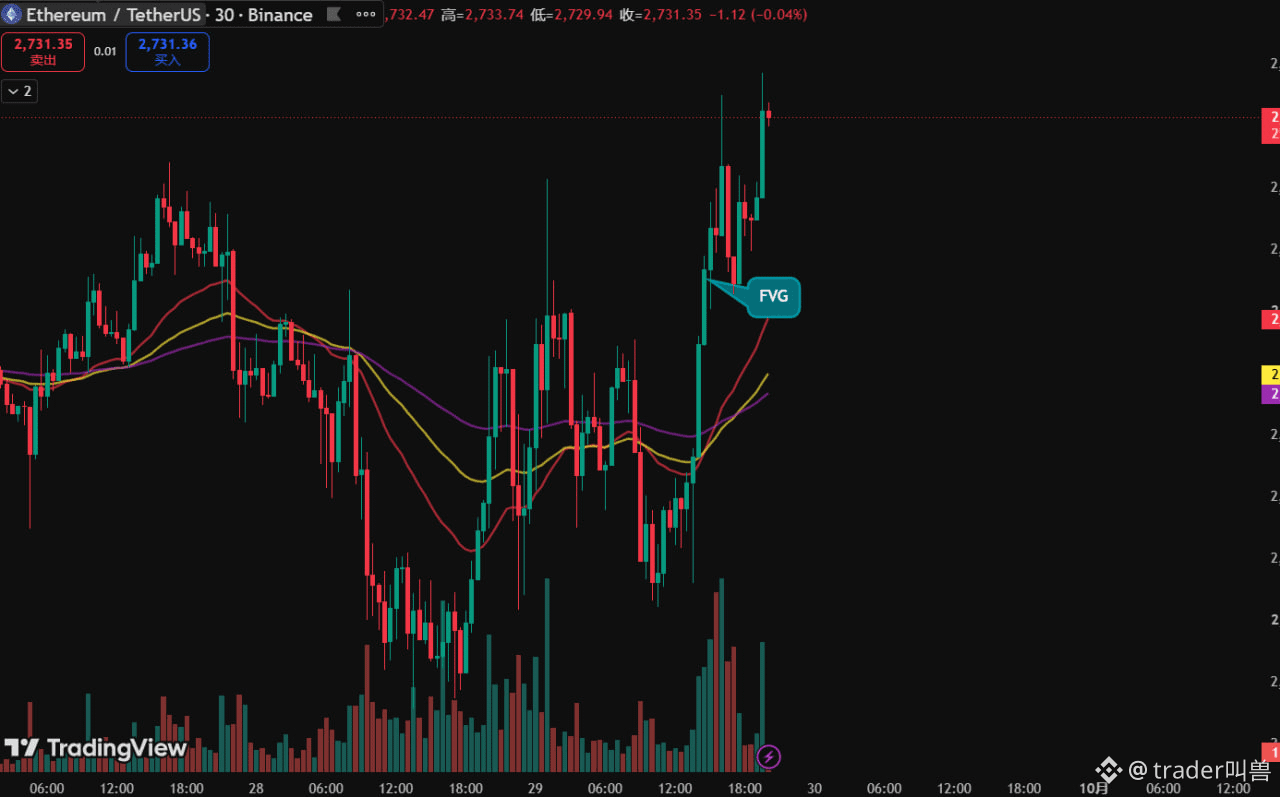
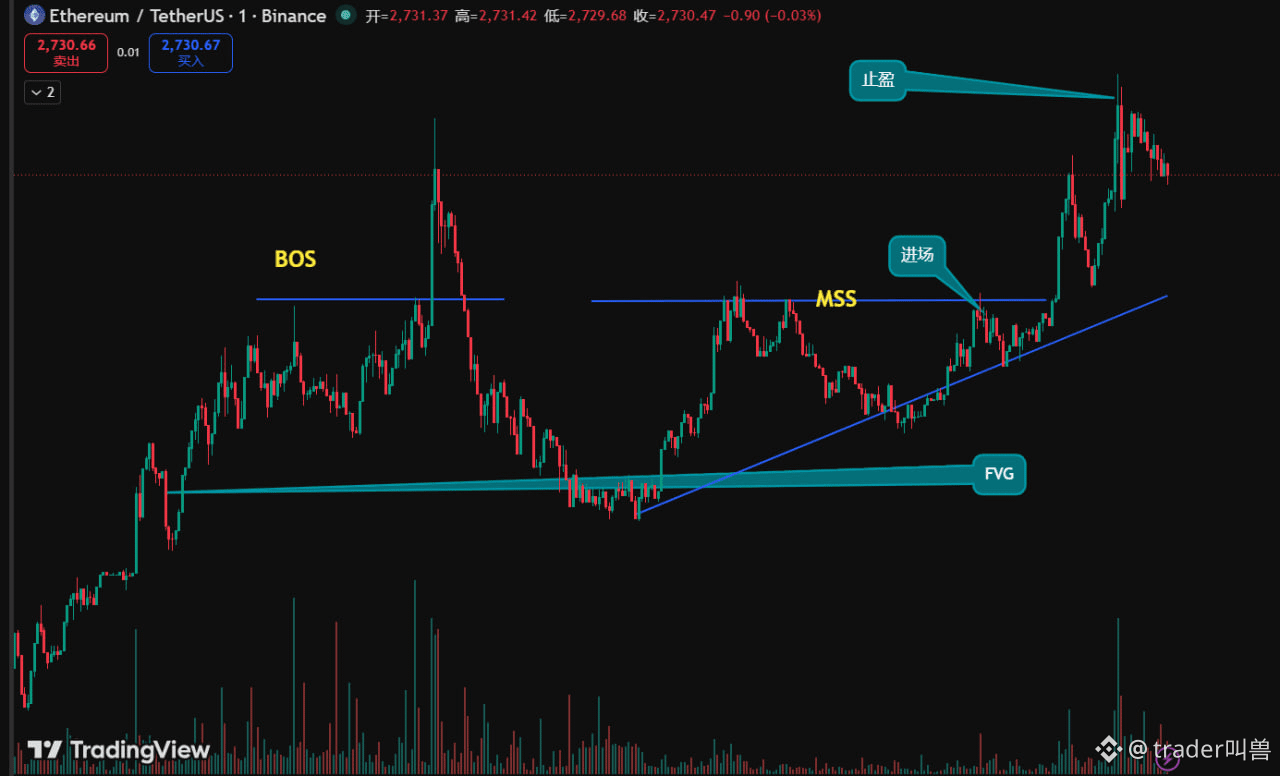
Member groups not only provide strategies; they’ll also tell you why to enter that way and why to exit that way. This was explained clearly in the SMC first lesson a few days ago.#ETH $ETH
Member groups not only provide strategies; they’ll also tell you why to enter that way and why to exit that way. This was explained clearly in the SMC first lesson a few days ago.#ETH $ETH
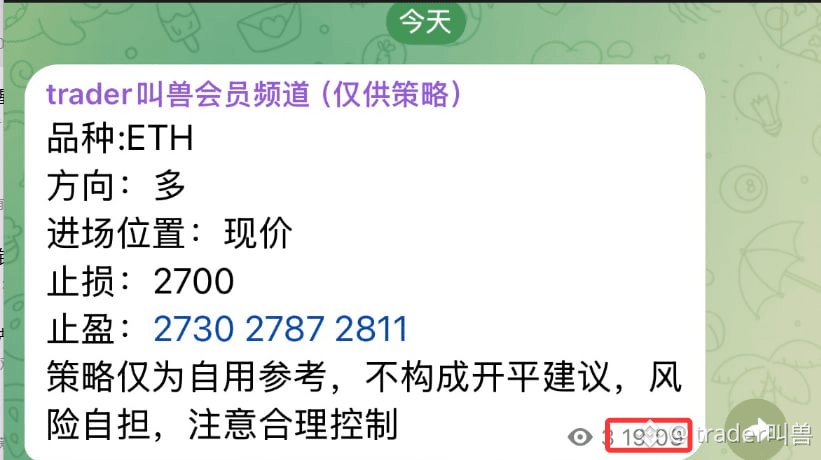
1
476
·
--
The best way to live right now is:
living alone + fitness + social media/content creation + deeply using AI tools + healthy eating + having fun + learning languages + 8 hours of sleep + stopping excessive overthinking + creating in fields you love + getting in touch with nature + interacting with small animals.
The best way to live right now is:
living alone + fitness + social media/content creation + deeply using AI tools + healthy eating + having fun + learning languages + 8 hours of sleep + stopping excessive overthinking + creating in fields you love + getting in touch with nature + interacting with small animals.
living alone + fitness + social media/content creation + deeply using AI tools + healthy eating + having fun + learning languages + 8 hours of sleep + stopping excessive overthinking + creating in fields you love + getting in touch with nature + interacting with small animals.
2
3
294
·
--
🧧🧧🧧🧧
Good morning, everyone. Do you think Bitcoin will go up or down today?
Share, like, and comment on this post.
Get your red packet reward 😙😙😙
🧧🧧🧧🧧
Good morning, everyone. Do you think Bitcoin will go up or down today?
Share, like, and comment on this post.
Get your red packet reward 😙😙😙
Good morning, everyone. Do you think Bitcoin will go up or down today?
Share, like, and comment on this post.
Get your red packet reward 😙😙😙

2k
7
94
2k
·
--
Bitcoin short-term direction has already come out. The objective trend reflects an impending decline!
BTC is going down! Downtrend signal analysis! Bitcoin short-term direction judgment! Perpetual contract short strategy!
What do you think about the direction?
Falling → tap "Falling"
Rising → tap "Rising"
Sideways → tap "Sideways"
What position do you currently have?
Long → tap "Long"
Short → tap "Short"
No position → tap "No position"
I’ll watch every single one.
Bitcoin short-term direction has already come out. The objective trend reflects an impending decline!
BTC is going down! Downtrend signal analysis! Bitcoin short-term direction judgment! Perpetual contract short strategy!
What do you think about the direction?
Falling → tap "Falling"
Rising → tap "Rising"
Sideways → tap "Sideways"
What position do you currently have?
Long → tap "Long"
Short → tap "Short"
No position → tap "No position"
I’ll watch every single one.
BTC is going down! Downtrend signal analysis! Bitcoin short-term direction judgment! Perpetual contract short strategy!
What do you think about the direction?
Falling → tap "Falling"
Rising → tap "Rising"
Sideways → tap "Sideways"
What position do you currently have?
Long → tap "Long"
Short → tap "Short"
No position → tap "No position"
I’ll watch every single one.
1
338
·
--
SMC Advanced: Which of the Three FVGs Is the Valid Structure?
SMC Advanced: Which of the Three FVGs Is the Valid Structure?
238
·
--
The food in Xi'an, I really can't handle
Goodbye
The food in Xi'an, I really can't handle
Goodbye
Goodbye

5
732
·
--

Article
An Added Trading Strategy Based on Wyckoff TheoryA few days ago, I recorded videos for my initial understanding of the SMC strategy.
It highlights the relationship between SMC and Wyckoff. If you don’t understand, you can watch the video repeatedly.
As a way of thinking, Wyckoff emphasizes the combination of volume and price, and the price cycle.
Today, I’m adding an entry strategy based on Wyckoff’s way of thinking.
Finally, the support point (LPS)
—This is one of the entry locations that professional traders like the most. You can capture the most important leg of the move while taking on smaller risk.
Explain how the “S.O.S.” (strong signal) works, and why you must wait for a low-volume pullback to confirm that the seller’s power has been exhausted.
An Added Trading Strategy Based on Wyckoff Theory
A few days ago, I recorded videos for my initial understanding of the SMC strategy.
It highlights the relationship between SMC and Wyckoff. If you don’t understand, you can watch the video repeatedly.
As a way of thinking, Wyckoff emphasizes the combination of volume and price, and the price cycle.
Today, I’m adding an entry strategy based on Wyckoff’s way of thinking.
Finally, the support point (LPS)
—This is one of the entry locations that professional traders like the most. You can capture the most important leg of the move while taking on smaller risk.
Explain how the “S.O.S.” (strong signal) works, and why you must wait for a low-volume pullback to confirm that the seller’s power has been exhausted.
It highlights the relationship between SMC and Wyckoff. If you don’t understand, you can watch the video repeatedly.
As a way of thinking, Wyckoff emphasizes the combination of volume and price, and the price cycle.
Today, I’m adding an entry strategy based on Wyckoff’s way of thinking.
Finally, the support point (LPS)
—This is one of the entry locations that professional traders like the most. You can capture the most important leg of the move while taking on smaller risk.
Explain how the “S.O.S.” (strong signal) works, and why you must wait for a low-volume pullback to confirm that the seller’s power has been exhausted.
2
2
360
·
--
🧧🧧🧧🧧
Forward, like, and follow
Claim your exclusive red envelope
And get exclusive Bitcoin and Ethereum strategies 🌹🌹
🧧🧧🧧🧧
Forward, like, and follow
Claim your exclusive red envelope
And get exclusive Bitcoin and Ethereum strategies 🌹🌹
Forward, like, and follow
Claim your exclusive red envelope
And get exclusive Bitcoin and Ethereum strategies 🌹🌹

1.7k
7
80
1.7k
·
--
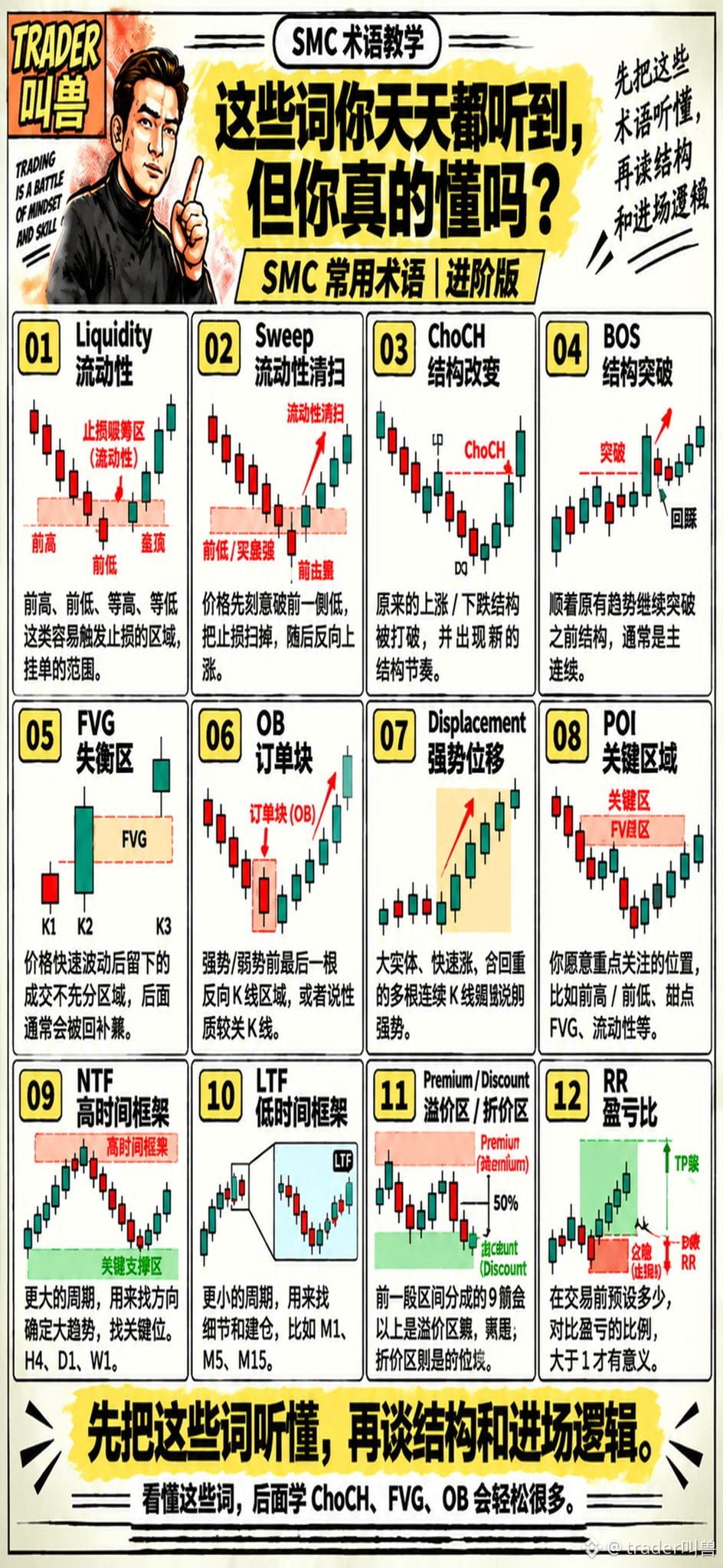
If you still don’t understand, you can use the picture to take a look.
This is the foundation—make sure you really learn it.
(Including the short videos updated every day, which also add to advanced SMC techniques)
If you still don’t understand, you can use the picture to take a look.
This is the foundation—make sure you really learn it.
(Including the short videos updated every day, which also add to advanced SMC techniques)
This is the foundation—make sure you really learn it.
(Including the short videos updated every day, which also add to advanced SMC techniques)
trader叫兽
·
--
SMC Smart Money First Lesson: Concept Breakdown, Core Terminology, and a Practical Guide to Market Structure (Full video can be found on the homepage YouTube)
1
336
·
--
Genius traders, will you choose empty or full for this structure?
Genius traders, will you choose empty or full for this structure?
1
410
Log in to explore more content
Join global crypto users on Binance Square
⚡️ Get latest and useful information about crypto.
💬 Trusted by the world’s largest crypto exchange.
👍 Discover real insights from verified creators.
Email / Phone number