Three realistic ways I’ve seen $100 turn into $10K in crypto — not overnight, but through structure.
First, entering early narratives before liquidity arrives. The biggest multiples rarely come from large caps. They come from themes that are still small but starting to gain attention: new ecosystems, fresh tech cycles, or emerging sectors. Early entries carry higher risk, but also asymmetry. A small allocation into the right narrative before it becomes crowded can move 50–100x across a full cycle.
Second, compounding instead of cashing out too early. Many traders catch a 2–3x and rotate out immediately. The problem is exponential growth needs time. Turning $100 into $10K rarely happens in one trade. It happens when gains are rolled into the next high-conviction setup. Letting winners fund the next position is how small capital scales.
Third, surviving long enough to experience a full expansion phase. Crypto moves in cycles. Most of the upside happens in compressed windows when liquidity floods in. If capital is lost to leverage, overtrading, or chasing noise before that phase arrives, asymmetry is gone. Preservation is part of growth.
Small capital grows through positioning, patience, and selective aggression. Not constant activity.
In crypto, the path from $100 to $10K is not speed. It is sequence.$BTC
Three mistakes I often see beginners make in crypto.
First, chasing price instead of planning entries. Many buy after large green candles because it “feels safe,” but that is usually where early buyers take profit. Without defined entry and invalidation, trades become emotional reactions.
Second, using leverage without understanding risk. New traders focus on potential profit but ignore liquidation distance and volatility. High leverage in a normal pullback can erase the position even if the overall direction was right.
Third, confusing noise with signal. Social media hype, influencer calls, and whale screenshots create urgency. Beginners treat them as certainty instead of context. Real signals come from structure: trend, volume, liquidity, and positioning.
In crypto, mistakes compound fast. So does discipline.$BTC
Fogo, and the Discipline Hidden Inside 40 Millisecond Blocks
There is a specific moment when I stop trusting a performance claim, and it is not when the number looks too large. It is when the number looks easy to repeat. In crypto, speed is often treated like a trophy. A screenshot of TPS, a chart of confirmation time, a demo that feels smooth at light load. It is convincing in the way early stage systems are always convincing. Everything behaves when nothing is demanding it. What changed the way I read projects like Fogo is a more boring question, what does the system force you to be consistent about, once it runs for months, not hours. Fogo is easy to summarize in one sentence, an L1 built around the Solana VM with an aggressive latency target. But that summary is not what makes it interesting. Plenty of chains say they are fast. Plenty of teams claim low latency. The part that is harder to fake is what a forty millisecond block cadence actually does to the behavior of the stack above it. A block time that short is not just a speed feature. It is a constraint that reassigns where uncertainty is allowed to live. When blocks come quickly, variance stops hiding in long slots. Jitter stops feeling like a rounding error. Timing drift stops being something a user tolerates once. It becomes something every application has to account for continuously. In practice, this is where many “fast” systems quietly degrade. The failure mode is rarely an outage. It is the slow growth of defensive design. You start by writing straightforward logic, submit transaction, wait, continue. Then you observe that completion is not as consistent as the averages suggest. Sometimes confirmation stretches. Sometimes ordering behaves differently. Sometimes a transaction lands later than expected during bursts. So you add a buffer. Then you add a second threshold. Then you add a retry branch. Then you add monitoring to decide whether to retry. Then you add a fallback route. None of this looks like failure. But the system stops being clean. What looked like speed at the base layer becomes complexity at the application layer. That is why I think the real question for Fogo is not whether it can produce very fast blocks. It is whether it can keep the distribution tight enough that automation does not start compensating for it. People who do not operate systems tend to think the average matters most. Operators learn to look at the long tail. Average latency is the number you put on a landing page. Tail latency is the number that determines whether your users end up building around you. A forty millisecond block target makes that tail problem louder, not quieter. It forces the chain to be honest about its variance budget. If leader scheduling, networking, validator performance, or execution paths become elastic under load, there is nowhere for that elasticity to hide. Every small drift gets amplified because the system is being asked to complete decisions at a cadence that assumes stability. This is where the Solana VM choice matters. Using the Solana VM is not, by itself, a differentiator. It is a compatibility and execution ergonomics choice. The interesting part is what happens when you pair that execution environment with a much stricter timing discipline. If execution is familiar, developers will bring familiar expectations about how quickly workflows should complete. They will build automation that assumes tight loops, rapid feedback, and repeatability. The chain then has to either uphold that assumption under load, or the application layer will start building its own coping mechanisms. Fogo, by choosing a latency posture this aggressive, is implicitly saying that the coping layer should not exist. It is a bet on consistency as the product. In trading oriented environments, this distinction becomes operational rather than philosophical. Trading systems do not just want speed. They want predictable timing relationships. They want stable completion windows so that strategies can be modeled. They want less variance so that execution risk is bounded. It is not the peak confirmation time that ruins a strategy. It is the moments when the system behaves differently than expected, and you cannot tell whether it was network jitter, ordering variance, or execution congestion. That is when “fast” becomes “fragile”. If Fogo can keep timing behavior stable enough that these moments are rare, then its main contribution is not raw throughput. It is a tighter contract between the chain and the application. A tighter contract reduces the need for defensive logic. It compresses state machines. It makes automation less paranoid. It reduces the number of places where humans have to step in, not because the system failed, but because the system became ambiguous. That kind of stability is hard to sell early because it does not create dramatic screenshots. It creates boring months. But boring months are what production systems pay for. None of this comes without cost. A strict latency posture narrows what the system can afford to be flexible about. If the chain is serious about keeping timing tight, it may need to be opinionated about scheduling, resource usage, or what kinds of workload spikes are acceptable. It may sacrifice some degrees of freedom that other systems use to absorb congestion in a more elastic way. That can feel restrictive to builders who want maximal composability freedom or who prefer environments where the system adapts loosely around variable conditions. There is also a trade off in how quickly you can expand the feature surface without violating the latency discipline. Every new capability becomes an opportunity for variance to creep in. Every additional layer can create new tail behavior. The chain has to police its own complexity. This is why I do not treat a low block time claim as automatically bullish. A low block time is easy to declare. A stable timing distribution is expensive to enforce. If Fogo ends up being successful, I suspect it will not be because people are impressed by a number. It will be because the number behaves like a constraint that stays true after month six. That is the phase where most infrastructure either earns trust or starts demanding attention. And attention is the hidden cost that kills automation. In my experience, systems do not become difficult because they are slow. They become difficult because they are inconsistent enough that you are forced to interpret them. Fogo’s bet, at least the one implied by its posture, is that interpretation should not be part of the workload. Timing should be predictable enough that applications can assume completion rather than negotiate it. If that holds, the system will feel less like a fast chain and more like a strict environment where behavior stays tight under repetition. Speed is the easiest part to sell. Discipline is the part that decides whether the system can run unattended. That is what I will be watching for with Fogo. @Fogo Official $FOGO #fogo
Vanar, and Why Predictable Fees Are a Modeling Primitive
After enough time building around automated flows, I stopped thinking of fees as a “cost” and started treating them as a variable that either behaves like an input, or behaves like noise. When it behaves like an input, you can model around it. You can set policies, ceilings, budgets, and timing assumptions that remain true across weeks of operation. When it behaves like noise, your system does not fail immediately. It becomes defensive. It grows buffers. It adds estimation ranges. It builds fallback routes. It starts carrying uncertainty inside logic that was supposed to be clean. That is the part people miss when they talk about fee design, they look at averages, they look at “cheap”, they look at momentary throughput, and they miss what fee variability does to systems that are supposed to run without negotiation. Vanar makes more sense to me when I evaluate it through that lens, not “low fees”, but fee predictability as a modeling primitive for automation, for agents, and for long running payment workflows. A primitive is something you build on without re arguing the premise every time. Time is a primitive. Identity is a primitive. For automated systems that move value, cost ceilings and completion assumptions become primitives too, because they determine whether a workflow stays linear or turns into a decision tree. When fees are aggressively market reactive, the workflow above them changes shape. The system cannot treat cost as a constant, so it starts treating cost as a runtime question. That sounds small, but it is a structural shift. A payment step that used to be “send, then continue” becomes “estimate, compare, buffer, maybe delay, maybe route elsewhere, maybe retry later”. The cost model moves from configuration into execution. And once cost becomes a runtime question, you have implicitly re introduced a human style problem into an automated loop, interpretation. Even if nobody is manually clicking buttons, your code starts doing the equivalent. It starts negotiating with the environment on every action. That negotiation is expensive in ways dashboards do not show. It increases state machine width. It increases edge cases. It increases monitoring load because now the system can be “correct” while still behaving unexpectedly. It increases audit burden because you no longer have one path to verify, you have many conditional paths that exist purely because fee behavior is not stable enough to assume. This is why “cheap on average” is not the same thing as “usable for automation”. In day to day operation, the systems that age badly are not always the systems with high fees. They are the systems where fees are unpredictable enough that every team quietly builds an internal “fee coping layer” above the chain. Vanar’s claim, or at least the direction Vanar is trying to occupy, is that this coping layer should not exist. Not because fees never move, but because fee movement should stay inside a controlled band that is predictable enough to model. That is a very different promise than “we are cheaper”. A banded, predictable fee model does not maximize market expressiveness. It does not let the chain behave like a perfect auction at every moment. It makes fewer people happy during congestion spikes, because it refuses to fully translate demand into price in real time. But what it buys is operational clarity. If the fee ceiling is stable enough, an automated system can embed that ceiling directly into logic. It can make commitments to users and to other systems. It can decide “this workflow runs every hour”, without adding a special case for “unless the network is having a moment”. This is where Vanar’s fee stance connects back to the broader Vanar infrastructure posture, constraint first. Predictable fees only matter if the rest of the settlement environment does not undermine them. If ordering and timing drift wildly under stress, you still end up with defensive logic. If finality is soft enough that systems keep adding confirmation ladders, you still end up with delayed triggers and reconciliation routines. So the interesting part is not predictable fees in isolation. The interesting part is how Vanar pairs predictability with bounded validator behavior and deterministic settlement semantics, so that “cost modeled in advance” actually remains meaningful during long operation. The result is not a prettier UX. The result is fewer hidden branches in the automation layer. This is also where the market framing often gets it backwards. People look at constrained infrastructure and assume it is less scalable, because it does not chase the maximum performance surface. In production, I have found the opposite pattern. Systems scale when the number of assumptions you have to re validate stays low. If fees are predictable, you do not need a fee prediction subsystem. If fees are predictable, you do not need constant alerting on cost drift. If fees are predictable, you do not need to explain to downstream partners why last week’s “expected cost” is no longer valid today. That is not “feature richness”. That is assumption longevity. The trade off is real, and it should be said plainly. A chain that keeps fees predictable is giving up some degrees of freedom that other chains use to optimize locally. It is choosing discipline over adaptation in at least one dimension of the design. That can frustrate builders who want maximum flexibility, because sometimes the whole point of composable environments is that they let you improvise around changing conditions. Vanar, by taking predictability seriously, is implicitly telling you not to improvise at the base layer. It is telling you to design systems that behave consistently, because the base layer is trying to behave consistently too. For some categories of experimentation, that feels restrictive. For agent workflows and automated payments, that restriction can be the difference between a system that runs cleanly, and a system that slowly turns into a pile of exceptions. Only near the end does it make sense to mention VANRY. If Vanar is building an environment where automated execution and settlement are expected to be repeatable, then VANRY has a narrow, unromantic role. It sits inside the cost and coordination loop. It becomes part of the mechanism by which actions are paid for, settled, and kept consistent over time. That does not guarantee value accrual. The market can price anything however it wants. But the design intent is at least coherent, VANRY is not an accessory to attention, it is closer to an internal coupling piece for a system that wants to be modelable under automation. That is why I keep coming back to this framing. Predictable fees are not a nice to have. They are a modeling primitive. Without them, autonomy becomes conditional. Automation becomes supervised. Agent workflows become “mostly automatic”, with an invisible layer of exception handling that grows until it is the system. Vanar is interesting to me because it seems to be paying the cost of constraint upfront, so the automation layer does not keep paying the cost of doubt later. That is not the only valid design. But it is a clear one. And in infrastructure, clarity tends to age better than cleverness. @Vanarchain #Vanar $VANRY
I started paying attention to Vanar when I noticed a small operational tell that usually shows up only in production, teams stop asking “what’s the cheapest fee right now,” and start enforcing “what’s the maximum fee this workflow is allowed to pay.” That sounds like a UX detail, but it changes system behavior. If an agent has a hard cost ceiling, it cannot improvise when fees spike. It either completes, or it must halt cleanly. On many networks, that ceiling turns into messy logic, estimators, buffers, retry storms, and human escalation when the ceiling is breached. Vanar’s design reads like it wants that ceiling to be a first class constraint, not an afterthought. Predictable fee movement, bounded validator discretion, and a clearer commit boundary mean automation can stay linear longer, instead of turning into a tree of defensive branches. I mention VANRY late on purpose, because the token only matters if the system can keep those execution budgets stable under repetition. Reliable budgets beat clever retries. #vanar $VANRY @Vanarchain
I used to get impressed by chains that felt fast in a demo. The longer I spend around real systems, the more I care about a different signal, how often the network leaves everyone guessing for a few seconds. On a lot of stacks, the annoying part is not that transactions fail. It’s that they kind of succeed. You see confirmations hanging, observers disagreeing just long enough to matter, timeouts that resolve after a retry. Nothing explodes, but every integrator quietly adds buffer logic, and that buffer becomes the real product. What made me pause with FOGO is how allergic it seems to that gray zone. The design reads like it wants convergence to close cleanly, so there are fewer half states where the ecosystem is forced to interpret what “accepted” means. It’s like an intersection. Faster cars don’t help if the lights aren’t synced. You just move confusion from one block to the next. Not everyone will like the constraints that come with that. But for settlement under load, I’ll take clean convergence over speed you can’t trust. @Fogo Official #fogo $FOGO
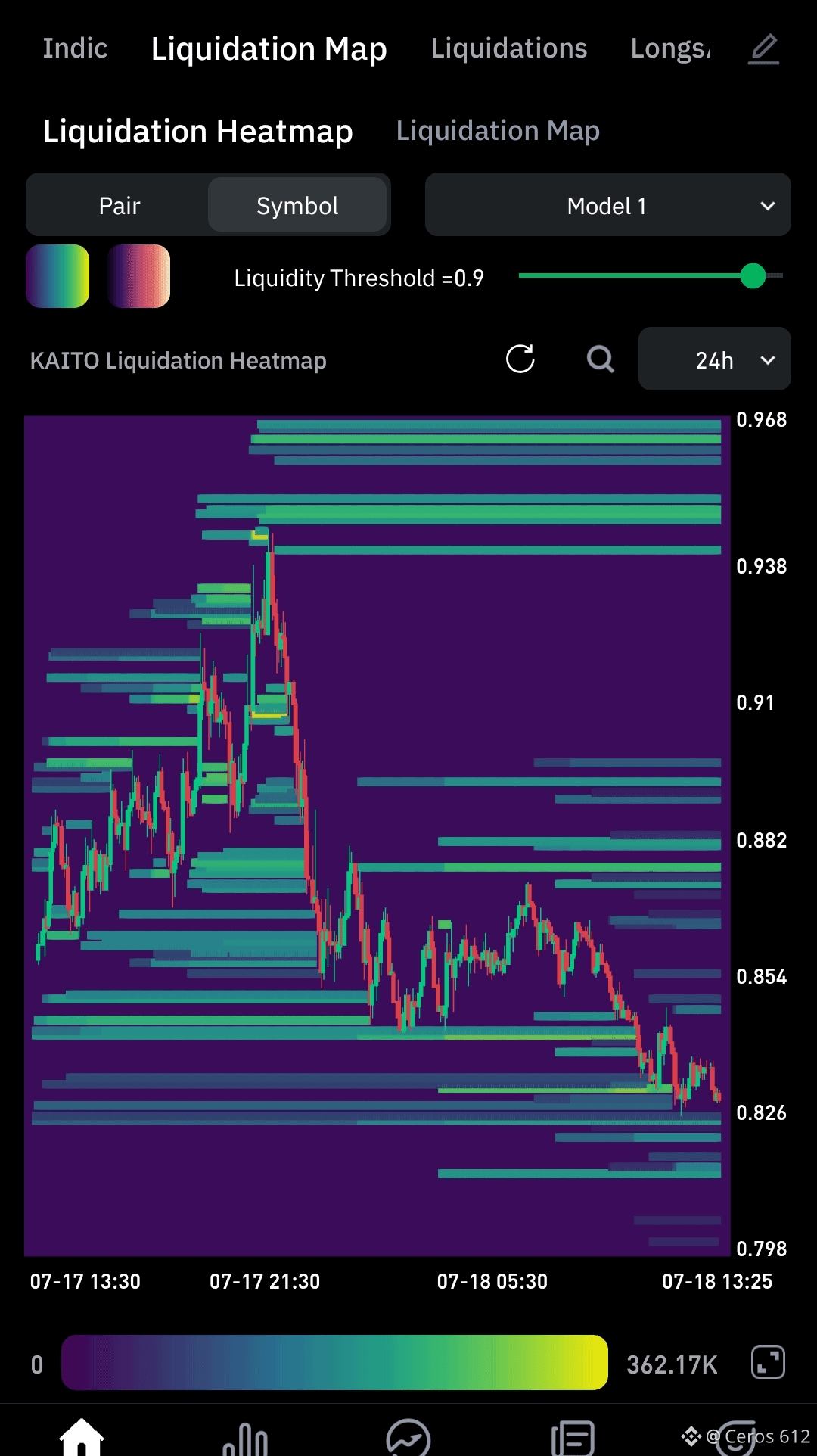
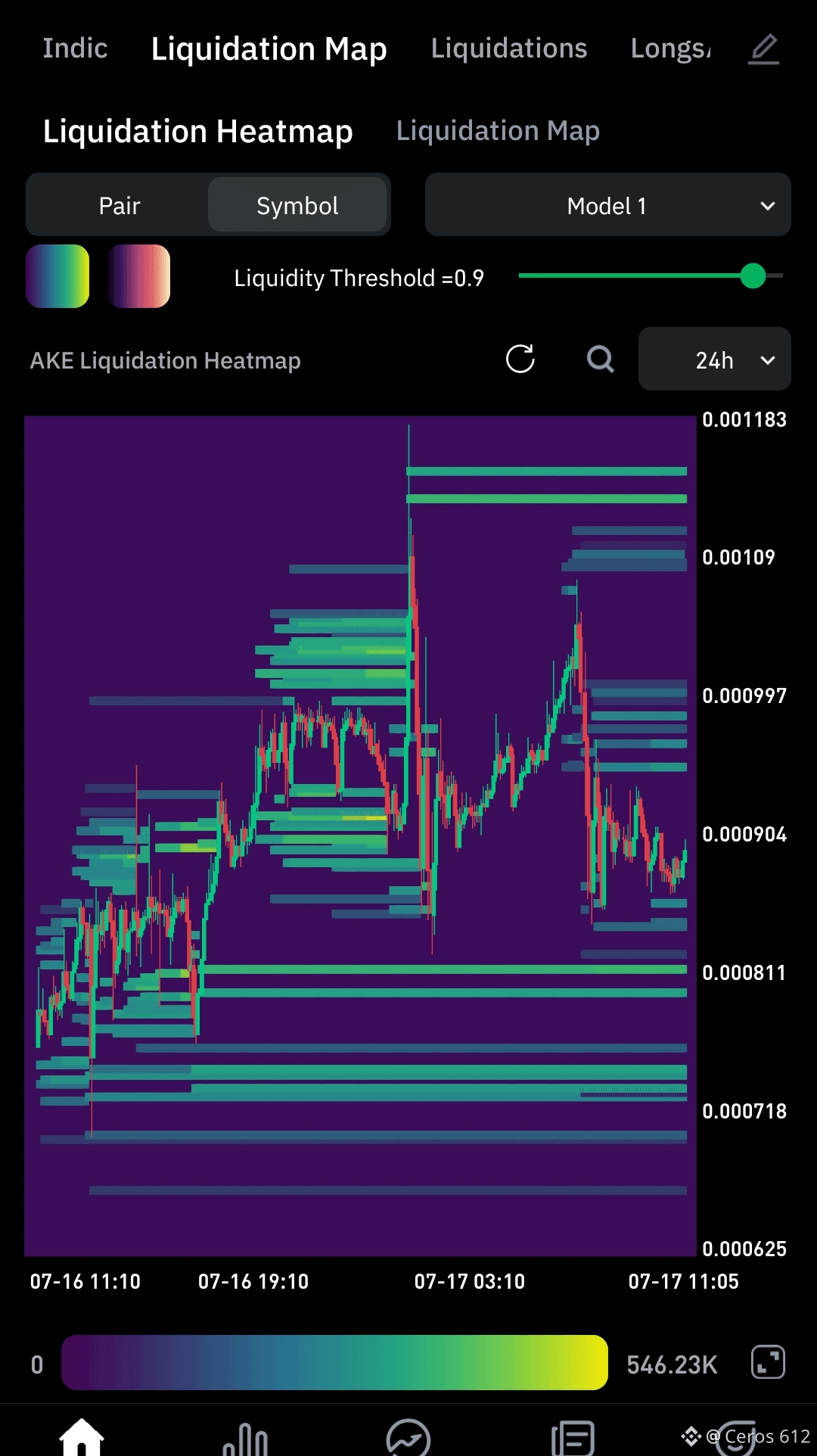
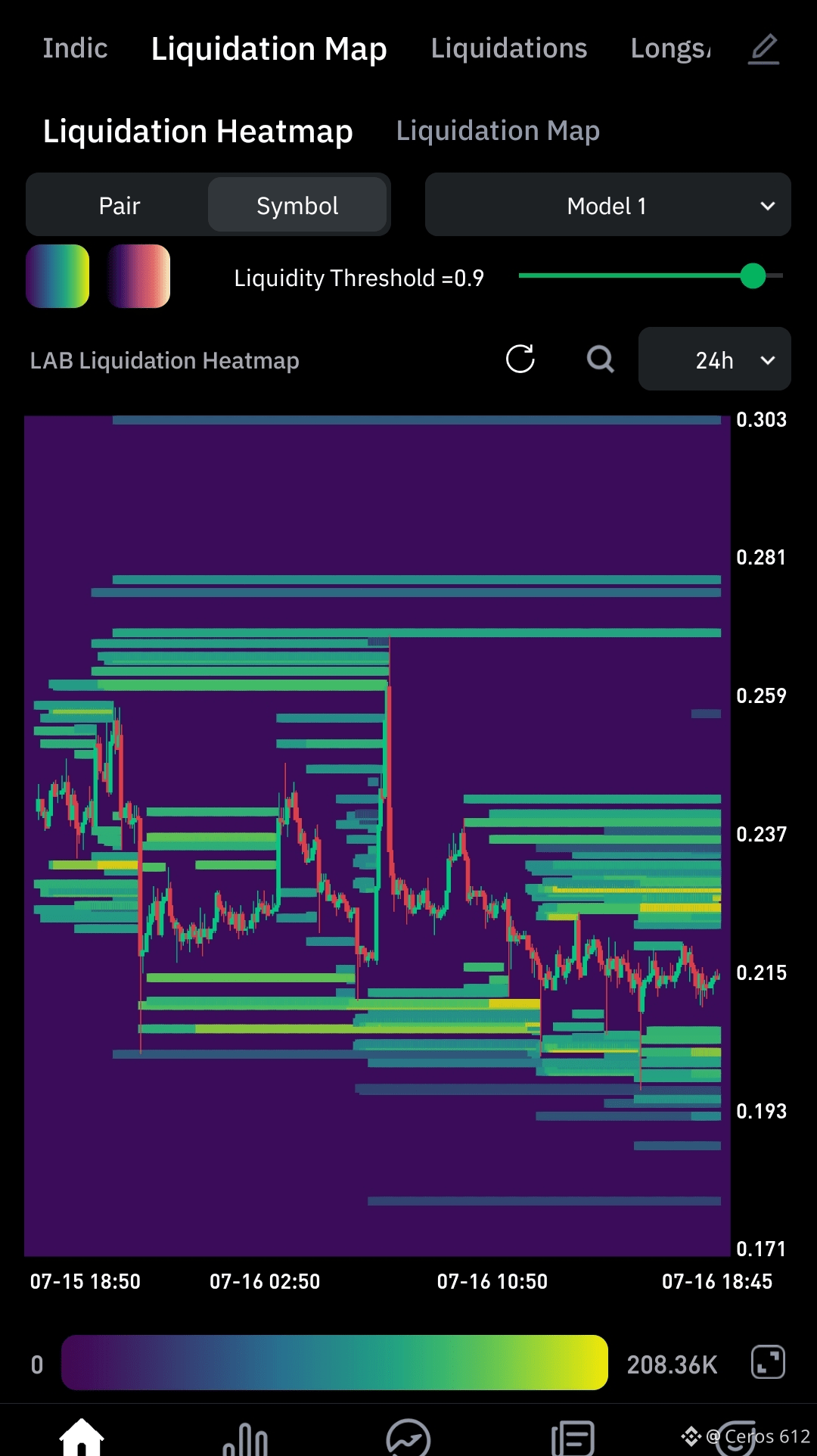
Entry: 0.73–0.74 TP1: 0.55 TP2: 0.42–0.45 SL: 0.78 Light analysis: Price just tapped prior double-top liquidity (~0.75–0.80) with a vertical move → exhaustion risk. Structure shows equal highs taken + sharp rejection zone. If momentum stalls here, mean-reversion toward mid-range support 0.45–0.50 is likely. Loss of 0.70 confirms distribution phase.
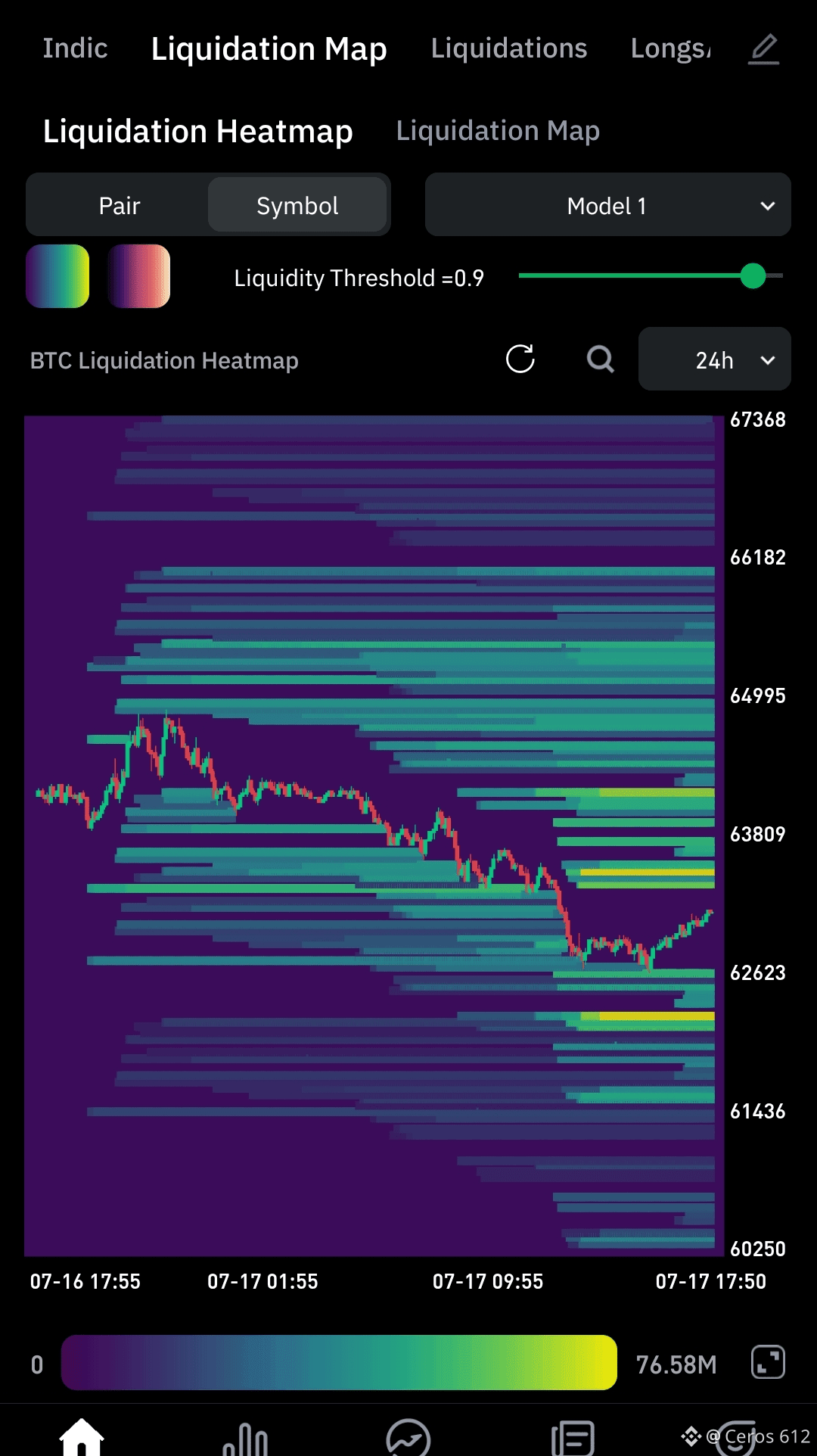
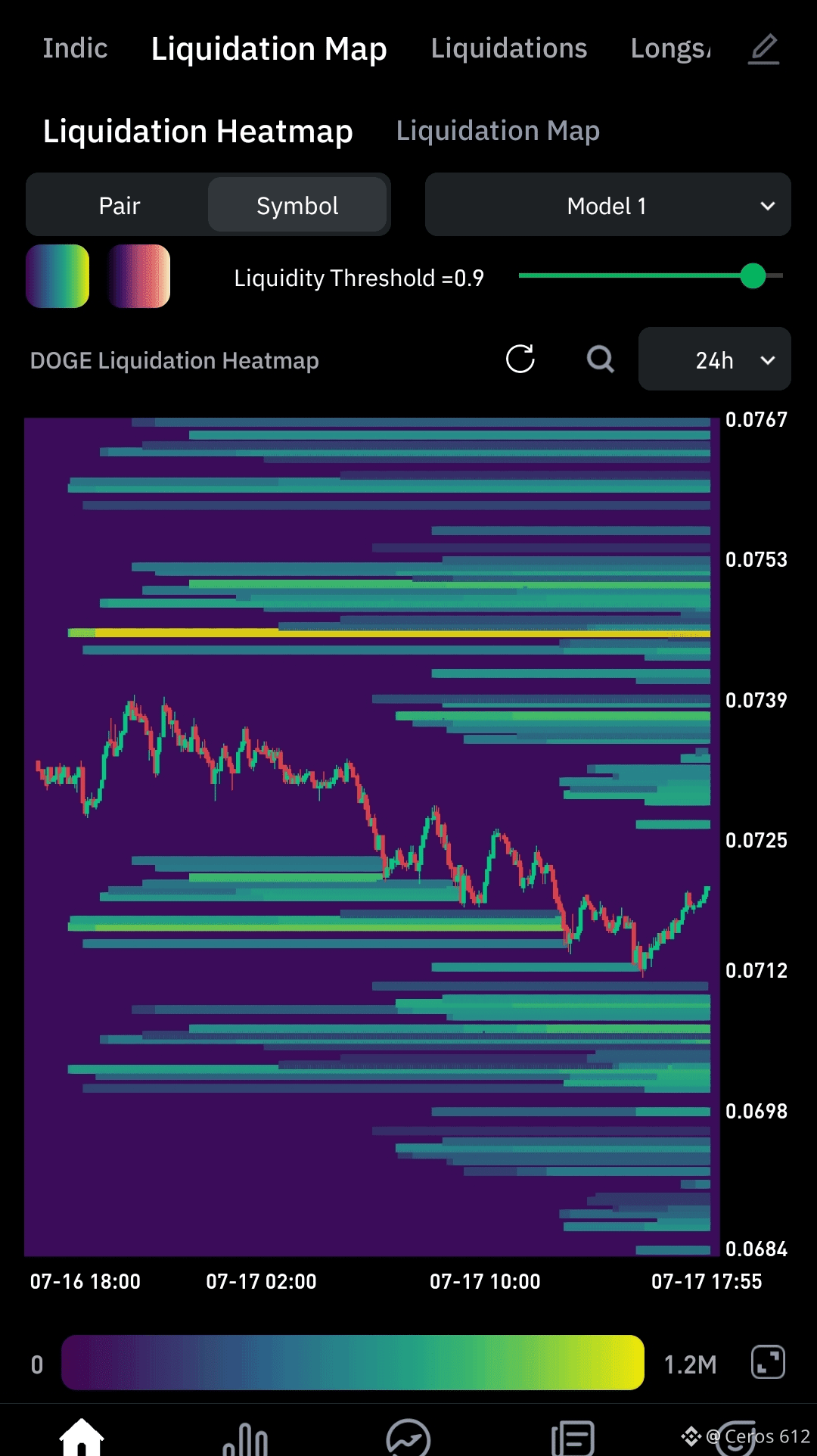
Whale update: a $BTC short around $10.5M notional is currently under pressure.
Position size ~150 BTC at 40x cross, entry near 69.7K. Price has moved above entry, leaving the trade about $47K unrealized loss. Liquidation sits high near 77K, so the trader still has room, but with 40x leverage, tolerance is thinner than it looks.
This was clearly a rejection bet around 70K. The idea likely assumed exhaustion or fake breakout. Instead, price pushed through, shifting structure against the short.
Key dynamic now is simple: squeeze risk. If BTC holds above 70K and open interest rises, shorts like this become fuel. If price stalls back under entry, the position stabilizes.
High leverage shorts at reclaimed highs rarely get comfort. They either unwind fast or get forced.
Right now, market structure favors pressure on this side.
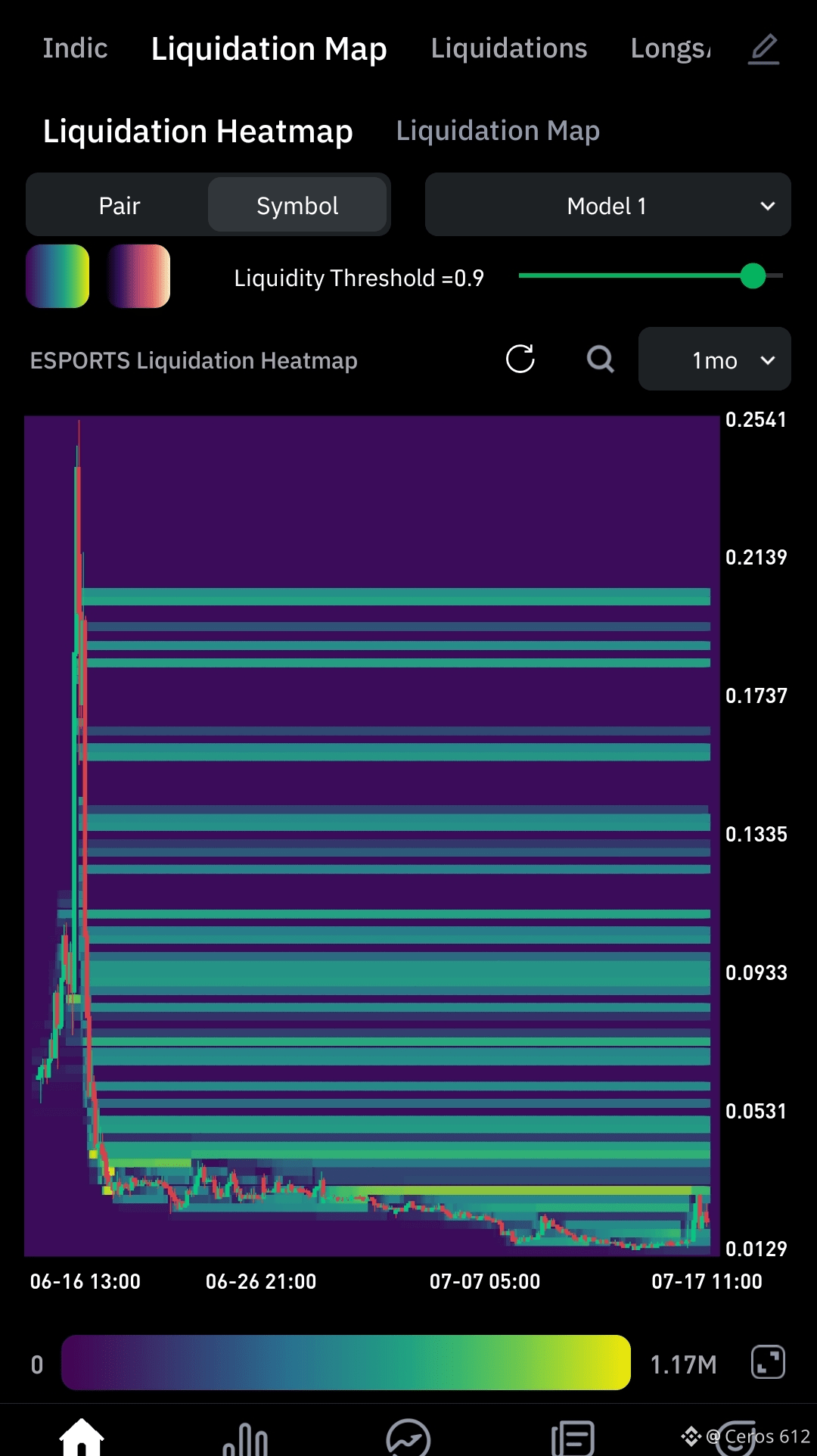
Entry: 0.014–0.015 stop loss of 0.012 support Target: 0.02 → 0.025 expansion zone This is momentum continuation after volume ignition. As long as volume does not collapse and price holds above reclaim, bias stays long.
A whale is running a $SOL short around $1.1M notional, 4x isolated. Entry near 86.3, currently slightly underwater with about $19K unrealized loss. Liquidation sits above 105, so the position has room, but not infinite tolerance if upside accelerates.
This is not high-leverage aggression. 4x isolated suggests controlled risk. The trader is willing to be early and absorb short-term drawdown rather than chase breakdown confirmation.
That tells me this is likely a resistance-based short, not momentum chasing. The thesis probably revolves around rejection near recent highs rather than expecting immediate collapse.
Does SOL reclaim and hold above 86–88 with strength? Or does it fail to expand and roll back under liquidity?
If price compresses upward and open interest rises, squeeze risk builds. If momentum fades and volume thins out, this short regains control.
This is patience versus breakout. Structure will decide.
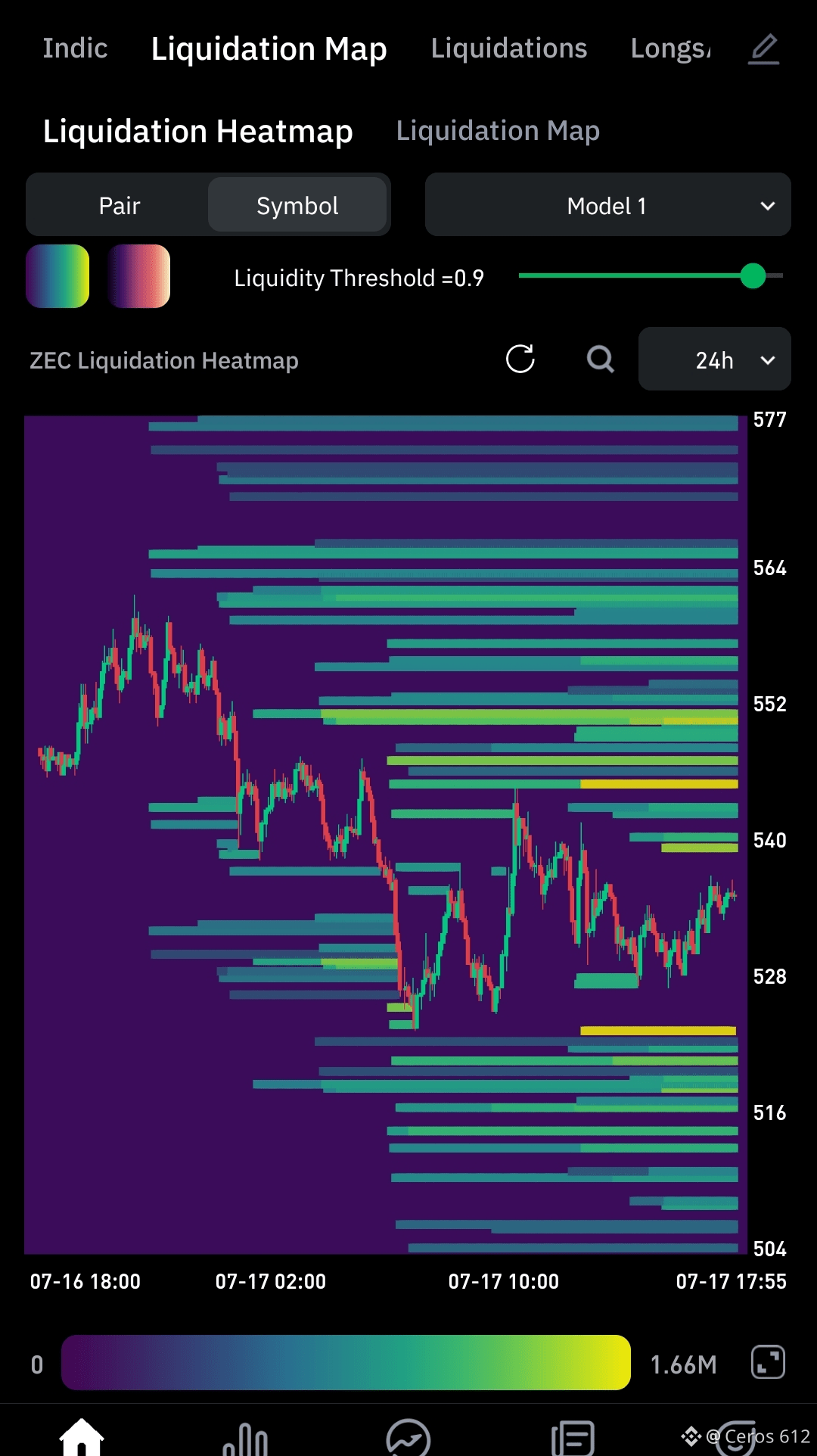
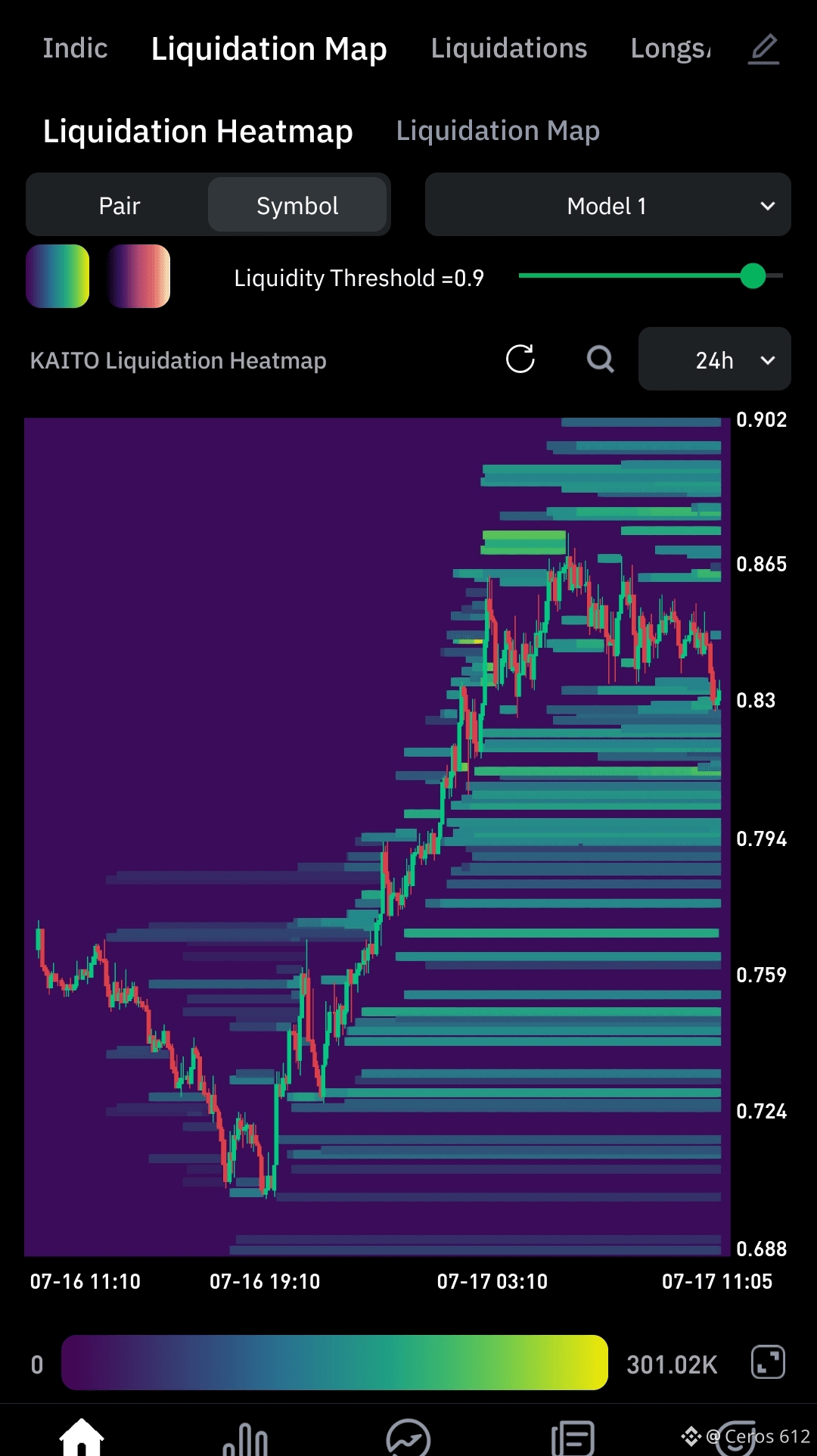
Entry zone: 0.104–0.106 TP1: 0.112 TP2: 0.119–0.120 SL: 0.101 Light analysis (trend + structure): 4H chart shows a clear short-term recovery after forming a local bottom near 0.09. Price reclaimed the 0.10 psychological level and is now pushing back into previous supply around 0.11. Higher lows are forming, and momentum is shifting upward. If price holds above 0.104 and breaks cleanly through 0.11 with volume expansion, continuation toward 0.119 zone is reasonable.
Vanar, and Why Cross chain Availability Is Not Distribution, It Is a Trust Contract
I have a mild allergy to the way people talk about “going cross chain” like it is just another growth lever. The language always sounds clean, more ecosystems, more users, more volume. In practice, the first thing that breaks is not demand. It is the assumptions you thought were stable when you were only operating in one environment. That is why Vanar’s cross chain direction, starting with Base, is more interesting to me as an operational test than as a distribution story. If Vanar’s pitch is AI first infrastructure and readiness, then the question is not whether Vanar can reach more wallets. The question is whether Vanar can preserve the same settlement guarantees when the surrounding environment changes. This is where a lot of “AI ready” talk turns into marketing. AI systems do not fail because they cannot generate outputs. They fail because they cannot close actions in a way that stays true under repetition. And when you stretch an infrastructure stack across chains, you introduce new surfaces where closure can become conditional again. The trust contract I care about is simple. If I build an automated workflow that relies on Vanar’s settlement semantics, will those semantics survive when the workflow touches Base, or will I be forced to re introduce human judgment and defensive logic upstream. When people say “cross chain,” they usually mean access. When operators hear “cross chain,” they hear drift. Not dramatic failures. Quiet changes. The kind that only show up after a few months of sustained operation. Costs stop being modelable in the same way. Execution ordering becomes less legible. Finality turns into a layered concept, final here, pending there, bridged later. None of that is inherently wrong. It is just the moment where your neat, single chain assumptions get reassigned into a multi system state machine. If Vanar is serious about being AI first, it cannot afford for that reassignment to happen by accident. A lot of chains treat settlement as something that improves gradually. The longer you wait, the more confident you become. Humans can live inside that curve. We can decide when “good enough” is good enough. Automated systems do not do that well. The moment you make completion fuzzy, automation starts branching. It waits longer. It retries. It adds confirmation ladders. It introduces reconciliation routines that exist only to cope with ambiguity. Vanar’s stated design direction points in the opposite direction. It treats settlement more like a boundary condition than a confidence slope. Predictable fee behavior matters here, not because cheap is nice, but because modelable cost removes a whole class of runtime estimation and fallback paths. Constraining validator behavior matters for the same reason. It shrinks the range of outcomes an automated system has to defend against. Deterministic settlement semantics matter because they let downstream logic treat “committed” as a binary event. Those choices are already opinionated on a single chain. They become even more opinionated when you try to make them portable. Cross chain availability forces you to answer an uncomfortable question. What exactly is Vanar exporting to Base. Is it exporting capability, or is it exporting guarantees. If it is capability, then you can ship a wrapper, a toolset, a messaging layer, maybe an execution environment that can be used elsewhere. That may be valuable, but it does not preserve the thing that makes Vanar distinct in the first place. Capability travels easily. Guarantees do not. If it is guarantees, then Vanar has to “package” its constraints in a way that survives contact with another chain’s fee dynamics, ordering rules, and finality expectations. That is not a marketing integration. That is a discipline problem. The failure mode I have seen, over and over, is that cross chain systems start strict and end up negotiable. They do not do it on purpose. They do it because edge cases pile up. Someone wants lower latency, so they loosen a confirmation requirement. Someone wants higher throughput, so they accept wider fee variance. Someone wants smoother UX, so they allow more flexible execution paths and rely on monitoring to catch anomalies later. Each change is reasonable in isolation. Together, they turn hard boundaries into soft boundaries. Soft boundaries are where AI systems quietly degrade. This is why I do not evaluate Vanar’s Base expansion by asking whether it will “unlock scale.” Scale is the easy part to sell. The harder part is whether Vanar can keep the completion semantics crisp when activity is no longer confined to Vanar’s native environment. Payments are where this matters most, because payments expose whether the system can conclusively close an economic action without asking for interpretation. On one chain, you can sometimes hide the mess behind “it eventually finalized.” Across chains, “eventually” becomes an operational burden. Value moves, but the system cannot agree on when that movement is complete in a way all participants can observe and act on without coordination. If Vanar’s stack wants to serve agents and automated workflows, the payment boundary has to remain hard even when routing touches Base. Otherwise, the agent workflow turns into supervised automation. Someone has to watch bridge states. Someone has to handle partial completion. Someone has to decide whether a delay is acceptable or a failure. That is not autonomy. That is outsourcing ambiguity to humans. There is a design implication here that people rarely say out loud. Cross chain readiness is not about reaching more users. It is about whether your constraint set is strong enough to survive being composed with other systems. And composition is exactly where emergent behavior appears. Vanar does not need to “win” composability contests to be valuable. If Vanar is optimizing for long running automation, it might be rational to be restrictive by default, because unrestricted composition multiplies hidden dependencies. Those dependencies show up later as fragile assumptions. The more fragile the assumptions, the more defensive the application logic becomes. The more defensive the logic becomes, the less predictable the system is under automation. That is why I keep returning to the same operational metric, not throughput, not feature surface, but how long the original assumptions remain true. Cross chain is usually where assumptions die early. So the honest way to read Vanar’s move is as a stress test. Can Vanar keep its settlement behavior boring, predictable, and legible, even when execution and value flow interact with a different ecosystem. There are real trade offs here, and they cut both ways. If Vanar insists on preserving strict boundaries, it may look slower, stricter, less flexible, and sometimes less convenient than systems that accept ambiguity and smooth it out with retries and monitoring. Builders who enjoy rapid improvisation will find that annoying. Some composability patterns will be harder to replicate. Some performance optimizations will be intentionally left unused. But if Vanar relaxes boundaries to fit in, then the whole “AI first” positioning becomes cosmetic. It becomes a label applied to a stack that still relies on human fallback when things drift. I do not think this is a question of ideology. It is a question of where you want complexity to live. You can absorb complexity at the base layer, enforce rules there, and keep upstream systems simpler. Or you can export complexity upward, let the base layer remain flexible, and force every application and agent workflow to become defensive. Over time, exported complexity is what burns teams. It does not show up as an outage. It shows up as operational overhead. More monitoring. More exception handling. More manual escalation paths. More of the system’s “stability” coming from people compensating for what the infrastructure no longer guarantees. That is why I treat cross chain as a trust contract. If Vanar’s constraints hold, then Vanar’s expansion is not just distribution. It is proof of readiness. If they do not hold, then the expansion is just surface area. Only near the end does it make sense to mention VANRY, because the token is not the thesis, it is the coupling mechanism. If Vanar is genuinely exporting enforceable settlement behavior across its stack, then VANRY’s role is easier to justify as usage anchored participation in that constrained environment, tied to the system’s ability to keep completion semantics reliable under sustained operation. If Vanar’s guarantees soften when it goes cross chain, then VANRY becomes harder to read as anything other than narrative exposure. I do not claim to know which outcome the market will reward. Markets like speed and breadth because those are visible. Discipline is quieter, and it looks restrictive until you have to operate through month six. But if Vanar wants to be taken seriously as AI first infrastructure, Base is not just a new venue. It is the moment where Vanar has to prove its assumptions are portable. Distribution is easy to announce. A trust contract is harder to keep.@Vanarchain #Vanar $VANRY
I kept hearing Vanar described as an AI narrative chain, but the signal that made me pay attention was not AI at all, it was what stopped showing up in operations. On systems I have worked around, you can usually predict when humans will be pulled back into the loop. Not because of outages, because of soft alarms, fee spikes that break cost ceilings, finality that stretches, ordering that becomes uncertain, settlement that needs “one more confirmation” before anyone dares to trigger the next step. Those alarms are not dramatic, but they are expensive. The moment a workflow needs a person to decide whether to retry, wait, reroute, or reconcile, the system is no longer autonomous. It is supervised automation. What stood out on Vanar was a narrower band of that uncertainty, settlement feels designed to close cleanly without asking for interpretation later. Predictable cost behavior, bounded validator discretion, and a harder commitment boundary reduce the number of situations where an operator has to step in and “make it true.” That is the kind of improvement you only notice when you have lived with the opposite, where your app logic slowly turns into a defensive state machine. I mention VANRY late on purpose, because the token only matters if the infrastructure actually stays quiet under repetition. If Vanar keeps removing human-only alarms from the loop, VANRY reads less like momentum, more like the coupling mechanism for that discipline. Quiet systems age better than clever exceptions. #vanar $VANRY @Vanarchain
Bitcoin just pushed back above 70K, and the structure behind the move matters more than the headline.
One visible whale is running a 200 BTC long, roughly $14M notional, at 40x cross leverage. Entry sits around 69.8K with relatively tight margin compared to exposure. Unrealized PnL is positive, meaning the breakout is already rewarding high-risk positioning.
When $BTC reclaims a psychological level like 70K, the first question is not “how high.” The first question is who is driving it.
If price moves above 70K while open interest expands, that suggests fresh leverage entering the system. That can fuel continuation, but it also builds liquidation risk underneath. If price moves higher while open interest stays flat or declines, that signals spot-driven strength and short covering, which is structurally healthier.
The 40x leverage here tells us this is a timing trade. High leverage compresses time. It depends on immediate follow-through. Sideways consolidation above 70K is fine. A sharp rejection back below entry would quickly pressure this type of positioning.
Another key metric is funding. If funding spikes aggressively positive as price pushes above 70K, late longs are likely piling in. That increases squeeze risk in both directions. If funding remains moderate while price grinds higher, the move is less crowded.
Breaking 70K is symbolic. Holding above 70K with stable structure is what actually matters.
Right now the market is choosing expansion. The question is whether that expansion is supported by spot demand or just amplified by leverage.
Above 70K, momentum is visible. Sustainability is the real test.
FOGO and the Decision to Price State Growth Before It Becomes Drift.
When I first slowed down enough to map FOGO, what held my attention was not the low latency headline. It was a quieter decision about what the chain refuses to subsidize. FOGO is treating state growth like a liability that must be priced early, not a free byproduct you deal with later. I have learned to treat state growth as the most reliable predictor of long run instability. Not because state is dramatic. Because state is permanent. Throughput spikes come and go. Hot apps rotate. Market structure changes. State stays. Every byte that becomes part of the ledger becomes an obligation that every serious operator inherits, not once, but continuously, across snapshots, indexers, audits, and incident response. The failure mode rarely starts as an outage. It starts as drift. RPC latency creeps. Indexers fall behind in small bursts. Snapshot times stretch. Teams add caches and special casing. None of this looks like a protocol failure. It looks like normal scaling work. Then one day the system is still running, but operators are spending real time just keeping it interpretable. I do not like chains that discover their storage policy in production. Most systems price what users feel immediately, execution and inclusion, and they underprice what feels invisible at launch, permanence. That choice is not neutral. It creates a hidden subsidy. It teaches builders that writing to state is cheap, then forces everyone else to pay the bill later, forever. FOGO signals a different stance. It attaches an explicit cost to permanence through state rent. The point of rent is not to extract value. The point is to prevent a habit from forming. Cheap state creates a loop. Builders store more than they need because it is convenient. Apps keep historical artifacts on chain because it is easiest. Indexers and analytics services become the real memory, while the base layer becomes an ever growing dump. When performance degrades, the response is rarely to reduce state. The response is to build more infrastructure around it. More caching. More exceptions. More privileged providers. That is how drift becomes the operating model. Rent breaks that loop early by making permanence a decision. If you want something to live in state, you must believe it deserves to be carried by everyone. That is the behavioral change I care about. Not ideology, but incentive alignment. State is not just data. State is an ongoing cost surface. There is another reason pricing permanence matters under scrutiny. Audits arrive late. Incident investigations arrive later. Regulatory questions arrive when the system is already depended on. In those conditions, state bloat is not only a performance tax. It becomes a clarity tax. The larger and messier state becomes, the harder it is to reconstruct what happened, why it happened, and what the system can defend as canonical behavior. The ecosystem starts leaning on privileged providers and private datasets because the public system is too heavy to reason about quickly. A chain that wants to be used for serious settlement should not push people toward private truth. The design choice becomes clearer when you look at how costs are routed. With FOGO, rent and fees are not framed as random tolls. They are routed into two places that matter operationally. One part is removed from circulation, making the cost feel real. The other part supports validators, making enforcement sustainable as the ledger grows. The logic is simple. If you are going to ask the network to carry permanence, you need to fund the network that carries it. This is cost relocation in its cleanest form. Pay once in protocol by pricing state growth and keeping the ledger lightweight enough to remain legible. Or pay repeatedly in operations by scaling around a growing liability, under time pressure, while trying to preserve usability. The second path always feels easier early. It also always produces the same culture. Monitoring instead of prevention. Exceptions instead of constraints. Drift as normal. Then surprise when the system becomes fragile. There are real trade offs, and it is important not to hide them. State rent increases friction for builders. Some designs become more expensive. Rapid iteration feels slower because the easiest pattern, write more, is no longer free. Teams must think harder about what belongs in state versus what belongs in derived indexes, logs, or off chain storage. That is not fun, especially for builders who grew up in environments where storage felt infinite. Markets also tend to misprice this at launch. It is easier to sell raw performance than it is to sell long run discipline. Users do not celebrate the absence of drift. They only notice drift after it harms them. But for operators, discipline is the point. Token mention belongs late in this story. FOGO matters here not as a growth lever, but as operating capital. It is how fees are paid, how staking secures the enforcement set, and how the system funds the boring work of keeping settlement coherent as state accumulates. If the chain is serious about pricing permanence, the token is the vehicle that makes that policy enforceable and sustainable. In the end, I am not watching whether FOGO can be fast. Many systems can be fast for a while. I am watching whether it can stay clean while being fast. Whether it can keep state growth priced and intentional, instead of letting permanence become an unbounded liability that operators inherit forever. High throughput gets attention. Priced permanence keeps systems running. @Fogo Official #fogo $FOGO
People love to describe FOGO with a single word, fast. That is not what made me look twice. What made me look twice was how little time I spent arguing with the network.
The first operational smell on most stacks is not an outage. It is the gray zone. Hanging confirmations. Diverging observer views.
Timeouts that “fix themselves” after retries. In my experience, that noise rarely disappears by accident. Either nothing is being stressed, or the system is reducing coordination states at the acceptance boundary.
With FOGO, activity did not feel lower. It felt tighter. Fewer moments where integrators have to guess what the chain meant, and fewer places where soft coordination becomes part of normal operation.
Most systems decentralize execution and then pay the coordination bill later. Under load, you get more edge handling, more reconciliation, more downstream patching. FOGO’s emphasis on a curated, colocated validator set shifts the cost earlier, toward convergence, not interpretation.
FOGO shows up late in this story for me. It is not a growth lever. It is operating capital for staking and fees that keeps the enforcement set coherent.
Whale update: two leveraged longs are active. $BTC long ≈ $16.6M notional at 40x cross, entry around 67.5K, currently in profit. $ETH long ≈ $3.3M notional at 25x cross, entry near 2K, also green. This is a short-term momentum bet, not spot accumulation. Watch open interest, funding, and spot volume for confirmation.
Whale watch update: one large trader is currently running a dual leveraged long across ETH and SOL with total perps exposure around $13M notional.
Breakdown from the screen:
$ETH long about $11.9M notional, 20x cross Size around 6K ETH Entry near 1973 Margin under $600K Liquidation far below in the mid-1600s zone
$SOL long about $1.1M notional, 20x cross Size near 13.8K SOL Entry around 80 Margin just over $56K
This is not random positioning. It is correlated beta exposure through majors, expressed with high leverage and cross margin. That tells you the trader is not isolating risk per leg. They are expressing a directional thesis on overall market bounce rather than token specific divergence.
Two things stand out structurally.
First, entries are near compression zones, not breakout highs. That suggests this was opened into weakness or early reversal, not late momentum chasing. Leveraged traders with experience usually prefer that timing because liquidation distance improves relative to entry.
Second, margin efficiency is tight but not reckless. With 20x cross, survival depends more on portfolio level drawdown than single candle noise. That is a volatility tolerance statement.
What I would monitor next is not the PnL number. It is context.
Does open interest rise with price or lag it Does funding turn expensive for longs Does spot volume confirm or is this perp driven Does one leg get reduced first if market stalls
Copying whales is gambling. Reading their risk posture is analysis. Big difference.
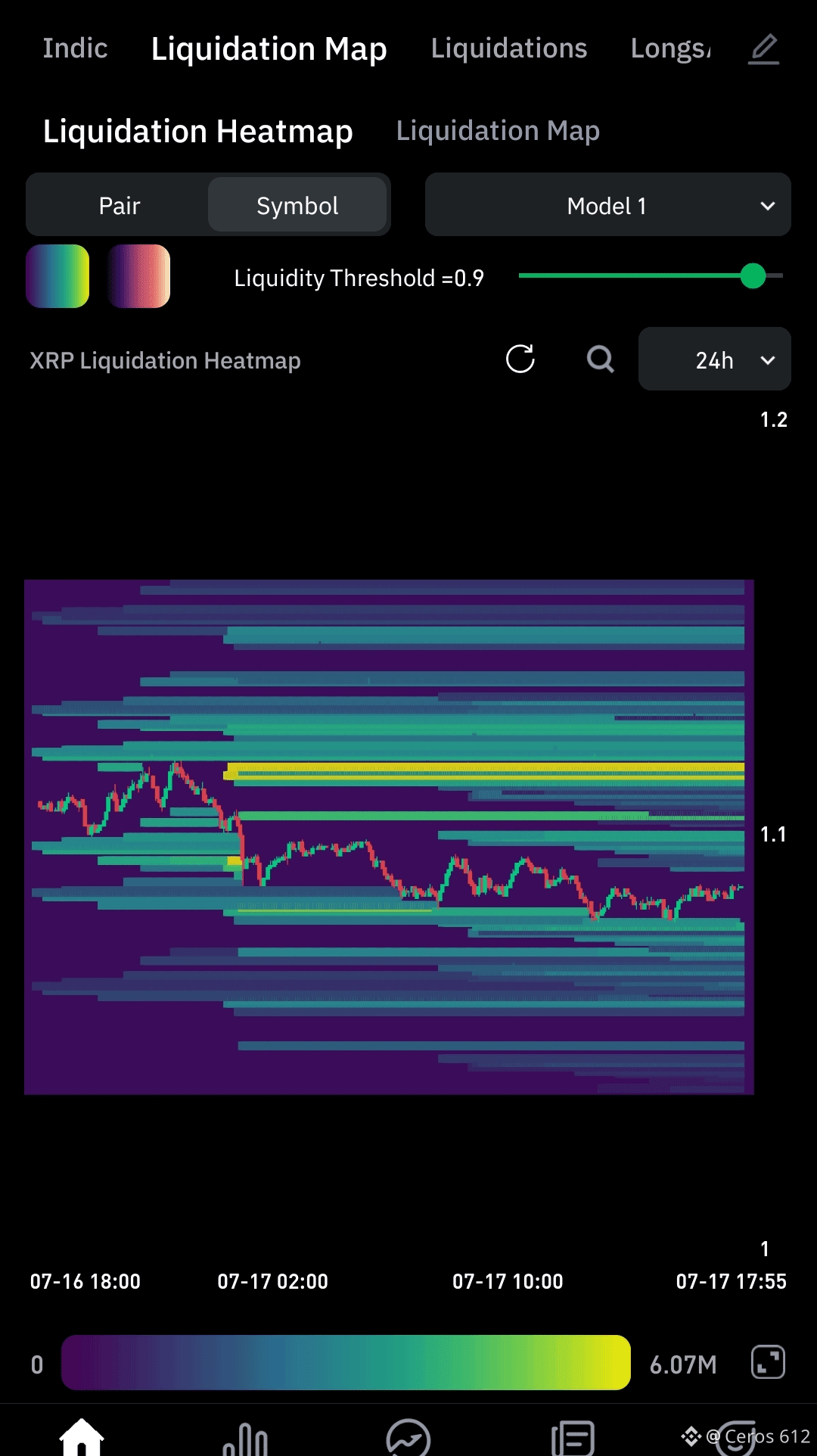
Entry zone: 0.0265–0.0270 TP1: 0.0300 TP2: 0.0340 SL: 0.0249 Light chart read (price + volume): Price is printing a short-term stair-step structure with higher lows on the lower timeframe after a compression base. The breakout leg is supported by a visible volume expansion spike, which usually signals participation rather than a thin move. Current candles are holding above the micro breakout level instead of instantly wicking back that’s constructive for continuation.
People keep framing Vanar as an AI narrative chain, but the signal that pulled my attention was uglier and more operational than that, the second confirmation job never showed up.
On a lot of stacks, you ship an automation once, it works, everyone calls it stable, then a few weeks later the “safety layer” gets added anyway, a delayed recheck, a post settlement verifier, a reconciliation timer that runs after the first completion event. Not because anything exploded, but because the team stopped trusting that “done” stayed done under repetition.
On Vanar, the loop stayed single pass longer than I expected. No extra confirmation ladder. No growing chain of if uncertain then wait branches. That is usually the first sign that settlement semantics are doing real work, not your ops team.
I have enough scars to rule out the easy explanations. It is not because traffic is low. It is not because nobody is pushing automation. It is usually because the base layer keeps three variables inside a tighter band, cost, ordering, finality. When those drift, defensive code appears upstairs, every time.
Vanar looks restrictive if you measure feature surface. It looks useful if you measure how quickly your workflow starts asking for human supervision.
VANRY only matters to me in that context, as the token living inside a stack that tries to keep completion binary.
If your automation needs a babysitter, you do not have autonomy, you have a dashboard. @Vanarchain #Vanar $VANRY