

Riechelmann
25 Posts

Riechelmann
Report
Block User
Integrante da equipe do Juris Protocol, protocolo DeFi de empréstimos colateralizados construído sobre a rede LUNC (Terra Classic). Entusiasta em DEFI.
30 Following
20 Followers
34 Liked
Posts
All
Quotes
·
--
See translation


Crypto News Portal
·
--
Bullish🔔 Juris Protocol team attaches great importance to the TOKEN2049 event. Get ready for significant developments regarding LUNC.
The Juris team will share updates on the progress within the Terra Classic ecosystem and the new joint roadmap for JurisProtocol and LUNCSwapfun at TOKEN2049.
The Terra Classic chain is stepping back onto the global stage. The TOKEN2049 event will take place in Singapore on October 7–8, 2026. As you know, TFL had previously concluded its legal proceedings in Singapore. Now, there could be no better place than Singapore for a fresh start. The days ahead promise to be exciting for $LUNC and USTC...
#LUNC #TerraClassic #JurisProtocol #Bullish #TOKEN2049 $LUNC $USTC
The Juris team will share updates on the progress within the Terra Classic ecosystem and the new joint roadmap for JurisProtocol and LUNCSwapfun at TOKEN2049.
The Terra Classic chain is stepping back onto the global stage. The TOKEN2049 event will take place in Singapore on October 7–8, 2026. As you know, TFL had previously concluded its legal proceedings in Singapore. Now, there could be no better place than Singapore for a fresh start. The days ahead promise to be exciting for $LUNC and USTC...
#LUNC #TerraClassic #JurisProtocol #Bullish #TOKEN2049 $LUNC $USTC
6
·
--
Bullish
Verified
🧵 LSF can be much more than a DEX on Terra Classic.
If you’re not yet following what’s being built around LSF, you may be looking only at the price of LUNC.
Let’s talk about the infrastructure. 👇
🔹 DEX is just the beginning.
LSF is building a trading and liquidity layer within the Terra Classic ecosystem.
Swaps, liquidity, and new assets can transform how users interact with LUNC and its projects.
💧 Liquidity is fuel.
The more liquidity and on-chain activity there is, the greater the potential to create a truly functional DeFi ecosystem.
LSF is positioned right at this layer.
🌐 And the next step is connecting worlds.
With cross-chain infrastructure like Hyperlane, the ecosystem can make room for assets and liquidity from other networks.
Terra Classic doesn’t have to remain isolated.
📈 Now imagine this with new types of assets.
The direction involving tokenized assets and RWAs could take LSF far beyond traditional cryptocurrency pairs.
DeFi gets a lot more interesting when the available assets evolve, too.
🔴 And this is where Juris Protocol comes in.
LSF can serve as a trading and liquidity layer.
Juris adds another piece:
Lending + Borrowing + Collateral.
Two different infrastructures that could complement each other.
This creates a much bigger vision:
DEX
↓
Liquidity
↓
Cross-chain Assets
↓
Collateral
↓
Lending & Borrowing
↓
More DeFi Activity
That’s an ecosystem.
🔥 So perhaps the question isn’t:
“What will the next price of LUNC be?”
Maybe it’s:
“What’s being built to make Terra Classic useful again?”
And that’s a conversation worth following.
If you’re on Terra Classic, it’s worth getting to know LSF.
Not just for trading.
But for what can be built around it.
🚀 Explore. Research. Decide for yourself.
#LUNC #TerraClassic #LSF #DeFi #JurisProtocol ol #crypto
🧵 LSF can be much more than a DEX on Terra Classic.
If you’re not yet following what’s being built around LSF, you may be looking only at the price of LUNC.
Let’s talk about the infrastructure. 👇
🔹 DEX is just the beginning.
LSF is building a trading and liquidity layer within the Terra Classic ecosystem.
Swaps, liquidity, and new assets can transform how users interact with LUNC and its projects.
💧 Liquidity is fuel.
The more liquidity and on-chain activity there is, the greater the potential to create a truly functional DeFi ecosystem.
LSF is positioned right at this layer.
🌐 And the next step is connecting worlds.
With cross-chain infrastructure like Hyperlane, the ecosystem can make room for assets and liquidity from other networks.
Terra Classic doesn’t have to remain isolated.
📈 Now imagine this with new types of assets.
The direction involving tokenized assets and RWAs could take LSF far beyond traditional cryptocurrency pairs.
DeFi gets a lot more interesting when the available assets evolve, too.
🔴 And this is where Juris Protocol comes in.
LSF can serve as a trading and liquidity layer.
Juris adds another piece:
Lending + Borrowing + Collateral.
Two different infrastructures that could complement each other.
This creates a much bigger vision:
DEX
↓
Liquidity
↓
Cross-chain Assets
↓
Collateral
↓
Lending & Borrowing
↓
More DeFi Activity
That’s an ecosystem.
🔥 So perhaps the question isn’t:
“What will the next price of LUNC be?”
Maybe it’s:
“What’s being built to make Terra Classic useful again?”
And that’s a conversation worth following.
If you’re on Terra Classic, it’s worth getting to know LSF.
Not just for trading.
But for what can be built around it.
🚀 Explore. Research. Decide for yourself.
#LUNC #TerraClassic #LSF #DeFi #JurisProtocol ol #crypto
If you’re not yet following what’s being built around LSF, you may be looking only at the price of LUNC.
Let’s talk about the infrastructure. 👇
🔹 DEX is just the beginning.
LSF is building a trading and liquidity layer within the Terra Classic ecosystem.
Swaps, liquidity, and new assets can transform how users interact with LUNC and its projects.
💧 Liquidity is fuel.
The more liquidity and on-chain activity there is, the greater the potential to create a truly functional DeFi ecosystem.
LSF is positioned right at this layer.
🌐 And the next step is connecting worlds.
With cross-chain infrastructure like Hyperlane, the ecosystem can make room for assets and liquidity from other networks.
Terra Classic doesn’t have to remain isolated.
📈 Now imagine this with new types of assets.
The direction involving tokenized assets and RWAs could take LSF far beyond traditional cryptocurrency pairs.
DeFi gets a lot more interesting when the available assets evolve, too.
🔴 And this is where Juris Protocol comes in.
LSF can serve as a trading and liquidity layer.
Juris adds another piece:
Lending + Borrowing + Collateral.
Two different infrastructures that could complement each other.
This creates a much bigger vision:
DEX
↓
Liquidity
↓
Cross-chain Assets
↓
Collateral
↓
Lending & Borrowing
↓
More DeFi Activity
That’s an ecosystem.
🔥 So perhaps the question isn’t:
“What will the next price of LUNC be?”
Maybe it’s:
“What’s being built to make Terra Classic useful again?”
And that’s a conversation worth following.
If you’re on Terra Classic, it’s worth getting to know LSF.
Not just for trading.
But for what can be built around it.
🚀 Explore. Research. Decide for yourself.
#LUNC #TerraClassic #LSF #DeFi #JurisProtocol ol #crypto
1
645
·
--
Partly True
Article
FOUR YEARS AFTER THE CRASH. STILL HERE AND STILL BUILDING.FOUR YEARS AFTER THE CRASH AND WE'RE STILL HERE BUILDING.
The migration of USDC.n to USDC.inj on Terra Classic will also impact the Juris Protocol lending and borrowing pools from the Alpha phase. A migration plan will be published soon, while internal systems will be updated to make USDC.inj the primary stablecoin. The liquidation queue will also be gradually migrated to USDC.
At the same time, Juris is redesigning its website, social networks, and backend infrastructure to reflect a more mature ecosystem and professional standards.
FOUR YEARS AFTER THE CRASH. STILL HERE AND STILL BUILDING.
FOUR YEARS AFTER THE CRASH AND WE'RE STILL HERE BUILDING.
The migration of USDC.n to USDC.inj on Terra Classic will also impact the Juris Protocol lending and borrowing pools from the Alpha phase. A migration plan will be published soon, while internal systems will be updated to make USDC.inj the primary stablecoin. The liquidation queue will also be gradually migrated to USDC.
At the same time, Juris is redesigning its website, social networks, and backend infrastructure to reflect a more mature ecosystem and professional standards.
The migration of USDC.n to USDC.inj on Terra Classic will also impact the Juris Protocol lending and borrowing pools from the Alpha phase. A migration plan will be published soon, while internal systems will be updated to make USDC.inj the primary stablecoin. The liquidation queue will also be gradually migrated to USDC.
At the same time, Juris is redesigning its website, social networks, and backend infrastructure to reflect a more mature ecosystem and professional standards.
1
3
620
·
--
Bullish
See translation
BIG UPDATE for LUNCSwapFun!
We’re migrating the existing $USDC.n (Noble USDC) liquidity to new $USDC.inj (Injective USDC) as part of a major upcoming update to LUNCSwapFun.
$
The migration of existing liquidity, together with the new pools and what is essentially a refreshed LUNCSwapFun experience, will be officially announced on luncswap.fun — alongside our OFFICIAL docs, going live with the announcement.
🔄 The migration will be carried out step-by-step over the weekend, with pools migrated gradually to keep trading unaffected.
⚡ The $allBTC pool will be retired and replaced by the new Hyperlane-based variant.
👀 And there’s more to come…
The S&P 500 listing will be teased alongside the update.
Exciting times ahead for $LUNC C & $JURIS. 🔥
Stay tuned. $LUNCPUMP 🚀
BIG UPDATE for LUNCSwapFun!
We’re migrating the existing $USDC.n (Noble USDC) liquidity to new $USDC.inj (Injective USDC) as part of a major upcoming update to LUNCSwapFun.
$
The migration of existing liquidity, together with the new pools and what is essentially a refreshed LUNCSwapFun experience, will be officially announced on luncswap.fun — alongside our OFFICIAL docs, going live with the announcement.
🔄 The migration will be carried out step-by-step over the weekend, with pools migrated gradually to keep trading unaffected.
⚡ The $allBTC pool will be retired and replaced by the new Hyperlane-based variant.
👀 And there’s more to come…
The S&P 500 listing will be teased alongside the update.
Exciting times ahead for $LUNC C & $JURIS. 🔥
Stay tuned. $LUNCPUMP 🚀
We’re migrating the existing $USDC.n (Noble USDC) liquidity to new $USDC.inj (Injective USDC) as part of a major upcoming update to LUNCSwapFun.
$
The migration of existing liquidity, together with the new pools and what is essentially a refreshed LUNCSwapFun experience, will be officially announced on luncswap.fun — alongside our OFFICIAL docs, going live with the announcement.
🔄 The migration will be carried out step-by-step over the weekend, with pools migrated gradually to keep trading unaffected.
⚡ The $allBTC pool will be retired and replaced by the new Hyperlane-based variant.
👀 And there’s more to come…
The S&P 500 listing will be teased alongside the update.
Exciting times ahead for $LUNC C & $JURIS. 🔥
Stay tuned. $LUNCPUMP 🚀
2
470
·
--
Verified
See translation
🚀 LUNCSwap.fun is LIVE — and Terra Classic is building a new layer of DeFi connectivity.
The public beta of LUNCSwap.fun is now live, bringing together different liquidity sources, wallets, and infrastructure into an increasingly connected experience.
But there’s another part of this build that deserves special attention:
🔵 The work being done by the JurisProtocol team.
The vision isn’t simply to build another DEX.
It’s about connecting different pieces of the ecosystem and allowing them to work together.
That connectivity is also being developed within LUNCDash, creating an experience where users will be able to access different components of the ecosystem from a single wallet.
The vision includes:
🔵 JurisProtocol — lending infrastructure and DeFi markets
🚀 LuncPumpFun — new markets and opportunities within the ecosystem
🌉 Hyperlane — multichain connectivity and access to liquidity from other ecosystems
🔄 LUNCSwap.fun — access to and aggregation of multiple liquidity sources
Imagine the experience:
Wallet → Bridge → Swap → Liquidity → Lending → Borrowing → Trading
All increasingly connected.
And this is one of the most interesting parts of what the JurisProtocol team is building: not just an isolated protocol, but the infrastructure needed to connect different products and services across the Terra Classic ecosystem.
With Hyperlane, the vision also extends beyond the chain itself, enabling multichain connectivity and, over time, access to assets and liquidity from other ecosystems, including markets such as USDC.
LUNCSwap.fun is only the beginning.
More integrations are coming.
More liquidity.
More protocols.
More connectivity.
And most importantly, a more integrated experience for users.
👏 Credit to the JurisProtocol team and all the builders working behind the scenes to turn this vision into real infrastructure.
Now it’s time for the community to test it.
Use it. Explore it. Test it. Give feedback.
🌕 Terra Classic is building.
🔵 JurisProtocol is connecting.
$JURIS $LUNC
🚀 LUNCSwap.fun is LIVE — and Terra Classic is building a new layer of DeFi connectivity.
The public beta of LUNCSwap.fun is now live, bringing together different liquidity sources, wallets, and infrastructure into an increasingly connected experience.
But there’s another part of this build that deserves special attention:
🔵 The work being done by the JurisProtocol team.
The vision isn’t simply to build another DEX.
It’s about connecting different pieces of the ecosystem and allowing them to work together.
That connectivity is also being developed within LUNCDash, creating an experience where users will be able to access different components of the ecosystem from a single wallet.
The vision includes:
🔵 JurisProtocol — lending infrastructure and DeFi markets
🚀 LuncPumpFun — new markets and opportunities within the ecosystem
🌉 Hyperlane — multichain connectivity and access to liquidity from other ecosystems
🔄 LUNCSwap.fun — access to and aggregation of multiple liquidity sources
Imagine the experience:
Wallet → Bridge → Swap → Liquidity → Lending → Borrowing → Trading
All increasingly connected.
And this is one of the most interesting parts of what the JurisProtocol team is building: not just an isolated protocol, but the infrastructure needed to connect different products and services across the Terra Classic ecosystem.
With Hyperlane, the vision also extends beyond the chain itself, enabling multichain connectivity and, over time, access to assets and liquidity from other ecosystems, including markets such as USDC.
LUNCSwap.fun is only the beginning.
More integrations are coming.
More liquidity.
More protocols.
More connectivity.
And most importantly, a more integrated experience for users.
👏 Credit to the JurisProtocol team and all the builders working behind the scenes to turn this vision into real infrastructure.
Now it’s time for the community to test it.
Use it. Explore it. Test it. Give feedback.
🌕 Terra Classic is building.
🔵 JurisProtocol is connecting.
$JURIS $LUNC
The public beta of LUNCSwap.fun is now live, bringing together different liquidity sources, wallets, and infrastructure into an increasingly connected experience.
But there’s another part of this build that deserves special attention:
🔵 The work being done by the JurisProtocol team.
The vision isn’t simply to build another DEX.
It’s about connecting different pieces of the ecosystem and allowing them to work together.
That connectivity is also being developed within LUNCDash, creating an experience where users will be able to access different components of the ecosystem from a single wallet.
The vision includes:
🔵 JurisProtocol — lending infrastructure and DeFi markets
🚀 LuncPumpFun — new markets and opportunities within the ecosystem
🌉 Hyperlane — multichain connectivity and access to liquidity from other ecosystems
🔄 LUNCSwap.fun — access to and aggregation of multiple liquidity sources
Imagine the experience:
Wallet → Bridge → Swap → Liquidity → Lending → Borrowing → Trading
All increasingly connected.
And this is one of the most interesting parts of what the JurisProtocol team is building: not just an isolated protocol, but the infrastructure needed to connect different products and services across the Terra Classic ecosystem.
With Hyperlane, the vision also extends beyond the chain itself, enabling multichain connectivity and, over time, access to assets and liquidity from other ecosystems, including markets such as USDC.
LUNCSwap.fun is only the beginning.
More integrations are coming.
More liquidity.
More protocols.
More connectivity.
And most importantly, a more integrated experience for users.
👏 Credit to the JurisProtocol team and all the builders working behind the scenes to turn this vision into real infrastructure.
Now it’s time for the community to test it.
Use it. Explore it. Test it. Give feedback.
🌕 Terra Classic is building.
🔵 JurisProtocol is connecting.
$JURIS $LUNC
5
677
·
--
See translation
$JURIS has a solid and comprehensive development. It will be a relevant lending protocol for DEFI.
$JURIS has a solid and comprehensive development. It will be a relevant lending protocol for DEFI.
209
·
--
See translation
Biconomy.com New Listing Juris Protocol(JURIS) for Spot Trading!
We are excited to announce that Juris Protocol will be listed on Biconomy.com! The JURIS/USDT spot trading pair will be available soon. Please find the detailed schedule below:
Deposit Opens: Mar 3, 2026, 10:00 (UTC)
Trading Opens: Mar 3, 2026, 12:00 (UTC)
Withdrawal Opens: Mar 3, 2026, 12:00 (UTC)
About Juris Protocol:
Juris Protocol is a sophisticated DeFi platform built on Terra Classic, leveraging CosmWasm smart contracts to provide secure, transparent lending and borrowing solutions. Designed to empower users, it supports assets like USTC and LUNC, driving yield opportunities and ecosystem growth. Terra Classic, originally engineered for algorithmic stablecoins, uses LUNC to stabilize its financial infrastructure. Juris Protocol advances this vision with audited contracts, KYC-verified governance, and an IBC bridge for seamless Cosmos integration, ensuring a robust, user-focused DeFi experience.
Contract Information:
Project Name: Juris Protocol
Token Name:JURIS
Spot Trading Pair: JURIS/USDT(This will be effective upon commencement of trading. )
Contract: terra1vhgq25vwuhdhn9xjll0rhl2s67jzw78a4g2t78y5kz89q9lsdskq2pxcj2
Chain:Terraclassic
#JurisProtocol
Biconomy.com New Listing Juris Protocol(JURIS) for Spot Trading!
We are excited to announce that Juris Protocol will be listed on Biconomy.com! The JURIS/USDT spot trading pair will be available soon. Please find the detailed schedule below:
Deposit Opens: Mar 3, 2026, 10:00 (UTC)
Trading Opens: Mar 3, 2026, 12:00 (UTC)
Withdrawal Opens: Mar 3, 2026, 12:00 (UTC)
About Juris Protocol:
Juris Protocol is a sophisticated DeFi platform built on Terra Classic, leveraging CosmWasm smart contracts to provide secure, transparent lending and borrowing solutions. Designed to empower users, it supports assets like USTC and LUNC, driving yield opportunities and ecosystem growth. Terra Classic, originally engineered for algorithmic stablecoins, uses LUNC to stabilize its financial infrastructure. Juris Protocol advances this vision with audited contracts, KYC-verified governance, and an IBC bridge for seamless Cosmos integration, ensuring a robust, user-focused DeFi experience.
Contract Information:
Project Name: Juris Protocol
Token Name:JURIS
Spot Trading Pair: JURIS/USDT(This will be effective upon commencement of trading. )
Contract: terra1vhgq25vwuhdhn9xjll0rhl2s67jzw78a4g2t78y5kz89q9lsdskq2pxcj2
Chain:Terraclassic
#JurisProtocol
We are excited to announce that Juris Protocol will be listed on Biconomy.com! The JURIS/USDT spot trading pair will be available soon. Please find the detailed schedule below:
Deposit Opens: Mar 3, 2026, 10:00 (UTC)
Trading Opens: Mar 3, 2026, 12:00 (UTC)
Withdrawal Opens: Mar 3, 2026, 12:00 (UTC)
About Juris Protocol:
Juris Protocol is a sophisticated DeFi platform built on Terra Classic, leveraging CosmWasm smart contracts to provide secure, transparent lending and borrowing solutions. Designed to empower users, it supports assets like USTC and LUNC, driving yield opportunities and ecosystem growth. Terra Classic, originally engineered for algorithmic stablecoins, uses LUNC to stabilize its financial infrastructure. Juris Protocol advances this vision with audited contracts, KYC-verified governance, and an IBC bridge for seamless Cosmos integration, ensuring a robust, user-focused DeFi experience.
Contract Information:
Project Name: Juris Protocol
Token Name:JURIS
Spot Trading Pair: JURIS/USDT(This will be effective upon commencement of trading. )
Contract: terra1vhgq25vwuhdhn9xjll0rhl2s67jzw78a4g2t78y5kz89q9lsdskq2pxcj2
Chain:Terraclassic
#JurisProtocol
1
22
·
--
See translation
JURIS confirms listing on Biconomy Exchange and expands global access
The Terra Classic ecosystem reaches a new milestone, with JURIS officially listed on the Biconomy Exchange on March 3, 2026, at 12:00 UTC.
This is not just another listing, it is a strategic move that increases the project's visibility and strengthens its presence in the global crypto asset market.
JURIS' entry into Biconomy Exchange facilitates access for new investors, expands international exposure, and reduces barriers for those who wish to participate in the ecosystem. With more participants trading the asset, the trend is toward increased liquidity, better price formation, and greater efficiency in operations.
The growth in liquidity is an important factor because it contributes to reducing spreads, improving stability, and making the asset more attractive to investors of different profiles, from those seeking medium-term opportunities to those following the structural development of the project.
Built on the Terra Classic network, the Juris Protocol reinforces its proposal for sustainable expansion. In a market marked by fleeting narratives, consolidation on new exchanges demonstrates continuity of development, strategic planning, and long-term commitment.
The listing also represents a significant step in the institutional consolidation of the project, expanding its credibility and strengthening its position within the blockchain ecosystem.
Listing details: JURIS token, Biconomy Exchange, date March 3, 2026, time 12:00 UTC.
Listing events often mark important phases of expansion, attract new participants, increase trading volume, and reposition the project on the market radar. For attentive investors, this may be a strategic moment to closely follow JURIS' next moves.
The project remains focused on building, expanding access, and strengthening the ecosystem. The new listing signals a stage of consistent growth and paves the way for a new cycle of development.
#JurisProtocol #LUNC✅
JURIS confirms listing on Biconomy Exchange and expands global access
The Terra Classic ecosystem reaches a new milestone, with JURIS officially listed on the Biconomy Exchange on March 3, 2026, at 12:00 UTC.
This is not just another listing, it is a strategic move that increases the project's visibility and strengthens its presence in the global crypto asset market.
JURIS' entry into Biconomy Exchange facilitates access for new investors, expands international exposure, and reduces barriers for those who wish to participate in the ecosystem. With more participants trading the asset, the trend is toward increased liquidity, better price formation, and greater efficiency in operations.
The growth in liquidity is an important factor because it contributes to reducing spreads, improving stability, and making the asset more attractive to investors of different profiles, from those seeking medium-term opportunities to those following the structural development of the project.
Built on the Terra Classic network, the Juris Protocol reinforces its proposal for sustainable expansion. In a market marked by fleeting narratives, consolidation on new exchanges demonstrates continuity of development, strategic planning, and long-term commitment.
The listing also represents a significant step in the institutional consolidation of the project, expanding its credibility and strengthening its position within the blockchain ecosystem.
Listing details: JURIS token, Biconomy Exchange, date March 3, 2026, time 12:00 UTC.
Listing events often mark important phases of expansion, attract new participants, increase trading volume, and reposition the project on the market radar. For attentive investors, this may be a strategic moment to closely follow JURIS' next moves.
The project remains focused on building, expanding access, and strengthening the ecosystem. The new listing signals a stage of consistent growth and paves the way for a new cycle of development.
#JurisProtocol #LUNC✅
The Terra Classic ecosystem reaches a new milestone, with JURIS officially listed on the Biconomy Exchange on March 3, 2026, at 12:00 UTC.
This is not just another listing, it is a strategic move that increases the project's visibility and strengthens its presence in the global crypto asset market.
JURIS' entry into Biconomy Exchange facilitates access for new investors, expands international exposure, and reduces barriers for those who wish to participate in the ecosystem. With more participants trading the asset, the trend is toward increased liquidity, better price formation, and greater efficiency in operations.
The growth in liquidity is an important factor because it contributes to reducing spreads, improving stability, and making the asset more attractive to investors of different profiles, from those seeking medium-term opportunities to those following the structural development of the project.
Built on the Terra Classic network, the Juris Protocol reinforces its proposal for sustainable expansion. In a market marked by fleeting narratives, consolidation on new exchanges demonstrates continuity of development, strategic planning, and long-term commitment.
The listing also represents a significant step in the institutional consolidation of the project, expanding its credibility and strengthening its position within the blockchain ecosystem.
Listing details: JURIS token, Biconomy Exchange, date March 3, 2026, time 12:00 UTC.
Listing events often mark important phases of expansion, attract new participants, increase trading volume, and reposition the project on the market radar. For attentive investors, this may be a strategic moment to closely follow JURIS' next moves.
The project remains focused on building, expanding access, and strengthening the ecosystem. The new listing signals a stage of consistent growth and paves the way for a new cycle of development.
#JurisProtocol #LUNC✅
1
10
·
--
Article
See translation
The importance of SolidProof's audit in the Juris Protocol collateralized lending protocol.In the DeFi universe, trust is not just talk, it is verified code. In collateralized lending protocols, where digital assets are locked as collateral for on-chain credit issuance, any failure can mean improper liquidations, loss of funds, and even systemic collapse. It is in this context that SolidProof's audit becomes a strategic pillar for Juris Protocol.
Security is a prerequisite
Lending protocols operate with three critical layers: smart contracts, collateralization and liquidation mechanisms, and risk calculation oracles.
A failure in any of these layers can lead to exploitation of vulnerabilities, incorrect liquidations, flash attacks, and permanent loss of market confidence.
SolidProof's audit works by thoroughly reviewing the code, simulating attack vectors, and validating the financial logic of the protocol.
In a collateralized model such as Juris, where stability depends on a healthy relationship between collateral and debt, the audit ensures that the collateralization rate is correctly implemented, that the settlement mechanism cannot be exploited, that there are no loopholes for improper asset issuance, and that the system is resilient to external manipulation.
Audit and testnet run in parallel
The testnet phase is not just a testing environment; it represents the practical validation of the protocol before its launch on the mainnet.
When SolidProof's audit occurs in parallel with the testnet, a cycle of continuous improvement is created. The community interacts with the protocol under real conditions, functional inconsistencies can be identified, the audit validates the technical security of the code, and adjustments are implemented before the final release.
This parallelism is strategic because the audit validates structural security, the testnet validates economic behavior, and the community validates the user experience. Security, economics, and usability evolve together.
Institutional credibility
In the DeFi environment, reputation is a relevant financial asset.
An audit conducted by a recognized company such as SolidProof reduces the risk perceived by investors, increases the confidence of liquidity providers, facilitates future integrations, and broadens the interest of more structured capital.
Investors do not allocate significant resources to unaudited protocols. The audit acts as a technical seal of reliability, demonstrating that the project is committed to transparency and accountability.
Protection against systemic attacks
Lending protocols concentrate liquidity and are therefore frequent targets of attacks. Exploits in this segment have already caused significant losses in the DeFi ecosystem.
Auditing helps mitigate risks such as price manipulation by oracles, flaws in settlement logic, vulnerabilities in administrative contracts, and attacks that exploit loopholes in the collateral structure.
In the case of Juris Protocol, which proposes a structured and sustainable model of collateralized lending, this layer of protection is essential to preserve stability from the early stages.
Auditing as a strategic growth tool
Auditing is not only a defense mechanism, it is also an instrument of growth.
With the code validated, partnerships become more viable, integrations with other protocols are facilitated, funds begin to consider exposure to the project, and the community gains confidence to increase the total value locked.
Without auditing, growth tends to be limited by market fears. With auditing, development occurs in a more solid and sustainable manner.
Conclusion
SolidProof's audit of Juris Protocol represents a structural step in the consolidation of the project. It protects users' capital, ensures integrity in the collateralized model, reduces technical risks, strengthens institutional credibility, and acts in direct synergy with the testnet.
While the testnet validates the protocol's behavior in a real environment, the audit ensures that the code is prepared to resist technical vulnerabilities.
In DeFi, trust is built through transparency, verification, and accountability. Protocols that understand this from the outset significantly increase their chances of success and longevity.
The importance of SolidProof's audit in the Juris Protocol collateralized lending protocol.
In the DeFi universe, trust is not just talk, it is verified code. In collateralized lending protocols, where digital assets are locked as collateral for on-chain credit issuance, any failure can mean improper liquidations, loss of funds, and even systemic collapse. It is in this context that SolidProof's audit becomes a strategic pillar for Juris Protocol.
Security is a prerequisite
Lending protocols operate with three critical layers: smart contracts, collateralization and liquidation mechanisms, and risk calculation oracles.
A failure in any of these layers can lead to exploitation of vulnerabilities, incorrect liquidations, flash attacks, and permanent loss of market confidence.
SolidProof's audit works by thoroughly reviewing the code, simulating attack vectors, and validating the financial logic of the protocol.
In a collateralized model such as Juris, where stability depends on a healthy relationship between collateral and debt, the audit ensures that the collateralization rate is correctly implemented, that the settlement mechanism cannot be exploited, that there are no loopholes for improper asset issuance, and that the system is resilient to external manipulation.
Audit and testnet run in parallel
The testnet phase is not just a testing environment; it represents the practical validation of the protocol before its launch on the mainnet.
When SolidProof's audit occurs in parallel with the testnet, a cycle of continuous improvement is created. The community interacts with the protocol under real conditions, functional inconsistencies can be identified, the audit validates the technical security of the code, and adjustments are implemented before the final release.
This parallelism is strategic because the audit validates structural security, the testnet validates economic behavior, and the community validates the user experience. Security, economics, and usability evolve together.
Institutional credibility
In the DeFi environment, reputation is a relevant financial asset.
An audit conducted by a recognized company such as SolidProof reduces the risk perceived by investors, increases the confidence of liquidity providers, facilitates future integrations, and broadens the interest of more structured capital.
Investors do not allocate significant resources to unaudited protocols. The audit acts as a technical seal of reliability, demonstrating that the project is committed to transparency and accountability.
Protection against systemic attacks
Lending protocols concentrate liquidity and are therefore frequent targets of attacks. Exploits in this segment have already caused significant losses in the DeFi ecosystem.
Auditing helps mitigate risks such as price manipulation by oracles, flaws in settlement logic, vulnerabilities in administrative contracts, and attacks that exploit loopholes in the collateral structure.
In the case of Juris Protocol, which proposes a structured and sustainable model of collateralized lending, this layer of protection is essential to preserve stability from the early stages.
Auditing as a strategic growth tool
Auditing is not only a defense mechanism, it is also an instrument of growth.
With the code validated, partnerships become more viable, integrations with other protocols are facilitated, funds begin to consider exposure to the project, and the community gains confidence to increase the total value locked.
Without auditing, growth tends to be limited by market fears. With auditing, development occurs in a more solid and sustainable manner.
Conclusion
SolidProof's audit of Juris Protocol represents a structural step in the consolidation of the project. It protects users' capital, ensures integrity in the collateralized model, reduces technical risks, strengthens institutional credibility, and acts in direct synergy with the testnet.
While the testnet validates the protocol's behavior in a real environment, the audit ensures that the code is prepared to resist technical vulnerabilities.
In DeFi, trust is built through transparency, verification, and accountability. Protocols that understand this from the outset significantly increase their chances of success and longevity.
Security is a prerequisite
Lending protocols operate with three critical layers: smart contracts, collateralization and liquidation mechanisms, and risk calculation oracles.
A failure in any of these layers can lead to exploitation of vulnerabilities, incorrect liquidations, flash attacks, and permanent loss of market confidence.
SolidProof's audit works by thoroughly reviewing the code, simulating attack vectors, and validating the financial logic of the protocol.
In a collateralized model such as Juris, where stability depends on a healthy relationship between collateral and debt, the audit ensures that the collateralization rate is correctly implemented, that the settlement mechanism cannot be exploited, that there are no loopholes for improper asset issuance, and that the system is resilient to external manipulation.
Audit and testnet run in parallel
The testnet phase is not just a testing environment; it represents the practical validation of the protocol before its launch on the mainnet.
When SolidProof's audit occurs in parallel with the testnet, a cycle of continuous improvement is created. The community interacts with the protocol under real conditions, functional inconsistencies can be identified, the audit validates the technical security of the code, and adjustments are implemented before the final release.
This parallelism is strategic because the audit validates structural security, the testnet validates economic behavior, and the community validates the user experience. Security, economics, and usability evolve together.
Institutional credibility
In the DeFi environment, reputation is a relevant financial asset.
An audit conducted by a recognized company such as SolidProof reduces the risk perceived by investors, increases the confidence of liquidity providers, facilitates future integrations, and broadens the interest of more structured capital.
Investors do not allocate significant resources to unaudited protocols. The audit acts as a technical seal of reliability, demonstrating that the project is committed to transparency and accountability.
Protection against systemic attacks
Lending protocols concentrate liquidity and are therefore frequent targets of attacks. Exploits in this segment have already caused significant losses in the DeFi ecosystem.
Auditing helps mitigate risks such as price manipulation by oracles, flaws in settlement logic, vulnerabilities in administrative contracts, and attacks that exploit loopholes in the collateral structure.
In the case of Juris Protocol, which proposes a structured and sustainable model of collateralized lending, this layer of protection is essential to preserve stability from the early stages.
Auditing as a strategic growth tool
Auditing is not only a defense mechanism, it is also an instrument of growth.
With the code validated, partnerships become more viable, integrations with other protocols are facilitated, funds begin to consider exposure to the project, and the community gains confidence to increase the total value locked.
Without auditing, growth tends to be limited by market fears. With auditing, development occurs in a more solid and sustainable manner.
Conclusion
SolidProof's audit of Juris Protocol represents a structural step in the consolidation of the project. It protects users' capital, ensures integrity in the collateralized model, reduces technical risks, strengthens institutional credibility, and acts in direct synergy with the testnet.
While the testnet validates the protocol's behavior in a real environment, the audit ensures that the code is prepared to resist technical vulnerabilities.
In DeFi, trust is built through transparency, verification, and accountability. Protocols that understand this from the outset significantly increase their chances of success and longevity.
3
76
·
--
Article
See translation
How to Benefit From and Understand the Risks of a Collateralized Lending Protocol (Juris Protocol)Decentralized Finance, DeFi, is transforming how users access credit and earn yield without relying on traditional banks. Collateralized lending protocols like Juris Protocol allow users to lend or borrow crypto assets in a transparent, automated, and permissionless way. For beginners, understanding how these protocols work, their benefits, and their risks is essential.
What Is a Collateralized Lending Protocol?
It is a DeFi platform where users deposit crypto assets as collateral to borrow other assets, or supply liquidity to earn interest. Smart contracts automatically manage loans, interest rates, and liquidations based on predefined rules.
Security, Technology, and Auditing
Juris Protocol is built with a robust and modern technological architecture focused on risk reduction and transparency. All operations are executed on-chain through smart contracts, and the protocol has undergone a security audit by SolidProof, a well known blockchain auditing firm. While audits increase trust and security, users should understand that no system is entirely risk free.
Governance as a Key Differentiator
A major differentiator of Juris Protocol is its decentralized governance model. The community plays an active role in guiding the protocol’s future by participating in decisions such as parameter adjustments, upgrades, and strategic direction. This ensures that Juris evolves according to collective community interests rather than centralized control.
Main Benefits
Access to credit without banks or credit checks, opportunity to earn passive income through lending, full transparency with on chain and auditable rules, community driven governance and long term sustainability.
Risks to Consider
Crypto market volatility can trigger liquidations, automatic liquidations if collateral value drops, smart contract and technical risks, liquidity and market risks during extreme conditions.
Conclusion
Juris Protocol represents an advanced DeFi lending solution that combines strong technology, SolidProof auditing, and community led governance. While it offers powerful financial opportunities, responsible use, risk awareness, and continuous monitoring are essential, especially for beginners. #Juris #LUNC✅ #LendingPlatform
How to Benefit From and Understand the Risks of a Collateralized Lending Protocol (Juris Protocol)
Decentralized Finance, DeFi, is transforming how users access credit and earn yield without relying on traditional banks. Collateralized lending protocols like Juris Protocol allow users to lend or borrow crypto assets in a transparent, automated, and permissionless way. For beginners, understanding how these protocols work, their benefits, and their risks is essential.
What Is a Collateralized Lending Protocol?
It is a DeFi platform where users deposit crypto assets as collateral to borrow other assets, or supply liquidity to earn interest. Smart contracts automatically manage loans, interest rates, and liquidations based on predefined rules.
Security, Technology, and Auditing
Juris Protocol is built with a robust and modern technological architecture focused on risk reduction and transparency. All operations are executed on-chain through smart contracts, and the protocol has undergone a security audit by SolidProof, a well known blockchain auditing firm. While audits increase trust and security, users should understand that no system is entirely risk free.
Governance as a Key Differentiator
A major differentiator of Juris Protocol is its decentralized governance model. The community plays an active role in guiding the protocol’s future by participating in decisions such as parameter adjustments, upgrades, and strategic direction. This ensures that Juris evolves according to collective community interests rather than centralized control.
Main Benefits
Access to credit without banks or credit checks, opportunity to earn passive income through lending, full transparency with on chain and auditable rules, community driven governance and long term sustainability.
Risks to Consider
Crypto market volatility can trigger liquidations, automatic liquidations if collateral value drops, smart contract and technical risks, liquidity and market risks during extreme conditions.
Conclusion
Juris Protocol represents an advanced DeFi lending solution that combines strong technology, SolidProof auditing, and community led governance. While it offers powerful financial opportunities, responsible use, risk awareness, and continuous monitoring are essential, especially for beginners. #Juris #LUNC✅ #LendingPlatform
What Is a Collateralized Lending Protocol?
It is a DeFi platform where users deposit crypto assets as collateral to borrow other assets, or supply liquidity to earn interest. Smart contracts automatically manage loans, interest rates, and liquidations based on predefined rules.
Security, Technology, and Auditing
Juris Protocol is built with a robust and modern technological architecture focused on risk reduction and transparency. All operations are executed on-chain through smart contracts, and the protocol has undergone a security audit by SolidProof, a well known blockchain auditing firm. While audits increase trust and security, users should understand that no system is entirely risk free.
Governance as a Key Differentiator
A major differentiator of Juris Protocol is its decentralized governance model. The community plays an active role in guiding the protocol’s future by participating in decisions such as parameter adjustments, upgrades, and strategic direction. This ensures that Juris evolves according to collective community interests rather than centralized control.
Main Benefits
Access to credit without banks or credit checks, opportunity to earn passive income through lending, full transparency with on chain and auditable rules, community driven governance and long term sustainability.
Risks to Consider
Crypto market volatility can trigger liquidations, automatic liquidations if collateral value drops, smart contract and technical risks, liquidity and market risks during extreme conditions.
Conclusion
Juris Protocol represents an advanced DeFi lending solution that combines strong technology, SolidProof auditing, and community led governance. While it offers powerful financial opportunities, responsible use, risk awareness, and continuous monitoring are essential, especially for beginners. #Juris #LUNC✅ #LendingPlatform
1
198
·
--
See translation
🚀🚀
🚀🚀
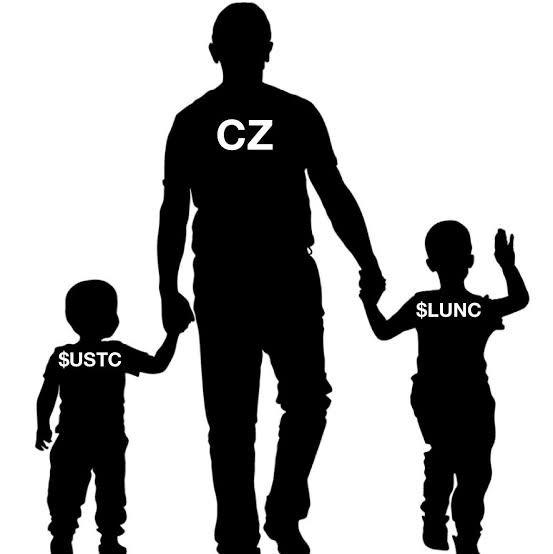
TERRA CLASSIC LUNC
·
--
BullishCZ SHARING NEWS FROM BINANCE BURNING LUNC.
PLAN CONTINUES ...👀
#LUNC✅
#USTC
$LUNC
$USTC
PLAN CONTINUES ...👀
#LUNC✅
#USTC
$LUNC
$USTC
1
5
·
--
Article
The importance of the JURIS/LUNC pair and the impact of LUNC on priceIn the Terra Classic ecosystem, trading pairs are fundamental for liquidity, price formation, and the growth of DeFi protocols. The JURIS/LUNC pair plays a strategic role in this process, directly connecting the Juris Protocol to the base asset of the network.
This pair defines how much LUNC is necessary to acquire JURIS, serving as a primary price reference within the ecosystem. The greater the liquidity, the lower the volatility, and the higher the confidence of investors and users of the protocol.
The importance of the JURIS/LUNC pair and the impact of LUNC on price
In the Terra Classic ecosystem, trading pairs are fundamental for liquidity, price formation, and the growth of DeFi protocols. The JURIS/LUNC pair plays a strategic role in this process, directly connecting the Juris Protocol to the base asset of the network.
This pair defines how much LUNC is necessary to acquire JURIS, serving as a primary price reference within the ecosystem. The greater the liquidity, the lower the volatility, and the higher the confidence of investors and users of the protocol.
This pair defines how much LUNC is necessary to acquire JURIS, serving as a primary price reference within the ecosystem. The greater the liquidity, the lower the volatility, and the higher the confidence of investors and users of the protocol.
2
1
9
2.1k
·
--
Article
See translation
Juris Protocol: Building Connectivity and Expanding Access in DeFiThe DeFi market is evolving beyond scalability and low fees. Today, interoperability between blockchains has become one of the most critical challenges. In this context, recent advances in IBC (Inter-Blockchain Communication) are reshaping how liquidity, users, and protocols interact across different ecosystems.
IBC enables native, secure communication between sovereign blockchains, allowing assets and data to move freely without intermediaries. For Juris Protocol, built on LUNC (Terra Classic), this evolution represents a strategic turning point, expanding its reach and positioning the protocol within a broader multichain environment.
Strategic Listings: From CEX to DEX
Juris Protocol’s listing journey reflects persistence and long-term vision. Early listings on AscendEX and Azbit played a key role in increasing visibility and lowering entry barriers for users coming from centralized platforms.
The upcoming BTCC listing in March 2026 marks another important milestone, reinforcing credibility and global exposure while strengthening the bridge between centralized markets and DeFi.
At the same time, Juris Protocol has secured presence on major DEXs, including Terraport, Garuda, and Osmosis. These listings are strategically aligned with the IBC ecosystem, enabling deeper liquidity access and seamless multichain interaction—especially through Osmosis, one of the main liquidity hubs in Cosmos.
This diversified listing strategy, across both CEXs and DEXs, reduces dependency on single access points and makes it easier for new users to enter the ecosystem.
Protocol Progress: Lending and Governance Testnets
Beyond market expansion, Juris Protocol continues to advance on the technical side. The launch of Lending and Governance testnets represents a major step toward full protocol maturity.
The lending module focuses on capital efficiency and robust collateralization, while the governance module empowers the community to actively participate in protocol decisions. Together, they reinforce Juris Protocol’s vision as a community-driven DeFi lending infrastructure.
Challenges and Differentiation
Operating in a competitive DeFi lending market comes with challenges, including user education, liquidity competition, and regulatory uncertainty. Juris Protocol addresses these challenges through an interoperability-first design, strong governance, and a clear focus on sustainable, multichain growth.
Looking Ahead
By combining IBC connectivity, strategic exchange listings, and continuous protocol development, Juris Protocol is positioning itself for a future where DeFi is no longer fragmented—but interconnected, accessible, and global.
#JurisProtocol #LUNC #DEFI
Juris Protocol: Building Connectivity and Expanding Access in DeFi
The DeFi market is evolving beyond scalability and low fees. Today, interoperability between blockchains has become one of the most critical challenges. In this context, recent advances in IBC (Inter-Blockchain Communication) are reshaping how liquidity, users, and protocols interact across different ecosystems.
IBC enables native, secure communication between sovereign blockchains, allowing assets and data to move freely without intermediaries. For Juris Protocol, built on LUNC (Terra Classic), this evolution represents a strategic turning point, expanding its reach and positioning the protocol within a broader multichain environment.
Strategic Listings: From CEX to DEX
Juris Protocol’s listing journey reflects persistence and long-term vision. Early listings on AscendEX and Azbit played a key role in increasing visibility and lowering entry barriers for users coming from centralized platforms.
The upcoming BTCC listing in March 2026 marks another important milestone, reinforcing credibility and global exposure while strengthening the bridge between centralized markets and DeFi.
At the same time, Juris Protocol has secured presence on major DEXs, including Terraport, Garuda, and Osmosis. These listings are strategically aligned with the IBC ecosystem, enabling deeper liquidity access and seamless multichain interaction—especially through Osmosis, one of the main liquidity hubs in Cosmos.
This diversified listing strategy, across both CEXs and DEXs, reduces dependency on single access points and makes it easier for new users to enter the ecosystem.
Protocol Progress: Lending and Governance Testnets
Beyond market expansion, Juris Protocol continues to advance on the technical side. The launch of Lending and Governance testnets represents a major step toward full protocol maturity.
The lending module focuses on capital efficiency and robust collateralization, while the governance module empowers the community to actively participate in protocol decisions. Together, they reinforce Juris Protocol’s vision as a community-driven DeFi lending infrastructure.
Challenges and Differentiation
Operating in a competitive DeFi lending market comes with challenges, including user education, liquidity competition, and regulatory uncertainty. Juris Protocol addresses these challenges through an interoperability-first design, strong governance, and a clear focus on sustainable, multichain growth.
Looking Ahead
By combining IBC connectivity, strategic exchange listings, and continuous protocol development, Juris Protocol is positioning itself for a future where DeFi is no longer fragmented—but interconnected, accessible, and global.
#JurisProtocol #LUNC #DEFI
IBC enables native, secure communication between sovereign blockchains, allowing assets and data to move freely without intermediaries. For Juris Protocol, built on LUNC (Terra Classic), this evolution represents a strategic turning point, expanding its reach and positioning the protocol within a broader multichain environment.
Strategic Listings: From CEX to DEX
Juris Protocol’s listing journey reflects persistence and long-term vision. Early listings on AscendEX and Azbit played a key role in increasing visibility and lowering entry barriers for users coming from centralized platforms.
The upcoming BTCC listing in March 2026 marks another important milestone, reinforcing credibility and global exposure while strengthening the bridge between centralized markets and DeFi.
At the same time, Juris Protocol has secured presence on major DEXs, including Terraport, Garuda, and Osmosis. These listings are strategically aligned with the IBC ecosystem, enabling deeper liquidity access and seamless multichain interaction—especially through Osmosis, one of the main liquidity hubs in Cosmos.
This diversified listing strategy, across both CEXs and DEXs, reduces dependency on single access points and makes it easier for new users to enter the ecosystem.
Protocol Progress: Lending and Governance Testnets
Beyond market expansion, Juris Protocol continues to advance on the technical side. The launch of Lending and Governance testnets represents a major step toward full protocol maturity.
The lending module focuses on capital efficiency and robust collateralization, while the governance module empowers the community to actively participate in protocol decisions. Together, they reinforce Juris Protocol’s vision as a community-driven DeFi lending infrastructure.
Challenges and Differentiation
Operating in a competitive DeFi lending market comes with challenges, including user education, liquidity competition, and regulatory uncertainty. Juris Protocol addresses these challenges through an interoperability-first design, strong governance, and a clear focus on sustainable, multichain growth.
Looking Ahead
By combining IBC connectivity, strategic exchange listings, and continuous protocol development, Juris Protocol is positioning itself for a future where DeFi is no longer fragmented—but interconnected, accessible, and global.
#JurisProtocol #LUNC #DEFI
1
203
·
--
Article
Dusk Network and the future of on-chain institutional privacyThe evolution of the crypto market is pushing the sector beyond traditional DeFi and speculative NFTs. Increasingly, the focus is turning to real institutional use cases, and it is precisely at this point that the Dusk Network stands out. The ecosystem built by @dusk_foundation proposes a blockchain infrastructure aimed at programmable privacy, regulatory compliance, and real-world assets (RWAs).
A Dusk is designed to allow institutions to issue, trade, and settle digital assets confidentially, without compromising the transparency required by regulators. By utilizing Zero-Knowledge Proofs (ZKPs), the network is able to balance two historically opposing worlds: data privacy and on-chain verifiability. This opens the door for the tokenization of stocks, bonds, funds, and other financial instruments in a secure and efficient manner.
Dusk Network and the future of on-chain institutional privacy
The evolution of the crypto market is pushing the sector beyond traditional DeFi and speculative NFTs. Increasingly, the focus is turning to real institutional use cases, and it is precisely at this point that the Dusk Network stands out. The ecosystem built by @dusk_foundation proposes a blockchain infrastructure aimed at programmable privacy, regulatory compliance, and real-world assets (RWAs).
A Dusk is designed to allow institutions to issue, trade, and settle digital assets confidentially, without compromising the transparency required by regulators. By utilizing Zero-Knowledge Proofs (ZKPs), the network is able to balance two historically opposing worlds: data privacy and on-chain verifiability. This opens the door for the tokenization of stocks, bonds, funds, and other financial instruments in a secure and efficient manner.
A Dusk is designed to allow institutions to issue, trade, and settle digital assets confidentially, without compromising the transparency required by regulators. By utilizing Zero-Knowledge Proofs (ZKPs), the network is able to balance two historically opposing worlds: data privacy and on-chain verifiability. This opens the door for the tokenization of stocks, bonds, funds, and other financial instruments in a secure and efficient manner.
256
·
--
Bearish
#CompartilheSuaOpiniãoSobreBTC
Market being manipulated for the entry of institutions and governments.
#BTC
#CompartilheSuaOpiniãoSobreBTC
Market being manipulated for the entry of institutions and governments.
#BTC
Market being manipulated for the entry of institutions and governments.
#BTC
2
86
·
--
Article
Juris Protocol: Collateralized Loans and DeFi on Terra ClassicThe advancement of decentralized finance (DeFi) has enabled the creation of on-chain credit markets, without intermediaries. In this context, the Juris Protocol is a DeFi protocol for collateralized loans, built on the Terra Classic (LUNC) network and integrated into the Cosmos ecosystem via IBC.
Juris aims to provide a transparent, audited, and on-chain governed infrastructure, allowing users to lend, borrow, and participate in governance while maintaining full control of their assets.
Juris Protocol: Collateralized Loans and DeFi on Terra Classic
The advancement of decentralized finance (DeFi) has enabled the creation of on-chain credit markets, without intermediaries. In this context, the Juris Protocol is a DeFi protocol for collateralized loans, built on the Terra Classic (LUNC) network and integrated into the Cosmos ecosystem via IBC.
Juris aims to provide a transparent, audited, and on-chain governed infrastructure, allowing users to lend, borrow, and participate in governance while maintaining full control of their assets.
Juris aims to provide a transparent, audited, and on-chain governed infrastructure, allowing users to lend, borrow, and participate in governance while maintaining full control of their assets.
4
1.9k
·
--
While the world focuses on new blockchains, a resilient community is rebuilding something that many buried: LUNC
At the heart of this reconstruction is the Juris Protocol, a decentralized lending system made by and for those who believe in the future of LUNC and USTC.
Combining traditional financial logic with the radical efficiency of DeFi:
✅ 24/7 access, permissionless
✅ Instant settlement on the blockchain
✅ Total transparency (everything on-chain)
✅ Dynamic yields, dictated by the market, not by banks and bankers.
What sets it apart?
Designed specifically for the Terra Classic ecosystem.
- Lending mechanisms with unique bonding curves.
- Focus on real liquidity and utility for LUNC.
- Completely permissionless: no KYC, no gatekeepers
In a world where DeFi copies TradFi, Juris does the opposite: it uses DeFi to reimagine finance.
If you believe that Terra Classic still has breath, this protocol may be the proof.
Documentation: [jurisprotocol.com](https://www.jurisprotocol.com)
(highly recommended, even for beginners!)
#TerraClassicRevival #LUNC✅ #USTC #DeFi #JurisProtocol #CryptoBrasil #Web3
While the world focuses on new blockchains, a resilient community is rebuilding something that many buried: LUNC
At the heart of this reconstruction is the Juris Protocol, a decentralized lending system made by and for those who believe in the future of LUNC and USTC.
Combining traditional financial logic with the radical efficiency of DeFi:
✅ 24/7 access, permissionless
✅ Instant settlement on the blockchain
✅ Total transparency (everything on-chain)
✅ Dynamic yields, dictated by the market, not by banks and bankers.
What sets it apart?
Designed specifically for the Terra Classic ecosystem.
- Lending mechanisms with unique bonding curves.
- Focus on real liquidity and utility for LUNC.
- Completely permissionless: no KYC, no gatekeepers
In a world where DeFi copies TradFi, Juris does the opposite: it uses DeFi to reimagine finance.
If you believe that Terra Classic still has breath, this protocol may be the proof.
Documentation: [jurisprotocol.com](https://www.jurisprotocol.com)
(highly recommended, even for beginners!)
#TerraClassicRevival #LUNC✅ #USTC #DeFi #JurisProtocol #CryptoBrasil #Web3
At the heart of this reconstruction is the Juris Protocol, a decentralized lending system made by and for those who believe in the future of LUNC and USTC.
Combining traditional financial logic with the radical efficiency of DeFi:
✅ 24/7 access, permissionless
✅ Instant settlement on the blockchain
✅ Total transparency (everything on-chain)
✅ Dynamic yields, dictated by the market, not by banks and bankers.
What sets it apart?
Designed specifically for the Terra Classic ecosystem.
- Lending mechanisms with unique bonding curves.
- Focus on real liquidity and utility for LUNC.
- Completely permissionless: no KYC, no gatekeepers
In a world where DeFi copies TradFi, Juris does the opposite: it uses DeFi to reimagine finance.
If you believe that Terra Classic still has breath, this protocol may be the proof.
Documentation: [jurisprotocol.com](https://www.jurisprotocol.com)
(highly recommended, even for beginners!)
#TerraClassicRevival #LUNC✅ #USTC #DeFi #JurisProtocol #CryptoBrasil #Web3
7
·
--
See translation
woww
woww

Livecoins
·
--
Chamber approves project that prohibits algorithmic stablecoins in Brazil
14
Log in to explore more content
Join global crypto users on Binance Square
⚡️ Get latest and useful information about crypto.
💬 Trusted by the world’s largest crypto exchange.
👍 Discover real insights from verified creators.
Email / Phone number
Trending Topics
XRPLedgerPatchesXRPCreationBug
8,817 views
184 Discussing
#xrpledgerpatchesxrpcreationbug
🚨 XRP Ledger just patched an 11-year-old bug that could have created XRP out of thin air 🚨
Here’s what happened:
🔹 A flaw in the XRPL payment engine (an integer overflow) dates back to about 2015
🔹 An attacker could have used hundreds of crafted offers plus a single payment to mint spendable XRP. That would break the hard cap of 100 billion XRP
🔹 Researchers reported it through the bug bounty on Sept 22, and the fix shipped in xrpld 3.4.1 on Sept 25
🔹 RippleX reproduced the attack and confirmed the minted XRP could be spent. They found no evidence it was ever exploited
🔹 The public disclosure came on Oct 9, after node operators had already been patched
📊 My take: Price barely moved (about $1.40, down ~5.5% on the week), because this was a hole that got closed, not a drain. A minting bug is the worst kind a blockchain can have, so patching it quietly before disclosure was the right call. Still, a bug that survived 11 years is a reminder to watch how these networks handle security.
⚠️ If you run an XRPL node, update to 3.4.1 or later. If you only hold XRP, watch for exchange notices about maintenance.
$XRP
moonlit007
·0 Likes
·4.9k views
STRKRisesAbout20%In24Hours
62,593 views
557 Discussing
TetherFreezesUSDTLinkedToLedgerTheft
14,973 views
312 Discussing