
Crypto Web3 Today
9.7k Posts

Crypto Web3 Today
 Square Verified+
Report
Block User
I am interested in digital currencies and a professional trader
66 Following
139.6K+ Followers
113.3K+ Liked
Posts
All
Quotes
Videos
·
--
Bearish
Verified
See translation
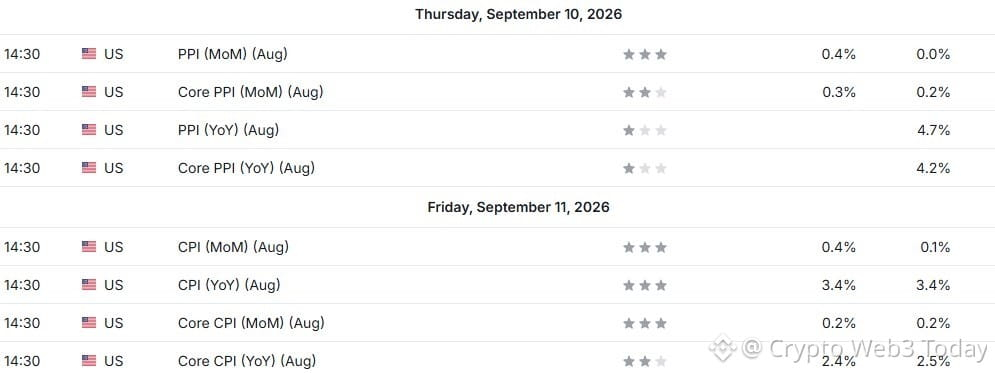
We got some important data coming up today and tomorrow.
PPI today & CPI tomorrow.
The current odds for a hike stand at a 60% chance. The Fed's interest rate decision is next Wednesday on the 16th.
So whether this data actually matters to their decision or not, investors will definitely value it.
I personally still doubt we see a hike unless this data is extremely bad and they can't not hike because it would hurt their credibility.
We will see what happens.
$BTC
{spot}(BTCUSDT)
$NVDAB
{spot}(NVDABUSDT)
$GOOGL.US
{stock_us}(GOOGL.US)
We got some important data coming up today and tomorrow.
PPI today & CPI tomorrow.
The current odds for a hike stand at a 60% chance. The Fed's interest rate decision is next Wednesday on the 16th.
So whether this data actually matters to their decision or not, investors will definitely value it.
I personally still doubt we see a hike unless this data is extremely bad and they can't not hike because it would hurt their credibility.
We will see what happens.
$BTC
$NVDAB
$GOOGL.US
PPI today & CPI tomorrow.
The current odds for a hike stand at a 60% chance. The Fed's interest rate decision is next Wednesday on the 16th.
So whether this data actually matters to their decision or not, investors will definitely value it.
I personally still doubt we see a hike unless this data is extremely bad and they can't not hike because it would hurt their credibility.
We will see what happens.
$BTC
$NVDAB
$GOOGL.US
3
782
·
--
Bullish
Verified
See translation
🚨 REMINDER:
🇺🇸 Two key data releases today at 8:30 am ET:
PPI:
<5.1% → bullish
~5.3% → neutral
>5.5% → bearish
🇺🇸 Jobless claims:
Forecast: 205K
Lower → more pressure on Fed
Higher → less pressure
One of the final major data drops before the rate decision.
Expect volatility 👀
$AAPL.US
{stock_us}(AAPL.US)
$GOOGL.US
{stock_us}(GOOGL.US)
$ZEC
{spot}(ZECUSDT)
🚨 REMINDER:
🇺🇸 Two key data releases today at 8:30 am ET:
PPI:
<5.1% → bullish
~5.3% → neutral
>5.5% → bearish
🇺🇸 Jobless claims:
Forecast: 205K
Lower → more pressure on Fed
Higher → less pressure
One of the final major data drops before the rate decision.
Expect volatility 👀
$AAPL.US
$GOOGL.US
$ZEC
🇺🇸 Two key data releases today at 8:30 am ET:
PPI:
<5.1% → bullish
~5.3% → neutral
>5.5% → bearish
🇺🇸 Jobless claims:
Forecast: 205K
Lower → more pressure on Fed
Higher → less pressure
One of the final major data drops before the rate decision.
Expect volatility 👀
$AAPL.US
$GOOGL.US
$ZEC
3
1.2k
See translation
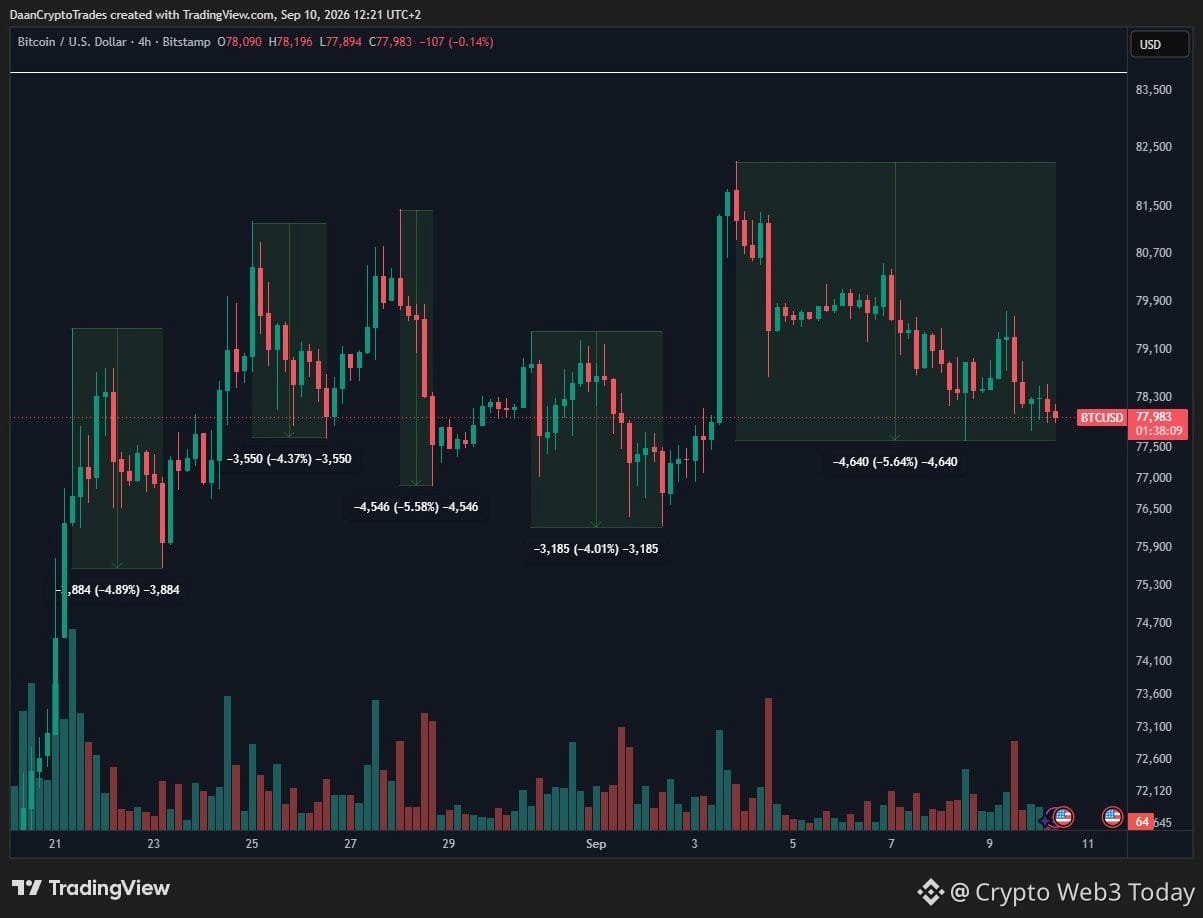
$BTC Just had its 5th drawdown of 4-6% in the past 3 weeks.
Meanwhile, price has gone nowhere and is still stuck in a range between $76K-$81K.
Volatility is there, but there is no clear trend these weeks. Wait for the break of the range to occur.
$BTC
{spot}(BTCUSDT)
$BTC Just had its 5th drawdown of 4-6% in the past 3 weeks.
Meanwhile, price has gone nowhere and is still stuck in a range between $76K-$81K.
Volatility is there, but there is no clear trend these weeks. Wait for the break of the range to occur.
$BTC
Meanwhile, price has gone nowhere and is still stuck in a range between $76K-$81K.
Volatility is there, but there is no clear trend these weeks. Wait for the break of the range to occur.
$BTC
1
567
·
--
Bearish
Verified
See translation
🚨 BREAKING
🇺🇸 FED WILL OFFICIALLY ANNOUNCE THE MOST IMPORTANT INFLATION DATA TODAY AT 8:30 AM ET!
IF PPI > 5.3% → MARKET DUMPS HARD
IF PPI = 5.1%-5.3% → MARKET STAYS FLAT
IF PPI < 5.1% → MARKET GOES PARABOLIC
ALL EYES ON THE RELEASE!!
$NVDAB
{spot}(NVDABUSDT)
$BTC
{spot}(BTCUSDT)
$ETH
{spot}(ETHUSDT)
🚨 BREAKING
🇺🇸 FED WILL OFFICIALLY ANNOUNCE THE MOST IMPORTANT INFLATION DATA TODAY AT 8:30 AM ET!
IF PPI > 5.3% → MARKET DUMPS HARD
IF PPI = 5.1%-5.3% → MARKET STAYS FLAT
IF PPI < 5.1% → MARKET GOES PARABOLIC
ALL EYES ON THE RELEASE!!
$NVDAB
$BTC
$ETH
🇺🇸 FED WILL OFFICIALLY ANNOUNCE THE MOST IMPORTANT INFLATION DATA TODAY AT 8:30 AM ET!
IF PPI > 5.3% → MARKET DUMPS HARD
IF PPI = 5.1%-5.3% → MARKET STAYS FLAT
IF PPI < 5.1% → MARKET GOES PARABOLIC
ALL EYES ON THE RELEASE!!
$NVDAB
$BTC
$ETH
1
7
1.5k
·
--
Bullish
Verified
See translation
🇺🇸 The U.S. Treasury is stepping deeper into the bond market.
Treasury just announced a $6 billion buyback of 10–20 year bonds — triple the size of its previous long-term operation.
The goal: improve liquidity and ease pressure on long-term yields.
But here’s the interesting part: the 10-year yield still climbed toward 4.85%.
If Treasury buybacks keep expanding, could this become a major liquidity catalyst for risk assets — including Bitcoin?
BTC bullish or bearish? 👀
$BTC
{spot}(BTCUSDT)
🇺🇸 The U.S. Treasury is stepping deeper into the bond market.
Treasury just announced a $6 billion buyback of 10–20 year bonds — triple the size of its previous long-term operation.
The goal: improve liquidity and ease pressure on long-term yields.
But here’s the interesting part: the 10-year yield still climbed toward 4.85%.
If Treasury buybacks keep expanding, could this become a major liquidity catalyst for risk assets — including Bitcoin?
BTC bullish or bearish? 👀
$BTC
Treasury just announced a $6 billion buyback of 10–20 year bonds — triple the size of its previous long-term operation.
The goal: improve liquidity and ease pressure on long-term yields.
But here’s the interesting part: the 10-year yield still climbed toward 4.85%.
If Treasury buybacks keep expanding, could this become a major liquidity catalyst for risk assets — including Bitcoin?
BTC bullish or bearish? 👀
$BTC
3
654
See translation
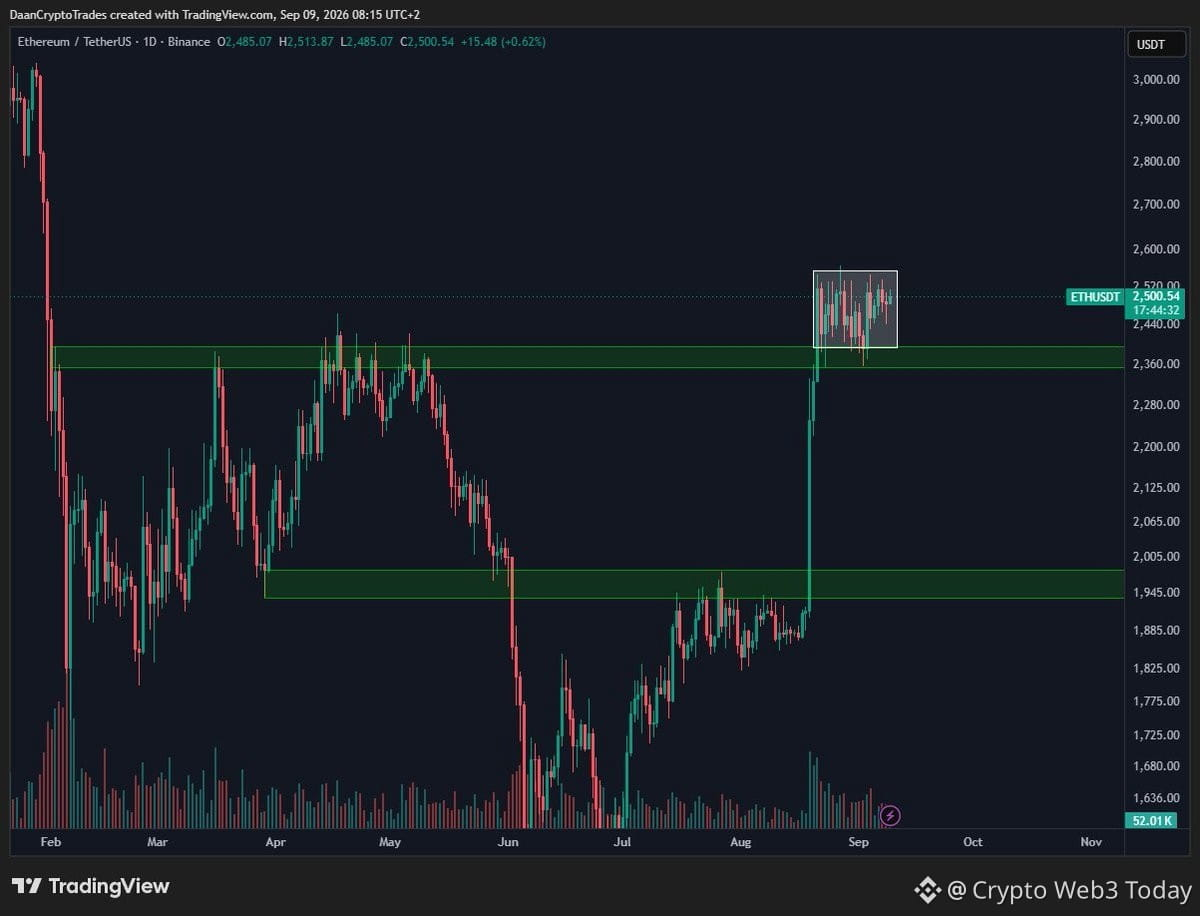
$ETH Sitting right above its break out point and has been chopping around in a tiny range for the past 3 weeks.
This will eventually lead to a large move again from this compression, similar to the initial breakout that got us here.
For the bulls it is critical to hold that green zone at ~$2350, because otherwise it is going to be looking like a big deviation & liquidity hunt into a range re-entry.
Above, $2550 has been capping price.
So watch those levels.
$ETH
{spot}(ETHUSDT)
$ETH Sitting right above its break out point and has been chopping around in a tiny range for the past 3 weeks.
This will eventually lead to a large move again from this compression, similar to the initial breakout that got us here.
For the bulls it is critical to hold that green zone at ~$2350, because otherwise it is going to be looking like a big deviation & liquidity hunt into a range re-entry.
Above, $2550 has been capping price.
So watch those levels.
$ETH
This will eventually lead to a large move again from this compression, similar to the initial breakout that got us here.
For the bulls it is critical to hold that green zone at ~$2350, because otherwise it is going to be looking like a big deviation & liquidity hunt into a range re-entry.
Above, $2550 has been capping price.
So watch those levels.
$ETH
3
529
·
--
Bullish
See translation
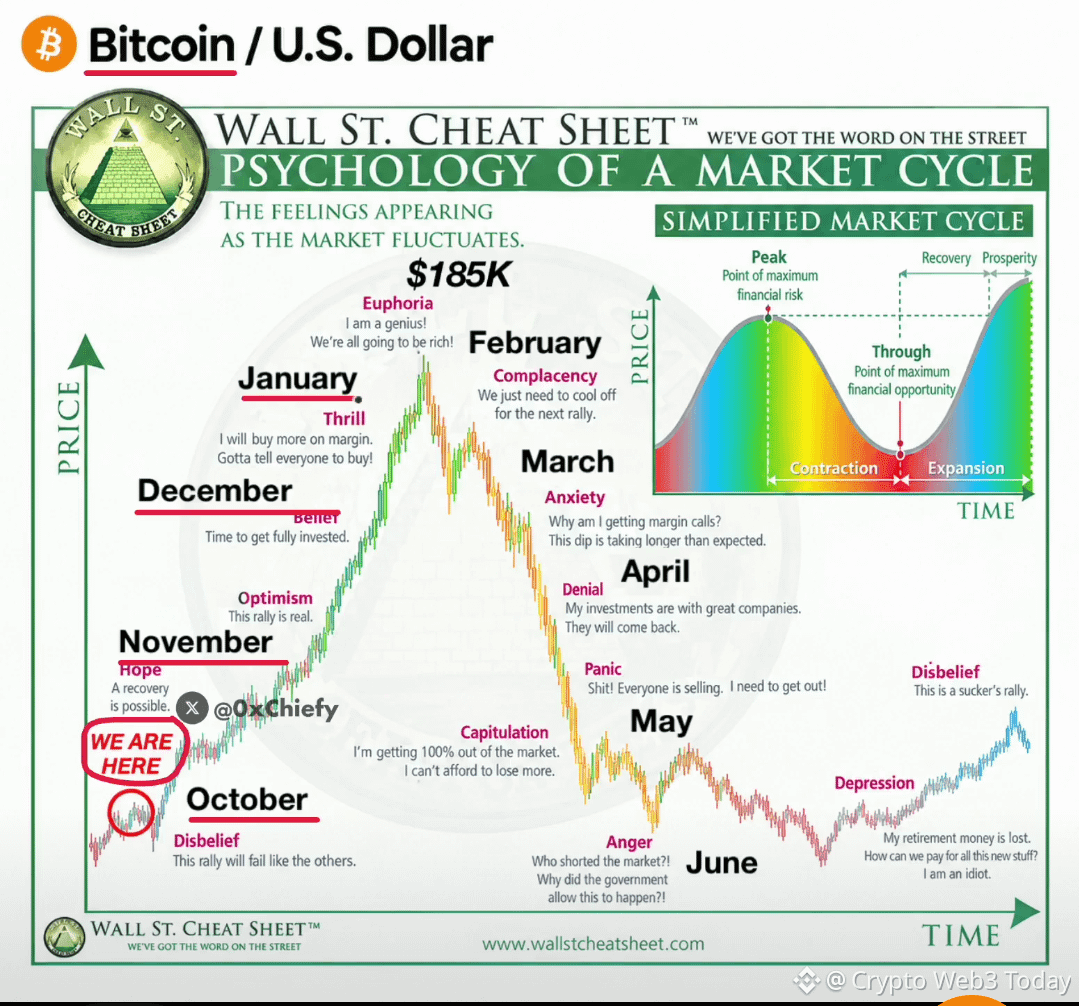
BITCOIN IS AT $78K AND PEOPLE STILL THINK THE MOVE IS OVER.
THAT’S THE CRAZY PART.
THE REAL EUPHORIA PHASE HASN’T EVEN STARTED YET.
WHEN $BTC ENTERS SIX-FIGURE TERRITORY, THIS MARKET WILL GO FULLY PARABOLIC.
$100K → $120K.
$120K → $150K.
AND THEN EVERYONE WHO SAID THE CYCLE WAS DEAD WILL COME RUNNING BACK.
MY TARGET: $185K.
THE SUPERCYCLE IS ABOUT TO SHOW ITS TRUE POWER.
$BTC
{spot}(BTCUSDT)
BITCOIN IS AT $78K AND PEOPLE STILL THINK THE MOVE IS OVER.
THAT’S THE CRAZY PART.
THE REAL EUPHORIA PHASE HASN’T EVEN STARTED YET.
WHEN $BTC ENTERS SIX-FIGURE TERRITORY, THIS MARKET WILL GO FULLY PARABOLIC.
$100K → $120K.
$120K → $150K.
AND THEN EVERYONE WHO SAID THE CYCLE WAS DEAD WILL COME RUNNING BACK.
MY TARGET: $185K.
THE SUPERCYCLE IS ABOUT TO SHOW ITS TRUE POWER.
$BTC
THAT’S THE CRAZY PART.
THE REAL EUPHORIA PHASE HASN’T EVEN STARTED YET.
WHEN $BTC ENTERS SIX-FIGURE TERRITORY, THIS MARKET WILL GO FULLY PARABOLIC.
$100K → $120K.
$120K → $150K.
AND THEN EVERYONE WHO SAID THE CYCLE WAS DEAD WILL COME RUNNING BACK.
MY TARGET: $185K.
THE SUPERCYCLE IS ABOUT TO SHOW ITS TRUE POWER.
$BTC
2
7
2.2k
See translation
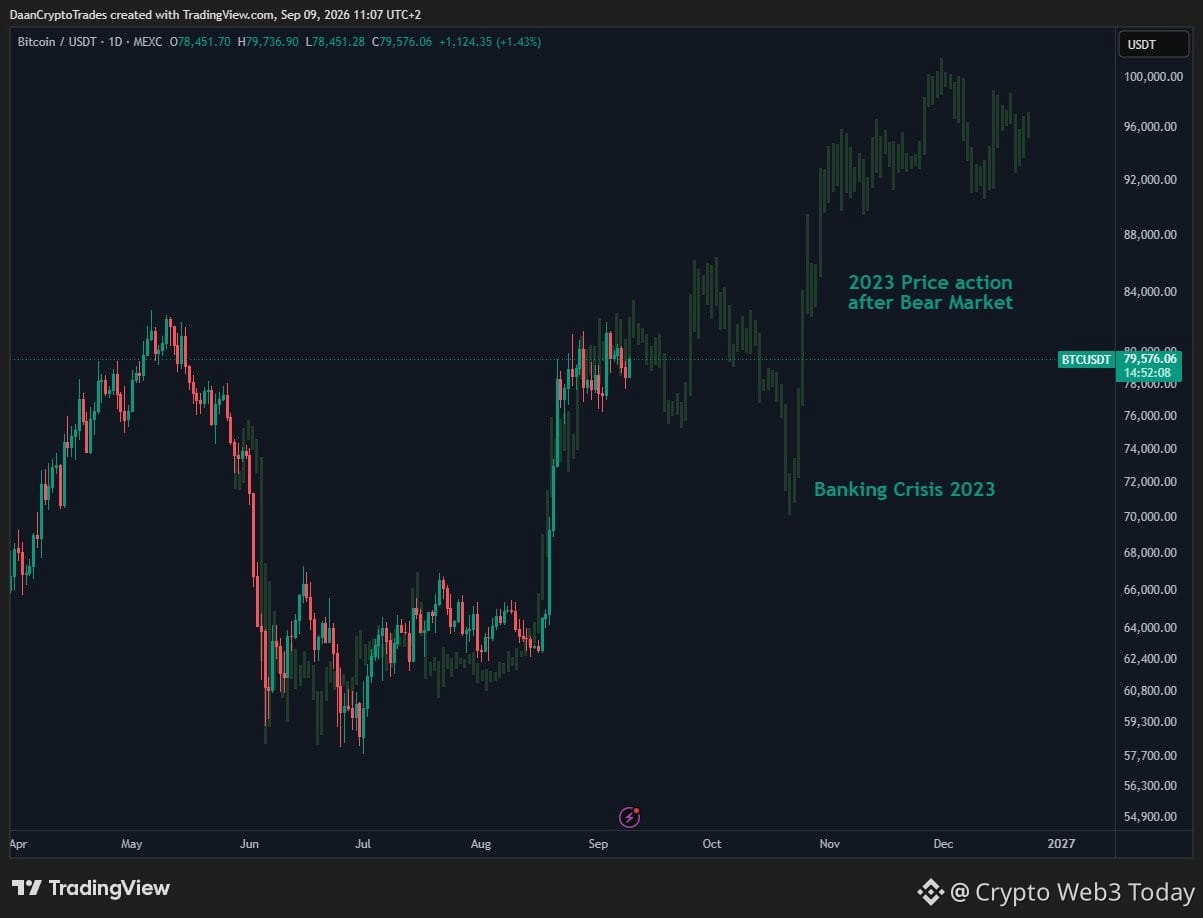
$BTC With the 2023 breakout from the bear market as overlay.
The price action at the bottom with the second sweep into very compressed sideways and the breakout has been very similar.
In 2023 at this point, a lot of people were calling for another lower low to occur. Sentiment was pretty neutral on average.
What actually happened was about 6 weeks of sideways chop. We saw some up and down and a larger correction during the banking crisis fud at the start of 2023. But that quickly reversed into a positive catalyst for Bitcoin instead and saw another leg up follow after that.
I think any larger drawdowns due to some kind of headline should be welcomed with open arms. Mark out your high timeframe levels and stay level headed.
And remember that usually price tends to shake out a lot of positions on both sides before actually continuing its move higher after such a big impulse.
$BTC
{spot}(BTCUSDT)
$BTC With the 2023 breakout from the bear market as overlay.
The price action at the bottom with the second sweep into very compressed sideways and the breakout has been very similar.
In 2023 at this point, a lot of people were calling for another lower low to occur. Sentiment was pretty neutral on average.
What actually happened was about 6 weeks of sideways chop. We saw some up and down and a larger correction during the banking crisis fud at the start of 2023. But that quickly reversed into a positive catalyst for Bitcoin instead and saw another leg up follow after that.
I think any larger drawdowns due to some kind of headline should be welcomed with open arms. Mark out your high timeframe levels and stay level headed.
And remember that usually price tends to shake out a lot of positions on both sides before actually continuing its move higher after such a big impulse.
$BTC
The price action at the bottom with the second sweep into very compressed sideways and the breakout has been very similar.
In 2023 at this point, a lot of people were calling for another lower low to occur. Sentiment was pretty neutral on average.
What actually happened was about 6 weeks of sideways chop. We saw some up and down and a larger correction during the banking crisis fud at the start of 2023. But that quickly reversed into a positive catalyst for Bitcoin instead and saw another leg up follow after that.
I think any larger drawdowns due to some kind of headline should be welcomed with open arms. Mark out your high timeframe levels and stay level headed.
And remember that usually price tends to shake out a lot of positions on both sides before actually continuing its move higher after such a big impulse.
$BTC
2
212
·
--
Bullish
See translation
🇺🇸 The U.S. crypto market structure fight is entering a critical phase.
The CLARITY Act is facing another hurdle as Congress cuts its September schedule, while lawmakers race to advance digital asset rules before the midterms.
At the same time, the SEC is pushing its own crypto framework and has publicly backed getting CLARITY to President Trump’s desk.
The message is clear: the U.S. is still competing to build the world’s leading digital asset market.
Will the U.S. finally deliver full crypto market clarity this year? 🇺🇸
$BTC
{spot}(BTCUSDT)
$ETH
{spot}(ETHUSDT)
$SOL
{spot}(SOLUSDT)
🇺🇸 The U.S. crypto market structure fight is entering a critical phase.
The CLARITY Act is facing another hurdle as Congress cuts its September schedule, while lawmakers race to advance digital asset rules before the midterms.
At the same time, the SEC is pushing its own crypto framework and has publicly backed getting CLARITY to President Trump’s desk.
The message is clear: the U.S. is still competing to build the world’s leading digital asset market.
Will the U.S. finally deliver full crypto market clarity this year? 🇺🇸
$BTC
$ETH
$SOL
The CLARITY Act is facing another hurdle as Congress cuts its September schedule, while lawmakers race to advance digital asset rules before the midterms.
At the same time, the SEC is pushing its own crypto framework and has publicly backed getting CLARITY to President Trump’s desk.
The message is clear: the U.S. is still competing to build the world’s leading digital asset market.
Will the U.S. finally deliver full crypto market clarity this year? 🇺🇸
$BTC
$ETH
$SOL
2
474
·
--
Bullish
See translation
Thank you to my followers for your engagement. I started creating content on Binance Square three years ago—time has flown by! I have been sharing information and news about the cryptocurrency market and related developments that drive market ups and downs. Your interaction has been amazing. Now, I would love for you to support and motivate me to do even more by sending a tip, if you are able to do so. Please don't hold back your support—thank you all, and best regards❤️.
$BNB
{spot}(BNBUSDT)
$ZEC
{spot}(ZECUSDT)
$BTC
{spot}(BTCUSDT)
Thank you to my followers for your engagement. I started creating content on Binance Square three years ago—time has flown by! I have been sharing information and news about the cryptocurrency market and related developments that drive market ups and downs. Your interaction has been amazing. Now, I would love for you to support and motivate me to do even more by sending a tip, if you are able to do so. Please don't hold back your support—thank you all, and best regards❤️.
$BNB
$ZEC
$BTC
$BNB
$ZEC
$BTC


3
551
Verified
See translation
Cathie Wood says Bitcoin still has “miles to go”
The ARK Invest CEO says Bitcoin is beginning to break out relative to gold, something she describes as “very reassuring”
Wood says ARK remains extremely bullish because Bitcoin represents three revolutions at once:
- A technological revolution
- A new global monetary system
- An entirely new asset class
$BTC
{spot}(BTCUSDT)
Cathie Wood says Bitcoin still has “miles to go”
The ARK Invest CEO says Bitcoin is beginning to break out relative to gold, something she describes as “very reassuring”
Wood says ARK remains extremely bullish because Bitcoin represents three revolutions at once:
- A technological revolution
- A new global monetary system
- An entirely new asset class
$BTC
The ARK Invest CEO says Bitcoin is beginning to break out relative to gold, something she describes as “very reassuring”
Wood says ARK remains extremely bullish because Bitcoin represents three revolutions at once:
- A technological revolution
- A new global monetary system
- An entirely new asset class
$BTC

5
554
See translation
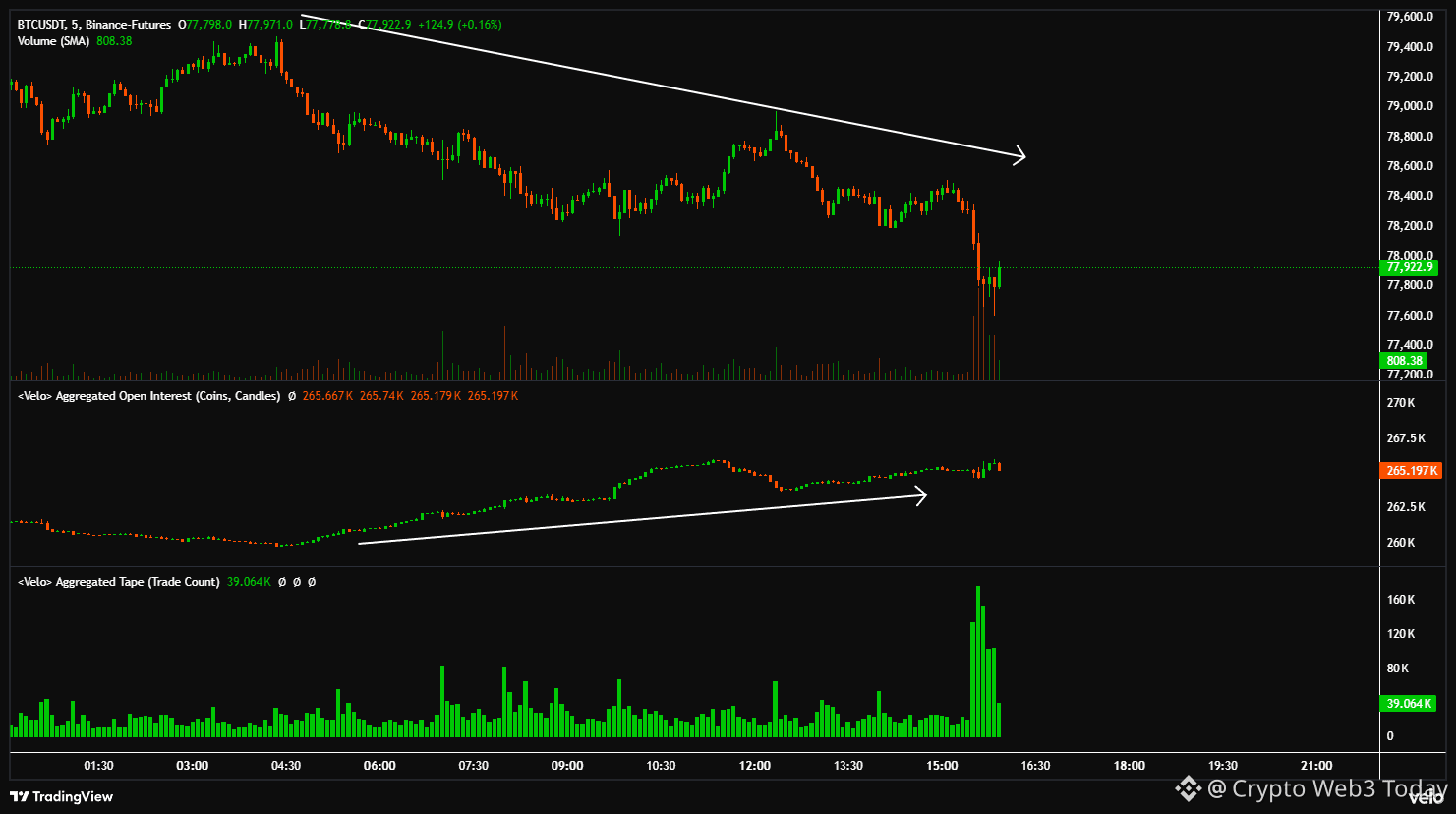
$BTC Quite the Open Interest build up into this move down over the past 12 hours.
But it has been paired with a lot of spot selling too.
Most of this happened into an illiquid closed day for US markets so it could have been a push into liquidity.
Market just opened 30 minutes ago so let's see how this goes today.
CPI on Friday which is something to watch too.
$BTC
{spot}(BTCUSDT)
$BTC Quite the Open Interest build up into this move down over the past 12 hours.
But it has been paired with a lot of spot selling too.
Most of this happened into an illiquid closed day for US markets so it could have been a push into liquidity.
Market just opened 30 minutes ago so let's see how this goes today.
CPI on Friday which is something to watch too.
$BTC
But it has been paired with a lot of spot selling too.
Most of this happened into an illiquid closed day for US markets so it could have been a push into liquidity.
Market just opened 30 minutes ago so let's see how this goes today.
CPI on Friday which is something to watch too.
$BTC
4
505
·
--
Bullish
See translation
🇺🇸 Ethereum is preparing for the quantum era.
The Ethereum Foundation is targeting full quantum resistance for Ethereum L1 by December 2029 — covering execution, consensus and data.
That means ETH is being built not just for the next cycle, but for the next decades.
Long-term bullish. 🚀
Is Ethereum becoming one of the most future-proof blockchains?
$ETH
{spot}(ETHUSDT)
🇺🇸 Ethereum is preparing for the quantum era.
The Ethereum Foundation is targeting full quantum resistance for Ethereum L1 by December 2029 — covering execution, consensus and data.
That means ETH is being built not just for the next cycle, but for the next decades.
Long-term bullish. 🚀
Is Ethereum becoming one of the most future-proof blockchains?
$ETH
The Ethereum Foundation is targeting full quantum resistance for Ethereum L1 by December 2029 — covering execution, consensus and data.
That means ETH is being built not just for the next cycle, but for the next decades.
Long-term bullish. 🚀
Is Ethereum becoming one of the most future-proof blockchains?
$ETH
4
458

·
--
Bullish
See translation
THIS IS UNBELIEVABLE.
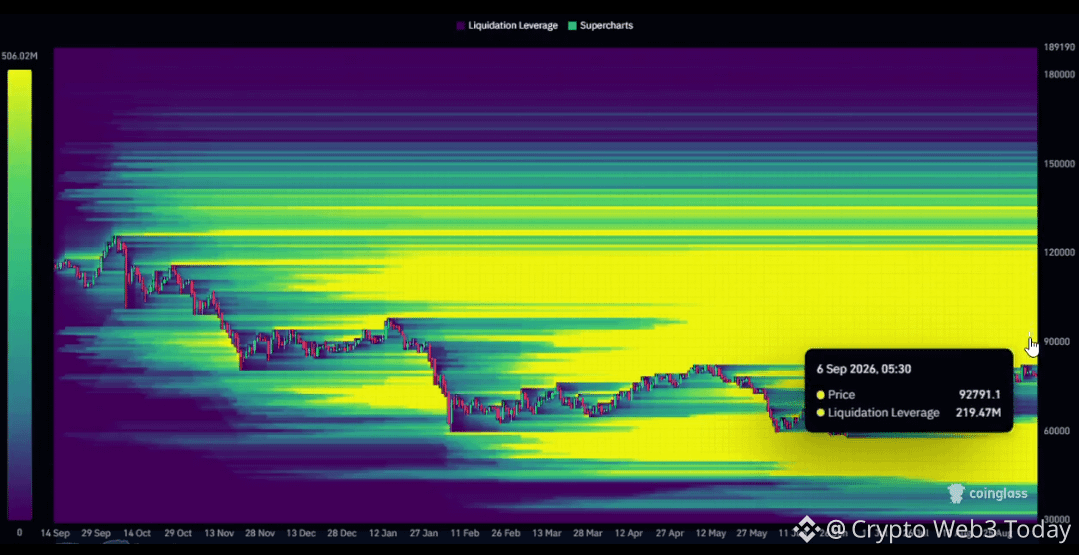
Even after a 40% pump, there is a massive amount of liquidity sitting to the upside for $BTC.
Almost 5x higher than the downside liquidity.
At the same time, bears are getting loud after a small dip.
You know what's coming next.
$BTC
{spot}(BTCUSDT)
THIS IS UNBELIEVABLE.
Even after a 40% pump, there is a massive amount of liquidity sitting to the upside for $BTC .
Almost 5x higher than the downside liquidity.
At the same time, bears are getting loud after a small dip.
You know what's coming next.
$BTC
Even after a 40% pump, there is a massive amount of liquidity sitting to the upside for $BTC .
Almost 5x higher than the downside liquidity.
At the same time, bears are getting loud after a small dip.
You know what's coming next.
$BTC
4
12
11.3k
·
--
Bullish
See translation
🇮🇳 Indians are using crypto to buy groceries, fuel, mobile recharges, food delivery — and even gold.
Overseas platforms are converting stablecoins and other crypto into gift cards and vouchers usable across India.
Crypto is finding a way into everyday spending. 👀
$BTC
{spot}(BTCUSDT)
🇮🇳 Indians are using crypto to buy groceries, fuel, mobile recharges, food delivery — and even gold.
Overseas platforms are converting stablecoins and other crypto into gift cards and vouchers usable across India.
Crypto is finding a way into everyday spending. 👀
$BTC
Overseas platforms are converting stablecoins and other crypto into gift cards and vouchers usable across India.
Crypto is finding a way into everyday spending. 👀
$BTC

6
690
·
--
Bullish
See translation
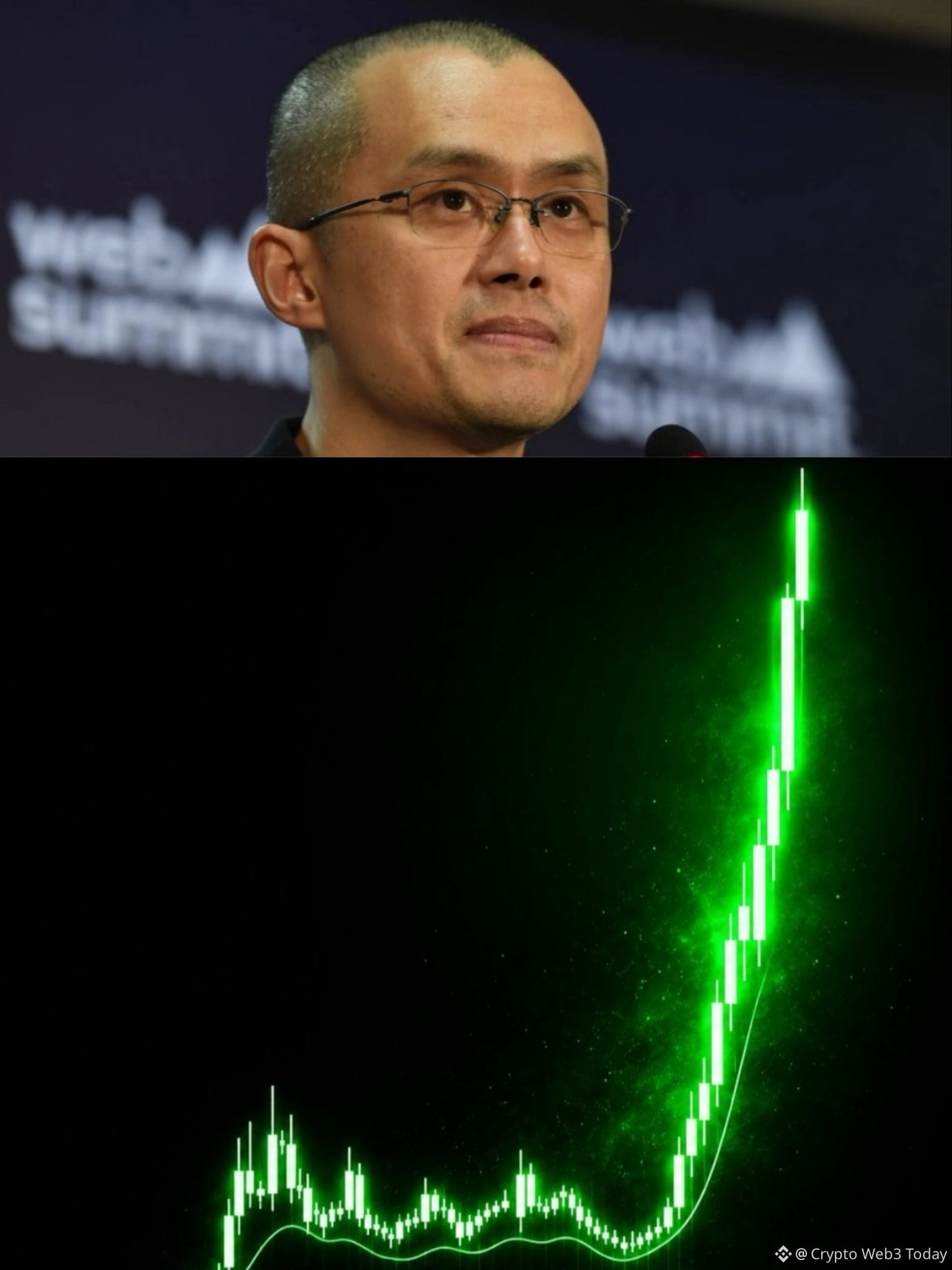
Binance founder CZ says:
“IPOs will move on chain.”
And the timing is interesting.
Tokenized stocks are already gaining serious traction, while regulated markets are building the infrastructure for on-chain securities.
CZ may be pointing to the next big shift in global capital markets.
The question is no longer IF assets move on-chain.
It’s how fast.
Are IPOs next? 🚀
$BNB
{spot}(BNBUSDT)
$BTC
{spot}(BTCUSDT)
$ETH
{spot}(ETHUSDT)
Binance founder CZ says:
“IPOs will move on chain.”
And the timing is interesting.
Tokenized stocks are already gaining serious traction, while regulated markets are building the infrastructure for on-chain securities.
CZ may be pointing to the next big shift in global capital markets.
The question is no longer IF assets move on-chain.
It’s how fast.
Are IPOs next? 🚀
$BNB
$BTC
$ETH
“IPOs will move on chain.”
And the timing is interesting.
Tokenized stocks are already gaining serious traction, while regulated markets are building the infrastructure for on-chain securities.
CZ may be pointing to the next big shift in global capital markets.
The question is no longer IF assets move on-chain.
It’s how fast.
Are IPOs next? 🚀
$BNB
$BTC
$ETH
3
591
Partly True
See translation
🚨 RUMORS:
🇯🇵 Bank of Japan could sell more than ¥1 trillion in U.S. treasuries tomorrow.
Reports claim the move could come ahead of the Japanese market open as the BOJ looks to support the yen.
If true, this could create pressure across global markets.
All eyes on Japan
$NVDAB
{spot}(NVDABUSDT)
$BTC
{spot}(BTCUSDT)
$DOT
{spot}(DOTUSDT)
🚨 RUMORS:
🇯🇵 Bank of Japan could sell more than ¥1 trillion in U.S. treasuries tomorrow.
Reports claim the move could come ahead of the Japanese market open as the BOJ looks to support the yen.
If true, this could create pressure across global markets.
All eyes on Japan
$NVDAB
$BTC
$DOT
🇯🇵 Bank of Japan could sell more than ¥1 trillion in U.S. treasuries tomorrow.
Reports claim the move could come ahead of the Japanese market open as the BOJ looks to support the yen.
If true, this could create pressure across global markets.
All eyes on Japan
$NVDAB
$BTC
$DOT

1
7
1.3k
·
--
Bullish
See translation
🚨 BREAKING:
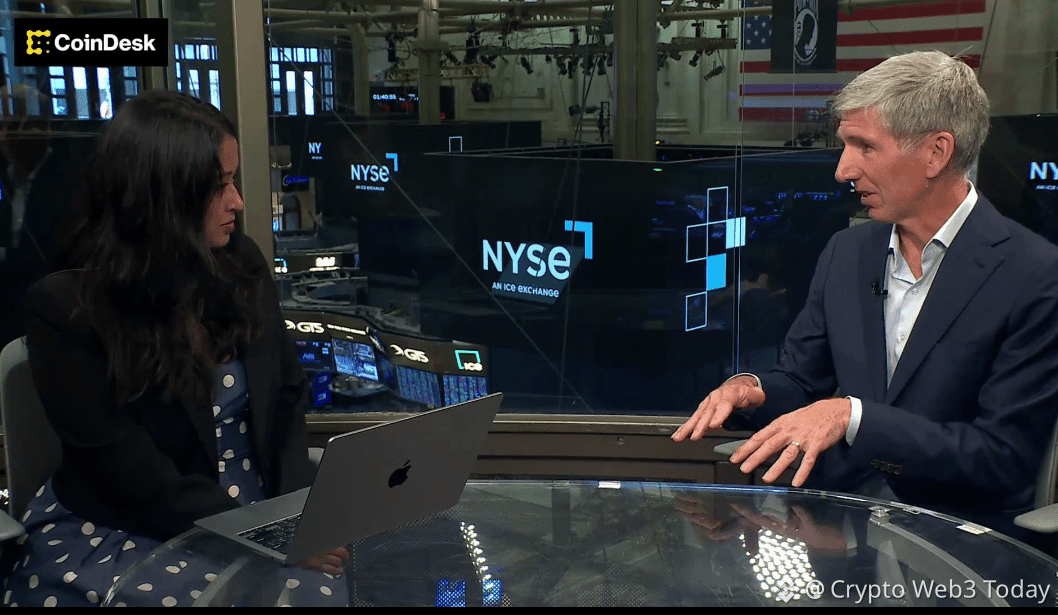
🇺🇸 BITWISE CIO MATT HOUGAN SAYS $BTC COULD HIT $100,000+ THIS YEAR
HIS LONG-TERM TARGET: $1.3 MILLION BY 2035
AND HE CALLS THAT PATH “RELATIVELY EASY.”
$1.3M $BTC DOESN’T EVEN SOUND EXTREME TO HIM
$BTC
{spot}(BTCUSDT)
🚨 BREAKING:
🇺🇸 BITWISE CIO MATT HOUGAN SAYS $BTC COULD HIT $100,000+ THIS YEAR
HIS LONG-TERM TARGET: $1.3 MILLION BY 2035
AND HE CALLS THAT PATH “RELATIVELY EASY.”
$1.3M $BTC DOESN’T EVEN SOUND EXTREME TO HIM
$BTC
🇺🇸 BITWISE CIO MATT HOUGAN SAYS $BTC COULD HIT $100,000+ THIS YEAR
HIS LONG-TERM TARGET: $1.3 MILLION BY 2035
AND HE CALLS THAT PATH “RELATIVELY EASY.”
$1.3M $BTC DOESN’T EVEN SOUND EXTREME TO HIM
$BTC
5
655
·
--
Bullish
See translation
$BTC Today is Labor day so volumes and volatility will likely remain low.
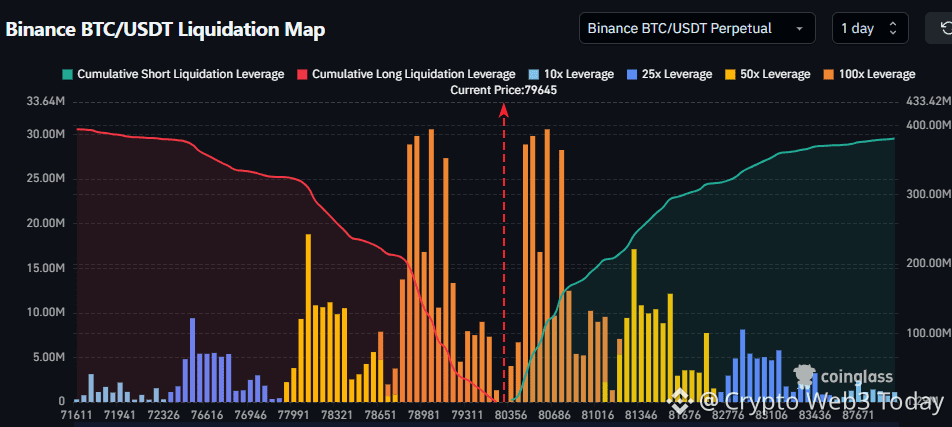
There's some liquidity that has built up on both sides during the weekend. Keep an eye out for these levels and how price reacts around them in the short term.
Tomorrow we'll see where this wants to heads to next.
BTC was close to a breakout last week but got slammed back down after the high NFP report. It recovered some since then but is still yet to break the $83K resistance.
$BTC
{spot}(BTCUSDT)
$BTC Today is Labor day so volumes and volatility will likely remain low.
There's some liquidity that has built up on both sides during the weekend. Keep an eye out for these levels and how price reacts around them in the short term.
Tomorrow we'll see where this wants to heads to next.
BTC was close to a breakout last week but got slammed back down after the high NFP report. It recovered some since then but is still yet to break the $83K resistance.
$BTC
There's some liquidity that has built up on both sides during the weekend. Keep an eye out for these levels and how price reacts around them in the short term.
Tomorrow we'll see where this wants to heads to next.
BTC was close to a breakout last week but got slammed back down after the high NFP report. It recovered some since then but is still yet to break the $83K resistance.
$BTC
2
379
Log in to explore more content
Join global crypto users on Binance Square
⚡️ Get latest and useful information about crypto.
💬 Trusted by the world’s largest crypto exchange.
👍 Discover real insights from verified creators.
Email / Phone number
Trending Topics
USAugustPPIRisesLessThanExpected
31,323 views
630 Discussing
🚨 US AUG PPI: Rises LESS Than Expected! Bullish for Crypto? 🚀
PPI +0.4% MoM as expected, but CORE PPI only +0.2% vs +0.3% expected - cooling!
What it means:
• Wholesale inflation softer than feared
• Fed rate hike chance now 62% - but dovish signals coming
• Core PCE revisions expected downward - bullish
• BTC usually pumps on softer PPI
Fed meeting Sep 15-16 - Market now expects pause, not hike?
Is this the green light for Q4 rally?
#Bitcoin #PPI #Fed #CryptoNews #BTC#usaugustppiriseslessthanexpected
True News
·1 Likes
·1.3k views
SECApprovesNasdaqTexasCommodityTrustRule
19,783 views
480 Discussing
ECBRaisesRatesSecondTimeTo2.5%
16,719 views
354 Discussing