

0xMohamed 1
568 Posts

0xMohamed 1
Report
Block User
Web3 Community Manager | Content Creator | Crypto Project Ambassador linktr.ee/0xmohamed
0 Following
31 Followers
61 Liked
Posts
·
--
See translation
One thing I'm learning in Web3, a good CM or ambassador shouldn't just know how to explain a feature. They should understand the problem it solves. Why was it designed this way? What trade-offs does it introduce? What happens when things go wrong? That's the difference between repeating announcements and helping people understand the technology. I'm using Liberdus as one of my learning grounds, exploring the ideas behind privacy, decentralization, and digital ownership. Less repetition and more investigation. @Liberdus #ONDO $ONDO
One thing I'm learning in Web3, a good CM or ambassador shouldn't just know how to explain a feature. They should understand the problem it solves. Why was it designed this way? What trade-offs does it introduce? What happens when things go wrong? That's the difference between repeating announcements and helping people understand the technology. I'm using Liberdus as one of my learning grounds, exploring the ideas behind privacy, decentralization, and digital ownership. Less repetition and more investigation. @Liberdus #ONDO $ONDO

69
·
--
See translation
BlackRock sells $71.78 million worth of
$BTC
#BTC
BlackRock sells $71.78 million worth of
$BTC
#BTC
$BTC
#BTC

59
·
--
See translation
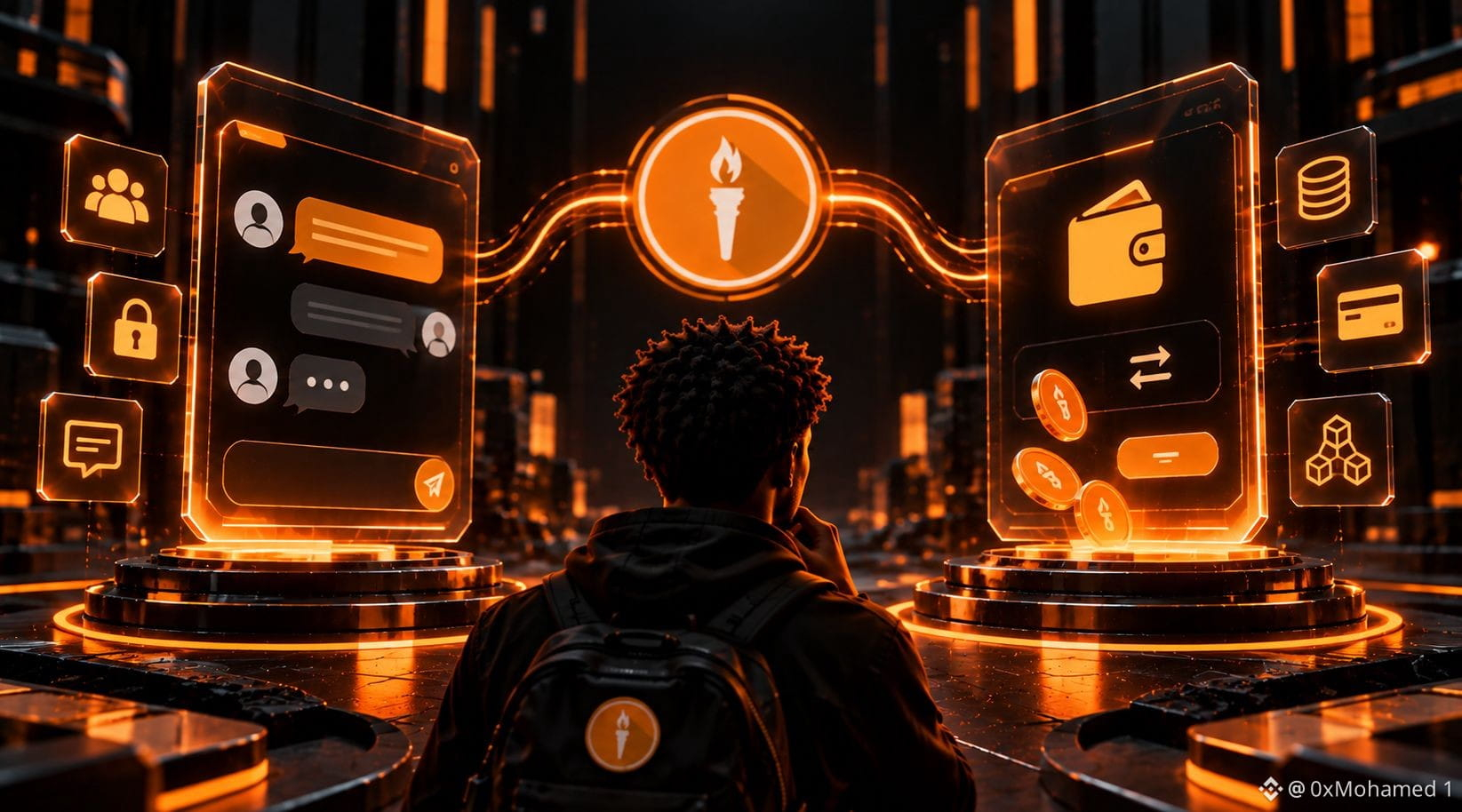
Why connect messaging and payments in the same ecosystem? At first, they seem like two different problems. But think about it. Messaging lets you communicate. Payments let you exchange value. Bringing them together raises interesting questions about identity, privacy, user experience, and transaction metadata. The real question isn't whether combining them sounds useful. It's what you gain and what trade-offs you introduce. Would you prefer one integrated experience or separate apps for each? @Liberdus #Gold $PAXG $XAUt
Why connect messaging and payments in the same ecosystem? At first, they seem like two different problems. But think about it. Messaging lets you communicate. Payments let you exchange value. Bringing them together raises interesting questions about identity, privacy, user experience, and transaction metadata. The real question isn't whether combining them sounds useful. It's what you gain and what trade-offs you introduce. Would you prefer one integrated experience or separate apps for each? @Liberdus #Gold $PAXG $XAUt
64
·
--
See translation
The more I explore Web3, the more I realize something, understanding a feature is easy. Understanding why it was designed that way is a different story. Why this architecture? What problem does it solve? What trade-off does it introduce? What happens when things go wrong? These are the questions I want to explore more. @Liberdus is one of my testing grounds, but my curiosity goes beyond one project. Privacy. Decentralization. Digital ownership. I want to understand how these ideas actually work and explain them in a way people can understand. Less hype and more understanding. Don’t take my word for it. #Liberdus $BNB #BNB
The more I explore Web3, the more I realize something, understanding a feature is easy. Understanding why it was designed that way is a different story. Why this architecture? What problem does it solve? What trade-off does it introduce? What happens when things go wrong? These are the questions I want to explore more. @Liberdus is one of my testing grounds, but my curiosity goes beyond one project. Privacy. Decentralization. Digital ownership. I want to understand how these ideas actually work and explain them in a way people can understand. Less hype and more understanding. Don’t take my word for it. #Liberdus $BNB #BNB
69
·
--
See translation
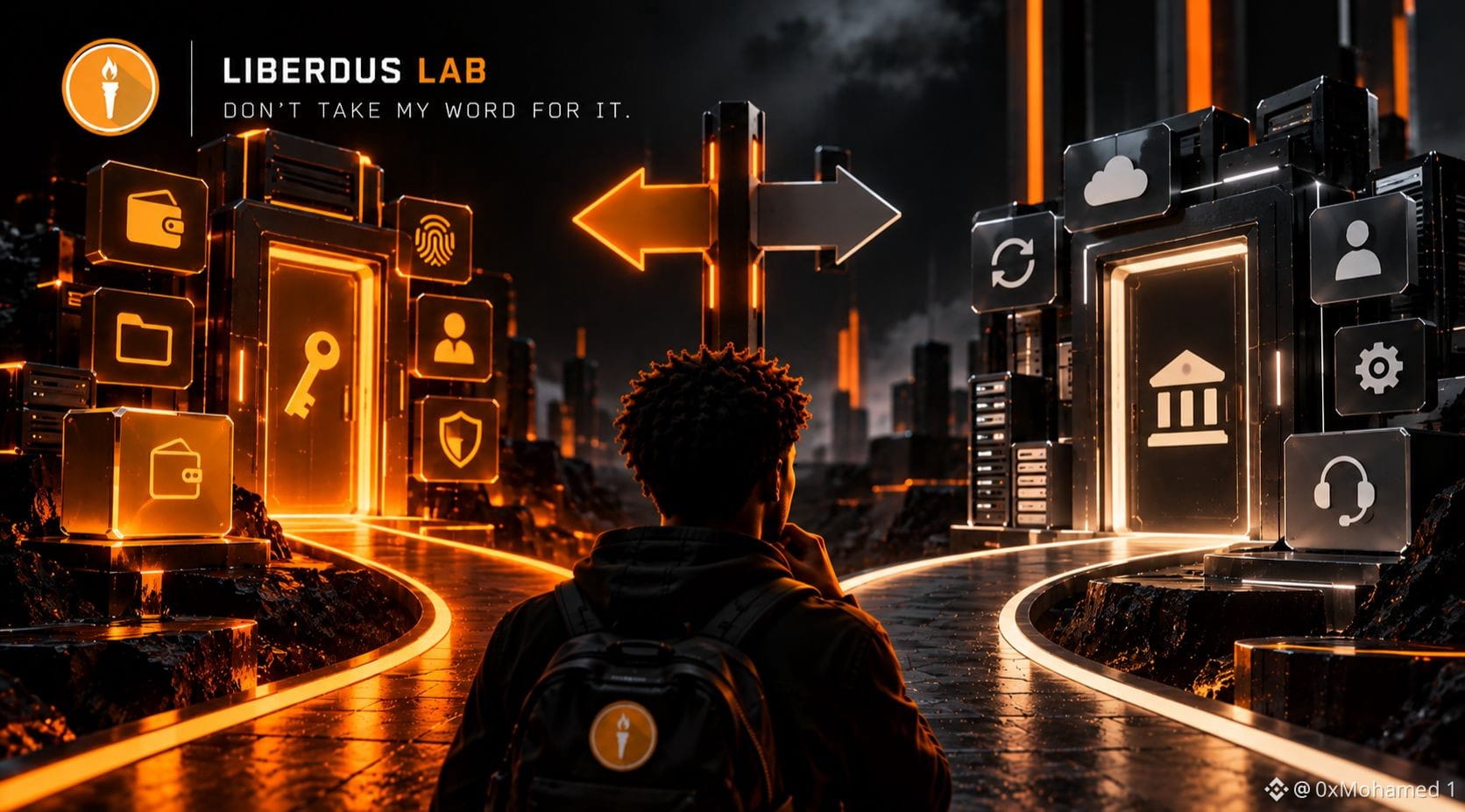
Let's talk about digital ownership. If you control your own identity, keys, and data. You also carry more responsibility when something goes wrong. Would you rather have full control with full responsibility, or convenience with a company handling recovery? What's your pick? @Liberdus #liberdus #BTC $BTC
Let's talk about digital ownership. If you control your own identity, keys, and data. You also carry more responsibility when something goes wrong. Would you rather have full control with full responsibility, or convenience with a company handling recovery? What's your pick? @Liberdus #liberdus #BTC $BTC
56
·
--
See translation
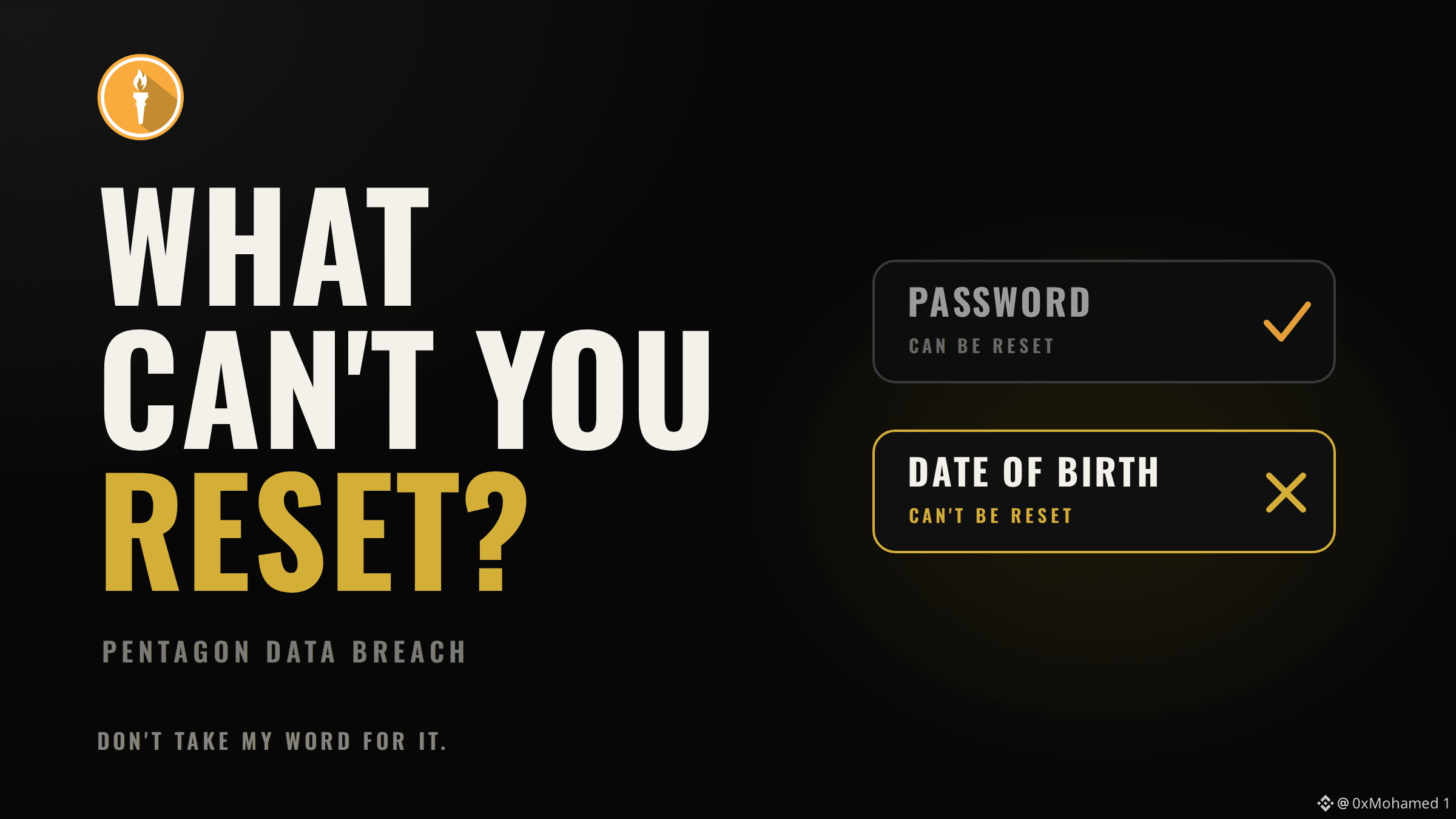
You can reset a password. You can't reset your date of birth. That's the part of the Pentagon data breach that deserves more attention than the headline number. What happened: the Defense Manpower Data Center, a Pentagon records unit, says unauthorized users exploited a flaw in a file-sharing system between October 2025 and July 2026. About 2.8 million living people are affected, plus 294,000 deceased, a Pentagon official said. Exposed: names, Social Security numbers, dates of birth, contact details and military service records. The Pentagon official described the data as unencrypted. The Pentagon says it has no indication of misuse and is offering 12 months of credit monitoring. Look at the asymmetry. The support lasts 12 months. The exposure doesn't. A date of birth never changes, and a Social Security number is very hard to replace. Identity data you can't rotate is the most expensive kind to lose. What people miss: the DMDC keeps more than 60 million personnel records and runs identity verification for Pentagon ID cards. When identity data sits in a few large systems, one flaw can reach millions. The trade-off: central databases make verification simple, and every flaw expensive. Holding less data means less to lose, but also another way to verify identity. Should institutions hold less of our identity data, even if verification gets harder? @Liberdus #ONDO $ONDO @Liberdus
You can reset a password. You can't reset your date of birth. That's the part of the Pentagon data breach that deserves more attention than the headline number. What happened: the Defense Manpower Data Center, a Pentagon records unit, says unauthorized users exploited a flaw in a file-sharing system between October 2025 and July 2026. About 2.8 million living people are affected, plus 294,000 deceased, a Pentagon official said. Exposed: names, Social Security numbers, dates of birth, contact details and military service records. The Pentagon official described the data as unencrypted. The Pentagon says it has no indication of misuse and is offering 12 months of credit monitoring. Look at the asymmetry. The support lasts 12 months. The exposure doesn't. A date of birth never changes, and a Social Security number is very hard to replace. Identity data you can't rotate is the most expensive kind to lose. What people miss: the DMDC keeps more than 60 million personnel records and runs identity verification for Pentagon ID cards. When identity data sits in a few large systems, one flaw can reach millions. The trade-off: central databases make verification simple, and every flaw expensive. Holding less data means less to lose, but also another way to verify identity. Should institutions hold less of our identity data, even if verification gets harder? @Liberdus #ONDO $ONDO @Liberdus
81
·
--
See translation
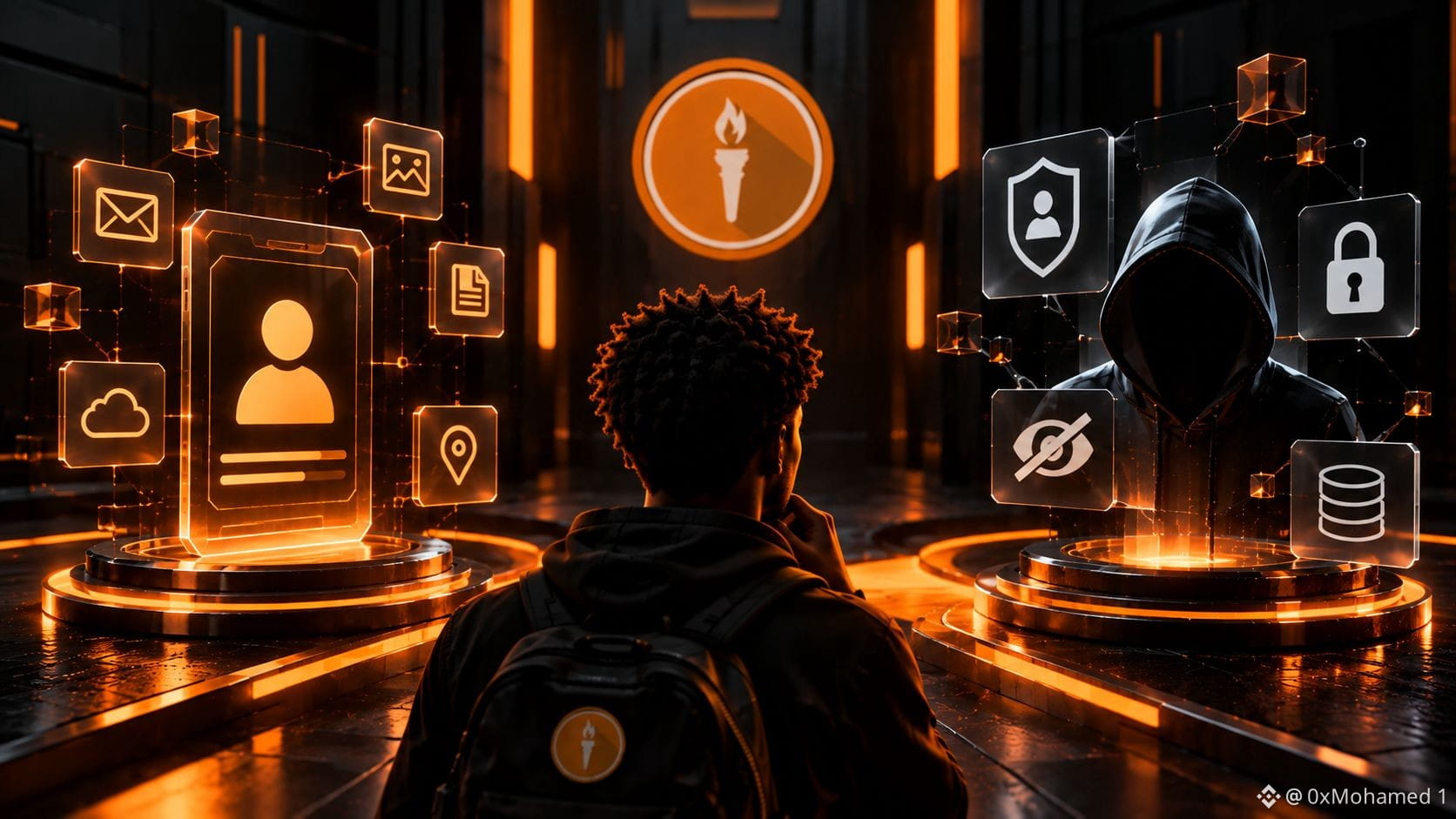
Privacy and anonymity are not the same thing. You can hide your identity from the public while still exposing data to a platform. And you can use encryption without hiding every piece of metadata. So when a Web3 project claims to protect your privacy, ask: What exactly is private?Your identity? Your messages? Your transactions? Your metadata? Privacy isn't a checkbox. It's a set of design decisions. @Liberdus #Liberdus $XRP #XRP
Privacy and anonymity are not the same thing. You can hide your identity from the public while still exposing data to a platform. And you can use encryption without hiding every piece of metadata. So when a Web3 project claims to protect your privacy, ask: What exactly is private?Your identity? Your messages? Your transactions? Your metadata? Privacy isn't a checkbox. It's a set of design decisions. @Liberdus #Liberdus $XRP #XRP
63
·
--
See translation
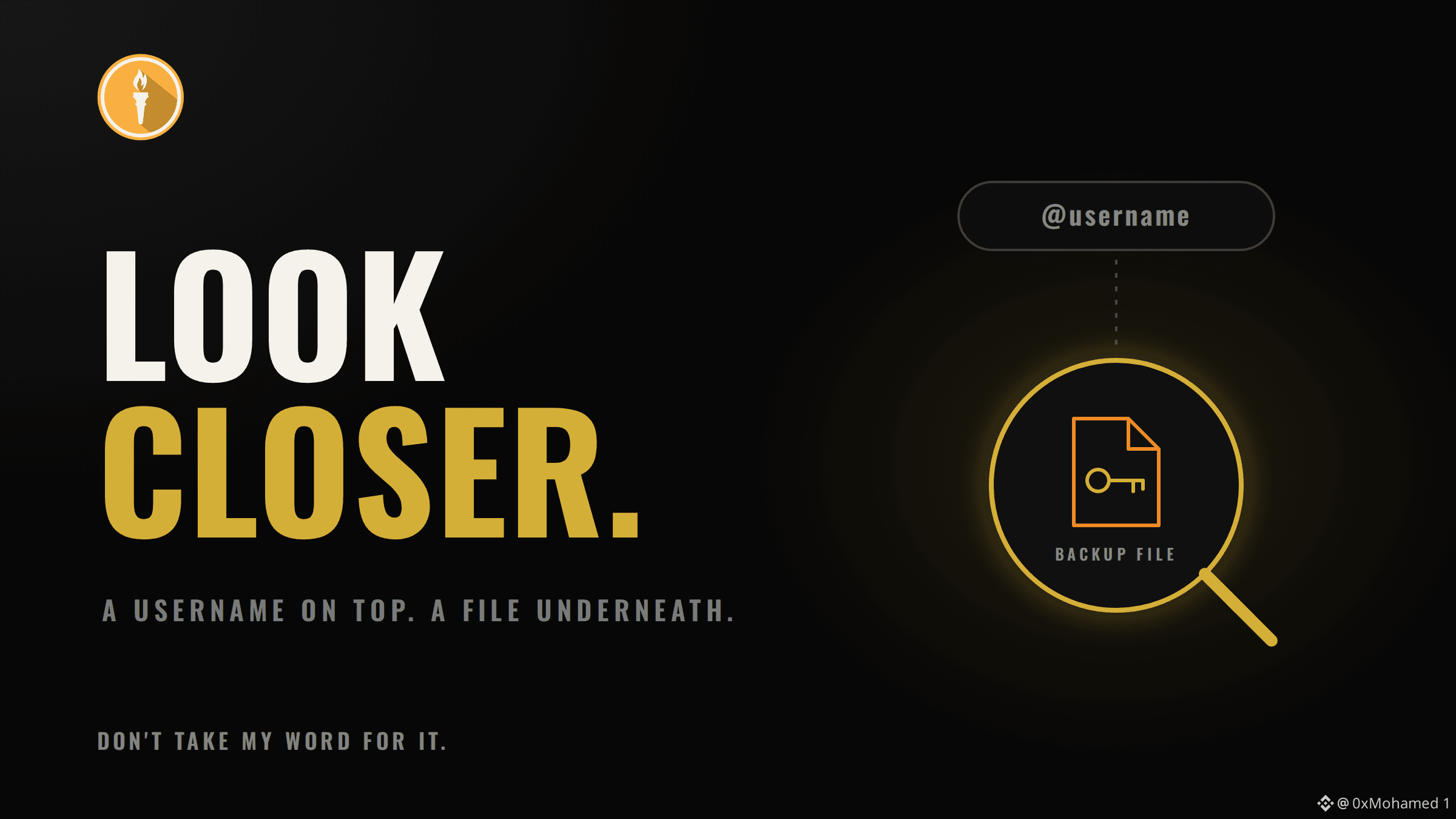
Everyone talks about signing up to Liberdus with a username instead of a phone number. Less discussed, what that choice implies for the day you lose your phone. I looked closely at how accounts work. Here's the design underneath Sign-up is simple, tap Create Account, pick a username, and your account keys are generated in a few seconds. No phone number and no email. That means nothing issued by a carrier or a provider anchors your account. Where does the account live? On your device. You can only sign in if an account has been created or restored there, and each account on a device is independent. Your keys, contacts and settings travel together in a single backup file. That backup file is the recovery system. Menu → Backup → Download, with an optional password to encrypt it. On a new device: Menu → Restore, select the file, enter the password if you set one. Encrypting it is recommended. Now the part worth a closer look. A lost backup password can't be recovered. The app lock has no password recovery either. And if you remove an account from a device, only a valid backup file can bring it back. Recovery is entirely in your hands. That's the trade-off behind no phone number. You don't depend on a phone number or an email to create the account. You depend on a file and a password that only you can look after. Neither is free. One shifts trust to a provider. The other shifts responsibility to you. One more detail, removing an account from your device doesn't remove it from the network. The migration tool even flags names that are already registered as Taken. So, a name registered on the network, with the keys held in your backup file. Which would you rather depend on a provider that can reset your access, or a file that only you can lose? @Liberdus #ETH $ETH
Everyone talks about signing up to Liberdus with a username instead of a phone number. Less discussed, what that choice implies for the day you lose your phone. I looked closely at how accounts work. Here's the design underneath Sign-up is simple, tap Create Account, pick a username, and your account keys are generated in a few seconds. No phone number and no email. That means nothing issued by a carrier or a provider anchors your account. Where does the account live? On your device. You can only sign in if an account has been created or restored there, and each account on a device is independent. Your keys, contacts and settings travel together in a single backup file. That backup file is the recovery system. Menu → Backup → Download, with an optional password to encrypt it. On a new device: Menu → Restore, select the file, enter the password if you set one. Encrypting it is recommended. Now the part worth a closer look. A lost backup password can't be recovered. The app lock has no password recovery either. And if you remove an account from a device, only a valid backup file can bring it back. Recovery is entirely in your hands. That's the trade-off behind no phone number. You don't depend on a phone number or an email to create the account. You depend on a file and a password that only you can look after. Neither is free. One shifts trust to a provider. The other shifts responsibility to you. One more detail, removing an account from your device doesn't remove it from the network. The migration tool even flags names that are already registered as Taken. So, a name registered on the network, with the keys held in your backup file. Which would you rather depend on a provider that can reset your access, or a file that only you can lose? @Liberdus #ETH $ETH
65
·
--
See translation
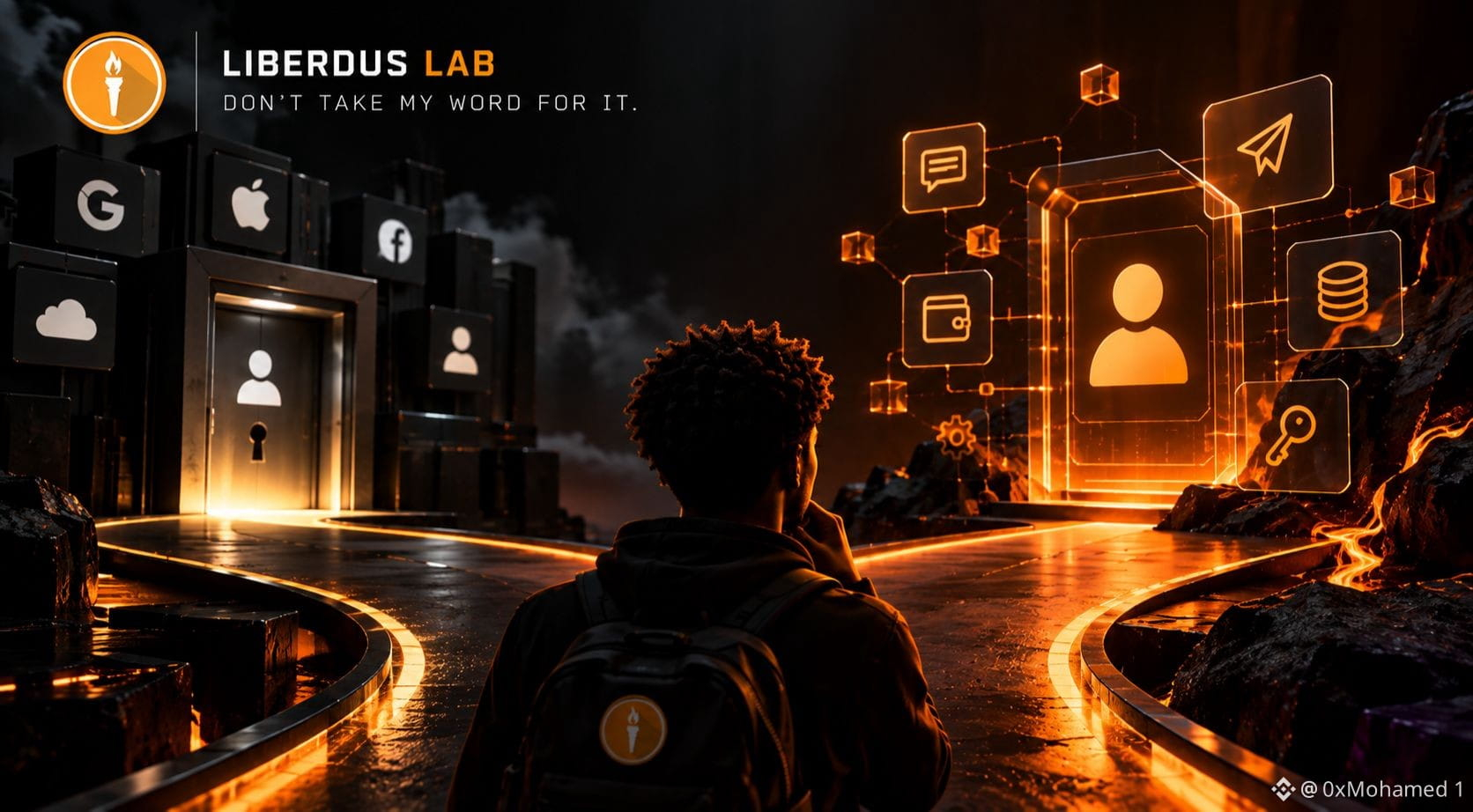
A feature is easy to promote. Understanding the trade-offs is harder. Take decentralized identity. Less dependence on centralized platforms sounds great. But what happens when you lose access? Who helps you recover it? Digital ownership isn't just about control. It's also about responsibility. That's the trade-off worth discussing. #Liberdus @Liberdus #ONDO $ONDO
A feature is easy to promote. Understanding the trade-offs is harder. Take decentralized identity. Less dependence on centralized platforms sounds great. But what happens when you lose access? Who helps you recover it? Digital ownership isn't just about control. It's also about responsibility. That's the trade-off worth discussing. #Liberdus @Liberdus #ONDO $ONDO
74
·
--
See translation
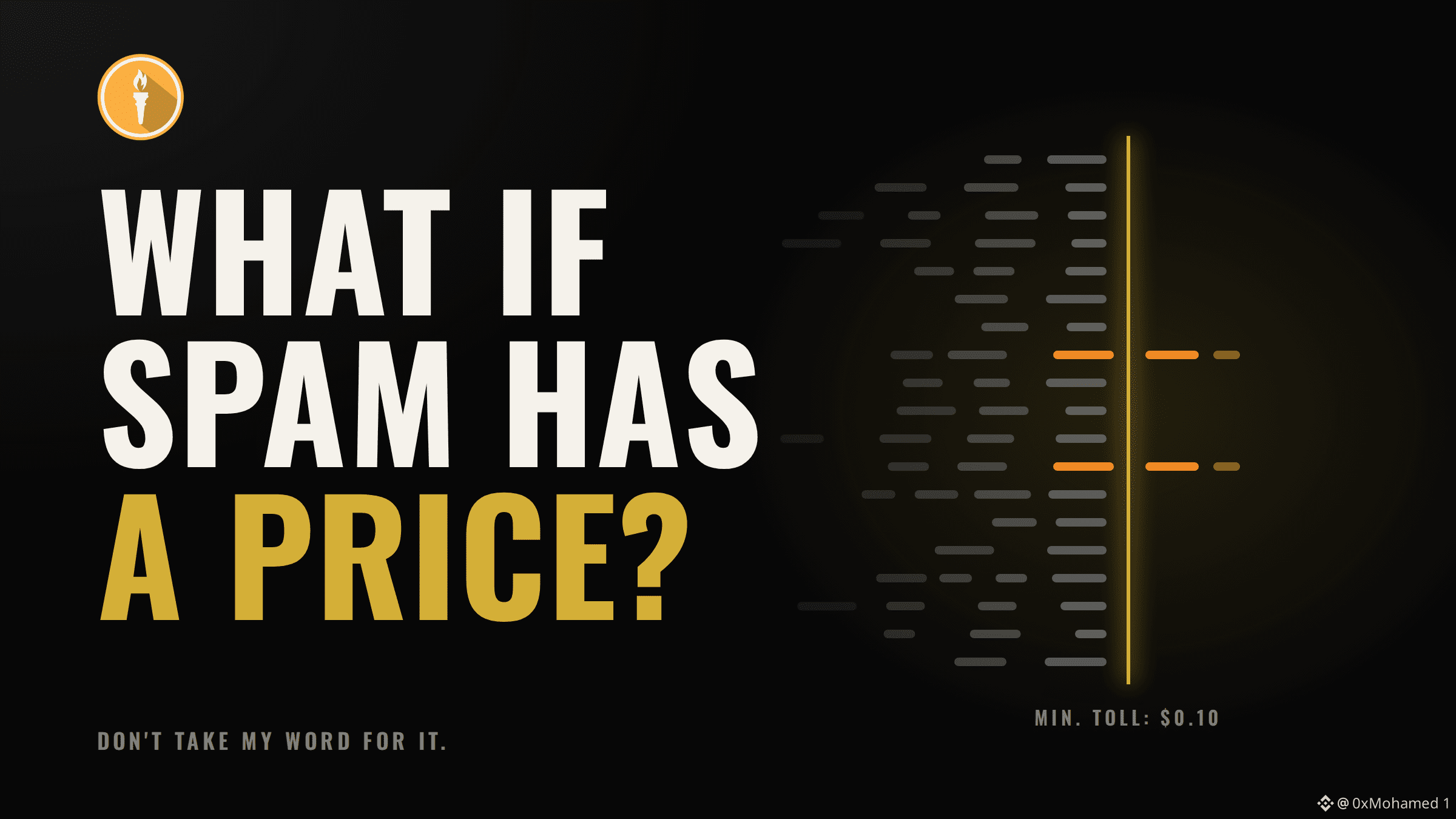
What if spam is an incentive problem, not a moderation problem? @Liberdus bets on that idea with message tolls. I went through the docs to understand exactly how it works, step by step. Don't take my word for it. Here's the mechanism Setup: every user can set a toll, the amount someone must pay to message them. You enter it in USD. Liberdus converts it to LIB at the current rate. The minimum is $0.10. Set it to 0 and your inbox stays open. Who pays? The toll applies to users who haven't added you as a Friend or Connection, or whom you've set to tolled. So it works as a filter for strangers, not a wall around your whole inbox. Then it depends on what the recipient does. The sender can reclaim: → 100% if the message is never read → 50% if it's read but not answered → 0% if the recipient replies So the price only becomes final once the conversation actually starts. The part I find interesting, it's the reclaim. If nobody replies, the sender can get their funds back after 7 days, just by opening the chat. No button. It's silent too, the recipient isn't notified. Send another message before day 7 and the countdown resets. The trade-off is real. A toll deters spam, but it also adds friction for legitimate first contacts: a well-meaning stranger pays too. And a sender who gets no reply waits 7 days to recover the toll. Spam resistance has a cost. The question is who pays it. What this tells me about the design: attention gets a price, and that price is set by the person being contacted, not by a platform. It's a different answer to spam than moderation, not a free one. Would you charge strangers to reach you, or keep your inbox open? #SOL $SOL
What if spam is an incentive problem, not a moderation problem? @Liberdus bets on that idea with message tolls. I went through the docs to understand exactly how it works, step by step. Don't take my word for it. Here's the mechanism Setup: every user can set a toll, the amount someone must pay to message them. You enter it in USD. Liberdus converts it to LIB at the current rate. The minimum is $0.10. Set it to 0 and your inbox stays open. Who pays? The toll applies to users who haven't added you as a Friend or Connection, or whom you've set to tolled. So it works as a filter for strangers, not a wall around your whole inbox. Then it depends on what the recipient does. The sender can reclaim: → 100% if the message is never read → 50% if it's read but not answered → 0% if the recipient replies So the price only becomes final once the conversation actually starts. The part I find interesting, it's the reclaim. If nobody replies, the sender can get their funds back after 7 days, just by opening the chat. No button. It's silent too, the recipient isn't notified. Send another message before day 7 and the countdown resets. The trade-off is real. A toll deters spam, but it also adds friction for legitimate first contacts: a well-meaning stranger pays too. And a sender who gets no reply waits 7 days to recover the toll. Spam resistance has a cost. The question is who pays it. What this tells me about the design: attention gets a price, and that price is set by the person being contacted, not by a platform. It's a different answer to spam than moderation, not a free one. Would you charge strangers to reach you, or keep your inbox open? #SOL $SOL
59
·
--
See translation
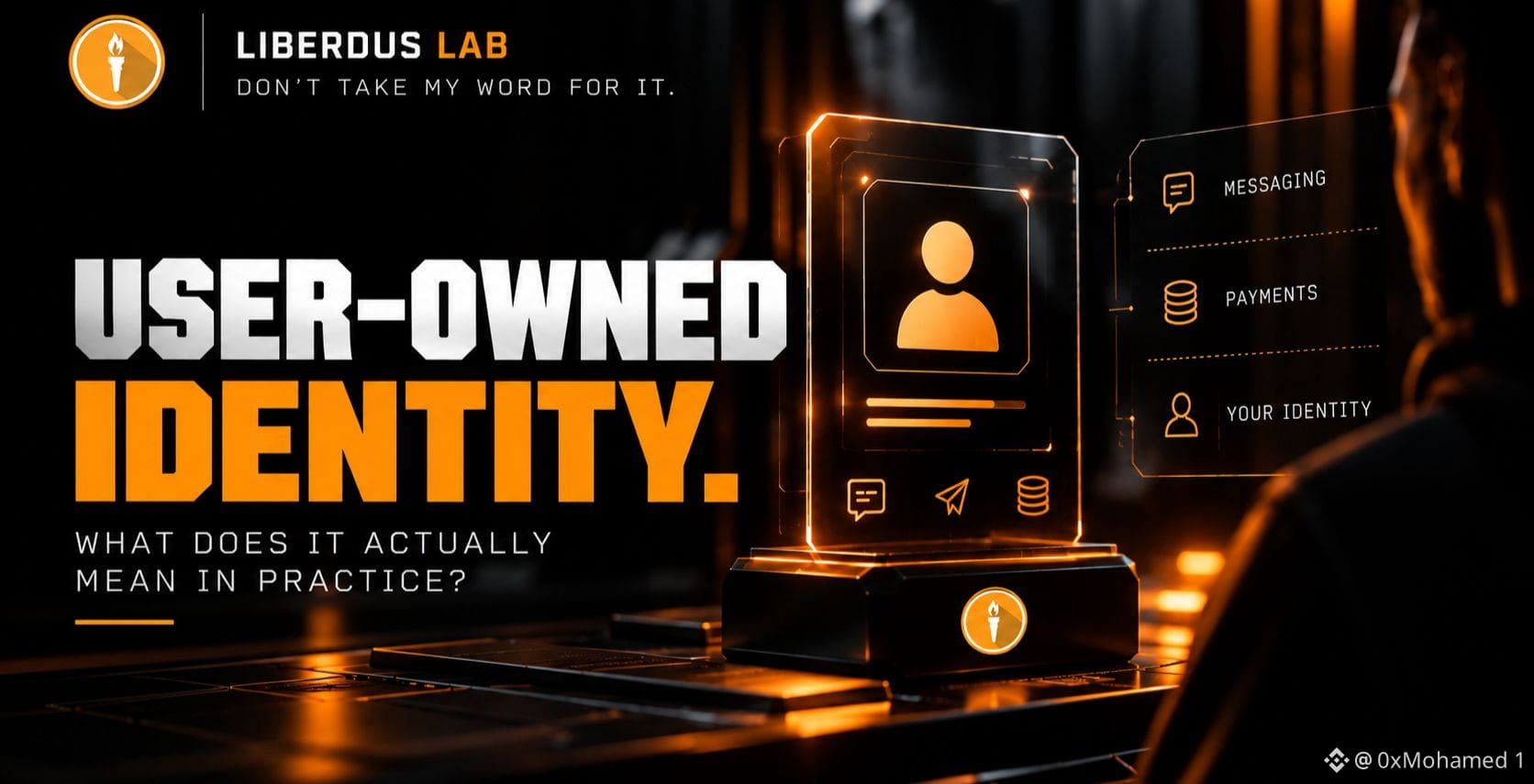
I wanted to understand what user-owned identity actually means in practice. Not the marketing version. The architecture behind it. So I started digging into how @Liberdus approaches identity. Here’s what I’m learning: The interesting question isn’t who owns your identity. It’s who has the power to control it. That distinction matters. #ONDO $ONDO #Liberdus
I wanted to understand what user-owned identity actually means in practice. Not the marketing version. The architecture behind it. So I started digging into how @Liberdus approaches identity. Here’s what I’m learning: The interesting question isn’t who owns your identity. It’s who has the power to control it. That distinction matters. #ONDO $ONDO #Liberdus
74
·
--
See translation
XRP treasury firm
evernorthxrp
's SPAC nearly quadrupled last week, with
$XRPN
briefly hitting $53 ahead of Wednesday's merger close.
The combined company will hold 473M
$XRP
worth $714M and begins trading Thursday on
Nasdaq. #XRP
XRP treasury firm
evernorthxrp
's SPAC nearly quadrupled last week, with
$XRPN
briefly hitting $53 ahead of Wednesday's merger close.
The combined company will hold 473M
$XRP
worth $714M and begins trading Thursday on
Nasdaq. #XRP
evernorthxrp
's SPAC nearly quadrupled last week, with
$XRPN
briefly hitting $53 ahead of Wednesday's merger close.
The combined company will hold 473M
$XRP
worth $714M and begins trading Thursday on
Nasdaq. #XRP

109
·
--
See translation
SEC approves first-ever 3x leveraged Bitcoin and Ethereum ETFs.
• The SEC approved Cboe BZX to list six new Volatility Shares ETFs, including 3x Bitcoin and Ether ETFs, along with 3x gold, silver, crude oil, and natural gas ETFs.
• This is the first US approval of 3x leveraged
$BTC
and
$ETH
exchange-traded products.
• These are based on CME futures contracts, not spot Bitcoin or Ethereum holdings. #BTC #ETH
SEC approves first-ever 3x leveraged Bitcoin and Ethereum ETFs.
• The SEC approved Cboe BZX to list six new Volatility Shares ETFs, including 3x Bitcoin and Ether ETFs, along with 3x gold, silver, crude oil, and natural gas ETFs.
• This is the first US approval of 3x leveraged
$BTC
and
$ETH
exchange-traded products.
• These are based on CME futures contracts, not spot Bitcoin or Ethereum holdings. #BTC #ETH
• The SEC approved Cboe BZX to list six new Volatility Shares ETFs, including 3x Bitcoin and Ether ETFs, along with 3x gold, silver, crude oil, and natural gas ETFs.
• This is the first US approval of 3x leveraged
$BTC
and
$ETH
exchange-traded products.
• These are based on CME futures contracts, not spot Bitcoin or Ethereum holdings. #BTC #ETH
76
·
--
See translation
TRON averages 4.41M daily active accounts The $TRX network has maintained an average of 4.41 million daily active accounts over the past 30 days. #TRX
TRON averages 4.41M daily active accounts The $TRX network has maintained an average of 4.41 million daily active accounts over the past 30 days. #TRX
70
·
--
See translation
Tether's $184B $USDT is OFFICIALLY coming back to Bitcoin this month. Tether-backed Utexo has secured a license to issue USDT on Bitcoin. It would let users send $USDT privately, swap it directly with $BTC , and borrow against Bitcoin without wrapping it. USDT first launched on Bitcoin in 2014, before growing mainly on Ethereum and Tron. #BTC #USDT
Tether's $184B $USDT is OFFICIALLY coming back to Bitcoin this month. Tether-backed Utexo has secured a license to issue USDT on Bitcoin. It would let users send $USDT privately, swap it directly with $BTC , and borrow against Bitcoin without wrapping it. USDT first launched on Bitcoin in 2014, before growing mainly on Ethereum and Tron. #BTC #USDT
81
·
--
See translation
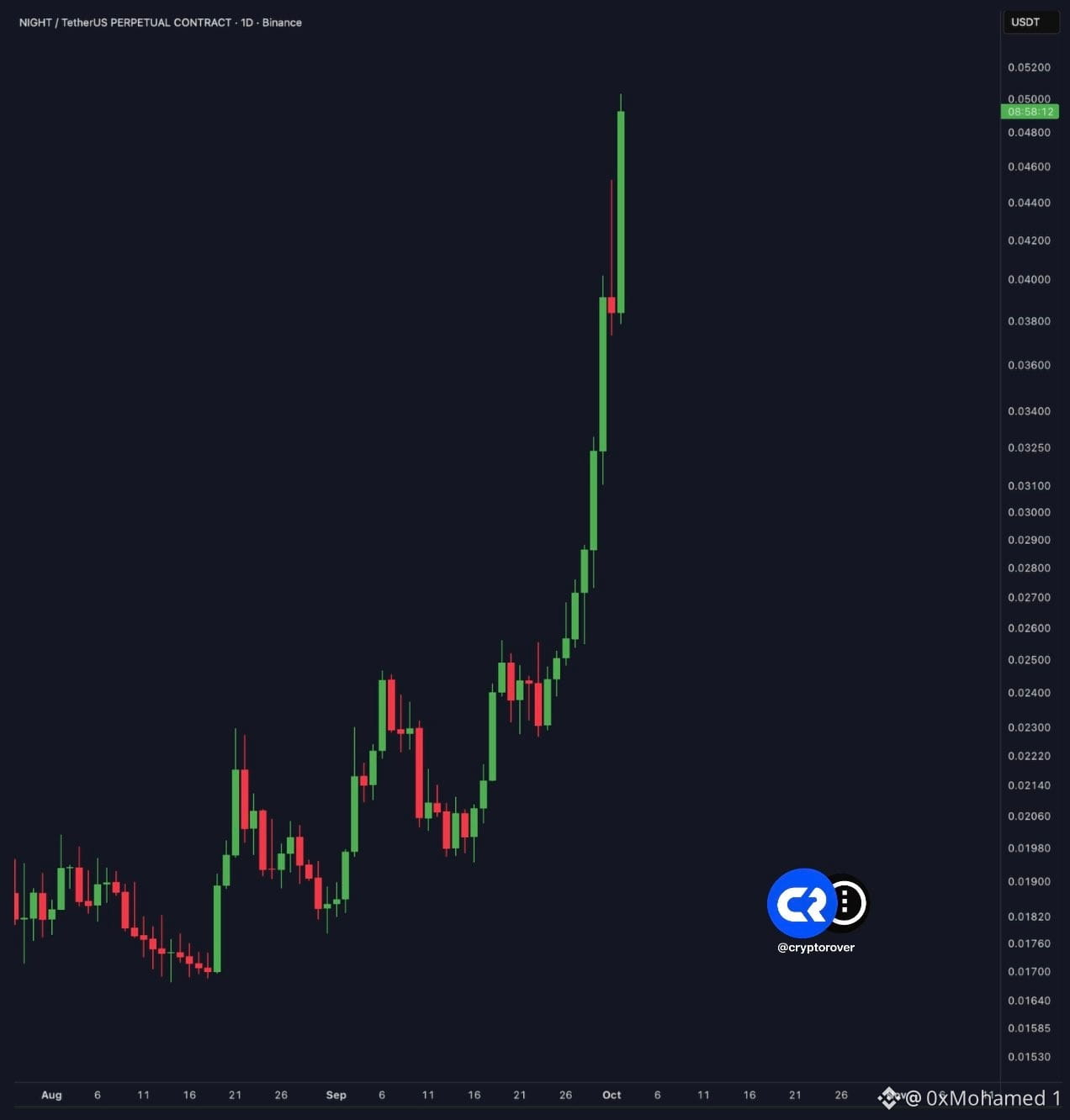
Charles Hoskinson’s Cardano privacy project Midnight $NIGHT surged 159% through September and early October. #ADA $ADA
Charles Hoskinson’s Cardano privacy project Midnight $NIGHT surged 159% through September and early October. #ADA $ADA
45
·
--
See translation
Tokenized stocks just got a serious upgrade. $LINK + Swift demoed automated dividends across 4 blockchains. The boring plumbing is getting built. Tokenized equities are coming. #LINK
Tokenized stocks just got a serious upgrade. $LINK + Swift demoed automated dividends across 4 blockchains. The boring plumbing is getting built. Tokenized equities are coming. #LINK
50
·
--
See translation
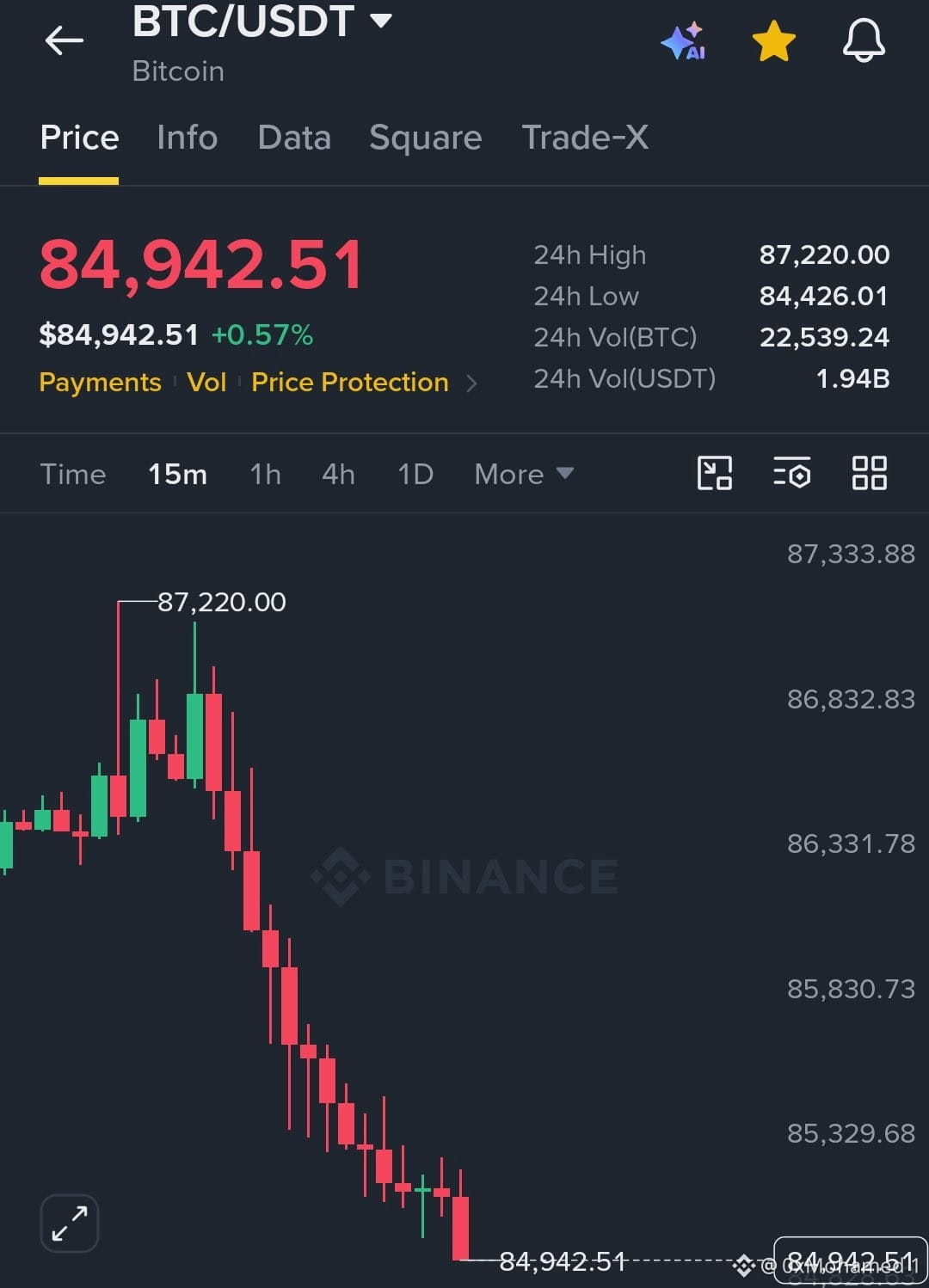
$BTC JUST DROPPED TO LEVELS LAST SEEN THIS MORNING. #BTC
$BTC JUST DROPPED TO LEVELS LAST SEEN THIS MORNING. #BTC
58
·
--
See translation
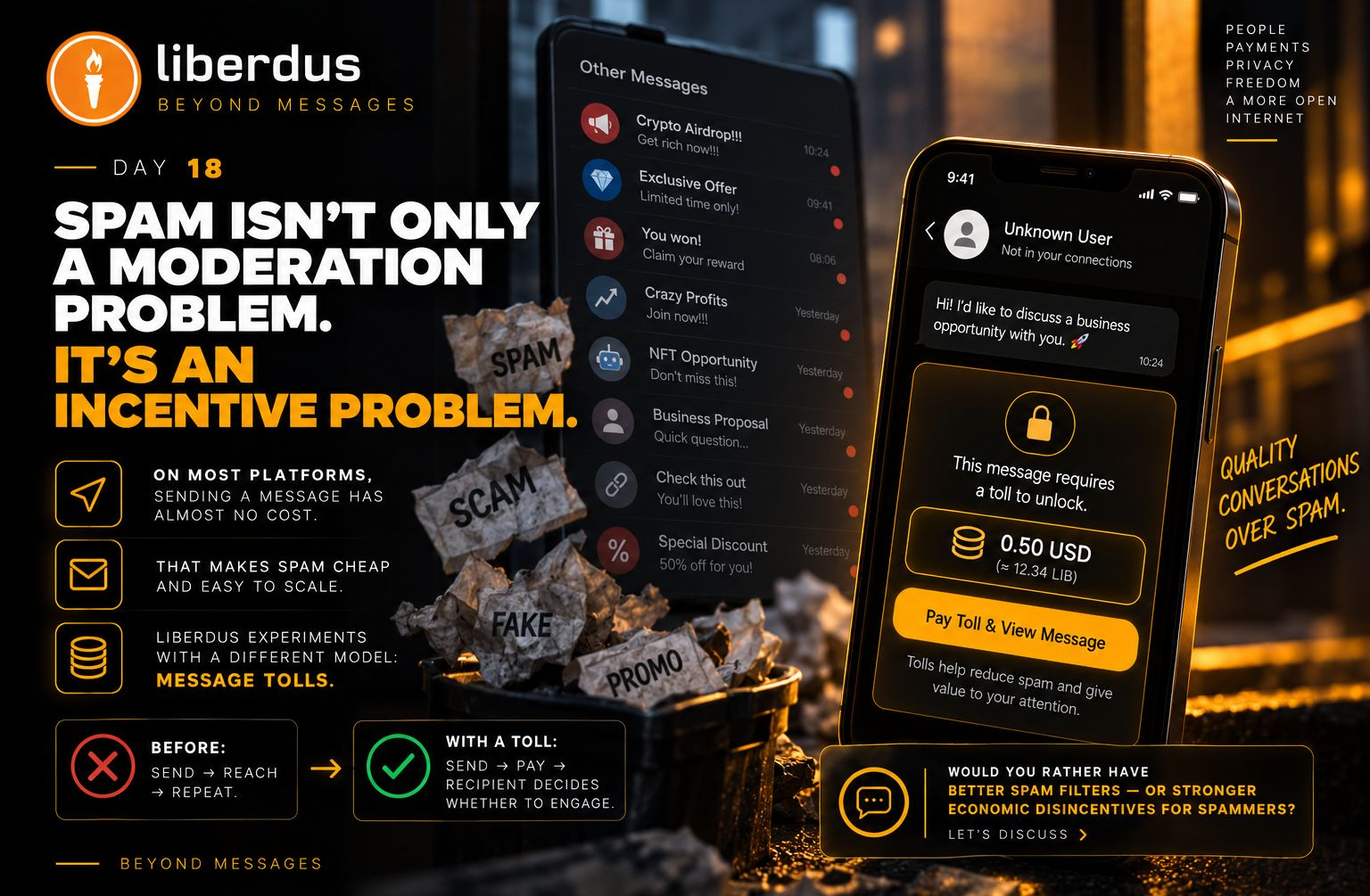
Spam isn’t only a moderation problem. It’s an incentive problem. On most platforms, sending another person a message has almost no economic friction. That makes it cheap to send the same message to thousands of people. Liberdus experiments with a different mechanism: message tolls. If someone isn’t your Friend or Connection, a toll can be required before they message you. The amount is set by the recipient and can also be disabled entirely. The interesting part isn't the fee itself. It’s the change in incentives: Before: Send → reach → repeat. With a toll: Send → pay → recipient decides whether to engage. And the system can return the unused toll if the recipient never interacts. So maybe the bigger question for Web3 messaging isn't how do we filter more spam? But, how do we make spam less economically attractive in the first place? That’s a very different way of thinking about digital communication. Would you rather have better spam filters or stronger economic disincentives for spammers? @Liberdus #liberdus #SOL $SOL
Spam isn’t only a moderation problem. It’s an incentive problem. On most platforms, sending another person a message has almost no economic friction. That makes it cheap to send the same message to thousands of people. Liberdus experiments with a different mechanism: message tolls. If someone isn’t your Friend or Connection, a toll can be required before they message you. The amount is set by the recipient and can also be disabled entirely. The interesting part isn't the fee itself. It’s the change in incentives: Before: Send → reach → repeat. With a toll: Send → pay → recipient decides whether to engage. And the system can return the unused toll if the recipient never interacts. So maybe the bigger question for Web3 messaging isn't how do we filter more spam? But, how do we make spam less economically attractive in the first place? That’s a very different way of thinking about digital communication. Would you rather have better spam filters or stronger economic disincentives for spammers? @Liberdus #liberdus #SOL $SOL
25
·
--
See translation
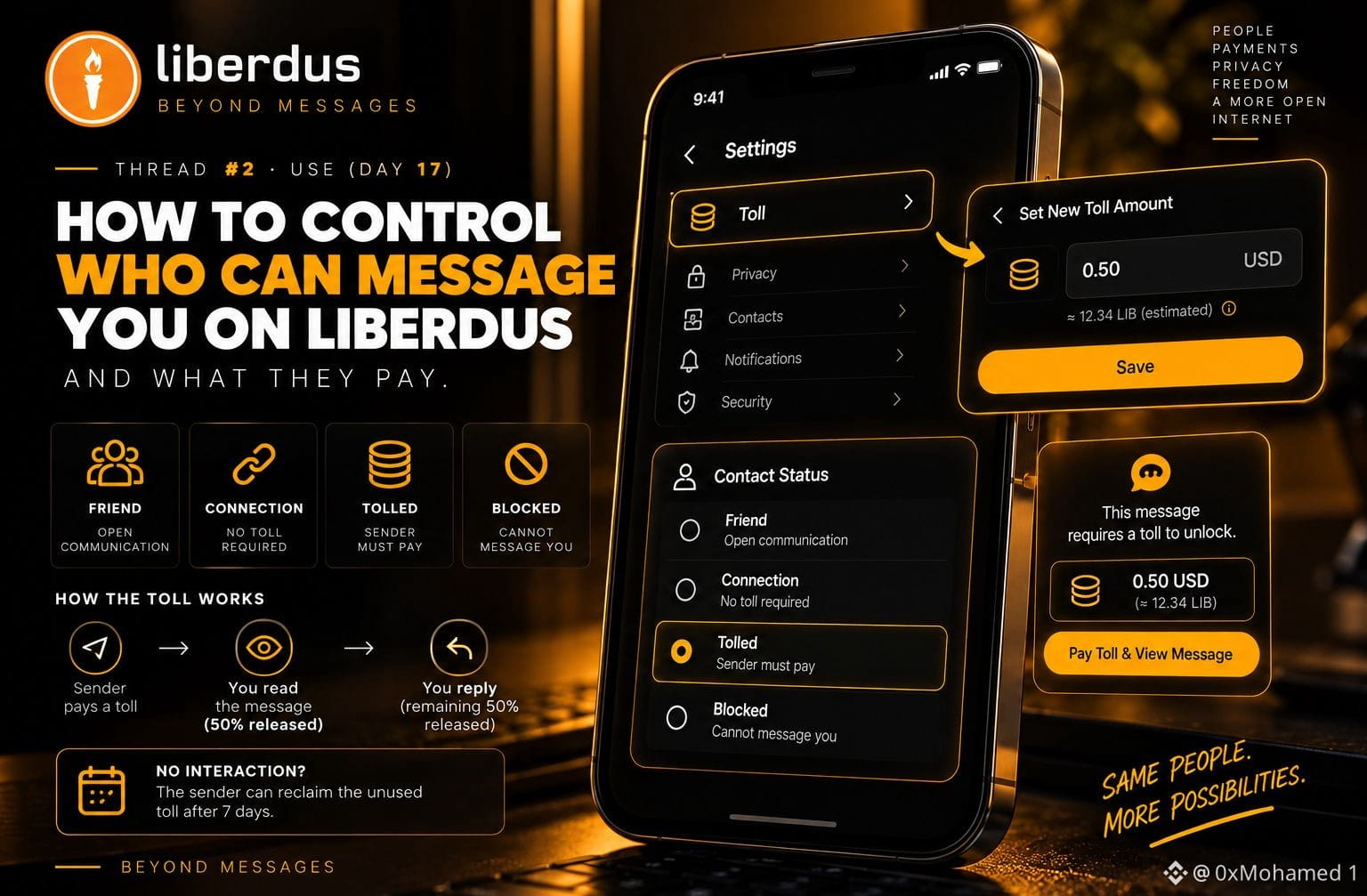
How to control who can message you on Liberdus and what they pay. Not every message has to have the same rules. On Liberdus, you can decide how different contacts interact with you including whether a toll applies. Here’s how it works. Open your Contacts and choose a relationship status: • Friend → open communication • Connection → no toll required • Tolled → sender must pay • Blocked → cannot message you Your contact status changes the messaging rules. You can also set your Toll amount. Go to, Settings → Toll → Set New Toll Amount You enter the amount in USD, and Liberdus converts it to LIB automatically. There’s a minimum toll of $0.10. But you can also set it to $0 if you want open messaging with no toll requirement. And there’s an interesting mechanism behind it. When someone pays a toll to message you, read → 50% and reply → remaining 50% So the system is designed around actual interaction, not simply receiving a message. What if they never reply? The sender can reclaim the unused toll after 7 days. If the message was never read or replied to, the current documentation says the sender can reclaim 100%. So the feature isn't simply, pay me to talk to me. It creates another layer of control, who can contact me? under what conditions? what happens when they do? That’s what I find interesting about Web3 design. Instead of treating spam purely as a moderation problem, Liberdus experiments with an economic mechanism around access to attention. It’s a small feature. But it raises a much bigger question, should users have more control over the economic value of their attention online? That’s the part worth discussing. #liberdus @Liberdus $PI
How to control who can message you on Liberdus and what they pay. Not every message has to have the same rules. On Liberdus, you can decide how different contacts interact with you including whether a toll applies. Here’s how it works. Open your Contacts and choose a relationship status: • Friend → open communication • Connection → no toll required • Tolled → sender must pay • Blocked → cannot message you Your contact status changes the messaging rules. You can also set your Toll amount. Go to, Settings → Toll → Set New Toll Amount You enter the amount in USD, and Liberdus converts it to LIB automatically. There’s a minimum toll of $0.10. But you can also set it to $0 if you want open messaging with no toll requirement. And there’s an interesting mechanism behind it. When someone pays a toll to message you, read → 50% and reply → remaining 50% So the system is designed around actual interaction, not simply receiving a message. What if they never reply? The sender can reclaim the unused toll after 7 days. If the message was never read or replied to, the current documentation says the sender can reclaim 100%. So the feature isn't simply, pay me to talk to me. It creates another layer of control, who can contact me? under what conditions? what happens when they do? That’s what I find interesting about Web3 design. Instead of treating spam purely as a moderation problem, Liberdus experiments with an economic mechanism around access to attention. It’s a small feature. But it raises a much bigger question, should users have more control over the economic value of their attention online? That’s the part worth discussing. #liberdus @Liberdus $PI
82
Log in to explore more content
Join global crypto users on Binance Square
⚡️ Get latest and useful information about crypto.
💬 Trusted by the world’s largest crypto exchange.
👍 Discover real insights from verified creators.
Email / Phone number
Trending Topics
BitcoinSlipsBelow$80KAgain
1,794 views
30 Discussing
BTC Is Bleeding While the Whale W Move Out — Stacked Against a Corporate Bid
Seven days of downside, and it wasn't retail that drove.
The: BTC closed ~79,796 on Oct27, down ~2.6% over 7 days and ~5.2% over 30 days. Daily RSI(12) sits at 39.8. The week's range: high ~84,377 (Oct 22), low ~79,220 (Oct 24). No capitulation candle. No reclaim of 84K. Just grind.
The supply side is doing the talking. Dormant wallets moved 2,571 BTC (~$206.5M) toward institutional exchanges. That is supply arriving at the venue, not leaving it. Treasury appetite also cooled — Strategy redirected $204.9M into share buybacks instead of BTC.
The bid underneath is corporate, not speculative. Strive acquired 6,182 BTC (~$511.4M); public firms added 6,200+ BTC combined. That is a real floor argument near $79.7K — but it is a floor, not a breakout catalyst.
Momentum is not on the bulls' side. MACD histogram at −23.99, price under the 99 EMA. Upside is capped below ~$80.5K until that structure fl.
Positioning is mildly bullish, not euphoric. Square community poll: 2,116 bullish vs 1,714 bearish of 3,830 votes A limited sample — worth knowing, not worth trading on alone.
My read: this is distribution into a corporate bid. The floor is real; the momentum is not there. Watching whether the 79.2K–79.7K zone absorbs the exchange inflow is the whole story this week.
#BitcoinSlipsBelow$80KAgain
_Mr_Singh_
·0 Likes
·501 views
ThailandLaunchesWORPTStablecoinToQRPaymentApp
2,258 views
94 Discussing
StrategySkipsBitcoinPurchasesSpends$205MOnSTRCBuybacks
3,146 views
70 Discussing