

Trading Booms
15.6k Posts

Trading Booms
Report
Block User
Trader | Content Creator | Crypto Expert | X: @Trading_Booms
1.2K+ Following
3.3K+ Followers
4.9K+ Liked
Posts
All
Quotes
Videos
Live
PINNED
·
--
Bullish
See translation
📌 Before following any of my setups, read this first.
I share swing trades, not instant pumps. Most setups can take 5–14 days, and bigger targets may need 2–6 weeks.
Keep leverage low, use small margin, and risk no more than ~1% of your account on one trade.
Always respect the SL. When TP1 hits, move SL to entry and let the remaining position run.
The goal is simple: small controlled losses, break-even protection, and bigger winners.
Never overtrade. Never use money you cannot afford to lose.
Technical setups only. DYOR. Not financial advice.
$APT
{future}(APTUSDT)
📌 Before following any of my setups, read this first.
I share swing trades, not instant pumps. Most setups can take 5–14 days, and bigger targets may need 2–6 weeks.
Keep leverage low, use small margin, and risk no more than ~1% of your account on one trade.
Always respect the SL. When TP1 hits, move SL to entry and let the remaining position run.
The goal is simple: small controlled losses, break-even protection, and bigger winners.
Never overtrade. Never use money you cannot afford to lose.
Technical setups only. DYOR. Not financial advice.
$APT
I share swing trades, not instant pumps. Most setups can take 5–14 days, and bigger targets may need 2–6 weeks.
Keep leverage low, use small margin, and risk no more than ~1% of your account on one trade.
Always respect the SL. When TP1 hits, move SL to entry and let the remaining position run.
The goal is simple: small controlled losses, break-even protection, and bigger winners.
Never overtrade. Never use money you cannot afford to lose.
Technical setups only. DYOR. Not financial advice.
$APT

222
·
--
Bullish
See translation
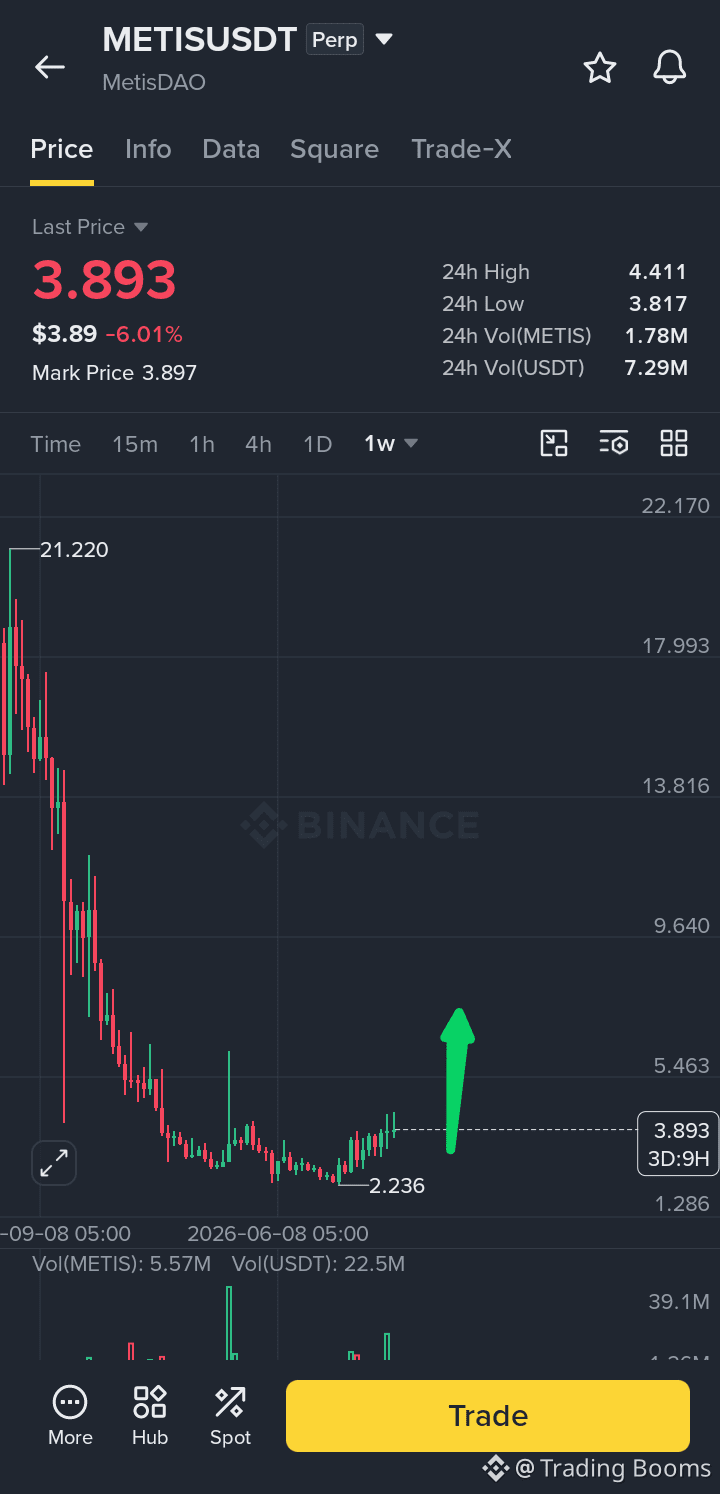
Buy $METIS Again in very Cheap Price
{future}(METISUSDT)
Buy $METIS Again in very Cheap Price
469
See translation
BTC dips 2–3%. Altcoins crash 10–15%. And suddenly, everyone who wanted cheaper prices starts panic-selling.
This is exactly where emotions cost traders money.
I've seen it repeatedly. People sell quality coins out of fear, only to watch them recover when BTC stabilizes.
Here's how I handle these moments:
📌 DCA, don't panic. I buy in planned tranches at key support zones to improve my average entry.
📌 No emotional selling. A temporary BTC dip isn't enough reason to dump strong spot holdings.
📌 Control risk. Small positions give me room to handle volatility without making rushed decisions.
But I never buy blindly. BTC structure must support the setup, and not every dip recovers. Leveraged trades still need stop-loss protection.
While fear pushes some traders out, patience gives others a better entry.
Be honest did you buy the dip or sell out of fear? 👀
$APT $ICP
{future}(ICPUSDT)
{future}(APTUSDT)
BTC dips 2–3%. Altcoins crash 10–15%. And suddenly, everyone who wanted cheaper prices starts panic-selling.
This is exactly where emotions cost traders money.
I've seen it repeatedly. People sell quality coins out of fear, only to watch them recover when BTC stabilizes.
Here's how I handle these moments:
📌 DCA, don't panic. I buy in planned tranches at key support zones to improve my average entry.
📌 No emotional selling. A temporary BTC dip isn't enough reason to dump strong spot holdings.
📌 Control risk. Small positions give me room to handle volatility without making rushed decisions.
But I never buy blindly. BTC structure must support the setup, and not every dip recovers. Leveraged trades still need stop-loss protection.
While fear pushes some traders out, patience gives others a better entry.
Be honest did you buy the dip or sell out of fear? 👀
$APT $ICP
This is exactly where emotions cost traders money.
I've seen it repeatedly. People sell quality coins out of fear, only to watch them recover when BTC stabilizes.
Here's how I handle these moments:
📌 DCA, don't panic. I buy in planned tranches at key support zones to improve my average entry.
📌 No emotional selling. A temporary BTC dip isn't enough reason to dump strong spot holdings.
📌 Control risk. Small positions give me room to handle volatility without making rushed decisions.
But I never buy blindly. BTC structure must support the setup, and not every dip recovers. Leveraged trades still need stop-loss protection.
While fear pushes some traders out, patience gives others a better entry.
Be honest did you buy the dip or sell out of fear? 👀
$APT $ICP
474
·
--
Bullish
See translation
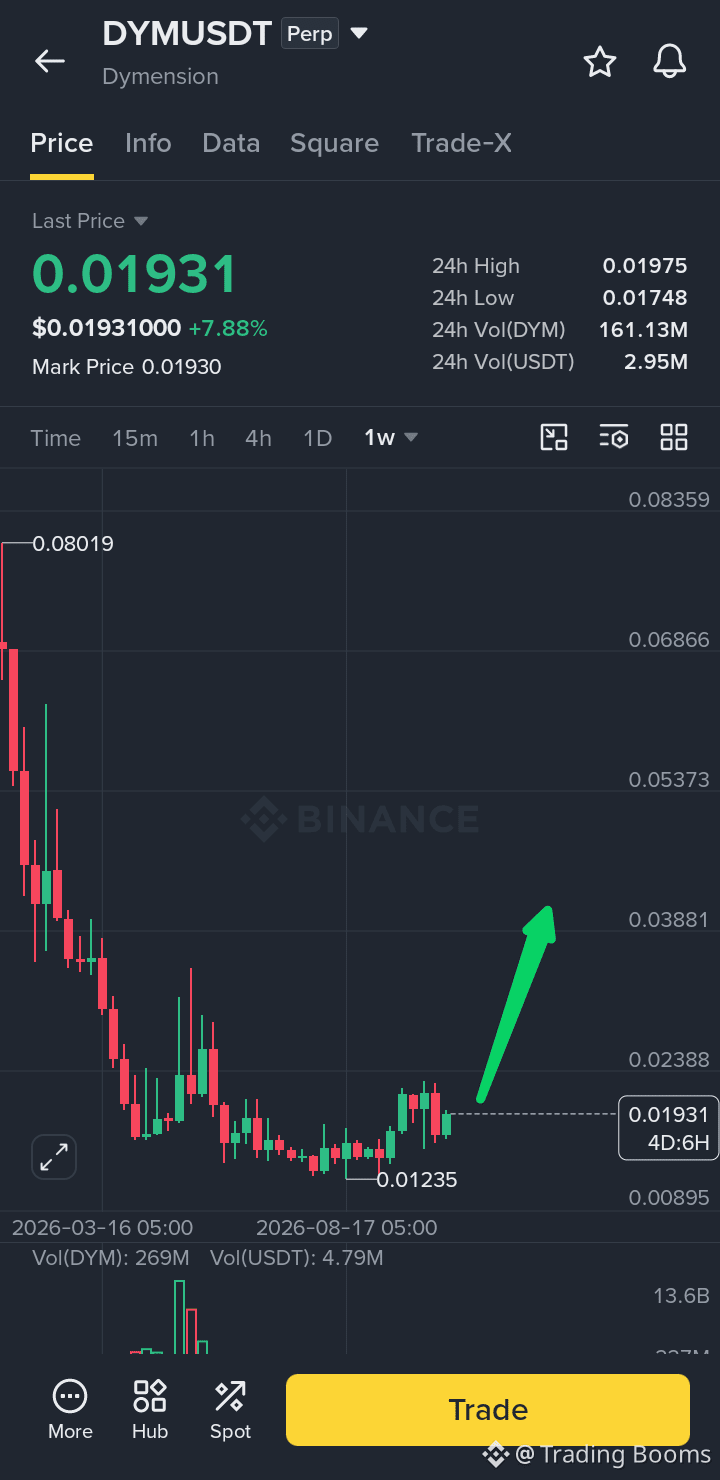
$DYM is waking up from its base — the bigger move starts if this reclaim holds.
Entry: $0.0182–$0.0190 | SL: $0.0152 | TPs: $0.0209 / $0.0228 / $0.0262 / $0.0299 | Runner: $0.0340 | Stretch: $0.039–$0.040
A 4H hold above $0.0198–$0.0200 would strengthen continuation.
Low leverage. Small margin. Swing trade.
NFA. DYOR.
{future}(DYMUSDT)
$DYM is waking up from its base — the bigger move starts if this reclaim holds.
Entry: $0.0182–$0.0190 | SL: $0.0152 | TPs: $0.0209 / $0.0228 / $0.0262 / $0.0299 | Runner: $0.0340 | Stretch: $0.039–$0.040
A 4H hold above $0.0198–$0.0200 would strengthen continuation.
Low leverage. Small margin. Swing trade.
NFA. DYOR.
Entry: $0.0182–$0.0190 | SL: $0.0152 | TPs: $0.0209 / $0.0228 / $0.0262 / $0.0299 | Runner: $0.0340 | Stretch: $0.039–$0.040
A 4H hold above $0.0198–$0.0200 would strengthen continuation.
Low leverage. Small margin. Swing trade.
NFA. DYOR.
1
275
·
--
Bullish
See translation
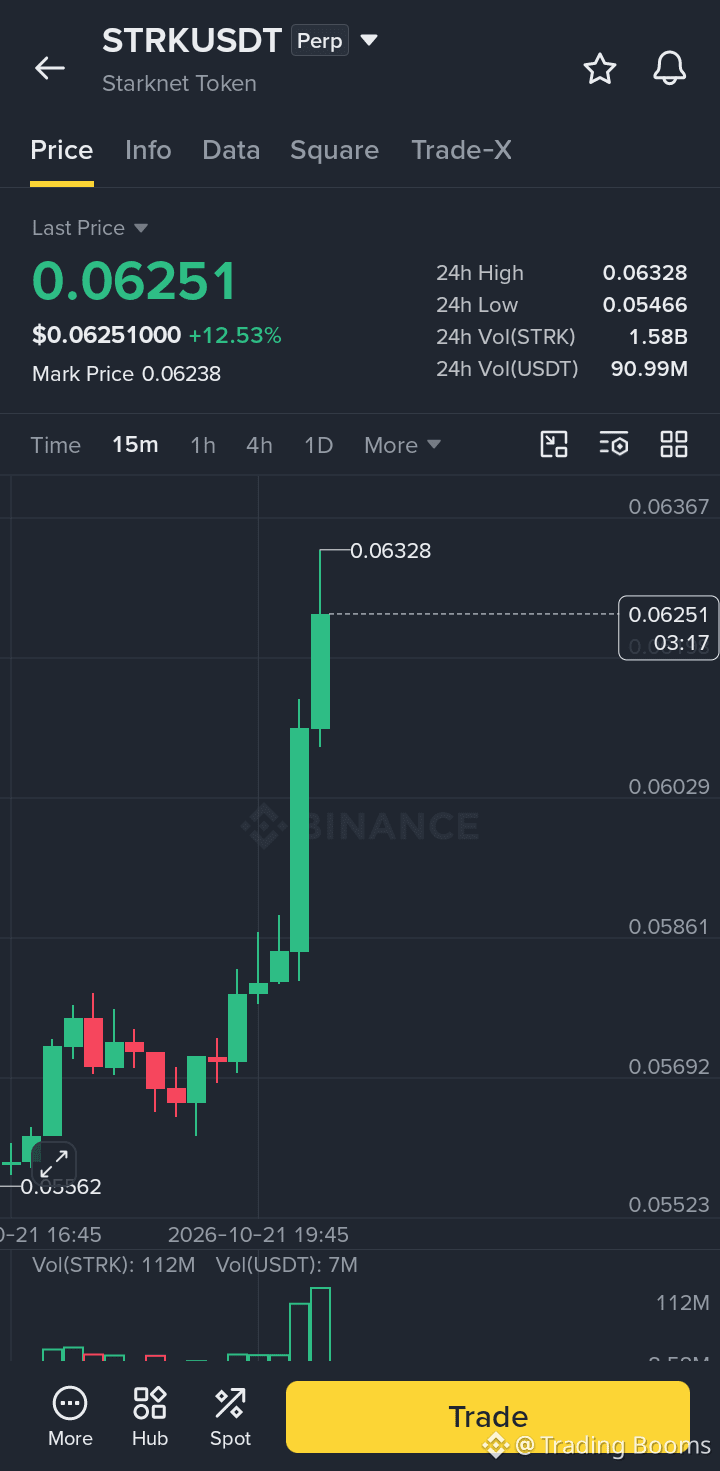
So Fast 😺 $STRK 👀
{future}(STRKUSDT)
So Fast 😺 $STRK 👀
Trading Booms
·
--
Bullish$STRK is rebuilding after a major expansion this zone could become the base for the next recovery leg.
Entry: $0.055–$0.0585 | SL: $0.0465 | TPs: $0.0625 / $0.0740 / $0.0850 / $0.0980 | Stretch: $0.108–$0.123
A 4H reclaim above $0.062–$0.065 would strengthen the setup.
Low leverage. Small margin. High-risk swing trade.
NFA. DYOR.
Entry: $0.055–$0.0585 | SL: $0.0465 | TPs: $0.0625 / $0.0740 / $0.0850 / $0.0980 | Stretch: $0.108–$0.123
A 4H reclaim above $0.062–$0.065 would strengthen the setup.
Low leverage. Small margin. High-risk swing trade.
NFA. DYOR.
2
276
·
--
Bullish
See translation
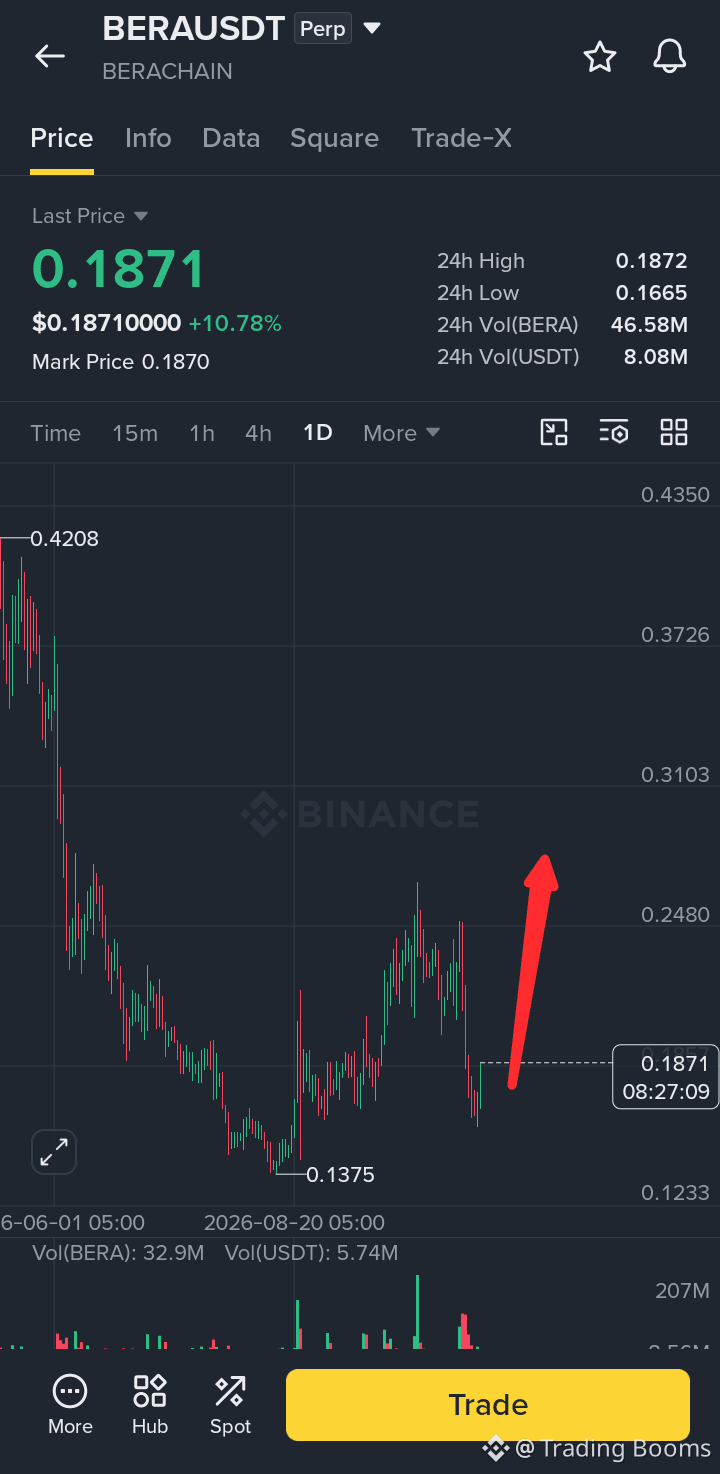
$BERA is trading near a key recovery zone holding this base could open a much larger swing.
Entry: $0.1855 | SL: $0.1580 | TPs: $0.1926 / $0.2017 / $0.2201 / $0.2568 / $0.2934 / $0.3668
Low leverage. Small margin. Swing trade.
NFA. DYOR.
{future}(BERAUSDT)
$BERA is trading near a key recovery zone holding this base could open a much larger swing.
Entry: $0.1855 | SL: $0.1580 | TPs: $0.1926 / $0.2017 / $0.2201 / $0.2568 / $0.2934 / $0.3668
Low leverage. Small margin. Swing trade.
NFA. DYOR.
Entry: $0.1855 | SL: $0.1580 | TPs: $0.1926 / $0.2017 / $0.2201 / $0.2568 / $0.2934 / $0.3668
Low leverage. Small margin. Swing trade.
NFA. DYOR.
2
424
·
--
Bullish
See translation
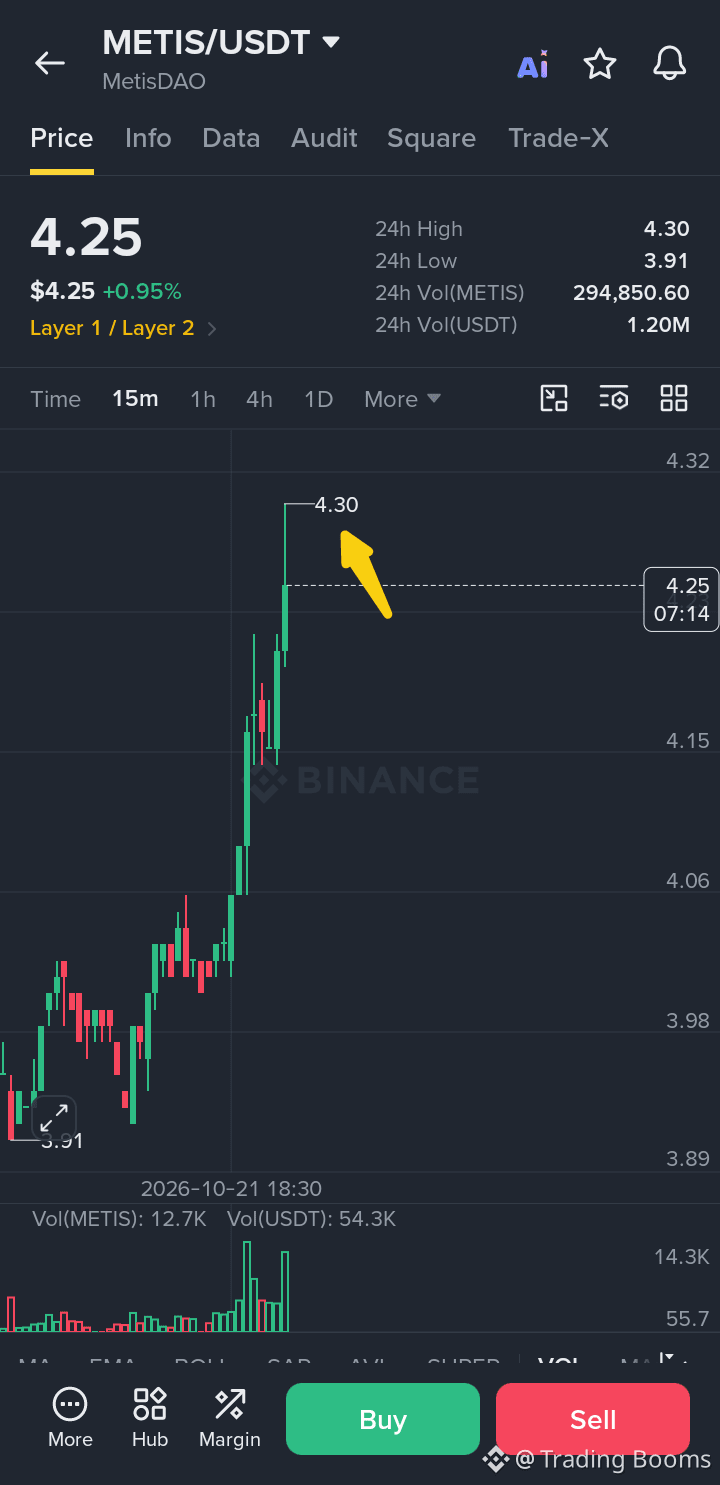
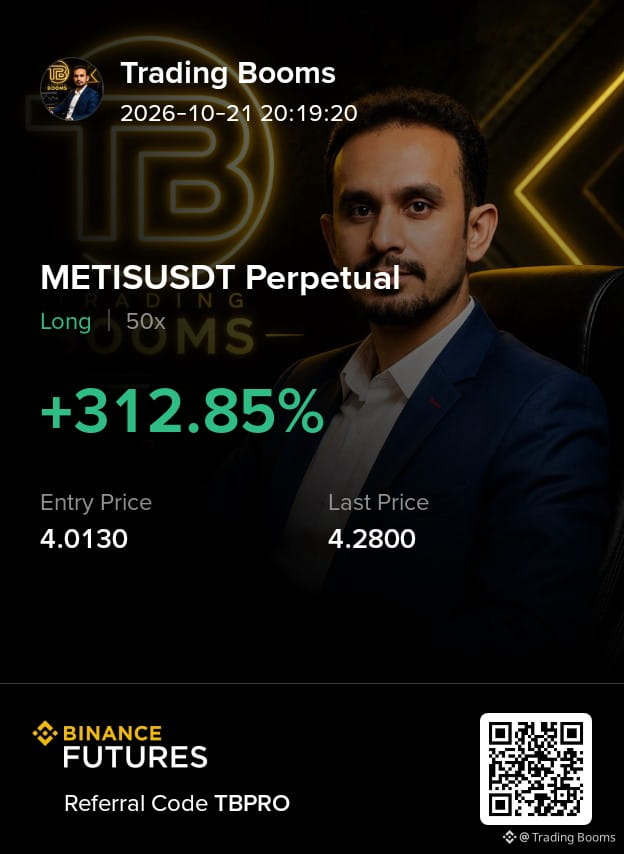
💥 BIG BOOM! $METIS IS FLYING!
This isn't magic. It's SKILL. 🎯
I shared $METIS when hardly anyone was talking about it.
Entry? Shared.
Take-profit targets? Shared.
Stop-loss? Shared.
Everything was right there before the move. No hindsight, just analysis and a clear trading plan.
But come on, guys! 👀
If I'm putting in the work and sharing these setups early, at least show some love!
A little support makes sharing the next big opportunity even more exciting. 🔥
Who caught the $METIS move?
{future}(METISUSDT)
💥 BIG BOOM! $METIS IS FLYING!
This isn't magic. It's SKILL. 🎯
I shared $METIS when hardly anyone was talking about it.
Entry? Shared.
Take-profit targets? Shared.
Stop-loss? Shared.
Everything was right there before the move. No hindsight, just analysis and a clear trading plan.
But come on, guys! 👀
If I'm putting in the work and sharing these setups early, at least show some love!
A little support makes sharing the next big opportunity even more exciting. 🔥
Who caught the $METIS move?
This isn't magic. It's SKILL. 🎯
I shared $METIS when hardly anyone was talking about it.
Entry? Shared.
Take-profit targets? Shared.
Stop-loss? Shared.
Everything was right there before the move. No hindsight, just analysis and a clear trading plan.
But come on, guys! 👀
If I'm putting in the work and sharing these setups early, at least show some love!
A little support makes sharing the next big opportunity even more exciting. 🔥
Who caught the $METIS move?
Trading Booms
·
--
Bullish🚨 $METIS COULD BE SETTING UP FOR A 30% SWING. BUT I'M NOT CHASING THE BREAKOUT!
METIS recently pushed toward $4.31 before pulling back. What interests me isn't the pump. It's the price structure forming underneath.
📊 ICT Technical Outlook
Price swept sell-side liquidity near $3.58 before a strong bullish recovery.
The 4H chart has a bullish Fair Value Gap around $3.89–$3.92, an area worth watching for fresh buying interest.
The daily recovery is developing, but a full bullish reversal still needs confirmation.
🎯 MY SWING TRADE PLAN
Current Price: ~$4.00
🟢 Entry Zone: $3.89–$3.92
🎯 TP1: $4.32–$4.37
🎯 TP2: $4.58–$4.62
🎯 TP3: $4.84–$4.90
🎯 TP4: $5.10–$5.20
🚀 Stretch Target: $5.60–$5.70
🛑 Stop Loss: Below $3.26
Estimated Swing Potential: 17–33% from an ideal entry, with 44%+ possible in an extended bullish move.
🔍 WHY I'M WATCHING METIS
Metis has an interesting fundamental story around Ethereum Layer 2 infrastructure and its expansion into AI-focused execution.
But fundamentals alone don't move prices. We still need buyers to confirm the technical setup.
My confirmation:
✅ Bullish reaction around the FVG
✅ Strong buying volume
✅ Breakout and retest above $4.32–$4.37
✅ BTC maintaining its supportive structure
⚠️ Heavy long positioning and declining open interest mean a deeper shakeout is still possible.
My approach is simple: Wait for the retest, respect invalidation, and let the market confirm the opportunity.
Swing Horizon: 5–14 days. Extended targets may require several weeks.
Are you accumulating $METIS or waiting for confirmation?
Low Leverage and Low Margin ✅
NFA. DYOR.
METIS recently pushed toward $4.31 before pulling back. What interests me isn't the pump. It's the price structure forming underneath.
📊 ICT Technical Outlook
Price swept sell-side liquidity near $3.58 before a strong bullish recovery.
The 4H chart has a bullish Fair Value Gap around $3.89–$3.92, an area worth watching for fresh buying interest.
The daily recovery is developing, but a full bullish reversal still needs confirmation.
🎯 MY SWING TRADE PLAN
Current Price: ~$4.00
🟢 Entry Zone: $3.89–$3.92
🎯 TP1: $4.32–$4.37
🎯 TP2: $4.58–$4.62
🎯 TP3: $4.84–$4.90
🎯 TP4: $5.10–$5.20
🚀 Stretch Target: $5.60–$5.70
🛑 Stop Loss: Below $3.26
Estimated Swing Potential: 17–33% from an ideal entry, with 44%+ possible in an extended bullish move.
🔍 WHY I'M WATCHING METIS
Metis has an interesting fundamental story around Ethereum Layer 2 infrastructure and its expansion into AI-focused execution.
But fundamentals alone don't move prices. We still need buyers to confirm the technical setup.
My confirmation:
✅ Bullish reaction around the FVG
✅ Strong buying volume
✅ Breakout and retest above $4.32–$4.37
✅ BTC maintaining its supportive structure
⚠️ Heavy long positioning and declining open interest mean a deeper shakeout is still possible.
My approach is simple: Wait for the retest, respect invalidation, and let the market confirm the opportunity.
Swing Horizon: 5–14 days. Extended targets may require several weeks.
Are you accumulating $METIS or waiting for confirmation?
Low Leverage and Low Margin ✅
NFA. DYOR.
216
·
--
Bullish
See translation
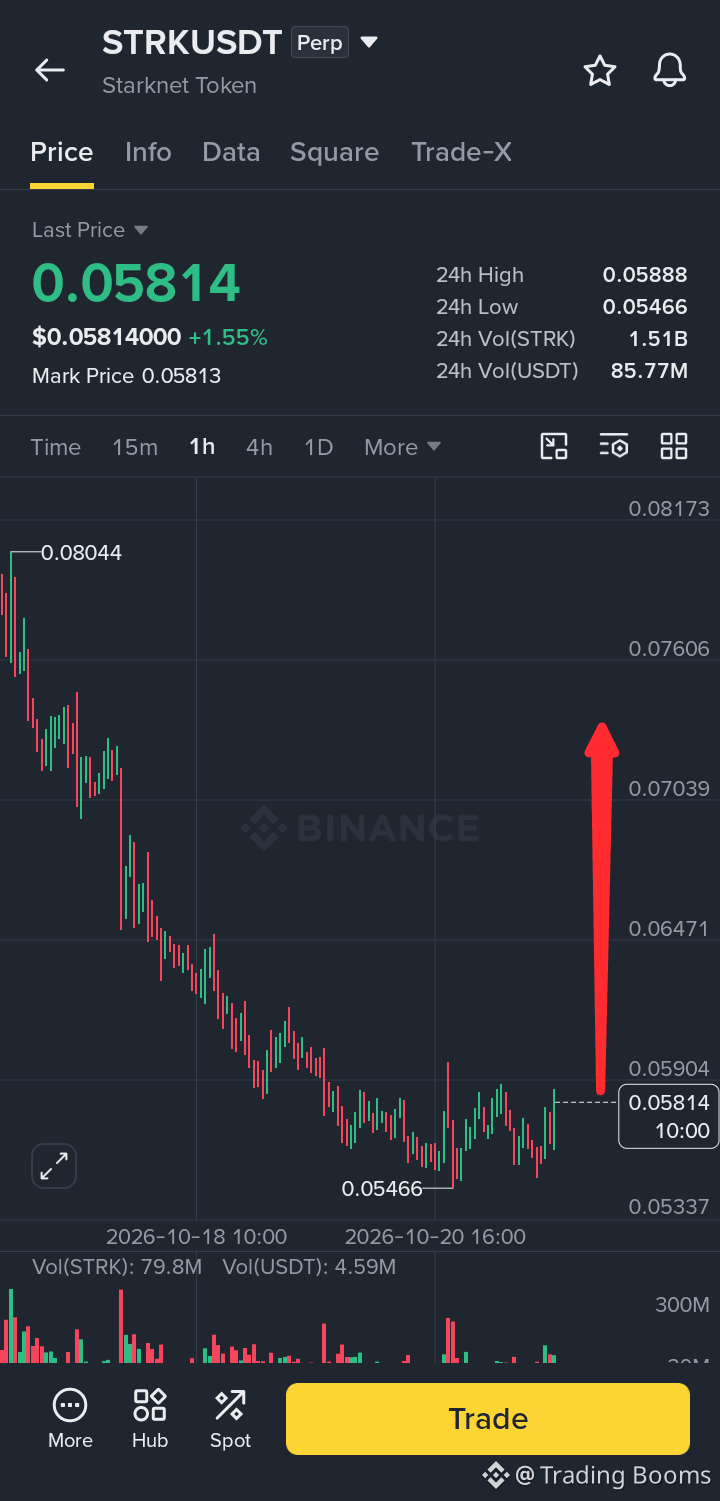
$STRK is rebuilding after a major expansion this zone could become the base for the next recovery leg.
Entry: $0.055–$0.0585 | SL: $0.0465 | TPs: $0.0625 / $0.0740 / $0.0850 / $0.0980 | Stretch: $0.108–$0.123
A 4H reclaim above $0.062–$0.065 would strengthen the setup.
Low leverage. Small margin. High-risk swing trade.
NFA. DYOR.
{future}(STRKUSDT)
$STRK is rebuilding after a major expansion this zone could become the base for the next recovery leg.
Entry: $0.055–$0.0585 | SL: $0.0465 | TPs: $0.0625 / $0.0740 / $0.0850 / $0.0980 | Stretch: $0.108–$0.123
A 4H reclaim above $0.062–$0.065 would strengthen the setup.
Low leverage. Small margin. High-risk swing trade.
NFA. DYOR.
Entry: $0.055–$0.0585 | SL: $0.0465 | TPs: $0.0625 / $0.0740 / $0.0850 / $0.0980 | Stretch: $0.108–$0.123
A 4H reclaim above $0.062–$0.065 would strengthen the setup.
Low leverage. Small margin. High-risk swing trade.
NFA. DYOR.
1
1
472
·
--
Bullish
See translation
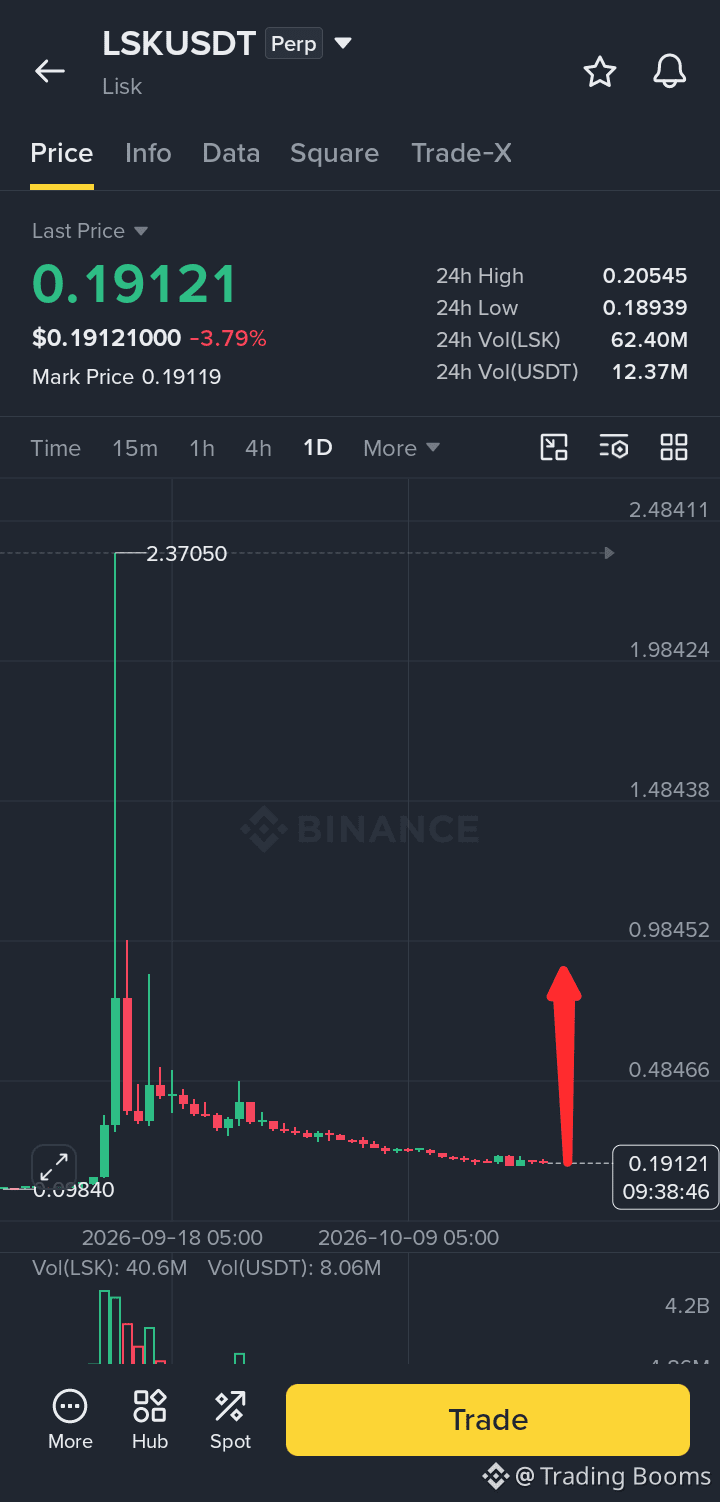
$LSK is sitting in a deep pullback zone a reclaim could turn this into a clean recovery swing.
Entry: $0.185–$0.193 | SL: $0.158 | TPs: $0.205 / $0.220 / $0.230 / $0.246 | Stretch: $0.27–$0.30
A 4H hold above $0.205–$0.220 would strengthen the reversal.
Low leverage. Small margin. High-risk swing trade.
NFA. DYOR.
{future}(LSKUSDT)
$LSK is sitting in a deep pullback zone a reclaim could turn this into a clean recovery swing.
Entry: $0.185–$0.193 | SL: $0.158 | TPs: $0.205 / $0.220 / $0.230 / $0.246 | Stretch: $0.27–$0.30
A 4H hold above $0.205–$0.220 would strengthen the reversal.
Low leverage. Small margin. High-risk swing trade.
NFA. DYOR.
Entry: $0.185–$0.193 | SL: $0.158 | TPs: $0.205 / $0.220 / $0.230 / $0.246 | Stretch: $0.27–$0.30
A 4H hold above $0.205–$0.220 would strengthen the reversal.
Low leverage. Small margin. High-risk swing trade.
NFA. DYOR.
481
·
--
Bullish
86

·
--
Bullish
See translation
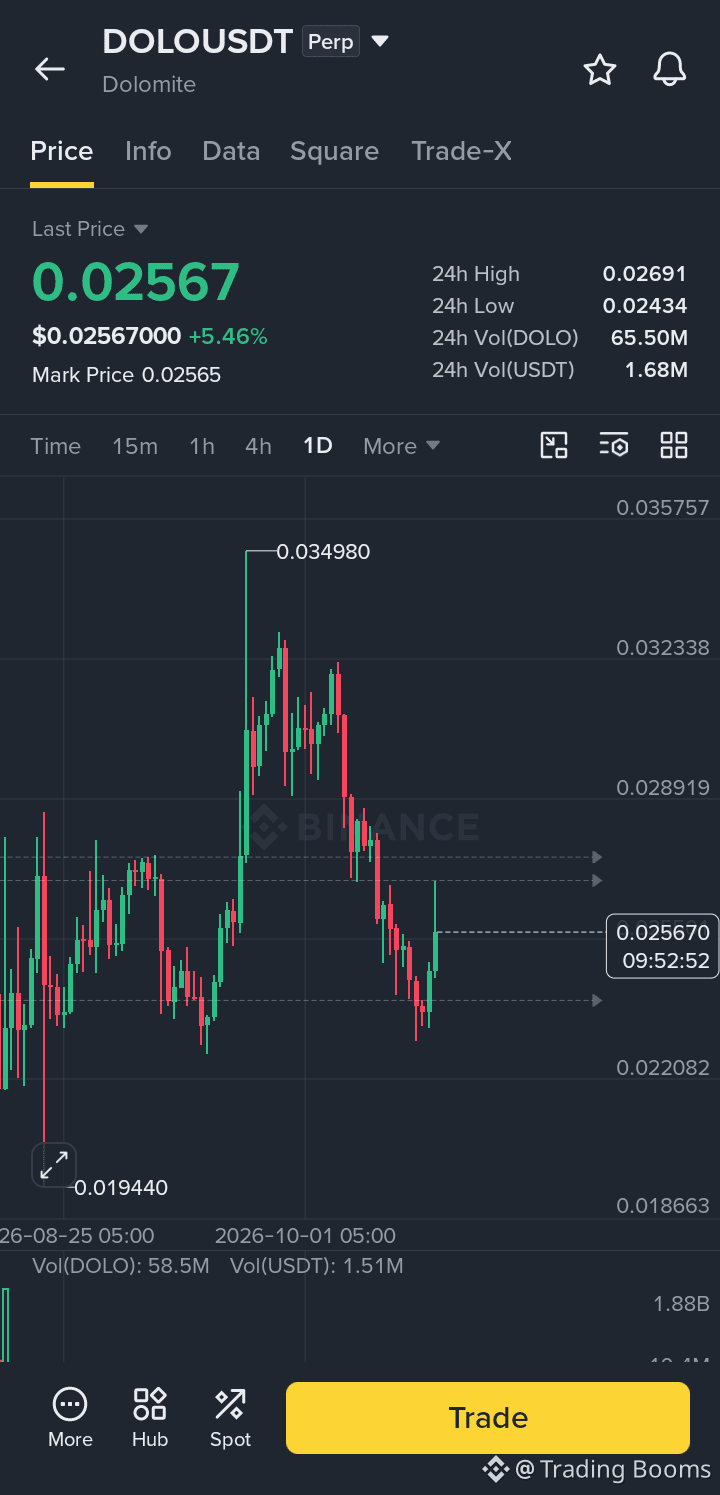
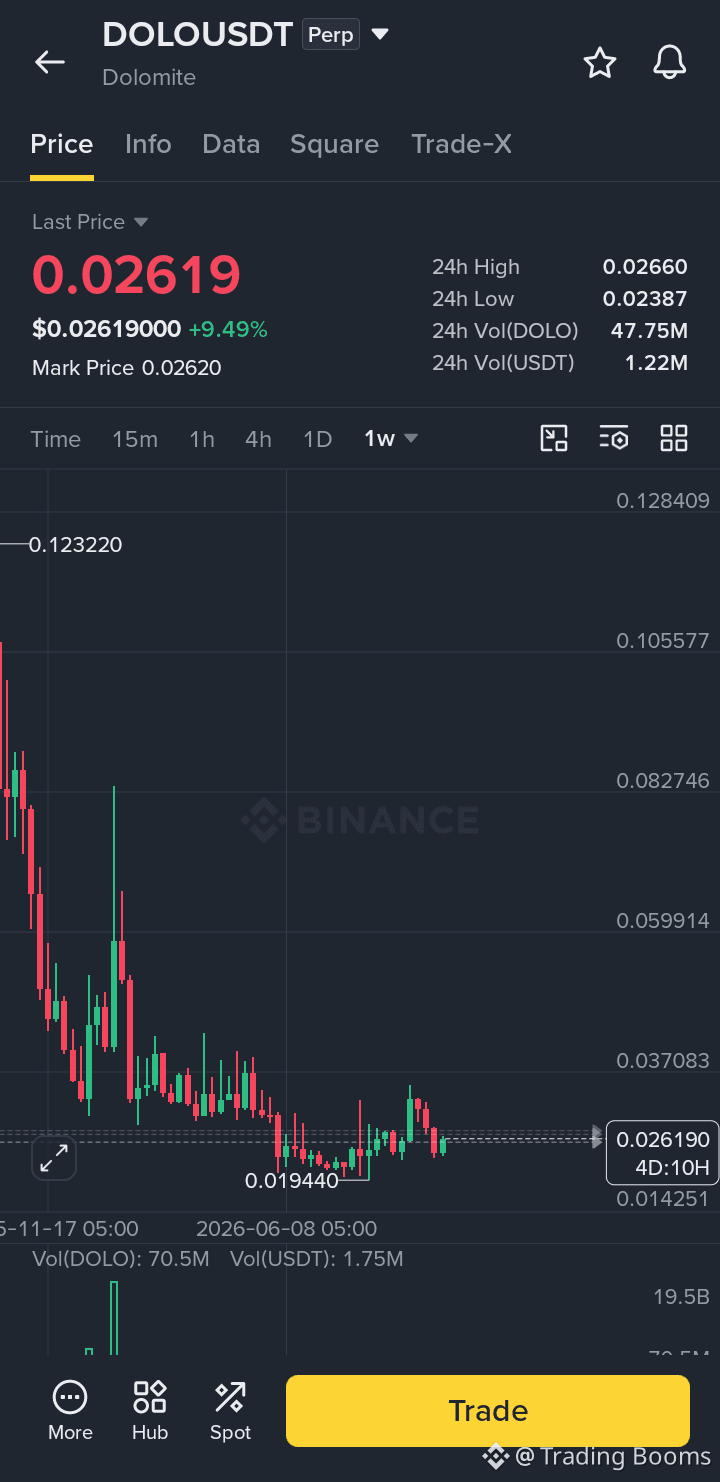
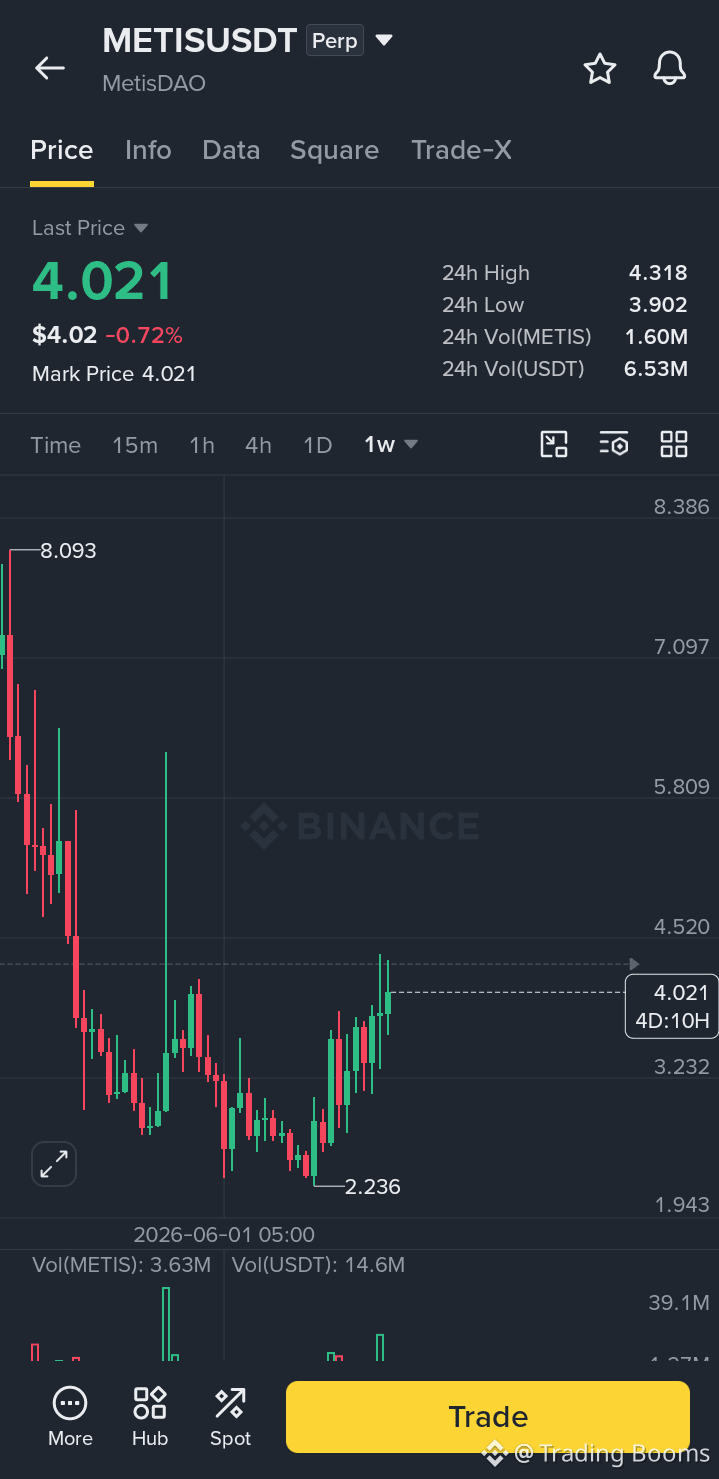
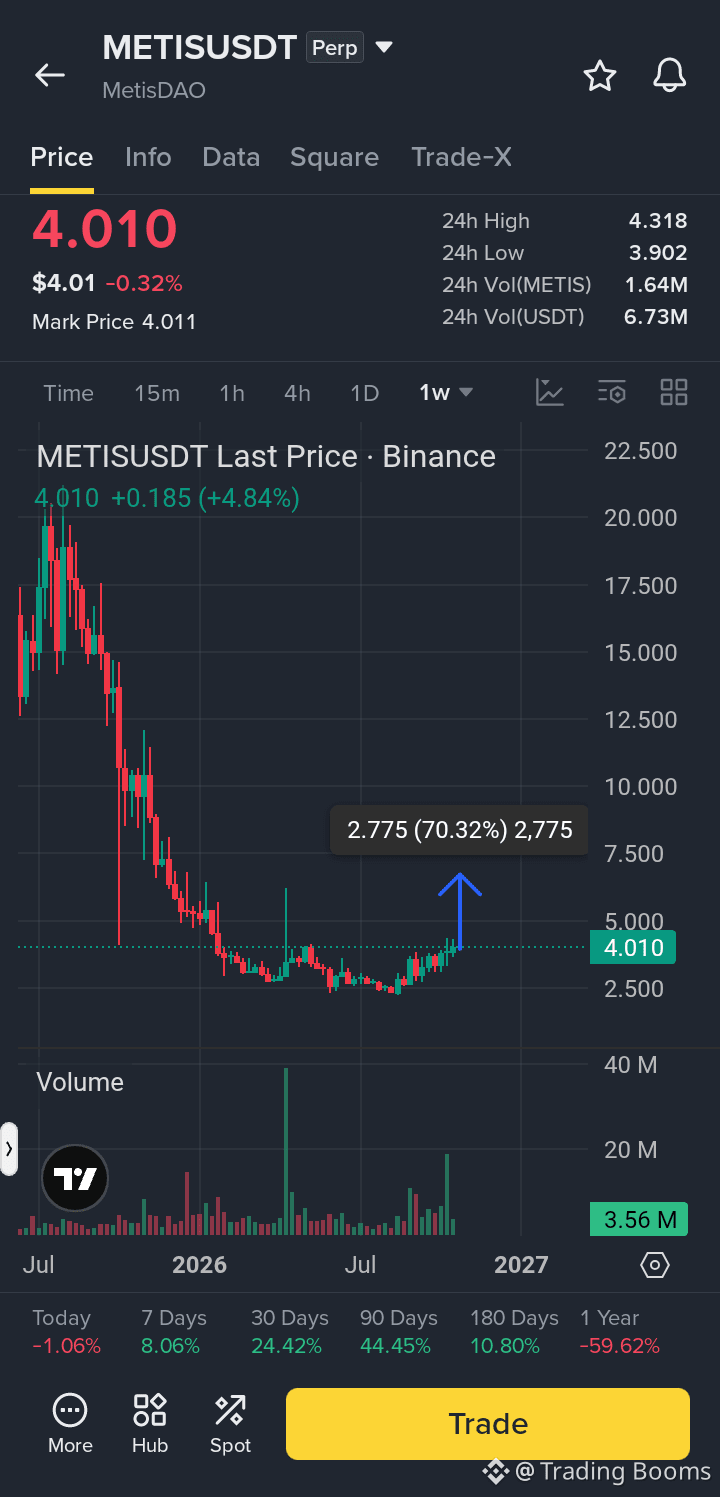
Missed $DOOD Pump ? Next are $DOLO
$METIS 🚀
{future}(METISUSDT)
{future}(DOLOUSDT)
Missed $DOOD Pump ? Next are $DOLO
$METIS 🚀
$METIS 🚀
1
284
·
--
Bullish
74
·
--
Bullish
2
564
·
--
Bullish
See translation
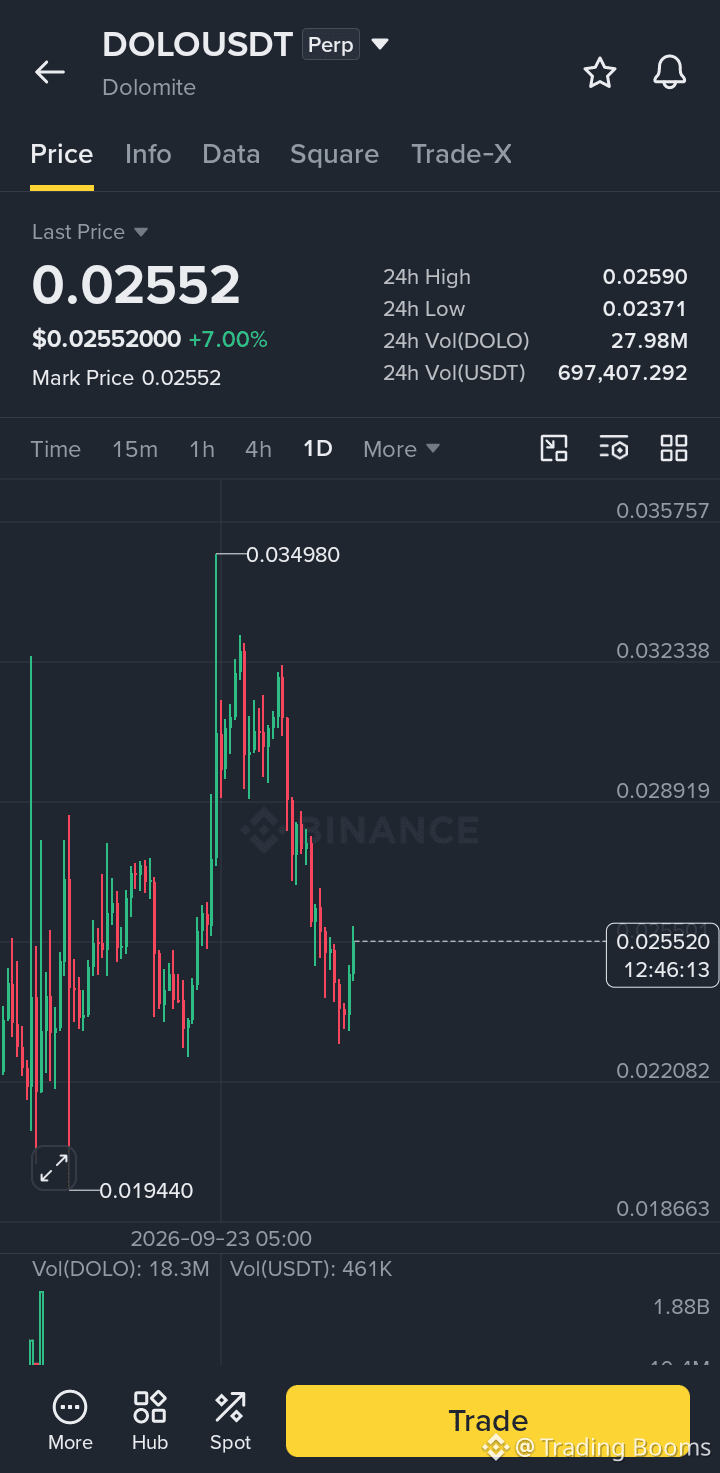
$DOOD already exploded now $DOLO is the laggard I’m watching for a catch-up move.
Entry: $0.0245–$0.0255 | SL: $0.0208 | TPs: $0.0275 / $0.0286 / $0.0323 / $0.0350 | Stretch: $0.040+
A 4H hold above $0.0260–$0.0265 would strengthen the rotation setup.
Low leverage. Small margin. High-risk swing trade.
NFA. DYOR.
{future}(DOLOUSDT)
{future}(DOODUSDT)
$DOOD already exploded now $DOLO is the laggard I’m watching for a catch-up move.
Entry: $0.0245–$0.0255 | SL: $0.0208 | TPs: $0.0275 / $0.0286 / $0.0323 / $0.0350 | Stretch: $0.040+
A 4H hold above $0.0260–$0.0265 would strengthen the rotation setup.
Low leverage. Small margin. High-risk swing trade.
NFA. DYOR.
Entry: $0.0245–$0.0255 | SL: $0.0208 | TPs: $0.0275 / $0.0286 / $0.0323 / $0.0350 | Stretch: $0.040+
A 4H hold above $0.0260–$0.0265 would strengthen the rotation setup.
Low leverage. Small margin. High-risk swing trade.
NFA. DYOR.
1
340
·
--
Bullish
See translation
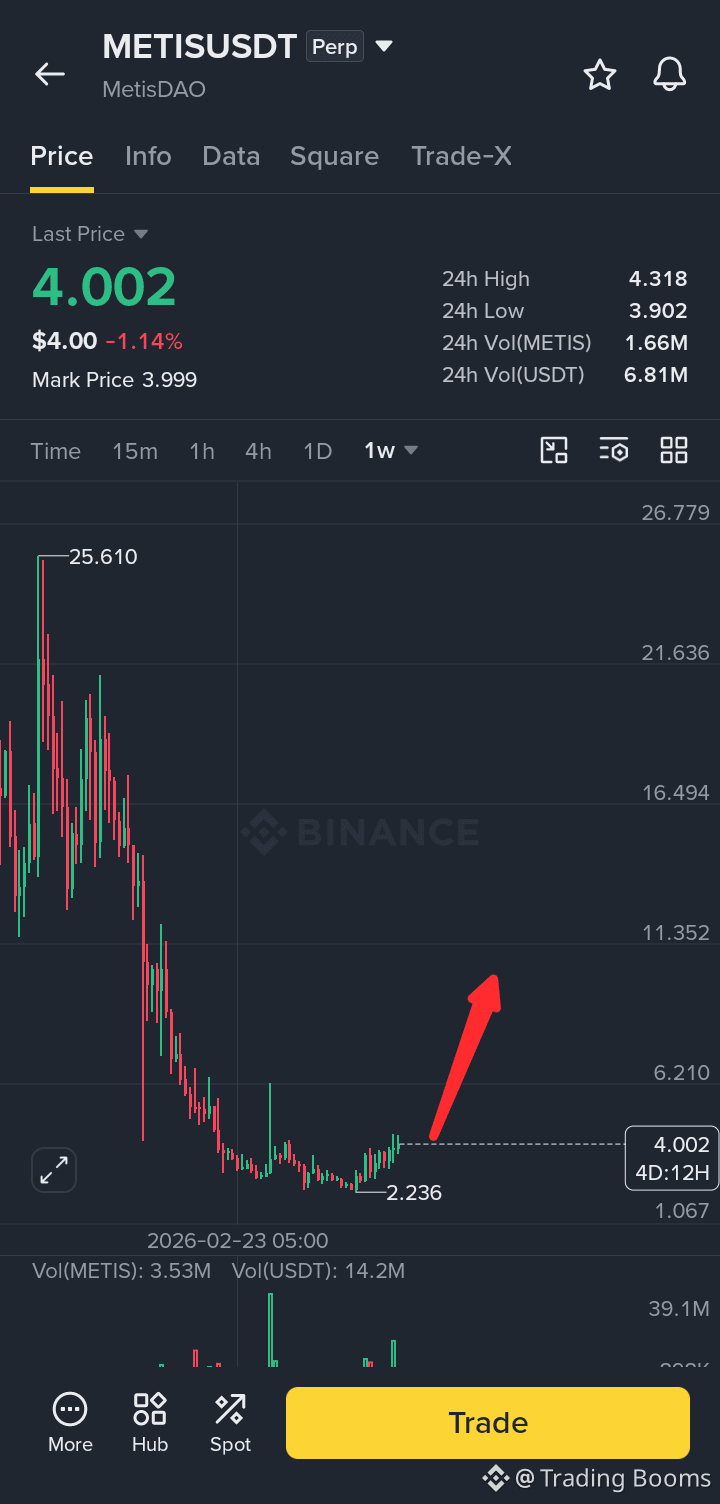
🚨 $METIS COULD BE SETTING UP FOR A 30% SWING. BUT I'M NOT CHASING THE BREAKOUT!
METIS recently pushed toward $4.31 before pulling back. What interests me isn't the pump. It's the price structure forming underneath.
📊 ICT Technical Outlook
Price swept sell-side liquidity near $3.58 before a strong bullish recovery.
The 4H chart has a bullish Fair Value Gap around $3.89–$3.92, an area worth watching for fresh buying interest.
The daily recovery is developing, but a full bullish reversal still needs confirmation.
🎯 MY SWING TRADE PLAN
Current Price: ~$4.00
🟢 Entry Zone: $3.89–$3.92
🎯 TP1: $4.32–$4.37
🎯 TP2: $4.58–$4.62
🎯 TP3: $4.84–$4.90
🎯 TP4: $5.10–$5.20
🚀 Stretch Target: $5.60–$5.70
🛑 Stop Loss: Below $3.26
Estimated Swing Potential: 17–33% from an ideal entry, with 44%+ possible in an extended bullish move.
🔍 WHY I'M WATCHING METIS
Metis has an interesting fundamental story around Ethereum Layer 2 infrastructure and its expansion into AI-focused execution.
But fundamentals alone don't move prices. We still need buyers to confirm the technical setup.
My confirmation:
✅ Bullish reaction around the FVG
✅ Strong buying volume
✅ Breakout and retest above $4.32–$4.37
✅ BTC maintaining its supportive structure
⚠️ Heavy long positioning and declining open interest mean a deeper shakeout is still possible.
My approach is simple: Wait for the retest, respect invalidation, and let the market confirm the opportunity.
Swing Horizon: 5–14 days. Extended targets may require several weeks.
Are you accumulating $METIS or waiting for confirmation?
Low Leverage and Low Margin ✅
NFA. DYOR.
{future}(METISUSDT)
🚨 $METIS COULD BE SETTING UP FOR A 30% SWING. BUT I'M NOT CHASING THE BREAKOUT!
METIS recently pushed toward $4.31 before pulling back. What interests me isn't the pump. It's the price structure forming underneath.
📊 ICT Technical Outlook
Price swept sell-side liquidity near $3.58 before a strong bullish recovery.
The 4H chart has a bullish Fair Value Gap around $3.89–$3.92, an area worth watching for fresh buying interest.
The daily recovery is developing, but a full bullish reversal still needs confirmation.
🎯 MY SWING TRADE PLAN
Current Price: ~$4.00
🟢 Entry Zone: $3.89–$3.92
🎯 TP1: $4.32–$4.37
🎯 TP2: $4.58–$4.62
🎯 TP3: $4.84–$4.90
🎯 TP4: $5.10–$5.20
🚀 Stretch Target: $5.60–$5.70
🛑 Stop Loss: Below $3.26
Estimated Swing Potential: 17–33% from an ideal entry, with 44%+ possible in an extended bullish move.
🔍 WHY I'M WATCHING METIS
Metis has an interesting fundamental story around Ethereum Layer 2 infrastructure and its expansion into AI-focused execution.
But fundamentals alone don't move prices. We still need buyers to confirm the technical setup.
My confirmation:
✅ Bullish reaction around the FVG
✅ Strong buying volume
✅ Breakout and retest above $4.32–$4.37
✅ BTC maintaining its supportive structure
⚠️ Heavy long positioning and declining open interest mean a deeper shakeout is still possible.
My approach is simple: Wait for the retest, respect invalidation, and let the market confirm the opportunity.
Swing Horizon: 5–14 days. Extended targets may require several weeks.
Are you accumulating $METIS or waiting for confirmation?
Low Leverage and Low Margin ✅
NFA. DYOR.
METIS recently pushed toward $4.31 before pulling back. What interests me isn't the pump. It's the price structure forming underneath.
📊 ICT Technical Outlook
Price swept sell-side liquidity near $3.58 before a strong bullish recovery.
The 4H chart has a bullish Fair Value Gap around $3.89–$3.92, an area worth watching for fresh buying interest.
The daily recovery is developing, but a full bullish reversal still needs confirmation.
🎯 MY SWING TRADE PLAN
Current Price: ~$4.00
🟢 Entry Zone: $3.89–$3.92
🎯 TP1: $4.32–$4.37
🎯 TP2: $4.58–$4.62
🎯 TP3: $4.84–$4.90
🎯 TP4: $5.10–$5.20
🚀 Stretch Target: $5.60–$5.70
🛑 Stop Loss: Below $3.26
Estimated Swing Potential: 17–33% from an ideal entry, with 44%+ possible in an extended bullish move.
🔍 WHY I'M WATCHING METIS
Metis has an interesting fundamental story around Ethereum Layer 2 infrastructure and its expansion into AI-focused execution.
But fundamentals alone don't move prices. We still need buyers to confirm the technical setup.
My confirmation:
✅ Bullish reaction around the FVG
✅ Strong buying volume
✅ Breakout and retest above $4.32–$4.37
✅ BTC maintaining its supportive structure
⚠️ Heavy long positioning and declining open interest mean a deeper shakeout is still possible.
My approach is simple: Wait for the retest, respect invalidation, and let the market confirm the opportunity.
Swing Horizon: 5–14 days. Extended targets may require several weeks.
Are you accumulating $METIS or waiting for confirmation?
Low Leverage and Low Margin ✅
NFA. DYOR.
1
2
259
·
--
Bullish
See translation
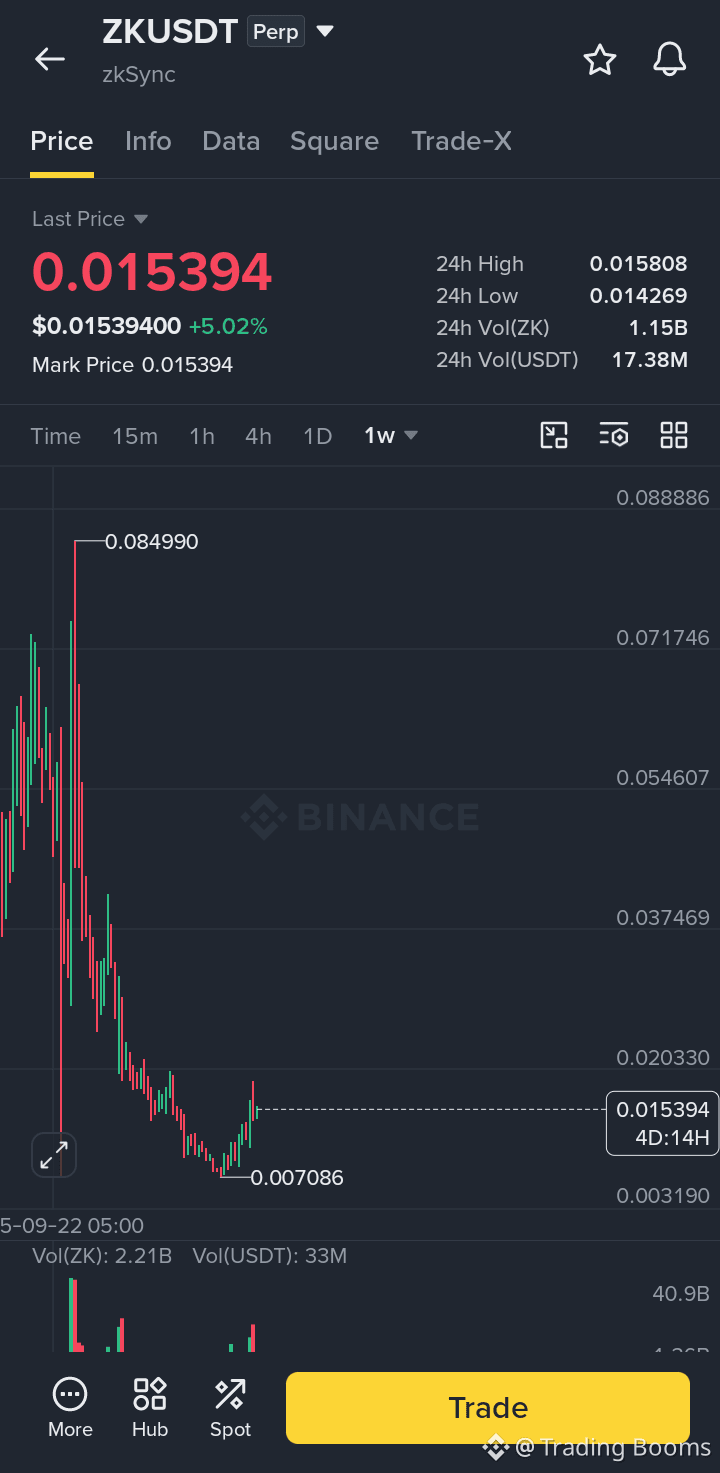
🚨 $ZK IS UP 5%. BUT THE CHART IS TELLING A MORE INTERESTING STORY.
I've been watching ZKsync, and the recent price action looks like a possible liquidity-driven recovery.
📊 ICT Breakdown
🔹 Sell-Side Liquidity: Price swept the $0.01430 area before recovering.
🔹 Bullish Displacement: Buyers pushed price toward $0.01581.
🔹 1H Bullish FVG: $0.01499–$0.01504. My first retracement zone to watch.
🔹 4H FVG: $0.01472–$0.01475. A deeper area of interest.
🔹 Market Structure: Short-term recovery developing. The daily bullish reversal still needs confirmation.
🎯 My Swing Plan
Current Price: $0.0153
Entry Watch: $0.01495–$0.01505 after bullish confirmation.
Breakout Trigger: 4H close above $0.01581 followed by a successful retest.
TP1: $0.01581
TP2: $0.01660
TP3: $0.01884
Stretch: $0.02000+
⚠️ Losing $0.01427 would weaken the setup. Below $0.01396, the broader recovery structure becomes questionable.
Fundamentally, ZKsync is expanding its institutional blockchain infrastructure, with recent developments around Prividium and Airbender Prime.
But token supply pressure remains a risk.
Open interest is rising alongside price, and traders are leaning long. That's encouraging, but it also increases squeeze risk.
I'm not chasing the move. I want to see how price reacts at the FVG.
Would you buy the retracement or wait for confirmation above $0.01581?
{future}(ZKUSDT)
🚨 $ZK IS UP 5%. BUT THE CHART IS TELLING A MORE INTERESTING STORY.
I've been watching ZKsync, and the recent price action looks like a possible liquidity-driven recovery.
📊 ICT Breakdown
🔹 Sell-Side Liquidity: Price swept the $0.01430 area before recovering.
🔹 Bullish Displacement: Buyers pushed price toward $0.01581.
🔹 1H Bullish FVG: $0.01499–$0.01504. My first retracement zone to watch.
🔹 4H FVG: $0.01472–$0.01475. A deeper area of interest.
🔹 Market Structure: Short-term recovery developing. The daily bullish reversal still needs confirmation.
🎯 My Swing Plan
Current Price: $0.0153
Entry Watch: $0.01495–$0.01505 after bullish confirmation.
Breakout Trigger: 4H close above $0.01581 followed by a successful retest.
TP1: $0.01581
TP2: $0.01660
TP3: $0.01884
Stretch: $0.02000+
⚠️ Losing $0.01427 would weaken the setup. Below $0.01396, the broader recovery structure becomes questionable.
Fundamentally, ZKsync is expanding its institutional blockchain infrastructure, with recent developments around Prividium and Airbender Prime.
But token supply pressure remains a risk.
Open interest is rising alongside price, and traders are leaning long. That's encouraging, but it also increases squeeze risk.
I'm not chasing the move. I want to see how price reacts at the FVG.
Would you buy the retracement or wait for confirmation above $0.01581?
I've been watching ZKsync, and the recent price action looks like a possible liquidity-driven recovery.
📊 ICT Breakdown
🔹 Sell-Side Liquidity: Price swept the $0.01430 area before recovering.
🔹 Bullish Displacement: Buyers pushed price toward $0.01581.
🔹 1H Bullish FVG: $0.01499–$0.01504. My first retracement zone to watch.
🔹 4H FVG: $0.01472–$0.01475. A deeper area of interest.
🔹 Market Structure: Short-term recovery developing. The daily bullish reversal still needs confirmation.
🎯 My Swing Plan
Current Price: $0.0153
Entry Watch: $0.01495–$0.01505 after bullish confirmation.
Breakout Trigger: 4H close above $0.01581 followed by a successful retest.
TP1: $0.01581
TP2: $0.01660
TP3: $0.01884
Stretch: $0.02000+
⚠️ Losing $0.01427 would weaken the setup. Below $0.01396, the broader recovery structure becomes questionable.
Fundamentally, ZKsync is expanding its institutional blockchain infrastructure, with recent developments around Prividium and Airbender Prime.
But token supply pressure remains a risk.
Open interest is rising alongside price, and traders are leaning long. That's encouraging, but it also increases squeeze risk.
I'm not chasing the move. I want to see how price reacts at the FVG.
Would you buy the retracement or wait for confirmation above $0.01581?
534
·
--
Bullish
See translation
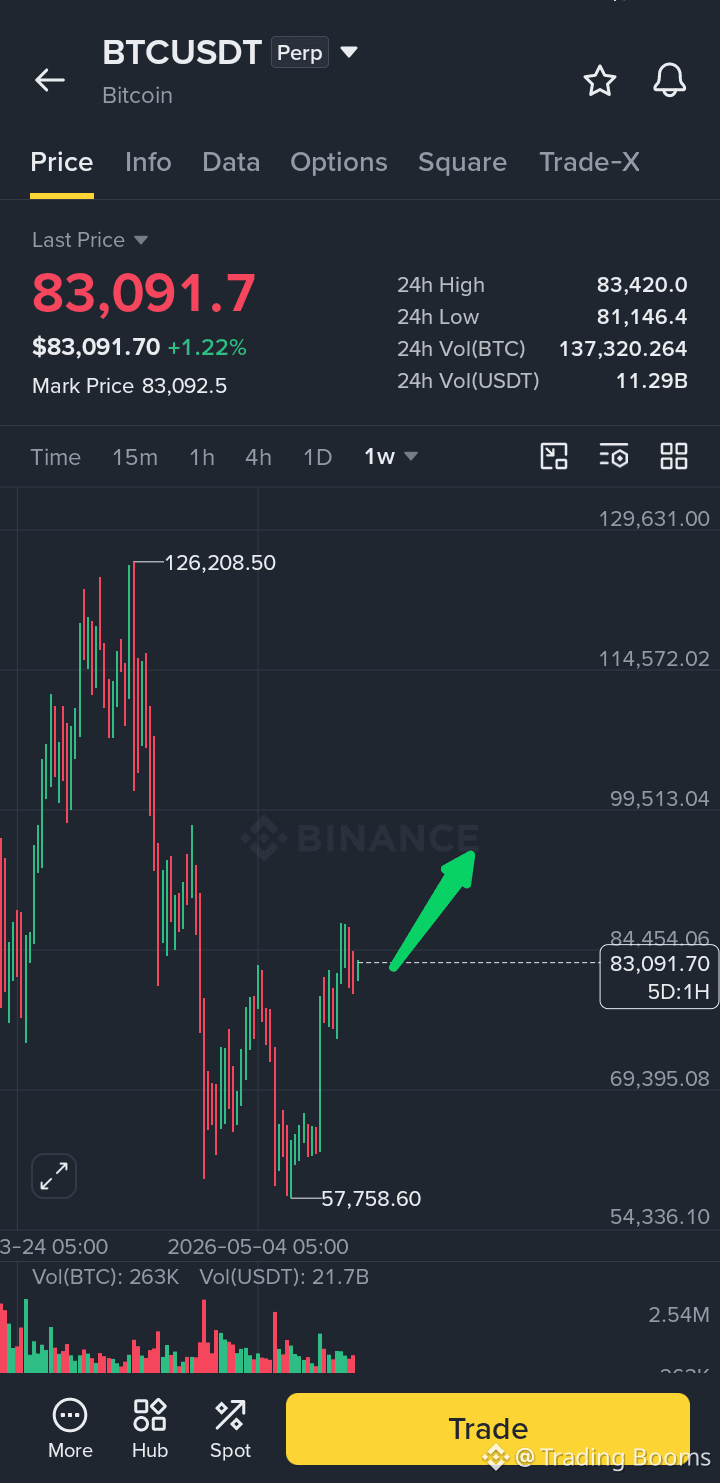
🚨 BITCOIN ISN’T DONE YET… AND ALTCOINS MIGHT BE NEXT!
Everyone wants to know where $BTC goes from here.
🎯 My next upside target: $88,000–$90,000.
But reaching the target is only half the story. How Bitcoin reacts there will determine my next move.
👀 Now, here's what most traders might be overlooking…
The #Altcoins I've been sharing deserve serious attention.
I’m watching for capital to rotate from one setup to another. Not every coin will move together, but the strongest setups could deliver some impressive swings.
The goal isn't to chase green candles. It's to identify opportunities before the crowd notices.
If my previous analysis has helped you navigate this market, a LIKE and FOLLOW would mean a lot. ❤️
And tell me below 👇
Which altcoin do you think will explode next?
$BTC $ETH
{future}(ETHUSDT)
{future}(BTCUSDT)
#Bitcoin #BTC #Altcoins #cryptotrading
🚨 BITCOIN ISN’T DONE YET… AND ALTCOINS MIGHT BE NEXT!
Everyone wants to know where $BTC goes from here.
🎯 My next upside target: $88,000–$90,000.
But reaching the target is only half the story. How Bitcoin reacts there will determine my next move.
👀 Now, here's what most traders might be overlooking…
The #Altcoins I've been sharing deserve serious attention.
I’m watching for capital to rotate from one setup to another. Not every coin will move together, but the strongest setups could deliver some impressive swings.
The goal isn't to chase green candles. It's to identify opportunities before the crowd notices.
If my previous analysis has helped you navigate this market, a LIKE and FOLLOW would mean a lot. ❤️
And tell me below 👇
Which altcoin do you think will explode next?
$BTC $ETH
#Bitcoin #BTC #Altcoins #cryptotrading
Everyone wants to know where $BTC goes from here.
🎯 My next upside target: $88,000–$90,000.
But reaching the target is only half the story. How Bitcoin reacts there will determine my next move.
👀 Now, here's what most traders might be overlooking…
The #Altcoins I've been sharing deserve serious attention.
I’m watching for capital to rotate from one setup to another. Not every coin will move together, but the strongest setups could deliver some impressive swings.
The goal isn't to chase green candles. It's to identify opportunities before the crowd notices.
If my previous analysis has helped you navigate this market, a LIKE and FOLLOW would mean a lot. ❤️
And tell me below 👇
Which altcoin do you think will explode next?
$BTC $ETH
#Bitcoin #BTC #Altcoins #cryptotrading
69
·
--
Bullish
See translation
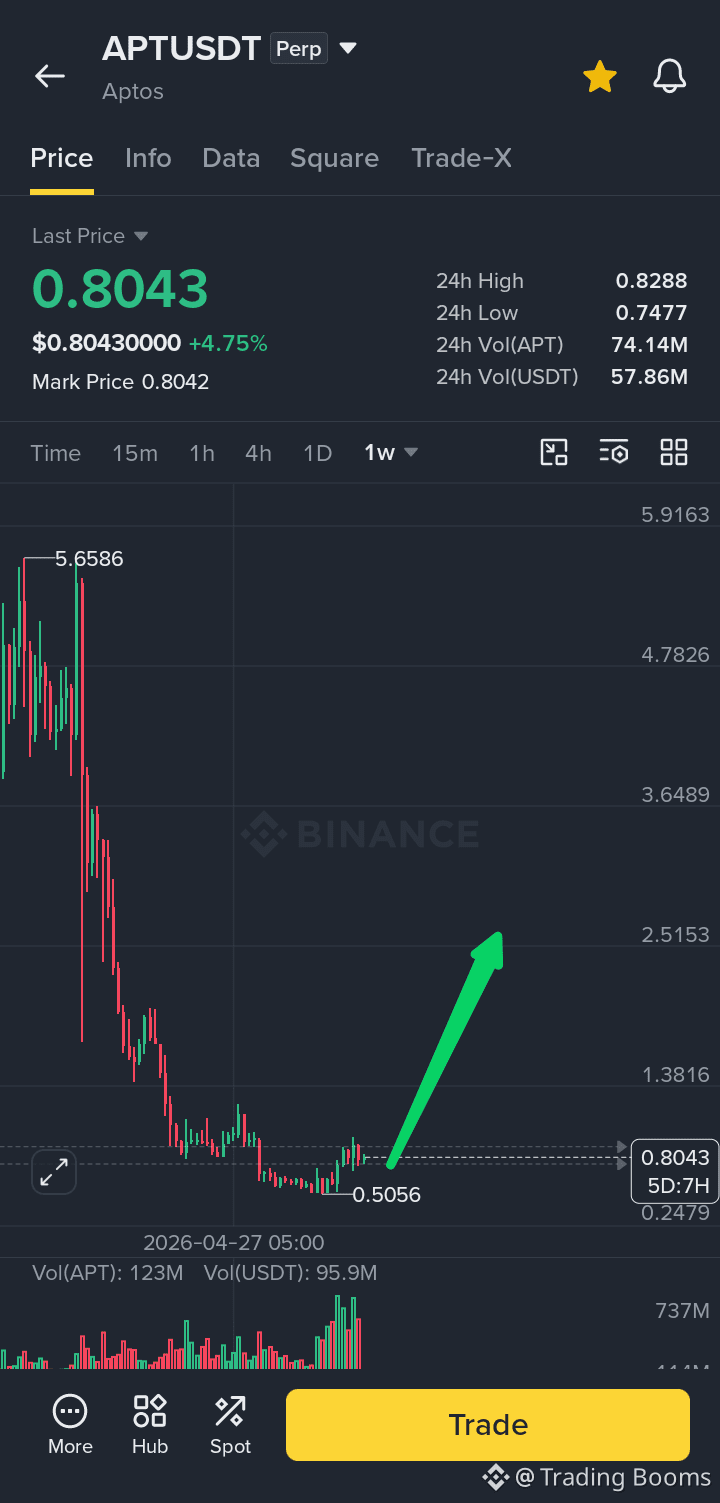
🚨 $APT AT $0.80 — COULD $3 BE THE BIGGER MOVE?
I highlighted APT while it was moving sideways. The first reaction came, but I'm watching the bigger picture now.
I'm looking at a 2–3 month swing opportunity, provided the market supports it.
🟢 LONG-TERM SWING PLAN | $APT
Entry Watch: $0.75–$0.78 (confirmed retest)
🎯 TP1: $0.89
🎯 TP2: $1.05
🎯 TP3: $1.35
🎯 TP4: $1.80
🎯 TP5: $2.35
🚀 Ultimate Bullish Stretch: $3.00
🛑 SL: Below $0.55
⏳ Holding: 2–3 Months
Why I'm watching APT:
🔹 Weekly structure offers recovery potential if support holds.
🔹 A reclaim of $0.85–$0.89 would improve bullish confirmation.
🔹 Aptos benefits from the Layer-1, Move ecosystem and blockchain adoption narrative.
$3 is an aggressive stretch scenario, not my base-case target. It would require a major trend expansion and sustained market-wide strength.
No chasing. I'll watch the retest, BTC trend and volume before treating this as a confirmed setup.
Would you hold $APT for the next 90 days?
NFA | DYOR
#APT #Aptos #BinanceSquare #CryptoTrading
{future}(APTUSDT)
🚨 $APT AT $0.80 — COULD $3 BE THE BIGGER MOVE?
I highlighted APT while it was moving sideways. The first reaction came, but I'm watching the bigger picture now.
I'm looking at a 2–3 month swing opportunity, provided the market supports it.
🟢 LONG-TERM SWING PLAN | $APT
Entry Watch: $0.75–$0.78 (confirmed retest)
🎯 TP1: $0.89
🎯 TP2: $1.05
🎯 TP3: $1.35
🎯 TP4: $1.80
🎯 TP5: $2.35
🚀 Ultimate Bullish Stretch: $3.00
🛑 SL: Below $0.55
⏳ Holding: 2–3 Months
Why I'm watching APT:
🔹 Weekly structure offers recovery potential if support holds.
🔹 A reclaim of $0.85–$0.89 would improve bullish confirmation.
🔹 Aptos benefits from the Layer-1, Move ecosystem and blockchain adoption narrative.
$3 is an aggressive stretch scenario, not my base-case target. It would require a major trend expansion and sustained market-wide strength.
No chasing. I'll watch the retest, BTC trend and volume before treating this as a confirmed setup.
Would you hold $APT for the next 90 days?
NFA | DYOR
#APT #Aptos #BinanceSquare #CryptoTrading
I highlighted APT while it was moving sideways. The first reaction came, but I'm watching the bigger picture now.
I'm looking at a 2–3 month swing opportunity, provided the market supports it.
🟢 LONG-TERM SWING PLAN | $APT
Entry Watch: $0.75–$0.78 (confirmed retest)
🎯 TP1: $0.89
🎯 TP2: $1.05
🎯 TP3: $1.35
🎯 TP4: $1.80
🎯 TP5: $2.35
🚀 Ultimate Bullish Stretch: $3.00
🛑 SL: Below $0.55
⏳ Holding: 2–3 Months
Why I'm watching APT:
🔹 Weekly structure offers recovery potential if support holds.
🔹 A reclaim of $0.85–$0.89 would improve bullish confirmation.
🔹 Aptos benefits from the Layer-1, Move ecosystem and blockchain adoption narrative.
$3 is an aggressive stretch scenario, not my base-case target. It would require a major trend expansion and sustained market-wide strength.
No chasing. I'll watch the retest, BTC trend and volume before treating this as a confirmed setup.
Would you hold $APT for the next 90 days?
NFA | DYOR
#APT #Aptos #BinanceSquare #CryptoTrading
281
·
--
Bullish
See translation
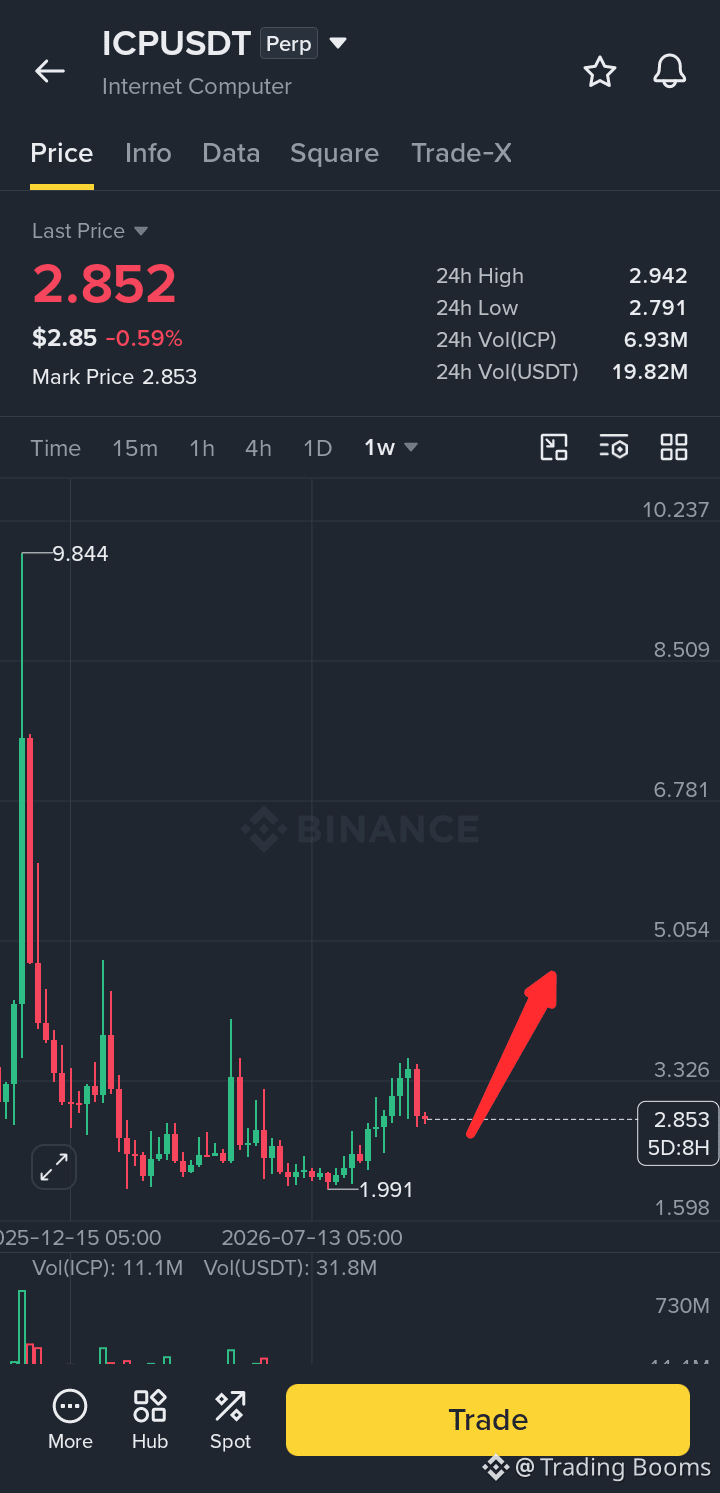
$ICP is sitting on rising-channel support a clean wedge breakout could trigger the next expansion leg.
Entry: $2.80–$2.88 | SL: $2.45 | TPs: $3.05 / $3.28 / $3.52 / $3.80 | Stretch: $4.20–$4.40
A 4H reclaim of $2.95–$3.05 would strengthen continuation.
Low leverage. Small margin. Swing trade.
NFA. DYOR.
{future}(ICPUSDT)
$ICP is sitting on rising-channel support a clean wedge breakout could trigger the next expansion leg.
Entry: $2.80–$2.88 | SL: $2.45 | TPs: $3.05 / $3.28 / $3.52 / $3.80 | Stretch: $4.20–$4.40
A 4H reclaim of $2.95–$3.05 would strengthen continuation.
Low leverage. Small margin. Swing trade.
NFA. DYOR.
Entry: $2.80–$2.88 | SL: $2.45 | TPs: $3.05 / $3.28 / $3.52 / $3.80 | Stretch: $4.20–$4.40
A 4H reclaim of $2.95–$3.05 would strengthen continuation.
Low leverage. Small margin. Swing trade.
NFA. DYOR.
1
314
Log in to explore more content
Join global crypto users on Binance Square
⚡️ Get latest and useful information about crypto.
💬 Trusted by the world’s largest crypto exchange.
👍 Discover real insights from verified creators.
Email / Phone number