

區塊客
9k Posts

區塊客
 Square Verified+
Report
Block User
「區塊客 blockcast.it」於 2017 年 4 月正式成立,旨在廣泛整理全球區塊鏈資訊,增進全球中文閱聽眾及投資人對區塊鏈趨勢的了解。
0 Following
19.8K+ Followers
90.9K+ Liked
Posts
·
--

Article
Did the 48-hour ultimatum work? NEAR Intents says all $3.8 million has been recovered, while NEAR is still down nearly 7% in a weekCross-chain trading protocol NEAR Intents announced that all of the approximately $3.8 million in user funds taken during a recent security incident has been returned. General Manager Alex Shevchenko said the team would stop pursuing the matter and urged security researchers to report vulnerabilities through a bug bounty program rather than disrupting services.
Omni infrastructure error briefly affected 11 chains
The incident occurred on October 1. NEAR Intents said the vulnerability stemmed from an interaction error between Omni's deposit and withdrawal infrastructure and NEAR Intents' main smart contract, resulting in approximately $3.8 million in user funds being taken. The team promptly suspended services, patched the contract, and pledged to compensate all affected users. Deposit and withdrawal services on 11 chains, including BSC, Polygon, and Optimism, were temporarily delayed in resuming.
Did the 48-hour ultimatum work? NEAR Intents says all $3.8 million has been recovered, while NEAR is still down nearly 7% in a week
Cross-chain trading protocol NEAR Intents announced that all of the approximately $3.8 million in user funds taken during a recent security incident has been returned. General Manager Alex Shevchenko said the team would stop pursuing the matter and urged security researchers to report vulnerabilities through a bug bounty program rather than disrupting services.
Omni infrastructure error briefly affected 11 chains
The incident occurred on October 1. NEAR Intents said the vulnerability stemmed from an interaction error between Omni's deposit and withdrawal infrastructure and NEAR Intents' main smart contract, resulting in approximately $3.8 million in user funds being taken. The team promptly suspended services, patched the contract, and pledged to compensate all affected users. Deposit and withdrawal services on 11 chains, including BSC, Polygon, and Optimism, were temporarily delayed in resuming.
Omni infrastructure error briefly affected 11 chains
The incident occurred on October 1. NEAR Intents said the vulnerability stemmed from an interaction error between Omni's deposit and withdrawal infrastructure and NEAR Intents' main smart contract, resulting in approximately $3.8 million in user funds being taken. The team promptly suspended services, patched the contract, and pledged to compensate all affected users. Deposit and withdrawal services on 11 chains, including BSC, Polygon, and Optimism, were temporarily delayed in resuming.
762
·
--

Article
AI coins in the spotlight? Grayscale: September surged 54%, NEAR skyrocketed 183%, VVV remains strong, TAO slips backGrayscale (Grayscale) latest research shows that AI-themed assets have become one of the strongest sectors in the September crypto market. The FTSE Grayscale AI Crypto Industry Index rose 54% in one month, while the broader crypto market rose 24% over the same period. Representative projects NEAR, VVV, and TAO increased 183%, 70%, and 37%, respectively.
Grayscale positions NEAR as a foundational platform supporting commercial activity for AI agents; Venice ($VVV) focuses on privacy-oriented generative AI services that do not store users’ prompts; and Bittensor ($TAO) provides specialized services such as model inference, data, compute, and AI agents through different subnets. In other words, although all three are categorized under the AI crypto theme, their actual business models and sources of token value are not the same.
AI coins in the spotlight? Grayscale: September surged 54%, NEAR skyrocketed 183%, VVV remains strong, TAO slips back
Grayscale (Grayscale) latest research shows that AI-themed assets have become one of the strongest sectors in the September crypto market. The FTSE Grayscale AI Crypto Industry Index rose 54% in one month, while the broader crypto market rose 24% over the same period. Representative projects NEAR, VVV, and TAO increased 183%, 70%, and 37%, respectively.
Grayscale positions NEAR as a foundational platform supporting commercial activity for AI agents; Venice ($VVV) focuses on privacy-oriented generative AI services that do not store users’ prompts; and Bittensor ($TAO) provides specialized services such as model inference, data, compute, and AI agents through different subnets. In other words, although all three are categorized under the AI crypto theme, their actual business models and sources of token value are not the same.
Grayscale positions NEAR as a foundational platform supporting commercial activity for AI agents; Venice ($VVV) focuses on privacy-oriented generative AI services that do not store users’ prompts; and Bittensor ($TAO) provides specialized services such as model inference, data, compute, and AI agents through different subnets. In other words, although all three are categorized under the AI crypto theme, their actual business models and sources of token value are not the same.
1
936
·
--

Article
【Crazy Talk on Trends】Bitcoin lacks fuel to go much higher; overall it still looks like a range-bound tug-of-war Crazy talk says…
Bitcoin quietly pulled up a bit over the weekend. This rally is quite interesting: the first half was driven by liquidating short sellers. From 85.4–86.6k, Binance BTC+ETH had 33 million liquidations, accounting for 52%; OKX BTC+ETH had a total of 21.3 million liquidations. Most of the liquidations were of shorts—together the two exchanges contributed over 80%. In the second half, contract holdings continued to increase: big players added more, retail kept adding shorts. The liquidation peak around 87.4k could potentially be touched again, but if it goes much higher, there probably won’t be enough fuel. Overall, it still looks like a range-bound chop-and-grab situation—buying and selling back and forth to harvest positions. The broader bottom is being lifted, and it’s for building momentum for further upside in the future. The overall outlook for Q4 is more optimistic—October is when it starts.
【Crazy Talk on Trends】Bitcoin lacks fuel to go much higher; overall it still looks like a range-bound tug-of-war
Crazy talk says…
Bitcoin quietly pulled up a bit over the weekend. This rally is quite interesting: the first half was driven by liquidating short sellers. From 85.4–86.6k, Binance BTC+ETH had 33 million liquidations, accounting for 52%; OKX BTC+ETH had a total of 21.3 million liquidations. Most of the liquidations were of shorts—together the two exchanges contributed over 80%. In the second half, contract holdings continued to increase: big players added more, retail kept adding shorts. The liquidation peak around 87.4k could potentially be touched again, but if it goes much higher, there probably won’t be enough fuel. Overall, it still looks like a range-bound chop-and-grab situation—buying and selling back and forth to harvest positions. The broader bottom is being lifted, and it’s for building momentum for further upside in the future. The overall outlook for Q4 is more optimistic—October is when it starts.
Bitcoin quietly pulled up a bit over the weekend. This rally is quite interesting: the first half was driven by liquidating short sellers. From 85.4–86.6k, Binance BTC+ETH had 33 million liquidations, accounting for 52%; OKX BTC+ETH had a total of 21.3 million liquidations. Most of the liquidations were of shorts—together the two exchanges contributed over 80%. In the second half, contract holdings continued to increase: big players added more, retail kept adding shorts. The liquidation peak around 87.4k could potentially be touched again, but if it goes much higher, there probably won’t be enough fuel. Overall, it still looks like a range-bound chop-and-grab situation—buying and selling back and forth to harvest positions. The broader bottom is being lifted, and it’s for building momentum for further upside in the future. The overall outlook for Q4 is more optimistic—October is when it starts.
305
·
--
Verified

Article
Ethereum L2 that once locked up $2.2 billion has collapsed! Blast announces closure; TVL plunges 98% to just $32 millionOnce one of the most closely watched Layer 2 networks on Ethereum, Blast has officially reached its end.
On October 2, 2024, Blast announced it would begin an orderly shutdown (wind down) of the network and requested that users withdraw their assets back to the Ethereum mainnet. The team admitted that the ongoing cost of operating Blast had already exceeded the revenue generated by L2 itself, and that it “could not see a credible path” for the network to achieve economic sustainability.
This outcome is in stark contrast to two years ago. At its peak, Blast had locked up a value of around $2.24 billion; today, DeFi TVL has fallen to only about $32.23 million, a drop of roughly 98.6%.
Ethereum L2 that once locked up $2.2 billion has collapsed! Blast announces closure; TVL plunges 98% to just $32 million
Once one of the most closely watched Layer 2 networks on Ethereum, Blast has officially reached its end.
On October 2, 2024, Blast announced it would begin an orderly shutdown (wind down) of the network and requested that users withdraw their assets back to the Ethereum mainnet. The team admitted that the ongoing cost of operating Blast had already exceeded the revenue generated by L2 itself, and that it “could not see a credible path” for the network to achieve economic sustainability.
This outcome is in stark contrast to two years ago. At its peak, Blast had locked up a value of around $2.24 billion; today, DeFi TVL has fallen to only about $32.23 million, a drop of roughly 98.6%.
On October 2, 2024, Blast announced it would begin an orderly shutdown (wind down) of the network and requested that users withdraw their assets back to the Ethereum mainnet. The team admitted that the ongoing cost of operating Blast had already exceeded the revenue generated by L2 itself, and that it “could not see a credible path” for the network to achieve economic sustainability.
This outcome is in stark contrast to two years ago. At its peak, Blast had locked up a value of around $2.24 billion; today, DeFi TVL has fallen to only about $32.23 million, a drop of roughly 98.6%.
3.3k
·
--

Article
Only $10,000 in losses can be redeemed for $104! Drift hack compensation goes live—early redemption comes at a costDrift (now Velocity), a decentralized exchange (DEX), suffered a hacking loss of nearly $300 million. On October 1, it opened claims for compensation token DFX and began redemptions. The official initial redemption price is about 0.0104 USDT per token: users with an approved loss of 10,000 USDT, if they redeem everything immediately, can only obtain about 104 USDT.
Drift’s previous announcement said that the April 1 attack caused losses of about $295 million in users’ funds. Under the latest proposal, 1 DFX token will be allocated for each $1 USDT lost. The total supply is about 299.5 million tokens. This represents approved compensation entitlement, and does not mean each token can currently be redeemed for $1.
Only $10,000 in losses can be redeemed for $104! Drift hack compensation goes live—early redemption comes at a cost
Drift (now Velocity), a decentralized exchange (DEX), suffered a hacking loss of nearly $300 million. On October 1, it opened claims for compensation token DFX and began redemptions. The official initial redemption price is about 0.0104 USDT per token: users with an approved loss of 10,000 USDT, if they redeem everything immediately, can only obtain about 104 USDT.
Drift’s previous announcement said that the April 1 attack caused losses of about $295 million in users’ funds. Under the latest proposal, 1 DFX token will be allocated for each $1 USDT lost. The total supply is about 299.5 million tokens. This represents approved compensation entitlement, and does not mean each token can currently be redeemed for $1.
Drift’s previous announcement said that the April 1 attack caused losses of about $295 million in users’ funds. Under the latest proposal, 1 DFX token will be allocated for each $1 USDT lost. The total supply is about 299.5 million tokens. This represents approved compensation entitlement, and does not mean each token can currently be redeemed for $1.
1
607
·
--

Article
【Madman Talks Trends】Overall, the market is still in the bull market phase, continuing to consolidate strongly at high levels The madman says…
In September, the non-farm payrolls were just the same as yesterday’s expected outcome—significantly worse than anticipated, rising by 29K versus the expected 90K. The unemployment rate climbed to 4.2%. As soon as the data was released, the probability of a rate hike in October immediately fell to 16%, and there’s basically no chance of a rate hike in October. This is completely consistent with what was discussed yesterday about manipulating policy through data. The market also chose the same path as yesterday: good data pushed it up for a first wave, but the market didn’t believe it, and it then dropped back again. After all, Treasury yields have stayed stubbornly high. In this situation, either bonds or stocks (and things related to crypto) have to be the one to correct first. Guess who it will be?
【Madman Talks Trends】Overall, the market is still in the bull market phase, continuing to consolidate strongly at high levels
The madman says…
In September, the non-farm payrolls were just the same as yesterday’s expected outcome—significantly worse than anticipated, rising by 29K versus the expected 90K. The unemployment rate climbed to 4.2%. As soon as the data was released, the probability of a rate hike in October immediately fell to 16%, and there’s basically no chance of a rate hike in October. This is completely consistent with what was discussed yesterday about manipulating policy through data. The market also chose the same path as yesterday: good data pushed it up for a first wave, but the market didn’t believe it, and it then dropped back again. After all, Treasury yields have stayed stubbornly high. In this situation, either bonds or stocks (and things related to crypto) have to be the one to correct first. Guess who it will be?
In September, the non-farm payrolls were just the same as yesterday’s expected outcome—significantly worse than anticipated, rising by 29K versus the expected 90K. The unemployment rate climbed to 4.2%. As soon as the data was released, the probability of a rate hike in October immediately fell to 16%, and there’s basically no chance of a rate hike in October. This is completely consistent with what was discussed yesterday about manipulating policy through data. The market also chose the same path as yesterday: good data pushed it up for a first wave, but the market didn’t believe it, and it then dropped back again. After all, Treasury yields have stayed stubbornly high. In this situation, either bonds or stocks (and things related to crypto) have to be the one to correct first. Guess who it will be?
1
1.5k
·
--
Verified

Article
Bitcoin’s $87K level isn’t stable! It gives back more than $2,600 from the high, retreats to $84.5KAfter Bitcoin surged to $87,000, it failed to hold the momentum and has returned to around $84,500. The latest readable snapshot from Binance’s price page shows that as of 5:02 a.m. on October 3 (Taiwan time), BTC was at $84,510.79, down about $2,636 or 3.02% from the recent 24-hour high of $87,146.35.
CoinGecko data shows the current price is approximately $84,512. It fell 0.2% over the past 24 hours and is still up 0.9% over the past seven days. The 24-hour trading volume is about $45.5 billion. The two sets of data indicate that the focus of this rally has been the sharp retracement of intraday gains, rather than a net 3% decline in a single day.
Bitcoin’s $87K level isn’t stable! It gives back more than $2,600 from the high, retreats to $84.5K
After Bitcoin surged to $87,000, it failed to hold the momentum and has returned to around $84,500. The latest readable snapshot from Binance’s price page shows that as of 5:02 a.m. on October 3 (Taiwan time), BTC was at $84,510.79, down about $2,636 or 3.02% from the recent 24-hour high of $87,146.35.
CoinGecko data shows the current price is approximately $84,512. It fell 0.2% over the past 24 hours and is still up 0.9% over the past seven days. The 24-hour trading volume is about $45.5 billion. The two sets of data indicate that the focus of this rally has been the sharp retracement of intraday gains, rather than a net 3% decline in a single day.
CoinGecko data shows the current price is approximately $84,512. It fell 0.2% over the past 24 hours and is still up 0.9% over the past seven days. The 24-hour trading volume is about $45.5 billion. The two sets of data indicate that the focus of this rally has been the sharp retracement of intraday gains, rather than a net 3% decline in a single day.
379
·
--

Article
U.S. nonfarm payrolls disappoint—only 29,000 added! The Fed’s odds of a rate hike in October plunge to 15%, and Bitcoin moves toward $87,000The U.S. employment market suddenly cooled sharply, and Bitcoin (BTC) also moved in on $87,000.
The U.S. Department of Labor’s latest release shows that September nonfarm payroll employment increased by only 29,000, far below Reuters’ survey estimate of 90,000. The unemployment rate also rose from 4.1% to 4.2%. August’s newly added jobs were revised down from the originally reported 162,000 to 133,000.
Weaker-than-expected data quickly changed market expectations for the Fed’s interest-rate bets. Reuters noted that the probability of another rate hike in October fell from about 25% before the nonfarm payrolls release to around 15%; some market pricing at one point dropped as low as about 12%.
U.S. nonfarm payrolls disappoint—only 29,000 added! The Fed’s odds of a rate hike in October plunge to 15%, and Bitcoin moves toward $87,000
The U.S. employment market suddenly cooled sharply, and Bitcoin (BTC) also moved in on $87,000.
The U.S. Department of Labor’s latest release shows that September nonfarm payroll employment increased by only 29,000, far below Reuters’ survey estimate of 90,000. The unemployment rate also rose from 4.1% to 4.2%. August’s newly added jobs were revised down from the originally reported 162,000 to 133,000.
Weaker-than-expected data quickly changed market expectations for the Fed’s interest-rate bets. Reuters noted that the probability of another rate hike in October fell from about 25% before the nonfarm payrolls release to around 15%; some market pricing at one point dropped as low as about 12%.
The U.S. Department of Labor’s latest release shows that September nonfarm payroll employment increased by only 29,000, far below Reuters’ survey estimate of 90,000. The unemployment rate also rose from 4.1% to 4.2%. August’s newly added jobs were revised down from the originally reported 162,000 to 133,000.
Weaker-than-expected data quickly changed market expectations for the Fed’s interest-rate bets. Reuters noted that the probability of another rate hike in October fell from about 25% before the nonfarm payrolls release to around 15%; some market pricing at one point dropped as low as about 12%.
294
·
--

Article
Bitcoin Breaks Through the $85,000 Sell Wall! ETF “Uptober” Draws in $103M on Day One, Next Long vs. Short Showdown Moves to $87,000Bitcoin (BTC) strengthened abruptly at the start of October. After large sell orders that had been sitting around the $85,000 area were broken through, the next liquidity battleground in the market quickly shifted upward to above $87,000.
As of October 2, BTC briefly rose to $86,857, the highest level since September 23. It’s currently around $86,300. CoinGlass data shows that in the past 24 hours, BTC short liquidations have exceeded $122 million, while total liquidations across the entire crypto market are about $210 million.
At the same time, U.S. spot Bitcoin ETFs recorded another net inflow of $102.7 million on the first trading day of October, setting a positive tone for the market’s so-called “Uptober.”
Bitcoin Breaks Through the $85,000 Sell Wall! ETF “Uptober” Draws in $103M on Day One, Next Long vs. Short Showdown Moves to $87,000
Bitcoin (BTC) strengthened abruptly at the start of October. After large sell orders that had been sitting around the $85,000 area were broken through, the next liquidity battleground in the market quickly shifted upward to above $87,000.
As of October 2, BTC briefly rose to $86,857, the highest level since September 23. It’s currently around $86,300. CoinGlass data shows that in the past 24 hours, BTC short liquidations have exceeded $122 million, while total liquidations across the entire crypto market are about $210 million.
At the same time, U.S. spot Bitcoin ETFs recorded another net inflow of $102.7 million on the first trading day of October, setting a positive tone for the market’s so-called “Uptober.”
As of October 2, BTC briefly rose to $86,857, the highest level since September 23. It’s currently around $86,300. CoinGlass data shows that in the past 24 hours, BTC short liquidations have exceeded $122 million, while total liquidations across the entire crypto market are about $210 million.
At the same time, U.S. spot Bitcoin ETFs recorded another net inflow of $102.7 million on the first trading day of October, setting a positive tone for the market’s so-called “Uptober.”
447
·
--
Article
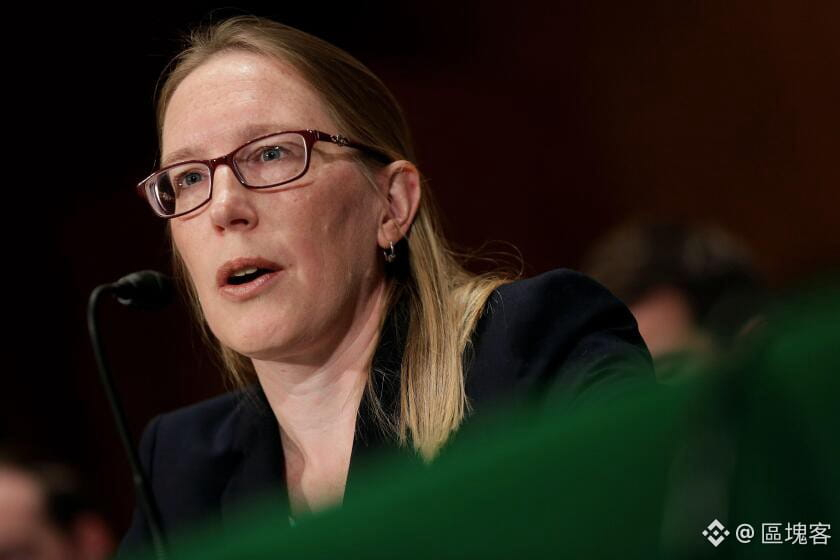
“Crypto Mom” Hester Peirce bids farewell to the SEC today officially! Crypto reform is unfinished—the commission is left with only 2 peopleHester Peirce, an SEC commissioner nicknamed the “Crypto Mom,” officially stepped down today (October 2), ending more than eight years in office since 2018.
SEC Chair Paul Atkins and Commissioner Mark Uyeda issued official farewell statements on October 1, specifically mentioning that Peirce has long pushed for greater clarity in digital-asset regulation, and that she previously opposed handling the crypto industry by “enforcement in place of rulemaking.”
After Peirce left, the SEC’s five-member commission currently has only: Chair Paul Atkins and Commissioner Mark Uyeda. Both are Republicans. Although the SEC is now down to two members, the current rules still allow the two commissioners to constitute the minimum quorum, so the SEC will not be shut down.
“Crypto Mom” Hester Peirce bids farewell to the SEC today officially! Crypto reform is unfinished—the commission is left with only 2 people
Hester Peirce, an SEC commissioner nicknamed the “Crypto Mom,” officially stepped down today (October 2), ending more than eight years in office since 2018.
SEC Chair Paul Atkins and Commissioner Mark Uyeda issued official farewell statements on October 1, specifically mentioning that Peirce has long pushed for greater clarity in digital-asset regulation, and that she previously opposed handling the crypto industry by “enforcement in place of rulemaking.”
After Peirce left, the SEC’s five-member commission currently has only: Chair Paul Atkins and Commissioner Mark Uyeda. Both are Republicans. Although the SEC is now down to two members, the current rules still allow the two commissioners to constitute the minimum quorum, so the SEC will not be shut down.
SEC Chair Paul Atkins and Commissioner Mark Uyeda issued official farewell statements on October 1, specifically mentioning that Peirce has long pushed for greater clarity in digital-asset regulation, and that she previously opposed handling the crypto industry by “enforcement in place of rulemaking.”
After Peirce left, the SEC’s five-member commission currently has only: Chair Paul Atkins and Commissioner Mark Uyeda. Both are Republicans. Although the SEC is now down to two members, the current rules still allow the two commissioners to constitute the minimum quorum, so the SEC will not be shut down.
461
·
--

Article
NEAR Intents Hacked for Over $3.8 Million! Funds Moved to KuCoin and Converted to BTC; Team Says It Has Locked the Hacker and Will Repay Within 48 HoursThe cross-chain transaction protocol NEAR Intents suffered another security incident, with about $3.8 million in assets reportedly stolen.
The NEAR Intents team stated that the incident originated from a vulnerability that occurred when their Omni deposit/withdrawal infrastructure interacted with the NEAR Intents smart contracts. After detecting the anomaly, the team paused the service, and said the contract-side vulnerability had been patched within about an hour of discovery. Affected users will receive full compensation.
NEAR co-founder Illia Polosukhin also emphasized that the scope of this incident mainly affected USDT assets on the BNB Chain. The NEAR mainnet, NEAR tokens, and other applications were not directly impacted.
NEAR Intents Hacked for Over $3.8 Million! Funds Moved to KuCoin and Converted to BTC; Team Says It Has Locked the Hacker and Will Repay Within 48 Hours
The cross-chain transaction protocol NEAR Intents suffered another security incident, with about $3.8 million in assets reportedly stolen.
The NEAR Intents team stated that the incident originated from a vulnerability that occurred when their Omni deposit/withdrawal infrastructure interacted with the NEAR Intents smart contracts. After detecting the anomaly, the team paused the service, and said the contract-side vulnerability had been patched within about an hour of discovery. Affected users will receive full compensation.
NEAR co-founder Illia Polosukhin also emphasized that the scope of this incident mainly affected USDT assets on the BNB Chain. The NEAR mainnet, NEAR tokens, and other applications were not directly impacted.
The NEAR Intents team stated that the incident originated from a vulnerability that occurred when their Omni deposit/withdrawal infrastructure interacted with the NEAR Intents smart contracts. After detecting the anomaly, the team paused the service, and said the contract-side vulnerability had been patched within about an hour of discovery. Affected users will receive full compensation.
NEAR co-founder Illia Polosukhin also emphasized that the scope of this incident mainly affected USDT assets on the BNB Chain. The NEAR mainnet, NEAR tokens, and other applications were not directly impacted.
893
·
--

Article
Bitcoin rushes to $86.5K! The U.S. nonfarm payrolls report is in tonight, and the odds of Fed rate hikes are down to just 25%Bitcoin (BTC) suddenly strengthened ahead of the release of the U.S. nonfarm payroll report. As of noon in Asia on October 2, BTC was around $86,560, with an intraday high reaching $86,794. It rebounded more than 4% from an intraday low of about $83,200, and has moved back to test the previous $87,000 resistance area.
Tonight, the market focus will be on the U.S. September nonfarm payrolls report. The U.S. Bureau of Labor Statistics will release the data at 8:30 tonight Taipei time. According to Reuters’ latest survey, the expected number of new nonfarm jobs in the U.S. for September is about 90,000, significantly lower than August’s 162,000. The unemployment rate is also expected to remain at 4.1%.
Bitcoin rushes to $86.5K! The U.S. nonfarm payrolls report is in tonight, and the odds of Fed rate hikes are down to just 25%
Bitcoin (BTC) suddenly strengthened ahead of the release of the U.S. nonfarm payroll report. As of noon in Asia on October 2, BTC was around $86,560, with an intraday high reaching $86,794. It rebounded more than 4% from an intraday low of about $83,200, and has moved back to test the previous $87,000 resistance area.
Tonight, the market focus will be on the U.S. September nonfarm payrolls report. The U.S. Bureau of Labor Statistics will release the data at 8:30 tonight Taipei time. According to Reuters’ latest survey, the expected number of new nonfarm jobs in the U.S. for September is about 90,000, significantly lower than August’s 162,000. The unemployment rate is also expected to remain at 4.1%.
Tonight, the market focus will be on the U.S. September nonfarm payrolls report. The U.S. Bureau of Labor Statistics will release the data at 8:30 tonight Taipei time. According to Reuters’ latest survey, the expected number of new nonfarm jobs in the U.S. for September is about 90,000, significantly lower than August’s 162,000. The unemployment rate is also expected to remain at 4.1%.
1
446
·
--

Article
Ethereum starts抢 AI payment market! zkAPI goes live on the mainnet—“anonymous payments” with ETH and USDC to call AI modelsThe Ethereum Foundation has officially launched zkAPI and deployed it to the Ethereum mainnet, allowing users or AI agents to pay API fees using on-chain assets such as ETH and USDC, while reducing the risk that payment identities and API usage records are directly linked.
zkAPI is jointly developed by the Ethereum Foundation and the Open Anonymity Project. Users first deposit assets into a vault smart contract on Ethereum, and then use zero-knowledge proofs to demonstrate that they have sufficient balance to make payment, without having to disclose to the payment server which specific deposit or which wallet the payment came from.
Ethereum starts抢 AI payment market! zkAPI goes live on the mainnet—“anonymous payments” with ETH and USDC to call AI models
The Ethereum Foundation has officially launched zkAPI and deployed it to the Ethereum mainnet, allowing users or AI agents to pay API fees using on-chain assets such as ETH and USDC, while reducing the risk that payment identities and API usage records are directly linked.
zkAPI is jointly developed by the Ethereum Foundation and the Open Anonymity Project. Users first deposit assets into a vault smart contract on Ethereum, and then use zero-knowledge proofs to demonstrate that they have sufficient balance to make payment, without having to disclose to the payment server which specific deposit or which wallet the payment came from.
zkAPI is jointly developed by the Ethereum Foundation and the Open Anonymity Project. Users first deposit assets into a vault smart contract on Ethereum, and then use zero-knowledge proofs to demonstrate that they have sufficient balance to make payment, without having to disclose to the payment server which specific deposit or which wallet the payment came from.
1
454
·
--
Article
SEC Opens the Door to Crypto Custody for the $100 Trillion Asset Management Industry! Bitcoin Custody for Advisers and Funds May Be LoosenedOver $100 trillion in U.S. assets under management is set to enter a new custodial framework specifically designed for crypto assets.
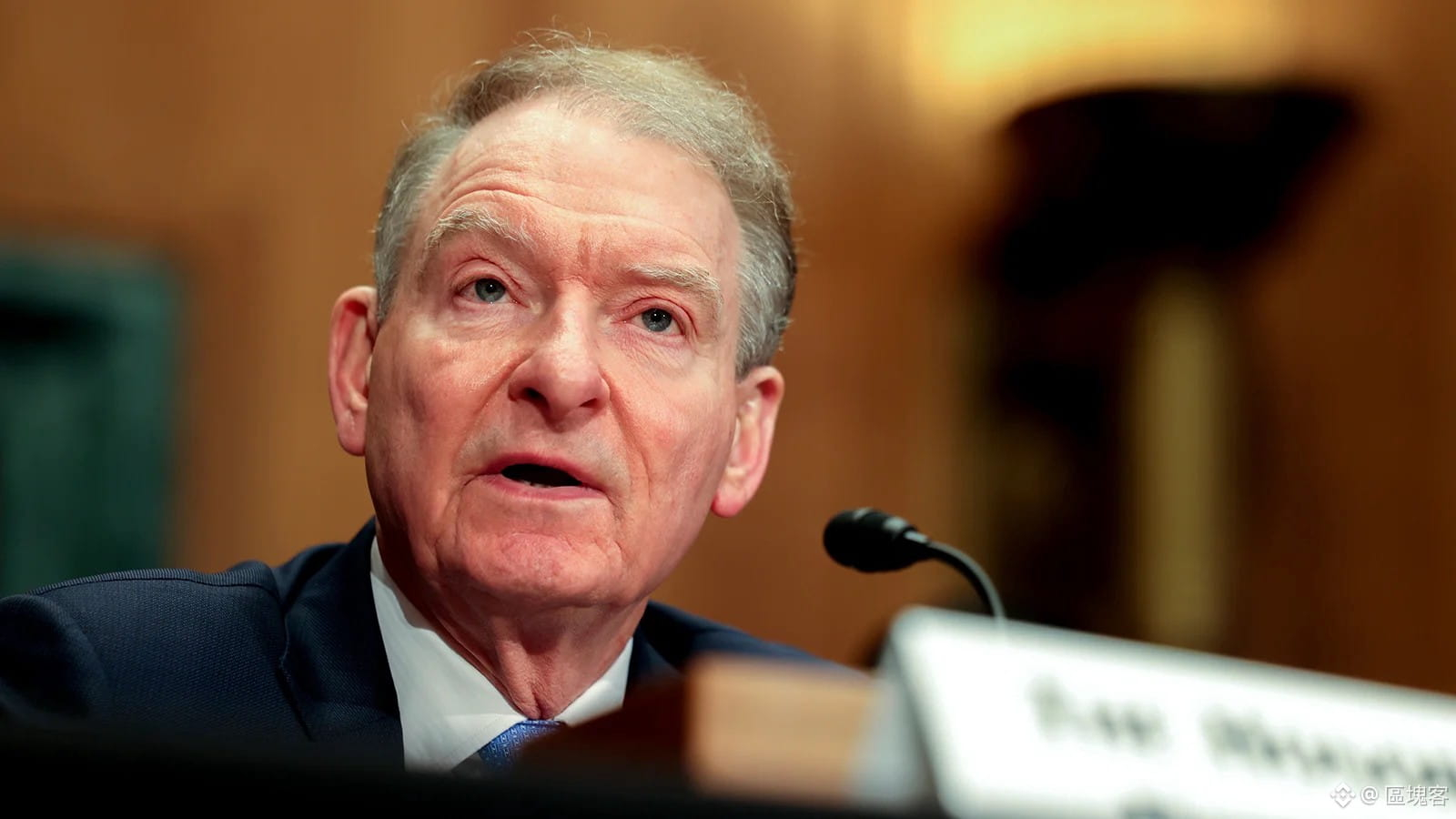
On October 1, the U.S. Securities and Exchange Commission (SEC) officially proposed a new set of crypto-asset custody rules. The plan is to create a clearer path for crypto-compliant custody for registered investment advisers (Registered Investment Advisers, RIAs) and regulated funds, and to allow advisers and funds to self-custody crypto assets in certain circumstances.
The potential impact of this reform is substantial.
According to the SEC’s latest statistics, in 2025 the regulatory assets under management (RAUM) reported by investment advisers reached approximately $177 trillion, up 21% from the prior year. In other words, the scope of this new rule touches one of the largest asset management markets in the world.
SEC Opens the Door to Crypto Custody for the $100 Trillion Asset Management Industry! Bitcoin Custody for Advisers and Funds May Be Loosened
Over $100 trillion in U.S. assets under management is set to enter a new custodial framework specifically designed for crypto assets.
On October 1, the U.S. Securities and Exchange Commission (SEC) officially proposed a new set of crypto-asset custody rules. The plan is to create a clearer path for crypto-compliant custody for registered investment advisers (Registered Investment Advisers, RIAs) and regulated funds, and to allow advisers and funds to self-custody crypto assets in certain circumstances.
The potential impact of this reform is substantial.
According to the SEC’s latest statistics, in 2025 the regulatory assets under management (RAUM) reported by investment advisers reached approximately $177 trillion, up 21% from the prior year. In other words, the scope of this new rule touches one of the largest asset management markets in the world.
On October 1, the U.S. Securities and Exchange Commission (SEC) officially proposed a new set of crypto-asset custody rules. The plan is to create a clearer path for crypto-compliant custody for registered investment advisers (Registered Investment Advisers, RIAs) and regulated funds, and to allow advisers and funds to self-custody crypto assets in certain circumstances.
The potential impact of this reform is substantial.
According to the SEC’s latest statistics, in 2025 the regulatory assets under management (RAUM) reported by investment advisers reached approximately $177 trillion, up 21% from the prior year. In other words, the scope of this new rule touches one of the largest asset management markets in the world.
2
2.2k
·
--
Verified

Article
Citi suddenly turns bullish on Bitcoin! BTC target price rises from 82,000 to 113,000 dollars, with an estimated additional $5 billion in capital expected to enter the marketWall Street’s large bank Citigroup (Citi) suddenly significantly upgraded its outlook for cryptocurrencies.
Citigroup’s latest report raised its 12-month target price for Bitcoin (BTC) from $82,000 to $113,000, an increase of nearly 38%; its target price for Ethereum (ETH) was also raised from $2,240 to $3,028.
Citi’s reasons include: renewed momentum in crypto market activity, improving macro conditions, and the return of U.S. spot ETF inflows. Even more notably, Citi estimates that the crypto market over the next 12 months could attract approximately $5 billion in additional new capital.
Citi suddenly turns bullish on Bitcoin! BTC target price rises from 82,000 to 113,000 dollars, with an estimated additional $5 billion in capital expected to enter the market
Wall Street’s large bank Citigroup (Citi) suddenly significantly upgraded its outlook for cryptocurrencies.
Citigroup’s latest report raised its 12-month target price for Bitcoin (BTC) from $82,000 to $113,000, an increase of nearly 38%; its target price for Ethereum (ETH) was also raised from $2,240 to $3,028.
Citi’s reasons include: renewed momentum in crypto market activity, improving macro conditions, and the return of U.S. spot ETF inflows. Even more notably, Citi estimates that the crypto market over the next 12 months could attract approximately $5 billion in additional new capital.
Citigroup’s latest report raised its 12-month target price for Bitcoin (BTC) from $82,000 to $113,000, an increase of nearly 38%; its target price for Ethereum (ETH) was also raised from $2,240 to $3,028.
Citi’s reasons include: renewed momentum in crypto market activity, improving macro conditions, and the return of U.S. spot ETF inflows. Even more notably, Citi estimates that the crypto market over the next 12 months could attract approximately $5 billion in additional new capital.
639
·
--
MetaMask Blows the Whistle on a Critical Infrastructure Security Incident! Emergency Exit from Lido Validators, ETH Restaking Could Take Up to 45 DaysMetaMask reveals a basic infrastructure security incident related to Ethereum staking, but this time it is not the MetaMask wallet used by everyday users that is affected. Instead, the problem lies with the validator infrastructure behind Ethereum staking services.
On September 30, MetaMask confirmed that the company is handling an ongoing security incident affecting “some infrastructure.” It says it is already working with external partners and cybersecurity consultants to investigate, while also emphasizing that, to date, no immediate threat to MetaMask wallets has been found. However, for risk-control reasons, MetaMask has started to withdraw from the Ethereum validators affected by its in-house non-custodial staking services.
MetaMask Blows the Whistle on a Critical Infrastructure Security Incident! Emergency Exit from Lido Validators, ETH Restaking Could Take Up to 45 Days
MetaMask reveals a basic infrastructure security incident related to Ethereum staking, but this time it is not the MetaMask wallet used by everyday users that is affected. Instead, the problem lies with the validator infrastructure behind Ethereum staking services.
On September 30, MetaMask confirmed that the company is handling an ongoing security incident affecting “some infrastructure.” It says it is already working with external partners and cybersecurity consultants to investigate, while also emphasizing that, to date, no immediate threat to MetaMask wallets has been found. However, for risk-control reasons, MetaMask has started to withdraw from the Ethereum validators affected by its in-house non-custodial staking services.
On September 30, MetaMask confirmed that the company is handling an ongoing security incident affecting “some infrastructure.” It says it is already working with external partners and cybersecurity consultants to investigate, while also emphasizing that, to date, no immediate threat to MetaMask wallets has been found. However, for risk-control reasons, MetaMask has started to withdraw from the Ethereum validators affected by its in-house non-custodial staking services.
597
·
--

Article
[The Madman Talks Trend] The early part of October is expected to be all over the place around 84,000The madman says…
The moment the U.S. core inflation PCE comes out, the probability of no rate hike in October jumps from 30% to 60% or more. The forecast was 3.3%, but the actual came in at 3%. U.S. oil prices and prices in general have basically flown out of sight. Can you believe that data came in 0.3% below expectations?
After the data came out, Bitcoin went from 83.8k straight up to around 85.5k, then directly crashed back, indicating the market doesn’t really trust this data. Even if you suspect the accuracy of the data, this is enough to show that the higher-ups are not supporting a rate hike in October—otherwise there’d be no need to push the data. Therefore, it’s reasonable to infer that tomorrow night’s NFP data is also likely to come in below expectations, further supporting no rate hike. The CPI data on October 14 will also be adjusted downward along with the PCE. So, whether it’s true or not, the market has to follow the script first. Going up directly is hard—after all, long-term bond yields are still astonishing—but there’s also no condition that allows for a straight drop. The early part of October is likely going to be a lot of jumping around, centered around 84,000, plus or minus a few thousand dollars.
[The Madman Talks Trend] The early part of October is expected to be all over the place around 84,000
The madman says…
The moment the U.S. core inflation PCE comes out, the probability of no rate hike in October jumps from 30% to 60% or more. The forecast was 3.3%, but the actual came in at 3%. U.S. oil prices and prices in general have basically flown out of sight. Can you believe that data came in 0.3% below expectations?
After the data came out, Bitcoin went from 83.8k straight up to around 85.5k, then directly crashed back, indicating the market doesn’t really trust this data. Even if you suspect the accuracy of the data, this is enough to show that the higher-ups are not supporting a rate hike in October—otherwise there’d be no need to push the data. Therefore, it’s reasonable to infer that tomorrow night’s NFP data is also likely to come in below expectations, further supporting no rate hike. The CPI data on October 14 will also be adjusted downward along with the PCE. So, whether it’s true or not, the market has to follow the script first. Going up directly is hard—after all, long-term bond yields are still astonishing—but there’s also no condition that allows for a straight drop. The early part of October is likely going to be a lot of jumping around, centered around 84,000, plus or minus a few thousand dollars.
The moment the U.S. core inflation PCE comes out, the probability of no rate hike in October jumps from 30% to 60% or more. The forecast was 3.3%, but the actual came in at 3%. U.S. oil prices and prices in general have basically flown out of sight. Can you believe that data came in 0.3% below expectations?
After the data came out, Bitcoin went from 83.8k straight up to around 85.5k, then directly crashed back, indicating the market doesn’t really trust this data. Even if you suspect the accuracy of the data, this is enough to show that the higher-ups are not supporting a rate hike in October—otherwise there’d be no need to push the data. Therefore, it’s reasonable to infer that tomorrow night’s NFP data is also likely to come in below expectations, further supporting no rate hike. The CPI data on October 14 will also be adjusted downward along with the PCE. So, whether it’s true or not, the market has to follow the script first. Going up directly is hard—after all, long-term bond yields are still astonishing—but there’s also no condition that allows for a straight drop. The early part of October is likely going to be a lot of jumping around, centered around 84,000, plus or minus a few thousand dollars.
413
·
--

Article
Bitcoin Surges More Than 42% in Q3, Best Since 2024! Ether Jumps 71%—The Historic Strong Q4 Is Officially UnderwayThe cryptocurrency market ended the quarter strong in Q3, with Bitcoin (BTC) and Ether (ETH) both delivering a rare, sizable rebound performance in recent years.
In Q3 2026, Bitcoin (BTC) rebounded from about $58,500 all the way to the $83,000–$85,000 range. Depending on the data source, the quarterly gain was approximately 42%–43%, marking the strongest single-quarter performance since Q1 2024. Ether (ETH) performed even more impressively: in Q3, it rose from roughly $1,570 to around $2,686, for a quarterly increase of about 71%. This also indicates that after the sharp pullback seen in the first half of this year, BTC and ETH experienced a clear capital inflow rally in Q3.
Bitcoin Surges More Than 42% in Q3, Best Since 2024! Ether Jumps 71%—The Historic Strong Q4 Is Officially Underway
The cryptocurrency market ended the quarter strong in Q3, with Bitcoin (BTC) and Ether (ETH) both delivering a rare, sizable rebound performance in recent years.
In Q3 2026, Bitcoin (BTC) rebounded from about $58,500 all the way to the $83,000–$85,000 range. Depending on the data source, the quarterly gain was approximately 42%–43%, marking the strongest single-quarter performance since Q1 2024. Ether (ETH) performed even more impressively: in Q3, it rose from roughly $1,570 to around $2,686, for a quarterly increase of about 71%. This also indicates that after the sharp pullback seen in the first half of this year, BTC and ETH experienced a clear capital inflow rally in Q3.
In Q3 2026, Bitcoin (BTC) rebounded from about $58,500 all the way to the $83,000–$85,000 range. Depending on the data source, the quarterly gain was approximately 42%–43%, marking the strongest single-quarter performance since Q1 2024. Ether (ETH) performed even more impressively: in Q3, it rose from roughly $1,570 to around $2,686, for a quarterly increase of about 71%. This also indicates that after the sharp pullback seen in the first half of this year, BTC and ETH experienced a clear capital inflow rally in Q3.
1
634
·
--
Verified

Article
Is 24/7 trading no longer a DeFi moat? Hyperliquid founder: self-custody and transparency are the key; the next battle targets the private marketAs Robinhood, Nasdaq, and even the New York Stock Exchange (NYSE) begin moving toward around-the-clock trading, is the crypto market’s most distinctive advantage—“24/7, year-round”—still a moat?
At Korea Blockchain Week 2026, Hyperliquid co-founder Jeff Yan said that the answer might be no. He believes that the real long-term difference in on-chain finance is not how long exchanges stay open each day, but whether users can independently manage their assets and fully verify what the market is doing.
Yán says that the core of on-chain finance is that users still retain the “control rights and custody” of their funds; only then does this difference truly matter when problems arise with counterparties, intermediaries, or custodians. Another advantage is transparency—at least in theory, anyone can inspect the system’s transactions, positions, and operating status, rather than having to trust the ledger provided by a single private company.
Is 24/7 trading no longer a DeFi moat? Hyperliquid founder: self-custody and transparency are the key; the next battle targets the private market
As Robinhood, Nasdaq, and even the New York Stock Exchange (NYSE) begin moving toward around-the-clock trading, is the crypto market’s most distinctive advantage—“24/7, year-round”—still a moat?
At Korea Blockchain Week 2026, Hyperliquid co-founder Jeff Yan said that the answer might be no. He believes that the real long-term difference in on-chain finance is not how long exchanges stay open each day, but whether users can independently manage their assets and fully verify what the market is doing.
Yán says that the core of on-chain finance is that users still retain the “control rights and custody” of their funds; only then does this difference truly matter when problems arise with counterparties, intermediaries, or custodians. Another advantage is transparency—at least in theory, anyone can inspect the system’s transactions, positions, and operating status, rather than having to trust the ledger provided by a single private company.
At Korea Blockchain Week 2026, Hyperliquid co-founder Jeff Yan said that the answer might be no. He believes that the real long-term difference in on-chain finance is not how long exchanges stay open each day, but whether users can independently manage their assets and fully verify what the market is doing.
Yán says that the core of on-chain finance is that users still retain the “control rights and custody” of their funds; only then does this difference truly matter when problems arise with counterparties, intermediaries, or custodians. Another advantage is transparency—at least in theory, anyone can inspect the system’s transactions, positions, and operating status, rather than having to trust the ledger provided by a single private company.
739
·
--
Bitcoin’s sudden surge to 82.9k then fizzling out at 85.6k! With PCE cooling and easing Fed rate-hike expectations, why is BTC still unable to hold above $85,000?U.S. inflation data came in below expectations, briefly igniting a rebound for Bitcoin (BTC).
After the U.S. August Personal Consumption Expenditures (PCE) price index—released on September 30—came in below market expectations, BTC surged rapidly from around $82,900 during the session, once reaching $85,500 to $85,600. Within just a few hours, approximately $55 million in short positions were forcibly liquidated. But this rebound quickly lost momentum: BTC then slid back to around $84,000. As of the latest CoinGecko quote on October 1, it has fallen again to about $83,400.
This leaves the market’s most critical question: if the PCE is cooling and expectations for Fed rate hikes have fallen sharply, why is BTC still unable to hold above $85,000?
Bitcoin’s sudden surge to 82.9k then fizzling out at 85.6k! With PCE cooling and easing Fed rate-hike expectations, why is BTC still unable to hold above $85,000?
U.S. inflation data came in below expectations, briefly igniting a rebound for Bitcoin (BTC).
After the U.S. August Personal Consumption Expenditures (PCE) price index—released on September 30—came in below market expectations, BTC surged rapidly from around $82,900 during the session, once reaching $85,500 to $85,600. Within just a few hours, approximately $55 million in short positions were forcibly liquidated. But this rebound quickly lost momentum: BTC then slid back to around $84,000. As of the latest CoinGecko quote on October 1, it has fallen again to about $83,400.
This leaves the market’s most critical question: if the PCE is cooling and expectations for Fed rate hikes have fallen sharply, why is BTC still unable to hold above $85,000?
After the U.S. August Personal Consumption Expenditures (PCE) price index—released on September 30—came in below market expectations, BTC surged rapidly from around $82,900 during the session, once reaching $85,500 to $85,600. Within just a few hours, approximately $55 million in short positions were forcibly liquidated. But this rebound quickly lost momentum: BTC then slid back to around $84,000. As of the latest CoinGecko quote on October 1, it has fallen again to about $83,400.
This leaves the market’s most critical question: if the PCE is cooling and expectations for Fed rate hikes have fallen sharply, why is BTC still unable to hold above $85,000?
1
303
Log in to explore more content
Join global crypto users on Binance Square
⚡️ Get latest and useful information about crypto.
💬 Trusted by the world’s largest crypto exchange.
👍 Discover real insights from verified creators.
Email / Phone number
Trending Topics
Nikkei225Jumps2.5%ToThreeMonthHigh
538 views
98 Discussing
🔥 Nikkei Breaks Above 70,000!
Japan’s stock market just delivered a serious momentum signal. 🇯🇵📊
Nikkei surged 2.5%, powered by AI and semiconductor stocks, while weaker U.S. jobs data reduced expectations of another Fed hike.
Keep $BTC $ETH $BNB on your watchlist.
#nikkei225jumps2.5%tothreemonthhigh
CryptoMahibaloch
·0 Likes
·23 views
DriftHackVictimsBeginClaims
71,659 views
798 Discussing
SolanaTokenizedStockVolumeTops$4.4BInSeptember
7,664 views
82 Discussing