

T E R E S S A
9.7k Posts

T E R E S S A
 Square Verified
Report
Block User
Crypto enthusiast sharing Binance insights; join the blockchain buzz! X: @TeressaInsights
Frequent Trader
1.6 Years
228 Following
32.4K+ Followers
26.3K+ Liked
Posts
All
Quotes
Videos
Live
PINNED
See translation
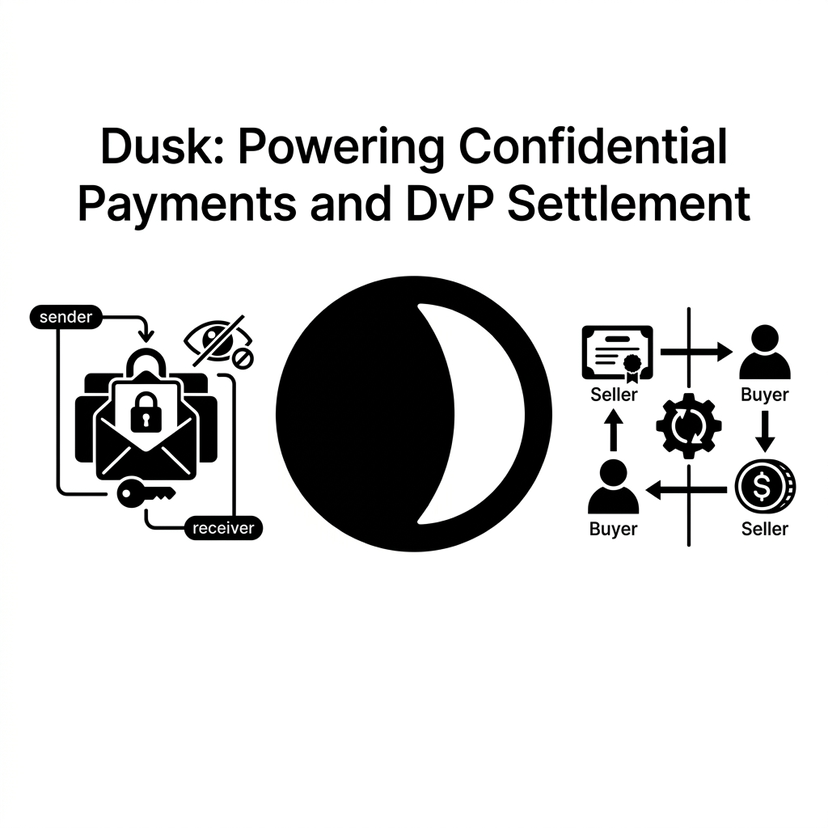
Dusk: Powering Confidential Payments and DvP Settlement
We assume payment and delivery are naturally separate events. One party pays, then waits, then receives. That gap between steps has always carried risk, and we’ve learned to live with it quietly.
Delivery versus payment closes that gap by design. No waiting. No exposure between the moment value leaves and the moment it arrives.
Confidentiality adds something else entirely. The transaction settles correctly, but without broadcasting the details to every observer along the way.
That combination shouldn’t feel surprising. It’s how most serious financial transactions already want to work.
Maybe the real question is why it took this long to build infrastructure that matched the expectation.
If payment and delivery could always settle simultaneously and privately, what would we find we no longer need to trust?
$TUT
{spot}(TUTUSDT)
$DUSK
{spot}(DUSKUSDT)
$GIGGLE
{spot}(GIGGLEUSDT)
#dusk @Dusk
Dusk: Powering Confidential Payments and DvP Settlement
We assume payment and delivery are naturally separate events. One party pays, then waits, then receives. That gap between steps has always carried risk, and we’ve learned to live with it quietly.
Delivery versus payment closes that gap by design. No waiting. No exposure between the moment value leaves and the moment it arrives.
Confidentiality adds something else entirely. The transaction settles correctly, but without broadcasting the details to every observer along the way.
That combination shouldn’t feel surprising. It’s how most serious financial transactions already want to work.
Maybe the real question is why it took this long to build infrastructure that matched the expectation.
If payment and delivery could always settle simultaneously and privately, what would we find we no longer need to trust?
$TUT
$DUSK
$GIGGLE
#dusk @Dusk
We assume payment and delivery are naturally separate events. One party pays, then waits, then receives. That gap between steps has always carried risk, and we’ve learned to live with it quietly.
Delivery versus payment closes that gap by design. No waiting. No exposure between the moment value leaves and the moment it arrives.
Confidentiality adds something else entirely. The transaction settles correctly, but without broadcasting the details to every observer along the way.
That combination shouldn’t feel surprising. It’s how most serious financial transactions already want to work.
Maybe the real question is why it took this long to build infrastructure that matched the expectation.
If payment and delivery could always settle simultaneously and privately, what would we find we no longer need to trust?
$TUT
$DUSK
$GIGGLE
#dusk @Dusk
17
17
824
PINNED
See translation
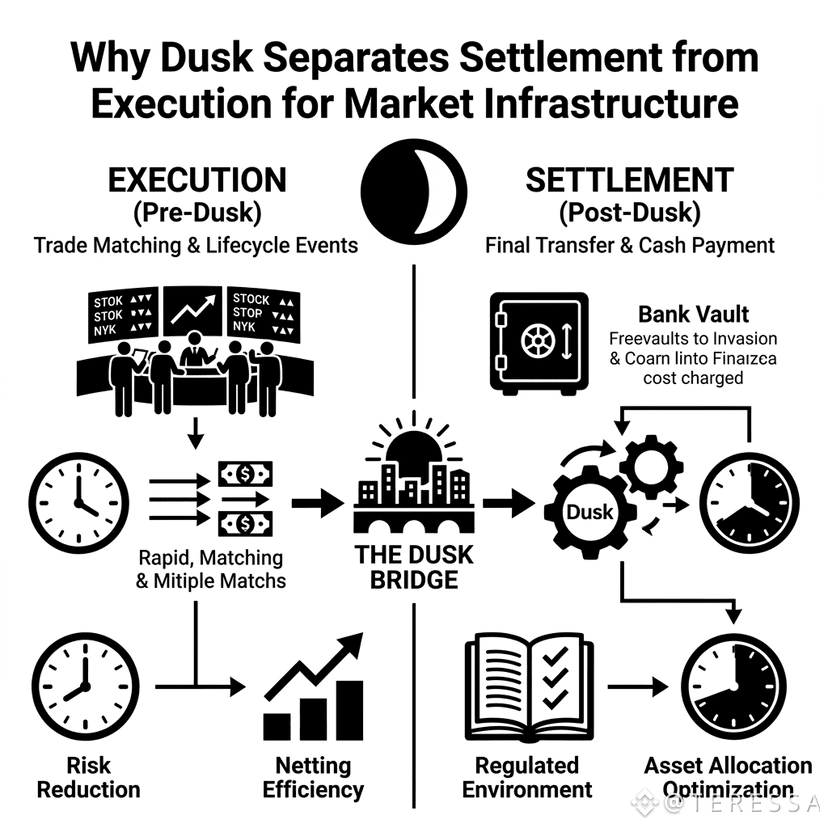
Why Dusk Separates Settlement from Execution for Market Infrastructure?
We assume settlement and execution belong together. One triggers the other, and bundling them felt like efficiency. Separating them sounded like adding steps to a process that already worked.
But bundled systems carry bundled failures. When execution stumbles, settlement waits. When settlement lags, execution loses meaning.
Separation gives each layer room to be exactly what it needs to be. Execution can move fast. Settlement can move correctly. Neither has to compromise for the other.
Most market infrastructure inherited that bundled assumption without questioning it. Dusk treats the separation as the feature, not the complication.
If the two could be perfected independently, what else have we been slowing down by keeping together?
$AVAX
{spot}(AVAXUSDT)
$TRUMP
$DUSK
{spot}(TRUMPUSDT)
{spot}(DUSKUSDT)
#dusk @Dusk_Foundation
Why Dusk Separates Settlement from Execution for Market Infrastructure?
We assume settlement and execution belong together. One triggers the other, and bundling them felt like efficiency. Separating them sounded like adding steps to a process that already worked.
But bundled systems carry bundled failures. When execution stumbles, settlement waits. When settlement lags, execution loses meaning.
Separation gives each layer room to be exactly what it needs to be. Execution can move fast. Settlement can move correctly. Neither has to compromise for the other.
Most market infrastructure inherited that bundled assumption without questioning it. Dusk treats the separation as the feature, not the complication.
If the two could be perfected independently, what else have we been slowing down by keeping together?
$AVAX
$TRUMP
$DUSK
#dusk @Dusk
We assume settlement and execution belong together. One triggers the other, and bundling them felt like efficiency. Separating them sounded like adding steps to a process that already worked.
But bundled systems carry bundled failures. When execution stumbles, settlement waits. When settlement lags, execution loses meaning.
Separation gives each layer room to be exactly what it needs to be. Execution can move fast. Settlement can move correctly. Neither has to compromise for the other.
Most market infrastructure inherited that bundled assumption without questioning it. Dusk treats the separation as the feature, not the complication.
If the two could be perfected independently, what else have we been slowing down by keeping together?
$AVAX
$TRUMP
$DUSK
#dusk @Dusk
25
13
911
See translation
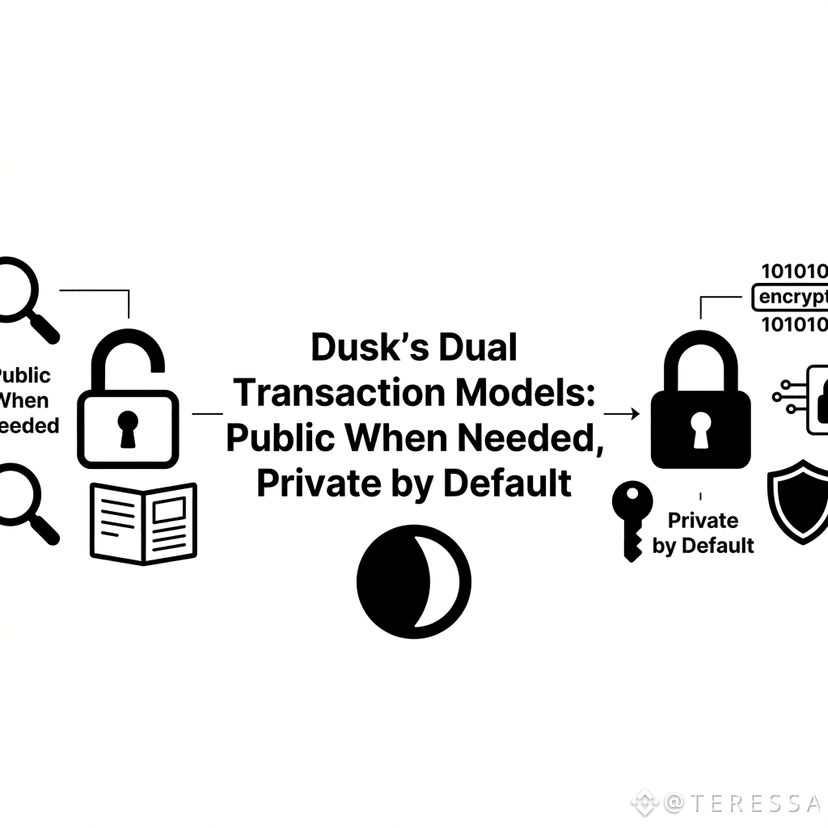
Dusk’s Dual Transaction Models: Public When Needed, Private by Default
We assume public is the safer default. If everything is visible, nothing can be hidden wrongly. That logic feels responsible, even virtuous, when applied to financial systems.
But default public means someone else decided your baseline. You opt into privacy rather than choosing when to share.
Dusk flips that quietly. Private by default returns the starting position to the individual. Public becomes a deliberate act, not a condition you were born into on-chain.
That’s less a technical distinction than a philosophical one. Who sets the baseline matters as much as what the baseline is.
If privacy were the default everywhere, how differently would we think about what we choose to make visible?
$ONG
{spot}(ONGUSDT)
$ENA
{spot}(ENAUSDT)
$DUSK
{spot}(DUSKUSDT)
#dusk @Dusk
Dusk’s Dual Transaction Models: Public When Needed, Private by Default
We assume public is the safer default. If everything is visible, nothing can be hidden wrongly. That logic feels responsible, even virtuous, when applied to financial systems.
But default public means someone else decided your baseline. You opt into privacy rather than choosing when to share.
Dusk flips that quietly. Private by default returns the starting position to the individual. Public becomes a deliberate act, not a condition you were born into on-chain.
That’s less a technical distinction than a philosophical one. Who sets the baseline matters as much as what the baseline is.
If privacy were the default everywhere, how differently would we think about what we choose to make visible?
$ONG
$ENA
$DUSK
#dusk @Dusk
We assume public is the safer default. If everything is visible, nothing can be hidden wrongly. That logic feels responsible, even virtuous, when applied to financial systems.
But default public means someone else decided your baseline. You opt into privacy rather than choosing when to share.
Dusk flips that quietly. Private by default returns the starting position to the individual. Public becomes a deliberate act, not a condition you were born into on-chain.
That’s less a technical distinction than a philosophical one. Who sets the baseline matters as much as what the baseline is.
If privacy were the default everywhere, how differently would we think about what we choose to make visible?
$ONG
$ENA
$DUSK
#dusk @Dusk
68
33
2.6k
See translation
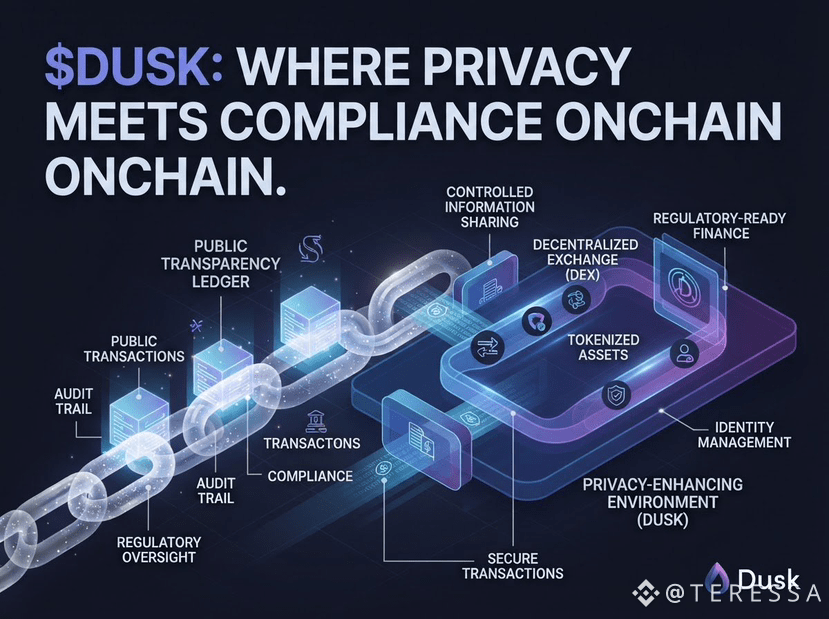
We assume compliance and on-chain logic belong to different worlds. One lives in legal documents and human oversight. The other runs in code, autonomous and indifferent to rulebooks.
That separation has always felt uncomfortable. Regulated flows need rules that follow them, not rules that stop at the chain’s edge.
Dusk embeds compliance into the logic itself. Not as a filter applied afterward, but as a condition baked into how transactions execute.
That’s a meaningful shift. Rules stop being external constraints and start being part of what the system actually does.
Compliance was never the enemy of programmability. Maybe it was just waiting to be written in the right language.
If regulation could live inside the contract rather than around it, what would that change about who gets to participate?
#dusk
$ONG
@Dusk_Foundation
$DUSK
{spot}(ONGUSDT)
{spot}(DUSKUSDT)
$ACE
{spot}(ACEUSDT)
We assume compliance and on-chain logic belong to different worlds. One lives in legal documents and human oversight. The other runs in code, autonomous and indifferent to rulebooks.
That separation has always felt uncomfortable. Regulated flows need rules that follow them, not rules that stop at the chain’s edge.
Dusk embeds compliance into the logic itself. Not as a filter applied afterward, but as a condition baked into how transactions execute.
That’s a meaningful shift. Rules stop being external constraints and start being part of what the system actually does.
Compliance was never the enemy of programmability. Maybe it was just waiting to be written in the right language.
If regulation could live inside the contract rather than around it, what would that change about who gets to participate?
#dusk
$ONG
@Dusk
$DUSK
$ACE
That separation has always felt uncomfortable. Regulated flows need rules that follow them, not rules that stop at the chain’s edge.
Dusk embeds compliance into the logic itself. Not as a filter applied afterward, but as a condition baked into how transactions execute.
That’s a meaningful shift. Rules stop being external constraints and start being part of what the system actually does.
Compliance was never the enemy of programmability. Maybe it was just waiting to be written in the right language.
If regulation could live inside the contract rather than around it, what would that change about who gets to participate?
#dusk
$ONG
@Dusk
$DUSK
$ACE
28
22
823
See translation
What Makes Dusk Ideal for Institutional DeFi and Tokenized Securities?
We assume institutions are slow to adopt because they’re cautious by nature. Risk-averse, compliance-heavy, always waiting for someone else to move first. That framing makes them sound like obstacles.
But institutions aren’t avoiding DeFi because they dislike it. They’re avoiding infrastructure that wasn’t built with them in mind.
Dusk changes that starting point. Privacy by design, regulatory compatibility, fast finality. Not features bolted on later, but decisions made early.
That’s the difference between adapting a system and building for a purpose.
Most blockchain projects waited for institutions to bend. Dusk seems to have asked what it would take for them not to.
If the right infrastructure had always existed, how much institutional capital was never really hesitant, just waiting? #dusk @Dusk_Foundation
$DUSK $BOME
{spot}(BOMEUSDT)
{spot}(DUSKUSDT)
$RED
{spot}(REDUSDT)
What Makes Dusk Ideal for Institutional DeFi and Tokenized Securities?
We assume institutions are slow to adopt because they’re cautious by nature. Risk-averse, compliance-heavy, always waiting for someone else to move first. That framing makes them sound like obstacles.
But institutions aren’t avoiding DeFi because they dislike it. They’re avoiding infrastructure that wasn’t built with them in mind.
Dusk changes that starting point. Privacy by design, regulatory compatibility, fast finality. Not features bolted on later, but decisions made early.
That’s the difference between adapting a system and building for a purpose.
Most blockchain projects waited for institutions to bend. Dusk seems to have asked what it would take for them not to.
If the right infrastructure had always existed, how much institutional capital was never really hesitant, just waiting? #dusk @Dusk
$DUSK $BOME
$RED
We assume institutions are slow to adopt because they’re cautious by nature. Risk-averse, compliance-heavy, always waiting for someone else to move first. That framing makes them sound like obstacles.
But institutions aren’t avoiding DeFi because they dislike it. They’re avoiding infrastructure that wasn’t built with them in mind.
Dusk changes that starting point. Privacy by design, regulatory compatibility, fast finality. Not features bolted on later, but decisions made early.
That’s the difference between adapting a system and building for a purpose.
Most blockchain projects waited for institutions to bend. Dusk seems to have asked what it would take for them not to.
If the right infrastructure had always existed, how much institutional capital was never really hesitant, just waiting? #dusk @Dusk
$DUSK $BOME
$RED
97
36
1.2k
See translation
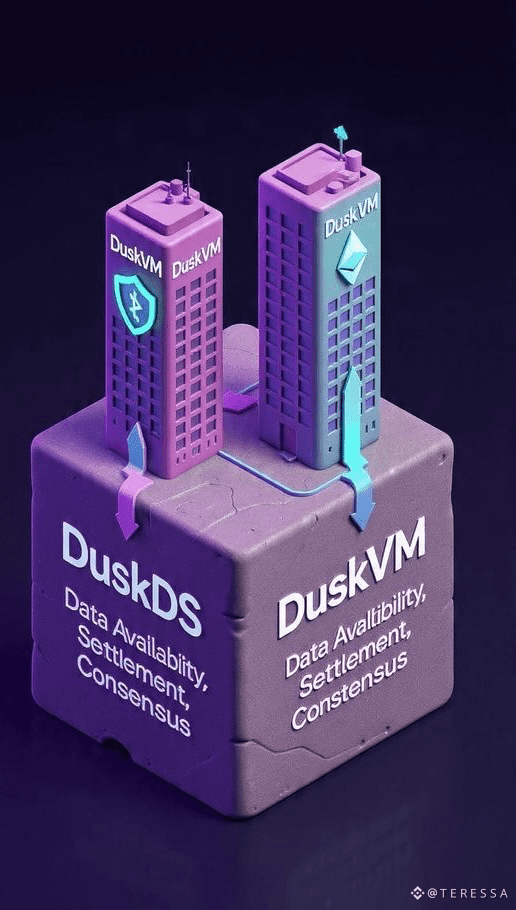
Dusk: Modular Architecture with DuskDS, DuskEVM & DuskVM
We assume a blockchain has to make one fundamental bet. One virtual machine, one execution environment, one way of doing things. That commitment felt like integrity, not limitation.
But applications don’t all think the same way. A confidential contract and a public smart contract aren’t just different in privacy. They’re different in what they fundamentally need from infrastructure.
Modular architecture acknowledges that honestly. DuskDS, DuskEVM, DuskVM each serve a different layer of that reality without pretending one size fits cleanly.
That’s not fragmentation. That’s precision.
Most monolithic designs optimized for simplicity at the cost of fit. Modularity asks whether the right tool for each job matters more than the comfort of a single answer.
If a blockchain could genuinely adapt its execution environment to what each application actually needs, what would we have left to compromise on?
$DUSK
{spot}(DUSKUSDT)
$SOXSB
{spot}(SOXSBUSDT)
$ACE
#dusk
@Dusk_Foundation
{spot}(ACEUSDT)
Dusk: Modular Architecture with DuskDS, DuskEVM & DuskVM
We assume a blockchain has to make one fundamental bet. One virtual machine, one execution environment, one way of doing things. That commitment felt like integrity, not limitation.
But applications don’t all think the same way. A confidential contract and a public smart contract aren’t just different in privacy. They’re different in what they fundamentally need from infrastructure.
Modular architecture acknowledges that honestly. DuskDS, DuskEVM, DuskVM each serve a different layer of that reality without pretending one size fits cleanly.
That’s not fragmentation. That’s precision.
Most monolithic designs optimized for simplicity at the cost of fit. Modularity asks whether the right tool for each job matters more than the comfort of a single answer.
If a blockchain could genuinely adapt its execution environment to what each application actually needs, what would we have left to compromise on?
$DUSK
$SOXSB
$ACE
#dusk
@Dusk
We assume a blockchain has to make one fundamental bet. One virtual machine, one execution environment, one way of doing things. That commitment felt like integrity, not limitation.
But applications don’t all think the same way. A confidential contract and a public smart contract aren’t just different in privacy. They’re different in what they fundamentally need from infrastructure.
Modular architecture acknowledges that honestly. DuskDS, DuskEVM, DuskVM each serve a different layer of that reality without pretending one size fits cleanly.
That’s not fragmentation. That’s precision.
Most monolithic designs optimized for simplicity at the cost of fit. Modularity asks whether the right tool for each job matters more than the comfort of a single answer.
If a blockchain could genuinely adapt its execution environment to what each application actually needs, what would we have left to compromise on?
$DUSK
$SOXSB
$ACE
#dusk
@Dusk
81
35
858
See translation
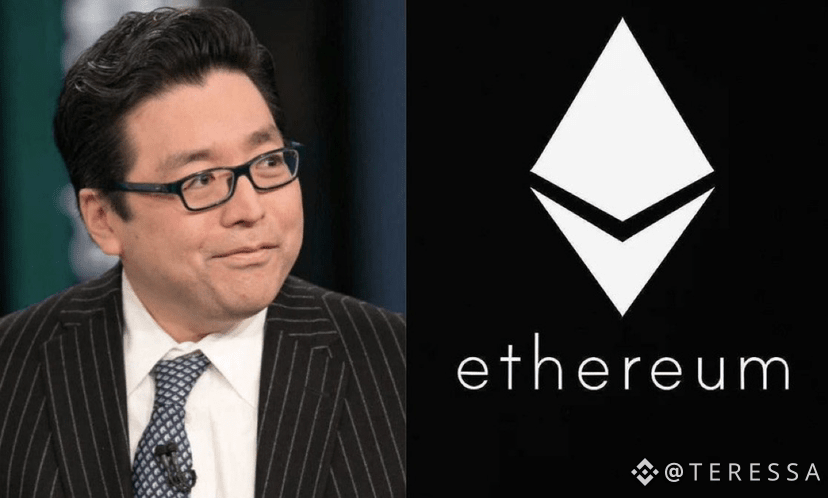
BREAKING: Tom Lee's BitMine bought $18.9 Million worth of $ETH last week, bringing its total holdings to $11.04 Billion.
{spot}(ETHUSDT)
BREAKING: Tom Lee's BitMine bought $18.9 Million worth of $ETH last week, bringing its total holdings to $11.04 Billion.
2
6
222
Verified
See translation
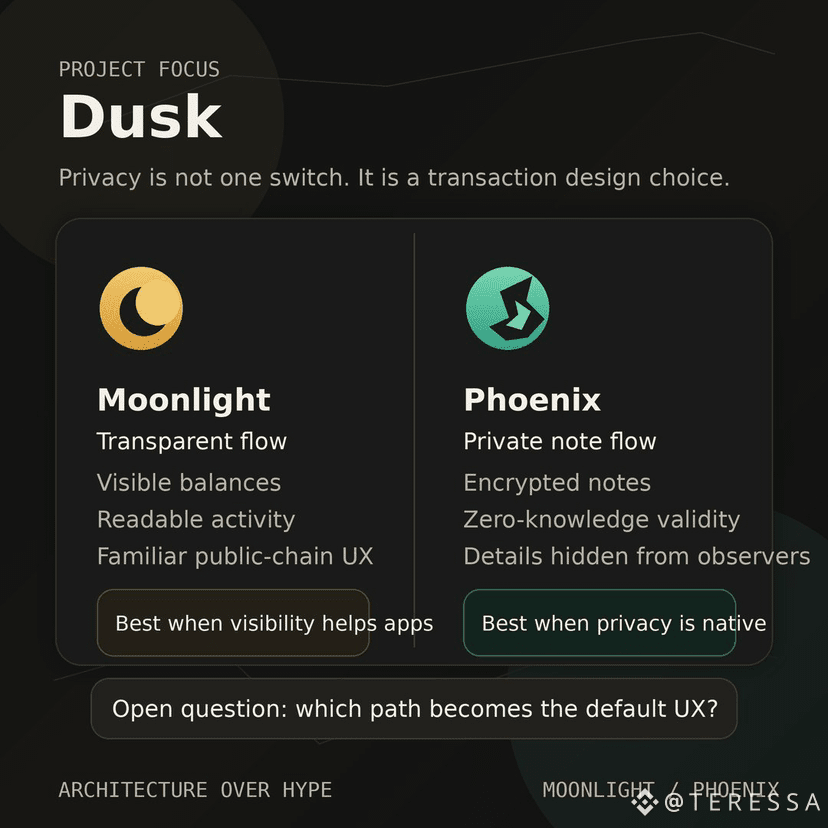
How Dusk Combines Moonlight Transparency and Phoenix Confidentiality
We assume systems have to pick a side. Transparent or private, open or closed, visible or hidden. That binary has quietly shaped how most financial infrastructure gets designed.
Moonlight and Phoenix sit on the same chain, serving different needs without asking anyone to compromise.
That’s harder to build than choosing one. It requires understanding that transparency belongs in some moments and confidentiality belongs in others, and that the user, not the protocol, should decide which.
Most systems make that choice for you, early, and permanently.
Dusk treats it as a question worth leaving open. Not because the answer is unclear, but because it genuinely depends.
If a single protocol could hold both transparency and confidentiality without contradiction, what does that suggest about every system that said you had to choose?
$DUSK
$GPS
$HEMI
{spot}(HEMIUSDT)
{spot}(GPSUSDT)
{spot}(DUSKUSDT)
#dusk @Dusk
How Dusk Combines Moonlight Transparency and Phoenix Confidentiality
We assume systems have to pick a side. Transparent or private, open or closed, visible or hidden. That binary has quietly shaped how most financial infrastructure gets designed.
Moonlight and Phoenix sit on the same chain, serving different needs without asking anyone to compromise.
That’s harder to build than choosing one. It requires understanding that transparency belongs in some moments and confidentiality belongs in others, and that the user, not the protocol, should decide which.
Most systems make that choice for you, early, and permanently.
Dusk treats it as a question worth leaving open. Not because the answer is unclear, but because it genuinely depends.
If a single protocol could hold both transparency and confidentiality without contradiction, what does that suggest about every system that said you had to choose?
$DUSK
$GPS
$HEMI
#dusk @Dusk
We assume systems have to pick a side. Transparent or private, open or closed, visible or hidden. That binary has quietly shaped how most financial infrastructure gets designed.
Moonlight and Phoenix sit on the same chain, serving different needs without asking anyone to compromise.
That’s harder to build than choosing one. It requires understanding that transparency belongs in some moments and confidentiality belongs in others, and that the user, not the protocol, should decide which.
Most systems make that choice for you, early, and permanently.
Dusk treats it as a question worth leaving open. Not because the answer is unclear, but because it genuinely depends.
If a single protocol could hold both transparency and confidentiality without contradiction, what does that suggest about every system that said you had to choose?
$DUSK
$GPS
$HEMI
#dusk @Dusk
145
51
1k
See translation
Dusk’s Fast Final Settlement via Succinct Attestation Consensus
We assume finality takes time. That waiting is the price of certainty, and rushing it means cutting corners somewhere invisible. Slow settlement became a sign of seriousness.
But speed and certainty were never fundamentally at odds. They just hadn’t found the right mechanism yet.
Succinct attestation changes that framing. Consensus doesn’t have to be loud or slow to be real. It just has to be provably correct at the moment it matters.
That’s a different relationship with time. Not waiting for agreement, but arriving at it more efficiently.
If settlement could be both instant and genuinely final, what were we actually buying with all that waiting?
#dusk @Dusk_Foundation
$CHIP
{spot}(CHIPUSDT)
$BORR.US
{stock_us}(BORR.US)
$DUSK
{spot}(DUSKUSDT)
Dusk’s Fast Final Settlement via Succinct Attestation Consensus
We assume finality takes time. That waiting is the price of certainty, and rushing it means cutting corners somewhere invisible. Slow settlement became a sign of seriousness.
But speed and certainty were never fundamentally at odds. They just hadn’t found the right mechanism yet.
Succinct attestation changes that framing. Consensus doesn’t have to be loud or slow to be real. It just has to be provably correct at the moment it matters.
That’s a different relationship with time. Not waiting for agreement, but arriving at it more efficiently.
If settlement could be both instant and genuinely final, what were we actually buying with all that waiting?
#dusk @Dusk
$CHIP
$BORR.US
$DUSK
We assume finality takes time. That waiting is the price of certainty, and rushing it means cutting corners somewhere invisible. Slow settlement became a sign of seriousness.
But speed and certainty were never fundamentally at odds. They just hadn’t found the right mechanism yet.
Succinct attestation changes that framing. Consensus doesn’t have to be loud or slow to be real. It just has to be provably correct at the moment it matters.
That’s a different relationship with time. Not waiting for agreement, but arriving at it more efficiently.
If settlement could be both instant and genuinely final, what were we actually buying with all that waiting?
#dusk @Dusk
$CHIP
$BORR.US
$DUSK
False Security
50%
Network Inertia
0%
Outdated assumptions
0%
Nothing useful
50%
2 votes • Voting closed
116
45
885
See translation
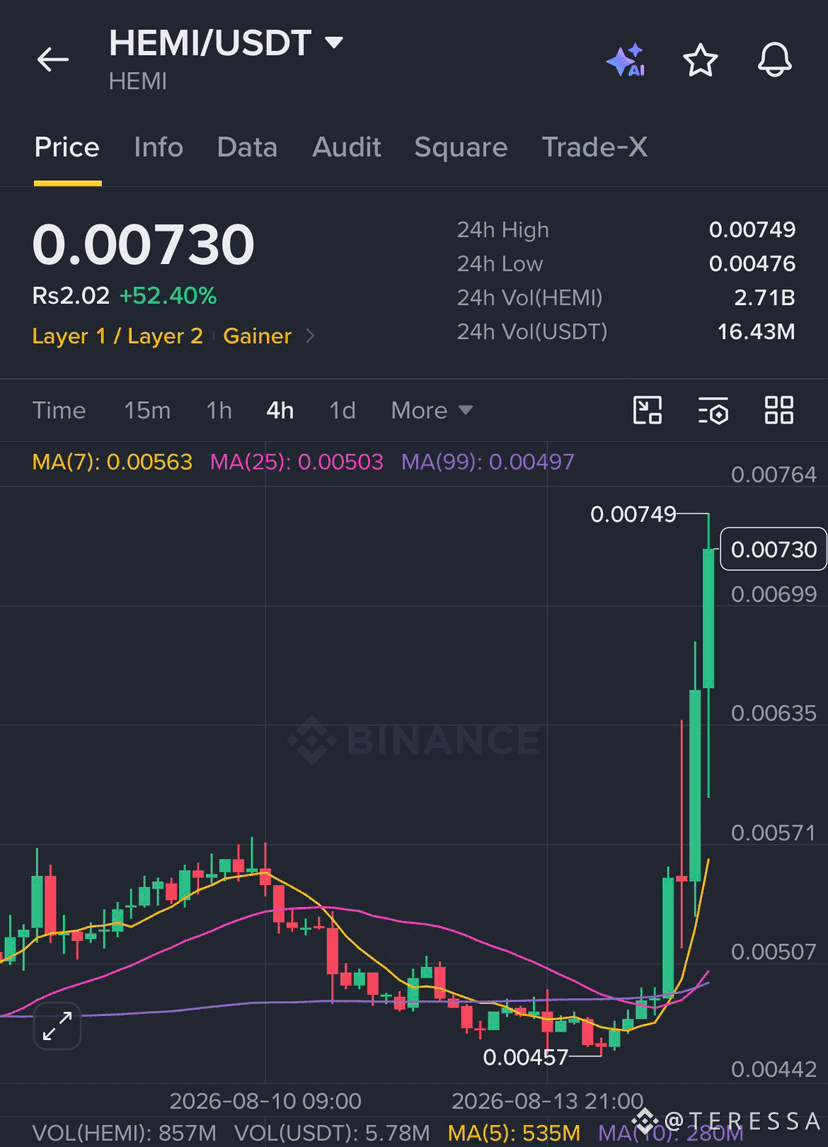
$HEMI : Long
• Entry: 0.00720–0.00740
• TP1: 0.00749
• TP2: 0.00764
• SL: 0.00699
{spot}(HEMIUSDT)
$HEMI : Long
• Entry: 0.00720–0.00740
• TP1: 0.00749
• TP2: 0.00764
• SL: 0.00699
• Entry: 0.00720–0.00740
• TP1: 0.00749
• TP2: 0.00764
• SL: 0.00699
3
308
See translation
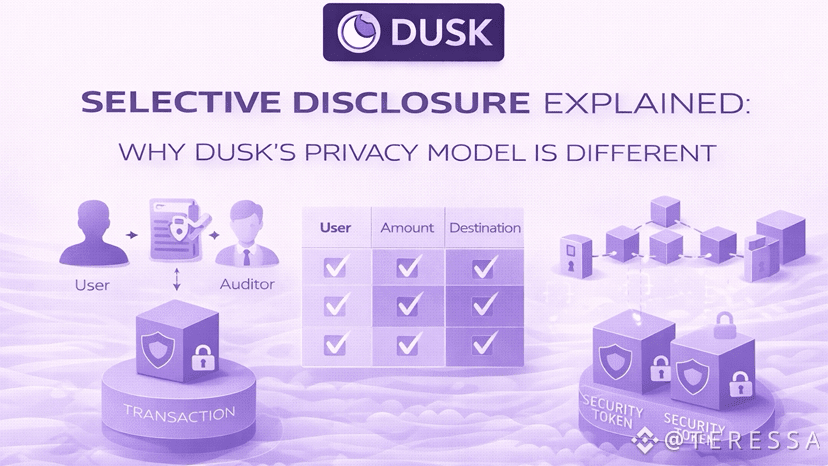
Why Dusk Delivers Privacy by Design with Selective Disclosure
We assume privacy means hiding. If something is private, it’s concealed, unavailable, beyond reach. That framing makes privacy feel like a wall built against accountability.
But selective disclosure suggests something quieter. Not hiding everything, choosing what to reveal, to whom, and exactly when it matters.
That’s closer to how privacy works in everyday life. You don’t share your salary with everyone, but you do share it when it counts.
Dusk builds that nuance into the protocol itself. Privacy isn’t an afterthought layered on top. It’s the starting assumption.
If you could prove exactly what’s needed without revealing anything more, who would still argue that transparency requires exposure?
$COW
{spot}(COWUSDT)
$BMT
{spot}(BMTUSDT)
$DUSK
{spot}(DUSKUSDT)
#dusk @Dusk
Why Dusk Delivers Privacy by Design with Selective Disclosure
We assume privacy means hiding. If something is private, it’s concealed, unavailable, beyond reach. That framing makes privacy feel like a wall built against accountability.
But selective disclosure suggests something quieter. Not hiding everything, choosing what to reveal, to whom, and exactly when it matters.
That’s closer to how privacy works in everyday life. You don’t share your salary with everyone, but you do share it when it counts.
Dusk builds that nuance into the protocol itself. Privacy isn’t an afterthought layered on top. It’s the starting assumption.
If you could prove exactly what’s needed without revealing anything more, who would still argue that transparency requires exposure?
$COW
$BMT
$DUSK
#dusk @Dusk
We assume privacy means hiding. If something is private, it’s concealed, unavailable, beyond reach. That framing makes privacy feel like a wall built against accountability.
But selective disclosure suggests something quieter. Not hiding everything, choosing what to reveal, to whom, and exactly when it matters.
That’s closer to how privacy works in everyday life. You don’t share your salary with everyone, but you do share it when it counts.
Dusk builds that nuance into the protocol itself. Privacy isn’t an afterthought layered on top. It’s the starting assumption.
If you could prove exactly what’s needed without revealing anything more, who would still argue that transparency requires exposure?
$COW
$BMT
$DUSK
#dusk @Dusk
140
49
1.7k
See translation
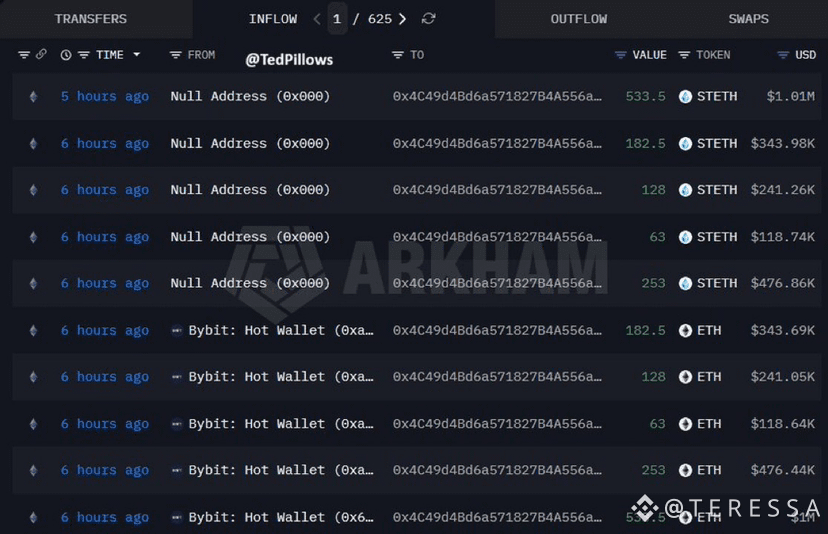
A whale bought $3,930,000 in $ETH today.
He now holds $53,128,000 in Ethereum.
{spot}(ETHUSDT)
A whale bought $3,930,000 in $ETH today.
He now holds $53,128,000 in Ethereum.
He now holds $53,128,000 in Ethereum.
1
176
See translation
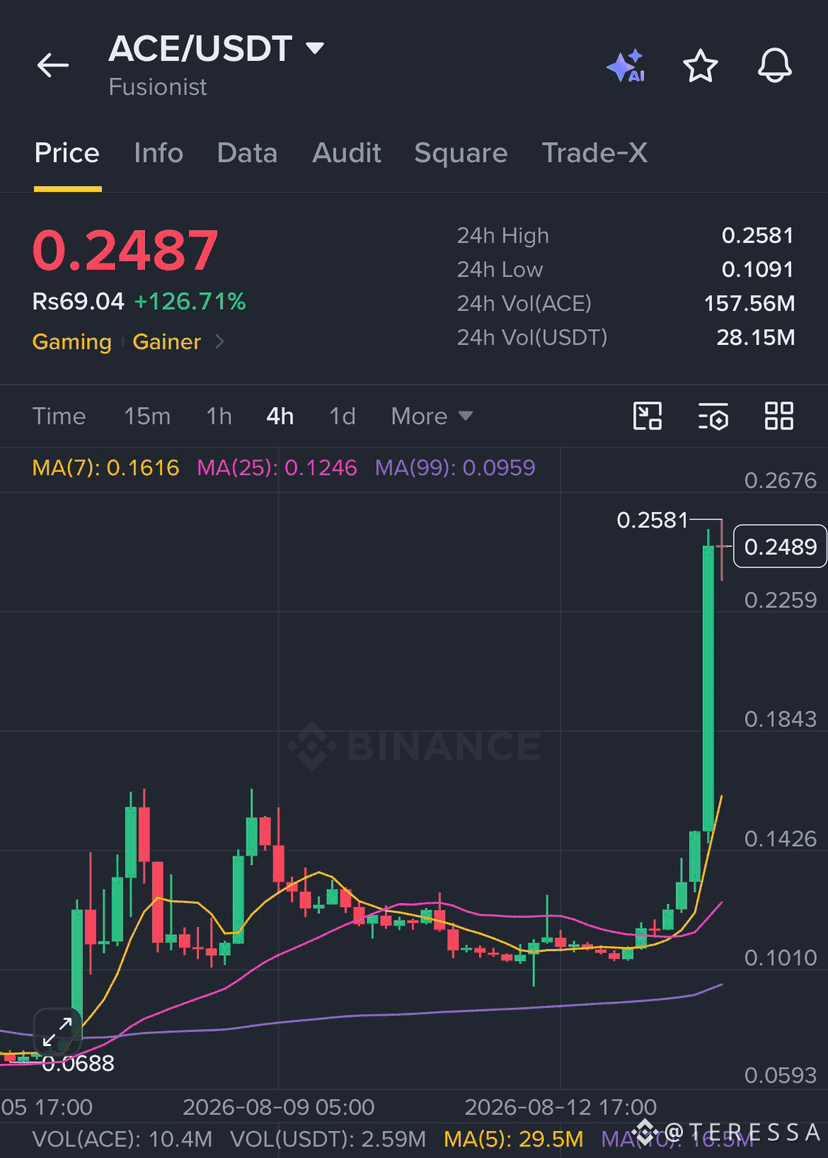
$ACE : Long
• Entry: 0.245–0.252
• TP1: 0.258
• TP2: 0.268
• SL: 0.226
{spot}(ACEUSDT)
$ACE : Long
• Entry: 0.245–0.252
• TP1: 0.258
• TP2: 0.268
• SL: 0.226
• Entry: 0.245–0.252
• TP1: 0.258
• TP2: 0.268
• SL: 0.226
1
1
284
See translation
Dusk: Built for Regulated Markets and Real-World Assets
We tend to assume regulation and blockchain don’t belong in the same sentence. One represents control, the other was built to resist it. That tension has kept most institutional money watching from a distance.
But regulated markets aren’t going away. Real-world assets need legal frameworks to mean anything outside a wallet.
@Dusk_Foundation doesn’t fight that reality. It builds around it, quietly treating compliance as a feature rather than a compromise.
That reframes the whole conversation. Maybe the goal was never to escape regulation, but to make it work without sacrificing what blockchains are actually good at.
If a blockchain could satisfy regulators and users equally, what would we have left to argue about?
$ACE
{spot}(ACEUSDT)
$DAX.ETF
{etf_us}(DAX.ETF)
$DUSK
{spot}(DUSKUSDT)
#dusk
Dusk: Built for Regulated Markets and Real-World Assets
We tend to assume regulation and blockchain don’t belong in the same sentence. One represents control, the other was built to resist it. That tension has kept most institutional money watching from a distance.
But regulated markets aren’t going away. Real-world assets need legal frameworks to mean anything outside a wallet.
@Dusk doesn’t fight that reality. It builds around it, quietly treating compliance as a feature rather than a compromise.
That reframes the whole conversation. Maybe the goal was never to escape regulation, but to make it work without sacrificing what blockchains are actually good at.
If a blockchain could satisfy regulators and users equally, what would we have left to argue about?
$ACE
$DAX.ETF
$DUSK
#dusk
We tend to assume regulation and blockchain don’t belong in the same sentence. One represents control, the other was built to resist it. That tension has kept most institutional money watching from a distance.
But regulated markets aren’t going away. Real-world assets need legal frameworks to mean anything outside a wallet.
@Dusk doesn’t fight that reality. It builds around it, quietly treating compliance as a feature rather than a compromise.
That reframes the whole conversation. Maybe the goal was never to escape regulation, but to make it work without sacrificing what blockchains are actually good at.
If a blockchain could satisfy regulators and users equally, what would we have left to argue about?
$ACE
$DAX.ETF
$DUSK
#dusk
104
34
1.5k
See translation
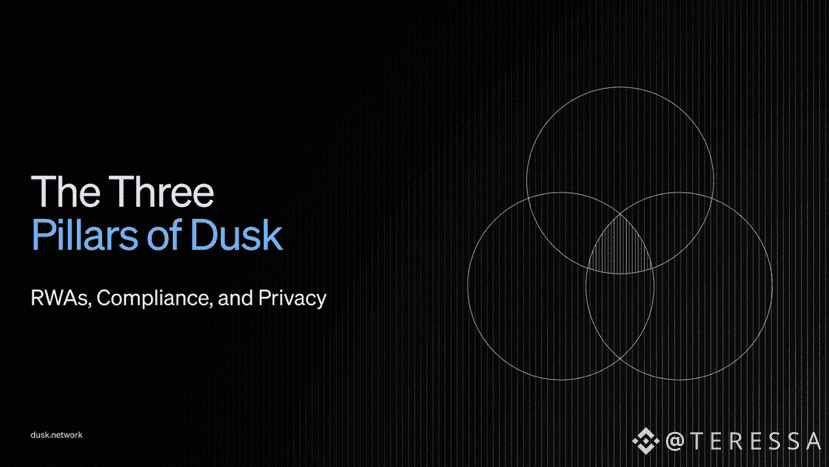
We assume transparency is what makes financial systems trustworthy. Open ledgers, visible transactions, everything auditable by anyone. That logic has shaped how most blockchains were built.
But transparency and privacy were always in tension, especially in finance. Institutions don’t share positions. Individuals don’t broadcast balances. The real world never fully adopted radical openness.
@Dusk_Foundation sits inside that gap. Confidential contracts that still settle correctly. Privacy that doesn’t mean unaccountable.
That’s a harder thing to build than either extreme alone.
Maybe the assumption was never transparency versus privacy. Maybe it was always about finding what each moment actually requires.
If financial infrastructure could be both provably correct and genuinely private, which assumption about blockchain would you have to give up first?
$DUSK
{spot}(DUSKUSDT)
$BANK
{spot}(BANKUSDT)
$COTI
{spot}(COTIUSDT)
#dusk
We assume transparency is what makes financial systems trustworthy. Open ledgers, visible transactions, everything auditable by anyone. That logic has shaped how most blockchains were built.
But transparency and privacy were always in tension, especially in finance. Institutions don’t share positions. Individuals don’t broadcast balances. The real world never fully adopted radical openness.
@Dusk sits inside that gap. Confidential contracts that still settle correctly. Privacy that doesn’t mean unaccountable.
That’s a harder thing to build than either extreme alone.
Maybe the assumption was never transparency versus privacy. Maybe it was always about finding what each moment actually requires.
If financial infrastructure could be both provably correct and genuinely private, which assumption about blockchain would you have to give up first?
$DUSK
$BANK
$COTI
#dusk
But transparency and privacy were always in tension, especially in finance. Institutions don’t share positions. Individuals don’t broadcast balances. The real world never fully adopted radical openness.
@Dusk sits inside that gap. Confidential contracts that still settle correctly. Privacy that doesn’t mean unaccountable.
That’s a harder thing to build than either extreme alone.
Maybe the assumption was never transparency versus privacy. Maybe it was always about finding what each moment actually requires.
If financial infrastructure could be both provably correct and genuinely private, which assumption about blockchain would you have to give up first?
$DUSK
$BANK
$COTI
#dusk
124
53
2.8k
See translation
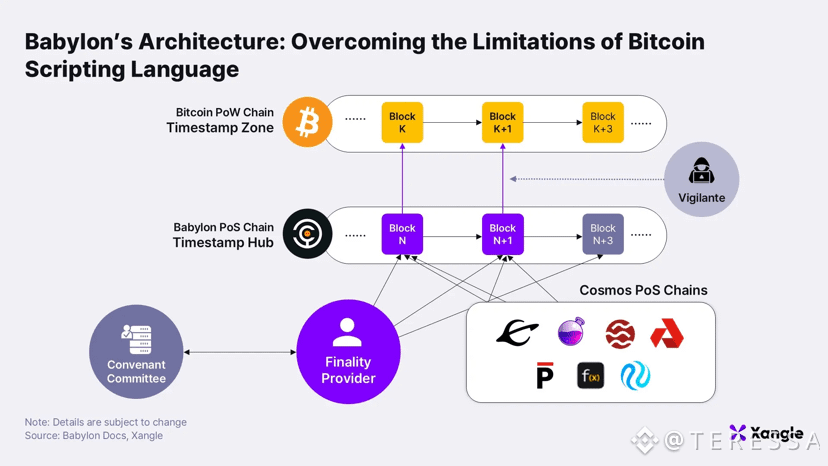
Why Babylon’s BitVM3 Overcomes HTLC and EOTS Limitations
We’ve built a lot of crypto infrastructure around workarounds. HTLCs and EOTS solved real problems in their moment, and we kept reaching for them long after their edges started showing.
Limitations have a way of becoming invisible when the alternative doesn’t exist yet.
BitVM3 offers that alternative quietly. Not by patching what came before, but by rethinking what enforcement and finality actually require at the protocol level.
That’s a different kind of progress. Less about fixing and more about reconsidering the original question.
Sometimes the limitation isn’t in the tool. It’s in how long we kept using it past its answer.
If better primitives were always possible, what does that say about the workarounds we mistook for solutions?
$BABY
{spot}(BABYUSDT)
$BANK
{spot}(BANKUSDT)
$HOME
#baby
@BabylonLabs_io
Why Babylon’s BitVM3 Overcomes HTLC and EOTS Limitations
We’ve built a lot of crypto infrastructure around workarounds. HTLCs and EOTS solved real problems in their moment, and we kept reaching for them long after their edges started showing.
Limitations have a way of becoming invisible when the alternative doesn’t exist yet.
BitVM3 offers that alternative quietly. Not by patching what came before, but by rethinking what enforcement and finality actually require at the protocol level.
That’s a different kind of progress. Less about fixing and more about reconsidering the original question.
Sometimes the limitation isn’t in the tool. It’s in how long we kept using it past its answer.
If better primitives were always possible, what does that say about the workarounds we mistook for solutions?
$BABY
$BANK
$HOME
#baby
@BabylonLabs_io
We’ve built a lot of crypto infrastructure around workarounds. HTLCs and EOTS solved real problems in their moment, and we kept reaching for them long after their edges started showing.
Limitations have a way of becoming invisible when the alternative doesn’t exist yet.
BitVM3 offers that alternative quietly. Not by patching what came before, but by rethinking what enforcement and finality actually require at the protocol level.
That’s a different kind of progress. Less about fixing and more about reconsidering the original question.
Sometimes the limitation isn’t in the tool. It’s in how long we kept using it past its answer.
If better primitives were always possible, what does that say about the workarounds we mistook for solutions?
$BABY
$BANK
$HOME
#baby
@BabylonLabs_io
114
41
3.2k
See translation
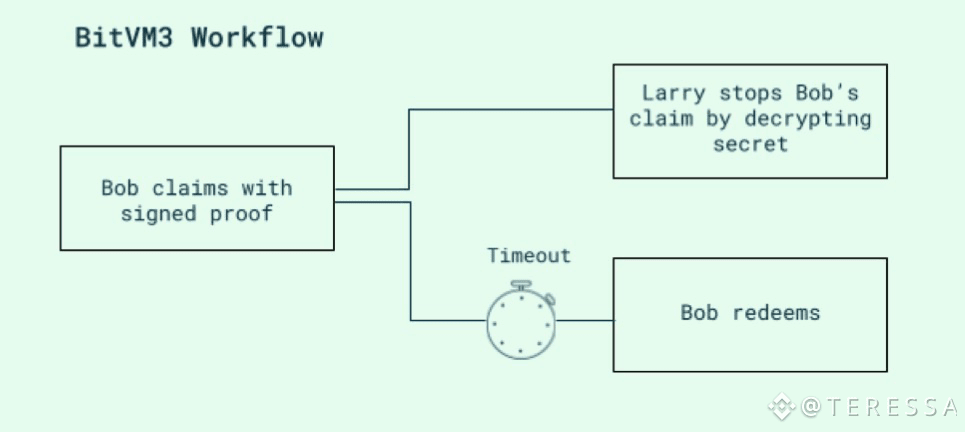
How Babylon Uses BitVM3 and Garbled Circuits for DeFi Enforcement
We tend to assume enforcement needs visibility. For rules to hold, someone has to watch. That assumption runs deep in how we think about financial systems, on-chain or off.
Garbled circuits quietly challenge that. They allow computation to happen over hidden inputs, enforcing logic without exposing the underlying data. The rule runs. Nobody sees everything.
That’s a strange kind of authority. Not transparent, but still verifiable. Not open, but still trustless.
Most DeFi enforcement has leaned on openness as its foundation. This suggests correctness and privacy might not be the trade-off we assumed.
If a system could enforce rules without seeing everything it governs, what does that change about who we trust with oversight?
#baby $BABY
{spot}(BABYUSDT)
@BabylonLabs_io
How Babylon Uses BitVM3 and Garbled Circuits for DeFi Enforcement
We tend to assume enforcement needs visibility. For rules to hold, someone has to watch. That assumption runs deep in how we think about financial systems, on-chain or off.
Garbled circuits quietly challenge that. They allow computation to happen over hidden inputs, enforcing logic without exposing the underlying data. The rule runs. Nobody sees everything.
That’s a strange kind of authority. Not transparent, but still verifiable. Not open, but still trustless.
Most DeFi enforcement has leaned on openness as its foundation. This suggests correctness and privacy might not be the trade-off we assumed.
If a system could enforce rules without seeing everything it governs, what does that change about who we trust with oversight?
#baby $BABY
@BabylonLabs_io
We tend to assume enforcement needs visibility. For rules to hold, someone has to watch. That assumption runs deep in how we think about financial systems, on-chain or off.
Garbled circuits quietly challenge that. They allow computation to happen over hidden inputs, enforcing logic without exposing the underlying data. The rule runs. Nobody sees everything.
That’s a strange kind of authority. Not transparent, but still verifiable. Not open, but still trustless.
Most DeFi enforcement has leaned on openness as its foundation. This suggests correctness and privacy might not be the trade-off we assumed.
If a system could enforce rules without seeing everything it governs, what does that change about who we trust with oversight?
#baby $BABY
@BabylonLabs_io
101
47
603
See translation
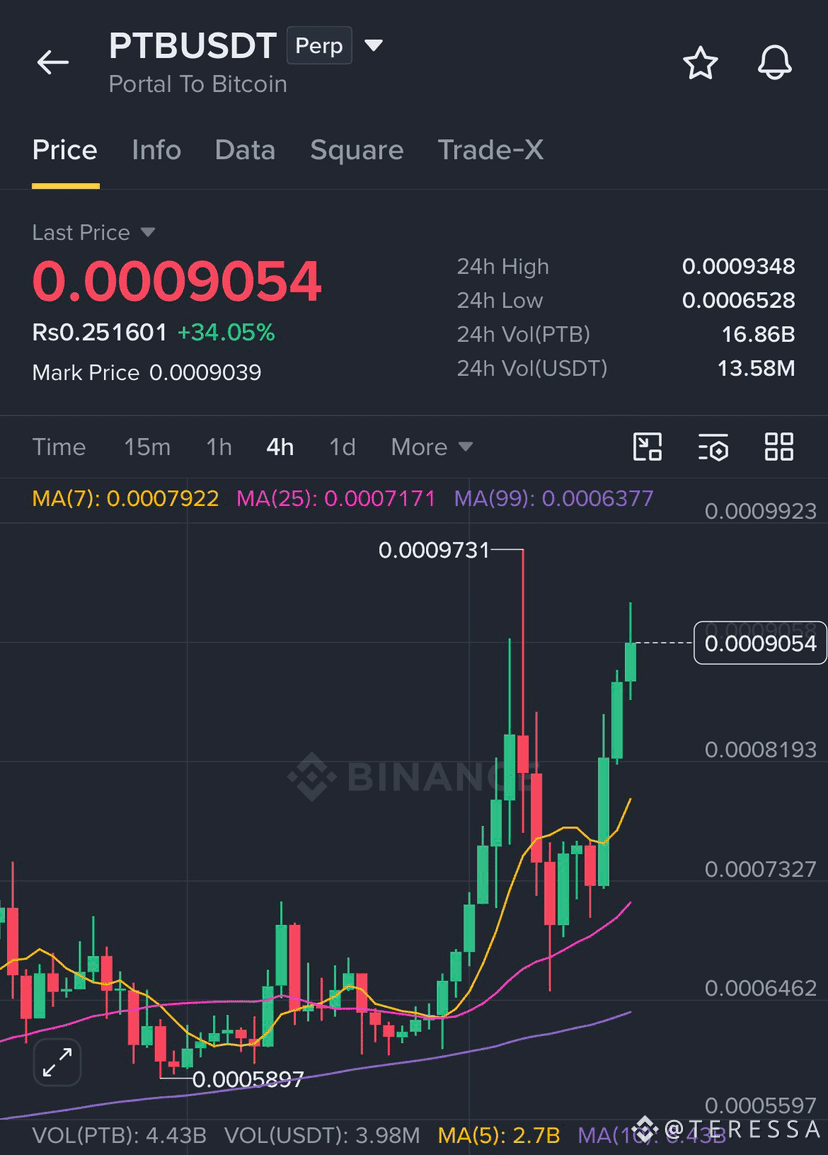
$PTB : Long
• Entry: 0.00089–0.00092
• TP1: 0.000935
• TP2: 0.000973
• SL: 0.000819
{future}(PTBUSDT)
$PTB : Long
• Entry: 0.00089–0.00092
• TP1: 0.000935
• TP2: 0.000973
• SL: 0.000819
• Entry: 0.00089–0.00092
• TP1: 0.000935
• TP2: 0.000973
• SL: 0.000819
2
189
See translation
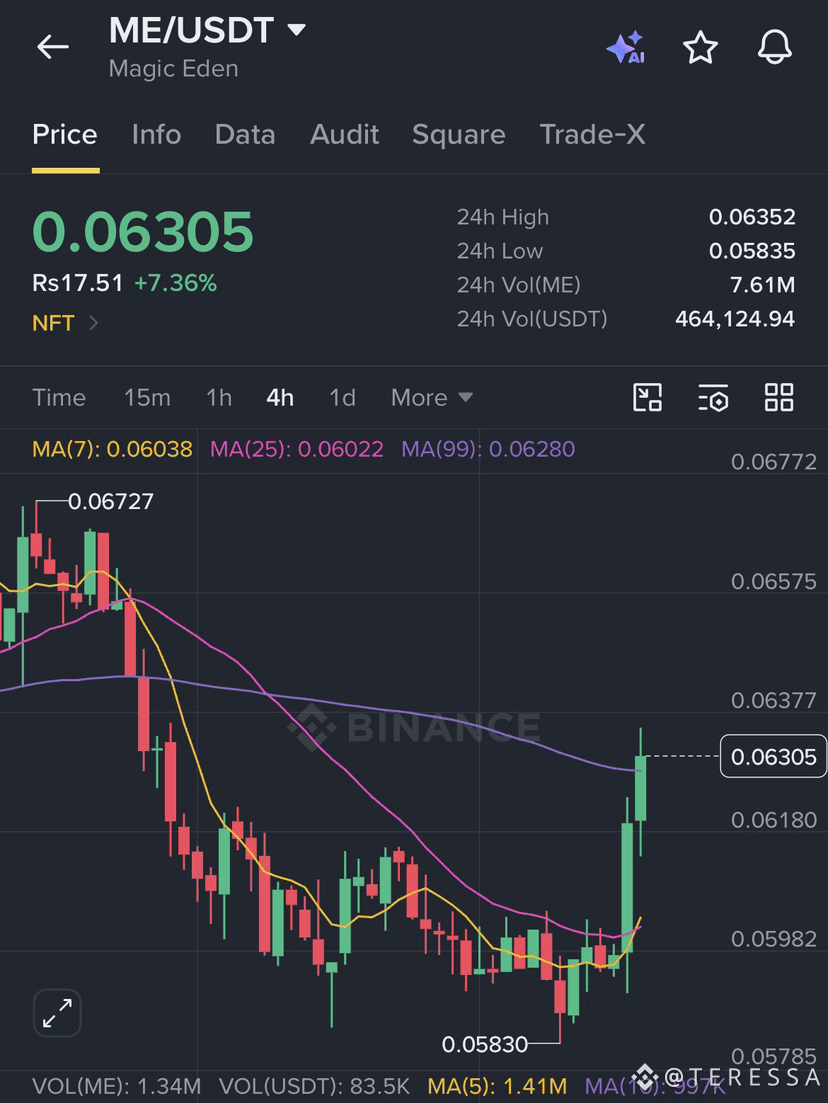
$ME : Long
• Entry: 0.0628–0.0633
• TP1: 0.0658
• TP2: 0.0673
• SL: 0.0618
{spot}(MEUSDT)
$ME : Long
• Entry: 0.0628–0.0633
• TP1: 0.0658
• TP2: 0.0673
• SL: 0.0618
• Entry: 0.0628–0.0633
• TP1: 0.0658
• TP2: 0.0673
• SL: 0.0618
2
322
See translation
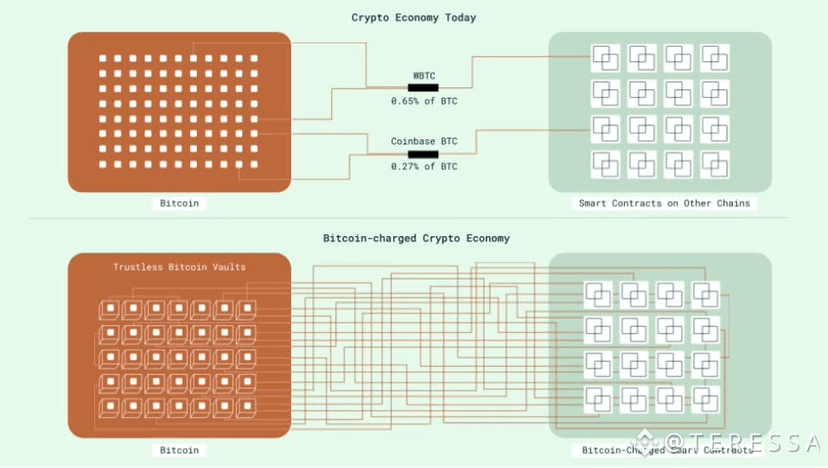
Why Babylon’s BitVM3 Design Makes Bitcoin Vaults Truly Programmable
We’ve accepted Bitcoin as deliberately simple. That simplicity was the feature, not a limitation. Programmability belonged to other chains, and Bitcoin watched from a distance.
But simple and programmable were never actually opposites. They just never had the right design connecting them.
BitVM3 quietly changes that framing. It doesn’t ask Bitcoin to become more complex. It finds the programmability already latent inside Bitcoin’s existing rules, then builds carefully around it.
That distinction matters. Truly programmable doesn’t mean anything goes. It might mean the right things finally can.
If Bitcoin’s simplicity was always compatible with programmability, what were we really waiting for someone to build?
#baby
$BABY
{spot}(BABYUSDT)
@babylonlabs_io
$BTC
{spot}(BTCUSDT)
$ETH
{spot}(ETHUSDT)
Why Babylon’s BitVM3 Design Makes Bitcoin Vaults Truly Programmable
We’ve accepted Bitcoin as deliberately simple. That simplicity was the feature, not a limitation. Programmability belonged to other chains, and Bitcoin watched from a distance.
But simple and programmable were never actually opposites. They just never had the right design connecting them.
BitVM3 quietly changes that framing. It doesn’t ask Bitcoin to become more complex. It finds the programmability already latent inside Bitcoin’s existing rules, then builds carefully around it.
That distinction matters. Truly programmable doesn’t mean anything goes. It might mean the right things finally can.
If Bitcoin’s simplicity was always compatible with programmability, what were we really waiting for someone to build?
#baby
$BABY
@BabylonLabs_io
$BTC
$ETH
We’ve accepted Bitcoin as deliberately simple. That simplicity was the feature, not a limitation. Programmability belonged to other chains, and Bitcoin watched from a distance.
But simple and programmable were never actually opposites. They just never had the right design connecting them.
BitVM3 quietly changes that framing. It doesn’t ask Bitcoin to become more complex. It finds the programmability already latent inside Bitcoin’s existing rules, then builds carefully around it.
That distinction matters. Truly programmable doesn’t mean anything goes. It might mean the right things finally can.
If Bitcoin’s simplicity was always compatible with programmability, what were we really waiting for someone to build?
#baby
$BABY
@BabylonLabs_io
$BTC
$ETH
101
37
722
Log in to explore more content
Join global crypto users on Binance Square
⚡️ Get latest and useful information about crypto.
💬 Trusted by the world’s largest crypto exchange.
👍 Discover real insights from verified creators.
Email / Phone number