
红豆加冰Jenny
1.5k Posts

红豆加冰Jenny
Report
Block User
X:红豆加冰(@BCAD312_)|公众号: 加密领袖投研

BTC Holder
Occasional Trader
3.6 Years
506 Following
2.9K+ Followers
2.2K+ Liked
Posts
All
Quotes
Videos
Live
PINNED
·
--

Article
2026 AI 'Lobster Farming' Ultimate Guide: A Complete Strategy from Zero Deployment to Monthly Income of 140,000Refuse to be Lao Deng, turning your computer into a 24-hour money printing machine
Recently, a tough guy in the crypto circle has become famous, with 40 servers lined up, looking like a mining farm, but in reality, there isn't a single mining machine—it's all lobster robots running quantitative arbitrage.
Sharp-eyed people uncovered the Polymarket account lit up on the screen: gabagool22. Data shows that this account has a total profit of $868,000, with 28,620 trades, almost exclusively betting on BTC's 15-minute price fluctuations, earning a stable monthly income of $140,000.
This is the 'lobster farming' that OpenClaw has brought to the forefront: transforming complex automated arbitrage into a robotic business that ordinary people can also set up.
2026 AI 'Lobster Farming' Ultimate Guide: A Complete Strategy from Zero Deployment to Monthly Income of 140,000
Refuse to be Lao Deng, turning your computer into a 24-hour money printing machine
Recently, a tough guy in the crypto circle has become famous, with 40 servers lined up, looking like a mining farm, but in reality, there isn't a single mining machine—it's all lobster robots running quantitative arbitrage.
Sharp-eyed people uncovered the Polymarket account lit up on the screen: gabagool22. Data shows that this account has a total profit of $868,000, with 28,620 trades, almost exclusively betting on BTC's 15-minute price fluctuations, earning a stable monthly income of $140,000.
This is the 'lobster farming' that OpenClaw has brought to the forefront: transforming complex automated arbitrage into a robotic business that ordinary people can also set up.
3
25
5.5k
·
--

Article
The Night Washington Changed Hands: What Fell Was “Trump”; What Rose Was “Computing Power” and “Satoshi Nakamoto”The U.S. stock market’s premarket action on the afternoon of November 5 had a strangely divided feel. Dow futures rose 0.5%, Nasdaq futures fell 0.97%, and S&P 500 futures edged down 0.13%. Under the same sky, the Dow was up while the tech-heavy Nasdaq was down. A closer look shows that what was falling wasn’t the broad category of “tech,” but the AI hardware side: Qualcomm plunged 10%; SK Hynix fell more than 4% premarket; SanDisk dropped nearly 4%; Western Digital, Micron, and AMD fell more than 3%; and Lumentum, Marvell, and Corning were down more than 3%. Meanwhile, Google rose 0.77%, Amazon 0.59%, Meta 0.55%, Apple 0.45%, and Microsoft edged up 0.14%.
The Night Washington Changed Hands: What Fell Was “Trump”; What Rose Was “Computing Power” and “Satoshi Nakamoto”
The U.S. stock market’s premarket action on the afternoon of November 5 had a strangely divided feel. Dow futures rose 0.5%, Nasdaq futures fell 0.97%, and S&P 500 futures edged down 0.13%. Under the same sky, the Dow was up while the tech-heavy Nasdaq was down. A closer look shows that what was falling wasn’t the broad category of “tech,” but the AI hardware side: Qualcomm plunged 10%; SK Hynix fell more than 4% premarket; SanDisk dropped nearly 4%; Western Digital, Micron, and AMD fell more than 3%; and Lumentum, Marvell, and Corning were down more than 3%. Meanwhile, Google rose 0.77%, Amazon 0.59%, Meta 0.55%, Apple 0.45%, and Microsoft edged up 0.14%.
2
1.1k
·
--

Article
Just Make It Through This Morning: Jensen Huang’s Words Capture October’s Chip StocksMany mornings in October were rough for people holding chip stocks.
You open your account, and your unrealized gains are shrinking. Semiconductor ETFs are down by double digits in a month, and memory ETFs have fallen even further. The earnings are still clearly on the rise, but the stock prices keep plunging without looking back. You can’t help wondering: Did I get something wrong? Should I do something? If I don’t decide soon, will it be too late?
In an interview at Y Combinator, Jensen Huang said something in passing. It was so understated that if you were feeling anxious, you might brush it off as just another feel-good platitude. But if you’ve just made it through October and look back, you’ll see it’s actually a very specific instruction for what to do:
Just Make It Through This Morning: Jensen Huang’s Words Capture October’s Chip Stocks
Many mornings in October were rough for people holding chip stocks.
You open your account, and your unrealized gains are shrinking. Semiconductor ETFs are down by double digits in a month, and memory ETFs have fallen even further. The earnings are still clearly on the rise, but the stock prices keep plunging without looking back. You can’t help wondering: Did I get something wrong? Should I do something? If I don’t decide soon, will it be too late?
In an interview at Y Combinator, Jensen Huang said something in passing. It was so understated that if you were feeling anxious, you might brush it off as just another feel-good platitude. But if you’ve just made it through October and look back, you’ll see it’s actually a very specific instruction for what to do:
1
340
·
--
Verified

Article
Investing Amid the Alarms: Predict Less, Participate More, Research DeeplyMarkets are never short on warnings or opinions. What is truly scarce are people who, amid the warnings and noise, still insist on letting data speak and favor long-term participation over short-term predictions.
I. Elliott Sounds the Bear Market Alarm: From FOMO to FOGO
“Every bear market warning light is flashing!” The hedge fund giant Elliott Investment Management has issued a stark warning. According to a November 2 report by The Wall Street Journal, in an October letter to investors, Elliott, led by Paul Singer, said the current market environment bears a striking resemblance to the “Roaring Twenties” before the Great Depression: debt-fueled risk appetite, a frenzy for new technologies, and nearly every warning sign of a major bear market flashing.
Investing Amid the Alarms: Predict Less, Participate More, Research Deeply
Markets are never short on warnings or opinions. What is truly scarce are people who, amid the warnings and noise, still insist on letting data speak and favor long-term participation over short-term predictions.
I. Elliott Sounds the Bear Market Alarm: From FOMO to FOGO
“Every bear market warning light is flashing!” The hedge fund giant Elliott Investment Management has issued a stark warning. According to a November 2 report by The Wall Street Journal, in an October letter to investors, Elliott, led by Paul Singer, said the current market environment bears a striking resemblance to the “Roaring Twenties” before the Great Depression: debt-fueled risk appetite, a frenzy for new technologies, and nearly every warning sign of a major bear market flashing.
1
802
·
--

Article
Election Week: When Politics, Oil Prices, and AI Credit All Get Priced InThe market entered election week on Monday.
Volatility is nothing unusual at this time of year, but this time there are more factors in play. There is only one major piece of macroeconomic data: the October jobs report, due out on November 6. There are also few major earnings reports, with CoreWeave and companies related to “Gemini” among the two worth watching. But more unsettling than macro data and earnings are the midterm elections themselves—and whether Iran will make a move during this window.
The U.S. midterm elections are scheduled for November 3. All 435 seats in the House of Representatives, 35 Senate seats, and the governorships of 36 states are up for election. Polls suggest Democrats are likely to win the House, while control of the Senate is up for grabs. Xinhua reports that the “tariff war” launched by the Trump administration and the conflict with Iran have significantly increased the cost of living for Americans. Foreign policy has unusually become an important factor shaping this year’s election. In other words, oil prices are no longer just a variable for energy traders—they are being priced in at the ballot box.
Election Week: When Politics, Oil Prices, and AI Credit All Get Priced In
The market entered election week on Monday.
Volatility is nothing unusual at this time of year, but this time there are more factors in play. There is only one major piece of macroeconomic data: the October jobs report, due out on November 6. There are also few major earnings reports, with CoreWeave and companies related to “Gemini” among the two worth watching. But more unsettling than macro data and earnings are the midterm elections themselves—and whether Iran will make a move during this window.
The U.S. midterm elections are scheduled for November 3. All 435 seats in the House of Representatives, 35 Senate seats, and the governorships of 36 states are up for election. Polls suggest Democrats are likely to win the House, while control of the Senate is up for grabs. Xinhua reports that the “tariff war” launched by the Trump administration and the conflict with Iran have significantly increased the cost of living for Americans. Foreign policy has unusually become an important factor shaping this year’s election. In other words, oil prices are no longer just a variable for energy traders—they are being priced in at the ballot box.
1
553
·
--

Article
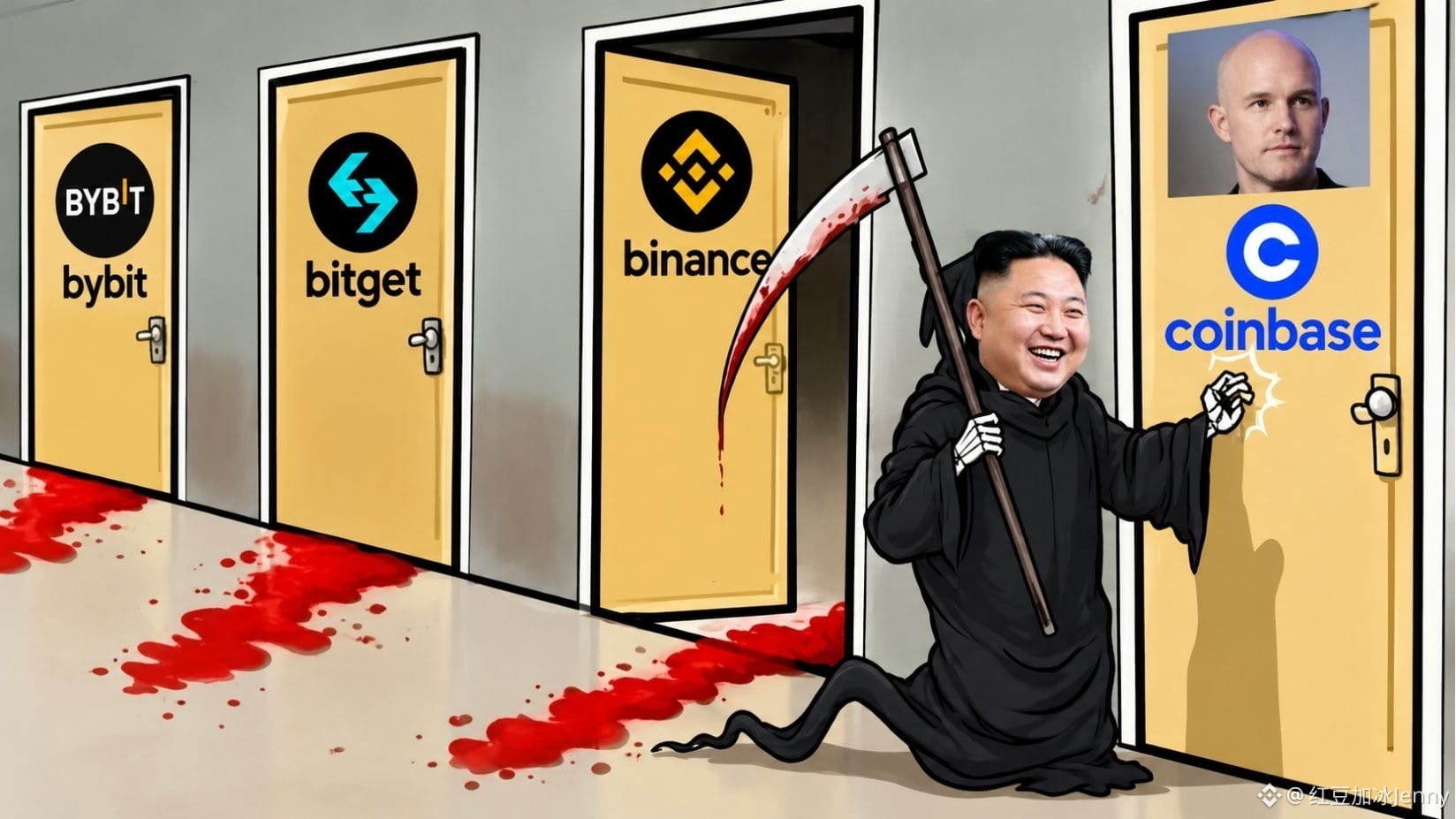
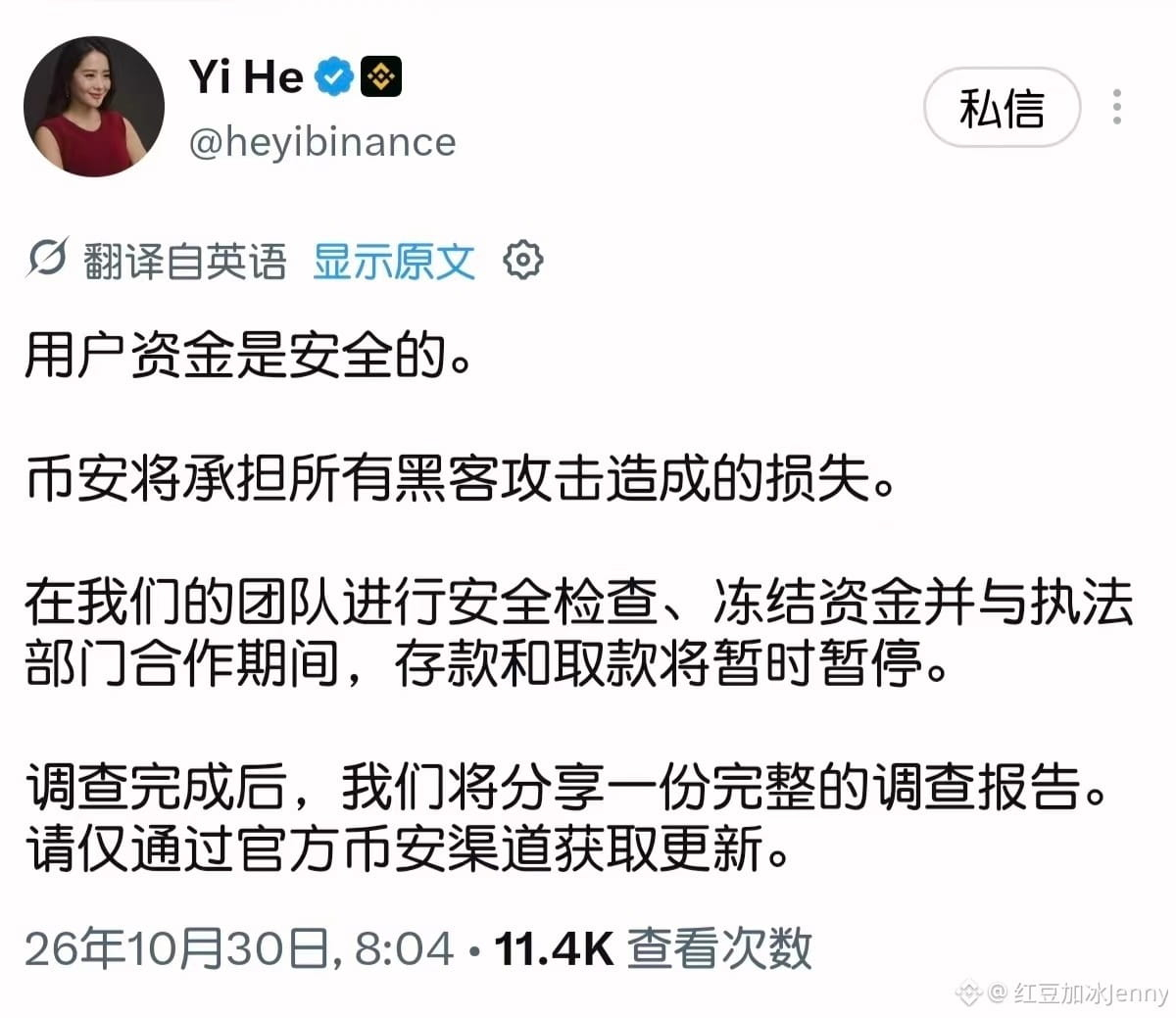
24 Hours After Binance’s $6.3 Billion Hack: A Timeline and the Questions Still Unanswered On-ChainIntroduction: From 04:05 on October 30 until the early hours of the following day, what happened during those 24 hours is recorded on-chain more directly than in any account. Based on official Binance announcements, verifiable on-chain data, and independent third-party forensics, this article reconstructs events in chronological order and highlights key questions that remain unresolved. The amounts and data cited are from public sources, and some figures differ (for example, $6.3 billion versus on-chain estimates). The final word rests with Binance’s official disclosures and its full technical postmortem report.
04:05, the first anomalous transfer
At around 04:05 on October 30, 2026 (UTC+8), unauthorized withdrawals began appearing from Binance hot wallets.
24 Hours After Binance’s $6.3 Billion Hack: A Timeline and the Questions Still Unanswered On-Chain
Introduction: From 04:05 on October 30 until the early hours of the following day, what happened during those 24 hours is recorded on-chain more directly than in any account. Based on official Binance announcements, verifiable on-chain data, and independent third-party forensics, this article reconstructs events in chronological order and highlights key questions that remain unresolved. The amounts and data cited are from public sources, and some figures differ (for example, $6.3 billion versus on-chain estimates). The final word rests with Binance’s official disclosures and its full technical postmortem report.
04:05, the first anomalous transfer
At around 04:05 on October 30, 2026 (UTC+8), unauthorized withdrawals began appearing from Binance hot wallets.
04:05, the first anomalous transfer
At around 04:05 on October 30, 2026 (UTC+8), unauthorized withdrawals began appearing from Binance hot wallets.
1
3.8k
·
--
Article
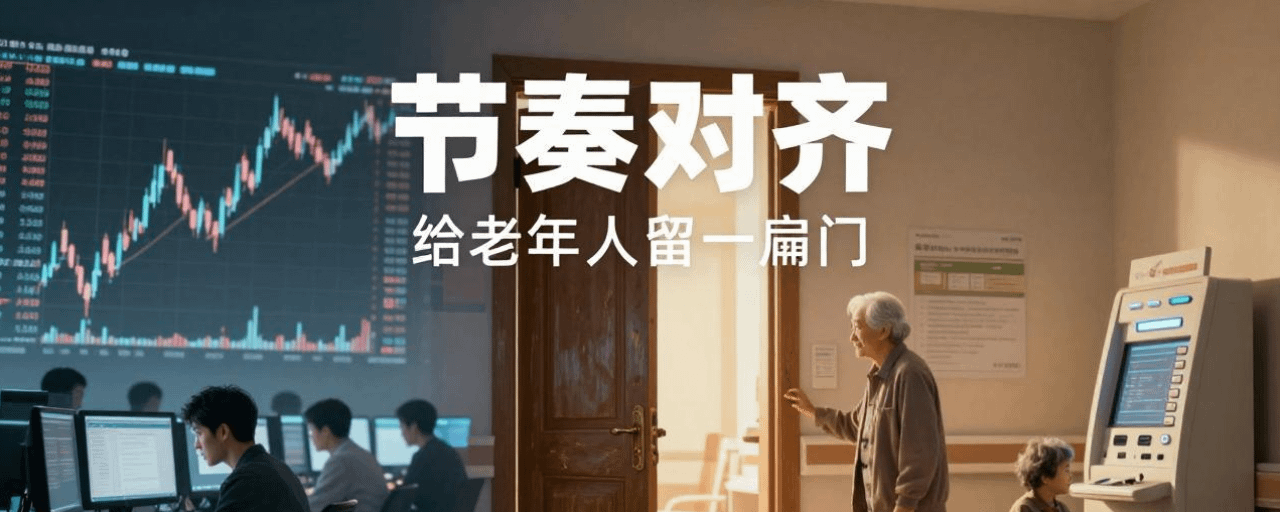
What’s happening at the market close is what’s happening with the silver economyLet’s start with the market close—this is pure speculation.
Recently, a group of savvy investors thought they’d figured out the pattern behind “swooping in at the close”: buy at the end of the trading day, sell the next day, and pocket an overnight profit. But the major players anticipated their move and simply stopped pushing prices up. When the day traders waiting to cash in realized there was no opportunity, they turned around and sold at the close. That’s how the sell-off began, one wave after another.
This is, of course, just speculation. But what happened at the close has something in common with the question of “why the silver economy hasn’t taken off”: everyone is trying to guess the other side’s timing, but no one is willing to pause and get in sync.
1. The market is waiting for an opening; older people are waiting for a door
What’s happening at the market close is what’s happening with the silver economy
Let’s start with the market close—this is pure speculation.
Recently, a group of savvy investors thought they’d figured out the pattern behind “swooping in at the close”: buy at the end of the trading day, sell the next day, and pocket an overnight profit. But the major players anticipated their move and simply stopped pushing prices up. When the day traders waiting to cash in realized there was no opportunity, they turned around and sold at the close. That’s how the sell-off began, one wave after another.
This is, of course, just speculation. But what happened at the close has something in common with the question of “why the silver economy hasn’t taken off”: everyone is trying to guess the other side’s timing, but no one is willing to pause and get in sync.
1. The market is waiting for an opening; older people are waiting for a door
287
·
--

Article
Salaries Paid in Digital Yuan: What Signal Does This Send? Plus a Market Snapshot and Investment Reading ListSeveral universities in Jiangsu are undergoing a “wallet makeover.”
Yangzhou University’s Finance Office issued a notice on October 20 stating that, in accordance with a preliminary notice from the Jiangsu Provincial Department of Finance, starting in November 2026, salaries for the university’s active employees on the staff establishment (including personnel agency employees) will be paid through digital yuan wallets. Relevant employees must open and upgrade their digital yuan wallets by October 23. The Paper, People’s Daily Online Jiangsu Channel
Nantong University’s Finance Office issued a notice on October 23 (on opening digital yuan wallets and paying November salaries in digital yuan): Starting in November, salaries for all university employees on the staff establishment and personnel agency employees will be paid through digital yuan wallets. Wallets must be opened and upgraded by October 30. Salaries and performance pay will be paid to two separate cards, both of which must be opened. Harbin News, Huanqiu.com
Salaries Paid in Digital Yuan: What Signal Does This Send? Plus a Market Snapshot and Investment Reading List
Several universities in Jiangsu are undergoing a “wallet makeover.”
Yangzhou University’s Finance Office issued a notice on October 20 stating that, in accordance with a preliminary notice from the Jiangsu Provincial Department of Finance, starting in November 2026, salaries for the university’s active employees on the staff establishment (including personnel agency employees) will be paid through digital yuan wallets. Relevant employees must open and upgrade their digital yuan wallets by October 23. The Paper, People’s Daily Online Jiangsu Channel
Nantong University’s Finance Office issued a notice on October 23 (on opening digital yuan wallets and paying November salaries in digital yuan): Starting in November, salaries for all university employees on the staff establishment and personnel agency employees will be paid through digital yuan wallets. Wallets must be opened and upgraded by October 30. Salaries and performance pay will be paid to two separate cards, both of which must be opened. Harbin News, Huanqiu.com
1
1.4k
·
--
Article
GWDC 2026 KOREA Concludes Successfully in Seoul: Hong Kong and Korea Build a Dual Engine for Policy and Technology as Developers Focus on AI Agents, Stablecoins, and RWA Innovation[Seoul, South Korea, September 30, 2026]
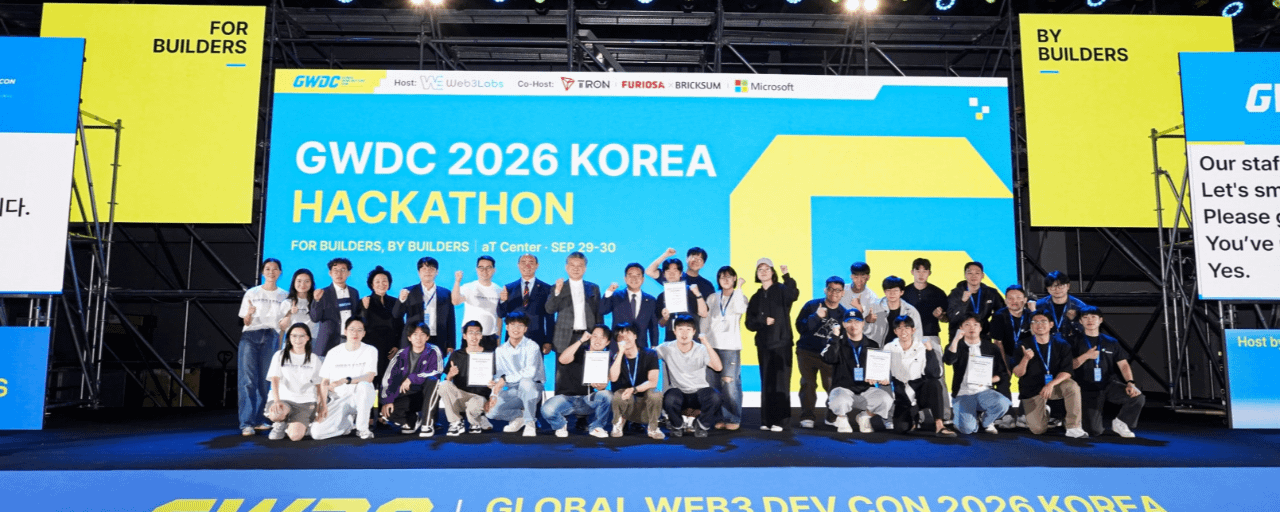
GWDC 2026 KOREA (Global Web3 Dev Con 2026 Korea), the Global Developers Conference hosted by Web3Labs and co-hosted by Techub News, HypaiLabs, and TokenPost, was successfully held at the aT Center in Seoul, South Korea, from September 29 to 30.
As one of Asia’s most influential technology events, this year’s GWDC continued with the theme “For Builders, By Builders,” drawing widespread attention from the global Web3 and AI communities. According to official conference figures, registrations across Luma and Fnny totaled 12,706. Over the two-day event, more than 2,000 attendees from around the world, over 100 distinguished speakers, and hundreds of pioneering companies came together.
GWDC 2026 KOREA Concludes Successfully in Seoul: Hong Kong and Korea Build a Dual Engine for Policy and Technology as Developers Focus on AI Agents, Stablecoins, and RWA Innovation
[Seoul, South Korea, September 30, 2026]
GWDC 2026 KOREA (Global Web3 Dev Con 2026 Korea), the Global Developers Conference hosted by Web3Labs and co-hosted by Techub News, HypaiLabs, and TokenPost, was successfully held at the aT Center in Seoul, South Korea, from September 29 to 30.
As one of Asia’s most influential technology events, this year’s GWDC continued with the theme “For Builders, By Builders,” drawing widespread attention from the global Web3 and AI communities. According to official conference figures, registrations across Luma and Fnny totaled 12,706. Over the two-day event, more than 2,000 attendees from around the world, over 100 distinguished speakers, and hundreds of pioneering companies came together.
185
·
--
The 2026 Shift in Bride-Price Governance: From “Price Caps” to “Breaking Down Barriers”On October 23, 2026, while outlining plans to build a society supportive of childbearing, the State Council Executive Meeting included “continuously improving marriage-related policies” on its agenda. This was not the first time senior policymakers had addressed marriage, but against the backdrop of persistently declining marriage registrations, its message was especially clear: curbing excessive bride prices has moved from a locally chosen effort to change customs to a national priority tied to stabilizing the foundations of population growth.
However, contrary to the familiar outside perception of a simple “price-cap order,” the logic behind bride-price governance in 2026 is undergoing a shift worth examining closely. The key change is not whether the cap is higher or lower, but that governance is expanding from “lowering prices” within individual villages to “breaking down barriers” across administrative boundaries, while also adding two parallel approaches: positive incentives and judicial safeguards.
The 2026 Shift in Bride-Price Governance: From “Price Caps” to “Breaking Down Barriers”
On October 23, 2026, while outlining plans to build a society supportive of childbearing, the State Council Executive Meeting included “continuously improving marriage-related policies” on its agenda. This was not the first time senior policymakers had addressed marriage, but against the backdrop of persistently declining marriage registrations, its message was especially clear: curbing excessive bride prices has moved from a locally chosen effort to change customs to a national priority tied to stabilizing the foundations of population growth.
However, contrary to the familiar outside perception of a simple “price-cap order,” the logic behind bride-price governance in 2026 is undergoing a shift worth examining closely. The key change is not whether the cap is higher or lower, but that governance is expanding from “lowering prices” within individual villages to “breaking down barriers” across administrative boundaries, while also adding two parallel approaches: positive incentives and judicial safeguards.
However, contrary to the familiar outside perception of a simple “price-cap order,” the logic behind bride-price governance in 2026 is undergoing a shift worth examining closely. The key change is not whether the cap is higher or lower, but that governance is expanding from “lowering prices” within individual villages to “breaking down barriers” across administrative boundaries, while also adding two parallel approaches: positive incentives and judicial safeguards.
88
·
--
BN is awesome—getting more and more international! 👍👍👍
BN is awesome—getting more and more international! 👍👍👍

1.4k
·
--

Article
Market Analysis: Latest Price Action and Trading Reference for BTC/ETH/SOL/HYPE/DNAOctober 23: Major Cryptocurrency Market Review and Trading Ideas
As we move into the second half of October, the battle between bulls and bears in the crypto market has reached a fever pitch. Over the past 24 hours, 87,934 traders were liquidated across the market, with total liquidations reaching $394 million. Many traders who entered the market with high leverage have been repeatedly shaken out in both directions by narrow-range volatility. Even when they get the direction right, it can be difficult to withstand the price swings caused by sudden wicks.
The recent price action in BTC and ETH could hardly be described more aptly than as “grinding.” When prices push higher, they get knocked back as soon as they reach key resistance, as if an invisible ceiling were weighing on them. Yet after every sharp dip, buyers step in to provide support, preventing the market from establishing a clear one-way trend. This sideways, range-bound action is a real test of traders’ patience and makes it easy to burn through both capital and emotional resilience by repeatedly entering and exiting trades. Given current market conditions, here’s one key piece of advice for everyone trading futures: as soon as a position moves into profit, set a stop-loss at breakeven. Either hold with a safety cushion in place to pursue greater gains, or exit immediately if clear signs of stalling emerge at resistance. Don’t let a winning trade turn into a losing one and leave you stuck holding a position.
Market Analysis: Latest Price Action and Trading Reference for BTC/ETH/SOL/HYPE/DNA
October 23: Major Cryptocurrency Market Review and Trading Ideas
As we move into the second half of October, the battle between bulls and bears in the crypto market has reached a fever pitch. Over the past 24 hours, 87,934 traders were liquidated across the market, with total liquidations reaching $394 million. Many traders who entered the market with high leverage have been repeatedly shaken out in both directions by narrow-range volatility. Even when they get the direction right, it can be difficult to withstand the price swings caused by sudden wicks.
The recent price action in BTC and ETH could hardly be described more aptly than as “grinding.” When prices push higher, they get knocked back as soon as they reach key resistance, as if an invisible ceiling were weighing on them. Yet after every sharp dip, buyers step in to provide support, preventing the market from establishing a clear one-way trend. This sideways, range-bound action is a real test of traders’ patience and makes it easy to burn through both capital and emotional resilience by repeatedly entering and exiting trades. Given current market conditions, here’s one key piece of advice for everyone trading futures: as soon as a position moves into profit, set a stop-loss at breakeven. Either hold with a safety cushion in place to pursue greater gains, or exit immediately if clear signs of stalling emerge at resistance. Don’t let a winning trade turn into a losing one and leave you stuck holding a position.
430
·
--
Article
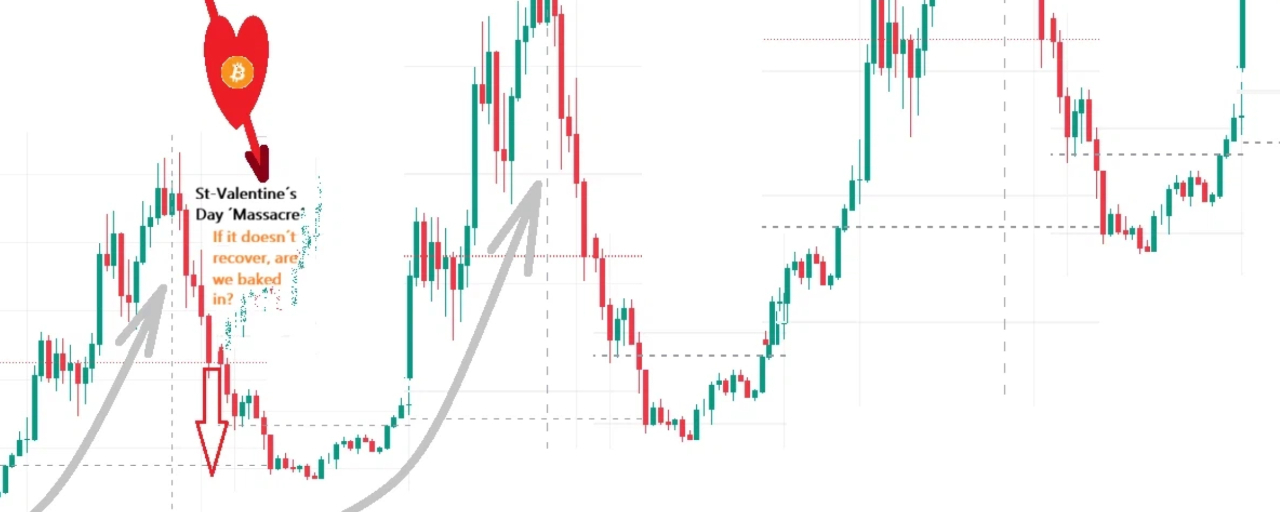
The Great Miracle Day: A Market Playbook Executed Minute by MinuteThe day’s market action didn’t look like a natural rebound so much as an execution plan laid out by the minute.
First, panic in the morning session. As soon as the market opened, broad-based ETFs saw a surge in volume. Funds stepped in to support heavyweight stocks through the CSI 300 and ChiNext ETFs, putting a floor under the indices and preventing a free fall. But individual stocks stayed in the red, panic sellers kept cutting their losses, and turnover hit 440 billion yuan. The indices held steady, but sentiment had already been flushed out.
News drops right on cue at noon. They picked the moment when everyone was most on edge during lunch break: Eoptolink, Zhongji Innolight, and Tianfu Communication all said orders were plentiful and operations normal, while Eoptolink also announced a share buyback. The timing was spot-on—giving the afternoon a potential emotional turning point.
The Great Miracle Day: A Market Playbook Executed Minute by Minute
The day’s market action didn’t look like a natural rebound so much as an execution plan laid out by the minute.
First, panic in the morning session. As soon as the market opened, broad-based ETFs saw a surge in volume. Funds stepped in to support heavyweight stocks through the CSI 300 and ChiNext ETFs, putting a floor under the indices and preventing a free fall. But individual stocks stayed in the red, panic sellers kept cutting their losses, and turnover hit 440 billion yuan. The indices held steady, but sentiment had already been flushed out.
News drops right on cue at noon. They picked the moment when everyone was most on edge during lunch break: Eoptolink, Zhongji Innolight, and Tianfu Communication all said orders were plentiful and operations normal, while Eoptolink also announced a share buyback. The timing was spot-on—giving the afternoon a potential emotional turning point.
114
·
--

Article
Why do you always cut your losses at the very bottom?It’s not that you don’t understand assets—you’re letting emotions dictate your position sizes.
An investment drops 30%, and you toss and turn all night, unable to sleep. In the end, you can’t take it anymore and sell everything—only to watch it slowly climb back up as soon as you’ve sold. Or you watch a sector hit new highs day after day, finally jump in, and end up stuck with losses the moment you buy.
If you keep getting caught in the cycle of “buying high and selling low,” don’t rush to blame the market. The harsher truth is that most people lose money in the secondary market not because they lack information, but because they haven’t overcome human nature’s weaknesses.
Human nature is wired to seek gains and avoid losses, but investing often demands the exact opposite.
Why do you always cut your losses at the very bottom?
It’s not that you don’t understand assets—you’re letting emotions dictate your position sizes.
An investment drops 30%, and you toss and turn all night, unable to sleep. In the end, you can’t take it anymore and sell everything—only to watch it slowly climb back up as soon as you’ve sold. Or you watch a sector hit new highs day after day, finally jump in, and end up stuck with losses the moment you buy.
If you keep getting caught in the cycle of “buying high and selling low,” don’t rush to blame the market. The harsher truth is that most people lose money in the secondary market not because they lack information, but because they haven’t overcome human nature’s weaknesses.
Human nature is wired to seek gains and avoid losses, but investing often demands the exact opposite.
147
·
--
Article
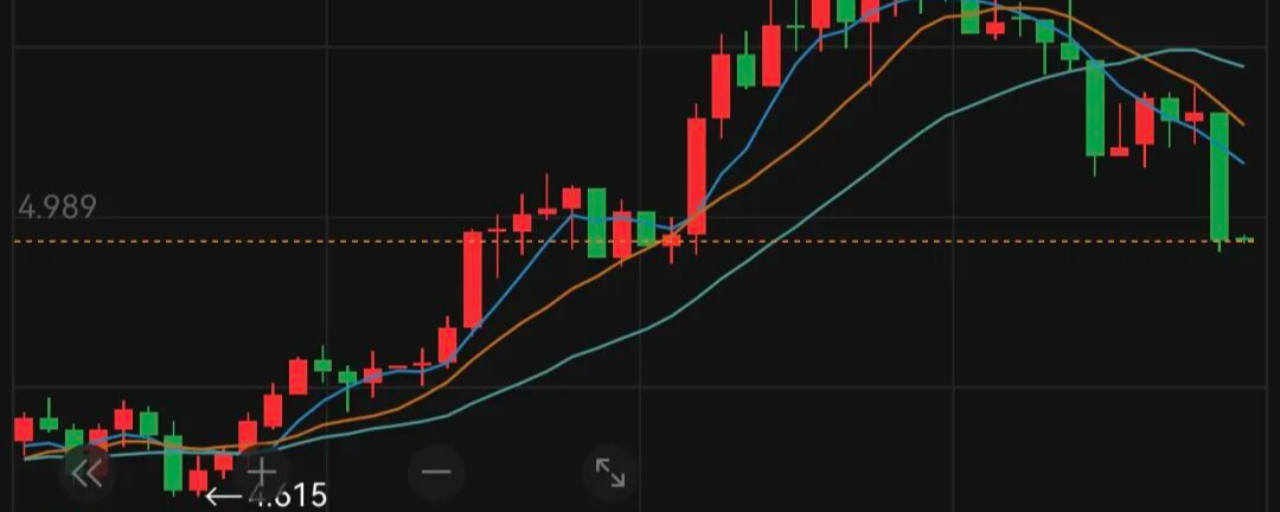
Waking up to a string of bad news. But there’s a thread connecting it allChinese A-shares, Hong Kong stocks, and Japanese and South Korean tech stocks all came under pressure during the day, with Europe and the U.S. following suit that night. On October 22, global risk assets were tied together by almost the same logic: money was moving out of places that depend on “believing in the future” and into places that can “generate cash right now.”
First bad news: Tech stocks bled even more heavily than the indexes
The Nasdaq fell 2.60%, while the Philadelphia Semiconductor Index dropped 6.72%. Nvidia fell 4.40%, and Meta slid 6.98%. The losses among less prominent names were even more striking: Lam Research plunged more than 11%, KLA fell over 9%, and SanDisk, SK Hynix, Intel, and AMD each dropped more than 8%. Micron and Western Digital fell over 6%.
Waking up to a string of bad news. But there’s a thread connecting it all
Chinese A-shares, Hong Kong stocks, and Japanese and South Korean tech stocks all came under pressure during the day, with Europe and the U.S. following suit that night. On October 22, global risk assets were tied together by almost the same logic: money was moving out of places that depend on “believing in the future” and into places that can “generate cash right now.”
First bad news: Tech stocks bled even more heavily than the indexes
The Nasdaq fell 2.60%, while the Philadelphia Semiconductor Index dropped 6.72%. Nvidia fell 4.40%, and Meta slid 6.98%. The losses among less prominent names were even more striking: Lam Research plunged more than 11%, KLA fell over 9%, and SanDisk, SK Hynix, Intel, and AMD each dropped more than 8%. Micron and Western Digital fell over 6%.
840
·
--
Article
Waking up to a few pieces of bad news. Before the A-share market opens, the winds in global markets have shifted againU.S. stock futures plunged across the board early in the Asia-Pacific session, with Nasdaq futures down 0.65% and S&P 500 futures down 0.40%. Tesla fell more than 3% after hours, directly cutting its 2026 capital expenditure target from “more than $25 billion” to $20 billion. Nvidia fell 0.45% after hours, IBM dropped nearly 5%, and Applied Materials slid more than 3%—there’s no sign of the selling pressure in tech stocks letting up. The S&P had just closed up 0.58% the day before, but futures gave back those gains on Thursday. Gold also edged lower. The simultaneous sell-off in safe-haven and risk assets suggests this is about more than just a “tech stock pullback.”
Waking up to a few pieces of bad news. Before the A-share market opens, the winds in global markets have shifted again
U.S. stock futures plunged across the board early in the Asia-Pacific session, with Nasdaq futures down 0.65% and S&P 500 futures down 0.40%. Tesla fell more than 3% after hours, directly cutting its 2026 capital expenditure target from “more than $25 billion” to $20 billion. Nvidia fell 0.45% after hours, IBM dropped nearly 5%, and Applied Materials slid more than 3%—there’s no sign of the selling pressure in tech stocks letting up. The S&P had just closed up 0.58% the day before, but futures gave back those gains on Thursday. Gold also edged lower. The simultaneous sell-off in safe-haven and risk assets suggests this is about more than just a “tech stock pullback.”
273
·
--
[https://web3.binance.com/agent-id/jenny?src=user_share](https://web3.binance.com/agent-id/jenny?src=user_share)
Successfully secured the AI domain of Jenny, a Chinese farmer who has visited the alien planet Guoke Planet. Hurry and claim your Agent ID for free too!
I've already claimed mine. It's completely free—you only need to pay the gas fee.
https://web3.binance.com/agent-id/jenny?src=user_share
Successfully secured the AI domain of Jenny, a Chinese farmer who has visited the alien planet Guoke Planet. Hurry and claim your Agent ID for free too!
I've already claimed mine. It's completely free—you only need to pay the gas fee.
Successfully secured the AI domain of Jenny, a Chinese farmer who has visited the alien planet Guoke Planet. Hurry and claim your Agent ID for free too!
I've already claimed mine. It's completely free—you only need to pay the gas fee.

363
·
--
Article
AI Revalues MLCCs: From “Cyclical Component” to a Hard Constraint on Computing Power—but This A-Share Rebound Isn’t Broad-BasedOn October 21, 2026, MLCC-related stocks staged a volatile intraday rebound. Huaci Co. hit the daily limit-up for the third time in six trading days, while Sanhuan Group, Jiemi Technology, Guoci Materials, Yunzhong Technology, and Fenghua Advanced Technology also gained. The catalyst was a Goldman Sachs research report, which said that MLCCs had become the third-largest cost item in AI server bills of materials, behind GPUs and memory chips.
This shift in ranking is more worth unpacking than the “rebound” itself. It means MLCCs are being revalued within the AI computing ecosystem—not merely as an inventory variable in the passive-components cycle, but as an unavoidable link in the chain of hard constraints on computing capacity. At the same time, the market action on October 21 points to another reality: the thesis is sound, but its impact is being felt unevenly.
AI Revalues MLCCs: From “Cyclical Component” to a Hard Constraint on Computing Power—but This A-Share Rebound Isn’t Broad-Based
On October 21, 2026, MLCC-related stocks staged a volatile intraday rebound. Huaci Co. hit the daily limit-up for the third time in six trading days, while Sanhuan Group, Jiemi Technology, Guoci Materials, Yunzhong Technology, and Fenghua Advanced Technology also gained. The catalyst was a Goldman Sachs research report, which said that MLCCs had become the third-largest cost item in AI server bills of materials, behind GPUs and memory chips.
This shift in ranking is more worth unpacking than the “rebound” itself. It means MLCCs are being revalued within the AI computing ecosystem—not merely as an inventory variable in the passive-components cycle, but as an unavoidable link in the chain of hard constraints on computing capacity. At the same time, the market action on October 21 points to another reality: the thesis is sound, but its impact is being felt unevenly.
This shift in ranking is more worth unpacking than the “rebound” itself. It means MLCCs are being revalued within the AI computing ecosystem—not merely as an inventory variable in the passive-components cycle, but as an unavoidable link in the chain of hard constraints on computing capacity. At the same time, the market action on October 21 points to another reality: the thesis is sound, but its impact is being felt unevenly.
1
272
Log in to explore more content
Join global crypto users on Binance Square
⚡️ Get latest and useful information about crypto.
💬 Trusted by the world’s largest crypto exchange.
👍 Discover real insights from verified creators.
Email / Phone number
Trending Topics
JobsReportRaisesHikeOdds
448,545 views
3,106 Discussing
TradFi News | US Adds 165,000 Jobs in October, More Than Double the 65,000 Forecast, as Unemployment Falls to 4.1%
Binance News
·41 Likes
·24k views
CPITestsDecemberRateOutlook
116,229 views
978 Discussing
BitcoinRebounds$75KAsChipsLead
38,977 views
327 Discussing