
牛霸天
4.4k Posts

牛霸天
 Square Verified+
Report
Block User
三流玩家|野生交易员|币安好友nbt10086|推特@GNBT10086

Level 1 Creator
Open Trade

BNB Holder
High-Frequency Trader
5.9 Years
1.0K+ Following
31.5K+ Followers
29.3K+ Liked
1 Badges
Posts
Portfolio
All
Quotes
Videos
PINNED
·
--
If you need anything, scan the QR code to add me as a friend on Binance.
Scan the code to enter the chatroom, or tap the chatroom link below to join.
If you support what I do, please share it to show your support. I can feel it.
Sharing helps spread the word, while likes are mostly just for your own satisfaction. If you support someone, you should take the initiative to help them reach a wider audience.
A few days ago, I saw a post on X saying it wasn’t a good place to share useful content. There was a guy who made excellent technical videos, but after six months he had only 17 followers. Someone commented, “If you don’t even mention this guy’s name, how can you expect him to get any exposure?”
Exposure doesn’t just fall from the sky. If you don’t actively promote the creators you support, relying on organic reach is just too difficult.
Ordinary people shouldn’t be too caught up in their pride. If you support someone, you should share their content. When you show your support, they can feel it too. One of the key principles of a support system is to support those who support you.


5
1.2k
PINNED
·
--
Let me share with you the types of groups that scam artists in the crypto world appear in frequently. The following ranking is based on the proportion of scammers
The rankings only reflect industry irregularities, but they do not mean every person in the listed areas is bad. In this world there are both black and white, good people and bad people. Even in places where scammers show up frequently, there are still good people who persist
TOP1: Paid communities. In the early stage, they mainly rely on content reposting. Later on, it’s the “line-drawing masters,” who only show profits and never show losses. All screenshots are done with Photoshop
TOP2: Referral commission services. They take advantage of information being opaque, do under-the-table tricks, and withhold part of clients’ money. They are essentially gamblers. They divert referral commissions; if things go wrong, they run. In the beginning, it’s all based on one image, and the content is fabricated from scratch
TOP3: Quant trading. They exploit clients’ lack of understanding of new things, and dress it up with high-sounding language to present a Ponzi scheme. They control users’ APIs to match trades for themselves (“wash trading”) or directly transfer funds
What other industries have you encountered scams in? Feel free to add your input. These are the high-incidence areas for scammers—please stay vigilant and take care of your safety

7
8
2.4k

·
--
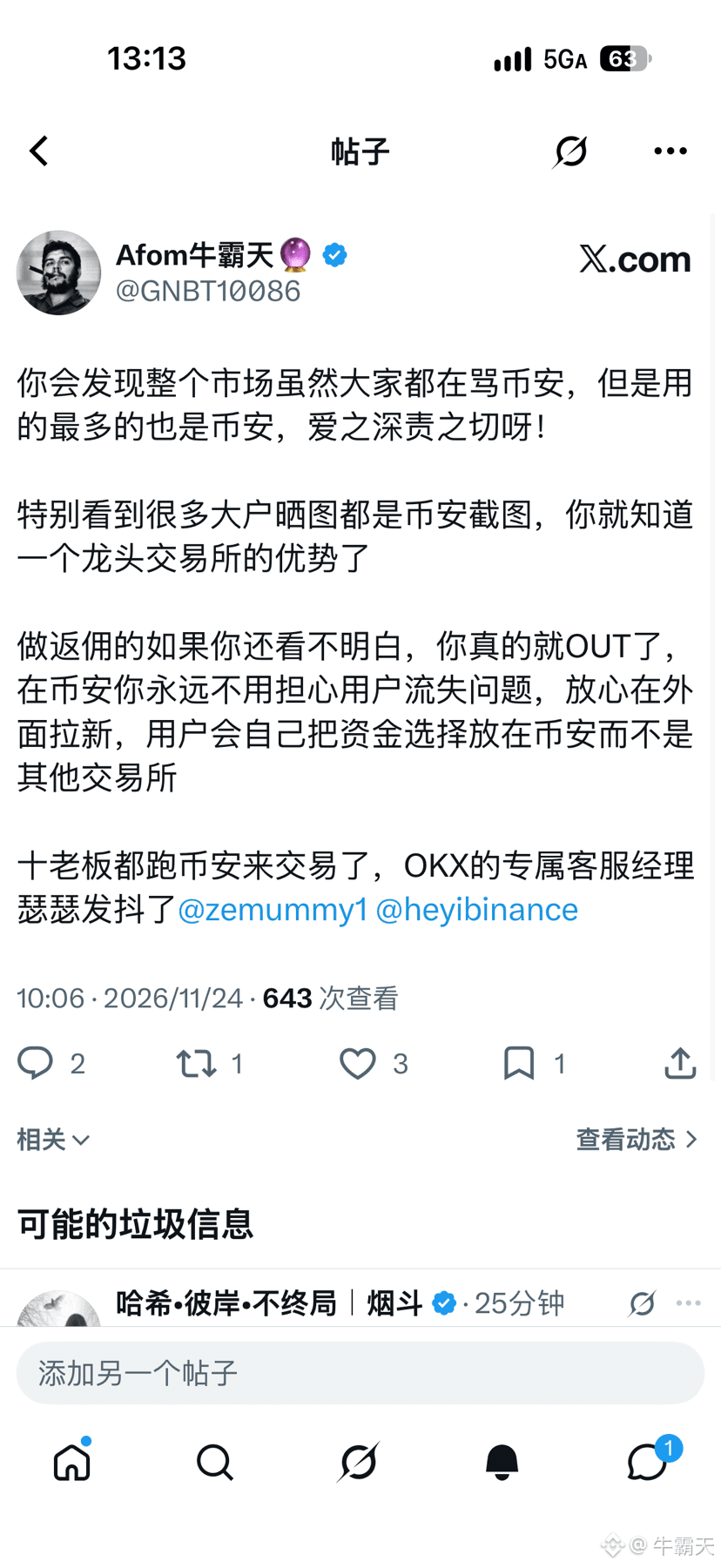
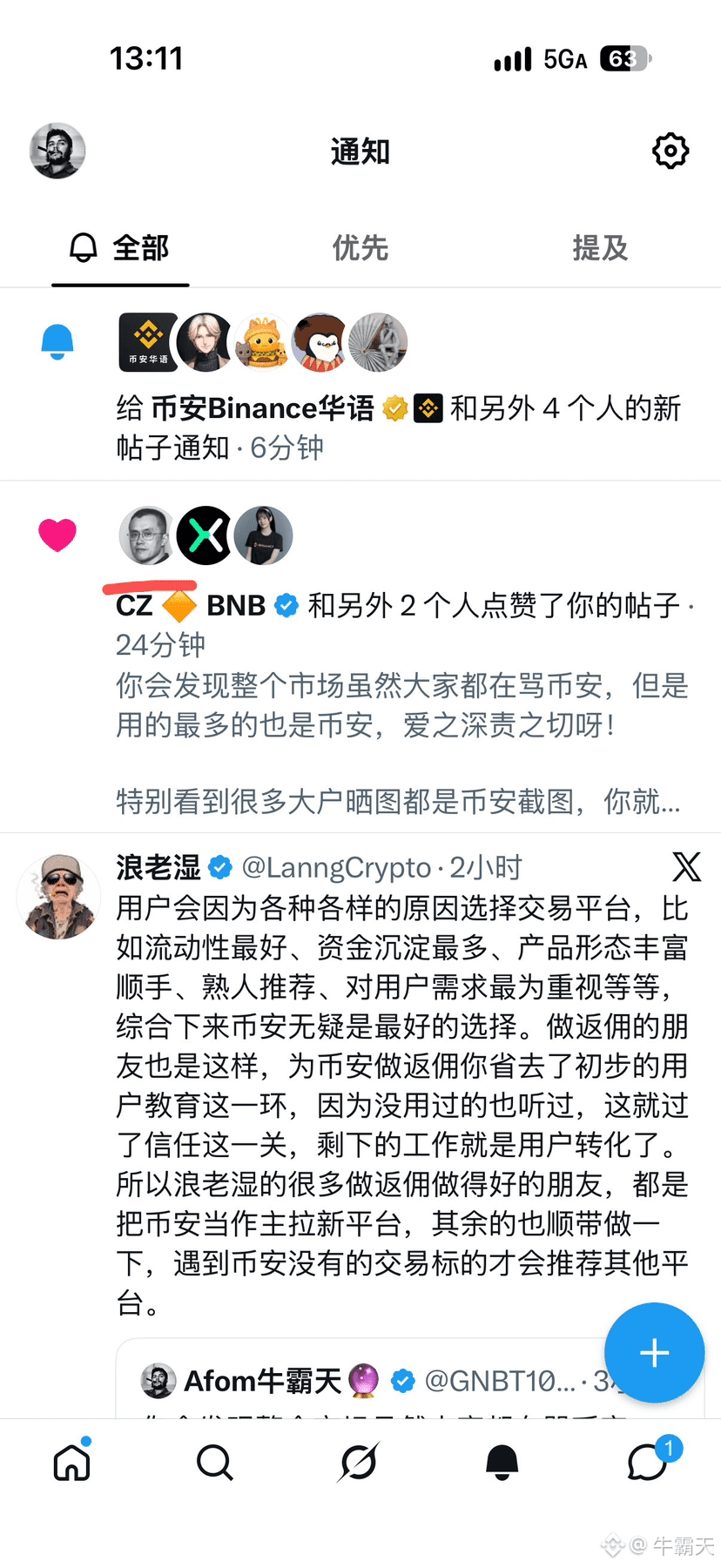
Even big bro CZ thinks I’m right.
You guys in the industry who offer referral kickbacks—what do you think?
Even big bro CZ thinks I’m right.
You guys in the industry who offer referral kickbacks—what do you think?
You guys in the industry who offer referral kickbacks—what do you think?
12
7
10.8k
·
--
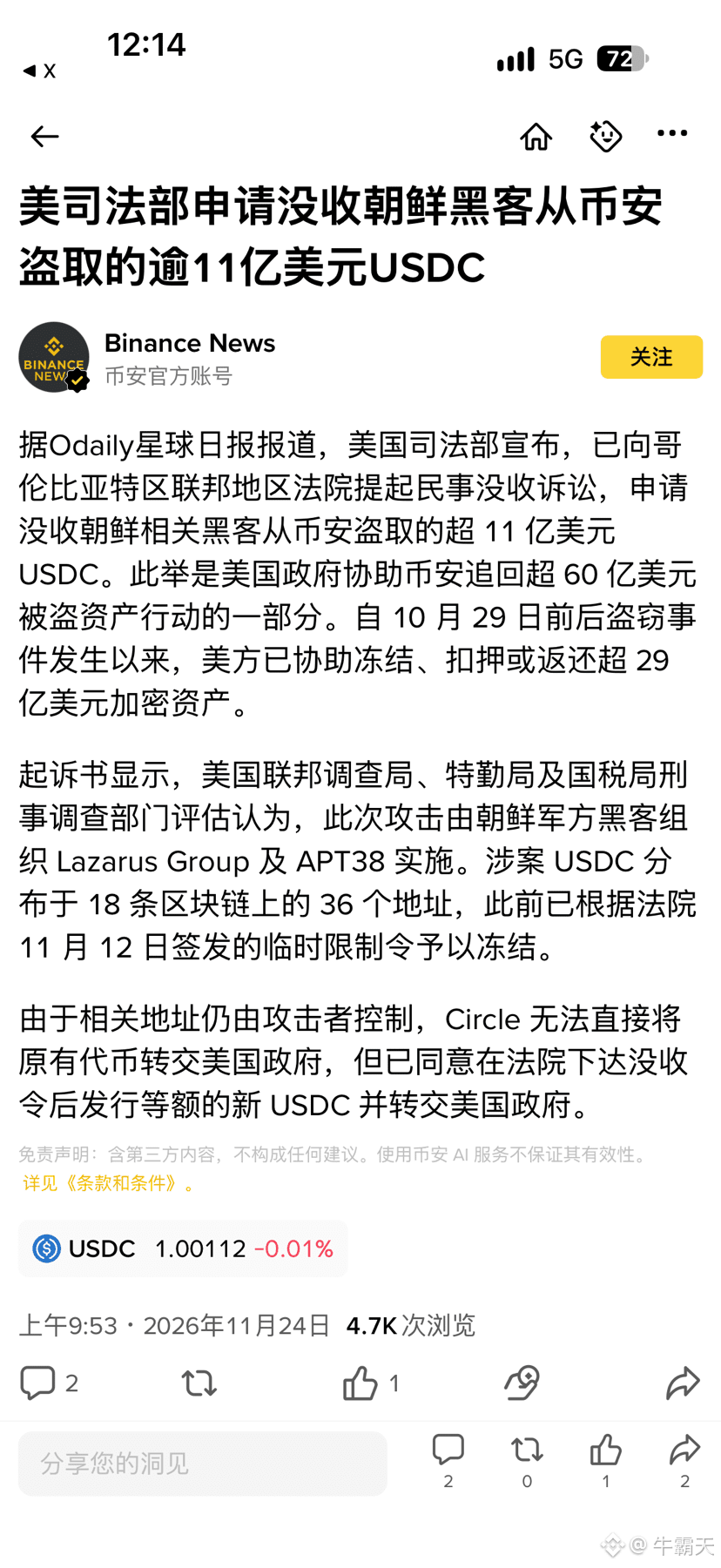
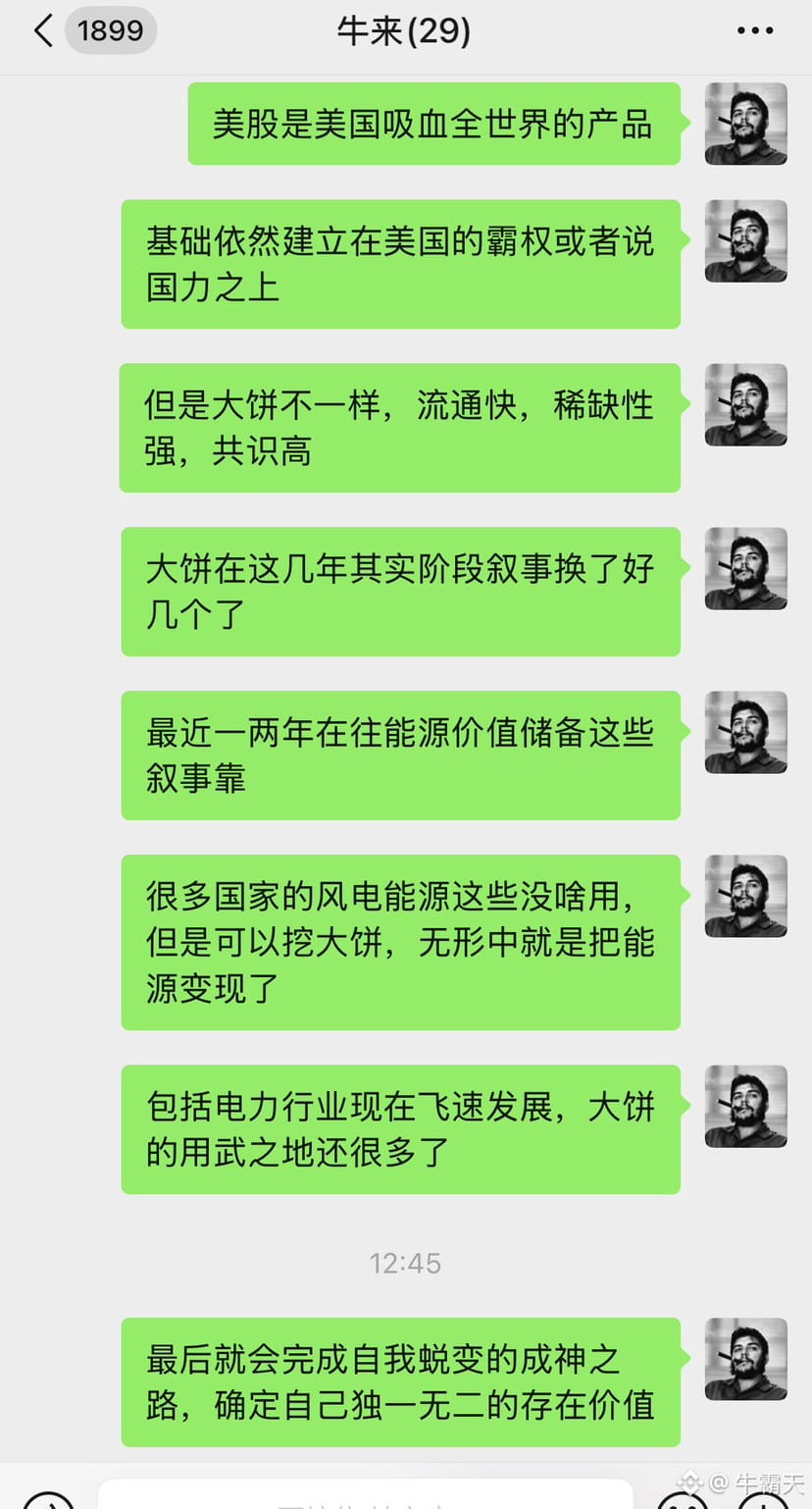
This is the robber's logic of the so-called “beautiful country.”
These are Binance's assets—crypto assets!
Friends, don't go around praising America.
Even if you made money in the U.S. stock market, you should still understand what's right.
This is the robber's logic of the so-called “beautiful country.”
These are Binance's assets—crypto assets!
Friends, don't go around praising America.
Even if you made money in the U.S. stock market, you should still understand what's right.
These are Binance's assets—crypto assets!
Friends, don't go around praising America.
Even if you made money in the U.S. stock market, you should still understand what's right.
129
4
167
172.4k
·
--
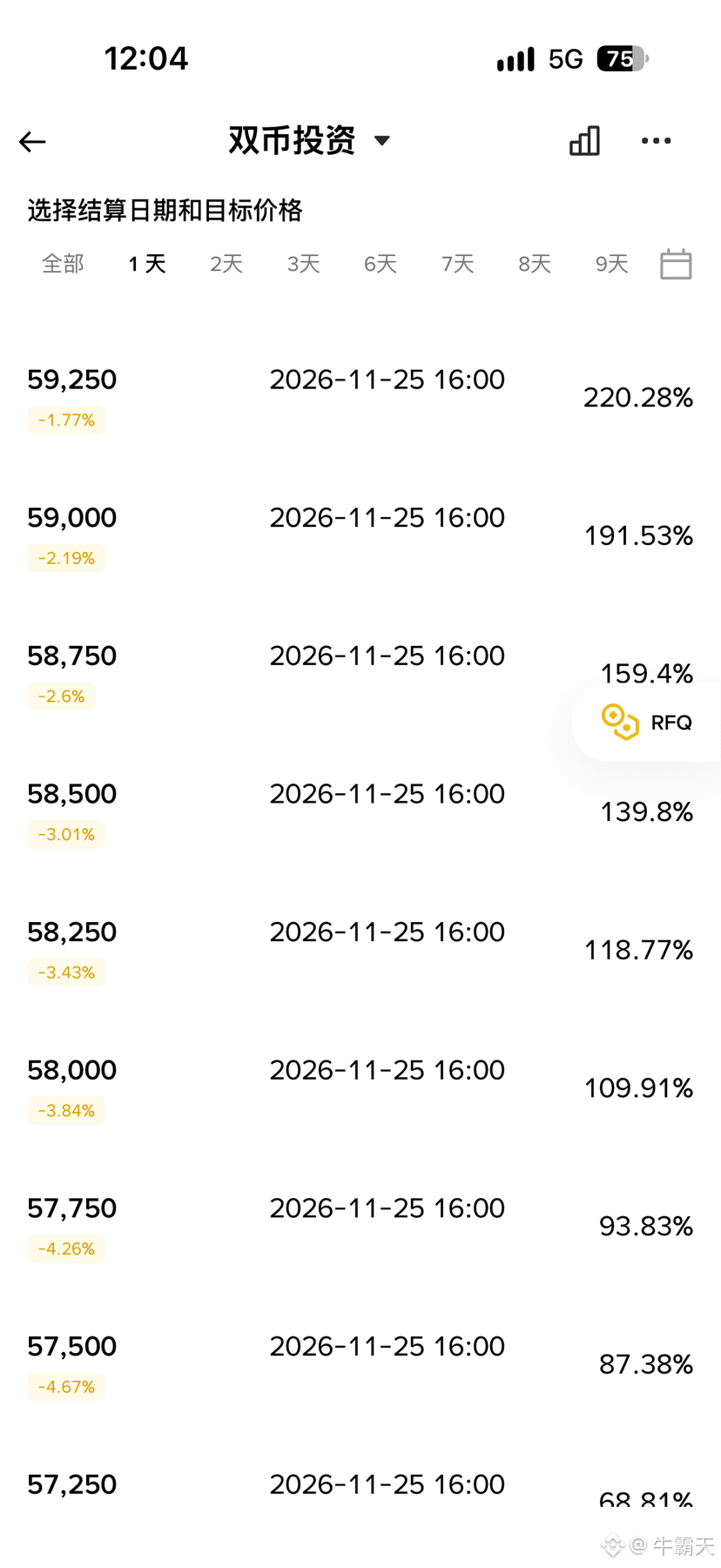
If you still have money, you can consider using dual-currency products to buy the dip.
I chose one-day products. If I can buy at this price, it lowers my average cost.
If I can’t, I earn an annualized return of over 100%—what’s not to like? At least I think it’s much better than simply placing a buy order.
After buying Bitcoin, I don’t want to just leave it sitting in my spot holdings. I’m thinking about how to put it to work, so I chose to lend it on the SUI chain, borrow USDC, and keep trading.
If you lend 0.5 BTC, you can borrow $15,000. Borrow only half that amount, and even if BTC falls to $40,000, you won’t be liquidated.
There are more and more crypto products these days, so we should make good use of the tools available and keep learning and improving. For the specific steps, you can check the official website for details: $BTC $SUI

2
1
4.7k
·
--
Bitcoin has hit a new low for 2026. If you’re bullish on Bitcoin’s future, I believe this is a price you can’t just ignore. I bought a whole pocketful, but aside from the drop in the value of my holdings, what bothers me most is that they aren’t generating any returns. For an arbitrage trader, that’s unacceptable.
Since I’m bullish, I started buying gradually at $75,000. While adding to my position to lower my cost basis, I’ve also been thinking about how to put my holdings to work and earn returns instead of just sitting on them and waiting to break even. After all, I even withdrew the money I had earning 10% annually to buy spot BTC. I plan to hold the BTC for a year, and if it generates no returns at all, I might as well not have bought it. But the annualized returns from taking part in investment products directly on exchanges are dreadful.
I don’t want to sell my BTC, but I also want the liquidity of stablecoins so I can participate in more market trades. Recently, I discovered that on the SUI chain, you can stake BTC to get hBTC, then borrow USDC against it. The borrowing interest is low, and you only need to pay gas fees in SUI. Redemptions and liquidations are verified on-chain, and all you need to do to participate is connect your wallet.
The USDC borrowed against your BTC can be used to buy more promising coins or participate in higher-yield investment products. This lets you put your money to work and effectively use the same capital twice. However, be mindful of the liquidation risk when borrowing against collateral. This kind of collateralized borrowing involves leverage. The key to surviving both bull and bear markets is to make it through them—don’t do anything that could wipe you out.
Why choose the SUI chain? The main reason is that I have confidence in the team behind the project; at least, they’re unlikely to disappear over a few million dollars. It’s also a well-known public blockchain with a solid track record that has been tested by the market. In the event of a theft, there’s a dedicated organization and fund to handle compensation, and compensation is paid in BTC. This can help protect you from losses caused by Bitcoin price fluctuations. If you’re interested in borrowing against collateral, take a closer look and do your own research: @SuiNetwork $SUI $BTC
Bitcoin has hit a new low for 2026. If you’re bullish on Bitcoin’s future, I believe this is a price you can’t just ignore. I bought a whole pocketful, but aside from the drop in the value of my holdings, what bothers me most is that they aren’t generating any returns. For an arbitrage trader, that’s unacceptable.
Since I’m bullish, I started buying gradually at $75,000. While adding to my position to lower my cost basis, I’ve also been thinking about how to put my holdings to work and earn returns instead of just sitting on them and waiting to break even. After all, I even withdrew the money I had earning 10% annually to buy spot BTC. I plan to hold the BTC for a year, and if it generates no returns at all, I might as well not have bought it. But the annualized returns from taking part in investment products directly on exchanges are dreadful.
I don’t want to sell my BTC, but I also want the liquidity of stablecoins so I can participate in more market trades. Recently, I discovered that on the SUI chain, you can stake BTC to get hBTC, then borrow USDC against it. The borrowing interest is low, and you only need to pay gas fees in SUI. Redemptions and liquidations are verified on-chain, and all you need to do to participate is connect your wallet.
The USDC borrowed against your BTC can be used to buy more promising coins or participate in higher-yield investment products. This lets you put your money to work and effectively use the same capital twice. However, be mindful of the liquidation risk when borrowing against collateral. This kind of collateralized borrowing involves leverage. The key to surviving both bull and bear markets is to make it through them—don’t do anything that could wipe you out.
Why choose the SUI chain? The main reason is that I have confidence in the team behind the project; at least, they’re unlikely to disappear over a few million dollars. It’s also a well-known public blockchain with a solid track record that has been tested by the market. In the event of a theft, there’s a dedicated organization and fund to handle compensation, and compensation is paid in BTC. This can help protect you from losses caused by Bitcoin price fluctuations. If you’re interested in borrowing against collateral, take a closer look and do your own research: @Sui $SUI $BTC
4
1
1.9k
·
--
$BTC Nobody cares about it anymore, and the price has fallen back again
Add to your position when you should, and buy when you should. Time will prove everything. I’ll keep buying tomorrow.
You should be grateful for the low-priced shares you’re being offered at a time like this. The less attention it gets and the less confidence people have in it, the more opportunities there are.
Buy when nobody’s interested; sell when the crowds are cheering.
1.2k
·
--
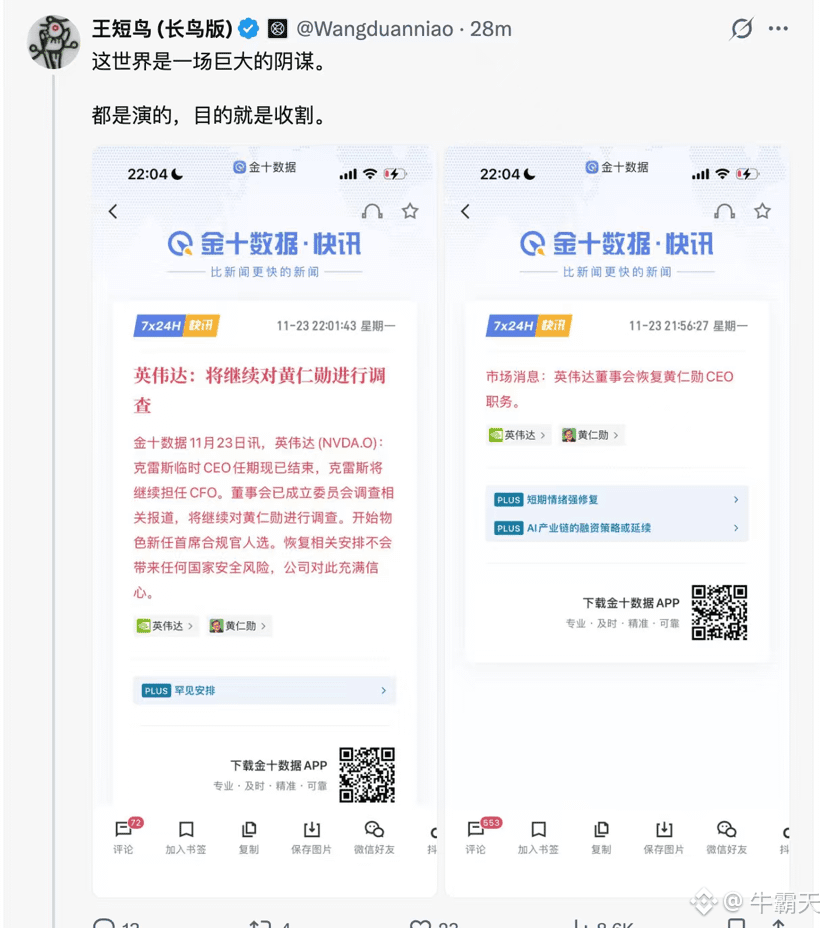
This is why I rarely pay attention to news$NVDAB media information
And many bloggers like to trade based on this information
Whenever I come across posts like these, I always label the poster a newbie 🏷️
There’s another type who’s always analyzing interest rate hikes and cuts, or CPI or whatever—they’re all charlatans
Going all in is a kind of wisdom. Once you buy, hold your position firmly and battle yourself
1
2.2k
·
--
I want to shout, “The bull is back!” but then I realize I still haven’t broken even.
And I’m afraid shouting too loudly will scare the bull away and make it turn around and devour me.
So I can only quietly scroll through my Moments, basking in this feeling of being loved.
I want to shout, “The bull is back!” but then I realize I still haven’t broken even.
And I’m afraid shouting too loudly will scare the bull away and make it turn around and devour me.
So I can only quietly scroll through my Moments, basking in this feeling of being loved.
And I’m afraid shouting too loudly will scare the bull away and make it turn around and devour me.
So I can only quietly scroll through my Moments, basking in this feeling of being loved.
4
1
1.6k
·
--
A lot of people are having a rough time today: prices have bounced back, but their positions are gone.
I'm also stuck holding spot, but I'm gradually adding to my position to lower my cost basis. I don't really have any good strategies or insights to share.
The priority is to buy BTC first. For the rest, just buy whatever major coins you like—but make sure BTC makes up the largest share of your portfolio.
The benefit of doing this is that it helps ensure you can stay in the game. The key to getting through bull and bear markets is simply to get through them. Let go of unnecessary distractions and keep things simple.
At this stage, outside news isn't important anymore. What's more important is managing your own inner struggle and your positions.$BTC $ETH $BNB
4
2
3.5k
·
--
Partly True
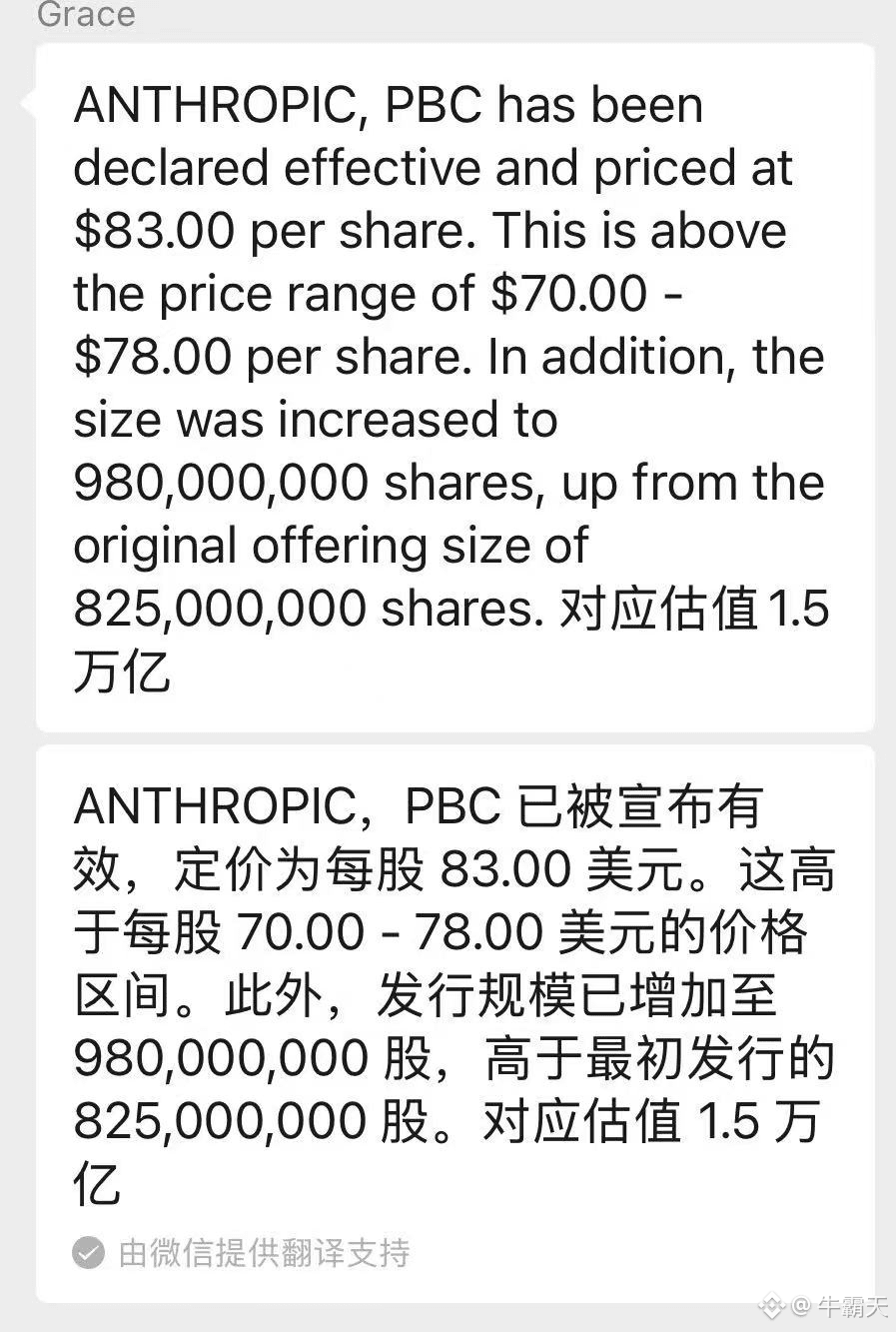
Congratulations, everyone. Are we going to lose money?
ANT is priced at 83, and they’ve issued more
Is crypto about to get stuck holding the bag again? $ANT
{future}(ANTUSDT)
Congratulations, everyone. Are we going to lose money?
ANT is priced at 83, and they’ve issued more
Is crypto about to get stuck holding the bag again? $ANT
ANT is priced at 83, and they’ve issued more
Is crypto about to get stuck holding the bag again? $ANT
1
2
12.8k
·
--
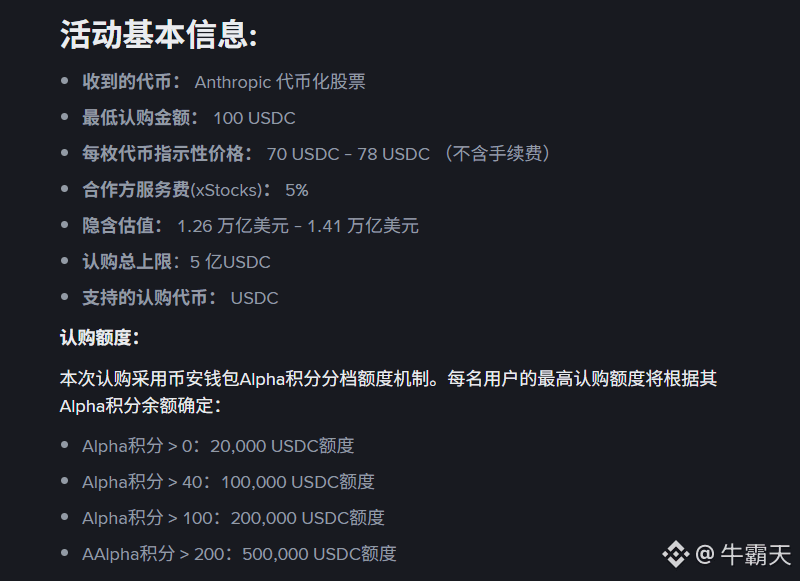
Taking part in a trillion-yuan project means a few bumps along the way are only to be expected. You shareholders have all seen plenty, so please don’t complain about slow withdrawals.
This also counts as a stress test for An’an’s new withdrawal system.
0xd1F715A5cbdE8AaE6592b2Ce44e1e26FDC7595b0 deposit address
21,000 addresses have participated, and we’ve maxed out all the accounts we could. Hopefully they won’t hand out pig trotter rice again!
This also counts as a stress test for An’an’s new withdrawal system.
0xd1F715A5cbdE8AaE6592b2Ce44e1e26FDC7595b0 deposit address
21,000 addresses have participated, and we’ve maxed out all the accounts we could. Hopefully they won’t hand out pig trotter rice again!
1.6k
·
--
Everyone should be waking up and coming across this post soon.
Crypto’s having a Double 11 sale, and you’re still not buying?
When prices go up, people are afraid to chase. When they fall, tons of people rush to buy the dip. Looking back, they all bought halfway up the mountain.
I didn’t dare buy HYPE when it went from the 20s to the 70s. When it climbed into the 80s and fell back to the 70s, I bought like crazy. Now it’s in the 60s, and I’m buying more and more.
I’m just exit liquidity. Are you the same? When others are fearful, I’m greedy; when others lose a little, I go bankrupt.
$HYPE
2
1.9k
·
--
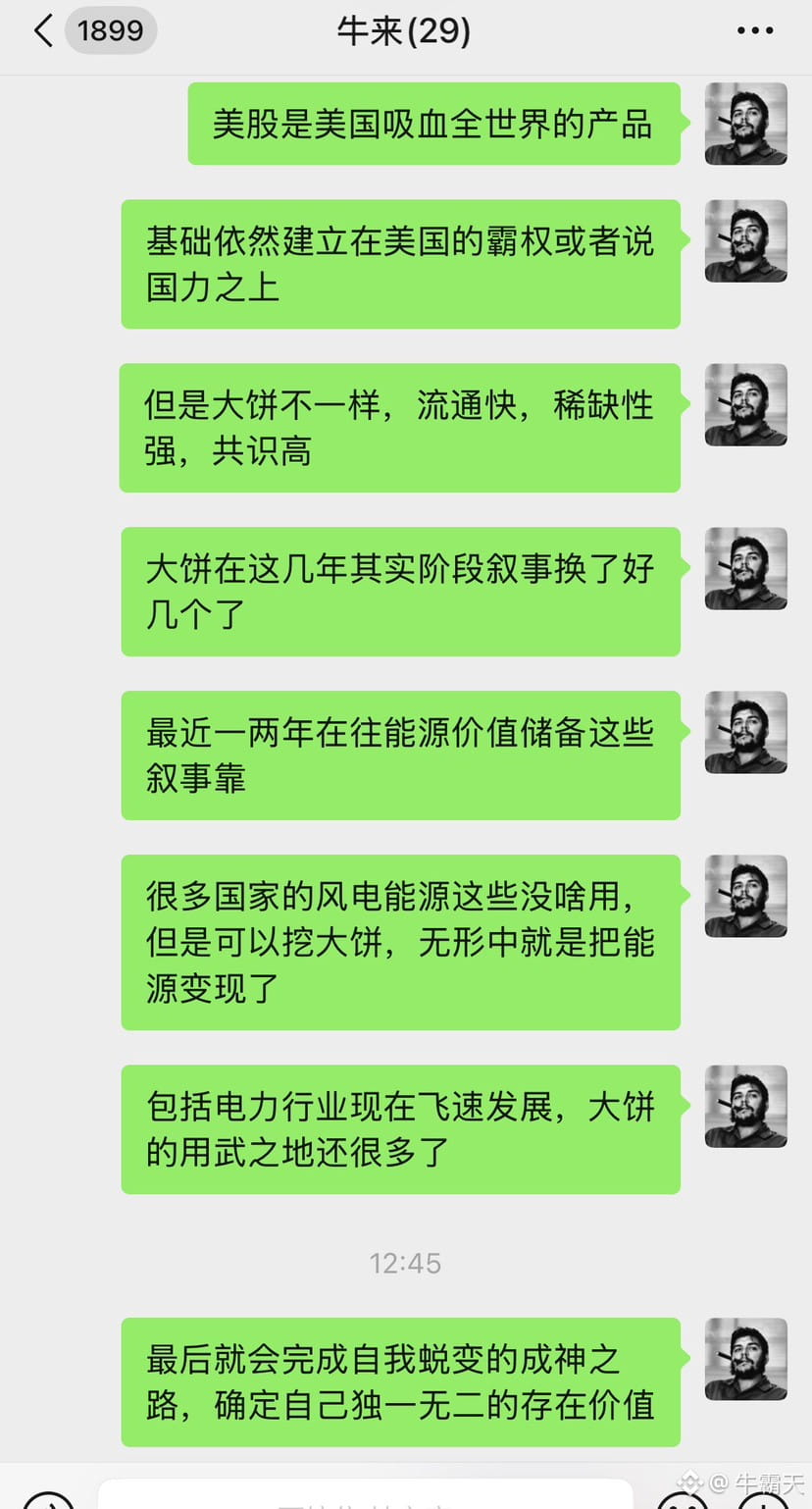
I've started increasing my buying, but I'll never go all in. If you want to make money trading in this space, the most important thing is to keep your cost basis lower than most people's. The point of building a position gradually is not to try to predict the market, but to maintain a reasonable position size.
Don't compare how much others make. Even if someone makes a million, it isn't as valuable as you making 10U yourself. Compare yourself less to others, and don't be jealous or envious. Focus on your own path, and you can be king ten years from now.
Getting rich quickly in the short term is certainly tempting, but please give your wealth time to grow. The process tests your mindset and strategy, and helps you truly take control of your wealth. I've seen too many people get rich overnight, only to end up badly.
Going all in certainly looks cool, but money should be earned gradually, just as a meal should be eaten slowly. Would you rather suddenly become rich or grow rich over time?
If I knew I would be wealthy in the future, I'd be willing to wait patiently and enjoy the process of watching my wealth grow. $BTC All you need in life is three 10x gains.
5
2.1k
·
--
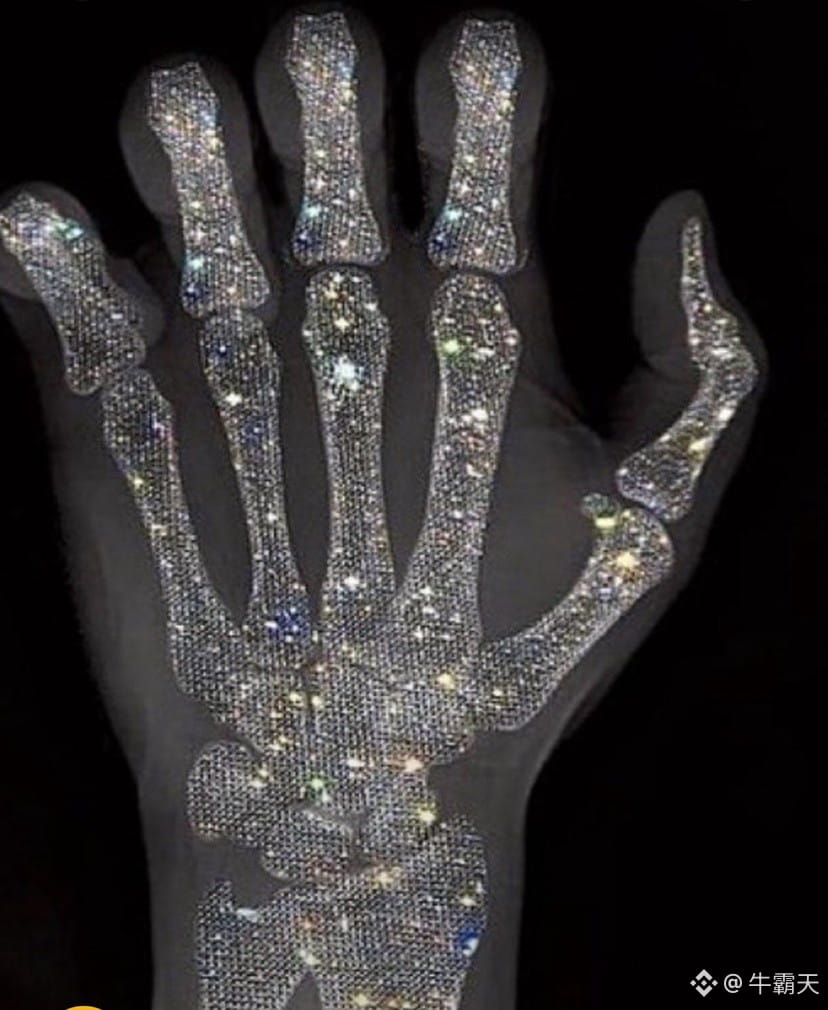
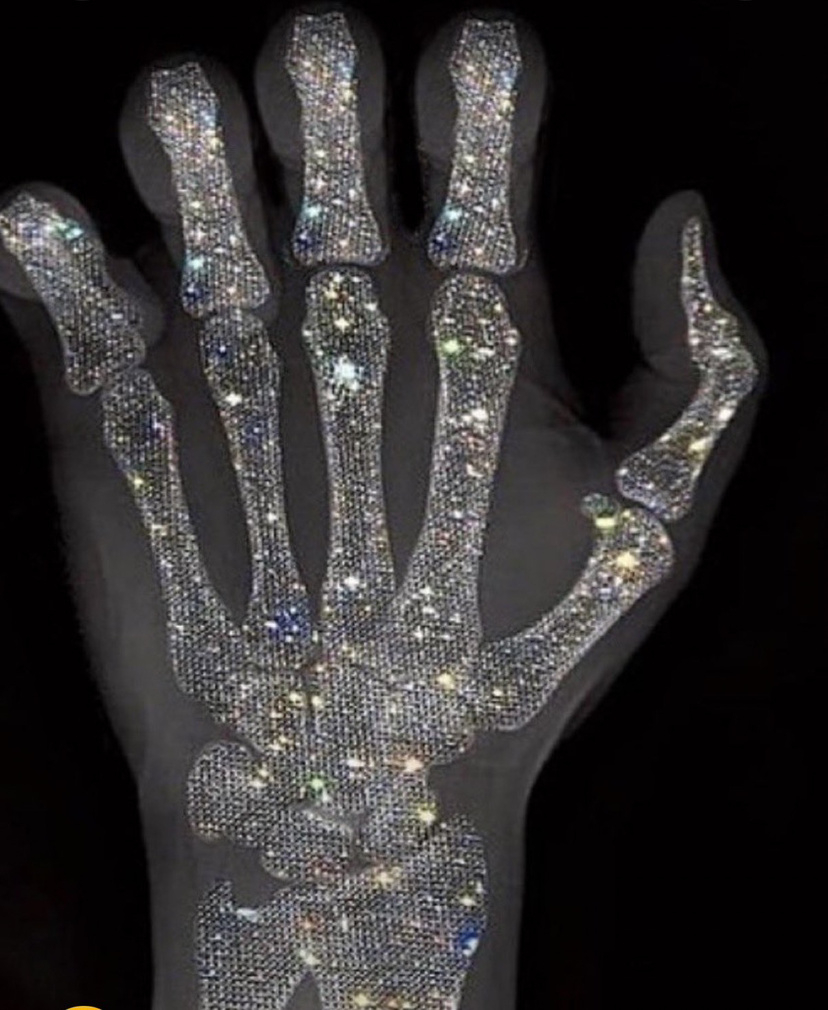
I went to the hospital today to get an X-ray of my hand.
Turns out I really do have diamond hands $BTC
I went to the hospital today to get an X-ray of my hand.
Turns out I really do have diamond hands $BTC
Turns out I really do have diamond hands $BTC
3
1
2.5k
·
--
Everyone in the plaza or group is talking about Nvidia.
Here's a sobering tidbit: ETH has fallen below 2,000. $NVDAB $ETH
Everyone in the plaza or group is talking about Nvidia.
Here's a sobering tidbit: ETH has fallen below 2,000. $NVDAB $ETH
Here's a sobering tidbit: ETH has fallen below 2,000. $NVDAB $ETH
3
1
2.2k
·
--
$NVDA I bought a small position, betting on the U.S. market opening tonight. Since the news broke, the market has already priced in the affair.
It was just an affair—it’s not enough to bring the company down to zero. To put it bluntly, under American capitalism, an affair is no big deal.
The stock has already fallen so much from its peak. Even if Huang gets fired, the market has already priced in most of the downside from this news over the past few days.
If it bounces when the market opens tonight, I’ll be ready to sell and get out. I’m just looking for a quick short-term trade; if I get stuck holding the bag, I’ll be ready to cut my losses and run.
7
5.3k
·
--
Verified
#sxt $SXT @SpaceandTimeDB The core advantage is Proof of SQL, which provides smart contracts and AI with verifiable on-chain and off-chain data queries without relying on trusted centralized sources. Backed by Microsoft and integrated with Fabric, it has also recently launched a private data verification product for enterprise AI, directly aligning with AI's need for trusted computing. The token has real utility, including staking and paying query fees.
The current price is close to its all-time low, with a circulating market cap of only around $20 million, giving it significant upside potential. The fact that the team is still willing to run promotional events shows that they are still working on the project. $SXT
#sxt $SXT @SpaceandTime The core advantage is Proof of SQL, which provides smart contracts and AI with verifiable on-chain and off-chain data queries without relying on trusted centralized sources. Backed by Microsoft and integrated with Fabric, it has also recently launched a private data verification product for enterprise AI, directly aligning with AI's need for trusted computing. The token has real utility, including staking and paying query fees.
The current price is close to its all-time low, with a circulating market cap of only around $20 million, giving it significant upside potential. The fact that the team is still willing to run promotional events shows that they are still working on the project. $SXT
The current price is close to its all-time low, with a circulating market cap of only around $20 million, giving it significant upside potential. The fact that the team is still willing to run promotional events shows that they are still working on the project. $SXT
1
4
5.5k
·
--
Verified
Some people buy ETFs without understanding how they work at all, so here’s a quick explainer.
Triple-leveraged ETFs can see their net asset value plunge during periods of high volatility. The underlying asset might not fall by much, but because a 3x ETF rebalances every day, its value can drop quite a bit.
This is something many people probably don’t think about before buying. Because of their daily rebalancing mechanism, these ETFs can suffer significant value decay in markets that swing sharply back and forth. The difference can be huge: the price might recover, but your investment could be worth half—or even a third—of what it was originally.
Here’s a question for you: In what kind of market conditions are these ETFs best used? Have you figured it out, clever folks? $SOXLB $SOXSB $KORUB
7
12
22.7k
Log in to explore more content
Join global crypto users on Binance Square
⚡️ Get latest and useful information about crypto.
💬 Trusted by the world’s largest crypto exchange.
👍 Discover real insights from verified creators.
Email / Phone number
Trending Topics
EvolveAtBinanceBlockchainWeek
2.9M views
22,489 Discussing
Binance Blockchain Week is officially underway! 🌍
On November 28–29, whether you’re in Bangkok or joining from afar, tune in to the livestreams and join the conversation on Binance Square!
Here’s what’s in store 👇
📺 Watch the main stage live
Tune in throughout both days as industry speakers share their perspectives on this year’s theme, “Evolve” From technological innovation to real-world applications, explore what’s next for crypto.
⚔️ Watch two trading competitions
The Aster Open Qualifier and the Binance Trading Master Tournament will both be streamed live. Tune in to follow the traders in action.
🏆 Watch The Blockchain 100 Awards Ceremony
The Blockchain 100 list was selected by the community. Join us in celebrating the creators and the ideas they share!
💬 Join the community conversation
Use #EvolveAtBinanceBlockchainWeek in a post with a photo to share what you’re looking forward to, your views on the industry, or your favorite moments from the event.
The event page is now live! Subscribe to all livestreams with one click so you don’t miss a moment 👏
Binance Blockchain Week
·654 Likes
·1M views
SunReportedlyOffered4BToRescueFTX
22,170 views
282 Discussing
IBSGovAccountMints1BTokensDrains5.71M
60,004 views
604 Discussing