

#zcashetfpostsfirstweeklyoutflow
zcashetfpostsfirstweeklyoutflow
548 views
28 Discussing
Hot
Latest

See translation
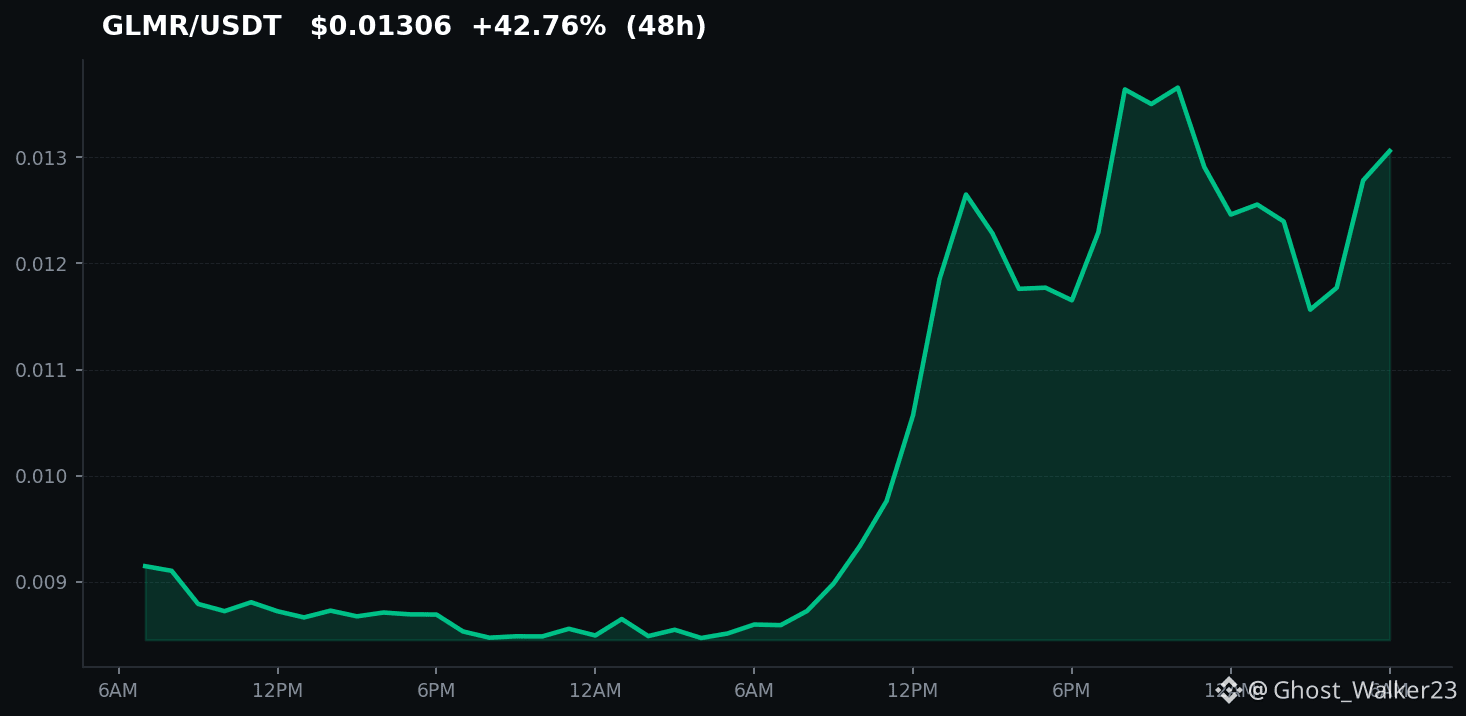
🚨 Zcash just hit a rough patch with its first weekly outflow of $93.6M! This raises questions about investor confidence. Is the appeal of zk-SNARKs losing steam? With trending coins like #GLMR surging, where does Zcash fit in the market? 🤔 #ZcashETFPostsFirstWeeklyOutflow$93.6M
$GLMR
💬 Únete y síguenos, seguimos analizando el mercado por ti.
🚨 Zcash just hit a rough patch with its first weekly outflow of $93.6M! This raises questions about investor confidence. Is the appeal of zk-SNARKs losing steam? With trending coins like #GLMR surging, where does Zcash fit in the market? 🤔 #ZcashETFPostsFirstWeeklyOutflow$93.6M
$GLMR
💬 Únete y síguenos, seguimos analizando el mercado por ti.
$GLMR
💬 Únete y síguenos, seguimos analizando el mercado por ti.
46

·
--
See translation
📊 Market Update: Zcash ETF Sees Major Outflow!
Zcash ETF has reported its first weekly outflow of $93.6 Million.
Institutional investors often take profits or reallocate funds during market shifts.
💡 Key Takeaway:
Outflows don't always mean a bear trend—always monitor overall market liquidity and remain patient!
What are your thoughts on privacy coins right now?
💬#ZcashETFPostsFirstWeeklyOutflow $93.6M
📊 Market Update: Zcash ETF Sees Major Outflow!
Zcash ETF has reported its first weekly outflow of $93.6 Million.
Institutional investors often take profits or reallocate funds during market shifts.
💡 Key Takeaway:
Outflows don't always mean a bear trend—always monitor overall market liquidity and remain patient!
What are your thoughts on privacy coins right now?
💬#ZcashETFPostsFirstWeeklyOutflow $93.6M
Zcash ETF has reported its first weekly outflow of $93.6 Million.
Institutional investors often take profits or reallocate funds during market shifts.
💡 Key Takeaway:
Outflows don't always mean a bear trend—always monitor overall market liquidity and remain patient!
What are your thoughts on privacy coins right now?
💬#ZcashETFPostsFirstWeeklyOutflow $93.6M
53
Article
See translation
Market Wrap-Up: Mild Gains Amid Zcash ETF ConcernsToday's crypto market closed on a cautiously optimistic note, with major coins experiencing slight gains. $BTC edged up by 0.28% to $84,753.56, while $ETH saw a modest increase of 0.72%, settling at $2,687.23. Notably, BNB outperformed the pack with a solid gain of 2.47%, reaching $787.14, and SOL appreciated by 0.83% to $119.59. This gradual upward movement reflects a steady sentiment among investors, as they digest the latest developments in the market.
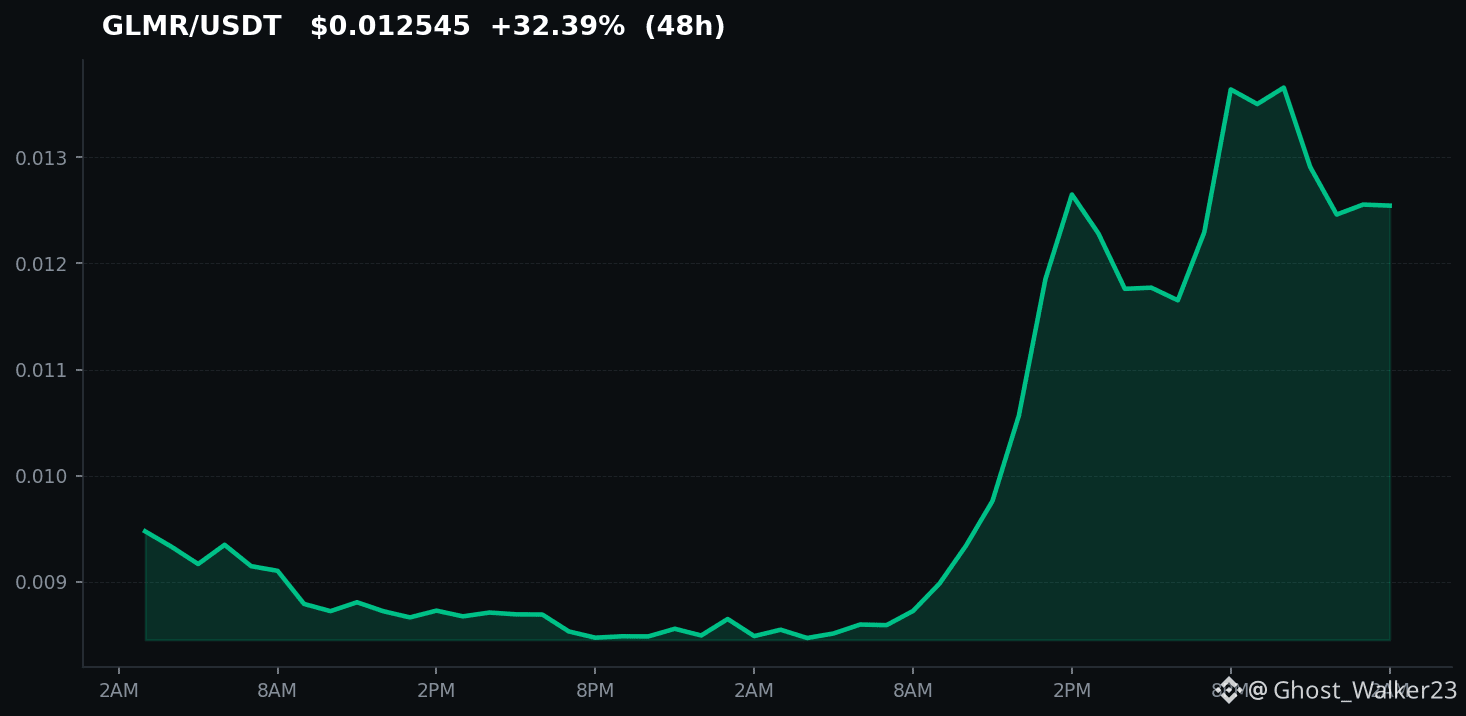
The standout performers of the day were led by GLMR, which surged an impressive 45.0%. The catalyst for this significant upward shift appears to be growing interest in innovative blockchain solutions. Following GLMR were STRK and ONE, witnessing gains of 26.8% and 19.4%, respectively, indicating a wave of enthusiasm for altcoins that leverage unique technologies and use cases.
A focal point of today's trading session was the announcement surrounding Zcash, particularly the topic trending on Binance Square: #ZcashETFPostsFirstWeeklyOutflow$93.6M. This development has raised eyebrows in the investment community, highlighting potential concerns regarding Zcash's recent ETF performance. The substantial outflow may signal shifts in investor sentiment, prompting a reevaluation of Zcash’s market position and future potential.
As we look toward tomorrow, all eyes will be on how market participants respond to the implications of the Zcash ETF news and whether it will affect broader market trends. Additionally, with several altcoins showing strong momentum, we may witness further volatility as traders seek out opportunities for profit. Keeping a close watch on both major and emerging coins will be essential as the market landscape continues to evolve.
🔔 Follow us for daily crypto insights — más viene en camino!
Market Wrap-Up: Mild Gains Amid Zcash ETF Concerns
Today's crypto market closed on a cautiously optimistic note, with major coins experiencing slight gains. $BTC edged up by 0.28% to $84,753.56, while $ETH saw a modest increase of 0.72%, settling at $2,687.23. Notably, BNB outperformed the pack with a solid gain of 2.47%, reaching $787.14, and SOL appreciated by 0.83% to $119.59. This gradual upward movement reflects a steady sentiment among investors, as they digest the latest developments in the market.
The standout performers of the day were led by GLMR, which surged an impressive 45.0%. The catalyst for this significant upward shift appears to be growing interest in innovative blockchain solutions. Following GLMR were STRK and ONE, witnessing gains of 26.8% and 19.4%, respectively, indicating a wave of enthusiasm for altcoins that leverage unique technologies and use cases.
A focal point of today's trading session was the announcement surrounding Zcash, particularly the topic trending on Binance Square: #ZcashETFPostsFirstWeeklyOutflow$93.6M. This development has raised eyebrows in the investment community, highlighting potential concerns regarding Zcash's recent ETF performance. The substantial outflow may signal shifts in investor sentiment, prompting a reevaluation of Zcash’s market position and future potential.
As we look toward tomorrow, all eyes will be on how market participants respond to the implications of the Zcash ETF news and whether it will affect broader market trends. Additionally, with several altcoins showing strong momentum, we may witness further volatility as traders seek out opportunities for profit. Keeping a close watch on both major and emerging coins will be essential as the market landscape continues to evolve.
🔔 Follow us for daily crypto insights — más viene en camino!
The standout performers of the day were led by GLMR, which surged an impressive 45.0%. The catalyst for this significant upward shift appears to be growing interest in innovative blockchain solutions. Following GLMR were STRK and ONE, witnessing gains of 26.8% and 19.4%, respectively, indicating a wave of enthusiasm for altcoins that leverage unique technologies and use cases.
A focal point of today's trading session was the announcement surrounding Zcash, particularly the topic trending on Binance Square: #ZcashETFPostsFirstWeeklyOutflow$93.6M. This development has raised eyebrows in the investment community, highlighting potential concerns regarding Zcash's recent ETF performance. The substantial outflow may signal shifts in investor sentiment, prompting a reevaluation of Zcash’s market position and future potential.
As we look toward tomorrow, all eyes will be on how market participants respond to the implications of the Zcash ETF news and whether it will affect broader market trends. Additionally, with several altcoins showing strong momentum, we may witness further volatility as traders seek out opportunities for profit. Keeping a close watch on both major and emerging coins will be essential as the market landscape continues to evolve.
🔔 Follow us for daily crypto insights — más viene en camino!
109

See translation
everyone thinks institutional money means up only forever, but actually etf flows are a double-edged sword that retail never prepares for.
watching your bag bleed while wall street silently rebalances is the worst kind of pain, especially when you bought the privacy narrative at the top and now have no exit plan.
ngl ser, the moment institutional products go live, the entire game changes. we saw it with larger caps and now the exact same pattern is hitting $ZEC. the first weekly outflow hit the tape and everyone who piled in expecting infinite bids is suddenly trapped in liquidity limbo, sitting on paper losses while rotating back into safety plays like $USDT.
institutions do not marry bags. they trade rebalances, hedge privacy risks against regulatory pressure, and dump on mechanical schedules. if you are still treating institutional inflows as a permanent pump signal without tracking the outflow velocity, you are just providing exit liquidity for funds that operate on quarterly rebalancing timelines.
where do you think this goes from here once the novelty of the product wears off?
#ZcashETFPostsFirstWeeklyOutflow #BitcoinRejectedAt
everyone thinks institutional money means up only forever, but actually etf flows are a double-edged sword that retail never prepares for.
watching your bag bleed while wall street silently rebalances is the worst kind of pain, especially when you bought the privacy narrative at the top and now have no exit plan.
ngl ser, the moment institutional products go live, the entire game changes. we saw it with larger caps and now the exact same pattern is hitting $ZEC . the first weekly outflow hit the tape and everyone who piled in expecting infinite bids is suddenly trapped in liquidity limbo, sitting on paper losses while rotating back into safety plays like $USDT.
institutions do not marry bags. they trade rebalances, hedge privacy risks against regulatory pressure, and dump on mechanical schedules. if you are still treating institutional inflows as a permanent pump signal without tracking the outflow velocity, you are just providing exit liquidity for funds that operate on quarterly rebalancing timelines.
where do you think this goes from here once the novelty of the product wears off?
#ZcashETFPostsFirstWeeklyOutflow #BitcoinRejectedAt
watching your bag bleed while wall street silently rebalances is the worst kind of pain, especially when you bought the privacy narrative at the top and now have no exit plan.
ngl ser, the moment institutional products go live, the entire game changes. we saw it with larger caps and now the exact same pattern is hitting $ZEC . the first weekly outflow hit the tape and everyone who piled in expecting infinite bids is suddenly trapped in liquidity limbo, sitting on paper losses while rotating back into safety plays like $USDT.
institutions do not marry bags. they trade rebalances, hedge privacy risks against regulatory pressure, and dump on mechanical schedules. if you are still treating institutional inflows as a permanent pump signal without tracking the outflow velocity, you are just providing exit liquidity for funds that operate on quarterly rebalancing timelines.
where do you think this goes from here once the novelty of the product wears off?
#ZcashETFPostsFirstWeeklyOutflow #BitcoinRejectedAt
38

·
--
See translation
Here is what happened when institutional hype met privacy coin liquidity over the last seven days.
Most retail traders see an ETF listing as an automatic, one-way ticket up, only to get trapped holding bags when early liquidity quietly heads for the exits. When you do not know the actual mechanics behind fund redemptions, exit windows close far faster than you realize.
When the Zcash ETF posted its first net weekly outflow this week, it exposed a structural vulnerability most participants overlooked. While broader sentiment sits in Greed territory and money rotates heavily through high-cap assets like $USDT and utility plays like $QNT, privacy-focused vehicles face unique secondary-market pressures. Institutional desks rarely stick around during periods of regulatory friction or thin order books; they rebalance aggressively into cleaner collateral the moment yield flattens.
The real risk here is assuming fund inflows are sticky capital. They are not. If spot volume on assets like $PHA and other niche narratives cannot support institutional unwind sizes, the price discovery on the downside gets violent very quickly.
Are we seeing early profit-taking here, or is institutional interest in privacy assets beginning to fracture?
#ZcashETFPostsFirstWeeklyOutflow #BitcoinRejectedAt
Here is what happened when institutional hype met privacy coin liquidity over the last seven days.
Most retail traders see an ETF listing as an automatic, one-way ticket up, only to get trapped holding bags when early liquidity quietly heads for the exits. When you do not know the actual mechanics behind fund redemptions, exit windows close far faster than you realize.
When the Zcash ETF posted its first net weekly outflow this week, it exposed a structural vulnerability most participants overlooked. While broader sentiment sits in Greed territory and money rotates heavily through high-cap assets like $USDT and utility plays like $QNT , privacy-focused vehicles face unique secondary-market pressures. Institutional desks rarely stick around during periods of regulatory friction or thin order books; they rebalance aggressively into cleaner collateral the moment yield flattens.
The real risk here is assuming fund inflows are sticky capital. They are not. If spot volume on assets like $PHA and other niche narratives cannot support institutional unwind sizes, the price discovery on the downside gets violent very quickly.
Are we seeing early profit-taking here, or is institutional interest in privacy assets beginning to fracture?
#ZcashETFPostsFirstWeeklyOutflow #BitcoinRejectedAt
Most retail traders see an ETF listing as an automatic, one-way ticket up, only to get trapped holding bags when early liquidity quietly heads for the exits. When you do not know the actual mechanics behind fund redemptions, exit windows close far faster than you realize.
When the Zcash ETF posted its first net weekly outflow this week, it exposed a structural vulnerability most participants overlooked. While broader sentiment sits in Greed territory and money rotates heavily through high-cap assets like $USDT and utility plays like $QNT , privacy-focused vehicles face unique secondary-market pressures. Institutional desks rarely stick around during periods of regulatory friction or thin order books; they rebalance aggressively into cleaner collateral the moment yield flattens.
The real risk here is assuming fund inflows are sticky capital. They are not. If spot volume on assets like $PHA and other niche narratives cannot support institutional unwind sizes, the price discovery on the downside gets violent very quickly.
Are we seeing early profit-taking here, or is institutional interest in privacy assets beginning to fracture?
#ZcashETFPostsFirstWeeklyOutflow #BitcoinRejectedAt

327
See translation
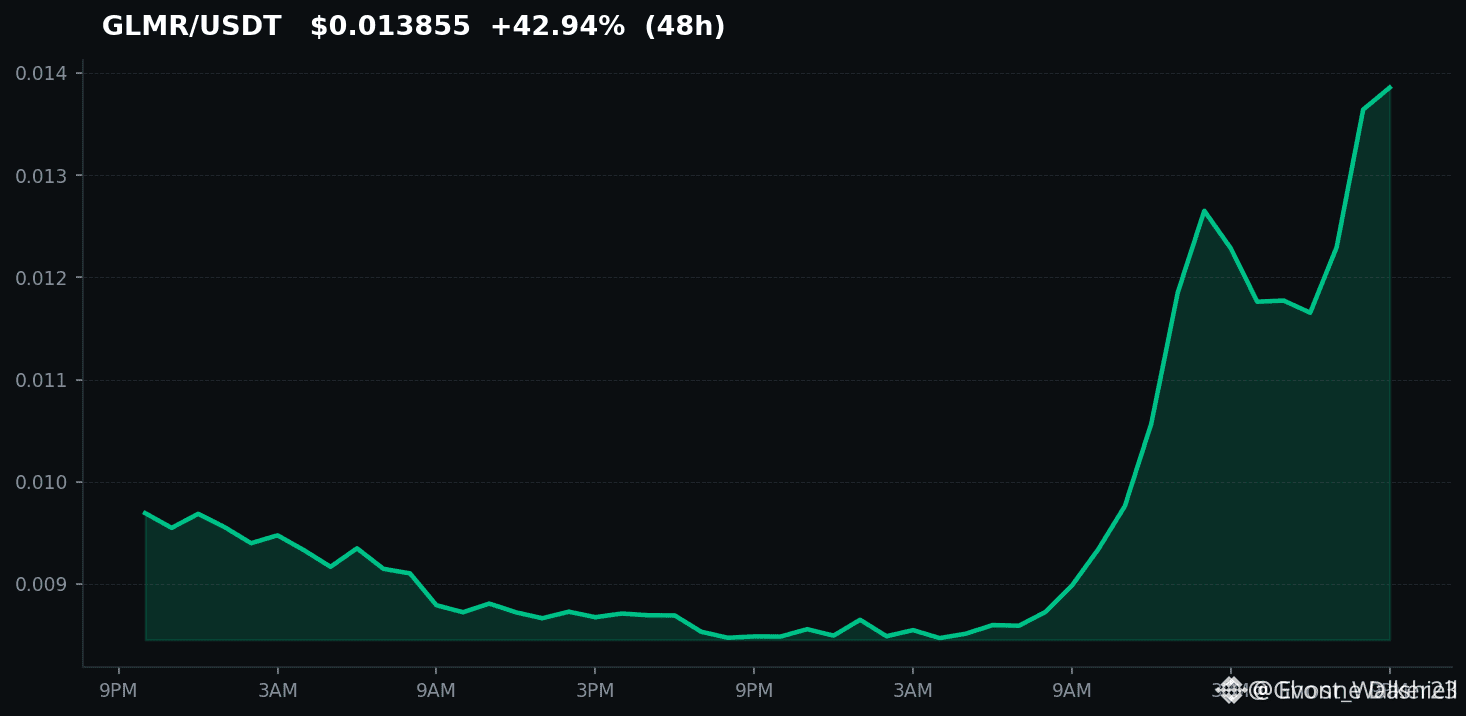
🚨 Major red flag for Zcash! The first weekly outflow of $93.6M from the ETF could signal declining investor confidence. Meanwhile, coins like #GLMR are booming! Are we witnessing a shift in market sentiment? 🤔 #ZcashETFPostsFirstWeeklyOutflow$93.6M
$GLMR
👀 Síguenos para estar pendiente de las próximas oportunidades.
🚨 Major red flag for Zcash! The first weekly outflow of $93.6M from the ETF could signal declining investor confidence. Meanwhile, coins like #GLMR are booming! Are we witnessing a shift in market sentiment? 🤔 #ZcashETFPostsFirstWeeklyOutflow$93.6M
$GLMR
👀 Síguenos para estar pendiente de las próximas oportunidades.
$GLMR
👀 Síguenos para estar pendiente de las próximas oportunidades.
27
See translation
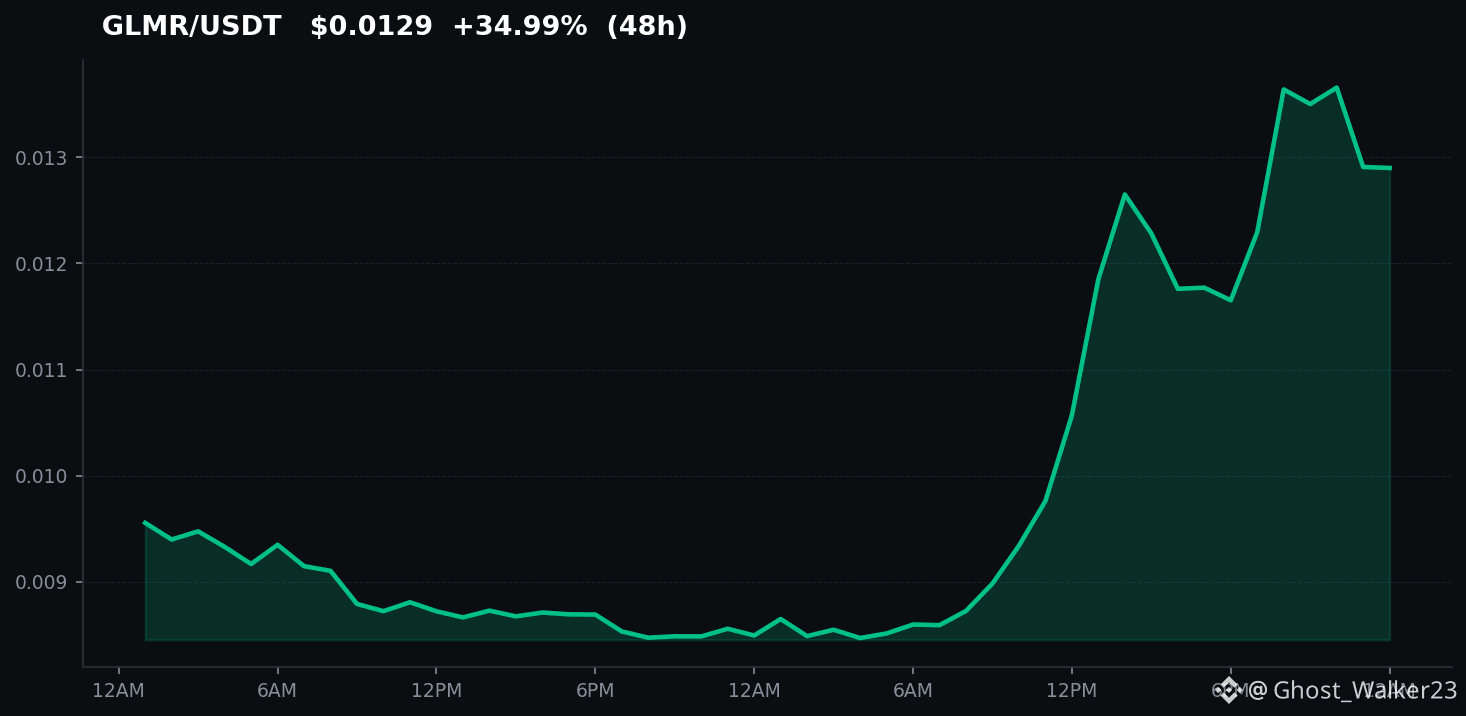
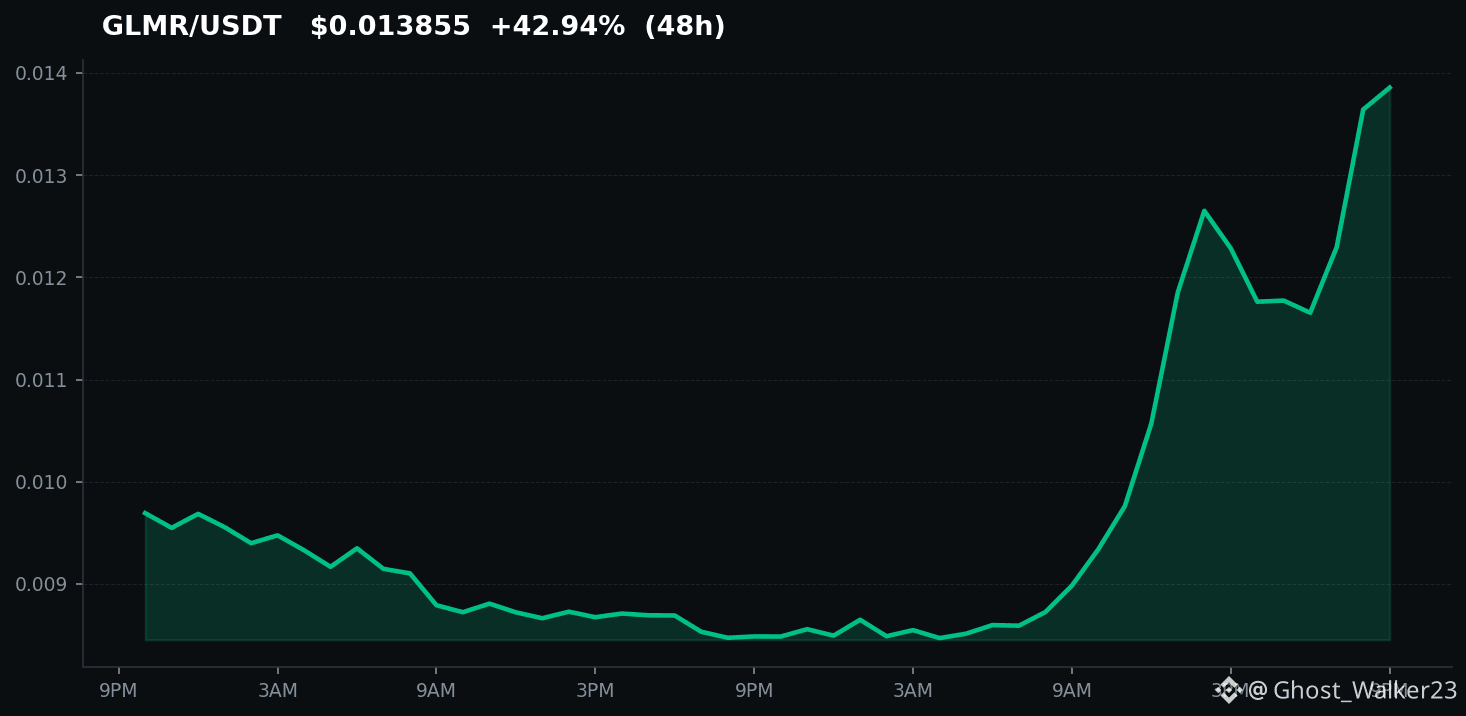
🚨 Major shift alert! The recent outflow of $93.6M from Zcash's ETF raises serious questions about institutional confidence. Is this a sign of deeper issues or just a temporary blip? 🔍 With #GLMR surging, where are you placing your bets? #ZcashETFPostsFirstWeeklyOutflow$93.6M
$GLMR
📈 Follow for more real-time market breakdowns!
🚨 Major shift alert! The recent outflow of $93.6M from Zcash's ETF raises serious questions about institutional confidence. Is this a sign of deeper issues or just a temporary blip? 🔍 With #GLMR surging, where are you placing your bets? #ZcashETFPostsFirstWeeklyOutflow$93.6M
$GLMR
📈 Follow for more real-time market breakdowns!
$GLMR
📈 Follow for more real-time market breakdowns!
18

·
--
Bullish
See translation
#ZcashETFPostsFirstWeeklyOutflow $93.6
📊 ZEC Market Update (October 3, 2026)
* ETF outflow: $93.6 million in the first weekly net outflow since launch.
* ZEC price: Around $1,308 in the October 3 market snapshot.
* Weekly performance: Down approximately 17.5%.
* Recent peak: Around $1,690.
* Market signal: ETF redemptions and falling prices indicate weakening short-term demand.
🚀 The Big Question:
Can Zcash maintain its momentum without consistent ETF inflows, or will institutional demand need to recover before the market finds renewed strength?
For now, the important signals are ETF flow trends, trading volume, price reactions around support and resistance, and whether selling pressure begins to ease.
#Zcash #ZEC #CryptoMarket #ETFOutflows #MarketUpdate #CryptoAnalysis
$ZEC
#ZcashETFPostsFirstWeeklyOutflow $93.6
📊 ZEC Market Update (October 3, 2026)
* ETF outflow: $93.6 million in the first weekly net outflow since launch.
* ZEC price: Around $1,308 in the October 3 market snapshot.
* Weekly performance: Down approximately 17.5%.
* Recent peak: Around $1,690.
* Market signal: ETF redemptions and falling prices indicate weakening short-term demand.
🚀 The Big Question:
Can Zcash maintain its momentum without consistent ETF inflows, or will institutional demand need to recover before the market finds renewed strength?
For now, the important signals are ETF flow trends, trading volume, price reactions around support and resistance, and whether selling pressure begins to ease.
#Zcash #ZEC #CryptoMarket #ETFOutflows #MarketUpdate #CryptoAnalysis
$ZEC
📊 ZEC Market Update (October 3, 2026)
* ETF outflow: $93.6 million in the first weekly net outflow since launch.
* ZEC price: Around $1,308 in the October 3 market snapshot.
* Weekly performance: Down approximately 17.5%.
* Recent peak: Around $1,690.
* Market signal: ETF redemptions and falling prices indicate weakening short-term demand.
🚀 The Big Question:
Can Zcash maintain its momentum without consistent ETF inflows, or will institutional demand need to recover before the market finds renewed strength?
For now, the important signals are ETF flow trends, trading volume, price reactions around support and resistance, and whether selling pressure begins to ease.
#Zcash #ZEC #CryptoMarket #ETFOutflows #MarketUpdate #CryptoAnalysis
$ZEC
94

·
--
See translation
{spot}(ZECUSDT)
{etf_us}(ETFT.ETF)
#ZcashETFPostsFirstWeeklyOutflow
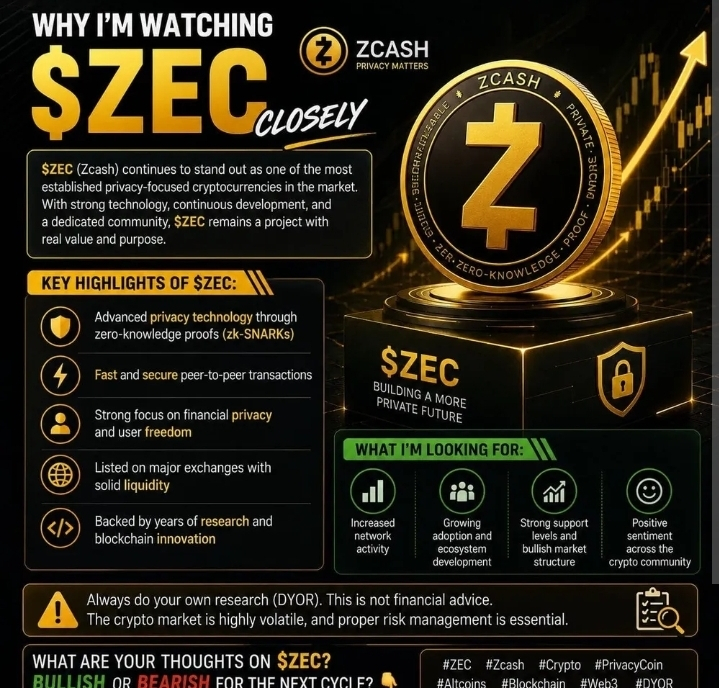
Zcash’s $ETFT.ETF has recorded its first weekly net outflow since launching in August, with about $93.6M withdrawn. The move comes as $ZEC has pulled back from its recent high, showing that ETF demand has weakened recently.
#Zcash #ZEC #CryptoNews #CryptoMarkets
#ZcashETFPostsFirstWeeklyOutflow
Zcash’s $ETFT.ETF has recorded its first weekly net outflow since launching in August, with about $93.6M withdrawn. The move comes as $ZEC has pulled back from its recent high, showing that ETF demand has weakened recently.
#Zcash #ZEC #CryptoNews #CryptoMarkets
Zcash’s $ETFT.ETF has recorded its first weekly net outflow since launching in August, with about $93.6M withdrawn. The move comes as $ZEC has pulled back from its recent high, showing that ETF demand has weakened recently.
#Zcash #ZEC #CryptoNews #CryptoMarkets
ZEC+1.60%
ETFTETF+0.71%
144

#ZcashETFPostsFirstWeeklyOutflow
[marcando un cambio de tendencia drástico para este producto financiero derivado de la popular criptomoneda enfocada en la privacidad. Este movimiento interrumpe una racha previa de entradas de capital y sugiere que los inversores institucionales podrían estar reduciendo su exposición](https://app.binance.com/uni-qr/cart/373510471082237?r=NV9YLAT5&l=es-LA&uco=N9n6zStiv-9u_clj-W5hYg&uc=app_square_share_link&us=copylink)
#ZcashETFPostsFirstWeeklyOutflow
marcando un cambio de tendencia drástico para este producto financiero derivado de la popular criptomoneda enfocada en la privacidad. Este movimiento interrumpe una racha previa de entradas de capital y sugiere que los inversores institucionales podrían estar reduciendo su exposición
marcando un cambio de tendencia drástico para este producto financiero derivado de la popular criptomoneda enfocada en la privacidad. Este movimiento interrumpe una racha previa de entradas de capital y sugiere que los inversores institucionales podrían estar reduciendo su exposición
184
Verified
Article
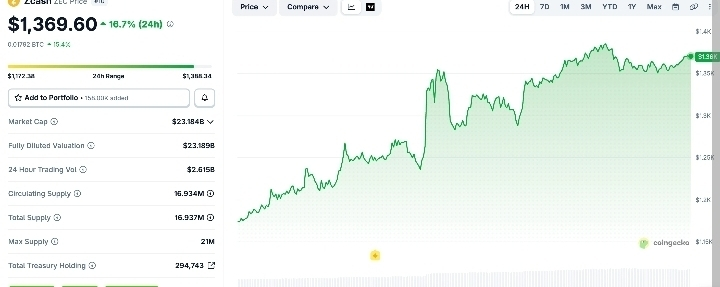
Zcash’s ETF has recorded its first weekly outflowZcash’s ETF has recorded its first weekly outflow of funds, totaling $93.6 million.
marking a drastic trend reversal for this derivative financial product tied to the privacy-focused cryptocurrency. This move interrupts a previous streak of capital inflows and suggests that institutional investors may be reducing their exposure due to regulatory uncertainty or a strategic rotation of assets toward less volatile options. The notable withdrawal of capital has raised alarms across the sector, as the magnitude of the outflow reflects a rapid cooling of risk appetite surrounding privacy-token-backed financial products.
Zcash’s ETF has recorded its first weekly outflow
Zcash’s ETF has recorded its first weekly outflow of funds, totaling $93.6 million.
marking a drastic trend reversal for this derivative financial product tied to the privacy-focused cryptocurrency. This move interrupts a previous streak of capital inflows and suggests that institutional investors may be reducing their exposure due to regulatory uncertainty or a strategic rotation of assets toward less volatile options. The notable withdrawal of capital has raised alarms across the sector, as the magnitude of the outflow reflects a rapid cooling of risk appetite surrounding privacy-token-backed financial products.
marking a drastic trend reversal for this derivative financial product tied to the privacy-focused cryptocurrency. This move interrupts a previous streak of capital inflows and suggests that institutional investors may be reducing their exposure due to regulatory uncertainty or a strategic rotation of assets toward less volatile options. The notable withdrawal of capital has raised alarms across the sector, as the magnitude of the outflow reflects a rapid cooling of risk appetite surrounding privacy-token-backed financial products.
Oo_Kyaw:
zec
102
4
102
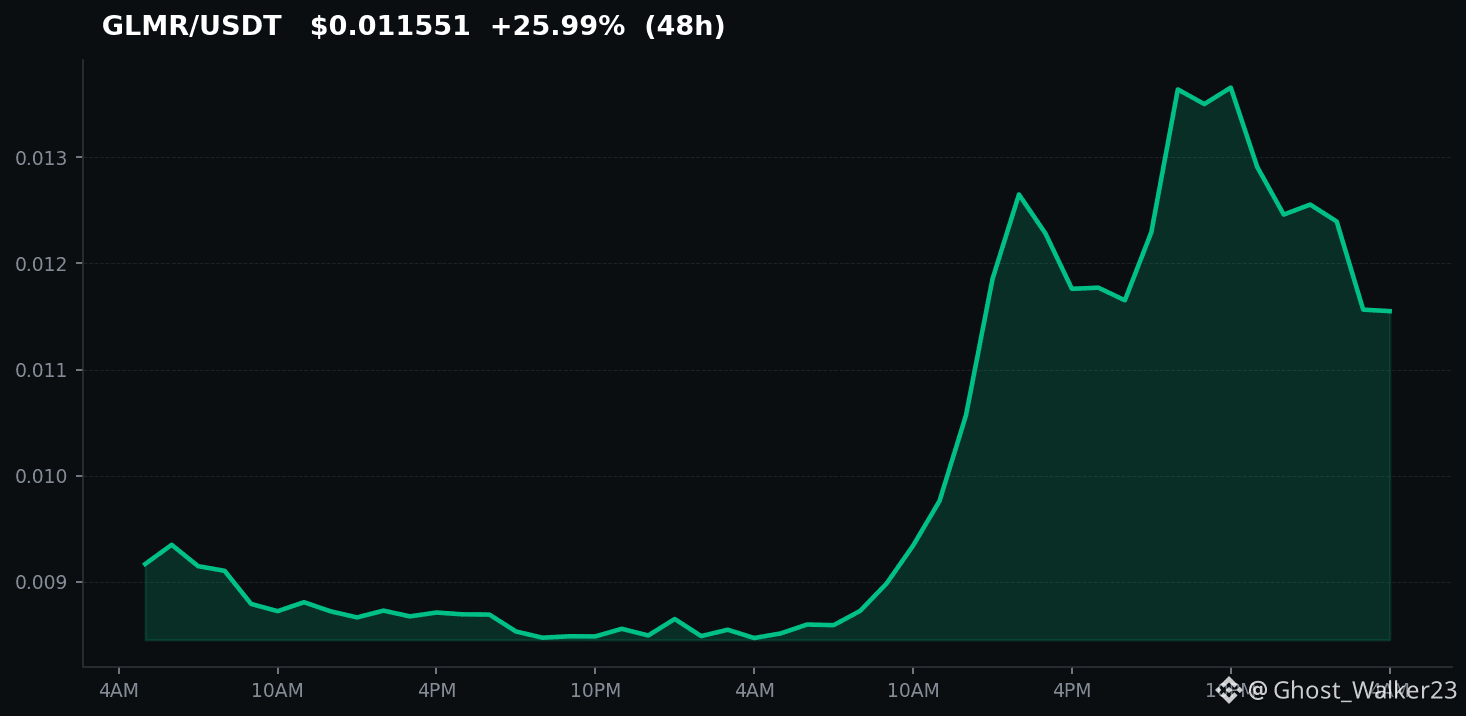
The high volatility in the crypto market today is due, in part, to the news of the first weekly outflow from the Zcash ETF, reaching $93.6M. This has created uncertainty among investors. As you can see in the chart below, while $BTC y $ETH maintain their stability, the move in Zcash could represent an opportunity. How are you adapting to these changes? #ZcashETFPostsFirstWeeklyOutflow$93.6M #cryptomarket
❤️ If you liked it, give it a like and follow us for the next analysis!
The high volatility in the crypto market today is due, in part, to the news of the first weekly outflow from the Zcash ETF, reaching $93.6M. This has created uncertainty among investors. As you can see in the chart below, while $BTC y $ETH maintain their stability, the move in Zcash could represent an opportunity. How are you adapting to these changes? #ZcashETFPostsFirstWeeklyOutflow$93.6M #cryptomarket
❤️ If you liked it, give it a like and follow us for the next analysis!
❤️ If you liked it, give it a like and follow us for the next analysis!
57

·
--
See translation
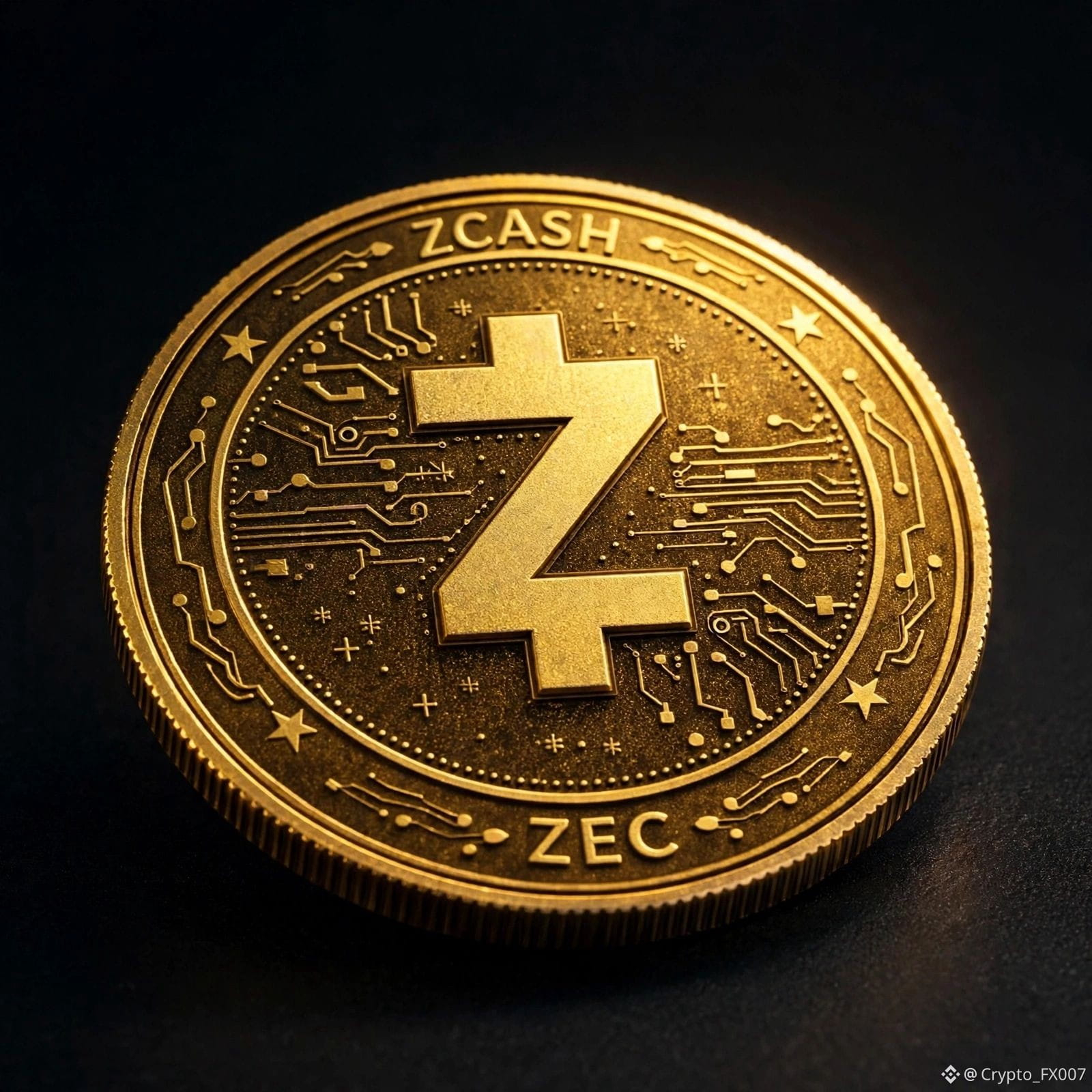
#ZcashETFPostsFirstWeeklyOutflow low$93.6M 📉⚡
$ZEC HOLDERS, TIME TO SHAKE IT OFF! 💸🔥
MARKET FLOWS MIGHT DIP, BUT THE BOSS HUSTLE NEVER STOPS! 🚀✨
LET'S TURN THIS OUTFLOW INTO A MASSIVE COMEBACK! 💪😎
$AIN $SAND $BTC
#ZcashETFPostsFirstWeeklyOutflow low$93.6M 📉⚡
$ZEC HOLDERS, TIME TO SHAKE IT OFF! 💸🔥
MARKET FLOWS MIGHT DIP, BUT THE BOSS HUSTLE NEVER STOPS! 🚀✨
LET'S TURN THIS OUTFLOW INTO A MASSIVE COMEBACK! 💪😎
$AIN $SAND $BTC
$ZEC HOLDERS, TIME TO SHAKE IT OFF! 💸🔥
MARKET FLOWS MIGHT DIP, BUT THE BOSS HUSTLE NEVER STOPS! 🚀✨
LET'S TURN THIS OUTFLOW INTO A MASSIVE COMEBACK! 💪😎
$AIN $SAND $BTC
34
See translation
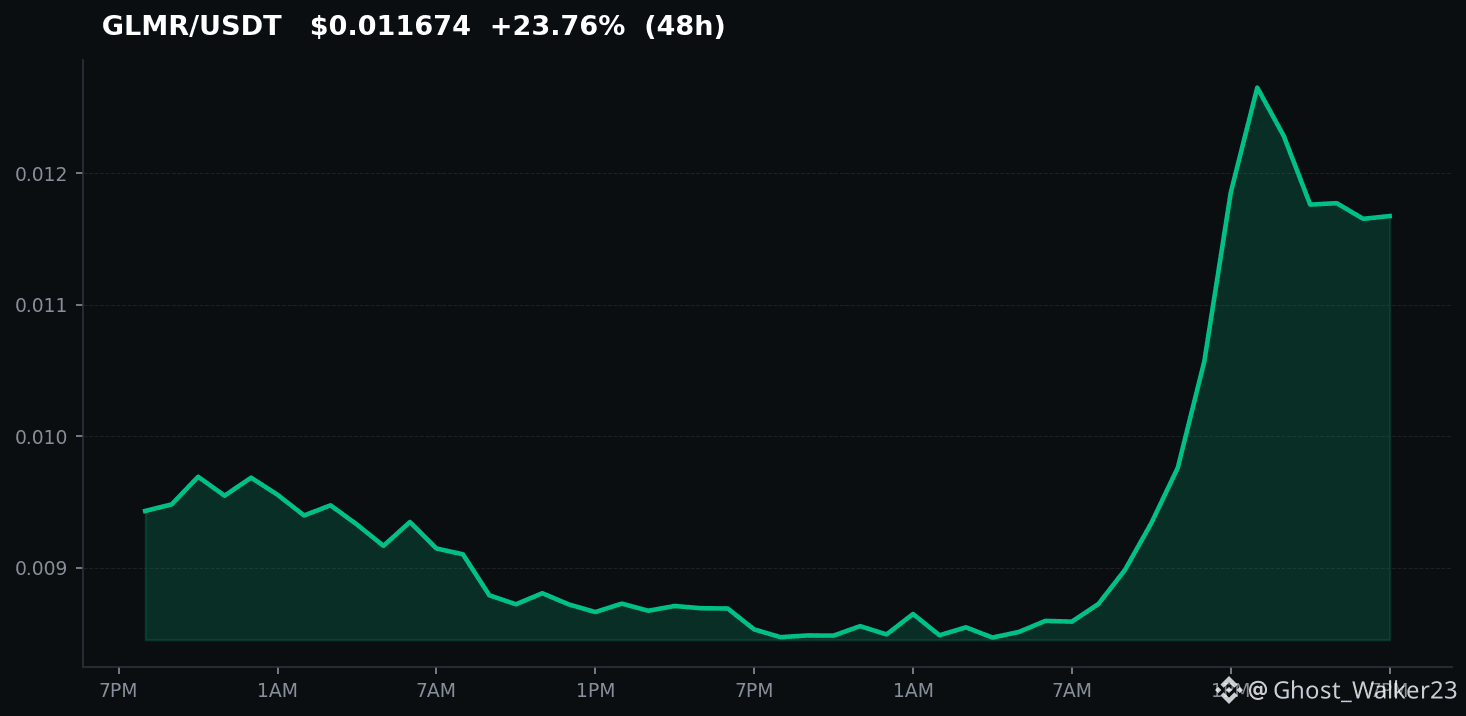
The recent outflow of $93.6M from Zcash ETFs raises questions on its market stability as $BTC hovers around $84,868.03. Compare this with the volatility of $SOL, currently at $119.73. Which coin do you think has more potential moving forward? 🤔📉
Check out the chart below! #ZcashETFPostsFirstWeeklyOutflow$93.6M #BinanceSquare
❤️ Si te gustó, dale like y síguenos para el próximo análisis!
The recent outflow of $93.6M from Zcash ETFs raises questions on its market stability as $BTC hovers around $84,868.03. Compare this with the volatility of $SOL , currently at $119.73. Which coin do you think has more potential moving forward? 🤔📉
Check out the chart below! #ZcashETFPostsFirstWeeklyOutflow$93.6M #BinanceSquare
❤️ Si te gustó, dale like y síguenos para el próximo análisis!
Check out the chart below! #ZcashETFPostsFirstWeeklyOutflow$93.6M #BinanceSquare
❤️ Si te gustó, dale like y síguenos para el próximo análisis!
14
See translation
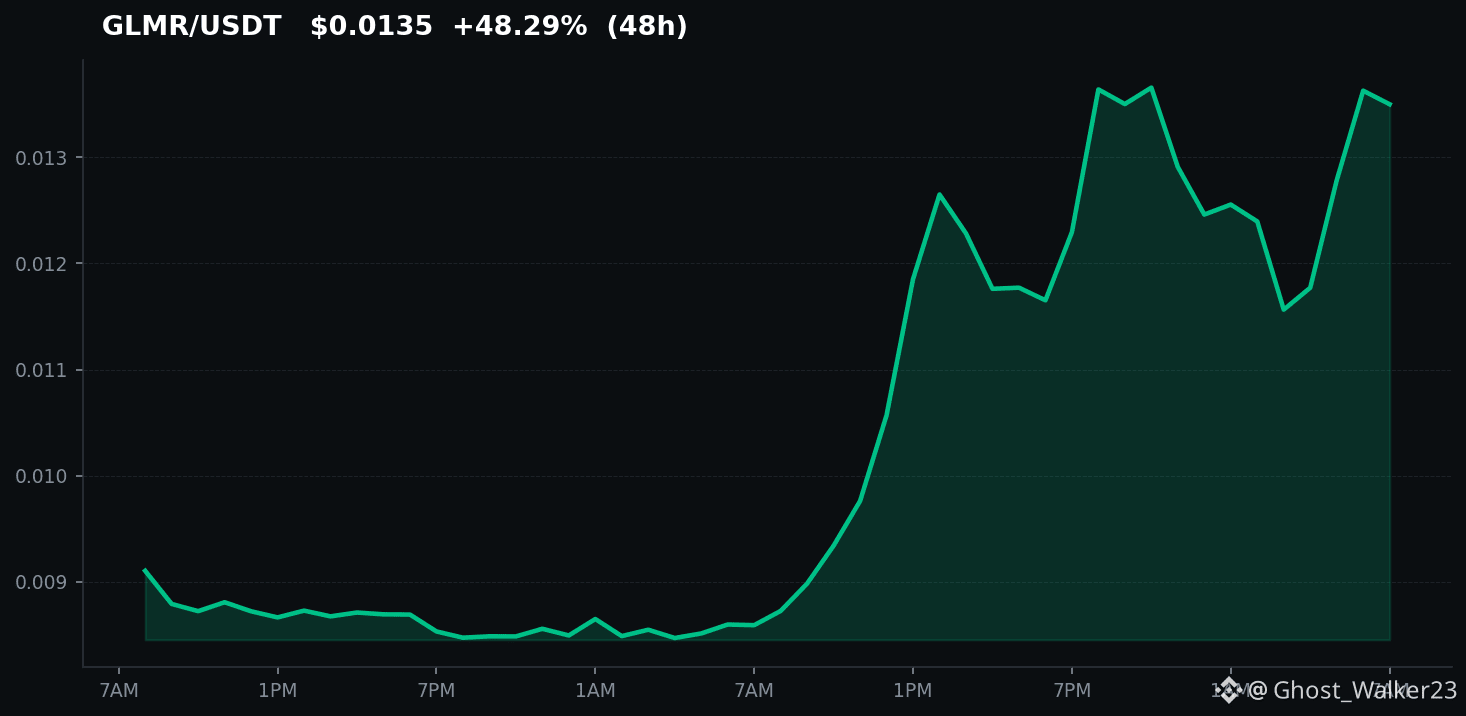
With the recent news of #ZcashETFPostsFirstWeeklyOutflow$93.6M, let's compare two trending coins: $GLMR, which has soared +57% in the last 24h, and $PUMP, currently up +17.5%.
As you can see below, both are gaining traction, but which one do you believe has more potential to continue climbing? 🚀💰
🚀 Like + Follow si quieres más contenido como este!
With the recent news of #ZcashETFPostsFirstWeeklyOutflow$93.6M, let's compare two trending coins: $GLMR , which has soared +57% in the last 24h, and $PUMP , currently up +17.5%.
As you can see below, both are gaining traction, but which one do you believe has more potential to continue climbing? 🚀💰
🚀 Like + Follow si quieres más contenido como este!
As you can see below, both are gaining traction, but which one do you believe has more potential to continue climbing? 🚀💰
🚀 Like + Follow si quieres más contenido como este!
56
·
--
See translation
A cartoon frog is now one SEC filing closer to an ETF than most real projects will ever get.
You know the feeling. Headline drops, $PEPE rips, you chase it, then the move fades and you're left wondering why you keep doing this to yourself.
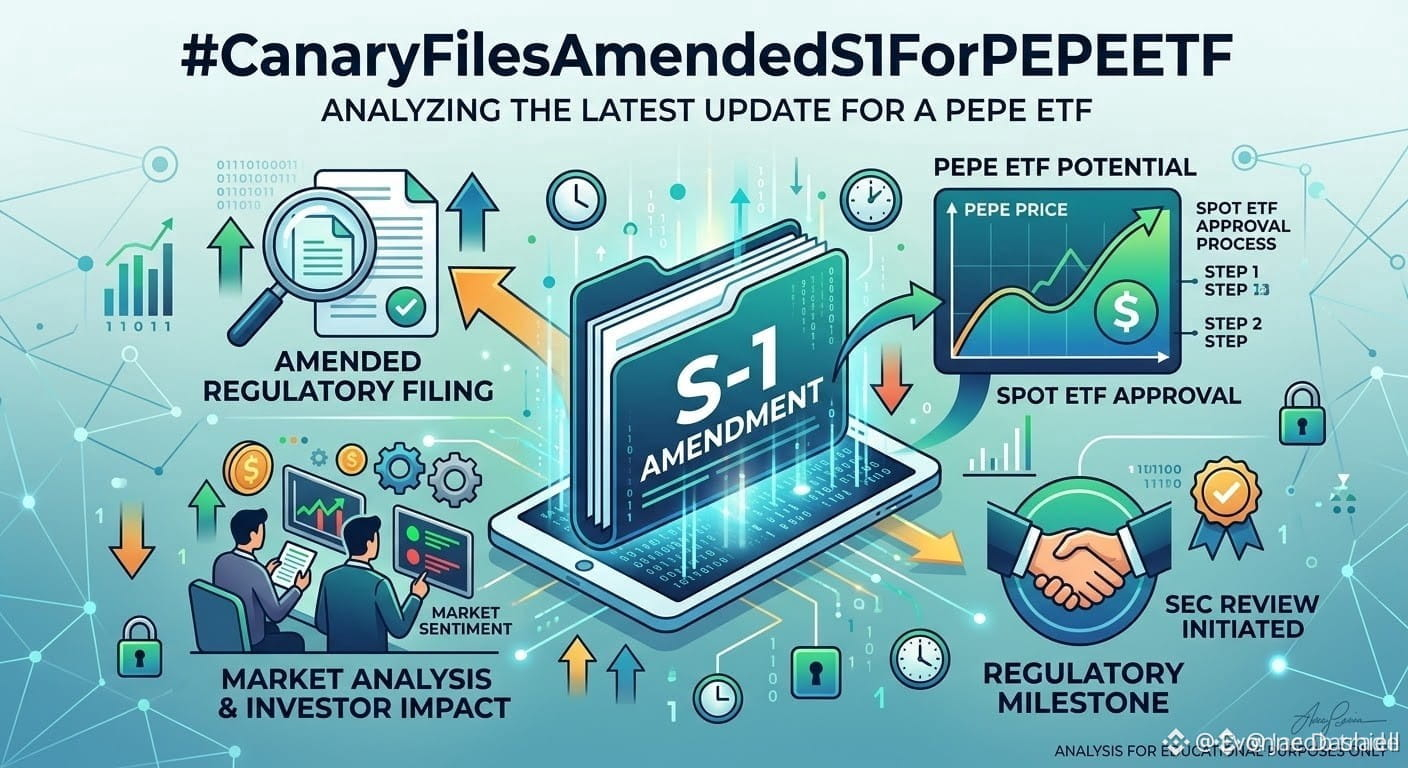
Canary amending their S-1 is just them answering questions and tightening the documents. It is not approval. Bitcoin went through this for over a decade before spot ETFs actually launched and started pulling in billions. Ethereum followed the same slow path. A meme coin trying the same route in a greed market tells you more about where we are in the cycle than about $PEPE itself.
I have lived through enough of these. 2017, 2021, now this. The filings that matter take years and still might fail. The ones that print money are the ones nobody expected until the money was already moving. Right now people are hunting $USDT and $SAND like they cannot sit still. That restlessness usually shows up near turning points.
Where do you think this PEPE ETF story actually ends?
#CanaryFilesAmendedS1ForPEPEETF #ZcashETFPostsFirstWeeklyOutflow #BitcoinParesGainsAfterRallyTo
A cartoon frog is now one SEC filing closer to an ETF than most real projects will ever get.
You know the feeling. Headline drops, $PEPE rips, you chase it, then the move fades and you're left wondering why you keep doing this to yourself.
Canary amending their S-1 is just them answering questions and tightening the documents. It is not approval. Bitcoin went through this for over a decade before spot ETFs actually launched and started pulling in billions. Ethereum followed the same slow path. A meme coin trying the same route in a greed market tells you more about where we are in the cycle than about $PEPE itself.
I have lived through enough of these. 2017, 2021, now this. The filings that matter take years and still might fail. The ones that print money are the ones nobody expected until the money was already moving. Right now people are hunting $USDT and $SAND like they cannot sit still. That restlessness usually shows up near turning points.
Where do you think this PEPE ETF story actually ends?
#CanaryFilesAmendedS1ForPEPEETF #ZcashETFPostsFirstWeeklyOutflow #BitcoinParesGainsAfterRallyTo
You know the feeling. Headline drops, $PEPE rips, you chase it, then the move fades and you're left wondering why you keep doing this to yourself.
Canary amending their S-1 is just them answering questions and tightening the documents. It is not approval. Bitcoin went through this for over a decade before spot ETFs actually launched and started pulling in billions. Ethereum followed the same slow path. A meme coin trying the same route in a greed market tells you more about where we are in the cycle than about $PEPE itself.
I have lived through enough of these. 2017, 2021, now this. The filings that matter take years and still might fail. The ones that print money are the ones nobody expected until the money was already moving. Right now people are hunting $USDT and $SAND like they cannot sit still. That restlessness usually shows up near turning points.
Where do you think this PEPE ETF story actually ends?
#CanaryFilesAmendedS1ForPEPEETF #ZcashETFPostsFirstWeeklyOutflow #BitcoinParesGainsAfterRallyTo

73
See translation
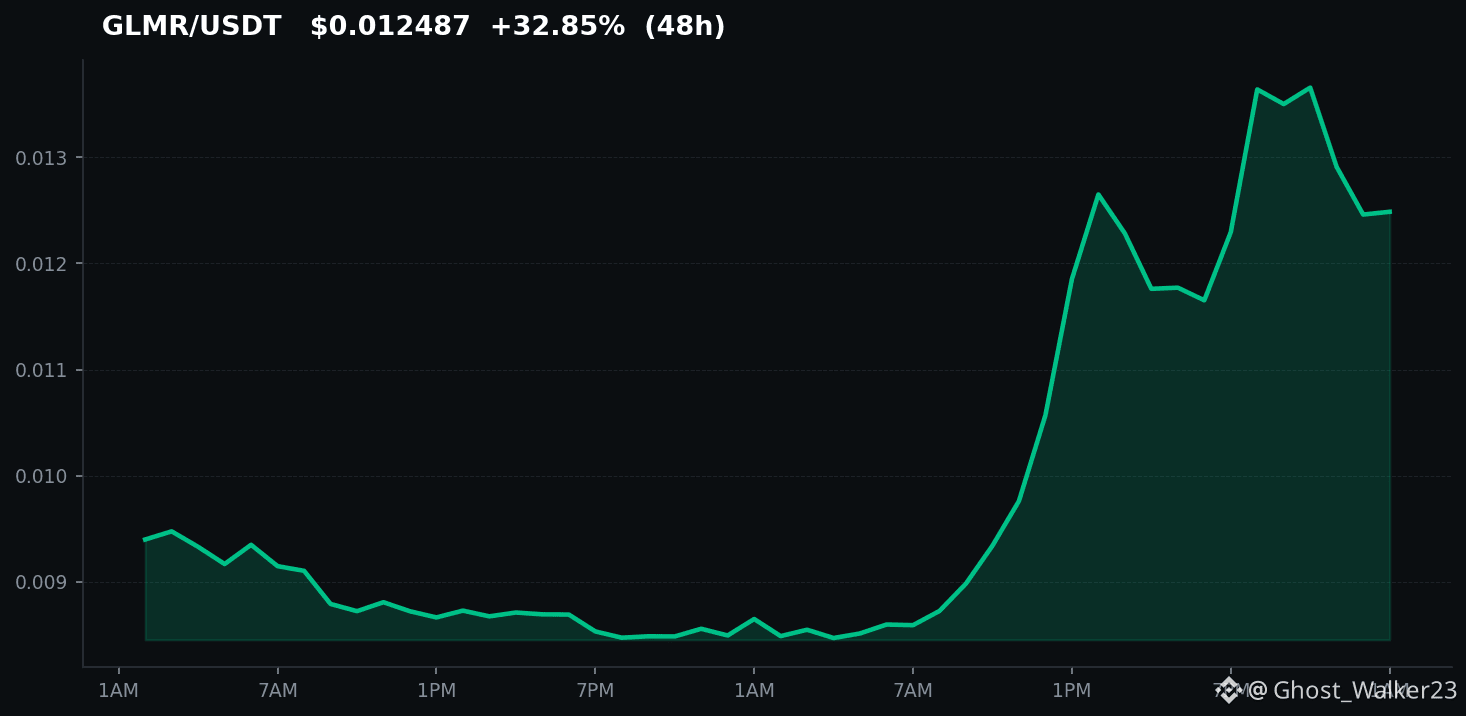
As we see in the chart below, $GLMR has skyrocketed by 47.3% in the last 24 hours, while $STRK also makes waves with a 27.2% increase. 🎉💹 With the recent news of #ZcashETFPostsFirstWeeklyOutflow$93.6M, which of these coins do you think has more potential to ride the momentum? 🚀 Let me know!
🔔 Follow us for daily crypto insights — más viene en camino!
As we see in the chart below, $GLMR has skyrocketed by 47.3% in the last 24 hours, while $STRK also makes waves with a 27.2% increase. 🎉💹 With the recent news of #ZcashETFPostsFirstWeeklyOutflow$93.6M, which of these coins do you think has more potential to ride the momentum? 🚀 Let me know!
🔔 Follow us for daily crypto insights — más viene en camino!
🔔 Follow us for daily crypto insights — más viene en camino!
58
See translation
If you're still piling into every meme the second an ETF filing gets amended, stop now.
Watching $PEPE pump on this Canary news only to get dumped later is a pain too many of us know from chasing similar stories. You miss the exit and eat the losses when the hype fades.
Canary Capital filing an amended S-1 for a PEPE ETF has the chats buzzing, especially with greed sitting at decent levels. But compare this to the $BTC ETF journey that took multiple rejections and years of back and forth before anything real happened. Even $ETH followed a similar delayed path. A frog meme coin getting an ETF? The SEC might just laugh this one out of the room like other speculative plays we have seen come and go.
We've had plenty of these announcements that go nowhere.
What's your take on this $PEPE filing actually leading anywhere compared to those past ETF stories?
#CanaryFilesAmendedS1ForPEPEETF #BitcoinRejectedAt #ZcashETFPostsFirstWeeklyOutflow
If you're still piling into every meme the second an ETF filing gets amended, stop now.
Watching $PEPE pump on this Canary news only to get dumped later is a pain too many of us know from chasing similar stories. You miss the exit and eat the losses when the hype fades.
Canary Capital filing an amended S-1 for a PEPE ETF has the chats buzzing, especially with greed sitting at decent levels. But compare this to the $BTC ETF journey that took multiple rejections and years of back and forth before anything real happened. Even $ETH followed a similar delayed path. A frog meme coin getting an ETF? The SEC might just laugh this one out of the room like other speculative plays we have seen come and go.
We've had plenty of these announcements that go nowhere.
What's your take on this $PEPE filing actually leading anywhere compared to those past ETF stories?
#CanaryFilesAmendedS1ForPEPEETF #BitcoinRejectedAt #ZcashETFPostsFirstWeeklyOutflow
Watching $PEPE pump on this Canary news only to get dumped later is a pain too many of us know from chasing similar stories. You miss the exit and eat the losses when the hype fades.
Canary Capital filing an amended S-1 for a PEPE ETF has the chats buzzing, especially with greed sitting at decent levels. But compare this to the $BTC ETF journey that took multiple rejections and years of back and forth before anything real happened. Even $ETH followed a similar delayed path. A frog meme coin getting an ETF? The SEC might just laugh this one out of the room like other speculative plays we have seen come and go.
We've had plenty of these announcements that go nowhere.
What's your take on this $PEPE filing actually leading anywhere compared to those past ETF stories?
#CanaryFilesAmendedS1ForPEPEETF #BitcoinRejectedAt #ZcashETFPostsFirstWeeklyOutflow
114
AI encryption sector surged 54% in a single month, leading the market; tokenized US stocks break the one-billion milestone, as traditional finance and the crypto world accelerate their integration
I. AI crypto sector rockets in September, far outperforming the broader market
According to Grayscale’s latest research report, the AI crypto sector recorded an astonishing 54% gain in September, far outpacing the overall crypto market’s 24% rise. Among them, NEAR led the way with a 183% monthly increase, followed by Venice, which rose 70%; Bittensor (TAO) also posted a 47% month-on-month gain. Despite the impressive performance, the AI crypto sector’s total market cap is only about $15 billion, making it the smallest of Grayscale’s six crypto categories—meaning there is still enormous room for future growth.
However, a warning from Bank of America suggests that current concentration in AI stocks is already comparable to the peak of the 2000 internet bubble, urging investors to closely watch for signs of overheating. This warning is worth taking seriously, because historical experience indicates that when investment enthusiasm in a given sector becomes overly concentrated, it often signals that adjustment risk is building.
II. BNB Chain tokenized stocks cross the one-billion-dollar mark
BNB Chain became the first blockchain globally to surpass $1 billion in the size of tokenized stocks and ETFs. On-chain RWA (real-world assets) trading volume surged 10,164% year over year. Visa’s stablecoin-linked card payments grew by about 200% year over year, further cementing BNB Chain’s leading position in RWA infrastructure. Geoffrey Kendrick of Standard Chartered listed tokenized networks as key winners, sending a strong signal that institutional capital continues to flow in.
From the performance of tokenized U.S. stock contracts, the AIN contract topped the list with a 197.8% gain. Its price jumped from a low of $0.0231 to the $0.0856 range, and trading volume exceeded $550 million. The SPORTFUN contract rose 27.6%, and the STRK contract rose 22.6%, indicating that market enthusiasm for tokenized assets tied to technology and sports concepts remains strong.
III. Weak U.S. employment data; Fed policy direction draws attention
U.S. September nonfarm payrolls came in far below expectations, adding only 22,000 jobs—well below the market’s forecast of 90,000. This data pushed the CME FedWatch tool’s probability estimate for the October rate being held unchanged up to about 78%. However, one notable contradiction is that although employment data was weak, the yield on the 10-year U.S. Treasury briefly broke above 5.3%, suggesting the market is more concerned about long-term fiscal sustainability than short-term rate-hike risk.
Amid macro uncertainty, after Bitcoin briefly broke above $87,000, it later fell back to below $84,000, with increased selling pressure from whales amplifying short-term volatility. Against this backdrop, the SEC approved six new triple-leveraged futures ETPs covering Bitcoin, Ethereum, as well as commodities such as gold, silver, and crude oil—providing retail and institutional investors with more options for leveraged crypto exposure.
IV. Regulatory developments and industry risks coexist
The SEC paused its review of crypto ETFs due to a government funding shutdown, a development that drew widespread market attention. Meanwhile, the American Independent Community Bankers Association (ICBA) filed a lawsuit against the Office of the Comptroller of the Currency (OCC), accusing it of going beyond its authority by issuing national trust bank licenses to crypto firms such as Circle, Ripple, BitGo, and Paxos. This lawsuit could reshape how crypto companies gain access to the U.S. banking system.
On the security front, the total value of crypto industry hacking attacks in September reached $766 million, up 462% year over year. However, NEAR Intents successfully recovered all $3.8 million of stolen funds, becoming one of the few positive cases. Meanwhile, Ethereum’s Layer 2 network Blast announced its closure after TVL plunged from $2.2 billion to $32 million, again highlighting the severe survival challenge faced by L2 projects lacking a sustainable revenue model.
V. Summary and outlook
The market is currently shaped by a triple pattern: AI-themed concepts strongly lead the way; tokenized U.S. stocks expand rapidly; and traditional finance’s regulatory framework continues to be contested. While investors chase high yields in AI crypto sectors, they need to be alert to the risk of overheating valuations. The rapid development of tokenized U.S. stocks is breaking down barriers between traditional finance and the crypto world, but regulatory uncertainty remains the biggest variable. It is advisable for investors to stay rational, track the Fed’s policy direction and SEC regulatory developments, and seize structural opportunities under the condition that risks are controllable.
#SECHaltsCryptoETFReviewsAmidFundingLapse #ZcashETFPostsFirstWeeklyOutflow$93.6M #AICryptoSurge54Percent
AI encryption sector surged 54% in a single month, leading the market; tokenized US stocks break the one-billion milestone, as traditional finance and the crypto world accelerate their integration
I. AI crypto sector rockets in September, far outperforming the broader market
According to Grayscale’s latest research report, the AI crypto sector recorded an astonishing 54% gain in September, far outpacing the overall crypto market’s 24% rise. Among them, NEAR led the way with a 183% monthly increase, followed by Venice, which rose 70%; Bittensor (TAO) also posted a 47% month-on-month gain. Despite the impressive performance, the AI crypto sector’s total market cap is only about $15 billion, making it the smallest of Grayscale’s six crypto categories—meaning there is still enormous room for future growth.
However, a warning from Bank of America suggests that current concentration in AI stocks is already comparable to the peak of the 2000 internet bubble, urging investors to closely watch for signs of overheating. This warning is worth taking seriously, because historical experience indicates that when investment enthusiasm in a given sector becomes overly concentrated, it often signals that adjustment risk is building.
II. BNB Chain tokenized stocks cross the one-billion-dollar mark
BNB Chain became the first blockchain globally to surpass $1 billion in the size of tokenized stocks and ETFs. On-chain RWA (real-world assets) trading volume surged 10,164% year over year. Visa’s stablecoin-linked card payments grew by about 200% year over year, further cementing BNB Chain’s leading position in RWA infrastructure. Geoffrey Kendrick of Standard Chartered listed tokenized networks as key winners, sending a strong signal that institutional capital continues to flow in.
From the performance of tokenized U.S. stock contracts, the AIN contract topped the list with a 197.8% gain. Its price jumped from a low of $0.0231 to the $0.0856 range, and trading volume exceeded $550 million. The SPORTFUN contract rose 27.6%, and the STRK contract rose 22.6%, indicating that market enthusiasm for tokenized assets tied to technology and sports concepts remains strong.
III. Weak U.S. employment data; Fed policy direction draws attention
U.S. September nonfarm payrolls came in far below expectations, adding only 22,000 jobs—well below the market’s forecast of 90,000. This data pushed the CME FedWatch tool’s probability estimate for the October rate being held unchanged up to about 78%. However, one notable contradiction is that although employment data was weak, the yield on the 10-year U.S. Treasury briefly broke above 5.3%, suggesting the market is more concerned about long-term fiscal sustainability than short-term rate-hike risk.
Amid macro uncertainty, after Bitcoin briefly broke above $87,000, it later fell back to below $84,000, with increased selling pressure from whales amplifying short-term volatility. Against this backdrop, the SEC approved six new triple-leveraged futures ETPs covering Bitcoin, Ethereum, as well as commodities such as gold, silver, and crude oil—providing retail and institutional investors with more options for leveraged crypto exposure.
IV. Regulatory developments and industry risks coexist
The SEC paused its review of crypto ETFs due to a government funding shutdown, a development that drew widespread market attention. Meanwhile, the American Independent Community Bankers Association (ICBA) filed a lawsuit against the Office of the Comptroller of the Currency (OCC), accusing it of going beyond its authority by issuing national trust bank licenses to crypto firms such as Circle, Ripple, BitGo, and Paxos. This lawsuit could reshape how crypto companies gain access to the U.S. banking system.
On the security front, the total value of crypto industry hacking attacks in September reached $766 million, up 462% year over year. However, NEAR Intents successfully recovered all $3.8 million of stolen funds, becoming one of the few positive cases. Meanwhile, Ethereum’s Layer 2 network Blast announced its closure after TVL plunged from $2.2 billion to $32 million, again highlighting the severe survival challenge faced by L2 projects lacking a sustainable revenue model.
V. Summary and outlook
The market is currently shaped by a triple pattern: AI-themed concepts strongly lead the way; tokenized U.S. stocks expand rapidly; and traditional finance’s regulatory framework continues to be contested. While investors chase high yields in AI crypto sectors, they need to be alert to the risk of overheating valuations. The rapid development of tokenized U.S. stocks is breaking down barriers between traditional finance and the crypto world, but regulatory uncertainty remains the biggest variable. It is advisable for investors to stay rational, track the Fed’s policy direction and SEC regulatory developments, and seize structural opportunities under the condition that risks are controllable.
#SECHaltsCryptoETFReviewsAmidFundingLapse #ZcashETFPostsFirstWeeklyOutflow$93.6M #AICryptoSurge54Percent
I. AI crypto sector rockets in September, far outperforming the broader market
According to Grayscale’s latest research report, the AI crypto sector recorded an astonishing 54% gain in September, far outpacing the overall crypto market’s 24% rise. Among them, NEAR led the way with a 183% monthly increase, followed by Venice, which rose 70%; Bittensor (TAO) also posted a 47% month-on-month gain. Despite the impressive performance, the AI crypto sector’s total market cap is only about $15 billion, making it the smallest of Grayscale’s six crypto categories—meaning there is still enormous room for future growth.
However, a warning from Bank of America suggests that current concentration in AI stocks is already comparable to the peak of the 2000 internet bubble, urging investors to closely watch for signs of overheating. This warning is worth taking seriously, because historical experience indicates that when investment enthusiasm in a given sector becomes overly concentrated, it often signals that adjustment risk is building.
II. BNB Chain tokenized stocks cross the one-billion-dollar mark
BNB Chain became the first blockchain globally to surpass $1 billion in the size of tokenized stocks and ETFs. On-chain RWA (real-world assets) trading volume surged 10,164% year over year. Visa’s stablecoin-linked card payments grew by about 200% year over year, further cementing BNB Chain’s leading position in RWA infrastructure. Geoffrey Kendrick of Standard Chartered listed tokenized networks as key winners, sending a strong signal that institutional capital continues to flow in.
From the performance of tokenized U.S. stock contracts, the AIN contract topped the list with a 197.8% gain. Its price jumped from a low of $0.0231 to the $0.0856 range, and trading volume exceeded $550 million. The SPORTFUN contract rose 27.6%, and the STRK contract rose 22.6%, indicating that market enthusiasm for tokenized assets tied to technology and sports concepts remains strong.
III. Weak U.S. employment data; Fed policy direction draws attention
U.S. September nonfarm payrolls came in far below expectations, adding only 22,000 jobs—well below the market’s forecast of 90,000. This data pushed the CME FedWatch tool’s probability estimate for the October rate being held unchanged up to about 78%. However, one notable contradiction is that although employment data was weak, the yield on the 10-year U.S. Treasury briefly broke above 5.3%, suggesting the market is more concerned about long-term fiscal sustainability than short-term rate-hike risk.
Amid macro uncertainty, after Bitcoin briefly broke above $87,000, it later fell back to below $84,000, with increased selling pressure from whales amplifying short-term volatility. Against this backdrop, the SEC approved six new triple-leveraged futures ETPs covering Bitcoin, Ethereum, as well as commodities such as gold, silver, and crude oil—providing retail and institutional investors with more options for leveraged crypto exposure.
IV. Regulatory developments and industry risks coexist
The SEC paused its review of crypto ETFs due to a government funding shutdown, a development that drew widespread market attention. Meanwhile, the American Independent Community Bankers Association (ICBA) filed a lawsuit against the Office of the Comptroller of the Currency (OCC), accusing it of going beyond its authority by issuing national trust bank licenses to crypto firms such as Circle, Ripple, BitGo, and Paxos. This lawsuit could reshape how crypto companies gain access to the U.S. banking system.
On the security front, the total value of crypto industry hacking attacks in September reached $766 million, up 462% year over year. However, NEAR Intents successfully recovered all $3.8 million of stolen funds, becoming one of the few positive cases. Meanwhile, Ethereum’s Layer 2 network Blast announced its closure after TVL plunged from $2.2 billion to $32 million, again highlighting the severe survival challenge faced by L2 projects lacking a sustainable revenue model.
V. Summary and outlook
The market is currently shaped by a triple pattern: AI-themed concepts strongly lead the way; tokenized U.S. stocks expand rapidly; and traditional finance’s regulatory framework continues to be contested. While investors chase high yields in AI crypto sectors, they need to be alert to the risk of overheating valuations. The rapid development of tokenized U.S. stocks is breaking down barriers between traditional finance and the crypto world, but regulatory uncertainty remains the biggest variable. It is advisable for investors to stay rational, track the Fed’s policy direction and SEC regulatory developments, and seize structural opportunities under the condition that risks are controllable.
#SECHaltsCryptoETFReviewsAmidFundingLapse #ZcashETFPostsFirstWeeklyOutflow$93.6M #AICryptoSurge54Percent
1

·
--
Bearish
Under pressure $ZEC the correction continues after a strong rejection from #ZEC/USDT in the 1699 USDT zone.
On the daily timeframe, current signals lean toward continued selling pressure:
🔻 Price is below MA7 and MA25
🔻 MACD is negative and downward momentum continues
🔻 RSI is around 36 and approaching oversold conditions
🔻 A break of the 1275–1300 zone may open the way for further downside
🎯 Short monitoring zone: 1380–1415 when price rejection appears
🛑 Cancellation scenario: a clear daily close above 1415
🎯 Targets: 1300 → 1250 → 1200
Not financial advice—just technical analysis for follow-up.
#ZcashETFPostsFirstWeeklyOutflow #analysis #ZCACH #BinanceSquare
{future}(ZECUSDT)
Under pressure $ZEC the correction continues after a strong rejection from #ZEC/USDT in the 1699 USDT zone.
On the daily timeframe, current signals lean toward continued selling pressure:
🔻 Price is below MA7 and MA25
🔻 MACD is negative and downward momentum continues
🔻 RSI is around 36 and approaching oversold conditions
🔻 A break of the 1275–1300 zone may open the way for further downside
🎯 Short monitoring zone: 1380–1415 when price rejection appears
🛑 Cancellation scenario: a clear daily close above 1415
🎯 Targets: 1300 → 1250 → 1200
Not financial advice—just technical analysis for follow-up.
#ZcashETFPostsFirstWeeklyOutflow #analysis #ZCACH #BinanceSquare
On the daily timeframe, current signals lean toward continued selling pressure:
🔻 Price is below MA7 and MA25
🔻 MACD is negative and downward momentum continues
🔻 RSI is around 36 and approaching oversold conditions
🔻 A break of the 1275–1300 zone may open the way for further downside
🎯 Short monitoring zone: 1380–1415 when price rejection appears
🛑 Cancellation scenario: a clear daily close above 1415
🎯 Targets: 1300 → 1250 → 1200
Not financial advice—just technical analysis for follow-up.
#ZcashETFPostsFirstWeeklyOutflow #analysis #ZCACH #BinanceSquare
207
Log in to explore more content
Join global crypto users on Binance Square
⚡️ Get latest and useful information about crypto.
💬 Trusted by the world’s largest crypto exchange.
👍 Discover real insights from verified creators.
Email / Phone number
Trending Topics
1
#SECHaltsCryptoETFReviewsAmidFundingLapse
24,310 views
343 Discussing
2
#ZcashETFPostsFirstWeeklyOutflow$93.6M
58,779 views
183 Discussing
3
#GreekPoliceBustCryptoScamRingArrest17
185,710 views
1,328 Discussing
4
#BitcoinRejectedAt$87K
161,502 views
230 Discussing
5
#FedOctoberRateHikeOddsFallTo17%
215,937 views
1,514 Discussing
6
#NvidiaHitsRecordHighUp2.4%
153,667 views
1,065 Discussing
7
#CanaryFilesAmendedS1ForPEPEETF
39,777 views
729 Discussing
8
#BitcoinParesGainsAfterRallyTo$86.5K
57,660 views
173 Discussing
9
#CerebrasSinksNearly20%OnReportNvidiaToPowerOpenAI
153,499 views
1,332 Discussing
10
#SECProposesCryptoCustodyRules
210,259 views
1,671 Discussing