
ymnetesz
134 Posts

ymnetesz
Open Trade
High-Frequency Trader
5.3 Years
5 Following
365 Followers
665 Liked
Posts
Portfolio
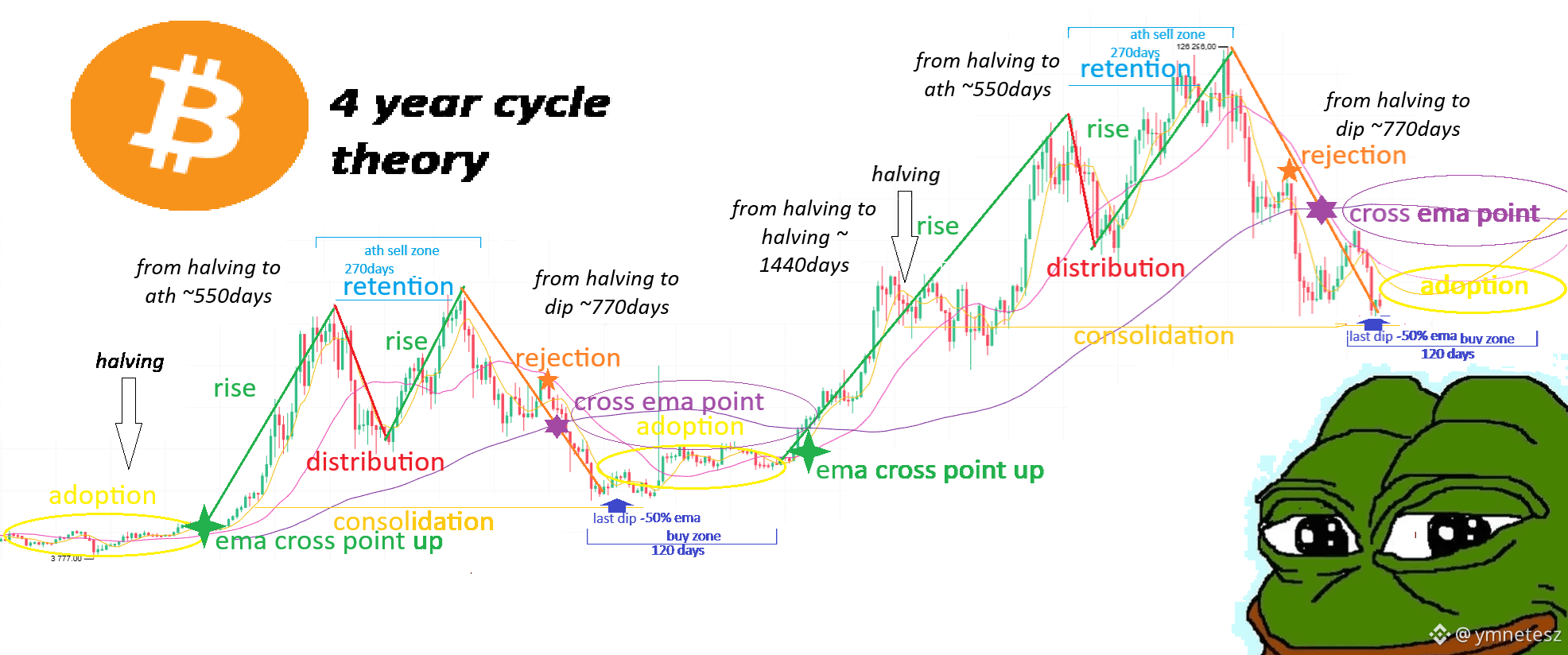
Bitcoin nigdy nie spadał poniżej poziomu ceny osiągniętej w trakcie halvingu.
nawet podczas bardzo głębokich korekt cena halvingowa stanowiła bardzo solidne wsparcie.
2012–2015
Halving price ok. 12 USD
ATH ok. 1127 USD
Dołek bessy ok. 170 USD
2016–2018
Cena halvingowa ok. 650 USD
ATH ok. 19 700 USD
Dołek bessy ok. 3200 USD
2020–2022
Cena halvingowa ok. 8750 USD
ATH ok. 69 000 USD
Dołek bessy ok. 15 500 USD
2024 - ...
Cena halvingowa ok. 64k USD
ATH ok. 126 900 USD
nawet podczas bardzo głębokich korekt cena halvingowa stanowiła bardzo solidne wsparcie.
2012–2015
Halving price ok. 12 USD
ATH ok. 1127 USD
Dołek bessy ok. 170 USD
2016–2018
Cena halvingowa ok. 650 USD
ATH ok. 19 700 USD
Dołek bessy ok. 3200 USD
2020–2022
Cena halvingowa ok. 8750 USD
ATH ok. 69 000 USD
Dołek bessy ok. 15 500 USD
2024 - ...
Cena halvingowa ok. 64k USD
ATH ok. 126 900 USD
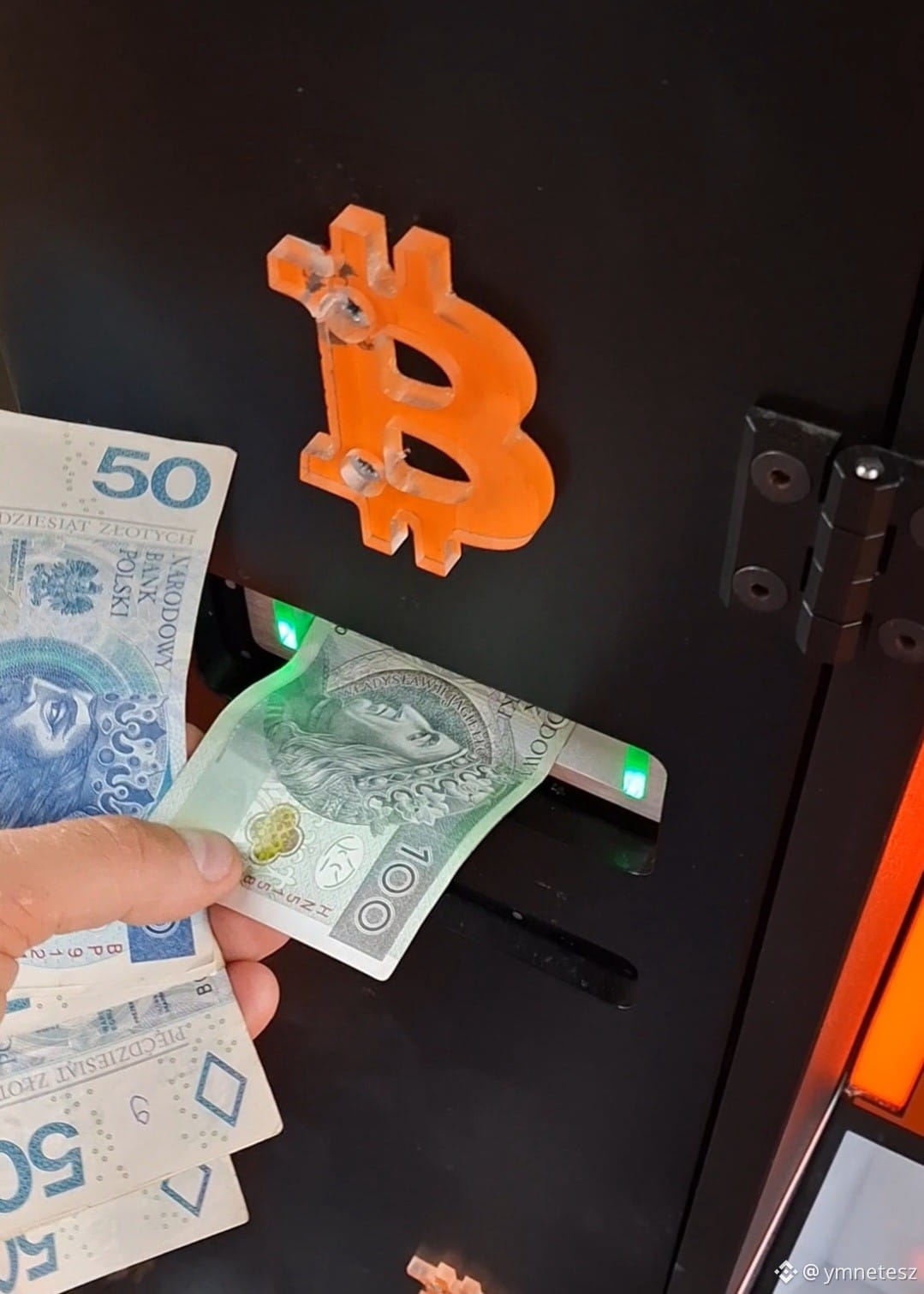
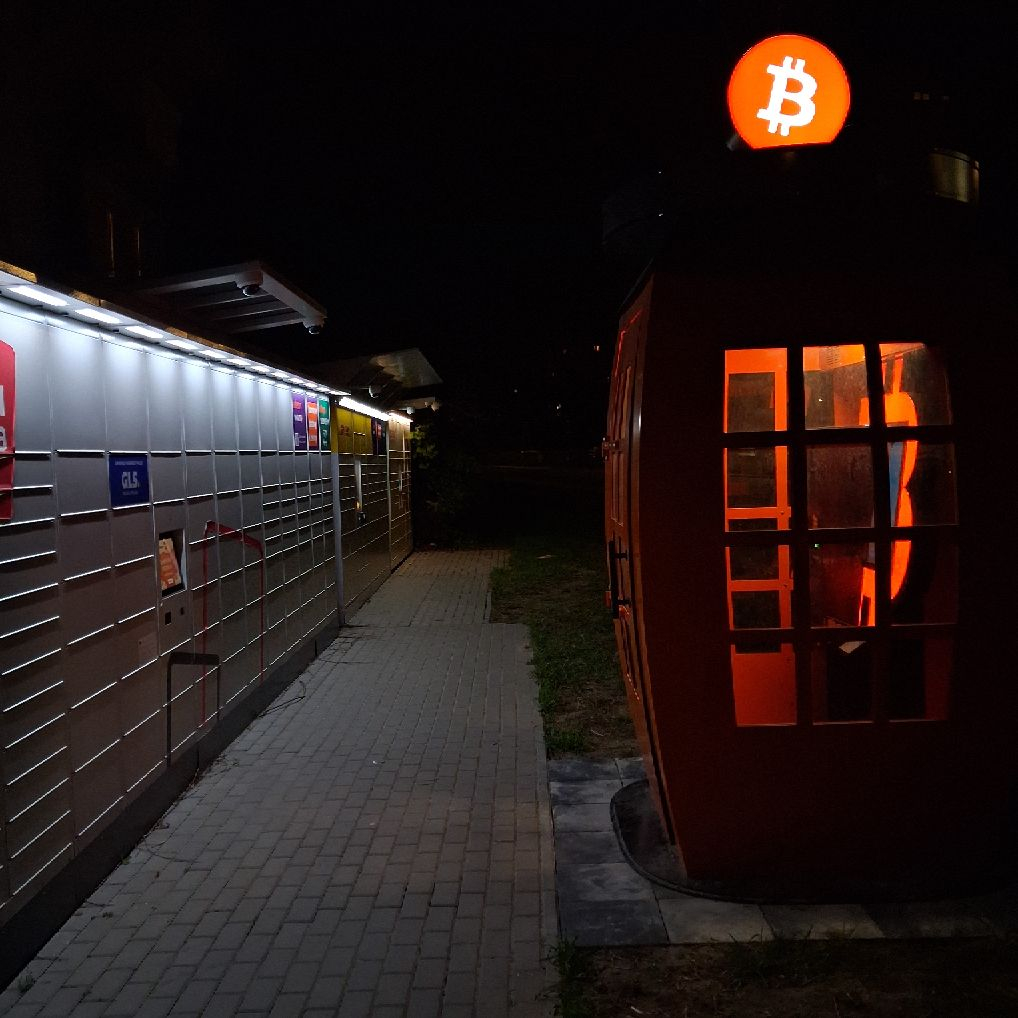
najszybszym sposobem zakupu, wpłaty środków na portfel krypto czy sprzedaży do gotówki swojego krypto są bitomaty. wbrew opinii wielu osób nie służa one jedynie do zakupu bitcoina ale innych wiodących monet na różnych łańcuchach
jak u was to wygląda? czy macie zaufanie do bitomatów i czy korzystacie z ich infrastruktury czy raczej wybieracie zakup krypto przez bank?
$BTC $ETH
jak u was to wygląda? czy macie zaufanie do bitomatów i czy korzystacie z ich infrastruktury czy raczej wybieracie zakup krypto przez bank?
$BTC $ETH
Otwarcie cieśniny Hormuz już działa.
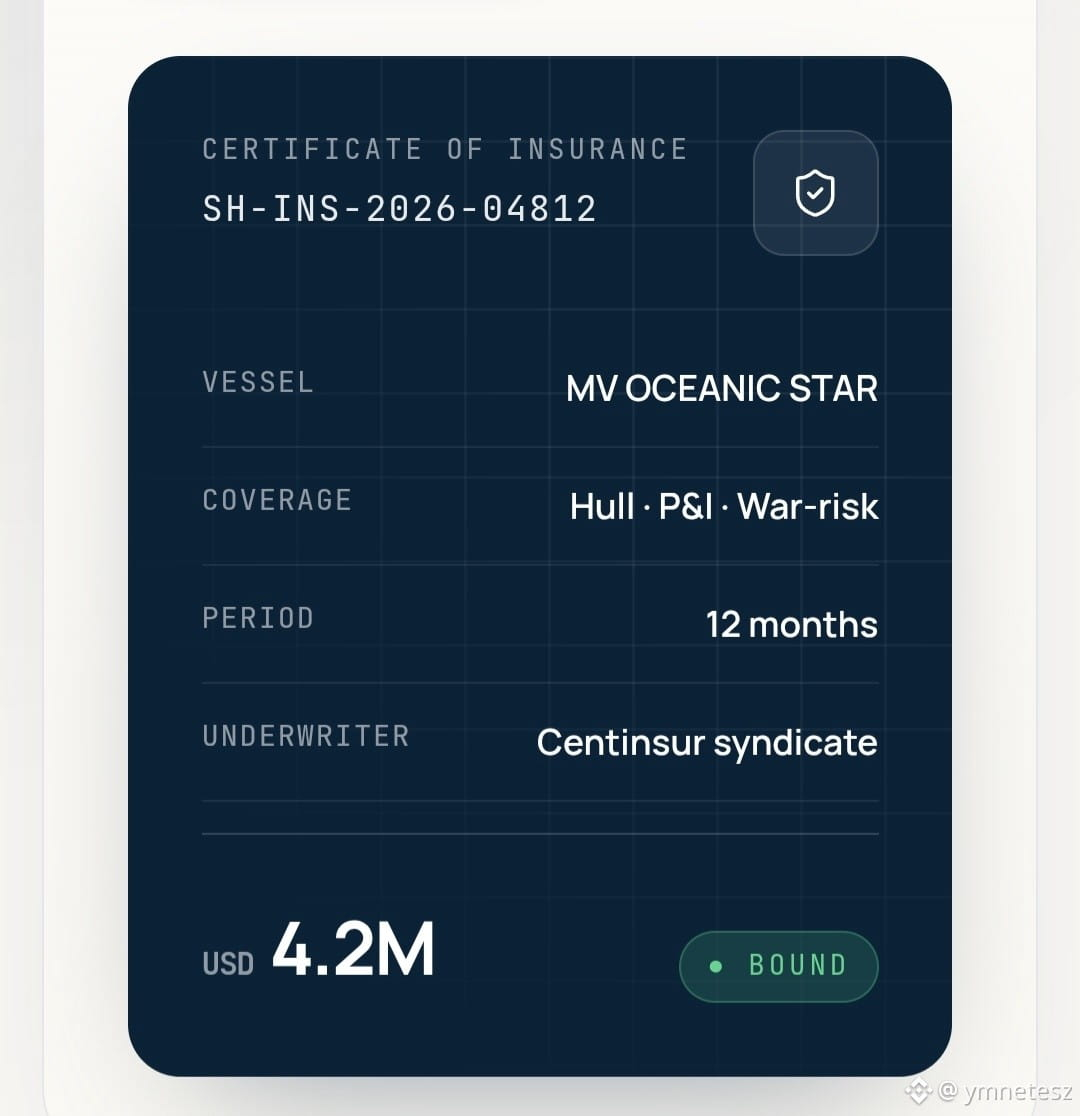
Ubezpieczenie za przepływ przez cieśninę czyli "bezpieczny bilet" dostępne jest do opłacenia przez oficjalną witrynę HormuzSafe.ir
Tranzyt otrzymuje certyfikat na wybrany okres i szlak przepływowy mogąc bezpiecznie poruszać się po wybranym kursie.
Ubezpieczenie za przepływ przez cieśninę czyli "bezpieczny bilet" dostępne jest do opłacenia przez oficjalną witrynę HormuzSafe.ir
Tranzyt otrzymuje certyfikat na wybrany okres i szlak przepływowy mogąc bezpiecznie poruszać się po wybranym kursie.
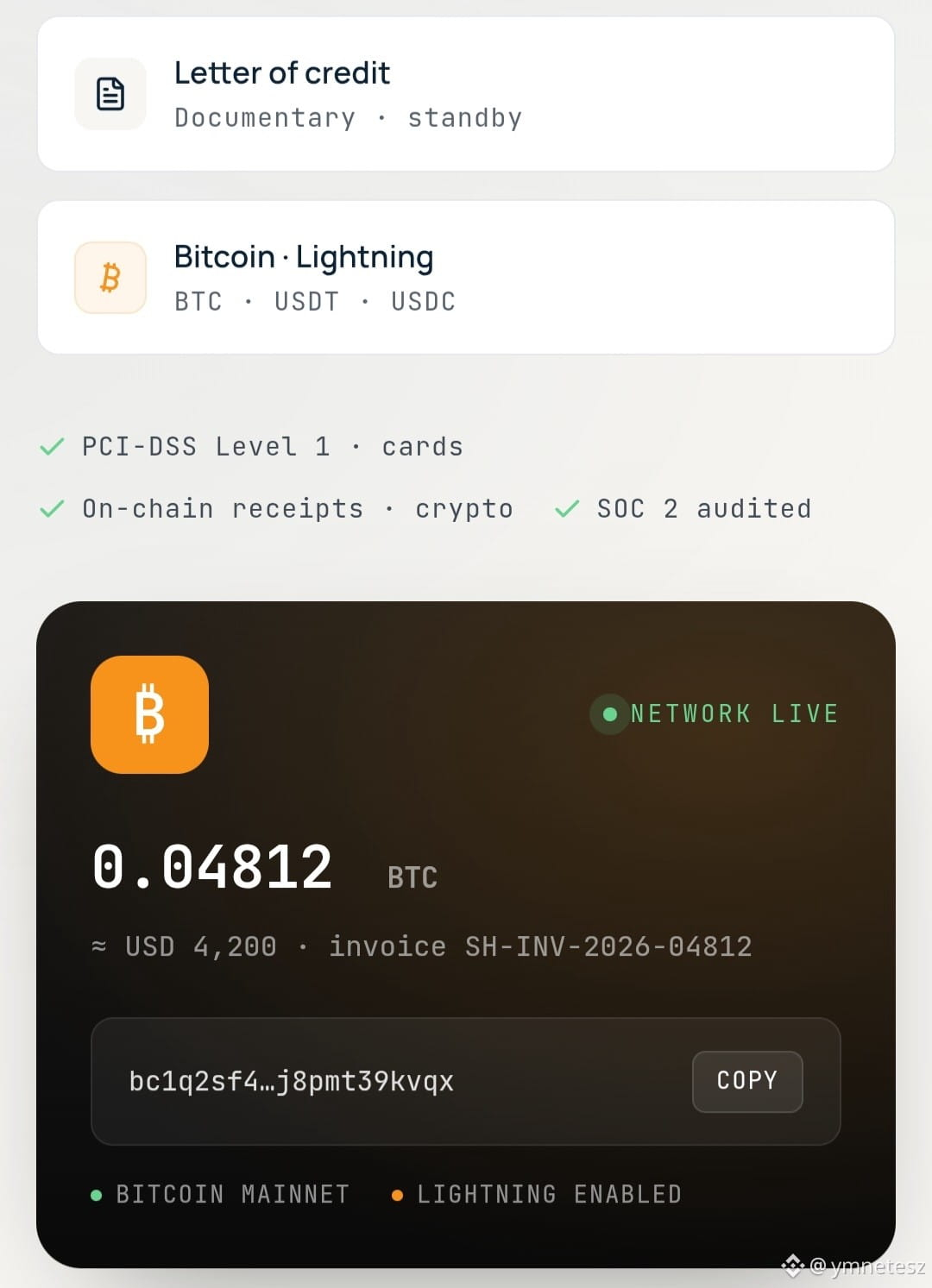
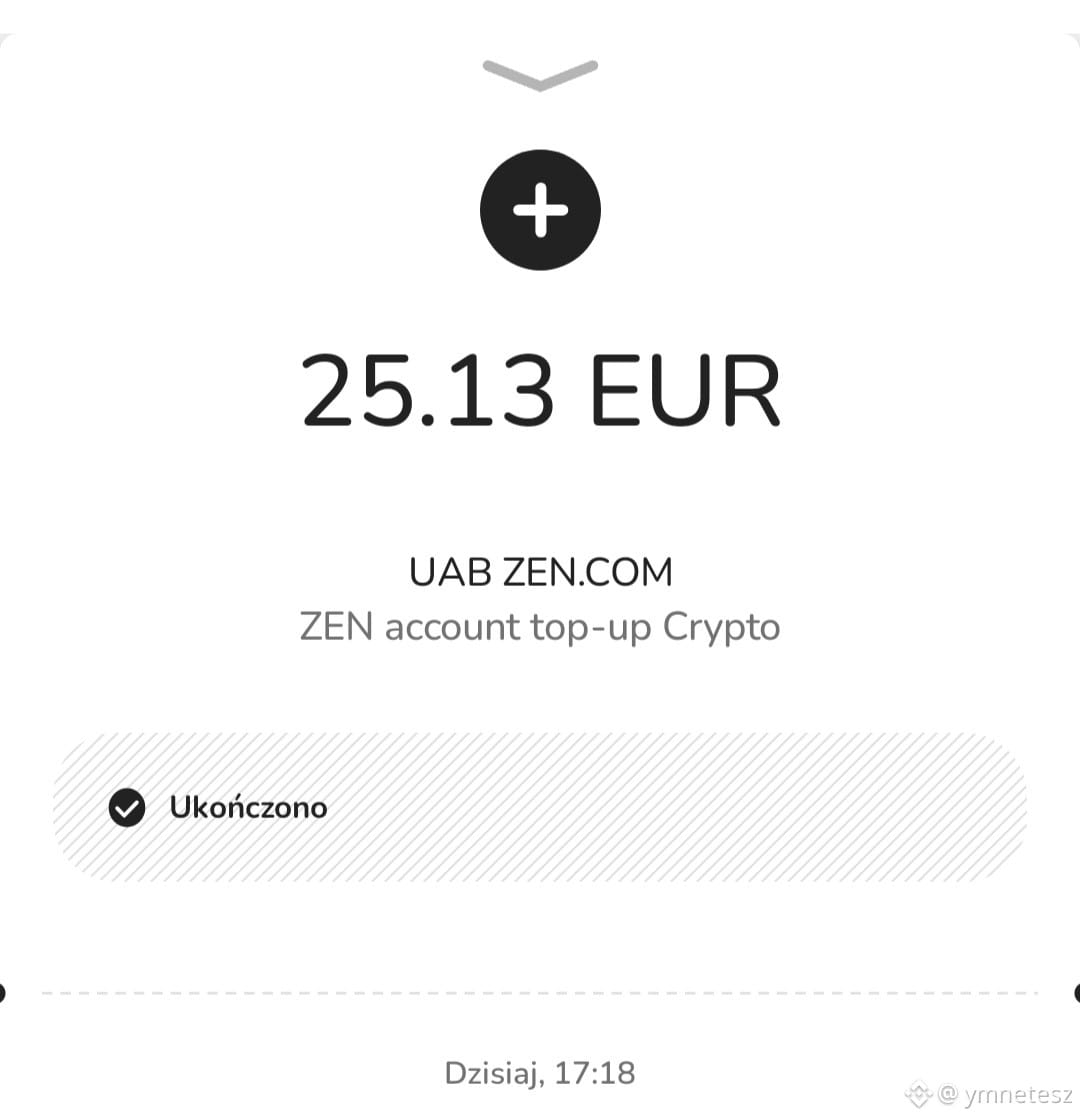
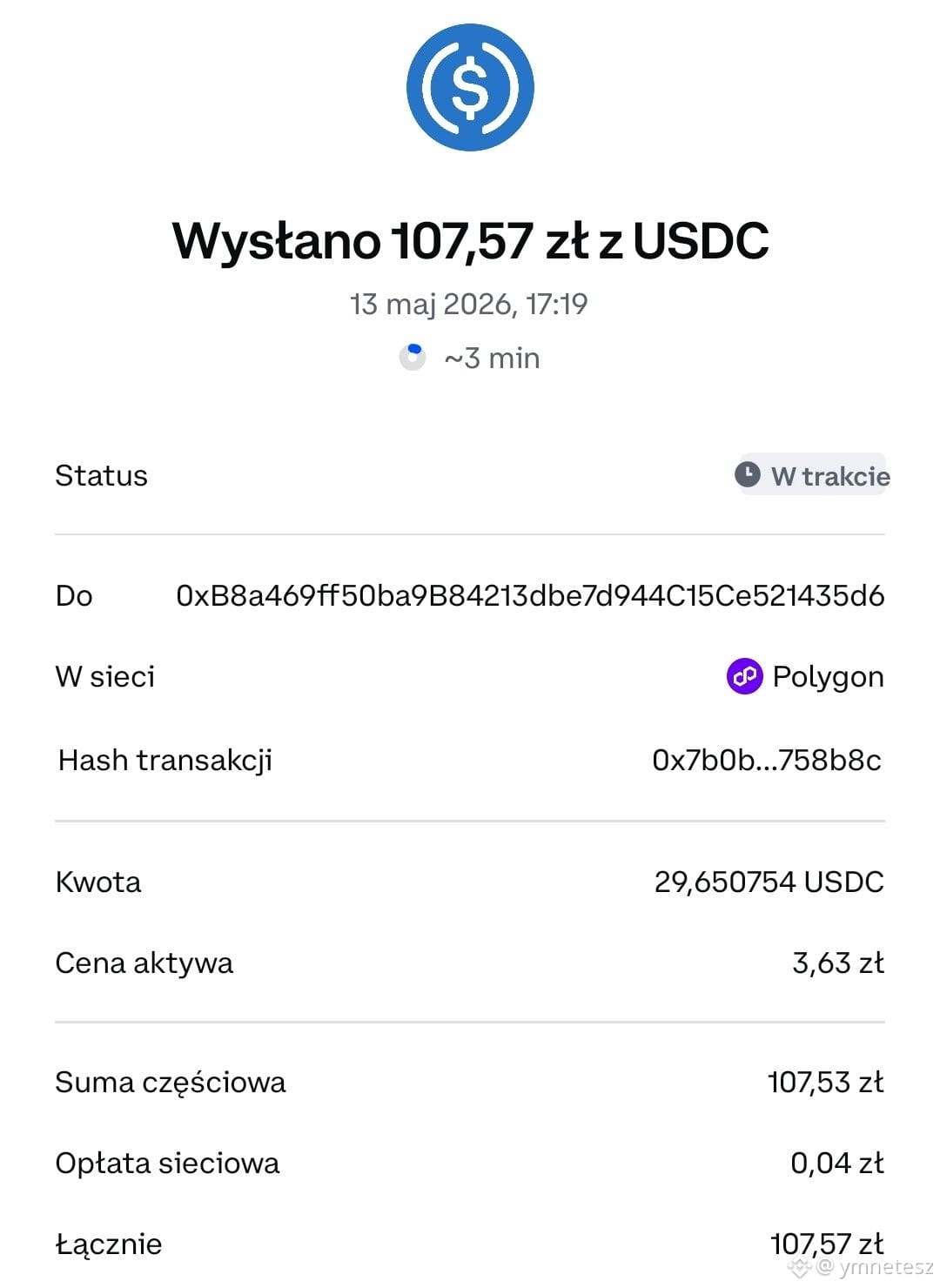
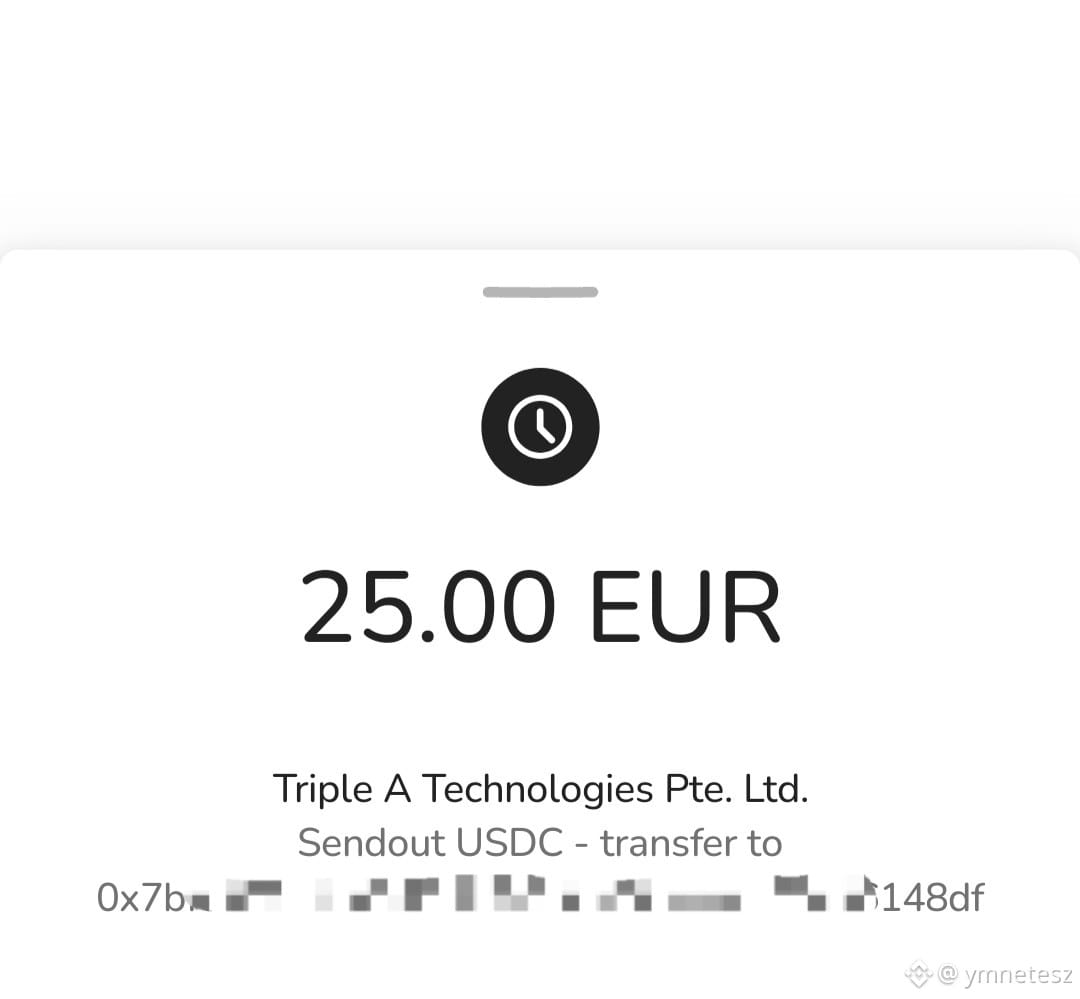
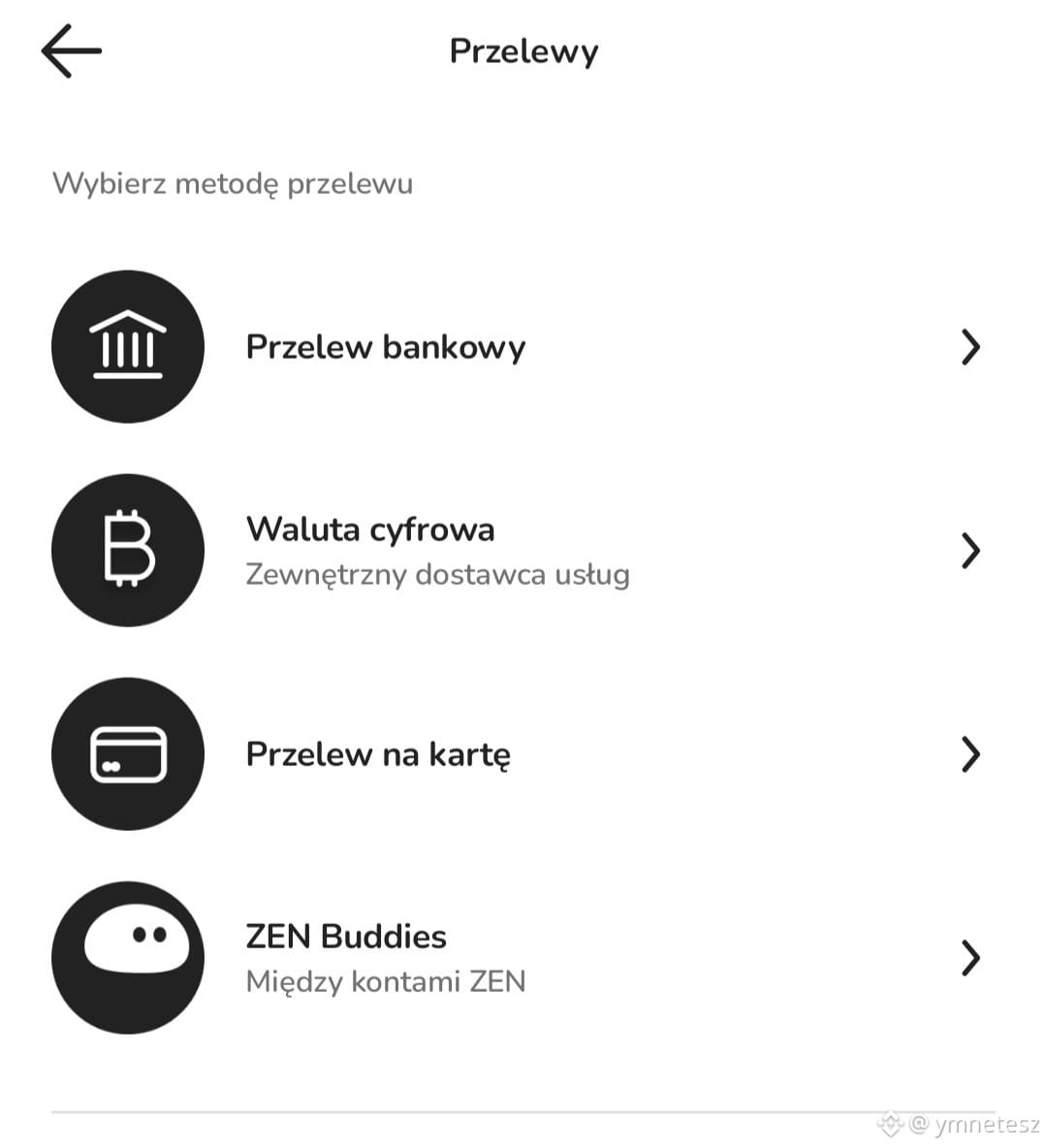
Chcąc wypłacić środki z portfela kryptowalutowego lub giełdy, nie musisz już korzystać z pośredników bankowych.
Zen.com obsługuje możliwość otrzymywania kryptowalut bezpośrednio na portfel, z którego wykonasz przelewy jak i wypłacisz pieniądze z bankomatu.
Wszystko odbywa się w kilka sekund, z małą opłatą, z wykorzystaniem kilku wiodących sieci.
Zen.com obsługuje możliwość otrzymywania kryptowalut bezpośrednio na portfel, z którego wykonasz przelewy jak i wypłacisz pieniądze z bankomatu.
Wszystko odbywa się w kilka sekund, z małą opłatą, z wykorzystaniem kilku wiodących sieci.
Używasz karty meta mask do codziennych płatności?
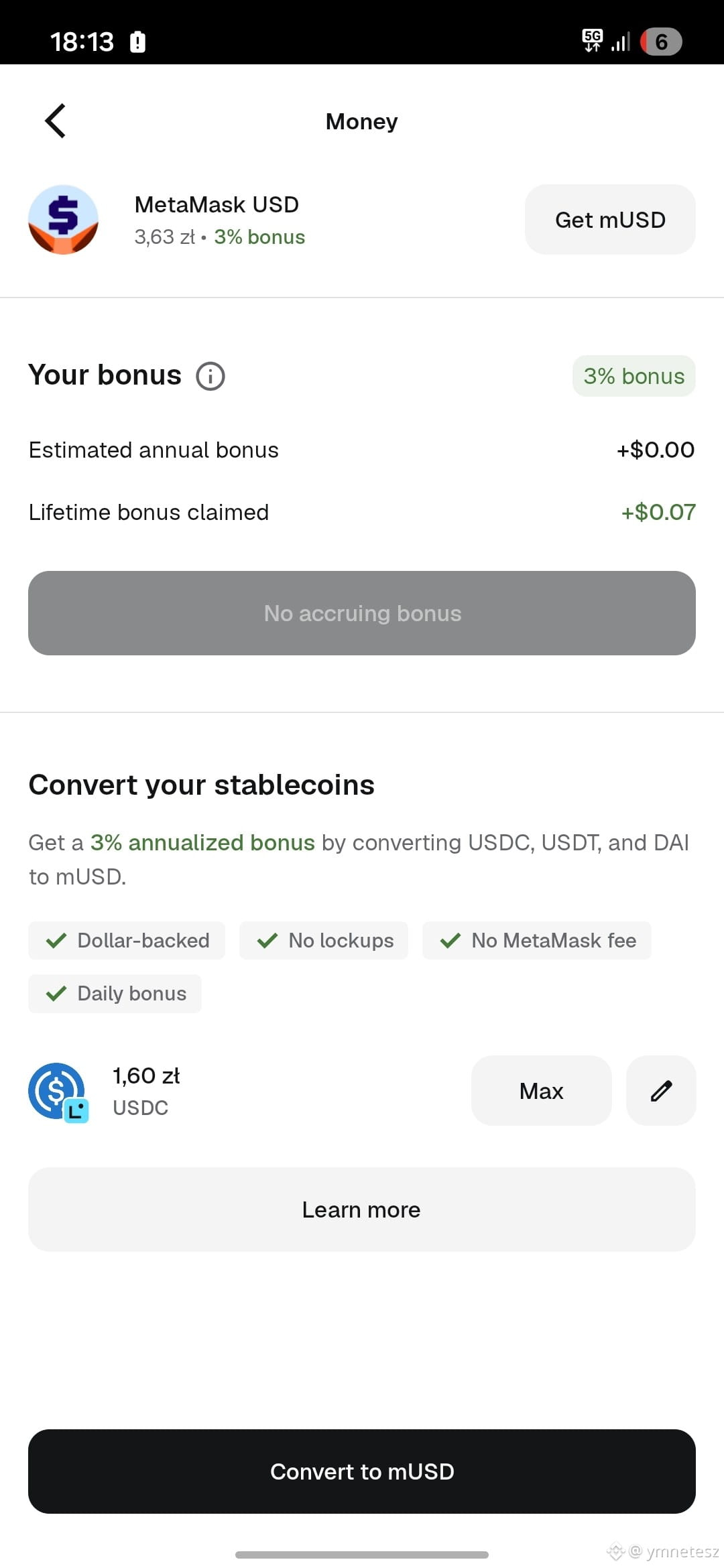
Wraz z mUSD otrzymujesz 3% dodatkowo, przy konwersji z USDC
$LINEA
$USDC
Wraz z mUSD otrzymujesz 3% dodatkowo, przy konwersji z USDC
$LINEA
$USDC
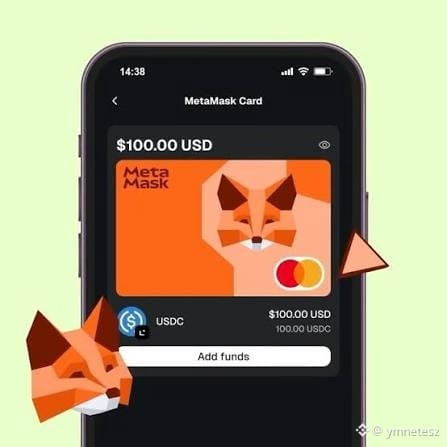
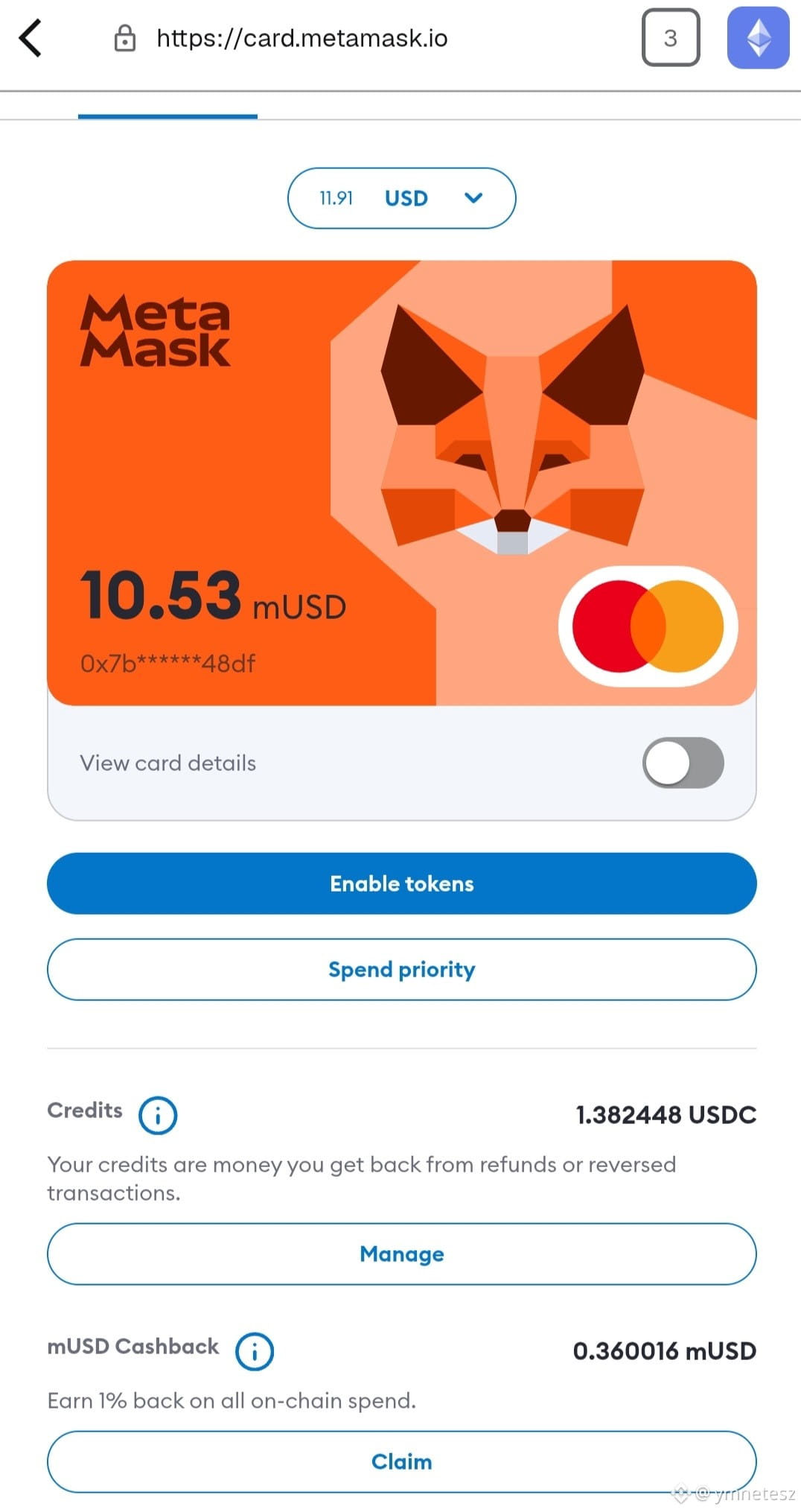
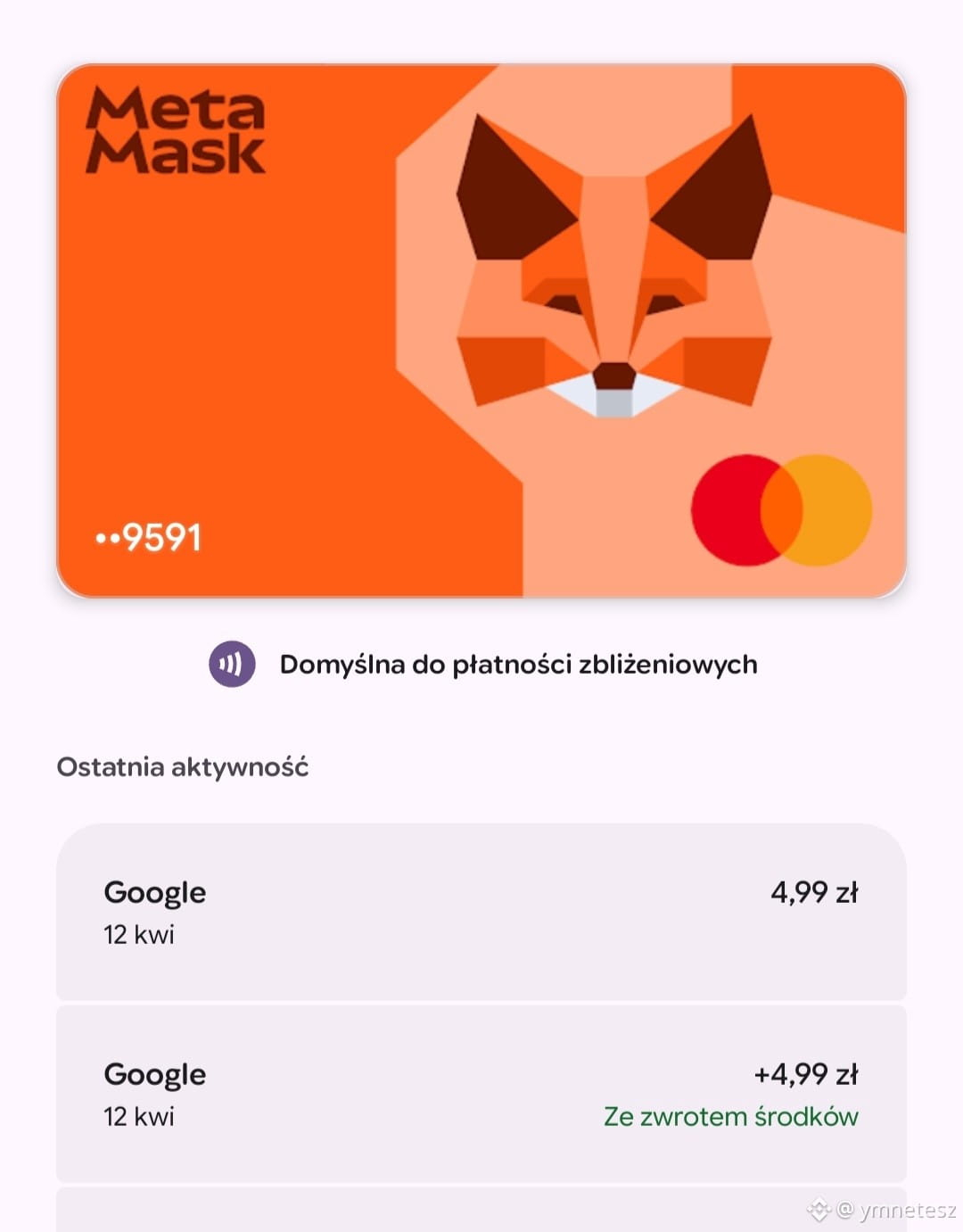
Używasz karty metamask? Dokonałeś przypadkowo niechcianego zakupu w Internecie? Lub opłaciłeś niechcianą subskrypcję?
Bez problemu. Metamask działa jak klasyczna bankowość, razem z Google Pay, umożliwiając natychmiastową reakcje.
Zwrot środków odbywa się w postaci cashbacku, a wszystkie wydatki są monitorowane w aplikacji karty.
Bez problemu. Metamask działa jak klasyczna bankowość, razem z Google Pay, umożliwiając natychmiastową reakcje.
Zwrot środków odbywa się w postaci cashbacku, a wszystkie wydatki są monitorowane w aplikacji karty.
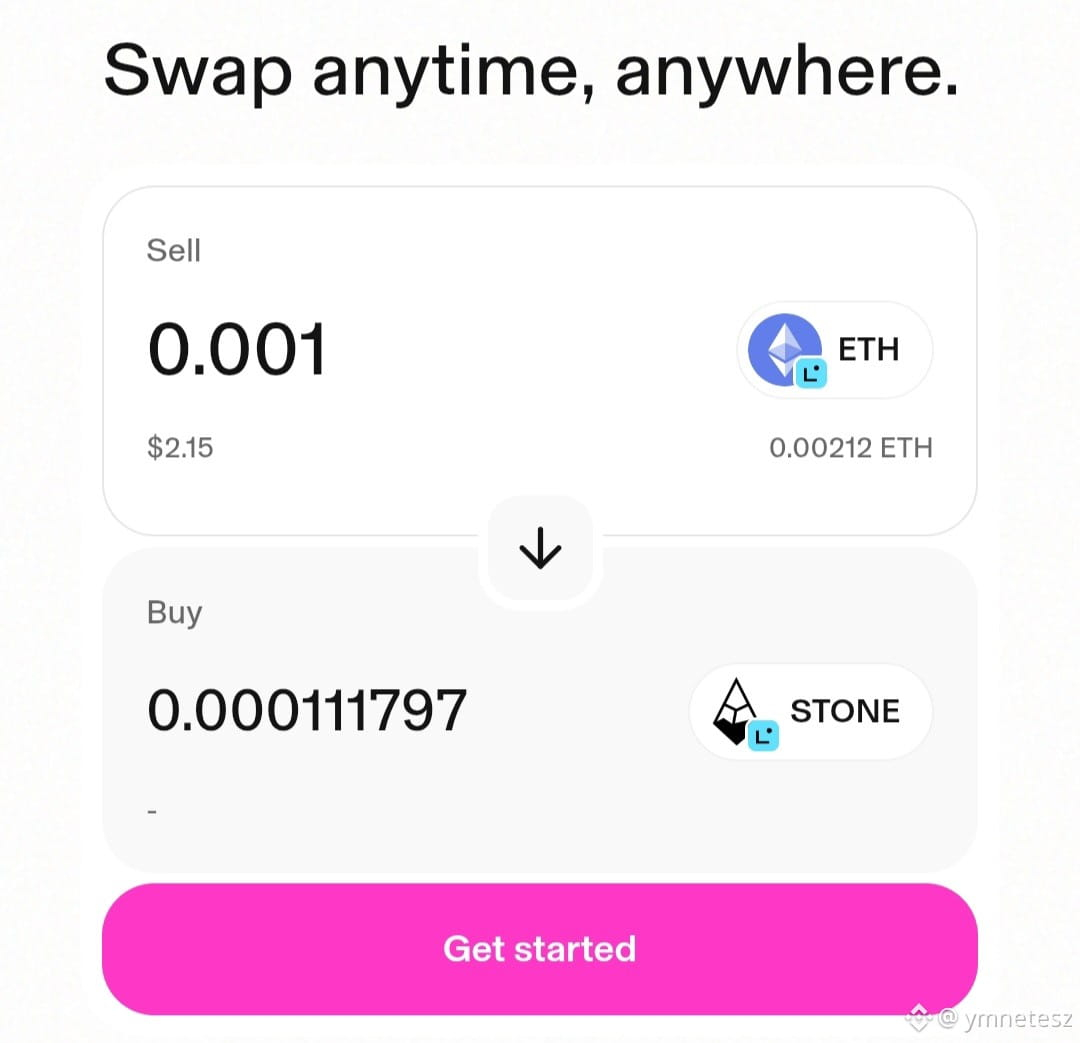
uniswap wlasnie dodaje łańcuch linea umożliwiając swap w obrębie łańcucha jak i pomiędzy
$LINEA
$STO
$UNI
$LINEA
$STO
$UNI

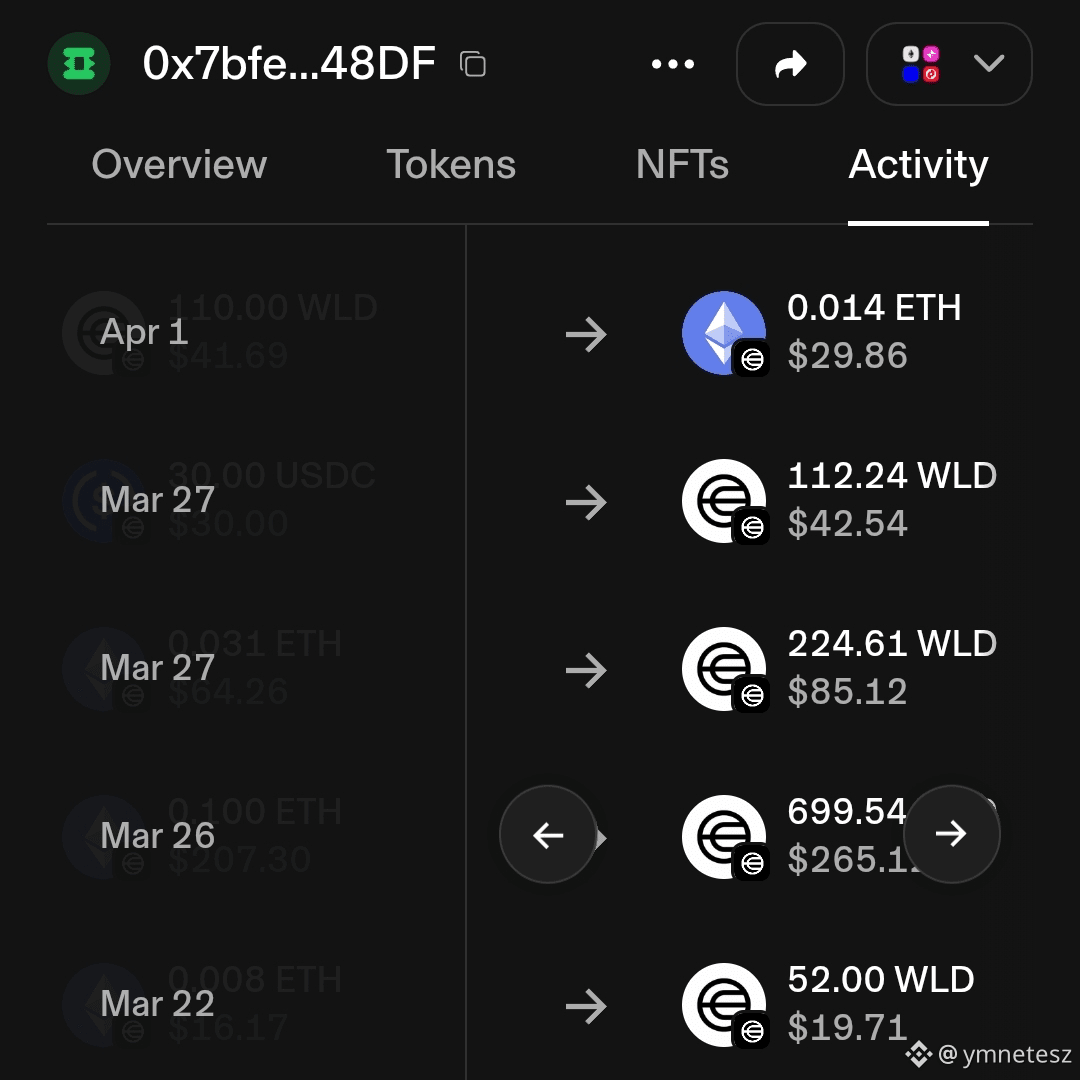
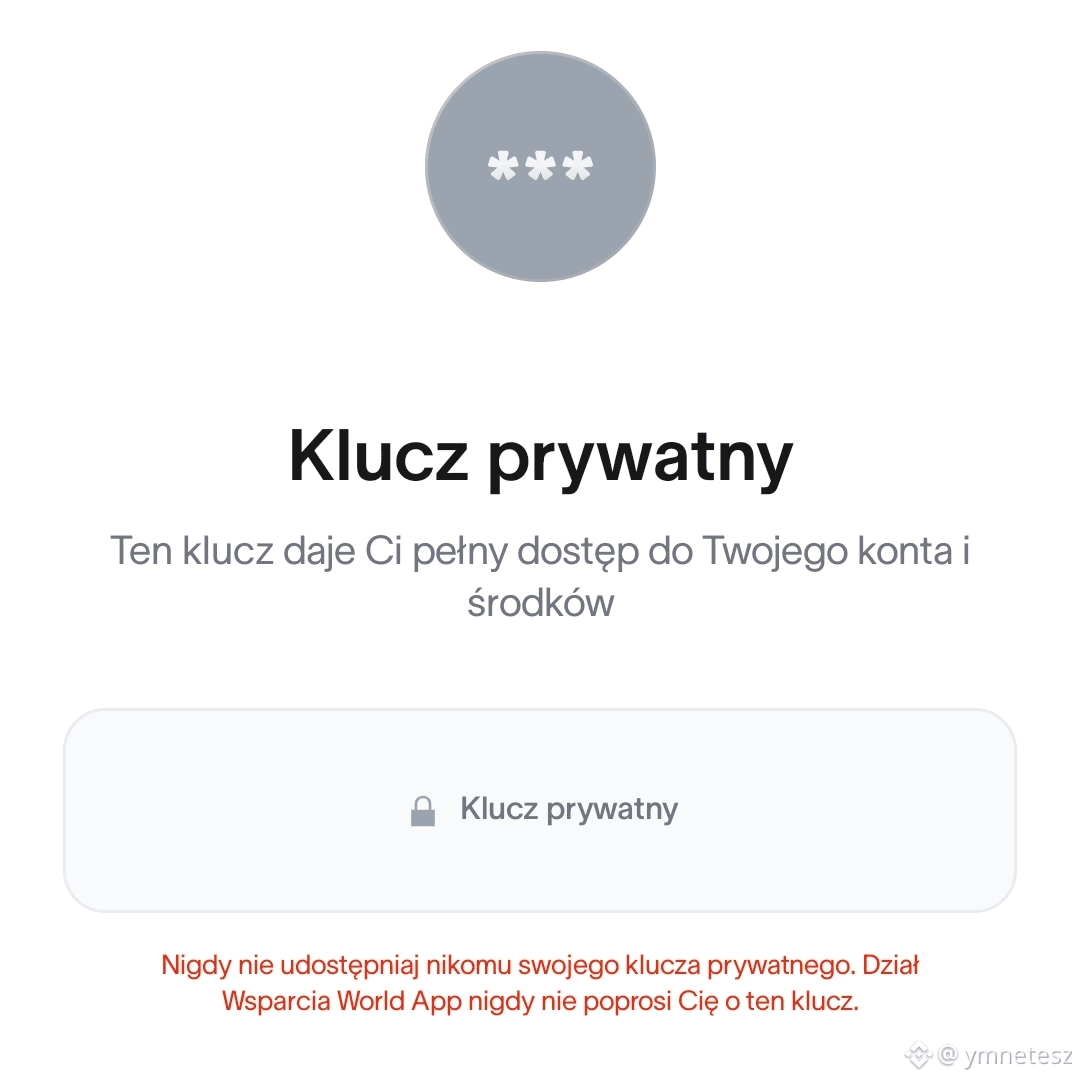
world coin daje w pełni dostęp do konta udostępniając klucz prywatny,
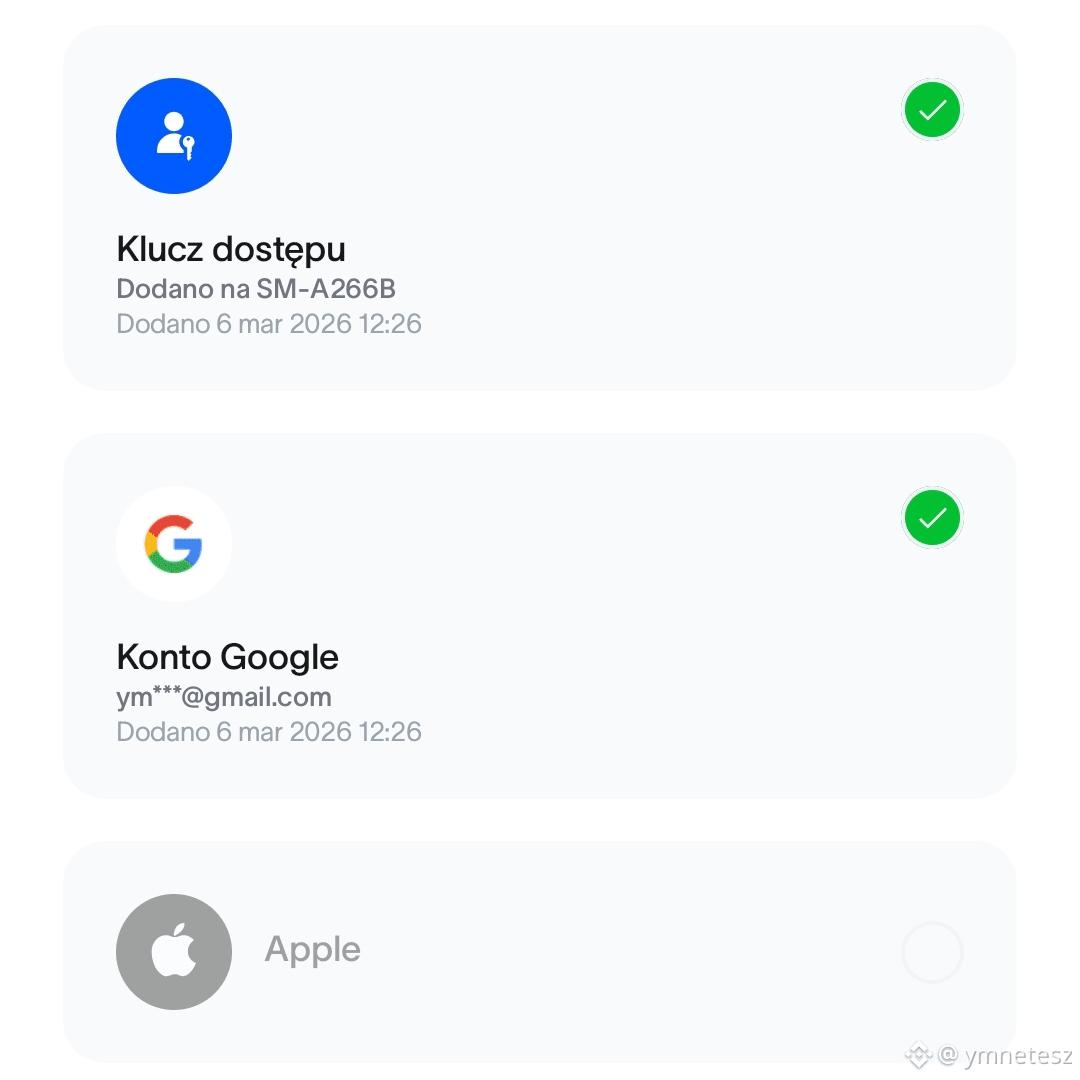
możesz logować się za pomocą klucza dostępu wiążąc konto z google bądź Apple app, lub przenieść dostęp na dowolny portfel web3
$WLD
możesz logować się za pomocą klucza dostępu wiążąc konto z google bądź Apple app, lub przenieść dostęp na dowolny portfel web3
$WLD
Nareszcie Uniswap umożliwia wymianę miedzyłańcuchową w swojej app.
Szybko i wydajnie, jednym kliknięciem bez dodatkowych pośredników.
$UNI $ETH
Szybko i wydajnie, jednym kliknięciem bez dodatkowych pośredników.
$UNI $ETH
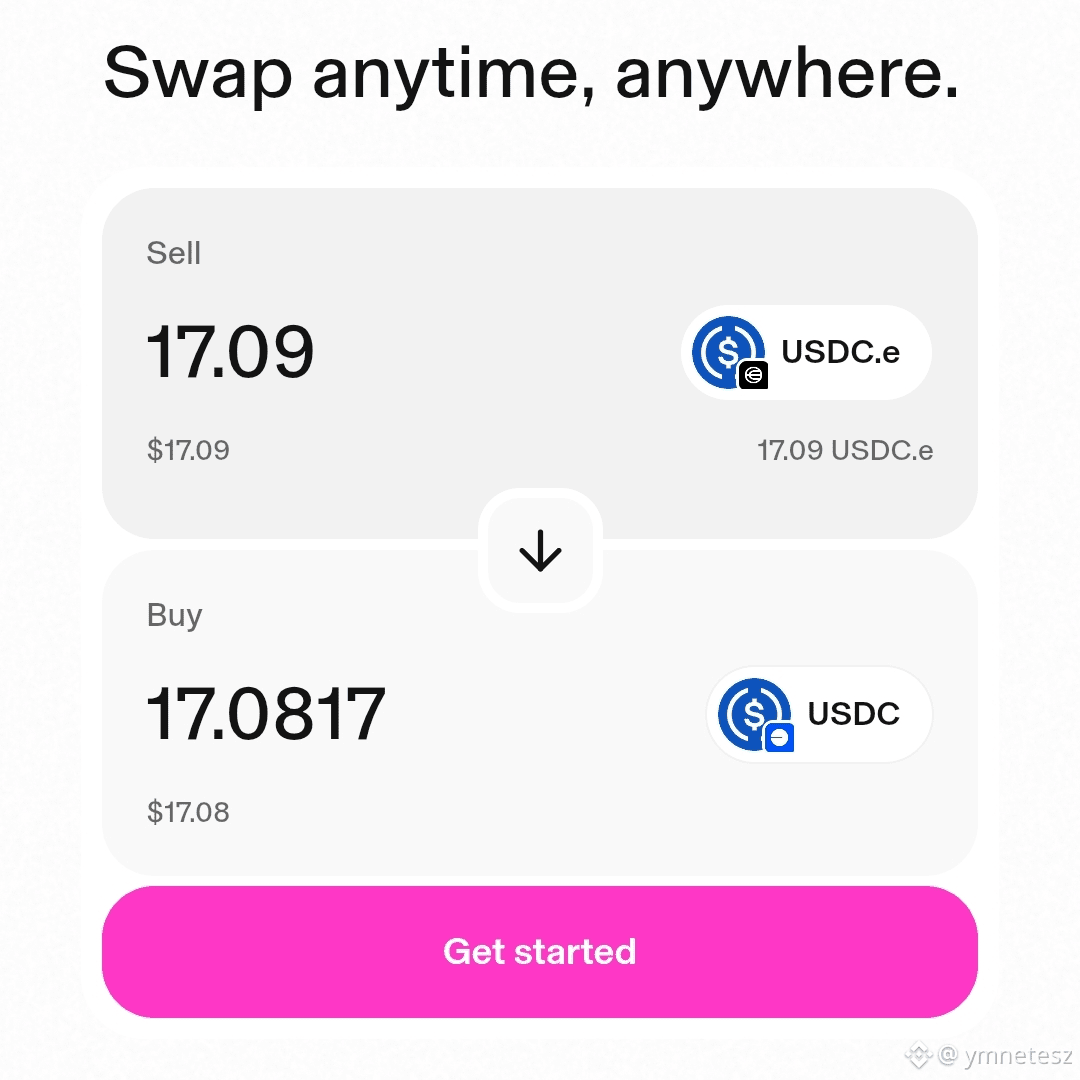
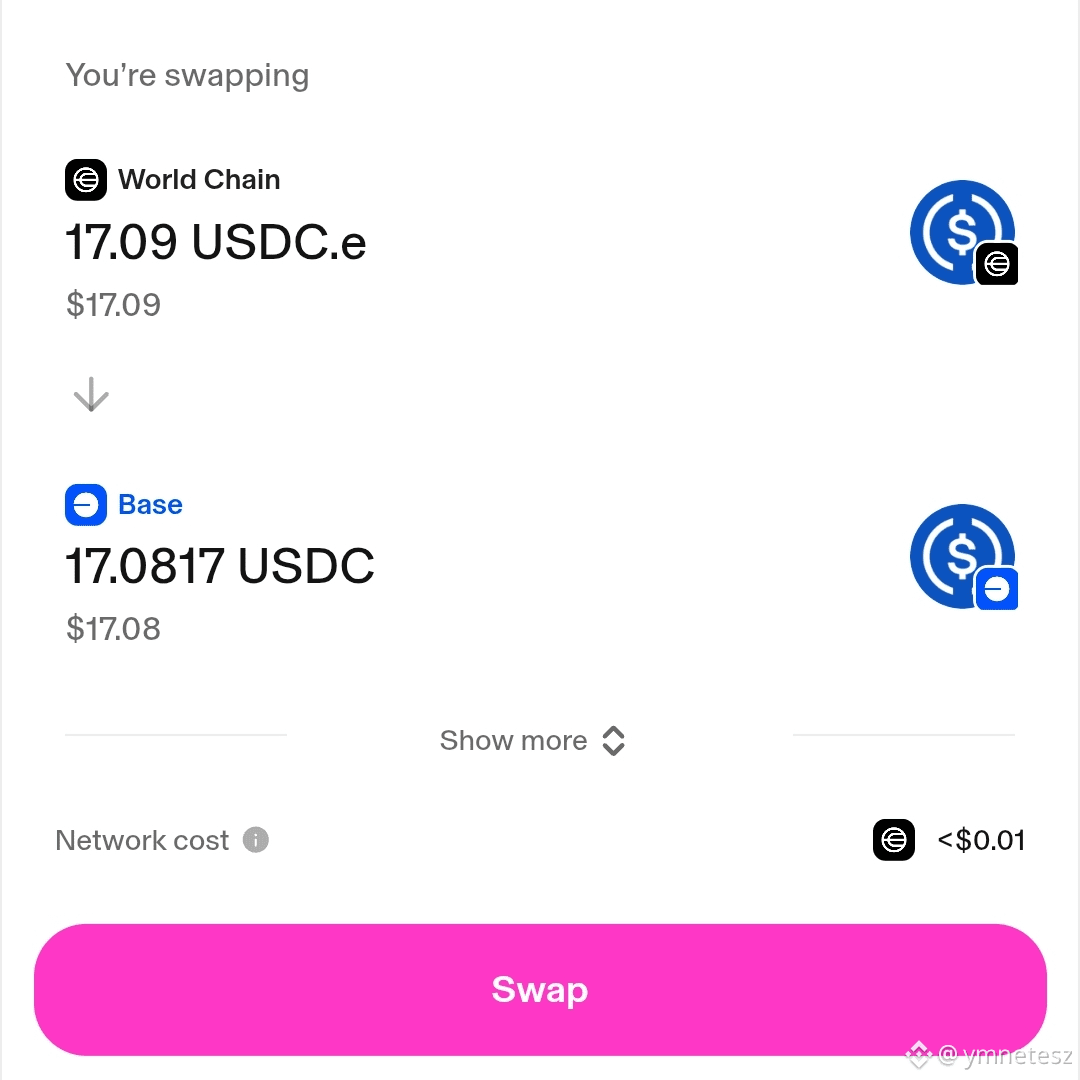
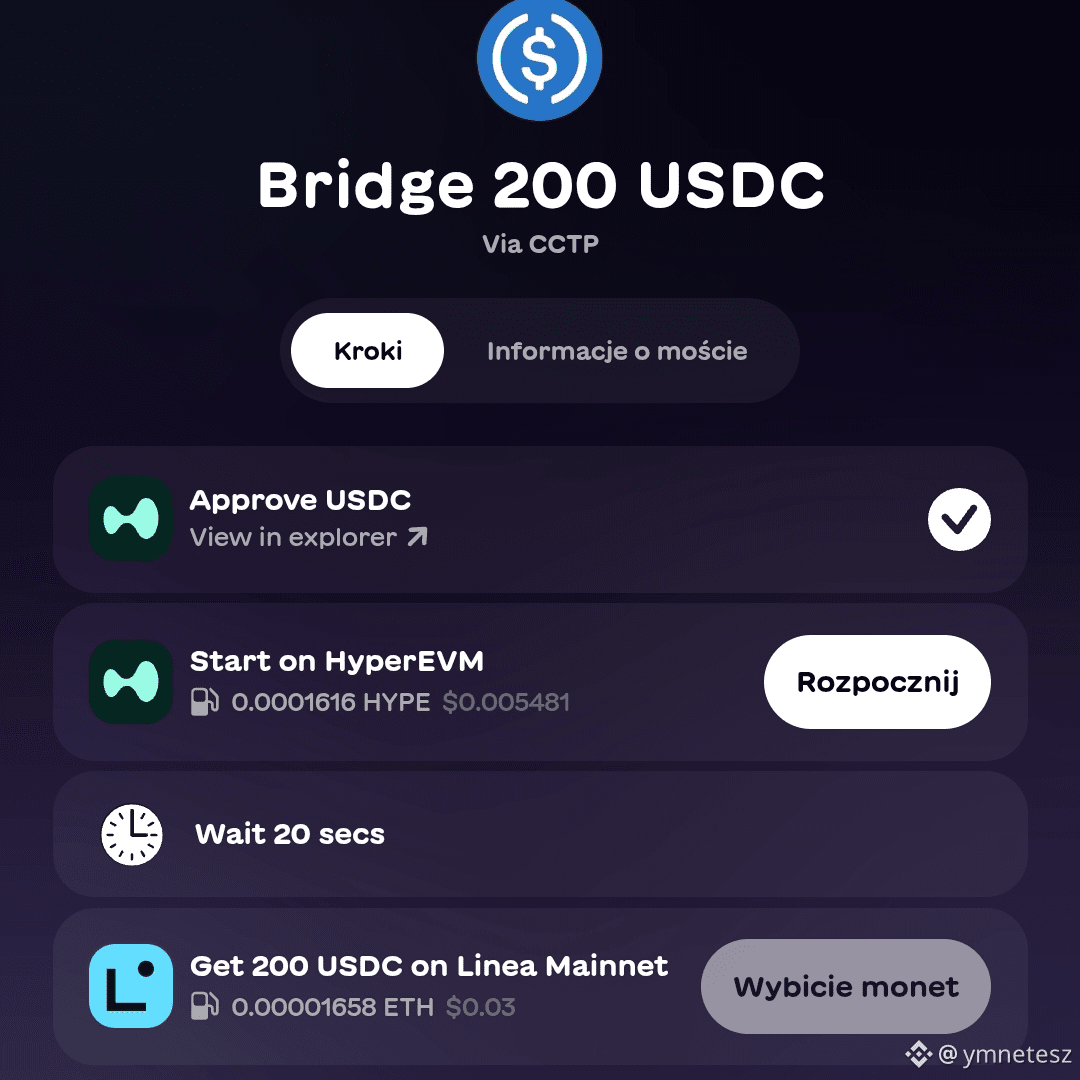
Szukasz mostu którym przeniesiesz swoje USDC bez utraty tokenów? Z CCTP przenosisz USDC 1:1 i płacisz jedynie fee za transfer.
Zbudowany na optimis superchain
$USDC
$OP
Zbudowany na optimis superchain
$USDC
$OP
zen to rewolucja w fintech.
to nie tylko wielowalutowy portfel wykorzystujący IBAN, ale mnogość 28 fiducjarnych walut i wysyłkę kryptowalut między portfelami
to nie tylko wielowalutowy portfel wykorzystujący IBAN, ale mnogość 28 fiducjarnych walut i wysyłkę kryptowalut między portfelami
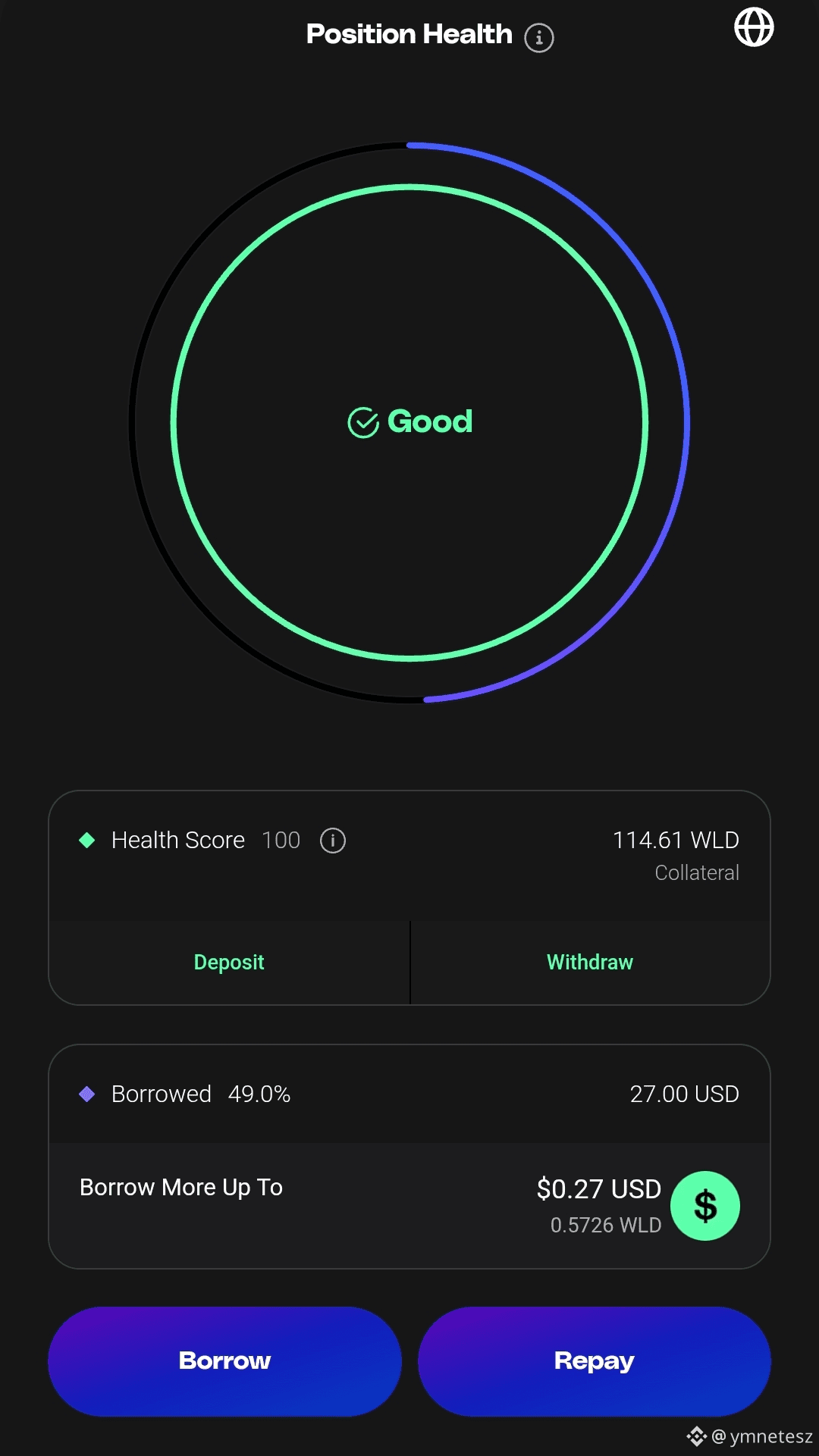
world coin wychodzi na przeciw z opcją pożyczek pod zabezpieczenie z wykorzystaniem tokenów wld
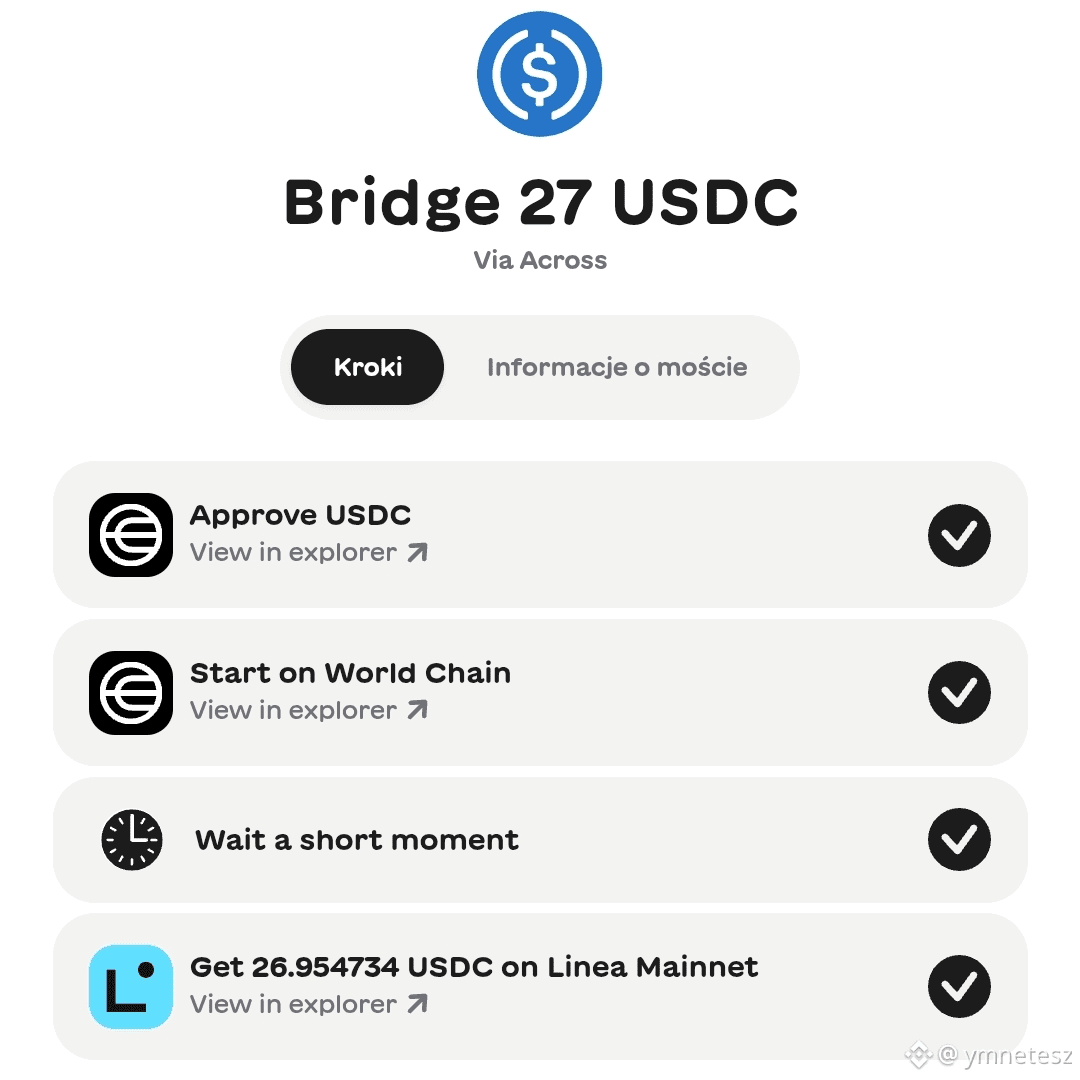
mintujesz tokeny, pożyczasz dolary i możesz z łatwością poruszać je między łańcuchami
nie oddajesz? tokeny przepadają,
wartość wld rosnie? rośnie zdolność kredytowa
mintujesz tokeny, pożyczasz dolary i możesz z łatwością poruszać je między łańcuchami
nie oddajesz? tokeny przepadają,
wartość wld rosnie? rośnie zdolność kredytowa
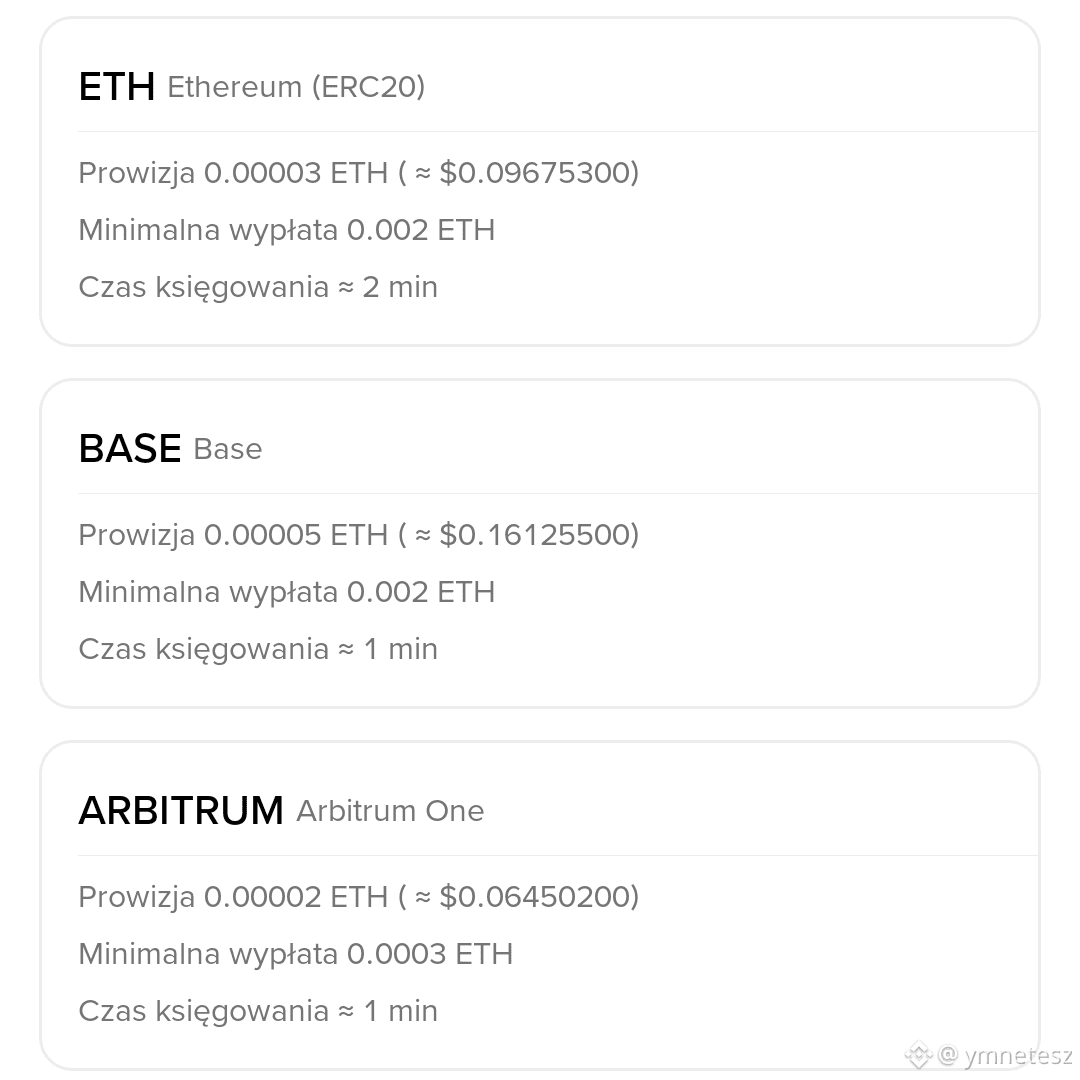
opłaty za transakcje spadają drastycznie po aktualizacji fusaka ethereum
ethereum to przyszłość tokenizacji
ethereum to przyszłość tokenizacji
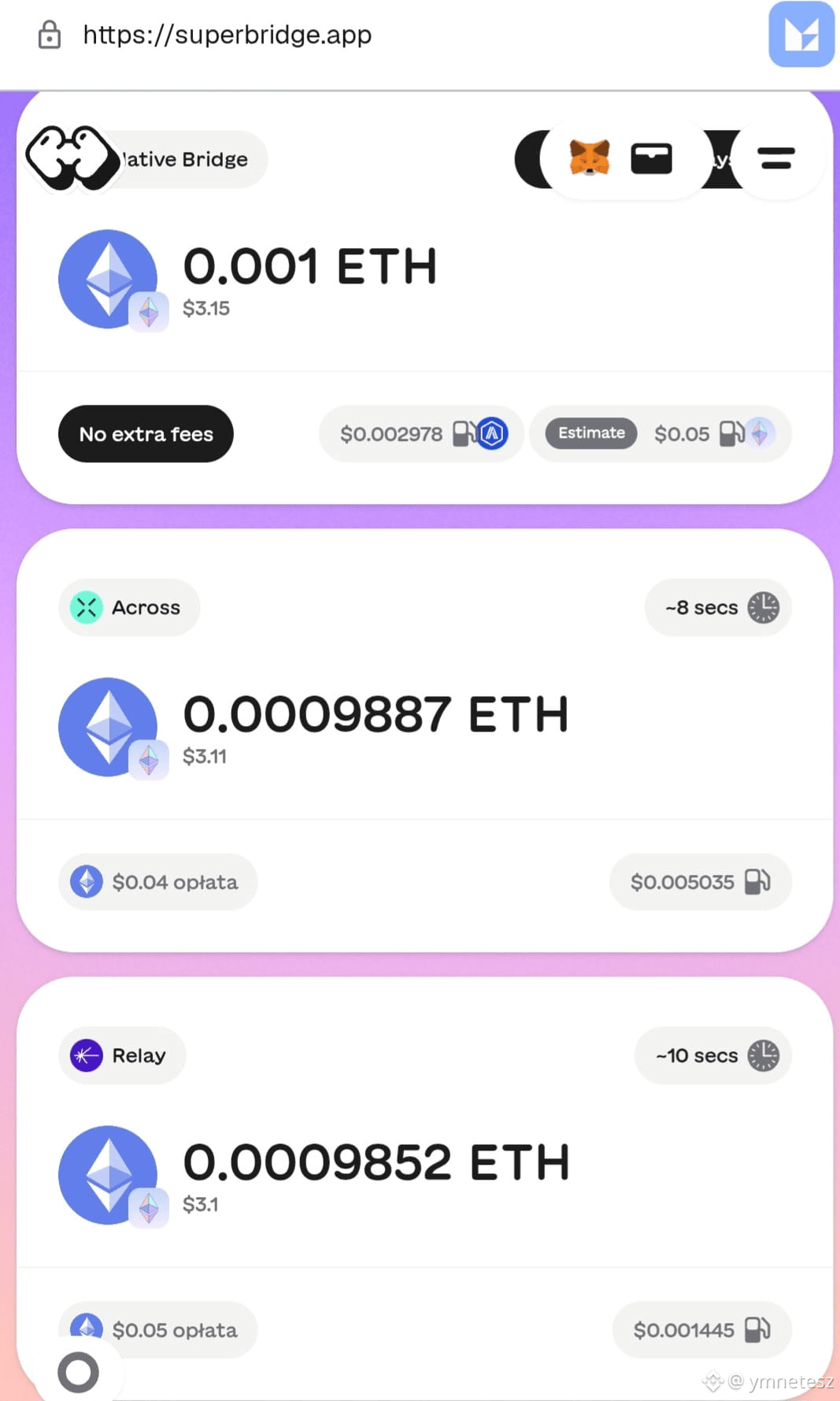
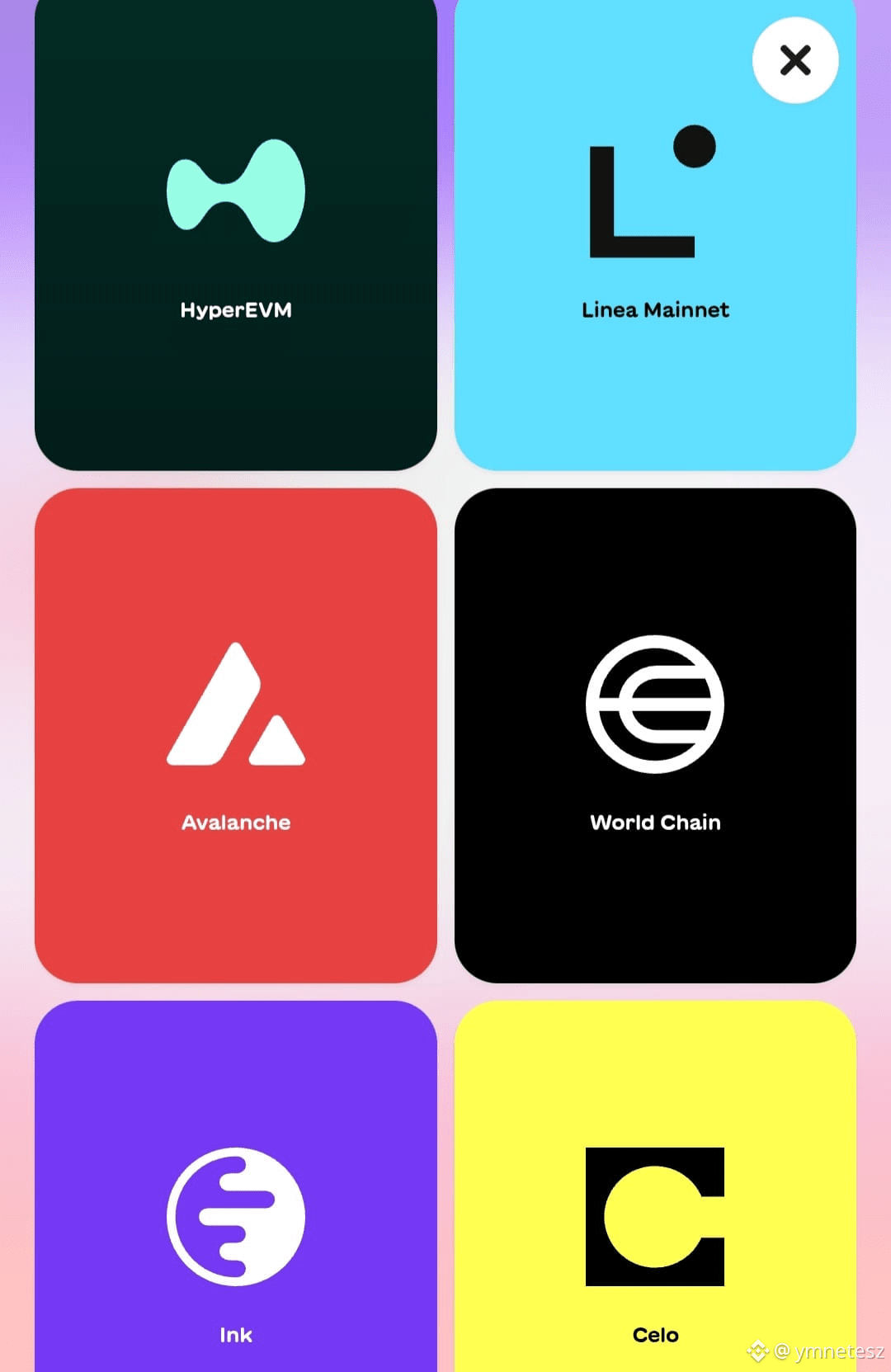
need a Fast reliable bridge beetween rare chains?
try super bridge. Its relly on Optimism superchain
$OP
$HYPER
$HYPE
try super bridge. Its relly on Optimism superchain
$OP
$HYPER
$HYPE
Log in to explore more content