
Mr Cat__
100 Posts

Mr Cat__
Report
Block User
15 Following
2.0K+ Followers
132 Liked
Posts
All
Quotes
·
--
Join $SXT
Join $SXT


Binance Square Official
·
--
Space and Time (SXT) Creator Campaign: Share your Trade to Earn 50,000 USDC on Binance Square
Binance Square is running a creator campaign with Space and Time on CreatorPad. Eligible creators who complete the campaign tasks with additional reward pools for top PNL performers, can share 50,000 USDC from Space and Time.
Token voucher rewards will be distributed before 2026-12-10. Users may check their voucher rewards via Profile > Rewards Hub by then.
Activity Period: 2026-11-12 09:00 (UTC) to 2026-11-22 23:59 (UTC)
Who Can Participate:
Users meeting all of the following criteria will be invited to join the campaign:
Reached 1,000 or more followers on Binance Square by 2026-11-10 23:59 (UTC) ;Published at least 1 post (either short post, or article or video) on Binance Square in the 7 days leading up to 2026-11-10 23:59 (UTC);
Reward Tracks: The campaign reward is split across 2 tracks.
Track 1: Share Task Rewards (40,000 USDC)
Complete all 3 tasks below and meet all the requirements to share 40,000 USDC equally. Complete every task through the campaign page; each task can be done only once.
Tasks:
Follow @SpaceandTime on Binance Square.Follow @Space and Time on social media.Create 1 post on Binance Square that meets the requirements below.
Requirements (for your Binance Square post):
Include the SXT Spot/Futures trade sharing card with trade value ≥ $20 equivalent.Only trade sharing cards showing SXT Spot [Trade History] or Futures current [Position] /[Position History] are counted, other widget won't be counted. Refer to Guide for more details. The trade value in the trade sharing card ≥ $20 equivalent.In SXT Spot trade sharing, the trade value refers to the [Total (USDT)] shown on the trade sharing card.In SXT Futures sharing, the trade value refers to the filled (USDT) in the open position orders. At least 100 characters.Include the hashtag #SXT , tag the $SXT token, and mention @SpaceandTime.Be relevant to Space and Time, and its core narrative “Space and Time powers verifiable data for AI, tokenization, and DeFi”. Suggested directions: Suggested direction 1: How does Space and Time power verifiable data for AI?Suggested direction 2: How does Space and Time power verifiable data for tokenization?Suggested direction 3: How does Space and Time power verifiable data for DeFi?Please focus on technology, use cases, and network utility. Avoid investment claims, price predictions, promised returns, and speculative trading promotion.
How to add your trade-sharing card:
Tap [Add Trades] in the Post Editor.To share SXT Spot: select from the [Trade History] under [Spot], and toggle [Show Amount].To share SXT Futures: select either current [Position] or [Position History] under [Futures]. New order recognition in the Trade Sharing widget may take up to 5 - 10 minutes. Please wait a moment after trading before sharing your trade.
Rules:
Rewards per eligible creator is capped at 50 USDC. Post only once on Square during the campaign. This isn't a leaderboard campaign and you don't need to post daily.Post from the CreatorPad campaign page to be counted. Posts directly published elsewhere (e.g. post editor) won't be counted as valid entries.After you post, the task shows "Posted", but that doesn't mean you have completed tasks. Eligibility is assessed once, at the end of the campaign (2026-11-22 23:59 UTC). You may edit your post published from the CreatorPad campaign page until then — changes before the snapshot are accepted. Only Square posts that meet all the requirements mentioned above at that point count as completing the task; otherwise no reward.No engagement farming: don't add red packets or giveaways, and don't post high-volume repetitive, templated, AI-generated, or empty comments, or templated replies that fake engagement. Violations disqualify you from this and future campaigns, harm your account health and reach, and serious cases can lose monetization eligibility. Check behaviours not recommended by Square for more detail.Express yourself genuinely, avoid using AI to generate content or images.Accounts flagged as violations (including mute, warning, offline) during the campaign period will not be eligible for rewards.
Track 2. Posts in the Top 100 by PNL will share an additional 10,000 USDC.
Showcase your best SXT PnL to share an additional 10,000 USDC equally. Creators who complete Track 1 tasks, publish Square post meeting the Track 1 requirements, and rank in the top 100 by SXT PNL shared through Binance Square trading widgets at the snapshot on 2026-11-22 23:59 (UTC) will share an additional 10,000 USDC equally.
Notes:
Rewards per eligible creator is capped at 200 USDC. SXT PnL at the snapshot must be greater than 0 to be eligible.PnL from posts meeting requirements in Track 1 will be snapshot on 2026-11-22 23:59 (UTC). In data sync, there might be slight differences between snapshot PnL and PnL shown on the trade-sharing widget.
Terms and Conditions
All eligible users are required to complete account verification (KYC) to receive rewards from this Activity.Verified project accounts on Binance Square are not eligible to participate.Illegally bulk-registered accounts or sub-accounts are not eligible to participate or receive any rewards. Users identified as risk users within 7 days following the Activity end date will be deemed ineligible for rewards. This ineligibility applies regardless of any changes to the user’s risk status after the rewards have been distributed. However, users identified as risk users during rewards distribution may submit an appeal via this form within 14 days from the date of reward distribution. If the appeal is successful, users can contact our customer service team to request a redistribution of rewards.Participants found engaging in suspicious views, or suspected use of automated bots will be disqualified from the Activity.Restricted countries and regions apply.Virtual assets may lose their value in full or in part and are subject to extreme volatility.Only data from Binance Square posts will be taken into account for rewards calculation. Participants are required to keep their campaign-related posts published for a minimum of 30 days following the Activity end date. Deleting posts within this period is not permitted.Any posts found to violate Binance’s Community or Content Guidelines will be deemed ineligible for Activity rewards.Only participation via Binance master accounts will be eligible for rewards. Binance reserves the right to cancel a user’s eligibility in this Activity if the account is involved in any behavior that breaches the Binance Square Community Management Guidelines or Binance Square Community Platform Terms and Conditions.Binance reserves the right to disqualify any participants who tamper with Binance program code, or interfere with the operation of Binance program code with other software.Binance reserves the right at any time in its sole and absolute discretion to determine and/or amend or vary these terms and conditions without prior notice, including but not limited to canceling, extending, terminating or suspending this activity, the eligibility terms and criteria, the selection and number of winners, and the timing of any act to be done, and all participants shall be bound by these amendments.Binance reserves the right of final interpretation of this Activity and other, including the spotlighting of specific content from time to time.Additional promotion terms and conditions can be accessed here.In compliance with MiCA requirements, unauthorized stablecoins are subject to certain restrictions for EEA users. For more information, please click here.There may be discrepancies between this original content in English and any translated versions. Please refer to the original English version for the most accurate information, in case any discrepancies arise.Any content published outside of Square must comply with the applicable policies and guidelines of the relevant social media platform(s). Where required by law, regulation, or platform rules, such content must be clearly and conspicuously disclosed as a paid collaboration (or equivalent disclosure). Square shall not be responsible or liable for any content published outside of Square.
1
42
·
--
Bullish
🚨 BITCOIN MARKET UPDATE | BTC 🚨
Bitcoin is currently trading around $71782, showing short-term market weakness.
📉 BTC remains under selling pressure. 📊 Traders are watching key support and resistance levels. ⚡ Market volatility remains elevated. 🐋 Institutional flows and ETF activity could influence the next move.
What's next for Bitcoin?
Will BTC recover and make a bullish comeback, or will sellers push the market lower?
Remember:
Stay disciplined.
Manage your risk.
Avoid emotional trading.
Always DYOR.
The crypto market rewards patience, not panic.
🔥 Stay alert. Stay informed. Stay ahead.
#BTC #CryptoMarket #BitcoinUpdate #CryptoNews
{future}(BTCUSDT)
🚨 BITCOIN MARKET UPDATE | BTC 🚨
Bitcoin is currently trading around $71782, showing short-term market weakness.
📉 BTC remains under selling pressure. 📊 Traders are watching key support and resistance levels. ⚡ Market volatility remains elevated. 🐋 Institutional flows and ETF activity could influence the next move.
What's next for Bitcoin?
Will BTC recover and make a bullish comeback, or will sellers push the market lower?
Remember:
Stay disciplined.
Manage your risk.
Avoid emotional trading.
Always DYOR.
The crypto market rewards patience, not panic.
🔥 Stay alert. Stay informed. Stay ahead.
#BTC #CryptoMarket #BitcoinUpdate #CryptoNews
1
107
·
--
word-of-the-day
[Word of the day campaign here](https://www.binance.com/activity/word-of-the-day/Binance-Agent-OS-Trading?ref=CPA_00XJM4Q2A7)
word-of-the-day
Word of the day campaign here
Word of the day campaign here
1
6
·
--
[word-of-the-day](https://www.binance.com/activity/word-of-the-day/Binance-Agent-OS-Trading?ref=CPA_00XJM4Q2A7) 👈👈👈👈👈👈👈
[word-of-the-day](https://www.binance.com/activity/word-of-the-day/Binance-Agent-OS-Trading?ref=CPA_00XJM4Q2A7) 👈👈👈👈👈👈👈
8
·
--
I part not for everyone is hyped for Chapter 2, but this specific resource update could severely disrupt the economy. Hype is everywhere right now, but no one’s really talking about the resource update buried in the details. That’s the part that can flip everything.
If supply suddenly spikes, prices won’t hold. I’ve seen this before more resources sounds good, until your grind pays less overnight.
The economy in Pixels is sensitive, small changes ripple fast. One tweak in resource flow can mess with crafting, trading, even PIXEL demand.
Chapter 2 might look bullish, but this resource update could quietly hit harder than any market dip.
$PIXEL @pixels #pixel
I part not for everyone is hyped for Chapter 2, but this specific resource update could severely disrupt the economy. Hype is everywhere right now, but no one’s really talking about the resource update buried in the details. That’s the part that can flip everything.
If supply suddenly spikes, prices won’t hold. I’ve seen this before more resources sounds good, until your grind pays less overnight.
The economy in Pixels is sensitive, small changes ripple fast. One tweak in resource flow can mess with crafting, trading, even PIXEL demand.
Chapter 2 might look bullish, but this resource update could quietly hit harder than any market dip.
$PIXEL @Pixels #pixel

3
95
·
--

Article
Pixels Just Rewrote Resource Rules And Could Either Save Economy or Shatter ItChapter 2's Resource Management Overhaul in Pixels Is the Biggest Systemic Change Yet But Will It Hold the Economy Together or Tear It Apart?Pixels just dropped one of the most structurally significant updates in its history and it's not about a new quest or cosmetic. Chapter 2 fundamentally changed how resources are generated, collected, and consumed inside the entire economy.
$PIXEL is currently trading at $0.0076, with a circulating supply of 770 million tokens and a 24-hour volume of $7.68M. Every one of Chapter 2's resource mechanics changes directly impacts how much PIXEL gets spent or extracted daily. That's not a small detail.
{future}(PIXELUSDT)
What Exactly Are We "Analyzing" About Chapter 2?
Chapter 2 introduced the RORS (Return on Reward Spend) framework a system designed to ensure every $PIXEL distributed as a reward generates at least $1.00 in protocol revenue through fees and economic sinks, building a self-sustaining loop rather than an inflationary spiral.
That's the metric worth tracking. Not just DAU. Not just price. RORS tells you whether the economy is net-positive or quietly bleeding. Most players don't even know this metric exists which is exactly why most players are surprised when token prices don't react the way they expect.
What Are the Specific Chapter 2 Mechanics That Changed the Economy?
Chapter 2 introduced a four-tier categorization system for resources and crafting recipes with strict limitations on the number of energy-producing resources per tier to ensure all resources serve a purpose. No more junk-tier resources clogging up supply. Every material now has a role in a specific tier of production.
Crafting industries including Farming, Cooking, Woodworking, Metalworking, Stone Shaping, Mining, and Lumberjacking were given multiple tiers, with over 100 new recipes added. More recipes means more resource consumption pathways. That's the kind of structural sink the economy needed.
What Are the Specific Resource Management Updates Introduced?
The most fundamental change in Chapter 2 is the shift from player-tied resource generation to land-based resource allocation with a global cap on daily resource generation to foster a more balanced and strategic approach to resource management.
This is the change most people underestimated. A global cap means the total resource supply entering the economy each day is controlled regardless of how many players are online. That's exactly how you prevent an inflationary flood during peak player periods.
Could These Changes Actually "Break" Anything?
Honestly? The breakage risk isn't from Chapter 2's design it's from the transition. Chapter 2 also made personal crafting stations exclusive to a single user, removing shared access a change that upset some collaborative play styles and temporarily disrupted established player workflows.
the ecosystem moved away from the hyper-inflationary pitfalls of early GameFi toward a model focused on sustainable revenue and player retention. Whether it holds long-term depends on one thing: can Pixels keep enough active players cycling through those resource tiers every single day?
What's your read has Chapter 2 stabilized the economy, or just delayed the same problems?
#pixel @pixels $PIXEL
Pixels Just Rewrote Resource Rules And Could Either Save Economy or Shatter It
Chapter 2's Resource Management Overhaul in Pixels Is the Biggest Systemic Change Yet But Will It Hold the Economy Together or Tear It Apart?Pixels just dropped one of the most structurally significant updates in its history and it's not about a new quest or cosmetic. Chapter 2 fundamentally changed how resources are generated, collected, and consumed inside the entire economy.
$PIXEL is currently trading at $0.0076, with a circulating supply of 770 million tokens and a 24-hour volume of $7.68M. Every one of Chapter 2's resource mechanics changes directly impacts how much PIXEL gets spent or extracted daily. That's not a small detail.
What Exactly Are We "Analyzing" About Chapter 2?
Chapter 2 introduced the RORS (Return on Reward Spend) framework a system designed to ensure every $PIXEL distributed as a reward generates at least $1.00 in protocol revenue through fees and economic sinks, building a self-sustaining loop rather than an inflationary spiral.
That's the metric worth tracking. Not just DAU. Not just price. RORS tells you whether the economy is net-positive or quietly bleeding. Most players don't even know this metric exists which is exactly why most players are surprised when token prices don't react the way they expect.
What Are the Specific Chapter 2 Mechanics That Changed the Economy?
Chapter 2 introduced a four-tier categorization system for resources and crafting recipes with strict limitations on the number of energy-producing resources per tier to ensure all resources serve a purpose. No more junk-tier resources clogging up supply. Every material now has a role in a specific tier of production.
Crafting industries including Farming, Cooking, Woodworking, Metalworking, Stone Shaping, Mining, and Lumberjacking were given multiple tiers, with over 100 new recipes added. More recipes means more resource consumption pathways. That's the kind of structural sink the economy needed.
What Are the Specific Resource Management Updates Introduced?
The most fundamental change in Chapter 2 is the shift from player-tied resource generation to land-based resource allocation with a global cap on daily resource generation to foster a more balanced and strategic approach to resource management.
This is the change most people underestimated. A global cap means the total resource supply entering the economy each day is controlled regardless of how many players are online. That's exactly how you prevent an inflationary flood during peak player periods.
Could These Changes Actually "Break" Anything?
Honestly? The breakage risk isn't from Chapter 2's design it's from the transition. Chapter 2 also made personal crafting stations exclusive to a single user, removing shared access a change that upset some collaborative play styles and temporarily disrupted established player workflows.
the ecosystem moved away from the hyper-inflationary pitfalls of early GameFi toward a model focused on sustainable revenue and player retention. Whether it holds long-term depends on one thing: can Pixels keep enough active players cycling through those resource tiers every single day?
What's your read has Chapter 2 stabilized the economy, or just delayed the same problems?
#pixel @Pixels $PIXEL
1
3
154
·
--
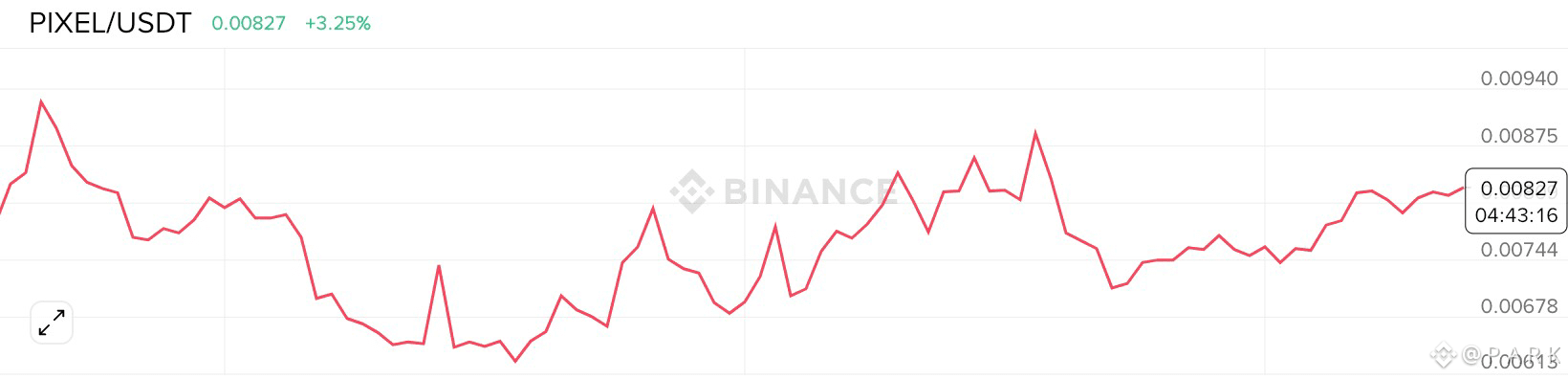
I am park today explain new point most players are stuck grinding crops, watching small gains tick in. Meanwhile, whales are quietly shifting big $PIXEL positions off-screen.
I noticed it last night volume spikes without obvious hype. That’s usually not retail, that’s smart money repositioning before something moves.
Tracking smart money isn’t about copying trades, it’s about reading intent. When whales accumulate or exit, the whole Pixels economy reacts fast.
If you’re only farming and not watching $PIXEL flows, you’re playing the game… while others are playing the market.
$PIXEL @pixels #PixEL
I am park today explain new point most players are stuck grinding crops, watching small gains tick in. Meanwhile, whales are quietly shifting big $PIXEL positions off-screen.
I noticed it last night volume spikes without obvious hype. That’s usually not retail, that’s smart money repositioning before something moves.
Tracking smart money isn’t about copying trades, it’s about reading intent. When whales accumulate or exit, the whole Pixels economy reacts fast.
If you’re only farming and not watching $PIXEL flows, you’re playing the game… while others are playing the market.
$PIXEL @Pixels #PixEL
2
93
·
--
I am park to new part seen for PIXEL everyone chases bigger rewards, but that’s only half the story. Without structure, those rewards fade quicker than they come.
I’ve had weeks where earnings looked great on paper, but the system behind it was weak. Rewards felt inflated, not sustainable.
Smarter structure means controlled emissions, real sinks, and actual demand loops. That’s what keeps rewards meaningful over time.
Honestly, bigger rewards don’t matter if the structure isn’t solid, you’re just watching value leak in slow motion.
#pixel @pixels $PIXEL
I am park to new part seen for PIXEL everyone chases bigger rewards, but that’s only half the story. Without structure, those rewards fade quicker than they come.
I’ve had weeks where earnings looked great on paper, but the system behind it was weak. Rewards felt inflated, not sustainable.
Smarter structure means controlled emissions, real sinks, and actual demand loops. That’s what keeps rewards meaningful over time.
Honestly, bigger rewards don’t matter if the structure isn’t solid, you’re just watching value leak in slow motion.
#pixel @Pixels $PIXEL
2
150
·
--

Article
Pixels' Merchant Ships Just Got a Rework and It's Addressing the One Thing Players Hated MostThe Merchant Ships Feature in Pixels Is Getting a Big Update Fixing Its Biggest Flaw Before Chapter 3 Drops. Pixels just confirmed that Merchant Ships one of its most used mid-game features is getting a significant update. And the change isn't cosmetic. It's structural. The team is going after the core problem players have complained about since launch: too much RNG, not enough skill.
The Merchant Fleet launched as a permanent feature in April 2025, letting players fulfill supply contracts through Harbor Master Finn Quint in exchange for Buoy Bucks a dedicated reward currency redeemable at the Harbor Store. PIXEL is currently trading around $0.0079, and mechanics like Merchant Ships directly influence how much PIXEL gets spent in-game daily.
What the Merchant Ships Feature Actually Does
The Merchant Fleet issues contracts for Terra Villa citizens to supply highly sought-after goods. Players have 24 hours to complete each contract and return it to the Harbor Master. Contracts can be reset up to three times, costing 50, 100, and 200 $PIXEL for each reset respectively.
That reset mechanic is key. Every reset burns PIXEL. It's one of the cleaner token sink designs in the game players either commit to the contract they get, or they pay to reroll. Either way, PIXEL leaves wallets.
The Problem and Why the Team Is Finally Fixing It
Here's the honest take: Merchant Ships has always felt a bit too luck-based. The Pixels CEO addressed this directly in a May 2025 AMA, saying: "There are some things right about Merchant Ships, but it's not what we want for Chapter 3. We don't want to reskin an RNG mechanic."
The team acknowledged existing limitations with the current reward structure and expressed a clear desire to move away from overly random mechanics. That's a meaningful admission. When a studio says a feature isn't working the way they want it to, and then commits to fixing it before the next major chapter that's a signal it's getting real attention.
Bigger Rewards, Smarter Structure
The confirmed update is focused on improving both content and rewards inside Merchant Ships, aimed at filling current gaps in end-game content with more meaningful in-game incentives.
With Buoy Bucks from completed contracts, players can access the Harbor Store's rotating inventory including pirate-themed outfits, powerful in-game boosts, and limited-edition goods. The update is expected to expand what that store offers and make high-tier contracts feel worth the time and PIXEL spent pursuing them.
This Is About More Than One Feature
The Merchant Ships rework isn't happening in isolation. It's part of a broader push to make every token-spending mechanic in Pixels feel deliberate, not random. Pixels CEO Luke Barwikowski confirmed the team has returned to rapid weekly iteration after a period of over-engineered slowdown and it's working.
Merchant Ships has always been one of the better PIXEL sinks in the game. If the reward structure actually matches the effort required, it could become one of the most consistent drivers of daily token spend.
The question is whether the update lands before player fatigue sets in or just after.
#pixel @pixels $PIXEL
Pixels' Merchant Ships Just Got a Rework and It's Addressing the One Thing Players Hated Most
The Merchant Ships Feature in Pixels Is Getting a Big Update Fixing Its Biggest Flaw Before Chapter 3 Drops. Pixels just confirmed that Merchant Ships one of its most used mid-game features is getting a significant update. And the change isn't cosmetic. It's structural. The team is going after the core problem players have complained about since launch: too much RNG, not enough skill.
The Merchant Fleet launched as a permanent feature in April 2025, letting players fulfill supply contracts through Harbor Master Finn Quint in exchange for Buoy Bucks a dedicated reward currency redeemable at the Harbor Store. PIXEL is currently trading around $0.0079, and mechanics like Merchant Ships directly influence how much PIXEL gets spent in-game daily.
What the Merchant Ships Feature Actually Does
The Merchant Fleet issues contracts for Terra Villa citizens to supply highly sought-after goods. Players have 24 hours to complete each contract and return it to the Harbor Master. Contracts can be reset up to three times, costing 50, 100, and 200 $PIXEL for each reset respectively.
That reset mechanic is key. Every reset burns PIXEL. It's one of the cleaner token sink designs in the game players either commit to the contract they get, or they pay to reroll. Either way, PIXEL leaves wallets.
The Problem and Why the Team Is Finally Fixing It
Here's the honest take: Merchant Ships has always felt a bit too luck-based. The Pixels CEO addressed this directly in a May 2025 AMA, saying: "There are some things right about Merchant Ships, but it's not what we want for Chapter 3. We don't want to reskin an RNG mechanic."
The team acknowledged existing limitations with the current reward structure and expressed a clear desire to move away from overly random mechanics. That's a meaningful admission. When a studio says a feature isn't working the way they want it to, and then commits to fixing it before the next major chapter that's a signal it's getting real attention.
Bigger Rewards, Smarter Structure
The confirmed update is focused on improving both content and rewards inside Merchant Ships, aimed at filling current gaps in end-game content with more meaningful in-game incentives.
With Buoy Bucks from completed contracts, players can access the Harbor Store's rotating inventory including pirate-themed outfits, powerful in-game boosts, and limited-edition goods. The update is expected to expand what that store offers and make high-tier contracts feel worth the time and PIXEL spent pursuing them.
This Is About More Than One Feature
The Merchant Ships rework isn't happening in isolation. It's part of a broader push to make every token-spending mechanic in Pixels feel deliberate, not random. Pixels CEO Luke Barwikowski confirmed the team has returned to rapid weekly iteration after a period of over-engineered slowdown and it's working.
Merchant Ships has always been one of the better PIXEL sinks in the game. If the reward structure actually matches the effort required, it could become one of the most consistent drivers of daily token spend.
The question is whether the update lands before player fatigue sets in or just after.
#pixel @Pixels $PIXEL
1
3
149
·
--
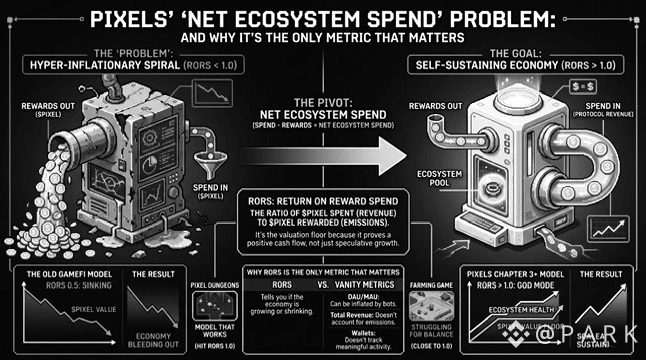
I park show new part most players track rewards, but ignore Net Ecosystem Spend. That’s where the real health of Pixels is hiding.
If more PIXEL is leaving than entering, the system drains. I noticed my gains felt weaker during weeks where spending slowed across the market.
Net Ecosystem Spend basically shows if players are reinvesting or just extracting. No reinvestment = no long-term stability, simple as that.
Forget short-term rewards if Net Ecosystem Spend breaks, the whole Pixels economy starts bleeding value fast.
#pixel @pixels $PIXEL
I park show new part most players track rewards, but ignore Net Ecosystem Spend. That’s where the real health of Pixels is hiding.
If more PIXEL is leaving than entering, the system drains. I noticed my gains felt weaker during weeks where spending slowed across the market.
Net Ecosystem Spend basically shows if players are reinvesting or just extracting. No reinvestment = no long-term stability, simple as that.
Forget short-term rewards if Net Ecosystem Spend breaks, the whole Pixels economy starts bleeding value fast.
#pixel @Pixels $PIXEL
2
84
·
--

Article
Pixels Lets Everyone Earn But Someone Has to Pay. Here's Where the Money Actually Comes FromIf Every Player Is Earning in Pixels, Who's Funding the Other Side of That Economy? It's the question nobody asks loudly enough in GameFi: if the game is handing out tokens to thousands of players every day, where is that value actually coming from? In Pixels, the answer is more structured than most realize and it's quietly being rebuilt to last.
PIXEL reached a fully diluted valuation of over $2 billion at its peak before experiencing a sharp decline of approximately 95% from its all-time high. That collapse had one root cause: too much outflow, not enough inflow. The team knows it. That's what the current rebuild is all about.
{future}(PIXELUSDT)
The "Net Ecosystem Spend" Problem and Why It's the Only Metric That Matters
Pixels is explicitly targeting what CEO Luke Barwikowski calls "net ecosystem spend" a state where in-game spending consistently exceeds PIXEL token distribution. Until that flips, the economy is technically running at a deficit. Rewards go out. Not enough comes back in. Simple math, brutal outcome.
Chapter 2.5 addressed this directly reducing daily token inflation by nearly 84% to stabilize the economy. Monthly revenue rose from 8.1 million to 9.08 million PIXEL in the same period. That's not a huge jump, but the direction is what matters.
Who's Actually Paying Into the System
PIXEL is spent on NFT minting, VIP Battle Passes, guild access, quality-of-life upgrades, and governance participation. Every one of those is a real spend event. Players who want advantages better land access, guild membership, VIP perks have to put tokens in. That's the paying side of the equation.
To increase this, Pixels adopted a "smart" distribution system that allocates rewards to players who demonstrate consistent engagement and are more likely to reinvest back into the game rather than dumping on the open market. It's essentially trying to identify which players are net contributors vs. net extractors. Honestly, that's a smarter approach than most GameFi projects have ever attempted.
The Farmer Fee Is the Structural Fix Nobody Talks About
Pixels introduced a farmer fee model that adjusts withdrawal fees based on a player's reputation. Higher-reputation users pay lower fees. The fees collected get redistributed to stakers.
That's value recirculation by design. Players who extract without contributing pay a tax. Players who stake and stay get rewarded from that tax. It's not perfect but it's a real mechanism for keeping value inside the ecosystem rather than watching it drain out daily.
The Economy Holds Only If Spenders Outnumber Extractors
The whole model is sound in structure. What it needs is enough players willing to spend on guilds, VIP, NFT mints, upgrades to fund the rewards side of the equation.
Right now, Pixels isn't yet profitable, with around 109,000 daily active users as of December 2025 a real base, but thinned considerably from its 2024 highs.t's the question nobody asks loudly enough in GameFi: if the game is handing out tokens to thousands of players every day.
where is that value actually coming from? In Pixels, the answer is more structured than most realize and it's quietly being rebuilt to last.
#pixel @pixels $PIXEL
Pixels Lets Everyone Earn But Someone Has to Pay. Here's Where the Money Actually Comes From
If Every Player Is Earning in Pixels, Who's Funding the Other Side of That Economy? It's the question nobody asks loudly enough in GameFi: if the game is handing out tokens to thousands of players every day, where is that value actually coming from? In Pixels, the answer is more structured than most realize and it's quietly being rebuilt to last.
PIXEL reached a fully diluted valuation of over $2 billion at its peak before experiencing a sharp decline of approximately 95% from its all-time high. That collapse had one root cause: too much outflow, not enough inflow. The team knows it. That's what the current rebuild is all about.
The "Net Ecosystem Spend" Problem and Why It's the Only Metric That Matters
Pixels is explicitly targeting what CEO Luke Barwikowski calls "net ecosystem spend" a state where in-game spending consistently exceeds PIXEL token distribution. Until that flips, the economy is technically running at a deficit. Rewards go out. Not enough comes back in. Simple math, brutal outcome.
Chapter 2.5 addressed this directly reducing daily token inflation by nearly 84% to stabilize the economy. Monthly revenue rose from 8.1 million to 9.08 million PIXEL in the same period. That's not a huge jump, but the direction is what matters.
Who's Actually Paying Into the System
PIXEL is spent on NFT minting, VIP Battle Passes, guild access, quality-of-life upgrades, and governance participation. Every one of those is a real spend event. Players who want advantages better land access, guild membership, VIP perks have to put tokens in. That's the paying side of the equation.
To increase this, Pixels adopted a "smart" distribution system that allocates rewards to players who demonstrate consistent engagement and are more likely to reinvest back into the game rather than dumping on the open market. It's essentially trying to identify which players are net contributors vs. net extractors. Honestly, that's a smarter approach than most GameFi projects have ever attempted.
The Farmer Fee Is the Structural Fix Nobody Talks About
Pixels introduced a farmer fee model that adjusts withdrawal fees based on a player's reputation. Higher-reputation users pay lower fees. The fees collected get redistributed to stakers.
That's value recirculation by design. Players who extract without contributing pay a tax. Players who stake and stay get rewarded from that tax. It's not perfect but it's a real mechanism for keeping value inside the ecosystem rather than watching it drain out daily.
The Economy Holds Only If Spenders Outnumber Extractors
The whole model is sound in structure. What it needs is enough players willing to spend on guilds, VIP, NFT mints, upgrades to fund the rewards side of the equation.
Right now, Pixels isn't yet profitable, with around 109,000 daily active users as of December 2025 a real base, but thinned considerably from its 2024 highs.t's the question nobody asks loudly enough in GameFi: if the game is handing out tokens to thousands of players every day.
where is that value actually coming from? In Pixels, the answer is more structured than most realize and it's quietly being rebuilt to last.
#pixel @Pixels $PIXEL
2
195
·
--

Article
Pixels Just Added Guilds and It Could Be the Feature That Actually Locks Players In for GoodWhy Pixels' Guild System Isn't Just a Social Feature It Could Define the Game's Entire Network Effect.Pixels quietly rolled out one of its most structurally important features and most people treated it like a cosmetic update. Guilds aren't a social layer. They're a retention mechanism, an economic coordination tool, and a network effect multiplier all at once.
PIXEL is the premium currency required to join guilds, which means every guild formation creates direct token demand. Over 100 million PIXEL tokens have already been staked since the staking program launched on May 1, 2025. The guild layer is about to deepen that commitment further.
{spot}(PIXELUSDT)
What Guilds Actually Do Inside the Economy
Players can form their own guild using NFT membership tickets and these tickets aren't just for status. They carry intrinsic value, can be traded freely on secondary markets, and provide exclusive benefits within the guild itself.
That's a completely different dynamic from a typical MMO guild tab. When membership has a market price and tradable utility, players don't just join casually they commit. And committed players spend more, stake more, and stick around longer. That's the retention loop Pixels needs.
Guild Systems + Staking = Coordinated Token Lockup
The PIXEL staking system operates on a stake-to-vote principle players earn rewards based on a game's performance and contribute to the visibility of the games they support. Guilds sit on top of this. Coordinated groups staking together into the same game amplify its PopRank score, unlocking a larger share of ecosystem rewards.
This is network effect design at its cleanest. Guilds that perform well attract more members. More members means more staked PIXEL. More staked PIXEL means better rewards. The loop is self-reinforcing if it gets traction.
The SocialFi Angle Nobody's Pricing In
Pixels' guild design draws explicit inspiration from the SocialFi movement, with comparisons being drawn to projects like Friend.tech and Stars Arena. That framing matters. SocialFi worked briefly because it turned social relationships into on-chain economic positions. Pixels is attempting something more durable: tying social coordination to actual in-game production and staking yield.
PvP features and guild systems are confirmed for the next major update, which means guilds are still in early form. The full economic integration hasn't landed yet.
Guilds Are the Bet Not Just a Feature
Honestly, this is the most important long-term design decision Pixels has made. Land gives players a production edge. Staking gives them yield exposure. But guilds give them a reason to stay and that's what every GameFi project has historically failed to solve.
Pixels has already hit 1.1 million players on the Ronin Network since launching in October 2023. The question is whether guilds can convert enough of that number into sticky, coordinated participants or whether.
they become another underused tab that most players ignore. Which side do you think it lands on?
#Pixel @pixels $PIXEL
Pixels Just Added Guilds and It Could Be the Feature That Actually Locks Players In for Good
Why Pixels' Guild System Isn't Just a Social Feature It Could Define the Game's Entire Network Effect.Pixels quietly rolled out one of its most structurally important features and most people treated it like a cosmetic update. Guilds aren't a social layer. They're a retention mechanism, an economic coordination tool, and a network effect multiplier all at once.
PIXEL is the premium currency required to join guilds, which means every guild formation creates direct token demand. Over 100 million PIXEL tokens have already been staked since the staking program launched on May 1, 2025. The guild layer is about to deepen that commitment further.
What Guilds Actually Do Inside the Economy
Players can form their own guild using NFT membership tickets and these tickets aren't just for status. They carry intrinsic value, can be traded freely on secondary markets, and provide exclusive benefits within the guild itself.
That's a completely different dynamic from a typical MMO guild tab. When membership has a market price and tradable utility, players don't just join casually they commit. And committed players spend more, stake more, and stick around longer. That's the retention loop Pixels needs.
Guild Systems + Staking = Coordinated Token Lockup
The PIXEL staking system operates on a stake-to-vote principle players earn rewards based on a game's performance and contribute to the visibility of the games they support. Guilds sit on top of this. Coordinated groups staking together into the same game amplify its PopRank score, unlocking a larger share of ecosystem rewards.
This is network effect design at its cleanest. Guilds that perform well attract more members. More members means more staked PIXEL. More staked PIXEL means better rewards. The loop is self-reinforcing if it gets traction.
The SocialFi Angle Nobody's Pricing In
Pixels' guild design draws explicit inspiration from the SocialFi movement, with comparisons being drawn to projects like Friend.tech and Stars Arena. That framing matters. SocialFi worked briefly because it turned social relationships into on-chain economic positions. Pixels is attempting something more durable: tying social coordination to actual in-game production and staking yield.
PvP features and guild systems are confirmed for the next major update, which means guilds are still in early form. The full economic integration hasn't landed yet.
Guilds Are the Bet Not Just a Feature
Honestly, this is the most important long-term design decision Pixels has made. Land gives players a production edge. Staking gives them yield exposure. But guilds give them a reason to stay and that's what every GameFi project has historically failed to solve.
Pixels has already hit 1.1 million players on the Ronin Network since launching in October 2023. The question is whether guilds can convert enough of that number into sticky, coordinated participants or whether.
they become another underused tab that most players ignore. Which side do you think it lands on?
#Pixel @Pixels $PIXEL
3
119
·
--
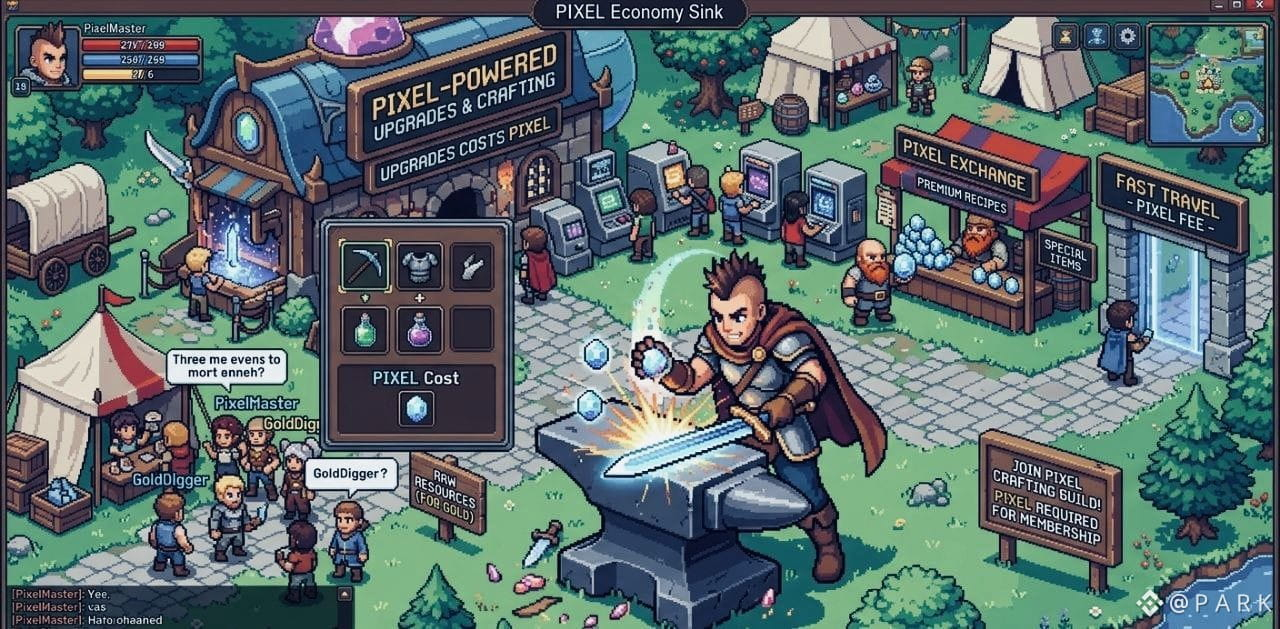
I PARK explain Most people expect PIXEL to be pure income, but that’s not how it’s wired. It’s built to be spent, not stacked forever.
Upgrades, crafting costs, convenience systems these constantly pull PIXEL out of circulation. I burned a chunk last week just optimizing setups, didn’t even notice at first.
That’s the economic sinks doing their job. Without them, supply would spiral and rewards would feel meaningless fast.
Honestly, PIXEL not being a primary income source isn’t a flaw it’s the only reason the economy doesn’t collapse under its own weight.
#pixel @pixels $PIXEL
I PARK explain Most people expect PIXEL to be pure income, but that’s not how it’s wired. It’s built to be spent, not stacked forever.
Upgrades, crafting costs, convenience systems these constantly pull PIXEL out of circulation. I burned a chunk last week just optimizing setups, didn’t even notice at first.
That’s the economic sinks doing their job. Without them, supply would spiral and rewards would feel meaningless fast.
Honestly, PIXEL not being a primary income source isn’t a flaw it’s the only reason the economy doesn’t collapse under its own weight.
#pixel @Pixels $PIXEL
2
3
240
·
--

Article
In Pixel Crafting is not a Side Quest It's the Entire Economic MachinePixels' Crafting System Isn't Just Gameplay It's the Core Engine Driving the Whole In-Game Economy. Most people think crafting in Pixels is something you do between tasks. It's not. It's the mechanism that decides how resources flow, how tokens get consumed, and whether the economy stays balanced or breaks.
PIXEL is currently trading around $0.0079, with a 24-hour volume of $27.2M and a live market cap near $26.7M. The token's value is directly tied to how much crafting activity the game sustains and most holders haven't made that connection yet.
{future}(PIXELUSDT)
Crafting Is Where Resources Go to Die Intentionally
At its core, Pixels is built around gathering, crafting, and trading players collect resources, process them into items, and participate in the economy using PIXEL for transactions. But that's the surface layer. What's actually happening underneath is resource destruction.
Every crafting action consumes inputs permanently. Crops, wood, stone they go in and don't come back out as raw materials. That's the game's primary mechanism for preventing resource overflow. Without crafting as a sink, the economy bloats. With it, there's a reason to keep farming.
PIXEL's Role Isn't Earning It's Spending
PIXEL primarily supports upgrades, crafting costs, convenience systems, and economic sinks rather than being used as a primary income source. That's a deliberately designed role. The token isn't meant to be farmed easily and dumped. It's meant to be spent inside the game's production loop.
Honestly, this reframes how you should evaluate PIXEL's demand. It's not driven by speculation it's driven by how much crafting activity the game generates daily. More active crafters means more consistent token consumption. That's a real demand signal.
Treasury Burns Keep the Loop Tight
The Pixels team burns a majority of the incoming PIXEL tokens that flow through in-game purchases into the treasury each day. Crafting fees and upgrade costs feed directly into that burn cycle. Every item crafted, every building upgraded some fraction of that is permanently removed from circulation.
Over 100 million PIXEL tokens are currently staked, which suggests the player base isn't just passing through. There's enough engagement to sustain the crafting loop at scale at least for now.
The Crafting Loop Only Holds If Players Keep Showing Up
The whole model is elegant on paper. Resources get farmed, crafting consumes them, PIXEL gets burned in the process, supply tightens. Clean cycle. But it only works if the daily active player count stays high enough to keep crafting volume meaningful.
Pixels had around 109,000 daily active users as of December 2025 a real number, but down significantly from its 2024 peak. If that continues to compress, the crafting engine slows, token burns thin out, and the economic loop weakens.
So the question isn't whether the crafting system is well designed it clearly is. The question is whether Pixels can pull enough players back into the loop to make it matter again. What do you think it'd take?
#pixel $PIXEL @pixels
In Pixel Crafting is not a Side Quest It's the Entire Economic Machine
Pixels' Crafting System Isn't Just Gameplay It's the Core Engine Driving the Whole In-Game Economy. Most people think crafting in Pixels is something you do between tasks. It's not. It's the mechanism that decides how resources flow, how tokens get consumed, and whether the economy stays balanced or breaks.
PIXEL is currently trading around $0.0079, with a 24-hour volume of $27.2M and a live market cap near $26.7M. The token's value is directly tied to how much crafting activity the game sustains and most holders haven't made that connection yet.
Crafting Is Where Resources Go to Die Intentionally
At its core, Pixels is built around gathering, crafting, and trading players collect resources, process them into items, and participate in the economy using PIXEL for transactions. But that's the surface layer. What's actually happening underneath is resource destruction.
Every crafting action consumes inputs permanently. Crops, wood, stone they go in and don't come back out as raw materials. That's the game's primary mechanism for preventing resource overflow. Without crafting as a sink, the economy bloats. With it, there's a reason to keep farming.
PIXEL's Role Isn't Earning It's Spending
PIXEL primarily supports upgrades, crafting costs, convenience systems, and economic sinks rather than being used as a primary income source. That's a deliberately designed role. The token isn't meant to be farmed easily and dumped. It's meant to be spent inside the game's production loop.
Honestly, this reframes how you should evaluate PIXEL's demand. It's not driven by speculation it's driven by how much crafting activity the game generates daily. More active crafters means more consistent token consumption. That's a real demand signal.
Treasury Burns Keep the Loop Tight
The Pixels team burns a majority of the incoming PIXEL tokens that flow through in-game purchases into the treasury each day. Crafting fees and upgrade costs feed directly into that burn cycle. Every item crafted, every building upgraded some fraction of that is permanently removed from circulation.
Over 100 million PIXEL tokens are currently staked, which suggests the player base isn't just passing through. There's enough engagement to sustain the crafting loop at scale at least for now.
The Crafting Loop Only Holds If Players Keep Showing Up
The whole model is elegant on paper. Resources get farmed, crafting consumes them, PIXEL gets burned in the process, supply tightens. Clean cycle. But it only works if the daily active player count stays high enough to keep crafting volume meaningful.
Pixels had around 109,000 daily active users as of December 2025 a real number, but down significantly from its 2024 peak. If that continues to compress, the crafting engine slows, token burns thin out, and the economic loop weakens.
So the question isn't whether the crafting system is well designed it clearly is. The question is whether Pixels can pull enough players back into the loop to make it matter again. What do you think it'd take?
#pixel $PIXEL @pixels
2
3
252
·
--
That line hit harder than it should. Inflation isn’t some theory here it’s what slowly drains value from your grind.
I’ve seen it myself… more rewards don’t always mean better earnings. When supply floods in, PIXEL starts feeling lighter day by day.
Pixels is basically admitting the problem upfront, which is rare. The real challenge isn’t rewards it’s controlling how fast value leaks out.
If they don’t manage this inflationary economy right, even the best gameplay loop won’t save the long-term value.
#pixel @pixels $PIXEL
That line hit harder than it should. Inflation isn’t some theory here it’s what slowly drains value from your grind.
I’ve seen it myself… more rewards don’t always mean better earnings. When supply floods in, PIXEL starts feeling lighter day by day.
Pixels is basically admitting the problem upfront, which is rare. The real challenge isn’t rewards it’s controlling how fast value leaks out.
If they don’t manage this inflationary economy right, even the best gameplay loop won’t save the long-term value.
#pixel @Pixels $PIXEL

3
3
213
·
--
Article
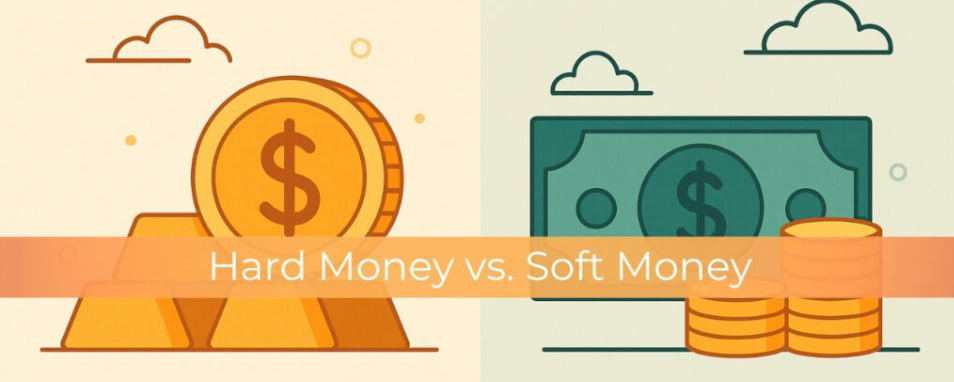
Pixels Killed Its Soft Currency and That Decision Might Be the Smartest Thing Web3 Gaming Has DoneWhy Pixels Removing Its Soft Currency and Going Single-Token Is a Bigger Deal Than Most Realize.Pixels didn't just change a token. It restructured its entire internal economy and the logic behind it is worth understanding before you form an opinion on $PIXEL's price.
PIXEL is currently trading around $0.0077, with a 24-hour volume of $9M and a market cap of roughly $26.2M. That price is shaped, more than anything else, by whether this economy actually holds together.
{future}(PIXELUSDT)
The Problem With BERRY and Why It Had to Go
BERRY was experiencing a daily inflation rate of approximately 2% at its peak. That sounds small until you run the math over a few months. In an open-world game with hundreds of thousands of daily players farming and immediately selling, that rate compounds into a slow bleed on every token holder.
The official Pixels announcement put it plainly: most MMOs struggle with balancing an inflationary economy, and Web3 technology makes it worse by enabling farmers to grind harder and offload their earnings more easily. On-chain soft currency in a live player economy is basically a leak with no plug.
What Coins Actually Fixed
Since early 2025, Pixels fully replaced BERRY with an off-chain currency called Coins. PIXEL is now reserved for high-tier activities minting NFTs, joining guilds, purchasing boosts, and VIP membership.
This separation is the key insight. Coins handle the daily grind loop. They absorb the inflationary pressure that destroyed BERRY. PIXEL stays scarce, purposeful, and harder to farm mindlessly. It's the same logic traditional game designers have used for years two-tier economies work when the tiers are actually separate. Pixels is just doing it on-chain.
Harder to Earn Means Harder to Dump
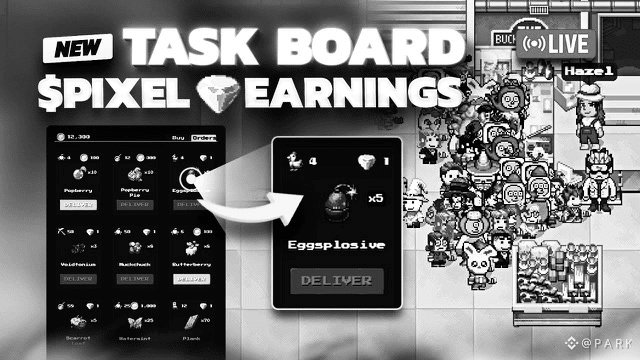
Players can earn Coins through gameplay, and then use Coins to earn PIXEL through the task board so there's a conversion layer between grinding and getting on-chain tokens. That friction is intentional. It makes PIXEL harder to farm-and-dump at scale.
Over 100 million PIXEL tokens are currently staked. which tells you players aren't just dumping. They're holding. Whether that reflects genuine belief in the model or just yield chasing is a fair debate but the structure is doing what it was designed to do.
The Real Test Is Still Ahead
Two-tier economies only work if the off-chain layer stays credible. Coins have no market price they live entirely inside Pixels. If the game loses players, Coins lose utility, and the demand side of PIXEL weakens with it.
Pixels' future plans include transitioning PIXEL toward a staking and governance-focused role, with USDC potentially replacing it as a reward currency in some contexts. That's a big shift if it happens. It either strengthens PIXEL's scarcity or quietly removes the main reason people hold it.
So the question isn't whether the soft/hard split was a good idea it clearly was. The question is: can Pixels keep enough players inside the economy for that split to actually matter?
#Pixel @pixels $PIXEL
Pixels Killed Its Soft Currency and That Decision Might Be the Smartest Thing Web3 Gaming Has Done
Why Pixels Removing Its Soft Currency and Going Single-Token Is a Bigger Deal Than Most Realize.Pixels didn't just change a token. It restructured its entire internal economy and the logic behind it is worth understanding before you form an opinion on $PIXEL 's price.
PIXEL is currently trading around $0.0077, with a 24-hour volume of $9M and a market cap of roughly $26.2M. That price is shaped, more than anything else, by whether this economy actually holds together.
The Problem With BERRY and Why It Had to Go
BERRY was experiencing a daily inflation rate of approximately 2% at its peak. That sounds small until you run the math over a few months. In an open-world game with hundreds of thousands of daily players farming and immediately selling, that rate compounds into a slow bleed on every token holder.
The official Pixels announcement put it plainly: most MMOs struggle with balancing an inflationary economy, and Web3 technology makes it worse by enabling farmers to grind harder and offload their earnings more easily. On-chain soft currency in a live player economy is basically a leak with no plug.
What Coins Actually Fixed
Since early 2025, Pixels fully replaced BERRY with an off-chain currency called Coins. PIXEL is now reserved for high-tier activities minting NFTs, joining guilds, purchasing boosts, and VIP membership.
This separation is the key insight. Coins handle the daily grind loop. They absorb the inflationary pressure that destroyed BERRY. PIXEL stays scarce, purposeful, and harder to farm mindlessly. It's the same logic traditional game designers have used for years two-tier economies work when the tiers are actually separate. Pixels is just doing it on-chain.
Harder to Earn Means Harder to Dump
Players can earn Coins through gameplay, and then use Coins to earn PIXEL through the task board so there's a conversion layer between grinding and getting on-chain tokens. That friction is intentional. It makes PIXEL harder to farm-and-dump at scale.
Over 100 million PIXEL tokens are currently staked. which tells you players aren't just dumping. They're holding. Whether that reflects genuine belief in the model or just yield chasing is a fair debate but the structure is doing what it was designed to do.
The Real Test Is Still Ahead
Two-tier economies only work if the off-chain layer stays credible. Coins have no market price they live entirely inside Pixels. If the game loses players, Coins lose utility, and the demand side of PIXEL weakens with it.
Pixels' future plans include transitioning PIXEL toward a staking and governance-focused role, with USDC potentially replacing it as a reward currency in some contexts. That's a big shift if it happens. It either strengthens PIXEL's scarcity or quietly removes the main reason people hold it.
So the question isn't whether the soft/hard split was a good idea it clearly was. The question is: can Pixels keep enough players inside the economy for that split to actually matter?
#Pixel @Pixels $PIXEL
8
4
307
·
--
I think most players grind resources but ignore how land and tokens quietly control the whole loop. That’s where the real edge sits.
Land isn’t just ownership it’s positioning. I messed up early buying cheap plots, and yeah… my resource flow lagged hard.
Resources feed the system, but tokens like PIXEL decide what actually holds value. If token demand dips, everything else feels weaker overnight.
This isn’t just a game economy it’s a tight loop, and if you don’t balance land, resources, and tokens, you’re basically farming blind.
#pixel @pixels $PIXEL
I think most players grind resources but ignore how land and tokens quietly control the whole loop. That’s where the real edge sits.
Land isn’t just ownership it’s positioning. I messed up early buying cheap plots, and yeah… my resource flow lagged hard.
Resources feed the system, but tokens like PIXEL decide what actually holds value. If token demand dips, everything else feels weaker overnight.
This isn’t just a game economy it’s a tight loop, and if you don’t balance land, resources, and tokens, you’re basically farming blind.
#pixel @Pixels $PIXEL

2
3
323
·
--

Article
Land in Pixels Isn't a Flex It's a Fully Functioning Production FactoryOwning Land in the Pixels Game Isn't About Status It's About Running a Production Engine Inside a Real Economy.
Most people buying Pixels land think they're buying a collectible. They're not. They're buying a revenue-generating infrastructure node inside one of the most active Web3 economies on Ronin. That's a very different thing.
PIXEL is currently trading at around $0.0079, with a 24-hour volume of $1.66M USDT and a live market cap of roughly $25.34M. And land ownership is quietly becoming the most underrated part of the entire model.
{future}(PIXELUSDT)
Land Isn't Decoration It Earns From Other People's Work
The in-game economy revolves around three pillars: land, resources, and tokens. Land is represented by NFTs, and ownership grants unique benefits including the ability to earn directly from activity happening on that plot.
That's the part people skip over. You're not just sitting on a digital asset. Other players can farm on your land, earning for themselves while generating commission income for the landowner a system the game refers to as "sharecropping." It's passive yield from player activity. That's not a flex. That's a business model.
The Resource Lock Is What Actually Creates Value
Certain resources and rarities can only be obtained from specific types of land. Free-to-play players hit a wall. Landowners have access to larger plots with more soil and exclusive production stations like mills, presses, and factories infrastructure that non-owners simply can't replicate.
This isn't gatekeeping. It's scarcity by design. And scarcity with active demand is where real on-chain value gets built.
The Scale Is Already There
According to the official Ronin blog, Pixels reached over 1 million active users in early 2026 making it the top decentralized farming game on the network. Over 100 million PIXEL tokens are currently staked, signalling strong community commitment.
That's not a ghost chain. That's a live economy with real participants generating real on-chain volume every day.
The Land Play Only Works If the Economy Holds
The core goal for Pixels is achieving "net ecosystem spend" where in-game spending consistently exceeds PIXEL token distribution. If that holds, land owners benefit the most. More players, more farming activity, more commissions flowing to NFT holders.
But if player growth stalls or token unlocks flood supply faster than the economy absorbs it, land values compress too. It's tied to the game's health, not just market sentiment.
So the real question isn't whether Pixels land is worth buying it's whether Pixels can keep a million players engaged long enough for that land to compound. What's your read on it?
#pixel @pixels $PIXEL
Land in Pixels Isn't a Flex It's a Fully Functioning Production Factory
Owning Land in the Pixels Game Isn't About Status It's About Running a Production Engine Inside a Real Economy.
Most people buying Pixels land think they're buying a collectible. They're not. They're buying a revenue-generating infrastructure node inside one of the most active Web3 economies on Ronin. That's a very different thing.
PIXEL is currently trading at around $0.0079, with a 24-hour volume of $1.66M USDT and a live market cap of roughly $25.34M. And land ownership is quietly becoming the most underrated part of the entire model.
Land Isn't Decoration It Earns From Other People's Work
The in-game economy revolves around three pillars: land, resources, and tokens. Land is represented by NFTs, and ownership grants unique benefits including the ability to earn directly from activity happening on that plot.
That's the part people skip over. You're not just sitting on a digital asset. Other players can farm on your land, earning for themselves while generating commission income for the landowner a system the game refers to as "sharecropping." It's passive yield from player activity. That's not a flex. That's a business model.
The Resource Lock Is What Actually Creates Value
Certain resources and rarities can only be obtained from specific types of land. Free-to-play players hit a wall. Landowners have access to larger plots with more soil and exclusive production stations like mills, presses, and factories infrastructure that non-owners simply can't replicate.
This isn't gatekeeping. It's scarcity by design. And scarcity with active demand is where real on-chain value gets built.
The Scale Is Already There
According to the official Ronin blog, Pixels reached over 1 million active users in early 2026 making it the top decentralized farming game on the network. Over 100 million PIXEL tokens are currently staked, signalling strong community commitment.
That's not a ghost chain. That's a live economy with real participants generating real on-chain volume every day.
The Land Play Only Works If the Economy Holds
The core goal for Pixels is achieving "net ecosystem spend" where in-game spending consistently exceeds PIXEL token distribution. If that holds, land owners benefit the most. More players, more farming activity, more commissions flowing to NFT holders.
But if player growth stalls or token unlocks flood supply faster than the economy absorbs it, land values compress too. It's tied to the game's health, not just market sentiment.
So the real question isn't whether Pixels land is worth buying it's whether Pixels can keep a million players engaged long enough for that land to compound. What's your read on it?
#pixel @Pixels $PIXEL
4
4
148
·
--
I think about everyone talks about rewards, but barely anyone looks at the fee layer. That’s where Pixels quietly wins or loses.
Low fees aren’t just “cheap transactions”. they keep the in-game economy moving. I noticed way more trades happening when costs felt almost invisible.
If fees spike, players hesitate, volume drops, and suddenly. PIXEL rewards feel weaker. It’s not obvious, but friction kills activity fast.
Honestly, low fees aren’t a feature. they’re the foundation holding the entire Pixels economy together.
#pixel $PIXEL @pixels
I think about everyone talks about rewards, but barely anyone looks at the fee layer. That’s where Pixels quietly wins or loses.
Low fees aren’t just “cheap transactions”. they keep the in-game economy moving. I noticed way more trades happening when costs felt almost invisible.
If fees spike, players hesitate, volume drops, and suddenly. PIXEL rewards feel weaker. It’s not obvious, but friction kills activity fast.
Honestly, low fees aren’t a feature. they’re the foundation holding the entire Pixels economy together.
#pixel $PIXEL @Pixels
3
3
194
·
--
Why Low Fees Are Actually the Backbone of Pixels' Entire EconomyThe thing most people skip over when analyzing Pixels isn't the tokenomics or the farming loops. It's the gas fees. Specifically how near-zero costs on Ronin quietly hold this whole economy together.
PIXEL is trading around $0.0076 as of April 20, 2026. with a market cap of roughly $25.6M and 3.38 billion tokens circulating out of a 5 billion hard cap. Price is still down ~99%. from its $1.02 ATH in March 2024. But the in-game economy hasn't collapsed. That's worth paying attention to.
{future}(PIXELUSDT)
The Migration That Changed Everything
When Pixels moved from Polygon to Ronin Network in late 2023. most coverage framed it as a community play tap. into Sky Mavis' existing user base. pick up Axie Infinity overflow. That's true. But the deeper reason was cost structure. Polygon fees weren't breaking the bank, but Ronin's near-zero gas environment meant players could transact freely. dozens of times a session. without second-guessing every click. That matters a lot when your game's loop is built on constant micro-actions like farming, crafting. and resource trading.
Ronin hit 2 million daily active users in May 2024. sitting above Solana and Tron by daily active users at that point. Low fees were a big part of why that was even possible.
Why BERRY Had to Go And Why Fees Made the Fix Cleaner
The BERRY deprecation is a case study in game economics. Tradeable soft currencies always inflate. The Pixels team eventually replaced BERRY with an off-chain. "Coins" system and made PIXEL the sole hard-cap token. But here's the part people miss: that transition only works cleanly in a low-fee environment.
If every PIXEL transaction costs $3 to 5 in gas. casual players exit immediately. The economic loop dies. On Ronin. those same transactions cost fractions of a cent. So the fix actually stuck.
What Low Fees Do to Player Behavior
This is the less obvious part. Low fees don't just reduce friction. They change how players think about spending. When a VIP membership. guild join. or NFT mint costs almost nothing to execute on-chain. players treat PIXEL like a real in-game currency instead of a speculative asset they're scared to touch.
That shift in psychology is what keeps tokens circulating. And circulation is what keeps the economy alive when prices are low. It's the difference between a token sitting idle in wallets and one actually doing work inside the game.
The Bigger Picture for PIXELs
Low fees are infrastructure. not a feature. Most people analyzing PIXEL are watching price charts. But the more useful thing to watch is daily transaction volume on Ronin and active wallet counts inside Pixels. If those hold up even during a prolonged price dip. that's a sign the economy has real structural depth.
PIXEL is still 99% off peak. That's a brutal number. But the internal economy that low fees enabled is one of the few things working in its favor right now.
The question is whether the team can turn that operational stability into price recovery. What do you think is infrastructure alone enough to rebuild confidence in a token down this far?
#Pixel $PIXEL @pixels
Why Low Fees Are Actually the Backbone of Pixels' Entire Economy
The thing most people skip over when analyzing Pixels isn't the tokenomics or the farming loops. It's the gas fees. Specifically how near-zero costs on Ronin quietly hold this whole economy together.
PIXEL is trading around $0.0076 as of April 20, 2026. with a market cap of roughly $25.6M and 3.38 billion tokens circulating out of a 5 billion hard cap. Price is still down ~99%. from its $1.02 ATH in March 2024. But the in-game economy hasn't collapsed. That's worth paying attention to.
The Migration That Changed Everything
When Pixels moved from Polygon to Ronin Network in late 2023. most coverage framed it as a community play tap. into Sky Mavis' existing user base. pick up Axie Infinity overflow. That's true. But the deeper reason was cost structure. Polygon fees weren't breaking the bank, but Ronin's near-zero gas environment meant players could transact freely. dozens of times a session. without second-guessing every click. That matters a lot when your game's loop is built on constant micro-actions like farming, crafting. and resource trading.
Ronin hit 2 million daily active users in May 2024. sitting above Solana and Tron by daily active users at that point. Low fees were a big part of why that was even possible.
Why BERRY Had to Go And Why Fees Made the Fix Cleaner
The BERRY deprecation is a case study in game economics. Tradeable soft currencies always inflate. The Pixels team eventually replaced BERRY with an off-chain. "Coins" system and made PIXEL the sole hard-cap token. But here's the part people miss: that transition only works cleanly in a low-fee environment.
If every PIXEL transaction costs $3 to 5 in gas. casual players exit immediately. The economic loop dies. On Ronin. those same transactions cost fractions of a cent. So the fix actually stuck.
What Low Fees Do to Player Behavior
This is the less obvious part. Low fees don't just reduce friction. They change how players think about spending. When a VIP membership. guild join. or NFT mint costs almost nothing to execute on-chain. players treat PIXEL like a real in-game currency instead of a speculative asset they're scared to touch.
That shift in psychology is what keeps tokens circulating. And circulation is what keeps the economy alive when prices are low. It's the difference between a token sitting idle in wallets and one actually doing work inside the game.
The Bigger Picture for PIXELs
Low fees are infrastructure. not a feature. Most people analyzing PIXEL are watching price charts. But the more useful thing to watch is daily transaction volume on Ronin and active wallet counts inside Pixels. If those hold up even during a prolonged price dip. that's a sign the economy has real structural depth.
PIXEL is still 99% off peak. That's a brutal number. But the internal economy that low fees enabled is one of the few things working in its favor right now.
The question is whether the team can turn that operational stability into price recovery. What do you think is infrastructure alone enough to rebuild confidence in a token down this far?
#Pixel $PIXEL @pixels
3
2
197
Log in to explore more content
Join global crypto users on Binance Square
⚡️ Get latest and useful information about crypto.
💬 Trusted by the world’s largest crypto exchange.
👍 Discover real insights from verified creators.
Email / Phone number
Trending Topics
WhatWillDriveCryptoandStocks’NextRebound?
12,848 views
254 Discussing
Bitcoin Slips Below $70,000 as Dollar Index Hits 19-Month High
Binance News
·10 Likes
·16.7k views
Anthropic’s6xIPODemandSignalsPotentialRecordRaise
3,832 views
114 Discussing
HuangExitNvidiaStrategyInFocus
150,566 views
1,431 Discussing