
Riley Monroe
1.7k Posts

Riley Monroe
Report
Block User
Frequent Trader
1.2 Years
143 Following
2.4K+ Followers
556 Liked
Posts
All
Quotes
Live
PINNED
·
--
#dusk $DUSK @Dusk_Foundation @Dusk_Foundation The Part I’m Still Unsure About
There was a time when I judged crypto projects almost entirely by market signals.
A new listing. Bigger volume. More liquidity. Price going up.
It was easy to assume that if the market was paying attention, the project must be creating value.
I don’t think it’s that simple anymore.
What interests me about Dusk is something less visible: whether financial applications can share useful building blocks instead of every team creating the same machinery again.
Think about permissions, identity checks, compliance rules, settlement conditions. If developers can create these once and other applications can actually reuse them, that starts looking more like infrastructure than another temporary crypto narrative.
And honestly, the retention question is more important to me than the launch-day excitement.
A user has to have a reason to return when the timeline gets quiet.
A developer needs a reason to keep maintaining a module if other teams are using it. There has to be some economic upside there, otherwise reusable infrastructure sounds nice but doesn't last.
Then there are the operators. Verification only matters if they have something to lose by doing it badly. If incentives reward meaningless throughput, we could end up measuring activity instead of trust.
That’s where my skepticism kicks in.
Are transactions coming from real demand, or are we just watching the same value move around? Is verification actually useful? And how much pressure could future token unlocks put on the economics?
Dusk is interesting to me precisely because these questions aren't fully answered yet.
I’m not calling it a winner.
I’m watching to see whether the infrastructure becomes something people actually depend on after the excitement wears off.
That’s a much harder test for $DUSK than simply getting attention.
And probably a more useful one too. $DUSK
#dusk $DUSK @Dusk @Dusk The Part I’m Still Unsure About
There was a time when I judged crypto projects almost entirely by market signals.
A new listing. Bigger volume. More liquidity. Price going up.
It was easy to assume that if the market was paying attention, the project must be creating value.
I don’t think it’s that simple anymore.
What interests me about Dusk is something less visible: whether financial applications can share useful building blocks instead of every team creating the same machinery again.
Think about permissions, identity checks, compliance rules, settlement conditions. If developers can create these once and other applications can actually reuse them, that starts looking more like infrastructure than another temporary crypto narrative.
And honestly, the retention question is more important to me than the launch-day excitement.
A user has to have a reason to return when the timeline gets quiet.
A developer needs a reason to keep maintaining a module if other teams are using it. There has to be some economic upside there, otherwise reusable infrastructure sounds nice but doesn't last.
Then there are the operators. Verification only matters if they have something to lose by doing it badly. If incentives reward meaningless throughput, we could end up measuring activity instead of trust.
That’s where my skepticism kicks in.
Are transactions coming from real demand, or are we just watching the same value move around? Is verification actually useful? And how much pressure could future token unlocks put on the economics?
Dusk is interesting to me precisely because these questions aren't fully answered yet.
I’m not calling it a winner.
I’m watching to see whether the infrastructure becomes something people actually depend on after the excitement wears off.
That’s a much harder test for $DUSK than simply getting attention.
And probably a more useful one too. $DUSK
There was a time when I judged crypto projects almost entirely by market signals.
A new listing. Bigger volume. More liquidity. Price going up.
It was easy to assume that if the market was paying attention, the project must be creating value.
I don’t think it’s that simple anymore.
What interests me about Dusk is something less visible: whether financial applications can share useful building blocks instead of every team creating the same machinery again.
Think about permissions, identity checks, compliance rules, settlement conditions. If developers can create these once and other applications can actually reuse them, that starts looking more like infrastructure than another temporary crypto narrative.
And honestly, the retention question is more important to me than the launch-day excitement.
A user has to have a reason to return when the timeline gets quiet.
A developer needs a reason to keep maintaining a module if other teams are using it. There has to be some economic upside there, otherwise reusable infrastructure sounds nice but doesn't last.
Then there are the operators. Verification only matters if they have something to lose by doing it badly. If incentives reward meaningless throughput, we could end up measuring activity instead of trust.
That’s where my skepticism kicks in.
Are transactions coming from real demand, or are we just watching the same value move around? Is verification actually useful? And how much pressure could future token unlocks put on the economics?
Dusk is interesting to me precisely because these questions aren't fully answered yet.
I’m not calling it a winner.
I’m watching to see whether the infrastructure becomes something people actually depend on after the excitement wears off.
That’s a much harder test for $DUSK than simply getting attention.
And probably a more useful one too. $DUSK

3
1
138
·
--
#dusk $DUSK @Dusk_Foundation @Dusk_Foundation The Part I’m Still Not Sure About
For a long time, I treated exchange activity as the easiest way to judge a crypto project.
More listings. More liquidity. More volume.
It looked like progress.
But eventually I realised there’s a problem with that metric. A market can look busy without actually becoming more useful.
That changed how I look at projects like Dusk.
What interests me now is less about the token moving around and more about whether the network can make complicated financial processes easier to repeat.
That sounds boring compared with a new listing, but maybe boring is actually the point.
If someone has already figured out how an asset should be issued, who can access it, what conditions apply to transfers and how the process stays within a particular rule set, the next application shouldn't have to invent all of that again.
It could plug into existing infrastructure.
And that's where I think the real retention test begins.
Do investors still have a reason to use it six months after the narrative cools down?
Do developers benefit when something they build becomes useful to other applications?
And can the people responsible for checking activity make more by being accurate than by simply approving everything?
Those questions matter more to me than raw transaction counts.
Because even a growing network can have weak fundamentals if demand is manufactured, transactions mostly circulate between the same users, verification is treated casually, or token unlocks create selling pressure.
I’m still not convinced Dusk has proven the whole thesis.
But $DUSK is interesting enough for me to keep watching, especially as the network moves from an infrastructure idea toward actual financial use.
For now, that's where I’m comfortable putting it: watching closely, not calling victory.
What metric would make you believe the usage is genuinely organic?
#dusk $DUSK @Dusk @Dusk The Part I’m Still Not Sure About
For a long time, I treated exchange activity as the easiest way to judge a crypto project.
More listings. More liquidity. More volume.
It looked like progress.
But eventually I realised there’s a problem with that metric. A market can look busy without actually becoming more useful.
That changed how I look at projects like Dusk.
What interests me now is less about the token moving around and more about whether the network can make complicated financial processes easier to repeat.
That sounds boring compared with a new listing, but maybe boring is actually the point.
If someone has already figured out how an asset should be issued, who can access it, what conditions apply to transfers and how the process stays within a particular rule set, the next application shouldn't have to invent all of that again.
It could plug into existing infrastructure.
And that's where I think the real retention test begins.
Do investors still have a reason to use it six months after the narrative cools down?
Do developers benefit when something they build becomes useful to other applications?
And can the people responsible for checking activity make more by being accurate than by simply approving everything?
Those questions matter more to me than raw transaction counts.
Because even a growing network can have weak fundamentals if demand is manufactured, transactions mostly circulate between the same users, verification is treated casually, or token unlocks create selling pressure.
I’m still not convinced Dusk has proven the whole thesis.
But $DUSK is interesting enough for me to keep watching, especially as the network moves from an infrastructure idea toward actual financial use.
For now, that's where I’m comfortable putting it: watching closely, not calling victory.
What metric would make you believe the usage is genuinely organic?
For a long time, I treated exchange activity as the easiest way to judge a crypto project.
More listings. More liquidity. More volume.
It looked like progress.
But eventually I realised there’s a problem with that metric. A market can look busy without actually becoming more useful.
That changed how I look at projects like Dusk.
What interests me now is less about the token moving around and more about whether the network can make complicated financial processes easier to repeat.
That sounds boring compared with a new listing, but maybe boring is actually the point.
If someone has already figured out how an asset should be issued, who can access it, what conditions apply to transfers and how the process stays within a particular rule set, the next application shouldn't have to invent all of that again.
It could plug into existing infrastructure.
And that's where I think the real retention test begins.
Do investors still have a reason to use it six months after the narrative cools down?
Do developers benefit when something they build becomes useful to other applications?
And can the people responsible for checking activity make more by being accurate than by simply approving everything?
Those questions matter more to me than raw transaction counts.
Because even a growing network can have weak fundamentals if demand is manufactured, transactions mostly circulate between the same users, verification is treated casually, or token unlocks create selling pressure.
I’m still not convinced Dusk has proven the whole thesis.
But $DUSK is interesting enough for me to keep watching, especially as the network moves from an infrastructure idea toward actual financial use.
For now, that's where I’m comfortable putting it: watching closely, not calling victory.
What metric would make you believe the usage is genuinely organic?

3
1
2
216
·
--
#dusk $DUSK @Dusk_Foundation @Dusk_Foundation What Actually Sticks?
I used to read a lot into the visible stuff.
New listing. Bigger volume. More wallets showing up. It was easy to assume that if the numbers were moving, the network itself must be getting stronger.
Now I’m a bit more careful with that.
What interests me about Dusk is a quieter question: can financial infrastructure become something other products actually build around?
That’s a different kind of value.
Instead of every developer creating the same checks, permissions and compliance logic again and again, the useful pieces could be built once and plugged into different applications. Almost like shared software, but for regulated onchain finance.
And this is where I think the retention question gets interesting.
A user doesn’t return because a token had a good week. They return because something they need is still there.
A developer has a reason to stay if a module they built keeps getting used and can generate value beyond one application.
An operator has a reason to behave honestly if verification itself is economically useful, not just another box to tick.
That sounds good on paper. Crypto has plenty of ideas that sound good on paper.
The harder part is proving the activity isn’t manufactured. A growing transaction count can still be the same capital taking different routes. Verification can become weak if incentives are wrong. And supply dynamics can still create pressure even when the product story looks stronger.
So I’m not treating $DUSK as a finished success story.
I’m more interested in what happens when the attention moves elsewhere.
If people still build, transact and reuse the infrastructure then, that tells me much more than a temporary volume spike ever could.
That’s the part of Dusk I’m watching closely. $DUSK
#dusk $DUSK @Dusk @Dusk What Actually Sticks?
I used to read a lot into the visible stuff.
New listing. Bigger volume. More wallets showing up. It was easy to assume that if the numbers were moving, the network itself must be getting stronger.
Now I’m a bit more careful with that.
What interests me about Dusk is a quieter question: can financial infrastructure become something other products actually build around?
That’s a different kind of value.
Instead of every developer creating the same checks, permissions and compliance logic again and again, the useful pieces could be built once and plugged into different applications. Almost like shared software, but for regulated onchain finance.
And this is where I think the retention question gets interesting.
A user doesn’t return because a token had a good week. They return because something they need is still there.
A developer has a reason to stay if a module they built keeps getting used and can generate value beyond one application.
An operator has a reason to behave honestly if verification itself is economically useful, not just another box to tick.
That sounds good on paper. Crypto has plenty of ideas that sound good on paper.
The harder part is proving the activity isn’t manufactured. A growing transaction count can still be the same capital taking different routes. Verification can become weak if incentives are wrong. And supply dynamics can still create pressure even when the product story looks stronger.
So I’m not treating $DUSK as a finished success story.
I’m more interested in what happens when the attention moves elsewhere.
If people still build, transact and reuse the infrastructure then, that tells me much more than a temporary volume spike ever could.
That’s the part of Dusk I’m watching closely. $DUSK
I used to read a lot into the visible stuff.
New listing. Bigger volume. More wallets showing up. It was easy to assume that if the numbers were moving, the network itself must be getting stronger.
Now I’m a bit more careful with that.
What interests me about Dusk is a quieter question: can financial infrastructure become something other products actually build around?
That’s a different kind of value.
Instead of every developer creating the same checks, permissions and compliance logic again and again, the useful pieces could be built once and plugged into different applications. Almost like shared software, but for regulated onchain finance.
And this is where I think the retention question gets interesting.
A user doesn’t return because a token had a good week. They return because something they need is still there.
A developer has a reason to stay if a module they built keeps getting used and can generate value beyond one application.
An operator has a reason to behave honestly if verification itself is economically useful, not just another box to tick.
That sounds good on paper. Crypto has plenty of ideas that sound good on paper.
The harder part is proving the activity isn’t manufactured. A growing transaction count can still be the same capital taking different routes. Verification can become weak if incentives are wrong. And supply dynamics can still create pressure even when the product story looks stronger.
So I’m not treating $DUSK as a finished success story.
I’m more interested in what happens when the attention moves elsewhere.
If people still build, transact and reuse the infrastructure then, that tells me much more than a temporary volume spike ever could.
That’s the part of Dusk I’m watching closely. $DUSK

2
1
136
·
--
#dusk $DUSK @Dusk_Foundation @Dusk_Foundation What Stays After The Hype?
I remember a time when I looked at a new token and the first things I cared about were listings, volume and liquidity. If the order book looked healthy and bigger exchanges were involved, it felt like the project had already proved something.
Experience changed that for me.
Now I’m more interested in what people actually keep using once the attention moves somewhere else.
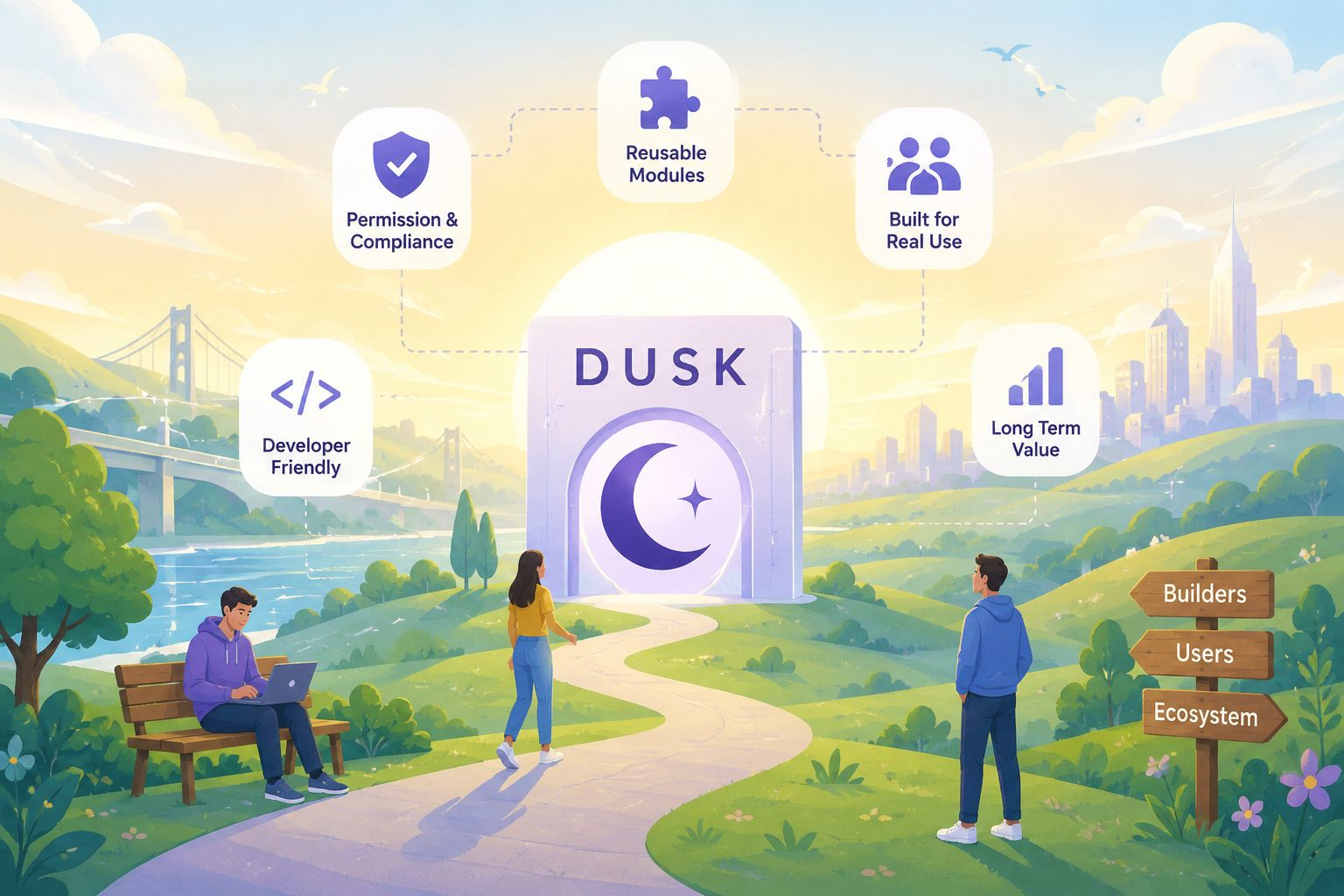
That’s where Dusk has caught my attention recently. The DuskEVM testnet opened another route for developers, with familiar Solidity and Hardhat tools. But honestly, the tooling itself isn’t what would convince me.
The real test is what gets built on top of it, and whether people have a reason to return.
I keep coming back to one idea here: reusable financial logic.
Instead of every team creating its own permission rules, compliance checks or verification systems from scratch, useful modules could become building blocks that other applications plug into. Similar to how open-source software saves developers from solving the same problem again and again.
That could create a much healthier loop.
A developer makes something useful → others reuse it → the developer has a reason to maintain it → users get applications that become more useful over time.
But there’s a weak point I can’t ignore.
Usage can be manufactured. Verification can be poorly designed. And token unlocks can create selling pressure even when the underlying technology is improving.
Even growing transaction numbers need a second look. Are new users arriving, or are the same wallets just generating more activity?
That’s what I’m watching with $DUSK.
I’m interested, but I’m not calling it a success yet. For me, the bigger signal will be whether activity survives after the narrative gets quieter.
If it does, $DUSK becomes much more interesting.
If it doesn’t, at least the numbers will tell us the story was mostly hype.
#dusk $DUSK @Dusk @Dusk What Stays After The Hype?
I remember a time when I looked at a new token and the first things I cared about were listings, volume and liquidity. If the order book looked healthy and bigger exchanges were involved, it felt like the project had already proved something.
Experience changed that for me.
Now I’m more interested in what people actually keep using once the attention moves somewhere else.
That’s where Dusk has caught my attention recently. The DuskEVM testnet opened another route for developers, with familiar Solidity and Hardhat tools. But honestly, the tooling itself isn’t what would convince me.
The real test is what gets built on top of it, and whether people have a reason to return.
I keep coming back to one idea here: reusable financial logic.
Instead of every team creating its own permission rules, compliance checks or verification systems from scratch, useful modules could become building blocks that other applications plug into. Similar to how open-source software saves developers from solving the same problem again and again.
That could create a much healthier loop.
A developer makes something useful → others reuse it → the developer has a reason to maintain it → users get applications that become more useful over time.
But there’s a weak point I can’t ignore.
Usage can be manufactured. Verification can be poorly designed. And token unlocks can create selling pressure even when the underlying technology is improving.
Even growing transaction numbers need a second look. Are new users arriving, or are the same wallets just generating more activity?
That’s what I’m watching with $DUSK .
I’m interested, but I’m not calling it a success yet. For me, the bigger signal will be whether activity survives after the narrative gets quieter.
If it does, $DUSK becomes much more interesting.
If it doesn’t, at least the numbers will tell us the story was mostly hype.
I remember a time when I looked at a new token and the first things I cared about were listings, volume and liquidity. If the order book looked healthy and bigger exchanges were involved, it felt like the project had already proved something.
Experience changed that for me.
Now I’m more interested in what people actually keep using once the attention moves somewhere else.
That’s where Dusk has caught my attention recently. The DuskEVM testnet opened another route for developers, with familiar Solidity and Hardhat tools. But honestly, the tooling itself isn’t what would convince me.
The real test is what gets built on top of it, and whether people have a reason to return.
I keep coming back to one idea here: reusable financial logic.
Instead of every team creating its own permission rules, compliance checks or verification systems from scratch, useful modules could become building blocks that other applications plug into. Similar to how open-source software saves developers from solving the same problem again and again.
That could create a much healthier loop.
A developer makes something useful → others reuse it → the developer has a reason to maintain it → users get applications that become more useful over time.
But there’s a weak point I can’t ignore.
Usage can be manufactured. Verification can be poorly designed. And token unlocks can create selling pressure even when the underlying technology is improving.
Even growing transaction numbers need a second look. Are new users arriving, or are the same wallets just generating more activity?
That’s what I’m watching with $DUSK .
I’m interested, but I’m not calling it a success yet. For me, the bigger signal will be whether activity survives after the narrative gets quieter.
If it does, $DUSK becomes much more interesting.
If it doesn’t, at least the numbers will tell us the story was mostly hype.
3
1
155
·
--
#dusk $DUSK @Dusk_Foundation @Dusk_Foundation Liquidity Wasn’t the Whole Story
For a long time, I honestly thought the biggest sign of a crypto project’s value was pretty simple: get listed, attract liquidity, watch the volume grow.
Then I watched enough launches to become a little less convinced.
A token can have liquidity and still have very little reason for people to stay.
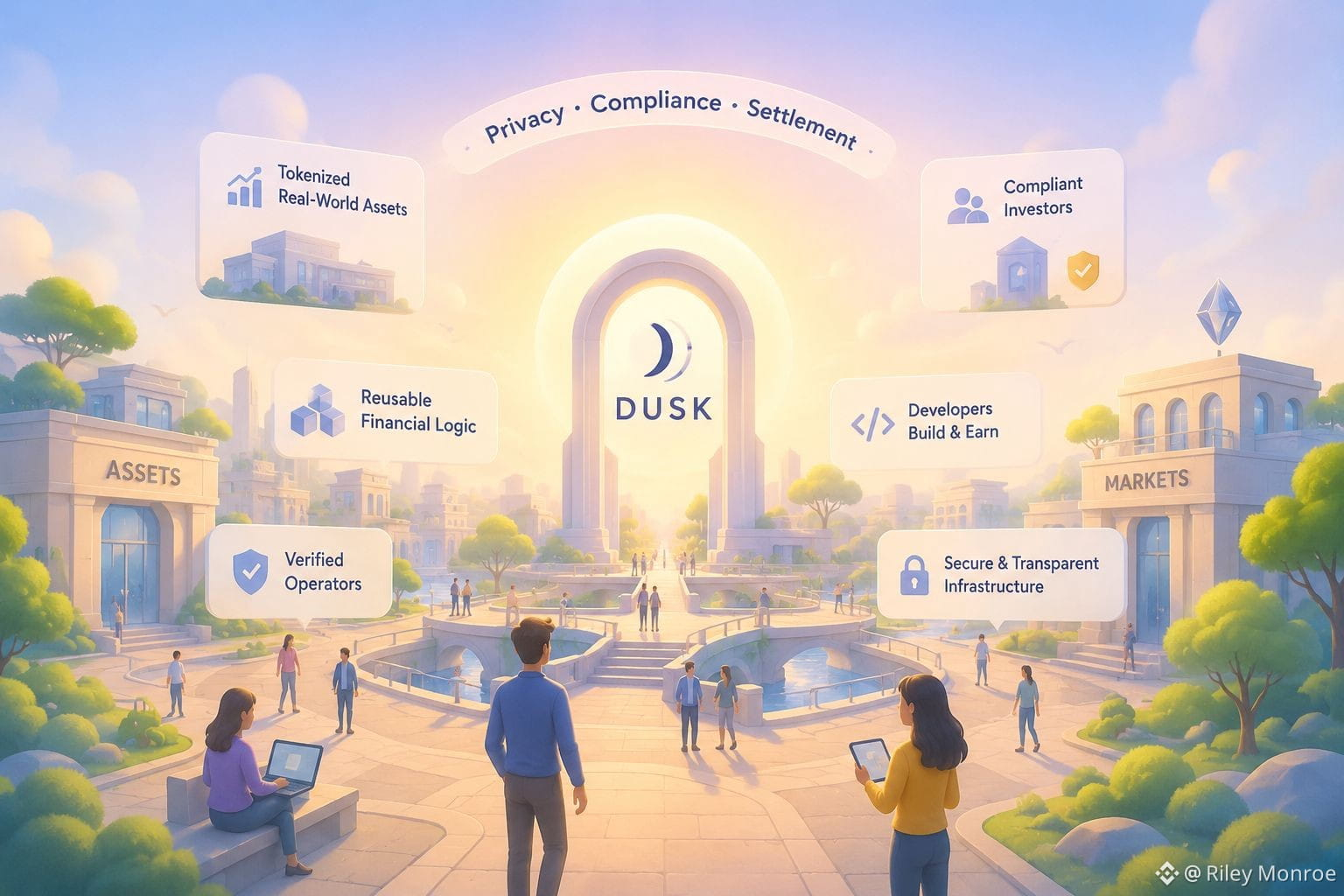
That’s why Dusk has caught my attention from a different angle. The interesting part isn’t just another chain or another tokenized asset story. It’s the idea of making financial rules reusable.
Think about open-source software. A developer builds something once, other people use it, improve it, and build on top of it. Financial infrastructure could work in a similar way.
A developer could create a compliance, permission, or eligibility module once, and other applications could reuse that logic instead of rebuilding the same system every time.
But here’s where I think the real test begins.
Why would users come back after the initial hype?
Maybe because the infrastructure keeps doing something useful in the background.
Why would developers keep building?
If reusable modules can actually create value or revenue, there’s a reason to maintain them instead of chasing the next narrative.
And operators? They need incentives to verify things honestly. Otherwise “verification” can quickly become another box people tick without much meaning.
I’m still skeptical, though. Fake demand is possible. Weak verification is possible. Token unlock pressure can distort incentives too.
And I’d want to know whether growing activity represents genuinely new usage or just the same transactions being recycled around the ecosystem.
That’s why I’m not calling $DUSK a success yet.
For me, it’s a watching-closely thesis. If the reusable financial logic actually creates retention, then the $DUSK story gets much more interesting.
What matters is what remains when the hype disappears.
#dusk $DUSK @Dusk @Dusk Liquidity Wasn’t the Whole Story
For a long time, I honestly thought the biggest sign of a crypto project’s value was pretty simple: get listed, attract liquidity, watch the volume grow.
Then I watched enough launches to become a little less convinced.
A token can have liquidity and still have very little reason for people to stay.
That’s why Dusk has caught my attention from a different angle. The interesting part isn’t just another chain or another tokenized asset story. It’s the idea of making financial rules reusable.
Think about open-source software. A developer builds something once, other people use it, improve it, and build on top of it. Financial infrastructure could work in a similar way.
A developer could create a compliance, permission, or eligibility module once, and other applications could reuse that logic instead of rebuilding the same system every time.
But here’s where I think the real test begins.
Why would users come back after the initial hype?
Maybe because the infrastructure keeps doing something useful in the background.
Why would developers keep building?
If reusable modules can actually create value or revenue, there’s a reason to maintain them instead of chasing the next narrative.
And operators? They need incentives to verify things honestly. Otherwise “verification” can quickly become another box people tick without much meaning.
I’m still skeptical, though. Fake demand is possible. Weak verification is possible. Token unlock pressure can distort incentives too.
And I’d want to know whether growing activity represents genuinely new usage or just the same transactions being recycled around the ecosystem.
That’s why I’m not calling $DUSK a success yet.
For me, it’s a watching-closely thesis. If the reusable financial logic actually creates retention, then the $DUSK story gets much more interesting.
What matters is what remains when the hype disappears.
For a long time, I honestly thought the biggest sign of a crypto project’s value was pretty simple: get listed, attract liquidity, watch the volume grow.
Then I watched enough launches to become a little less convinced.
A token can have liquidity and still have very little reason for people to stay.
That’s why Dusk has caught my attention from a different angle. The interesting part isn’t just another chain or another tokenized asset story. It’s the idea of making financial rules reusable.
Think about open-source software. A developer builds something once, other people use it, improve it, and build on top of it. Financial infrastructure could work in a similar way.
A developer could create a compliance, permission, or eligibility module once, and other applications could reuse that logic instead of rebuilding the same system every time.
But here’s where I think the real test begins.
Why would users come back after the initial hype?
Maybe because the infrastructure keeps doing something useful in the background.
Why would developers keep building?
If reusable modules can actually create value or revenue, there’s a reason to maintain them instead of chasing the next narrative.
And operators? They need incentives to verify things honestly. Otherwise “verification” can quickly become another box people tick without much meaning.
I’m still skeptical, though. Fake demand is possible. Weak verification is possible. Token unlock pressure can distort incentives too.
And I’d want to know whether growing activity represents genuinely new usage or just the same transactions being recycled around the ecosystem.
That’s why I’m not calling $DUSK a success yet.
For me, it’s a watching-closely thesis. If the reusable financial logic actually creates retention, then the $DUSK story gets much more interesting.
What matters is what remains when the hype disappears.
1
1
117
·
--
#baby $BABY @babylonlabs_io When I first got into crypto, I thought listings were the whole game. A token hits a big exchange, liquidity floods in, price reacts… and that was enough to believe something had value. I leaned into that mindset for a while. It felt logical back then.
But over time, I started noticing a pattern. The excitement spikes fast, then fades just as quickly. Volume drops, attention shifts, and whatever looked strong suddenly feels empty. That made me question what actually holds things together once the noise disappears.
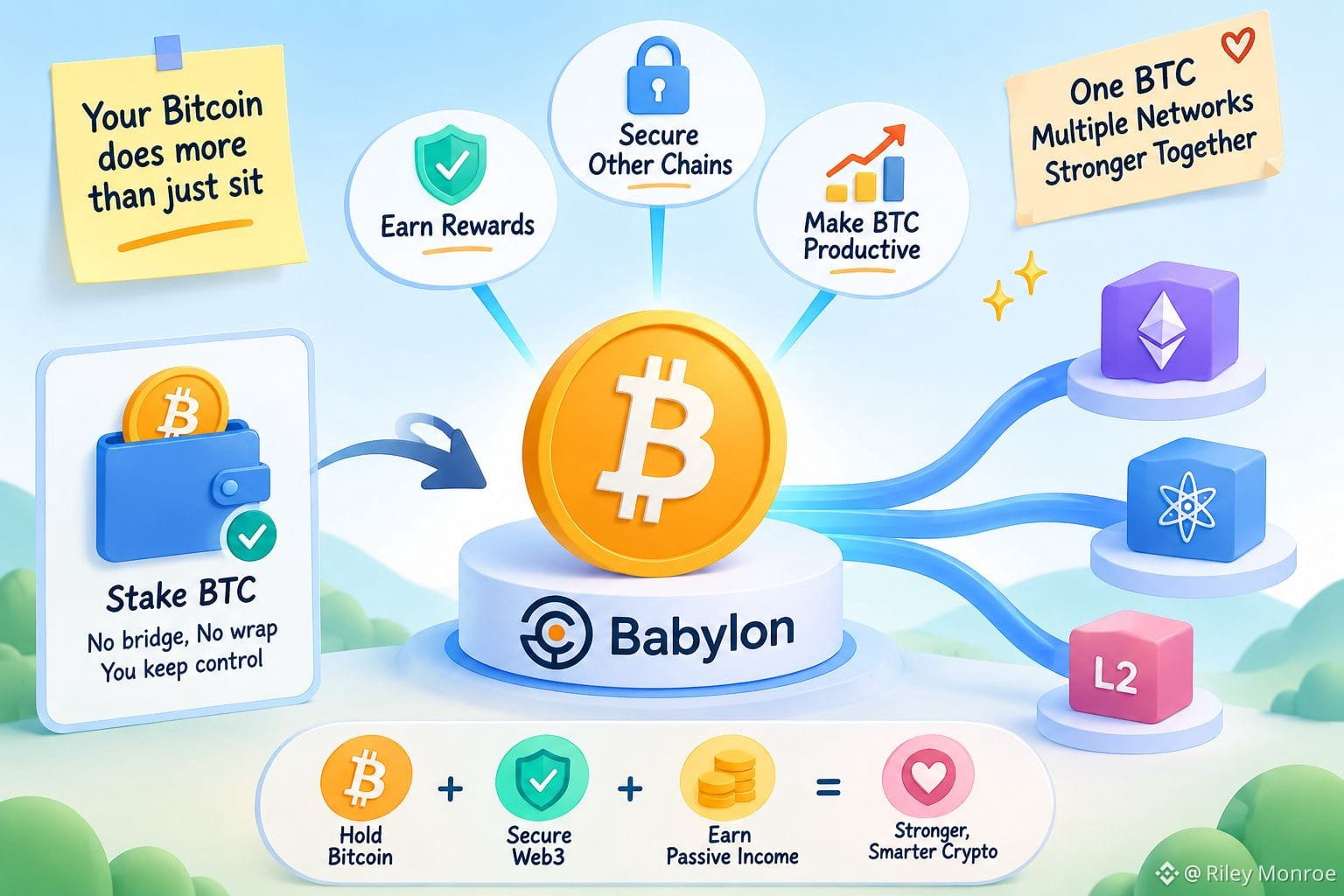
Now when I look at something like $BABYLON, I’m trying to view it from a different angle. Not just who’s talking about it, but what can actually be reused. The idea that financial logic could work like open source code keeps coming back to me.
If developers can build modules once and others keep integrating them… that’s a different kind of value. Things like permission layers or compliance checks don’t need to be rebuilt every time. That could create a quieter but more stable ecosystem.
And honestly, retention matters more than hype. Users only return when something consistently works for them. Not because of announcements, but because it fits into what they’re already doing.
Developers earning from reused components also makes sense. It’s more sustainable than chasing short bursts of attention.
But there are still doubts. Some activity doesn’t feel organic. It’s hard to tell what’s real usage and what’s just looping transactions. Add token unlock pressure into that, and signals get even messier.
So I’m not jumping to conclusions. Just observing $BABYLON closely for now. If the usage proves genuine over time, then maybe there’s something here worth paying attention to.
#baby $BABY @BabylonLabs_io When I first got into crypto, I thought listings were the whole game. A token hits a big exchange, liquidity floods in, price reacts… and that was enough to believe something had value. I leaned into that mindset for a while. It felt logical back then.
But over time, I started noticing a pattern. The excitement spikes fast, then fades just as quickly. Volume drops, attention shifts, and whatever looked strong suddenly feels empty. That made me question what actually holds things together once the noise disappears.
Now when I look at something like $BABYLON, I’m trying to view it from a different angle. Not just who’s talking about it, but what can actually be reused. The idea that financial logic could work like open source code keeps coming back to me.
If developers can build modules once and others keep integrating them… that’s a different kind of value. Things like permission layers or compliance checks don’t need to be rebuilt every time. That could create a quieter but more stable ecosystem.
And honestly, retention matters more than hype. Users only return when something consistently works for them. Not because of announcements, but because it fits into what they’re already doing.
Developers earning from reused components also makes sense. It’s more sustainable than chasing short bursts of attention.
But there are still doubts. Some activity doesn’t feel organic. It’s hard to tell what’s real usage and what’s just looping transactions. Add token unlock pressure into that, and signals get even messier.
So I’m not jumping to conclusions. Just observing $BABYLON closely for now. If the usage proves genuine over time, then maybe there’s something here worth paying attention to.
But over time, I started noticing a pattern. The excitement spikes fast, then fades just as quickly. Volume drops, attention shifts, and whatever looked strong suddenly feels empty. That made me question what actually holds things together once the noise disappears.
Now when I look at something like $BABYLON, I’m trying to view it from a different angle. Not just who’s talking about it, but what can actually be reused. The idea that financial logic could work like open source code keeps coming back to me.
If developers can build modules once and others keep integrating them… that’s a different kind of value. Things like permission layers or compliance checks don’t need to be rebuilt every time. That could create a quieter but more stable ecosystem.
And honestly, retention matters more than hype. Users only return when something consistently works for them. Not because of announcements, but because it fits into what they’re already doing.
Developers earning from reused components also makes sense. It’s more sustainable than chasing short bursts of attention.
But there are still doubts. Some activity doesn’t feel organic. It’s hard to tell what’s real usage and what’s just looping transactions. Add token unlock pressure into that, and signals get even messier.
So I’m not jumping to conclusions. Just observing $BABYLON closely for now. If the usage proves genuine over time, then maybe there’s something here worth paying attention to.
7
1
177
·
--
#baby $BABY @babylonlabs_io I Used to Chase Listings. Not Anymore
Not long ago, I used to think listings were everything.
If a coin was getting listed fast, volume was high, charts moving… that was enough for me. Felt like that was value.
But over time, it started feeling off.
I’ve seen projects explode in volume and then just… disappear. No real users. No reason to come back. Just the same liquidity moving in circles.
So lately I’ve been looking at something else. Not the surface stuff, but what’s actually being built underneath.
What if value isn’t in the token hype, but in the logic behind it?
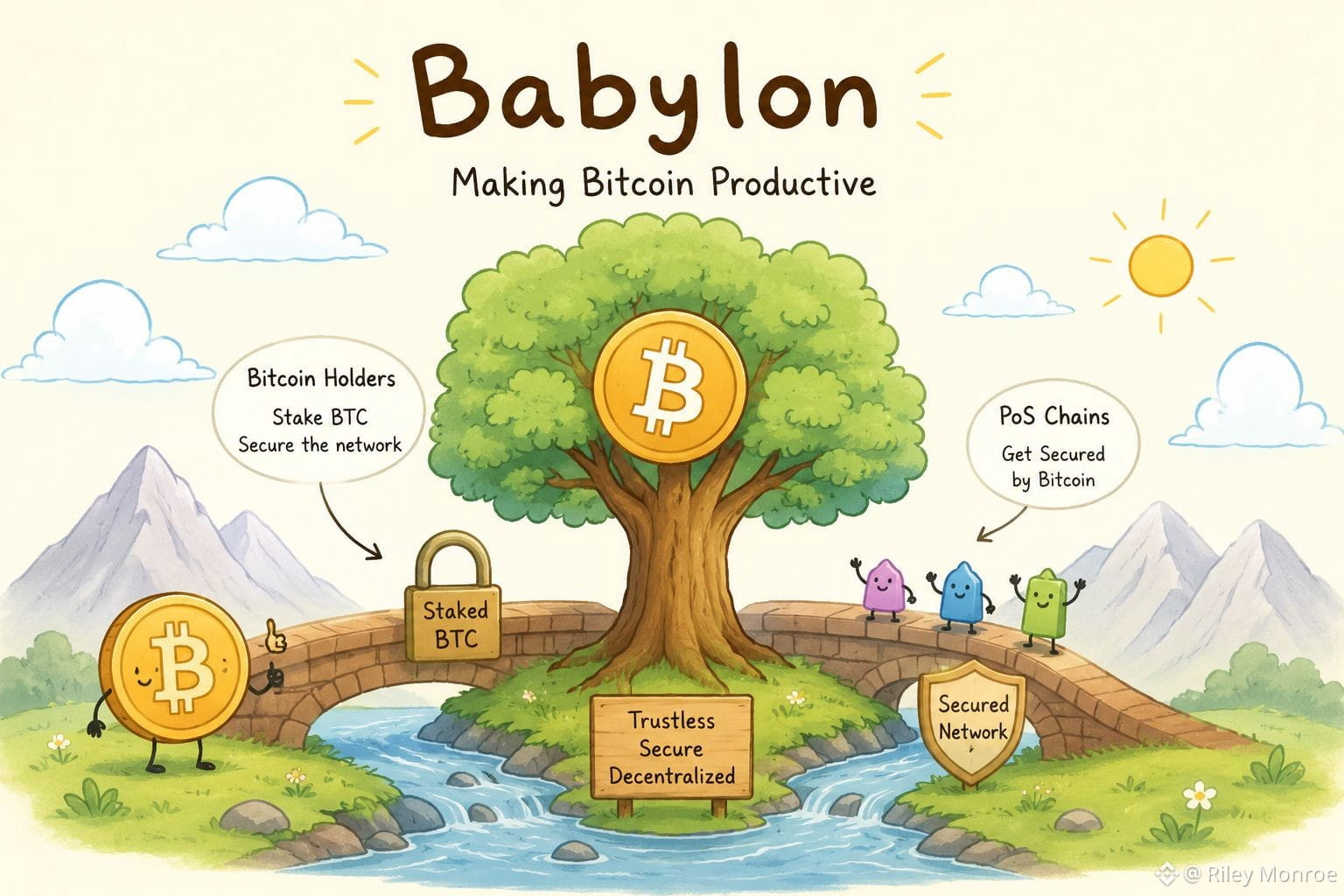
Like, instead of every team building the same permission systems again and again… what if they just reuse modules. Someone builds it once, others plug into it, improve it, stack on top.
That kind of thing sticks.
Because honestly, users don’t come back for hype. They come back when something works. When it’s useful without thinking too much.
And devs? They stay if they can earn from something others actually use. Not just launch and leave.
Same with operators. If verification isn’t honest, or incentives feel off, the whole thing quietly breaks. Maybe not instantly, but it does.
Still… I’m not fully sold.
Some of the activity I see looks real. Some of it honestly feels recycled. Hard to tell sometimes.
There’s also the usual stuff in the background. Token unlocks. Weak verification setups. Fake demand dressed up as growth.
So when I look at things like $BABY, I don’t jump in with conviction.
I just watch.
If the usage is real, it’ll show over time. If not, it’ll fade like the others.
Curious what others think. Real traction… or just cleaner-looking noise around $BABY?
#baby $BABY @BabylonLabs_io I Used to Chase Listings. Not Anymore
Not long ago, I used to think listings were everything.
If a coin was getting listed fast, volume was high, charts moving… that was enough for me. Felt like that was value.
But over time, it started feeling off.
I’ve seen projects explode in volume and then just… disappear. No real users. No reason to come back. Just the same liquidity moving in circles.
So lately I’ve been looking at something else. Not the surface stuff, but what’s actually being built underneath.
What if value isn’t in the token hype, but in the logic behind it?
Like, instead of every team building the same permission systems again and again… what if they just reuse modules. Someone builds it once, others plug into it, improve it, stack on top.
That kind of thing sticks.
Because honestly, users don’t come back for hype. They come back when something works. When it’s useful without thinking too much.
And devs? They stay if they can earn from something others actually use. Not just launch and leave.
Same with operators. If verification isn’t honest, or incentives feel off, the whole thing quietly breaks. Maybe not instantly, but it does.
Still… I’m not fully sold.
Some of the activity I see looks real. Some of it honestly feels recycled. Hard to tell sometimes.
There’s also the usual stuff in the background. Token unlocks. Weak verification setups. Fake demand dressed up as growth.
So when I look at things like $BABY , I don’t jump in with conviction.
I just watch.
If the usage is real, it’ll show over time. If not, it’ll fade like the others.
Curious what others think. Real traction… or just cleaner-looking noise around $BABY ?
Not long ago, I used to think listings were everything.
If a coin was getting listed fast, volume was high, charts moving… that was enough for me. Felt like that was value.
But over time, it started feeling off.
I’ve seen projects explode in volume and then just… disappear. No real users. No reason to come back. Just the same liquidity moving in circles.
So lately I’ve been looking at something else. Not the surface stuff, but what’s actually being built underneath.
What if value isn’t in the token hype, but in the logic behind it?
Like, instead of every team building the same permission systems again and again… what if they just reuse modules. Someone builds it once, others plug into it, improve it, stack on top.
That kind of thing sticks.
Because honestly, users don’t come back for hype. They come back when something works. When it’s useful without thinking too much.
And devs? They stay if they can earn from something others actually use. Not just launch and leave.
Same with operators. If verification isn’t honest, or incentives feel off, the whole thing quietly breaks. Maybe not instantly, but it does.
Still… I’m not fully sold.
Some of the activity I see looks real. Some of it honestly feels recycled. Hard to tell sometimes.
There’s also the usual stuff in the background. Token unlocks. Weak verification setups. Fake demand dressed up as growth.
So when I look at things like $BABY , I don’t jump in with conviction.
I just watch.
If the usage is real, it’ll show over time. If not, it’ll fade like the others.
Curious what others think. Real traction… or just cleaner-looking noise around $BABY ?
5
1
209
·
--
The Next Fed Move Could Decide Crypto's Direction
Something feels different this time.
Every major crypto rally seems to have one hidden trigger that most people don't notice until it's already happening. In the past it was ETFs. Before that, it was halving narratives. Now, I keep coming back to one question...
What if the next big move isn't coming from crypto at all?
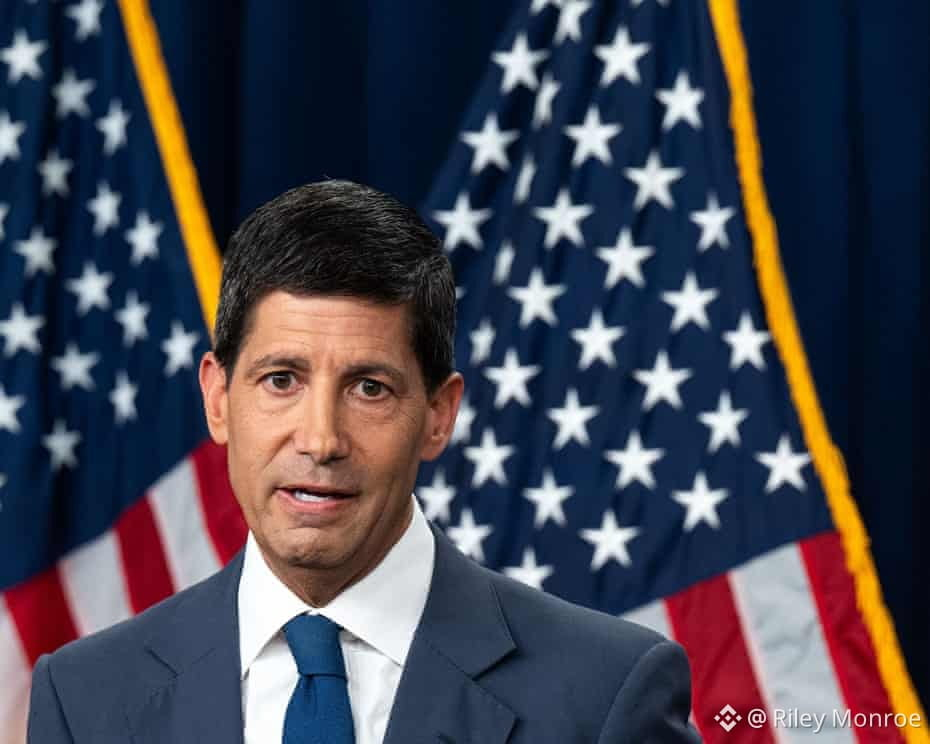
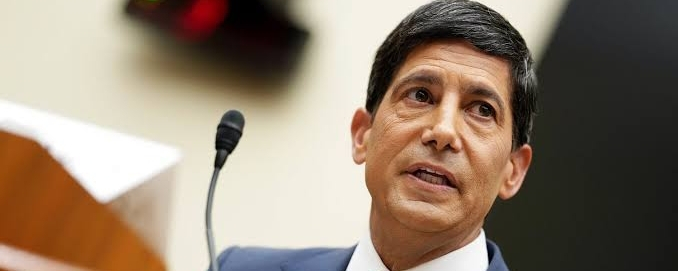
Lately, more attention has shifted toward Kevin Warsh and what future Fed policy could mean for financial markets. While no one knows exactly how things will unfold, investors are watching closely because monetary policy has a habit of changing risk appetite faster than headlines do.
If borrowing becomes cheaper and liquidity starts flowing again, history suggests capital often finds its way into higher-risk assets. Bitcoin has benefited from those conditions before. But if inflation stays stubborn and rates remain higher for longer, the market could face another period where patience matters more than excitement.
That's why I think this isn't just another macro story.
The real question is whether today's market activity reflects genuine conviction or simply traders positioning themselves before a possible policy shift. We've seen short-lived rallies fueled by speculation before, only to watch momentum disappear a few weeks later.
There are other risks too. Token unlocks, leveraged positions, and recycled on-chain activity can create the illusion of strength even when fresh demand isn't there.
For me, this is one of those moments where watching the Fed may be just as important as watching Bitcoin itself.
The next chapter for crypto might not begin with a new token, an exchange listing, or another meme coin.
It might begin with a single change in monetary policy.
What do you think comes first—another liquidity wave, or one more shakeout before the real trend begins?$BTC #AppleChipShortageHurtsSalesForecast
The Next Fed Move Could Decide Crypto's Direction
Something feels different this time.
Every major crypto rally seems to have one hidden trigger that most people don't notice until it's already happening. In the past it was ETFs. Before that, it was halving narratives. Now, I keep coming back to one question...
What if the next big move isn't coming from crypto at all?
Lately, more attention has shifted toward Kevin Warsh and what future Fed policy could mean for financial markets. While no one knows exactly how things will unfold, investors are watching closely because monetary policy has a habit of changing risk appetite faster than headlines do.
If borrowing becomes cheaper and liquidity starts flowing again, history suggests capital often finds its way into higher-risk assets. Bitcoin has benefited from those conditions before. But if inflation stays stubborn and rates remain higher for longer, the market could face another period where patience matters more than excitement.
That's why I think this isn't just another macro story.
The real question is whether today's market activity reflects genuine conviction or simply traders positioning themselves before a possible policy shift. We've seen short-lived rallies fueled by speculation before, only to watch momentum disappear a few weeks later.
There are other risks too. Token unlocks, leveraged positions, and recycled on-chain activity can create the illusion of strength even when fresh demand isn't there.
For me, this is one of those moments where watching the Fed may be just as important as watching Bitcoin itself.
The next chapter for crypto might not begin with a new token, an exchange listing, or another meme coin.
It might begin with a single change in monetary policy.
What do you think comes first—another liquidity wave, or one more shakeout before the real trend begins?$BTC #AppleChipShortageHurtsSalesForecast
Something feels different this time.
Every major crypto rally seems to have one hidden trigger that most people don't notice until it's already happening. In the past it was ETFs. Before that, it was halving narratives. Now, I keep coming back to one question...
What if the next big move isn't coming from crypto at all?
Lately, more attention has shifted toward Kevin Warsh and what future Fed policy could mean for financial markets. While no one knows exactly how things will unfold, investors are watching closely because monetary policy has a habit of changing risk appetite faster than headlines do.
If borrowing becomes cheaper and liquidity starts flowing again, history suggests capital often finds its way into higher-risk assets. Bitcoin has benefited from those conditions before. But if inflation stays stubborn and rates remain higher for longer, the market could face another period where patience matters more than excitement.
That's why I think this isn't just another macro story.
The real question is whether today's market activity reflects genuine conviction or simply traders positioning themselves before a possible policy shift. We've seen short-lived rallies fueled by speculation before, only to watch momentum disappear a few weeks later.
There are other risks too. Token unlocks, leveraged positions, and recycled on-chain activity can create the illusion of strength even when fresh demand isn't there.
For me, this is one of those moments where watching the Fed may be just as important as watching Bitcoin itself.
The next chapter for crypto might not begin with a new token, an exchange listing, or another meme coin.
It might begin with a single change in monetary policy.
What do you think comes first—another liquidity wave, or one more shakeout before the real trend begins?$BTC #AppleChipShortageHurtsSalesForecast
18
3
105
·
--
#baby $BABY @babylonlabs_io Value Doesn't Stay Where the Hype Starts
A couple of years ago I used to think exchange listings were almost everything. A token got listed, liquidity showed up, everyone got excited... and I automatically assumed the project had made it.
Looking back, that was probably too simple.
I've seen plenty of projects attract huge volume for a few weeks, then slowly disappear from the conversation. The charts looked alive, but the ecosystem never really did. That's when I started paying more attention to what people were actually building instead of what people were trading.
One idea I've been thinking about lately is the direction $BABY seems to be taking. If infrastructure can offer reusable financial logic, developers don't have to rebuild the same permission checks or compliance tools every single time. Someone writes a solid module once, others plug it into their own products and keep moving. It feels closer to open-source development than the usual race for the next narrative.
That also changes why people come back. Not because of another announcement, but because new apps keep showing up on the same foundation. Developers have a reason to stick around too if their work keeps getting reused instead of being forgotten after one launch. And for operators, honest verification matters. If incentives aren't aligned, trust disappears pretty fast.
I'm still cautious though.
Crypto has a habit of making recycled transactions look like fresh activity. Fake demand exists, and token unlocks can change sentiment overnight. Sometimes a busy dashboard is just... busy.
So I'm not treating $BABY as a guaranteed winner. I'm just watching whether the developer base grows, whether verification stays credible, and whether people are still using it months after the excitement cools off.
That, at least for me, says a lot more than another exchange listing ever did.
#baby $BABY @BabylonLabs_io Value Doesn't Stay Where the Hype Starts
A couple of years ago I used to think exchange listings were almost everything. A token got listed, liquidity showed up, everyone got excited... and I automatically assumed the project had made it.
Looking back, that was probably too simple.
I've seen plenty of projects attract huge volume for a few weeks, then slowly disappear from the conversation. The charts looked alive, but the ecosystem never really did. That's when I started paying more attention to what people were actually building instead of what people were trading.
One idea I've been thinking about lately is the direction $BABY seems to be taking. If infrastructure can offer reusable financial logic, developers don't have to rebuild the same permission checks or compliance tools every single time. Someone writes a solid module once, others plug it into their own products and keep moving. It feels closer to open-source development than the usual race for the next narrative.
That also changes why people come back. Not because of another announcement, but because new apps keep showing up on the same foundation. Developers have a reason to stick around too if their work keeps getting reused instead of being forgotten after one launch. And for operators, honest verification matters. If incentives aren't aligned, trust disappears pretty fast.
I'm still cautious though.
Crypto has a habit of making recycled transactions look like fresh activity. Fake demand exists, and token unlocks can change sentiment overnight. Sometimes a busy dashboard is just... busy.
So I'm not treating $BABY as a guaranteed winner. I'm just watching whether the developer base grows, whether verification stays credible, and whether people are still using it months after the excitement cools off.
That, at least for me, says a lot more than another exchange listing ever did.
A couple of years ago I used to think exchange listings were almost everything. A token got listed, liquidity showed up, everyone got excited... and I automatically assumed the project had made it.
Looking back, that was probably too simple.
I've seen plenty of projects attract huge volume for a few weeks, then slowly disappear from the conversation. The charts looked alive, but the ecosystem never really did. That's when I started paying more attention to what people were actually building instead of what people were trading.
One idea I've been thinking about lately is the direction $BABY seems to be taking. If infrastructure can offer reusable financial logic, developers don't have to rebuild the same permission checks or compliance tools every single time. Someone writes a solid module once, others plug it into their own products and keep moving. It feels closer to open-source development than the usual race for the next narrative.
That also changes why people come back. Not because of another announcement, but because new apps keep showing up on the same foundation. Developers have a reason to stick around too if their work keeps getting reused instead of being forgotten after one launch. And for operators, honest verification matters. If incentives aren't aligned, trust disappears pretty fast.
I'm still cautious though.
Crypto has a habit of making recycled transactions look like fresh activity. Fake demand exists, and token unlocks can change sentiment overnight. Sometimes a busy dashboard is just... busy.
So I'm not treating $BABY as a guaranteed winner. I'm just watching whether the developer base grows, whether verification stays credible, and whether people are still using it months after the excitement cools off.
That, at least for me, says a lot more than another exchange listing ever did.
4
1
1
175
·
--
$BTC The Market Expected a Surprise... But the Real Story Started After the Decision
For a few hours, almost everyone was watching the same thing.
Would the Federal Reserve shock the market?
It didn't.
Rates stayed unchanged, and at first glance that looked like a boring outcome. But if you stopped reading there, you probably missed the part that actually matters.
The decision itself wasn't the surprise. The message behind it was.
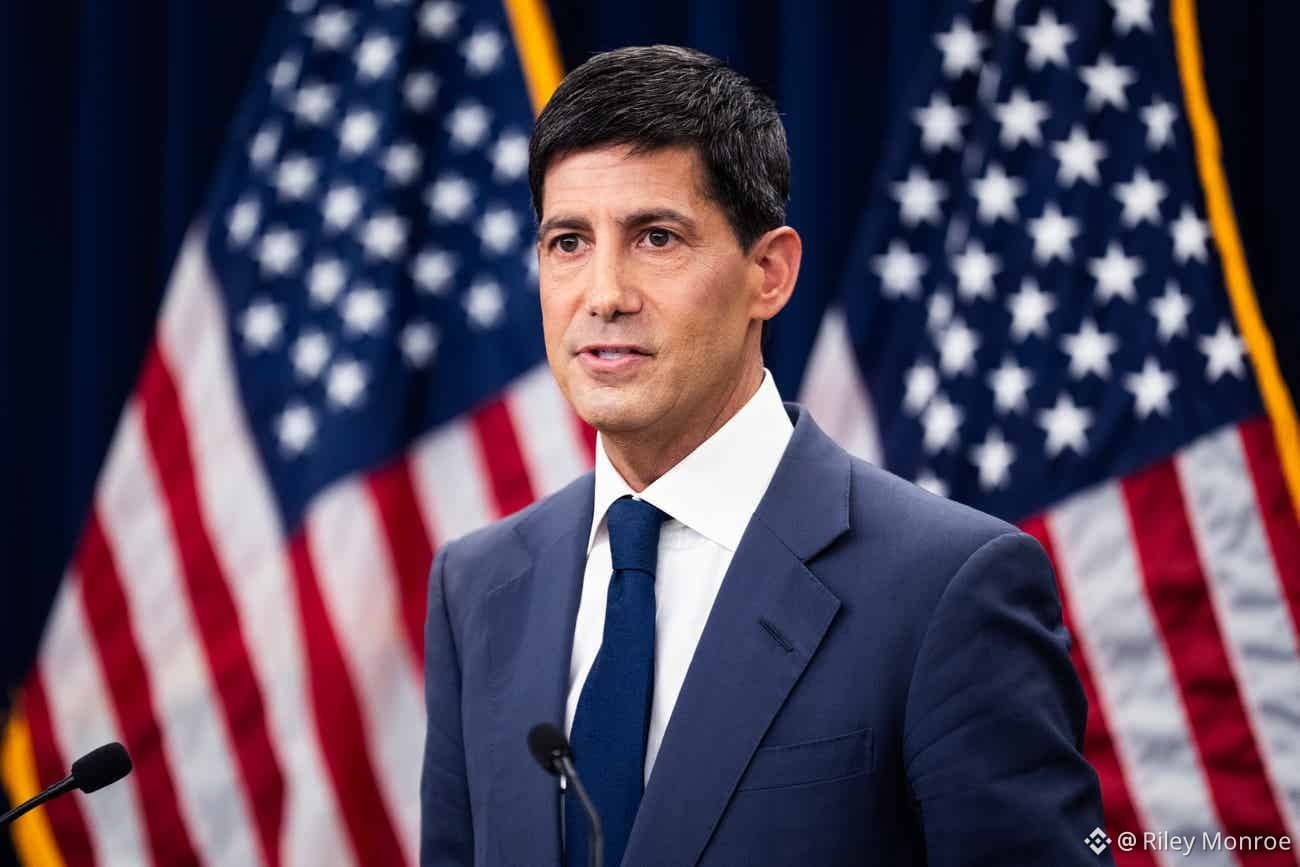
Several policymakers showed a more hawkish stance than many traders expected, reminding the market that inflation is still very much part of the conversation. Suddenly the focus shifted from "What happened today?" to "What happens next?"
That change matters for crypto.
Bitcoin and the broader market usually perform best when investors believe liquidity conditions will become easier. A steady rate decision removes one immediate source of uncertainty, but it doesn't automatically guarantee easier money ahead.
That's why I think the next inflation report and labor data could become more important than today's meeting.
I've also noticed something interesting over the past year. Every Fed meeting creates the same wave of emotional reactions. Green candles appear, people celebrate, then a few days later everyone is talking about something completely different.
The real winners are usually the people who wait for confirmation instead of reacting to headlines.
If inflation cools further, confidence could return quickly. If it doesn't, expectations may change again just as fast.
For now, I see this Fed meeting as a reminder that crypto still trades in a world shaped by macroeconomics. Narratives are powerful, but liquidity expectations often move markets even more.
The biggest question isn't whether today's decision was bullish or bearish.
It's whether the next few weeks confirm the story the market wants to believe.
#BNBSmartChainToUndergoHardFork
$BTC The Market Expected a Surprise... But the Real Story Started After the Decision
For a few hours, almost everyone was watching the same thing.
Would the Federal Reserve shock the market?
It didn't.
Rates stayed unchanged, and at first glance that looked like a boring outcome. But if you stopped reading there, you probably missed the part that actually matters.
The decision itself wasn't the surprise. The message behind it was.
Several policymakers showed a more hawkish stance than many traders expected, reminding the market that inflation is still very much part of the conversation. Suddenly the focus shifted from "What happened today?" to "What happens next?"
That change matters for crypto.
Bitcoin and the broader market usually perform best when investors believe liquidity conditions will become easier. A steady rate decision removes one immediate source of uncertainty, but it doesn't automatically guarantee easier money ahead.
That's why I think the next inflation report and labor data could become more important than today's meeting.
I've also noticed something interesting over the past year. Every Fed meeting creates the same wave of emotional reactions. Green candles appear, people celebrate, then a few days later everyone is talking about something completely different.
The real winners are usually the people who wait for confirmation instead of reacting to headlines.
If inflation cools further, confidence could return quickly. If it doesn't, expectations may change again just as fast.
For now, I see this Fed meeting as a reminder that crypto still trades in a world shaped by macroeconomics. Narratives are powerful, but liquidity expectations often move markets even more.
The biggest question isn't whether today's decision was bullish or bearish.
It's whether the next few weeks confirm the story the market wants to believe.
#BNBSmartChainToUndergoHardFork
For a few hours, almost everyone was watching the same thing.
Would the Federal Reserve shock the market?
It didn't.
Rates stayed unchanged, and at first glance that looked like a boring outcome. But if you stopped reading there, you probably missed the part that actually matters.
The decision itself wasn't the surprise. The message behind it was.
Several policymakers showed a more hawkish stance than many traders expected, reminding the market that inflation is still very much part of the conversation. Suddenly the focus shifted from "What happened today?" to "What happens next?"
That change matters for crypto.
Bitcoin and the broader market usually perform best when investors believe liquidity conditions will become easier. A steady rate decision removes one immediate source of uncertainty, but it doesn't automatically guarantee easier money ahead.
That's why I think the next inflation report and labor data could become more important than today's meeting.
I've also noticed something interesting over the past year. Every Fed meeting creates the same wave of emotional reactions. Green candles appear, people celebrate, then a few days later everyone is talking about something completely different.
The real winners are usually the people who wait for confirmation instead of reacting to headlines.
If inflation cools further, confidence could return quickly. If it doesn't, expectations may change again just as fast.
For now, I see this Fed meeting as a reminder that crypto still trades in a world shaped by macroeconomics. Narratives are powerful, but liquidity expectations often move markets even more.
The biggest question isn't whether today's decision was bullish or bearish.
It's whether the next few weeks confirm the story the market wants to believe.
#BNBSmartChainToUndergoHardFork
27
1
4
109
·
--
#baby $BABY @babylonlabs_io After the Hype
A year or two ago, I probably looked at crypto the same way a lot of people did. A new exchange listing, deeper liquidity, bigger trading volume... that was enough to convince me something had real value. I won't pretend I don't still watch those things. Everyone does. But they don't tell the whole story anymore.
Lately I've been paying more attention to what developers keep building after the excitement disappears. That's where I started looking at $BABY differently.
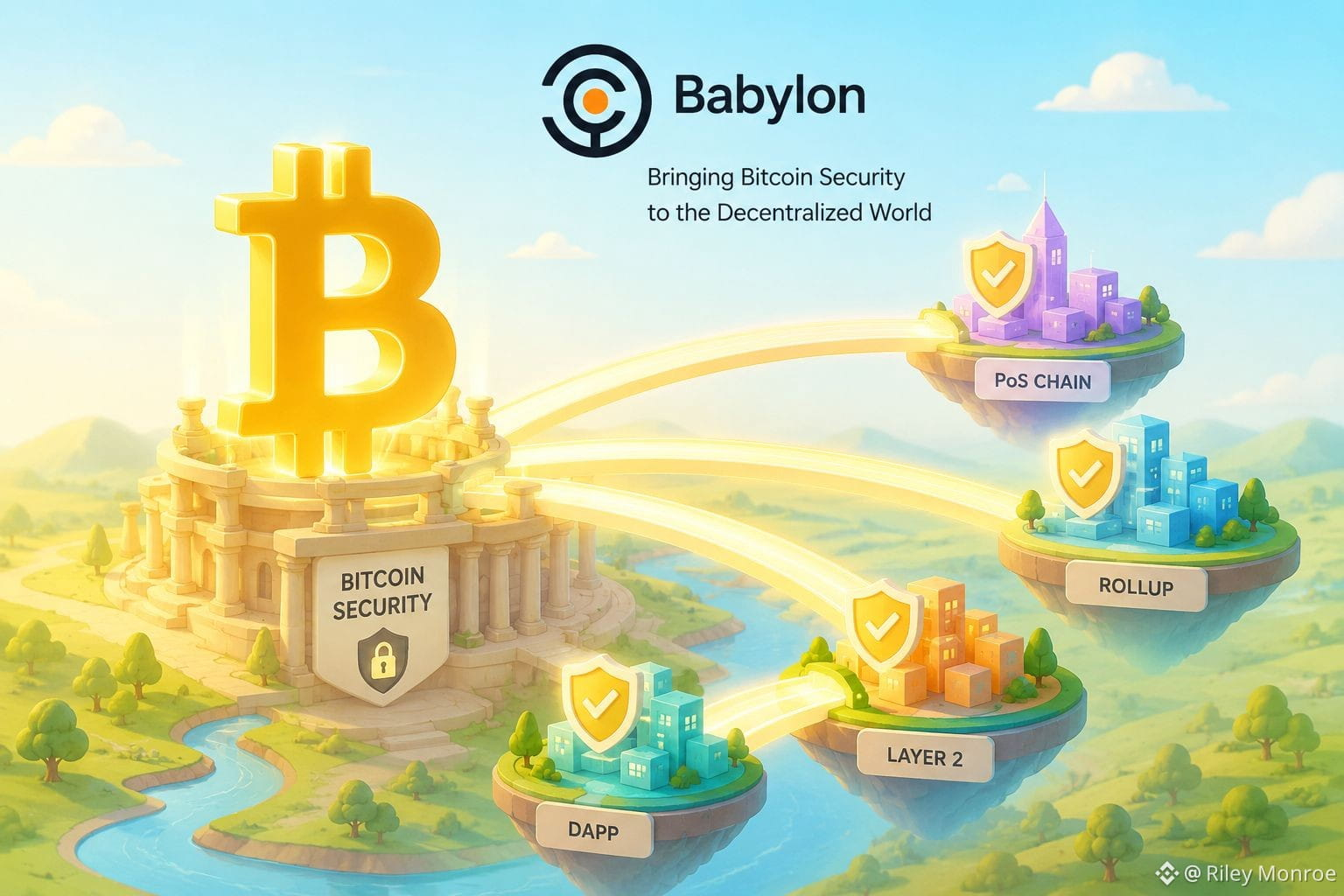
What if the valuable part isn't another chain or another token, but financial building blocks that other teams can reuse? Kind of like open-source software. Instead of every project writing its own permission system or compliance layer from zero, someone builds it once, improves it over time, and other developers simply plug it in. That feels far more useful than chasing the next trend.
I also keep thinking about retention. Why do people come back after launch week? Usually because something actually saves time or solves a problem. If builders rely on reusable modules, the people creating those modules have a way to keep earning as adoption grows. That's a healthier loop than depending only on speculation.
Still, none of this works if verification becomes something people can game. Operators need a reason to stay honest. If incentives are weak, trust disappears surprisingly fast.
I'm not ignoring the risks either. Crypto has become very good at making activity look bigger than it really is. Sometimes it's fake demand. Sometimes it's recycled transactions. Sometimes token unlock pressure changes the whole picture. It's worth asking whether the usage is genuine or just numbers moving around.
So I'm keeping $BABY on my watchlist, not on a pedestal. The idea makes sense to me, but ideas aren't enough. I'll believe the story more when I see developers returning because the tools are genuinely useful, not because the market is loud for a few weeks.
#baby $BABY @BabylonLabs_io After the Hype
A year or two ago, I probably looked at crypto the same way a lot of people did. A new exchange listing, deeper liquidity, bigger trading volume... that was enough to convince me something had real value. I won't pretend I don't still watch those things. Everyone does. But they don't tell the whole story anymore.
Lately I've been paying more attention to what developers keep building after the excitement disappears. That's where I started looking at $BABY differently.
What if the valuable part isn't another chain or another token, but financial building blocks that other teams can reuse? Kind of like open-source software. Instead of every project writing its own permission system or compliance layer from zero, someone builds it once, improves it over time, and other developers simply plug it in. That feels far more useful than chasing the next trend.
I also keep thinking about retention. Why do people come back after launch week? Usually because something actually saves time or solves a problem. If builders rely on reusable modules, the people creating those modules have a way to keep earning as adoption grows. That's a healthier loop than depending only on speculation.
Still, none of this works if verification becomes something people can game. Operators need a reason to stay honest. If incentives are weak, trust disappears surprisingly fast.
I'm not ignoring the risks either. Crypto has become very good at making activity look bigger than it really is. Sometimes it's fake demand. Sometimes it's recycled transactions. Sometimes token unlock pressure changes the whole picture. It's worth asking whether the usage is genuine or just numbers moving around.
So I'm keeping $BABY on my watchlist, not on a pedestal. The idea makes sense to me, but ideas aren't enough. I'll believe the story more when I see developers returning because the tools are genuinely useful, not because the market is loud for a few weeks.
A year or two ago, I probably looked at crypto the same way a lot of people did. A new exchange listing, deeper liquidity, bigger trading volume... that was enough to convince me something had real value. I won't pretend I don't still watch those things. Everyone does. But they don't tell the whole story anymore.
Lately I've been paying more attention to what developers keep building after the excitement disappears. That's where I started looking at $BABY differently.
What if the valuable part isn't another chain or another token, but financial building blocks that other teams can reuse? Kind of like open-source software. Instead of every project writing its own permission system or compliance layer from zero, someone builds it once, improves it over time, and other developers simply plug it in. That feels far more useful than chasing the next trend.
I also keep thinking about retention. Why do people come back after launch week? Usually because something actually saves time or solves a problem. If builders rely on reusable modules, the people creating those modules have a way to keep earning as adoption grows. That's a healthier loop than depending only on speculation.
Still, none of this works if verification becomes something people can game. Operators need a reason to stay honest. If incentives are weak, trust disappears surprisingly fast.
I'm not ignoring the risks either. Crypto has become very good at making activity look bigger than it really is. Sometimes it's fake demand. Sometimes it's recycled transactions. Sometimes token unlock pressure changes the whole picture. It's worth asking whether the usage is genuine or just numbers moving around.
So I'm keeping $BABY on my watchlist, not on a pedestal. The idea makes sense to me, but ideas aren't enough. I'll believe the story more when I see developers returning because the tools are genuinely useful, not because the market is loud for a few weeks.
4
1
2
160
·
--
🎁 10,000 Red Packets are now LIVE for our beloved Binance members!
You have only 24 hours to claim yours. Don't miss out—grab your Red Packet before the event ends!#GIVEAWAY🎁
🎁 10,000 Red Packets are now LIVE for our beloved Binance members!
You have only 24 hours to claim yours. Don't miss out—grab your Red Packet before the event ends!#GIVEAWAY🎁
You have only 24 hours to claim yours. Don't miss out—grab your Red Packet before the event ends!#GIVEAWAY🎁

48
3
13
439
·
--
#baby $BABY @babylonlabs_io Beyond the Hype
A year or two ago, I would've judged a project almost entirely by one thing. New exchange listings. Bigger liquidity. More volume. That felt like proof enough that something was working.
I don't really think that anymore.
I've watched plenty of projects explode for a few weeks, then slowly fade. The charts looked great, the timelines were busy, but when the excitement disappeared... so did a lot of the activity. Looking back, I probably confused attention with value.
That's partly why I've been spending more time looking at infrastructure instead of headlines.
One thing that keeps pulling me back to $BABY is the idea that reusable financial logic might end up being more valuable than people expect. It reminds me of open-source software. Nobody wants to rebuild the same tool over and over. If someone creates a permission system or a compliance module that already works, why not reuse it and spend time building something new instead?
To me, that's where retention actually starts.
People don't come back because there was a listing six months ago. They come back because the tools are useful, apps keep integrating them, and the experience gets a little better each time. That's a very different kind of growth.
The same goes for developers. If one module can be adopted by dozens of projects instead of living inside a single app, there's a real reason to keep improving it. Good infrastructure compounds. That's a stronger incentive than chasing the next trend.
The part I'm still unsure about is verification. Operators need a reason to stay honest. If verification becomes weak, or if activity is mostly recycled transactions just to make dashboards look busy, then the numbers stop meaning much. Add token unlock pressure on top of that, and it's fair to ask how much demand is actually organic.
So I'm not treating $BABY like a guaranteed success.
I'm just watching it closely. If people are still building, reusing modules, and showing up after the hype fades, that'll tell me a lot more than another week of impressive
#baby $BABY @BabylonLabs_io Beyond the Hype
A year or two ago, I would've judged a project almost entirely by one thing. New exchange listings. Bigger liquidity. More volume. That felt like proof enough that something was working.
I don't really think that anymore.
I've watched plenty of projects explode for a few weeks, then slowly fade. The charts looked great, the timelines were busy, but when the excitement disappeared... so did a lot of the activity. Looking back, I probably confused attention with value.
That's partly why I've been spending more time looking at infrastructure instead of headlines.
One thing that keeps pulling me back to $BABY is the idea that reusable financial logic might end up being more valuable than people expect. It reminds me of open-source software. Nobody wants to rebuild the same tool over and over. If someone creates a permission system or a compliance module that already works, why not reuse it and spend time building something new instead?
To me, that's where retention actually starts.
People don't come back because there was a listing six months ago. They come back because the tools are useful, apps keep integrating them, and the experience gets a little better each time. That's a very different kind of growth.
The same goes for developers. If one module can be adopted by dozens of projects instead of living inside a single app, there's a real reason to keep improving it. Good infrastructure compounds. That's a stronger incentive than chasing the next trend.
The part I'm still unsure about is verification. Operators need a reason to stay honest. If verification becomes weak, or if activity is mostly recycled transactions just to make dashboards look busy, then the numbers stop meaning much. Add token unlock pressure on top of that, and it's fair to ask how much demand is actually organic.
So I'm not treating $BABY like a guaranteed success.
I'm just watching it closely. If people are still building, reusing modules, and showing up after the hype fades, that'll tell me a lot more than another week of impressive
A year or two ago, I would've judged a project almost entirely by one thing. New exchange listings. Bigger liquidity. More volume. That felt like proof enough that something was working.
I don't really think that anymore.
I've watched plenty of projects explode for a few weeks, then slowly fade. The charts looked great, the timelines were busy, but when the excitement disappeared... so did a lot of the activity. Looking back, I probably confused attention with value.
That's partly why I've been spending more time looking at infrastructure instead of headlines.
One thing that keeps pulling me back to $BABY is the idea that reusable financial logic might end up being more valuable than people expect. It reminds me of open-source software. Nobody wants to rebuild the same tool over and over. If someone creates a permission system or a compliance module that already works, why not reuse it and spend time building something new instead?
To me, that's where retention actually starts.
People don't come back because there was a listing six months ago. They come back because the tools are useful, apps keep integrating them, and the experience gets a little better each time. That's a very different kind of growth.
The same goes for developers. If one module can be adopted by dozens of projects instead of living inside a single app, there's a real reason to keep improving it. Good infrastructure compounds. That's a stronger incentive than chasing the next trend.
The part I'm still unsure about is verification. Operators need a reason to stay honest. If verification becomes weak, or if activity is mostly recycled transactions just to make dashboards look busy, then the numbers stop meaning much. Add token unlock pressure on top of that, and it's fair to ask how much demand is actually organic.
So I'm not treating $BABY like a guaranteed success.
I'm just watching it closely. If people are still building, reusing modules, and showing up after the hype fades, that'll tell me a lot more than another week of impressive

4
1
1
204
·
--
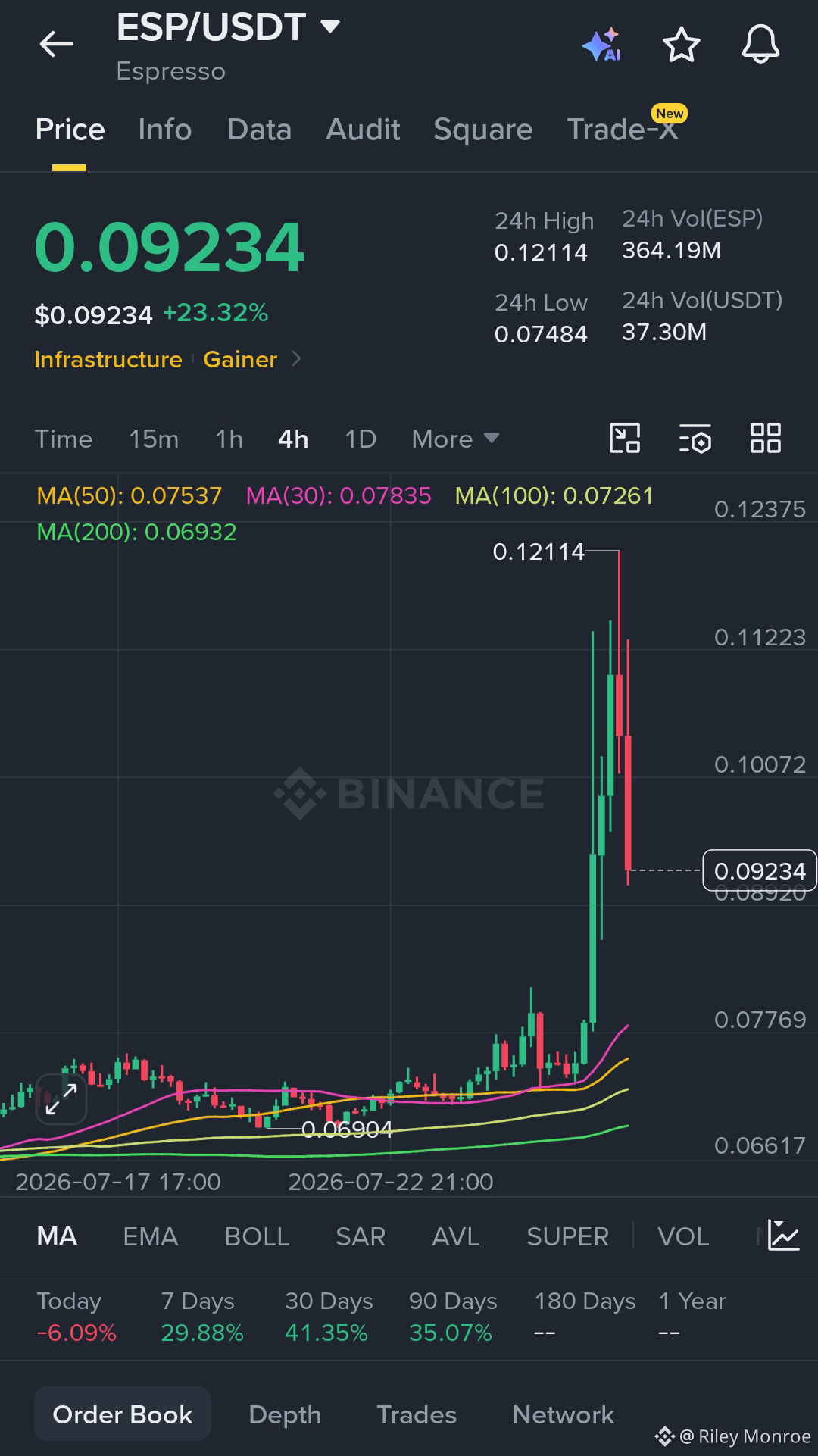
$ESP #WTICrudeFuturesFall8% ESP has become one of the strongest movers on the daily timeframe, attracting significant attention after an explosive breakout. The chart shows price surging from the consolidation zone around $0.07 to a daily high near $0.121, demonstrating aggressive buying pressure and a sharp increase in trading activity.
Although the coin is currently trading around $0.092, the pullback appears to be a normal reaction after such a rapid rally. Markets rarely move in a straight line, and profit-taking is expected after a gain of more than 20% in a single day.
From a technical perspective, the trend remains constructive because price is still trading above the 30-day, 50-day, 100-day, and 200-day moving averages. This alignment reflects strong bullish momentum despite today's correction. As long as the price continues to hold above the $0.085-$0.088 support zone, buyers may attempt another push toward $0.10 and eventually retest $0.121.
However, traders should remain cautious. Large breakout candles are often followed by periods of high volatility. If selling pressure increases and the price loses the $0.085 level, the next support could appear around $0.078-$0.080, where previous consolidation occurred.
$ESP #WTICrudeFuturesFall8% ESP has become one of the strongest movers on the daily timeframe, attracting significant attention after an explosive breakout. The chart shows price surging from the consolidation zone around $0.07 to a daily high near $0.121, demonstrating aggressive buying pressure and a sharp increase in trading activity.
Although the coin is currently trading around $0.092, the pullback appears to be a normal reaction after such a rapid rally. Markets rarely move in a straight line, and profit-taking is expected after a gain of more than 20% in a single day.
From a technical perspective, the trend remains constructive because price is still trading above the 30-day, 50-day, 100-day, and 200-day moving averages. This alignment reflects strong bullish momentum despite today's correction. As long as the price continues to hold above the $0.085-$0.088 support zone, buyers may attempt another push toward $0.10 and eventually retest $0.121.
However, traders should remain cautious. Large breakout candles are often followed by periods of high volatility. If selling pressure increases and the price loses the $0.085 level, the next support could appear around $0.078-$0.080, where previous consolidation occurred.
Although the coin is currently trading around $0.092, the pullback appears to be a normal reaction after such a rapid rally. Markets rarely move in a straight line, and profit-taking is expected after a gain of more than 20% in a single day.
From a technical perspective, the trend remains constructive because price is still trading above the 30-day, 50-day, 100-day, and 200-day moving averages. This alignment reflects strong bullish momentum despite today's correction. As long as the price continues to hold above the $0.085-$0.088 support zone, buyers may attempt another push toward $0.10 and eventually retest $0.121.
However, traders should remain cautious. Large breakout candles are often followed by periods of high volatility. If selling pressure increases and the price loses the $0.085 level, the next support could appear around $0.078-$0.080, where previous consolidation occurred.
93
·
--
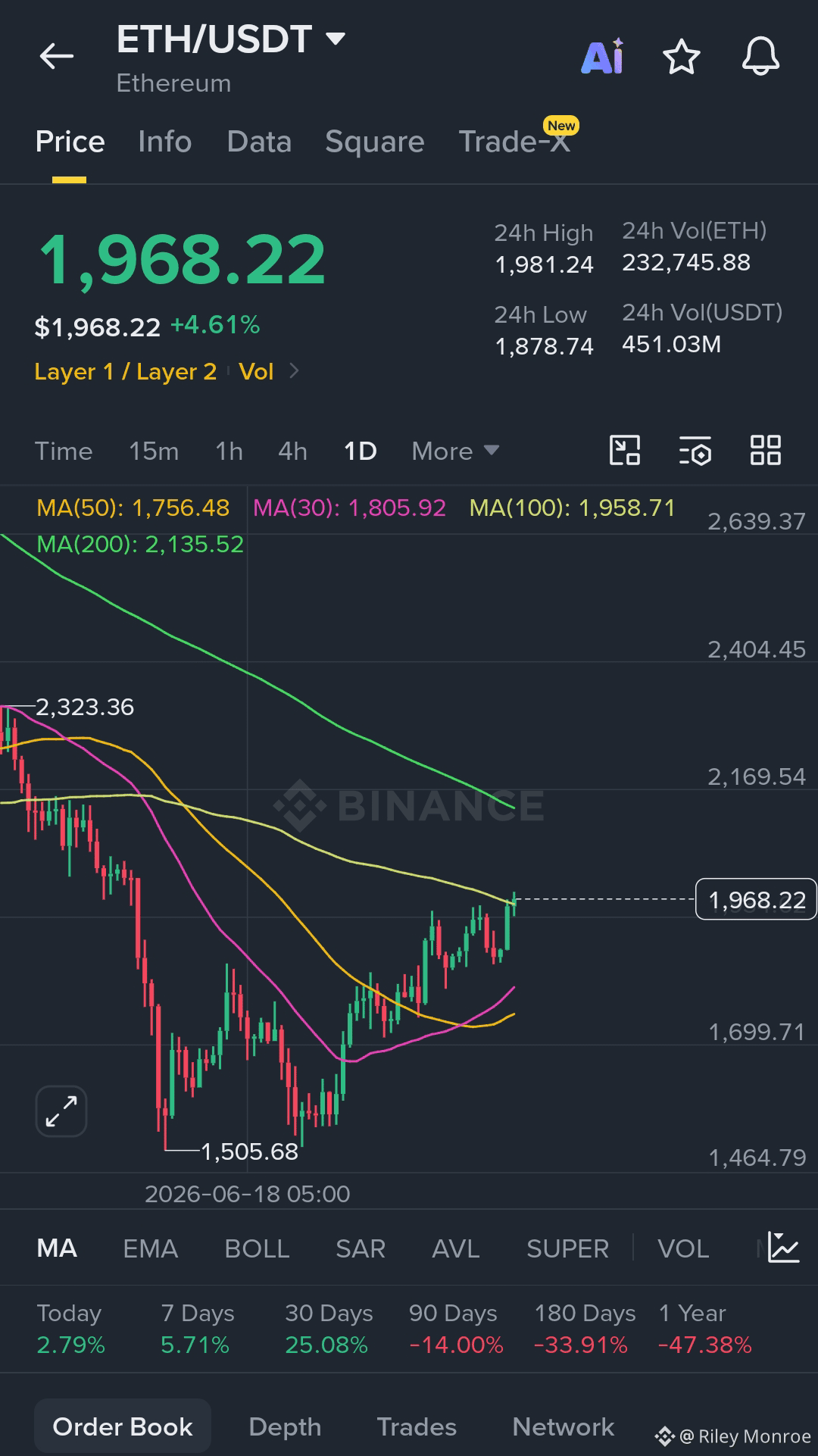
$ETH #ETH Ethereum is showing clear signs of rebuilding strength after spending weeks under heavy selling pressure. The daily chart reveals a steady recovery from the recent low near $1,505, with buyers consistently defending higher lows. This structure is important because it suggests that confidence is gradually returning instead of a short-lived relief bounce.
Price is now trading around $1,968, slightly above the 100-day moving average, while remaining below the 200-day MA near $2,135. Holding above the 100-day MA is often viewed as a positive signal, but the 200-day MA still acts as the major resistance that could decide Ethereum's next medium-term trend.
Another encouraging sign is the alignment of the shorter moving averages. The 30-day MA has crossed above the 50-day MA, showing improving momentum as buyers continue pushing the market upward. The recent series of green candles also indicates healthy demand instead of a single impulsive move.
If ETH successfully closes above the psychological $2,000 level, momentum could accelerate toward $2,100-$2,150, where stronger resistance is expected. A breakout above that area would likely strengthen the bullish outlook for the coming weeks.
On the downside, traders should monitor $1,900 as the first support, followed by $1,800. Losing these levels could trigger profit-taking before another recovery attempt.
$ETH #ETH Ethereum is showing clear signs of rebuilding strength after spending weeks under heavy selling pressure. The daily chart reveals a steady recovery from the recent low near $1,505, with buyers consistently defending higher lows. This structure is important because it suggests that confidence is gradually returning instead of a short-lived relief bounce.
Price is now trading around $1,968, slightly above the 100-day moving average, while remaining below the 200-day MA near $2,135. Holding above the 100-day MA is often viewed as a positive signal, but the 200-day MA still acts as the major resistance that could decide Ethereum's next medium-term trend.
Another encouraging sign is the alignment of the shorter moving averages. The 30-day MA has crossed above the 50-day MA, showing improving momentum as buyers continue pushing the market upward. The recent series of green candles also indicates healthy demand instead of a single impulsive move.
If ETH successfully closes above the psychological $2,000 level, momentum could accelerate toward $2,100-$2,150, where stronger resistance is expected. A breakout above that area would likely strengthen the bullish outlook for the coming weeks.
On the downside, traders should monitor $1,900 as the first support, followed by $1,800. Losing these levels could trigger profit-taking before another recovery attempt.
Price is now trading around $1,968, slightly above the 100-day moving average, while remaining below the 200-day MA near $2,135. Holding above the 100-day MA is often viewed as a positive signal, but the 200-day MA still acts as the major resistance that could decide Ethereum's next medium-term trend.
Another encouraging sign is the alignment of the shorter moving averages. The 30-day MA has crossed above the 50-day MA, showing improving momentum as buyers continue pushing the market upward. The recent series of green candles also indicates healthy demand instead of a single impulsive move.
If ETH successfully closes above the psychological $2,000 level, momentum could accelerate toward $2,100-$2,150, where stronger resistance is expected. A breakout above that area would likely strengthen the bullish outlook for the coming weeks.
On the downside, traders should monitor $1,900 as the first support, followed by $1,800. Losing these levels could trigger profit-taking before another recovery attempt.
78
·
--
🚨 10,000 Red Packets are LIVE!
They're only available for the next 24 hours, so don't miss out. Claim yours now before they're gone! #GIVEAWAY🎁 $BTC
🚨 10,000 Red Packets are LIVE!
They're only available for the next 24 hours, so don't miss out. Claim yours now before they're gone! #GIVEAWAY🎁 $BTC
They're only available for the next 24 hours, so don't miss out. Claim yours now before they're gone! #GIVEAWAY🎁 $BTC

14
3
378
·
--
Article
Smart Crypto Investors Watch More Than Bitcoin Charts$AAPL.US
Many people spend hours studying price charts, support levels, and technical indicators. Those tools are valuable, but they don't always explain why the market suddenly changes direction. Sometimes the answer comes from outside the crypto industry.
The Federal Reserve has become one of the most closely watched institutions by digital asset investors. Its decisions influence global liquidity, and liquidity often determines how much capital flows into higher-risk markets such as cryptocurrencies.
When traders expect borrowing costs to remain elevated, many become more selective with their investments. If expectations shift toward easier monetary conditions, confidence can improve quickly. That's why Bitcoin and major altcoins frequently react before and after every Fed announcement.
Still, it's important not to confuse short-term volatility with long-term value. Blockchain technology continues to evolve regardless of a single policy meeting. Developers keep building, institutions continue exploring digital assets, and new applications enter the market every year.
The latest Fed update is another reminder that successful investing requires a broader perspective. Following macroeconomic trends alongside crypto fundamentals creates a more complete understanding of the market. Price movements may grab attention, but the bigger story is often found in the economic environment shaping investor behavior.#BitcoinMiningDifficultyMayFall1.2%
Smart Crypto Investors Watch More Than Bitcoin Charts
$AAPL.US
Many people spend hours studying price charts, support levels, and technical indicators. Those tools are valuable, but they don't always explain why the market suddenly changes direction. Sometimes the answer comes from outside the crypto industry.
The Federal Reserve has become one of the most closely watched institutions by digital asset investors. Its decisions influence global liquidity, and liquidity often determines how much capital flows into higher-risk markets such as cryptocurrencies.
When traders expect borrowing costs to remain elevated, many become more selective with their investments. If expectations shift toward easier monetary conditions, confidence can improve quickly. That's why Bitcoin and major altcoins frequently react before and after every Fed announcement.
Still, it's important not to confuse short-term volatility with long-term value. Blockchain technology continues to evolve regardless of a single policy meeting. Developers keep building, institutions continue exploring digital assets, and new applications enter the market every year.
The latest Fed update is another reminder that successful investing requires a broader perspective. Following macroeconomic trends alongside crypto fundamentals creates a more complete understanding of the market. Price movements may grab attention, but the bigger story is often found in the economic environment shaping investor behavior.#BitcoinMiningDifficultyMayFall1.2%
Many people spend hours studying price charts, support levels, and technical indicators. Those tools are valuable, but they don't always explain why the market suddenly changes direction. Sometimes the answer comes from outside the crypto industry.
The Federal Reserve has become one of the most closely watched institutions by digital asset investors. Its decisions influence global liquidity, and liquidity often determines how much capital flows into higher-risk markets such as cryptocurrencies.
When traders expect borrowing costs to remain elevated, many become more selective with their investments. If expectations shift toward easier monetary conditions, confidence can improve quickly. That's why Bitcoin and major altcoins frequently react before and after every Fed announcement.
Still, it's important not to confuse short-term volatility with long-term value. Blockchain technology continues to evolve regardless of a single policy meeting. Developers keep building, institutions continue exploring digital assets, and new applications enter the market every year.
The latest Fed update is another reminder that successful investing requires a broader perspective. Following macroeconomic trends alongside crypto fundamentals creates a more complete understanding of the market. Price movements may grab attention, but the bigger story is often found in the economic environment shaping investor behavior.#BitcoinMiningDifficultyMayFall1.2%
BTC-1.93%
AAPLUS+2.61%
1
123
·
--
$BTC #BitMartToWindDownByJan2027 #SHIBSurges36% The Fed's Tone Can Matter More Than the Decision
One thing I've learned from following both crypto and traditional markets is that expectations often move prices more than the actual event. That's exactly why every Federal Reserve meeting receives so much attention.
A decision to leave interest rates unchanged doesn't automatically mean the market will stay calm. Investors immediately begin analyzing the Fed's language. Are policymakers becoming more confident about inflation? Are they hinting that borrowing costs could remain high for longer? Those answers shape market sentiment.
For Bitcoin, liquidity remains one of the biggest drivers. When investors believe financial conditions could improve in the future, confidence usually increases across risk assets. If the Fed appears more cautious about inflation, markets may become defensive until clearer signals emerge.
Crypto has matured over the past few years. ETF inflows, institutional participation, and growing blockchain adoption all influence prices alongside macroeconomic events. That's why experienced investors rarely focus on just one headline. They combine economic data with on-chain activity, market demand, and long-term trends before making decisions.
The latest Fed meeting reinforces an important lesson. Looking only at the interest rate isn't enough. Understanding the central bank's message often provides a clearer picture of where investor sentiment may head next. In today's market, words can carry just as much weight as actions.
$BTC #BitMartToWindDownByJan2027 #SHIBSurges36% The Fed's Tone Can Matter More Than the Decision
One thing I've learned from following both crypto and traditional markets is that expectations often move prices more than the actual event. That's exactly why every Federal Reserve meeting receives so much attention.
A decision to leave interest rates unchanged doesn't automatically mean the market will stay calm. Investors immediately begin analyzing the Fed's language. Are policymakers becoming more confident about inflation? Are they hinting that borrowing costs could remain high for longer? Those answers shape market sentiment.
For Bitcoin, liquidity remains one of the biggest drivers. When investors believe financial conditions could improve in the future, confidence usually increases across risk assets. If the Fed appears more cautious about inflation, markets may become defensive until clearer signals emerge.
Crypto has matured over the past few years. ETF inflows, institutional participation, and growing blockchain adoption all influence prices alongside macroeconomic events. That's why experienced investors rarely focus on just one headline. They combine economic data with on-chain activity, market demand, and long-term trends before making decisions.
The latest Fed meeting reinforces an important lesson. Looking only at the interest rate isn't enough. Understanding the central bank's message often provides a clearer picture of where investor sentiment may head next. In today's market, words can carry just as much weight as actions.
One thing I've learned from following both crypto and traditional markets is that expectations often move prices more than the actual event. That's exactly why every Federal Reserve meeting receives so much attention.
A decision to leave interest rates unchanged doesn't automatically mean the market will stay calm. Investors immediately begin analyzing the Fed's language. Are policymakers becoming more confident about inflation? Are they hinting that borrowing costs could remain high for longer? Those answers shape market sentiment.
For Bitcoin, liquidity remains one of the biggest drivers. When investors believe financial conditions could improve in the future, confidence usually increases across risk assets. If the Fed appears more cautious about inflation, markets may become defensive until clearer signals emerge.
Crypto has matured over the past few years. ETF inflows, institutional participation, and growing blockchain adoption all influence prices alongside macroeconomic events. That's why experienced investors rarely focus on just one headline. They combine economic data with on-chain activity, market demand, and long-term trends before making decisions.
The latest Fed meeting reinforces an important lesson. Looking only at the interest rate isn't enough. Understanding the central bank's message often provides a clearer picture of where investor sentiment may head next. In today's market, words can carry just as much weight as actions.
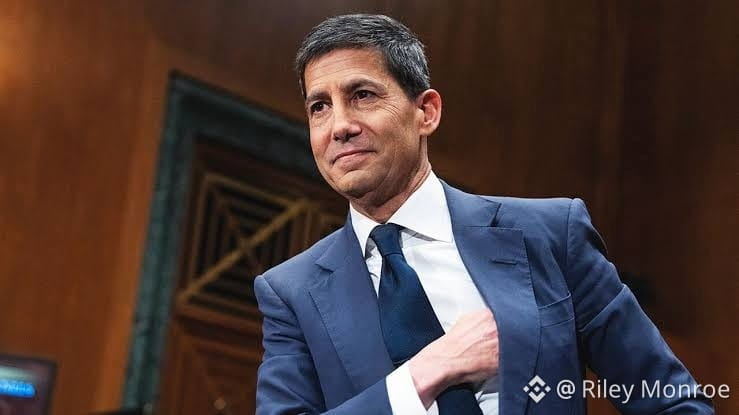
80
·
--
Liquidity Still Drives the Market
One lesson I've learned is that liquidity often matters more than headlines. Markets can absorb negative news when liquidity is improving, but even positive developments struggle to gain traction when financial conditions tighten.
That's one reason the Federal Reserve remains so important for crypto investors. Every policy decision influences borrowing costs, investor confidence, and the availability of capital across global markets.
With the July meeting approaching, many participants expect the Fed to leave interest rates unchanged. Even so, markets remain highly sensitive because investors want clarity about what comes next.
If inflation continues to cool, policymakers may gain confidence that restrictive policy is working. If price pressures remain persistent, officials could maintain a cautious stance for longer than investors currently expect.
For Bitcoin and digital assets, stable policy expectations generally reduce uncertainty. That doesn't guarantee higher prices, but it often creates a healthier environment for long-term capital allocation.
The biggest mistake is focusing only on the headline rate decision. Understanding the broader message behind the decision is usually far more valuable than reacting to the first notification that appears on the screen.$BTC $ETH #TrendingTopic
Liquidity Still Drives the Market
One lesson I've learned is that liquidity often matters more than headlines. Markets can absorb negative news when liquidity is improving, but even positive developments struggle to gain traction when financial conditions tighten.
That's one reason the Federal Reserve remains so important for crypto investors. Every policy decision influences borrowing costs, investor confidence, and the availability of capital across global markets.
With the July meeting approaching, many participants expect the Fed to leave interest rates unchanged. Even so, markets remain highly sensitive because investors want clarity about what comes next.
If inflation continues to cool, policymakers may gain confidence that restrictive policy is working. If price pressures remain persistent, officials could maintain a cautious stance for longer than investors currently expect.
For Bitcoin and digital assets, stable policy expectations generally reduce uncertainty. That doesn't guarantee higher prices, but it often creates a healthier environment for long-term capital allocation.
The biggest mistake is focusing only on the headline rate decision. Understanding the broader message behind the decision is usually far more valuable than reacting to the first notification that appears on the screen.$BTC $ETH #TrendingTopic
One lesson I've learned is that liquidity often matters more than headlines. Markets can absorb negative news when liquidity is improving, but even positive developments struggle to gain traction when financial conditions tighten.
That's one reason the Federal Reserve remains so important for crypto investors. Every policy decision influences borrowing costs, investor confidence, and the availability of capital across global markets.
With the July meeting approaching, many participants expect the Fed to leave interest rates unchanged. Even so, markets remain highly sensitive because investors want clarity about what comes next.
If inflation continues to cool, policymakers may gain confidence that restrictive policy is working. If price pressures remain persistent, officials could maintain a cautious stance for longer than investors currently expect.
For Bitcoin and digital assets, stable policy expectations generally reduce uncertainty. That doesn't guarantee higher prices, but it often creates a healthier environment for long-term capital allocation.
The biggest mistake is focusing only on the headline rate decision. Understanding the broader message behind the decision is usually far more valuable than reacting to the first notification that appears on the screen.$BTC $ETH #TrendingTopic
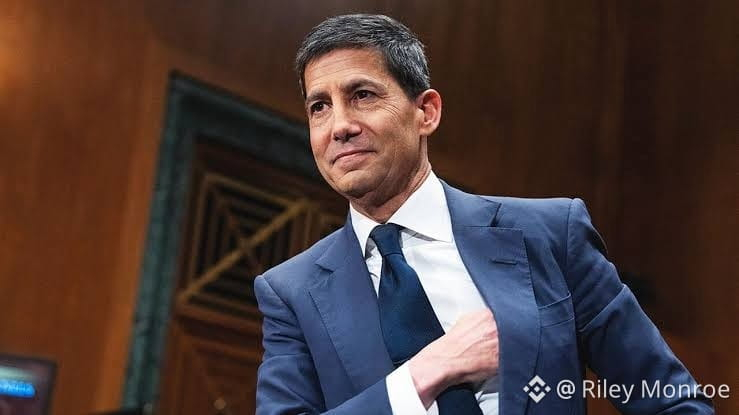
1
87
·
--
Crypto Traders Should Watch More Than the Interest Rate
Every Fed meeting creates headlines, but experienced investors know the interest rate itself is only one part of the story.
The official statement, economic outlook, and Jerome Powell's comments during the press conference often shape market sentiment far more than the policy decision alone. A single sentence suggesting confidence about inflation or concern about economic risks can influence global markets within minutes.
Crypto has matured into a market that increasingly reacts to macroeconomic developments. Bitcoin is now closely watched alongside equities, bond yields, and the U.S. dollar whenever the Federal Reserve speaks.
If policymakers sound comfortable with current inflation trends, investors may expect a more supportive financial environment over time. If inflation concerns return, expectations for tighter monetary policy could strengthen, reducing enthusiasm for higher-risk assets.
Rather than trying to predict every short-term price movement, I prefer focusing on how the market interprets the Fed's message. Sometimes a neutral decision produces a strong rally simply because investors expected something worse.
The coming FOMC meeting may not deliver dramatic policy changes, but it will likely provide valuable clues about how officials view inflation, growth, and financial conditions during the second half of the year.$BTC #TrendingTopic
Crypto Traders Should Watch More Than the Interest Rate
Every Fed meeting creates headlines, but experienced investors know the interest rate itself is only one part of the story.
The official statement, economic outlook, and Jerome Powell's comments during the press conference often shape market sentiment far more than the policy decision alone. A single sentence suggesting confidence about inflation or concern about economic risks can influence global markets within minutes.
Crypto has matured into a market that increasingly reacts to macroeconomic developments. Bitcoin is now closely watched alongside equities, bond yields, and the U.S. dollar whenever the Federal Reserve speaks.
If policymakers sound comfortable with current inflation trends, investors may expect a more supportive financial environment over time. If inflation concerns return, expectations for tighter monetary policy could strengthen, reducing enthusiasm for higher-risk assets.
Rather than trying to predict every short-term price movement, I prefer focusing on how the market interprets the Fed's message. Sometimes a neutral decision produces a strong rally simply because investors expected something worse.
The coming FOMC meeting may not deliver dramatic policy changes, but it will likely provide valuable clues about how officials view inflation, growth, and financial conditions during the second half of the year.$BTC #TrendingTopic
Every Fed meeting creates headlines, but experienced investors know the interest rate itself is only one part of the story.
The official statement, economic outlook, and Jerome Powell's comments during the press conference often shape market sentiment far more than the policy decision alone. A single sentence suggesting confidence about inflation or concern about economic risks can influence global markets within minutes.
Crypto has matured into a market that increasingly reacts to macroeconomic developments. Bitcoin is now closely watched alongside equities, bond yields, and the U.S. dollar whenever the Federal Reserve speaks.
If policymakers sound comfortable with current inflation trends, investors may expect a more supportive financial environment over time. If inflation concerns return, expectations for tighter monetary policy could strengthen, reducing enthusiasm for higher-risk assets.
Rather than trying to predict every short-term price movement, I prefer focusing on how the market interprets the Fed's message. Sometimes a neutral decision produces a strong rally simply because investors expected something worse.
The coming FOMC meeting may not deliver dramatic policy changes, but it will likely provide valuable clues about how officials view inflation, growth, and financial conditions during the second half of the year.$BTC #TrendingTopic
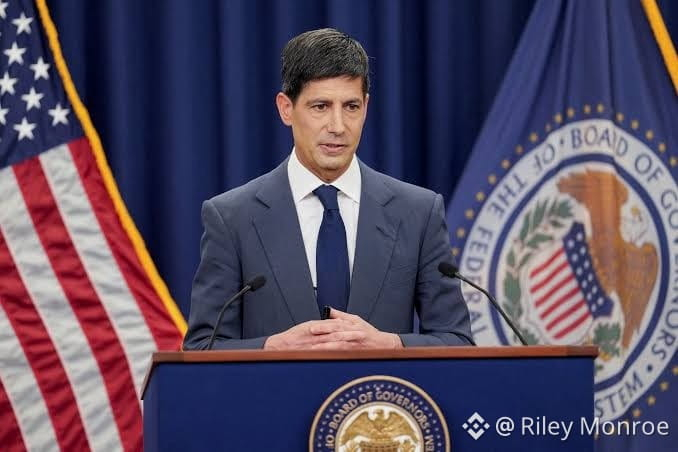
1
116
Log in to explore more content
Join global crypto users on Binance Square
⚡️ Get latest and useful information about crypto.
💬 Trusted by the world’s largest crypto exchange.
👍 Discover real insights from verified creators.
Email / Phone number
Trending Topics
USAugustPPIRisesLessThanExpected
22,095 views
507 Discussing
🚨 US AUG PPI: Rises LESS Than Expected! Bullish for Crypto? 🚀
PPI +0.4% MoM as expected, but CORE PPI only +0.2% vs +0.3% expected - cooling!
What it means:
• Wholesale inflation softer than feared
• Fed rate hike chance now 62% - but dovish signals coming
• Core PCE revisions expected downward - bullish
• BTC usually pumps on softer PPI
Fed meeting Sep 15-16 - Market now expects pause, not hike?
Is this the green light for Q4 rally?
#Bitcoin #PPI #Fed #CryptoNews #BTC#usaugustppiriseslessthanexpected
True News
·1 Likes
·1.2k views
SECApprovesNasdaqTexasCommodityTrustRule
15,365 views
424 Discussing
ECBRaisesRatesSecondTimeTo2.5%
12,193 views
303 Discussing