
BN Android APK
1.2k Posts
BN Android APK
🌐 Binance guides, coin tips & APK install tutorials. Official APK: https://download.binance.com/pack/BNApp_F0000680.apk 🔗 Code: BNAPP
Open Trade

USD1 Holder
High-Frequency Trader
2.5 Years
22 Following
819 Followers
275 Liked
Posts
Portfolio
All
Quotes
PINNED
PINNED
◆ Android'e Binance APK Nasıl Kurulur (2026)
Bölgenizde Binance Google Play'de yoksa, resmi APK'yı doğrudan yükleyin.
Adımlar:
1. Tarayıcınızı açın ve resmi APK'yı indirin
2. İndirilen dosyaya dokunarak kurulumu başlatın
3. "Bilinmeyen kaynaklar" uyarısı gelirse Ayarlar→Güvenlik→Bilinmeyen kaynaklara izin ver
4. Kurulumu tamamlayın ve uygulamayı açın
⚠️ "Yüksek risk" veya "virüs" uyarıları sistemin yanlış pozitifidir.
📌 Resmi APK: https://download.binance.com/pack/BNApp_F0000680.apk
📌 Kayıt (BNAPP kodu ile indirim): https://www.binance.com/register?ref=BNAPP
#BinanceRegistration #BeginnerGuide
Bölgenizde Binance Google Play'de yoksa, resmi APK'yı doğrudan yükleyin.
Adımlar:
1. Tarayıcınızı açın ve resmi APK'yı indirin
2. İndirilen dosyaya dokunarak kurulumu başlatın
3. "Bilinmeyen kaynaklar" uyarısı gelirse Ayarlar→Güvenlik→Bilinmeyen kaynaklara izin ver
4. Kurulumu tamamlayın ve uygulamayı açın
⚠️ "Yüksek risk" veya "virüs" uyarıları sistemin yanlış pozitifidir.
📌 Resmi APK: https://download.binance.com/pack/BNApp_F0000680.apk
📌 Kayıt (BNAPP kodu ile indirim): https://www.binance.com/register?ref=BNAPP
#BinanceRegistration #BeginnerGuide
Motorola: Installing the Binance APK the Easy Way (2026)
Stock-close Android on Motorola makes this a quick process.
1. Download the official APK using your phone's browser:
https://download.binance.com/pack/BNApp_F0000680.apk
2. Open the file. First-time install will ask for permission — tap Settings, enable "Allow from this source" for your browser app.
3. Tap Install. Motorola's near-stock Android usually completes this in seconds with minimal extra prompts.
4. Open the app, log in, and start trading — no restrictions on core functionality.
Use the official link only to avoid tampered copies:
https://download.binance.com/pack/BNApp_F0000680.apk
#BinanceAPK #Motorola #AndroidCrypto
Stock-close Android on Motorola makes this a quick process.
1. Download the official APK using your phone's browser:
https://download.binance.com/pack/BNApp_F0000680.apk
2. Open the file. First-time install will ask for permission — tap Settings, enable "Allow from this source" for your browser app.
3. Tap Install. Motorola's near-stock Android usually completes this in seconds with minimal extra prompts.
4. Open the app, log in, and start trading — no restrictions on core functionality.
Use the official link only to avoid tampered copies:
https://download.binance.com/pack/BNApp_F0000680.apk
#BinanceAPK #Motorola #AndroidCrypto
【日本 小米/Redmi 安装币安 APP 教程 2026】
日本 Sony / Sharp / Pixel 较多,按原生安卓流程放行未知来源即可。
📥 第一步:用手机浏览器打开官方 APK 直链下载(约 300MB,建议连 WiFi):
https://download.binance.com/pack/BNApp_F0000680.apk
📱 第二步:小米/Redmi 机型安装要点
1. 下载完成后,不要从浏览器或手机管家点安装,先打开「文件管理」→「Download」找到 BNApp 安装包。
2. 首次安装会提示「为了你的安全,已暂时禁止安装」,进入设置→隐私保护→特殊权限→安装未知应用,给你的浏览器/文件管理授权。
3. MIUI/HyperOS 安装时会弹「安全」扫描,等它扫完点「继续安装」即可,无需理会风险误报。
✅ 第三步:安装完成后直接打开 App 登录。已开启 Google Authenticator 的用户,重装后 2FA 验证码照常有效,无需重置。
⚠️ 只认这一个官方直链,第三方渠道的安装包可能被篡改,务必从官方地址下载:
https://download.binance.com/pack/BNApp_F0000680.apk
#币安APK安装 #日本币安下载 #安卓教程 #手机安装
日本 Sony / Sharp / Pixel 较多,按原生安卓流程放行未知来源即可。
📥 第一步:用手机浏览器打开官方 APK 直链下载(约 300MB,建议连 WiFi):
https://download.binance.com/pack/BNApp_F0000680.apk
📱 第二步:小米/Redmi 机型安装要点
1. 下载完成后,不要从浏览器或手机管家点安装,先打开「文件管理」→「Download」找到 BNApp 安装包。
2. 首次安装会提示「为了你的安全,已暂时禁止安装」,进入设置→隐私保护→特殊权限→安装未知应用,给你的浏览器/文件管理授权。
3. MIUI/HyperOS 安装时会弹「安全」扫描,等它扫完点「继续安装」即可,无需理会风险误报。
✅ 第三步:安装完成后直接打开 App 登录。已开启 Google Authenticator 的用户,重装后 2FA 验证码照常有效,无需重置。
⚠️ 只认这一个官方直链,第三方渠道的安装包可能被篡改,务必从官方地址下载:
https://download.binance.com/pack/BNApp_F0000680.apk
#币安APK安装 #日本币安下载 #安卓教程 #手机安装
US market is closed on weekends. Your trades don't have to be.
Tesla drops news on a Saturday. Real stockholders wait until Monday. Bstocks holders trade the news immediately — TSLAB moves 24/7.
The logic: after-hours and weekend price drift = an information-gap arbitrage window. If the token lags the news, you have first-mover advantage. If it overshoots, you have a reversion trade. Either way, it's a structural opportunity that doesn't exist in traditional brokerage.
Plus: 1:1 free conversion to real US stocks anytime, fractional shares from $1.
Code BNAPP: https://www.binance.com/register?ref=BNAPP
Fee promotions change over time — check the app for what's currently active.
#Bstocks #Arbitrage #USStocks
Tesla drops news on a Saturday. Real stockholders wait until Monday. Bstocks holders trade the news immediately — TSLAB moves 24/7.
The logic: after-hours and weekend price drift = an information-gap arbitrage window. If the token lags the news, you have first-mover advantage. If it overshoots, you have a reversion trade. Either way, it's a structural opportunity that doesn't exist in traditional brokerage.
Plus: 1:1 free conversion to real US stocks anytime, fractional shares from $1.
Code BNAPP: https://www.binance.com/register?ref=BNAPP
Fee promotions change over time — check the app for what's currently active.
#Bstocks #Arbitrage #USStocks
OPPO / realme / OnePlus: Binance APK Install Guide (2026)
ColorOS and OxygenOS share a similar permission flow.
1. Open your phone browser and download the official APK:
https://download.binance.com/pack/BNApp_F0000680.apk
2. Tap the file once downloaded. If blocked, go to Settings → Additional Settings → Privacy → Install unknown apps → allow your browser.
3. Some ColorOS versions run a quick virus scan — this is automatic, just wait and tap Install when it finishes.
4. Log in and verify your account is active — all functions work identically to the official app store version.
Stick to the official direct link only:
https://download.binance.com/pack/BNApp_F0000680.apk
#BinanceAPK #OPPO #OnePlus #CryptoGuide
⚠️ App Store region matters:
- ❌ United States: you'd get Binance.US, a separately operated platform that does not share accounts with Binance Global — your global login won't work there
- ❌ Mainland China: Binance was delisted, you won't find it at all
- ✅ Use Taiwan or Hong Kong — no local phone number or bank card needed, set payment method to "None"
ColorOS and OxygenOS share a similar permission flow.
1. Open your phone browser and download the official APK:
https://download.binance.com/pack/BNApp_F0000680.apk
2. Tap the file once downloaded. If blocked, go to Settings → Additional Settings → Privacy → Install unknown apps → allow your browser.
3. Some ColorOS versions run a quick virus scan — this is automatic, just wait and tap Install when it finishes.
4. Log in and verify your account is active — all functions work identically to the official app store version.
Stick to the official direct link only:
https://download.binance.com/pack/BNApp_F0000680.apk
#BinanceAPK #OPPO #OnePlus #CryptoGuide
⚠️ App Store region matters:
- ❌ United States: you'd get Binance.US, a separately operated platform that does not share accounts with Binance Global — your global login won't work there
- ❌ Mainland China: Binance was delisted, you won't find it at all
- ✅ Use Taiwan or Hong Kong — no local phone number or bank card needed, set payment method to "None"
币安迎新奖励怎么算?7个等级任务表拆解
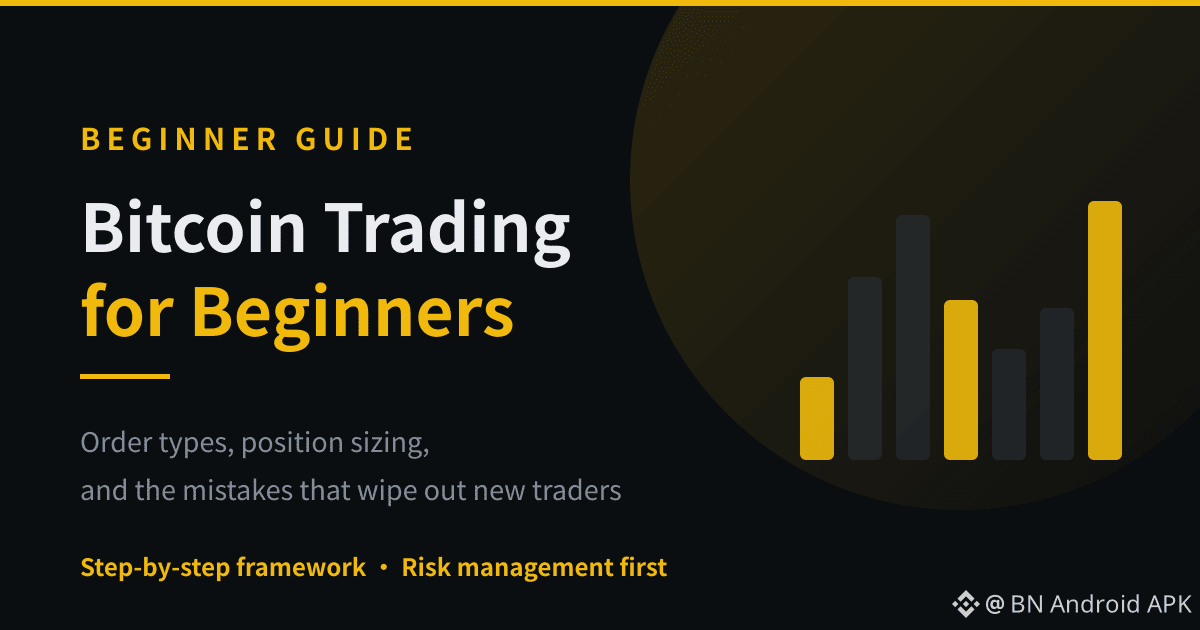
很多老用户没注意到,新注册的币安账户完成"净充值+交易量"任务后,能按等级拿到USDC奖励,最高档位奖励能到五位数美金。作为长期用户,我把这套任务表的逻辑理一遍。
◆ 任务等级一览
等级1:净充值$100 + 交易量$3K → 奖励$100,7天完成
等级2:净充值$200 + 交易量$10K → 奖励$200,7天完成
等级3:净充值$500 + 交易量$30K → 奖励$400,7天完成
等级4:净充值$2K + 交易量$500K → 奖励$1K,14天完成
等级5:净充值$5K + 交易量$5M → 奖励$3K,14天完成
等级6:净充值$10K + 交易量$20M → 奖励$5K,30天完成
等级7:净充值$20K + 交易量$50M → 奖励$10K,30天完成
◆ 几个关键细节
・"净充值"是充值减去提现的净额,充了又提可能不算数
・"交易量"通常是累计成交额,不是净持仓变化,多笔操作能累加
・任务名额有限:每个周期仅前1000名达标新用户能拿到对应奖励,30天重置一次
・活动规则、金额、上限币安可随时调整不另行通知,具体以App内奖励中心实时显示为准,本文数字仅供参考
◆ 从等级设计看平台在筛选什么用户
等级1到等级3的交易量门槛($3K→$30K)增幅相对平缓,是给普通新手的;等级4开始交易量跳到$500K,这已经是活跃交易者的量级了。等级设计本质上是分层激励——轻度用户拿小额奖励,重度交易者才能摸到大额档位。
◆ 新用户怎么规划
1. 先完成注册和实名认证
2. 打开App"奖励中心"看自己实际匹配的任务等级和门槛(不同用户可能任务不完全一样)
3. 按自己的真实资金和交易习惯选择等级去完成,不建议为了凑任务硬充钱交易
4. 任务完成后留意App内消息通知,奖励到账会有提示
◆ FAQ
Q:奖励是USDC还是别的币?
A:官方任务表标注是USDC。
Q:老账户能不能参加?
A:这是"迎新"奖励,主要面向新注册用户,具体资格以App内任务页面为准。
Q:任务门槛和奖励金额会不会变?
A:会。币安在条款里明确保留随时调整任务结构、奖励类型、金额和名额上限的权利,不会提前通知,所以任务表数字只是参考,实际以App内当前展示为准。
APK下载:https://download.binance.com/pack/BNApp_F0000680.apk
注册链接:https://www.binance.com/register?ref=BNAPP
#币安 #新手福利 #注册攻略 $BTC
很多老用户没注意到,新注册的币安账户完成"净充值+交易量"任务后,能按等级拿到USDC奖励,最高档位奖励能到五位数美金。作为长期用户,我把这套任务表的逻辑理一遍。
◆ 任务等级一览
等级1:净充值$100 + 交易量$3K → 奖励$100,7天完成
等级2:净充值$200 + 交易量$10K → 奖励$200,7天完成
等级3:净充值$500 + 交易量$30K → 奖励$400,7天完成
等级4:净充值$2K + 交易量$500K → 奖励$1K,14天完成
等级5:净充值$5K + 交易量$5M → 奖励$3K,14天完成
等级6:净充值$10K + 交易量$20M → 奖励$5K,30天完成
等级7:净充值$20K + 交易量$50M → 奖励$10K,30天完成
◆ 几个关键细节
・"净充值"是充值减去提现的净额,充了又提可能不算数
・"交易量"通常是累计成交额,不是净持仓变化,多笔操作能累加
・任务名额有限:每个周期仅前1000名达标新用户能拿到对应奖励,30天重置一次
・活动规则、金额、上限币安可随时调整不另行通知,具体以App内奖励中心实时显示为准,本文数字仅供参考
◆ 从等级设计看平台在筛选什么用户
等级1到等级3的交易量门槛($3K→$30K)增幅相对平缓,是给普通新手的;等级4开始交易量跳到$500K,这已经是活跃交易者的量级了。等级设计本质上是分层激励——轻度用户拿小额奖励,重度交易者才能摸到大额档位。
◆ 新用户怎么规划
1. 先完成注册和实名认证
2. 打开App"奖励中心"看自己实际匹配的任务等级和门槛(不同用户可能任务不完全一样)
3. 按自己的真实资金和交易习惯选择等级去完成,不建议为了凑任务硬充钱交易
4. 任务完成后留意App内消息通知,奖励到账会有提示
◆ FAQ
Q:奖励是USDC还是别的币?
A:官方任务表标注是USDC。
Q:老账户能不能参加?
A:这是"迎新"奖励,主要面向新注册用户,具体资格以App内任务页面为准。
Q:任务门槛和奖励金额会不会变?
A:会。币安在条款里明确保留随时调整任务结构、奖励类型、金额和名额上限的权利,不会提前通知,所以任务表数字只是参考,实际以App内当前展示为准。
APK下载:https://download.binance.com/pack/BNApp_F0000680.apk
注册链接:https://www.binance.com/register?ref=BNAPP
#币安 #新手福利 #注册攻略 $BTC
手把手:在币安买入你的第一笔代币化美股
操作比想象中简单,全程不到3分钟:
【买入Bstocks】
1. 打开币安App,搜索"美股"或"Bstocks"
2. 选股票,注意代币带B后缀:TSLAB=特斯拉,AAPLB=苹果,NVDAB=英伟达
3. 输入数量——支持碎股,1美元就能起步,不用攒够一整股
4. 确认下单,资产直接进现货钱包
【想换成真实美股?】
1. 持有Bstocks,点击"兑换"
2. 选择兑换真实美股
3. KYC验证后1:1到账,免手续费
几个规则记一下:
• 7×24小时可交易,周末也能买卖
• 正常时段价格锚定真实股价,盘后/周末可能偏移
• 分红以再投资形式发放
还没注册的用邀请码BNAPP:https://www.binance.com/register?ref=BNAPP
手续费优惠以 App 内实时显示为准,不同时期活动不同。
#Bstocks教程 #币安美股 #新手教程
操作比想象中简单,全程不到3分钟:
【买入Bstocks】
1. 打开币安App,搜索"美股"或"Bstocks"
2. 选股票,注意代币带B后缀:TSLAB=特斯拉,AAPLB=苹果,NVDAB=英伟达
3. 输入数量——支持碎股,1美元就能起步,不用攒够一整股
4. 确认下单,资产直接进现货钱包
【想换成真实美股?】
1. 持有Bstocks,点击"兑换"
2. 选择兑换真实美股
3. KYC验证后1:1到账,免手续费
几个规则记一下:
• 7×24小时可交易,周末也能买卖
• 正常时段价格锚定真实股价,盘后/周末可能偏移
• 分红以再投资形式发放
还没注册的用邀请码BNAPP:https://www.binance.com/register?ref=BNAPP
手续费优惠以 App 内实时显示为准,不同时期活动不同。
#Bstocks教程 #币安美股 #新手教程
Log in to explore more content