

NewbieToNode
4.5k Posts

NewbieToNode
 Square Verified
Report
Block User
Planting tokens 🌱 Waiting for sun 🌞 Watering with hope 💧 Soft degen vibes only

Traders League Badge Expert
Frequent Trader
4.5 Years
185 Following
33.0K+ Followers
28.2K+ Liked
1 Badges
Posts
All
Quotes
Videos
Live
·
--
#nil #NIL $NIL @nillionnetwork
I expected onchain privacy to mean one thing: data that stays hidden, full stop. Covenants work differently.
An instruction gets published on Ethereum sealed to a condition, and it's unreadable by anyone, including the nodes processing it, until that condition is actually met. Then it decrypts. Not permanent concealment. Concealment with a built-in trigger.
Dusk is the first phase of that, live on Ethereum mainnet now. For a trader, that's a real difference from what's normally possible. A stop-loss or a limit order posted onchain today is visible the moment it's submitted, which means the price you're willing to accept is public before it ever executes. A Covenant lets that same instruction sit sealed until the condition it's waiting on actually fires.
What I'm watching is whether that holds up once real order flow runs through it. Conditional reveal only matters if the window between "sealed" and "triggered" is short enough that nobody can act on advance knowledge the condition's about to hit.
#nil #NIL $NIL @Nillion
I expected onchain privacy to mean one thing: data that stays hidden, full stop. Covenants work differently.
An instruction gets published on Ethereum sealed to a condition, and it's unreadable by anyone, including the nodes processing it, until that condition is actually met. Then it decrypts. Not permanent concealment. Concealment with a built-in trigger.
Dusk is the first phase of that, live on Ethereum mainnet now. For a trader, that's a real difference from what's normally possible. A stop-loss or a limit order posted onchain today is visible the moment it's submitted, which means the price you're willing to accept is public before it ever executes. A Covenant lets that same instruction sit sealed until the condition it's waiting on actually fires.
What I'm watching is whether that holds up once real order flow runs through it. Conditional reveal only matters if the window between "sealed" and "triggered" is short enough that nobody can act on advance knowledge the condition's about to hit.
I expected onchain privacy to mean one thing: data that stays hidden, full stop. Covenants work differently.
An instruction gets published on Ethereum sealed to a condition, and it's unreadable by anyone, including the nodes processing it, until that condition is actually met. Then it decrypts. Not permanent concealment. Concealment with a built-in trigger.
Dusk is the first phase of that, live on Ethereum mainnet now. For a trader, that's a real difference from what's normally possible. A stop-loss or a limit order posted onchain today is visible the moment it's submitted, which means the price you're willing to accept is public before it ever executes. A Covenant lets that same instruction sit sealed until the condition it's waiting on actually fires.
What I'm watching is whether that holds up once real order flow runs through it. Conditional reveal only matters if the window between "sealed" and "triggered" is short enough that nobody can act on advance knowledge the condition's about to hit.
1
535
·
--
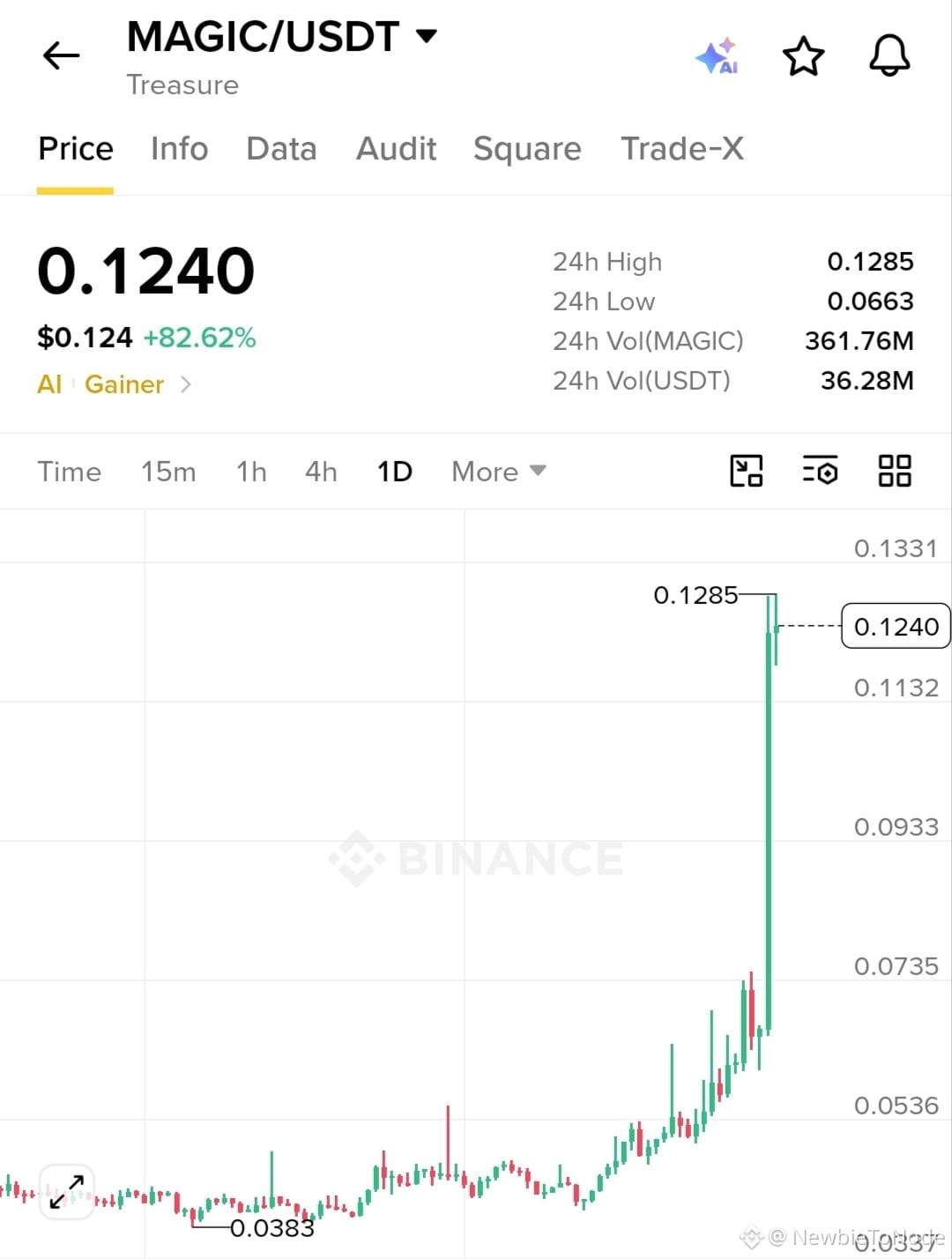
$MAGIC showed it's magic... and got nearly 2x in just 1 day
$MAGIC showed it's magic... and got nearly 2x in just 1 day
2
594
·
--
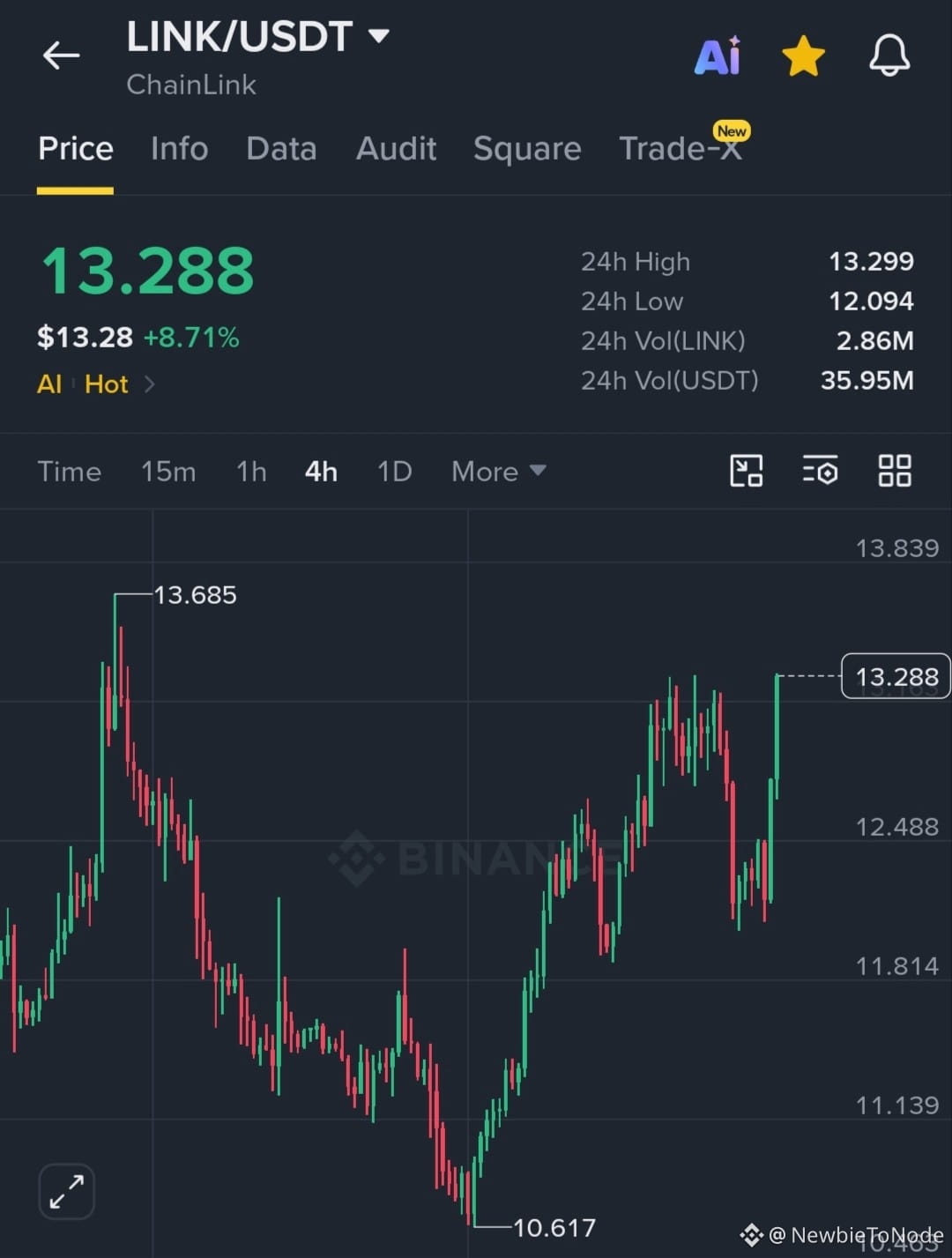
$LINK just pushed back into the $13.30 area, and this is where the move gets interesting.
The recovery from $10.62 has been pretty clean, but price is now running into the same area where sellers can step in again. I don't want to call this a breakout just because one candle is moving fast.
{spot}(LINKUSDT)
What I'd want to see is buyers actually holding above $13.30 on the 4H timeframe. If that happens, $13.68 becomes the next obvious level on my chart. If the breakout fails, I'm more interested in seeing how price behaves around $12.48.
For me, the reaction after the first breakout attempt matters more than the current green candle.
$LINK just pushed back into the $13.30 area, and this is where the move gets interesting.
The recovery from $10.62 has been pretty clean, but price is now running into the same area where sellers can step in again. I don't want to call this a breakout just because one candle is moving fast.
What I'd want to see is buyers actually holding above $13.30 on the 4H timeframe. If that happens, $13.68 becomes the next obvious level on my chart. If the breakout fails, I'm more interested in seeing how price behaves around $12.48.
For me, the reaction after the first breakout attempt matters more than the current green candle.
The recovery from $10.62 has been pretty clean, but price is now running into the same area where sellers can step in again. I don't want to call this a breakout just because one candle is moving fast.
What I'd want to see is buyers actually holding above $13.30 on the 4H timeframe. If that happens, $13.68 becomes the next obvious level on my chart. If the breakout fails, I'm more interested in seeing how price behaves around $12.48.
For me, the reaction after the first breakout attempt matters more than the current green candle.
3
707
·
--
1
2
722
·
--
30D trade $NEAR 49.9 USDT
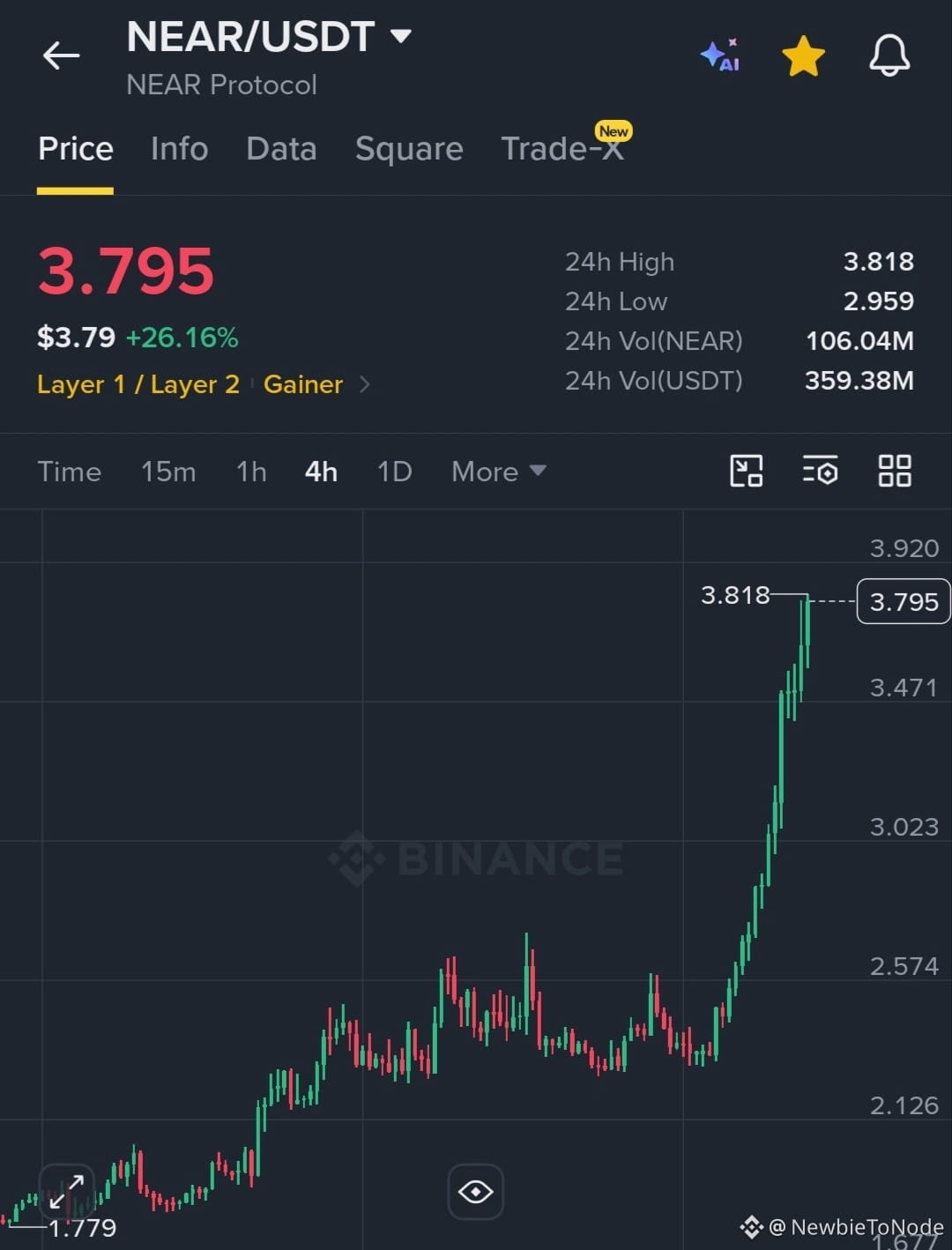
🚨 $NEAR just crossed $3.80
The move is getting interesting.
NEAR’s Confidential Intents TVL has now crossed $70M, triggering the first snapshot of the NEAR@3.33 incentive program. The first drop contains 333,333 milestone tokens.
But here’s the part I’m watching closely:
Those rewards are locked until NEAR’s 3-day VWAP stays at or above $3.33.
NEAR is currently trading around $3.80, so the market is now sitting above that threshold.
On the chart, $3.80 is the immediate area to watch. A clean break above $3.82 could open the way toward $4.
If momentum cools down, I’d watch $3.47 first, then $3.33.
This is no longer just a narrative. The $70M milestone has actually been reached.
Now the question is whether NEAR can hold above $3.33.
👀 Watching this one closely.
⚠️ Not financial advice. DYOR.
#NEAR
🚨 $NEAR just crossed $3.80
The move is getting interesting.
NEAR’s Confidential Intents TVL has now crossed $70M, triggering the first snapshot of the NEAR@3.33 incentive program. The first drop contains 333,333 milestone tokens.
But here’s the part I’m watching closely:
Those rewards are locked until NEAR’s 3-day VWAP stays at or above $3.33.
NEAR is currently trading around $3.80, so the market is now sitting above that threshold.
On the chart, $3.80 is the immediate area to watch. A clean break above $3.82 could open the way toward $4.
If momentum cools down, I’d watch $3.47 first, then $3.33.
This is no longer just a narrative. The $70M milestone has actually been reached.
Now the question is whether NEAR can hold above $3.33.
👀 Watching this one closely.
⚠️ Not financial advice. DYOR.
#NEAR
The move is getting interesting.
NEAR’s Confidential Intents TVL has now crossed $70M, triggering the first snapshot of the NEAR@3.33 incentive program. The first drop contains 333,333 milestone tokens.
But here’s the part I’m watching closely:
Those rewards are locked until NEAR’s 3-day VWAP stays at or above $3.33.
NEAR is currently trading around $3.80, so the market is now sitting above that threshold.
On the chart, $3.80 is the immediate area to watch. A clean break above $3.82 could open the way toward $4.
If momentum cools down, I’d watch $3.47 first, then $3.33.
This is no longer just a narrative. The $70M milestone has actually been reached.
Now the question is whether NEAR can hold above $3.33.
👀 Watching this one closely.
⚠️ Not financial advice. DYOR.
#NEAR
1
254
·
--
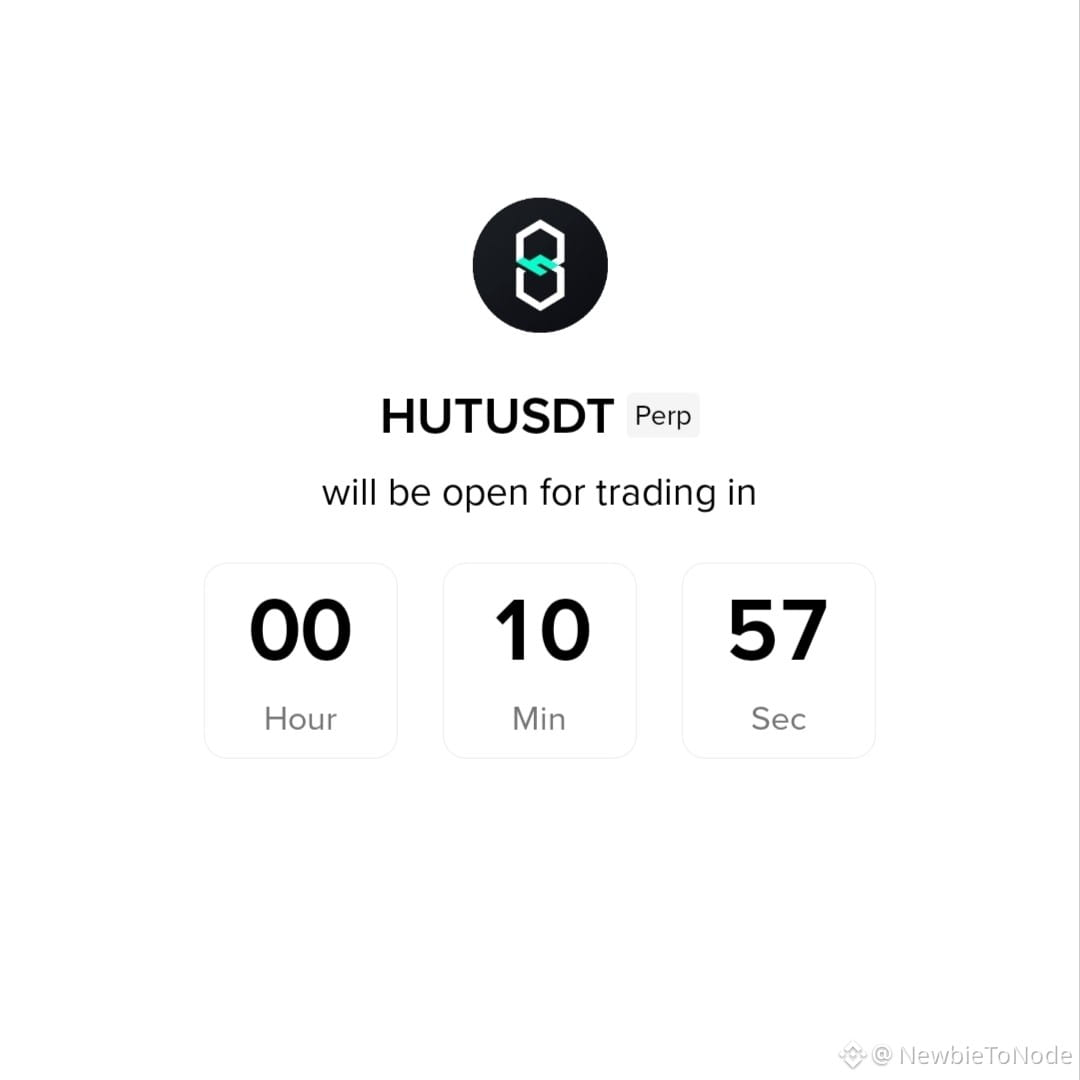
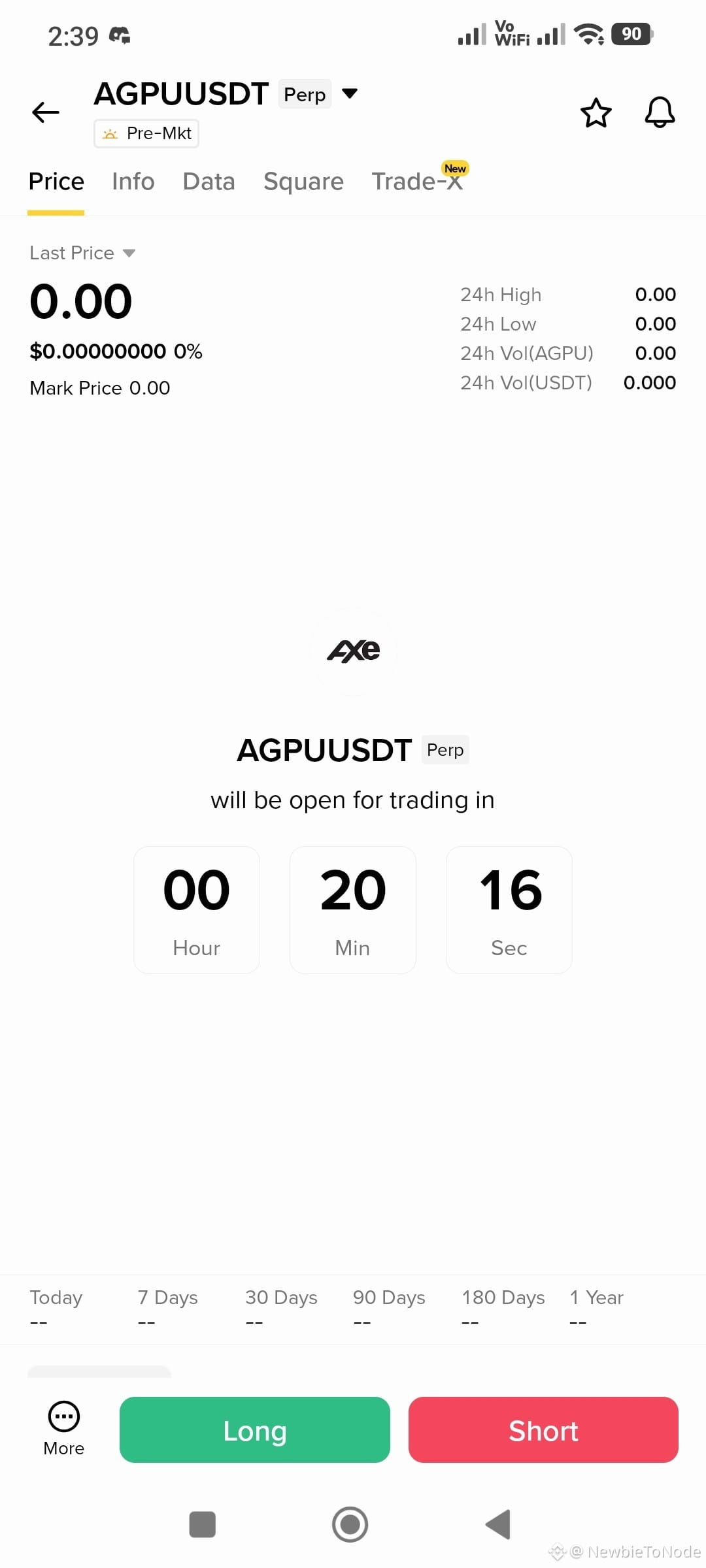
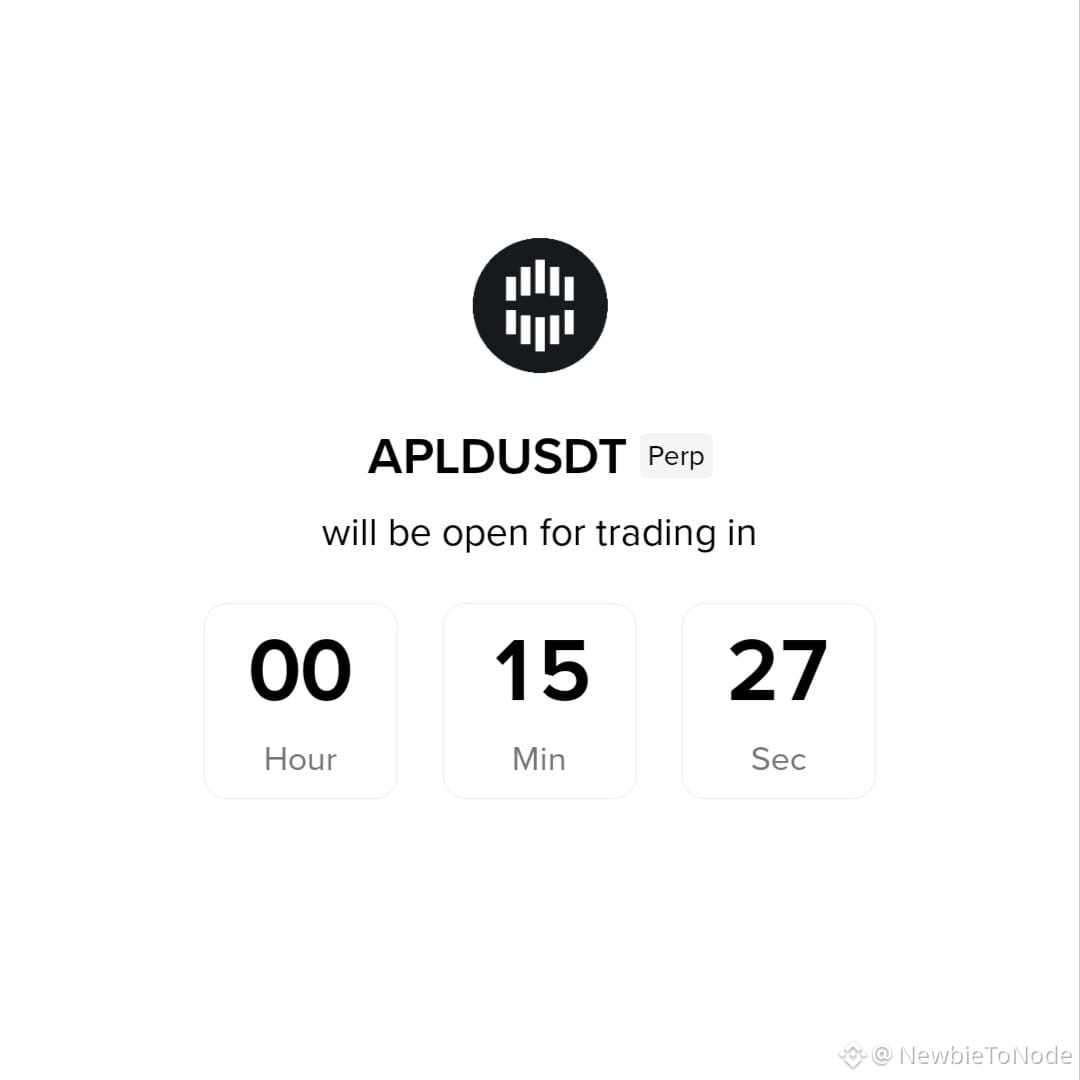
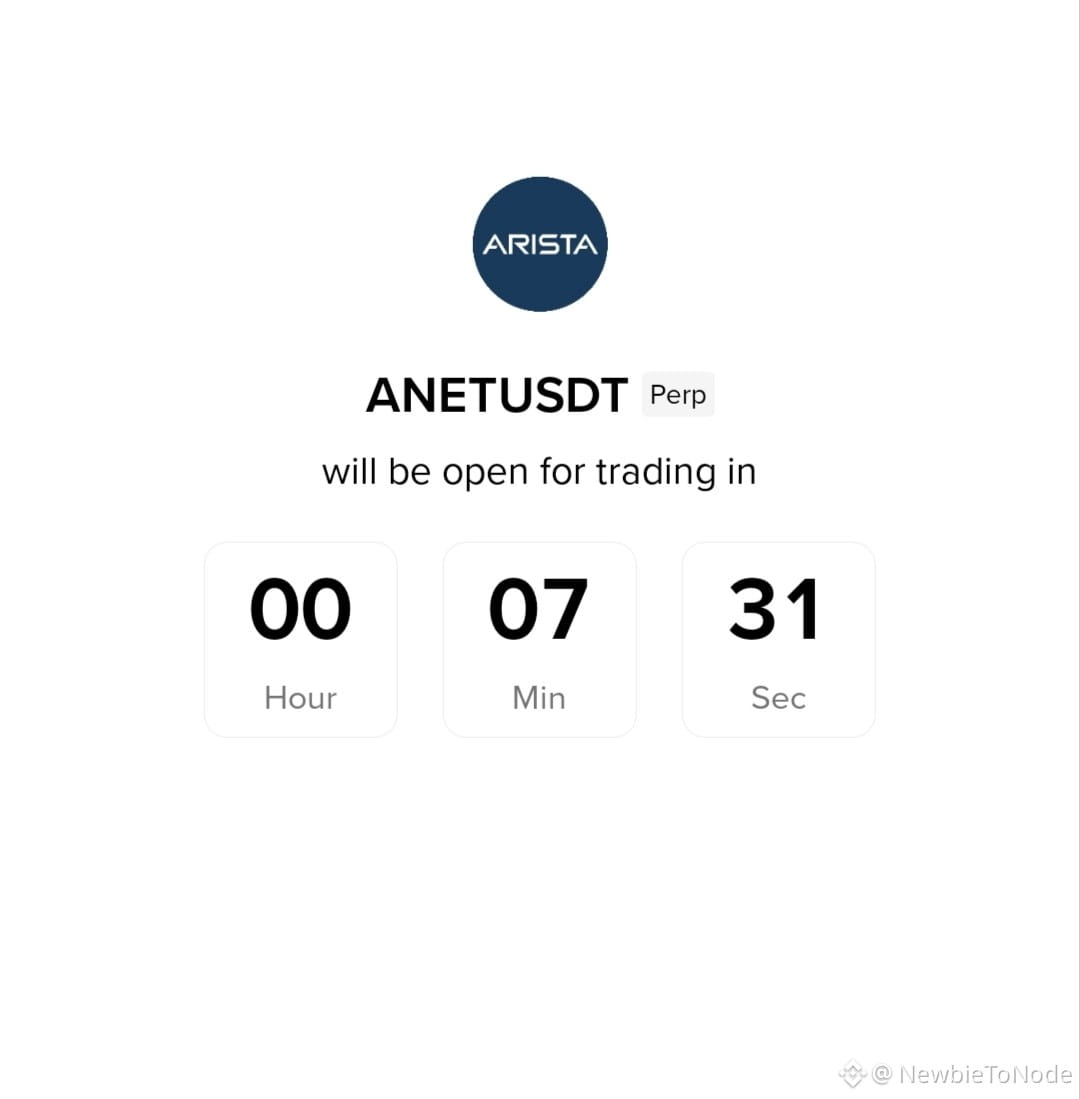
$ANET will be live for trading in sometime... I'm watching closely
$ANET will be live for trading in sometime... I'm watching closely
1
433
·
--
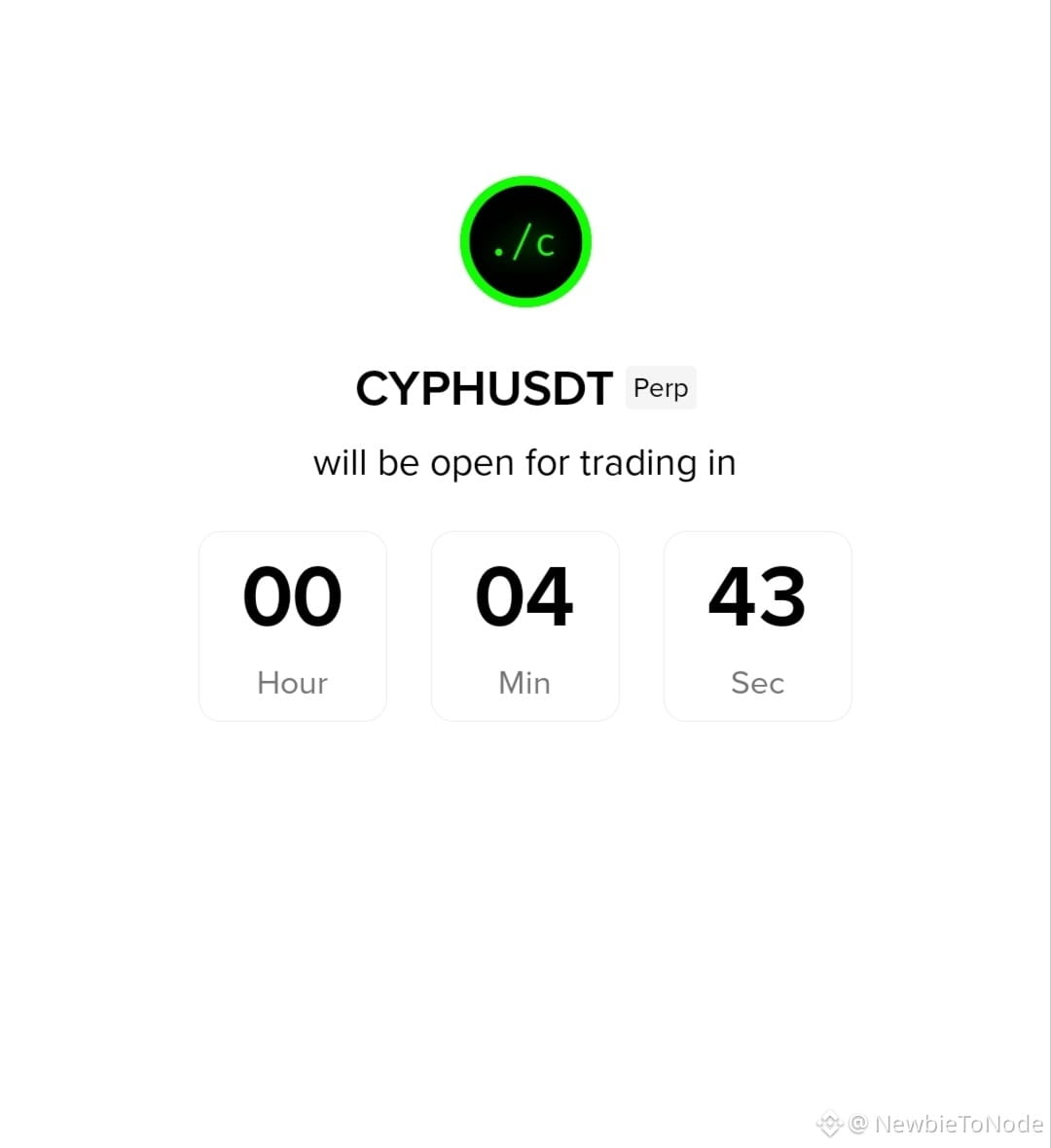
$CYPH will be live for trading in few minutes...
{future}(CYPHUSDT)
$CYPH will be live for trading in few minutes...
1
451
·
--
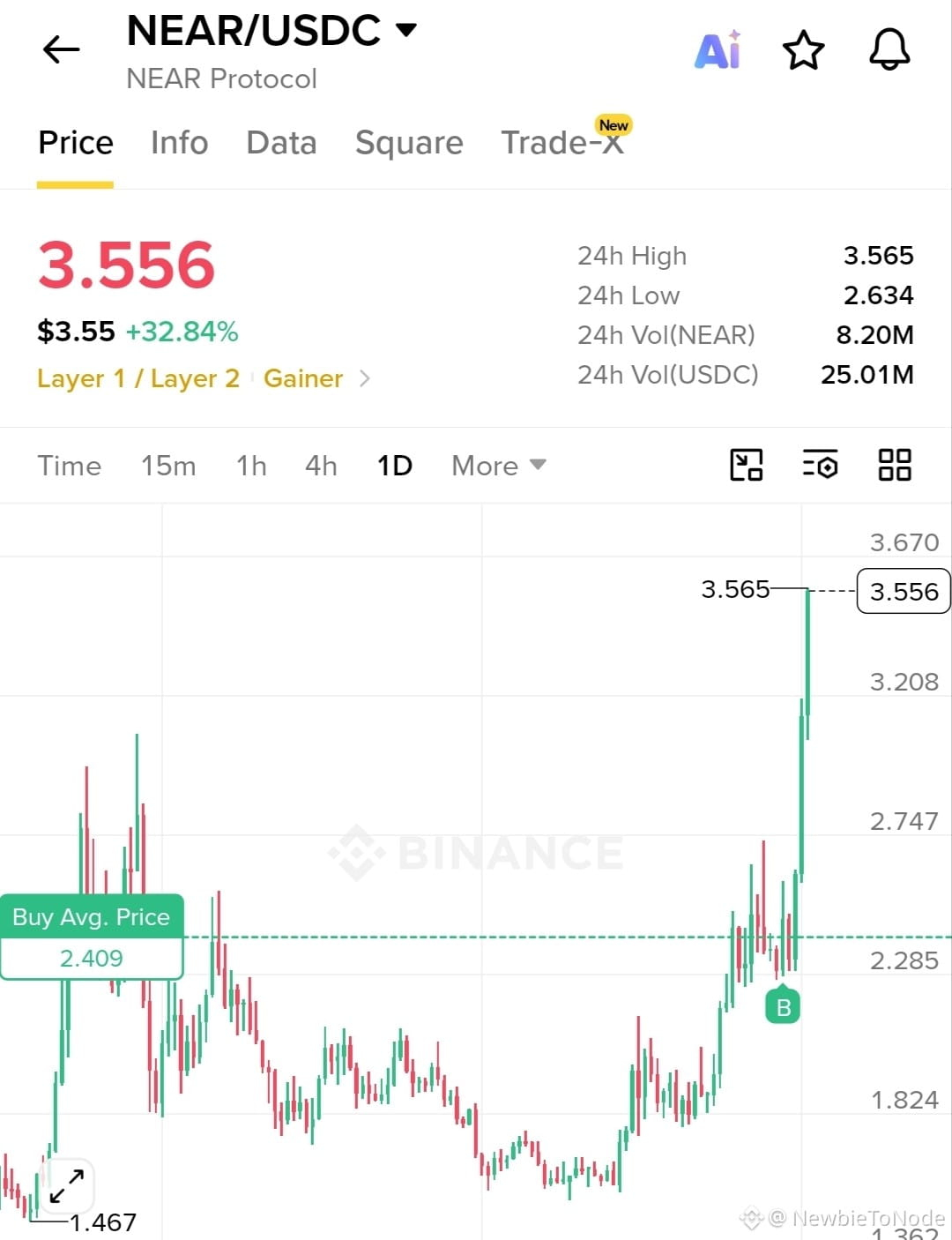
Guys, I added more $NEAR to my long-term bag around $2.40, and the move since then has been crazy.
NEAR is now around $3.55, almost 48% above my entry.
The chart had been building for weeks before finally breaking out of that $2.30–$2.40 area. Once it cleared that zone, momentum really picked up.
Now the interesting part starts.
{spot}(NEARUSDT)
$3.55–$3.67 is the immediate resistance zone. If NEAR can break and hold above it, I’m watching $4 first, followed by $5.
On the downside, $3.20–$3.10 is the first area I’d want to see hold. Below that, $2.75 becomes important, while the bigger support for me remains around $2.40.
I’m not selling my long-term bag here.
My target is still $8
That’s not a prediction that NEAR will move straight there. I expect plenty of pullbacks along the way. I’m simply holding because my thesis is longer term.
I added around $2.40. Now I’m going to let the market show me what comes next.
⚠️ Not financial advice. This is my personal position and market view. DYOR.
Guys, I added more $NEAR to my long-term bag around $2.40, and the move since then has been crazy.
NEAR is now around $3.55, almost 48% above my entry.
The chart had been building for weeks before finally breaking out of that $2.30–$2.40 area. Once it cleared that zone, momentum really picked up.
Now the interesting part starts.
$3.55–$3.67 is the immediate resistance zone. If NEAR can break and hold above it, I’m watching $4 first, followed by $5.
On the downside, $3.20–$3.10 is the first area I’d want to see hold. Below that, $2.75 becomes important, while the bigger support for me remains around $2.40.
I’m not selling my long-term bag here.
My target is still $8
That’s not a prediction that NEAR will move straight there. I expect plenty of pullbacks along the way. I’m simply holding because my thesis is longer term.
I added around $2.40. Now I’m going to let the market show me what comes next.
⚠️ Not financial advice. This is my personal position and market view. DYOR.
NEAR is now around $3.55, almost 48% above my entry.
The chart had been building for weeks before finally breaking out of that $2.30–$2.40 area. Once it cleared that zone, momentum really picked up.
Now the interesting part starts.
$3.55–$3.67 is the immediate resistance zone. If NEAR can break and hold above it, I’m watching $4 first, followed by $5.
On the downside, $3.20–$3.10 is the first area I’d want to see hold. Below that, $2.75 becomes important, while the bigger support for me remains around $2.40.
I’m not selling my long-term bag here.
My target is still $8
That’s not a prediction that NEAR will move straight there. I expect plenty of pullbacks along the way. I’m simply holding because my thesis is longer term.
I added around $2.40. Now I’m going to let the market show me what comes next.
⚠️ Not financial advice. This is my personal position and market view. DYOR.
2
1.6k
·
--
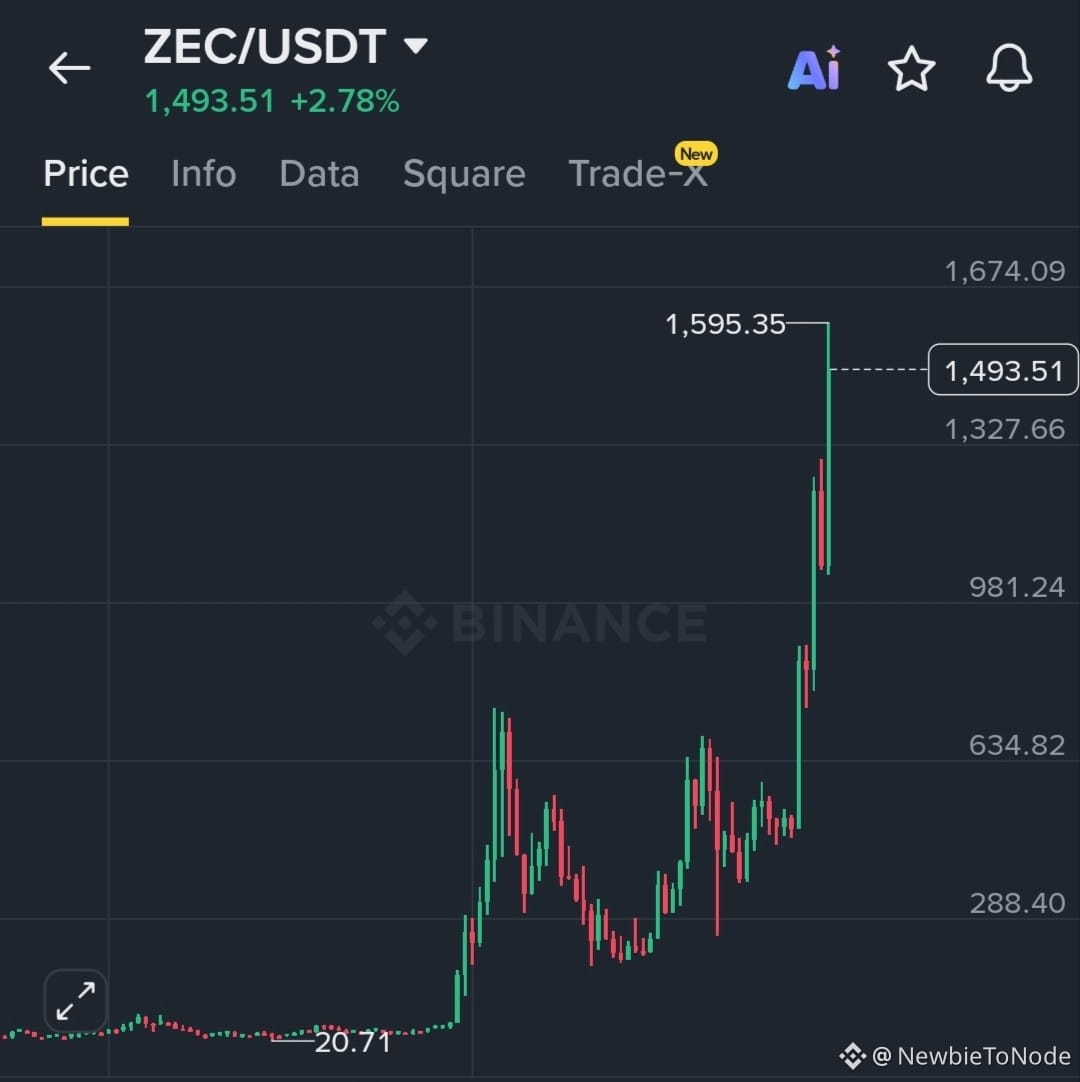
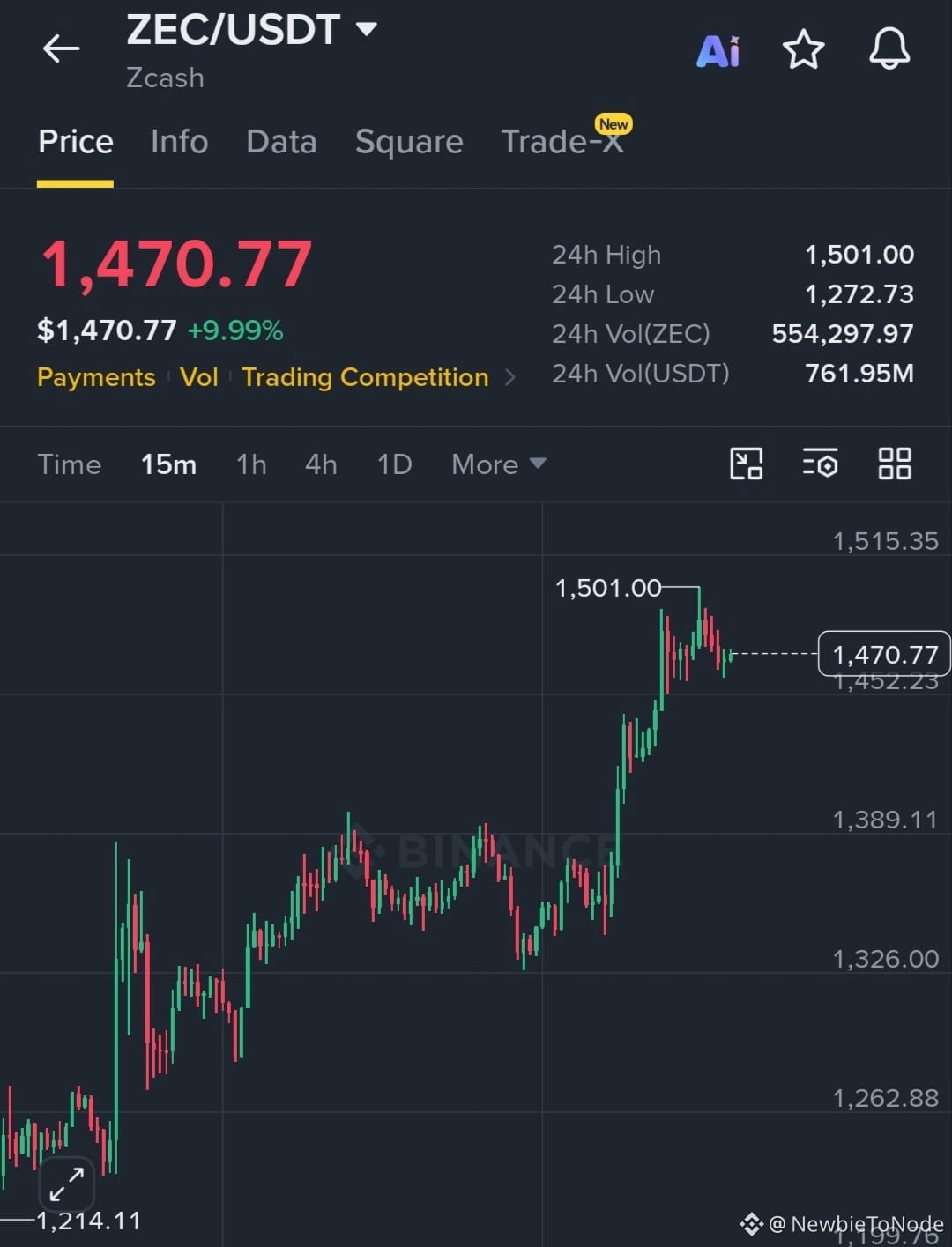
🚨 $ZEC just crossed $1,500
Another major milestone for ZEC.
The move has been pretty aggressive, with price climbing from around $1,200 to $1,501 and continuing to hold near the highs.
What stands out to me is that this isn't just a quick wick. Buyers have been stepping in and pushing the price higher.
The privacy narrative is getting harder to ignore.
{spot}(ZECUSDT)
Now I’m watching whether $1,500 can turn into support instead of just being another psychological level.
If buyers keep defending this area, I wouldn’t be surprised to see ZEC continue discovering higher levels.
But after a move this strong, I’d rather watch the reaction than chase the candle.
$1,500 is the level to watch now.
⚠️ Not financial advice. DYOR.
🚨 $ZEC just crossed $1,500
Another major milestone for ZEC.
The move has been pretty aggressive, with price climbing from around $1,200 to $1,501 and continuing to hold near the highs.
What stands out to me is that this isn't just a quick wick. Buyers have been stepping in and pushing the price higher.
The privacy narrative is getting harder to ignore.
Now I’m watching whether $1,500 can turn into support instead of just being another psychological level.
If buyers keep defending this area, I wouldn’t be surprised to see ZEC continue discovering higher levels.
But after a move this strong, I’d rather watch the reaction than chase the candle.
$1,500 is the level to watch now.
⚠️ Not financial advice. DYOR.
Another major milestone for ZEC.
The move has been pretty aggressive, with price climbing from around $1,200 to $1,501 and continuing to hold near the highs.
What stands out to me is that this isn't just a quick wick. Buyers have been stepping in and pushing the price higher.
The privacy narrative is getting harder to ignore.
Now I’m watching whether $1,500 can turn into support instead of just being another psychological level.
If buyers keep defending this area, I wouldn’t be surprised to see ZEC continue discovering higher levels.
But after a move this strong, I’d rather watch the reaction than chase the candle.
$1,500 is the level to watch now.
⚠️ Not financial advice. DYOR.
4
3
1.1k
·
--
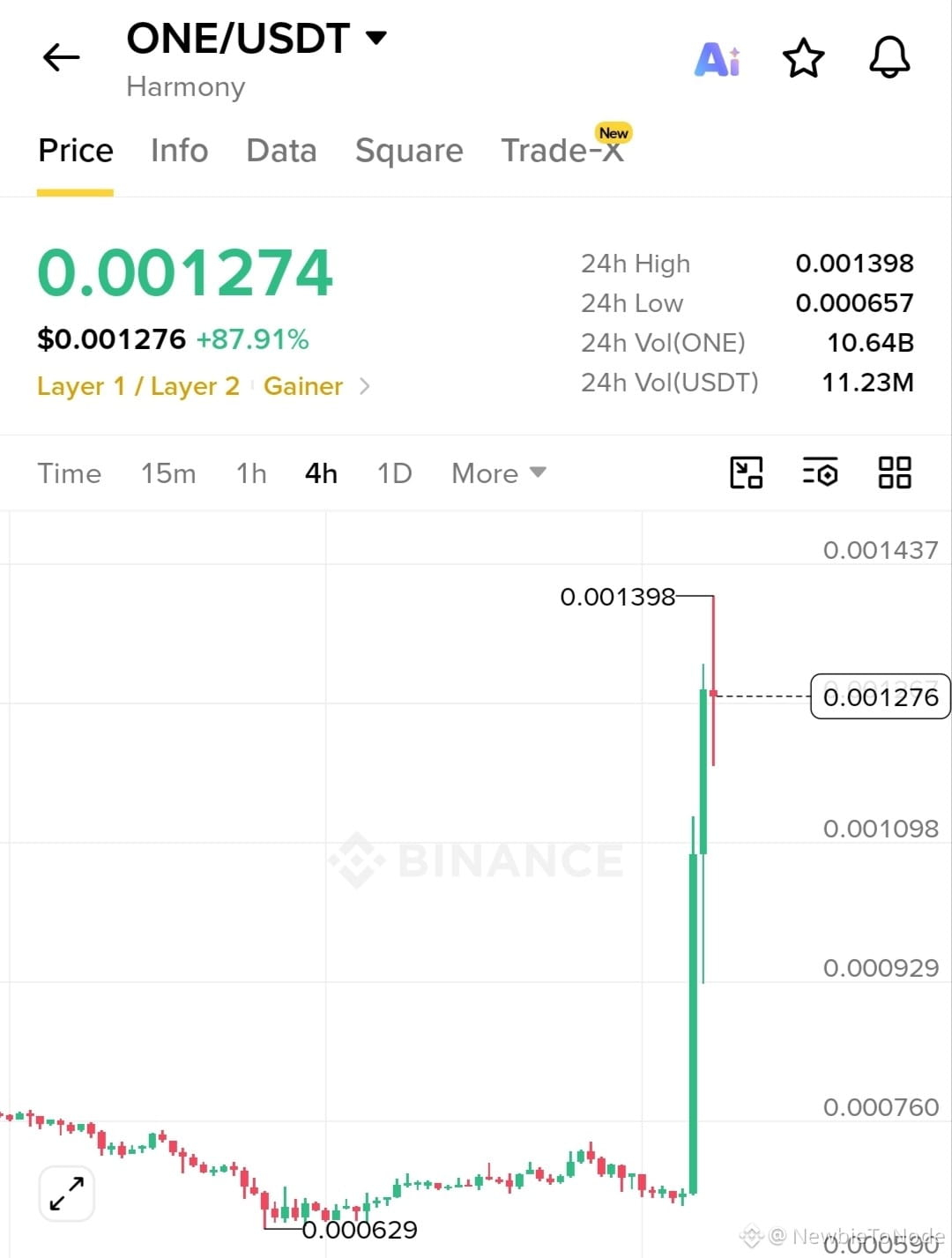
I don't remember the last time I saw $ONE move like this.
$0.00063 → $0.001398.
That's more than a 120% move from the recent low, with billions in volume suddenly hitting the chart.
But the first thing I notice now isn't the green candle.
It's the rejection from $0.001398.
{spot}(ONEUSDT)
$ONE is already back around $0.00127, so I want to see whether buyers can actually defend this move.
I’m not chasing a vertical candle. I’d rather see where the price settles after the first wave of excitement.
⚠️ Not financial advice. DYOR.
I don't remember the last time I saw $ONE move like this.
$0.00063 → $0.001398.
That's more than a 120% move from the recent low, with billions in volume suddenly hitting the chart.
But the first thing I notice now isn't the green candle.
It's the rejection from $0.001398.
$ONE is already back around $0.00127, so I want to see whether buyers can actually defend this move.
I’m not chasing a vertical candle. I’d rather see where the price settles after the first wave of excitement.
⚠️ Not financial advice. DYOR.
$0.00063 → $0.001398.
That's more than a 120% move from the recent low, with billions in volume suddenly hitting the chart.
But the first thing I notice now isn't the green candle.
It's the rejection from $0.001398.
$ONE is already back around $0.00127, so I want to see whether buyers can actually defend this move.
I’m not chasing a vertical candle. I’d rather see where the price settles after the first wave of excitement.
⚠️ Not financial advice. DYOR.
1
3
628
·
--
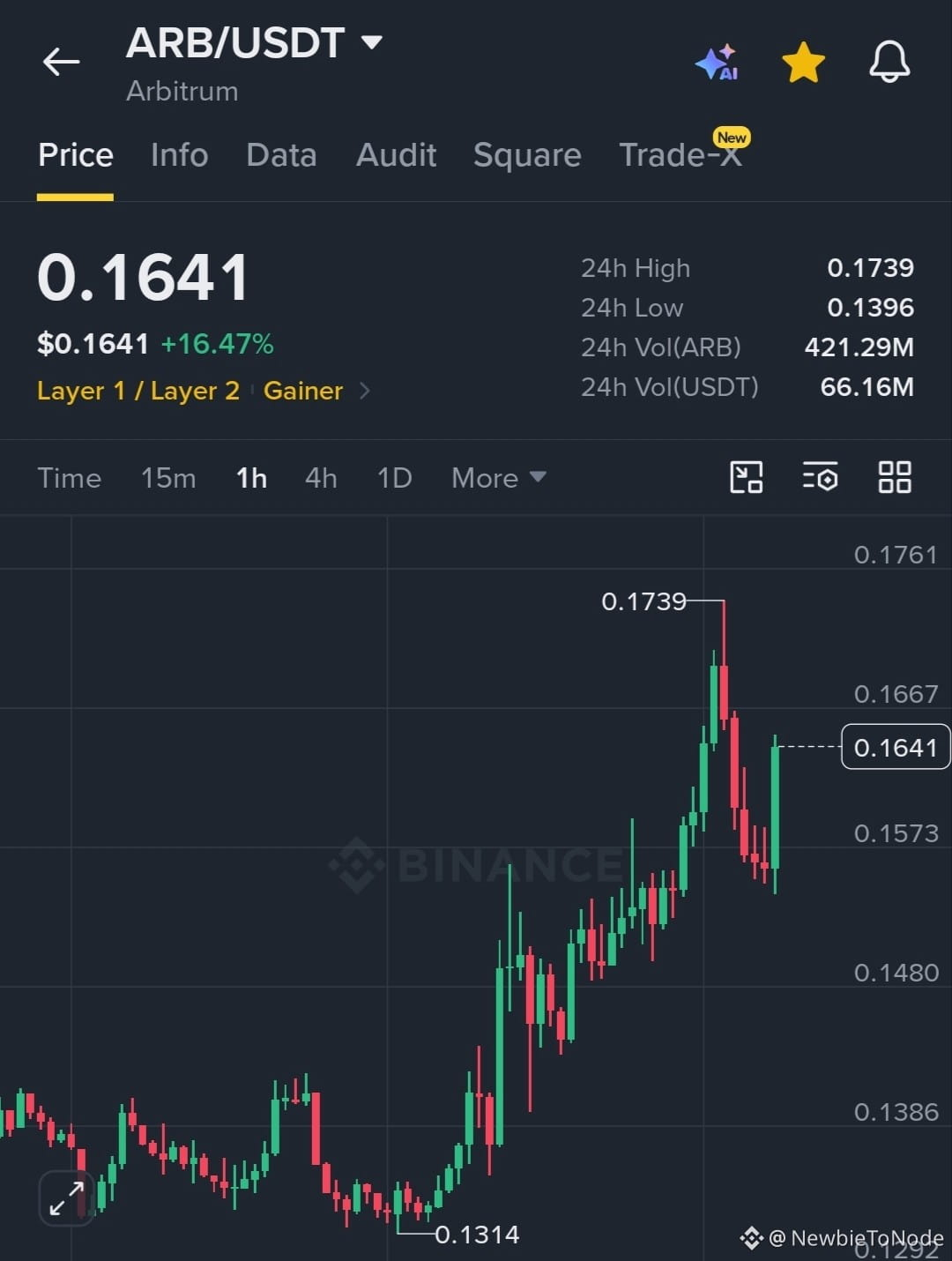
$ARB followed the plan nicely.
In my last post, I was watching $0.141 and said a break above $0.156 could open $0.165–$0.17.
That played out. ARB pushed to $0.1739 before pulling back toward $0.153.
Now it’s back around $0.164.
This is where I don't want to chase.
I want to see how ARB behaves around $0.165–$0.167. If buyers can hold above that area, $0.1739 is the obvious level to watch.
If it gets rejected again, $0.156–$0.157 becomes important.
The move has already happened. Now I’m more interested in whether buyers can defend the breakout than in chasing the next candle.
⚠️ Not financial advice. DYOR.
$ARB followed the plan nicely.
In my last post, I was watching $0.141 and said a break above $0.156 could open $0.165–$0.17.
That played out. ARB pushed to $0.1739 before pulling back toward $0.153.
Now it’s back around $0.164.
This is where I don't want to chase.
I want to see how ARB behaves around $0.165–$0.167. If buyers can hold above that area, $0.1739 is the obvious level to watch.
If it gets rejected again, $0.156–$0.157 becomes important.
The move has already happened. Now I’m more interested in whether buyers can defend the breakout than in chasing the next candle.
⚠️ Not financial advice. DYOR.
In my last post, I was watching $0.141 and said a break above $0.156 could open $0.165–$0.17.
That played out. ARB pushed to $0.1739 before pulling back toward $0.153.
Now it’s back around $0.164.
This is where I don't want to chase.
I want to see how ARB behaves around $0.165–$0.167. If buyers can hold above that area, $0.1739 is the obvious level to watch.
If it gets rejected again, $0.156–$0.157 becomes important.
The move has already happened. Now I’m more interested in whether buyers can defend the breakout than in chasing the next candle.
⚠️ Not financial advice. DYOR.
NewbieToNode
·
--
I like what $ARB did, but I don't like chasing it here.
The move from $0.1314 → $0.1562 came with strong volume, then price started giving some of it back.
For me, $0.141 is the important near-term level.
Hold it → $0.152–$0.156 can come back into play.
Break $0.156 → $0.165–$0.17 becomes interesting.
Lose $0.141 → I'd watch $0.1355.
And with the Sept. 16 unlock, tomorrow could get even more volatile.
Flat for now. Let the chart decide.
⚠️ Not financial advice. DYOR.
The move from $0.1314 → $0.1562 came with strong volume, then price started giving some of it back.
For me, $0.141 is the important near-term level.
Hold it → $0.152–$0.156 can come back into play.
Break $0.156 → $0.165–$0.17 becomes interesting.
Lose $0.141 → I'd watch $0.1355.
And with the Sept. 16 unlock, tomorrow could get even more volatile.
Flat for now. Let the chart decide.
⚠️ Not financial advice. DYOR.
2
796
·
--
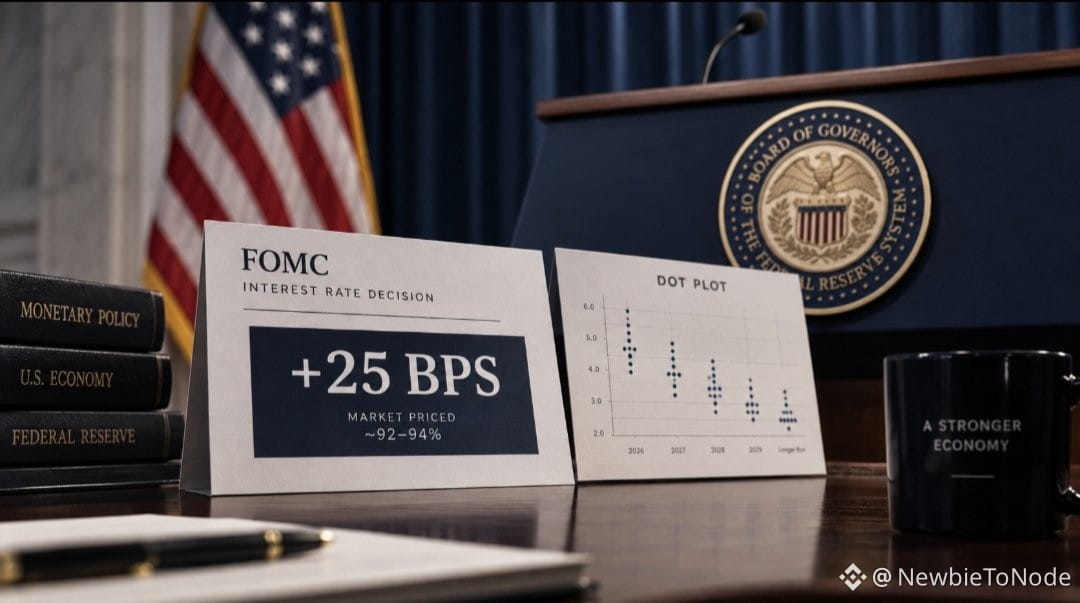
FOMC is out. The Fed just raised rates by 25 bps to 3.75%–4.00%.
Honestly, I’m less interested in the 25 bps itself and more interested in what comes next.
The Fed is still dealing with inflation above the 2% target, and the message around future rates matters more for crypto from here.
BTC was already under pressure after yesterday’s CLARITY Act vote, so this is coming at an uncomfortable time for risk assets.
I’m not calling for a crash here.
I’m watching what BTC does next, especially if yields and the dollar continue moving higher.
If BTC starts losing important support while macro pressure builds, that’s when I’d become more cautious.
For now, I’d rather watch the reaction than guess the direction.
#FedRateWatch #BitcoinFalls4%
FOMC is out. The Fed just raised rates by 25 bps to 3.75%–4.00%.
Honestly, I’m less interested in the 25 bps itself and more interested in what comes next.
The Fed is still dealing with inflation above the 2% target, and the message around future rates matters more for crypto from here.
BTC was already under pressure after yesterday’s CLARITY Act vote, so this is coming at an uncomfortable time for risk assets.
I’m not calling for a crash here.
I’m watching what BTC does next, especially if yields and the dollar continue moving higher.
If BTC starts losing important support while macro pressure builds, that’s when I’d become more cautious.
For now, I’d rather watch the reaction than guess the direction.
#FedRateWatch #BitcoinFalls4%
Honestly, I’m less interested in the 25 bps itself and more interested in what comes next.
The Fed is still dealing with inflation above the 2% target, and the message around future rates matters more for crypto from here.
BTC was already under pressure after yesterday’s CLARITY Act vote, so this is coming at an uncomfortable time for risk assets.
I’m not calling for a crash here.
I’m watching what BTC does next, especially if yields and the dollar continue moving higher.
If BTC starts losing important support while macro pressure builds, that’s when I’d become more cautious.
For now, I’d rather watch the reaction than guess the direction.
#FedRateWatch #BitcoinFalls4%
3
5
1.9k
·
--
🚨 MUST READ IF YOU USE BINANCE P2P
Sharing a P2P scam attempt I recently encountered because the red flags are worth knowing.
I was selling USDT through Binance P2P when the buyer contacted me on WhatsApp and asked me to “verify my USDT.”
I told him I didn’t know how to do it and asked him to cancel the order.
Instead, he said it would only take a few minutes and told me to download Trust Wallet. He even offered to guide me through it on a call.
That felt suspicious, so I refused.
Then he tried to convince me by saying, “Everyone asks for it now because there are lots of scams happening. If you sell to someone else, they will also ask for it. The rules have changed.”
Rather than following his instructions, I contacted Binance Customer Support and explained everything. They told me not to do it.
After that, the buyer sent a payment screenshot in the Binance chat and marked the payment as completed.
But the screenshot itself had mismatched details:
• Different date
• Different name
• Different amount
I knew it was fake and did not release my USDT.
The order timer eventually ran out. Since this was the first time I had faced something like this, I contacted Binance Support again, explained the situation, and they helped me resolve it.
Sharing this because the red flags came one after another:
WhatsApp → “USDT verification” → Download another wallet → Pressure → Fake payment screenshot
My takeaway: don’t follow a buyer’s instructions just because they sound confident or claim that “the rules have changed.”
Verify the actual payment yourself. If something feels suspicious, stop and contact support.
A few minutes of caution can protect your crypto. 🛡️
#BinanceP2P #P2PScamAwareness #P2PScamWarning #P2PScam #P2P
🚨 MUST READ IF YOU USE BINANCE P2P
Sharing a P2P scam attempt I recently encountered because the red flags are worth knowing.
I was selling USDT through Binance P2P when the buyer contacted me on WhatsApp and asked me to “verify my USDT.”
I told him I didn’t know how to do it and asked him to cancel the order.
Instead, he said it would only take a few minutes and told me to download Trust Wallet. He even offered to guide me through it on a call.
That felt suspicious, so I refused.
Then he tried to convince me by saying, “Everyone asks for it now because there are lots of scams happening. If you sell to someone else, they will also ask for it. The rules have changed.”
Rather than following his instructions, I contacted Binance Customer Support and explained everything. They told me not to do it.
After that, the buyer sent a payment screenshot in the Binance chat and marked the payment as completed.
But the screenshot itself had mismatched details:
• Different date
• Different name
• Different amount
I knew it was fake and did not release my USDT.
The order timer eventually ran out. Since this was the first time I had faced something like this, I contacted Binance Support again, explained the situation, and they helped me resolve it.
Sharing this because the red flags came one after another:
WhatsApp → “USDT verification” → Download another wallet → Pressure → Fake payment screenshot
My takeaway: don’t follow a buyer’s instructions just because they sound confident or claim that “the rules have changed.”
Verify the actual payment yourself. If something feels suspicious, stop and contact support.
A few minutes of caution can protect your crypto. 🛡️
#BinanceP2P #P2PScamAwareness #P2PScamWarning #P2PScam #P2P
Sharing a P2P scam attempt I recently encountered because the red flags are worth knowing.
I was selling USDT through Binance P2P when the buyer contacted me on WhatsApp and asked me to “verify my USDT.”
I told him I didn’t know how to do it and asked him to cancel the order.
Instead, he said it would only take a few minutes and told me to download Trust Wallet. He even offered to guide me through it on a call.
That felt suspicious, so I refused.
Then he tried to convince me by saying, “Everyone asks for it now because there are lots of scams happening. If you sell to someone else, they will also ask for it. The rules have changed.”
Rather than following his instructions, I contacted Binance Customer Support and explained everything. They told me not to do it.
After that, the buyer sent a payment screenshot in the Binance chat and marked the payment as completed.
But the screenshot itself had mismatched details:
• Different date
• Different name
• Different amount
I knew it was fake and did not release my USDT.
The order timer eventually ran out. Since this was the first time I had faced something like this, I contacted Binance Support again, explained the situation, and they helped me resolve it.
Sharing this because the red flags came one after another:
WhatsApp → “USDT verification” → Download another wallet → Pressure → Fake payment screenshot
My takeaway: don’t follow a buyer’s instructions just because they sound confident or claim that “the rules have changed.”
Verify the actual payment yourself. If something feels suspicious, stop and contact support.
A few minutes of caution can protect your crypto. 🛡️
#BinanceP2P #P2PScamAwareness #P2PScamWarning #P2PScam #P2P

6
727
·
--
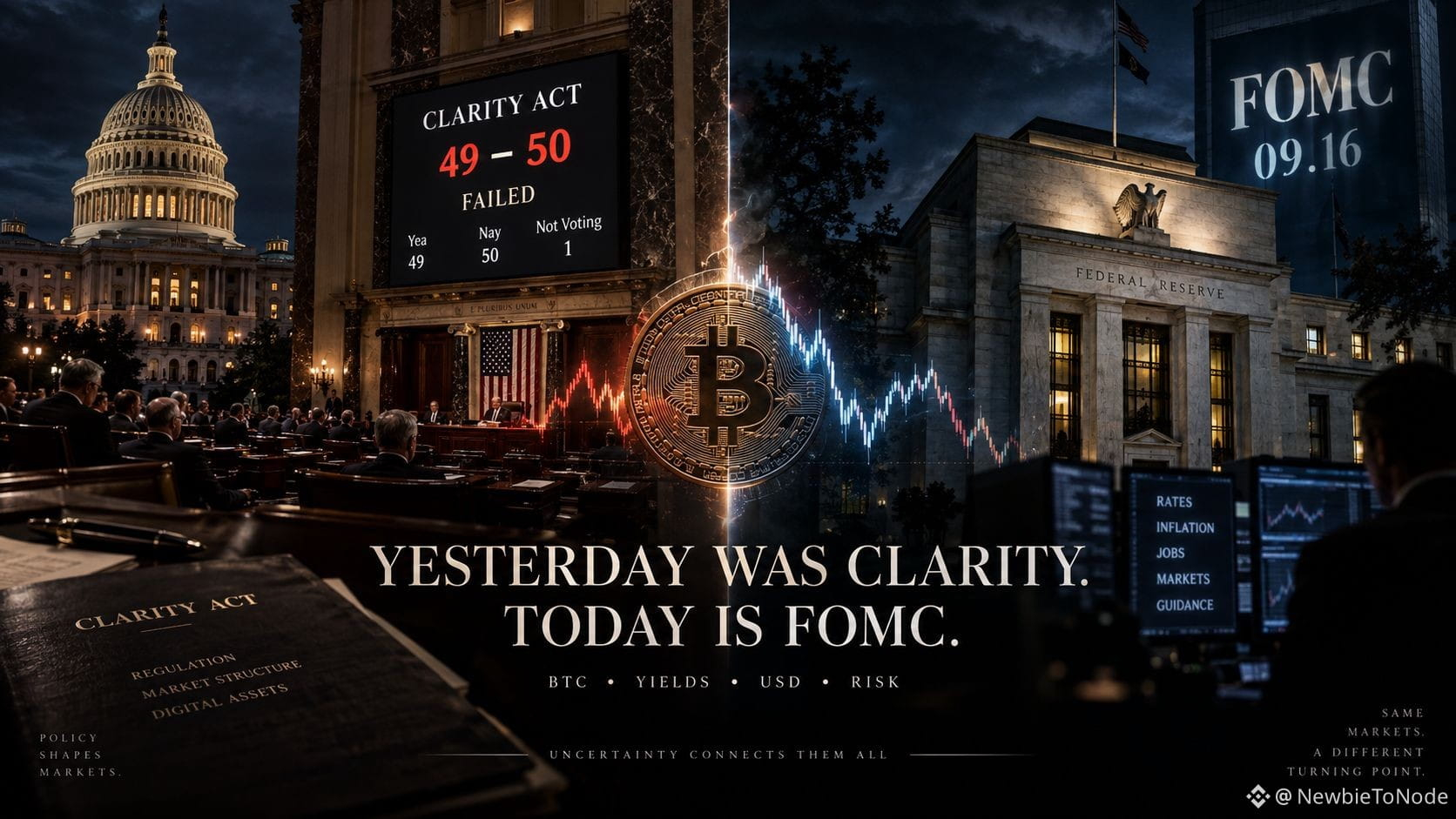
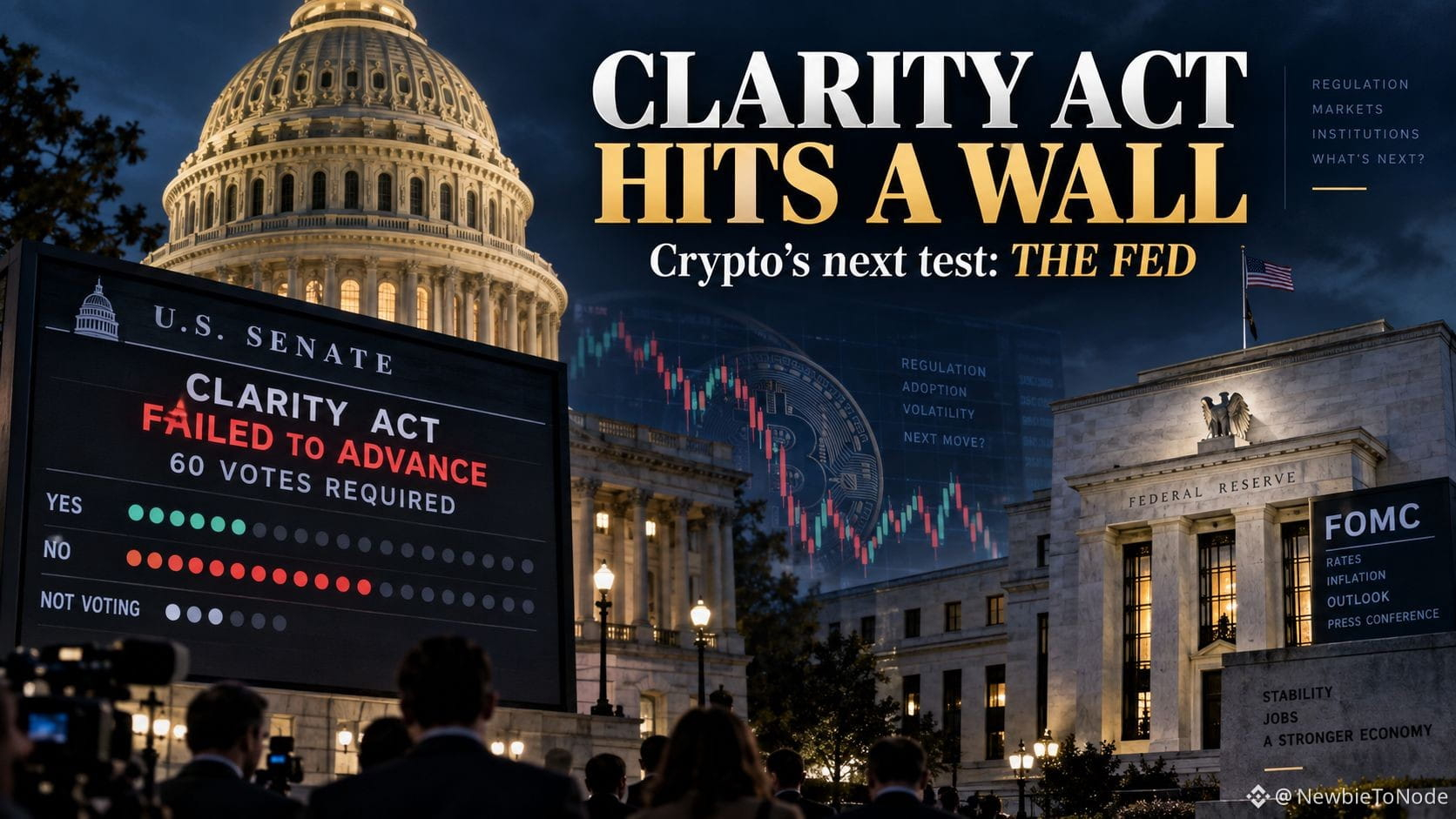
Yesterday the CLARITY Act vote gave the crypto market another reason to de-risk.
The Senate needed 60 votes to advance it, but the vote ended 49–50. BTC reacted almost immediately and the broader market followed.
Now the attention shifts to the Fed.
Today is FOMC, and honestly, I think the rate decision itself may not be the most interesting part. The market has already spent days positioning around it.
What matters to me is what comes after the announcement.
Does Warsh sound more concerned about inflation?
Does the Fed leave the door open for more restrictive policy?
Or does the market hear enough to start pricing a softer path?
That difference could matter more for BTC than the headline rate decision.
I'm watching BTC, the dollar and Treasury yields together. If yields and the dollar push higher after the announcement, risk assets could remain under pressure. If they cool off, BTC could get some relief.
Yesterday was a regulatory shock.
Today we get the macro test.
I wouldn't be surprised to see some crazy volatility around the announcement, including a move in one direction followed by a reversal.
For me, the important trade isn't predicting the first candle. It's seeing where BTC settles after the noise.
#FedRateWatch #USSenateBlocksClarityAct
Yesterday the CLARITY Act vote gave the crypto market another reason to de-risk.
The Senate needed 60 votes to advance it, but the vote ended 49–50. BTC reacted almost immediately and the broader market followed.
Now the attention shifts to the Fed.
Today is FOMC, and honestly, I think the rate decision itself may not be the most interesting part. The market has already spent days positioning around it.
What matters to me is what comes after the announcement.
Does Warsh sound more concerned about inflation?
Does the Fed leave the door open for more restrictive policy?
Or does the market hear enough to start pricing a softer path?
That difference could matter more for BTC than the headline rate decision.
I'm watching BTC, the dollar and Treasury yields together. If yields and the dollar push higher after the announcement, risk assets could remain under pressure. If they cool off, BTC could get some relief.
Yesterday was a regulatory shock.
Today we get the macro test.
I wouldn't be surprised to see some crazy volatility around the announcement, including a move in one direction followed by a reversal.
For me, the important trade isn't predicting the first candle. It's seeing where BTC settles after the noise.
#FedRateWatch #USSenateBlocksClarityAct
The Senate needed 60 votes to advance it, but the vote ended 49–50. BTC reacted almost immediately and the broader market followed.
Now the attention shifts to the Fed.
Today is FOMC, and honestly, I think the rate decision itself may not be the most interesting part. The market has already spent days positioning around it.
What matters to me is what comes after the announcement.
Does Warsh sound more concerned about inflation?
Does the Fed leave the door open for more restrictive policy?
Or does the market hear enough to start pricing a softer path?
That difference could matter more for BTC than the headline rate decision.
I'm watching BTC, the dollar and Treasury yields together. If yields and the dollar push higher after the announcement, risk assets could remain under pressure. If they cool off, BTC could get some relief.
Yesterday was a regulatory shock.
Today we get the macro test.
I wouldn't be surprised to see some crazy volatility around the announcement, including a move in one direction followed by a reversal.
For me, the important trade isn't predicting the first candle. It's seeing where BTC settles after the noise.
#FedRateWatch #USSenateBlocksClarityAct
4
2
995
·
--
Well, that's not the outcome crypto bulls wanted.
The CLARITY Act couldn't secure the 60 votes required to move forward in the Senate.
I was watching this as one of the biggest near-term catalysts for crypto, so this definitely changes the short-term picture.
But there's another major event waiting tomorrow: the Fed.
I'm more interested in how BTC behaves after both catalysts are digested than in chasing this first reaction.
Big volatility window ahead.
⚠️ Personal view, not financial advice. DYOR.
#CLARITYAct #FedRateWatch #ClarityActOddsHalveOnPolymarket
Well, that's not the outcome crypto bulls wanted.
The CLARITY Act couldn't secure the 60 votes required to move forward in the Senate.
I was watching this as one of the biggest near-term catalysts for crypto, so this definitely changes the short-term picture.
But there's another major event waiting tomorrow: the Fed.
I'm more interested in how BTC behaves after both catalysts are digested than in chasing this first reaction.
Big volatility window ahead.
⚠️ Personal view, not financial advice. DYOR.
#CLARITYAct #FedRateWatch #ClarityActOddsHalveOnPolymarket
The CLARITY Act couldn't secure the 60 votes required to move forward in the Senate.
I was watching this as one of the biggest near-term catalysts for crypto, so this definitely changes the short-term picture.
But there's another major event waiting tomorrow: the Fed.
I'm more interested in how BTC behaves after both catalysts are digested than in chasing this first reaction.
Big volatility window ahead.
⚠️ Personal view, not financial advice. DYOR.
#CLARITYAct #FedRateWatch #ClarityActOddsHalveOnPolymarket
1
153
·
--
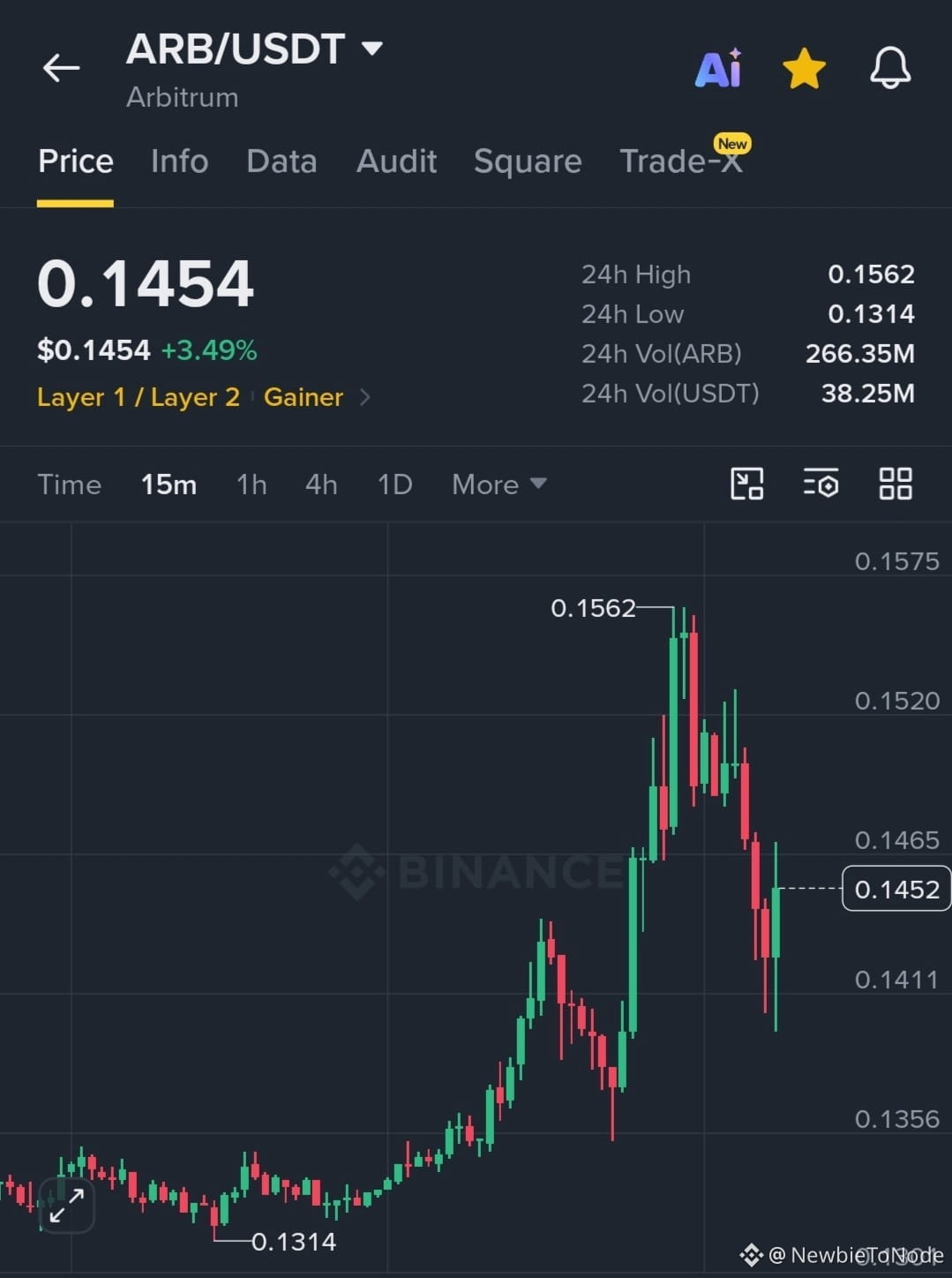
I like what $ARB did, but I don't like chasing it here.
The move from $0.1314 → $0.1562 came with strong volume, then price started giving some of it back.
For me, $0.141 is the important near-term level.
Hold it → $0.152–$0.156 can come back into play.
Break $0.156 → $0.165–$0.17 becomes interesting.
Lose $0.141 → I'd watch $0.1355.
And with the Sept. 16 unlock, tomorrow could get even more volatile.
Flat for now. Let the chart decide.
⚠️ Not financial advice. DYOR.
{spot}(ARBUSDT)
I like what $ARB did, but I don't like chasing it here.
The move from $0.1314 → $0.1562 came with strong volume, then price started giving some of it back.
For me, $0.141 is the important near-term level.
Hold it → $0.152–$0.156 can come back into play.
Break $0.156 → $0.165–$0.17 becomes interesting.
Lose $0.141 → I'd watch $0.1355.
And with the Sept. 16 unlock, tomorrow could get even more volatile.
Flat for now. Let the chart decide.
⚠️ Not financial advice. DYOR.
The move from $0.1314 → $0.1562 came with strong volume, then price started giving some of it back.
For me, $0.141 is the important near-term level.
Hold it → $0.152–$0.156 can come back into play.
Break $0.156 → $0.165–$0.17 becomes interesting.
Lose $0.141 → I'd watch $0.1355.
And with the Sept. 16 unlock, tomorrow could get even more volatile.
Flat for now. Let the chart decide.
⚠️ Not financial advice. DYOR.
1
1
3
1.2k
·
--
2
255
·
--
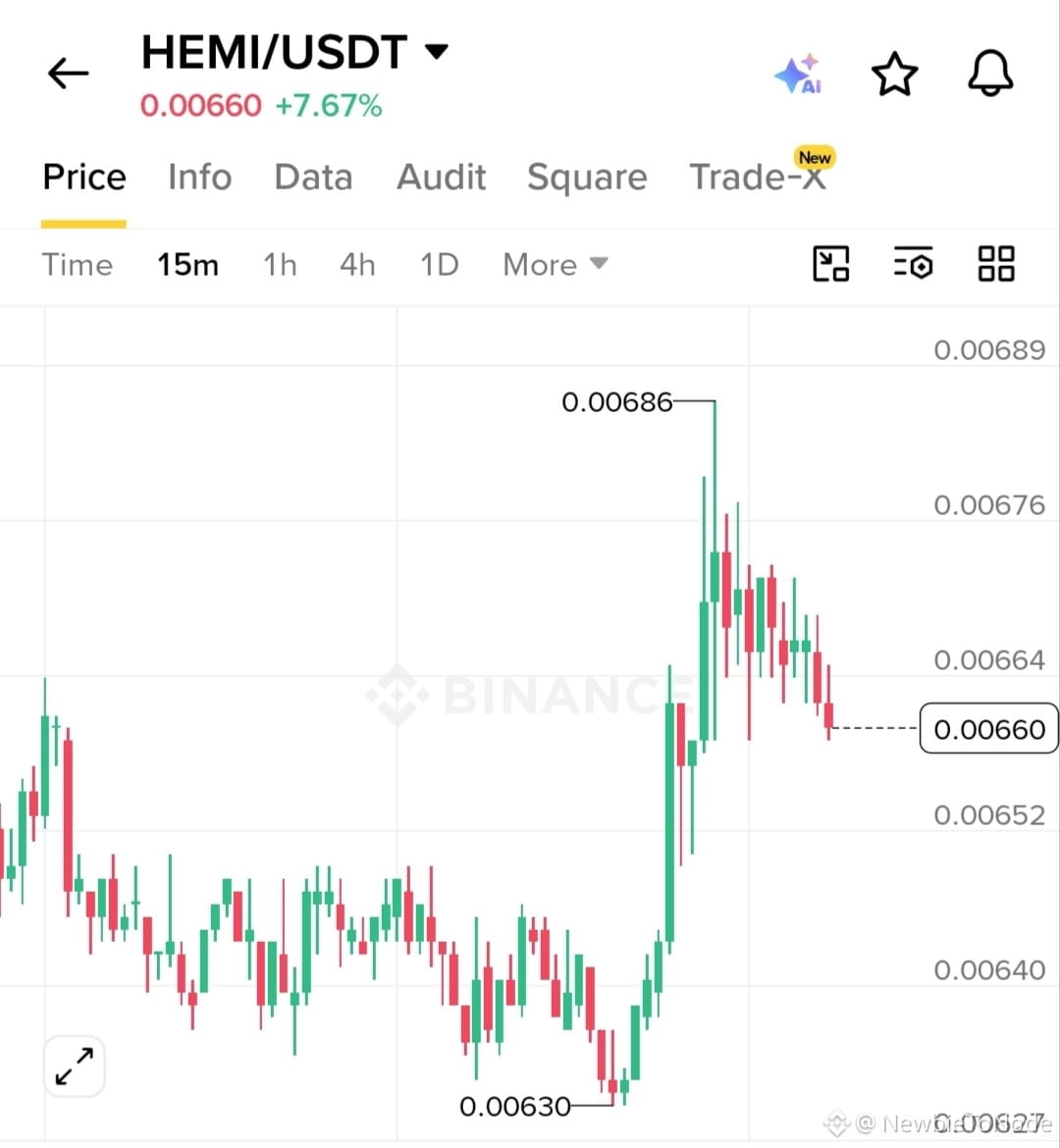
$HEMI is testing the breakout idea.
$0.00630 → $0.00686 with a serious volume spike.
Now:
S: $0.00652 / $0.00630
R: $0.00676 / $0.00686
Upside if confirmed: $0.00720 → $0.00750
The important part isn't the spike.
It's whether HEMI can hold the higher range and break $0.00686 with volume.
I'm flat and watching.
⚠️ Not financial advice. DYOR.
{spot}(HEMIUSDT)
$HEMI is testing the breakout idea.
$0.00630 → $0.00686 with a serious volume spike.
Now:
S: $0.00652 / $0.00630
R: $0.00676 / $0.00686
Upside if confirmed: $0.00720 → $0.00750
The important part isn't the spike.
It's whether HEMI can hold the higher range and break $0.00686 with volume.
I'm flat and watching.
⚠️ Not financial advice. DYOR.
$0.00630 → $0.00686 with a serious volume spike.
Now:
S: $0.00652 / $0.00630
R: $0.00676 / $0.00686
Upside if confirmed: $0.00720 → $0.00750
The important part isn't the spike.
It's whether HEMI can hold the higher range and break $0.00686 with volume.
I'm flat and watching.
⚠️ Not financial advice. DYOR.
1
339
Log in to explore more content
Join global crypto users on Binance Square
⚡️ Get latest and useful information about crypto.
💬 Trusted by the world’s largest crypto exchange.
👍 Discover real insights from verified creators.
Email / Phone number