

Radwan Almsora
52 Posts

Radwan Almsora
Report
Block User
I am Radwan Al-Masouri, a writer, programmer, and digital security specialist. I have four years of experience working in programming, cybersecurity, writing,
Open Trade
4 Years
8 Following
14 Followers
38 Liked
Posts
Portfolio
PINNED
The 3-Week Wait for a Bot-Style Email: Inside Binance Angels Recruitment
In Web3, we preach speed, transparency, and decentralization. But modern crypto recruitment tells a very different story.
Here is how a recent candidate's evaluation process actually unfolded 🤔
The Initial Push: Interview conducted with Coordinator Wessal Gamal. The First Extension: Asked to wait 2 weeks for profile review.
📌
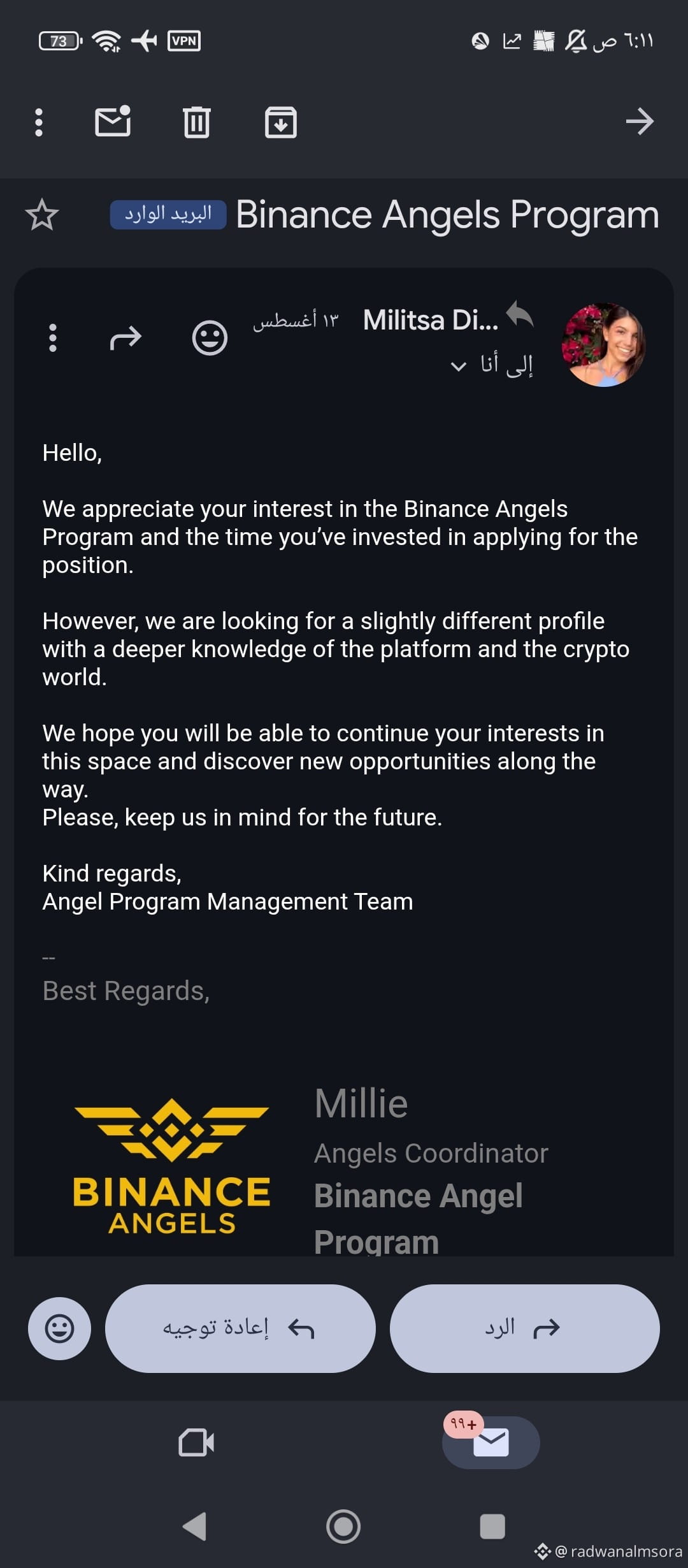
The Second Extension: Requested 1 more week for "deeper background checks." The Punchline: A generic, template rejection arrives—not from Wessal, and sent to an entirely different email address—signed by Militsa Dimitrova (Millie) claiming a lack of "platform depth.
🙈
If standard templates and unlinked support queues are making the final call, why ask candidates to wait nearly a month for "human review"?
Preaching decentralization while running a game of administrative musical chairs isn't just bad candidate experience—it's a textbook example of corporate friction hiding behind a Web3 banner.
@heyi
@CZ
@richardteng
@Binance_Academy_ID
@Binance_Italy
@BinanceTurkish
@BinanceMongolian
@BinanceAfrique
#Binance
The 3-Week Wait for a Bot-Style Email: Inside Binance Angels Recruitment
In Web3, we preach speed, transparency, and decentralization. But modern crypto recruitment tells a very different story.
Here is how a recent candidate's evaluation process actually unfolded 🤔
The Initial Push: Interview conducted with Coordinator Wessal Gamal. The First Extension: Asked to wait 2 weeks for profile review.
📌
The Second Extension: Requested 1 more week for "deeper background checks." The Punchline: A generic, template rejection arrives—not from Wessal, and sent to an entirely different email address—signed by Militsa Dimitrova (Millie) claiming a lack of "platform depth.
🙈
If standard templates and unlinked support queues are making the final call, why ask candidates to wait nearly a month for "human review"?
Preaching decentralization while running a game of administrative musical chairs isn't just bad candidate experience—it's a textbook example of corporate friction hiding behind a Web3 banner.
@Yi He
@CZ
@Richard Teng
@Binance Academy Indonesian
@Binance Italy
@Binance Global Türkçe
@Binance Mongolian
@Binance Afrique
#Binance
In Web3, we preach speed, transparency, and decentralization. But modern crypto recruitment tells a very different story.
Here is how a recent candidate's evaluation process actually unfolded 🤔
The Initial Push: Interview conducted with Coordinator Wessal Gamal. The First Extension: Asked to wait 2 weeks for profile review.
📌
The Second Extension: Requested 1 more week for "deeper background checks." The Punchline: A generic, template rejection arrives—not from Wessal, and sent to an entirely different email address—signed by Militsa Dimitrova (Millie) claiming a lack of "platform depth.
🙈
If standard templates and unlinked support queues are making the final call, why ask candidates to wait nearly a month for "human review"?
Preaching decentralization while running a game of administrative musical chairs isn't just bad candidate experience—it's a textbook example of corporate friction hiding behind a Web3 banner.
@Yi He
@CZ
@Richard Teng
@Binance Academy Indonesian
@Binance Italy
@Binance Global Türkçe
@Binance Mongolian
@Binance Afrique
#Binance
1
10
The Human-System Disconnect in Modern Hiring
When an interviewer like Wessal Gamal promises a thorough profile review and asks for repeated extensions, a candidate expects authentic operational follow-through. When that process ends with an automated rejection from Militsa Dimitrova (Millie) sent to a completely different email address, the breakdown in institutional trust is immediate.
This dynamic illustrates a severe administrative mismatch: relying on high-touch human assurances at the front end while delegating final decisions to disconnected, template-driven workflows. When candidate communications bypass basic organizational logic, user experience collapses.
Scaling an ecosystem requires more than just publishing guidelines. It demands that internal workflows, recruitment standards, and communication protocols mirror the exact integrity, clarity, and accountability the industry promises to deliver.
The Human-System Disconnect in Modern Hiring
When an interviewer like Wessal Gamal promises a thorough profile review and asks for repeated extensions, a candidate expects authentic operational follow-through. When that process ends with an automated rejection from Militsa Dimitrova (Millie) sent to a completely different email address, the breakdown in institutional trust is immediate.
This dynamic illustrates a severe administrative mismatch: relying on high-touch human assurances at the front end while delegating final decisions to disconnected, template-driven workflows. When candidate communications bypass basic organizational logic, user experience collapses.
Scaling an ecosystem requires more than just publishing guidelines. It demands that internal workflows, recruitment standards, and communication protocols mirror the exact integrity, clarity, and accountability the industry promises to deliver.
When an interviewer like Wessal Gamal promises a thorough profile review and asks for repeated extensions, a candidate expects authentic operational follow-through. When that process ends with an automated rejection from Militsa Dimitrova (Millie) sent to a completely different email address, the breakdown in institutional trust is immediate.
This dynamic illustrates a severe administrative mismatch: relying on high-touch human assurances at the front end while delegating final decisions to disconnected, template-driven workflows. When candidate communications bypass basic organizational logic, user experience collapses.
Scaling an ecosystem requires more than just publishing guidelines. It demands that internal workflows, recruitment standards, and communication protocols mirror the exact integrity, clarity, and accountability the industry promises to deliver.
10
The Web3 Communication Chain: Human Promises vs. Automated Dismissals
How to run a high-touch ecosystem recruitment initiative in four easy steps:
Week 1: Promise a direct, thorough profile check. Week 2: Request a 14-day hold. Week 3: Request an extra week for "final review." Final Minute: Hand the keyboard to an automated script, send a template sign-off from Militsa Dimitrova, and pretend the previous 500 hours of candidate contact never happened.
True transparency starts with operational alignment. Preaching community-first values while managing talent with mismatched queues and automated musical chairs isn't Web3—it's legacy corporate friction with a modern logo.
The Web3 Communication Chain: Human Promises vs. Automated Dismissals
How to run a high-touch ecosystem recruitment initiative in four easy steps:
Week 1: Promise a direct, thorough profile check. Week 2: Request a 14-day hold. Week 3: Request an extra week for "final review." Final Minute: Hand the keyboard to an automated script, send a template sign-off from Militsa Dimitrova, and pretend the previous 500 hours of candidate contact never happened.
True transparency starts with operational alignment. Preaching community-first values while managing talent with mismatched queues and automated musical chairs isn't Web3—it's legacy corporate friction with a modern logo.
How to run a high-touch ecosystem recruitment initiative in four easy steps:
Week 1: Promise a direct, thorough profile check. Week 2: Request a 14-day hold. Week 3: Request an extra week for "final review." Final Minute: Hand the keyboard to an automated script, send a template sign-off from Militsa Dimitrova, and pretend the previous 500 hours of candidate contact never happened.
True transparency starts with operational alignment. Preaching community-first values while managing talent with mismatched queues and automated musical chairs isn't Web3—it's legacy corporate friction with a modern logo.
40
Deeper Knowledge Required" (After 21 Days of Review)
When a crypto program takes three weeks to evaluate an applicant with documented technical experience, you expect a detailed debrief.
Instead, candidate operations peak with a single copy-pasted line from Millie: "Looking for a profile with a deeper knowledge of the platform."
It took Wessal Gamal two extensions and nearly a month to reach the exact same boilerplate template every applicant gets on day one. If algorithm-driven shortcuts are running the recruitment process, let's at least save everyone the three-week human illusion.
Deeper Knowledge Required" (After 21 Days of Review)
When a crypto program takes three weeks to evaluate an applicant with documented technical experience, you expect a detailed debrief.
Instead, candidate operations peak with a single copy-pasted line from Millie: "Looking for a profile with a deeper knowledge of the platform."
It took Wessal Gamal two extensions and nearly a month to reach the exact same boilerplate template every applicant gets on day one. If algorithm-driven shortcuts are running the recruitment process, let's at least save everyone the three-week human illusion.
When a crypto program takes three weeks to evaluate an applicant with documented technical experience, you expect a detailed debrief.
Instead, candidate operations peak with a single copy-pasted line from Millie: "Looking for a profile with a deeper knowledge of the platform."
It took Wessal Gamal two extensions and nearly a month to reach the exact same boilerplate template every applicant gets on day one. If algorithm-driven shortcuts are running the recruitment process, let's at least save everyone the three-week human illusion.
37
The Email Shuffle Strategy
Want to experience true decentralized corporate logic?
Step 1: Apply with your primary professional email.
Step 2: Conduct a high-level interview with Wessal Gamal.
Step 3: Wait three full weeks while your profile undergoes "deep manual verification."
Step 4: Watch a generic refusal email drop from Militsa Dimitrova (Millie)... straight into a completely different inbox you never used for the application.
If Web3 platforms can route automated rejections to unlinked email channels faster than they can deliver a manual review, maybe the real "blockchain mystery" is how their internal CRM even functions.
The Email Shuffle Strategy
Want to experience true decentralized corporate logic?
Step 1: Apply with your primary professional email.
Step 2: Conduct a high-level interview with Wessal Gamal.
Step 3: Wait three full weeks while your profile undergoes "deep manual verification."
Step 4: Watch a generic refusal email drop from Militsa Dimitrova (Millie)... straight into a completely different inbox you never used for the application.
If Web3 platforms can route automated rejections to unlinked email channels faster than they can deliver a manual review, maybe the real "blockchain mystery" is how their internal CRM even functions.
Want to experience true decentralized corporate logic?
Step 1: Apply with your primary professional email.
Step 2: Conduct a high-level interview with Wessal Gamal.
Step 3: Wait three full weeks while your profile undergoes "deep manual verification."
Step 4: Watch a generic refusal email drop from Militsa Dimitrova (Millie)... straight into a completely different inbox you never used for the application.
If Web3 platforms can route automated rejections to unlinked email channels faster than they can deliver a manual review, maybe the real "blockchain mystery" is how their internal CRM even functions.
45
The Decentralization Paradox: How Big Tech’s Bureaucracy Undermines Web3 Ethics
Web3 was built on a promise: replacing opaque corporate gatekeeping with absolute transparency, clear standards, and community-driven governance. Yet, for many working on the frontlines of the crypto industry, the actual experience of interacting with major platforms paints a drastically different picture.
Inside modern digital behemoths, the line between human accountability and automated indifference remains dangerously blurred. Applicants navigating high-profile ecosystem initiatives—such as community leadership and angel programs—frequently face a jarring operational disconnect. Candidates report detailed personal interviews and explicit assurances of thorough profile reviews on one end, only to receive immediate, standardized rejections from generic administrative queues on the other.
This friction exposes a growing structural crisis within the sector: despite preaching decentralized meritocracy, corporate platforms are increasingly relying on rigid, algorithmic bureaucracy that alienates top-tier industry talen
@richardteng @CZ @heyi @BiBi
The Decentralization Paradox: How Big Tech’s Bureaucracy Undermines Web3 Ethics
Web3 was built on a promise: replacing opaque corporate gatekeeping with absolute transparency, clear standards, and community-driven governance. Yet, for many working on the frontlines of the crypto industry, the actual experience of interacting with major platforms paints a drastically different picture.
Inside modern digital behemoths, the line between human accountability and automated indifference remains dangerously blurred. Applicants navigating high-profile ecosystem initiatives—such as community leadership and angel programs—frequently face a jarring operational disconnect. Candidates report detailed personal interviews and explicit assurances of thorough profile reviews on one end, only to receive immediate, standardized rejections from generic administrative queues on the other.
This friction exposes a growing structural crisis within the sector: despite preaching decentralized meritocracy, corporate platforms are increasingly relying on rigid, algorithmic bureaucracy that alienates top-tier industry talen
@Richard Teng @CZ @Yi He @Binance BiBi
Web3 was built on a promise: replacing opaque corporate gatekeeping with absolute transparency, clear standards, and community-driven governance. Yet, for many working on the frontlines of the crypto industry, the actual experience of interacting with major platforms paints a drastically different picture.
Inside modern digital behemoths, the line between human accountability and automated indifference remains dangerously blurred. Applicants navigating high-profile ecosystem initiatives—such as community leadership and angel programs—frequently face a jarring operational disconnect. Candidates report detailed personal interviews and explicit assurances of thorough profile reviews on one end, only to receive immediate, standardized rejections from generic administrative queues on the other.
This friction exposes a growing structural crisis within the sector: despite preaching decentralized meritocracy, corporate platforms are increasingly relying on rigid, algorithmic bureaucracy that alienates top-tier industry talen
@Richard Teng @CZ @Yi He @Binance BiBi
65
Bridging the Gap Between Human Promise and System Execution
When human touchpoints promise a detailed, manual review of an extensive background, but automated workflows issue generic, rapid dismissals, institutional trust breaks down.
This disconnect reflects a fundamental operational challenge: balancing scalable recruitment with authentic, high-touch evaluation. When automated administrative systems run counter to personal commitments, candidate experience suffers—and corporate credibility takes a direct hit.
🤐
Building a truly decentralized future requires more than just launching protocols. It demands that our operational standards, hiring workflows, and internal communications reflect the exact same principles of transparency and fairness we build into the software.
Bridging the Gap Between Human Promise and System Execution
When human touchpoints promise a detailed, manual review of an extensive background, but automated workflows issue generic, rapid dismissals, institutional trust breaks down.
This disconnect reflects a fundamental operational challenge: balancing scalable recruitment with authentic, high-touch evaluation. When automated administrative systems run counter to personal commitments, candidate experience suffers—and corporate credibility takes a direct hit.
🤐
Building a truly decentralized future requires more than just launching protocols. It demands that our operational standards, hiring workflows, and internal communications reflect the exact same principles of transparency and fairness we build into the software.
When human touchpoints promise a detailed, manual review of an extensive background, but automated workflows issue generic, rapid dismissals, institutional trust breaks down.
This disconnect reflects a fundamental operational challenge: balancing scalable recruitment with authentic, high-touch evaluation. When automated administrative systems run counter to personal commitments, candidate experience suffers—and corporate credibility takes a direct hit.
🤐
Building a truly decentralized future requires more than just launching protocols. It demands that our operational standards, hiring workflows, and internal communications reflect the exact same principles of transparency and fairness we build into the software.
1
3
1.1k
Why do experienced professionals continue to engage with centralized gatekeepers, even when the administrative process feels broken?
Beyond standard financial necessity, three core motives stand out:
Professional Pride & Recognition: The drive to demonstrate high-level technical expertise, build a strong industry reputation, and solve complex problems within a fast-moving market.
The Pursuit of Operational Standards: A demand for clear metrics, honest communication, and true accountability in an industry that too often relies on corporate jargon.
Advocacy for Individual Value: A refusal to be reduced to a automated data point, pushing instead for systems that respect actual contribution over algorithmic efficiency.
Why do experienced professionals continue to engage with centralized gatekeepers, even when the administrative process feels broken?
Beyond standard financial necessity, three core motives stand out:
Professional Pride & Recognition: The drive to demonstrate high-level technical expertise, build a strong industry reputation, and solve complex problems within a fast-moving market.
The Pursuit of Operational Standards: A demand for clear metrics, honest communication, and true accountability in an industry that too often relies on corporate jargon.
Advocacy for Individual Value: A refusal to be reduced to a automated data point, pushing instead for systems that respect actual contribution over algorithmic efficiency.
Beyond standard financial necessity, three core motives stand out:
Professional Pride & Recognition: The drive to demonstrate high-level technical expertise, build a strong industry reputation, and solve complex problems within a fast-moving market.
The Pursuit of Operational Standards: A demand for clear metrics, honest communication, and true accountability in an industry that too often relies on corporate jargon.
Advocacy for Individual Value: A refusal to be reduced to a automated data point, pushing instead for systems that respect actual contribution over algorithmic efficiency.

45
·
--
Bullish
The Illusion of Decentralized Meritocracy
We often hear that Web3 stands for transparency, open access, and community-driven power. Yet, the day-to-day reality of dealing with major digital platforms tells a very different story.
When candidates navigate programs like the Binance Angels, they expect a process aligned with the core ethos of the blockchain industry: clear standards, open communication, and objective evaluation. Instead, applicants are frequently met with a jarring divide between human interaction and automated decision-making.
Personal assurances from team coordinators during the interview phase are often immediately overridden by standardized system rejections. This dynamic highlights a broader, systemic issue within modern tech operations: corporate bureaucracy masking itself behind decentralized promis👍es.
The Illusion of Decentralized Meritocracy
We often hear that Web3 stands for transparency, open access, and community-driven power. Yet, the day-to-day reality of dealing with major digital platforms tells a very different story.
When candidates navigate programs like the Binance Angels, they expect a process aligned with the core ethos of the blockchain industry: clear standards, open communication, and objective evaluation. Instead, applicants are frequently met with a jarring divide between human interaction and automated decision-making.
Personal assurances from team coordinators during the interview phase are often immediately overridden by standardized system rejections. This dynamic highlights a broader, systemic issue within modern tech operations: corporate bureaucracy masking itself behind decentralized promis👍es.
We often hear that Web3 stands for transparency, open access, and community-driven power. Yet, the day-to-day reality of dealing with major digital platforms tells a very different story.
When candidates navigate programs like the Binance Angels, they expect a process aligned with the core ethos of the blockchain industry: clear standards, open communication, and objective evaluation. Instead, applicants are frequently met with a jarring divide between human interaction and automated decision-making.
Personal assurances from team coordinators during the interview phase are often immediately overridden by standardized system rejections. This dynamic highlights a broader, systemic issue within modern tech operations: corporate bureaucracy masking itself behind decentralized promis👍es.
17
Article
The Great Binance Angel Bluff ... When Personal Promises Mask Algorithmic RejectionWe are told that we live in an era of unprecedented digital transparency, where community-driven crypto networks promise a future free from centralized obfuscation and corporate caprice. Yet, the lived experience of anyone attempting to engage with these modern digital behemoths—such as applying for the Binance Angel program—reveals a breathtaking hypocrisy. One moment, a coordinator like Wessal conducts an interview via anbyl1751@gmail.com and asks for a week or two to review a comprehensive, high-level profile, personally assuring patience and a thorough check. The next moment, a swift, impersonal automated rejection arrives via a different email (retwan.tech@gmail.com) bearing the signature of Millie (Militsa Dimitrova), Angels Coordinator, dismissing a candidate with extensive crypto experience as lacking depth. The promise is a peer-to-peer meritocracy; the reality is a Kafkaesque maze of conflicting communication channels and jarring administrative whiplash.
Putting aside the base necessity of earning a living—a compulsion that forces even the most principled individuals to navigate these frustrating conduits—there are generally three driving motives that compel a competent professional to engage with these environments:
I. The Motives for Engagement
Sheer Egoism: The deeply human desire to prove one's technical prowess, to build a lasting reputation within a nascent industry, and to outsmart the institutional gatekeepers who mistake rigid templates for actual discernment. It is intellectual vanity, yes, but it fuels innovation.The Search for Objective Truth: A stubborn insistence on verifiable facts, transparent communication, and a merit-based system, especially within spheres that too often substitute performative corporate jargon for genuine operational excellence.A Political and Social Impulse: The drive to resist arbitrary authority and the quiet rebellion of an individual who refuses to be reduced to a mere data point processed through conflicting email servers and bureaucratic misdirection.
II. The Clash of Realities: Between Wessal, Millie, and the Bureaucracy
By nature, an independent technologist seeks a landscape where skill, not corporate whim, dictates destiny. In a rational world, an interview conducted in good faith by Wessal, followed by a personal assurance that your profile is undergoing checks, would yield a measured, justifiable outcome. Yet, as recent experiences with conflicting communication channels demonstrate, the individual finds themselves caught between human reassurance and an automated administrative apparatus—where a coordinator asks for time on one end, only for Millie and the Angel Program Management Team to issue a uniform dismissal days later.
One is left walking a tightrope between personal integrity and the impersonal machinery of corporate bureaucracy. Every line of serious technical work or community contribution is written, directly or indirectly, as a silent protest against this institutional opacity and for a genuinely decentralized, transparent standard.
To pretend that one can navigate these spaces without friction is a delusion. The task is not to suppress one's frustration with corporate doublespeak, but to reconcile an ingrained commitment to technical merit with the arbitrary, non-individual activities that the modern digital economy forces upon us all.
@CZ
@Binance_Academy_ID
@richardteng
@heyi
@Binance_Labs
@BinanceMongolian
The Great Binance Angel Bluff ... When Personal Promises Mask Algorithmic Rejection
We are told that we live in an era of unprecedented digital transparency, where community-driven crypto networks promise a future free from centralized obfuscation and corporate caprice. Yet, the lived experience of anyone attempting to engage with these modern digital behemoths—such as applying for the Binance Angel program—reveals a breathtaking hypocrisy. One moment, a coordinator like Wessal conducts an interview via anbyl1751@gmail.com and asks for a week or two to review a comprehensive, high-level profile, personally assuring patience and a thorough check. The next moment, a swift, impersonal automated rejection arrives via a different email (retwan.tech@gmail.com) bearing the signature of Millie (Militsa Dimitrova), Angels Coordinator, dismissing a candidate with extensive crypto experience as lacking depth. The promise is a peer-to-peer meritocracy; the reality is a Kafkaesque maze of conflicting communication channels and jarring administrative whiplash.
Putting aside the base necessity of earning a living—a compulsion that forces even the most principled individuals to navigate these frustrating conduits—there are generally three driving motives that compel a competent professional to engage with these environments:
I. The Motives for Engagement
Sheer Egoism: The deeply human desire to prove one's technical prowess, to build a lasting reputation within a nascent industry, and to outsmart the institutional gatekeepers who mistake rigid templates for actual discernment. It is intellectual vanity, yes, but it fuels innovation.The Search for Objective Truth: A stubborn insistence on verifiable facts, transparent communication, and a merit-based system, especially within spheres that too often substitute performative corporate jargon for genuine operational excellence.A Political and Social Impulse: The drive to resist arbitrary authority and the quiet rebellion of an individual who refuses to be reduced to a mere data point processed through conflicting email servers and bureaucratic misdirection.
II. The Clash of Realities: Between Wessal, Millie, and the Bureaucracy
By nature, an independent technologist seeks a landscape where skill, not corporate whim, dictates destiny. In a rational world, an interview conducted in good faith by Wessal, followed by a personal assurance that your profile is undergoing checks, would yield a measured, justifiable outcome. Yet, as recent experiences with conflicting communication channels demonstrate, the individual finds themselves caught between human reassurance and an automated administrative apparatus—where a coordinator asks for time on one end, only for Millie and the Angel Program Management Team to issue a uniform dismissal days later.
One is left walking a tightrope between personal integrity and the impersonal machinery of corporate bureaucracy. Every line of serious technical work or community contribution is written, directly or indirectly, as a silent protest against this institutional opacity and for a genuinely decentralized, transparent standard.
To pretend that one can navigate these spaces without friction is a delusion. The task is not to suppress one's frustration with corporate doublespeak, but to reconcile an ingrained commitment to technical merit with the arbitrary, non-individual activities that the modern digital economy forces upon us all.
@CZ
@Binance Academy Indonesian
@Richard Teng
@Yi He
@Binance Labs
@Binance Mongolian
Putting aside the base necessity of earning a living—a compulsion that forces even the most principled individuals to navigate these frustrating conduits—there are generally three driving motives that compel a competent professional to engage with these environments:
I. The Motives for Engagement
Sheer Egoism: The deeply human desire to prove one's technical prowess, to build a lasting reputation within a nascent industry, and to outsmart the institutional gatekeepers who mistake rigid templates for actual discernment. It is intellectual vanity, yes, but it fuels innovation.The Search for Objective Truth: A stubborn insistence on verifiable facts, transparent communication, and a merit-based system, especially within spheres that too often substitute performative corporate jargon for genuine operational excellence.A Political and Social Impulse: The drive to resist arbitrary authority and the quiet rebellion of an individual who refuses to be reduced to a mere data point processed through conflicting email servers and bureaucratic misdirection.
II. The Clash of Realities: Between Wessal, Millie, and the Bureaucracy
By nature, an independent technologist seeks a landscape where skill, not corporate whim, dictates destiny. In a rational world, an interview conducted in good faith by Wessal, followed by a personal assurance that your profile is undergoing checks, would yield a measured, justifiable outcome. Yet, as recent experiences with conflicting communication channels demonstrate, the individual finds themselves caught between human reassurance and an automated administrative apparatus—where a coordinator asks for time on one end, only for Millie and the Angel Program Management Team to issue a uniform dismissal days later.
One is left walking a tightrope between personal integrity and the impersonal machinery of corporate bureaucracy. Every line of serious technical work or community contribution is written, directly or indirectly, as a silent protest against this institutional opacity and for a genuinely decentralized, transparent standard.
To pretend that one can navigate these spaces without friction is a delusion. The task is not to suppress one's frustration with corporate doublespeak, but to reconcile an ingrained commitment to technical merit with the arbitrary, non-individual activities that the modern digital economy forces upon us all.
@CZ
@Binance Academy Indonesian
@Richard Teng
@Yi He
@Binance Labs
@Binance Mongolian
7
The Great Binance Angel Bluff: When Personal Promises Mask Algorithmic RejectionWe are told that we live in an era of unprecedented digital transparency, where community-driven crypto networks promise a future free from centralized obfuscation and corporate caprice. Yet, the lived experience of anyone attempting to engage with these modern digital behemoths—such as applying for the Binance Angel program—reveals a breathtaking hypocrisy. One moment, a coordinator like Wessal conducts an interview via anbyl1751@gmail.com and asks for a week or two to review a comprehensive, high-level profile, personally assuring patience and a thorough check. The next moment, a swift, impersonal automated rejection arrives via a different email (retwan.tech@gmail.com) bearing the signature of Millie (Militsa Dimitrova), Angels Coordinator, dismissing a candidate with extensive crypto experience as lacking depth. The promise is a peer-to-peer meritocracy; the reality is a Kafkaesque maze of conflicting communication channels and jarring administrative whiplash.
Putting aside the base necessity of earning a living—a compulsion that forces even the most principled individuals to navigate these frustrating conduits—there are generally three driving motives that compel a competent professional to engage with these environments:
I. The Motives for Engagement
Sheer Egoism: The deeply human desire to prove one's technical prowess, to build a lasting reputation within a nascent industry, and to outsmart the institutional gatekeepers who mistake rigid templates for actual discernment. It is intellectual vanity, yes, but it fuels innovation.The Search for Objective Truth: A stubborn insistence on verifiable facts, transparent communication, and a merit-based system, especially within spheres that too often substitute performative corporate jargon for genuine operational excellence.A Political and Social Impulse: The drive to resist arbitrary authority and the quiet rebellion of an individual who refuses to be reduced to a mere data point processed through conflicting email servers and bureaucratic misdirection.
II. The Clash of Realities: Between Wessal, Millie, and the Bureaucracy
By nature, an independent technologist seeks a landscape where skill, not corporate whim, dictates destiny. In a rational world, an interview conducted in good faith by Wessal, followed by a personal assurance that your profile is undergoing checks, would yield a measured, justifiable outcome. Yet, as recent experiences with conflicting communication channels demonstrate, the individual finds themselves caught between human reassurance and an automated administrative apparatus—where a coordinator asks for time on one end, only for Millie and the Angel Program Management Team to issue a uniform dismissal days later.
One is left walking a tightrope between personal integrity and the impersonal machinery of corporate bureaucracy. Every line of serious technical work or community contribution is written, directly or indirectly, as a silent protest against this institutional opacity and for a genuinely decentralized, transparent standard.
To pretend that one can navigate these spaces without friction is a delusion. The task is not to suppress one's frustration with corporate doublespeak, but to reconcile an ingrained commitment to technical merit with the arbitrary, non-individual activities that the modern digital economy forces upon us all.
The Great Binance Angel Bluff: When Personal Promises Mask Algorithmic Rejection
We are told that we live in an era of unprecedented digital transparency, where community-driven crypto networks promise a future free from centralized obfuscation and corporate caprice. Yet, the lived experience of anyone attempting to engage with these modern digital behemoths—such as applying for the Binance Angel program—reveals a breathtaking hypocrisy. One moment, a coordinator like Wessal conducts an interview via anbyl1751@gmail.com and asks for a week or two to review a comprehensive, high-level profile, personally assuring patience and a thorough check. The next moment, a swift, impersonal automated rejection arrives via a different email (retwan.tech@gmail.com) bearing the signature of Millie (Militsa Dimitrova), Angels Coordinator, dismissing a candidate with extensive crypto experience as lacking depth. The promise is a peer-to-peer meritocracy; the reality is a Kafkaesque maze of conflicting communication channels and jarring administrative whiplash.
Putting aside the base necessity of earning a living—a compulsion that forces even the most principled individuals to navigate these frustrating conduits—there are generally three driving motives that compel a competent professional to engage with these environments:
I. The Motives for Engagement
Sheer Egoism: The deeply human desire to prove one's technical prowess, to build a lasting reputation within a nascent industry, and to outsmart the institutional gatekeepers who mistake rigid templates for actual discernment. It is intellectual vanity, yes, but it fuels innovation.The Search for Objective Truth: A stubborn insistence on verifiable facts, transparent communication, and a merit-based system, especially within spheres that too often substitute performative corporate jargon for genuine operational excellence.A Political and Social Impulse: The drive to resist arbitrary authority and the quiet rebellion of an individual who refuses to be reduced to a mere data point processed through conflicting email servers and bureaucratic misdirection.
II. The Clash of Realities: Between Wessal, Millie, and the Bureaucracy
By nature, an independent technologist seeks a landscape where skill, not corporate whim, dictates destiny. In a rational world, an interview conducted in good faith by Wessal, followed by a personal assurance that your profile is undergoing checks, would yield a measured, justifiable outcome. Yet, as recent experiences with conflicting communication channels demonstrate, the individual finds themselves caught between human reassurance and an automated administrative apparatus—where a coordinator asks for time on one end, only for Millie and the Angel Program Management Team to issue a uniform dismissal days later.
One is left walking a tightrope between personal integrity and the impersonal machinery of corporate bureaucracy. Every line of serious technical work or community contribution is written, directly or indirectly, as a silent protest against this institutional opacity and for a genuinely decentralized, transparent standard.
To pretend that one can navigate these spaces without friction is a delusion. The task is not to suppress one's frustration with corporate doublespeak, but to reconcile an ingrained commitment to technical merit with the arbitrary, non-individual activities that the modern digital economy forces upon us all.
Putting aside the base necessity of earning a living—a compulsion that forces even the most principled individuals to navigate these frustrating conduits—there are generally three driving motives that compel a competent professional to engage with these environments:
I. The Motives for Engagement
Sheer Egoism: The deeply human desire to prove one's technical prowess, to build a lasting reputation within a nascent industry, and to outsmart the institutional gatekeepers who mistake rigid templates for actual discernment. It is intellectual vanity, yes, but it fuels innovation.The Search for Objective Truth: A stubborn insistence on verifiable facts, transparent communication, and a merit-based system, especially within spheres that too often substitute performative corporate jargon for genuine operational excellence.A Political and Social Impulse: The drive to resist arbitrary authority and the quiet rebellion of an individual who refuses to be reduced to a mere data point processed through conflicting email servers and bureaucratic misdirection.
II. The Clash of Realities: Between Wessal, Millie, and the Bureaucracy
By nature, an independent technologist seeks a landscape where skill, not corporate whim, dictates destiny. In a rational world, an interview conducted in good faith by Wessal, followed by a personal assurance that your profile is undergoing checks, would yield a measured, justifiable outcome. Yet, as recent experiences with conflicting communication channels demonstrate, the individual finds themselves caught between human reassurance and an automated administrative apparatus—where a coordinator asks for time on one end, only for Millie and the Angel Program Management Team to issue a uniform dismissal days later.
One is left walking a tightrope between personal integrity and the impersonal machinery of corporate bureaucracy. Every line of serious technical work or community contribution is written, directly or indirectly, as a silent protest against this institutional opacity and for a genuinely decentralized, transparent standard.
To pretend that one can navigate these spaces without friction is a delusion. The task is not to suppress one's frustration with corporate doublespeak, but to reconcile an ingrained commitment to technical merit with the arbitrary, non-individual activities that the modern digital economy forces upon us all.
3
13

Article
What is Web3?Centralization has helped onboard billions of people to the World Wide Web and created the stable, robust infrastructure on which it lives. At the same time, a handful of centralized entities have a stronghold on large swathes of the World Wide Web, unilaterally deciding what should and should not be allowed.
Web3 is the answer to this dilemma. Instead of a Web monopolized by large technology companies, Web3 embraces decentralization and is being built, operated, and owned by its users. Web3 puts power in the hands of individuals rather than corporations. Before we talk about Web3, let's explore how we got here.
What is Web3?
Web3 has become a catch-all term for the vision of a new, better internet. At its core, Web3 uses blockchains, cryptocurrencies, and NFTs to give power back to the users in the form of ownership.
The early Web
Most people think of the Web as a continuous pillar of modern life .. it was invented and has just existed since. However, the Web most of us know today is quite different from originally imagined. To understand this better, it's helpful to break the Web's short history into loose periods .. Web 1.0 and Web 2.0.
Core ideas of Web3
Although it's challenging to provide a rigid definition of what Web3 is, a few core principles guide its creation.
Web3 is decentralized: instead of large swathes of the internet controlled and owned by centralized entities, ownership gets distributed amongst its builders and users.Web3 is permissionless: everyone has equal access to participate in Web3, and no one gets excluded.Web3 has native payments: it uses cryptocurrency for spending and sending money online instead of relying on the outdated infrastructure of banks and payment processors.Web3 is trustless: it operates using incentives and economic mechanisms instead of relying on trusted third-parties
Why is Web3 important?
Although Web3's killer features aren't isolated and don't fit into neat categories, for simplicity we've tried to separate them to make them easier to understand.
Ownership
Web3 gives you ownership of your digital assets in an unprecedented way. For example, say you're playing a web2 game. If you purchase an in-game item, it is tied directly to your account. If the game creators delete your account, you will lose these items. Or, if you stop playing the game, you lose the value you invested into your in-game items.
Decentralized autonomous organizations (DAOs)
As well as owning your data in Web3, you can own the platform as a collective, using tokens that act like shares in a company. DAOs let you coordinate decentralized ownership of a platform and make decisions about its future.
DAOs are defined technically as agreed-upon smart contracts that automate decentralized decision-making over a pool of resources (tokens). Users with tokens vote on how resources get spent, and the code automatically performs the voting outcome.
However, people define many Web3 communities as DAOs. These communities all have different levels of decentralization and automation by code. Currently, we are exploring what DAOs are and how they might evolve in the future.
Identity
Traditionally, you would create an account for every platform you use. For example, you might have a Twitter account, a YouTube account, and a Reddit account. Want to change your display name or profile picture? You have to do it across every account. You can use social sign-ins in some cases, but this presents a familiar problem—censorship. In a single click, these platforms can lock you out of your entire online life. Even worse, many platforms require you to trust them with personally identifiable information to create an account.
Web3 solves these problems by allowing you to control your digital identity with an Ethereum address and Ethereum Name Service (ENS) profile. Using an Ethereum address provides a single login across platforms that is secure, censorship-resistant, and anonymous.
Native payments
Web2's payment infrastructure relies on banks and payment processors, excluding people without bank accounts or those who happen to live within the borders of the wrong country. Web3 uses tokens like ETH to send money directly in the browser and requires no trusted third party.
A decentralized future
Web3 is a young and evolving ecosystem. Gavin Wood coined the term in 2014, but many of these ideas have only recently become a reality. In the last year alone, there has been a considerable surge in the interest in cryptocurrency, improvements to layer 2 scaling solutions, massive experiments with new forms of governance, and revolutions in digital identity.
We are only at the beginning of creating a better Web with Web3, but as we continue to improve the infrastructure that will support it, the future of the Web looks bright.
What is Web3?
Centralization has helped onboard billions of people to the World Wide Web and created the stable, robust infrastructure on which it lives. At the same time, a handful of centralized entities have a stronghold on large swathes of the World Wide Web, unilaterally deciding what should and should not be allowed.
Web3 is the answer to this dilemma. Instead of a Web monopolized by large technology companies, Web3 embraces decentralization and is being built, operated, and owned by its users. Web3 puts power in the hands of individuals rather than corporations. Before we talk about Web3, let's explore how we got here.
What is Web3?
Web3 has become a catch-all term for the vision of a new, better internet. At its core, Web3 uses blockchains, cryptocurrencies, and NFTs to give power back to the users in the form of ownership.
The early Web
Most people think of the Web as a continuous pillar of modern life .. it was invented and has just existed since. However, the Web most of us know today is quite different from originally imagined. To understand this better, it's helpful to break the Web's short history into loose periods .. Web 1.0 and Web 2.0.
Core ideas of Web3
Although it's challenging to provide a rigid definition of what Web3 is, a few core principles guide its creation.
Web3 is decentralized: instead of large swathes of the internet controlled and owned by centralized entities, ownership gets distributed amongst its builders and users.Web3 is permissionless: everyone has equal access to participate in Web3, and no one gets excluded.Web3 has native payments: it uses cryptocurrency for spending and sending money online instead of relying on the outdated infrastructure of banks and payment processors.Web3 is trustless: it operates using incentives and economic mechanisms instead of relying on trusted third-parties
Why is Web3 important?
Although Web3's killer features aren't isolated and don't fit into neat categories, for simplicity we've tried to separate them to make them easier to understand.
Ownership
Web3 gives you ownership of your digital assets in an unprecedented way. For example, say you're playing a web2 game. If you purchase an in-game item, it is tied directly to your account. If the game creators delete your account, you will lose these items. Or, if you stop playing the game, you lose the value you invested into your in-game items.
Decentralized autonomous organizations (DAOs)
As well as owning your data in Web3, you can own the platform as a collective, using tokens that act like shares in a company. DAOs let you coordinate decentralized ownership of a platform and make decisions about its future.
DAOs are defined technically as agreed-upon smart contracts that automate decentralized decision-making over a pool of resources (tokens). Users with tokens vote on how resources get spent, and the code automatically performs the voting outcome.
However, people define many Web3 communities as DAOs. These communities all have different levels of decentralization and automation by code. Currently, we are exploring what DAOs are and how they might evolve in the future.
Identity
Traditionally, you would create an account for every platform you use. For example, you might have a Twitter account, a YouTube account, and a Reddit account. Want to change your display name or profile picture? You have to do it across every account. You can use social sign-ins in some cases, but this presents a familiar problem—censorship. In a single click, these platforms can lock you out of your entire online life. Even worse, many platforms require you to trust them with personally identifiable information to create an account.
Web3 solves these problems by allowing you to control your digital identity with an Ethereum address and Ethereum Name Service (ENS) profile. Using an Ethereum address provides a single login across platforms that is secure, censorship-resistant, and anonymous.
Native payments
Web2's payment infrastructure relies on banks and payment processors, excluding people without bank accounts or those who happen to live within the borders of the wrong country. Web3 uses tokens like ETH to send money directly in the browser and requires no trusted third party.
A decentralized future
Web3 is a young and evolving ecosystem. Gavin Wood coined the term in 2014, but many of these ideas have only recently become a reality. In the last year alone, there has been a considerable surge in the interest in cryptocurrency, improvements to layer 2 scaling solutions, massive experiments with new forms of governance, and revolutions in digital identity.
We are only at the beginning of creating a better Web with Web3, but as we continue to improve the infrastructure that will support it, the future of the Web looks bright.
Web3 is the answer to this dilemma. Instead of a Web monopolized by large technology companies, Web3 embraces decentralization and is being built, operated, and owned by its users. Web3 puts power in the hands of individuals rather than corporations. Before we talk about Web3, let's explore how we got here.
What is Web3?
Web3 has become a catch-all term for the vision of a new, better internet. At its core, Web3 uses blockchains, cryptocurrencies, and NFTs to give power back to the users in the form of ownership.
The early Web
Most people think of the Web as a continuous pillar of modern life .. it was invented and has just existed since. However, the Web most of us know today is quite different from originally imagined. To understand this better, it's helpful to break the Web's short history into loose periods .. Web 1.0 and Web 2.0.
Core ideas of Web3
Although it's challenging to provide a rigid definition of what Web3 is, a few core principles guide its creation.
Web3 is decentralized: instead of large swathes of the internet controlled and owned by centralized entities, ownership gets distributed amongst its builders and users.Web3 is permissionless: everyone has equal access to participate in Web3, and no one gets excluded.Web3 has native payments: it uses cryptocurrency for spending and sending money online instead of relying on the outdated infrastructure of banks and payment processors.Web3 is trustless: it operates using incentives and economic mechanisms instead of relying on trusted third-parties
Why is Web3 important?
Although Web3's killer features aren't isolated and don't fit into neat categories, for simplicity we've tried to separate them to make them easier to understand.
Ownership
Web3 gives you ownership of your digital assets in an unprecedented way. For example, say you're playing a web2 game. If you purchase an in-game item, it is tied directly to your account. If the game creators delete your account, you will lose these items. Or, if you stop playing the game, you lose the value you invested into your in-game items.
Decentralized autonomous organizations (DAOs)
As well as owning your data in Web3, you can own the platform as a collective, using tokens that act like shares in a company. DAOs let you coordinate decentralized ownership of a platform and make decisions about its future.
DAOs are defined technically as agreed-upon smart contracts that automate decentralized decision-making over a pool of resources (tokens). Users with tokens vote on how resources get spent, and the code automatically performs the voting outcome.
However, people define many Web3 communities as DAOs. These communities all have different levels of decentralization and automation by code. Currently, we are exploring what DAOs are and how they might evolve in the future.
Identity
Traditionally, you would create an account for every platform you use. For example, you might have a Twitter account, a YouTube account, and a Reddit account. Want to change your display name or profile picture? You have to do it across every account. You can use social sign-ins in some cases, but this presents a familiar problem—censorship. In a single click, these platforms can lock you out of your entire online life. Even worse, many platforms require you to trust them with personally identifiable information to create an account.
Web3 solves these problems by allowing you to control your digital identity with an Ethereum address and Ethereum Name Service (ENS) profile. Using an Ethereum address provides a single login across platforms that is secure, censorship-resistant, and anonymous.
Native payments
Web2's payment infrastructure relies on banks and payment processors, excluding people without bank accounts or those who happen to live within the borders of the wrong country. Web3 uses tokens like ETH to send money directly in the browser and requires no trusted third party.
A decentralized future
Web3 is a young and evolving ecosystem. Gavin Wood coined the term in 2014, but many of these ideas have only recently become a reality. In the last year alone, there has been a considerable surge in the interest in cryptocurrency, improvements to layer 2 scaling solutions, massive experiments with new forms of governance, and revolutions in digital identity.
We are only at the beginning of creating a better Web with Web3, but as we continue to improve the infrastructure that will support it, the future of the Web looks bright.
120

Article
Transparency and Expectation Management …. An Insider Look at the Binance Angels Recruitment ProcessIn the cryptocurrency space and Web3 ecosystem, transparency and clear communication are fundamental pillars for building trust. However, practical experiences during community onboarding often reveal a disconnect between proclaimed values and operational reality.
The Interview & Qualifications Submitted
The process began with an evaluation interview conducted by the Binance Militsa Community Manager to assess eligibility for the Binance Angels program. The interview covered key operational and technical areas 📍
📌 Experience & Background
.Over 3 years of active involvement in crypto, with hands-on engagement across Binance Academy, Earn/Staking, Web3 Wallet, and Spot/Futures trading.
📌 Availability & Role Understanding
A commitment to dedicate 15–20 hours per week to moderate Telegram channels and assist with community events.
📌 Crisis & FUD Management
A structured approach to handling frustrated users calmly and combating misinformation using verified official sources.
📌 Core Value Add
Utilizing a strong background in cybersecurity and technical support to enhance community security and guide new members safely.
📌 Following the discussion, all requested personal and professional links—including LinkedIn, X (Twitter), GitHub, Facebook, and Telegram—were provided immediately to facilitate background verification.
Delayed Timelines and Lack of Communication
The primary issue arose in the post-interview phase regarding timeline adherence 📍
🔸Initial Estimate
The candidate was informed that the security background check and review process would take 1 to 2 weeks.
🔸 Follow-up Request
Upon passing the expected timeframe, a direct request for an additional week was made ("Give me a chance this week and I will get back to you").
🔸 Current Outcome
Despite granting the extra time and waiting over three weeks in total, no clear outcome, status update, or rationale for the delay has been communicated.
✨ Analytical Critique
Applying for community leadership roles requires a mutual respect for time and effort—especially when candidates bring specialized domain expertise in areas like cybersecurity and community moderation. Repeatedly extending review windows without providing definitive feedback (whether acceptance, rejection, or a clear status update) highlights a gap in candidate communication and expectation management within community operations.
@heyi @CZ @richardteng
@Binance_Academy_ID
Transparency and Expectation Management …. An Insider Look at the Binance Angels Recruitment Process
In the cryptocurrency space and Web3 ecosystem, transparency and clear communication are fundamental pillars for building trust. However, practical experiences during community onboarding often reveal a disconnect between proclaimed values and operational reality.
The Interview & Qualifications Submitted
The process began with an evaluation interview conducted by the Binance Militsa Community Manager to assess eligibility for the Binance Angels program. The interview covered key operational and technical areas 📍
📌 Experience & Background
.Over 3 years of active involvement in crypto, with hands-on engagement across Binance Academy, Earn/Staking, Web3 Wallet, and Spot/Futures trading.
📌 Availability & Role Understanding
A commitment to dedicate 15–20 hours per week to moderate Telegram channels and assist with community events.
📌 Crisis & FUD Management
A structured approach to handling frustrated users calmly and combating misinformation using verified official sources.
📌 Core Value Add
Utilizing a strong background in cybersecurity and technical support to enhance community security and guide new members safely.
📌 Following the discussion, all requested personal and professional links—including LinkedIn, X (Twitter), GitHub, Facebook, and Telegram—were provided immediately to facilitate background verification.
Delayed Timelines and Lack of Communication
The primary issue arose in the post-interview phase regarding timeline adherence 📍
🔸Initial Estimate
The candidate was informed that the security background check and review process would take 1 to 2 weeks.
🔸 Follow-up Request
Upon passing the expected timeframe, a direct request for an additional week was made ("Give me a chance this week and I will get back to you").
🔸 Current Outcome
Despite granting the extra time and waiting over three weeks in total, no clear outcome, status update, or rationale for the delay has been communicated.
✨ Analytical Critique
Applying for community leadership roles requires a mutual respect for time and effort—especially when candidates bring specialized domain expertise in areas like cybersecurity and community moderation. Repeatedly extending review windows without providing definitive feedback (whether acceptance, rejection, or a clear status update) highlights a gap in candidate communication and expectation management within community operations.
@Yi He @CZ @Richard Teng
@Binance Academy Indonesian
The Interview & Qualifications Submitted
The process began with an evaluation interview conducted by the Binance Militsa Community Manager to assess eligibility for the Binance Angels program. The interview covered key operational and technical areas 📍
📌 Experience & Background
.Over 3 years of active involvement in crypto, with hands-on engagement across Binance Academy, Earn/Staking, Web3 Wallet, and Spot/Futures trading.
📌 Availability & Role Understanding
A commitment to dedicate 15–20 hours per week to moderate Telegram channels and assist with community events.
📌 Crisis & FUD Management
A structured approach to handling frustrated users calmly and combating misinformation using verified official sources.
📌 Core Value Add
Utilizing a strong background in cybersecurity and technical support to enhance community security and guide new members safely.
📌 Following the discussion, all requested personal and professional links—including LinkedIn, X (Twitter), GitHub, Facebook, and Telegram—were provided immediately to facilitate background verification.
Delayed Timelines and Lack of Communication
The primary issue arose in the post-interview phase regarding timeline adherence 📍
🔸Initial Estimate
The candidate was informed that the security background check and review process would take 1 to 2 weeks.
🔸 Follow-up Request
Upon passing the expected timeframe, a direct request for an additional week was made ("Give me a chance this week and I will get back to you").
🔸 Current Outcome
Despite granting the extra time and waiting over three weeks in total, no clear outcome, status update, or rationale for the delay has been communicated.
✨ Analytical Critique
Applying for community leadership roles requires a mutual respect for time and effort—especially when candidates bring specialized domain expertise in areas like cybersecurity and community moderation. Repeatedly extending review windows without providing definitive feedback (whether acceptance, rejection, or a clear status update) highlights a gap in candidate communication and expectation management within community operations.
@Yi He @CZ @Richard Teng
@Binance Academy Indonesian
77
Transparency and Expectation Management …. An Insider Look at the Binance Angels Recruitment ProcessIn the cryptocurrency space and Web3 ecosystem, transparency and clear communication are fundamental pillars for building trust. However, practical experiences during community onboarding often reveal a disconnect between proclaimed values and operational reality.
The Interview & Qualifications Submitted
The process began with an evaluation interview conducted by the Binance MENA Community Manager to assess eligibility for the Binance Angels program. The interview covered key operational and technical areas 📍
📌 Experience & Background
.Over 3 years of active involvement in crypto, with hands-on engagement across Binance Academy, Earn/Staking, Web3 Wallet, and Spot/Futures trading.
📌 Availability & Role Understanding
A commitment to dedicate 15–20 hours per week to moderate Telegram channels and assist with community events.
📌 Crisis & FUD Management
A structured approach to handling frustrated users calmly and combating misinformation using verified official sources.
📌 Core Value Add
Utilizing a strong background in cybersecurity and technical support to enhance community security and guide new members safely.
📌 Following the discussion, all requested personal and professional links—including LinkedIn, X (Twitter), GitHub, Facebook, and Telegram—were provided immediately to facilitate background v
erification.
Delayed Timelines and Lack of Communication
The primary issue arose in the post-interview phase regarding timeline adherence 📍
🔸Initial Estimate
The candidate was informed that the security background check and review process would take 1 to 2 weeks.
🔸 Follow-up Request
Upon passing the expected timeframe, a direct request for an additional week was made ("Give me a chance this week and I will get back to you").
🔸 Current Outcome
Despite granting the extra time and waiting over three weeks in total, no clear outcome, status update, or rationale for the delay has been communicated.
✨ Analytical Critique
Applying for community leadership roles requires a mutual respect for time and effort—especially when candidates bring specialized domain expertise in areas like cybersecurity and community moderation. Repeatedly extending review windows without providing definitive feedback (whether acceptance, rejection, or a clear status update) highlights a gap in candidate communication and expectation management within comm
unity operations.
Transparency and Expectation Management …. An Insider Look at the Binance Angels Recruitment Process
In the cryptocurrency space and Web3 ecosystem, transparency and clear communication are fundamental pillars for building trust. However, practical experiences during community onboarding often reveal a disconnect between proclaimed values and operational reality.
The Interview & Qualifications Submitted
The process began with an evaluation interview conducted by the Binance MENA Community Manager to assess eligibility for the Binance Angels program. The interview covered key operational and technical areas 📍
📌 Experience & Background
.Over 3 years of active involvement in crypto, with hands-on engagement across Binance Academy, Earn/Staking, Web3 Wallet, and Spot/Futures trading.
📌 Availability & Role Understanding
A commitment to dedicate 15–20 hours per week to moderate Telegram channels and assist with community events.
📌 Crisis & FUD Management
A structured approach to handling frustrated users calmly and combating misinformation using verified official sources.
📌 Core Value Add
Utilizing a strong background in cybersecurity and technical support to enhance community security and guide new members safely.
📌 Following the discussion, all requested personal and professional links—including LinkedIn, X (Twitter), GitHub, Facebook, and Telegram—were provided immediately to facilitate background v
erification.
Delayed Timelines and Lack of Communication
The primary issue arose in the post-interview phase regarding timeline adherence 📍
🔸Initial Estimate
The candidate was informed that the security background check and review process would take 1 to 2 weeks.
🔸 Follow-up Request
Upon passing the expected timeframe, a direct request for an additional week was made ("Give me a chance this week and I will get back to you").
🔸 Current Outcome
Despite granting the extra time and waiting over three weeks in total, no clear outcome, status update, or rationale for the delay has been communicated.
✨ Analytical Critique
Applying for community leadership roles requires a mutual respect for time and effort—especially when candidates bring specialized domain expertise in areas like cybersecurity and community moderation. Repeatedly extending review windows without providing definitive feedback (whether acceptance, rejection, or a clear status update) highlights a gap in candidate communication and expectation management within comm
unity operations.
The Interview & Qualifications Submitted
The process began with an evaluation interview conducted by the Binance MENA Community Manager to assess eligibility for the Binance Angels program. The interview covered key operational and technical areas 📍
📌 Experience & Background
.Over 3 years of active involvement in crypto, with hands-on engagement across Binance Academy, Earn/Staking, Web3 Wallet, and Spot/Futures trading.
📌 Availability & Role Understanding
A commitment to dedicate 15–20 hours per week to moderate Telegram channels and assist with community events.
📌 Crisis & FUD Management
A structured approach to handling frustrated users calmly and combating misinformation using verified official sources.
📌 Core Value Add
Utilizing a strong background in cybersecurity and technical support to enhance community security and guide new members safely.
📌 Following the discussion, all requested personal and professional links—including LinkedIn, X (Twitter), GitHub, Facebook, and Telegram—were provided immediately to facilitate background v
erification.
Delayed Timelines and Lack of Communication
The primary issue arose in the post-interview phase regarding timeline adherence 📍
🔸Initial Estimate
The candidate was informed that the security background check and review process would take 1 to 2 weeks.
🔸 Follow-up Request
Upon passing the expected timeframe, a direct request for an additional week was made ("Give me a chance this week and I will get back to you").
🔸 Current Outcome
Despite granting the extra time and waiting over three weeks in total, no clear outcome, status update, or rationale for the delay has been communicated.
✨ Analytical Critique
Applying for community leadership roles requires a mutual respect for time and effort—especially when candidates bring specialized domain expertise in areas like cybersecurity and community moderation. Repeatedly extending review windows without providing definitive feedback (whether acceptance, rejection, or a clear status update) highlights a gap in candidate communication and expectation management within comm
unity operations.
79

Article
What is the funding rate? Minute tradingThe funding rate is a periodic payment exchanged between long (buy) and short (sell) positions. This occurs in perpetual futures markets, one of the most common forms of margin trading .
These contracts have no expiration date, unlike traditional futures. This poses a problem: without a corrective mechanism, their price could drift indefinitely away from the spot market. The funding rate plays precisely this anchoring role.
A payment is typically made between buyers and sellers every eight hours. If the perpetual contract price is higher than the spot price, long sellers pay short sellers to drive the price down. If the perpetual contract price is below the spot price, short sellers pay long sellers.
A positioning thermometer, not just a commission
Beyond the technical mechanics, the funding rate functions primarily as a sentiment indicator .
A high, positive rate indicates that a majority of traders are long positions in perpetual bonds. This is a sign of sometimes excessive optimism, which historically precedes certain corrections.
Conversely, prolonged negative funding betrays a market dominated by short sellers. They pay to maintain their positions. And when this pessimism becomes extreme, it creates the perfect conditions for a sharp reversal .
A configuration almost identical to that of February 6, 2026, when equally negative funding preceded a floor around $60,000.
Open interest
Another signal to watch in parallel: the open interest rate quoted in BTC (and therefore unaffected by price fluctuations) rose from 668,000 to 687,000 BTC in a single day. This demonstrates that new sellers continued to enter the market despite already extreme downward pressure. More than $500 million worth of positions were liquidated during this period, including $420 million in long positions alone .
What an individual trader should watch out for
In practical terms, monitoring the funding rate allows us to gauge the collective positioning of the market even before looking at a price chart.
Extremely positive funding over several consecutive days calls for caution on newly opened long positions, as the market is already overloaded with optimism.
Conversely, a very negative and persistent funding pattern can signal an opportunity for a technical rebound , without guaranteeing the exact timing. A market can remain in excess for much longer than anticipated.
What is the funding rate? Minute trading
The funding rate is a periodic payment exchanged between long (buy) and short (sell) positions. This occurs in perpetual futures markets, one of the most common forms of margin trading .
These contracts have no expiration date, unlike traditional futures. This poses a problem: without a corrective mechanism, their price could drift indefinitely away from the spot market. The funding rate plays precisely this anchoring role.
A payment is typically made between buyers and sellers every eight hours. If the perpetual contract price is higher than the spot price, long sellers pay short sellers to drive the price down. If the perpetual contract price is below the spot price, short sellers pay long sellers.
A positioning thermometer, not just a commission
Beyond the technical mechanics, the funding rate functions primarily as a sentiment indicator .
A high, positive rate indicates that a majority of traders are long positions in perpetual bonds. This is a sign of sometimes excessive optimism, which historically precedes certain corrections.
Conversely, prolonged negative funding betrays a market dominated by short sellers. They pay to maintain their positions. And when this pessimism becomes extreme, it creates the perfect conditions for a sharp reversal .
A configuration almost identical to that of February 6, 2026, when equally negative funding preceded a floor around $60,000.
Open interest
Another signal to watch in parallel: the open interest rate quoted in BTC (and therefore unaffected by price fluctuations) rose from 668,000 to 687,000 BTC in a single day. This demonstrates that new sellers continued to enter the market despite already extreme downward pressure. More than $500 million worth of positions were liquidated during this period, including $420 million in long positions alone .
What an individual trader should watch out for
In practical terms, monitoring the funding rate allows us to gauge the collective positioning of the market even before looking at a price chart.
Extremely positive funding over several consecutive days calls for caution on newly opened long positions, as the market is already overloaded with optimism.
Conversely, a very negative and persistent funding pattern can signal an opportunity for a technical rebound , without guaranteeing the exact timing. A market can remain in excess for much longer than anticipated.
These contracts have no expiration date, unlike traditional futures. This poses a problem: without a corrective mechanism, their price could drift indefinitely away from the spot market. The funding rate plays precisely this anchoring role.
A payment is typically made between buyers and sellers every eight hours. If the perpetual contract price is higher than the spot price, long sellers pay short sellers to drive the price down. If the perpetual contract price is below the spot price, short sellers pay long sellers.
A positioning thermometer, not just a commission
Beyond the technical mechanics, the funding rate functions primarily as a sentiment indicator .
A high, positive rate indicates that a majority of traders are long positions in perpetual bonds. This is a sign of sometimes excessive optimism, which historically precedes certain corrections.
Conversely, prolonged negative funding betrays a market dominated by short sellers. They pay to maintain their positions. And when this pessimism becomes extreme, it creates the perfect conditions for a sharp reversal .
A configuration almost identical to that of February 6, 2026, when equally negative funding preceded a floor around $60,000.
Open interest
Another signal to watch in parallel: the open interest rate quoted in BTC (and therefore unaffected by price fluctuations) rose from 668,000 to 687,000 BTC in a single day. This demonstrates that new sellers continued to enter the market despite already extreme downward pressure. More than $500 million worth of positions were liquidated during this period, including $420 million in long positions alone .
What an individual trader should watch out for
In practical terms, monitoring the funding rate allows us to gauge the collective positioning of the market even before looking at a price chart.
Extremely positive funding over several consecutive days calls for caution on newly opened long positions, as the market is already overloaded with optimism.
Conversely, a very negative and persistent funding pattern can signal an opportunity for a technical rebound , without guaranteeing the exact timing. A market can remain in excess for much longer than anticipated.
84
Article
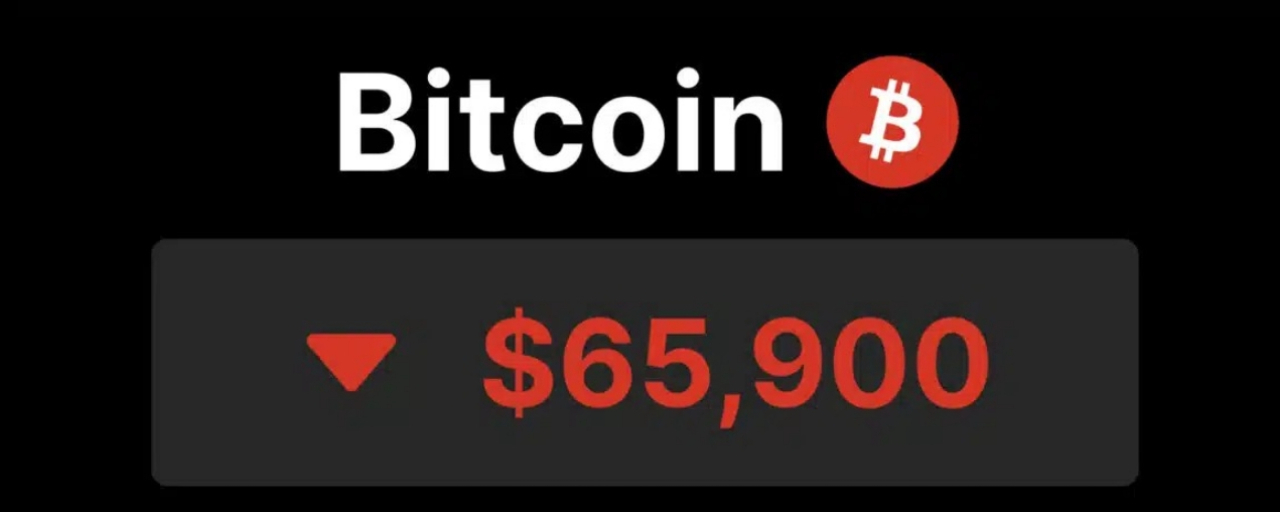
Bitcoin below $66,000: Alphabet's results will decide the AI tradeBitcoin ( BTC ) is trading around $65,900 this Wednesday, slightly down from $66,900 reached the previous day, its highest level since June 16. The weekly gain remains at 1.5%, but the market is holding its breath: Alphabet , Google 's parent company , will release its quarterly results after the close of Wall Street. And the entire bet on artificial intelligence is coming under scrutiny.
Why does Bitcoin follow AI values?
For the past month, the price of Bitcoin has been moving in tandem with the semiconductor sector: it rises when chip manufacturers' prices rise, and it falls when they decline. There are two reasons for this. First, the same appetite for risk fuels both markets. Second, some Bitcoin miners have transitioned into operating data centers dedicated to AI, thus linking their fate to that of the sector.
This correlation held true again on Wednesday. The two-day rebound in semiconductor stocks stalled as investors awaited Alphabet's announcement. Nasdaq 100 futures were down 0.8%, the South Korean Kospi index gave back a significant portion of its morning gains, and tech stocks continued to lag in Europe. Bitcoin, true to its correlation, remained flat.
Bitcoin below $66,000: Alphabet's results will decide the AI trade
Bitcoin ( BTC ) is trading around $65,900 this Wednesday, slightly down from $66,900 reached the previous day, its highest level since June 16. The weekly gain remains at 1.5%, but the market is holding its breath: Alphabet , Google 's parent company , will release its quarterly results after the close of Wall Street. And the entire bet on artificial intelligence is coming under scrutiny.
Why does Bitcoin follow AI values?
For the past month, the price of Bitcoin has been moving in tandem with the semiconductor sector: it rises when chip manufacturers' prices rise, and it falls when they decline. There are two reasons for this. First, the same appetite for risk fuels both markets. Second, some Bitcoin miners have transitioned into operating data centers dedicated to AI, thus linking their fate to that of the sector.
This correlation held true again on Wednesday. The two-day rebound in semiconductor stocks stalled as investors awaited Alphabet's announcement. Nasdaq 100 futures were down 0.8%, the South Korean Kospi index gave back a significant portion of its morning gains, and tech stocks continued to lag in Europe. Bitcoin, true to its correlation, remained flat.
Why does Bitcoin follow AI values?
For the past month, the price of Bitcoin has been moving in tandem with the semiconductor sector: it rises when chip manufacturers' prices rise, and it falls when they decline. There are two reasons for this. First, the same appetite for risk fuels both markets. Second, some Bitcoin miners have transitioned into operating data centers dedicated to AI, thus linking their fate to that of the sector.
This correlation held true again on Wednesday. The two-day rebound in semiconductor stocks stalled as investors awaited Alphabet's announcement. Nasdaq 100 futures were down 0.8%, the South Korean Kospi index gave back a significant portion of its morning gains, and tech stocks continued to lag in Europe. Bitcoin, true to its correlation, remained flat.
1
257
ماهي الأسهمتعريف الأسهم ومثال عليها
تمثل الأسهم ملكية في شركة مدرجة في البورصة. عند شراء أسهم شركة ما، تصبح شريكًا فيها. على سبيل المثال، إذا كان لدى شركة ما 100,000 سهم، وقمت بشراء 1,000 سهم منها، فإنك تمتلك 1% من الشركة. تتيح لك ملكية الأسهم تحقيق ربح أكبر من نمو الشركة، وتمنحك حقوق التصويت كمساهم. ومن الأسماء الأخرى للأسهم: الحصص، وحقوق الملكية.
أهم النقاط
تمثل الأسهم وحدات ملكية في شركة.تتمثل الطرق الرئيسية لكسب المال من الأسهم في زيادة سعر السهم وتوزيعات الأرباح.يمكن تصنيف الأسهم حسب القطاع أو التقييم أو القيمة.كيف تعمل الأسهم
تبيع الشركات أسهمها للحصول على تمويل إضافي لتنمية أعمالها، أو إطلاق منتجات جديدة، أو سداد ديونها. تُسمى أول مرة تُصدر فيها الشركة أسهمها للجمهور "الاكتتاب العام الأولي" (IPO). بعد الاكتتاب العام الأولي، يُمكن للمساهمين إعادة بيع أسهمهم في سوق الأوراق المالية ، حيث تتحدد الأسعار وفقًا للعرض والطلب.
كلما زاد عدد الأسهم المعروضة للبيع، انخفض سعرها. وكلما زاد عدد المشترين، ارتفع سعر السهم. عمومًا، يشتري الناس أو يبيعون الأسهم بناءً على توقعات أرباح الشركات. فإذا اعتقد المتداولون أن أرباح شركة ما مرتفعة أو أنها سترتفع أكثر، فإنهم يرفعون سعر السهم.
إحدى طرق تحقيق المساهمين لعائد على استثماراتهم هي بيع الأسهم بسعر أعلى من سعر شرائها. فإذا لم تحقق الشركة أداءً جيدًا، وانخفضت قيمة أسهمها، فقد تخسر جزءًا من استثمارك، أو حتى كله، عند البيع.
يُعرف الربح الناتج عن بيع الأسهم باسم "الأرباح الرأسمالية.
أما الطريقة الأخرى التي يحقق بها المساهمون أرباحهم فهي من خلال توزيعات الأرباح. وهي عبارة عن دفعات ربع سنوية تُوزع على أساس كل سهم من أرباح الشركة. تُعد توزيعات الأرباح وسيلة لمكافأة المساهمين - وهم المالكون الفعليون للشركة - ومشاركة الأرباح معهم مقابل استثمارهم. وتكتسب توزيعات الأرباح أهمية خاصة للشركات المربحة التي لا تشهد نموًا متسارعًا، وذلك لأحد الأسباب التالية:
التواجد في مرحلة ناضجة أو مستقرة في دورة حياة الشركة
نوع الصناعة التي يعملون فيها (على سبيل المثال، المرافق العامة مقابل التكنولوجيا
غالباً ما تُعرف الأسهم التي تدفع أرباحاً شائعة باسم أسهم القيمة أو الأسهم الممتازة.
أما الطريقة الثالثة والأكثر خطورة لتحقيق الربح من الأسهم فهي من المشتقات المالية ، التي تستمد قيمتها من الأصول الأساسية، مثل الأسهم والسندات.
تمنحك خيارات الأسهم خيار شراء أو بيع سهم بسعر معين بحلول تاريخ متفق عليه.
خيار الشراء هو الحق في شراء سهم بسعر محدد. عندما يرتفع سعر السهم، تربح من خلال شرائه بالسعر الأدنى المحدد وبيعه بسعر اليوم. أما خيار البيع فهو الحق في بيع السهم بسعر محدد. تربح عندما ينخفض سعر السهم. في هذه الحالة، تشتريه بسعر الغد الأدنى وتبيعه بالسعر الأعلى المتفق عليه.
سينصحك معظم المخططين الماليين بالالتزام بشراء الأسهم والاحتفاظ بها على المدى الطويل ضمن محفظة متنوعة لتحقيق أعلى عائد بأقل قدر من المخاطر.
الأنواع الرئيسية للأسهم
هناك نوعان رئيسيان من الأسهم: الأسهم العادية والأسهم الممتازة .
الأسهم العادية
تُتابع أسهم الشركات العادية في مؤشري داو جونز الصناعي وستاندرد آند بورز 500. وتعتمد قيمتها على وقت تداولها. ويحق لمالكي هذه الأسهم التصويت على شؤون الشركة، مثل مجلس الإدارة وعمليات الاندماج والاستحواذ.
ومع ذلك، إذا أفلست شركة ما وقامت بتصفية أصولها، فإن مالكي الأسهم العادية هم آخر من يحصل على المدفوعات، بعد حاملي سندات الشركة وحاملي الأسهم الممتازة.
الأسهم الممتازة
تمثل الأسهم الممتازة حصة ملكية في الشركة، ولكن دون حقوق تصويت. يعرف حاملوها مقدار العائد المتوقع من الأرباح الموزعة بدقة لأن مدفوعات أرباحهم ثابتة. ويمكن تحويل الأسهم الممتازة إلى شكل آخر من أشكال الملكية.
أنواع أخرى من الأسهم
إلى جانب تلك التصنيفات الأساسية، توجد طرق أخرى لتصنيف الأسهم.
قطاعات صناعة الأسهم
يمكنك أيضًا تصنيف الأسهم بناءً على خصائص الشركات التي أصدرتها. تلبي هذه التصنيفات المختلفة الاحتياجات المتنوعة للمساهمين. يمكن تصنيف الأسهم حسب القطاع الصناعي، بما في ذلك:
المواد الأساسية: الشركات التي تستخرج الموارد الطبيعيةالتكتلات: شركات عالمية في مختلف الصناعاتالسلع الاستهلاكية: الشركات التي توفر السلع لبيعها بالتجزئة للجمهور.القطاع المالي: البنوك وشركات التأمين وشركات العقاراتالرعاية الصحية: مقدمو خدمات الرعاية الصحية، وشركات التأمين الصحي، وموردي المعدات الطبية، وشركات الأدويةالسلع الصناعية: شركات التصنيعالخدمات: الشركات التي توفر المنتجات للمستهلكينالتكنولوجيا: أجهزة الكمبيوتر والبرمجياتالمرافق العامة: شركات الكهرباء والغاز والمياه
ماهي الأسهم
تعريف الأسهم ومثال عليها
تمثل الأسهم ملكية في شركة مدرجة في البورصة. عند شراء أسهم شركة ما، تصبح شريكًا فيها. على سبيل المثال، إذا كان لدى شركة ما 100,000 سهم، وقمت بشراء 1,000 سهم منها، فإنك تمتلك 1% من الشركة. تتيح لك ملكية الأسهم تحقيق ربح أكبر من نمو الشركة، وتمنحك حقوق التصويت كمساهم. ومن الأسماء الأخرى للأسهم: الحصص، وحقوق الملكية.
أهم النقاط
تمثل الأسهم وحدات ملكية في شركة.تتمثل الطرق الرئيسية لكسب المال من الأسهم في زيادة سعر السهم وتوزيعات الأرباح.يمكن تصنيف الأسهم حسب القطاع أو التقييم أو القيمة.كيف تعمل الأسهم
تبيع الشركات أسهمها للحصول على تمويل إضافي لتنمية أعمالها، أو إطلاق منتجات جديدة، أو سداد ديونها. تُسمى أول مرة تُصدر فيها الشركة أسهمها للجمهور "الاكتتاب العام الأولي" (IPO). بعد الاكتتاب العام الأولي، يُمكن للمساهمين إعادة بيع أسهمهم في سوق الأوراق المالية ، حيث تتحدد الأسعار وفقًا للعرض والطلب.
كلما زاد عدد الأسهم المعروضة للبيع، انخفض سعرها. وكلما زاد عدد المشترين، ارتفع سعر السهم. عمومًا، يشتري الناس أو يبيعون الأسهم بناءً على توقعات أرباح الشركات. فإذا اعتقد المتداولون أن أرباح شركة ما مرتفعة أو أنها سترتفع أكثر، فإنهم يرفعون سعر السهم.
إحدى طرق تحقيق المساهمين لعائد على استثماراتهم هي بيع الأسهم بسعر أعلى من سعر شرائها. فإذا لم تحقق الشركة أداءً جيدًا، وانخفضت قيمة أسهمها، فقد تخسر جزءًا من استثمارك، أو حتى كله، عند البيع.
يُعرف الربح الناتج عن بيع الأسهم باسم "الأرباح الرأسمالية.
أما الطريقة الأخرى التي يحقق بها المساهمون أرباحهم فهي من خلال توزيعات الأرباح. وهي عبارة عن دفعات ربع سنوية تُوزع على أساس كل سهم من أرباح الشركة. تُعد توزيعات الأرباح وسيلة لمكافأة المساهمين - وهم المالكون الفعليون للشركة - ومشاركة الأرباح معهم مقابل استثمارهم. وتكتسب توزيعات الأرباح أهمية خاصة للشركات المربحة التي لا تشهد نموًا متسارعًا، وذلك لأحد الأسباب التالية:
التواجد في مرحلة ناضجة أو مستقرة في دورة حياة الشركة
نوع الصناعة التي يعملون فيها (على سبيل المثال، المرافق العامة مقابل التكنولوجيا
غالباً ما تُعرف الأسهم التي تدفع أرباحاً شائعة باسم أسهم القيمة أو الأسهم الممتازة.
أما الطريقة الثالثة والأكثر خطورة لتحقيق الربح من الأسهم فهي من المشتقات المالية ، التي تستمد قيمتها من الأصول الأساسية، مثل الأسهم والسندات.
تمنحك خيارات الأسهم خيار شراء أو بيع سهم بسعر معين بحلول تاريخ متفق عليه.
خيار الشراء هو الحق في شراء سهم بسعر محدد. عندما يرتفع سعر السهم، تربح من خلال شرائه بالسعر الأدنى المحدد وبيعه بسعر اليوم. أما خيار البيع فهو الحق في بيع السهم بسعر محدد. تربح عندما ينخفض سعر السهم. في هذه الحالة، تشتريه بسعر الغد الأدنى وتبيعه بالسعر الأعلى المتفق عليه.
سينصحك معظم المخططين الماليين بالالتزام بشراء الأسهم والاحتفاظ بها على المدى الطويل ضمن محفظة متنوعة لتحقيق أعلى عائد بأقل قدر من المخاطر.
الأنواع الرئيسية للأسهم
هناك نوعان رئيسيان من الأسهم: الأسهم العادية والأسهم الممتازة .
الأسهم العادية
تُتابع أسهم الشركات العادية في مؤشري داو جونز الصناعي وستاندرد آند بورز 500. وتعتمد قيمتها على وقت تداولها. ويحق لمالكي هذه الأسهم التصويت على شؤون الشركة، مثل مجلس الإدارة وعمليات الاندماج والاستحواذ.
ومع ذلك، إذا أفلست شركة ما وقامت بتصفية أصولها، فإن مالكي الأسهم العادية هم آخر من يحصل على المدفوعات، بعد حاملي سندات الشركة وحاملي الأسهم الممتازة.
الأسهم الممتازة
تمثل الأسهم الممتازة حصة ملكية في الشركة، ولكن دون حقوق تصويت. يعرف حاملوها مقدار العائد المتوقع من الأرباح الموزعة بدقة لأن مدفوعات أرباحهم ثابتة. ويمكن تحويل الأسهم الممتازة إلى شكل آخر من أشكال الملكية.
أنواع أخرى من الأسهم
إلى جانب تلك التصنيفات الأساسية، توجد طرق أخرى لتصنيف الأسهم.
قطاعات صناعة الأسهم
يمكنك أيضًا تصنيف الأسهم بناءً على خصائص الشركات التي أصدرتها. تلبي هذه التصنيفات المختلفة الاحتياجات المتنوعة للمساهمين. يمكن تصنيف الأسهم حسب القطاع الصناعي، بما في ذلك:
المواد الأساسية: الشركات التي تستخرج الموارد الطبيعيةالتكتلات: شركات عالمية في مختلف الصناعاتالسلع الاستهلاكية: الشركات التي توفر السلع لبيعها بالتجزئة للجمهور.القطاع المالي: البنوك وشركات التأمين وشركات العقاراتالرعاية الصحية: مقدمو خدمات الرعاية الصحية، وشركات التأمين الصحي، وموردي المعدات الطبية، وشركات الأدويةالسلع الصناعية: شركات التصنيعالخدمات: الشركات التي توفر المنتجات للمستهلكينالتكنولوجيا: أجهزة الكمبيوتر والبرمجياتالمرافق العامة: شركات الكهرباء والغاز والمياه
تمثل الأسهم ملكية في شركة مدرجة في البورصة. عند شراء أسهم شركة ما، تصبح شريكًا فيها. على سبيل المثال، إذا كان لدى شركة ما 100,000 سهم، وقمت بشراء 1,000 سهم منها، فإنك تمتلك 1% من الشركة. تتيح لك ملكية الأسهم تحقيق ربح أكبر من نمو الشركة، وتمنحك حقوق التصويت كمساهم. ومن الأسماء الأخرى للأسهم: الحصص، وحقوق الملكية.
أهم النقاط
تمثل الأسهم وحدات ملكية في شركة.تتمثل الطرق الرئيسية لكسب المال من الأسهم في زيادة سعر السهم وتوزيعات الأرباح.يمكن تصنيف الأسهم حسب القطاع أو التقييم أو القيمة.كيف تعمل الأسهم
تبيع الشركات أسهمها للحصول على تمويل إضافي لتنمية أعمالها، أو إطلاق منتجات جديدة، أو سداد ديونها. تُسمى أول مرة تُصدر فيها الشركة أسهمها للجمهور "الاكتتاب العام الأولي" (IPO). بعد الاكتتاب العام الأولي، يُمكن للمساهمين إعادة بيع أسهمهم في سوق الأوراق المالية ، حيث تتحدد الأسعار وفقًا للعرض والطلب.
كلما زاد عدد الأسهم المعروضة للبيع، انخفض سعرها. وكلما زاد عدد المشترين، ارتفع سعر السهم. عمومًا، يشتري الناس أو يبيعون الأسهم بناءً على توقعات أرباح الشركات. فإذا اعتقد المتداولون أن أرباح شركة ما مرتفعة أو أنها سترتفع أكثر، فإنهم يرفعون سعر السهم.
إحدى طرق تحقيق المساهمين لعائد على استثماراتهم هي بيع الأسهم بسعر أعلى من سعر شرائها. فإذا لم تحقق الشركة أداءً جيدًا، وانخفضت قيمة أسهمها، فقد تخسر جزءًا من استثمارك، أو حتى كله، عند البيع.
يُعرف الربح الناتج عن بيع الأسهم باسم "الأرباح الرأسمالية.
أما الطريقة الأخرى التي يحقق بها المساهمون أرباحهم فهي من خلال توزيعات الأرباح. وهي عبارة عن دفعات ربع سنوية تُوزع على أساس كل سهم من أرباح الشركة. تُعد توزيعات الأرباح وسيلة لمكافأة المساهمين - وهم المالكون الفعليون للشركة - ومشاركة الأرباح معهم مقابل استثمارهم. وتكتسب توزيعات الأرباح أهمية خاصة للشركات المربحة التي لا تشهد نموًا متسارعًا، وذلك لأحد الأسباب التالية:
التواجد في مرحلة ناضجة أو مستقرة في دورة حياة الشركة
نوع الصناعة التي يعملون فيها (على سبيل المثال، المرافق العامة مقابل التكنولوجيا
غالباً ما تُعرف الأسهم التي تدفع أرباحاً شائعة باسم أسهم القيمة أو الأسهم الممتازة.
أما الطريقة الثالثة والأكثر خطورة لتحقيق الربح من الأسهم فهي من المشتقات المالية ، التي تستمد قيمتها من الأصول الأساسية، مثل الأسهم والسندات.
تمنحك خيارات الأسهم خيار شراء أو بيع سهم بسعر معين بحلول تاريخ متفق عليه.
خيار الشراء هو الحق في شراء سهم بسعر محدد. عندما يرتفع سعر السهم، تربح من خلال شرائه بالسعر الأدنى المحدد وبيعه بسعر اليوم. أما خيار البيع فهو الحق في بيع السهم بسعر محدد. تربح عندما ينخفض سعر السهم. في هذه الحالة، تشتريه بسعر الغد الأدنى وتبيعه بالسعر الأعلى المتفق عليه.
سينصحك معظم المخططين الماليين بالالتزام بشراء الأسهم والاحتفاظ بها على المدى الطويل ضمن محفظة متنوعة لتحقيق أعلى عائد بأقل قدر من المخاطر.
الأنواع الرئيسية للأسهم
هناك نوعان رئيسيان من الأسهم: الأسهم العادية والأسهم الممتازة .
الأسهم العادية
تُتابع أسهم الشركات العادية في مؤشري داو جونز الصناعي وستاندرد آند بورز 500. وتعتمد قيمتها على وقت تداولها. ويحق لمالكي هذه الأسهم التصويت على شؤون الشركة، مثل مجلس الإدارة وعمليات الاندماج والاستحواذ.
ومع ذلك، إذا أفلست شركة ما وقامت بتصفية أصولها، فإن مالكي الأسهم العادية هم آخر من يحصل على المدفوعات، بعد حاملي سندات الشركة وحاملي الأسهم الممتازة.
الأسهم الممتازة
تمثل الأسهم الممتازة حصة ملكية في الشركة، ولكن دون حقوق تصويت. يعرف حاملوها مقدار العائد المتوقع من الأرباح الموزعة بدقة لأن مدفوعات أرباحهم ثابتة. ويمكن تحويل الأسهم الممتازة إلى شكل آخر من أشكال الملكية.
أنواع أخرى من الأسهم
إلى جانب تلك التصنيفات الأساسية، توجد طرق أخرى لتصنيف الأسهم.
قطاعات صناعة الأسهم
يمكنك أيضًا تصنيف الأسهم بناءً على خصائص الشركات التي أصدرتها. تلبي هذه التصنيفات المختلفة الاحتياجات المتنوعة للمساهمين. يمكن تصنيف الأسهم حسب القطاع الصناعي، بما في ذلك:
المواد الأساسية: الشركات التي تستخرج الموارد الطبيعيةالتكتلات: شركات عالمية في مختلف الصناعاتالسلع الاستهلاكية: الشركات التي توفر السلع لبيعها بالتجزئة للجمهور.القطاع المالي: البنوك وشركات التأمين وشركات العقاراتالرعاية الصحية: مقدمو خدمات الرعاية الصحية، وشركات التأمين الصحي، وموردي المعدات الطبية، وشركات الأدويةالسلع الصناعية: شركات التصنيعالخدمات: الشركات التي توفر المنتجات للمستهلكينالتكنولوجيا: أجهزة الكمبيوتر والبرمجياتالمرافق العامة: شركات الكهرباء والغاز والمياه
89
ما هي العملة الرقمية المستقرة (Stablecoin) التي سيتم استخدامها لتسوية الأرباح والخسائر (Settlement Asset) في هذه العقود الجديدة؟
(أ) FDUSD
(ب) USDC
(ج) USDT
ما هي العملة الرقمية المستقرة (Stablecoin) التي سيتم استخدامها لتسوية الأرباح والخسائر (Settlement Asset) في هذه العقود الجديدة؟
(أ) FDUSD
(ب) USDC
(ج) USDT
(أ) FDUSD
(ب) USDC
(ج) USDT
1
62
ما هي أقصى رافعة مالية (Leverage) يمكن استخدامها عند تداول عقد DRAMUSDT؟
(أ) 10x
(ب) 20x
(ج) 50x
ما هي أقصى رافعة مالية (Leverage) يمكن استخدامها عند تداول عقد DRAMUSDT؟
(أ) 10x
(ب) 20x
(ج) 50x
(أ) 10x
(ب) 20x
(ج) 50x
1
86
أعلنت Binance عن إطلاق العقود الجديدة يوم 18 مايو 2026. كم عدد العقود الجديدة التي سيتم إطلاقها في هذا اليوم؟
(أ) عقد واحد
(ب) عقدين
(ج) ثلاثة عقود
أعلنت Binance عن إطلاق العقود الجديدة يوم 18 مايو 2026. كم عدد العقود الجديدة التي سيتم إطلاقها في هذا اليوم؟
(أ) عقد واحد
(ب) عقدين
(ج) ثلاثة عقود
(أ) عقد واحد
(ب) عقدين
(ج) ثلاثة عقود
1
83
Log in to explore more content
Join global crypto users on Binance Square
⚡️ Get latest and useful information about crypto.
💬 Trusted by the world’s largest crypto exchange.
👍 Discover real insights from verified creators.
Email / Phone number
Trending Topics
BinancePick
3.3M views
160,467 Discussing
Join #EarningsSeason: Predict Earnings on Binance Pick, Share Your Take on Binance Square!
Binance Square Official
·417 Likes
·344.4k views
EarningsSeason
5.4M views
26,474 Discussing
StrategySkipsBitcoinPurchasesSpends$205MOnSTRCBuybacks
6 views
2 Discussing