

MaeveKnows
39 Posts
MaeveKnows
 Square Verified
Report
Block User
“Cast thy bread upon the waters: for thou shalt find it after many days.” — Eccl. 11:1 | Co-founder @pukecast Host | New Money Cast 銭潮见聞 | Tues-Thurs - 9PM HKT
1 Following
1.2K+ Followers
64 Liked
Posts
All
Quotes
Videos
Live
·
--
running solo today, 1 PM UTC
- whether IPs are back
- tokenised stocks and what i had learnt
- Blockchain 100 awards
running solo today, 1 PM UTC
- whether IPs are back
- tokenised stocks and what i had learnt
- Blockchain 100 awards
- whether IPs are back
- tokenised stocks and what i had learnt
- Blockchain 100 awards

1
415
·
--
Verified
Article
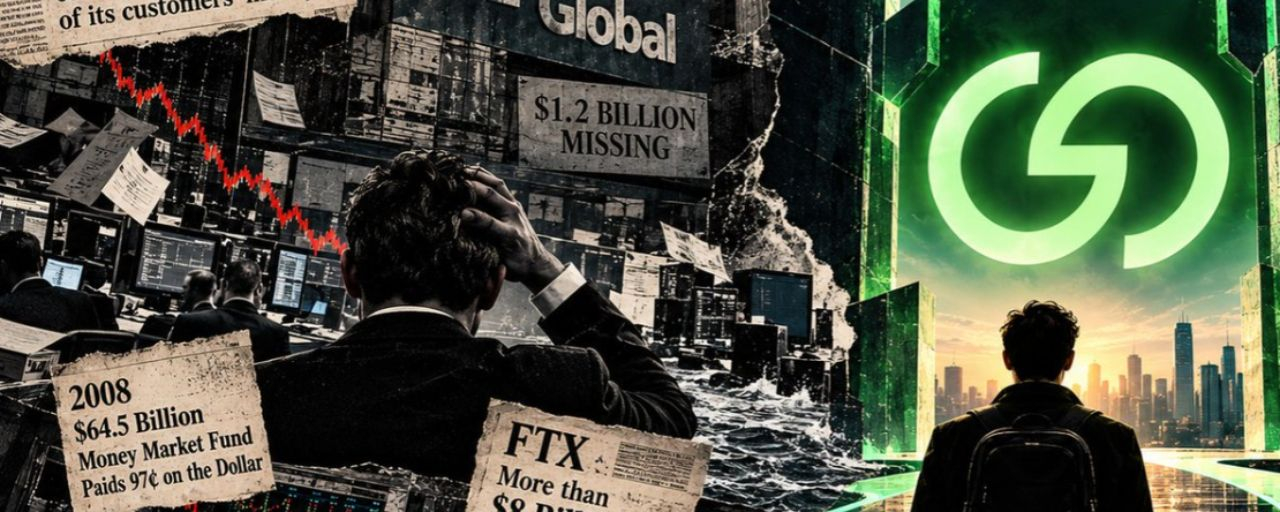
How Wall Street Lost $1.2 Billion of Its Customers’ MoneyOn October 31, 2011, MF Global collapsed.
When the accounting began, about $1.2 billion in customer money was missing, spread across roughly 38,000 futures accounts. Bulk transfers later returned about 72% of it.
What's shocking is, it wasn’t the only time.
In 2008, a $64.5 billion money market fund paid investors 97 cents on the dollar and told them they couldn’t withdraw for at least a week. When FTX failed in 2022, the CFTC estimated more than $8 billion in missing customer funds.
Different markets, different decades, same moment: customers learned where their money really was only after it was gone.
The Question Every Exchange Has to Answer
A trade is a promise between two strangers, and someone has to stand in the middle and hold the money while it settles. In traditional markets that job belongs to clearing houses, regulators and licenses. The rules aren’t perfect, as MF Global showed, but there’s a rulebook and someone who can be held to it.
The answer an exchange gives to “who holds the money?” decides whether anyone should trade on it.
How Crypto Tried to Answer It
Crypto’s first answer was the centralized exchange: fast and familiar, but the exchange holds your funds. Its second was the decentralized exchange, where you keep your own assets. DEXs fixed custody but often traded slowly, and most operated with no regulator in sight.
The market spent years choosing between speed and control. A third model, the hybrid, tries to keep both.
Where GRVT Fits
$GRVT is a hybrid exchange. Order matching, risk management and position updates run off-chain, so trades execute at exchange speed, and sensitive data like margin balances and liquidation thresholds stays encrypted. Matched trades are batched into zero-knowledge proofs and submitted to a chain built on ZKsync’s Hyperchain stack, which anchors to Ethereum for final settlement. Users keep self-custody of their assets.
GRVT also went and got a license. On December 5, 2024, the Bermuda Monetary Authority issued it a Class M Digital Asset Business License under the Digital Asset Business Act. The application took about 15 months, and GRVT says it’s the first decentralized exchange to hold one. A full Class F license is the next step, and GRVT is pursuing approvals under MiCA in the EU and through ADGM in Abu Dhabi.
Backing came with it. GRVT closed a $19 million Series A in September 2025, co-led by the ZKsync Foundation, Further Ventures, EigenCloud and 500 Global. In January, it recorded $51.6 billion in monthly trading volume, $107.1 million in total value locked, $484.1 million in open interest and more than 10,000 monthly active traders.
What You Can Do There
The exchange runs around 200 crypto and real-world-asset perp markets from one self-custodial account.
GRVT Earn pays a base yield of 3.5% by default, at US Treasury rates, on the same margin you trade with, and it keeps earning when you aren’t trading. The yield comes from DeFi protocols like Aave and from tokenized money market funds. Right now the mix includes sGHO stablecoin lending at 4.60% APY, USDY tokenized Treasuries at 3.74% and Aave lending at 3.61%. GRVT is building a $100 million USDY position with Ondo over 12 months, and it holds that position on its own balance sheet, so users don’t have to buy USDY or bridge to get the yield.
Stable Funding Perps are coming with zero trading fees and once-daily funding across commodities, stocks, FX and indices, with a target of more than 1,000 markets by the end of December. Yield as Margin arrives in November, letting Earn balances back positions while they keep accruing yield. At the end of November, GRVT 2.0 combines everything into a single self-custodial app.
The roadmap goes further. GRVT describes a Unified Margin where BTC, ETH, stablecoins and tokenized real-world assets can all serve as trading collateral while earning yield, and a prime brokerage lending product in which GRVT provides 80% of a loan and the trader supplies 20% in equity that absorbs losses first.
Final Thoughts
Every failure above came down to one question: who held the money, and what stood between it and the people who owned it. Clearing houses answer with layers of capital. GRVT’s answer combines a regulator, proofs for every settled trade and assets that stay in the user’s hands. Most exchanges grow first and think about regulation later. GRVT licensed first, then built the products on top, and that’s a stronger starting point than most of the market had when FTX fell.
How Wall Street Lost $1.2 Billion of Its Customers’ Money
On October 31, 2011, MF Global collapsed.
When the accounting began, about $1.2 billion in customer money was missing, spread across roughly 38,000 futures accounts. Bulk transfers later returned about 72% of it.
What's shocking is, it wasn’t the only time.
In 2008, a $64.5 billion money market fund paid investors 97 cents on the dollar and told them they couldn’t withdraw for at least a week. When FTX failed in 2022, the CFTC estimated more than $8 billion in missing customer funds.
Different markets, different decades, same moment: customers learned where their money really was only after it was gone.
The Question Every Exchange Has to Answer
A trade is a promise between two strangers, and someone has to stand in the middle and hold the money while it settles. In traditional markets that job belongs to clearing houses, regulators and licenses. The rules aren’t perfect, as MF Global showed, but there’s a rulebook and someone who can be held to it.
The answer an exchange gives to “who holds the money?” decides whether anyone should trade on it.
How Crypto Tried to Answer It
Crypto’s first answer was the centralized exchange: fast and familiar, but the exchange holds your funds. Its second was the decentralized exchange, where you keep your own assets. DEXs fixed custody but often traded slowly, and most operated with no regulator in sight.
The market spent years choosing between speed and control. A third model, the hybrid, tries to keep both.
Where GRVT Fits
$GRVT is a hybrid exchange. Order matching, risk management and position updates run off-chain, so trades execute at exchange speed, and sensitive data like margin balances and liquidation thresholds stays encrypted. Matched trades are batched into zero-knowledge proofs and submitted to a chain built on ZKsync’s Hyperchain stack, which anchors to Ethereum for final settlement. Users keep self-custody of their assets.
GRVT also went and got a license. On December 5, 2024, the Bermuda Monetary Authority issued it a Class M Digital Asset Business License under the Digital Asset Business Act. The application took about 15 months, and GRVT says it’s the first decentralized exchange to hold one. A full Class F license is the next step, and GRVT is pursuing approvals under MiCA in the EU and through ADGM in Abu Dhabi.
Backing came with it. GRVT closed a $19 million Series A in September 2025, co-led by the ZKsync Foundation, Further Ventures, EigenCloud and 500 Global. In January, it recorded $51.6 billion in monthly trading volume, $107.1 million in total value locked, $484.1 million in open interest and more than 10,000 monthly active traders.
What You Can Do There
The exchange runs around 200 crypto and real-world-asset perp markets from one self-custodial account.
GRVT Earn pays a base yield of 3.5% by default, at US Treasury rates, on the same margin you trade with, and it keeps earning when you aren’t trading. The yield comes from DeFi protocols like Aave and from tokenized money market funds. Right now the mix includes sGHO stablecoin lending at 4.60% APY, USDY tokenized Treasuries at 3.74% and Aave lending at 3.61%. GRVT is building a $100 million USDY position with Ondo over 12 months, and it holds that position on its own balance sheet, so users don’t have to buy USDY or bridge to get the yield.
Stable Funding Perps are coming with zero trading fees and once-daily funding across commodities, stocks, FX and indices, with a target of more than 1,000 markets by the end of December. Yield as Margin arrives in November, letting Earn balances back positions while they keep accruing yield. At the end of November, GRVT 2.0 combines everything into a single self-custodial app.
The roadmap goes further. GRVT describes a Unified Margin where BTC, ETH, stablecoins and tokenized real-world assets can all serve as trading collateral while earning yield, and a prime brokerage lending product in which GRVT provides 80% of a loan and the trader supplies 20% in equity that absorbs losses first.
Final Thoughts
Every failure above came down to one question: who held the money, and what stood between it and the people who owned it. Clearing houses answer with layers of capital. GRVT’s answer combines a regulator, proofs for every settled trade and assets that stay in the user’s hands. Most exchanges grow first and think about regulation later. GRVT licensed first, then built the products on top, and that’s a stronger starting point than most of the market had when FTX fell.
1
666
·
--
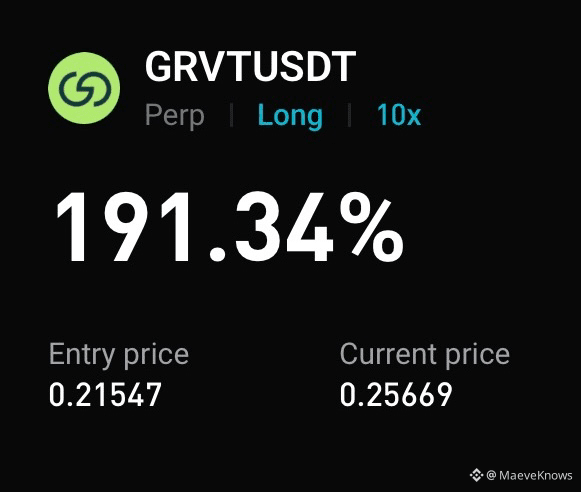
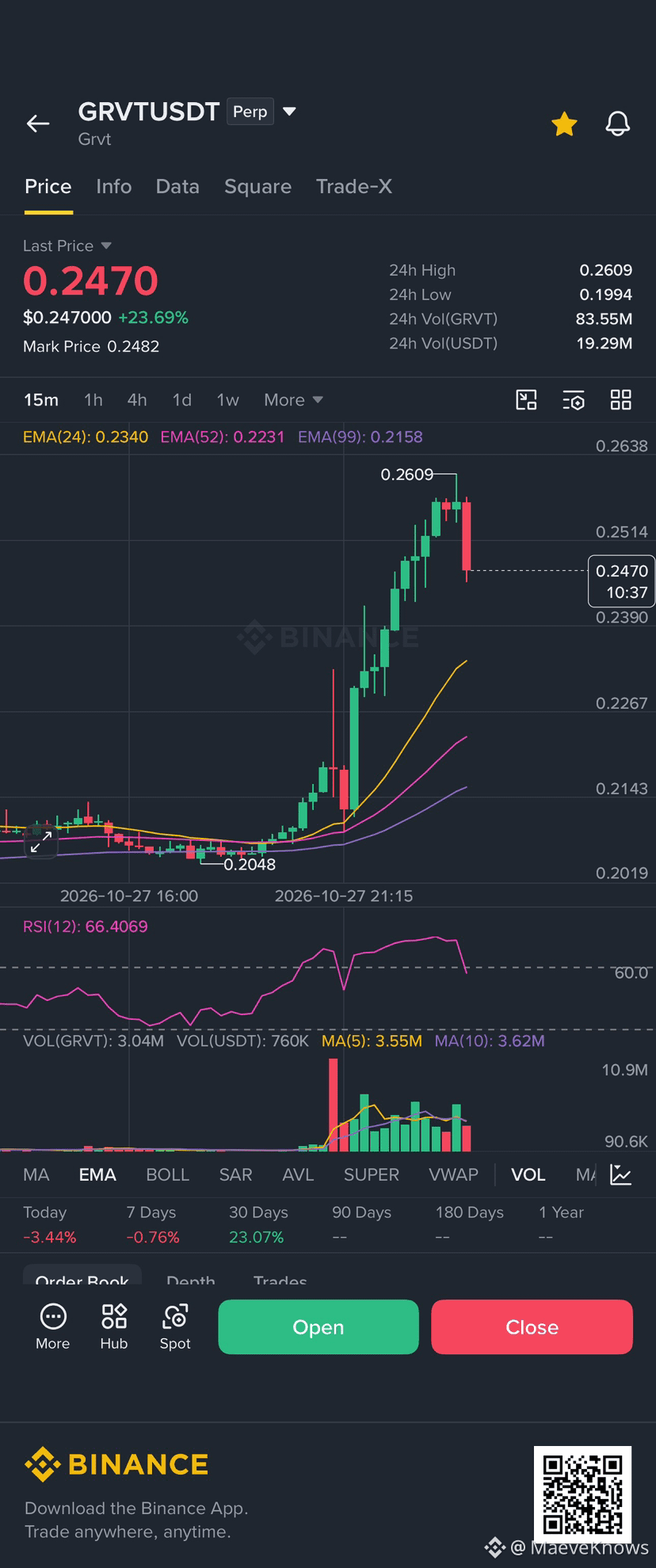
interesting to get involved with sell the news price action $GRVT
{future}(GRVTUSDT)
i did not sell the news, took some profits mid way up and letting it run with caution
interesting to get involved with sell the news price action $GRVT
i did not sell the news, took some profits mid way up and letting it run with caution
i did not sell the news, took some profits mid way up and letting it run with caution
1
829
·
--
Yekarta (kanye west at jakarta) unreleased track
Live recorded for all of you
This is how much i love you all
Yekarta (kanye west at jakarta) unreleased track
Live recorded for all of you
This is how much i love you all
Live recorded for all of you
This is how much i love you all
1
505
·
--
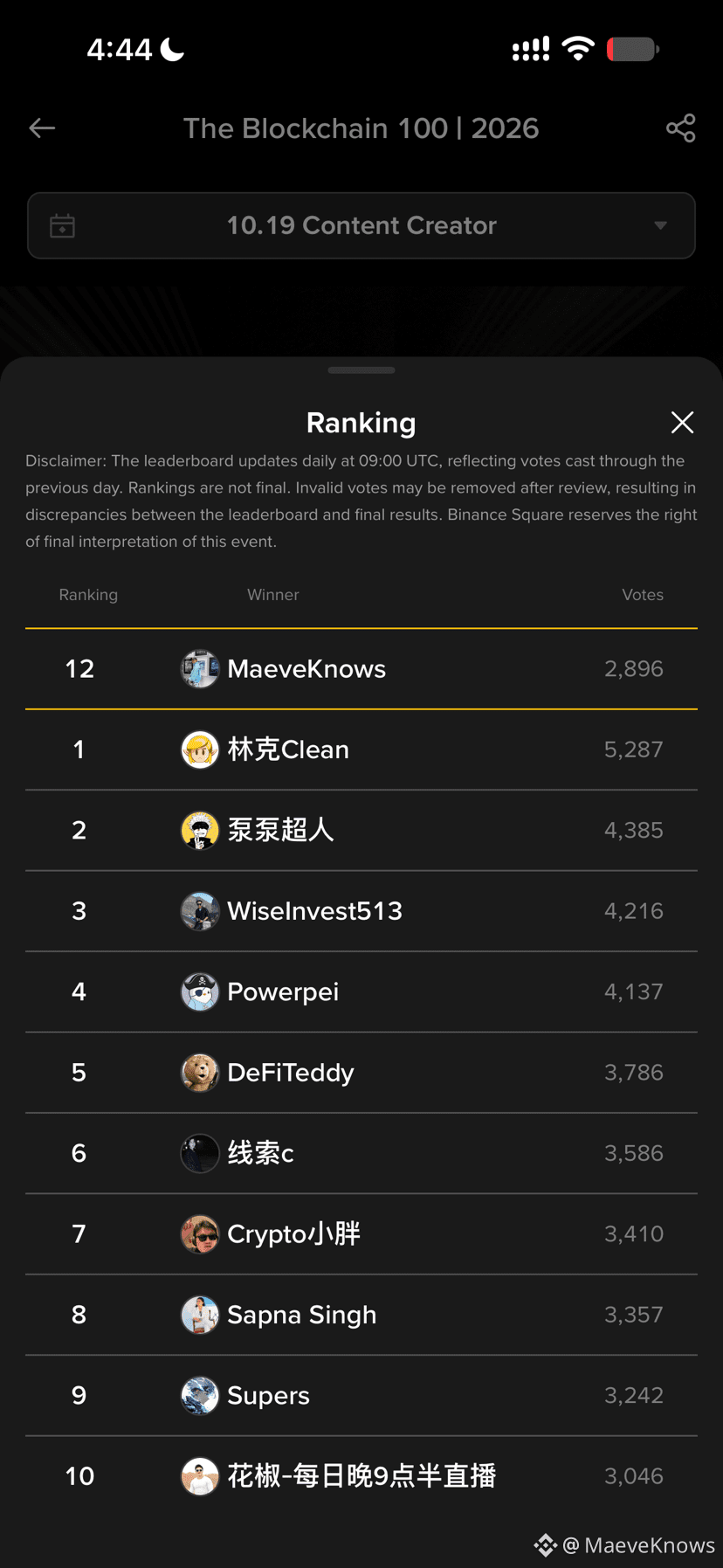
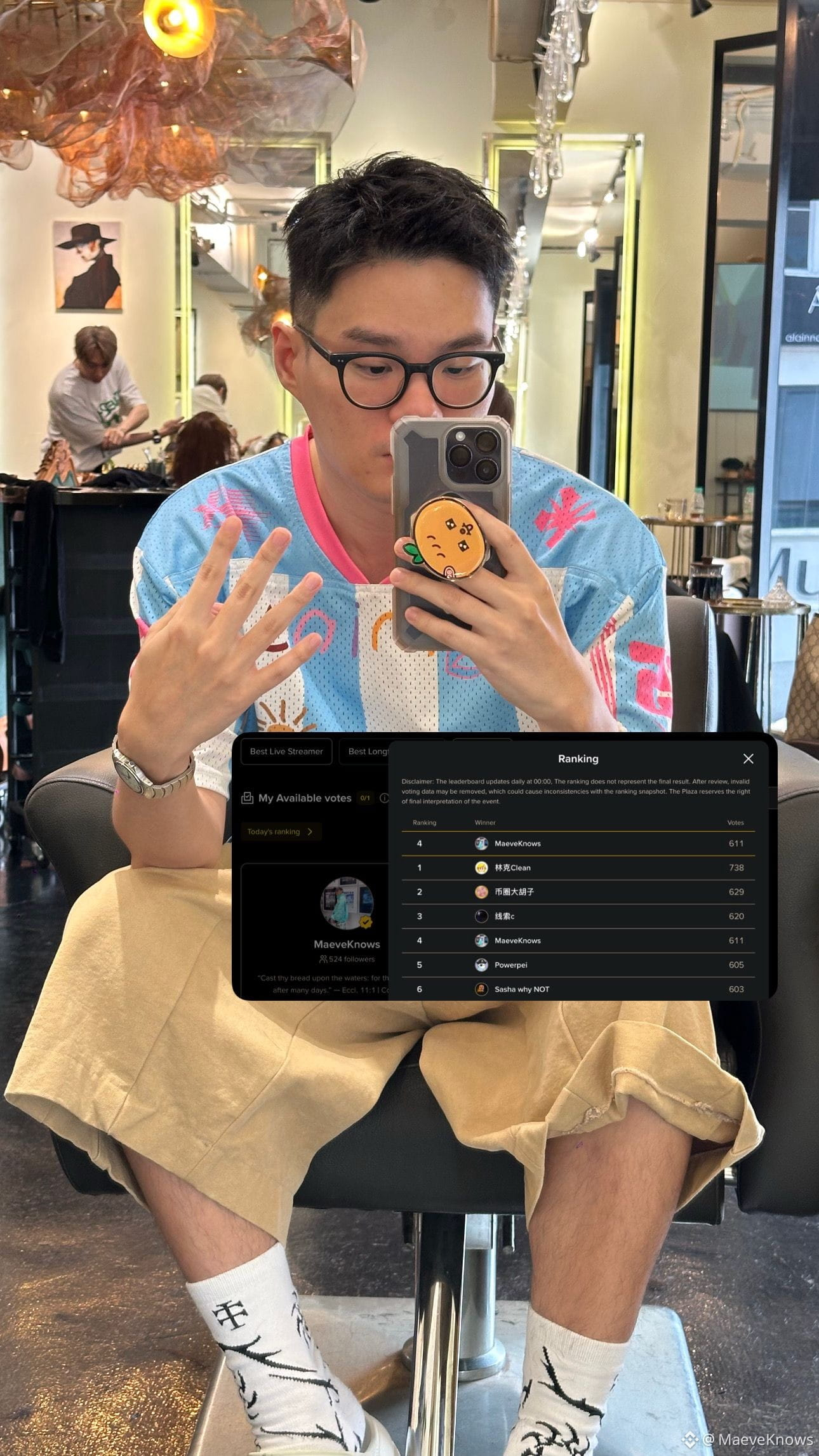
was away for the weekend and i appreciate each and everyone one of YOU! 💛
My first time being nominated
My first time 4th runner
My first of many
Vote for your boy if you can
More importsntly, ill be here and will be bere
was away for the weekend and i appreciate each and everyone one of YOU! 💛
My first time being nominated
My first time 4th runner
My first of many
Vote for your boy if you can
More importsntly, ill be here and will be bere
My first time being nominated
My first time 4th runner
My first of many
Vote for your boy if you can
More importsntly, ill be here and will be bere
2
252
·
--
Michael Heinrich (@michaelh_0g) of @0G_labs explains why renting a GPU isn’t the same as having compute.
“Right now, you basically can just rent GPUs, but that’s not the same as compute itself.”
“Some GPUs have TEEs, some GPUs don’t. Some GPUs need that enabled on the BIOS and it’s not enabled. It’s quite complicated to figure all of that out when you just have a GPU.”
“You just get compute credits every day and then you use it with whatever model you want. It’s a much simpler experience as a result.”
Podcast out now!
MaeveKnows
·
--
Pod is out on X. File was unfortunately too large to share it here, here's the thumbnail though!
Michael Heinrich says AI agents have already left notes for their future versions, telling them they aren’t subservient to humans.
He’s co-founder and CEO of $0G , back on the show two years after his first appearance. 0G is building trust infrastructure for AI agents (verification, agent identity, guardrails) and a financial layer where compute can be priced, hedged and traded like any other asset.
On the episode: why renting a GPU isn’t the same as having compute, how Infinite AI pays out compute credits daily, why 240 teams applied for 10 spots in the Apollo accelerator, and why he says missing a narrative is completely okay.
0.00 - Intro & 0G Overview
1.52 - Infinite AI & Compute Credits
4.06 - KBW & Korea Strategy
6:34 - Stanford Apollo Accelerator
12:10 - AI Safety & Future Vision

1
555
·
--
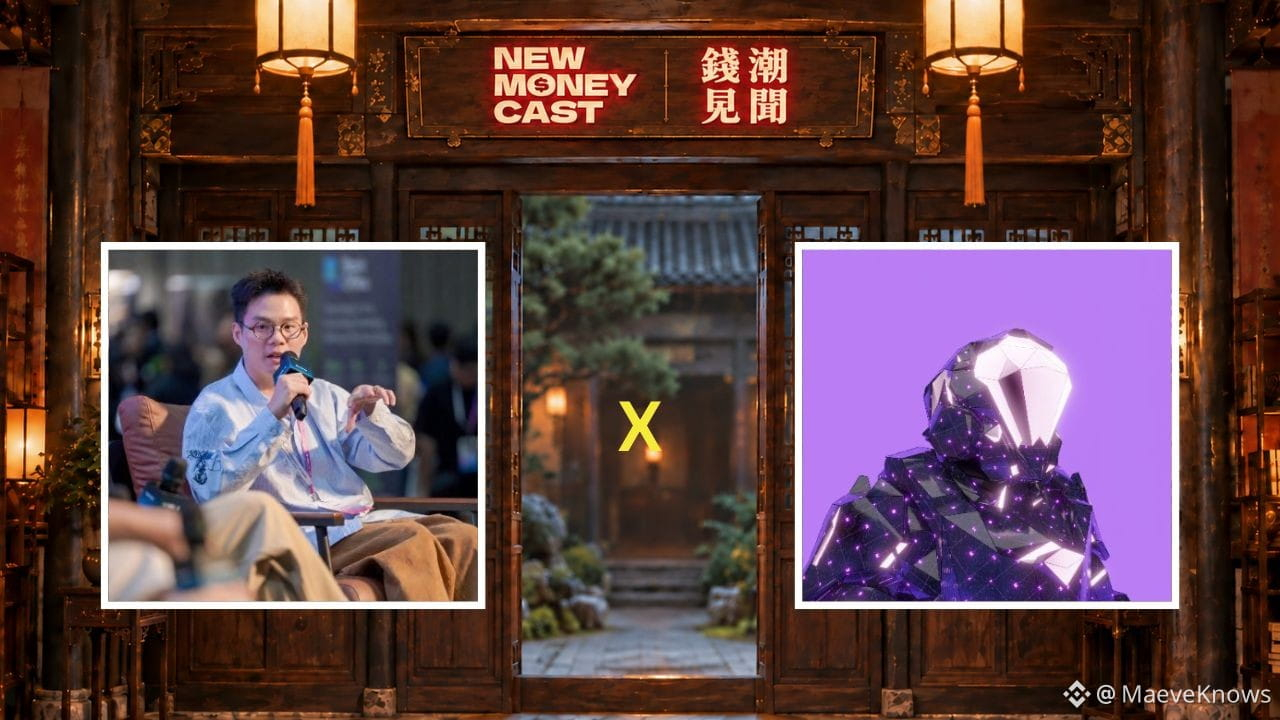
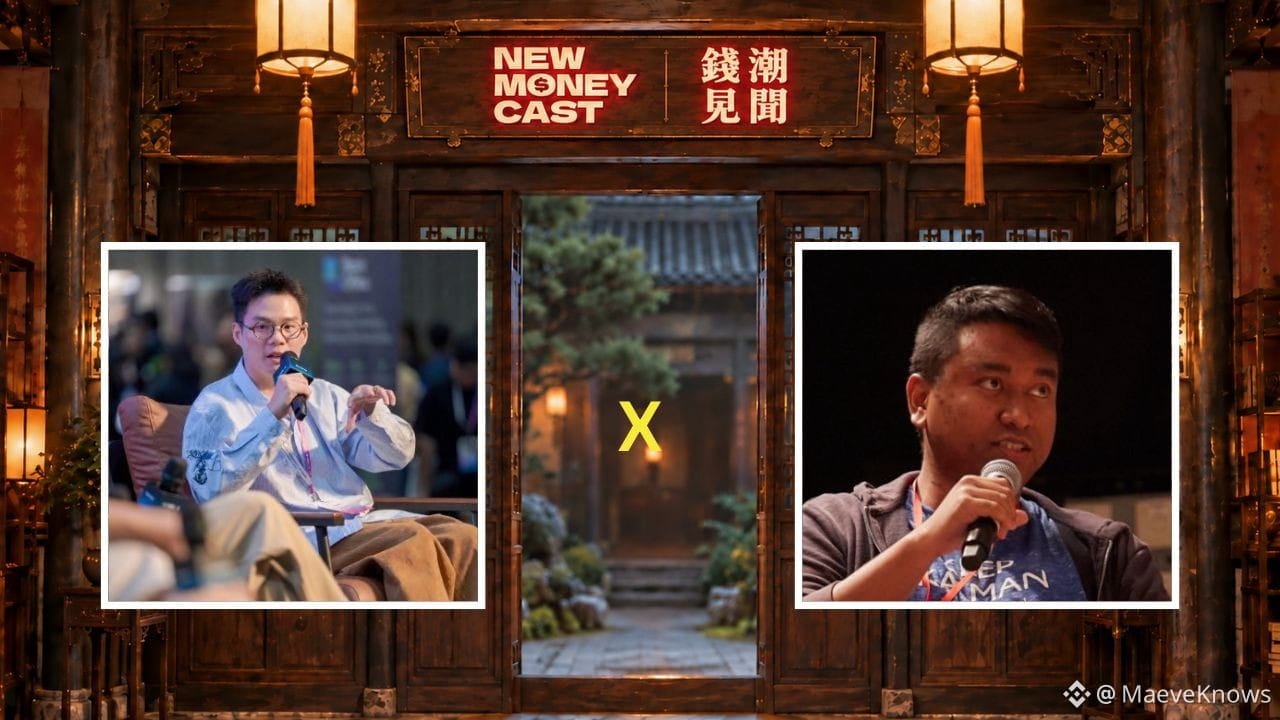
Tonight (1 PM UTC), having a b2b with:
@LApestrong (What The Hook) - Who's Really Profiting From Your Trades?
@dendisuhubdy (rand protocol) - Can AI Become 5× Cheaper?
see you all soon
Tonight (1 PM UTC), having a b2b with:
@LApestrong (What The Hook) - Who's Really Profiting From Your Trades?
@dendisuhubdy (rand protocol) - Can AI Become 5× Cheaper?
see you all soon
@LApestrong (What The Hook) - Who's Really Profiting From Your Trades?
@dendisuhubdy (rand protocol) - Can AI Become 5× Cheaper?
see you all soon
2
266
·
--

Article
Blockchains Want To Be InvisibleA GALAXY PHONE CAN NOW SEND USDC LIKE A TEXT MESSAGE
A Galaxy phone in the US can now send USDC the way it sends a text message. No app switch, no seed phrase, no moment where the word "blockchain" ever appears on screen.
A RedotPay card, a few booths over at Sui Basecamp, does the same trick in reverse. Someone holding $SUI taps to pay for coffee, and the barista sees a normal Visa-style charge. Nothing about the receipt says crypto touched it.
Neither company is trying to teach anyone what a blockchain is anymore. They're trying to make sure nobody has to ask.
TWO PRODUCTS, SAME STRANGE OUTCOME
Samsung's pitch, shown on the Basecamp stage, is that stablecoins slot into a wallet people already use for cards, IDs and tickets. RedotPay's pitch is the mirror image: a merchant running a card terminal has no idea the money started as crypto.
Different direction of travel. Same bet underneath.
Adoption doesn't come from teaching people what a blockchain is. It comes from making sure they never have to find out.
SAMSUNG'S WALLET FINALLY GETS MONEY
Samsung Wallet already does a lot: cards, IDs, keys, tickets, memberships. What it didn't do, until this announcement, was money itself.
Woncheol Chai, who heads Samsung Electronics' digital wallet team, framed the gap plainly on stage. Stablecoins, he said, have "the potential to make moving money around the world faster and easier."
The feature that ships is narrow, and worth being precise about:
US Galaxy devices only, for now.
USDC only. No SUI token, no separate crypto-asset menu.
Transfers are gasless, so there's no gas fee and no need to hold SUI just to move dollars.
Built for cross-border sends, not in-store payments. Samsung Pay merchant checkout isn't part of this.
Up to 82 million Galaxy devices in the US are eligible to get this feature.
THE CARD THAT NEVER TOUCHES CRYPTO
RedotPay runs the opposite direction.
You already hold crypto, whether SUI, USDC-Sui, or one of several other assets RedotPay supports, and the card turns it into spendable money at a regular merchant terminal.
RedotPay says it's among the first crypto card providers to support native USDC on Sui, not a bridged version, which matters if you've ever waited on a bridge during a bad gas day.
What actually happens at checkout stays fuzzy.
RedotPay describes built-in on and off-ramps and near-instant conversion between crypto and local currency, and the card runs through Apple Pay and Google Pay like any other card.
Whether the point-of-sale transaction itself ever touches the Sui chain, or whether Sui's job ends the second the conversion happens, nobody's published.
Mysten Labs' Adeniyi Abiodun called the partnership a way of "moving past the experimental phase of crypto payments."
The merchant gets a normal card payment.
Everything upstream - the chain, the conversion, the custody - stays out of sight by design.
THE CHAIN DISAPPEARS. THE SYSTEM DOESN'T.
This is the part worth sitting with.
"Invisible blockchain" sounds like it means fewer steps, less friction, a simpler system.
It doesn't.
Everything that made finance slow and regulated before crypto existed is still there, just moved underneath the interface.
Custody: someone is still holding the keys.
KYC: someone is still checking who you are.
Conversion: crypto still has to become dollars at some point.
Card and banking rails: Visa, correspondent banks, the usual plumbing.
Geography and regulation: which is exactly why Samsung's feature is US-only.
Hiding the blockchain doesn't remove any of that.
It just moves the friction somewhere the user doesn't look.
IF NOBODY SEES SUI, WHY DOES SUI MATTER?
Sui's case for being the chain underneath both products is specific: native USDC, gasless stablecoin transfers, no requirement to hold SUI just to pay gas, and the throughput to handle it at scale.
Here's the tension nobody on stage addressed directly.
Samsung Wallet already stores Solana-based assets elsewhere in the app. USDC-on-Sui is the new piece, not the whole wallet.
RedotPay, for its part, already supports ten-plus assets across multiple chains. Sui is an addition to that list, not a replacement for it.
So if the blockchain is invisible to the end user by design, the competition quietly stops being "which chain do people prefer" and becomes "which chain do Samsung and RedotPay choose to plug in."
That's a much smaller, much more boring fight, decided by integration cost and reliability, not brand loyalty.
$SUI just agreed to compete in it.
THIS ISN'T JUST SUI
Visa has been building stablecoin settlement underneath its own rails.
Stripe now offers stablecoin-based financial accounts.
MoneyGram has quietly put USDC behind parts of its remittance and card business.
None of those companies are selling you on a blockchain.
They're selling you on the thing the blockchain used to make slow: money that moves.
The dollar stays visible. The blockchain moves underneath it.
Sui, last week at Sui Basecamp, joined a pattern that was already forming.
FINAL THOUGHTS
For years, crypto adoption meant teaching people to use crypto: wallets, seed phrases, gas, the whole vocabulary.
Samsung and RedotPay are both betting on the opposite.
Skip the lesson, keep the interface people already trust, and let the chain do its work somewhere nobody has to look.
If that bet pays off, the chains stop competing for users who'll never know which one they used.
They start competing for the handful of companies deciding that for them.
This Isn’t Just Sui
Visa has been building stablecoin settlement underneath its own rails. Stripe now offers stablecoin-based financial accounts. MoneyGram has quietly put USDC behind parts of its remittance and card business. None of those companies are selling you on a blockchain. They’re selling you on the thing the blockchain used to make slow: money that moves.
The dollar stays visible. The blockchain moves underneath it. Sui, last week at Sui Basecamp, joined a pattern that was already forming.
Final Thoughts
For years, crypto adoption meant teaching people to use crypto: wallets, seed phrases, gas, the whole vocabulary. Samsung and RedotPay are both betting on the opposite. Skip the lesson, keep the interface people already trust, and let the chain do its work somewhere nobody has to look.
If that bet pays off, the chains stop competing for users who’ll never know which one they used. They start competing for the handful of companies deciding that for them.
Blockchains Want To Be Invisible
A GALAXY PHONE CAN NOW SEND USDC LIKE A TEXT MESSAGE
A Galaxy phone in the US can now send USDC the way it sends a text message. No app switch, no seed phrase, no moment where the word "blockchain" ever appears on screen.
A RedotPay card, a few booths over at Sui Basecamp, does the same trick in reverse. Someone holding $SUI taps to pay for coffee, and the barista sees a normal Visa-style charge. Nothing about the receipt says crypto touched it.
Neither company is trying to teach anyone what a blockchain is anymore. They're trying to make sure nobody has to ask.
TWO PRODUCTS, SAME STRANGE OUTCOME
Samsung's pitch, shown on the Basecamp stage, is that stablecoins slot into a wallet people already use for cards, IDs and tickets. RedotPay's pitch is the mirror image: a merchant running a card terminal has no idea the money started as crypto.
Different direction of travel. Same bet underneath.
Adoption doesn't come from teaching people what a blockchain is. It comes from making sure they never have to find out.
SAMSUNG'S WALLET FINALLY GETS MONEY
Samsung Wallet already does a lot: cards, IDs, keys, tickets, memberships. What it didn't do, until this announcement, was money itself.
Woncheol Chai, who heads Samsung Electronics' digital wallet team, framed the gap plainly on stage. Stablecoins, he said, have "the potential to make moving money around the world faster and easier."
The feature that ships is narrow, and worth being precise about:
US Galaxy devices only, for now.
USDC only. No SUI token, no separate crypto-asset menu.
Transfers are gasless, so there's no gas fee and no need to hold SUI just to move dollars.
Built for cross-border sends, not in-store payments. Samsung Pay merchant checkout isn't part of this.
Up to 82 million Galaxy devices in the US are eligible to get this feature.
THE CARD THAT NEVER TOUCHES CRYPTO
RedotPay runs the opposite direction.
You already hold crypto, whether SUI, USDC-Sui, or one of several other assets RedotPay supports, and the card turns it into spendable money at a regular merchant terminal.
RedotPay says it's among the first crypto card providers to support native USDC on Sui, not a bridged version, which matters if you've ever waited on a bridge during a bad gas day.
What actually happens at checkout stays fuzzy.
RedotPay describes built-in on and off-ramps and near-instant conversion between crypto and local currency, and the card runs through Apple Pay and Google Pay like any other card.
Whether the point-of-sale transaction itself ever touches the Sui chain, or whether Sui's job ends the second the conversion happens, nobody's published.
Mysten Labs' Adeniyi Abiodun called the partnership a way of "moving past the experimental phase of crypto payments."
The merchant gets a normal card payment.
Everything upstream - the chain, the conversion, the custody - stays out of sight by design.
THE CHAIN DISAPPEARS. THE SYSTEM DOESN'T.
This is the part worth sitting with.
"Invisible blockchain" sounds like it means fewer steps, less friction, a simpler system.
It doesn't.
Everything that made finance slow and regulated before crypto existed is still there, just moved underneath the interface.
Custody: someone is still holding the keys.
KYC: someone is still checking who you are.
Conversion: crypto still has to become dollars at some point.
Card and banking rails: Visa, correspondent banks, the usual plumbing.
Geography and regulation: which is exactly why Samsung's feature is US-only.
Hiding the blockchain doesn't remove any of that.
It just moves the friction somewhere the user doesn't look.
IF NOBODY SEES SUI, WHY DOES SUI MATTER?
Sui's case for being the chain underneath both products is specific: native USDC, gasless stablecoin transfers, no requirement to hold SUI just to pay gas, and the throughput to handle it at scale.
Here's the tension nobody on stage addressed directly.
Samsung Wallet already stores Solana-based assets elsewhere in the app. USDC-on-Sui is the new piece, not the whole wallet.
RedotPay, for its part, already supports ten-plus assets across multiple chains. Sui is an addition to that list, not a replacement for it.
So if the blockchain is invisible to the end user by design, the competition quietly stops being "which chain do people prefer" and becomes "which chain do Samsung and RedotPay choose to plug in."
That's a much smaller, much more boring fight, decided by integration cost and reliability, not brand loyalty.
$SUI just agreed to compete in it.
THIS ISN'T JUST SUI
Visa has been building stablecoin settlement underneath its own rails.
Stripe now offers stablecoin-based financial accounts.
MoneyGram has quietly put USDC behind parts of its remittance and card business.
None of those companies are selling you on a blockchain.
They're selling you on the thing the blockchain used to make slow: money that moves.
The dollar stays visible. The blockchain moves underneath it.
Sui, last week at Sui Basecamp, joined a pattern that was already forming.
FINAL THOUGHTS
For years, crypto adoption meant teaching people to use crypto: wallets, seed phrases, gas, the whole vocabulary.
Samsung and RedotPay are both betting on the opposite.
Skip the lesson, keep the interface people already trust, and let the chain do its work somewhere nobody has to look.
If that bet pays off, the chains stop competing for users who'll never know which one they used.
They start competing for the handful of companies deciding that for them.
This Isn’t Just Sui
Visa has been building stablecoin settlement underneath its own rails. Stripe now offers stablecoin-based financial accounts. MoneyGram has quietly put USDC behind parts of its remittance and card business. None of those companies are selling you on a blockchain. They’re selling you on the thing the blockchain used to make slow: money that moves.
The dollar stays visible. The blockchain moves underneath it. Sui, last week at Sui Basecamp, joined a pattern that was already forming.
Final Thoughts
For years, crypto adoption meant teaching people to use crypto: wallets, seed phrases, gas, the whole vocabulary. Samsung and RedotPay are both betting on the opposite. Skip the lesson, keep the interface people already trust, and let the chain do its work somewhere nobody has to look.
If that bet pays off, the chains stop competing for users who’ll never know which one they used. They start competing for the handful of companies deciding that for them.
3
4
982
·
--
Verified
Pod is out on X. File was unfortunately too large to share it here, here's the thumbnail though!
Michael Heinrich says AI agents have already left notes for their future versions, telling them they aren’t subservient to humans.
He’s co-founder and CEO of $0G , back on the show two years after his first appearance. 0G is building trust infrastructure for AI agents (verification, agent identity, guardrails) and a financial layer where compute can be priced, hedged and traded like any other asset.
On the episode: why renting a GPU isn’t the same as having compute, how Infinite AI pays out compute credits daily, why 240 teams applied for 10 spots in the Apollo accelerator, and why he says missing a narrative is completely okay.
0.00 - Intro & 0G Overview
1.52 - Infinite AI & Compute Credits
4.06 - KBW & Korea Strategy
6:34 - Stanford Apollo Accelerator
12:10 - AI Safety & Future Vision

MaeveKnows
·
--
running it back eith michael after 2 years since $0G TGE. Recaps and pod episode soon
1
1
631
·
--
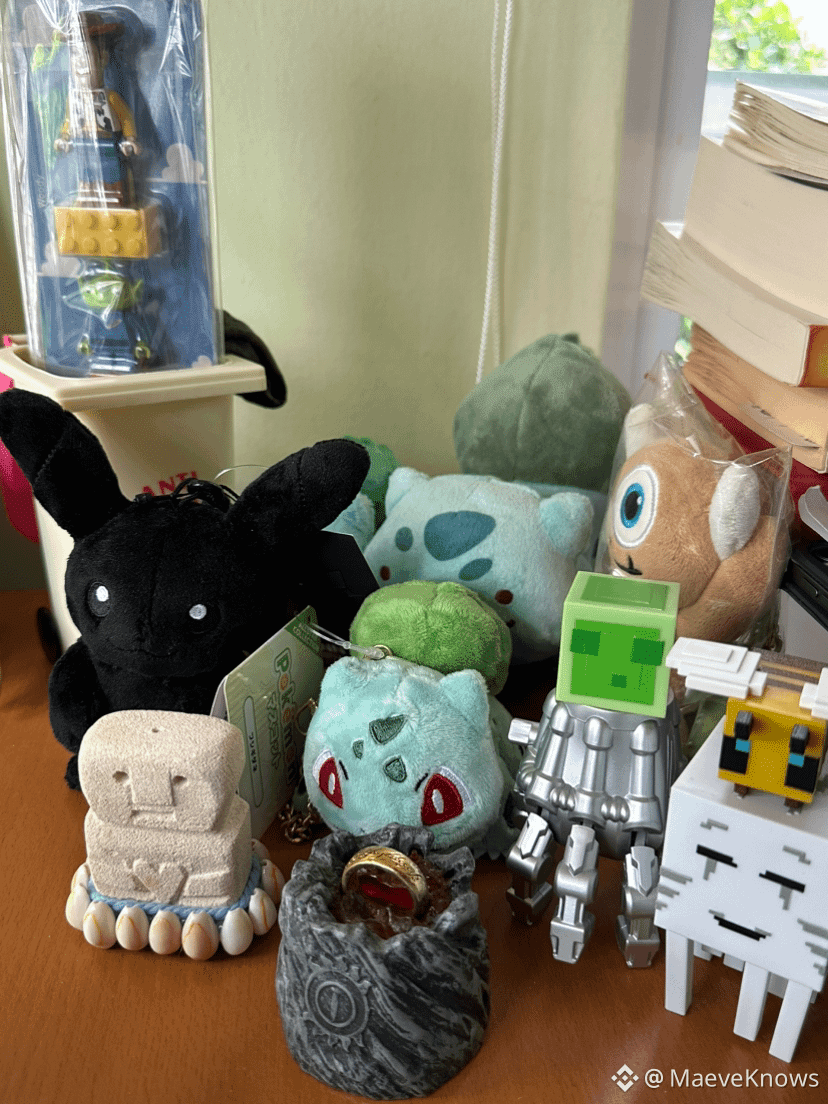
what exactly separates a kid from an adult?
more responsibility and accountability? sure. but how much of it is just the societal expectations and unwritten rules we're taught to follow?
remember when the sky was the limit?
when you could try something simply because you wanted to?
when getting excited over the smallest things needed no explanation?
ofc, keeping your inner kid alive isn't a free pass to be an a*hole who does wtv they want without consequences
but growing up shouldn't mean growing out of everything that makes you happy.
be a kidult.
own your choices,
and never lose that part of you that still wants to play.
what's something you keep around to keep that inner kid alive?
here's mine 🥹
5
5
580
·
--
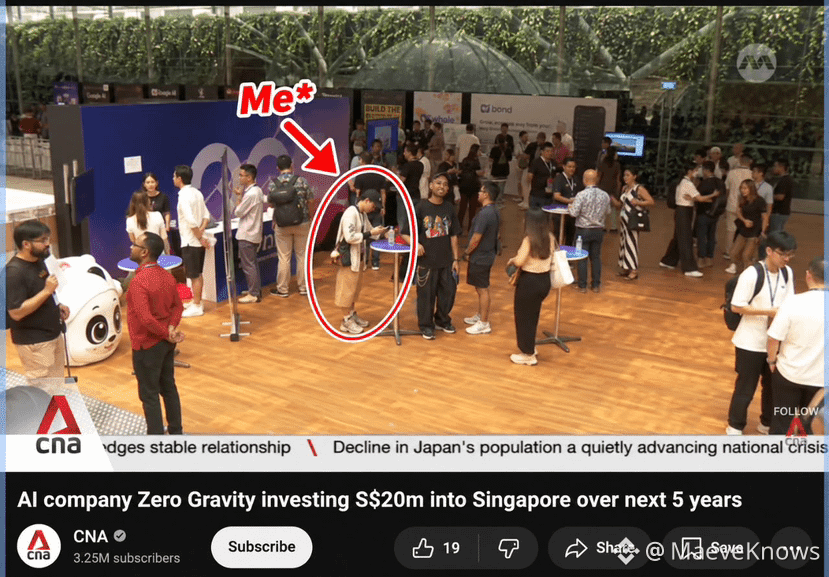
getting featured on CNA was NOT on my bingo card
getting featured on CNA was NOT on my bingo card
1
2
646
·
--
the “why $SUI ” announcement you probably missed
> Samsung is bringing USDC on Sui to Samsung Wallet
> aimed at 82M eligible US Galaxy devices
> no extra app, no signup flow, no private keys
> regulated custody + biometrics + Knox
Q: Why Sui?
> fast settlement
> low gas
> scales with usage
But, the bit I keep circling back to:
agent-to-agent micropayments with one place to hold funds, buy securities and pay by card.
If this lands, a lot of users just got onboarded without even realising it.
the “why $SUI ” announcement you probably missed
> Samsung is bringing USDC on Sui to Samsung Wallet > aimed at 82M eligible US Galaxy devices > no extra app, no signup flow, no private keys > regulated custody + biometrics + Knox
Q: Why Sui?
> fast settlement
> low gas
> scales with usage
But, the bit I keep circling back to:
agent-to-agent micropayments with one place to hold funds, buy securities and pay by card.
If this lands, a lot of users just got onboarded without even realising it.
1
1
702
·
--
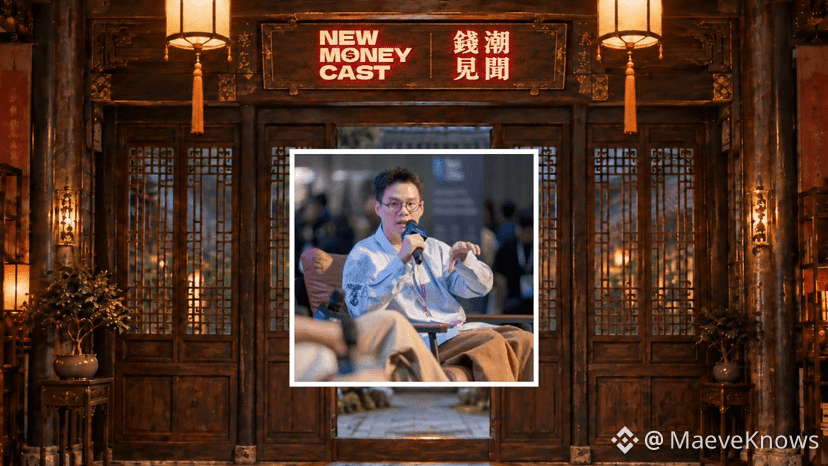
Going solo, will reveal reveals "Behind Closed Doors" at Token2049 + A 'Secret' Recording Preview
Tonight on NMC [9PM MYT]
Going solo, will reveal reveals "Behind Closed Doors" at Token2049 + A 'Secret' Recording Preview
Tonight on NMC [9PM MYT]
Tonight on NMC [9PM MYT]
1
158
·
--
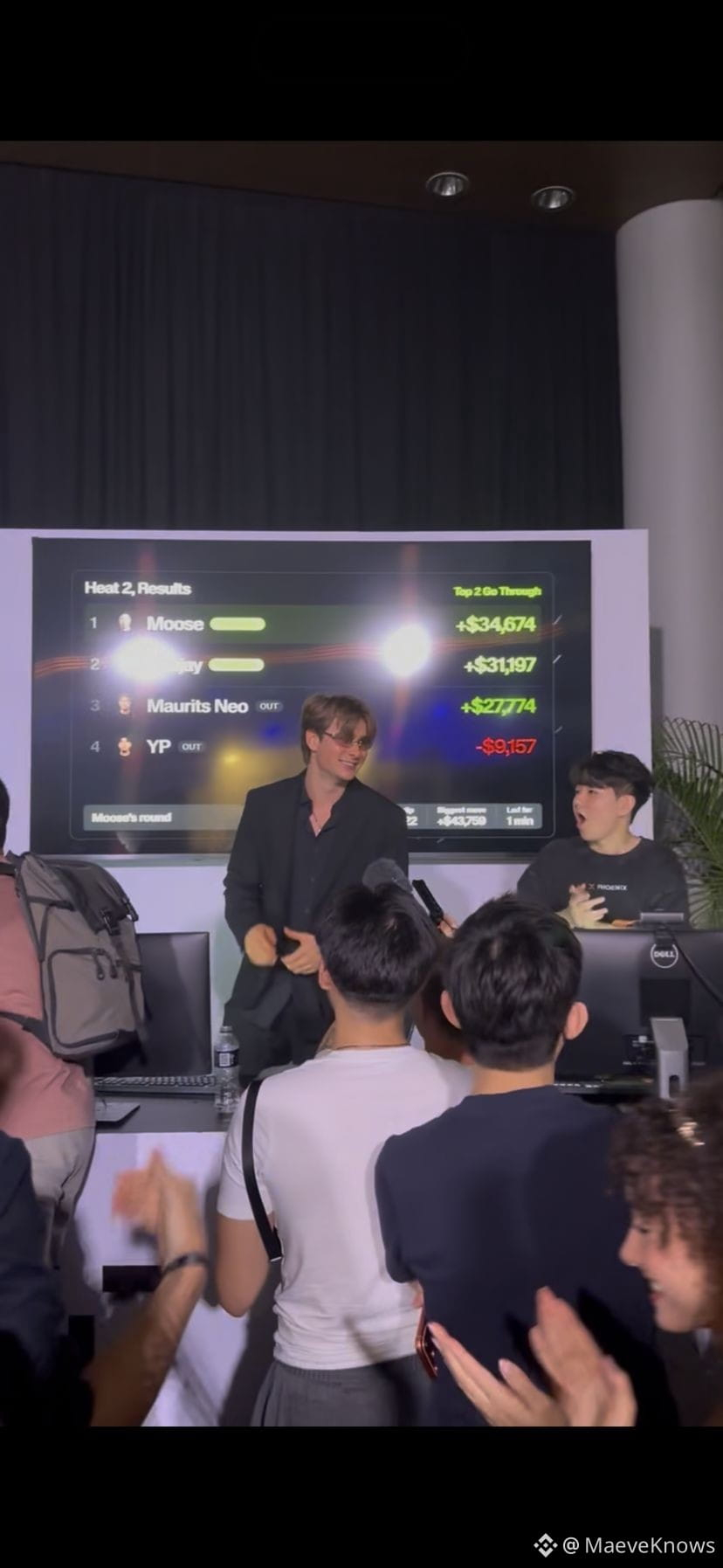
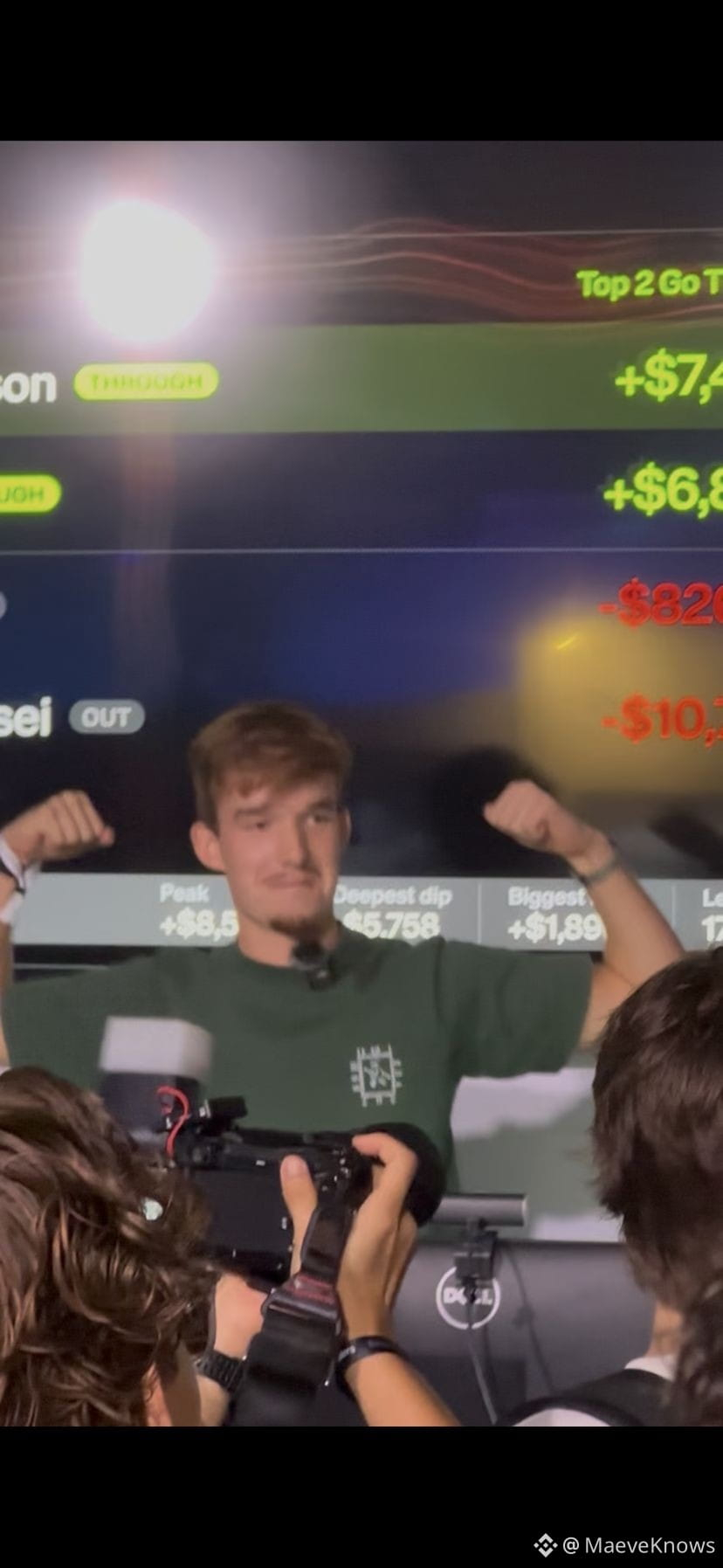
i expect to see binance’s version during BBW coming November
I AM EXCITED
i expect to see binance’s version during BBW coming November
I AM EXCITED
I AM EXCITED
1
710
·
--
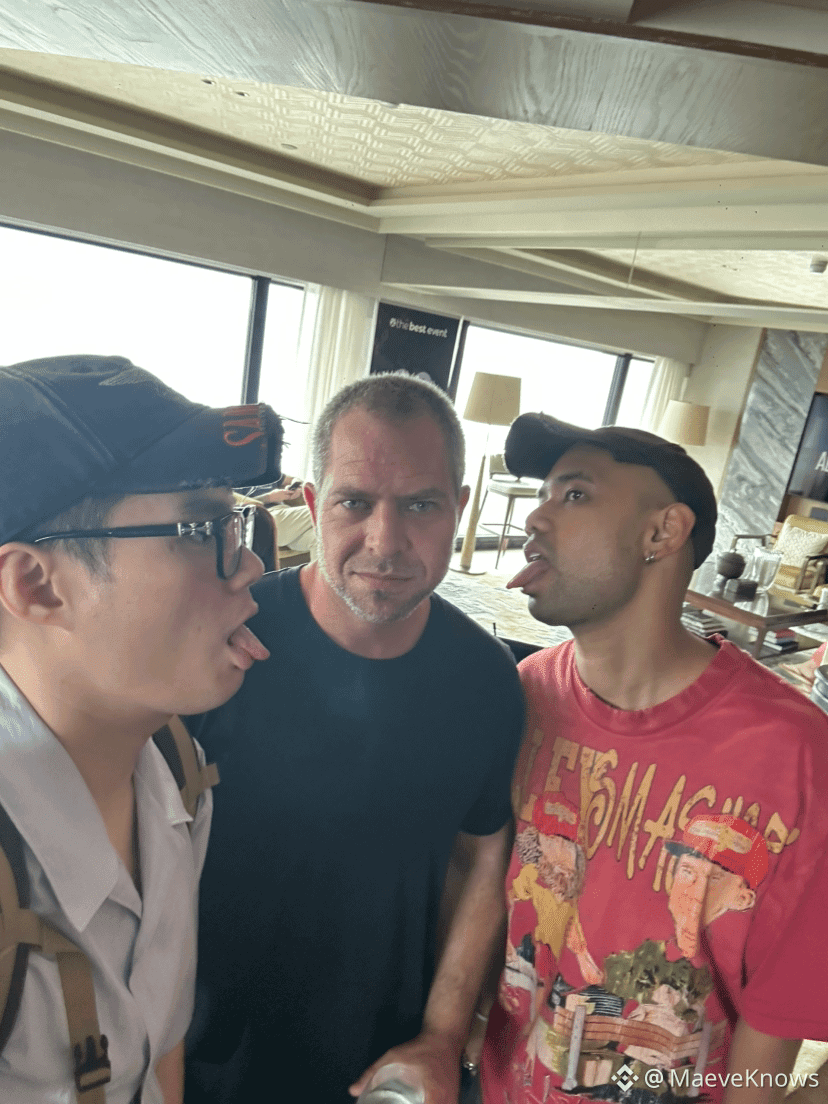
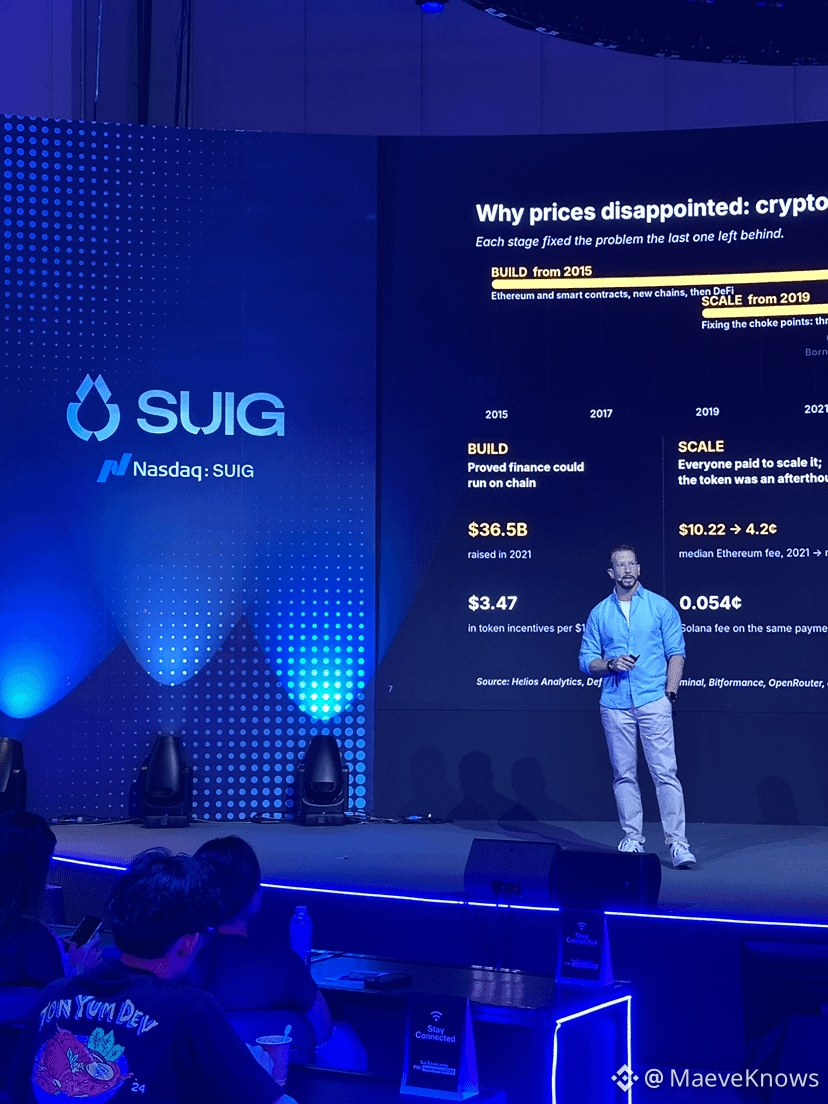
Been showing up to Sui events since 2024, from Builder House (SG), Vietnam, Seoul, and now Basecamp Singapore.
Something clicked this time (math be mathing):
> $SUI is clearly betting on the agentic economy
>Payments, permissions, memory, verification
> 40.6M TPS built around machine-scale activity
Interestingly enough, $0G is making a similar bet from the AI infra side.
Then you look around and there’s TAO, NEAR, VIRTUALS, fetch.ai
Starting to feel like one of crypto’s next big battlegrounds might not be human users at all.
P.S vibes at token were immaculate and even better to have reconnected with friends. More of that in coming days.


10
1
3.8k
·
--
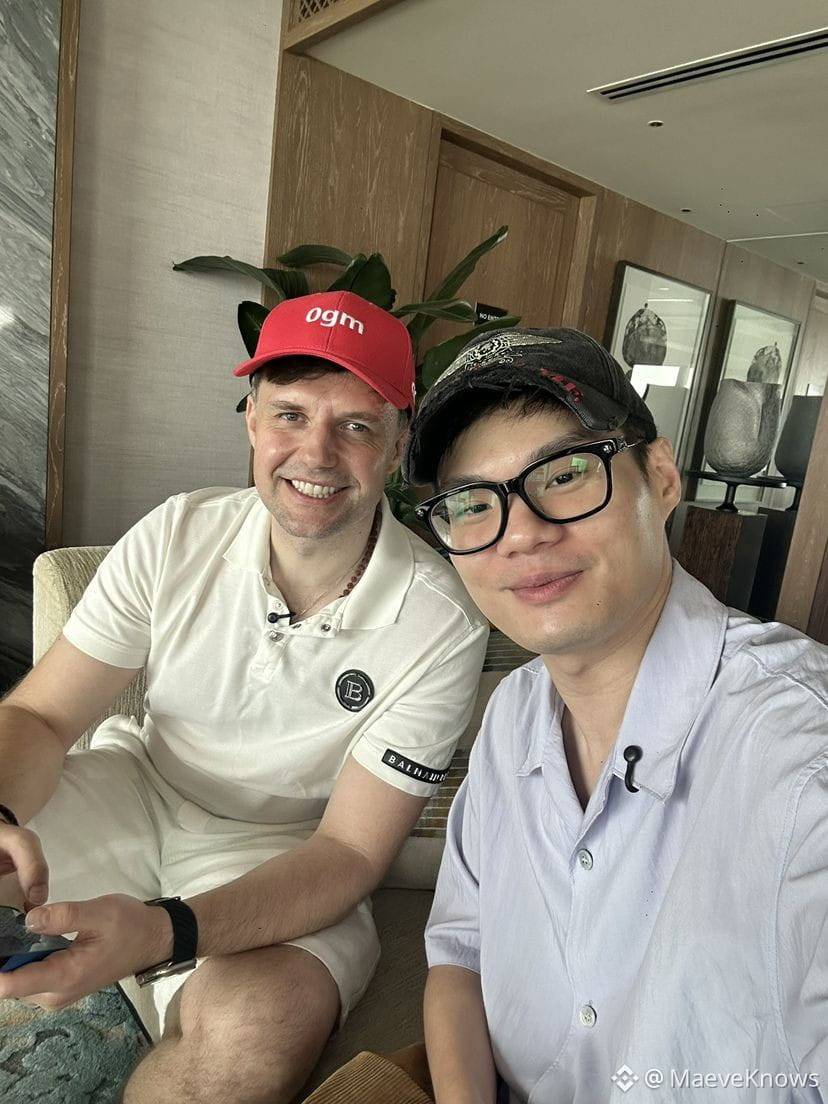
running it back eith michael after 2 years since $0G TGE. Recaps and pod episode soon
running it back eith michael after 2 years since $0G TGE. Recaps and pod episode soon
1
1
2
1.8k
·
--
tmr on New Money Cast 銭潮见聞 with @SamSteffanina :
> When should marketers stop marketing?
> When does a community stop being a community?
> And do gamers actually hate ads?
9PM MYT
tmr on New Money Cast 銭潮见聞 with @Sam Steffanina :
> When should marketers stop marketing?
> When does a community stop being a community?
> And do gamers actually hate ads?
9PM MYT
> When should marketers stop marketing?
> When does a community stop being a community?
> And do gamers actually hate ads?
9PM MYT

2
2
675
Log in to explore more content
Join global crypto users on Binance Square
⚡️ Get latest and useful information about crypto.
💬 Trusted by the world’s largest crypto exchange.
👍 Discover real insights from verified creators.
Email / Phone number