

Клим Самгин
5.3k Posts

Клим Самгин
Report
Block User
Я Позитивен. Я формирую себя по пути чистому и светлому в соответствии с Законами Космоса Великого.
Open Trade
High-Frequency Trader
5.7 Years
191 Following
217 Followers
2.0K+ Liked
Posts
Portfolio
All
Quotes
·
--
Verified
Article
$LIT - новости Lighter, анализ и прогноз после падения на 29%Приветствую вас, дорогие друзья!
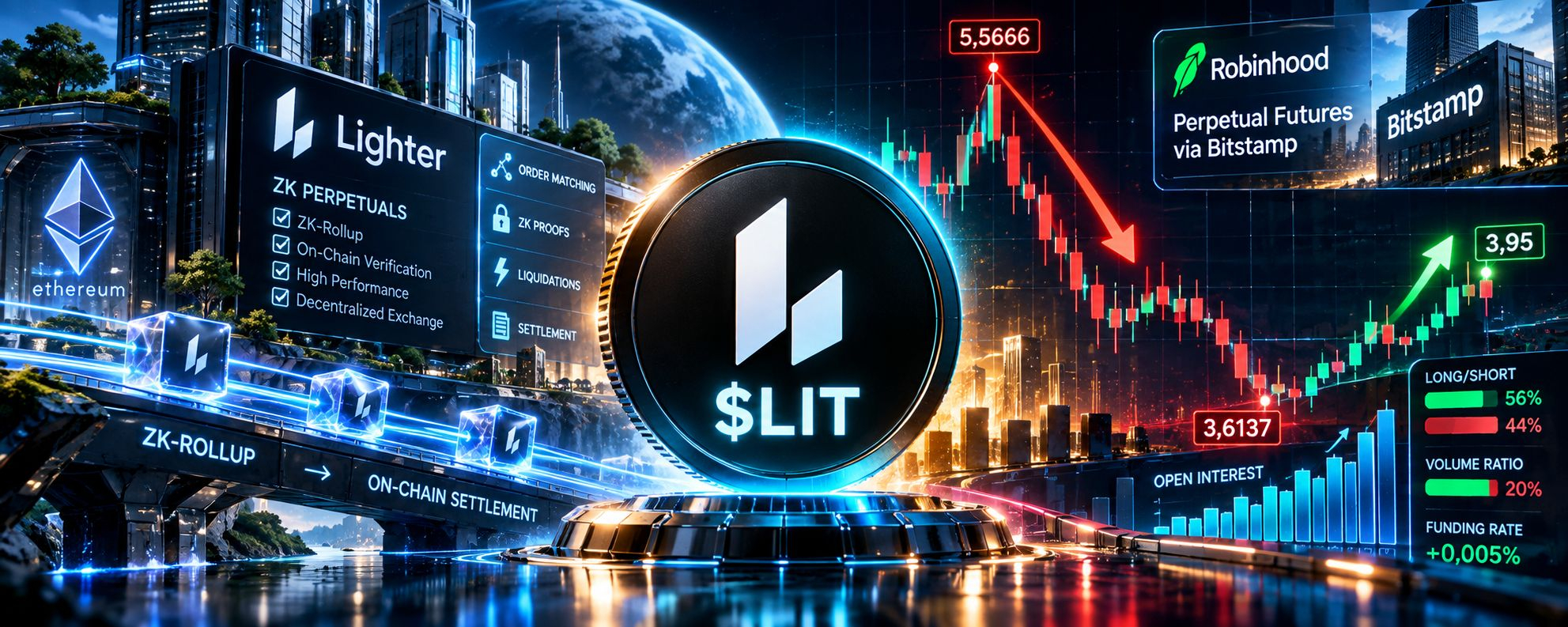
$LIT торгуется около 3,95 USDT, снижение за сутки составляет примерно 11,6%. На графике Binance максимум текущего движения отмечен на 5,5666 USDT, после чего цена снижалась до 3,6137 USDT. От максимума до текущих значений падение составляет около 29%.
За последние часы цена восстановилась от 3,61 к 3,95 USDT. При этом открытый интерес вырос примерно с 16,9 до 17,25 млн LIT. То есть восстановление сопровождается открытием новых позиций.
Что произошло с Lighter
Lighter представляет собой децентрализованную торговую инфраструктуру для perpetual-контрактов. Проект использует собственную ZK-инфраструктуру и Ethereum для обеспечения безопасности. Операции, включая сопоставление ордеров и ликвидации, подтверждаются с помощью ZK-доказательств.
Отдельное внимание сейчас привлекает ситуация вокруг Robinhood. 29 сентября Robinhood объявила о запуске нового американского продукта perpetual futures через Bitstamp. На фоне этой новости $LIT начал резко снижаться.
При этом публичного подтверждения того, что существующая интеграция Lighter в Robinhood Wallet прекращена, нет. Поэтому связывать падение $LIT непосредственно с уходом Robinhood от Lighter пока некорректно. Снижение цены и новая инициатива Robinhood просто совпали по времени.
Что показывает график
На 1D цена находится около 3,94 USDT. AVL расположен на 3,8151, Supertrend на 3,8179, а SAR значительно выше, на 5,4645 USDT.
Зона 3,80-3,82 USDT сейчас является ближайшей опорной областью. Пока цена держится выше неё, этот уровень остаётся ключевым для дневного графика.
На 4H цена около 3,95 USDT, AVL находится на 3,9268, Supertrend на 4,4902, SAR на 4,5783. После падения к 3,6137 цена вернулась выше AVL, но остаётся ниже Supertrend и SAR.
Поэтому для восстановления 4-часовой структуры сначала необходимо вернуть область 4,45-4,58 USDT.
На 15M цена около 3,95 USDT, SAR находится на 3,8848, AVL практически совпадает с текущей ценой, а Supertrend расположен на 3,7999. Краткосрочно цена восстановилась после резкого снижения, но разворот на старшем таймфрейме пока не подтверждён.
Что происходит с фьючерсами
Открытый интерес за последние часы вырос примерно с 16,9 до 17,25 млн LIT.
По аккаунтам лучших трейдеров лонгов больше, чем шортов: примерно 56% против 44%, соотношение около 1,28.
По объёму позиций разница значительно выше: около 80% лонгов против 20% шортов, соотношение около 3,96.
По всему рынку распределение почти нейтральное, но с небольшим перевесом лонгов: около 51% против 49%.
Текущий funding составляет примерно +0,005%, то есть лонги платят шортам. Taker-потоки остаются смешанными, хотя в последнем заметном интервале покупок было больше продаж. Basis находится около нулевых значений.
Ключевые уровни
Поддержка:
3,80-3,82 USDT3,61-3,62 USDT3,20 USDT
Сопротивление:
4,28-4,45 USDT4,57-4,62 USDT5,07 USDT5,5666 USDT
Закрепление выше 4,45-4,58 USDT вернёт цену в область предыдущего сопротивления, где следующими ориентирами станут 5,07 и 5,5666 USDT.
Потеря 3,80 USDT оставит ближайшими уровнями 3,61 и 3,20 USDT.
Сейчас $LIT находится в точке, где после падения цена восстановилась вместе с ростом открытого интереса, но 4-часовой разворот ещё не подтверждён. Ключевой диапазон для дальнейшего движения остаётся 3,80-4,58 USDT.
#Lıt #lighter #BinanceFutures
$LIT - новости Lighter, анализ и прогноз после падения на 29%
Приветствую вас, дорогие друзья!
$LIT торгуется около 3,95 USDT, снижение за сутки составляет примерно 11,6%. На графике Binance максимум текущего движения отмечен на 5,5666 USDT, после чего цена снижалась до 3,6137 USDT. От максимума до текущих значений падение составляет около 29%.
За последние часы цена восстановилась от 3,61 к 3,95 USDT. При этом открытый интерес вырос примерно с 16,9 до 17,25 млн LIT. То есть восстановление сопровождается открытием новых позиций.
Что произошло с Lighter
Lighter представляет собой децентрализованную торговую инфраструктуру для perpetual-контрактов. Проект использует собственную ZK-инфраструктуру и Ethereum для обеспечения безопасности. Операции, включая сопоставление ордеров и ликвидации, подтверждаются с помощью ZK-доказательств.
Отдельное внимание сейчас привлекает ситуация вокруг Robinhood. 29 сентября Robinhood объявила о запуске нового американского продукта perpetual futures через Bitstamp. На фоне этой новости $LIT начал резко снижаться.
При этом публичного подтверждения того, что существующая интеграция Lighter в Robinhood Wallet прекращена, нет. Поэтому связывать падение $LIT непосредственно с уходом Robinhood от Lighter пока некорректно. Снижение цены и новая инициатива Robinhood просто совпали по времени.
Что показывает график
На 1D цена находится около 3,94 USDT. AVL расположен на 3,8151, Supertrend на 3,8179, а SAR значительно выше, на 5,4645 USDT.
Зона 3,80-3,82 USDT сейчас является ближайшей опорной областью. Пока цена держится выше неё, этот уровень остаётся ключевым для дневного графика.
На 4H цена около 3,95 USDT, AVL находится на 3,9268, Supertrend на 4,4902, SAR на 4,5783. После падения к 3,6137 цена вернулась выше AVL, но остаётся ниже Supertrend и SAR.
Поэтому для восстановления 4-часовой структуры сначала необходимо вернуть область 4,45-4,58 USDT.
На 15M цена около 3,95 USDT, SAR находится на 3,8848, AVL практически совпадает с текущей ценой, а Supertrend расположен на 3,7999. Краткосрочно цена восстановилась после резкого снижения, но разворот на старшем таймфрейме пока не подтверждён.
Что происходит с фьючерсами
Открытый интерес за последние часы вырос примерно с 16,9 до 17,25 млн LIT.
По аккаунтам лучших трейдеров лонгов больше, чем шортов: примерно 56% против 44%, соотношение около 1,28.
По объёму позиций разница значительно выше: около 80% лонгов против 20% шортов, соотношение около 3,96.
По всему рынку распределение почти нейтральное, но с небольшим перевесом лонгов: около 51% против 49%.
Текущий funding составляет примерно +0,005%, то есть лонги платят шортам. Taker-потоки остаются смешанными, хотя в последнем заметном интервале покупок было больше продаж. Basis находится около нулевых значений.
Ключевые уровни
Поддержка:
3,80-3,82 USDT3,61-3,62 USDT3,20 USDT
Сопротивление:
4,28-4,45 USDT4,57-4,62 USDT5,07 USDT5,5666 USDT
Закрепление выше 4,45-4,58 USDT вернёт цену в область предыдущего сопротивления, где следующими ориентирами станут 5,07 и 5,5666 USDT.
Потеря 3,80 USDT оставит ближайшими уровнями 3,61 и 3,20 USDT.
Сейчас $LIT находится в точке, где после падения цена восстановилась вместе с ростом открытого интереса, но 4-часовой разворот ещё не подтверждён. Ключевой диапазон для дальнейшего движения остаётся 3,80-4,58 USDT.
#Lıt #lighter #BinanceFutures
$LIT торгуется около 3,95 USDT, снижение за сутки составляет примерно 11,6%. На графике Binance максимум текущего движения отмечен на 5,5666 USDT, после чего цена снижалась до 3,6137 USDT. От максимума до текущих значений падение составляет около 29%.
За последние часы цена восстановилась от 3,61 к 3,95 USDT. При этом открытый интерес вырос примерно с 16,9 до 17,25 млн LIT. То есть восстановление сопровождается открытием новых позиций.
Что произошло с Lighter
Lighter представляет собой децентрализованную торговую инфраструктуру для perpetual-контрактов. Проект использует собственную ZK-инфраструктуру и Ethereum для обеспечения безопасности. Операции, включая сопоставление ордеров и ликвидации, подтверждаются с помощью ZK-доказательств.
Отдельное внимание сейчас привлекает ситуация вокруг Robinhood. 29 сентября Robinhood объявила о запуске нового американского продукта perpetual futures через Bitstamp. На фоне этой новости $LIT начал резко снижаться.
При этом публичного подтверждения того, что существующая интеграция Lighter в Robinhood Wallet прекращена, нет. Поэтому связывать падение $LIT непосредственно с уходом Robinhood от Lighter пока некорректно. Снижение цены и новая инициатива Robinhood просто совпали по времени.
Что показывает график
На 1D цена находится около 3,94 USDT. AVL расположен на 3,8151, Supertrend на 3,8179, а SAR значительно выше, на 5,4645 USDT.
Зона 3,80-3,82 USDT сейчас является ближайшей опорной областью. Пока цена держится выше неё, этот уровень остаётся ключевым для дневного графика.
На 4H цена около 3,95 USDT, AVL находится на 3,9268, Supertrend на 4,4902, SAR на 4,5783. После падения к 3,6137 цена вернулась выше AVL, но остаётся ниже Supertrend и SAR.
Поэтому для восстановления 4-часовой структуры сначала необходимо вернуть область 4,45-4,58 USDT.
На 15M цена около 3,95 USDT, SAR находится на 3,8848, AVL практически совпадает с текущей ценой, а Supertrend расположен на 3,7999. Краткосрочно цена восстановилась после резкого снижения, но разворот на старшем таймфрейме пока не подтверждён.
Что происходит с фьючерсами
Открытый интерес за последние часы вырос примерно с 16,9 до 17,25 млн LIT.
По аккаунтам лучших трейдеров лонгов больше, чем шортов: примерно 56% против 44%, соотношение около 1,28.
По объёму позиций разница значительно выше: около 80% лонгов против 20% шортов, соотношение около 3,96.
По всему рынку распределение почти нейтральное, но с небольшим перевесом лонгов: около 51% против 49%.
Текущий funding составляет примерно +0,005%, то есть лонги платят шортам. Taker-потоки остаются смешанными, хотя в последнем заметном интервале покупок было больше продаж. Basis находится около нулевых значений.
Ключевые уровни
Поддержка:
3,80-3,82 USDT3,61-3,62 USDT3,20 USDT
Сопротивление:
4,28-4,45 USDT4,57-4,62 USDT5,07 USDT5,5666 USDT
Закрепление выше 4,45-4,58 USDT вернёт цену в область предыдущего сопротивления, где следующими ориентирами станут 5,07 и 5,5666 USDT.
Потеря 3,80 USDT оставит ближайшими уровнями 3,61 и 3,20 USDT.
Сейчас $LIT находится в точке, где после падения цена восстановилась вместе с ростом открытого интереса, но 4-часовой разворот ещё не подтверждён. Ключевой диапазон для дальнейшего движения остаётся 3,80-4,58 USDT.
#Lıt #lighter #BinanceFutures
135
·
--
Verified
Article
$MOVR - о проекте, токене, последних новостях и резком движении ценыПриветствую вас, дорогие друзья!
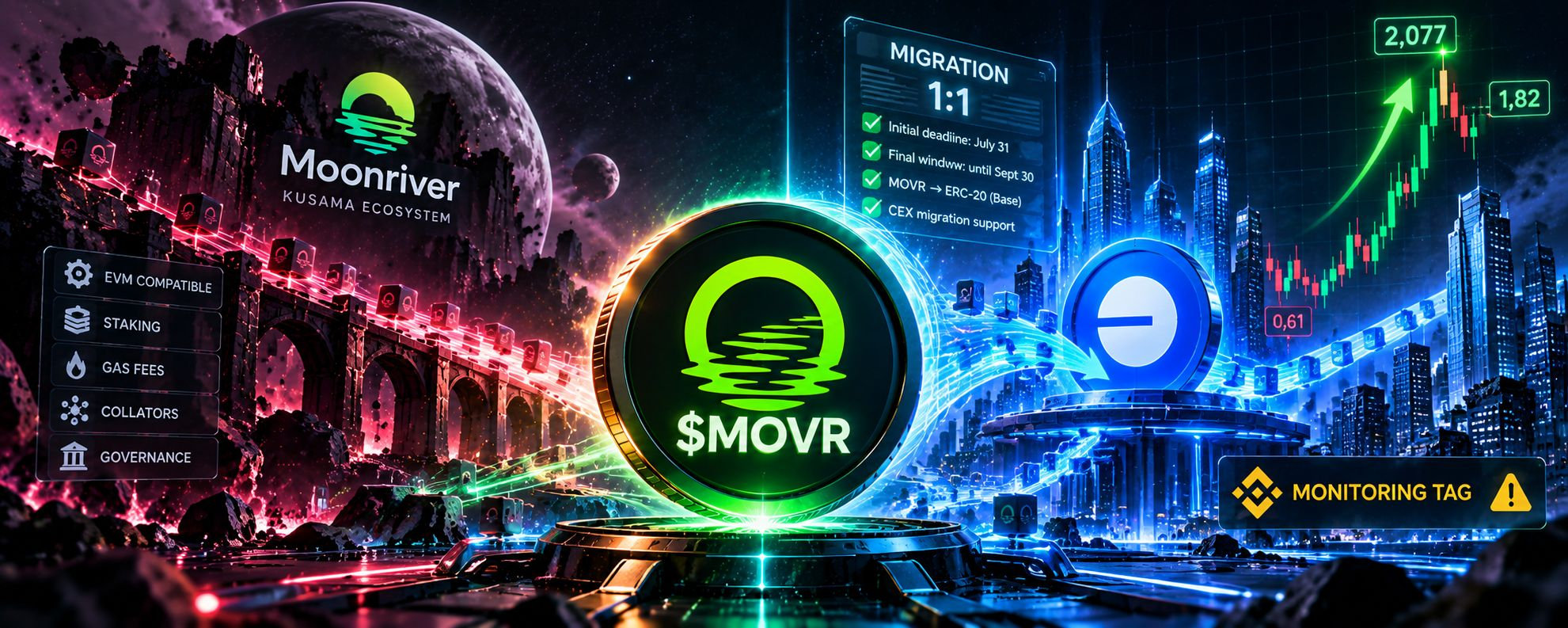
$MOVR сегодня резко вырос. На момент анализа на Binance цена находилась около 1,82 USDT, рост составлял примерно +77% за сутки. На дневном графике максимум текущего движения отмечен на 2,077 USDT, тогда как ещё недавно цена находилась в районе 0,6-0,9 USDT.
Главное событие сейчас связано не только с графиком. 30 сентября завершается период миграции MOVR в сеть Base. Первоначальный срок миграции был установлен до 31 июля, после чего для пользователей, пропустивших основной срок, действовало дополнительное окно. Действительные заявки, поданные до 30 сентября, будут обработаны.
Moonriver создавался как EVM-совместимая сеть экосистемы Moonbeam и использовался как канареечная сеть для тестирования технологий. MOVR был её нативным токеном и применялся для оплаты газа, стейкинга и других операций внутри сети.
В июле команда объявила о переносе MOVR на Base в соотношении 1:1. Каждый MOVR при миграции превращается в один Base ERC-20 MOVR. Для пользователей, самостоятельно хранивших токены, требовалась миграция, тогда как централизованные биржи проводили её со своей стороны.
После 1 августа Moonriver перешёл в режим обслуживания: транзакции в сети были отключены, а сама сеть продолжила производить блоки в рамках финального периода сворачивания. Таким образом, прежняя инфраструктура Moonriver постепенно выводится из эксплуатации.
Сегодняшний рост совпал по времени с завершением миграционного периода. Binance News сегодня сообщила о завершении миграции и зафиксировала рост MOVR более чем на 50%, с предыдущим максимумом около 1,489 USDT. На графике Binance цена позднее поднялась значительно выше этого уровня.
Есть и другой важный фактор.
11 августа Binance добавила MOVR в Monitoring Tag. Binance указывает, что такие токены отличаются более высокой волатильностью и риском по сравнению с другими листингами и проходят регулярные проверки. При оценке учитываются развитие проекта, активность команды, объём торгов и ликвидность, стабильность сети и смарт-контрактов, публичные коммуникации и другие параметры. Binance также предупреждает о возможности последующего делистинга, если актив перестанет соответствовать требованиям листинга.
Таким образом, сейчас у $MOVR одновременно происходят два заметных события: завершается миграция токена на Base, а сам актив остаётся под Monitoring Tag Binance.
Что представляет собой MOVR
Изначально MOVR был нативным токеном Moonriver. Он использовался для оплаты газа, стейкинга и взаимодействия с инфраструктурой сети.
Теперь MOVR переносится в Base как ERC-20 в соотношении 1:1, а прежняя сеть Moonriver находится в финальной стадии сворачивания. При этом новая роль MOVR в экосистеме Base пока не описана столь подробно, как его прежняя функция внутри Moonriver.
Что показывает график
На 1D цена около 1,824 USDT, рост +78,22%. Цена находится выше Supertrend 1,0004 и AVL 1,6886. Ближайший выраженный максимум находится на 2,077 USDT.
На 4H цена около 1,82 USDT. Supertrend расположен на 1,4204, AVL на 1,8504. Ближайшие уровни снизу находятся около 1,5321 и 1,2070 USDT, сверху выделяются 1,8573 и максимум 2,0770 USDT.
На 15M после движения к 2,077 USDT произошёл откат, после которого цена перешла в консолидацию около 1,82 USDT. Supertrend находится на 1,6671, AVL на 1,8074, а SAR поднялся к 1,9491. Локально выделяются зоны 1,67-1,69 снизу и 1,90-1,95 сверху.
Объёмы резко выросли вместе с импульсом. На дневном графике объём составляет около 368 млн USDT против MA(5) около 53,2 млн USDT. На 15-минутном графике после пиковых значений объём снижается: текущий показатель около 5,26 млн USDT, ниже MA(10) около 7,54 млн.
Открытый интерес за последние часы сначала поднялся примерно до 8,9 млн MOVR, затем снизился к 8,35 млн и восстановился примерно до 8,5 млн. После пикового движения часть открытых позиций была закрыта.
По аккаунтам соотношение лонг/шорт находится ниже 1, то есть шортов больше. По объёму позиций соотношение около 1,20, то есть суммарный объём лонгов выше. В общем соотношении лонг/шорт также сохраняется перевес шортов.
Фандинг сейчас составляет -0,04319%. Отрицательный фандинг означает, что шортисты платят лонгистам. Базис также отрицательный, то есть цена фьючерса находится ниже индексной. Объёмы покупок и продаж тейкеров на последних интервалах остаются близкими.
На часовом графике хорошо видно, насколько сильным оказался нынешний импульс для $MOVR. Исторически цена находилась выше 34 USDT, а затем опускалась примерно к 0,61 USDT. Текущие 1,82 USDT всё ещё значительно ниже этих уровней.
Сейчас на графике наиболее заметны 1,67-1,69, 1,90-1,95 и 2,077 USDT. Рост совпал с завершением миграционного периода, при этом токен остаётся под Monitoring Tag Binance. Это основной фундаментальный и рыночный контекст текущего движения $MOVR .
#movr #moonriver #BinanceFutures
$MOVR - о проекте, токене, последних новостях и резком движении цены
Приветствую вас, дорогие друзья!
$MOVR сегодня резко вырос. На момент анализа на Binance цена находилась около 1,82 USDT, рост составлял примерно +77% за сутки. На дневном графике максимум текущего движения отмечен на 2,077 USDT, тогда как ещё недавно цена находилась в районе 0,6-0,9 USDT.
Главное событие сейчас связано не только с графиком. 30 сентября завершается период миграции MOVR в сеть Base. Первоначальный срок миграции был установлен до 31 июля, после чего для пользователей, пропустивших основной срок, действовало дополнительное окно. Действительные заявки, поданные до 30 сентября, будут обработаны.
Moonriver создавался как EVM-совместимая сеть экосистемы Moonbeam и использовался как канареечная сеть для тестирования технологий. MOVR был её нативным токеном и применялся для оплаты газа, стейкинга и других операций внутри сети.
В июле команда объявила о переносе MOVR на Base в соотношении 1:1. Каждый MOVR при миграции превращается в один Base ERC-20 MOVR. Для пользователей, самостоятельно хранивших токены, требовалась миграция, тогда как централизованные биржи проводили её со своей стороны.
После 1 августа Moonriver перешёл в режим обслуживания: транзакции в сети были отключены, а сама сеть продолжила производить блоки в рамках финального периода сворачивания. Таким образом, прежняя инфраструктура Moonriver постепенно выводится из эксплуатации.
Сегодняшний рост совпал по времени с завершением миграционного периода. Binance News сегодня сообщила о завершении миграции и зафиксировала рост MOVR более чем на 50%, с предыдущим максимумом около 1,489 USDT. На графике Binance цена позднее поднялась значительно выше этого уровня.
Есть и другой важный фактор.
11 августа Binance добавила MOVR в Monitoring Tag. Binance указывает, что такие токены отличаются более высокой волатильностью и риском по сравнению с другими листингами и проходят регулярные проверки. При оценке учитываются развитие проекта, активность команды, объём торгов и ликвидность, стабильность сети и смарт-контрактов, публичные коммуникации и другие параметры. Binance также предупреждает о возможности последующего делистинга, если актив перестанет соответствовать требованиям листинга.
Таким образом, сейчас у $MOVR одновременно происходят два заметных события: завершается миграция токена на Base, а сам актив остаётся под Monitoring Tag Binance.
Что представляет собой MOVR
Изначально MOVR был нативным токеном Moonriver. Он использовался для оплаты газа, стейкинга и взаимодействия с инфраструктурой сети.
Теперь MOVR переносится в Base как ERC-20 в соотношении 1:1, а прежняя сеть Moonriver находится в финальной стадии сворачивания. При этом новая роль MOVR в экосистеме Base пока не описана столь подробно, как его прежняя функция внутри Moonriver.
Что показывает график
На 1D цена около 1,824 USDT, рост +78,22%. Цена находится выше Supertrend 1,0004 и AVL 1,6886. Ближайший выраженный максимум находится на 2,077 USDT.
На 4H цена около 1,82 USDT. Supertrend расположен на 1,4204, AVL на 1,8504. Ближайшие уровни снизу находятся около 1,5321 и 1,2070 USDT, сверху выделяются 1,8573 и максимум 2,0770 USDT.
На 15M после движения к 2,077 USDT произошёл откат, после которого цена перешла в консолидацию около 1,82 USDT. Supertrend находится на 1,6671, AVL на 1,8074, а SAR поднялся к 1,9491. Локально выделяются зоны 1,67-1,69 снизу и 1,90-1,95 сверху.
Объёмы резко выросли вместе с импульсом. На дневном графике объём составляет около 368 млн USDT против MA(5) около 53,2 млн USDT. На 15-минутном графике после пиковых значений объём снижается: текущий показатель около 5,26 млн USDT, ниже MA(10) около 7,54 млн.
Открытый интерес за последние часы сначала поднялся примерно до 8,9 млн MOVR, затем снизился к 8,35 млн и восстановился примерно до 8,5 млн. После пикового движения часть открытых позиций была закрыта.
По аккаунтам соотношение лонг/шорт находится ниже 1, то есть шортов больше. По объёму позиций соотношение около 1,20, то есть суммарный объём лонгов выше. В общем соотношении лонг/шорт также сохраняется перевес шортов.
Фандинг сейчас составляет -0,04319%. Отрицательный фандинг означает, что шортисты платят лонгистам. Базис также отрицательный, то есть цена фьючерса находится ниже индексной. Объёмы покупок и продаж тейкеров на последних интервалах остаются близкими.
На часовом графике хорошо видно, насколько сильным оказался нынешний импульс для $MOVR . Исторически цена находилась выше 34 USDT, а затем опускалась примерно к 0,61 USDT. Текущие 1,82 USDT всё ещё значительно ниже этих уровней.
Сейчас на графике наиболее заметны 1,67-1,69, 1,90-1,95 и 2,077 USDT. Рост совпал с завершением миграционного периода, при этом токен остаётся под Monitoring Tag Binance. Это основной фундаментальный и рыночный контекст текущего движения $MOVR .
#movr #moonriver #BinanceFutures
$MOVR сегодня резко вырос. На момент анализа на Binance цена находилась около 1,82 USDT, рост составлял примерно +77% за сутки. На дневном графике максимум текущего движения отмечен на 2,077 USDT, тогда как ещё недавно цена находилась в районе 0,6-0,9 USDT.
Главное событие сейчас связано не только с графиком. 30 сентября завершается период миграции MOVR в сеть Base. Первоначальный срок миграции был установлен до 31 июля, после чего для пользователей, пропустивших основной срок, действовало дополнительное окно. Действительные заявки, поданные до 30 сентября, будут обработаны.
Moonriver создавался как EVM-совместимая сеть экосистемы Moonbeam и использовался как канареечная сеть для тестирования технологий. MOVR был её нативным токеном и применялся для оплаты газа, стейкинга и других операций внутри сети.
В июле команда объявила о переносе MOVR на Base в соотношении 1:1. Каждый MOVR при миграции превращается в один Base ERC-20 MOVR. Для пользователей, самостоятельно хранивших токены, требовалась миграция, тогда как централизованные биржи проводили её со своей стороны.
После 1 августа Moonriver перешёл в режим обслуживания: транзакции в сети были отключены, а сама сеть продолжила производить блоки в рамках финального периода сворачивания. Таким образом, прежняя инфраструктура Moonriver постепенно выводится из эксплуатации.
Сегодняшний рост совпал по времени с завершением миграционного периода. Binance News сегодня сообщила о завершении миграции и зафиксировала рост MOVR более чем на 50%, с предыдущим максимумом около 1,489 USDT. На графике Binance цена позднее поднялась значительно выше этого уровня.
Есть и другой важный фактор.
11 августа Binance добавила MOVR в Monitoring Tag. Binance указывает, что такие токены отличаются более высокой волатильностью и риском по сравнению с другими листингами и проходят регулярные проверки. При оценке учитываются развитие проекта, активность команды, объём торгов и ликвидность, стабильность сети и смарт-контрактов, публичные коммуникации и другие параметры. Binance также предупреждает о возможности последующего делистинга, если актив перестанет соответствовать требованиям листинга.
Таким образом, сейчас у $MOVR одновременно происходят два заметных события: завершается миграция токена на Base, а сам актив остаётся под Monitoring Tag Binance.
Что представляет собой MOVR
Изначально MOVR был нативным токеном Moonriver. Он использовался для оплаты газа, стейкинга и взаимодействия с инфраструктурой сети.
Теперь MOVR переносится в Base как ERC-20 в соотношении 1:1, а прежняя сеть Moonriver находится в финальной стадии сворачивания. При этом новая роль MOVR в экосистеме Base пока не описана столь подробно, как его прежняя функция внутри Moonriver.
Что показывает график
На 1D цена около 1,824 USDT, рост +78,22%. Цена находится выше Supertrend 1,0004 и AVL 1,6886. Ближайший выраженный максимум находится на 2,077 USDT.
На 4H цена около 1,82 USDT. Supertrend расположен на 1,4204, AVL на 1,8504. Ближайшие уровни снизу находятся около 1,5321 и 1,2070 USDT, сверху выделяются 1,8573 и максимум 2,0770 USDT.
На 15M после движения к 2,077 USDT произошёл откат, после которого цена перешла в консолидацию около 1,82 USDT. Supertrend находится на 1,6671, AVL на 1,8074, а SAR поднялся к 1,9491. Локально выделяются зоны 1,67-1,69 снизу и 1,90-1,95 сверху.
Объёмы резко выросли вместе с импульсом. На дневном графике объём составляет около 368 млн USDT против MA(5) около 53,2 млн USDT. На 15-минутном графике после пиковых значений объём снижается: текущий показатель около 5,26 млн USDT, ниже MA(10) около 7,54 млн.
Открытый интерес за последние часы сначала поднялся примерно до 8,9 млн MOVR, затем снизился к 8,35 млн и восстановился примерно до 8,5 млн. После пикового движения часть открытых позиций была закрыта.
По аккаунтам соотношение лонг/шорт находится ниже 1, то есть шортов больше. По объёму позиций соотношение около 1,20, то есть суммарный объём лонгов выше. В общем соотношении лонг/шорт также сохраняется перевес шортов.
Фандинг сейчас составляет -0,04319%. Отрицательный фандинг означает, что шортисты платят лонгистам. Базис также отрицательный, то есть цена фьючерса находится ниже индексной. Объёмы покупок и продаж тейкеров на последних интервалах остаются близкими.
На часовом графике хорошо видно, насколько сильным оказался нынешний импульс для $MOVR . Исторически цена находилась выше 34 USDT, а затем опускалась примерно к 0,61 USDT. Текущие 1,82 USDT всё ещё значительно ниже этих уровней.
Сейчас на графике наиболее заметны 1,67-1,69, 1,90-1,95 и 2,077 USDT. Рост совпал с завершением миграционного периода, при этом токен остаётся под Monitoring Tag Binance. Это основной фундаментальный и рыночный контекст текущего движения $MOVR .
#movr #moonriver #BinanceFutures
160
·
--

Article
$NKE - главные новости Nike перед выходом NKEUSDTПриветствую вас, дорогие друзья!
На Binance вот-вот выйдет или уже вышел бессрочный контракт NKEUSDT на акции Nike. Поэтому перед началом торгов кратко о том, что сейчас происходит с самой компанией.
Главное изменение последних лет связано с каналами продаж. Nike активно развивала NIKE Direct, сокращая зависимость от оптовых партнёров. Сейчас показатели показывают обратное направление: в FY2026 оптовые продажи выросли на 6% до $27,5 млрд, а NIKE Direct снизился на 6% до $17,7 млрд. Продажи Nike Brand Digital упали на 12%, продажи собственных магазинов - на 4%.
Одновременно Nike проводит крупную реорганизацию. В рамках модели Sport Offense около 8 000 сотрудников были переведены в спортивные команды. Компания также объединяет функции разработки продукта, дизайна и инноваций.
Беговое направление здесь является только одним из примеров. Running стало одним из первых направлений, переведённых на новую структуру. Nike переработала линейки Pegasus, Vomero и Structure и упростила ассортимент беговой обуви.
При этом сокращение касается не только структуры. В FY2026 Nike признала около $385 млн расходов на выходные пособия, связанных с организационными изменениями.
Финансовые результаты остаются неоднородными. Выручка Nike за FY2026 составила $46,4 млрд, но чистая прибыль снизилась на 3% до $3,1 млрд. Converse за год потерял 31% выручки. В Greater China и EMEA продажи Nike Brand также снизились.
При этом компания продолжает возвращаться к оптовым партнёрам. В августе Nike объявила о назначении нового Chief Commercial Officer, который отвечает одновременно за Nike Direct и глобальные продажи, с задачей укреплять оба канала.
На этом фоне показательна динамика самой акции. По данным Reuters на 23 сентября, акции Nike снизились примерно на 43% с начала 2026 года. При этом финансовый директор JD Sports заявил, что партнёры видят улучшение в отдельных продуктовых категориях Nike, включая Running.
На момент подготовки материала в премаркете $NKE находится примерно около $36,4.
Теперь этот актив появляется и на Binance в виде NKEUSDT. Это бессрочный фьючерсный контракт, а не сама акция Nike. Его запуск происходит на фоне сокращения NIKE Direct, роста wholesale, масштабной реорганизации, снижения расходов и продолжающихся проблем в отдельных регионах и брендах.
#NKE #NKEUSDT #NIKE #BinanceFutures
$NKE - главные новости Nike перед выходом NKEUSDT
Приветствую вас, дорогие друзья!
На Binance вот-вот выйдет или уже вышел бессрочный контракт NKEUSDT на акции Nike. Поэтому перед началом торгов кратко о том, что сейчас происходит с самой компанией.
Главное изменение последних лет связано с каналами продаж. Nike активно развивала NIKE Direct, сокращая зависимость от оптовых партнёров. Сейчас показатели показывают обратное направление: в FY2026 оптовые продажи выросли на 6% до $27,5 млрд, а NIKE Direct снизился на 6% до $17,7 млрд. Продажи Nike Brand Digital упали на 12%, продажи собственных магазинов - на 4%.
Одновременно Nike проводит крупную реорганизацию. В рамках модели Sport Offense около 8 000 сотрудников были переведены в спортивные команды. Компания также объединяет функции разработки продукта, дизайна и инноваций.
Беговое направление здесь является только одним из примеров. Running стало одним из первых направлений, переведённых на новую структуру. Nike переработала линейки Pegasus, Vomero и Structure и упростила ассортимент беговой обуви.
При этом сокращение касается не только структуры. В FY2026 Nike признала около $385 млн расходов на выходные пособия, связанных с организационными изменениями.
Финансовые результаты остаются неоднородными. Выручка Nike за FY2026 составила $46,4 млрд, но чистая прибыль снизилась на 3% до $3,1 млрд. Converse за год потерял 31% выручки. В Greater China и EMEA продажи Nike Brand также снизились.
При этом компания продолжает возвращаться к оптовым партнёрам. В августе Nike объявила о назначении нового Chief Commercial Officer, который отвечает одновременно за Nike Direct и глобальные продажи, с задачей укреплять оба канала.
На этом фоне показательна динамика самой акции. По данным Reuters на 23 сентября, акции Nike снизились примерно на 43% с начала 2026 года. При этом финансовый директор JD Sports заявил, что партнёры видят улучшение в отдельных продуктовых категориях Nike, включая Running.
На момент подготовки материала в премаркете $NKE находится примерно около $36,4.
Теперь этот актив появляется и на Binance в виде NKEUSDT. Это бессрочный фьючерсный контракт, а не сама акция Nike. Его запуск происходит на фоне сокращения NIKE Direct, роста wholesale, масштабной реорганизации, снижения расходов и продолжающихся проблем в отдельных регионах и брендах.
#NKE #NKEUSDT #NIKE #BinanceFutures
На Binance вот-вот выйдет или уже вышел бессрочный контракт NKEUSDT на акции Nike. Поэтому перед началом торгов кратко о том, что сейчас происходит с самой компанией.
Главное изменение последних лет связано с каналами продаж. Nike активно развивала NIKE Direct, сокращая зависимость от оптовых партнёров. Сейчас показатели показывают обратное направление: в FY2026 оптовые продажи выросли на 6% до $27,5 млрд, а NIKE Direct снизился на 6% до $17,7 млрд. Продажи Nike Brand Digital упали на 12%, продажи собственных магазинов - на 4%.
Одновременно Nike проводит крупную реорганизацию. В рамках модели Sport Offense около 8 000 сотрудников были переведены в спортивные команды. Компания также объединяет функции разработки продукта, дизайна и инноваций.
Беговое направление здесь является только одним из примеров. Running стало одним из первых направлений, переведённых на новую структуру. Nike переработала линейки Pegasus, Vomero и Structure и упростила ассортимент беговой обуви.
При этом сокращение касается не только структуры. В FY2026 Nike признала около $385 млн расходов на выходные пособия, связанных с организационными изменениями.
Финансовые результаты остаются неоднородными. Выручка Nike за FY2026 составила $46,4 млрд, но чистая прибыль снизилась на 3% до $3,1 млрд. Converse за год потерял 31% выручки. В Greater China и EMEA продажи Nike Brand также снизились.
При этом компания продолжает возвращаться к оптовым партнёрам. В августе Nike объявила о назначении нового Chief Commercial Officer, который отвечает одновременно за Nike Direct и глобальные продажи, с задачей укреплять оба канала.
На этом фоне показательна динамика самой акции. По данным Reuters на 23 сентября, акции Nike снизились примерно на 43% с начала 2026 года. При этом финансовый директор JD Sports заявил, что партнёры видят улучшение в отдельных продуктовых категориях Nike, включая Running.
На момент подготовки материала в премаркете $NKE находится примерно около $36,4.
Теперь этот актив появляется и на Binance в виде NKEUSDT. Это бессрочный фьючерсный контракт, а не сама акция Nike. Его запуск происходит на фоне сокращения NIKE Direct, роста wholesale, масштабной реорганизации, снижения расходов и продолжающихся проблем в отдельных регионах и брендах.
#NKE #NKEUSDT #NIKE #BinanceFutures
1
138
·
--

Article
$NMR - о компании, новости и краткий анализ графиковПриветствую вас, дорогие друзья!
Numerai - платформа, объединяющая машинное обучение и количественные инвестиции. Компания проводит турнир, в котором участники создают модели для прогнозирования финансовых данных. Numerai оценивает результаты этих моделей.
Стейкованные прогнозы объединяются в Stake-Weighted Meta Model, которую Numerai использует в своём хедж-фонде.
Что такое NMR
$NMR - utility-токен Numerai, используемый для стейкинга.
Участник блокирует NMR на своей модели. Положительный результат приносит выплату в NMR, отрицательный приводит к сжиганию части поставленного NMR. Сожжённые токены уничтожаются.
Максимальное предложение $NMR составляет 11 млн токенов. Дальнейший выпуск новых NMR невозможен.
В июле 2026 года Numerai сообщила о третьем стратегическом выкупе NMR на $1,2 млн. Общая сумма трёх выкупов достигла $3,2 млн. На тот момент более 1,1 млн NMR находилось в стейкинге.
Последние новости Numerai
1 сентября Numerai сообщила о выпуске Numerai Signals v3 "Supernova". Раунды, начинающиеся с 25 сентября, перешли на новый target и упрощённую систему оценки.
Для основного турнира с раундов, начинающихся 28 августа, были введены Atomic Blockchain Staking и 60-дневный Ender payout target.
За август Numerai выплатила участникам $356 930 в NMR.
В официальных публикациях Numerai нет сообщения о событии 29 сентября, которое напрямую связывало бы рост NMR с конкретной новостью компании.
Дневной график
На Binance цена NMR находится около 12,71 USDT, дневной рост составляет около 29%.
До импульса цена на видимом участке находилась примерно в диапазоне 8-10,5 USDT. Минимум составляет 7,279 USDT.
После выхода выше 10 USDT цена поднялась до 15,500 USDT, затем снизилась к 12,71 USDT.
На 1D:
SAR - 8,830Supertrend - 10,177AVL - 13,796
Цена выше SAR и Supertrend, но ниже AVL.
На текущей дневной свече отображается около 10,7 млн NMR, или 148 млн USDT объёма. Свеча ещё формируется.
4H
На 4H движение началось примерно от 9,2 USDT. После выхода выше 10,646 USDT цена поднялась до 15,500 USDT, затем снизилась к 12,676 USDT.
SAR - 11,846Supertrend - 11,059AVL - 12,757
Цена выше SAR и Supertrend, но немного ниже AVL.
Текущий объём последней свечи составляет около 65,6 тыс. NMR, или 837 тыс. USDT. Свеча ещё формируется.
15M
После достижения 15,500 USDT цена сформировала несколько более низких максимумов и снизилась к 12,676 USDT.
AVL - 12,749SAR - 13,603Supertrend - 14,058
Цена ниже всех трёх значений.
OBV находится около -62,5 млн. На снижении видны несколько крупных красных объёмных столбцов.
Открытый интерес
На 5-минутном графике OI снизился примерно с 730 тыс. до 680 тыс. NMR, после чего восстановился примерно до 690 тыс. NMR.
Лонги и шорты
По аккаунтам лучших трейдеров Long/Short около 1,52. Лонгов больше, чем шортов.
По позициям Long/Short около 1,06. Лонгов немного больше, чем шортов.
Общий Long/Short также находится около 1,52.
Taker и базис
Taker-покупки и продажи чередуются. На графике есть крупные продажи около 10:05-10:10, но присутствуют и заметные покупки.
Базис отрицательный, около -0,14. Фьючерсная цена находится немного ниже цены индекса.
Funding
Текущий funding составляет -0,17827%.
При отрицательном funding шортисты платят лонгистам.
Резкое снижение funding началось 28 сентября. До этого ставка находилась значительно ближе к нулю.
Кратко по графикам
На 1D цена выше SAR и Supertrend, но ниже AVL.
На 4H цена также выше SAR и Supertrend, но немного ниже AVL.
На 15M цена ниже AVL, SAR и Supertrend.
После снижения с 15,500 USDT открытый интерес частично восстановился. Лонгов больше, чем шортов, но по позициям разница небольшая. Taker-потоки смешанные, базис отрицательный, funding отрицательный.
#NMR #NMR/USDT #crypto
$NMR - о компании, новости и краткий анализ графиков
Приветствую вас, дорогие друзья!
Numerai - платформа, объединяющая машинное обучение и количественные инвестиции. Компания проводит турнир, в котором участники создают модели для прогнозирования финансовых данных. Numerai оценивает результаты этих моделей.
Стейкованные прогнозы объединяются в Stake-Weighted Meta Model, которую Numerai использует в своём хедж-фонде.
Что такое NMR
$NMR - utility-токен Numerai, используемый для стейкинга.
Участник блокирует NMR на своей модели. Положительный результат приносит выплату в NMR, отрицательный приводит к сжиганию части поставленного NMR. Сожжённые токены уничтожаются.
Максимальное предложение $NMR составляет 11 млн токенов. Дальнейший выпуск новых NMR невозможен.
В июле 2026 года Numerai сообщила о третьем стратегическом выкупе NMR на $1,2 млн. Общая сумма трёх выкупов достигла $3,2 млн. На тот момент более 1,1 млн NMR находилось в стейкинге.
Последние новости Numerai
1 сентября Numerai сообщила о выпуске Numerai Signals v3 "Supernova". Раунды, начинающиеся с 25 сентября, перешли на новый target и упрощённую систему оценки.
Для основного турнира с раундов, начинающихся 28 августа, были введены Atomic Blockchain Staking и 60-дневный Ender payout target.
За август Numerai выплатила участникам $356 930 в NMR.
В официальных публикациях Numerai нет сообщения о событии 29 сентября, которое напрямую связывало бы рост NMR с конкретной новостью компании.
Дневной график
На Binance цена NMR находится около 12,71 USDT, дневной рост составляет около 29%.
До импульса цена на видимом участке находилась примерно в диапазоне 8-10,5 USDT. Минимум составляет 7,279 USDT.
После выхода выше 10 USDT цена поднялась до 15,500 USDT, затем снизилась к 12,71 USDT.
На 1D:
SAR - 8,830Supertrend - 10,177AVL - 13,796
Цена выше SAR и Supertrend, но ниже AVL.
На текущей дневной свече отображается около 10,7 млн NMR, или 148 млн USDT объёма. Свеча ещё формируется.
4H
На 4H движение началось примерно от 9,2 USDT. После выхода выше 10,646 USDT цена поднялась до 15,500 USDT, затем снизилась к 12,676 USDT.
SAR - 11,846Supertrend - 11,059AVL - 12,757
Цена выше SAR и Supertrend, но немного ниже AVL.
Текущий объём последней свечи составляет около 65,6 тыс. NMR, или 837 тыс. USDT. Свеча ещё формируется.
15M
После достижения 15,500 USDT цена сформировала несколько более низких максимумов и снизилась к 12,676 USDT.
AVL - 12,749SAR - 13,603Supertrend - 14,058
Цена ниже всех трёх значений.
OBV находится около -62,5 млн. На снижении видны несколько крупных красных объёмных столбцов.
Открытый интерес
На 5-минутном графике OI снизился примерно с 730 тыс. до 680 тыс. NMR, после чего восстановился примерно до 690 тыс. NMR.
Лонги и шорты
По аккаунтам лучших трейдеров Long/Short около 1,52. Лонгов больше, чем шортов.
По позициям Long/Short около 1,06. Лонгов немного больше, чем шортов.
Общий Long/Short также находится около 1,52.
Taker и базис
Taker-покупки и продажи чередуются. На графике есть крупные продажи около 10:05-10:10, но присутствуют и заметные покупки.
Базис отрицательный, около -0,14. Фьючерсная цена находится немного ниже цены индекса.
Funding
Текущий funding составляет -0,17827%.
При отрицательном funding шортисты платят лонгистам.
Резкое снижение funding началось 28 сентября. До этого ставка находилась значительно ближе к нулю.
Кратко по графикам
На 1D цена выше SAR и Supertrend, но ниже AVL.
На 4H цена также выше SAR и Supertrend, но немного ниже AVL.
На 15M цена ниже AVL, SAR и Supertrend.
После снижения с 15,500 USDT открытый интерес частично восстановился. Лонгов больше, чем шортов, но по позициям разница небольшая. Taker-потоки смешанные, базис отрицательный, funding отрицательный.
#NMR #NMR/USDT #crypto
Numerai - платформа, объединяющая машинное обучение и количественные инвестиции. Компания проводит турнир, в котором участники создают модели для прогнозирования финансовых данных. Numerai оценивает результаты этих моделей.
Стейкованные прогнозы объединяются в Stake-Weighted Meta Model, которую Numerai использует в своём хедж-фонде.
Что такое NMR
$NMR - utility-токен Numerai, используемый для стейкинга.
Участник блокирует NMR на своей модели. Положительный результат приносит выплату в NMR, отрицательный приводит к сжиганию части поставленного NMR. Сожжённые токены уничтожаются.
Максимальное предложение $NMR составляет 11 млн токенов. Дальнейший выпуск новых NMR невозможен.
В июле 2026 года Numerai сообщила о третьем стратегическом выкупе NMR на $1,2 млн. Общая сумма трёх выкупов достигла $3,2 млн. На тот момент более 1,1 млн NMR находилось в стейкинге.
Последние новости Numerai
1 сентября Numerai сообщила о выпуске Numerai Signals v3 "Supernova". Раунды, начинающиеся с 25 сентября, перешли на новый target и упрощённую систему оценки.
Для основного турнира с раундов, начинающихся 28 августа, были введены Atomic Blockchain Staking и 60-дневный Ender payout target.
За август Numerai выплатила участникам $356 930 в NMR.
В официальных публикациях Numerai нет сообщения о событии 29 сентября, которое напрямую связывало бы рост NMR с конкретной новостью компании.
Дневной график
На Binance цена NMR находится около 12,71 USDT, дневной рост составляет около 29%.
До импульса цена на видимом участке находилась примерно в диапазоне 8-10,5 USDT. Минимум составляет 7,279 USDT.
После выхода выше 10 USDT цена поднялась до 15,500 USDT, затем снизилась к 12,71 USDT.
На 1D:
SAR - 8,830Supertrend - 10,177AVL - 13,796
Цена выше SAR и Supertrend, но ниже AVL.
На текущей дневной свече отображается около 10,7 млн NMR, или 148 млн USDT объёма. Свеча ещё формируется.
4H
На 4H движение началось примерно от 9,2 USDT. После выхода выше 10,646 USDT цена поднялась до 15,500 USDT, затем снизилась к 12,676 USDT.
SAR - 11,846Supertrend - 11,059AVL - 12,757
Цена выше SAR и Supertrend, но немного ниже AVL.
Текущий объём последней свечи составляет около 65,6 тыс. NMR, или 837 тыс. USDT. Свеча ещё формируется.
15M
После достижения 15,500 USDT цена сформировала несколько более низких максимумов и снизилась к 12,676 USDT.
AVL - 12,749SAR - 13,603Supertrend - 14,058
Цена ниже всех трёх значений.
OBV находится около -62,5 млн. На снижении видны несколько крупных красных объёмных столбцов.
Открытый интерес
На 5-минутном графике OI снизился примерно с 730 тыс. до 680 тыс. NMR, после чего восстановился примерно до 690 тыс. NMR.
Лонги и шорты
По аккаунтам лучших трейдеров Long/Short около 1,52. Лонгов больше, чем шортов.
По позициям Long/Short около 1,06. Лонгов немного больше, чем шортов.
Общий Long/Short также находится около 1,52.
Taker и базис
Taker-покупки и продажи чередуются. На графике есть крупные продажи около 10:05-10:10, но присутствуют и заметные покупки.
Базис отрицательный, около -0,14. Фьючерсная цена находится немного ниже цены индекса.
Funding
Текущий funding составляет -0,17827%.
При отрицательном funding шортисты платят лонгистам.
Резкое снижение funding началось 28 сентября. До этого ставка находилась значительно ближе к нулю.
Кратко по графикам
На 1D цена выше SAR и Supertrend, но ниже AVL.
На 4H цена также выше SAR и Supertrend, но немного ниже AVL.
На 15M цена ниже AVL, SAR и Supertrend.
После снижения с 15,500 USDT открытый интерес частично восстановился. Лонгов больше, чем шортов, но по позициям разница небольшая. Taker-потоки смешанные, базис отрицательный, funding отрицательный.
#NMR #NMR/USDT #crypto
108
·
--

Article
$BTC: ETF покупают, фьючерсы осторожничают. Что показывает рынокПриветствую вас, дорогие друзья!
Мне будет приятна любая поддержка с вашей стороны - лайк , подписка..напиши, что это плохо написано и неверно проанализированно, если так считаешь..
любое взаимодействие с постом будет полезно для продвижения поста.
Сейчас $BTC торгуется около 84 000 USDT. После сильного роста цена откатилась к 82 500, а затем вернулась к 84 000.
На дневном графике восстановление проходило несколькими этапами. Цена поднялась от района 57 758 USDT к 62 795, затем к 69 313 и выше 75 830. Следующая волна привела Bitcoin к максимуму 87 385 USDT.
Таким образом, текущая область 84 000 появилась после последовательного восстановления с более низких уровней.
На дневном графике цена находится выше AVL 83 333 и Supertrend 78 264. Пока цена остаётся выше этих ориентиров, дневная структура восстановления сохраняется.
После максимума 87 385 продолжения роста не произошло. Цена вернулась к 82 519, после чего снова поднялась к 84 000.
Что показывает 4H
На 4-часовом графике движение прошло от 74 909 USDT к 87 385.
После сильного роста Bitcoin несколько раз подходил к 85 000, но закрепиться выше не смог. Затем цена снизилась к 82 519.
Сейчас $BTC снова около 84 000.
AVL находится на 83 614, поэтому цена вернулась выше этого уровня. При этом SAR 84 240 и Supertrend 85 118 находятся выше текущей цены.
На 4H это означает, что цена восстановилась от локального минимума, но пока не вернула уровни, расположенные выше неё.
Что происходит на 15M
На 15-минутном графике восстановление выглядит сильнее.
Цена поднялась от района 82 500-83 200 выше уровня 83 241 и затем приблизилась к 84 000.
Сейчас цена около 83 992, AVL находится на 83 951, SAR на 83 490, Supertrend на 83 408.
Все три показателя находятся ниже текущей цены. Краткосрочная структура после отскока поэтому выглядит положительно.
При этом объём не показывает аномального притока. Последний подъём сопровождается активностью, но сильного объёмного подтверждения нет.
Что происходит во фьючерсах
Открытый интерес вырос примерно с 92,7 тыс. до 93,1 тыс. BTC. Номинальный OI увеличился примерно с 7,71 до 7,78 млрд USDT.
Новые фьючерсные позиции продолжают открываться, но изменение OI остаётся небольшим.
Одновременно сокращается преимущество лонгов.
По аккаунтам лучших трейдеров Long/Short снизился примерно с 1,50 до 1,37. По позициям показатель изменился с 1,90 до 1,87. Общий Long/Short снизился примерно с 1,43 до 1,31.
Лонги по-прежнему преобладают, но их преимущество становится меньше.
Taker-объёмы смешанные. На графике есть крупные покупки, но продавцы также отвечают значительными объёмами. Одностороннего давления нет.
Funding составляет +0,00383%. Лонги платят шортам. Ставка при этом остаётся умеренной.
ETF и институциональный спрос
Американские спотовые Bitcoin ETF получили около $2,4 млрд чистого притока за неделю, завершившуюся 25 сентября. Это был крупнейший недельный приток в 2026 году и самый сильный результат с октября 2025 года. При этом дневные притоки внутри недели постепенно снижались: с примерно $999 млн 21 сентября до $134 млн 25 сентября. (Bitcoin Foundation)
Это важное уточнение. Общий недельный поток был очень крупным, но его интенсивность к концу недели уменьшалась.
Ещё один источник спроса появился со стороны Strategy. Компания приобрела 1 665 BTC на $142,7 млн по средней цене $85 681. После сделки её запас составил 847 666 BTC. Покупка была проведена в период с 21 по 27 сентября и раскрыта в отчётности компании 28 сентября. (The Block)
Эти данные показывают наличие крупного спроса на Bitcoin через биржевые продукты и корпоративное накопление. Они не означают, что цена обязана продолжить рост.
Макроэкономический фон
Одновременно сохраняется давление со стороны традиционных рынков.
29 сентября доходность 10-летних американских Treasuries поднялась выше 5,27%, достигнув максимума за 19 лет. Brent приблизился к $107 за баррель. Рынок также учитывает вероятность дальнейшего повышения ставки ФРС. Reuters отмечал, что вероятность повышения ставки в конце октября оценивалась более чем в 70%. (Reuters)
Высокие доходности облигаций повышают привлекательность безрисковых инструментов относительно активов, не приносящих процентного дохода. Рост цен на нефть одновременно усиливает инфляционные опасения.
Это создаёт дополнительный внешний фактор давления на Bitcoin, хотя по одним этим данным нельзя утверждать, что именно он вызвал конкретный откат BTC.
Какие уровни остаются на графике
83 600-83 200 USDT - ближайшая зона поддержки.
Ниже находится 82 500 USDT, где сформировался недавний локальный минимум.
Сверху расположена зона 85 100-85 300 USDT. Здесь находятся 4H Supertrend 85 118 и уровень 85 264.
Выше остаётся максимум 87 385 USDT.
При снижении ниже 82 500 следующими уровнями становятся 79 775 и 77 030 USDT.
Сейчас структура выглядит следующим образом: дневной график остаётся выше основных индикаторов тренда, 4H находится под сопротивлением, а 15M показывает восстановление. ETF за неделю получили крупный приток, Strategy продолжила покупать BTC, но во фьючерсах преимущество лонгов сокращается.
#BTC #BTCUSDT #bitcoin
$BTC: ETF покупают, фьючерсы осторожничают. Что показывает рынок
Приветствую вас, дорогие друзья!
Мне будет приятна любая поддержка с вашей стороны - лайк , подписка..напиши, что это плохо написано и неверно проанализированно, если так считаешь..
любое взаимодействие с постом будет полезно для продвижения поста.
Сейчас $BTC торгуется около 84 000 USDT. После сильного роста цена откатилась к 82 500, а затем вернулась к 84 000.
На дневном графике восстановление проходило несколькими этапами. Цена поднялась от района 57 758 USDT к 62 795, затем к 69 313 и выше 75 830. Следующая волна привела Bitcoin к максимуму 87 385 USDT.
Таким образом, текущая область 84 000 появилась после последовательного восстановления с более низких уровней.
На дневном графике цена находится выше AVL 83 333 и Supertrend 78 264. Пока цена остаётся выше этих ориентиров, дневная структура восстановления сохраняется.
После максимума 87 385 продолжения роста не произошло. Цена вернулась к 82 519, после чего снова поднялась к 84 000.
Что показывает 4H
На 4-часовом графике движение прошло от 74 909 USDT к 87 385.
После сильного роста Bitcoin несколько раз подходил к 85 000, но закрепиться выше не смог. Затем цена снизилась к 82 519.
Сейчас $BTC снова около 84 000.
AVL находится на 83 614, поэтому цена вернулась выше этого уровня. При этом SAR 84 240 и Supertrend 85 118 находятся выше текущей цены.
На 4H это означает, что цена восстановилась от локального минимума, но пока не вернула уровни, расположенные выше неё.
Что происходит на 15M
На 15-минутном графике восстановление выглядит сильнее.
Цена поднялась от района 82 500-83 200 выше уровня 83 241 и затем приблизилась к 84 000.
Сейчас цена около 83 992, AVL находится на 83 951, SAR на 83 490, Supertrend на 83 408.
Все три показателя находятся ниже текущей цены. Краткосрочная структура после отскока поэтому выглядит положительно.
При этом объём не показывает аномального притока. Последний подъём сопровождается активностью, но сильного объёмного подтверждения нет.
Что происходит во фьючерсах
Открытый интерес вырос примерно с 92,7 тыс. до 93,1 тыс. BTC. Номинальный OI увеличился примерно с 7,71 до 7,78 млрд USDT.
Новые фьючерсные позиции продолжают открываться, но изменение OI остаётся небольшим.
Одновременно сокращается преимущество лонгов.
По аккаунтам лучших трейдеров Long/Short снизился примерно с 1,50 до 1,37. По позициям показатель изменился с 1,90 до 1,87. Общий Long/Short снизился примерно с 1,43 до 1,31.
Лонги по-прежнему преобладают, но их преимущество становится меньше.
Taker-объёмы смешанные. На графике есть крупные покупки, но продавцы также отвечают значительными объёмами. Одностороннего давления нет.
Funding составляет +0,00383%. Лонги платят шортам. Ставка при этом остаётся умеренной.
ETF и институциональный спрос
Американские спотовые Bitcoin ETF получили около $2,4 млрд чистого притока за неделю, завершившуюся 25 сентября. Это был крупнейший недельный приток в 2026 году и самый сильный результат с октября 2025 года. При этом дневные притоки внутри недели постепенно снижались: с примерно $999 млн 21 сентября до $134 млн 25 сентября. (Bitcoin Foundation)
Это важное уточнение. Общий недельный поток был очень крупным, но его интенсивность к концу недели уменьшалась.
Ещё один источник спроса появился со стороны Strategy. Компания приобрела 1 665 BTC на $142,7 млн по средней цене $85 681. После сделки её запас составил 847 666 BTC. Покупка была проведена в период с 21 по 27 сентября и раскрыта в отчётности компании 28 сентября. (The Block)
Эти данные показывают наличие крупного спроса на Bitcoin через биржевые продукты и корпоративное накопление. Они не означают, что цена обязана продолжить рост.
Макроэкономический фон
Одновременно сохраняется давление со стороны традиционных рынков.
29 сентября доходность 10-летних американских Treasuries поднялась выше 5,27%, достигнув максимума за 19 лет. Brent приблизился к $107 за баррель. Рынок также учитывает вероятность дальнейшего повышения ставки ФРС. Reuters отмечал, что вероятность повышения ставки в конце октября оценивалась более чем в 70%. (Reuters)
Высокие доходности облигаций повышают привлекательность безрисковых инструментов относительно активов, не приносящих процентного дохода. Рост цен на нефть одновременно усиливает инфляционные опасения.
Это создаёт дополнительный внешний фактор давления на Bitcoin, хотя по одним этим данным нельзя утверждать, что именно он вызвал конкретный откат BTC.
Какие уровни остаются на графике
83 600-83 200 USDT - ближайшая зона поддержки.
Ниже находится 82 500 USDT, где сформировался недавний локальный минимум.
Сверху расположена зона 85 100-85 300 USDT. Здесь находятся 4H Supertrend 85 118 и уровень 85 264.
Выше остаётся максимум 87 385 USDT.
При снижении ниже 82 500 следующими уровнями становятся 79 775 и 77 030 USDT.
Сейчас структура выглядит следующим образом: дневной график остаётся выше основных индикаторов тренда, 4H находится под сопротивлением, а 15M показывает восстановление. ETF за неделю получили крупный приток, Strategy продолжила покупать BTC, но во фьючерсах преимущество лонгов сокращается.
#BTC #BTCUSDT #bitcoin
Мне будет приятна любая поддержка с вашей стороны - лайк , подписка..напиши, что это плохо написано и неверно проанализированно, если так считаешь..
любое взаимодействие с постом будет полезно для продвижения поста.
Сейчас $BTC торгуется около 84 000 USDT. После сильного роста цена откатилась к 82 500, а затем вернулась к 84 000.
На дневном графике восстановление проходило несколькими этапами. Цена поднялась от района 57 758 USDT к 62 795, затем к 69 313 и выше 75 830. Следующая волна привела Bitcoin к максимуму 87 385 USDT.
Таким образом, текущая область 84 000 появилась после последовательного восстановления с более низких уровней.
На дневном графике цена находится выше AVL 83 333 и Supertrend 78 264. Пока цена остаётся выше этих ориентиров, дневная структура восстановления сохраняется.
После максимума 87 385 продолжения роста не произошло. Цена вернулась к 82 519, после чего снова поднялась к 84 000.
Что показывает 4H
На 4-часовом графике движение прошло от 74 909 USDT к 87 385.
После сильного роста Bitcoin несколько раз подходил к 85 000, но закрепиться выше не смог. Затем цена снизилась к 82 519.
Сейчас $BTC снова около 84 000.
AVL находится на 83 614, поэтому цена вернулась выше этого уровня. При этом SAR 84 240 и Supertrend 85 118 находятся выше текущей цены.
На 4H это означает, что цена восстановилась от локального минимума, но пока не вернула уровни, расположенные выше неё.
Что происходит на 15M
На 15-минутном графике восстановление выглядит сильнее.
Цена поднялась от района 82 500-83 200 выше уровня 83 241 и затем приблизилась к 84 000.
Сейчас цена около 83 992, AVL находится на 83 951, SAR на 83 490, Supertrend на 83 408.
Все три показателя находятся ниже текущей цены. Краткосрочная структура после отскока поэтому выглядит положительно.
При этом объём не показывает аномального притока. Последний подъём сопровождается активностью, но сильного объёмного подтверждения нет.
Что происходит во фьючерсах
Открытый интерес вырос примерно с 92,7 тыс. до 93,1 тыс. BTC. Номинальный OI увеличился примерно с 7,71 до 7,78 млрд USDT.
Новые фьючерсные позиции продолжают открываться, но изменение OI остаётся небольшим.
Одновременно сокращается преимущество лонгов.
По аккаунтам лучших трейдеров Long/Short снизился примерно с 1,50 до 1,37. По позициям показатель изменился с 1,90 до 1,87. Общий Long/Short снизился примерно с 1,43 до 1,31.
Лонги по-прежнему преобладают, но их преимущество становится меньше.
Taker-объёмы смешанные. На графике есть крупные покупки, но продавцы также отвечают значительными объёмами. Одностороннего давления нет.
Funding составляет +0,00383%. Лонги платят шортам. Ставка при этом остаётся умеренной.
ETF и институциональный спрос
Американские спотовые Bitcoin ETF получили около $2,4 млрд чистого притока за неделю, завершившуюся 25 сентября. Это был крупнейший недельный приток в 2026 году и самый сильный результат с октября 2025 года. При этом дневные притоки внутри недели постепенно снижались: с примерно $999 млн 21 сентября до $134 млн 25 сентября. (Bitcoin Foundation)
Это важное уточнение. Общий недельный поток был очень крупным, но его интенсивность к концу недели уменьшалась.
Ещё один источник спроса появился со стороны Strategy. Компания приобрела 1 665 BTC на $142,7 млн по средней цене $85 681. После сделки её запас составил 847 666 BTC. Покупка была проведена в период с 21 по 27 сентября и раскрыта в отчётности компании 28 сентября. (The Block)
Эти данные показывают наличие крупного спроса на Bitcoin через биржевые продукты и корпоративное накопление. Они не означают, что цена обязана продолжить рост.
Макроэкономический фон
Одновременно сохраняется давление со стороны традиционных рынков.
29 сентября доходность 10-летних американских Treasuries поднялась выше 5,27%, достигнув максимума за 19 лет. Brent приблизился к $107 за баррель. Рынок также учитывает вероятность дальнейшего повышения ставки ФРС. Reuters отмечал, что вероятность повышения ставки в конце октября оценивалась более чем в 70%. (Reuters)
Высокие доходности облигаций повышают привлекательность безрисковых инструментов относительно активов, не приносящих процентного дохода. Рост цен на нефть одновременно усиливает инфляционные опасения.
Это создаёт дополнительный внешний фактор давления на Bitcoin, хотя по одним этим данным нельзя утверждать, что именно он вызвал конкретный откат BTC.
Какие уровни остаются на графике
83 600-83 200 USDT - ближайшая зона поддержки.
Ниже находится 82 500 USDT, где сформировался недавний локальный минимум.
Сверху расположена зона 85 100-85 300 USDT. Здесь находятся 4H Supertrend 85 118 и уровень 85 264.
Выше остаётся максимум 87 385 USDT.
При снижении ниже 82 500 следующими уровнями становятся 79 775 и 77 030 USDT.
Сейчас структура выглядит следующим образом: дневной график остаётся выше основных индикаторов тренда, 4H находится под сопротивлением, а 15M показывает восстановление. ETF за неделю получили крупный приток, Strategy продолжила покупать BTC, но во фьючерсах преимущество лонгов сокращается.
#BTC #BTCUSDT #bitcoin
534
·
--
Почему я не закрыл $ZEC на минус $35
Приветствую вас, дорогие друзья!
Шорт #ZECUSDT открыт по 1 319,84 USDT. Сейчас цена около 1 419 USDT, убыток -65 USDT, ROI -14%, плечо 2x. Ликвидация на 1 961,50 USDT.
Главный вопрос: почему я не закрыл позицию, когда убыток был около $35?
Я ждал снижения к 1 284 USDT. Цена пошла против меня, но я решил подождать. В итоге убыток почти удвоился.
Сейчас картина неоднозначная.
На 15M цена около 1 420 USDT, практически на AVL 1 420,67. После падения к 1 357 USDT ZEC восстановился.
На 4H цена выше AVL 1 389,74, но ниже SAR 1 624,25 и Supertrend 1 575,24.
На дневном графике цена держится выше AVL 1 399,96 и Supertrend 1 203,82, но SAR находится на 1 693,86.
По фьючерсам открытый интерес вырос примерно с 453 до 458 тыс. ZEC, а номинальный OI поднялся с 620 до 648 млн USDT.
По позициям лучших трейдеров Long/Short около 1,29, то есть лонги преобладают. Funding +0,01000%, лонгисты платят шортистам.
Мои ключевые уровни:
1 444 и 1 483 USDT сверху.
1 375 и 1 357 USDT снизу.
Пока я продолжаю держать шорт и жду 1 284 USDT. Но теперь смотрю на ситуацию намного жёстче.
Моя ошибка была не в том, что рынок пошёл против позиции. Я увидел -35 долларов, решил подождать и позволил убытку вырасти почти вдвое.
#ZEC #ZECUSDT #cryptotrading
Почему я не закрыл $ZEC на минус $35
Приветствую вас, дорогие друзья!
Шорт #ZECUSDT открыт по 1 319,84 USDT. Сейчас цена около 1 419 USDT, убыток -65 USDT, ROI -14%, плечо 2x. Ликвидация на 1 961,50 USDT.
Главный вопрос: почему я не закрыл позицию, когда убыток был около $35?
Я ждал снижения к 1 284 USDT. Цена пошла против меня, но я решил подождать. В итоге убыток почти удвоился.
Сейчас картина неоднозначная.
На 15M цена около 1 420 USDT, практически на AVL 1 420,67. После падения к 1 357 USDT ZEC восстановился.
На 4H цена выше AVL 1 389,74, но ниже SAR 1 624,25 и Supertrend 1 575,24.
На дневном графике цена держится выше AVL 1 399,96 и Supertrend 1 203,82, но SAR находится на 1 693,86.
По фьючерсам открытый интерес вырос примерно с 453 до 458 тыс. ZEC, а номинальный OI поднялся с 620 до 648 млн USDT.
По позициям лучших трейдеров Long/Short около 1,29, то есть лонги преобладают. Funding +0,01000%, лонгисты платят шортистам.
Мои ключевые уровни:
1 444 и 1 483 USDT сверху.
1 375 и 1 357 USDT снизу.
Пока я продолжаю держать шорт и жду 1 284 USDT. Но теперь смотрю на ситуацию намного жёстче.
Моя ошибка была не в том, что рынок пошёл против позиции. Я увидел -35 долларов, решил подождать и позволил убытку вырасти почти вдвое.
#ZEC #ZECUSDT #cryptotrading
Приветствую вас, дорогие друзья!
Шорт #ZECUSDT открыт по 1 319,84 USDT. Сейчас цена около 1 419 USDT, убыток -65 USDT, ROI -14%, плечо 2x. Ликвидация на 1 961,50 USDT.
Главный вопрос: почему я не закрыл позицию, когда убыток был около $35?
Я ждал снижения к 1 284 USDT. Цена пошла против меня, но я решил подождать. В итоге убыток почти удвоился.
Сейчас картина неоднозначная.
На 15M цена около 1 420 USDT, практически на AVL 1 420,67. После падения к 1 357 USDT ZEC восстановился.
На 4H цена выше AVL 1 389,74, но ниже SAR 1 624,25 и Supertrend 1 575,24.
На дневном графике цена держится выше AVL 1 399,96 и Supertrend 1 203,82, но SAR находится на 1 693,86.
По фьючерсам открытый интерес вырос примерно с 453 до 458 тыс. ZEC, а номинальный OI поднялся с 620 до 648 млн USDT.
По позициям лучших трейдеров Long/Short около 1,29, то есть лонги преобладают. Funding +0,01000%, лонгисты платят шортистам.
Мои ключевые уровни:
1 444 и 1 483 USDT сверху.
1 375 и 1 357 USDT снизу.
Пока я продолжаю держать шорт и жду 1 284 USDT. Но теперь смотрю на ситуацию намного жёстче.
Моя ошибка была не в том, что рынок пошёл против позиции. Я увидел -35 долларов, решил подождать и позволил убытку вырасти почти вдвое.
#ZEC #ZECUSDT #cryptotrading
2
1.2k
·
--
Verified

Article
HBAR: что изменилось вокруг Hedera и почему график резко ускорилсяПриветствую вас, дорогие друзья!
Если для вас новости окажутся полезными прошу поддержать любым взаимодействием с публикацией. Буду рад подписке. Для моих читателей всегда свежие новости вкладки рынок.
За последние дни $HBAR резко ускорился. На дневном графике цена поднялась от 0,06423 USDT до 0,13099 USDT, после чего откатилась к 0,1173 USDT.
Одновременно вокруг Hedera появились свежие события сразу в нескольких направлениях: IBM, идентификация AI-агентов и межсетевое взаимодействие.
Сначала коротко о самой #hedera
Hedera работает на основе алгоритма консенсуса hashgraph. Проект основали Лимон Бэрд и Манс Хармон, а mainnet был запущен 24 августа 2018 года. Сеть изначально ориентировалась на корпоративное применение и использует модель управления через Hedera Council. (Hedera)
$HBAR является нативной криптовалютой Hedera. Он используется для оплаты операций в сети и участвует в её coin-weighted Proof-of-Stake. (Hedera)
IBM вошла в Hedera Governing Council ещё в 2019 году. Поэтому связь Hedera с IBM не появилась только сейчас. Новым событием стало уже практическое использование Hedera-технологии в продукте The Hashgraph Group. (Hedera)
23 сентября The Hashgraph Group объявила о глобальном партнёрстве с IBM. Платформа IDTrust прошла валидацию и была размещена в IBM Cloud Catalog.
IDTrust предназначена для цифровой идентификации людей, устройств и AI-агентов. Платформа использует Hedera DLT и поддерживает децентрализованные идентификаторы и проверяемые цифровые удостоверения.
Здесь важно не смешивать компании: в IBM Cloud Catalog появился именно IDTrust от The Hashgraph Group, а не сам HBAR. Для Hedera это расширяет присутствие технологии в корпоративной инфраструктуре IBM. (Hashgraph Group)
Следующая новость уже непосредственно связана с инфраструктурой Hedera.
24 сентября Hedera передала CLPR, Cross-Ledger Protocol, в Linux Foundation Decentralized Trust как новый open-source lab.
CLPR создавался Hashgraph для межсетевого взаимодействия без классических мостов. Протокол использует state proofs, чтобы одна распределённая сеть могла напрямую проверять состояние другой.
Одновременно Hashgraph запустила программу Cross-Ledger Early Adopter. В ней рассматриваются три направления: международные платежи и FX, межсетевые расчёты и перемещение залогов. Участникам предоставляется тестовая среда для работы с CLPR.
Получается, свежие обновления Hedera сейчас связаны не только с самой сетью. Отдельное направление развивается вокруг AI-идентификации, второе касается связи разных распределённых сетей и финансовых операций между ними.
Теперь к графику HBAR.
На дневном таймфрейме цена сейчас около 0,11733 USDT. После движения от 0,06423 максимум импульса составил 0,13099 USDT.
Дневной объём находится около 1,06 млрд HBAR, или примерно 126 млн USDT. При этом MA5 составляет около 2,05 млрд HBAR, а MA10 - около 1,56 млрд.
То есть объём текущего движения высокий в абсолютном выражении, но пока ниже средних значений последних пяти и десяти дневных свечей.
OBV находится около 38,63 млрд, выше MA7 на 33,54 млрд и EMA7 на 34,44 млрд.
SAR на дневном графике расположен около 0,09185, Supertrend - около 0,09407. Оба индикатора находятся ниже текущей цены. При этом AVL расположен около 0,11931, немного выше рынка.
На 4H цена находится около 0,11732 USDT. AVL составляет 0,11908, Supertrend - 0,10838, SAR - 0,10920.
Здесь картина смешанная. Цена пока ниже AVL, но SAR и Supertrend остаются ниже рынка.
Ближайшее сопротивление находится около 0,12209 USDT. Затем идёт 0,12518, а главным максимумом остаётся 0,13099 USDT.
Поддержка на 4H находится около 0,11060 USDT. Ниже расположена зона 0,09912 USDT.
На часовом графике цена около 0,11731 USDT, AVL - 0,11809, Supertrend - 0,11116, а SAR находится выше цены, на 0,12521.
15-минутный график показывает ещё более короткую картину. Цена около 0,11745, практически совпадает с AVL 0,11742. При этом SAR находится на 0,12084, а Supertrend - на 0,12269.
После импульса цена пока не вернула расположенные выше неё значения SAR и Supertrend на младших таймфреймах.
Теперь смотрю на фьючерсы.
Открытый интерес сначала вырос примерно до 528-529 млн HBAR, после чего снизился к области 520-522 млн HBAR.
У лучших трейдеров Binance сейчас заметный перевес лонгов. Соотношение составляет примерно 1,72 по аккаунтам и 2,27 по позициям. Это показатель отдельной категории трейдеров Binance, а не всего фьючерсного рынка.
Общий Long/Short Ratio находится около 1,46, то есть примерно 59% против 41%.
Funding сейчас положительный, около +0,01000%. При такой ставке лонгисты платят шортистам.
Taker-объёмы при этом не показывают устойчивого одностороннего давления. В конце рассматриваемого периода появился заметный всплеск продаж, который совпал с откатом HBAR от 0,13099 к текущим значениям.
Теперь уровни, которые я буду смотреть дальше.
0,119-0,121 USDT - ближайшая зона возврата после отката.
0,12209 USDT - сопротивление на 4H.
0,12518 USDT - следующий дневной уровень.
0,13099 USDT - максимум текущего импульса.
Снизу находятся 0,11060, затем 0,10821 и 0,09912 USDT.
Сейчас $HBAR находится между сильным импульсом и первой серьёзной коррекцией. Новости последних дней добавили Hedera новые направления применения, но сам график уже прошёл большой путь за короткое время.
Поэтому я сейчас смотрю прежде всего на область 0,110-0,125 USDT.
Возврат выше 0,119-0,122 будет означать восстановление ближайших уровней после отката. Потеря 0,110-0,108 оставит следующей зоной 0,099 USDT. А 0,13099 USDT остаётся главным уровнем для оценки продолжения текущего импульса.
#hbar #hedera #CryptoAnalysis
HBAR: что изменилось вокруг Hedera и почему график резко ускорился
Приветствую вас, дорогие друзья!
Если для вас новости окажутся полезными прошу поддержать любым взаимодействием с публикацией. Буду рад подписке. Для моих читателей всегда свежие новости вкладки рынок.
За последние дни $HBAR резко ускорился. На дневном графике цена поднялась от 0,06423 USDT до 0,13099 USDT, после чего откатилась к 0,1173 USDT.
Одновременно вокруг Hedera появились свежие события сразу в нескольких направлениях: IBM, идентификация AI-агентов и межсетевое взаимодействие.
Сначала коротко о самой #hedera
Hedera работает на основе алгоритма консенсуса hashgraph. Проект основали Лимон Бэрд и Манс Хармон, а mainnet был запущен 24 августа 2018 года. Сеть изначально ориентировалась на корпоративное применение и использует модель управления через Hedera Council. (Hedera)
$HBAR является нативной криптовалютой Hedera. Он используется для оплаты операций в сети и участвует в её coin-weighted Proof-of-Stake. (Hedera)
IBM вошла в Hedera Governing Council ещё в 2019 году. Поэтому связь Hedera с IBM не появилась только сейчас. Новым событием стало уже практическое использование Hedera-технологии в продукте The Hashgraph Group. (Hedera)
23 сентября The Hashgraph Group объявила о глобальном партнёрстве с IBM. Платформа IDTrust прошла валидацию и была размещена в IBM Cloud Catalog.
IDTrust предназначена для цифровой идентификации людей, устройств и AI-агентов. Платформа использует Hedera DLT и поддерживает децентрализованные идентификаторы и проверяемые цифровые удостоверения.
Здесь важно не смешивать компании: в IBM Cloud Catalog появился именно IDTrust от The Hashgraph Group, а не сам HBAR. Для Hedera это расширяет присутствие технологии в корпоративной инфраструктуре IBM. (Hashgraph Group)
Следующая новость уже непосредственно связана с инфраструктурой Hedera.
24 сентября Hedera передала CLPR, Cross-Ledger Protocol, в Linux Foundation Decentralized Trust как новый open-source lab.
CLPR создавался Hashgraph для межсетевого взаимодействия без классических мостов. Протокол использует state proofs, чтобы одна распределённая сеть могла напрямую проверять состояние другой.
Одновременно Hashgraph запустила программу Cross-Ledger Early Adopter. В ней рассматриваются три направления: международные платежи и FX, межсетевые расчёты и перемещение залогов. Участникам предоставляется тестовая среда для работы с CLPR.
Получается, свежие обновления Hedera сейчас связаны не только с самой сетью. Отдельное направление развивается вокруг AI-идентификации, второе касается связи разных распределённых сетей и финансовых операций между ними.
Теперь к графику HBAR.
На дневном таймфрейме цена сейчас около 0,11733 USDT. После движения от 0,06423 максимум импульса составил 0,13099 USDT.
Дневной объём находится около 1,06 млрд HBAR, или примерно 126 млн USDT. При этом MA5 составляет около 2,05 млрд HBAR, а MA10 - около 1,56 млрд.
То есть объём текущего движения высокий в абсолютном выражении, но пока ниже средних значений последних пяти и десяти дневных свечей.
OBV находится около 38,63 млрд, выше MA7 на 33,54 млрд и EMA7 на 34,44 млрд.
SAR на дневном графике расположен около 0,09185, Supertrend - около 0,09407. Оба индикатора находятся ниже текущей цены. При этом AVL расположен около 0,11931, немного выше рынка.
На 4H цена находится около 0,11732 USDT. AVL составляет 0,11908, Supertrend - 0,10838, SAR - 0,10920.
Здесь картина смешанная. Цена пока ниже AVL, но SAR и Supertrend остаются ниже рынка.
Ближайшее сопротивление находится около 0,12209 USDT. Затем идёт 0,12518, а главным максимумом остаётся 0,13099 USDT.
Поддержка на 4H находится около 0,11060 USDT. Ниже расположена зона 0,09912 USDT.
На часовом графике цена около 0,11731 USDT, AVL - 0,11809, Supertrend - 0,11116, а SAR находится выше цены, на 0,12521.
15-минутный график показывает ещё более короткую картину. Цена около 0,11745, практически совпадает с AVL 0,11742. При этом SAR находится на 0,12084, а Supertrend - на 0,12269.
После импульса цена пока не вернула расположенные выше неё значения SAR и Supertrend на младших таймфреймах.
Теперь смотрю на фьючерсы.
Открытый интерес сначала вырос примерно до 528-529 млн HBAR, после чего снизился к области 520-522 млн HBAR.
У лучших трейдеров Binance сейчас заметный перевес лонгов. Соотношение составляет примерно 1,72 по аккаунтам и 2,27 по позициям. Это показатель отдельной категории трейдеров Binance, а не всего фьючерсного рынка.
Общий Long/Short Ratio находится около 1,46, то есть примерно 59% против 41%.
Funding сейчас положительный, около +0,01000%. При такой ставке лонгисты платят шортистам.
Taker-объёмы при этом не показывают устойчивого одностороннего давления. В конце рассматриваемого периода появился заметный всплеск продаж, который совпал с откатом HBAR от 0,13099 к текущим значениям.
Теперь уровни, которые я буду смотреть дальше.
0,119-0,121 USDT - ближайшая зона возврата после отката.
0,12209 USDT - сопротивление на 4H.
0,12518 USDT - следующий дневной уровень.
0,13099 USDT - максимум текущего импульса.
Снизу находятся 0,11060, затем 0,10821 и 0,09912 USDT.
Сейчас $HBAR находится между сильным импульсом и первой серьёзной коррекцией. Новости последних дней добавили Hedera новые направления применения, но сам график уже прошёл большой путь за короткое время.
Поэтому я сейчас смотрю прежде всего на область 0,110-0,125 USDT.
Возврат выше 0,119-0,122 будет означать восстановление ближайших уровней после отката. Потеря 0,110-0,108 оставит следующей зоной 0,099 USDT. А 0,13099 USDT остаётся главным уровнем для оценки продолжения текущего импульса.
#hbar #hedera #CryptoAnalysis
Если для вас новости окажутся полезными прошу поддержать любым взаимодействием с публикацией. Буду рад подписке. Для моих читателей всегда свежие новости вкладки рынок.
За последние дни $HBAR резко ускорился. На дневном графике цена поднялась от 0,06423 USDT до 0,13099 USDT, после чего откатилась к 0,1173 USDT.
Одновременно вокруг Hedera появились свежие события сразу в нескольких направлениях: IBM, идентификация AI-агентов и межсетевое взаимодействие.
Сначала коротко о самой #hedera
Hedera работает на основе алгоритма консенсуса hashgraph. Проект основали Лимон Бэрд и Манс Хармон, а mainnet был запущен 24 августа 2018 года. Сеть изначально ориентировалась на корпоративное применение и использует модель управления через Hedera Council. (Hedera)
$HBAR является нативной криптовалютой Hedera. Он используется для оплаты операций в сети и участвует в её coin-weighted Proof-of-Stake. (Hedera)
IBM вошла в Hedera Governing Council ещё в 2019 году. Поэтому связь Hedera с IBM не появилась только сейчас. Новым событием стало уже практическое использование Hedera-технологии в продукте The Hashgraph Group. (Hedera)
23 сентября The Hashgraph Group объявила о глобальном партнёрстве с IBM. Платформа IDTrust прошла валидацию и была размещена в IBM Cloud Catalog.
IDTrust предназначена для цифровой идентификации людей, устройств и AI-агентов. Платформа использует Hedera DLT и поддерживает децентрализованные идентификаторы и проверяемые цифровые удостоверения.
Здесь важно не смешивать компании: в IBM Cloud Catalog появился именно IDTrust от The Hashgraph Group, а не сам HBAR. Для Hedera это расширяет присутствие технологии в корпоративной инфраструктуре IBM. (Hashgraph Group)
Следующая новость уже непосредственно связана с инфраструктурой Hedera.
24 сентября Hedera передала CLPR, Cross-Ledger Protocol, в Linux Foundation Decentralized Trust как новый open-source lab.
CLPR создавался Hashgraph для межсетевого взаимодействия без классических мостов. Протокол использует state proofs, чтобы одна распределённая сеть могла напрямую проверять состояние другой.
Одновременно Hashgraph запустила программу Cross-Ledger Early Adopter. В ней рассматриваются три направления: международные платежи и FX, межсетевые расчёты и перемещение залогов. Участникам предоставляется тестовая среда для работы с CLPR.
Получается, свежие обновления Hedera сейчас связаны не только с самой сетью. Отдельное направление развивается вокруг AI-идентификации, второе касается связи разных распределённых сетей и финансовых операций между ними.
Теперь к графику HBAR.
На дневном таймфрейме цена сейчас около 0,11733 USDT. После движения от 0,06423 максимум импульса составил 0,13099 USDT.
Дневной объём находится около 1,06 млрд HBAR, или примерно 126 млн USDT. При этом MA5 составляет около 2,05 млрд HBAR, а MA10 - около 1,56 млрд.
То есть объём текущего движения высокий в абсолютном выражении, но пока ниже средних значений последних пяти и десяти дневных свечей.
OBV находится около 38,63 млрд, выше MA7 на 33,54 млрд и EMA7 на 34,44 млрд.
SAR на дневном графике расположен около 0,09185, Supertrend - около 0,09407. Оба индикатора находятся ниже текущей цены. При этом AVL расположен около 0,11931, немного выше рынка.
На 4H цена находится около 0,11732 USDT. AVL составляет 0,11908, Supertrend - 0,10838, SAR - 0,10920.
Здесь картина смешанная. Цена пока ниже AVL, но SAR и Supertrend остаются ниже рынка.
Ближайшее сопротивление находится около 0,12209 USDT. Затем идёт 0,12518, а главным максимумом остаётся 0,13099 USDT.
Поддержка на 4H находится около 0,11060 USDT. Ниже расположена зона 0,09912 USDT.
На часовом графике цена около 0,11731 USDT, AVL - 0,11809, Supertrend - 0,11116, а SAR находится выше цены, на 0,12521.
15-минутный график показывает ещё более короткую картину. Цена около 0,11745, практически совпадает с AVL 0,11742. При этом SAR находится на 0,12084, а Supertrend - на 0,12269.
После импульса цена пока не вернула расположенные выше неё значения SAR и Supertrend на младших таймфреймах.
Теперь смотрю на фьючерсы.
Открытый интерес сначала вырос примерно до 528-529 млн HBAR, после чего снизился к области 520-522 млн HBAR.
У лучших трейдеров Binance сейчас заметный перевес лонгов. Соотношение составляет примерно 1,72 по аккаунтам и 2,27 по позициям. Это показатель отдельной категории трейдеров Binance, а не всего фьючерсного рынка.
Общий Long/Short Ratio находится около 1,46, то есть примерно 59% против 41%.
Funding сейчас положительный, около +0,01000%. При такой ставке лонгисты платят шортистам.
Taker-объёмы при этом не показывают устойчивого одностороннего давления. В конце рассматриваемого периода появился заметный всплеск продаж, который совпал с откатом HBAR от 0,13099 к текущим значениям.
Теперь уровни, которые я буду смотреть дальше.
0,119-0,121 USDT - ближайшая зона возврата после отката.
0,12209 USDT - сопротивление на 4H.
0,12518 USDT - следующий дневной уровень.
0,13099 USDT - максимум текущего импульса.
Снизу находятся 0,11060, затем 0,10821 и 0,09912 USDT.
Сейчас $HBAR находится между сильным импульсом и первой серьёзной коррекцией. Новости последних дней добавили Hedera новые направления применения, но сам график уже прошёл большой путь за короткое время.
Поэтому я сейчас смотрю прежде всего на область 0,110-0,125 USDT.
Возврат выше 0,119-0,122 будет означать восстановление ближайших уровней после отката. Потеря 0,110-0,108 оставит следующей зоной 0,099 USDT. А 0,13099 USDT остаётся главным уровнем для оценки продолжения текущего импульса.
#hbar #hedera #CryptoAnalysis
4
1.9k
·
--
Verified

Article
QNT: что изменилось вокруг Quant за несколько днейПриветствую вас, дорогие друзья!
За несколько дней $QNT прошёл путь от области 60-70 USDT до 374,50 USDT, после чего откатился к 238 USDT. На дневном графике текущая свеча показывает около +46%. Объём достиг 5,91 млн QNT, или примерно 1,49 млрд USDT.
За этот же период вокруг Quant появились сразу несколько крупных новостей.
Начну с США.
24 сентября The Clearing House выбрала Quant для своей On-Chain Money Initiative. Проект создаёт сеть для клиринга и расчётов токенизированными банковскими депозитами.
Quant предоставляет слой интероперабельности, оркестрации и управления транзакциями. Также предусмотрено подключение к существующим платёжным системам RTP и CHIPS. Сеть планируют сделать доступной для участвующих финансовых организаций в первой половине 2027 года. (theclearinghouse.org)
В тот же день UK Finance сообщила о первых реальных клиентских операциях с токенизированными фунтами.
В проекте участвуют Barclays, HSBC UK, Lloyds Banking Group, Monzo, Nationwide, NatWest и Santander. Платформа Great British Tokenised Deposit разработана Quant. (UK Finance)
Первые операции включали два рефинансирования ипотеки и покупку товара у частного продавца.
В ипотечных сделках депозитные средства блокировались до завершения операции и затем автоматически освобождались. В сделке между покупателем и частным продавцом деньги оставались заблокированными до подтверждения передачи товара. (UK Finance)
Теперь становится понятнее, где именно находится Quant в этой системе.
Компания основана в 2018 году, работает из Великобритании и имеет присутствие в США. Основатель и CEO - Гилберт Вердиан. Основной продукт Quant - Overledger, API-платформа для подключения блокчейнов и существующих систем. (Quant)
Есть и ещё одно текущее событие.
На Sibos 2026 в Майами Quant вместе с Murex демонстрирует программируемые расчёты токенизированными активами. В этой модели денежная и активная части сделки синхронизируются внутри существующих торговых и расчётных процессов. (Quant)
Теперь самое важное для держателей $QNT
Использование инфраструктуры Quant банками не означает автоматическую покупку QNT этими банками.
Официальные документы Quant определяют QNT как utility-токен, который может использоваться для продуктов и услуг компании, включая стейкинг. В Fusion QNT также используется как нативный токен и механизм стейкинга доверенных узлов. При этом подписку на Overledger можно оплачивать как в QNT, так и в USD. (Quant)
Поэтому развитие банковских проектов Quant и будущий спрос на QNT нельзя считать одним и тем же показателем.
Теперь смотрю на график.
На дневном таймфрейме объём составил 5,91 млн QNT. MA5 находится около 4,58 млн, MA10 - около 2,34 млн.
OBV поднялся к 10,55 млн. MA7 находится на 4,77 млн, EMA7 - на 6,54 млн.
После максимума 374,50 USDT цена вернулась к 238 USDT. Дневной AVL находится около 251,64.
Поэтому первая зона сверху сейчас - 250-252 USDT.
На 4H цена находится почти точно возле AVL: 238,67 против 238,11.
Здесь ключевой ближайший уровень - 238 USDT.
Выше находятся 253-254, затем 268-275 и 295,28 USDT.
На 15-минутном графике Supertrend расположен около 253,49, то есть практически совпадает с первой зоной сопротивления.
Снизу находятся 201,30-193,25 USDT. Далее идут 176,10 по 4H Supertrend и 159,77 по дневному Supertrend.
Фьючерсы сейчас показывают смешанную картину.
Funding составляет -0,00632%. При отрицательной ставке шортисты платят лонгистам.
У лучших трейдеров Binance Long/Short находится примерно в диапазоне 0,85-0,88. Это около 46% лонгов против 54% шортов как по аккаунтам, так и по позициям.
Taker-объёмы остаются смешанными. Одностороннего давления покупателей или продавцов на рассматриваемом участке нет.
После такого импульса я разделяю две части истории.
Quant получила новые подтверждения применения своей инфраструктуры: проект The Clearing House в США, первые live-операции с токенизированными депозитами в Великобритании и демонстрация программируемых расчётов на Sibos. (theclearinghouse.org)
QNT тем временем уже прошёл экстремальный ценовой импульс, поэтому теперь важнее смотреть на структуру после роста.
Для меня ключевые уровни здесь простые:
238 USDT - основная поддержка.
253-254 - первая зона сопротивления.
268-275 - следующая зона.
295 USDT - серьёзное сопротивление.
374,50 USDT - максимум последнего импульса.
Если 238 USDT не удержится, следующая область внимания - 201-193 USDT.
Сейчас цена находится примерно посередине между фундаментальными новостями вокруг Quant и уже произошедшим резким переоцениванием $QNT
Поэтому дальше я бы смотрел прежде всего на реакцию цены в зоне 238 USDT и на способность вернуть 253-254 USDT.
#QNT #Quant #CryptoAnalysis
QNT: что изменилось вокруг Quant за несколько дней
Приветствую вас, дорогие друзья!
За несколько дней $QNT прошёл путь от области 60-70 USDT до 374,50 USDT, после чего откатился к 238 USDT. На дневном графике текущая свеча показывает около +46%. Объём достиг 5,91 млн QNT, или примерно 1,49 млрд USDT.
За этот же период вокруг Quant появились сразу несколько крупных новостей.
Начну с США.
24 сентября The Clearing House выбрала Quant для своей On-Chain Money Initiative. Проект создаёт сеть для клиринга и расчётов токенизированными банковскими депозитами.
Quant предоставляет слой интероперабельности, оркестрации и управления транзакциями. Также предусмотрено подключение к существующим платёжным системам RTP и CHIPS. Сеть планируют сделать доступной для участвующих финансовых организаций в первой половине 2027 года. (theclearinghouse.org)
В тот же день UK Finance сообщила о первых реальных клиентских операциях с токенизированными фунтами.
В проекте участвуют Barclays, HSBC UK, Lloyds Banking Group, Monzo, Nationwide, NatWest и Santander. Платформа Great British Tokenised Deposit разработана Quant. (UK Finance)
Первые операции включали два рефинансирования ипотеки и покупку товара у частного продавца.
В ипотечных сделках депозитные средства блокировались до завершения операции и затем автоматически освобождались. В сделке между покупателем и частным продавцом деньги оставались заблокированными до подтверждения передачи товара. (UK Finance)
Теперь становится понятнее, где именно находится Quant в этой системе.
Компания основана в 2018 году, работает из Великобритании и имеет присутствие в США. Основатель и CEO - Гилберт Вердиан. Основной продукт Quant - Overledger, API-платформа для подключения блокчейнов и существующих систем. (Quant)
Есть и ещё одно текущее событие.
На Sibos 2026 в Майами Quant вместе с Murex демонстрирует программируемые расчёты токенизированными активами. В этой модели денежная и активная части сделки синхронизируются внутри существующих торговых и расчётных процессов. (Quant)
Теперь самое важное для держателей $QNT
Использование инфраструктуры Quant банками не означает автоматическую покупку QNT этими банками.
Официальные документы Quant определяют QNT как utility-токен, который может использоваться для продуктов и услуг компании, включая стейкинг. В Fusion QNT также используется как нативный токен и механизм стейкинга доверенных узлов. При этом подписку на Overledger можно оплачивать как в QNT, так и в USD. (Quant)
Поэтому развитие банковских проектов Quant и будущий спрос на QNT нельзя считать одним и тем же показателем.
Теперь смотрю на график.
На дневном таймфрейме объём составил 5,91 млн QNT. MA5 находится около 4,58 млн, MA10 - около 2,34 млн.
OBV поднялся к 10,55 млн. MA7 находится на 4,77 млн, EMA7 - на 6,54 млн.
После максимума 374,50 USDT цена вернулась к 238 USDT. Дневной AVL находится около 251,64.
Поэтому первая зона сверху сейчас - 250-252 USDT.
На 4H цена находится почти точно возле AVL: 238,67 против 238,11.
Здесь ключевой ближайший уровень - 238 USDT.
Выше находятся 253-254, затем 268-275 и 295,28 USDT.
На 15-минутном графике Supertrend расположен около 253,49, то есть практически совпадает с первой зоной сопротивления.
Снизу находятся 201,30-193,25 USDT. Далее идут 176,10 по 4H Supertrend и 159,77 по дневному Supertrend.
Фьючерсы сейчас показывают смешанную картину.
Funding составляет -0,00632%. При отрицательной ставке шортисты платят лонгистам.
У лучших трейдеров Binance Long/Short находится примерно в диапазоне 0,85-0,88. Это около 46% лонгов против 54% шортов как по аккаунтам, так и по позициям.
Taker-объёмы остаются смешанными. Одностороннего давления покупателей или продавцов на рассматриваемом участке нет.
После такого импульса я разделяю две части истории.
Quant получила новые подтверждения применения своей инфраструктуры: проект The Clearing House в США, первые live-операции с токенизированными депозитами в Великобритании и демонстрация программируемых расчётов на Sibos. (theclearinghouse.org)
QNT тем временем уже прошёл экстремальный ценовой импульс, поэтому теперь важнее смотреть на структуру после роста.
Для меня ключевые уровни здесь простые:
238 USDT - основная поддержка.
253-254 - первая зона сопротивления.
268-275 - следующая зона.
295 USDT - серьёзное сопротивление.
374,50 USDT - максимум последнего импульса.
Если 238 USDT не удержится, следующая область внимания - 201-193 USDT.
Сейчас цена находится примерно посередине между фундаментальными новостями вокруг Quant и уже произошедшим резким переоцениванием $QNT
Поэтому дальше я бы смотрел прежде всего на реакцию цены в зоне 238 USDT и на способность вернуть 253-254 USDT.
#QNT #Quant #CryptoAnalysis
За несколько дней $QNT прошёл путь от области 60-70 USDT до 374,50 USDT, после чего откатился к 238 USDT. На дневном графике текущая свеча показывает около +46%. Объём достиг 5,91 млн QNT, или примерно 1,49 млрд USDT.
За этот же период вокруг Quant появились сразу несколько крупных новостей.
Начну с США.
24 сентября The Clearing House выбрала Quant для своей On-Chain Money Initiative. Проект создаёт сеть для клиринга и расчётов токенизированными банковскими депозитами.
Quant предоставляет слой интероперабельности, оркестрации и управления транзакциями. Также предусмотрено подключение к существующим платёжным системам RTP и CHIPS. Сеть планируют сделать доступной для участвующих финансовых организаций в первой половине 2027 года. (theclearinghouse.org)
В тот же день UK Finance сообщила о первых реальных клиентских операциях с токенизированными фунтами.
В проекте участвуют Barclays, HSBC UK, Lloyds Banking Group, Monzo, Nationwide, NatWest и Santander. Платформа Great British Tokenised Deposit разработана Quant. (UK Finance)
Первые операции включали два рефинансирования ипотеки и покупку товара у частного продавца.
В ипотечных сделках депозитные средства блокировались до завершения операции и затем автоматически освобождались. В сделке между покупателем и частным продавцом деньги оставались заблокированными до подтверждения передачи товара. (UK Finance)
Теперь становится понятнее, где именно находится Quant в этой системе.
Компания основана в 2018 году, работает из Великобритании и имеет присутствие в США. Основатель и CEO - Гилберт Вердиан. Основной продукт Quant - Overledger, API-платформа для подключения блокчейнов и существующих систем. (Quant)
Есть и ещё одно текущее событие.
На Sibos 2026 в Майами Quant вместе с Murex демонстрирует программируемые расчёты токенизированными активами. В этой модели денежная и активная части сделки синхронизируются внутри существующих торговых и расчётных процессов. (Quant)
Теперь самое важное для держателей $QNT
Использование инфраструктуры Quant банками не означает автоматическую покупку QNT этими банками.
Официальные документы Quant определяют QNT как utility-токен, который может использоваться для продуктов и услуг компании, включая стейкинг. В Fusion QNT также используется как нативный токен и механизм стейкинга доверенных узлов. При этом подписку на Overledger можно оплачивать как в QNT, так и в USD. (Quant)
Поэтому развитие банковских проектов Quant и будущий спрос на QNT нельзя считать одним и тем же показателем.
Теперь смотрю на график.
На дневном таймфрейме объём составил 5,91 млн QNT. MA5 находится около 4,58 млн, MA10 - около 2,34 млн.
OBV поднялся к 10,55 млн. MA7 находится на 4,77 млн, EMA7 - на 6,54 млн.
После максимума 374,50 USDT цена вернулась к 238 USDT. Дневной AVL находится около 251,64.
Поэтому первая зона сверху сейчас - 250-252 USDT.
На 4H цена находится почти точно возле AVL: 238,67 против 238,11.
Здесь ключевой ближайший уровень - 238 USDT.
Выше находятся 253-254, затем 268-275 и 295,28 USDT.
На 15-минутном графике Supertrend расположен около 253,49, то есть практически совпадает с первой зоной сопротивления.
Снизу находятся 201,30-193,25 USDT. Далее идут 176,10 по 4H Supertrend и 159,77 по дневному Supertrend.
Фьючерсы сейчас показывают смешанную картину.
Funding составляет -0,00632%. При отрицательной ставке шортисты платят лонгистам.
У лучших трейдеров Binance Long/Short находится примерно в диапазоне 0,85-0,88. Это около 46% лонгов против 54% шортов как по аккаунтам, так и по позициям.
Taker-объёмы остаются смешанными. Одностороннего давления покупателей или продавцов на рассматриваемом участке нет.
После такого импульса я разделяю две части истории.
Quant получила новые подтверждения применения своей инфраструктуры: проект The Clearing House в США, первые live-операции с токенизированными депозитами в Великобритании и демонстрация программируемых расчётов на Sibos. (theclearinghouse.org)
QNT тем временем уже прошёл экстремальный ценовой импульс, поэтому теперь важнее смотреть на структуру после роста.
Для меня ключевые уровни здесь простые:
238 USDT - основная поддержка.
253-254 - первая зона сопротивления.
268-275 - следующая зона.
295 USDT - серьёзное сопротивление.
374,50 USDT - максимум последнего импульса.
Если 238 USDT не удержится, следующая область внимания - 201-193 USDT.
Сейчас цена находится примерно посередине между фундаментальными новостями вокруг Quant и уже произошедшим резким переоцениванием $QNT
Поэтому дальше я бы смотрел прежде всего на реакцию цены в зоне 238 USDT и на способность вернуть 253-254 USDT.
#QNT #Quant #CryptoAnalysis
1
704
·
--

Article
Bitcoin получил $2,4 млрд притока через ETF, но рынок не продолжил ростПриветствую вас, дорогие друзья!
$BTC после подъёма к 87 395 USDT вернулся в район 83 000. Я посмотрел дневной, 4-часовой и 15-минутный графики, объёмы, OBV и данные по покупкам и продажам на Binance.
Здесь для меня главное не само снижение цены, а расхождение между разными источниками спроса. Американские спотовые Bitcoin ETF получили около $2,4 млрд чистого притока за неделю, но цена после этого не смогла продолжить рост.
Неделя до 25 сентября стала для #BitcoinETFs Bitcoin ETF крупнейшей с октября 2025 года и вернула совокупный поток фондов за 2026 год в положительную область. (The Block)
Но внутри недельной цифры есть важная деталь. В понедельник ETF получили $999 млн, во вторник $714,7 млн, затем притоки снизились до $347 млн, $190,6 млн и $134,5 млн. То есть основной объём денег пришёл в первые дни, а затем ежедневный приток последовательно сокращался. (The Block)
Поэтому я смотрю не только на сумму притока, но и на реакцию самой цены.
На дневном графике BTC сейчас около 83 016 USDT. Последний максимум находится на 87 395,67, а выше расположено сопротивление 88 875.
Цена опустилась немного ниже AVL 83 263,73.
AVL здесь я использую как ориентир средней ценовой области. Когда цена находится выше него, текущая торговля идёт относительно сильнее этой средней зоны. Когда цена уходит ниже, преимущество покупателей уменьшается. Поэтому нынешний уход под AVL показывает ослабление текущего импульса, но сам по себе ещё не является сигналом разворота всего дневного движения.
Это видно по положению других индикаторов.
SAR находится на 79 768,49, а дневной Supertrend на 78 351,36.
Обе линии пока значительно ниже цены.
Supertrend нужен прежде всего для определения направления трендового движения. Пока цена остаётся выше его значения, индикатор не подтверждает смену дневной структуры на нисходящую. Поэтому по дневному графику я пока вижу коррекцию внутри более крупного движения, а не подтверждённый разворот.
При этом область 82 900-83 300 сейчас становится важной.
Дневной AVL находится на 83 263, а 4-часовой AVL примерно на 82 900. Два таймфрейма дают практически одну и ту же область.
Если цена удержится здесь, покупатель сохраняет возможность восстановить движение вверх.
Если BTC закрепится ниже 82 900, следующими ориентирами становятся 81 944, затем 79 815-79 768. Здесь уже сходятся 4H-уровень и дневной SAR.
На 4-часовом графике ситуация слабее.
Цена около 83 016, а SAR находится на 85 113,74, Supertrend на 85 088,94.
Обе линии находятся выше рынка.
Это важно именно потому, что 4H показывает более продолжительное движение, чем 15-минутный график. Когда цена находится ниже одновременно SAR и Supertrend, текущий среднесрочный импульс остаётся под давлением продавцов.
Поэтому зона 85 000-85 300 сейчас является главным уровнем восстановления 4H-картины.
Пока цена ниже неё, я не рассматриваю происходящее как подтверждённое продолжение сентябрьского импульса.
На 15-минутном графике уже появляется попытка стабилизации.
Цена находится около 83 016, AVL практически совпадает с рынком, 83 018,60. Supertrend расположен выше, на 83 344,36, а SAR опустился к 82 616,04.
Минимум последнего снижения был около 82 597,55.
Поэтому внутри дня сейчас формируется достаточно понятная зона: 82 600 снизу и 83 300-83 350 сверху.
Но сам факт нахождения цены между двумя уровнями ещё ничего не решает. Мне важно увидеть, как цена выйдет из этого диапазона и будет ли движение подтверждено объёмом.
На дневном графике объём составляет около 11,4 тыс. BTC, при MA5 около 13,2 тыс., а MA10 около 16,3 тыс. BTC.
То есть текущая дневная активность ниже недавних средних значений.
Это не означает, что цена $BTC обязательно продолжит снижение. Но после сильного движения вверх продолжение импульса обычно требует расширения торговой активности. Если цена растёт, а объём при этом не увеличивается, движение получает слабее подтверждение со стороны участников рынка.
На 4H картина другая.
Объём около 4,35 тыс. BTC, тогда как MA5 составляет 2,74 тыс., а MA10 2,28 тыс. BTC.
Здесь активность уже выше недавних средних значений. Получается, что на дневном графике нет расширения объёма, необходимого для уверенного продолжения движения, зато на 4H торговая активность заметно выросла именно во время коррекции.
OBV позволяет посмотреть, в какую сторону этот объём преимущественно работает.
OBV не просто показывает количество проторгованных монет. Он добавляет объём при росте цены относительно предыдущего периода и вычитает его при снижении. Поэтому изменение OBV помогает понять, подтверждается ли движение цены соответствующей динамикой объёма.
На дневном графике OBV находится около -114,8 тыс., при MA7 примерно -110,9 тыс. и EMA7 около -111,4 тыс.
OBV ниже обеих средних.
Это означает, что текущая динамика накопленного объёма слабее его недавней средней динамики. Поэтому подъём BTC к 87 тысячам пока не получил достаточного подтверждения со стороны OBV.
На 4H OBV около 52 276, MA7 около 53 647, EMA7 около 52 511.
Здесь картина также слабая: OBV находится ниже обеих средних.
А вот на 15M OBV уже составляет 18 466, выше MA7 17 834 и EMA7 17 973.
Именно здесь становится понятна разница между таймфреймами.
На 15M покупатель уже пытается вернуть контроль над объёмом. Но на 4H и дневном графиках этого пока недостаточно. Поэтому локальный отскок возможен, однако подтверждения полноценного восстановления восходящего импульса пока нет.
Теперь посмотрим на поток сделок непосредственно на Binance.
За последние 24 часа объём покупок составляет около 14 354 BTC, продаж около 16 940 BTC.
Разница составляет примерно -2 585 BTC.
Среди крупных ордеров разница ещё заметнее: около 8 864 BTC покупок против 10 361 BTC продаж. Нетто-баланс крупных ордеров составляет примерно -1 497 BTC.
За последние пять дней баланс крупных ордеров также остаётся отрицательным, около -4 924 BTC.
Здесь важно правильно читать эти данные. Это не статистика всего мирового рынка и не означает, что 2 585 BTC физически вывели с Binance. Это баланс покупок и продаж, который показывает конкретный поток сделок на данной площадке.
Но внутри этого потока картина достаточно ясная: продаж больше, чем покупок, причём среди крупных ордеров разница особенно заметна.
И здесь появляется главное расхождение.
С одной стороны, американские ETF получили около $2,4 млрд за неделю. С другой, на Binance крупные продажи превышают покупки.
Эти данные не противоречат друг другу. ETF отражают один канал спроса, а поток сделок Binance показывает другой участок рынка. Поэтому сам по себе крупный приток в ETF не означает, что вся эта ликвидность должна немедленно проявиться в покупках на Binance.
Более того, внутри самой недели ETF-притоки постепенно сокращались после очень сильных понедельника и вторника. (The Block)
Есть и внешний фактор, который совпал по времени с нынешним снижением.
Сегодня Bitcoin снижается на фоне роста доходностей американских казначейских облигаций и отсутствия заметного прогресса в переговорах между США и Ираном. Investing.com отмечает, что рост доходностей и снижение аппетита к риску оказали давление на Bitcoin и другие рискованные активы. Доходность 10-летних Treasuries поднялась выше 5%, достигнув уровней, которые последний раз наблюдались в 2007 году. (Investing.com UK)
Я бы не стал называть это единственной причиной снижения BTC. Это внешний фактор, который совпал по времени с ослаблением цены и помогает объяснить, почему сильный поток капитала через ETF пока не превратился в продолжение роста.
Есть ещё один важный ориентир со стороны структуры рынка.
Bitfinex отмечал, что после подъёма Bitcoin к 87 392 21 сентября цена удерживалась около зоны 85 000-86 500, где сформировался крупный high-volume cost-basis node примерно на 633 тыс. BTC. По их данным, это крупнейшая зона концентрации себестоимости во всём рассматриваемом профиле. (Bitfinex blog)
Это делает область 85-86,5 тысячи важной не только технически. Если большое количество BTC действительно было приобретено в этой зоне, реакция цены на неё показывает, как ведут себя недавние покупатели: продолжают ли они поддерживать рынок или начинают фиксировать позиции.
Теперь я смотрю на дальнейшее движение через конкретные условия.
Если BTC удерживает 82 600-82 900, а 15M OBV продолжает расти, первым подтверждением восстановления будет возврат выше 83 300-83 350.
При этом мне важно увидеть не просто выход цены выше уровня, а увеличение объёма. Рост цены без расширения объёма будет означать более слабое подтверждение движения.
Следующий ориентир находится около 84 368.
Затем начинается ключевая область 85 000-85 300, где сейчас находятся 4H SAR и Supertrend. Возврат цены выше этих индикаторов изменит техническую картину среднего таймфрейма. Ещё сильнее этот сигнал будет выглядеть, если одновременно начнут расти OBV и объём.
После этого внимание снова перейдёт к 87 395-87 495.
Закрепление выше последнего максимума уже будет принципиально отличаться от обычного отскока внутри диапазона. Следующим сопротивлением тогда станет район 88 875.
Сценарий снижения также достаточно чёткий.
Если 82 600 перестаёт удерживаться и цена закрепляется ниже этой области, ближайший ориентир находится около 81 944.
Следующая зона 79 800-79 770 значительно важнее, поскольку здесь сходятся 4H-уровень и дневной SAR.
Если продавец продавит и её, следующим ориентиром станет 78 351, где проходит дневной Supertrend, а затем район 77 080.
Поэтому сейчас я читаю график сразу на нескольких уровнях.
ETF: около $2,4 млрд чистого притока за неделю, крупнейший недельный результат с октября 2025 года, но ежедневные притоки после понедельника последовательно сокращались. (The Block)
Дневной график: цена ниже AVL, но остаётся значительно выше SAR и Supertrend.
4H: цена ниже SAR и Supertrend, поэтому среднесрочный импульс пока слабый.
15M: покупатель пытается стабилизировать рынок, что видно в том числе по OBV.
Объём: дневная активность ниже средних, 4H-активность выше средних.
Binance flows: продажи превышают покупки, особенно среди крупных ордеров.
Макрофон: рост доходностей и ухудшение аппетита к риску совпали с текущим откатом. (Investing.com UK)
Поэтому сейчас я бы не делал вывод только из того, что Bitcoin находится около 83 000.
Главная рабочая зона для меня находится между 82 600 и 83 350.
Если покупатель удержит нижнюю границу, восстановит OBV и выведет цену выше 83 350 на растущем объёме, следующими ориентирами станут 84 368 и 85 000-85 300.
Если продавец продавит 82 600, внимание сместится к 81 944, а затем к 79 800-79 770.
Пока Bitcoin находится между этими зонами, я рассматриваю происходящее как коррекцию после импульса к 87 тысячам. Главный вопрос сейчас не в том, есть ли спрос вообще. Он есть, и это хорошо видно по ETF. Вопрос в том, достаточно ли этого спроса, чтобы поглотить текущее предложение и вернуть цену выше зон, где продавец сейчас удерживает контроль.
#BTC #BTCUSDT #bitcoin
Bitcoin получил $2,4 млрд притока через ETF, но рынок не продолжил рост
Приветствую вас, дорогие друзья!
$BTC после подъёма к 87 395 USDT вернулся в район 83 000. Я посмотрел дневной, 4-часовой и 15-минутный графики, объёмы, OBV и данные по покупкам и продажам на Binance.
Здесь для меня главное не само снижение цены, а расхождение между разными источниками спроса. Американские спотовые Bitcoin ETF получили около $2,4 млрд чистого притока за неделю, но цена после этого не смогла продолжить рост.
Неделя до 25 сентября стала для #BitcoinETFs Bitcoin ETF крупнейшей с октября 2025 года и вернула совокупный поток фондов за 2026 год в положительную область. (The Block)
Но внутри недельной цифры есть важная деталь. В понедельник ETF получили $999 млн, во вторник $714,7 млн, затем притоки снизились до $347 млн, $190,6 млн и $134,5 млн. То есть основной объём денег пришёл в первые дни, а затем ежедневный приток последовательно сокращался. (The Block)
Поэтому я смотрю не только на сумму притока, но и на реакцию самой цены.
На дневном графике BTC сейчас около 83 016 USDT. Последний максимум находится на 87 395,67, а выше расположено сопротивление 88 875.
Цена опустилась немного ниже AVL 83 263,73.
AVL здесь я использую как ориентир средней ценовой области. Когда цена находится выше него, текущая торговля идёт относительно сильнее этой средней зоны. Когда цена уходит ниже, преимущество покупателей уменьшается. Поэтому нынешний уход под AVL показывает ослабление текущего импульса, но сам по себе ещё не является сигналом разворота всего дневного движения.
Это видно по положению других индикаторов.
SAR находится на 79 768,49, а дневной Supertrend на 78 351,36.
Обе линии пока значительно ниже цены.
Supertrend нужен прежде всего для определения направления трендового движения. Пока цена остаётся выше его значения, индикатор не подтверждает смену дневной структуры на нисходящую. Поэтому по дневному графику я пока вижу коррекцию внутри более крупного движения, а не подтверждённый разворот.
При этом область 82 900-83 300 сейчас становится важной.
Дневной AVL находится на 83 263, а 4-часовой AVL примерно на 82 900. Два таймфрейма дают практически одну и ту же область.
Если цена удержится здесь, покупатель сохраняет возможность восстановить движение вверх.
Если BTC закрепится ниже 82 900, следующими ориентирами становятся 81 944, затем 79 815-79 768. Здесь уже сходятся 4H-уровень и дневной SAR.
На 4-часовом графике ситуация слабее.
Цена около 83 016, а SAR находится на 85 113,74, Supertrend на 85 088,94.
Обе линии находятся выше рынка.
Это важно именно потому, что 4H показывает более продолжительное движение, чем 15-минутный график. Когда цена находится ниже одновременно SAR и Supertrend, текущий среднесрочный импульс остаётся под давлением продавцов.
Поэтому зона 85 000-85 300 сейчас является главным уровнем восстановления 4H-картины.
Пока цена ниже неё, я не рассматриваю происходящее как подтверждённое продолжение сентябрьского импульса.
На 15-минутном графике уже появляется попытка стабилизации.
Цена находится около 83 016, AVL практически совпадает с рынком, 83 018,60. Supertrend расположен выше, на 83 344,36, а SAR опустился к 82 616,04.
Минимум последнего снижения был около 82 597,55.
Поэтому внутри дня сейчас формируется достаточно понятная зона: 82 600 снизу и 83 300-83 350 сверху.
Но сам факт нахождения цены между двумя уровнями ещё ничего не решает. Мне важно увидеть, как цена выйдет из этого диапазона и будет ли движение подтверждено объёмом.
На дневном графике объём составляет около 11,4 тыс. BTC, при MA5 около 13,2 тыс., а MA10 около 16,3 тыс. BTC.
То есть текущая дневная активность ниже недавних средних значений.
Это не означает, что цена $BTC обязательно продолжит снижение. Но после сильного движения вверх продолжение импульса обычно требует расширения торговой активности. Если цена растёт, а объём при этом не увеличивается, движение получает слабее подтверждение со стороны участников рынка.
На 4H картина другая.
Объём около 4,35 тыс. BTC, тогда как MA5 составляет 2,74 тыс., а MA10 2,28 тыс. BTC.
Здесь активность уже выше недавних средних значений. Получается, что на дневном графике нет расширения объёма, необходимого для уверенного продолжения движения, зато на 4H торговая активность заметно выросла именно во время коррекции.
OBV позволяет посмотреть, в какую сторону этот объём преимущественно работает.
OBV не просто показывает количество проторгованных монет. Он добавляет объём при росте цены относительно предыдущего периода и вычитает его при снижении. Поэтому изменение OBV помогает понять, подтверждается ли движение цены соответствующей динамикой объёма.
На дневном графике OBV находится около -114,8 тыс., при MA7 примерно -110,9 тыс. и EMA7 около -111,4 тыс.
OBV ниже обеих средних.
Это означает, что текущая динамика накопленного объёма слабее его недавней средней динамики. Поэтому подъём BTC к 87 тысячам пока не получил достаточного подтверждения со стороны OBV.
На 4H OBV около 52 276, MA7 около 53 647, EMA7 около 52 511.
Здесь картина также слабая: OBV находится ниже обеих средних.
А вот на 15M OBV уже составляет 18 466, выше MA7 17 834 и EMA7 17 973.
Именно здесь становится понятна разница между таймфреймами.
На 15M покупатель уже пытается вернуть контроль над объёмом. Но на 4H и дневном графиках этого пока недостаточно. Поэтому локальный отскок возможен, однако подтверждения полноценного восстановления восходящего импульса пока нет.
Теперь посмотрим на поток сделок непосредственно на Binance.
За последние 24 часа объём покупок составляет около 14 354 BTC, продаж около 16 940 BTC.
Разница составляет примерно -2 585 BTC.
Среди крупных ордеров разница ещё заметнее: около 8 864 BTC покупок против 10 361 BTC продаж. Нетто-баланс крупных ордеров составляет примерно -1 497 BTC.
За последние пять дней баланс крупных ордеров также остаётся отрицательным, около -4 924 BTC.
Здесь важно правильно читать эти данные. Это не статистика всего мирового рынка и не означает, что 2 585 BTC физически вывели с Binance. Это баланс покупок и продаж, который показывает конкретный поток сделок на данной площадке.
Но внутри этого потока картина достаточно ясная: продаж больше, чем покупок, причём среди крупных ордеров разница особенно заметна.
И здесь появляется главное расхождение.
С одной стороны, американские ETF получили около $2,4 млрд за неделю. С другой, на Binance крупные продажи превышают покупки.
Эти данные не противоречат друг другу. ETF отражают один канал спроса, а поток сделок Binance показывает другой участок рынка. Поэтому сам по себе крупный приток в ETF не означает, что вся эта ликвидность должна немедленно проявиться в покупках на Binance.
Более того, внутри самой недели ETF-притоки постепенно сокращались после очень сильных понедельника и вторника. (The Block)
Есть и внешний фактор, который совпал по времени с нынешним снижением.
Сегодня Bitcoin снижается на фоне роста доходностей американских казначейских облигаций и отсутствия заметного прогресса в переговорах между США и Ираном. Investing.com отмечает, что рост доходностей и снижение аппетита к риску оказали давление на Bitcoin и другие рискованные активы. Доходность 10-летних Treasuries поднялась выше 5%, достигнув уровней, которые последний раз наблюдались в 2007 году. (Investing.com UK)
Я бы не стал называть это единственной причиной снижения BTC. Это внешний фактор, который совпал по времени с ослаблением цены и помогает объяснить, почему сильный поток капитала через ETF пока не превратился в продолжение роста.
Есть ещё один важный ориентир со стороны структуры рынка.
Bitfinex отмечал, что после подъёма Bitcoin к 87 392 21 сентября цена удерживалась около зоны 85 000-86 500, где сформировался крупный high-volume cost-basis node примерно на 633 тыс. BTC. По их данным, это крупнейшая зона концентрации себестоимости во всём рассматриваемом профиле. (Bitfinex blog)
Это делает область 85-86,5 тысячи важной не только технически. Если большое количество BTC действительно было приобретено в этой зоне, реакция цены на неё показывает, как ведут себя недавние покупатели: продолжают ли они поддерживать рынок или начинают фиксировать позиции.
Теперь я смотрю на дальнейшее движение через конкретные условия.
Если BTC удерживает 82 600-82 900, а 15M OBV продолжает расти, первым подтверждением восстановления будет возврат выше 83 300-83 350.
При этом мне важно увидеть не просто выход цены выше уровня, а увеличение объёма. Рост цены без расширения объёма будет означать более слабое подтверждение движения.
Следующий ориентир находится около 84 368.
Затем начинается ключевая область 85 000-85 300, где сейчас находятся 4H SAR и Supertrend. Возврат цены выше этих индикаторов изменит техническую картину среднего таймфрейма. Ещё сильнее этот сигнал будет выглядеть, если одновременно начнут расти OBV и объём.
После этого внимание снова перейдёт к 87 395-87 495.
Закрепление выше последнего максимума уже будет принципиально отличаться от обычного отскока внутри диапазона. Следующим сопротивлением тогда станет район 88 875.
Сценарий снижения также достаточно чёткий.
Если 82 600 перестаёт удерживаться и цена закрепляется ниже этой области, ближайший ориентир находится около 81 944.
Следующая зона 79 800-79 770 значительно важнее, поскольку здесь сходятся 4H-уровень и дневной SAR.
Если продавец продавит и её, следующим ориентиром станет 78 351, где проходит дневной Supertrend, а затем район 77 080.
Поэтому сейчас я читаю график сразу на нескольких уровнях.
ETF: около $2,4 млрд чистого притока за неделю, крупнейший недельный результат с октября 2025 года, но ежедневные притоки после понедельника последовательно сокращались. (The Block)
Дневной график: цена ниже AVL, но остаётся значительно выше SAR и Supertrend.
4H: цена ниже SAR и Supertrend, поэтому среднесрочный импульс пока слабый.
15M: покупатель пытается стабилизировать рынок, что видно в том числе по OBV.
Объём: дневная активность ниже средних, 4H-активность выше средних.
Binance flows: продажи превышают покупки, особенно среди крупных ордеров.
Макрофон: рост доходностей и ухудшение аппетита к риску совпали с текущим откатом. (Investing.com UK)
Поэтому сейчас я бы не делал вывод только из того, что Bitcoin находится около 83 000.
Главная рабочая зона для меня находится между 82 600 и 83 350.
Если покупатель удержит нижнюю границу, восстановит OBV и выведет цену выше 83 350 на растущем объёме, следующими ориентирами станут 84 368 и 85 000-85 300.
Если продавец продавит 82 600, внимание сместится к 81 944, а затем к 79 800-79 770.
Пока Bitcoin находится между этими зонами, я рассматриваю происходящее как коррекцию после импульса к 87 тысячам. Главный вопрос сейчас не в том, есть ли спрос вообще. Он есть, и это хорошо видно по ETF. Вопрос в том, достаточно ли этого спроса, чтобы поглотить текущее предложение и вернуть цену выше зон, где продавец сейчас удерживает контроль.
#BTC #BTCUSDT #bitcoin
$BTC после подъёма к 87 395 USDT вернулся в район 83 000. Я посмотрел дневной, 4-часовой и 15-минутный графики, объёмы, OBV и данные по покупкам и продажам на Binance.
Здесь для меня главное не само снижение цены, а расхождение между разными источниками спроса. Американские спотовые Bitcoin ETF получили около $2,4 млрд чистого притока за неделю, но цена после этого не смогла продолжить рост.
Неделя до 25 сентября стала для #BitcoinETFs Bitcoin ETF крупнейшей с октября 2025 года и вернула совокупный поток фондов за 2026 год в положительную область. (The Block)
Но внутри недельной цифры есть важная деталь. В понедельник ETF получили $999 млн, во вторник $714,7 млн, затем притоки снизились до $347 млн, $190,6 млн и $134,5 млн. То есть основной объём денег пришёл в первые дни, а затем ежедневный приток последовательно сокращался. (The Block)
Поэтому я смотрю не только на сумму притока, но и на реакцию самой цены.
На дневном графике BTC сейчас около 83 016 USDT. Последний максимум находится на 87 395,67, а выше расположено сопротивление 88 875.
Цена опустилась немного ниже AVL 83 263,73.
AVL здесь я использую как ориентир средней ценовой области. Когда цена находится выше него, текущая торговля идёт относительно сильнее этой средней зоны. Когда цена уходит ниже, преимущество покупателей уменьшается. Поэтому нынешний уход под AVL показывает ослабление текущего импульса, но сам по себе ещё не является сигналом разворота всего дневного движения.
Это видно по положению других индикаторов.
SAR находится на 79 768,49, а дневной Supertrend на 78 351,36.
Обе линии пока значительно ниже цены.
Supertrend нужен прежде всего для определения направления трендового движения. Пока цена остаётся выше его значения, индикатор не подтверждает смену дневной структуры на нисходящую. Поэтому по дневному графику я пока вижу коррекцию внутри более крупного движения, а не подтверждённый разворот.
При этом область 82 900-83 300 сейчас становится важной.
Дневной AVL находится на 83 263, а 4-часовой AVL примерно на 82 900. Два таймфрейма дают практически одну и ту же область.
Если цена удержится здесь, покупатель сохраняет возможность восстановить движение вверх.
Если BTC закрепится ниже 82 900, следующими ориентирами становятся 81 944, затем 79 815-79 768. Здесь уже сходятся 4H-уровень и дневной SAR.
На 4-часовом графике ситуация слабее.
Цена около 83 016, а SAR находится на 85 113,74, Supertrend на 85 088,94.
Обе линии находятся выше рынка.
Это важно именно потому, что 4H показывает более продолжительное движение, чем 15-минутный график. Когда цена находится ниже одновременно SAR и Supertrend, текущий среднесрочный импульс остаётся под давлением продавцов.
Поэтому зона 85 000-85 300 сейчас является главным уровнем восстановления 4H-картины.
Пока цена ниже неё, я не рассматриваю происходящее как подтверждённое продолжение сентябрьского импульса.
На 15-минутном графике уже появляется попытка стабилизации.
Цена находится около 83 016, AVL практически совпадает с рынком, 83 018,60. Supertrend расположен выше, на 83 344,36, а SAR опустился к 82 616,04.
Минимум последнего снижения был около 82 597,55.
Поэтому внутри дня сейчас формируется достаточно понятная зона: 82 600 снизу и 83 300-83 350 сверху.
Но сам факт нахождения цены между двумя уровнями ещё ничего не решает. Мне важно увидеть, как цена выйдет из этого диапазона и будет ли движение подтверждено объёмом.
На дневном графике объём составляет около 11,4 тыс. BTC, при MA5 около 13,2 тыс., а MA10 около 16,3 тыс. BTC.
То есть текущая дневная активность ниже недавних средних значений.
Это не означает, что цена $BTC обязательно продолжит снижение. Но после сильного движения вверх продолжение импульса обычно требует расширения торговой активности. Если цена растёт, а объём при этом не увеличивается, движение получает слабее подтверждение со стороны участников рынка.
На 4H картина другая.
Объём около 4,35 тыс. BTC, тогда как MA5 составляет 2,74 тыс., а MA10 2,28 тыс. BTC.
Здесь активность уже выше недавних средних значений. Получается, что на дневном графике нет расширения объёма, необходимого для уверенного продолжения движения, зато на 4H торговая активность заметно выросла именно во время коррекции.
OBV позволяет посмотреть, в какую сторону этот объём преимущественно работает.
OBV не просто показывает количество проторгованных монет. Он добавляет объём при росте цены относительно предыдущего периода и вычитает его при снижении. Поэтому изменение OBV помогает понять, подтверждается ли движение цены соответствующей динамикой объёма.
На дневном графике OBV находится около -114,8 тыс., при MA7 примерно -110,9 тыс. и EMA7 около -111,4 тыс.
OBV ниже обеих средних.
Это означает, что текущая динамика накопленного объёма слабее его недавней средней динамики. Поэтому подъём BTC к 87 тысячам пока не получил достаточного подтверждения со стороны OBV.
На 4H OBV около 52 276, MA7 около 53 647, EMA7 около 52 511.
Здесь картина также слабая: OBV находится ниже обеих средних.
А вот на 15M OBV уже составляет 18 466, выше MA7 17 834 и EMA7 17 973.
Именно здесь становится понятна разница между таймфреймами.
На 15M покупатель уже пытается вернуть контроль над объёмом. Но на 4H и дневном графиках этого пока недостаточно. Поэтому локальный отскок возможен, однако подтверждения полноценного восстановления восходящего импульса пока нет.
Теперь посмотрим на поток сделок непосредственно на Binance.
За последние 24 часа объём покупок составляет около 14 354 BTC, продаж около 16 940 BTC.
Разница составляет примерно -2 585 BTC.
Среди крупных ордеров разница ещё заметнее: около 8 864 BTC покупок против 10 361 BTC продаж. Нетто-баланс крупных ордеров составляет примерно -1 497 BTC.
За последние пять дней баланс крупных ордеров также остаётся отрицательным, около -4 924 BTC.
Здесь важно правильно читать эти данные. Это не статистика всего мирового рынка и не означает, что 2 585 BTC физически вывели с Binance. Это баланс покупок и продаж, который показывает конкретный поток сделок на данной площадке.
Но внутри этого потока картина достаточно ясная: продаж больше, чем покупок, причём среди крупных ордеров разница особенно заметна.
И здесь появляется главное расхождение.
С одной стороны, американские ETF получили около $2,4 млрд за неделю. С другой, на Binance крупные продажи превышают покупки.
Эти данные не противоречат друг другу. ETF отражают один канал спроса, а поток сделок Binance показывает другой участок рынка. Поэтому сам по себе крупный приток в ETF не означает, что вся эта ликвидность должна немедленно проявиться в покупках на Binance.
Более того, внутри самой недели ETF-притоки постепенно сокращались после очень сильных понедельника и вторника. (The Block)
Есть и внешний фактор, который совпал по времени с нынешним снижением.
Сегодня Bitcoin снижается на фоне роста доходностей американских казначейских облигаций и отсутствия заметного прогресса в переговорах между США и Ираном. Investing.com отмечает, что рост доходностей и снижение аппетита к риску оказали давление на Bitcoin и другие рискованные активы. Доходность 10-летних Treasuries поднялась выше 5%, достигнув уровней, которые последний раз наблюдались в 2007 году. (Investing.com UK)
Я бы не стал называть это единственной причиной снижения BTC. Это внешний фактор, который совпал по времени с ослаблением цены и помогает объяснить, почему сильный поток капитала через ETF пока не превратился в продолжение роста.
Есть ещё один важный ориентир со стороны структуры рынка.
Bitfinex отмечал, что после подъёма Bitcoin к 87 392 21 сентября цена удерживалась около зоны 85 000-86 500, где сформировался крупный high-volume cost-basis node примерно на 633 тыс. BTC. По их данным, это крупнейшая зона концентрации себестоимости во всём рассматриваемом профиле. (Bitfinex blog)
Это делает область 85-86,5 тысячи важной не только технически. Если большое количество BTC действительно было приобретено в этой зоне, реакция цены на неё показывает, как ведут себя недавние покупатели: продолжают ли они поддерживать рынок или начинают фиксировать позиции.
Теперь я смотрю на дальнейшее движение через конкретные условия.
Если BTC удерживает 82 600-82 900, а 15M OBV продолжает расти, первым подтверждением восстановления будет возврат выше 83 300-83 350.
При этом мне важно увидеть не просто выход цены выше уровня, а увеличение объёма. Рост цены без расширения объёма будет означать более слабое подтверждение движения.
Следующий ориентир находится около 84 368.
Затем начинается ключевая область 85 000-85 300, где сейчас находятся 4H SAR и Supertrend. Возврат цены выше этих индикаторов изменит техническую картину среднего таймфрейма. Ещё сильнее этот сигнал будет выглядеть, если одновременно начнут расти OBV и объём.
После этого внимание снова перейдёт к 87 395-87 495.
Закрепление выше последнего максимума уже будет принципиально отличаться от обычного отскока внутри диапазона. Следующим сопротивлением тогда станет район 88 875.
Сценарий снижения также достаточно чёткий.
Если 82 600 перестаёт удерживаться и цена закрепляется ниже этой области, ближайший ориентир находится около 81 944.
Следующая зона 79 800-79 770 значительно важнее, поскольку здесь сходятся 4H-уровень и дневной SAR.
Если продавец продавит и её, следующим ориентиром станет 78 351, где проходит дневной Supertrend, а затем район 77 080.
Поэтому сейчас я читаю график сразу на нескольких уровнях.
ETF: около $2,4 млрд чистого притока за неделю, крупнейший недельный результат с октября 2025 года, но ежедневные притоки после понедельника последовательно сокращались. (The Block)
Дневной график: цена ниже AVL, но остаётся значительно выше SAR и Supertrend.
4H: цена ниже SAR и Supertrend, поэтому среднесрочный импульс пока слабый.
15M: покупатель пытается стабилизировать рынок, что видно в том числе по OBV.
Объём: дневная активность ниже средних, 4H-активность выше средних.
Binance flows: продажи превышают покупки, особенно среди крупных ордеров.
Макрофон: рост доходностей и ухудшение аппетита к риску совпали с текущим откатом. (Investing.com UK)
Поэтому сейчас я бы не делал вывод только из того, что Bitcoin находится около 83 000.
Главная рабочая зона для меня находится между 82 600 и 83 350.
Если покупатель удержит нижнюю границу, восстановит OBV и выведет цену выше 83 350 на растущем объёме, следующими ориентирами станут 84 368 и 85 000-85 300.
Если продавец продавит 82 600, внимание сместится к 81 944, а затем к 79 800-79 770.
Пока Bitcoin находится между этими зонами, я рассматриваю происходящее как коррекцию после импульса к 87 тысячам. Главный вопрос сейчас не в том, есть ли спрос вообще. Он есть, и это хорошо видно по ETF. Вопрос в том, достаточно ли этого спроса, чтобы поглотить текущее предложение и вернуть цену выше зон, где продавец сейчас удерживает контроль.
#BTC #BTCUSDT #bitcoin
137
·
--

Article
SUI: движение к $1,16, структура графика и перегрев во фьючерсахПриветствую вас, дорогие друзья!
Сегодня смотрю на $SUI сразу с двух сторон: что представляет собой сама сеть, какую роль в ней играет токен и что происходит с ценой после резкого движения вверх.
Sui является блокчейном первого уровня и платформой для смарт-контрактов. Проект создавался командой Mysten Labs, а развитием экосистемы занимается Sui Foundation. В основе сети лежит язык Move и объектная модель, позволяющая параллельно обрабатывать независимые операции. Публичный запуск Sui Mainnet состоялся 3 мая 2023 года. (Sui)
$SUI является нативным токеном сети. Он используется для оплаты gas, участвует в обеспечении безопасности через staking, используется как базовый актив экономики Sui и даёт держателям возможность участвовать в on-chain governance. Максимальное предложение ограничено 10 млрд токенов, а оставшаяся часть предложения выпускается по установленному графику.
Это важно учитывать при анализе цены. SUI не существует отдельно от самой сети. Токен встроен в её экономику, а вокруг Sui постепенно формируется инфраструктура для торговли, DeFi, платежей и работы приложений с on-chain данными.
В последние месяцы особенно заметно развивается торговое направление.
DeepBook является нативным on-chain order book Sui. Его инфраструктура используется различными приложениями, а 24 сентября был запущен отдельный DeepBook App. По данным Sui Foundation, лежащий в основе приложения общий order book уже обеспечил более $20 млрд торгового объёма. В самом приложении на старте доступны Spot и Predict, причём Predict позволяет работать с рынками BTC на временных интервалах от одной минуты до двух недель.
Параллельно развивается платёжная инфраструктура. В мае Sui запустила protocol-level gasless transfers для поддерживаемых стейблкоинов. Это позволяет пользователю отправлять такие активы без необходимости отдельно держать SUI для оплаты комиссии.
Ещё один показатель развития сети находится уже на уровне инфраструктуры для разработчиков. 21 сентября GraphQL на Sui получил real-time subscriptions. Теперь приложения могут получать новые checkpoints, транзакции и события по мере их появления, а не постоянно запрашивать блокчейн в режиме polling. Это непосредственно применимо к кошелькам, торговым приложениям, аналитике, мониторингу и автоматизированным системам.
На этом фоне я перехожу к цене.
На дневном графике $SUI находится около 1,115 USDC, дневное движение составляет примерно +10,36%, а максимум текущего импульса расположен на 1,1605.
Цена находится выше AVL на уровне 1,0906, а Supertrend расположен около 0,8257. Поэтому дневная структура после сильного движения пока остаётся восходящей. При этом расстояние до локального максимума уже небольшое, и дальше важнее становится не сам факт роста, а реакция цены возле сопротивления.
Первый уровень сверху для меня очевиден: 1,1605. Это максимум текущего импульса.
Выше находятся 1,1736-1,1798, затем 1,1856. На 15-минутном графике ещё виден уровень 1,2362, поэтому в случае полноценного выхода из текущего диапазона следующая зона сопротивления находится уже значительно выше 1,18.
Но пробой 1,16 я бы рассматривал только вместе с объёмом. Одного прокола уровня недостаточно.
На 4-часовом графике цена около 1,1165, а AVL находится практически там же, на 1,1120. Это сейчас одна из наиболее интересных зон графика.
Разница между ценой и AVL минимальная, поэтому район 1,11 фактически является ближайшей проверкой того, насколько хорошо рынок удерживает результат последнего импульса.
Supertrend на 4H расположен около 0,9739, то есть значительно ниже текущей цены. Пока цена остаётся выше этой линии, более крупная структура движения не выглядит разрушенной.
Ниже я буду смотреть на 1,0851, затем на 1,0639. Ещё ниже находятся 0,9906 и район 0,97, где проходит Supertrend 4H.
На 15-минутном графике ситуация уже менее однозначная.
Цена находится около 1,1177, а SAR расположен на 1,1213, то есть немного выше рынка. Supertrend при этом остаётся на 1,0880.
Это хорошо показывает разницу между таймфреймами. На дневном и 4H графиках структура после роста сохраняется, а на коротком интервале цена уже потеряла часть импульса и консолидируется под максимумом.
Теперь смотрю на объём.
На 4H текущий объём составляет около 1,49 млн SUI. Для сравнения, средний объём за 5 свечей находится около 6,12 млн, а за 10 свечей около 4,9 млн SUI.
То есть основной импульс сопровождался значительно большей активностью, чем нынешнее движение около 1,11-1,12. Сейчас цена удерживается достаточно высоко, но новый поток объёма пока не появился.
Это важная деталь именно для оценки пробоя 1,16. Если цена подойдёт к этому уровню снова, а объём останется таким же низким, одного нахождения возле максимума будет недостаточно.
OBV пока выглядит лучше. На дневном графике его значение составляет около -1,081 млрд, тогда как MA7 находится примерно на -1,112 млрд, а EMA7 около -1,121 млрд. Текущее значение выше обеих средних, то есть структура объёма относительно предыдущего периода улучшилась.
На 15M OBV также находится выше своих коротких средних. Это поддерживает текущую активность покупателей, но само по себе не подтверждает пробой сопротивления.
На фьючерсах картина становится ещё интереснее.
Открытый интерес по SUIUSDC находится примерно на уровне 7,7 млн SUI, или около 8,6 млн USDC по номиналу. После снижения около 20:00 он восстановился.
У top traders по аккаунтам около 77,5% long против 22,5% short, что даёт соотношение примерно 3,45 к 1.
Если смотреть не количество аккаунтов, а размер позиций этих участников, перевес ещё выше: около 80,3% long против 19,7% short, или примерно 4,07 к 1.
По всем аккаунтам распределение спокойнее: около 62,2% long против 37,8% short, соотношение примерно 1,64.
Получается важная разница между крупными участниками и рынком в целом. В сегменте top traders сейчас значительно больше long-позиций.
Funding находится около 0,010%. Само значение не выглядит экстремальным, но вместе с таким перекосом в long показывает, что фьючерсные участники уже заметно закладываются на продолжение движения.
Здесь я бы смотрел сразу на три показателя: цену, OI и объём.
Если SUI пробивает 1,1605, одновременно растут объём и открытый интерес, это будет более сильным подтверждением продолжения движения.
Если цена удерживается в районе 1,11-1,16, а OI постепенно снижается, это уже другая картина: фьючерсное плечо сокращается, но само снижение OI ещё не означает разрушения ценовой структуры.
Если же цена отказывается от пробоя, OI остаётся высоким, а long продолжает доминировать, повышается риск резкого движения вниз с последующими принудительными закрытиями позиций.
Поэтому сейчас я выделяю три основные зоны.
1,1605 - ближайшее сопротивление и максимум текущего импульса.
1,112-1,085 - ближайшая зона, где будет видно, насколько устойчиво SUI удерживает достигнутые уровни.
1,063-0,99 - следующая область при более глубокой коррекции.
При этом фундаментальная часть проекта продолжает развиваться одновременно с торговой активностью. DeepBook расширяет on-chain торговую инфраструктуру, Sui развивает gasless-платежи и инструменты для работы с данными сети, а направление Bitcoin DeFi через Hashi остаётся отдельным проектом в разработке. (Sui)
По текущему графику я бы поэтому не пытался оценивать SUI только по сегодняшним +10%. Основное движение уже произошло, а сейчас цена находится в непосредственной близости от 1,1605 при заметно снизившемся объёме и сильном перевесе long на фьючерсах.
Для меня следующий действительно информативный момент будет именно здесь: пробой 1,1605 с возвращением объёма и ростом OI либо неспособность пройти этот уровень с последующей проверкой области 1,112-1,085.
Пока SUI находится между этими зонами, я рассматриваю движение как консолидацию после сильного импульса, а не как уже подтверждённое продолжение роста.
#sui #SUIUSDT #SuiNetwork
SUI: движение к $1,16, структура графика и перегрев во фьючерсах
Приветствую вас, дорогие друзья!
Сегодня смотрю на $SUI сразу с двух сторон: что представляет собой сама сеть, какую роль в ней играет токен и что происходит с ценой после резкого движения вверх.
Sui является блокчейном первого уровня и платформой для смарт-контрактов. Проект создавался командой Mysten Labs, а развитием экосистемы занимается Sui Foundation. В основе сети лежит язык Move и объектная модель, позволяющая параллельно обрабатывать независимые операции. Публичный запуск Sui Mainnet состоялся 3 мая 2023 года. (Sui)
$SUI является нативным токеном сети. Он используется для оплаты gas, участвует в обеспечении безопасности через staking, используется как базовый актив экономики Sui и даёт держателям возможность участвовать в on-chain governance. Максимальное предложение ограничено 10 млрд токенов, а оставшаяся часть предложения выпускается по установленному графику.
Это важно учитывать при анализе цены. SUI не существует отдельно от самой сети. Токен встроен в её экономику, а вокруг Sui постепенно формируется инфраструктура для торговли, DeFi, платежей и работы приложений с on-chain данными.
В последние месяцы особенно заметно развивается торговое направление.
DeepBook является нативным on-chain order book Sui. Его инфраструктура используется различными приложениями, а 24 сентября был запущен отдельный DeepBook App. По данным Sui Foundation, лежащий в основе приложения общий order book уже обеспечил более $20 млрд торгового объёма. В самом приложении на старте доступны Spot и Predict, причём Predict позволяет работать с рынками BTC на временных интервалах от одной минуты до двух недель.
Параллельно развивается платёжная инфраструктура. В мае Sui запустила protocol-level gasless transfers для поддерживаемых стейблкоинов. Это позволяет пользователю отправлять такие активы без необходимости отдельно держать SUI для оплаты комиссии.
Ещё один показатель развития сети находится уже на уровне инфраструктуры для разработчиков. 21 сентября GraphQL на Sui получил real-time subscriptions. Теперь приложения могут получать новые checkpoints, транзакции и события по мере их появления, а не постоянно запрашивать блокчейн в режиме polling. Это непосредственно применимо к кошелькам, торговым приложениям, аналитике, мониторингу и автоматизированным системам.
На этом фоне я перехожу к цене.
На дневном графике $SUI находится около 1,115 USDC, дневное движение составляет примерно +10,36%, а максимум текущего импульса расположен на 1,1605.
Цена находится выше AVL на уровне 1,0906, а Supertrend расположен около 0,8257. Поэтому дневная структура после сильного движения пока остаётся восходящей. При этом расстояние до локального максимума уже небольшое, и дальше важнее становится не сам факт роста, а реакция цены возле сопротивления.
Первый уровень сверху для меня очевиден: 1,1605. Это максимум текущего импульса.
Выше находятся 1,1736-1,1798, затем 1,1856. На 15-минутном графике ещё виден уровень 1,2362, поэтому в случае полноценного выхода из текущего диапазона следующая зона сопротивления находится уже значительно выше 1,18.
Но пробой 1,16 я бы рассматривал только вместе с объёмом. Одного прокола уровня недостаточно.
На 4-часовом графике цена около 1,1165, а AVL находится практически там же, на 1,1120. Это сейчас одна из наиболее интересных зон графика.
Разница между ценой и AVL минимальная, поэтому район 1,11 фактически является ближайшей проверкой того, насколько хорошо рынок удерживает результат последнего импульса.
Supertrend на 4H расположен около 0,9739, то есть значительно ниже текущей цены. Пока цена остаётся выше этой линии, более крупная структура движения не выглядит разрушенной.
Ниже я буду смотреть на 1,0851, затем на 1,0639. Ещё ниже находятся 0,9906 и район 0,97, где проходит Supertrend 4H.
На 15-минутном графике ситуация уже менее однозначная.
Цена находится около 1,1177, а SAR расположен на 1,1213, то есть немного выше рынка. Supertrend при этом остаётся на 1,0880.
Это хорошо показывает разницу между таймфреймами. На дневном и 4H графиках структура после роста сохраняется, а на коротком интервале цена уже потеряла часть импульса и консолидируется под максимумом.
Теперь смотрю на объём.
На 4H текущий объём составляет около 1,49 млн SUI. Для сравнения, средний объём за 5 свечей находится около 6,12 млн, а за 10 свечей около 4,9 млн SUI.
То есть основной импульс сопровождался значительно большей активностью, чем нынешнее движение около 1,11-1,12. Сейчас цена удерживается достаточно высоко, но новый поток объёма пока не появился.
Это важная деталь именно для оценки пробоя 1,16. Если цена подойдёт к этому уровню снова, а объём останется таким же низким, одного нахождения возле максимума будет недостаточно.
OBV пока выглядит лучше. На дневном графике его значение составляет около -1,081 млрд, тогда как MA7 находится примерно на -1,112 млрд, а EMA7 около -1,121 млрд. Текущее значение выше обеих средних, то есть структура объёма относительно предыдущего периода улучшилась.
На 15M OBV также находится выше своих коротких средних. Это поддерживает текущую активность покупателей, но само по себе не подтверждает пробой сопротивления.
На фьючерсах картина становится ещё интереснее.
Открытый интерес по SUIUSDC находится примерно на уровне 7,7 млн SUI, или около 8,6 млн USDC по номиналу. После снижения около 20:00 он восстановился.
У top traders по аккаунтам около 77,5% long против 22,5% short, что даёт соотношение примерно 3,45 к 1.
Если смотреть не количество аккаунтов, а размер позиций этих участников, перевес ещё выше: около 80,3% long против 19,7% short, или примерно 4,07 к 1.
По всем аккаунтам распределение спокойнее: около 62,2% long против 37,8% short, соотношение примерно 1,64.
Получается важная разница между крупными участниками и рынком в целом. В сегменте top traders сейчас значительно больше long-позиций.
Funding находится около 0,010%. Само значение не выглядит экстремальным, но вместе с таким перекосом в long показывает, что фьючерсные участники уже заметно закладываются на продолжение движения.
Здесь я бы смотрел сразу на три показателя: цену, OI и объём.
Если SUI пробивает 1,1605, одновременно растут объём и открытый интерес, это будет более сильным подтверждением продолжения движения.
Если цена удерживается в районе 1,11-1,16, а OI постепенно снижается, это уже другая картина: фьючерсное плечо сокращается, но само снижение OI ещё не означает разрушения ценовой структуры.
Если же цена отказывается от пробоя, OI остаётся высоким, а long продолжает доминировать, повышается риск резкого движения вниз с последующими принудительными закрытиями позиций.
Поэтому сейчас я выделяю три основные зоны.
1,1605 - ближайшее сопротивление и максимум текущего импульса.
1,112-1,085 - ближайшая зона, где будет видно, насколько устойчиво SUI удерживает достигнутые уровни.
1,063-0,99 - следующая область при более глубокой коррекции.
При этом фундаментальная часть проекта продолжает развиваться одновременно с торговой активностью. DeepBook расширяет on-chain торговую инфраструктуру, Sui развивает gasless-платежи и инструменты для работы с данными сети, а направление Bitcoin DeFi через Hashi остаётся отдельным проектом в разработке. (Sui)
По текущему графику я бы поэтому не пытался оценивать SUI только по сегодняшним +10%. Основное движение уже произошло, а сейчас цена находится в непосредственной близости от 1,1605 при заметно снизившемся объёме и сильном перевесе long на фьючерсах.
Для меня следующий действительно информативный момент будет именно здесь: пробой 1,1605 с возвращением объёма и ростом OI либо неспособность пройти этот уровень с последующей проверкой области 1,112-1,085.
Пока SUI находится между этими зонами, я рассматриваю движение как консолидацию после сильного импульса, а не как уже подтверждённое продолжение роста.
#sui #SUIUSDT #SuiNetwork
Сегодня смотрю на $SUI сразу с двух сторон: что представляет собой сама сеть, какую роль в ней играет токен и что происходит с ценой после резкого движения вверх.
Sui является блокчейном первого уровня и платформой для смарт-контрактов. Проект создавался командой Mysten Labs, а развитием экосистемы занимается Sui Foundation. В основе сети лежит язык Move и объектная модель, позволяющая параллельно обрабатывать независимые операции. Публичный запуск Sui Mainnet состоялся 3 мая 2023 года. (Sui)
$SUI является нативным токеном сети. Он используется для оплаты gas, участвует в обеспечении безопасности через staking, используется как базовый актив экономики Sui и даёт держателям возможность участвовать в on-chain governance. Максимальное предложение ограничено 10 млрд токенов, а оставшаяся часть предложения выпускается по установленному графику.
Это важно учитывать при анализе цены. SUI не существует отдельно от самой сети. Токен встроен в её экономику, а вокруг Sui постепенно формируется инфраструктура для торговли, DeFi, платежей и работы приложений с on-chain данными.
В последние месяцы особенно заметно развивается торговое направление.
DeepBook является нативным on-chain order book Sui. Его инфраструктура используется различными приложениями, а 24 сентября был запущен отдельный DeepBook App. По данным Sui Foundation, лежащий в основе приложения общий order book уже обеспечил более $20 млрд торгового объёма. В самом приложении на старте доступны Spot и Predict, причём Predict позволяет работать с рынками BTC на временных интервалах от одной минуты до двух недель.
Параллельно развивается платёжная инфраструктура. В мае Sui запустила protocol-level gasless transfers для поддерживаемых стейблкоинов. Это позволяет пользователю отправлять такие активы без необходимости отдельно держать SUI для оплаты комиссии.
Ещё один показатель развития сети находится уже на уровне инфраструктуры для разработчиков. 21 сентября GraphQL на Sui получил real-time subscriptions. Теперь приложения могут получать новые checkpoints, транзакции и события по мере их появления, а не постоянно запрашивать блокчейн в режиме polling. Это непосредственно применимо к кошелькам, торговым приложениям, аналитике, мониторингу и автоматизированным системам.
На этом фоне я перехожу к цене.
На дневном графике $SUI находится около 1,115 USDC, дневное движение составляет примерно +10,36%, а максимум текущего импульса расположен на 1,1605.
Цена находится выше AVL на уровне 1,0906, а Supertrend расположен около 0,8257. Поэтому дневная структура после сильного движения пока остаётся восходящей. При этом расстояние до локального максимума уже небольшое, и дальше важнее становится не сам факт роста, а реакция цены возле сопротивления.
Первый уровень сверху для меня очевиден: 1,1605. Это максимум текущего импульса.
Выше находятся 1,1736-1,1798, затем 1,1856. На 15-минутном графике ещё виден уровень 1,2362, поэтому в случае полноценного выхода из текущего диапазона следующая зона сопротивления находится уже значительно выше 1,18.
Но пробой 1,16 я бы рассматривал только вместе с объёмом. Одного прокола уровня недостаточно.
На 4-часовом графике цена около 1,1165, а AVL находится практически там же, на 1,1120. Это сейчас одна из наиболее интересных зон графика.
Разница между ценой и AVL минимальная, поэтому район 1,11 фактически является ближайшей проверкой того, насколько хорошо рынок удерживает результат последнего импульса.
Supertrend на 4H расположен около 0,9739, то есть значительно ниже текущей цены. Пока цена остаётся выше этой линии, более крупная структура движения не выглядит разрушенной.
Ниже я буду смотреть на 1,0851, затем на 1,0639. Ещё ниже находятся 0,9906 и район 0,97, где проходит Supertrend 4H.
На 15-минутном графике ситуация уже менее однозначная.
Цена находится около 1,1177, а SAR расположен на 1,1213, то есть немного выше рынка. Supertrend при этом остаётся на 1,0880.
Это хорошо показывает разницу между таймфреймами. На дневном и 4H графиках структура после роста сохраняется, а на коротком интервале цена уже потеряла часть импульса и консолидируется под максимумом.
Теперь смотрю на объём.
На 4H текущий объём составляет около 1,49 млн SUI. Для сравнения, средний объём за 5 свечей находится около 6,12 млн, а за 10 свечей около 4,9 млн SUI.
То есть основной импульс сопровождался значительно большей активностью, чем нынешнее движение около 1,11-1,12. Сейчас цена удерживается достаточно высоко, но новый поток объёма пока не появился.
Это важная деталь именно для оценки пробоя 1,16. Если цена подойдёт к этому уровню снова, а объём останется таким же низким, одного нахождения возле максимума будет недостаточно.
OBV пока выглядит лучше. На дневном графике его значение составляет около -1,081 млрд, тогда как MA7 находится примерно на -1,112 млрд, а EMA7 около -1,121 млрд. Текущее значение выше обеих средних, то есть структура объёма относительно предыдущего периода улучшилась.
На 15M OBV также находится выше своих коротких средних. Это поддерживает текущую активность покупателей, но само по себе не подтверждает пробой сопротивления.
На фьючерсах картина становится ещё интереснее.
Открытый интерес по SUIUSDC находится примерно на уровне 7,7 млн SUI, или около 8,6 млн USDC по номиналу. После снижения около 20:00 он восстановился.
У top traders по аккаунтам около 77,5% long против 22,5% short, что даёт соотношение примерно 3,45 к 1.
Если смотреть не количество аккаунтов, а размер позиций этих участников, перевес ещё выше: около 80,3% long против 19,7% short, или примерно 4,07 к 1.
По всем аккаунтам распределение спокойнее: около 62,2% long против 37,8% short, соотношение примерно 1,64.
Получается важная разница между крупными участниками и рынком в целом. В сегменте top traders сейчас значительно больше long-позиций.
Funding находится около 0,010%. Само значение не выглядит экстремальным, но вместе с таким перекосом в long показывает, что фьючерсные участники уже заметно закладываются на продолжение движения.
Здесь я бы смотрел сразу на три показателя: цену, OI и объём.
Если SUI пробивает 1,1605, одновременно растут объём и открытый интерес, это будет более сильным подтверждением продолжения движения.
Если цена удерживается в районе 1,11-1,16, а OI постепенно снижается, это уже другая картина: фьючерсное плечо сокращается, но само снижение OI ещё не означает разрушения ценовой структуры.
Если же цена отказывается от пробоя, OI остаётся высоким, а long продолжает доминировать, повышается риск резкого движения вниз с последующими принудительными закрытиями позиций.
Поэтому сейчас я выделяю три основные зоны.
1,1605 - ближайшее сопротивление и максимум текущего импульса.
1,112-1,085 - ближайшая зона, где будет видно, насколько устойчиво SUI удерживает достигнутые уровни.
1,063-0,99 - следующая область при более глубокой коррекции.
При этом фундаментальная часть проекта продолжает развиваться одновременно с торговой активностью. DeepBook расширяет on-chain торговую инфраструктуру, Sui развивает gasless-платежи и инструменты для работы с данными сети, а направление Bitcoin DeFi через Hashi остаётся отдельным проектом в разработке. (Sui)
По текущему графику я бы поэтому не пытался оценивать SUI только по сегодняшним +10%. Основное движение уже произошло, а сейчас цена находится в непосредственной близости от 1,1605 при заметно снизившемся объёме и сильном перевесе long на фьючерсах.
Для меня следующий действительно информативный момент будет именно здесь: пробой 1,1605 с возвращением объёма и ростом OI либо неспособность пройти этот уровень с последующей проверкой области 1,112-1,085.
Пока SUI находится между этими зонами, я рассматриваю движение как консолидацию после сильного импульса, а не как уже подтверждённое продолжение роста.
#sui #SUIUSDT #SuiNetwork
1
200
·
--
Verified

Article
ONDO: от $0,08 до $2,14 и обратно. Сможет ли монета вернуться к прежнему максимуму
?Приветствую вас, дорогие друзья!
Сегодня разберём $ONDO : историю проекта, путь цены от первых торгов до исторического максимума и нынешний резкий рост.
Ondo Finance появился в 2021 году как DeFi-протокол. Изначально проект занимался инструментами с фиксированной доходностью и изолированными по риску хранилищами. Позже направление значительно расширилось. #ONDO перешёл к токенизации традиционных финансовых активов и созданию инфраструктуры для их обращения в блокчейне.
Сейчас в экосистеме Ondo есть токенизированные казначейские инструменты, USDY, OUSG, токенизированные акции и ETF. 24 сентября проект также объявил о запуске Ondo Intelligent Portfolios. Первые три портфеля построены на инвестиционных стратегиях BlackRock и позволяют объединить несколько активов и правила управления ими внутри одного ончейн-продукта.
$ONDO появился на рынке в январе 2024 года. Цена на старте находилась около $0,08. Затем начался стремительный рост, и 16 декабря 2024 года монета достигла исторического максимума около $2,14.
После этого ситуация полностью изменилась.
В 2025 году цена опускалась значительно ниже максимума, а в 2026-м ONDO продолжил торговаться далеко от прежней вершины. Минимальные значения года находились примерно около $0,20.
Сейчас цена снова поднялась к $0,54, а рост за сутки на момент анализа составляет около 25%.
Посмотрим, что происходит на графике.
На 4-часовом таймфрейме ONDO находится около $0,54, AVL проходит на $0,5362, Supertrend расположен на $0,4577.
То есть цена пока удерживается выше AVL и Supertrend. На 15-минутном графике AVL находится практически там же, около $0,5415, а ближайшее сопротивление проходит в районе $0,552.
На 4-часовом графике следующий уровень находится около $0,5568, а на дневном появляется зона $0,5685.
Поэтому ближайший диапазон, который сейчас стоит наблюдать, это $0,55–0,57.
Выше него на дневном графике находится уровень около $0,67. Следующая заметная область расположена примерно на $0,87.
Дальше расстояние между уровнями становится уже значительно больше: около $1,45, затем $2,03, и после этого исторический максимум $2,14.
Если смотреть на график именно с точки зрения возвращения к прежней вершине, путь получается довольно длинным. От текущих $0,54 до $2,14 требуется почти четырёхкратный рост, или около +296%.
Поэтому сначала я смотрю на то, как цена поведёт себя в районе $0,55–0,57. Закрепление выше этой зоны откроет дорогу к $0,67. Затем нужно будет увидеть реакцию рынка на $0,87.
На дневном графике сейчас цена находится выше AVL $0,531, а Supertrend расположен около $0,410. Это говорит о том, что после последнего импульса техническая картина стала заметно сильнее.
Но до возвращения к структуре конца 2024 года ещё далеко.
На фьючерсном рынке Binance среди лучших трейдеров по количеству аккаунтов на момент анализа было около 67,2% long против 32,8% short, соотношение примерно 2,05 к 1.
Открытый интерес после снижения в начале показанного периода восстановился и к последним значениям находился возле локальных максимумов. Funding оставался небольшим, около 0,005%.
Эти данные показывают рост активности во фьючерсах одновременно с ростом цены. При этом Long/Short относится к конкретному сегменту рынка Binance и не показывает позиционирование всего крипторынка.
Теперь о главном.
$2,14 от текущих $0,54 выглядит далеко. Для возвращения к историческому максимуму ONDO сначала придётся пройти $0,57, затем $0,67 и $0,87. После этого остаются $1,45 и $2,03.
Если цена начнёт закрепляться выше этих уровней один за другим, разговор о возвращении к ATH станет намного предметнее.
Если же нынешний импульс закончится и ONDO вернётся под $0,53, ближайшая зона, на которую я буду смотреть, находится около $0,51. Ниже расположена область $0,46–0,45.
Пока цена держится выше этих уровней, нынешний рост сохраняет техническую основу. Но одной свечи с ростом на 25% недостаточно, чтобы говорить о полном восстановлении после падения от $2,14.
За это время сам Ondo заметно расширил направление работы: от DeFi-протокола в 2021 году проект пришёл к инфраструктуре токенизации традиционных финансовых активов, токенизированным ценным бумагам и ончейн-инвестиционным портфелям.
Теперь рынку предстоит показать, сможет ли это развитие получить отражение и в цене $ONDO
Пока первый серьёзный участок находится совсем рядом: $0,55–0,57. От его прохождения будет зависеть, получит ли нынешний импульс продолжение.
#ONDO #ondousdt #OndoFinance
ONDO: от $0,08 до $2,14 и обратно. Сможет ли монета вернуться к прежнему максимуму ?
Приветствую вас, дорогие друзья!
Сегодня разберём $ONDO : историю проекта, путь цены от первых торгов до исторического максимума и нынешний резкий рост.
Ondo Finance появился в 2021 году как DeFi-протокол. Изначально проект занимался инструментами с фиксированной доходностью и изолированными по риску хранилищами. Позже направление значительно расширилось. #ONDO перешёл к токенизации традиционных финансовых активов и созданию инфраструктуры для их обращения в блокчейне.
Сейчас в экосистеме Ondo есть токенизированные казначейские инструменты, USDY, OUSG, токенизированные акции и ETF. 24 сентября проект также объявил о запуске Ondo Intelligent Portfolios. Первые три портфеля построены на инвестиционных стратегиях BlackRock и позволяют объединить несколько активов и правила управления ими внутри одного ончейн-продукта.
$ONDO появился на рынке в январе 2024 года. Цена на старте находилась около $0,08. Затем начался стремительный рост, и 16 декабря 2024 года монета достигла исторического максимума около $2,14.
После этого ситуация полностью изменилась.
В 2025 году цена опускалась значительно ниже максимума, а в 2026-м ONDO продолжил торговаться далеко от прежней вершины. Минимальные значения года находились примерно около $0,20.
Сейчас цена снова поднялась к $0,54, а рост за сутки на момент анализа составляет около 25%.
Посмотрим, что происходит на графике.
На 4-часовом таймфрейме ONDO находится около $0,54, AVL проходит на $0,5362, Supertrend расположен на $0,4577.
То есть цена пока удерживается выше AVL и Supertrend. На 15-минутном графике AVL находится практически там же, около $0,5415, а ближайшее сопротивление проходит в районе $0,552.
На 4-часовом графике следующий уровень находится около $0,5568, а на дневном появляется зона $0,5685.
Поэтому ближайший диапазон, который сейчас стоит наблюдать, это $0,55–0,57.
Выше него на дневном графике находится уровень около $0,67. Следующая заметная область расположена примерно на $0,87.
Дальше расстояние между уровнями становится уже значительно больше: около $1,45, затем $2,03, и после этого исторический максимум $2,14.
Если смотреть на график именно с точки зрения возвращения к прежней вершине, путь получается довольно длинным. От текущих $0,54 до $2,14 требуется почти четырёхкратный рост, или около +296%.
Поэтому сначала я смотрю на то, как цена поведёт себя в районе $0,55–0,57. Закрепление выше этой зоны откроет дорогу к $0,67. Затем нужно будет увидеть реакцию рынка на $0,87.
На дневном графике сейчас цена находится выше AVL $0,531, а Supertrend расположен около $0,410. Это говорит о том, что после последнего импульса техническая картина стала заметно сильнее.
Но до возвращения к структуре конца 2024 года ещё далеко.
На фьючерсном рынке Binance среди лучших трейдеров по количеству аккаунтов на момент анализа было около 67,2% long против 32,8% short, соотношение примерно 2,05 к 1.
Открытый интерес после снижения в начале показанного периода восстановился и к последним значениям находился возле локальных максимумов. Funding оставался небольшим, около 0,005%.
Эти данные показывают рост активности во фьючерсах одновременно с ростом цены. При этом Long/Short относится к конкретному сегменту рынка Binance и не показывает позиционирование всего крипторынка.
Теперь о главном.
$2,14 от текущих $0,54 выглядит далеко. Для возвращения к историческому максимуму ONDO сначала придётся пройти $0,57, затем $0,67 и $0,87. После этого остаются $1,45 и $2,03.
Если цена начнёт закрепляться выше этих уровней один за другим, разговор о возвращении к ATH станет намного предметнее.
Если же нынешний импульс закончится и ONDO вернётся под $0,53, ближайшая зона, на которую я буду смотреть, находится около $0,51. Ниже расположена область $0,46–0,45.
Пока цена держится выше этих уровней, нынешний рост сохраняет техническую основу. Но одной свечи с ростом на 25% недостаточно, чтобы говорить о полном восстановлении после падения от $2,14.
За это время сам Ondo заметно расширил направление работы: от DeFi-протокола в 2021 году проект пришёл к инфраструктуре токенизации традиционных финансовых активов, токенизированным ценным бумагам и ончейн-инвестиционным портфелям.
Теперь рынку предстоит показать, сможет ли это развитие получить отражение и в цене $ONDO
Пока первый серьёзный участок находится совсем рядом: $0,55–0,57. От его прохождения будет зависеть, получит ли нынешний импульс продолжение.
#ONDO #ondousdt #OndoFinance
Сегодня разберём $ONDO : историю проекта, путь цены от первых торгов до исторического максимума и нынешний резкий рост.
Ondo Finance появился в 2021 году как DeFi-протокол. Изначально проект занимался инструментами с фиксированной доходностью и изолированными по риску хранилищами. Позже направление значительно расширилось. #ONDO перешёл к токенизации традиционных финансовых активов и созданию инфраструктуры для их обращения в блокчейне.
Сейчас в экосистеме Ondo есть токенизированные казначейские инструменты, USDY, OUSG, токенизированные акции и ETF. 24 сентября проект также объявил о запуске Ondo Intelligent Portfolios. Первые три портфеля построены на инвестиционных стратегиях BlackRock и позволяют объединить несколько активов и правила управления ими внутри одного ончейн-продукта.
$ONDO появился на рынке в январе 2024 года. Цена на старте находилась около $0,08. Затем начался стремительный рост, и 16 декабря 2024 года монета достигла исторического максимума около $2,14.
После этого ситуация полностью изменилась.
В 2025 году цена опускалась значительно ниже максимума, а в 2026-м ONDO продолжил торговаться далеко от прежней вершины. Минимальные значения года находились примерно около $0,20.
Сейчас цена снова поднялась к $0,54, а рост за сутки на момент анализа составляет около 25%.
Посмотрим, что происходит на графике.
На 4-часовом таймфрейме ONDO находится около $0,54, AVL проходит на $0,5362, Supertrend расположен на $0,4577.
То есть цена пока удерживается выше AVL и Supertrend. На 15-минутном графике AVL находится практически там же, около $0,5415, а ближайшее сопротивление проходит в районе $0,552.
На 4-часовом графике следующий уровень находится около $0,5568, а на дневном появляется зона $0,5685.
Поэтому ближайший диапазон, который сейчас стоит наблюдать, это $0,55–0,57.
Выше него на дневном графике находится уровень около $0,67. Следующая заметная область расположена примерно на $0,87.
Дальше расстояние между уровнями становится уже значительно больше: около $1,45, затем $2,03, и после этого исторический максимум $2,14.
Если смотреть на график именно с точки зрения возвращения к прежней вершине, путь получается довольно длинным. От текущих $0,54 до $2,14 требуется почти четырёхкратный рост, или около +296%.
Поэтому сначала я смотрю на то, как цена поведёт себя в районе $0,55–0,57. Закрепление выше этой зоны откроет дорогу к $0,67. Затем нужно будет увидеть реакцию рынка на $0,87.
На дневном графике сейчас цена находится выше AVL $0,531, а Supertrend расположен около $0,410. Это говорит о том, что после последнего импульса техническая картина стала заметно сильнее.
Но до возвращения к структуре конца 2024 года ещё далеко.
На фьючерсном рынке Binance среди лучших трейдеров по количеству аккаунтов на момент анализа было около 67,2% long против 32,8% short, соотношение примерно 2,05 к 1.
Открытый интерес после снижения в начале показанного периода восстановился и к последним значениям находился возле локальных максимумов. Funding оставался небольшим, около 0,005%.
Эти данные показывают рост активности во фьючерсах одновременно с ростом цены. При этом Long/Short относится к конкретному сегменту рынка Binance и не показывает позиционирование всего крипторынка.
Теперь о главном.
$2,14 от текущих $0,54 выглядит далеко. Для возвращения к историческому максимуму ONDO сначала придётся пройти $0,57, затем $0,67 и $0,87. После этого остаются $1,45 и $2,03.
Если цена начнёт закрепляться выше этих уровней один за другим, разговор о возвращении к ATH станет намного предметнее.
Если же нынешний импульс закончится и ONDO вернётся под $0,53, ближайшая зона, на которую я буду смотреть, находится около $0,51. Ниже расположена область $0,46–0,45.
Пока цена держится выше этих уровней, нынешний рост сохраняет техническую основу. Но одной свечи с ростом на 25% недостаточно, чтобы говорить о полном восстановлении после падения от $2,14.
За это время сам Ondo заметно расширил направление работы: от DeFi-протокола в 2021 году проект пришёл к инфраструктуре токенизации традиционных финансовых активов, токенизированным ценным бумагам и ончейн-инвестиционным портфелям.
Теперь рынку предстоит показать, сможет ли это развитие получить отражение и в цене $ONDO
Пока первый серьёзный участок находится совсем рядом: $0,55–0,57. От его прохождения будет зависеть, получит ли нынешний импульс продолжение.
#ONDO #ondousdt #OndoFinance
3
201
·
--
Partly True
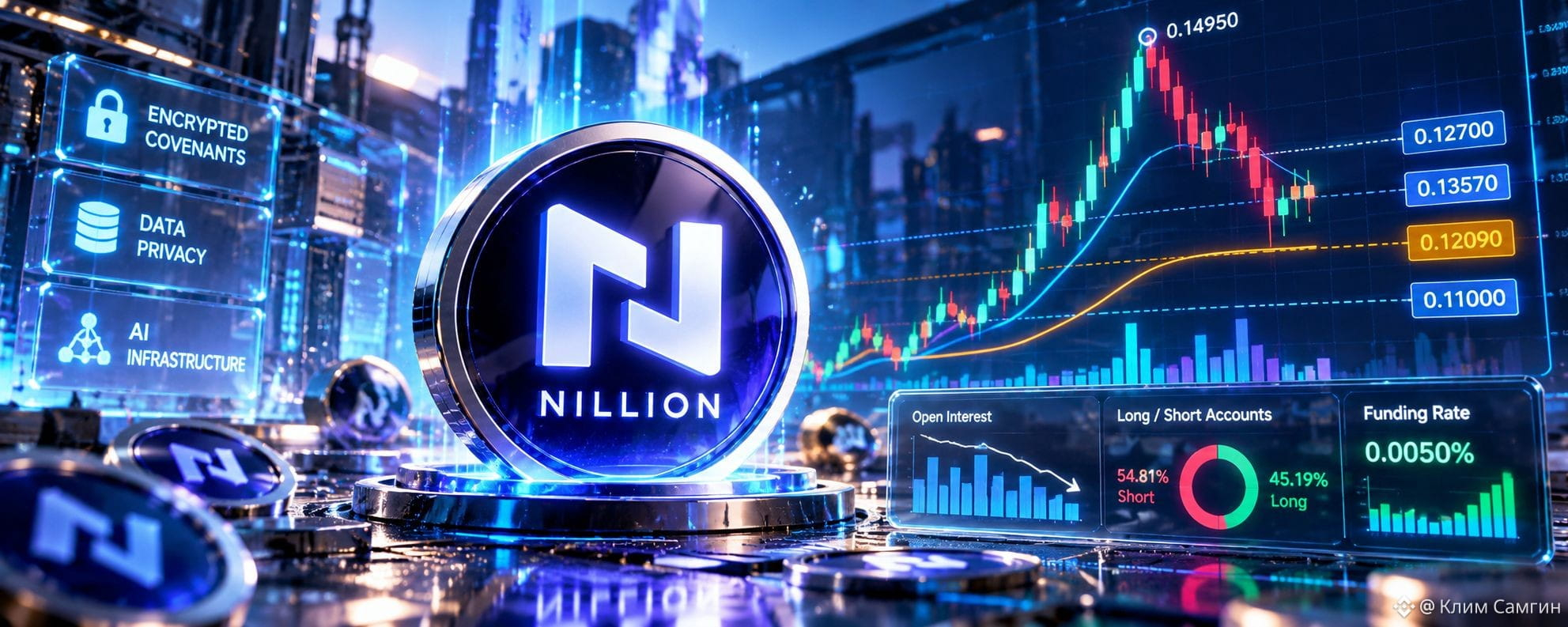
Article
NIL после пампа на 32%: удержит ли цена ключевые уровниПриветствую вас, дорогие друзья!
$NIL за сутки прибавил около 32%, но после выхода к 0,14950 цена уже откатилась к 0,127.
На 15-минутном графике сейчас цена находится практически у AVL 0,12825. Ниже проходит Supertrend 0,12093. Пока этот уровень удерживается, говорить о сломе текущего движения рано.
На 4-часовом графике картина похожая: Supertrend находится на 0,08968, а AVL на 0,13567. То есть цена пока значительно выше основной поддержки, но до возвращения выше 0,1357 ей еще нужно дойти.
Интересно посмотреть и на фьючерсы. После роста к 0,14950 открытый интерес начал снижаться. При этом по аккаунтам сейчас 54,81% шортов против 45,19% лонгов, финансирование составляет 0,005%.
По уровням я бы смотрел прежде всего на 0,1209 и 0,1357. Выше 0,1357 остается возможность повторного теста 0,1495. Ниже 0,1209 следующий заметный уровень на графике находится около 0,1100.
Причина повышенного внимания к $NIL есть и со стороны самого проекта. Nillion указывает 28 сентября как дату выхода Dusk на Ethereum mainnet. Это первый этап запуска Covenants на Ethereum L1.
При этом масштаб движения за последние дни уже очень большой: с закрытия около 0,062 20 сентября до максимума 0,149 24 сентября.
Поэтому сейчас для $NIL ключевыми становятся именно уровни 0,1209 и 0,1357. Удержание первого оставляет структуру роста в силе, а возвращение выше второго даст возможность снова проверить максимум 0,1495. Потеря 0,1209 заметно увеличит вероятность движения к 0,1100.
Это мой личный анализ графика и рыночных данных, а не финансовый совет, инвестиционная или торговая рекомендация. Особенно это касается торговли фьючерсами и использования плеча.
#NIL #nillion #BinanceFutures
NIL после пампа на 32%: удержит ли цена ключевые уровни
Приветствую вас, дорогие друзья!
$NIL за сутки прибавил около 32%, но после выхода к 0,14950 цена уже откатилась к 0,127.
На 15-минутном графике сейчас цена находится практически у AVL 0,12825. Ниже проходит Supertrend 0,12093. Пока этот уровень удерживается, говорить о сломе текущего движения рано.
На 4-часовом графике картина похожая: Supertrend находится на 0,08968, а AVL на 0,13567. То есть цена пока значительно выше основной поддержки, но до возвращения выше 0,1357 ей еще нужно дойти.
Интересно посмотреть и на фьючерсы. После роста к 0,14950 открытый интерес начал снижаться. При этом по аккаунтам сейчас 54,81% шортов против 45,19% лонгов, финансирование составляет 0,005%.
По уровням я бы смотрел прежде всего на 0,1209 и 0,1357. Выше 0,1357 остается возможность повторного теста 0,1495. Ниже 0,1209 следующий заметный уровень на графике находится около 0,1100.
Причина повышенного внимания к $NIL есть и со стороны самого проекта. Nillion указывает 28 сентября как дату выхода Dusk на Ethereum mainnet. Это первый этап запуска Covenants на Ethereum L1.
При этом масштаб движения за последние дни уже очень большой: с закрытия около 0,062 20 сентября до максимума 0,149 24 сентября.
Поэтому сейчас для $NIL ключевыми становятся именно уровни 0,1209 и 0,1357. Удержание первого оставляет структуру роста в силе, а возвращение выше второго даст возможность снова проверить максимум 0,1495. Потеря 0,1209 заметно увеличит вероятность движения к 0,1100.
Это мой личный анализ графика и рыночных данных, а не финансовый совет, инвестиционная или торговая рекомендация. Особенно это касается торговли фьючерсами и использования плеча.
#NIL #nillion #BinanceFutures
$NIL за сутки прибавил около 32%, но после выхода к 0,14950 цена уже откатилась к 0,127.
На 15-минутном графике сейчас цена находится практически у AVL 0,12825. Ниже проходит Supertrend 0,12093. Пока этот уровень удерживается, говорить о сломе текущего движения рано.
На 4-часовом графике картина похожая: Supertrend находится на 0,08968, а AVL на 0,13567. То есть цена пока значительно выше основной поддержки, но до возвращения выше 0,1357 ей еще нужно дойти.
Интересно посмотреть и на фьючерсы. После роста к 0,14950 открытый интерес начал снижаться. При этом по аккаунтам сейчас 54,81% шортов против 45,19% лонгов, финансирование составляет 0,005%.
По уровням я бы смотрел прежде всего на 0,1209 и 0,1357. Выше 0,1357 остается возможность повторного теста 0,1495. Ниже 0,1209 следующий заметный уровень на графике находится около 0,1100.
Причина повышенного внимания к $NIL есть и со стороны самого проекта. Nillion указывает 28 сентября как дату выхода Dusk на Ethereum mainnet. Это первый этап запуска Covenants на Ethereum L1.
При этом масштаб движения за последние дни уже очень большой: с закрытия около 0,062 20 сентября до максимума 0,149 24 сентября.
Поэтому сейчас для $NIL ключевыми становятся именно уровни 0,1209 и 0,1357. Удержание первого оставляет структуру роста в силе, а возвращение выше второго даст возможность снова проверить максимум 0,1495. Потеря 0,1209 заметно увеличит вероятность движения к 0,1100.
Это мой личный анализ графика и рыночных данных, а не финансовый совет, инвестиционная или торговая рекомендация. Особенно это касается торговли фьючерсами и использования плеча.
#NIL #nillion #BinanceFutures
2
999
·
--
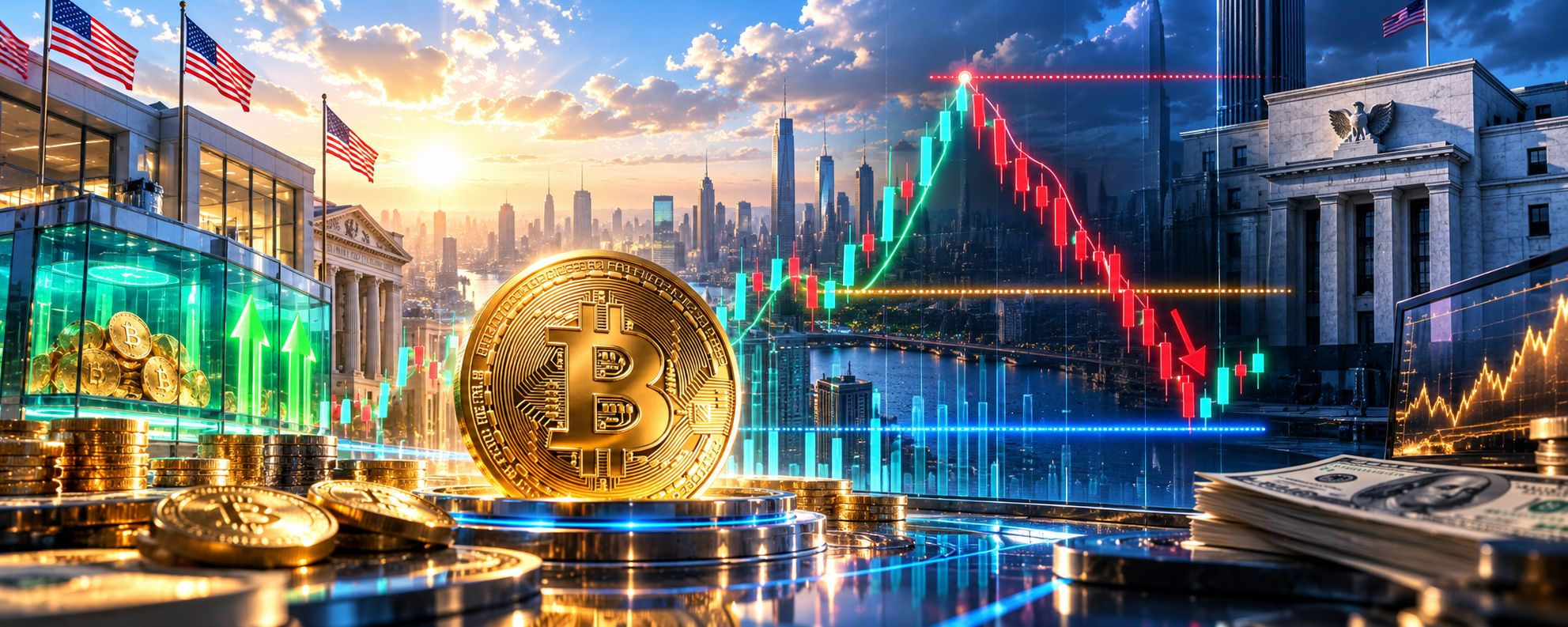
Article
$BTC: после $87 000 рынок проверяет поддержкуПриветствую вас, дорогие друзья.
$BTC после подъёма к $87 000 вернулся к $84 500. Сейчас особенно важно сопоставить движение цены с потоками капитала, фьючерсными позициями и поведением графика на разных таймфреймах.
Американские спотовые Bitcoin ETF получили $998,95 млн чистого притока 21 сентября, а 22 сентября ещё $714,75 млн. С учётом притоков 17 и 18 сентября суммарный результат четырёх сессий составил около $2,3 млрд. (TFTC)
Для понимания механики: приток в спотовый ETF означает увеличение спроса на инвестиционный продукт, обеспеченный Bitcoin. При создании новых паёв фонда соответствующий процесс сопровождается операциями с базовым активом. Поэтому ETF-потоки используются как один из объективных показателей спроса на Bitcoin через традиционную финансовую инфраструктуру. При этом дневной приток нельзя автоматически считать причиной движения цены в тот же день, поскольку операции фонда и движение котировок могут иметь временной лаг.
Одновременно макроэкономический фон стал менее благоприятным для рискованных активов. 23 сентября индекс S&P Global Flash US Composite PMI поднялся до 58,4, максимального уровня с июля 2021 года. Доходность 10-летних казначейских облигаций США выросла до 5,054%, максимума с 2007 года. Рост доходностей повышает относительную привлекательность процентных инструментов и увеличивает стоимость капитала для финансовой системы. (LSE)
Именно здесь появляется важное противоречие: поток капитала в Bitcoin ETF остаётся положительным, одновременно доходности американских облигаций резко выросли. Поэтому движение Bitcoin нельзя объяснить одним показателем.
На 1D цена находится около $84 540. Дневной AVL расположен около $85 117, Supertrend около $78 264, SAR около $76 954.
AVL показывает среднюю цену с учётом объёма и позволяет оценивать положение текущей цены относительно области, где проходил значимый объём торгов. Supertrend и SAR относятся к трендовой группе индикаторов и используются для определения динамических уровней.
Следовательно, на дневном графике цена уже находится ниже AVL, но остаётся выше Supertrend и SAR. Это означает, что потеря дневной объёмной средней пока не сопровождается пробоем этих более глубоких технических уровней.
На 4H цена около $84 540 находится выше AVL $84 398 и Supertrend $83 516, но ниже SAR $86 979.
Здесь структура отличается от дневной. На четырёхчасовом масштабе рынок пока удерживает Supertrend, поэтому уровень около $83 500 становится технически значимым. Потеря этого уровня изменит текущую конфигурацию 4H-графика.
На 15M ситуация слабее: цена около $84 545 находится ниже AVL $84 549 и Supertrend $84 917, тогда как SAR расположен около $84 230.
Таким образом, разные таймфреймы показывают разные стадии движения. Дневной график ещё находится выше Supertrend, 4H также удерживает его, а краткосрочный 15M уже находится ниже AVL и Supertrend.
Отдельного внимания заслуживает Open Interest. На представленном 5-минутном графике он снизился примерно с 98,7 тыс. BTC до 98,3 тыс. $BTC .
Open Interest показывает количество открытых фьючерсных контрактов. Его снижение означает сокращение совокупного объёма открытых позиций, но не позволяет определить, закрывались именно лонги или именно шорты. Обе стороны каждого фьючерсного контракта существуют одновременно, поэтому по одному OI направление закрывавшихся позиций установить нельзя.
Распределение позиций при этом остаётся смещённым в сторону лонгов: примерно 65% против 35%. Распределение аккаунтов показывает гораздо меньший перевес, около 54% лонгов против 46% шортов. Это разные показатели: один отражает распределение объёма позиций, другой количество аккаунтов.
На графике Taker Buy/Sell после движения цены вверх наблюдался заметный всплеск агрессивных покупок около 01:00. Однако последующие значения не показывают такого же устойчивого преобладания покупок.
Это важно для интерпретации отката: покупательский импульс был зафиксирован, но пока не превратился в постоянное одностороннее давление.
Фьючерсный basis остаётся отрицательным, то есть цена фьючерса находится ниже индексной цены. Сам по себе отрицательный basis не является сигналом роста или падения. Он показывает только текущее соотношение между фьючерсной и индексной ценой.
Funding остаётся положительным, около 0,00128%. При положительном funding лонги платят шортам. Однако текущая ставка существенно ниже более высоких значений, которые наблюдались ранее, поэтому выраженного давления стоимости удержания длинных позиций по этому показателю сейчас не видно.
В результате текущая структура выглядит следующим образом: спотовые ETF показывают значительные притоки капитала, но цена после подъёма к $87 000 вернулась к $84 500; на 4H сохраняется положение выше Supertrend, на дневном графике цена ниже AVL, а на 15M одновременно ниже AVL и Supertrend; открытый интерес немного сократился, а агрессивные покупки после всплеска не получили устойчивого продолжения.
Ключевые технические зоны сейчас находятся около $83 500, $85 100 и $87 000–87 400.
Закрепление выше $85 100 вернёт цену над дневной AVL. Возврат выше $87 000–87 400 будет означать обновление недавнего локального максимума.
Потеря $83 500 будет означать пробой 4H Supertrend и изменение текущей четырёхчасовой структуры.
Поэтому дальнейшее движение определяется не самим фактом отката от $87 000, а тем, какая из этих зон будет подтверждённо пробита и удержана. Одновременно изменение ETF-потоков, Open Interest и агрессивного объёма позволит понять, сопровождается ли движение реальным изменением спроса и фьючерсного позиционирования.
Материал отражает анализ рыночных данных и носит исключительно информационный характер. Это не является финансовой, инвестиционной или торговой рекомендацией и не представляет собой руководство к совершению сделок, особенно с использованием фьючерсов и кредитного плеча.
#BTCUSDT #bitcoin #crypto
$BTC: после $87 000 рынок проверяет поддержку
Приветствую вас, дорогие друзья.
$BTC после подъёма к $87 000 вернулся к $84 500. Сейчас особенно важно сопоставить движение цены с потоками капитала, фьючерсными позициями и поведением графика на разных таймфреймах.
Американские спотовые Bitcoin ETF получили $998,95 млн чистого притока 21 сентября, а 22 сентября ещё $714,75 млн. С учётом притоков 17 и 18 сентября суммарный результат четырёх сессий составил около $2,3 млрд. (TFTC)
Для понимания механики: приток в спотовый ETF означает увеличение спроса на инвестиционный продукт, обеспеченный Bitcoin. При создании новых паёв фонда соответствующий процесс сопровождается операциями с базовым активом. Поэтому ETF-потоки используются как один из объективных показателей спроса на Bitcoin через традиционную финансовую инфраструктуру. При этом дневной приток нельзя автоматически считать причиной движения цены в тот же день, поскольку операции фонда и движение котировок могут иметь временной лаг.
Одновременно макроэкономический фон стал менее благоприятным для рискованных активов. 23 сентября индекс S&P Global Flash US Composite PMI поднялся до 58,4, максимального уровня с июля 2021 года. Доходность 10-летних казначейских облигаций США выросла до 5,054%, максимума с 2007 года. Рост доходностей повышает относительную привлекательность процентных инструментов и увеличивает стоимость капитала для финансовой системы. (LSE)
Именно здесь появляется важное противоречие: поток капитала в Bitcoin ETF остаётся положительным, одновременно доходности американских облигаций резко выросли. Поэтому движение Bitcoin нельзя объяснить одним показателем.
На 1D цена находится около $84 540. Дневной AVL расположен около $85 117, Supertrend около $78 264, SAR около $76 954.
AVL показывает среднюю цену с учётом объёма и позволяет оценивать положение текущей цены относительно области, где проходил значимый объём торгов. Supertrend и SAR относятся к трендовой группе индикаторов и используются для определения динамических уровней.
Следовательно, на дневном графике цена уже находится ниже AVL, но остаётся выше Supertrend и SAR. Это означает, что потеря дневной объёмной средней пока не сопровождается пробоем этих более глубоких технических уровней.
На 4H цена около $84 540 находится выше AVL $84 398 и Supertrend $83 516, но ниже SAR $86 979.
Здесь структура отличается от дневной. На четырёхчасовом масштабе рынок пока удерживает Supertrend, поэтому уровень около $83 500 становится технически значимым. Потеря этого уровня изменит текущую конфигурацию 4H-графика.
На 15M ситуация слабее: цена около $84 545 находится ниже AVL $84 549 и Supertrend $84 917, тогда как SAR расположен около $84 230.
Таким образом, разные таймфреймы показывают разные стадии движения. Дневной график ещё находится выше Supertrend, 4H также удерживает его, а краткосрочный 15M уже находится ниже AVL и Supertrend.
Отдельного внимания заслуживает Open Interest. На представленном 5-минутном графике он снизился примерно с 98,7 тыс. BTC до 98,3 тыс. $BTC .
Open Interest показывает количество открытых фьючерсных контрактов. Его снижение означает сокращение совокупного объёма открытых позиций, но не позволяет определить, закрывались именно лонги или именно шорты. Обе стороны каждого фьючерсного контракта существуют одновременно, поэтому по одному OI направление закрывавшихся позиций установить нельзя.
Распределение позиций при этом остаётся смещённым в сторону лонгов: примерно 65% против 35%. Распределение аккаунтов показывает гораздо меньший перевес, около 54% лонгов против 46% шортов. Это разные показатели: один отражает распределение объёма позиций, другой количество аккаунтов.
На графике Taker Buy/Sell после движения цены вверх наблюдался заметный всплеск агрессивных покупок около 01:00. Однако последующие значения не показывают такого же устойчивого преобладания покупок.
Это важно для интерпретации отката: покупательский импульс был зафиксирован, но пока не превратился в постоянное одностороннее давление.
Фьючерсный basis остаётся отрицательным, то есть цена фьючерса находится ниже индексной цены. Сам по себе отрицательный basis не является сигналом роста или падения. Он показывает только текущее соотношение между фьючерсной и индексной ценой.
Funding остаётся положительным, около 0,00128%. При положительном funding лонги платят шортам. Однако текущая ставка существенно ниже более высоких значений, которые наблюдались ранее, поэтому выраженного давления стоимости удержания длинных позиций по этому показателю сейчас не видно.
В результате текущая структура выглядит следующим образом: спотовые ETF показывают значительные притоки капитала, но цена после подъёма к $87 000 вернулась к $84 500; на 4H сохраняется положение выше Supertrend, на дневном графике цена ниже AVL, а на 15M одновременно ниже AVL и Supertrend; открытый интерес немного сократился, а агрессивные покупки после всплеска не получили устойчивого продолжения.
Ключевые технические зоны сейчас находятся около $83 500, $85 100 и $87 000–87 400.
Закрепление выше $85 100 вернёт цену над дневной AVL. Возврат выше $87 000–87 400 будет означать обновление недавнего локального максимума.
Потеря $83 500 будет означать пробой 4H Supertrend и изменение текущей четырёхчасовой структуры.
Поэтому дальнейшее движение определяется не самим фактом отката от $87 000, а тем, какая из этих зон будет подтверждённо пробита и удержана. Одновременно изменение ETF-потоков, Open Interest и агрессивного объёма позволит понять, сопровождается ли движение реальным изменением спроса и фьючерсного позиционирования.
Материал отражает анализ рыночных данных и носит исключительно информационный характер. Это не является финансовой, инвестиционной или торговой рекомендацией и не представляет собой руководство к совершению сделок, особенно с использованием фьючерсов и кредитного плеча.
#BTCUSDT #bitcoin #crypto
$BTC после подъёма к $87 000 вернулся к $84 500. Сейчас особенно важно сопоставить движение цены с потоками капитала, фьючерсными позициями и поведением графика на разных таймфреймах.
Американские спотовые Bitcoin ETF получили $998,95 млн чистого притока 21 сентября, а 22 сентября ещё $714,75 млн. С учётом притоков 17 и 18 сентября суммарный результат четырёх сессий составил около $2,3 млрд. (TFTC)
Для понимания механики: приток в спотовый ETF означает увеличение спроса на инвестиционный продукт, обеспеченный Bitcoin. При создании новых паёв фонда соответствующий процесс сопровождается операциями с базовым активом. Поэтому ETF-потоки используются как один из объективных показателей спроса на Bitcoin через традиционную финансовую инфраструктуру. При этом дневной приток нельзя автоматически считать причиной движения цены в тот же день, поскольку операции фонда и движение котировок могут иметь временной лаг.
Одновременно макроэкономический фон стал менее благоприятным для рискованных активов. 23 сентября индекс S&P Global Flash US Composite PMI поднялся до 58,4, максимального уровня с июля 2021 года. Доходность 10-летних казначейских облигаций США выросла до 5,054%, максимума с 2007 года. Рост доходностей повышает относительную привлекательность процентных инструментов и увеличивает стоимость капитала для финансовой системы. (LSE)
Именно здесь появляется важное противоречие: поток капитала в Bitcoin ETF остаётся положительным, одновременно доходности американских облигаций резко выросли. Поэтому движение Bitcoin нельзя объяснить одним показателем.
На 1D цена находится около $84 540. Дневной AVL расположен около $85 117, Supertrend около $78 264, SAR около $76 954.
AVL показывает среднюю цену с учётом объёма и позволяет оценивать положение текущей цены относительно области, где проходил значимый объём торгов. Supertrend и SAR относятся к трендовой группе индикаторов и используются для определения динамических уровней.
Следовательно, на дневном графике цена уже находится ниже AVL, но остаётся выше Supertrend и SAR. Это означает, что потеря дневной объёмной средней пока не сопровождается пробоем этих более глубоких технических уровней.
На 4H цена около $84 540 находится выше AVL $84 398 и Supertrend $83 516, но ниже SAR $86 979.
Здесь структура отличается от дневной. На четырёхчасовом масштабе рынок пока удерживает Supertrend, поэтому уровень около $83 500 становится технически значимым. Потеря этого уровня изменит текущую конфигурацию 4H-графика.
На 15M ситуация слабее: цена около $84 545 находится ниже AVL $84 549 и Supertrend $84 917, тогда как SAR расположен около $84 230.
Таким образом, разные таймфреймы показывают разные стадии движения. Дневной график ещё находится выше Supertrend, 4H также удерживает его, а краткосрочный 15M уже находится ниже AVL и Supertrend.
Отдельного внимания заслуживает Open Interest. На представленном 5-минутном графике он снизился примерно с 98,7 тыс. BTC до 98,3 тыс. $BTC .
Open Interest показывает количество открытых фьючерсных контрактов. Его снижение означает сокращение совокупного объёма открытых позиций, но не позволяет определить, закрывались именно лонги или именно шорты. Обе стороны каждого фьючерсного контракта существуют одновременно, поэтому по одному OI направление закрывавшихся позиций установить нельзя.
Распределение позиций при этом остаётся смещённым в сторону лонгов: примерно 65% против 35%. Распределение аккаунтов показывает гораздо меньший перевес, около 54% лонгов против 46% шортов. Это разные показатели: один отражает распределение объёма позиций, другой количество аккаунтов.
На графике Taker Buy/Sell после движения цены вверх наблюдался заметный всплеск агрессивных покупок около 01:00. Однако последующие значения не показывают такого же устойчивого преобладания покупок.
Это важно для интерпретации отката: покупательский импульс был зафиксирован, но пока не превратился в постоянное одностороннее давление.
Фьючерсный basis остаётся отрицательным, то есть цена фьючерса находится ниже индексной цены. Сам по себе отрицательный basis не является сигналом роста или падения. Он показывает только текущее соотношение между фьючерсной и индексной ценой.
Funding остаётся положительным, около 0,00128%. При положительном funding лонги платят шортам. Однако текущая ставка существенно ниже более высоких значений, которые наблюдались ранее, поэтому выраженного давления стоимости удержания длинных позиций по этому показателю сейчас не видно.
В результате текущая структура выглядит следующим образом: спотовые ETF показывают значительные притоки капитала, но цена после подъёма к $87 000 вернулась к $84 500; на 4H сохраняется положение выше Supertrend, на дневном графике цена ниже AVL, а на 15M одновременно ниже AVL и Supertrend; открытый интерес немного сократился, а агрессивные покупки после всплеска не получили устойчивого продолжения.
Ключевые технические зоны сейчас находятся около $83 500, $85 100 и $87 000–87 400.
Закрепление выше $85 100 вернёт цену над дневной AVL. Возврат выше $87 000–87 400 будет означать обновление недавнего локального максимума.
Потеря $83 500 будет означать пробой 4H Supertrend и изменение текущей четырёхчасовой структуры.
Поэтому дальнейшее движение определяется не самим фактом отката от $87 000, а тем, какая из этих зон будет подтверждённо пробита и удержана. Одновременно изменение ETF-потоков, Open Interest и агрессивного объёма позволит понять, сопровождается ли движение реальным изменением спроса и фьючерсного позиционирования.
Материал отражает анализ рыночных данных и носит исключительно информационный характер. Это не является финансовой, инвестиционной или торговой рекомендацией и не представляет собой руководство к совершению сделок, особенно с использованием фьючерсов и кредитного плеча.
#BTCUSDT #bitcoin #crypto
1.6k
·
--

Article
$TAKE: сильный импульс, новые позиции и важная дата 25 сентябряПриветствую вас, дорогие друзья.
Сегодня хочу разобрать $TAKE именно по графику, без попыток угадать направление по одной свечке.
OVERTAKE развивает экосистему для цифровых игровых активов: проект связывает Web2 и Web3-экономику, а $TAKE является её нативным utility и governance-токеном. Сейчас TAKE доступен через Binance Alpha, но не является обычным спотовым листингом Binance. (Overtake)
Теперь к самому графику.
На 1D хорошо видно, насколько резко изменился рынок. До движения цена долго находилась около 0,05 USDT, затем появилась огромная зелёная свеча с максимумом примерно 0,166 USDT. Сейчас цена около 0,0955.
То есть рынок уже вернул значительную часть импульса обратно. При этом цена всё ещё находится выше SAR 0,0518 и Supertrend 0,0727, но ниже AVL 0,1414.
Если объяснить это простыми словами: после сильного всплеска цена пока не вернулась к исходной зоне, но и закрепиться выше всей области, сформированной импульсом, ещё не смогла.
Особенно показателен объём. На дневном графике прошло около 4,44 млрд TAKE, или примерно 627 млн USDT. OBV также резко вырос. Это подтверждает, что движение сопровождалось очень большим количеством сделок, а не произошло на пустом рынке.
На 4H картина становится понятнее. После максимума 0,21470 цена резко снизилась и сейчас находится около 0,0955.
Здесь AVL 0,0944 практически совпадает с текущей ценой, а SAR 0,0786 находится ниже. Поэтому зона около 0,0944 сейчас хорошо видна непосредственно на графике как место, где цена пытается остановить снижение.
Выше ближайший уровень находится около 0,1142. Ещё выше 0,1640, а Supertrend расположен на 0,1735.
На 15M видно уже не направление всего движения, а то, что происходит прямо сейчас. Цена около 0,0954, AVL 0,0952, SAR 0,0887, Supertrend 0,1085.
После сильного падения свечи стали маленькими, а объёмы заметно уменьшились. Это означает, что первоначальный импульс закончился и рынок перешёл в фазу ожидания. Пока цена практически стоит на AVL, а не продолжает резко падать.
Теперь самое интересное начинается в данных по фьючерсам.
Открытый интерес во время падения заметно снизился: примерно с 84,6 млн до 83,8 млн TAKE, после чего восстановился к 84,6 млн.
То есть во время распродажи часть фьючерсных позиций закрывалась. Затем интерес к контракту вернулся. Но пока OI просто восстановился к прежнему диапазону, поэтому говорить о появлении мощного нового тренда только по этому показателю нельзя.
Позиционирование трейдеров тоже интересно.
По количеству аккаунтов среди топ-трейдеров 62,24% long против 37,76% short.
Но по размеру позиций картина намного спокойнее: 53,14% long против 46,86% short.
Это означает простую вещь: лонговых аккаунтов действительно больше, но по объёму капитала рынок почти сбалансирован.
На графике тейкерских сделок также видно, что после огромного всплеска продаж около 00:25 покупатели снова начали появляться. Но устойчивого преимущества покупателей пока не видно: зелёные и красные объёмы продолжают чередоваться.
Basis после резкого ухода в отрицательную область также восстановился почти к нулю и снова стал небольшим положительным. А funding сейчас +0,01299%, хотя перед этим он проваливался значительно ниже нуля.
То есть фьючерсный рынок после резкого перекоса возвращается к более нормальному состоянию.
Есть ещё одна дата, которую я бы держал в поле зрения: 25 сентября OVERTAKE должен разблокировать около 19,4 млн TAKE. Это примерно 1,9% общего предложения и 5,6% текущей капитализации. (Tokenomics.com)
И вот что я вижу на графике сейчас.
$TAKE не находится в чистом восходящем тренде и не находится в чистом падении.
После огромного импульса рынок остановился около 0,095 USDT. На коротком таймфрейме цена держится над AVL и SAR, но Supertrend остаётся выше. На 4H цена также удерживает AVL, но находится далеко ниже Supertrend.
Поэтому сейчас график читается очень конкретно:
0,0944–0,0952 — текущая зона равновесия.
0,1038–0,1085 — первая область, которую покупателям необходимо вернуть.
0,1142 — следующий уровень.
Ниже 0,0887 и 0,0786.
Мне здесь интересен не сам факт огромной свечи.
Гораздо интереснее другое: после этой свечи цена остановилась около 0,095, объёмы резко снизились, OI восстановился, а позиции трейдеров остаются близкими к балансу по объёму.
Именно это сейчас показывает график OVERTAKE.
$TAKE: сильный импульс, новые позиции и важная дата 25 сентября
Приветствую вас, дорогие друзья.
Сегодня хочу разобрать $TAKE именно по графику, без попыток угадать направление по одной свечке.
OVERTAKE развивает экосистему для цифровых игровых активов: проект связывает Web2 и Web3-экономику, а $TAKE является её нативным utility и governance-токеном. Сейчас TAKE доступен через Binance Alpha, но не является обычным спотовым листингом Binance. (Overtake)
Теперь к самому графику.
На 1D хорошо видно, насколько резко изменился рынок. До движения цена долго находилась около 0,05 USDT, затем появилась огромная зелёная свеча с максимумом примерно 0,166 USDT. Сейчас цена около 0,0955.
То есть рынок уже вернул значительную часть импульса обратно. При этом цена всё ещё находится выше SAR 0,0518 и Supertrend 0,0727, но ниже AVL 0,1414.
Если объяснить это простыми словами: после сильного всплеска цена пока не вернулась к исходной зоне, но и закрепиться выше всей области, сформированной импульсом, ещё не смогла.
Особенно показателен объём. На дневном графике прошло около 4,44 млрд TAKE, или примерно 627 млн USDT. OBV также резко вырос. Это подтверждает, что движение сопровождалось очень большим количеством сделок, а не произошло на пустом рынке.
На 4H картина становится понятнее. После максимума 0,21470 цена резко снизилась и сейчас находится около 0,0955.
Здесь AVL 0,0944 практически совпадает с текущей ценой, а SAR 0,0786 находится ниже. Поэтому зона около 0,0944 сейчас хорошо видна непосредственно на графике как место, где цена пытается остановить снижение.
Выше ближайший уровень находится около 0,1142. Ещё выше 0,1640, а Supertrend расположен на 0,1735.
На 15M видно уже не направление всего движения, а то, что происходит прямо сейчас. Цена около 0,0954, AVL 0,0952, SAR 0,0887, Supertrend 0,1085.
После сильного падения свечи стали маленькими, а объёмы заметно уменьшились. Это означает, что первоначальный импульс закончился и рынок перешёл в фазу ожидания. Пока цена практически стоит на AVL, а не продолжает резко падать.
Теперь самое интересное начинается в данных по фьючерсам.
Открытый интерес во время падения заметно снизился: примерно с 84,6 млн до 83,8 млн TAKE, после чего восстановился к 84,6 млн.
То есть во время распродажи часть фьючерсных позиций закрывалась. Затем интерес к контракту вернулся. Но пока OI просто восстановился к прежнему диапазону, поэтому говорить о появлении мощного нового тренда только по этому показателю нельзя.
Позиционирование трейдеров тоже интересно.
По количеству аккаунтов среди топ-трейдеров 62,24% long против 37,76% short.
Но по размеру позиций картина намного спокойнее: 53,14% long против 46,86% short.
Это означает простую вещь: лонговых аккаунтов действительно больше, но по объёму капитала рынок почти сбалансирован.
На графике тейкерских сделок также видно, что после огромного всплеска продаж около 00:25 покупатели снова начали появляться. Но устойчивого преимущества покупателей пока не видно: зелёные и красные объёмы продолжают чередоваться.
Basis после резкого ухода в отрицательную область также восстановился почти к нулю и снова стал небольшим положительным. А funding сейчас +0,01299%, хотя перед этим он проваливался значительно ниже нуля.
То есть фьючерсный рынок после резкого перекоса возвращается к более нормальному состоянию.
Есть ещё одна дата, которую я бы держал в поле зрения: 25 сентября OVERTAKE должен разблокировать около 19,4 млн TAKE. Это примерно 1,9% общего предложения и 5,6% текущей капитализации. (Tokenomics.com)
И вот что я вижу на графике сейчас.
$TAKE не находится в чистом восходящем тренде и не находится в чистом падении.
После огромного импульса рынок остановился около 0,095 USDT. На коротком таймфрейме цена держится над AVL и SAR, но Supertrend остаётся выше. На 4H цена также удерживает AVL, но находится далеко ниже Supertrend.
Поэтому сейчас график читается очень конкретно:
0,0944–0,0952 — текущая зона равновесия.
0,1038–0,1085 — первая область, которую покупателям необходимо вернуть.
0,1142 — следующий уровень.
Ниже 0,0887 и 0,0786.
Мне здесь интересен не сам факт огромной свечи.
Гораздо интереснее другое: после этой свечи цена остановилась около 0,095, объёмы резко снизились, OI восстановился, а позиции трейдеров остаются близкими к балансу по объёму.
Именно это сейчас показывает график OVERTAKE.
Сегодня хочу разобрать $TAKE именно по графику, без попыток угадать направление по одной свечке.
OVERTAKE развивает экосистему для цифровых игровых активов: проект связывает Web2 и Web3-экономику, а $TAKE является её нативным utility и governance-токеном. Сейчас TAKE доступен через Binance Alpha, но не является обычным спотовым листингом Binance. (Overtake)
Теперь к самому графику.
На 1D хорошо видно, насколько резко изменился рынок. До движения цена долго находилась около 0,05 USDT, затем появилась огромная зелёная свеча с максимумом примерно 0,166 USDT. Сейчас цена около 0,0955.
То есть рынок уже вернул значительную часть импульса обратно. При этом цена всё ещё находится выше SAR 0,0518 и Supertrend 0,0727, но ниже AVL 0,1414.
Если объяснить это простыми словами: после сильного всплеска цена пока не вернулась к исходной зоне, но и закрепиться выше всей области, сформированной импульсом, ещё не смогла.
Особенно показателен объём. На дневном графике прошло около 4,44 млрд TAKE, или примерно 627 млн USDT. OBV также резко вырос. Это подтверждает, что движение сопровождалось очень большим количеством сделок, а не произошло на пустом рынке.
На 4H картина становится понятнее. После максимума 0,21470 цена резко снизилась и сейчас находится около 0,0955.
Здесь AVL 0,0944 практически совпадает с текущей ценой, а SAR 0,0786 находится ниже. Поэтому зона около 0,0944 сейчас хорошо видна непосредственно на графике как место, где цена пытается остановить снижение.
Выше ближайший уровень находится около 0,1142. Ещё выше 0,1640, а Supertrend расположен на 0,1735.
На 15M видно уже не направление всего движения, а то, что происходит прямо сейчас. Цена около 0,0954, AVL 0,0952, SAR 0,0887, Supertrend 0,1085.
После сильного падения свечи стали маленькими, а объёмы заметно уменьшились. Это означает, что первоначальный импульс закончился и рынок перешёл в фазу ожидания. Пока цена практически стоит на AVL, а не продолжает резко падать.
Теперь самое интересное начинается в данных по фьючерсам.
Открытый интерес во время падения заметно снизился: примерно с 84,6 млн до 83,8 млн TAKE, после чего восстановился к 84,6 млн.
То есть во время распродажи часть фьючерсных позиций закрывалась. Затем интерес к контракту вернулся. Но пока OI просто восстановился к прежнему диапазону, поэтому говорить о появлении мощного нового тренда только по этому показателю нельзя.
Позиционирование трейдеров тоже интересно.
По количеству аккаунтов среди топ-трейдеров 62,24% long против 37,76% short.
Но по размеру позиций картина намного спокойнее: 53,14% long против 46,86% short.
Это означает простую вещь: лонговых аккаунтов действительно больше, но по объёму капитала рынок почти сбалансирован.
На графике тейкерских сделок также видно, что после огромного всплеска продаж около 00:25 покупатели снова начали появляться. Но устойчивого преимущества покупателей пока не видно: зелёные и красные объёмы продолжают чередоваться.
Basis после резкого ухода в отрицательную область также восстановился почти к нулю и снова стал небольшим положительным. А funding сейчас +0,01299%, хотя перед этим он проваливался значительно ниже нуля.
То есть фьючерсный рынок после резкого перекоса возвращается к более нормальному состоянию.
Есть ещё одна дата, которую я бы держал в поле зрения: 25 сентября OVERTAKE должен разблокировать около 19,4 млн TAKE. Это примерно 1,9% общего предложения и 5,6% текущей капитализации. (Tokenomics.com)
И вот что я вижу на графике сейчас.
$TAKE не находится в чистом восходящем тренде и не находится в чистом падении.
После огромного импульса рынок остановился около 0,095 USDT. На коротком таймфрейме цена держится над AVL и SAR, но Supertrend остаётся выше. На 4H цена также удерживает AVL, но находится далеко ниже Supertrend.
Поэтому сейчас график читается очень конкретно:
0,0944–0,0952 — текущая зона равновесия.
0,1038–0,1085 — первая область, которую покупателям необходимо вернуть.
0,1142 — следующий уровень.
Ниже 0,0887 и 0,0786.
Мне здесь интересен не сам факт огромной свечи.
Гораздо интереснее другое: после этой свечи цена остановилась около 0,095, объёмы резко снизились, OI восстановился, а позиции трейдеров остаются близкими к балансу по объёму.
Именно это сейчас показывает график OVERTAKE.
392
·
--
Почему я такой упрямый в своей глупости?
Я не закрыл, когда было минус $30, $60, $80 и тем более не закрыл на минус ста долларов от сделки.
Ну, не дойдет цена до ликвидации, говорю я себе каждый раз.
За это время, что держу эту сумму замороженную в ордере, на эту же сумму я бы успел заработать гораздо больше, чем держу её с упрямством идиота.
Клиника. Это не лечится.
Сейчас $ZEC около $1630. На 15M цена уже упёрлась в AVL $1634, а SAR находится выше на $1670. При этом на 4H цена практически стоит на AVL $1630. То есть здесь уже не до фантазий, график сам показывает, где будет следующая проверка.
Цена пойдет на $1070.
В любом случае я буду шортить. Только придётся на сумму, превышающую нынешнюю, вдвое.
$ZEC #ZECUSDT
Почему я такой упрямый в своей глупости?
Я не закрыл, когда было минус $30, $60, $80 и тем более не закрыл на минус ста долларов от сделки.
Ну, не дойдет цена до ликвидации, говорю я себе каждый раз.
За это время, что держу эту сумму замороженную в ордере, на эту же сумму я бы успел заработать гораздо больше, чем держу её с упрямством идиота.
Клиника. Это не лечится.
Сейчас $ZEC около $1630. На 15M цена уже упёрлась в AVL $1634, а SAR находится выше на $1670. При этом на 4H цена практически стоит на AVL $1630. То есть здесь уже не до фантазий, график сам показывает, где будет следующая проверка.
Цена пойдет на $1070.
В любом случае я буду шортить. Только придётся на сумму, превышающую нынешнюю, вдвое.
$ZEC #ZECUSDT
Я не закрыл, когда было минус $30, $60, $80 и тем более не закрыл на минус ста долларов от сделки.
Ну, не дойдет цена до ликвидации, говорю я себе каждый раз.
За это время, что держу эту сумму замороженную в ордере, на эту же сумму я бы успел заработать гораздо больше, чем держу её с упрямством идиота.
Клиника. Это не лечится.
Сейчас $ZEC около $1630. На 15M цена уже упёрлась в AVL $1634, а SAR находится выше на $1670. При этом на 4H цена практически стоит на AVL $1630. То есть здесь уже не до фантазий, график сам показывает, где будет следующая проверка.
Цена пойдет на $1070.
В любом случае я буду шортить. Только придётся на сумму, превышающую нынешнюю, вдвое.
$ZEC #ZECUSDT
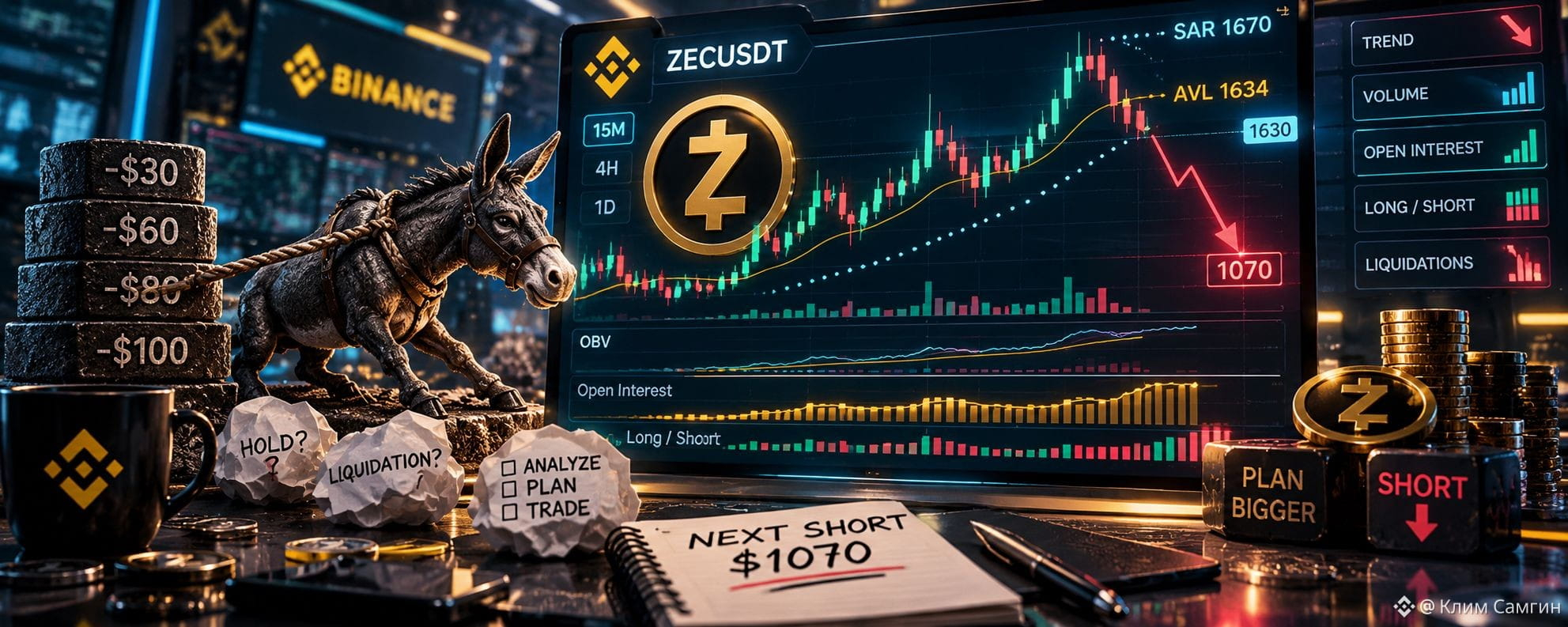
1.1k
·
--
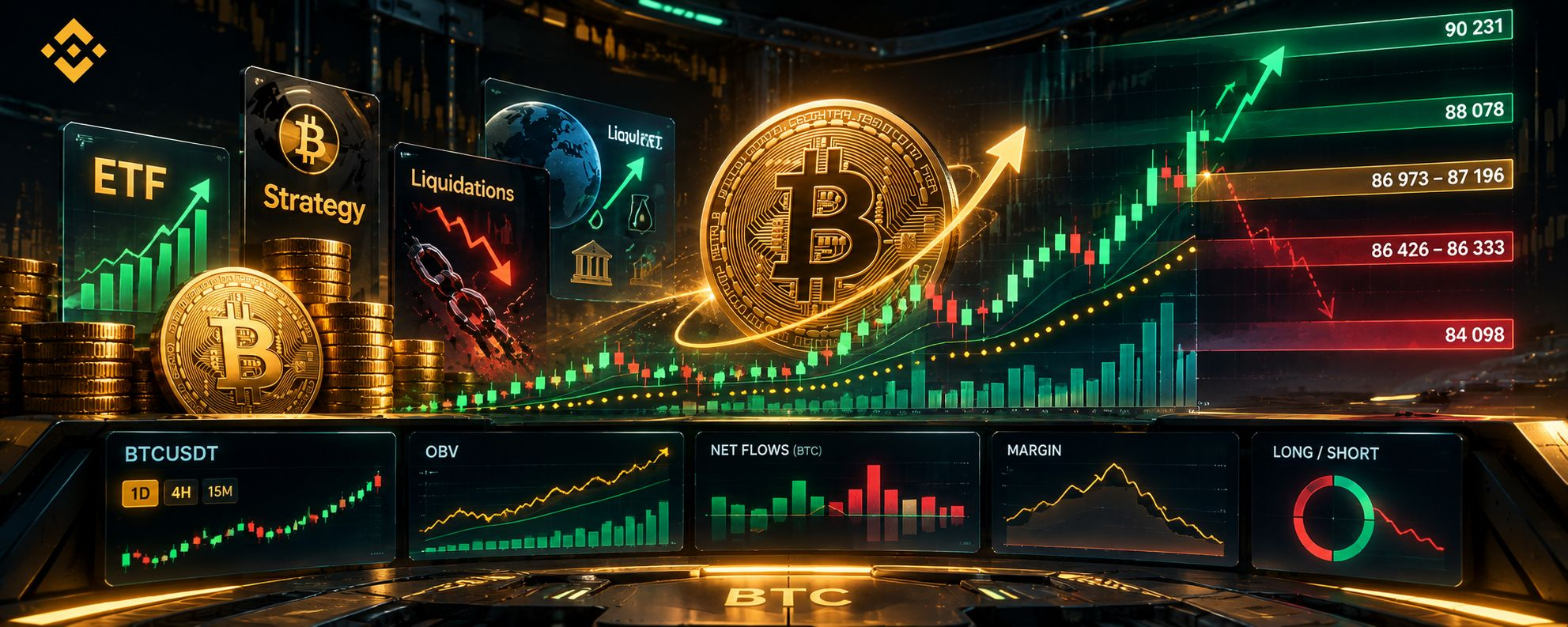
Article
BTCUSDT: что стоит за резким ростом и где сейчас находится ценаПриветствую вас, дорогие друзья!
Сегодня я смотрю на #BTCUSDT сразу на нескольких таймфреймах. После такого движения важно не просто увидеть рост цены, а понять, как он выглядит на дневном, 4H и 15M графиках, где находятся ближайшие уровни и что происходит с объёмами, потоками и позиционированием.
Начну с дневного графика.
Цена находится в районе 87 200 USDT, а ближайший локальный максимум отмечен около 87 395,67.
AVL находится на 86 627,89, то есть цена примерно на 600 USDT выше этой линии. При откате я буду смотреть, как рынок реагирует на эту область. Если цена подходит к AVL и удерживается выше, текущая структура сохраняется. Если закрепляется ниже, положение цены относительно этого индикатора меняется.
SAR расположен на 77 003,05, значительно ниже рынка. Для этого индикатора важно расположение точек относительно свечей: пока точки находятся под ценой, сохраняется восходящая конфигурация SAR. Если они переходят выше свечей, конфигурация меняется.
Supertrend находится на 79 554,12, также значительно ниже текущей цены.
Таким образом, на дневном графике цена находится выше AVL, SAR и Supertrend. Это показывает текущее положение рынка относительно этих индикаторов, но само по себе не означает, что рост обязательно продолжится.
На 4H цена также находится выше основных ориентиров.
AVL — 86 973,19, SAR — 86 000, Supertrend — 84 098,77.
Особенно внимательно я смотрю на область 86 973–87 000, поскольку здесь проходит 4H AVL и цена находится к нему достаточно близко.
Если при снижении $BTC удерживает эту область и снова начинает расти, рынок подтверждает её значение как ближайшего ориентира. Если цена закрепляется ниже, внимание смещается к следующим уровням.
На 15M проверка ещё ближе.
AVL находится на 87 196,21, а цена около 87 208, то есть разница всего около 12 USDT.
При этом SAR 86 332,51 и Supertrend 86 426,62 остаются ниже цены.
Поэтому на младшем таймфрейме сейчас особенно важно, что произойдёт возле 87 196. Удержание выше AVL сохраняет текущую краткосрочную конфигурацию. Закрепление ниже переводит внимание к области 86 426–86 333, где находятся Supertrend и SAR 15M.
Теперь смотрю, какие факторы сопровождали этот рост.
Одним из наиболее заметных стали американские спотовые Bitcoin ETF. 21 сентября они получили $998,95 млн чистого притока, что стало крупнейшим дневным притоком с 6 октября 2025 года. Это не доказывает, что именно ETF стали причиной роста, но показывает значительный спрос на Bitcoin через регулируемые биржевые продукты.
Ещё один подтверждённый фактор связан с Strategy. Компания приобрела 950 BTC за $75,7 млн по средней цене $79 670. После этой покупки её совокупные запасы достигли 846 000 BTC.
Одновременно с ростом происходили крупные ликвидации коротких позиций. За 24 часа было ликвидировано более $750 млн криптопозиций, из них $648,3 млн приходилось на шорты. Когда короткая позиция ликвидируется, её закрытие требует покупки актива. Поэтому такие ликвидации способны ускорять уже начавшееся движение вверх. Но это фактор усиления движения, а не доказательство его единственной причины.
Bitcoin при этом рос одновременно с технологическими акциями. На фоне снижения цен на нефть и доходностей Treasuries улучшилось отношение инвесторов к рисковым активам. Поэтому текущий импульс развивался не только внутри крипторынка.
Возвращаюсь к уровням.
Ближайший ориентир сверху на 4H находится около 88 078,83. На дневном графике следующий крупный уровень расположен около 90 231,31.
Я рассматриваю их как последовательные ценовые ориентиры. Если BTC подходит к 88 078 и уверенно проходит этот уровень, следующим участком для наблюдения становится 90 231. Если возле 88 078 появляется сильная реакция продавцов и цена возвращается вниз, это показывает, что на этом уровне предложение пока остаётся заметным.
Теперь смотрю на OBV.
На дневном графике OBV находится около -38,9K, тогда как MA7 составляет -46,3K, а EMA7 — -47,9K. То есть текущая линия OBV находится выше обеих средних.
OBV помогает сопоставлять движение цены с объёмной активностью. Когда цена растёт одновременно с ростом OBV, движение выглядит более согласованным. Если цена продолжает расти, а OBV начинает снижаться или заметно отставать, появляется расхождение, которое может указывать на ослабление импульса.
На 4H картина похожая: OBV около 93,3K, MA7 около 89,8K, EMA7 около 89,6K. Здесь OBV также находится выше своих средних.
Это поддерживает текущую картину движения, но не является самостоятельным прогнозом цены.
При этом потоковые данные выглядят менее однозначно.
За последние 24 часа общий показатель потоков показывает 19 028,76 BTC покупок против 21 580,99 BTC продаж, то есть чистое значение составляет около -2 552,23 BTC.
Крупные чистые значения за пять дней также были неоднородными: +2 587,79 BTC, -687,24 BTC, +1 844,58 BTC, +1 215,79 BTC и -1 312,86 BTC.
Поэтому я не рассматриваю текущую ситуацию как постоянный односторонний приток капитала. Цена растёт, но данные по потокам пока не показывают такой же однозначной картины.
Маржинальные показатели тоже требуют осторожности.
Показатель роста маржинальной задолженности сначала резко поднялся, а затем снизился. Отдельный показатель соотношения лонгов и шортов с маржой на показанном участке изменился примерно с 47,7 до 41,5.
Само по себе это изменение не является сигналом разворота. Оно показывает изменение маржинального позиционирования, которое имеет смысл оценивать вместе с ценой, объёмами и другими данными.
Теперь собираю картину целиком.
На дневном графике цена находится выше 86 627,89, на 4H — выше 86 973,19, а на 15M практически касается 87 196,21.
Поэтому ближайшая зона проверки находится между 86 973 и 87 196. Пока цена удерживается выше этой области, текущая структура сохраняется.
Выше я слежу за 88 078,83. Если рынок проходит этот уровень и удерживается выше, следующим ориентиром становится 90 231,31.
Если же цена закрепляется ниже 86 973, внимание переходит к 86 426–86 333, затем к 86 000. Следующий более крупный ориентир находится на 84 098,77, где расположен Supertrend 4H.
С фундаментальной стороны движение сопровождается значительным притоком в спотовые Bitcoin ETF, покупкой 950 BTC компанией Strategy и крупными ликвидациями коротких позиций. Эти факторы совпали по времени с резким ростом и помогают понять его контекст, но ни один из них отдельно не позволяет утверждать, что движение обязательно продолжится.
Поэтому сейчас я не пытаюсь угадывать вершину. Я смотрю на реакцию цены вокруг двух ключевых зон: 86 973–87 000 снизу и 88 078,83 сверху.
Удержание нижней зоны сохраняет текущую структуру. Проход верхнего уровня открывает пространство к следующему ориентиру 90 231,31. Потеря 86 973 и закрепление ниже переводят внимание к нижним уровням.
Именно последовательность цена → уровень → реакция → подтверждение объёмом и другими данными сейчас даёт наиболее понятную картину происходящего с $BTC
$BTC #BTCUSDT #bitcoin
BTCUSDT: что стоит за резким ростом и где сейчас находится цена
Приветствую вас, дорогие друзья!
Сегодня я смотрю на #BTCUSDT сразу на нескольких таймфреймах. После такого движения важно не просто увидеть рост цены, а понять, как он выглядит на дневном, 4H и 15M графиках, где находятся ближайшие уровни и что происходит с объёмами, потоками и позиционированием.
Начну с дневного графика.
Цена находится в районе 87 200 USDT, а ближайший локальный максимум отмечен около 87 395,67.
AVL находится на 86 627,89, то есть цена примерно на 600 USDT выше этой линии. При откате я буду смотреть, как рынок реагирует на эту область. Если цена подходит к AVL и удерживается выше, текущая структура сохраняется. Если закрепляется ниже, положение цены относительно этого индикатора меняется.
SAR расположен на 77 003,05, значительно ниже рынка. Для этого индикатора важно расположение точек относительно свечей: пока точки находятся под ценой, сохраняется восходящая конфигурация SAR. Если они переходят выше свечей, конфигурация меняется.
Supertrend находится на 79 554,12, также значительно ниже текущей цены.
Таким образом, на дневном графике цена находится выше AVL, SAR и Supertrend. Это показывает текущее положение рынка относительно этих индикаторов, но само по себе не означает, что рост обязательно продолжится.
На 4H цена также находится выше основных ориентиров.
AVL — 86 973,19, SAR — 86 000, Supertrend — 84 098,77.
Особенно внимательно я смотрю на область 86 973–87 000, поскольку здесь проходит 4H AVL и цена находится к нему достаточно близко.
Если при снижении $BTC удерживает эту область и снова начинает расти, рынок подтверждает её значение как ближайшего ориентира. Если цена закрепляется ниже, внимание смещается к следующим уровням.
На 15M проверка ещё ближе.
AVL находится на 87 196,21, а цена около 87 208, то есть разница всего около 12 USDT.
При этом SAR 86 332,51 и Supertrend 86 426,62 остаются ниже цены.
Поэтому на младшем таймфрейме сейчас особенно важно, что произойдёт возле 87 196. Удержание выше AVL сохраняет текущую краткосрочную конфигурацию. Закрепление ниже переводит внимание к области 86 426–86 333, где находятся Supertrend и SAR 15M.
Теперь смотрю, какие факторы сопровождали этот рост.
Одним из наиболее заметных стали американские спотовые Bitcoin ETF. 21 сентября они получили $998,95 млн чистого притока, что стало крупнейшим дневным притоком с 6 октября 2025 года. Это не доказывает, что именно ETF стали причиной роста, но показывает значительный спрос на Bitcoin через регулируемые биржевые продукты.
Ещё один подтверждённый фактор связан с Strategy. Компания приобрела 950 BTC за $75,7 млн по средней цене $79 670. После этой покупки её совокупные запасы достигли 846 000 BTC.
Одновременно с ростом происходили крупные ликвидации коротких позиций. За 24 часа было ликвидировано более $750 млн криптопозиций, из них $648,3 млн приходилось на шорты. Когда короткая позиция ликвидируется, её закрытие требует покупки актива. Поэтому такие ликвидации способны ускорять уже начавшееся движение вверх. Но это фактор усиления движения, а не доказательство его единственной причины.
Bitcoin при этом рос одновременно с технологическими акциями. На фоне снижения цен на нефть и доходностей Treasuries улучшилось отношение инвесторов к рисковым активам. Поэтому текущий импульс развивался не только внутри крипторынка.
Возвращаюсь к уровням.
Ближайший ориентир сверху на 4H находится около 88 078,83. На дневном графике следующий крупный уровень расположен около 90 231,31.
Я рассматриваю их как последовательные ценовые ориентиры. Если BTC подходит к 88 078 и уверенно проходит этот уровень, следующим участком для наблюдения становится 90 231. Если возле 88 078 появляется сильная реакция продавцов и цена возвращается вниз, это показывает, что на этом уровне предложение пока остаётся заметным.
Теперь смотрю на OBV.
На дневном графике OBV находится около -38,9K, тогда как MA7 составляет -46,3K, а EMA7 — -47,9K. То есть текущая линия OBV находится выше обеих средних.
OBV помогает сопоставлять движение цены с объёмной активностью. Когда цена растёт одновременно с ростом OBV, движение выглядит более согласованным. Если цена продолжает расти, а OBV начинает снижаться или заметно отставать, появляется расхождение, которое может указывать на ослабление импульса.
На 4H картина похожая: OBV около 93,3K, MA7 около 89,8K, EMA7 около 89,6K. Здесь OBV также находится выше своих средних.
Это поддерживает текущую картину движения, но не является самостоятельным прогнозом цены.
При этом потоковые данные выглядят менее однозначно.
За последние 24 часа общий показатель потоков показывает 19 028,76 BTC покупок против 21 580,99 BTC продаж, то есть чистое значение составляет около -2 552,23 BTC.
Крупные чистые значения за пять дней также были неоднородными: +2 587,79 BTC, -687,24 BTC, +1 844,58 BTC, +1 215,79 BTC и -1 312,86 BTC.
Поэтому я не рассматриваю текущую ситуацию как постоянный односторонний приток капитала. Цена растёт, но данные по потокам пока не показывают такой же однозначной картины.
Маржинальные показатели тоже требуют осторожности.
Показатель роста маржинальной задолженности сначала резко поднялся, а затем снизился. Отдельный показатель соотношения лонгов и шортов с маржой на показанном участке изменился примерно с 47,7 до 41,5.
Само по себе это изменение не является сигналом разворота. Оно показывает изменение маржинального позиционирования, которое имеет смысл оценивать вместе с ценой, объёмами и другими данными.
Теперь собираю картину целиком.
На дневном графике цена находится выше 86 627,89, на 4H — выше 86 973,19, а на 15M практически касается 87 196,21.
Поэтому ближайшая зона проверки находится между 86 973 и 87 196. Пока цена удерживается выше этой области, текущая структура сохраняется.
Выше я слежу за 88 078,83. Если рынок проходит этот уровень и удерживается выше, следующим ориентиром становится 90 231,31.
Если же цена закрепляется ниже 86 973, внимание переходит к 86 426–86 333, затем к 86 000. Следующий более крупный ориентир находится на 84 098,77, где расположен Supertrend 4H.
С фундаментальной стороны движение сопровождается значительным притоком в спотовые Bitcoin ETF, покупкой 950 BTC компанией Strategy и крупными ликвидациями коротких позиций. Эти факторы совпали по времени с резким ростом и помогают понять его контекст, но ни один из них отдельно не позволяет утверждать, что движение обязательно продолжится.
Поэтому сейчас я не пытаюсь угадывать вершину. Я смотрю на реакцию цены вокруг двух ключевых зон: 86 973–87 000 снизу и 88 078,83 сверху.
Удержание нижней зоны сохраняет текущую структуру. Проход верхнего уровня открывает пространство к следующему ориентиру 90 231,31. Потеря 86 973 и закрепление ниже переводят внимание к нижним уровням.
Именно последовательность цена → уровень → реакция → подтверждение объёмом и другими данными сейчас даёт наиболее понятную картину происходящего с $BTC
$BTC #BTCUSDT #bitcoin
Сегодня я смотрю на #BTCUSDT сразу на нескольких таймфреймах. После такого движения важно не просто увидеть рост цены, а понять, как он выглядит на дневном, 4H и 15M графиках, где находятся ближайшие уровни и что происходит с объёмами, потоками и позиционированием.
Начну с дневного графика.
Цена находится в районе 87 200 USDT, а ближайший локальный максимум отмечен около 87 395,67.
AVL находится на 86 627,89, то есть цена примерно на 600 USDT выше этой линии. При откате я буду смотреть, как рынок реагирует на эту область. Если цена подходит к AVL и удерживается выше, текущая структура сохраняется. Если закрепляется ниже, положение цены относительно этого индикатора меняется.
SAR расположен на 77 003,05, значительно ниже рынка. Для этого индикатора важно расположение точек относительно свечей: пока точки находятся под ценой, сохраняется восходящая конфигурация SAR. Если они переходят выше свечей, конфигурация меняется.
Supertrend находится на 79 554,12, также значительно ниже текущей цены.
Таким образом, на дневном графике цена находится выше AVL, SAR и Supertrend. Это показывает текущее положение рынка относительно этих индикаторов, но само по себе не означает, что рост обязательно продолжится.
На 4H цена также находится выше основных ориентиров.
AVL — 86 973,19, SAR — 86 000, Supertrend — 84 098,77.
Особенно внимательно я смотрю на область 86 973–87 000, поскольку здесь проходит 4H AVL и цена находится к нему достаточно близко.
Если при снижении $BTC удерживает эту область и снова начинает расти, рынок подтверждает её значение как ближайшего ориентира. Если цена закрепляется ниже, внимание смещается к следующим уровням.
На 15M проверка ещё ближе.
AVL находится на 87 196,21, а цена около 87 208, то есть разница всего около 12 USDT.
При этом SAR 86 332,51 и Supertrend 86 426,62 остаются ниже цены.
Поэтому на младшем таймфрейме сейчас особенно важно, что произойдёт возле 87 196. Удержание выше AVL сохраняет текущую краткосрочную конфигурацию. Закрепление ниже переводит внимание к области 86 426–86 333, где находятся Supertrend и SAR 15M.
Теперь смотрю, какие факторы сопровождали этот рост.
Одним из наиболее заметных стали американские спотовые Bitcoin ETF. 21 сентября они получили $998,95 млн чистого притока, что стало крупнейшим дневным притоком с 6 октября 2025 года. Это не доказывает, что именно ETF стали причиной роста, но показывает значительный спрос на Bitcoin через регулируемые биржевые продукты.
Ещё один подтверждённый фактор связан с Strategy. Компания приобрела 950 BTC за $75,7 млн по средней цене $79 670. После этой покупки её совокупные запасы достигли 846 000 BTC.
Одновременно с ростом происходили крупные ликвидации коротких позиций. За 24 часа было ликвидировано более $750 млн криптопозиций, из них $648,3 млн приходилось на шорты. Когда короткая позиция ликвидируется, её закрытие требует покупки актива. Поэтому такие ликвидации способны ускорять уже начавшееся движение вверх. Но это фактор усиления движения, а не доказательство его единственной причины.
Bitcoin при этом рос одновременно с технологическими акциями. На фоне снижения цен на нефть и доходностей Treasuries улучшилось отношение инвесторов к рисковым активам. Поэтому текущий импульс развивался не только внутри крипторынка.
Возвращаюсь к уровням.
Ближайший ориентир сверху на 4H находится около 88 078,83. На дневном графике следующий крупный уровень расположен около 90 231,31.
Я рассматриваю их как последовательные ценовые ориентиры. Если BTC подходит к 88 078 и уверенно проходит этот уровень, следующим участком для наблюдения становится 90 231. Если возле 88 078 появляется сильная реакция продавцов и цена возвращается вниз, это показывает, что на этом уровне предложение пока остаётся заметным.
Теперь смотрю на OBV.
На дневном графике OBV находится около -38,9K, тогда как MA7 составляет -46,3K, а EMA7 — -47,9K. То есть текущая линия OBV находится выше обеих средних.
OBV помогает сопоставлять движение цены с объёмной активностью. Когда цена растёт одновременно с ростом OBV, движение выглядит более согласованным. Если цена продолжает расти, а OBV начинает снижаться или заметно отставать, появляется расхождение, которое может указывать на ослабление импульса.
На 4H картина похожая: OBV около 93,3K, MA7 около 89,8K, EMA7 около 89,6K. Здесь OBV также находится выше своих средних.
Это поддерживает текущую картину движения, но не является самостоятельным прогнозом цены.
При этом потоковые данные выглядят менее однозначно.
За последние 24 часа общий показатель потоков показывает 19 028,76 BTC покупок против 21 580,99 BTC продаж, то есть чистое значение составляет около -2 552,23 BTC.
Крупные чистые значения за пять дней также были неоднородными: +2 587,79 BTC, -687,24 BTC, +1 844,58 BTC, +1 215,79 BTC и -1 312,86 BTC.
Поэтому я не рассматриваю текущую ситуацию как постоянный односторонний приток капитала. Цена растёт, но данные по потокам пока не показывают такой же однозначной картины.
Маржинальные показатели тоже требуют осторожности.
Показатель роста маржинальной задолженности сначала резко поднялся, а затем снизился. Отдельный показатель соотношения лонгов и шортов с маржой на показанном участке изменился примерно с 47,7 до 41,5.
Само по себе это изменение не является сигналом разворота. Оно показывает изменение маржинального позиционирования, которое имеет смысл оценивать вместе с ценой, объёмами и другими данными.
Теперь собираю картину целиком.
На дневном графике цена находится выше 86 627,89, на 4H — выше 86 973,19, а на 15M практически касается 87 196,21.
Поэтому ближайшая зона проверки находится между 86 973 и 87 196. Пока цена удерживается выше этой области, текущая структура сохраняется.
Выше я слежу за 88 078,83. Если рынок проходит этот уровень и удерживается выше, следующим ориентиром становится 90 231,31.
Если же цена закрепляется ниже 86 973, внимание переходит к 86 426–86 333, затем к 86 000. Следующий более крупный ориентир находится на 84 098,77, где расположен Supertrend 4H.
С фундаментальной стороны движение сопровождается значительным притоком в спотовые Bitcoin ETF, покупкой 950 BTC компанией Strategy и крупными ликвидациями коротких позиций. Эти факторы совпали по времени с резким ростом и помогают понять его контекст, но ни один из них отдельно не позволяет утверждать, что движение обязательно продолжится.
Поэтому сейчас я не пытаюсь угадывать вершину. Я смотрю на реакцию цены вокруг двух ключевых зон: 86 973–87 000 снизу и 88 078,83 сверху.
Удержание нижней зоны сохраняет текущую структуру. Проход верхнего уровня открывает пространство к следующему ориентиру 90 231,31. Потеря 86 973 и закрепление ниже переводят внимание к нижним уровням.
Именно последовательность цена → уровень → реакция → подтверждение объёмом и другими данными сейчас даёт наиболее понятную картину происходящего с $BTC
$BTC #BTCUSDT #bitcoin
917
·
--

Article
ZECUSDT: что показывает структура после импульсаПриветствую вас, дорогие друзья!
Сегодня я разбираю #ZECUSDT сразу на трёх таймфреймах, чтобы понять, что происходит с ценой после сильного импульса. Для меня здесь важно не просто перечислить значения индикаторов, а показать, как я читаю их положение относительно цены.
Начну с дневного графика. Цена находится выше AVL 1 484,55. Поэтому сейчас я использую AVL как ближайший ориентир для оценки положения цены: пока рынок держится выше этой линии, цена сохраняет положение над AVL. Если цена уйдёт ниже и закрепится под ним, для меня это будет признаком ослабления текущей структуры.
Дальше смотрю на SAR 1 342,50. Точки SAR находятся под ценой. Это соответствует восходящему положению индикатора: пока точки остаются снизу, SAR продолжает сопровождать движение вверх. Если точки переместятся над ценой, положение индикатора изменится на противоположное.
Та же логика видна по Supertrend 1 115,73. Его линия находится значительно ниже текущей цены, поэтому $ZEC пока торгуется выше Supertrend. Пока цена остаётся над этой линией, индикатор сохраняет восходящее положение. Если цена закрепится ниже неё, сигнал изменится.
Теперь перехожу на 4H.
Здесь цена находится практически у AVL 1 503,42. Это уже важная область, потому что рынок подошёл непосредственно к линии. Если цена закрепится выше неё, я буду рассматривать AVL как возможную опору. Если останется ниже, линия продолжит выступать ближайшим ориентиром сверху.
При этом SAR 1 565,40 находится выше текущей цены. Это важное отличие от дневного графика. Когда точки SAR находятся над ценой, индикатор находится в нисходящем положении на этом таймфрейме.
Но Supertrend 1 353,98 остаётся ниже цены. Поэтому на 4H я вижу смешанную картину: цена выше Supertrend, но ниже SAR и практически касается AVL. Именно поэтому здесь для меня важна не одна линия, а реакция цены на область 1 503–1 504.
На 15M картина ещё более локальная.
Цена находится ниже AVL 1 503,46 и ниже SAR 1 520,16. То есть на коротком таймфрейме рынок пока не вернулся выше этих двух ориентиров.
При этом Supertrend 1 465,07 находится ниже цены. Получается понятная конструкция: цена находится между Supertrend снизу и SAR сверху. Поэтому я пока не вижу окончательного подтверждения движения в одну из сторон.
Особенно интересна область 1 503–1 504. На 4H AVL находится на 1 503,42, а на 15M на 1 503,46. Две линии практически совпадают, поэтому я буду внимательно смотреть, что произойдёт с ценой именно здесь.
Если $ZEC закрепится выше 1 503–1 504, следующим ориентиром для меня станет SAR 15M на 1 520,16. Если цена сможет пройти и этот уровень, следующим препятствием будет локальная область 1 573, а затем предыдущий максимум 1 595,30.
Если же цена не удержит 1 503–1 504, сначала я смотрю на 1 494,15. Ниже находится Supertrend 1 465,07. Если цена потеряет и эту линию, следующим уровнем внимания станет 1 443,73.
Теперь смотрю на фьючерсные данные.
Открытый интерес вырос примерно с 468K до 473K, после чего снизился примерно к 471K. Сам по себе OI показывает изменение количества открытых контрактов, но не показывает, какая сторона открывала позиции. Поэтому я не использую его отдельно для определения направления движения.
У лучших трейдеров соотношение лонгов к шортам находится ниже единицы: примерно 0,49–0,50 по аккаунтам и 0,52–0,53 по позициям. Это означает, что в показанной статистике шортовых позиций больше. Но это характеристика текущего позиционирования, а не самостоятельный прогноз цены.
Фандинг составляет +0,01000%. При положительном фандинге лонги платят шортам. Я учитываю этот показатель как дополнительную характеристику текущего позиционирования, но не использую его отдельно как сигнал на рост или падение.
В итоге я вижу следующую картину: на дневном графике цена находится выше AVL, SAR и Supertrend. На 4H цена находится между SAR и Supertrend и одновременно тестирует AVL. На 15M цена также находится между Supertrend и SAR, причём непосредственно возле совпадающих значений AVL.
Поэтому мой план здесь простой. Закрепление выше 1 503–1 504 заставит меня смотреть на 1 520,16, затем 1 573 и 1 595,30. Потеря 1 494,15 переведёт внимание к 1 465,07 и далее к 1 443,73.
Я не пытаюсь заранее угадать направление следующего импульса. Сначала смотрю, какой уровень цена принимает, а какой отвергает. Именно реакция рынка на эти зоны даст мне подтверждение следующего движения.
$ZEC #ZECUSDT #ZECUSDC
ZECUSDT: что показывает структура после импульса
Приветствую вас, дорогие друзья!
Сегодня я разбираю #ZECUSDT сразу на трёх таймфреймах, чтобы понять, что происходит с ценой после сильного импульса. Для меня здесь важно не просто перечислить значения индикаторов, а показать, как я читаю их положение относительно цены.
Начну с дневного графика. Цена находится выше AVL 1 484,55. Поэтому сейчас я использую AVL как ближайший ориентир для оценки положения цены: пока рынок держится выше этой линии, цена сохраняет положение над AVL. Если цена уйдёт ниже и закрепится под ним, для меня это будет признаком ослабления текущей структуры.
Дальше смотрю на SAR 1 342,50. Точки SAR находятся под ценой. Это соответствует восходящему положению индикатора: пока точки остаются снизу, SAR продолжает сопровождать движение вверх. Если точки переместятся над ценой, положение индикатора изменится на противоположное.
Та же логика видна по Supertrend 1 115,73. Его линия находится значительно ниже текущей цены, поэтому $ZEC пока торгуется выше Supertrend. Пока цена остаётся над этой линией, индикатор сохраняет восходящее положение. Если цена закрепится ниже неё, сигнал изменится.
Теперь перехожу на 4H.
Здесь цена находится практически у AVL 1 503,42. Это уже важная область, потому что рынок подошёл непосредственно к линии. Если цена закрепится выше неё, я буду рассматривать AVL как возможную опору. Если останется ниже, линия продолжит выступать ближайшим ориентиром сверху.
При этом SAR 1 565,40 находится выше текущей цены. Это важное отличие от дневного графика. Когда точки SAR находятся над ценой, индикатор находится в нисходящем положении на этом таймфрейме.
Но Supertrend 1 353,98 остаётся ниже цены. Поэтому на 4H я вижу смешанную картину: цена выше Supertrend, но ниже SAR и практически касается AVL. Именно поэтому здесь для меня важна не одна линия, а реакция цены на область 1 503–1 504.
На 15M картина ещё более локальная.
Цена находится ниже AVL 1 503,46 и ниже SAR 1 520,16. То есть на коротком таймфрейме рынок пока не вернулся выше этих двух ориентиров.
При этом Supertrend 1 465,07 находится ниже цены. Получается понятная конструкция: цена находится между Supertrend снизу и SAR сверху. Поэтому я пока не вижу окончательного подтверждения движения в одну из сторон.
Особенно интересна область 1 503–1 504. На 4H AVL находится на 1 503,42, а на 15M на 1 503,46. Две линии практически совпадают, поэтому я буду внимательно смотреть, что произойдёт с ценой именно здесь.
Если $ZEC закрепится выше 1 503–1 504, следующим ориентиром для меня станет SAR 15M на 1 520,16. Если цена сможет пройти и этот уровень, следующим препятствием будет локальная область 1 573, а затем предыдущий максимум 1 595,30.
Если же цена не удержит 1 503–1 504, сначала я смотрю на 1 494,15. Ниже находится Supertrend 1 465,07. Если цена потеряет и эту линию, следующим уровнем внимания станет 1 443,73.
Теперь смотрю на фьючерсные данные.
Открытый интерес вырос примерно с 468K до 473K, после чего снизился примерно к 471K. Сам по себе OI показывает изменение количества открытых контрактов, но не показывает, какая сторона открывала позиции. Поэтому я не использую его отдельно для определения направления движения.
У лучших трейдеров соотношение лонгов к шортам находится ниже единицы: примерно 0,49–0,50 по аккаунтам и 0,52–0,53 по позициям. Это означает, что в показанной статистике шортовых позиций больше. Но это характеристика текущего позиционирования, а не самостоятельный прогноз цены.
Фандинг составляет +0,01000%. При положительном фандинге лонги платят шортам. Я учитываю этот показатель как дополнительную характеристику текущего позиционирования, но не использую его отдельно как сигнал на рост или падение.
В итоге я вижу следующую картину: на дневном графике цена находится выше AVL, SAR и Supertrend. На 4H цена находится между SAR и Supertrend и одновременно тестирует AVL. На 15M цена также находится между Supertrend и SAR, причём непосредственно возле совпадающих значений AVL.
Поэтому мой план здесь простой. Закрепление выше 1 503–1 504 заставит меня смотреть на 1 520,16, затем 1 573 и 1 595,30. Потеря 1 494,15 переведёт внимание к 1 465,07 и далее к 1 443,73.
Я не пытаюсь заранее угадать направление следующего импульса. Сначала смотрю, какой уровень цена принимает, а какой отвергает. Именно реакция рынка на эти зоны даст мне подтверждение следующего движения.
$ZEC #ZECUSDT #ZECUSDC
Сегодня я разбираю #ZECUSDT сразу на трёх таймфреймах, чтобы понять, что происходит с ценой после сильного импульса. Для меня здесь важно не просто перечислить значения индикаторов, а показать, как я читаю их положение относительно цены.
Начну с дневного графика. Цена находится выше AVL 1 484,55. Поэтому сейчас я использую AVL как ближайший ориентир для оценки положения цены: пока рынок держится выше этой линии, цена сохраняет положение над AVL. Если цена уйдёт ниже и закрепится под ним, для меня это будет признаком ослабления текущей структуры.
Дальше смотрю на SAR 1 342,50. Точки SAR находятся под ценой. Это соответствует восходящему положению индикатора: пока точки остаются снизу, SAR продолжает сопровождать движение вверх. Если точки переместятся над ценой, положение индикатора изменится на противоположное.
Та же логика видна по Supertrend 1 115,73. Его линия находится значительно ниже текущей цены, поэтому $ZEC пока торгуется выше Supertrend. Пока цена остаётся над этой линией, индикатор сохраняет восходящее положение. Если цена закрепится ниже неё, сигнал изменится.
Теперь перехожу на 4H.
Здесь цена находится практически у AVL 1 503,42. Это уже важная область, потому что рынок подошёл непосредственно к линии. Если цена закрепится выше неё, я буду рассматривать AVL как возможную опору. Если останется ниже, линия продолжит выступать ближайшим ориентиром сверху.
При этом SAR 1 565,40 находится выше текущей цены. Это важное отличие от дневного графика. Когда точки SAR находятся над ценой, индикатор находится в нисходящем положении на этом таймфрейме.
Но Supertrend 1 353,98 остаётся ниже цены. Поэтому на 4H я вижу смешанную картину: цена выше Supertrend, но ниже SAR и практически касается AVL. Именно поэтому здесь для меня важна не одна линия, а реакция цены на область 1 503–1 504.
На 15M картина ещё более локальная.
Цена находится ниже AVL 1 503,46 и ниже SAR 1 520,16. То есть на коротком таймфрейме рынок пока не вернулся выше этих двух ориентиров.
При этом Supertrend 1 465,07 находится ниже цены. Получается понятная конструкция: цена находится между Supertrend снизу и SAR сверху. Поэтому я пока не вижу окончательного подтверждения движения в одну из сторон.
Особенно интересна область 1 503–1 504. На 4H AVL находится на 1 503,42, а на 15M на 1 503,46. Две линии практически совпадают, поэтому я буду внимательно смотреть, что произойдёт с ценой именно здесь.
Если $ZEC закрепится выше 1 503–1 504, следующим ориентиром для меня станет SAR 15M на 1 520,16. Если цена сможет пройти и этот уровень, следующим препятствием будет локальная область 1 573, а затем предыдущий максимум 1 595,30.
Если же цена не удержит 1 503–1 504, сначала я смотрю на 1 494,15. Ниже находится Supertrend 1 465,07. Если цена потеряет и эту линию, следующим уровнем внимания станет 1 443,73.
Теперь смотрю на фьючерсные данные.
Открытый интерес вырос примерно с 468K до 473K, после чего снизился примерно к 471K. Сам по себе OI показывает изменение количества открытых контрактов, но не показывает, какая сторона открывала позиции. Поэтому я не использую его отдельно для определения направления движения.
У лучших трейдеров соотношение лонгов к шортам находится ниже единицы: примерно 0,49–0,50 по аккаунтам и 0,52–0,53 по позициям. Это означает, что в показанной статистике шортовых позиций больше. Но это характеристика текущего позиционирования, а не самостоятельный прогноз цены.
Фандинг составляет +0,01000%. При положительном фандинге лонги платят шортам. Я учитываю этот показатель как дополнительную характеристику текущего позиционирования, но не использую его отдельно как сигнал на рост или падение.
В итоге я вижу следующую картину: на дневном графике цена находится выше AVL, SAR и Supertrend. На 4H цена находится между SAR и Supertrend и одновременно тестирует AVL. На 15M цена также находится между Supertrend и SAR, причём непосредственно возле совпадающих значений AVL.
Поэтому мой план здесь простой. Закрепление выше 1 503–1 504 заставит меня смотреть на 1 520,16, затем 1 573 и 1 595,30. Потеря 1 494,15 переведёт внимание к 1 465,07 и далее к 1 443,73.
Я не пытаюсь заранее угадать направление следующего импульса. Сначала смотрю, какой уровень цена принимает, а какой отвергает. Именно реакция рынка на эти зоны даст мне подтверждение следующего движения.
$ZEC #ZECUSDT #ZECUSDC
2
1.4k
·
--
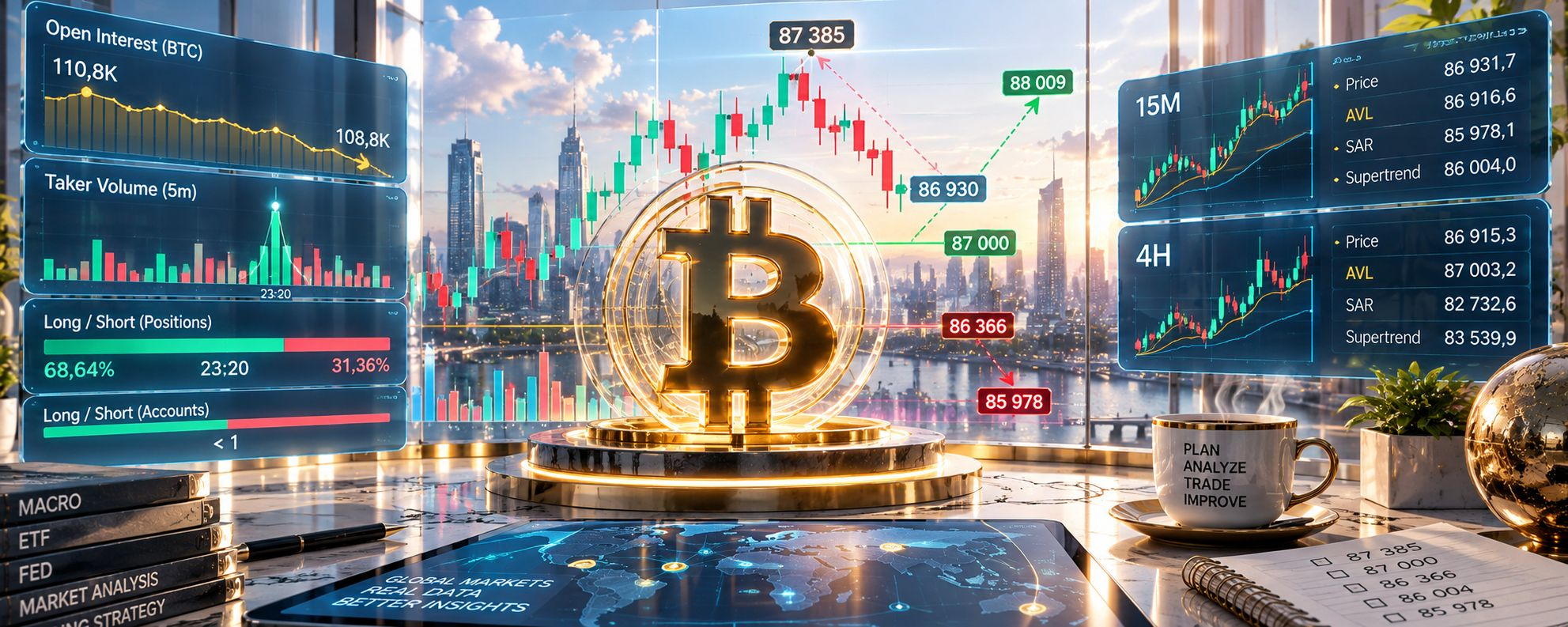
Article
$BTC: 87 000 становится главной зоной контроляПриветствую вас, дорогие друзья!
Сейчас $BTC находится около 86 930 USDT, а локальный максимум на графике составляет 87 385 USDT.
Главная деталь последних данных: цена растёт, но на показанном отрезке открытый интерес снизился примерно с 110,8 до 108,8 тыс. BTC. То есть рост цены сопровождается сокращением общего количества открытых фьючерсных позиций. По одному OI нельзя определить, какие именно позиции закрывались.
На тейкерском графике около 23:20 был заметный всплеск покупок. После него объёмы снова стали смешанными. Поэтому пока корректнее говорить о сильном эпизоде покупок, а не о постоянном одностороннем давлении.
По позициям на отметке 23:30 лонги составляли 68,64%, шорты 31,36%, соотношение лонг/шорт 2,19. При этом соотношение лонгов и шортов по аккаунтам остаётся ниже 1. Это означает, что распределение самих позиций и количество аккаунтов дают разные картины.
На 15M цена около 86 931,7, AVL находится на 86 916,6, SAR на 85 978,1, Supertrend на 86 004. Цена находится выше всех трёх значений.
На 4H цена около 86 915,3, а AVL составляет 87 003,2. Здесь цена пока немного ниже AVL.
Поэтому зона 86 900–87 000 сейчас имеет практическое значение: здесь находятся 15M AVL и 4H AVL. Сверху ближайший зафиксированный максимум составляет 87 385.
Если цена закрепится выше 87 385, следующим ориентиром по 4H становится область 88 009. Если цена вернётся ниже 86 900, ближайший уровень на 15M находится около 86 366, далее зона 86 004–85 978, где расположены Supertrend и SAR.
Для меня сейчас главный показатель не сам рост цены, а связка цена + открытый интерес. Цена продолжает расти, тогда как OI на представленном отрезке снижается. Поэтому при дальнейшем движении вверх я буду смотреть, начнёт ли открытый интерес снова увеличиваться вместе с ценой. Если это произойдёт, движение получит подтверждение со стороны фьючерсного рынка. Если цена будет расти при дальнейшем сокращении OI, структура движения останется другой и потребует более осторожной оценки.
Это моё личное мнение и анализ рыночных данных. Материал носит исключительно информационный характер и не является финансовой, инвестиционной или торговой рекомендацией, а также руководством к совершению сделок, особенно с использованием фьючерсов и кредитного плеча.
#BTCUSDT #bitcoin #crypto
$BTC: 87 000 становится главной зоной контроля
Приветствую вас, дорогие друзья!
Сейчас $BTC находится около 86 930 USDT, а локальный максимум на графике составляет 87 385 USDT.
Главная деталь последних данных: цена растёт, но на показанном отрезке открытый интерес снизился примерно с 110,8 до 108,8 тыс. BTC. То есть рост цены сопровождается сокращением общего количества открытых фьючерсных позиций. По одному OI нельзя определить, какие именно позиции закрывались.
На тейкерском графике около 23:20 был заметный всплеск покупок. После него объёмы снова стали смешанными. Поэтому пока корректнее говорить о сильном эпизоде покупок, а не о постоянном одностороннем давлении.
По позициям на отметке 23:30 лонги составляли 68,64%, шорты 31,36%, соотношение лонг/шорт 2,19. При этом соотношение лонгов и шортов по аккаунтам остаётся ниже 1. Это означает, что распределение самих позиций и количество аккаунтов дают разные картины.
На 15M цена около 86 931,7, AVL находится на 86 916,6, SAR на 85 978,1, Supertrend на 86 004. Цена находится выше всех трёх значений.
На 4H цена около 86 915,3, а AVL составляет 87 003,2. Здесь цена пока немного ниже AVL.
Поэтому зона 86 900–87 000 сейчас имеет практическое значение: здесь находятся 15M AVL и 4H AVL. Сверху ближайший зафиксированный максимум составляет 87 385.
Если цена закрепится выше 87 385, следующим ориентиром по 4H становится область 88 009. Если цена вернётся ниже 86 900, ближайший уровень на 15M находится около 86 366, далее зона 86 004–85 978, где расположены Supertrend и SAR.
Для меня сейчас главный показатель не сам рост цены, а связка цена + открытый интерес. Цена продолжает расти, тогда как OI на представленном отрезке снижается. Поэтому при дальнейшем движении вверх я буду смотреть, начнёт ли открытый интерес снова увеличиваться вместе с ценой. Если это произойдёт, движение получит подтверждение со стороны фьючерсного рынка. Если цена будет расти при дальнейшем сокращении OI, структура движения останется другой и потребует более осторожной оценки.
Это моё личное мнение и анализ рыночных данных. Материал носит исключительно информационный характер и не является финансовой, инвестиционной или торговой рекомендацией, а также руководством к совершению сделок, особенно с использованием фьючерсов и кредитного плеча.
#BTCUSDT #bitcoin #crypto
Сейчас $BTC находится около 86 930 USDT, а локальный максимум на графике составляет 87 385 USDT.
Главная деталь последних данных: цена растёт, но на показанном отрезке открытый интерес снизился примерно с 110,8 до 108,8 тыс. BTC. То есть рост цены сопровождается сокращением общего количества открытых фьючерсных позиций. По одному OI нельзя определить, какие именно позиции закрывались.
На тейкерском графике около 23:20 был заметный всплеск покупок. После него объёмы снова стали смешанными. Поэтому пока корректнее говорить о сильном эпизоде покупок, а не о постоянном одностороннем давлении.
По позициям на отметке 23:30 лонги составляли 68,64%, шорты 31,36%, соотношение лонг/шорт 2,19. При этом соотношение лонгов и шортов по аккаунтам остаётся ниже 1. Это означает, что распределение самих позиций и количество аккаунтов дают разные картины.
На 15M цена около 86 931,7, AVL находится на 86 916,6, SAR на 85 978,1, Supertrend на 86 004. Цена находится выше всех трёх значений.
На 4H цена около 86 915,3, а AVL составляет 87 003,2. Здесь цена пока немного ниже AVL.
Поэтому зона 86 900–87 000 сейчас имеет практическое значение: здесь находятся 15M AVL и 4H AVL. Сверху ближайший зафиксированный максимум составляет 87 385.
Если цена закрепится выше 87 385, следующим ориентиром по 4H становится область 88 009. Если цена вернётся ниже 86 900, ближайший уровень на 15M находится около 86 366, далее зона 86 004–85 978, где расположены Supertrend и SAR.
Для меня сейчас главный показатель не сам рост цены, а связка цена + открытый интерес. Цена продолжает расти, тогда как OI на представленном отрезке снижается. Поэтому при дальнейшем движении вверх я буду смотреть, начнёт ли открытый интерес снова увеличиваться вместе с ценой. Если это произойдёт, движение получит подтверждение со стороны фьючерсного рынка. Если цена будет расти при дальнейшем сокращении OI, структура движения останется другой и потребует более осторожной оценки.
Это моё личное мнение и анализ рыночных данных. Материал носит исключительно информационный характер и не является финансовой, инвестиционной или торговой рекомендацией, а также руководством к совершению сделок, особенно с использованием фьючерсов и кредитного плеча.
#BTCUSDT #bitcoin #crypto
1
1.5k
·
--
Partly True
Article
$BTC: после рывка к 85 300 цена откатила от локального максимумаПриветствую вас, дорогие друзья!
Сегодня картина по $BTC заметно изменилась по сравнению с предыдущим анализом. На момент снятия данных BTCUSDT находился около 84 188 USDT, изменение за сутки составляло примерно +4,77%. В течение движения цена достигла 85 299,87 USDT, после чего начался откат.
На 1D цена находится около 84 179 USDT. AVL составляет 83 086,56, SAR 75 633,99, Supertrend 75 833,38. Цена находится выше всех трёх значений.
На 4H цена около 84 204,60, AVL 83 882,74, SAR 80 822,72, Supertrend 80 320,04. Здесь цена также находится выше всех трёх значений.
На 15M цена около 84 188,01, AVL находится выше, на 84 306,68. SAR составляет 83 971,20, Supertrend 83 296,44.
Таким образом, на дневном и 4H графиках цена остаётся выше AVL, SAR и Supertrend. На 15M цена уже находится ниже AVL, но пока выше SAR и Supertrend.
После максимума 85 299,87 на 15M сформировалось несколько красных свечей. От максимума до текущей цены снижение составляет примерно 1 100 USDT.
При этом цена пока не дошла до 15M SAR на уровне 83 971,20.
По объёмам картина также хорошо видна на графиках.
На 15M текущий объём составляет около 318 BTC, или 26,8 млн USDT. MA(5) находится около 685 BTC, MA(10) около 942 BTC.
На 4H текущий объём составляет около 9,66 тыс. BTC, или примерно 810 млн USDT. MA(5) составляет около 3,59 тыс. BTC, MA(10) около 2,75 тыс. BTC.
Следовательно, текущая 4H свеча сопровождается объёмом выше обеих указанных средних. На 15M текущий объём, наоборот, ниже MA(5) и MA(10).
OBV на 4H составляет около 66 877, при MA(7) около 54 133 и EMA(7) около 56 311.
На 15M OBV находится около 15 947, MA(7) около 16 581, EMA(7) около 15 921.
Теперь данные Binance по потокам.
На экране Binance указано 8 206,1977 BTC крупных поступлений за последние пять дней.
За последние 24 часа показатель крупных поступлений находится примерно на уровне 3 107,79 BTC. На графике поступлений за 24 часа видно резкое увеличение показателя после примерно 09:30, после чего он поднялся выше 2 000 BTC.
Сам по себе этот показатель фиксирует поток BTC, но не позволяет определить, что именно будет сделано с поступившими монетами. Поэтому связывать его напрямую с будущими продажами или покупками нельзя.
Отдельно Binance показывает рост показателя соотношения лонгов и шортов с маржой за последние 24 часа: примерно с 43,5 до 46,2.
Показатель соотношения длинных и коротких маржинальных позиций за тот же период вырос примерно с 104,5 до 110,1.
Это изменение маржинальных показателей, но само по себе оно не подтверждает дальнейшее движение цены.
Теперь внешний фон.
Сегодня $BTC поднялся выше 85 000 USDT. WSJ зафиксировал рост биткоина до примерно 85 117 USDT, или около +4,7% на момент публикации материала. В статье также отмечается, что движение произошло после повышения ставки ФРС на 25 базисных пунктов и после того, как CLARITY Act не продвинулся в Сенате.
По американским спотовым Bitcoin ETF предыдущая неделя завершилась чистым притоком около 6,2 млн долларов. При этом в пятницу поступило 433 млн долларов, из которых 310,7 млн долларов пришлись на FBTC Fidelity. До этого в течение недели были крупные оттоки, поэтому недельный итог оказался небольшим.
Таким образом, данные ETF показывают не равномерный приток в течение всей недели, а резкое увеличение поступлений в пятницу после нескольких дней оттока.
16 сентября Федеральная резервная система США повысила ставку на 0,25 процентного пункта, до диапазона 3,75–4,00%. Решение было принято единогласно, 12 голосами против 0.
15 сентября Сенат США не продвинул CLARITY Act. Процедурное голосование завершилось со счётом 49–50, при необходимых для продвижения законопроекта 60 голосах.
17 сентября SEC объявила временное условное освобождение для определённых площадок, связанное с торговлей токенизированными акциями. Это решение относится к конкретным условиям и не является общим разрешением на торговлю любыми токенизированными акциями.
18 сентября CFTC направила проект регулирования криптовалютных транзакций и рынков на рассмотрение в OIRA. Подробное содержание проекта публично не раскрыто, поэтому делать выводы о конкретных будущих требованиях пока нельзя.
На американском рынке 21 сентября фьючерсы на основные индексы росли, нефть дешевела примерно на 2%, а доходности американских Treasuries снижались. Reuters также фиксировал рост биткоина примерно на 3,5% в утренней торговле.
Теперь уровни.
Главный локальный максимум на моих графиках находится на 85 299,87 USDT.
Снизу на 15M находится 84 306,68, текущий AVL.
Следующий уровень находится на 83 971,20, где расположен 15M SAR.
Ещё ниже находится 83 296,44, текущий 15M Supertrend.
На 4H AVL расположен на 83 882,74. Поэтому область 83 880–83 970 объединяет 4H AVL и 15M SAR.
Если цена вернётся выше 84 306 и продолжит движение вверх, следующим ориентиром останется предыдущий максимум 85 299,87.
Если цена уйдёт ниже области 83 880–83 970, ближайшим следующим уровнем по представленным графикам будет 83 296,44. Ниже находится 4H SAR на 80 822,72.
Мой текущий вывод простой.
На 1D и 4H цена находится выше AVL, SAR и Supertrend. На 15M после достижения 85 299,87 произошёл откат, цена опустилась ниже AVL, но пока остаётся выше SAR и Supertrend.
При этом 4H объём текущей свечи выше MA(5) и MA(10), а на 15M текущий объём уже ниже обеих средних.
Поэтому сейчас для меня главные контрольные значения находятся в диапазоне 83 880–84 000 снизу и 85 300 сверху. Поведение цены относительно этих уровней даст больше информации о следующем движении, чем попытка заранее определить его направление.
Это моё личное мнение и анализ рыночных данных. Материал носит исключительно информационный характер и не является финансовой, инвестиционной или торговой рекомендацией, а также руководством к совершению сделок, особенно с использованием фьючерсов и кредитного плеча.
#BTCUSDT #bitcoin #crypto
$BTC: после рывка к 85 300 цена откатила от локального максимума
Приветствую вас, дорогие друзья!
Сегодня картина по $BTC заметно изменилась по сравнению с предыдущим анализом. На момент снятия данных BTCUSDT находился около 84 188 USDT, изменение за сутки составляло примерно +4,77%. В течение движения цена достигла 85 299,87 USDT, после чего начался откат.
На 1D цена находится около 84 179 USDT. AVL составляет 83 086,56, SAR 75 633,99, Supertrend 75 833,38. Цена находится выше всех трёх значений.
На 4H цена около 84 204,60, AVL 83 882,74, SAR 80 822,72, Supertrend 80 320,04. Здесь цена также находится выше всех трёх значений.
На 15M цена около 84 188,01, AVL находится выше, на 84 306,68. SAR составляет 83 971,20, Supertrend 83 296,44.
Таким образом, на дневном и 4H графиках цена остаётся выше AVL, SAR и Supertrend. На 15M цена уже находится ниже AVL, но пока выше SAR и Supertrend.
После максимума 85 299,87 на 15M сформировалось несколько красных свечей. От максимума до текущей цены снижение составляет примерно 1 100 USDT.
При этом цена пока не дошла до 15M SAR на уровне 83 971,20.
По объёмам картина также хорошо видна на графиках.
На 15M текущий объём составляет около 318 BTC, или 26,8 млн USDT. MA(5) находится около 685 BTC, MA(10) около 942 BTC.
На 4H текущий объём составляет около 9,66 тыс. BTC, или примерно 810 млн USDT. MA(5) составляет около 3,59 тыс. BTC, MA(10) около 2,75 тыс. BTC.
Следовательно, текущая 4H свеча сопровождается объёмом выше обеих указанных средних. На 15M текущий объём, наоборот, ниже MA(5) и MA(10).
OBV на 4H составляет около 66 877, при MA(7) около 54 133 и EMA(7) около 56 311.
На 15M OBV находится около 15 947, MA(7) около 16 581, EMA(7) около 15 921.
Теперь данные Binance по потокам.
На экране Binance указано 8 206,1977 BTC крупных поступлений за последние пять дней.
За последние 24 часа показатель крупных поступлений находится примерно на уровне 3 107,79 BTC. На графике поступлений за 24 часа видно резкое увеличение показателя после примерно 09:30, после чего он поднялся выше 2 000 BTC.
Сам по себе этот показатель фиксирует поток BTC, но не позволяет определить, что именно будет сделано с поступившими монетами. Поэтому связывать его напрямую с будущими продажами или покупками нельзя.
Отдельно Binance показывает рост показателя соотношения лонгов и шортов с маржой за последние 24 часа: примерно с 43,5 до 46,2.
Показатель соотношения длинных и коротких маржинальных позиций за тот же период вырос примерно с 104,5 до 110,1.
Это изменение маржинальных показателей, но само по себе оно не подтверждает дальнейшее движение цены.
Теперь внешний фон.
Сегодня $BTC поднялся выше 85 000 USDT. WSJ зафиксировал рост биткоина до примерно 85 117 USDT, или около +4,7% на момент публикации материала. В статье также отмечается, что движение произошло после повышения ставки ФРС на 25 базисных пунктов и после того, как CLARITY Act не продвинулся в Сенате.
По американским спотовым Bitcoin ETF предыдущая неделя завершилась чистым притоком около 6,2 млн долларов. При этом в пятницу поступило 433 млн долларов, из которых 310,7 млн долларов пришлись на FBTC Fidelity. До этого в течение недели были крупные оттоки, поэтому недельный итог оказался небольшим.
Таким образом, данные ETF показывают не равномерный приток в течение всей недели, а резкое увеличение поступлений в пятницу после нескольких дней оттока.
16 сентября Федеральная резервная система США повысила ставку на 0,25 процентного пункта, до диапазона 3,75–4,00%. Решение было принято единогласно, 12 голосами против 0.
15 сентября Сенат США не продвинул CLARITY Act. Процедурное голосование завершилось со счётом 49–50, при необходимых для продвижения законопроекта 60 голосах.
17 сентября SEC объявила временное условное освобождение для определённых площадок, связанное с торговлей токенизированными акциями. Это решение относится к конкретным условиям и не является общим разрешением на торговлю любыми токенизированными акциями.
18 сентября CFTC направила проект регулирования криптовалютных транзакций и рынков на рассмотрение в OIRA. Подробное содержание проекта публично не раскрыто, поэтому делать выводы о конкретных будущих требованиях пока нельзя.
На американском рынке 21 сентября фьючерсы на основные индексы росли, нефть дешевела примерно на 2%, а доходности американских Treasuries снижались. Reuters также фиксировал рост биткоина примерно на 3,5% в утренней торговле.
Теперь уровни.
Главный локальный максимум на моих графиках находится на 85 299,87 USDT.
Снизу на 15M находится 84 306,68, текущий AVL.
Следующий уровень находится на 83 971,20, где расположен 15M SAR.
Ещё ниже находится 83 296,44, текущий 15M Supertrend.
На 4H AVL расположен на 83 882,74. Поэтому область 83 880–83 970 объединяет 4H AVL и 15M SAR.
Если цена вернётся выше 84 306 и продолжит движение вверх, следующим ориентиром останется предыдущий максимум 85 299,87.
Если цена уйдёт ниже области 83 880–83 970, ближайшим следующим уровнем по представленным графикам будет 83 296,44. Ниже находится 4H SAR на 80 822,72.
Мой текущий вывод простой.
На 1D и 4H цена находится выше AVL, SAR и Supertrend. На 15M после достижения 85 299,87 произошёл откат, цена опустилась ниже AVL, но пока остаётся выше SAR и Supertrend.
При этом 4H объём текущей свечи выше MA(5) и MA(10), а на 15M текущий объём уже ниже обеих средних.
Поэтому сейчас для меня главные контрольные значения находятся в диапазоне 83 880–84 000 снизу и 85 300 сверху. Поведение цены относительно этих уровней даст больше информации о следующем движении, чем попытка заранее определить его направление.
Это моё личное мнение и анализ рыночных данных. Материал носит исключительно информационный характер и не является финансовой, инвестиционной или торговой рекомендацией, а также руководством к совершению сделок, особенно с использованием фьючерсов и кредитного плеча.
#BTCUSDT #bitcoin #crypto
Сегодня картина по $BTC заметно изменилась по сравнению с предыдущим анализом. На момент снятия данных BTCUSDT находился около 84 188 USDT, изменение за сутки составляло примерно +4,77%. В течение движения цена достигла 85 299,87 USDT, после чего начался откат.
На 1D цена находится около 84 179 USDT. AVL составляет 83 086,56, SAR 75 633,99, Supertrend 75 833,38. Цена находится выше всех трёх значений.
На 4H цена около 84 204,60, AVL 83 882,74, SAR 80 822,72, Supertrend 80 320,04. Здесь цена также находится выше всех трёх значений.
На 15M цена около 84 188,01, AVL находится выше, на 84 306,68. SAR составляет 83 971,20, Supertrend 83 296,44.
Таким образом, на дневном и 4H графиках цена остаётся выше AVL, SAR и Supertrend. На 15M цена уже находится ниже AVL, но пока выше SAR и Supertrend.
После максимума 85 299,87 на 15M сформировалось несколько красных свечей. От максимума до текущей цены снижение составляет примерно 1 100 USDT.
При этом цена пока не дошла до 15M SAR на уровне 83 971,20.
По объёмам картина также хорошо видна на графиках.
На 15M текущий объём составляет около 318 BTC, или 26,8 млн USDT. MA(5) находится около 685 BTC, MA(10) около 942 BTC.
На 4H текущий объём составляет около 9,66 тыс. BTC, или примерно 810 млн USDT. MA(5) составляет около 3,59 тыс. BTC, MA(10) около 2,75 тыс. BTC.
Следовательно, текущая 4H свеча сопровождается объёмом выше обеих указанных средних. На 15M текущий объём, наоборот, ниже MA(5) и MA(10).
OBV на 4H составляет около 66 877, при MA(7) около 54 133 и EMA(7) около 56 311.
На 15M OBV находится около 15 947, MA(7) около 16 581, EMA(7) около 15 921.
Теперь данные Binance по потокам.
На экране Binance указано 8 206,1977 BTC крупных поступлений за последние пять дней.
За последние 24 часа показатель крупных поступлений находится примерно на уровне 3 107,79 BTC. На графике поступлений за 24 часа видно резкое увеличение показателя после примерно 09:30, после чего он поднялся выше 2 000 BTC.
Сам по себе этот показатель фиксирует поток BTC, но не позволяет определить, что именно будет сделано с поступившими монетами. Поэтому связывать его напрямую с будущими продажами или покупками нельзя.
Отдельно Binance показывает рост показателя соотношения лонгов и шортов с маржой за последние 24 часа: примерно с 43,5 до 46,2.
Показатель соотношения длинных и коротких маржинальных позиций за тот же период вырос примерно с 104,5 до 110,1.
Это изменение маржинальных показателей, но само по себе оно не подтверждает дальнейшее движение цены.
Теперь внешний фон.
Сегодня $BTC поднялся выше 85 000 USDT. WSJ зафиксировал рост биткоина до примерно 85 117 USDT, или около +4,7% на момент публикации материала. В статье также отмечается, что движение произошло после повышения ставки ФРС на 25 базисных пунктов и после того, как CLARITY Act не продвинулся в Сенате.
По американским спотовым Bitcoin ETF предыдущая неделя завершилась чистым притоком около 6,2 млн долларов. При этом в пятницу поступило 433 млн долларов, из которых 310,7 млн долларов пришлись на FBTC Fidelity. До этого в течение недели были крупные оттоки, поэтому недельный итог оказался небольшим.
Таким образом, данные ETF показывают не равномерный приток в течение всей недели, а резкое увеличение поступлений в пятницу после нескольких дней оттока.
16 сентября Федеральная резервная система США повысила ставку на 0,25 процентного пункта, до диапазона 3,75–4,00%. Решение было принято единогласно, 12 голосами против 0.
15 сентября Сенат США не продвинул CLARITY Act. Процедурное голосование завершилось со счётом 49–50, при необходимых для продвижения законопроекта 60 голосах.
17 сентября SEC объявила временное условное освобождение для определённых площадок, связанное с торговлей токенизированными акциями. Это решение относится к конкретным условиям и не является общим разрешением на торговлю любыми токенизированными акциями.
18 сентября CFTC направила проект регулирования криптовалютных транзакций и рынков на рассмотрение в OIRA. Подробное содержание проекта публично не раскрыто, поэтому делать выводы о конкретных будущих требованиях пока нельзя.
На американском рынке 21 сентября фьючерсы на основные индексы росли, нефть дешевела примерно на 2%, а доходности американских Treasuries снижались. Reuters также фиксировал рост биткоина примерно на 3,5% в утренней торговле.
Теперь уровни.
Главный локальный максимум на моих графиках находится на 85 299,87 USDT.
Снизу на 15M находится 84 306,68, текущий AVL.
Следующий уровень находится на 83 971,20, где расположен 15M SAR.
Ещё ниже находится 83 296,44, текущий 15M Supertrend.
На 4H AVL расположен на 83 882,74. Поэтому область 83 880–83 970 объединяет 4H AVL и 15M SAR.
Если цена вернётся выше 84 306 и продолжит движение вверх, следующим ориентиром останется предыдущий максимум 85 299,87.
Если цена уйдёт ниже области 83 880–83 970, ближайшим следующим уровнем по представленным графикам будет 83 296,44. Ниже находится 4H SAR на 80 822,72.
Мой текущий вывод простой.
На 1D и 4H цена находится выше AVL, SAR и Supertrend. На 15M после достижения 85 299,87 произошёл откат, цена опустилась ниже AVL, но пока остаётся выше SAR и Supertrend.
При этом 4H объём текущей свечи выше MA(5) и MA(10), а на 15M текущий объём уже ниже обеих средних.
Поэтому сейчас для меня главные контрольные значения находятся в диапазоне 83 880–84 000 снизу и 85 300 сверху. Поведение цены относительно этих уровней даст больше информации о следующем движении, чем попытка заранее определить его направление.
Это моё личное мнение и анализ рыночных данных. Материал носит исключительно информационный характер и не является финансовой, инвестиционной или торговой рекомендацией, а также руководством к совершению сделок, особенно с использованием фьючерсов и кредитного плеча.
#BTCUSDT #bitcoin #crypto
526
·
--

Article
$BTC: биткоин у $82 000, открытый интерес растёт вместе с ценойПриветствую вас, дорогие друзья.
Разберём текущее положение $BTC без попыток угадать рынок по одной свече. Смотрю одновременно на график, фьючерсные показатели и факторы, которые сейчас непосредственно влияют на крипторынок.
На момент анализа #BTCUSDT находился около 81 590 USDT, изменение за сутки составляло примерно +1,6%.
На дневном графике цена находится выше AVL 81 477,8, SAR 75 579,5 и Supertrend 75 111,4.
На 4H цена около 81 586,5, AVL находится на 81 540, SAR на 80 533,6, Supertrend на 79 136,8.
На 15M цена около 81 598, AVL находится на 81 602,2, SAR на 81 097,6, Supertrend на 81 101,6.
Получается важная разница между таймфреймами: на дневном и 4H графиках цена находится выше указанных индикаторных уровней, а на 15M практически упирается в AVL.
Теперь фьючерсные данные.
Открытый интерес на представленном 5-минутном графике вырос примерно с 108,1 тыс. BTC до 109,5 тыс. BTC. В долларовом выражении показатель увеличился примерно с 8,78 до 8,95 млрд USDT.
За этот же период цена поднялась примерно с 81 250 до 81 850 USDT.
Сам факт здесь простой: цена и открытый интерес росли одновременно. Но OI показывает количество открытых контрактов и не позволяет самостоятельно определить, какая сторона открывала позиции.
Funding на момент снимка составлял около +0,00420%. Положительный funding означает, что при таком расчёте лонги платят шортам.
На графике basis фьючерсная цена в показанном диапазоне находилась ниже индексной, то есть basis был отрицательным.
По taker buy/sell около 09:35 прошёл заметный объём агрессивных продаж. После этого около 09:40 появились крупные объёмы покупок. Далее показатели снова стали смешанными.
Соотношение позиций крупных трейдеров на представленном графике находилось примерно в районе 2,07–2,10.
При этом соотношение по количеству аккаунтов было ниже 1, около 0,87–0,93.
Эти два показателя нельзя смешивать. Первый относится к соотношению позиций, второй к количеству аккаунтов. Поэтому значение 0,87 не означает, что 87% капитала находится в шортах.
Теперь к новостному фону.
16 сентября Федеральная резервная система США повысила ставку на 0,25 процентного пункта, до диапазона 3,75–4,00%. Решение было принято единогласно, 12 голосами против 0.
При этом биткоин впоследствии вернулся выше уровня 80 000 USDT. 18 сентября BTC торговался выше этой отметки, несмотря на сохранявшуюся неопределённость вокруг денежной политики США и криптовалютного законодательства.
С законодательством ситуация остаётся отдельным фактором. 15 сентября Сенат США не продвинул CLARITY Act: процедурное голосование завершилось со счётом 49–50, тогда как для продвижения законопроекта требовалось 60 голосов.
При этом 17 сентября SEC объявила временное условное освобождение для определённых площадок, связанное с торговлей токенизированными акциями. Это не является общим разрешением на торговлю любыми токенизированными акциями, а относится к условиям, указанным SEC в конкретном решении.
18 сентября CFTC направила проект регулирования криптовалютных транзакций и рынков на рассмотрение в OIRA. Подробное содержание проекта публично не раскрыто, поэтому делать выводы о конкретных будущих требованиях пока нельзя.
Отдельно смотрю на американские спотовые Bitcoin ETF.
За неделю, завершившуюся 18 сентября, совокупный результат составил всего около +$6,2 млн. При этом именно 18 сентября был зафиксирован крупный дневной приток около +$433 млн, из которых примерно $310,7 млн пришлись на FBTC Fidelity. До этого в течение недели были оттоки примерно $450,3 млн и $296 млн.
Поэтому корректнее говорить не о непрерывном притоке средств в ETF, а о смешанной недельной динамике с сильным положительным результатом в пятницу.
Теперь уровни с графика.
Сверху ближайшая зона находится в районе 82 100–82 300 USDT. На 15M локальный максимум отмечен около 82 099,9, на 4H около 82 282,8.
Следующий уровень на дневном графике находится около 82 828,7.
Снизу на 15M расположены 81 322 и 80 873,8.
На 4H важные значения находятся около 80 533,6 и 79 136,8.
Поэтому по самому графику сейчас можно выделить два сценария.
Если цена закрепляется выше зоны 82 100–82 300, следующим ориентиром становится область около 82 830.
Если цена возвращается ниже 81 100, это будет означать уход ниже текущих 15M SAR и Supertrend. Следующие уровни на графике находятся около 80 874, 80 534 и 79 137.
На текущем участке у нас есть несколько одновременно наблюдаемых фактов: цена находится выше ключевых уровней на дневном и 4H графиках, открытый интерес увеличивается вместе с ценой, funding остаётся положительным, basis находится ниже нуля, а показатели long/short различаются в зависимости от того, считаются позиции или аккаунты.
Именно поэтому я бы сейчас отделял факты от предположений. График показывает конкретные уровни и структуру рынка, фьючерсные данные показывают изменение OI, funding и соотношений, а новости дают макроэкономический и регуляторный фон. Ни один из этих показателей отдельно не подтверждает направление следующего движения.
Это моё личное мнение и анализ рыночных данных. Материал носит исключительно информационный характер и не является финансовой, инвестиционной или торговой рекомендацией, а также руководством к совершению сделок, особенно с использованием фьючерсов и кредитного плеча.
#BTCUSDT #bitcoin #crypto
$BTC: биткоин у $82 000, открытый интерес растёт вместе с ценой
Приветствую вас, дорогие друзья.
Разберём текущее положение $BTC без попыток угадать рынок по одной свече. Смотрю одновременно на график, фьючерсные показатели и факторы, которые сейчас непосредственно влияют на крипторынок.
На момент анализа #BTCUSDT находился около 81 590 USDT, изменение за сутки составляло примерно +1,6%.
На дневном графике цена находится выше AVL 81 477,8, SAR 75 579,5 и Supertrend 75 111,4.
На 4H цена около 81 586,5, AVL находится на 81 540, SAR на 80 533,6, Supertrend на 79 136,8.
На 15M цена около 81 598, AVL находится на 81 602,2, SAR на 81 097,6, Supertrend на 81 101,6.
Получается важная разница между таймфреймами: на дневном и 4H графиках цена находится выше указанных индикаторных уровней, а на 15M практически упирается в AVL.
Теперь фьючерсные данные.
Открытый интерес на представленном 5-минутном графике вырос примерно с 108,1 тыс. BTC до 109,5 тыс. BTC. В долларовом выражении показатель увеличился примерно с 8,78 до 8,95 млрд USDT.
За этот же период цена поднялась примерно с 81 250 до 81 850 USDT.
Сам факт здесь простой: цена и открытый интерес росли одновременно. Но OI показывает количество открытых контрактов и не позволяет самостоятельно определить, какая сторона открывала позиции.
Funding на момент снимка составлял около +0,00420%. Положительный funding означает, что при таком расчёте лонги платят шортам.
На графике basis фьючерсная цена в показанном диапазоне находилась ниже индексной, то есть basis был отрицательным.
По taker buy/sell около 09:35 прошёл заметный объём агрессивных продаж. После этого около 09:40 появились крупные объёмы покупок. Далее показатели снова стали смешанными.
Соотношение позиций крупных трейдеров на представленном графике находилось примерно в районе 2,07–2,10.
При этом соотношение по количеству аккаунтов было ниже 1, около 0,87–0,93.
Эти два показателя нельзя смешивать. Первый относится к соотношению позиций, второй к количеству аккаунтов. Поэтому значение 0,87 не означает, что 87% капитала находится в шортах.
Теперь к новостному фону.
16 сентября Федеральная резервная система США повысила ставку на 0,25 процентного пункта, до диапазона 3,75–4,00%. Решение было принято единогласно, 12 голосами против 0.
При этом биткоин впоследствии вернулся выше уровня 80 000 USDT. 18 сентября BTC торговался выше этой отметки, несмотря на сохранявшуюся неопределённость вокруг денежной политики США и криптовалютного законодательства.
С законодательством ситуация остаётся отдельным фактором. 15 сентября Сенат США не продвинул CLARITY Act: процедурное голосование завершилось со счётом 49–50, тогда как для продвижения законопроекта требовалось 60 голосов.
При этом 17 сентября SEC объявила временное условное освобождение для определённых площадок, связанное с торговлей токенизированными акциями. Это не является общим разрешением на торговлю любыми токенизированными акциями, а относится к условиям, указанным SEC в конкретном решении.
18 сентября CFTC направила проект регулирования криптовалютных транзакций и рынков на рассмотрение в OIRA. Подробное содержание проекта публично не раскрыто, поэтому делать выводы о конкретных будущих требованиях пока нельзя.
Отдельно смотрю на американские спотовые Bitcoin ETF.
За неделю, завершившуюся 18 сентября, совокупный результат составил всего около +$6,2 млн. При этом именно 18 сентября был зафиксирован крупный дневной приток около +$433 млн, из которых примерно $310,7 млн пришлись на FBTC Fidelity. До этого в течение недели были оттоки примерно $450,3 млн и $296 млн.
Поэтому корректнее говорить не о непрерывном притоке средств в ETF, а о смешанной недельной динамике с сильным положительным результатом в пятницу.
Теперь уровни с графика.
Сверху ближайшая зона находится в районе 82 100–82 300 USDT. На 15M локальный максимум отмечен около 82 099,9, на 4H около 82 282,8.
Следующий уровень на дневном графике находится около 82 828,7.
Снизу на 15M расположены 81 322 и 80 873,8.
На 4H важные значения находятся около 80 533,6 и 79 136,8.
Поэтому по самому графику сейчас можно выделить два сценария.
Если цена закрепляется выше зоны 82 100–82 300, следующим ориентиром становится область около 82 830.
Если цена возвращается ниже 81 100, это будет означать уход ниже текущих 15M SAR и Supertrend. Следующие уровни на графике находятся около 80 874, 80 534 и 79 137.
На текущем участке у нас есть несколько одновременно наблюдаемых фактов: цена находится выше ключевых уровней на дневном и 4H графиках, открытый интерес увеличивается вместе с ценой, funding остаётся положительным, basis находится ниже нуля, а показатели long/short различаются в зависимости от того, считаются позиции или аккаунты.
Именно поэтому я бы сейчас отделял факты от предположений. График показывает конкретные уровни и структуру рынка, фьючерсные данные показывают изменение OI, funding и соотношений, а новости дают макроэкономический и регуляторный фон. Ни один из этих показателей отдельно не подтверждает направление следующего движения.
Это моё личное мнение и анализ рыночных данных. Материал носит исключительно информационный характер и не является финансовой, инвестиционной или торговой рекомендацией, а также руководством к совершению сделок, особенно с использованием фьючерсов и кредитного плеча.
#BTCUSDT #bitcoin #crypto
Разберём текущее положение $BTC без попыток угадать рынок по одной свече. Смотрю одновременно на график, фьючерсные показатели и факторы, которые сейчас непосредственно влияют на крипторынок.
На момент анализа #BTCUSDT находился около 81 590 USDT, изменение за сутки составляло примерно +1,6%.
На дневном графике цена находится выше AVL 81 477,8, SAR 75 579,5 и Supertrend 75 111,4.
На 4H цена около 81 586,5, AVL находится на 81 540, SAR на 80 533,6, Supertrend на 79 136,8.
На 15M цена около 81 598, AVL находится на 81 602,2, SAR на 81 097,6, Supertrend на 81 101,6.
Получается важная разница между таймфреймами: на дневном и 4H графиках цена находится выше указанных индикаторных уровней, а на 15M практически упирается в AVL.
Теперь фьючерсные данные.
Открытый интерес на представленном 5-минутном графике вырос примерно с 108,1 тыс. BTC до 109,5 тыс. BTC. В долларовом выражении показатель увеличился примерно с 8,78 до 8,95 млрд USDT.
За этот же период цена поднялась примерно с 81 250 до 81 850 USDT.
Сам факт здесь простой: цена и открытый интерес росли одновременно. Но OI показывает количество открытых контрактов и не позволяет самостоятельно определить, какая сторона открывала позиции.
Funding на момент снимка составлял около +0,00420%. Положительный funding означает, что при таком расчёте лонги платят шортам.
На графике basis фьючерсная цена в показанном диапазоне находилась ниже индексной, то есть basis был отрицательным.
По taker buy/sell около 09:35 прошёл заметный объём агрессивных продаж. После этого около 09:40 появились крупные объёмы покупок. Далее показатели снова стали смешанными.
Соотношение позиций крупных трейдеров на представленном графике находилось примерно в районе 2,07–2,10.
При этом соотношение по количеству аккаунтов было ниже 1, около 0,87–0,93.
Эти два показателя нельзя смешивать. Первый относится к соотношению позиций, второй к количеству аккаунтов. Поэтому значение 0,87 не означает, что 87% капитала находится в шортах.
Теперь к новостному фону.
16 сентября Федеральная резервная система США повысила ставку на 0,25 процентного пункта, до диапазона 3,75–4,00%. Решение было принято единогласно, 12 голосами против 0.
При этом биткоин впоследствии вернулся выше уровня 80 000 USDT. 18 сентября BTC торговался выше этой отметки, несмотря на сохранявшуюся неопределённость вокруг денежной политики США и криптовалютного законодательства.
С законодательством ситуация остаётся отдельным фактором. 15 сентября Сенат США не продвинул CLARITY Act: процедурное голосование завершилось со счётом 49–50, тогда как для продвижения законопроекта требовалось 60 голосов.
При этом 17 сентября SEC объявила временное условное освобождение для определённых площадок, связанное с торговлей токенизированными акциями. Это не является общим разрешением на торговлю любыми токенизированными акциями, а относится к условиям, указанным SEC в конкретном решении.
18 сентября CFTC направила проект регулирования криптовалютных транзакций и рынков на рассмотрение в OIRA. Подробное содержание проекта публично не раскрыто, поэтому делать выводы о конкретных будущих требованиях пока нельзя.
Отдельно смотрю на американские спотовые Bitcoin ETF.
За неделю, завершившуюся 18 сентября, совокупный результат составил всего около +$6,2 млн. При этом именно 18 сентября был зафиксирован крупный дневной приток около +$433 млн, из которых примерно $310,7 млн пришлись на FBTC Fidelity. До этого в течение недели были оттоки примерно $450,3 млн и $296 млн.
Поэтому корректнее говорить не о непрерывном притоке средств в ETF, а о смешанной недельной динамике с сильным положительным результатом в пятницу.
Теперь уровни с графика.
Сверху ближайшая зона находится в районе 82 100–82 300 USDT. На 15M локальный максимум отмечен около 82 099,9, на 4H около 82 282,8.
Следующий уровень на дневном графике находится около 82 828,7.
Снизу на 15M расположены 81 322 и 80 873,8.
На 4H важные значения находятся около 80 533,6 и 79 136,8.
Поэтому по самому графику сейчас можно выделить два сценария.
Если цена закрепляется выше зоны 82 100–82 300, следующим ориентиром становится область около 82 830.
Если цена возвращается ниже 81 100, это будет означать уход ниже текущих 15M SAR и Supertrend. Следующие уровни на графике находятся около 80 874, 80 534 и 79 137.
На текущем участке у нас есть несколько одновременно наблюдаемых фактов: цена находится выше ключевых уровней на дневном и 4H графиках, открытый интерес увеличивается вместе с ценой, funding остаётся положительным, basis находится ниже нуля, а показатели long/short различаются в зависимости от того, считаются позиции или аккаунты.
Именно поэтому я бы сейчас отделял факты от предположений. График показывает конкретные уровни и структуру рынка, фьючерсные данные показывают изменение OI, funding и соотношений, а новости дают макроэкономический и регуляторный фон. Ни один из этих показателей отдельно не подтверждает направление следующего движения.
Это моё личное мнение и анализ рыночных данных. Материал носит исключительно информационный характер и не является финансовой, инвестиционной или торговой рекомендацией, а также руководством к совершению сделок, особенно с использованием фьючерсов и кредитного плеча.
#BTCUSDT #bitcoin #crypto
766
Log in to explore more content
Join global crypto users on Binance Square
⚡️ Get latest and useful information about crypto.
💬 Trusted by the world’s largest crypto exchange.
👍 Discover real insights from verified creators.
Email / Phone number