
بھائی_Azhar09
2.7k Posts

بھائی_Azhar09
Crypto Master,Trade specialist
788 Following
6.3K+ Followers
2.4K+ Liked
Posts
All
Quotes
Live

AYESHA ABID 阿伊莎 阿比德
·
--
[Ended] 🎙️ Welcome
187 listens

Maryam²⁷
·
--
$GPROB
$BNB
$ZEC
#BitcoinFalls4% #USDTLaunchesOnZamaPrivacyProtocol
$BNB
$ZEC
#BitcoinFalls4% #USDTLaunchesOnZamaPrivacyProtocol


Muzamil Abbas⁷⁵ 穆扎米尔_阿巴斯
·
--
Bullish$DOGE
💰 $50 DOGE GIVEAWAY 🎁
A little DOGE surprise for the community! 🐶✨
Want to be part of it? Just complete these simple steps:
1️⃣ Follow Muzamil Abbas
2️⃣ Repost this post 🔄
3️⃣ Comment “1” 💬
4️⃣ Claim your reward 🎁
That’s it! Simple and easy. ❤️
Good luck everyone! May the DOGE luck be with you 🐕
#MuzammilAbbas⁷⁵穆扎米拉巴斯 🔥
$ZEC
$G
💰 $50 DOGE GIVEAWAY 🎁
A little DOGE surprise for the community! 🐶✨
Want to be part of it? Just complete these simple steps:
1️⃣ Follow Muzamil Abbas
2️⃣ Repost this post 🔄
3️⃣ Comment “1” 💬
4️⃣ Claim your reward 🎁
That’s it! Simple and easy. ❤️
Good luck everyone! May the DOGE luck be with you 🐕
#MuzammilAbbas⁷⁵穆扎米拉巴斯 🔥
$ZEC
$G

Javed Official 07
·
--
🎁 SOL Red Pocket is here!
🔥 Claim your SOL reward now!
🚀 Don’t miss it!
Limited Reward Claim And Repost
🔥 Claim your SOL reward now!
🚀 Don’t miss it!
Limited Reward Claim And Repost


Kelsey 龍
·
--
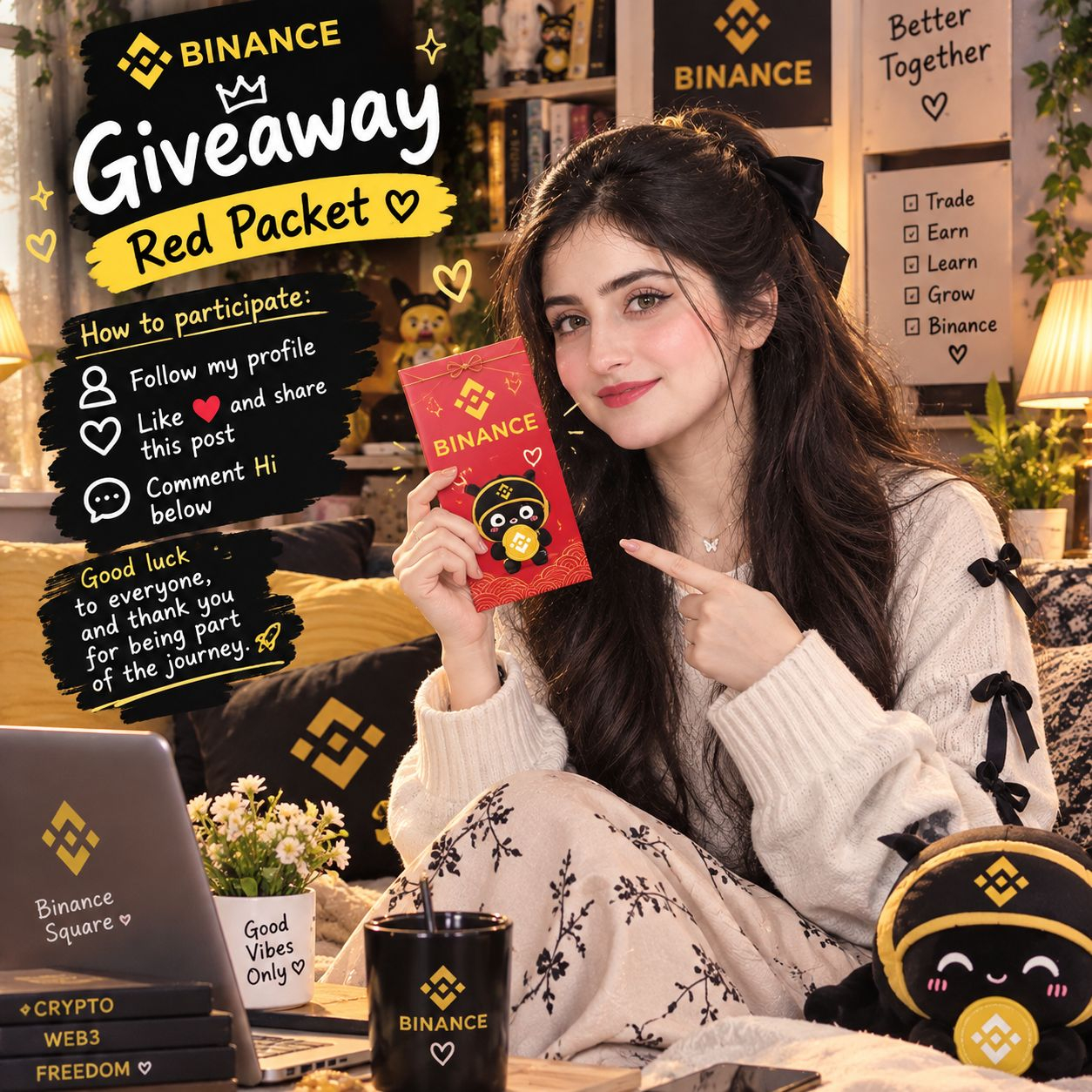
A small gesture of appreciation for this amazing community. 🤝
How to participate: • Follow my profile
• Like ❤️ and share this post
• Comment Hi below
Good luck to everyone, and thank you for being part of the journey. 🚀
#Binance #RedPacket #Giveaway #Crypto #BinanceSquare
How to participate: • Follow my profile
• Like ❤️ and share this post
• Comment Hi below
Good luck to everyone, and thank you for being part of the journey. 🚀
#Binance #RedPacket #Giveaway #Crypto #BinanceSquare
AYESHA ABID 阿伊莎 阿比德
·
--
[Ended] 🎙️ Welcome
254 listens
Kelsey 龍
·
--
A small gesture of appreciation for this amazing community. 🤝
How to participate: • Follow my profile
• Like ❤️ and share this post
• Comment Hi below
Good luck to everyone, and thank you for being part of the journey. 🚀
#Binance #RedPacket #Giveaway #Crypto #BinanceSquare
How to participate: • Follow my profile
• Like ❤️ and share this post
• Comment Hi below
Good luck to everyone, and thank you for being part of the journey. 🚀
#Binance #RedPacket #Giveaway #Crypto #BinanceSquare
Muzamil Abbas⁷⁵ 穆扎米尔_阿巴斯
·
--
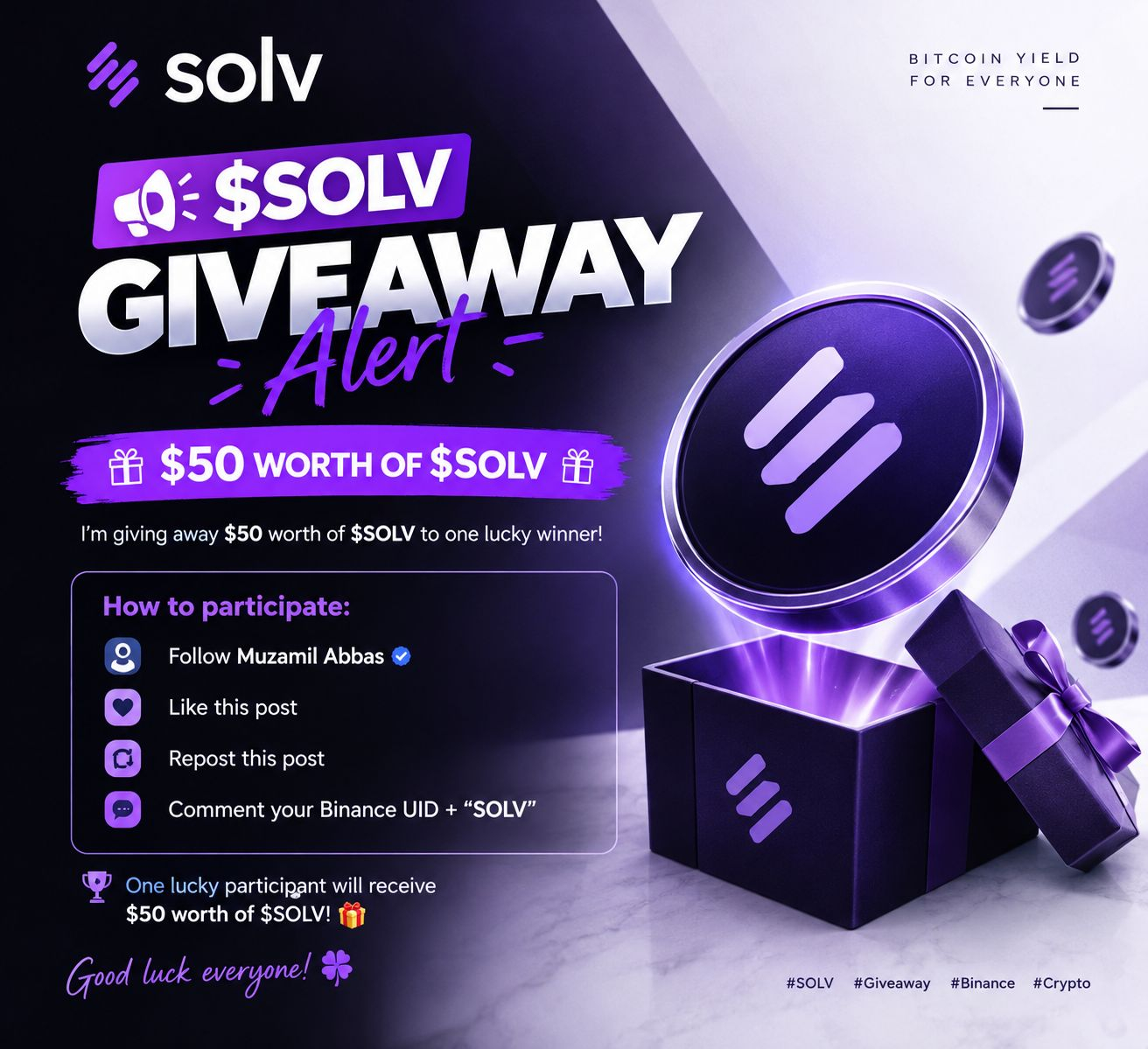
Bullish🚨 $SOLV GIVEAWAY ALERT 🚨
🎁 $50 WORTH OF SOLV 🎁
I’m giving away $50 worth of Solv to one lucky winner! ❤️
How to participate:
✅ Follow Muzamil Abbas
❤️ Like this post
🔄 Repost this post
💬 Comment 1
That’s it! 2200 lucky participant's will receive $50 worth of Solv 🎁
Good luck everyone
#MuzammilAbbas⁷⁵穆扎米拉巴斯
#SOLV #Giveaway #Binance #Crypto
$SENT
$MTL
Muzamil Abbas⁷⁵ 穆扎米尔_阿巴斯
·
--
Bullish🚨 $1MBABYDOGE GIVEAWAY ALERT 🚨
🎁 $50 WORTH OF 1,000,000 BABYDOGE GIVEAWAY 🎁
Today, I’m giving away BABYDOGE to my Binance community🐶🔥
Participating is super simple 👇
1️⃣ Follow me — Muzamil Abbas
2️⃣ Like this post ❤️
3️⃣ Repost this post 🔄
4️⃣ Comment “1 claim” 🎁
Good luck, everyone! ❤️🐶
Stay connected and keep supporting the community
#MuzammilAbbas⁷⁵穆扎米拉巴斯


Mariaaa27
·
--
[Ended] 🎙️ good evening 🌆🌆
62 listens
Mariaaa27
·
--
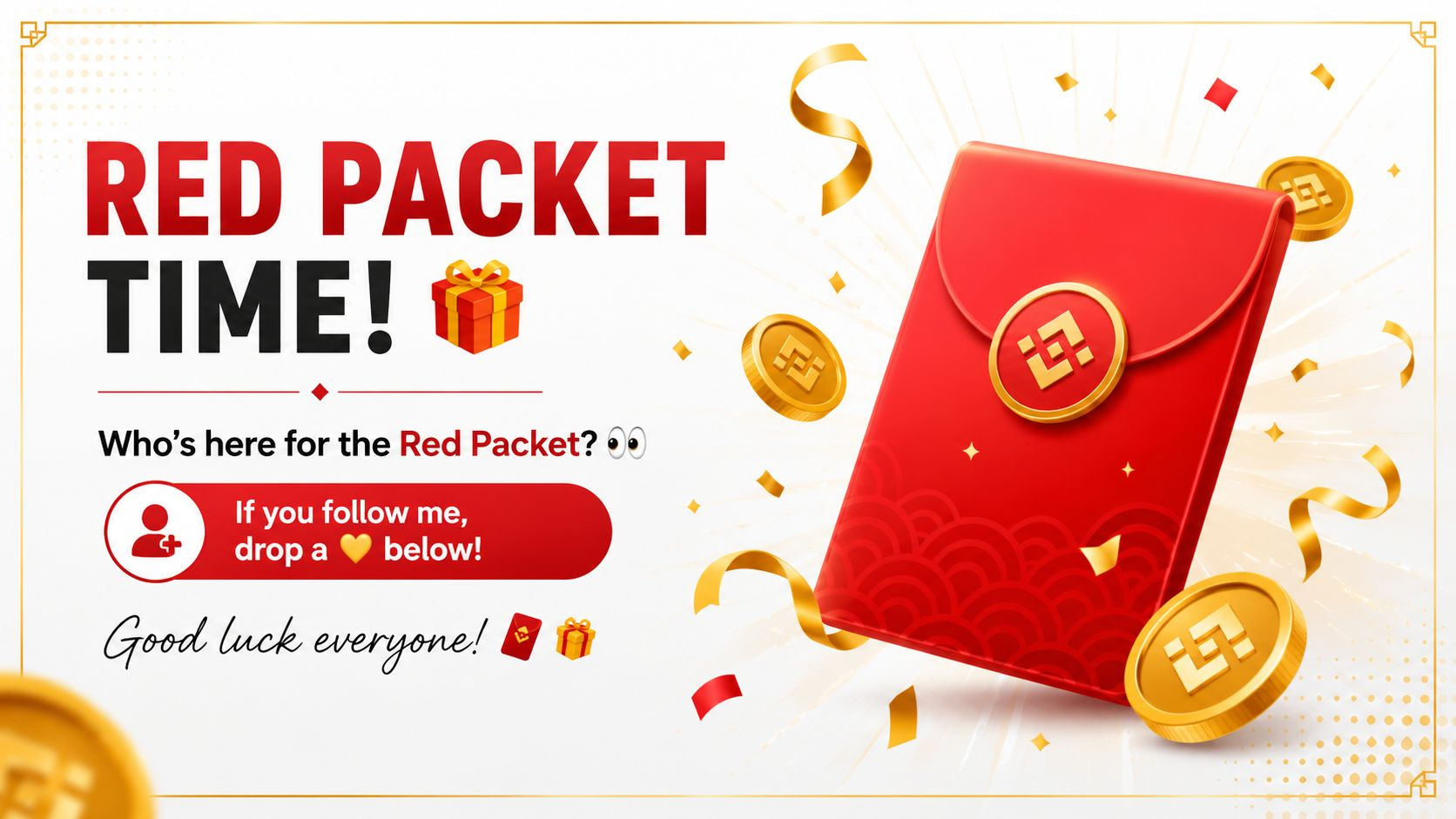
🧧 RED PACKET TIME! 🎁
Who’s here for the Red Packet? 👀
follow me
repost
like
comment
If you follow me, drop a ❤️ below!
Good luck everyone! 🍀🧧
#BinanceSquareFamily
Who’s here for the Red Packet? 👀
follow me
repost
like
comment
If you follow me, drop a ❤️ below!
Good luck everyone! 🍀🧧
#BinanceSquareFamily

Tasfiya Akter
·
--
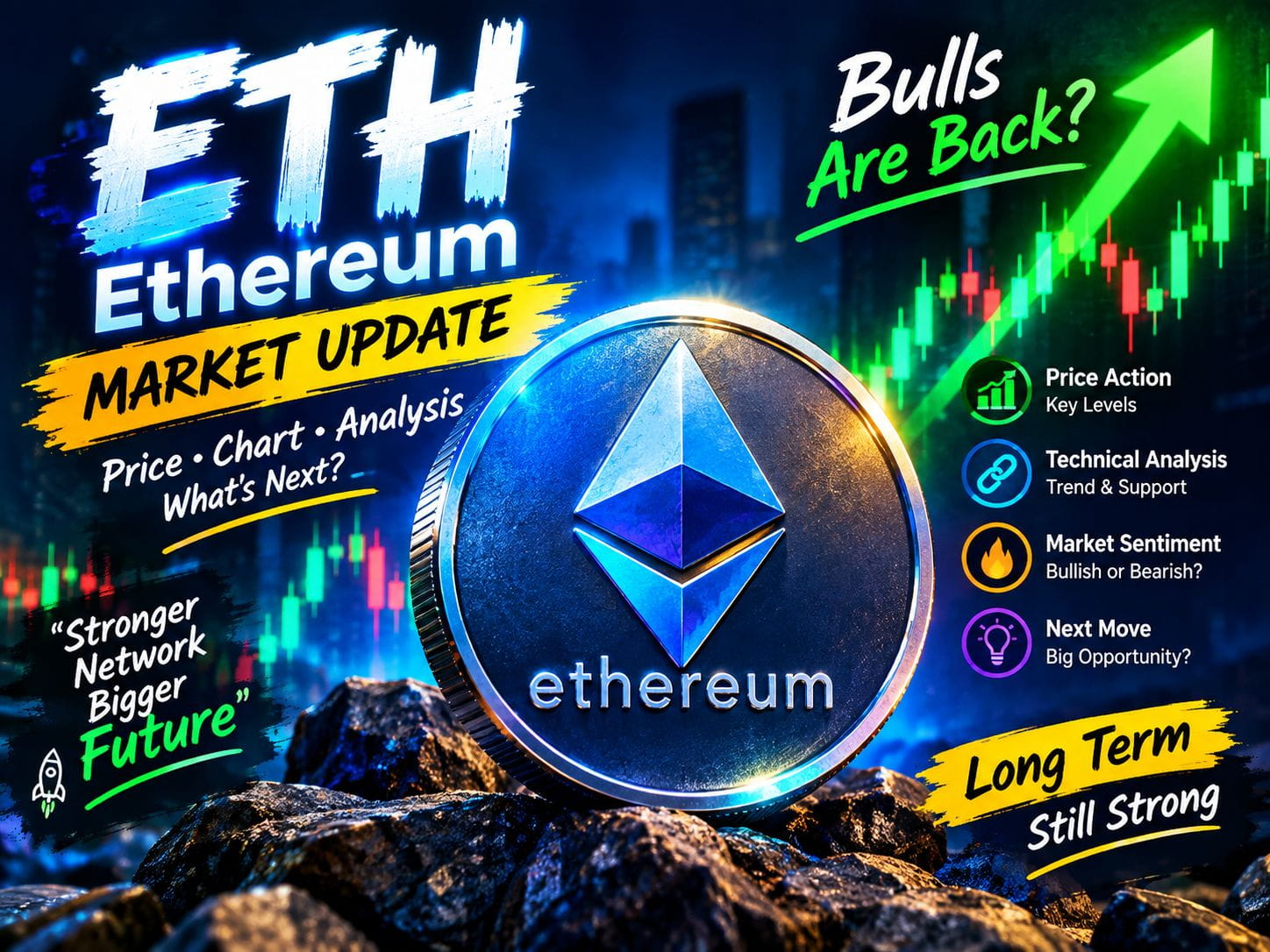
[Replay] 🎙️ 📊 ETH Market Update
02 h 52 m 25 s · 209 listens
Muzamil Abbas⁷⁵ 穆扎米尔_阿巴斯
·
--
Bullish🎁 50 $TRUMP COIN GIVEAWAY 🎁
Want to win TRUMP?
✅ Follow me
❤️ Like this post
🔁 Repost this post
💬 Comment “1” to claim
Good luck everyone 🔥
50 $TRUMP — Let’s go 🎁
#FOLLOW_ME_FOR_NEXT_GIFT #TrumpCryptoSupport

Kelsey 龍
·
--
A small gesture of appreciation for this amazing community. 🤝
How to participate:
• Follow my profile
• Like ❤️ and share this post
• Comment Hi below
Good luck to everyone, and thank you for being part of the journey. 🚀
$BTTC
#Binance #RedPacketGiveAway #Crypto #BinanceSquareFamily
How to participate:
• Follow my profile
• Like ❤️ and share this post
• Comment Hi below
Good luck to everyone, and thank you for being part of the journey. 🚀
$BTTC
#Binance #RedPacketGiveAway #Crypto #BinanceSquareFamily

Quoted content has been removed
Log in to explore more content