
How Mr Earner
6 Posts

How Mr Earner
Report
Block User
Sharing crypto knowledge, market analysis & Web3 trends 📈 | 🌍
Open Trade
Occasional Trader
2.2 Years
0 Following
34 Followers
13 Liked
Posts
Portfolio
·
--
Bearish
What Do You Think 🤔 What Happened?
What Shoi Do At This Situation?
What Do You Think 🤔 What Happened?
What Shoi Do At This Situation?
What Shoi Do At This Situation?
507
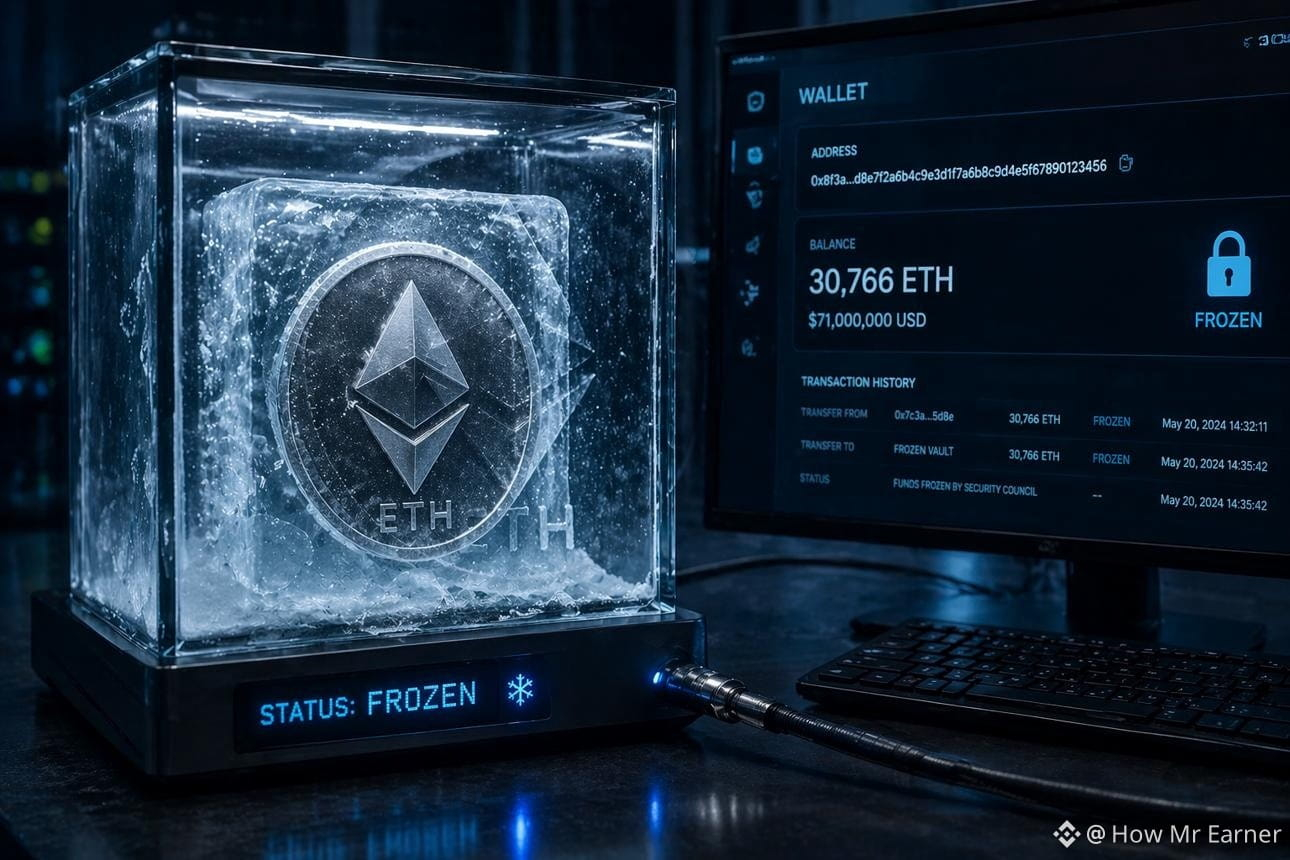
BINANCE HACK: COURT ORDERS CRYPTO FIRMS TO KEEP STOLEN ASSETS FROZEN
A major legal development has emerged in the investigation of the October 29 Binance wallet theft.
An Abu Dhabi Global Market Court has ordered 18 cryptocurrency companies to preserve digital assets connected to the incident.
The theft involved approximately $6.3 billion in crypto assets.
Binance says around $2.85 billion has already been frozen or ntercepted by third parties.
The court order requires the named companies to maintain the freeze. They cannot lend, swap or mix the affected tokens with other assets while the legal proceedings continue.
Important points:
* Circle and World Liberty Financial are among the companies named.
* The companies named in the order are not accused of wrongdoing.
* Binance says customers have already been reimbursed.
* The next court hearing is scheduled for December 1, 2026.
One important distinction: frozen or intercepted funds are not necessarily funds that have already been returned to their owners.
This is a significant example of how exchanges, stablecoin issuers, courts and law-enforcement partners can work together during a major security incident.
1
340
{spot}(ETHUSDT)
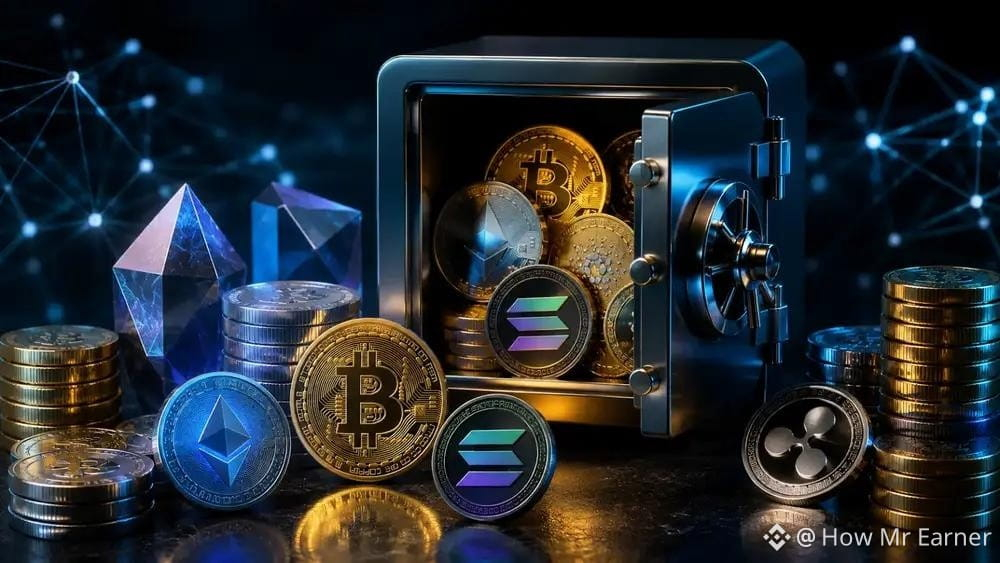
COINSHARES SOLD ITS $ETH AND $SOL : SHOULD INVESTORS BE WORRIED?
A major crypto-related development deserves a closer look.
CoinShares disclosed that it sold its entire corporate treasury position in Ethereum and half of its Solana holdings during October.
The sales generated:
* $16.6 million from ETH
* $2.7 million from SOL
* $19.3 million combined
The company said the money would help fund a share-buyback programme of up to $40 million.
But there is an important detail: these were CoinShares' own corporate treasury holdings. The company did not describe the sales as a bearish prediction about ETH or SOL.
There is another signal to watch. US spot Ethereum ETFs recorded $39.8 million in net outflows on November 18, their third consecutive outflow day. Bitcoin ETFs also recorded $306.5 million in net outflows that day.
Meanwhile, ETH was down just 0.24% over 24 hours in the latest market snapshot, compared with BTC's 1.19% decline.
My takeaway: ETH is showing relative price resilience, but ETF flows remain weak. I would watch whether that relative strength continues over several sessions rather than treating one day's performance as a bottom signal.
This is market analysis, not a price guarantee or financial advice.
#HowMrEarner #Ethereum #Solana
{spot}(SOLUSDT)
COINSHARES SOLD ITS $ETH AND $SOL : SHOULD INVESTORS BE WORRIED?
A major crypto-related development deserves a closer look.
CoinShares disclosed that it sold its entire corporate treasury position in Ethereum and half of its Solana holdings during October.
The sales generated:
* $16.6 million from ETH
* $2.7 million from SOL
* $19.3 million combined
The company said the money would help fund a share-buyback programme of up to $40 million.
But there is an important detail: these were CoinShares' own corporate treasury holdings. The company did not describe the sales as a bearish prediction about ETH or SOL.
There is another signal to watch. US spot Ethereum ETFs recorded $39.8 million in net outflows on November 18, their third consecutive outflow day. Bitcoin ETFs also recorded $306.5 million in net outflows that day.
Meanwhile, ETH was down just 0.24% over 24 hours in the latest market snapshot, compared with BTC's 1.19% decline.
My takeaway: ETH is showing relative price resilience, but ETF flows remain weak. I would watch whether that relative strength continues over several sessions rather than treating one day's performance as a bottom signal.
This is market analysis, not a price guarantee or financial advice.
#HowMrEarner #Ethereum #Solana
1
81
$CRYPTO MARKET CHECK: FEAR IS STILL DOMINATING
The crypto market remains under pressure, and a strong recovery has not yet been confirmed.
Market snapshot — November 19, 2026, 10:10 UTC:
* Total crypto market cap: $2.17 trillion
* 24-hour trading volume: $73.1 billion
* $BTC TC: $63,828 (-1.19%)
* $ETH : $1,807 (-0.24%)
* $SOL: -0.70%
* $XRP: -1.82%
* $BNB : -0.26%
* Fear & Greed Index: 10 — Extreme Fear (00:00 UTC reading)
The macro picture is also important. The Federal Reserve's October meeting minutes showed that almost all participants believed further rate increases would likely be appropriate. Two members even preferred a 0.25% increase at that meeting.
My market view: ETHshowed better short-term price resilience than BTC, but one day's performance does not confirm a trend reversal. Traders should watch spot volume, ETF flows, market breadth and upcoming inflation data before becoming aggressively bullish.
A green candle is not the same as a confirmed recovery.
Crypto is volatile. Always manage risk and do your own research.
#CryptoUpdate #HowMrEarner
{spot}(BTCUSDT)
{spot}(ETHUSDT)
{spot}(SOLUSDT)
$CRYPTO MARKET CHECK: FEAR IS STILL DOMINATING
The crypto market remains under pressure, and a strong recovery has not yet been confirmed.
Market snapshot — November 19, 2026, 10:10 UTC:
* Total crypto market cap: $2.17 trillion
* 24-hour trading volume: $73.1 billion
* $BTC TC: $63,828 (-1.19%)
* $ETH : $1,807 (-0.24%)
* $SOL: -0.70%
* $XRP: -1.82%
* $BNB : -0.26%
* Fear & Greed Index: 10 — Extreme Fear (00:00 UTC reading)
The macro picture is also important. The Federal Reserve's October meeting minutes showed that almost all participants believed further rate increases would likely be appropriate. Two members even preferred a 0.25% increase at that meeting.
My market view: ETHshowed better short-term price resilience than BTC, but one day's performance does not confirm a trend reversal. Traders should watch spot volume, ETF flows, market breadth and upcoming inflation data before becoming aggressively bullish.
A green candle is not the same as a confirmed recovery.
Crypto is volatile. Always manage risk and do your own research.
#CryptoUpdate #HowMrEarner

70

Article
SHR HOLDERS ARE IGNORING THIS$SHARE entire “enterprise adoption” story depends on one thing: actual transaction volume.
Right now the market cap sits near micro-cap territory while the team is talking about global identity infrastructure, enterprise verification, and revenue-linked buybacks. That gap is either a massive disconnect… or a warning sign most traders are ignoring.
— WHAT IS #Share
SHARE (SHR) is the utility token behind the ShareRing ecosystem, a blockchain project focused on digital identity, verification services, and enterprise onboarding tools. The project originally pushed heavily into travel-related infrastructure but has since pivoted harder toward identity verification and compliance products.
The easiest way to think about it: ShareRing is trying to become a blockchain-powered identity layer for businesses that need KYC and verification systems.
SHR is used for staking, governance, service payments, and transaction activity across the ecosystem.
📌 — RECENT DEVELOPMENTS
The biggest confirmed development is ShareRing’s September 2025 smart contract migration. The project moved to a new ERC-20 contract structure with all 6.74 billion SHR minted upfront for transparency and supply tracking.
The team also published a 2026 strategic roadmap focused on scaling enterprise identity services, self-service merchant onboarding, AI-linked identity tools, and transaction-driven token buybacks.
According to the official roadmap, enterprise revenue is intended to fund SHR buybacks from the open market rather than token burns.
What is NOT confirmed is whether meaningful enterprise demand already exists at scale. Social discussion around SHR remains relatively quiet compared to similarly positioned identity projects.
Binance still marks SHR as “Not listed,” which limits exposure and liquidity significantly.
🗺️ — ROADMAP HIGHLIGHTS
ShareRing’s 2026 roadmap shows a major shift from infrastructure building toward commercial deployment.
The team says the focus now is:
Enterprise onboarding
Verification APIs
Merchant self-service tools
AI-integrated identity systems
Expansion into e-commerce verification
One notable detail is the emphasis on “transaction scale” rather than speculative token narratives.
The roadmap itself is more detailed than many micro-cap projects, but execution risk remains high because most milestones depend on real-world adoption by businesses, not retail hype.
There is still limited public evidence showing large-scale usage metrics.
💰 — TOKENOMICS SNAPSHOT
Official ShareRing documentation lists:
Max supply: 6.74 billion SHR
Original investor allocation: 60%
Company reserve: 24%
Advisors: 10%
Bounty + airdrops: 6%
A key concern is that a large amount of originally unsold ICO allocation was later transferred into company reserves. That increases long-term concentration risk.
The project also confirms that all founding team token lockups expired years ago, meaning team-held tokens are unrestricted.
The bullish interpretation: The supply is now fully transparent after migration.
The bearish interpretation: Supply concentration and low liquidity create heavy downside pressure risk during volatility.
Current tokenomics favor early holders and treasury control more than long-term retail protection.
⚠️ — RISKS
The first major risk is liquidity.
SHR trades with extremely low volume relative to larger crypto assets. That means small sell pressure can move price aggressively. For retail traders, this creates severe slippage and volatility risk.
The second risk is adoption dependency.
The entire long-term thesis depends on businesses actually using ShareRing’s identity infrastructure. Without real transaction growth, the buyback model has little effect.
The third risk is vibibility.
Despite years in development, SHR still has limited mainstream crypto attention and weak exchange presence compared to competing identity-focused ecosystems.
Finally, token concentration remains a concern because large treasury-controlled allocations still exist.
— ANALYST TAKE
My view on SHR is currently bearish-to-neutral.
The project itself is more serious than many micro-cap tokens pretending to solve enterprise problems. The roadmap is detailed, the tokenomics are publicly documented, and the infrastructure focus looks more mature than pure meme speculation.u
But the market is no longer rewarding “potential infrastructure.”
It rewards traction.
Right now there is limited visible evidence that ShareRing has achieved the transaction scale needed to justify its long-term token narrative. The buyback model only matters if businesses actually generate meaningful network demand.
At a roughly micro-cap valuation, the upside can look attractive on paper.
But without measurable adoption growth, this remains a highly speculative asset driven more by liquidity swings than fundamentals.
{alpha}(560x5fca51aff213bfbeab0b711b93c3374252fd6ac3)
#SHARE #SHR #ShareRing #CryptoAnalysis #Altcoins #BinanceSquare
SHR HOLDERS ARE IGNORING THIS
$SHARE entire “enterprise adoption” story depends on one thing: actual transaction volume.
Right now the market cap sits near micro-cap territory while the team is talking about global identity infrastructure, enterprise verification, and revenue-linked buybacks. That gap is either a massive disconnect… or a warning sign most traders are ignoring.
— WHAT IS #Share
SHARE (SHR) is the utility token behind the ShareRing ecosystem, a blockchain project focused on digital identity, verification services, and enterprise onboarding tools. The project originally pushed heavily into travel-related infrastructure but has since pivoted harder toward identity verification and compliance products.
The easiest way to think about it: ShareRing is trying to become a blockchain-powered identity layer for businesses that need KYC and verification systems.
SHR is used for staking, governance, service payments, and transaction activity across the ecosystem.
📌 — RECENT DEVELOPMENTS
The biggest confirmed development is ShareRing’s September 2025 smart contract migration. The project moved to a new ERC-20 contract structure with all 6.74 billion SHR minted upfront for transparency and supply tracking.
The team also published a 2026 strategic roadmap focused on scaling enterprise identity services, self-service merchant onboarding, AI-linked identity tools, and transaction-driven token buybacks.
According to the official roadmap, enterprise revenue is intended to fund SHR buybacks from the open market rather than token burns.
What is NOT confirmed is whether meaningful enterprise demand already exists at scale. Social discussion around SHR remains relatively quiet compared to similarly positioned identity projects.
Binance still marks SHR as “Not listed,” which limits exposure and liquidity significantly.
🗺️ — ROADMAP HIGHLIGHTS
ShareRing’s 2026 roadmap shows a major shift from infrastructure building toward commercial deployment.
The team says the focus now is:
Enterprise onboarding
Verification APIs
Merchant self-service tools
AI-integrated identity systems
Expansion into e-commerce verification
One notable detail is the emphasis on “transaction scale” rather than speculative token narratives.
The roadmap itself is more detailed than many micro-cap projects, but execution risk remains high because most milestones depend on real-world adoption by businesses, not retail hype.
There is still limited public evidence showing large-scale usage metrics.
💰 — TOKENOMICS SNAPSHOT
Official ShareRing documentation lists:
Max supply: 6.74 billion SHR
Original investor allocation: 60%
Company reserve: 24%
Advisors: 10%
Bounty + airdrops: 6%
A key concern is that a large amount of originally unsold ICO allocation was later transferred into company reserves. That increases long-term concentration risk.
The project also confirms that all founding team token lockups expired years ago, meaning team-held tokens are unrestricted.
The bullish interpretation: The supply is now fully transparent after migration.
The bearish interpretation: Supply concentration and low liquidity create heavy downside pressure risk during volatility.
Current tokenomics favor early holders and treasury control more than long-term retail protection.
⚠️ — RISKS
The first major risk is liquidity.
SHR trades with extremely low volume relative to larger crypto assets. That means small sell pressure can move price aggressively. For retail traders, this creates severe slippage and volatility risk.
The second risk is adoption dependency.
The entire long-term thesis depends on businesses actually using ShareRing’s identity infrastructure. Without real transaction growth, the buyback model has little effect.
The third risk is vibibility.
Despite years in development, SHR still has limited mainstream crypto attention and weak exchange presence compared to competing identity-focused ecosystems.
Finally, token concentration remains a concern because large treasury-controlled allocations still exist.
— ANALYST TAKE
My view on SHR is currently bearish-to-neutral.
The project itself is more serious than many micro-cap tokens pretending to solve enterprise problems. The roadmap is detailed, the tokenomics are publicly documented, and the infrastructure focus looks more mature than pure meme speculation.u
But the market is no longer rewarding “potential infrastructure.”
It rewards traction.
Right now there is limited visible evidence that ShareRing has achieved the transaction scale needed to justify its long-term token narrative. The buyback model only matters if businesses actually generate meaningful network demand.
At a roughly micro-cap valuation, the upside can look attractive on paper.
But without measurable adoption growth, this remains a highly speculative asset driven more by liquidity swings than fundamentals.
#SHARE #SHR #ShareRing #CryptoAnalysis #Altcoins #BinanceSquare
2
479
·
--
Bullish
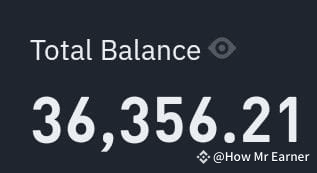
How can I earn these dollars for trading
these two coins help me to change my life
1.PePe
2.sol
{spot}(PEPEUSDT)
{future}(SOLUSDT)
How can I earn these dollars for trading
these two coins help me to change my life
1.PePe
2.sol
these two coins help me to change my life
1.PePe
2.sol
1
2.3k
Log in to explore more content
Join global crypto users on Binance Square
⚡️ Get latest and useful information about crypto.
💬 Trusted by the world’s largest crypto exchange.
👍 Discover real insights from verified creators.
Email / Phone number
Trending Topics
IsAnthropic’s$1.5TMarketCapJustified?
4,134 views
43 Discussing
Anthropic Set to Open at $105 in Record Nasdaq Debut
Binance News
·7 Likes
·5.1k views
BTCRemainsUnderPressureAfterHawkishFOMCMinutes
178,258 views
1,886 Discussing
NvidiaBoardReportedlySplitOverHuang’sReturn
85,618 views
999 Discussing