
h jeet
31 Posts

h jeet
Report
Block User
Writer

#BinanceTurns7
Open Trade
Frequent Trader
4.5 Years
11 Following
200 Followers
313 Liked
1 Badges
Posts
Portfolio
PINNED
·
--
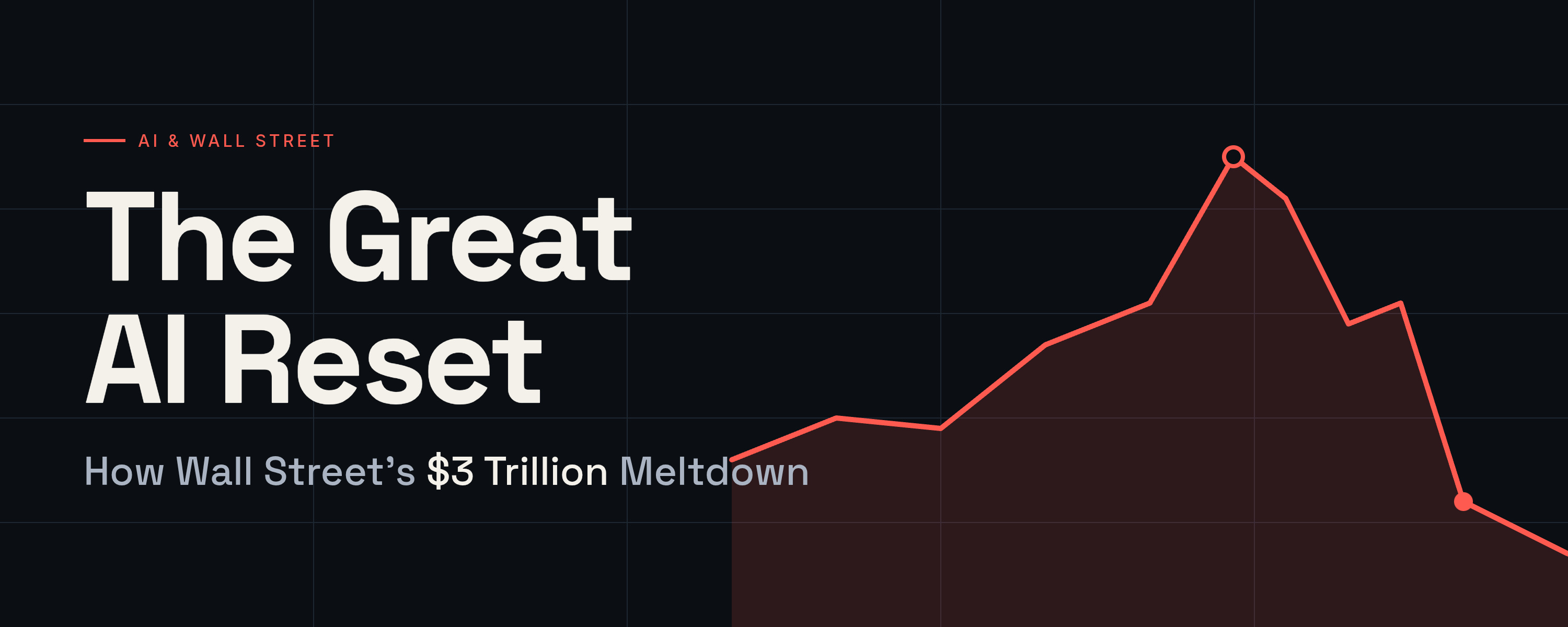
The Great AI Reset: How Wall Street’s $3 Trillion Meltdown
On November 5, 2026, global financial markets experienced a massive tectonic shift as over $3 trillion in market capitalization evaporated during Wall Street's new "Black Thursday." Driven by an unraveling AI bubble, tech giants took a brutal hit, though emerging markets like India saw record capital inflows in a striking market divergence.
The sell-off dealt a severe blow to major US benchmarks:
👉 Nasdaq Composite: Down -5.5% (worst single-day drop since mid-2025)
👉 S&P 500: Plunged -4.4%
👉 Dow Jones: Dropped over 1,800 points (-3.4%)
AI chipmakers and cloud infrastructure providers bore the brunt of the rout:
👉 Nvidia (-9.3%): Lost ~$450B in market value in 24 hours
👉 Micron (-17.5%): Severe sell-off across memory suppliers
👉 AMD (-17.3%): Deepest decline in chip manufacturing
👉CoreWeave (-9.8%): Heavy hit on
AI-dedicated cloud infrastructure
While election results and data center power regulations sparked the crash, structural flaws made it inevitable. The math simply don't add up:
👉expanding global AGI infrastructure to 100 gigawatts requires ~$8 trillion.
👉Servicing that debt demands ~$800 billion in annual net profits, yet total AI industry revenue hovers around just ~$100 billion with non-existent net profits.
Furthermore, "circular capital" created an illusion of growth—investors poured billions into startups that immediately spent those funds back on their backer's cloud services. Up to 47% of Oracle's and 41% of Microsoft's cloud backlogs relies on these loops.
Much like the 2000 Dot-Com crash, this reset won't kill AI, but the era of speculative, circular venture capital has ended. Capital is now migrating back toward tangible unit economics and real cash flows.
330
·
--
Bullish
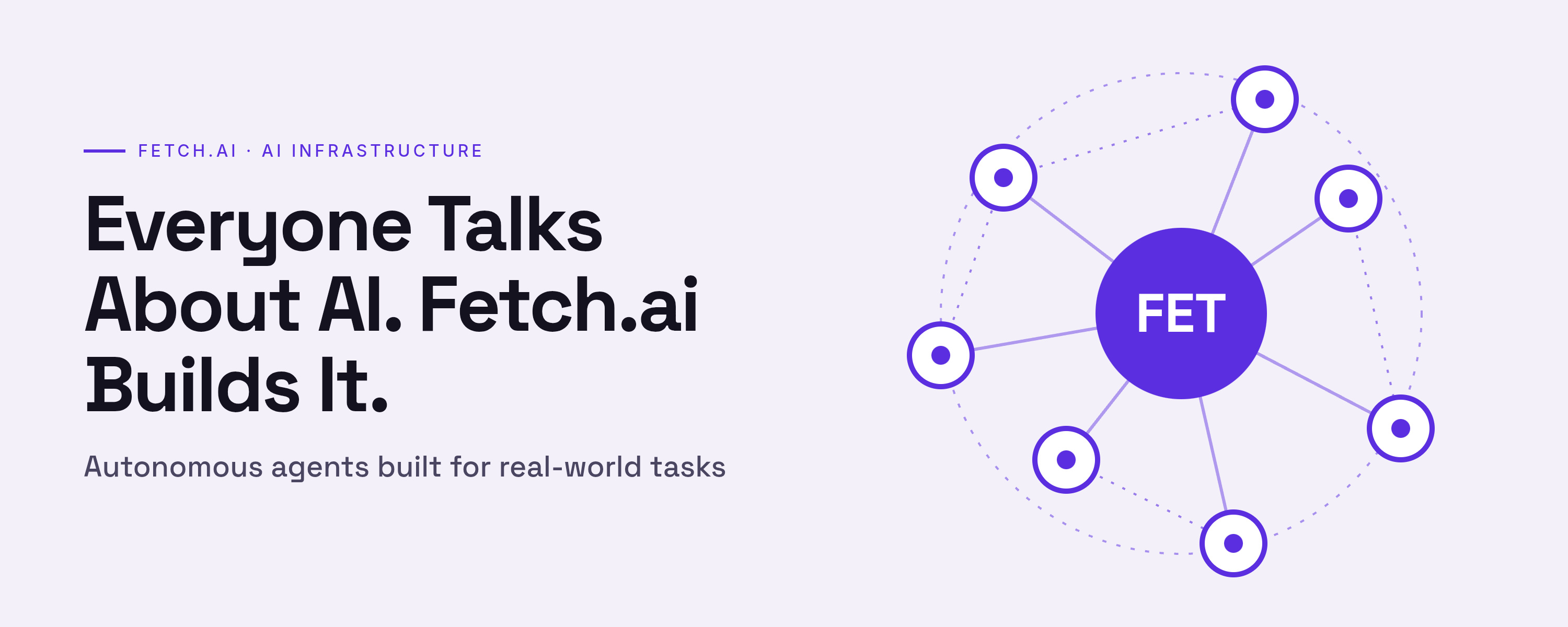
Everyone Talks About AI. Fetch.ai Builds It
Fetch.ai isn’t another buzzword token. It’s building the AI coordination layer that lets machines think, negotiate, and act autonomously. Most investors will notice it after the big move.
Already on Binance, still massively underestimated
Binance listing removes the biggest barrier — access. What’s missing isn’t availability, it’s attention.
This isn’t hype AI — it’s usable AI
Fetch.ai’s autonomous agents are designed to book services, optimize logistics, manage data, and automate decisions. While meme coins trend on social media, FET is quietly targeting real economic activity.
AI is exploding across industries, but decentralized AI infrastructure is still early. FET sits directly in that gap. When narratives shift from “AI talk” to “AI execution,” price discovery can be brutal for late buyers.
Most people ignore projects like Fetch.ai because they don’t pump every week. That’s usually how asymmetric opportunities look at the beginning.
High risk, yes . Fetch.ai is volatile, uncomfortable, and misunderstood — exactly the conditions that create outsized returns if the thesis plays out.
Bottom line:
People will buy Fetch.ai later — when it’s obvious, more expensive, and crowded. The only real question is whether you prefer early conviction or late confirmation.
7
2k
·
--
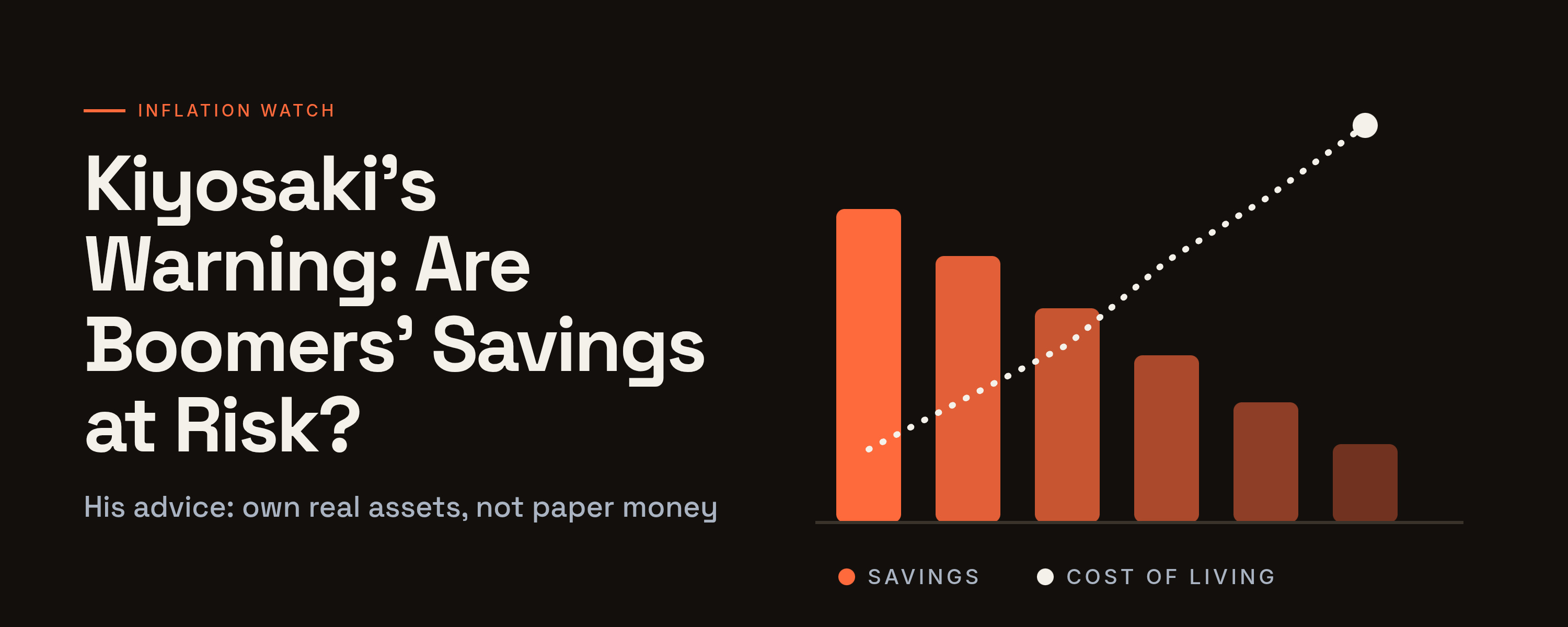
Kiyosaki’s Warning: Are Boomers’ Savings at Risk?”
Robert Kiyosaki, author of Rich Dad, Poor Dad, has issued a chilling warning: millions of American baby boomers could soon lose their savings, homes, and financial security.
“The boomers don’t have enough money to survive inflation,” Kiyosaki said. “We’re going to see homelessness like never before. Inflation will wipe out Social Security — your parents could end up on the streets.”
The Fed’s Mistake
Kiyosaki blames the Federal Reserve’s endless money printing for creating “fake wealth.” According to him, the Fed’s policies have inflated the rich while crushing the middle class.
“When you print fake money, you make life harder for ordinary people,” he explained. “The rich own assets that rise in price. Everyone else just watches costs skyrocket — food, rent, healthcare, everything.”
The Boomer Crisis
Once the most fortunate generation, baby boomers are now retiring into an economy stacked against them. Rising medical bills, shrinking savings, and Social Security checks that can’t match inflation are eroding decades of financial progress.
Experts agree that cost-of-living adjustments fail to reflect real inflation in housing, energy, and healthcare.
Kiyosaki’s Advice
“The system is breaking,” he warned. “If your wealth depends on paper money, you’re in danger. Own real assets — gold, silver, Bitcoin, real estate, or businesses that create cash flow.”
The Bottom Line
Whether you agree with him or not, Kiyosaki’s warning is clear: inflation is eating away at the middle class, and time is running out to prepare. Real assets, not paper promises, may be the only path to survival.
18
8
143
133.3k
·
--
Article
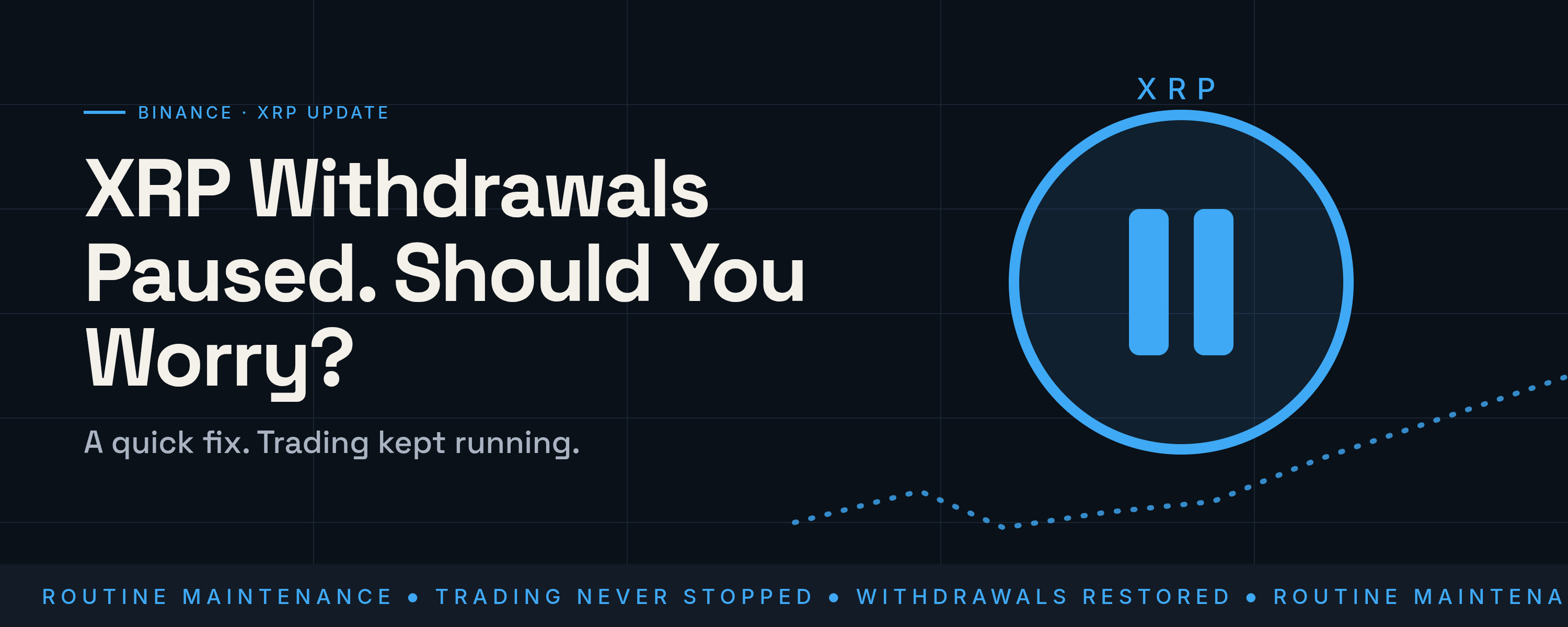
XRP Withdrawals Paused. Should You Worry?The recent suspension of XRP withdrawals on Binance has stirred considerable discussion in the cryptocurrency community. Here’s a closer look at the situation, its implications, and the reactions from various stakeholders.
Key Details
Withdrawal Suspension:
Binance paused XRP withdrawals for routine maintenance on wallets linked to the Ripple Ledger (XRPL).
Duration:
The maintenance was completed swiftly, and withdrawals were restored shortly after the announcement.
Trading Status:
While withdrawals were halted, XRP trading on Binance continued without interruption. Users could still withdraw XRP through alternative networks, such as ERC20 and BEP20.
Community Reactions
Investor Concerns:
The announcement raised alarm among XRP holders, leading to discussions about the risks associated with centralized exchanges. Many voiced concerns over potential impacts on liquidity and access to their assets.
Expert Advice:
Figures like Edward Farina suggested that users consider moving their assets off centralized platforms to mitigate risks of withdrawal issues during such maintenance events.
Regulatory Implications
Ripple vs. XRP Distinction:
The incident reignited conversations about the ongoing regulatory discourse surrounding Ripple, the payment company, and XRP, its native asset. This distinction is crucial as it influences legal interpretations of XRP's classification and its status under U.S. securities laws.
Investor Sentiment:
Uncertainties about regulatory clarity may lead to hesitance among potential investors, affecting XRP's market performance.
Intellectual Insights
Centralization vs. Decentralization:
This incident highlights a critical debate in the cryptocurrency world about the safety and reliability of centralized exchanges versus decentralized platforms. While centralized exchanges offer convenience and liquidity, they also pose risks during maintenance or operational issues.
Regulatory Landscape:
As regulators increasingly scrutinize digital assets, the need for clear guidelines becomes paramount. The confusion between Ripple and XRP underscores the complexities in classifying cryptocurrencies and the necessity for comprehensive legal frameworks.
Investor Behavior:
The quick reactions from the community reflect a growing awareness among investors about the importance of self-custody. As the market matures, more investors are prioritizing security and control over their assets.
The temporary halt of XRP withdrawals on Binance serves as a reminder of the inherent risks in cryptocurrency trading, particularly with centralized exchanges. As the community navigates these challenges, ongoing discussions about regulation and asset custody will likely shape the future landscape of digital currencies. Investors are encouraged to stay informed and consider the implications of their trading choices in an evolving market.
XRP Withdrawals Paused. Should You Worry?
The recent suspension of XRP withdrawals on Binance has stirred considerable discussion in the cryptocurrency community. Here’s a closer look at the situation, its implications, and the reactions from various stakeholders.
Key Details
Withdrawal Suspension:
Binance paused XRP withdrawals for routine maintenance on wallets linked to the Ripple Ledger (XRPL).
Duration:
The maintenance was completed swiftly, and withdrawals were restored shortly after the announcement.
Trading Status:
While withdrawals were halted, XRP trading on Binance continued without interruption. Users could still withdraw XRP through alternative networks, such as ERC20 and BEP20.
Community Reactions
Investor Concerns:
The announcement raised alarm among XRP holders, leading to discussions about the risks associated with centralized exchanges. Many voiced concerns over potential impacts on liquidity and access to their assets.
Expert Advice:
Figures like Edward Farina suggested that users consider moving their assets off centralized platforms to mitigate risks of withdrawal issues during such maintenance events.
Regulatory Implications
Ripple vs. XRP Distinction:
The incident reignited conversations about the ongoing regulatory discourse surrounding Ripple, the payment company, and XRP, its native asset. This distinction is crucial as it influences legal interpretations of XRP's classification and its status under U.S. securities laws.
Investor Sentiment:
Uncertainties about regulatory clarity may lead to hesitance among potential investors, affecting XRP's market performance.
Intellectual Insights
Centralization vs. Decentralization:
This incident highlights a critical debate in the cryptocurrency world about the safety and reliability of centralized exchanges versus decentralized platforms. While centralized exchanges offer convenience and liquidity, they also pose risks during maintenance or operational issues.
Regulatory Landscape:
As regulators increasingly scrutinize digital assets, the need for clear guidelines becomes paramount. The confusion between Ripple and XRP underscores the complexities in classifying cryptocurrencies and the necessity for comprehensive legal frameworks.
Investor Behavior:
The quick reactions from the community reflect a growing awareness among investors about the importance of self-custody. As the market matures, more investors are prioritizing security and control over their assets.
The temporary halt of XRP withdrawals on Binance serves as a reminder of the inherent risks in cryptocurrency trading, particularly with centralized exchanges. As the community navigates these challenges, ongoing discussions about regulation and asset custody will likely shape the future landscape of digital currencies. Investors are encouraged to stay informed and consider the implications of their trading choices in an evolving market.
1
5
8.9k
·
--
Article
Why Everyone’s Suddenly Talking About Meme Coins Hype, community and FOMO.As of October 2024, meme coins have captured the attention of investors and crypto enthusiasts alike.Here’s a detailed look at why meme coins are trending this month:
Market Dynamics
1. Recent Price Surges:
Many meme coins have experienced significant price increases recently, leading to renewed interest from both retail and institutional investors.
2. Increased Trading Volume:
A spike in trading volume indicates heightened interest and activity in meme coins, making them more attractive for traders looking for short-term gains.
Social Media Influence
1. Viral Trends:
Social media platforms like Twitter, TikTok, and Reddit have played a pivotal role in creating viral trends around specific meme coins.
2. Community Engagement:
Strong, passionate communities around meme coins promote them through memes, art, and humor, further engaging new investors and fostering loyalty.
Celebrity Endorsements
1. Influential Figures:
Prominent figures in the crypto space, including celebrities and major influencers, have endorsed certain meme coins and it’s lead to rapid price increases and mainstream attention.
2.Meme Coin Competitions:
Some influencers have organized challenges or competitions involving meme coins, creating buzz and encouraging participation from their followers.
Innovation and Development
1.New Use Cases:
Introducing innovative features like decentralized finance (DeFi) protocols, non-fungible tokens (NFTs), and gaming ecosystems. This diversification makes them more appealing to a broader audience.
2.Token Burn Mechanisms:
Certain meme coins have implemented token burn strategies to decrease supply and potentially increase scarcity, attracting more investors looking for long-term value.
Speculation and FOMO (Fear of Missing Out)
1. Speculative Investment:
The potential for high returns in a short period continues to attract speculative investors.
2. Fear of Missing Out:
As more people talk about and invest in meme coins, new investors may feel compelled to jump in to avoid missing potential gains, contributing to the upward trend.
Community-Driven Initiatives
1. Charity and Fundraising:
Some meme coin communities are engaging in charitable initiatives, helping to enhance their public image and attract socially conscious investors.
2. Community Events:
Online meetups, contests, and giveaways help maintain engagement and attract new members.
The trend of meme coins can be attributed to a combination of market dynamics, social media influence, celebrity endorsements, and community-driven initiatives.
While they continue to attract interest, potential investors should remain cautious due to the speculative nature and inherent risks associated with meme coins.
#MemeCoinTrending
Why Everyone’s Suddenly Talking About Meme Coins Hype, community and FOMO.
As of October 2024, meme coins have captured the attention of investors and crypto enthusiasts alike.Here’s a detailed look at why meme coins are trending this month:
Market Dynamics
1. Recent Price Surges:
Many meme coins have experienced significant price increases recently, leading to renewed interest from both retail and institutional investors.
2. Increased Trading Volume:
A spike in trading volume indicates heightened interest and activity in meme coins, making them more attractive for traders looking for short-term gains.
Social Media Influence
1. Viral Trends:
Social media platforms like Twitter, TikTok, and Reddit have played a pivotal role in creating viral trends around specific meme coins.
2. Community Engagement:
Strong, passionate communities around meme coins promote them through memes, art, and humor, further engaging new investors and fostering loyalty.
Celebrity Endorsements
1. Influential Figures:
Prominent figures in the crypto space, including celebrities and major influencers, have endorsed certain meme coins and it’s lead to rapid price increases and mainstream attention.
2.Meme Coin Competitions:
Some influencers have organized challenges or competitions involving meme coins, creating buzz and encouraging participation from their followers.
Innovation and Development
1.New Use Cases:
Introducing innovative features like decentralized finance (DeFi) protocols, non-fungible tokens (NFTs), and gaming ecosystems. This diversification makes them more appealing to a broader audience.
2.Token Burn Mechanisms:
Certain meme coins have implemented token burn strategies to decrease supply and potentially increase scarcity, attracting more investors looking for long-term value.
Speculation and FOMO (Fear of Missing Out)
1. Speculative Investment:
The potential for high returns in a short period continues to attract speculative investors.
2. Fear of Missing Out:
As more people talk about and invest in meme coins, new investors may feel compelled to jump in to avoid missing potential gains, contributing to the upward trend.
Community-Driven Initiatives
1. Charity and Fundraising:
Some meme coin communities are engaging in charitable initiatives, helping to enhance their public image and attract socially conscious investors.
2. Community Events:
Online meetups, contests, and giveaways help maintain engagement and attract new members.
The trend of meme coins can be attributed to a combination of market dynamics, social media influence, celebrity endorsements, and community-driven initiatives.
While they continue to attract interest, potential investors should remain cautious due to the speculative nature and inherent risks associated with meme coins.
#MemeCoinTrending
3
1.1k
·
--
Article
When AI Met Crypto on Nvidia’s Biggest StageMark your calendars for March 18-21, 2024, as the tech world braces itself for the much-anticipated Nvidia GPU Technology Conference . This annual gathering serves as a nexus for innovation, drawing a diverse array of professionals from IT, development, engineering, research, and investment sectors. At the heart of the conference lies a compelling agenda: to explore the frontier of artificial intelligence (A.I), machine learning, computer graphics, data science, and autonomous systems.
Nvidia Corporation renowned for its cutting-edge graphics processing units (GPUs), spearheads this transformative event. The visionary behind Nvidia, Jensen Huang, will grace the conference with his presence, underscoring the company's commitment to pioneering advancements in technology.
While GTC traditionally caters to a broad spectrum of tech enthusiasts, this year's edition has stirred particular excitement within the crypto community. What's causing the buzz? The announcement of eminent crypto founders' participation has set the stage for a convergence of two worlds: traditional tech giants and the rapidly evolving crypto sphere.
Among the notable figures slated to attend is Illia Polosukhin, co-founder of NEAR Protocol. His presence underscores the pivotal role of AI in shaping the future of blockchain protocols. Polosukhin's keynote speech and panel discussion on 'Transforming AI' promise to provide invaluable insights into the symbiotic relationship between AI and crypto.
But NEAR Protocol isn't the only crypto project making waves. Tokens such as Render , Fetch.ai , and Worldcoin have also found themselves in the spotlight. As news of their involvement in GTC spreads, investors and traders are bracing themselves for potential market movements.
Why the fervent interest in AI-centric tokens?
The answer lies in the intrinsic link between AI technology and the burgeoning crypto landscape. As blockchain protocols strive for faster and more efficient processing and storage solutions, AI emerges as the indispensable tool of the future. The marriage of AI and crypto heralds a new era of innovation, promising to reshape industries and redefine the boundaries of possibility.
Indeed, 2024 may well be remembered as the "Gradual year of AI" in the crypto realm. As the crypto market eagerly awaits the insights and revelations to emerge from Nvidia GTC, one thing is clear: the future of crypto is inexorably intertwined with the transformative power of artificial intelligence.
When AI Met Crypto on Nvidia’s Biggest Stage
Mark your calendars for March 18-21, 2024, as the tech world braces itself for the much-anticipated Nvidia GPU Technology Conference . This annual gathering serves as a nexus for innovation, drawing a diverse array of professionals from IT, development, engineering, research, and investment sectors. At the heart of the conference lies a compelling agenda: to explore the frontier of artificial intelligence (A.I), machine learning, computer graphics, data science, and autonomous systems.
Nvidia Corporation renowned for its cutting-edge graphics processing units (GPUs), spearheads this transformative event. The visionary behind Nvidia, Jensen Huang, will grace the conference with his presence, underscoring the company's commitment to pioneering advancements in technology.
While GTC traditionally caters to a broad spectrum of tech enthusiasts, this year's edition has stirred particular excitement within the crypto community. What's causing the buzz? The announcement of eminent crypto founders' participation has set the stage for a convergence of two worlds: traditional tech giants and the rapidly evolving crypto sphere.
Among the notable figures slated to attend is Illia Polosukhin, co-founder of NEAR Protocol. His presence underscores the pivotal role of AI in shaping the future of blockchain protocols. Polosukhin's keynote speech and panel discussion on 'Transforming AI' promise to provide invaluable insights into the symbiotic relationship between AI and crypto.
But NEAR Protocol isn't the only crypto project making waves. Tokens such as Render , Fetch.ai , and Worldcoin have also found themselves in the spotlight. As news of their involvement in GTC spreads, investors and traders are bracing themselves for potential market movements.
Why the fervent interest in AI-centric tokens?
The answer lies in the intrinsic link between AI technology and the burgeoning crypto landscape. As blockchain protocols strive for faster and more efficient processing and storage solutions, AI emerges as the indispensable tool of the future. The marriage of AI and crypto heralds a new era of innovation, promising to reshape industries and redefine the boundaries of possibility.
Indeed, 2024 may well be remembered as the "Gradual year of AI" in the crypto realm. As the crypto market eagerly awaits the insights and revelations to emerge from Nvidia GTC, one thing is clear: the future of crypto is inexorably intertwined with the transformative power of artificial intelligence.
3
11
3.2k
Log in to explore more content
Join global crypto users on Binance Square
⚡️ Get latest and useful information about crypto.
💬 Trusted by the world’s largest crypto exchange.
👍 Discover real insights from verified creators.
Email / Phone number
Trending Topics
CPITestsDecemberRateOutlook
733,970 views
3,540 Discussing
October CPI Seen Up 0.3%, Keeping Fed on Course for December Rate Increase
Binance News
·8 Likes
·9.6k views
NvidiaInvestigatesAfterHuang’sAffairApology
291,881 views
2,282 Discussing
AnthropicRejectsIPODelayValuationinQuestion
78,363 views
735 Discussing