
SARFARAZ WORLDD
105 Posts

SARFARAZ WORLDD
Report
Block User
Crypto Simplified for Everyone Breaking News | Price Updates Pi Network Bitcoin Altcoins Reels Knowledge Profit Turn on
Open Trade
Frequent Trader
3.1 Years
11 Following
18 Followers
55 Liked
Posts
Portfolio
All
Quotes
Videos

Article
Binance Tightens Restrictions on MEXC: 2026 Essential Compliance GuideRegulatory scrutiny across global exchanges just reached a critical turning point as Binance tightens restrictions on transfers connected to MEXC. Following a Primary Money Laundering Concern designation under FinCEN frameworks, direct and indirect transaction corridors between these platforms face immediate operational blocks. Protecting your capital and maintaining account standing now requires a clear understanding of exchange risk boundaries.
1. 🚫 Outbound Transfer Blocks: Direct Flow Halts
Binance is actively declining direct withdrawal attempts routed toward known MEXC deposit addresses. This measure prevents liquidity from exiting into venues designated as elevated regulatory liabilities under anti-money laundering (AML) protocols. If you initiate a transfer to an address linked to MEXC, the transaction will be automatically rejected and canceled.
• Strategy: Always verify destination wallet ownership before executing withdrawals to avoid having your assets temporarily frozen in automated review queues.
[Insert Banner/Image: Graphic demonstrating a canceled withdrawal alert banner on a mobile trading dashboard]
2. 🔍 Inbound Flagging: Deep On-Chain Screening
Depositing crypto into Binance from MEXC wallets now triggers immediate automated compliance reviews. High-grade blockchain analytics tools map transaction hops, meaning incoming tokens tied to high-risk pools are marked for source-of-funds verification. If the transaction history raises flags, your deposit will be held pending manual compliance clearance.
• 2026 Insight: Centralized exchanges now deploy real-time taint analysis that traces deposits across several wallet hops, not just direct sender addresses.
[Insert Banner/Image: Visual flow chart showing on-chain taint analysis tracing a deposit from source to exchange review]
3. ⚠️ Account Standing Risks: Freeze and Closure Warnings
Interacting with flagged exchange pools exposes user accounts to tiered administrative sanctions. Depending on exposure volume and transaction frequency, penalties range from temporary withdrawal locks to complete account termination. Preserving your access to primary liquidity hubs requires strictly separating routine trading funds from unverified sources.
• Pro-Tip: Never attempt to test small transfers between restricted exchanges, as single small-balance interactions can trigger systemic compliance audits.
[Insert Banner/Image: Infographic outlining Binance compliance status levels from clear to restricted]
4. 🔀 Intermediary Pitfalls: Hop Transfers Do Not Work
Routing tokens through a personal software wallet or decentralized bridge does not bypass exchange compliance algorithms. Modern transaction clustering models identify intermediary transit wallets that pass funds through within short time windows. Attempting to mask the origin through a single-hop intermediary often increases the risk score assigned to your wallet.
• Why use it: Understanding blockchain transparency prevents traders from wasting network gas fees on transfers that still trigger automated account restrictions.
[Insert Banner/Image: Diagram showing an intermediary private wallet failing a cluster check between two exchange addresses]
5. 🛡️ Self-Custodial Isolation: Clean Wallet Hygiene
Safeguarding your assets across multiple exchanges requires building a disciplined air-gapped wallet strategy. Use dedicated hardware or self-custody wallets for off-exchange storage, ensuring your primary centralized accounts interact only with clean, self-sovereign keys. Establishing distinct addresses for separate activities prevents cross-contamination across your broader portfolio.
• Strategy: Dedicate individual on-chain addresses to specific centralized platforms so that activity on one venue never impacts the compliance rating of another.
[Insert Banner/Image: Clean setup guide illustrating segregated self-custody hardware wallets linked to separate platforms]
6. 📋 Compliance Documentation: Preparing Proof of Funds
If your incoming transaction gets flagged, resolving the restriction requires providing comprehensive source-of-funds documentation. Users must supply unedited transaction histories, signed wallet messages, or trade receipts establishing legitimate ownership of the deposited capital. Responding promptly with verifiable logs is the fastest way to restore full account functionality.
• Pro-Tip: Export and store monthly CSV transaction histories and withdrawal receipts from all platforms to maintain an accessible paper trail.
✅ Final Thoughts
Crypto compliance standards continue to accelerate, making proactive account risk management just as vital as charting your trades. Preserving full access to your funds means staying informed on regulatory shifts, practicing strict wallet hygiene, and respecting platform policies. Treat security, compliance, and self-custody as non-negotiable foundations of your trading routine.
Have you started separating your exchange activity with dedicated private wallets, or are you still relying on direct transfers? Share your experience in the comments!
BNBBTC ETHSOL
#BinanceSquare #cryptoTrading #CryptoCompliance
Binance Tightens Restrictions on MEXC: 2026 Essential Compliance Guide
Regulatory scrutiny across global exchanges just reached a critical turning point as Binance tightens restrictions on transfers connected to MEXC. Following a Primary Money Laundering Concern designation under FinCEN frameworks, direct and indirect transaction corridors between these platforms face immediate operational blocks. Protecting your capital and maintaining account standing now requires a clear understanding of exchange risk boundaries.
1. 🚫 Outbound Transfer Blocks: Direct Flow Halts
Binance is actively declining direct withdrawal attempts routed toward known MEXC deposit addresses. This measure prevents liquidity from exiting into venues designated as elevated regulatory liabilities under anti-money laundering (AML) protocols. If you initiate a transfer to an address linked to MEXC, the transaction will be automatically rejected and canceled.
• Strategy: Always verify destination wallet ownership before executing withdrawals to avoid having your assets temporarily frozen in automated review queues.
[Insert Banner/Image: Graphic demonstrating a canceled withdrawal alert banner on a mobile trading dashboard]
2. 🔍 Inbound Flagging: Deep On-Chain Screening
Depositing crypto into Binance from MEXC wallets now triggers immediate automated compliance reviews. High-grade blockchain analytics tools map transaction hops, meaning incoming tokens tied to high-risk pools are marked for source-of-funds verification. If the transaction history raises flags, your deposit will be held pending manual compliance clearance.
• 2026 Insight: Centralized exchanges now deploy real-time taint analysis that traces deposits across several wallet hops, not just direct sender addresses.
[Insert Banner/Image: Visual flow chart showing on-chain taint analysis tracing a deposit from source to exchange review]
3. ⚠️ Account Standing Risks: Freeze and Closure Warnings
Interacting with flagged exchange pools exposes user accounts to tiered administrative sanctions. Depending on exposure volume and transaction frequency, penalties range from temporary withdrawal locks to complete account termination. Preserving your access to primary liquidity hubs requires strictly separating routine trading funds from unverified sources.
• Pro-Tip: Never attempt to test small transfers between restricted exchanges, as single small-balance interactions can trigger systemic compliance audits.
[Insert Banner/Image: Infographic outlining Binance compliance status levels from clear to restricted]
4. 🔀 Intermediary Pitfalls: Hop Transfers Do Not Work
Routing tokens through a personal software wallet or decentralized bridge does not bypass exchange compliance algorithms. Modern transaction clustering models identify intermediary transit wallets that pass funds through within short time windows. Attempting to mask the origin through a single-hop intermediary often increases the risk score assigned to your wallet.
• Why use it: Understanding blockchain transparency prevents traders from wasting network gas fees on transfers that still trigger automated account restrictions.
[Insert Banner/Image: Diagram showing an intermediary private wallet failing a cluster check between two exchange addresses]
5. 🛡️ Self-Custodial Isolation: Clean Wallet Hygiene
Safeguarding your assets across multiple exchanges requires building a disciplined air-gapped wallet strategy. Use dedicated hardware or self-custody wallets for off-exchange storage, ensuring your primary centralized accounts interact only with clean, self-sovereign keys. Establishing distinct addresses for separate activities prevents cross-contamination across your broader portfolio.
• Strategy: Dedicate individual on-chain addresses to specific centralized platforms so that activity on one venue never impacts the compliance rating of another.
[Insert Banner/Image: Clean setup guide illustrating segregated self-custody hardware wallets linked to separate platforms]
6. 📋 Compliance Documentation: Preparing Proof of Funds
If your incoming transaction gets flagged, resolving the restriction requires providing comprehensive source-of-funds documentation. Users must supply unedited transaction histories, signed wallet messages, or trade receipts establishing legitimate ownership of the deposited capital. Responding promptly with verifiable logs is the fastest way to restore full account functionality.
• Pro-Tip: Export and store monthly CSV transaction histories and withdrawal receipts from all platforms to maintain an accessible paper trail.
✅ Final Thoughts
Crypto compliance standards continue to accelerate, making proactive account risk management just as vital as charting your trades. Preserving full access to your funds means staying informed on regulatory shifts, practicing strict wallet hygiene, and respecting platform policies. Treat security, compliance, and self-custody as non-negotiable foundations of your trading routine.
Have you started separating your exchange activity with dedicated private wallets, or are you still relying on direct transfers? Share your experience in the comments!
BNBBTC ETHSOL
#BinanceSquare #cryptoTrading #CryptoCompliance
56
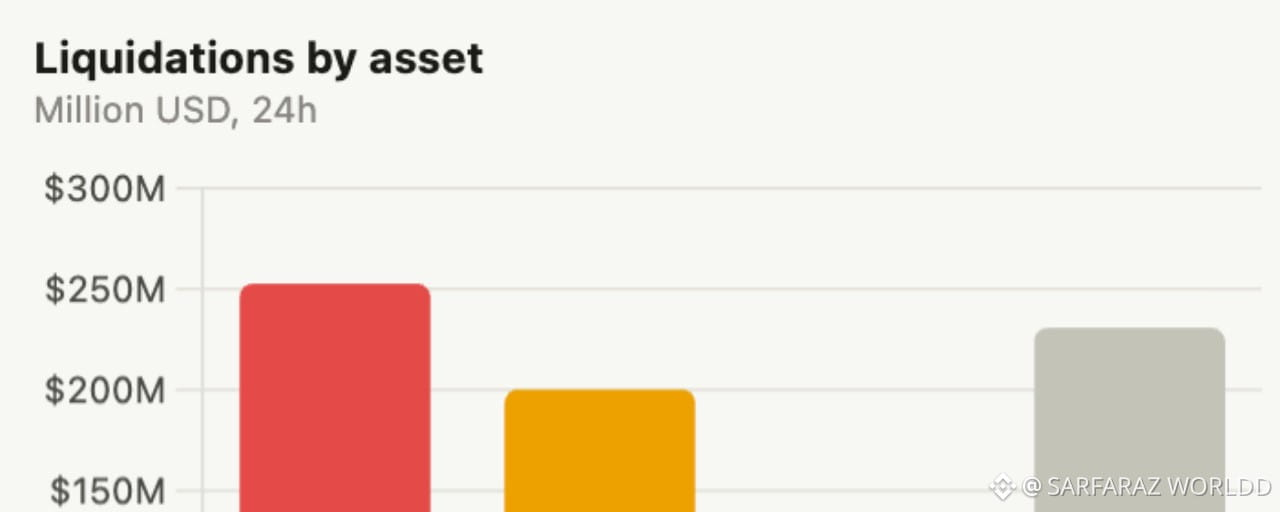
Article
Bitcoin Holds $74,000 Amid TradFi Rebound: 2026 Crypto Survival GuideBitcoin Holds $74,000 Amid TradFi Rebound: 2026 Crypto Survival Guide
Bitcoin has stalled near the crucial $74,000 baseline, lagging behind a tech-driven Wall Street recovery after an unexpectedly hot CPI print shook broader macroeconomic expectations. Meanwhile, institutional appetite is facing a sustained cool-off as US Spot Bitcoin ETFs record four consecutive days of net outflows, led by an eight-day redemption streak in BlackRock’s IBIT. Understanding the tug-of-war between institutional redemptions, macro pressure, and on-chain support is essential for navigating today's high-stakes market environment.
1. 🛡️ $74,000 Defense: The Psychological Battleground
Bitcoin stabilized around $74,000 following a brief dip to $72,700, proving that buyers are actively stepping in to defend multi-month structural support. While broader sentiment sits in fear territory, defending this price floor prevents an aggressive slide into deeper lower-range liquidity.
• 2026 Insight: A persistent hold above $73,000–$74,000 indicates that spot accumulation remains resilient despite aggressive derivative de-risking.
[Insert Banner/Image: High-resolution BTC/USDT 4H chart displaying the key horizontal support band between $72,700 and $74,000 with volume profiles]
2. 📉 ETF Outflows: Wall Street's Institutional Pause
US spot Bitcoin ETFs recorded a net loss of $95 million, extending total net redemptions across four consecutive trading sessions. Most notably, BlackRock's flagship iShares Bitcoin Trust (IBIT) recorded its eighth straight day of net withdrawals, offloading $78 million in a single session.
• Strategy: Track institutional net flow metrics alongside price; institutional pauses frequently mark local range compression before liquidity rotates back into spot markets.
[Insert Banner/Image: Infographic comparing institutional ETF inflows vs. outflows over the last 10 days, highlighting BlackRock's IBIT streak]
3. 📊 Macro Disconnect: Crypto Lags the Stock Rebound
While tech equities surged on strong corporate AI earnings, digital assets decoupled and stayed flat. Higher-than-forecast consumer price index (CPI) figures fueled speculation of tighter monetary policy, prompting institutional risk desks to temporarily curb exposure to volatile crypto assets.
• Why use it: Monitoring traditional equity indices (like the Nasdaq-100) helps traders spot divergences where crypto temporarily lags before catching up to macro trends.
[Insert Banner/Image: Split comparison chart highlighting Nasdaq futures rebounding upward while Bitcoin trades horizontally]
4. ⚡ Derivative Liquidations: Clearing Over-Leveraged Longs
A spike in derivatives volatility triggered over $725 million in total crypto liquidations, with long positions bearing the vast majority of the wipeout. The wipeout flushed speculative froth out of perpetual contracts, cooling overheated funding rates and resetting market leverage.
• Pro-Tip: Always verify the taker buy/sell ratio and open interest after heavy cascades; cleaner leverage profiles create healthier setups for sustainable bounces.
[Insert Banner/Image: Coinglass liquidation heatmap illustrating the massive wipeout cluster around $73,000–$75,000]
5. 🛡️ Options Skew: The Defensive Smart Money Bias
In the options market, implied volatility hovers in the mid-to-high 30s, with downside put contracts continuing to trade at a distinct premium over upside calls. Professional institutional desks are actively buying downside portfolio insurance while keeping upside targets anchored between $81,000 and $84,000.
• Strategy: Utilize structured hedging or spot dollar-cost averaging (DCA) when the put-call skew indicates institutions are heavily hedged against near-term downside risk.
[Insert Banner/Image: Open interest distribution chart by strike price showcasing the dominant call peaks at $81,000 and $84,000]
6. 🌐 Market Dominance: Capital Rotates to Safety
Bitcoin market dominance expanded past 60.5% as capital rotated sharply out of speculative altcoins and privacy tokens back into major base assets. With the Altcoin Season Index drifting lower, traders are choosing Bitcoin liquidity as a defensive sanctuary during macro turbulence.
• 2026 Insight: Whenever macroeconomic uncertainty spikes, BTC dominance expansion serves as an early indicator to reduce exposure to low-cap high-beta altcoins.
[Insert Banner/Image: TradingView chart of Bitcoin Dominance (BTC.D) trending upward past 60.5%]
✅ Final Thoughts
Market corrections driven by macro reports and ETF redemptions test emotional discipline, but they are a standard part of market cycles. Surviving sideways chop requires proactive risk management, avoiding excessive leverage, and trusting well-defined support levels. Focus on long-term conviction over short-term noise.
Are you using this $74K consolidation to accumulate spot $BTC, or do you expect another sweep of the lows before a breakout? Drop your thoughts below!
BTCETH SOLBNB
#BinanceSqua
#CryptoTrading #Bitcoin2026
Bitcoin Holds $74,000 Amid TradFi Rebound: 2026 Crypto Survival Guide
Bitcoin Holds $74,000 Amid TradFi Rebound: 2026 Crypto Survival Guide
Bitcoin has stalled near the crucial $74,000 baseline, lagging behind a tech-driven Wall Street recovery after an unexpectedly hot CPI print shook broader macroeconomic expectations. Meanwhile, institutional appetite is facing a sustained cool-off as US Spot Bitcoin ETFs record four consecutive days of net outflows, led by an eight-day redemption streak in BlackRock’s IBIT. Understanding the tug-of-war between institutional redemptions, macro pressure, and on-chain support is essential for navigating today's high-stakes market environment.
1. 🛡️ $74,000 Defense: The Psychological Battleground
Bitcoin stabilized around $74,000 following a brief dip to $72,700, proving that buyers are actively stepping in to defend multi-month structural support. While broader sentiment sits in fear territory, defending this price floor prevents an aggressive slide into deeper lower-range liquidity.
• 2026 Insight: A persistent hold above $73,000–$74,000 indicates that spot accumulation remains resilient despite aggressive derivative de-risking.
[Insert Banner/Image: High-resolution BTC/USDT 4H chart displaying the key horizontal support band between $72,700 and $74,000 with volume profiles]
2. 📉 ETF Outflows: Wall Street's Institutional Pause
US spot Bitcoin ETFs recorded a net loss of $95 million, extending total net redemptions across four consecutive trading sessions. Most notably, BlackRock's flagship iShares Bitcoin Trust (IBIT) recorded its eighth straight day of net withdrawals, offloading $78 million in a single session.
• Strategy: Track institutional net flow metrics alongside price; institutional pauses frequently mark local range compression before liquidity rotates back into spot markets.
[Insert Banner/Image: Infographic comparing institutional ETF inflows vs. outflows over the last 10 days, highlighting BlackRock's IBIT streak]
3. 📊 Macro Disconnect: Crypto Lags the Stock Rebound
While tech equities surged on strong corporate AI earnings, digital assets decoupled and stayed flat. Higher-than-forecast consumer price index (CPI) figures fueled speculation of tighter monetary policy, prompting institutional risk desks to temporarily curb exposure to volatile crypto assets.
• Why use it: Monitoring traditional equity indices (like the Nasdaq-100) helps traders spot divergences where crypto temporarily lags before catching up to macro trends.
[Insert Banner/Image: Split comparison chart highlighting Nasdaq futures rebounding upward while Bitcoin trades horizontally]
4. ⚡ Derivative Liquidations: Clearing Over-Leveraged Longs
A spike in derivatives volatility triggered over $725 million in total crypto liquidations, with long positions bearing the vast majority of the wipeout. The wipeout flushed speculative froth out of perpetual contracts, cooling overheated funding rates and resetting market leverage.
• Pro-Tip: Always verify the taker buy/sell ratio and open interest after heavy cascades; cleaner leverage profiles create healthier setups for sustainable bounces.
[Insert Banner/Image: Coinglass liquidation heatmap illustrating the massive wipeout cluster around $73,000–$75,000]
5. 🛡️ Options Skew: The Defensive Smart Money Bias
In the options market, implied volatility hovers in the mid-to-high 30s, with downside put contracts continuing to trade at a distinct premium over upside calls. Professional institutional desks are actively buying downside portfolio insurance while keeping upside targets anchored between $81,000 and $84,000.
• Strategy: Utilize structured hedging or spot dollar-cost averaging (DCA) when the put-call skew indicates institutions are heavily hedged against near-term downside risk.
[Insert Banner/Image: Open interest distribution chart by strike price showcasing the dominant call peaks at $81,000 and $84,000]
6. 🌐 Market Dominance: Capital Rotates to Safety
Bitcoin market dominance expanded past 60.5% as capital rotated sharply out of speculative altcoins and privacy tokens back into major base assets. With the Altcoin Season Index drifting lower, traders are choosing Bitcoin liquidity as a defensive sanctuary during macro turbulence.
• 2026 Insight: Whenever macroeconomic uncertainty spikes, BTC dominance expansion serves as an early indicator to reduce exposure to low-cap high-beta altcoins.
[Insert Banner/Image: TradingView chart of Bitcoin Dominance (BTC.D) trending upward past 60.5%]
✅ Final Thoughts
Market corrections driven by macro reports and ETF redemptions test emotional discipline, but they are a standard part of market cycles. Surviving sideways chop requires proactive risk management, avoiding excessive leverage, and trusting well-defined support levels. Focus on long-term conviction over short-term noise.
Are you using this $74K consolidation to accumulate spot $BTC, or do you expect another sweep of the lows before a breakout? Drop your thoughts below!
BTCETH SOLBNB
#BinanceSqua
#CryptoTrading #Bitcoin2026
104
NEW: @cz_binance SAYS "SOFTWARE EATS THE WORLD. AI EATS SOFTWARE. 😂"
NEW: @cz_binance SAYS "SOFTWARE EATS THE WORLD. AI EATS SOFTWARE. 😂"

2
58

Article
usaJUST IN: 🇺🇸 White House says "America is the crypto capital of the world
usa
JUST IN: 🇺🇸 White House says "America is the crypto capital of the world
3
JUST IN: 🇺🇸 White House: “The US is now the world’s crypto capital”
JUST IN: 🇺🇸 White House: “The US is now the world’s crypto capital”

1
66
1
1


加密之王1688
·
--
20:37加密夜报|总市值$3.21万亿(-0.8%),BTC $91,850(+0.96%)V型反弹、ETH $3,132(-0.27%)守支撑,情绪指数26(极度恐慌)。核心看点:24h清算$4.61亿后抛压释放,ETF资金流出收窄;XRP领涨主流币,Meme币周度大涨。策略:紧盯$90,000/$3,050支撑,非农前轻仓布局,优先抗跌主流币与机构关注标的。#加密探底回升 #BTC V型反弹 #ETF资金流向 #非农行情 #BTC #bnb

🚦 U.S. INITIAL JOBLESS CLAIMS DATA👇
Actual: 214K
Forecast: 224K
Previous: 224K
🚦 U.S. INITIAL JOBLESS CLAIMS DATA👇
Actual: 214K
Forecast: 224K
Previous: 224K
Actual: 214K
Forecast: 224K
Previous: 224K
1
🚦 REMINDER: 🚦
🇺🇸 US Initial Jobless claims data will be released today at 8:30am ET (7:00 PM IST)
Expectations: 225,000
#BTCRebound90kNext?
🚦 REMINDER: 🚦
🇺🇸 US Initial Jobless claims data will be released today at 8:30am ET (7:00 PM IST)
Expectations: 225,000
#BTCRebound90kNext?
🇺🇸 US Initial Jobless claims data will be released today at 8:30am ET (7:00 PM IST)
Expectations: 225,000
#BTCRebound90kNext?
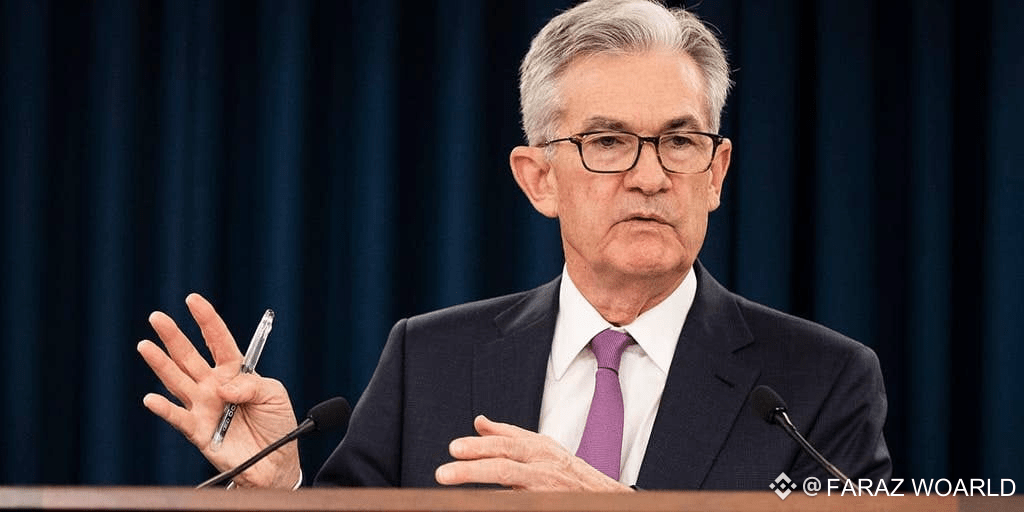
2
Every dip, some people think it's the end of time.
Time continues.
Every dip, some people think it's the end of time.
Time continues.
Time continues.

1
161
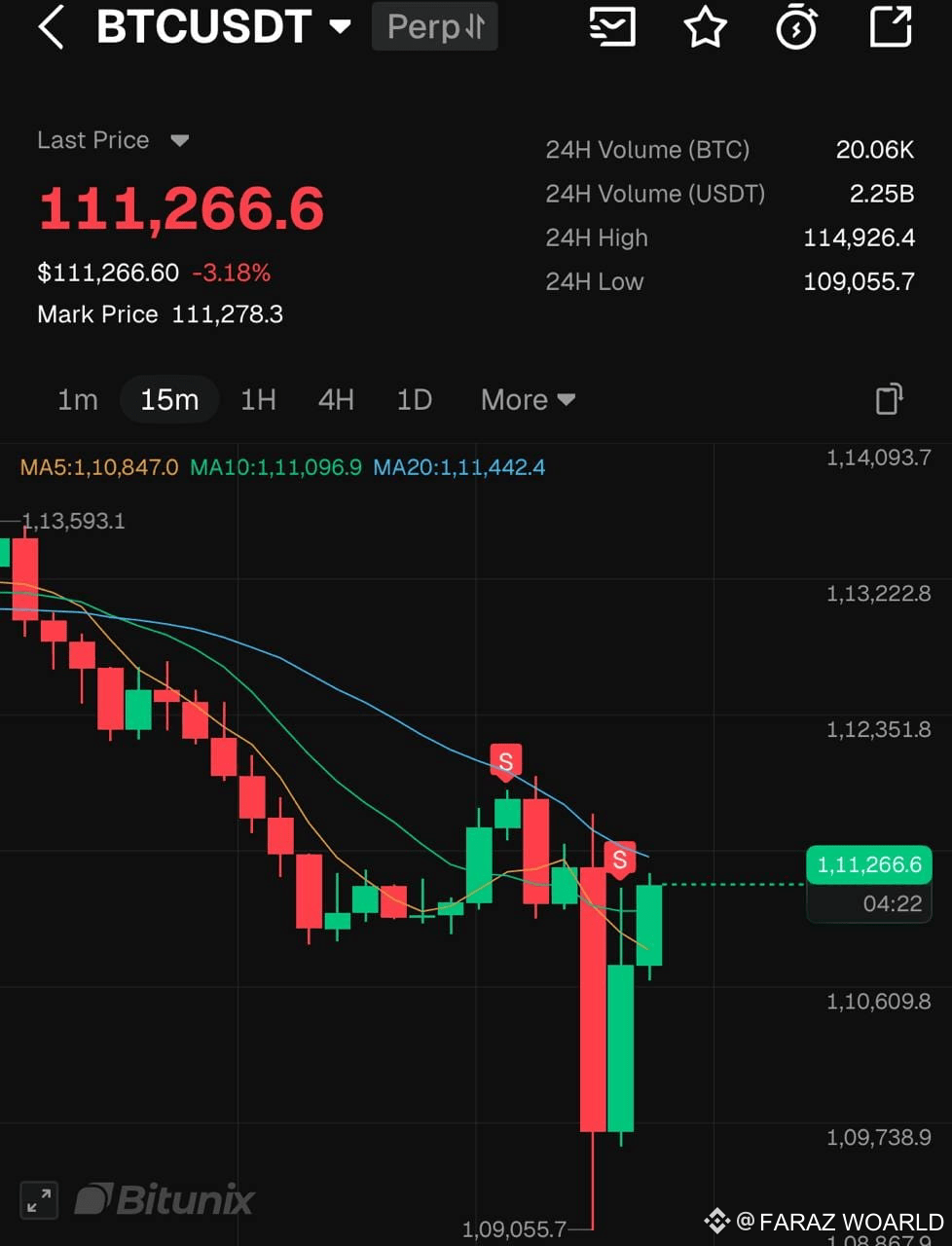
Aa gye na market vhe , bolra tha audio mei and reel mei .. market m liquidity khaynge longs walo ki phele ..
News based trade experience se hote h sirf .. baki charts mei technicals ke sath jao ..
Like liquidation kidhar hai and trend kya hai ..
Globally news ke trading mei bhot help hote hai or experience ho loss krne ka phele to or jada 😃 ..
liquidation khaye h ab sirf sl khate hai 🤣🦾
News based trade experience se hote h sirf .. baki charts mei technicals ke sath jao ..
Like liquidation kidhar hai and trend kya hai ..
Globally news ke trading mei bhot help hote hai or experience ho loss krne ka phele to or jada 😃 ..
liquidation khaye h ab sirf sl khate hai 🤣🦾
1
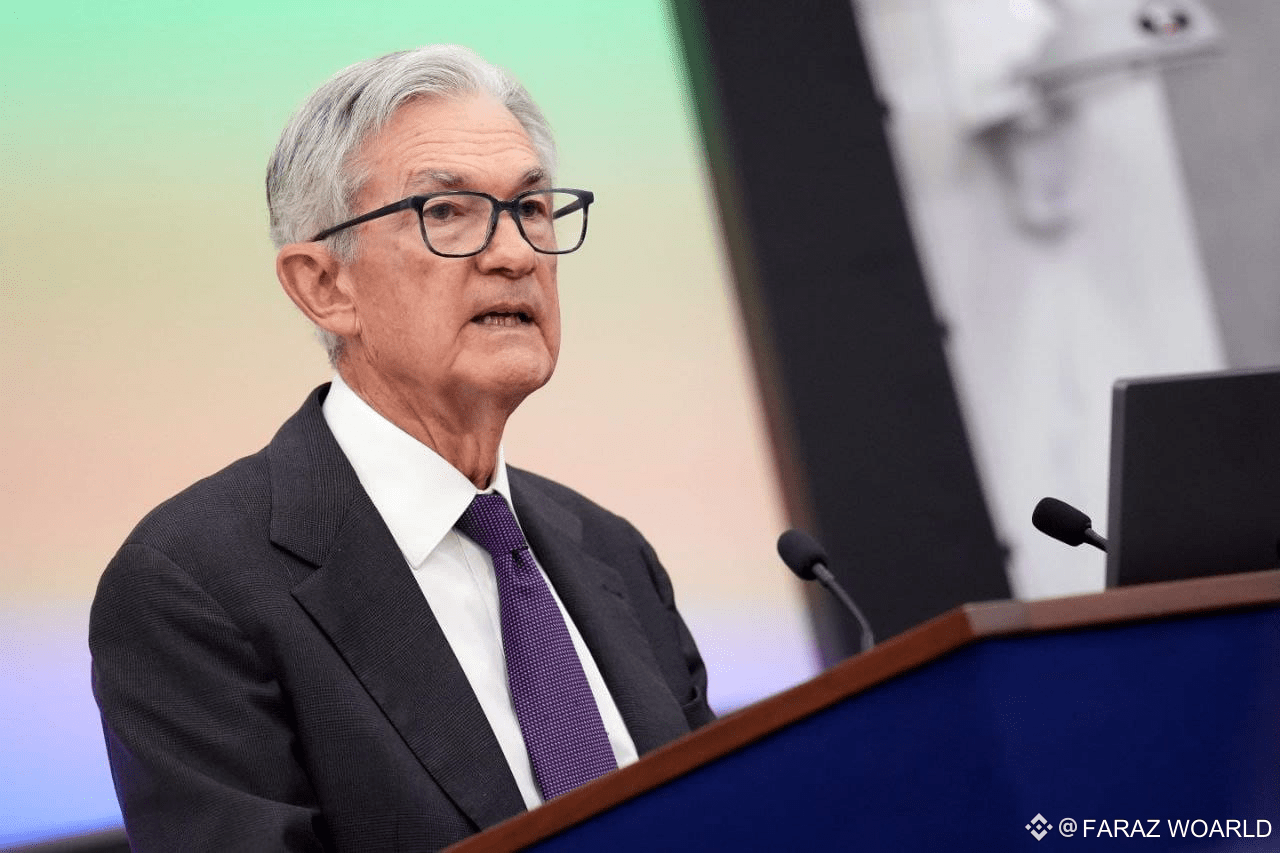
JUST IN: 🇺🇸 Fed Chair Jerome Powell says President Trump's tariffs are causing "higher overall inflation."
JUST IN: 🇺🇸 Fed Chair Jerome Powell says President Trump's tariffs are causing "higher overall inflation."
🚨BREAKING
🇺🇸 Federal Reserve cuts interest rates by 25bps
🚨BREAKING
🇺🇸 Federal Reserve cuts interest rates by 25bps
🇺🇸 Federal Reserve cuts interest rates by 25bps
1
49
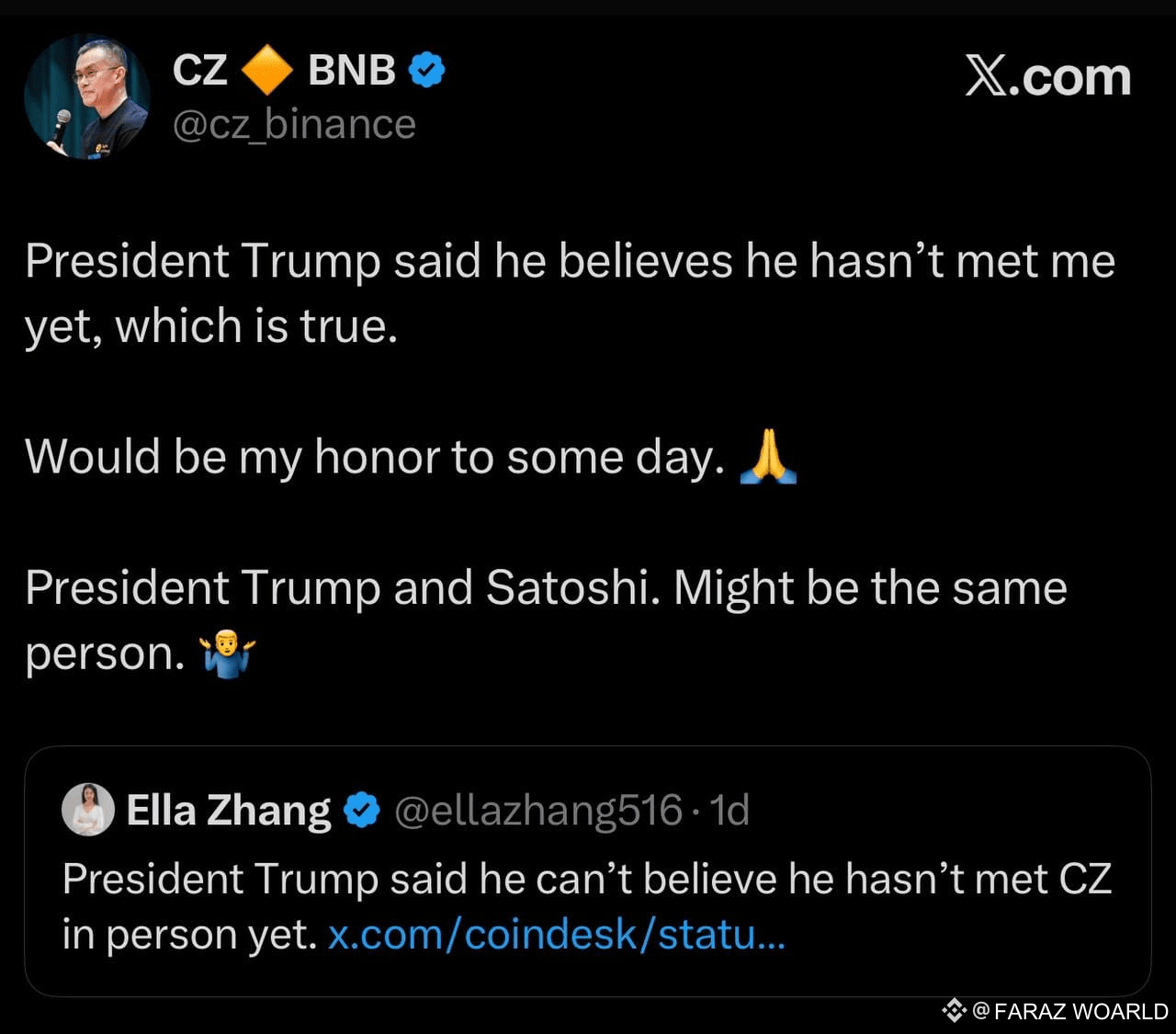
🇺🇸 ETF FLOWS: US spot BTC ETFs saw $20.3M in inflows, while ETH ETFs saw an outflow of $127.4M on Oct. 23.
🇺🇸 ETF FLOWS: US spot BTC ETFs saw $20.3M in inflows, while ETH ETFs saw an outflow of $127.4M on Oct. 23.
1
UPDATE: 🇺🇸 US Spot ETF Flows (October 20)
📉 Bitcoin: -372 BTC ($40M)
📉 Ethereum: -36,600 ETH ($146M)
📈 Solana: +143,790 SOL ($27M)
UPDATE: 🇺🇸 US Spot ETF Flows (October 20)
📉 Bitcoin: -372 BTC ($40M)
📉 Ethereum: -36,600 ETH ($146M)
📈 Solana: +143,790 SOL ($27M)
📉 Bitcoin: -372 BTC ($40M)
📉 Ethereum: -36,600 ETH ($146M)
📈 Solana: +143,790 SOL ($27M)


3
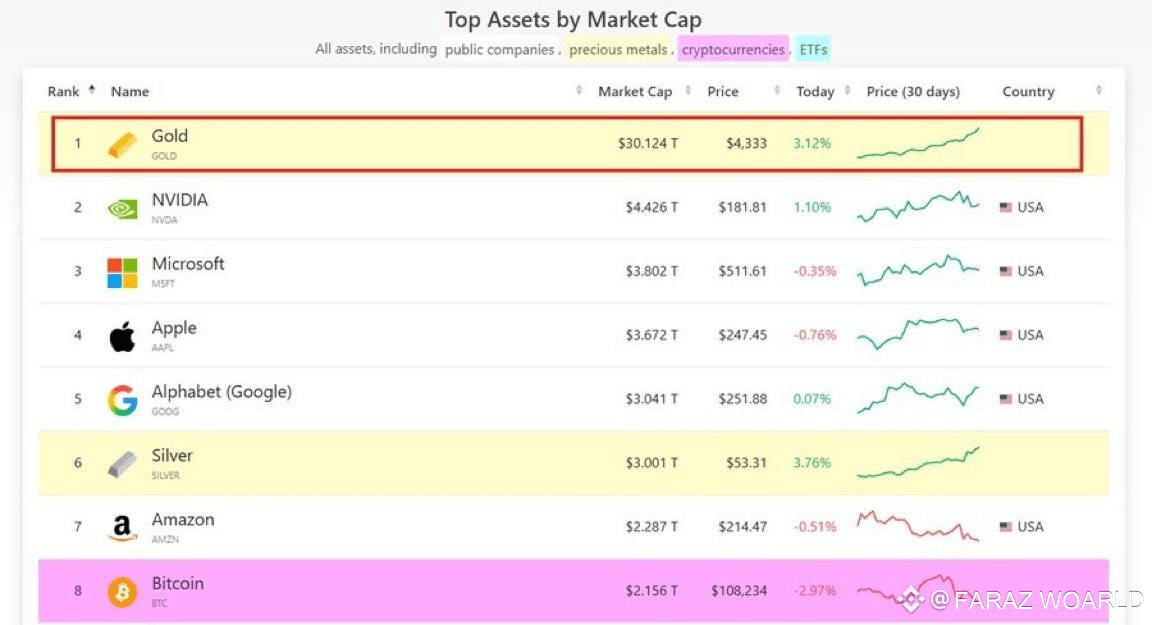
📌 Gold officially becomes the first asset in history to hit $30 TRILLION in market cap.
📌 Gold officially becomes the first asset in history to hit $30 TRILLION in market cap.
2
JUST IN: 🇺🇸 SEC Chair Paul Atkins says crypto and tokenization are “job one” for the agency.
JUST IN: 🇺🇸 SEC Chair Paul Atkins says crypto and tokenization are “job one” for the agency.

1
1
28
Log in to explore more content
Join global crypto users on Binance Square
⚡️ Get latest and useful information about crypto.
💬 Trusted by the world’s largest crypto exchange.
👍 Discover real insights from verified creators.
Email / Phone number
Trending Topics
WhatWillDriveCryptoandStocks’NextRebound?
5,544 views
150 Discussing
Bitcoin Slips Below $70,000 as Dollar Index Hits 19-Month High
Binance News
·8 Likes
·8.4k views
Anthropic’s6xIPODemandSignalsPotentialRecordRaise
1,729 views
70 Discussing
HuangExitNvidiaStrategyInFocus
138,757 views
1,365 Discussing