

David_John
16.9k Posts

David_John
 Square Verified+
Report
Block User
Risk It all & Make It Worth It. Chasing Goals Not people • X • @David_John_555https://x.com/David_John_555
105 Following
44.2K+ Followers
72.4K+ Liked
Posts
All
Videos
Live


·
--
Bearish
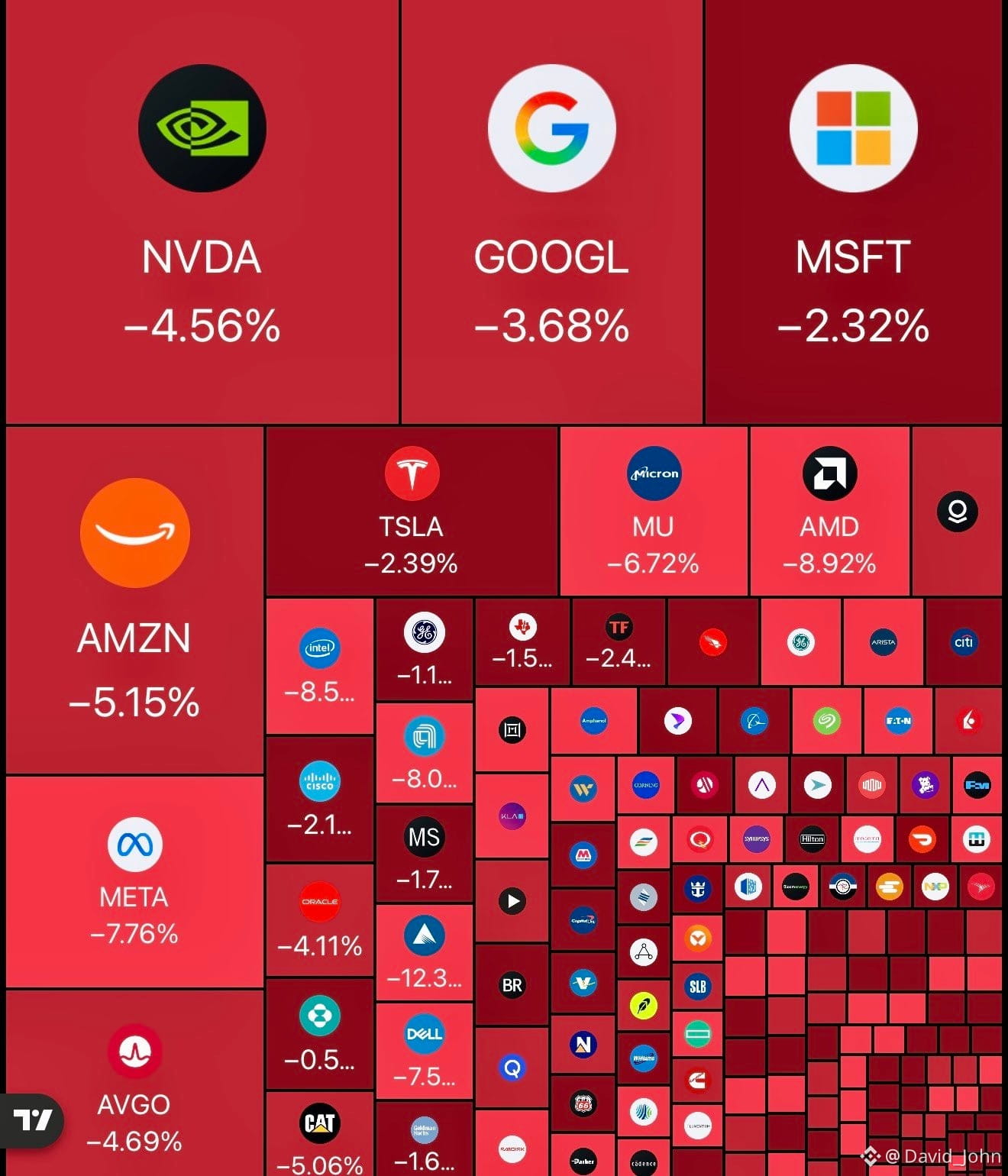
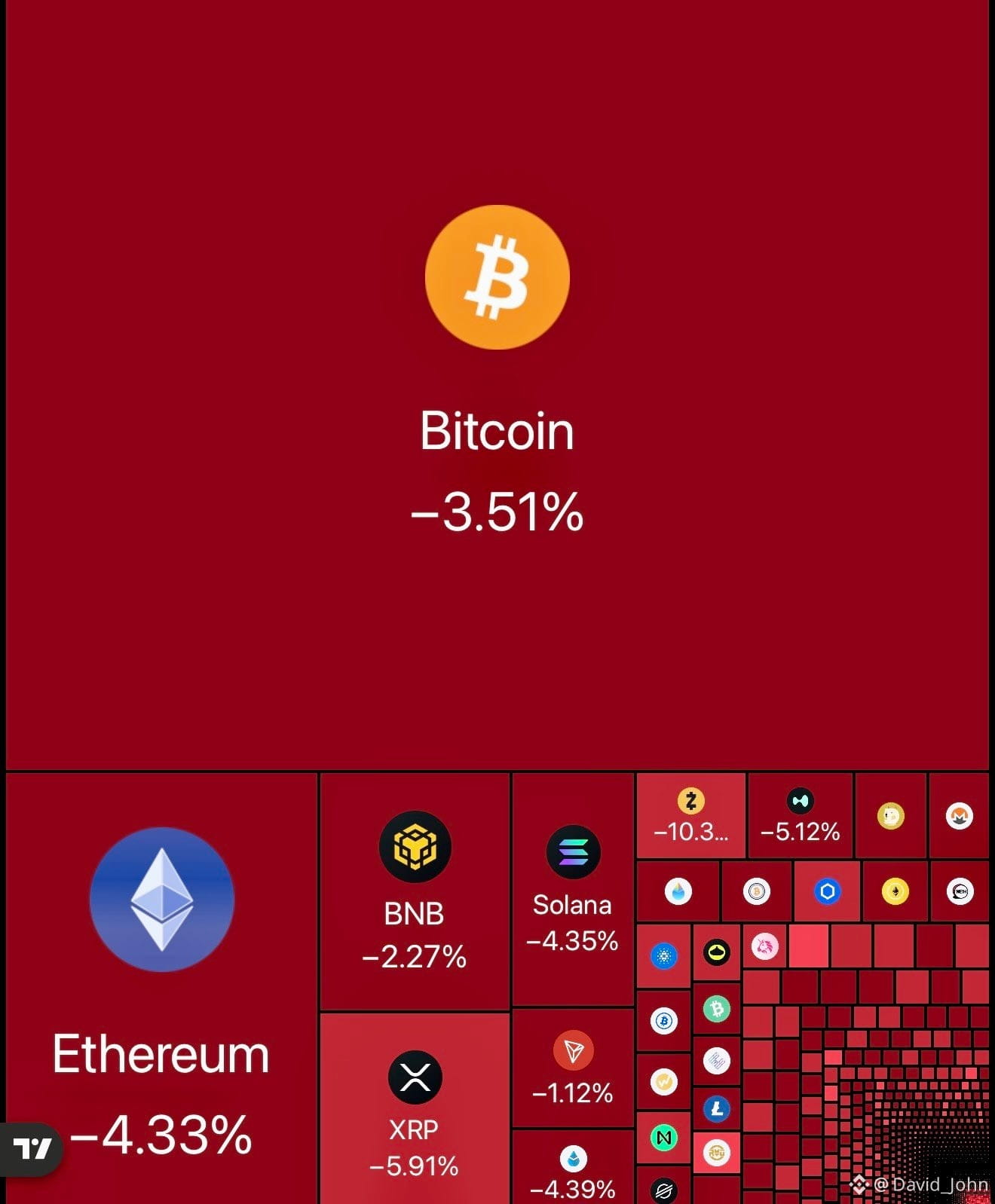
🚨 MARKET BLOODBATH!
🇺🇸 Nearly $1 TRILLION erased from the US stock market.
₿ Crypto just lost another $100 BILLION in a single day!
📉 Massive sell-off. Billions vanishing. Market fear is rising fast.
Is this the start of a bigger crash or a buying opportunity? 👀🔥
🚨 MARKET BLOODBATH!
🇺🇸 Nearly $1 TRILLION erased from the US stock market.
₿ Crypto just lost another $100 BILLION in a single day!
📉 Massive sell-off. Billions vanishing. Market fear is rising fast.
Is this the start of a bigger crash or a buying opportunity? 👀🔥
🇺🇸 Nearly $1 TRILLION erased from the US stock market.
₿ Crypto just lost another $100 BILLION in a single day!
📉 Massive sell-off. Billions vanishing. Market fear is rising fast.
Is this the start of a bigger crash or a buying opportunity? 👀🔥
455
·
--
🚨 $XRP AT A CRITICAL ZONE! 🔥
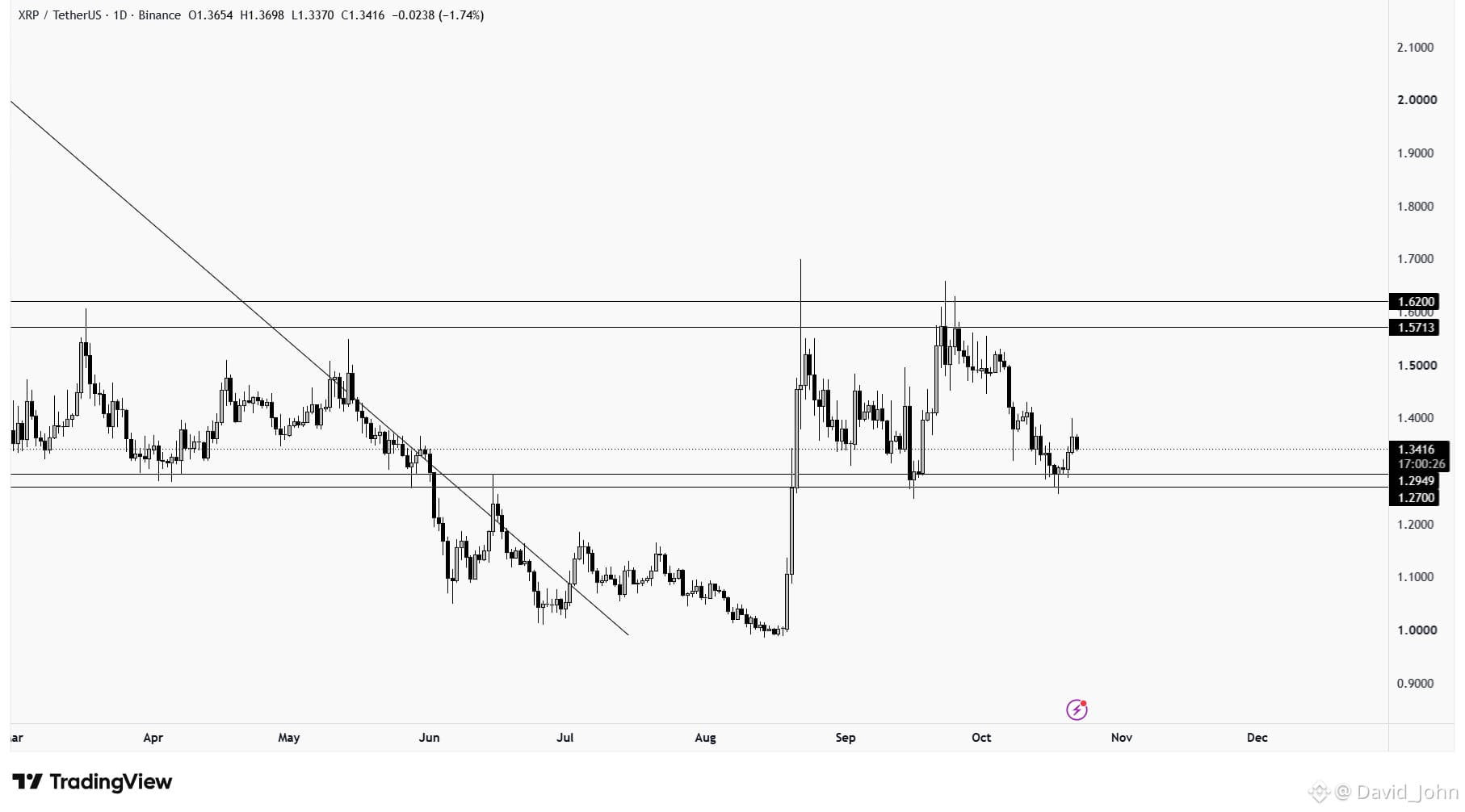
XRP is trading at $1.3416 (-1.74%), testing a key support area after pulling back from recent highs.
🎯 EP: $1.30–$1.34
🟢 Support: $1.2949 – $1.2700
🚀 TP1: $1.40
🚀 TP2: $1.50
🚀 TP3: $1.5713
🎯 Final Target: $1.6200
⚠️ Holding support could trigger a strong recovery, while a breakdown below $1.2700 may signal further downside.
Eyes on XRP — the next move could be explosive! 👀📈
{spot}(XRPUSDT)
#XRP #Ripple #Crypto
🚨 $XRP AT A CRITICAL ZONE! 🔥
XRP is trading at $1.3416 (-1.74%), testing a key support area after pulling back from recent highs.
🎯 EP: $1.30–$1.34
🟢 Support: $1.2949 – $1.2700
🚀 TP1: $1.40
🚀 TP2: $1.50
🚀 TP3: $1.5713
🎯 Final Target: $1.6200
⚠️ Holding support could trigger a strong recovery, while a breakdown below $1.2700 may signal further downside.
Eyes on XRP — the next move could be explosive! 👀📈
#XRP #Ripple #Crypto
XRP is trading at $1.3416 (-1.74%), testing a key support area after pulling back from recent highs.
🎯 EP: $1.30–$1.34
🟢 Support: $1.2949 – $1.2700
🚀 TP1: $1.40
🚀 TP2: $1.50
🚀 TP3: $1.5713
🎯 Final Target: $1.6200
⚠️ Holding support could trigger a strong recovery, while a breakdown below $1.2700 may signal further downside.
Eyes on XRP — the next move could be explosive! 👀📈
#XRP #Ripple #Crypto
276
·
--
Bullish
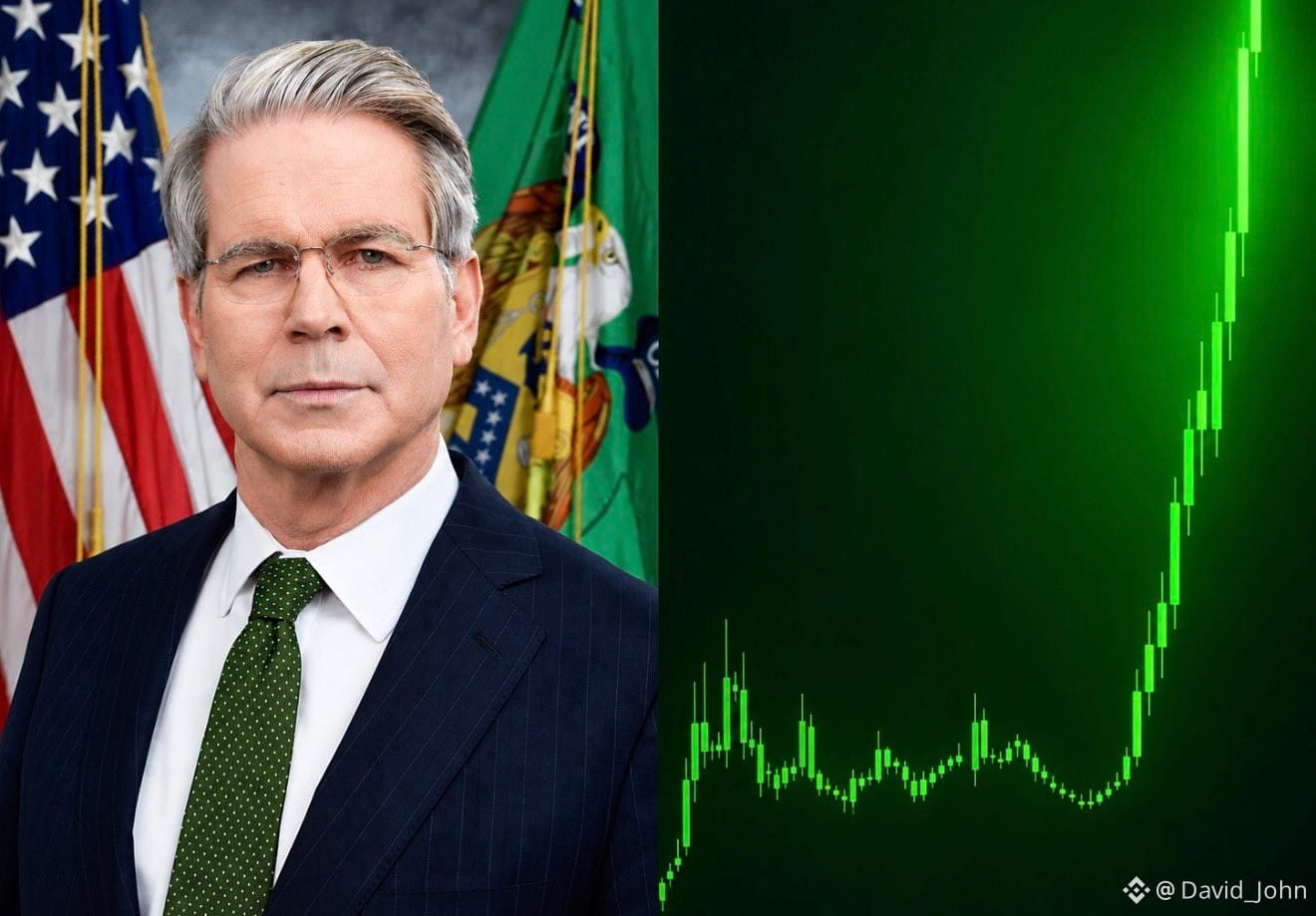
🚨 BREAKING: BIG MOVE FROM THE US TREASURY! 🇺🇸
The Treasury just bought back $750M of its own debt, bringing total buybacks this month to a massive $20.8 BILLION! 💰
Liquidity watchers are paying attention. 👀📈
Could this be another bullish signal for the markets? 🔥
🚨 BREAKING: BIG MOVE FROM THE US TREASURY! 🇺🇸
The Treasury just bought back $750M of its own debt, bringing total buybacks this month to a massive $20.8 BILLION! 💰
Liquidity watchers are paying attention. 👀📈
Could this be another bullish signal for the markets? 🔥
The Treasury just bought back $750M of its own debt, bringing total buybacks this month to a massive $20.8 BILLION! 💰
Liquidity watchers are paying attention. 👀📈
Could this be another bullish signal for the markets? 🔥
1
4
2.9k
·
--
Bullish
Kite is building for the future of AI agents.
AI can already research, write code, and complete tasks, but paying for tools and services is still a challenge.
Kite aims to make this easier by helping AI agents make payments within limits set by their users. With Kite Passport, agents can access payment tools while users keep control of spending.
The real test is adoption: will developers and businesses actually use it?
That’s what makes Kite worth watching. Real utility matters more than hype.
#KiteBBW $KITE @GoKiteAI #kite
{spot}(KITEUSDT)
Kite is building for the future of AI agents.
AI can already research, write code, and complete tasks, but paying for tools and services is still a challenge.
Kite aims to make this easier by helping AI agents make payments within limits set by their users. With Kite Passport, agents can access payment tools while users keep control of spending.
The real test is adoption: will developers and businesses actually use it?
That’s what makes Kite worth watching. Real utility matters more than hype.
#KiteBBW $KITE @KITE AI 中文 #kite
AI can already research, write code, and complete tasks, but paying for tools and services is still a challenge.
Kite aims to make this easier by helping AI agents make payments within limits set by their users. With Kite Passport, agents can access payment tools while users keep control of spending.
The real test is adoption: will developers and businesses actually use it?
That’s what makes Kite worth watching. Real utility matters more than hype.
#KiteBBW $KITE @KITE AI 中文 #kite

3
5
326
·
--
Bullish
Verified
Nillion: Building a more private future for Web3.
Nillion is tackling a real problem: how can we use sensitive data without exposing it?
With its core product, Covenants, and first release, Dusk, Nillion is working to make encrypted instructions usable while keeping them hidden until specific conditions are met.
This could open new possibilities for private trading strategies, DeFi applications, and AI agents.
Its native token, $NIL, supports network participation through staking and other network utilities.
What makes Nillion interesting is its focus on a problem that matters beyond crypto speculation.
If developers turn this technology into useful applications, privacy could become one of Nillion’s biggest strengths.
LFG 🥂 🍾
#nil $NIL @nillionnetwork
Nillion: Building a more private future for Web3.
Nillion is tackling a real problem: how can we use sensitive data without exposing it?
With its core product, Covenants, and first release, Dusk, Nillion is working to make encrypted instructions usable while keeping them hidden until specific conditions are met.
This could open new possibilities for private trading strategies, DeFi applications, and AI agents.
Its native token, $NIL , supports network participation through staking and other network utilities.
What makes Nillion interesting is its focus on a problem that matters beyond crypto speculation.
If developers turn this technology into useful applications, privacy could become one of Nillion’s biggest strengths.
LFG 🥂 🍾
#nil $NIL @Nillion
Nillion is tackling a real problem: how can we use sensitive data without exposing it?
With its core product, Covenants, and first release, Dusk, Nillion is working to make encrypted instructions usable while keeping them hidden until specific conditions are met.
This could open new possibilities for private trading strategies, DeFi applications, and AI agents.
Its native token, $NIL , supports network participation through staking and other network utilities.
What makes Nillion interesting is its focus on a problem that matters beyond crypto speculation.
If developers turn this technology into useful applications, privacy could become one of Nillion’s biggest strengths.
LFG 🥂 🍾
#nil $NIL @Nillion

48
99
45.2k
·
--
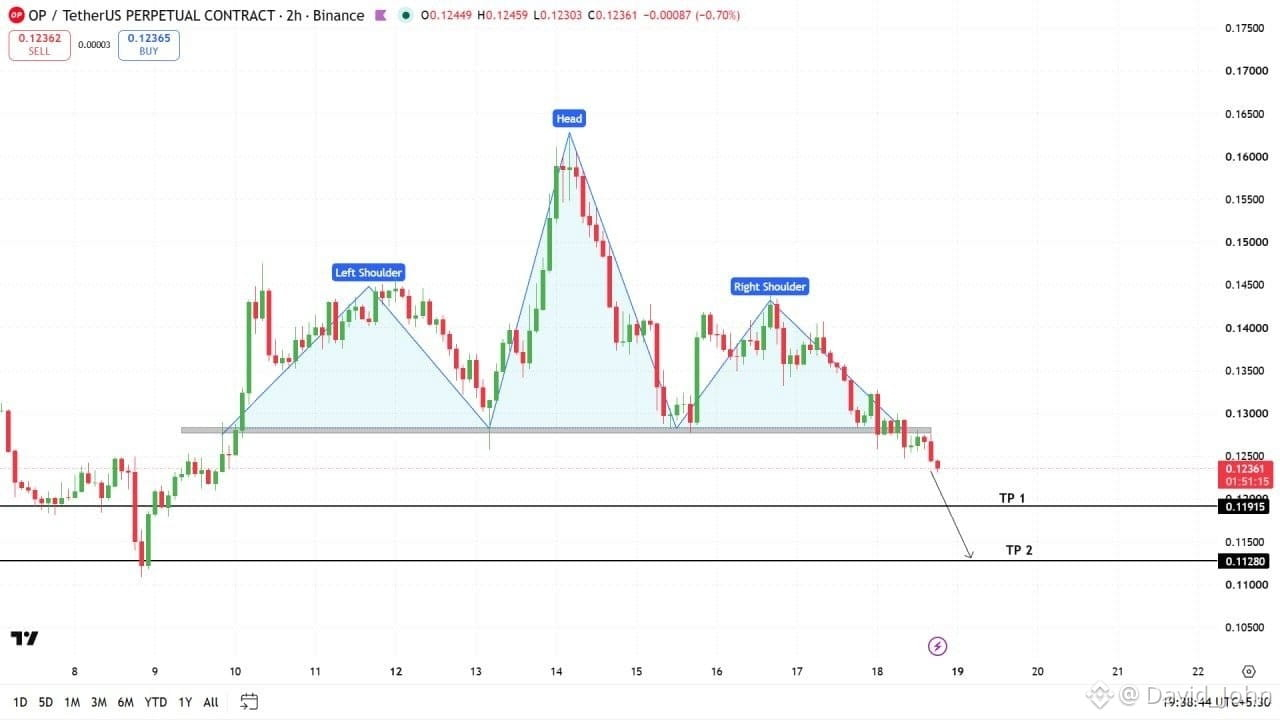
⚠️ $OP — Bears Are Taking Control! 📉
OPUSDT has broken down, signaling growing bearish pressure. 👀 A deeper dip toward lower support targets could be next.
🐻 Stay alert, watch key levels, and track the move closely. The next move could get intense! ⚡
⚠️ $OP — Bears Are Taking Control! 📉
OPUSDT has broken down, signaling growing bearish pressure. 👀 A deeper dip toward lower support targets could be next.
🐻 Stay alert, watch key levels, and track the move closely. The next move could get intense! ⚡
OPUSDT has broken down, signaling growing bearish pressure. 👀 A deeper dip toward lower support targets could be next.
🐻 Stay alert, watch key levels, and track the move closely. The next move could get intense! ⚡
503
·
--
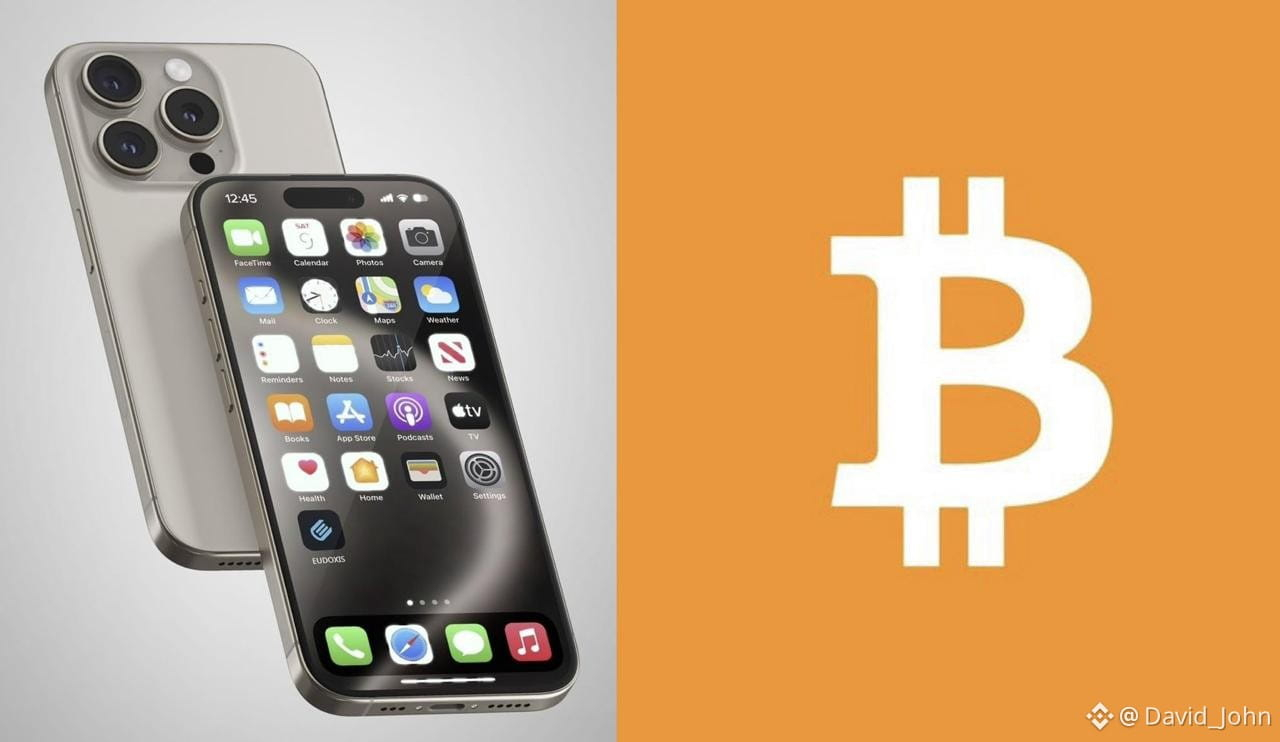
🚨 ONE WALLET SWITCH. $6.6 MILLION GONE.
Someone reportedly lost 80 $BTC. Don’t let your crypto become the next target. 🔥
Here’s how to build an offline iPhone wallet that keeps your private keys away from the internet.
🔐 1. Buy a new, sealed iPhone. Never use a secondhand device that could have been tampered with.
🍎 2. Create a separate Apple ID. Keep it exclusive to this phone, away from your main account.
🔑 3. Disable Face ID & Touch ID. Use a strong, long alphanumeric passcode instead.
🛡️ 4. Enable Lockdown Mode. Go to Settings → Privacy & Security → Lockdown Mode. Keep USB accessories disabled while locked.
📲 5. Install an open-source, QR-compatible wallet. Download it over trusted home Wi-Fi. This is the phone’s final internet connection.
✈️ 6. Disconnect everything. Remove the SIM, delete the eSIM, enable Airplane Mode, and turn off Wi-Fi and Bluetooth. Never reconnect it.
📝 7. Create your wallet. Write down the 24-word recovery phrase on paper or steel. Never photograph it or type it into another device.
📷 8. Sign transactions offline. Use the wallet’s watch-only companion on your everyday phone. Scan the unsigned transaction QR code with the offline iPhone, verify every detail, sign it, then scan the signed QR code back to broadcast it. Your private keys never leave the offline device.
🔋 9. Power it off for storage. Keep it fully switched off. Every few months, recharge it to around 50% to help preserve the battery.
⚠️ One afternoon of setup. A lifetime of extra protection.
Your keys stay offline, but remember: no setup is completely risk-free. Verify the wallet’s authenticity and follow its official instructions.
Save this before a single mistake costs you everything. 🔥
🚨 ONE WALLET SWITCH. $6.6 MILLION GONE.
Someone reportedly lost 80 $BTC. Don’t let your crypto become the next target. 🔥
Here’s how to build an offline iPhone wallet that keeps your private keys away from the internet.
🔐 1. Buy a new, sealed iPhone. Never use a secondhand device that could have been tampered with.
🍎 2. Create a separate Apple ID. Keep it exclusive to this phone, away from your main account.
🔑 3. Disable Face ID & Touch ID. Use a strong, long alphanumeric passcode instead.
🛡️ 4. Enable Lockdown Mode. Go to Settings → Privacy & Security → Lockdown Mode. Keep USB accessories disabled while locked.
📲 5. Install an open-source, QR-compatible wallet. Download it over trusted home Wi-Fi. This is the phone’s final internet connection.
✈️ 6. Disconnect everything. Remove the SIM, delete the eSIM, enable Airplane Mode, and turn off Wi-Fi and Bluetooth. Never reconnect it.
📝 7. Create your wallet. Write down the 24-word recovery phrase on paper or steel. Never photograph it or type it into another device.
📷 8. Sign transactions offline. Use the wallet’s watch-only companion on your everyday phone. Scan the unsigned transaction QR code with the offline iPhone, verify every detail, sign it, then scan the signed QR code back to broadcast it. Your private keys never leave the offline device.
🔋 9. Power it off for storage. Keep it fully switched off. Every few months, recharge it to around 50% to help preserve the battery.
⚠️ One afternoon of setup. A lifetime of extra protection.
Your keys stay offline, but remember: no setup is completely risk-free. Verify the wallet’s authenticity and follow its official instructions.
Save this before a single mistake costs you everything. 🔥
Someone reportedly lost 80 $BTC. Don’t let your crypto become the next target. 🔥
Here’s how to build an offline iPhone wallet that keeps your private keys away from the internet.
🔐 1. Buy a new, sealed iPhone. Never use a secondhand device that could have been tampered with.
🍎 2. Create a separate Apple ID. Keep it exclusive to this phone, away from your main account.
🔑 3. Disable Face ID & Touch ID. Use a strong, long alphanumeric passcode instead.
🛡️ 4. Enable Lockdown Mode. Go to Settings → Privacy & Security → Lockdown Mode. Keep USB accessories disabled while locked.
📲 5. Install an open-source, QR-compatible wallet. Download it over trusted home Wi-Fi. This is the phone’s final internet connection.
✈️ 6. Disconnect everything. Remove the SIM, delete the eSIM, enable Airplane Mode, and turn off Wi-Fi and Bluetooth. Never reconnect it.
📝 7. Create your wallet. Write down the 24-word recovery phrase on paper or steel. Never photograph it or type it into another device.
📷 8. Sign transactions offline. Use the wallet’s watch-only companion on your everyday phone. Scan the unsigned transaction QR code with the offline iPhone, verify every detail, sign it, then scan the signed QR code back to broadcast it. Your private keys never leave the offline device.
🔋 9. Power it off for storage. Keep it fully switched off. Every few months, recharge it to around 50% to help preserve the battery.
⚠️ One afternoon of setup. A lifetime of extra protection.
Your keys stay offline, but remember: no setup is completely risk-free. Verify the wallet’s authenticity and follow its official instructions.
Save this before a single mistake costs you everything. 🔥
4
1.5k
·
--
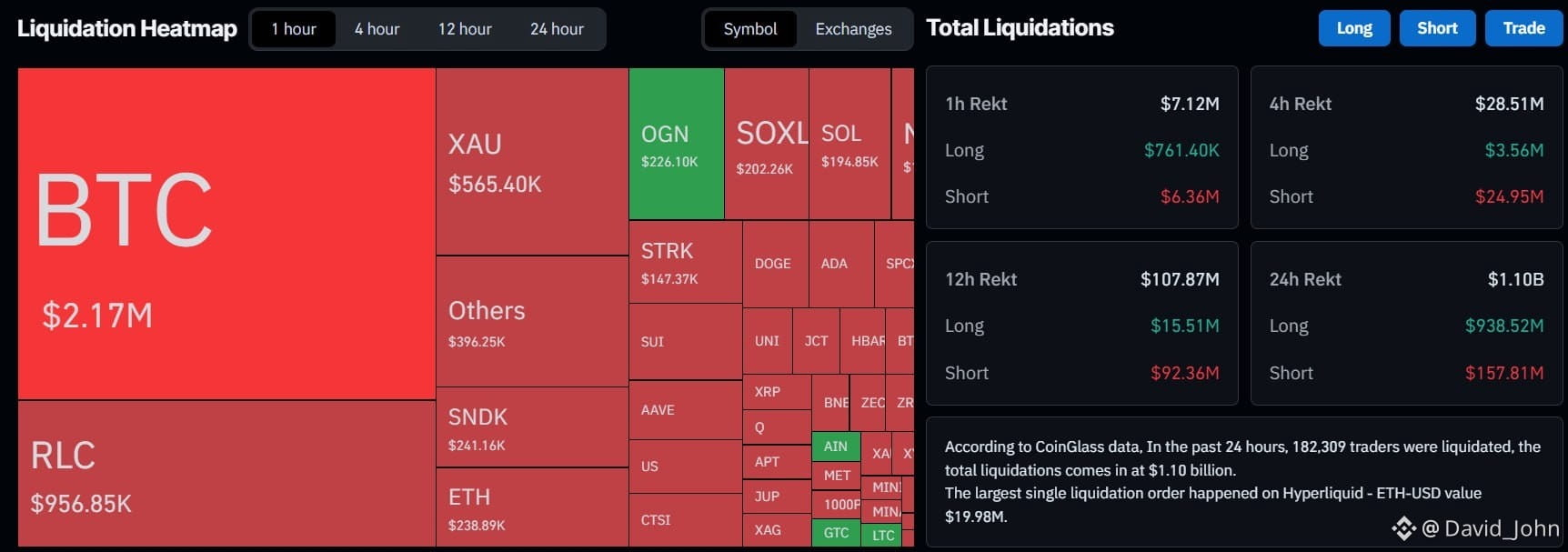
🚨💥 CRYPTO BLOODBATH! $1.19 BILLION LIQUIDATED! 💸
Yesterday’s brutal market sell-off wiped out over $1 BILLION in bullish positions in just 24 hours! 😱
📉 BTC: Dropped from ~$83,200 to ~$80,400
🔥 ETH: $356M liquidated
₿ BTC: $298M liquidated
⚡ SOL: $71M liquidated
💥 XRP: $34M liquidated
🔻 NEAR: $25M liquidated
💀 The biggest single liquidation? Nearly $20M in ETH on Hyperliquid!
⚠️ Rising rate-hike fears, escalating Iran tensions, surging oil prices, and AI-related security concerns intensified market panic. Over $1 billion in long positions were wiped out as leveraged bulls got crushed.
📈 BTC later rebounded toward $82,200, triggering a short squeeze!
THE MARKET SHOWED NO MERCY. 🩸
Is this a healthy reset before the next rally… or more pain ahead? 👀🔥
🚨💥 CRYPTO BLOODBATH! $1.19 BILLION LIQUIDATED! 💸
Yesterday’s brutal market sell-off wiped out over $1 BILLION in bullish positions in just 24 hours! 😱
📉 BTC: Dropped from ~$83,200 to ~$80,400
🔥 ETH: $356M liquidated
₿ BTC: $298M liquidated
⚡ SOL: $71M liquidated
💥 XRP: $34M liquidated
🔻 NEAR: $25M liquidated
💀 The biggest single liquidation? Nearly $20M in ETH on Hyperliquid!
⚠️ Rising rate-hike fears, escalating Iran tensions, surging oil prices, and AI-related security concerns intensified market panic. Over $1 billion in long positions were wiped out as leveraged bulls got crushed.
📈 BTC later rebounded toward $82,200, triggering a short squeeze!
THE MARKET SHOWED NO MERCY. 🩸
Is this a healthy reset before the next rally… or more pain ahead? 👀🔥
Yesterday’s brutal market sell-off wiped out over $1 BILLION in bullish positions in just 24 hours! 😱
📉 BTC: Dropped from ~$83,200 to ~$80,400
🔥 ETH: $356M liquidated
₿ BTC: $298M liquidated
⚡ SOL: $71M liquidated
💥 XRP: $34M liquidated
🔻 NEAR: $25M liquidated
💀 The biggest single liquidation? Nearly $20M in ETH on Hyperliquid!
⚠️ Rising rate-hike fears, escalating Iran tensions, surging oil prices, and AI-related security concerns intensified market panic. Over $1 billion in long positions were wiped out as leveraged bulls got crushed.
📈 BTC later rebounded toward $82,200, triggering a short squeeze!
THE MARKET SHOWED NO MERCY. 🩸
Is this a healthy reset before the next rally… or more pain ahead? 👀🔥
366
·
--
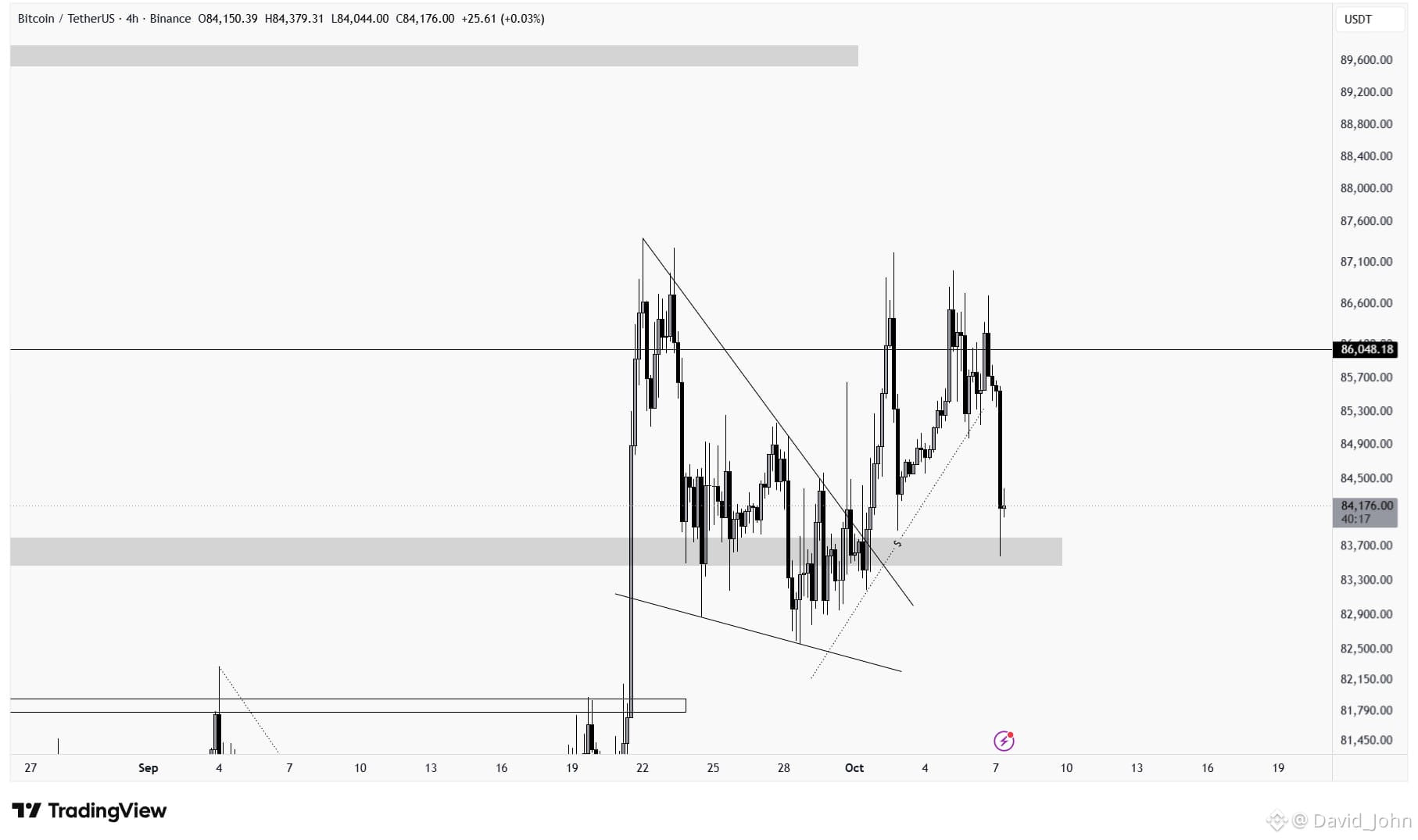
🚨 $BTC 4H SETUP IS GETTING CRITICAL!
$BTC is currently trading around $84.17K, sitting right above a key demand zone.
⚔️ $86.05K = major resistance
🟩 $83.6K–$83.9K = key support
📉 $81.8K–$82.1K = next support
🎯 $89.2K–$89.6K = major upside zone
BTC has faced multiple rejections around $86K–$87K and has now pulled back into support.
A breakout above the descending trendline could send BTC back toward $86K → $87K → $89K.
But losing $83.6K could open the door toward $82K.
🔥 $BTC is at a make-or-break level. The next move could be explosive!
🚨 $BTC 4H SETUP IS GETTING CRITICAL!
$BTC is currently trading around $84.17K, sitting right above a key demand zone.
⚔️ $86.05K = major resistance
🟩 $83.6K–$83.9K = key support
📉 $81.8K–$82.1K = next support
🎯 $89.2K–$89.6K = major upside zone
BTC has faced multiple rejections around $86K–$87K and has now pulled back into support.
A breakout above the descending trendline could send BTC back toward $86K → $87K → $89K.
But losing $83.6K could open the door toward $82K.
🔥 $BTC is at a make-or-break level. The next move could be explosive!
$BTC is currently trading around $84.17K, sitting right above a key demand zone.
⚔️ $86.05K = major resistance
🟩 $83.6K–$83.9K = key support
📉 $81.8K–$82.1K = next support
🎯 $89.2K–$89.6K = major upside zone
BTC has faced multiple rejections around $86K–$87K and has now pulled back into support.
A breakout above the descending trendline could send BTC back toward $86K → $87K → $89K.
But losing $83.6K could open the door toward $82K.
🔥 $BTC is at a make-or-break level. The next move could be explosive!
1
459
·
--
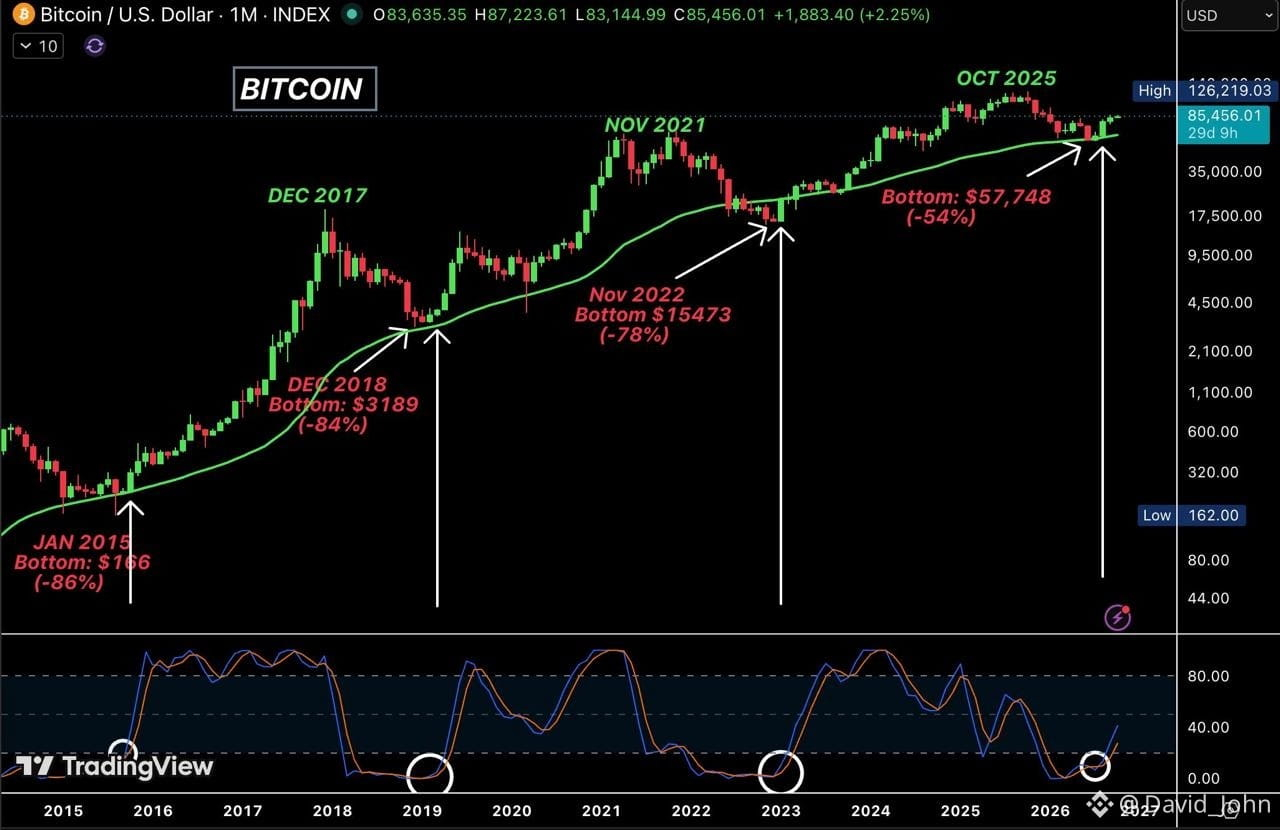
🚨 BITCOIN MONTHLY ANALYSIS
$BTC just delivered a +6.35% monthly gain, closing at a 9-month high. 🔥
Even bigger: Bitcoin finished Q3 +43%, marking its best Q3 performance since 2017. 📈
Momentum is heating up:
• Monthly Stoch RSI is flashing strong bullish momentum — a setup that has historically appeared near the beginning of major bull phases.
• $BTC bounced cleanly from the Monthly MA 50, an area that has historically offered strong risk/reward opportunities.
🎯 Key Support Zones:
➡️ Weekly MA 50: ~$77,670
➡️ Weekly MA 200: ~$65,000
The trend is strengthening, momentum is building, and Bitcoin is entering a crucial zone. ⚡️
The next move could be explosive. 🚀
🚨 BITCOIN MONTHLY ANALYSIS
$BTC just delivered a +6.35% monthly gain, closing at a 9-month high. 🔥
Even bigger: Bitcoin finished Q3 +43%, marking its best Q3 performance since 2017. 📈
Momentum is heating up:
• Monthly Stoch RSI is flashing strong bullish momentum — a setup that has historically appeared near the beginning of major bull phases.
• $BTC bounced cleanly from the Monthly MA 50, an area that has historically offered strong risk/reward opportunities.
🎯 Key Support Zones:
➡️ Weekly MA 50: ~$77,670
➡️ Weekly MA 200: ~$65,000
The trend is strengthening, momentum is building, and Bitcoin is entering a crucial zone. ⚡️
The next move could be explosive. 🚀
$BTC just delivered a +6.35% monthly gain, closing at a 9-month high. 🔥
Even bigger: Bitcoin finished Q3 +43%, marking its best Q3 performance since 2017. 📈
Momentum is heating up:
• Monthly Stoch RSI is flashing strong bullish momentum — a setup that has historically appeared near the beginning of major bull phases.
• $BTC bounced cleanly from the Monthly MA 50, an area that has historically offered strong risk/reward opportunities.
🎯 Key Support Zones:
➡️ Weekly MA 50: ~$77,670
➡️ Weekly MA 200: ~$65,000
The trend is strengthening, momentum is building, and Bitcoin is entering a crucial zone. ⚡️
The next move could be explosive. 🚀
1
3
477
·
--
Bullish
🚀 SEPTEMBER WAS ABSOLUTELY MASSIVE FOR CRYPTO.
Despite the Clarity Act failing in the Senate and the Fed hiking rates, crypto completely flipped the script and delivered a monster rally. 🔥
Here’s what happened:
1️⃣ BTC reclaimed the 50W MA and closed above it for 2 straight weeks — a major trend-reversal signal.
2️⃣ BTC hit $87K, ETH $2.8K, and SOL $120, marking their first return to those levels in nearly 8 months, alongside the highest monthly close in 9 months.
3️⃣ Total crypto market cap reclaimed $3T for the first time in 8 months. 💰
4️⃣ BTC ETFs pulled in $2.65B, while ETH ETFs attracted $832.4M — ETH’s second-largest monthly inflow of the year.
5️⃣ ETH/BTC finally broke its nearly 5-year downtrend, potentially opening the door for a stronger altcoin cycle.
6️⃣ The SEC and CFTC began introducing new crypto rules, signaling a push toward regulation even without the Clarity Act.
7️⃣ Two major crypto bills moved forward: the Strategic Bitcoin Reserve bill and the crypto tax bill.
8️⃣ The SEC said staking tokens and token buybacks are non-securities, while the Fed proposed rules allowing banks to issue their own crypto stablecoins.
9️⃣ X teamed up with crypto exchanges, paving the way for users to trade crypto directly from their timeline.
🔟 BlackRock expanded access to tokenized investment portfolios, while the NYSE partnered to bring tokenized U.S. stocks to 44M crypto accounts.
🔥 UPTEMBER DELIVERED.
Now the only question is…
CAN UPTober GO EVEN BIGGER? 🚀📈
Let’s manifest it. 👀
🚀 SEPTEMBER WAS ABSOLUTELY MASSIVE FOR CRYPTO.
Despite the Clarity Act failing in the Senate and the Fed hiking rates, crypto completely flipped the script and delivered a monster rally. 🔥
Here’s what happened:
1️⃣ BTC reclaimed the 50W MA and closed above it for 2 straight weeks — a major trend-reversal signal.
2️⃣ BTC hit $87K, ETH $2.8K, and SOL $120, marking their first return to those levels in nearly 8 months, alongside the highest monthly close in 9 months.
3️⃣ Total crypto market cap reclaimed $3T for the first time in 8 months. 💰
4️⃣ BTC ETFs pulled in $2.65B, while ETH ETFs attracted $832.4M — ETH’s second-largest monthly inflow of the year.
5️⃣ ETH/BTC finally broke its nearly 5-year downtrend, potentially opening the door for a stronger altcoin cycle.
6️⃣ The SEC and CFTC began introducing new crypto rules, signaling a push toward regulation even without the Clarity Act.
7️⃣ Two major crypto bills moved forward: the Strategic Bitcoin Reserve bill and the crypto tax bill.
8️⃣ The SEC said staking tokens and token buybacks are non-securities, while the Fed proposed rules allowing banks to issue their own crypto stablecoins.
9️⃣ X teamed up with crypto exchanges, paving the way for users to trade crypto directly from their timeline.
🔟 BlackRock expanded access to tokenized investment portfolios, while the NYSE partnered to bring tokenized U.S. stocks to 44M crypto accounts.
🔥 UPTEMBER DELIVERED.
Now the only question is…
CAN UPTober GO EVEN BIGGER? 🚀📈
Let’s manifest it. 👀
Despite the Clarity Act failing in the Senate and the Fed hiking rates, crypto completely flipped the script and delivered a monster rally. 🔥
Here’s what happened:
1️⃣ BTC reclaimed the 50W MA and closed above it for 2 straight weeks — a major trend-reversal signal.
2️⃣ BTC hit $87K, ETH $2.8K, and SOL $120, marking their first return to those levels in nearly 8 months, alongside the highest monthly close in 9 months.
3️⃣ Total crypto market cap reclaimed $3T for the first time in 8 months. 💰
4️⃣ BTC ETFs pulled in $2.65B, while ETH ETFs attracted $832.4M — ETH’s second-largest monthly inflow of the year.
5️⃣ ETH/BTC finally broke its nearly 5-year downtrend, potentially opening the door for a stronger altcoin cycle.
6️⃣ The SEC and CFTC began introducing new crypto rules, signaling a push toward regulation even without the Clarity Act.
7️⃣ Two major crypto bills moved forward: the Strategic Bitcoin Reserve bill and the crypto tax bill.
8️⃣ The SEC said staking tokens and token buybacks are non-securities, while the Fed proposed rules allowing banks to issue their own crypto stablecoins.
9️⃣ X teamed up with crypto exchanges, paving the way for users to trade crypto directly from their timeline.
🔟 BlackRock expanded access to tokenized investment portfolios, while the NYSE partnered to bring tokenized U.S. stocks to 44M crypto accounts.
🔥 UPTEMBER DELIVERED.
Now the only question is…
CAN UPTober GO EVEN BIGGER? 🚀📈
Let’s manifest it. 👀
1
317
·
--
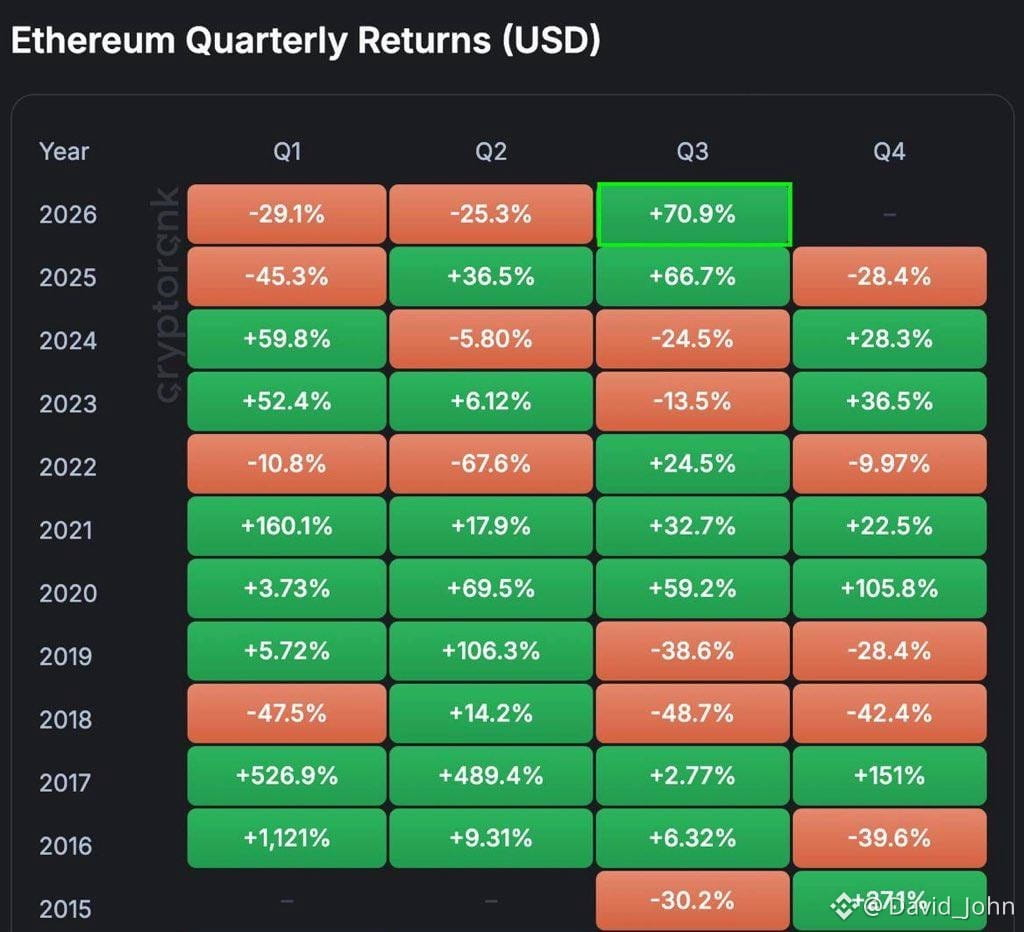
🚨 $ETH JUST MADE HISTORY 🚨
$ETH has officially closed its strongest Q3 ever. 🔥
Ethereum finished Q3 2026 with roughly a +70.5% to +71% quarterly gain, beating the previous Q3 record of about +66.5% set in 2025.
And there’s another massive detail…
$ETH also finished September around $2.67K, giving Ethereum its highest monthly close of 2026 and closing the quarter near the top of its yearly recovery range. Market data shows ETH went from roughly $1,570 at the start of Q3 to around $2,677–$2,689 at the September close.
Think about that move:
ETH started Q3 near $1.57K
➡️ Exploded above $2K
➡️ Reclaimed $2.4K
➡️ Pushed into the $2.7K–$2.8K region
➡️ Closed Q3 around $2.68K
That is not just a bounce.
That is a major quarterly trend reversal. ⚡
And the fundamental backdrop is getting interesting too.
🏦 Institutional demand
U.S. spot ETH ETFs continued attracting capital into the end of September. During the five trading days through September 29, tracked spot ETH ETFs recorded roughly $287.5M in net inflows, with about 5.91M ETH held by the tracked funds.
Meanwhile, Bitmine reported more than 6 million ETH held as of September 27 — approximately 4.9% of Ethereum’s total supply — with more than 5 million ETH staked.
⚙️ Ethereum’s protocol roadmap is moving too
The Ethereum Foundation announced the Glamsterdam testnet phase in September. The upgrade focuses on major scaling and block-production improvements, including enshrined proposer-builder separation (ePBS) and block-level access lists (BALs). The Sepolia activation is scheduled for October 6, 2026.
Now look at the chart…
ETH printed a Q3 high around $2,775, while the broader recovery has taken price from the $1,500s into the high-$2,000s.
🔥 The big level now: $2,800
ETH has repeatedly approached this zone, making it an important area to watch.
A convincing breakout and hold above $2,800 would put the psychological $3,000 level directly in focus.
🚨 $ETH JUST MADE HISTORY 🚨
$ETH has officially closed its strongest Q3 ever. 🔥
Ethereum finished Q3 2026 with roughly a +70.5% to +71% quarterly gain, beating the previous Q3 record of about +66.5% set in 2025.
And there’s another massive detail…
$ETH also finished September around $2.67K, giving Ethereum its highest monthly close of 2026 and closing the quarter near the top of its yearly recovery range. Market data shows ETH went from roughly $1,570 at the start of Q3 to around $2,677–$2,689 at the September close.
Think about that move:
ETH started Q3 near $1.57K
➡️ Exploded above $2K
➡️ Reclaimed $2.4K
➡️ Pushed into the $2.7K–$2.8K region
➡️ Closed Q3 around $2.68K
That is not just a bounce.
That is a major quarterly trend reversal. ⚡
And the fundamental backdrop is getting interesting too.
🏦 Institutional demand
U.S. spot ETH ETFs continued attracting capital into the end of September. During the five trading days through September 29, tracked spot ETH ETFs recorded roughly $287.5M in net inflows, with about 5.91M ETH held by the tracked funds.
Meanwhile, Bitmine reported more than 6 million ETH held as of September 27 — approximately 4.9% of Ethereum’s total supply — with more than 5 million ETH staked.
⚙️ Ethereum’s protocol roadmap is moving too
The Ethereum Foundation announced the Glamsterdam testnet phase in September. The upgrade focuses on major scaling and block-production improvements, including enshrined proposer-builder separation (ePBS) and block-level access lists (BALs). The Sepolia activation is scheduled for October 6, 2026.
Now look at the chart…
ETH printed a Q3 high around $2,775, while the broader recovery has taken price from the $1,500s into the high-$2,000s.
🔥 The big level now: $2,800
ETH has repeatedly approached this zone, making it an important area to watch.
A convincing breakout and hold above $2,800 would put the psychological $3,000 level directly in focus.
$ETH has officially closed its strongest Q3 ever. 🔥
Ethereum finished Q3 2026 with roughly a +70.5% to +71% quarterly gain, beating the previous Q3 record of about +66.5% set in 2025.
And there’s another massive detail…
$ETH also finished September around $2.67K, giving Ethereum its highest monthly close of 2026 and closing the quarter near the top of its yearly recovery range. Market data shows ETH went from roughly $1,570 at the start of Q3 to around $2,677–$2,689 at the September close.
Think about that move:
ETH started Q3 near $1.57K
➡️ Exploded above $2K
➡️ Reclaimed $2.4K
➡️ Pushed into the $2.7K–$2.8K region
➡️ Closed Q3 around $2.68K
That is not just a bounce.
That is a major quarterly trend reversal. ⚡
And the fundamental backdrop is getting interesting too.
🏦 Institutional demand
U.S. spot ETH ETFs continued attracting capital into the end of September. During the five trading days through September 29, tracked spot ETH ETFs recorded roughly $287.5M in net inflows, with about 5.91M ETH held by the tracked funds.
Meanwhile, Bitmine reported more than 6 million ETH held as of September 27 — approximately 4.9% of Ethereum’s total supply — with more than 5 million ETH staked.
⚙️ Ethereum’s protocol roadmap is moving too
The Ethereum Foundation announced the Glamsterdam testnet phase in September. The upgrade focuses on major scaling and block-production improvements, including enshrined proposer-builder separation (ePBS) and block-level access lists (BALs). The Sepolia activation is scheduled for October 6, 2026.
Now look at the chart…
ETH printed a Q3 high around $2,775, while the broader recovery has taken price from the $1,500s into the high-$2,000s.
🔥 The big level now: $2,800
ETH has repeatedly approached this zone, making it an important area to watch.
A convincing breakout and hold above $2,800 would put the psychological $3,000 level directly in focus.
1
2
622
·
--
$BTC 🚨
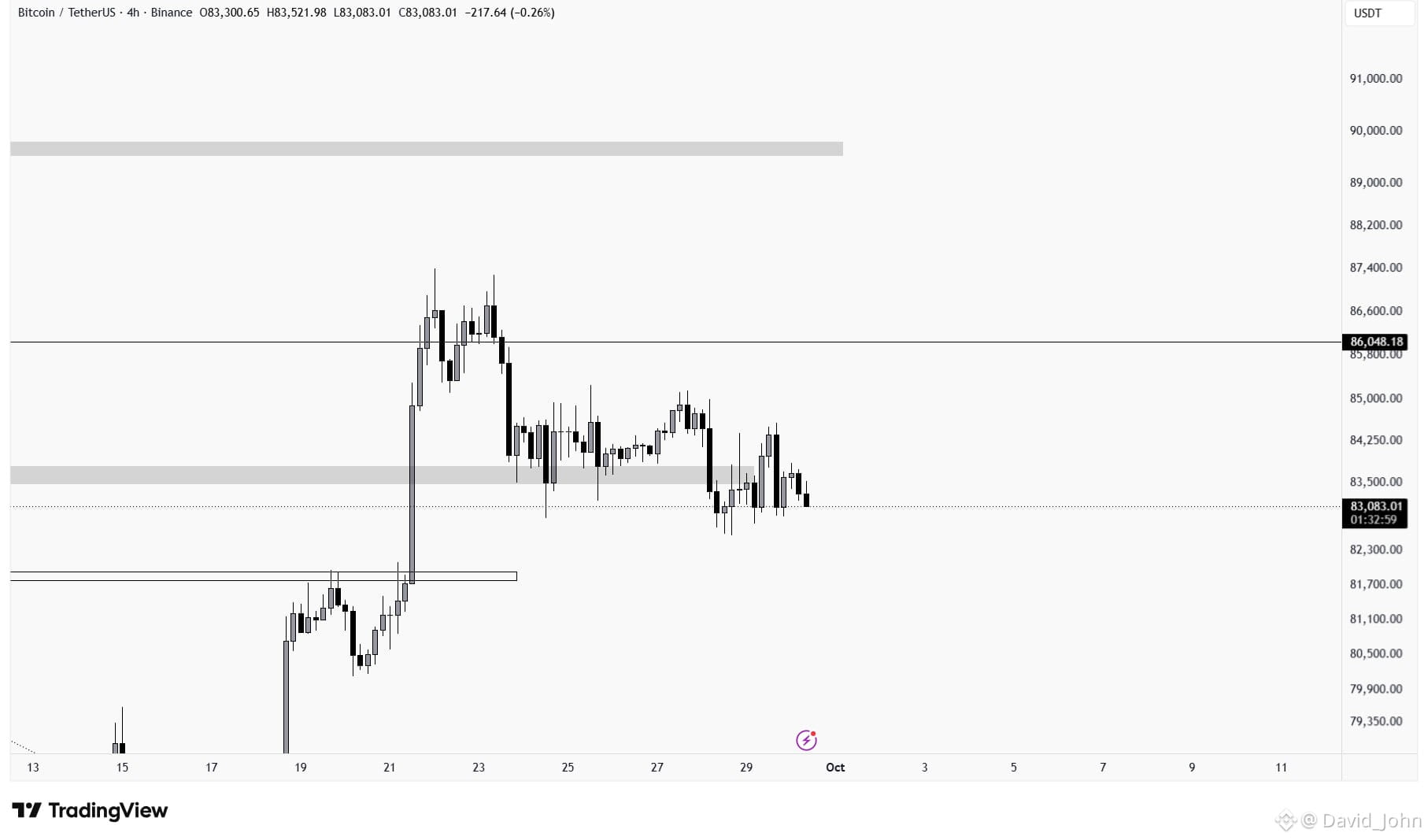
$BTC is showing 4H bearish pressure around $83,083, with the $83.5K support zone now under threat. A clean rejection/retest below this area could open the way lower. ⚡
EP: $83,150–$83,650
TP1: $82,300
TP2: $81,850
TP3: $80,500
SL: $84,300
🔥 Key resistance: $86,048
🧱 Major supply: $89,500–$89,800
Trigger: 4H acceptance below $83.5K → bearish continuation.
Invalidation: Strong reclaim above $84.3K.
$BTC — breakdown setup is heating up. 📉🔥
$BTC 🚨
$BTC is showing 4H bearish pressure around $83,083, with the $83.5K support zone now under threat. A clean rejection/retest below this area could open the way lower. ⚡
EP: $83,150–$83,650
TP1: $82,300
TP2: $81,850
TP3: $80,500
SL: $84,300
🔥 Key resistance: $86,048
🧱 Major supply: $89,500–$89,800
Trigger: 4H acceptance below $83.5K → bearish continuation.
Invalidation: Strong reclaim above $84.3K.
$BTC — breakdown setup is heating up. 📉🔥
$BTC is showing 4H bearish pressure around $83,083, with the $83.5K support zone now under threat. A clean rejection/retest below this area could open the way lower. ⚡
EP: $83,150–$83,650
TP1: $82,300
TP2: $81,850
TP3: $80,500
SL: $84,300
🔥 Key resistance: $86,048
🧱 Major supply: $89,500–$89,800
Trigger: 4H acceptance below $83.5K → bearish continuation.
Invalidation: Strong reclaim above $84.3K.
$BTC — breakdown setup is heating up. 📉🔥
3
434
·
--
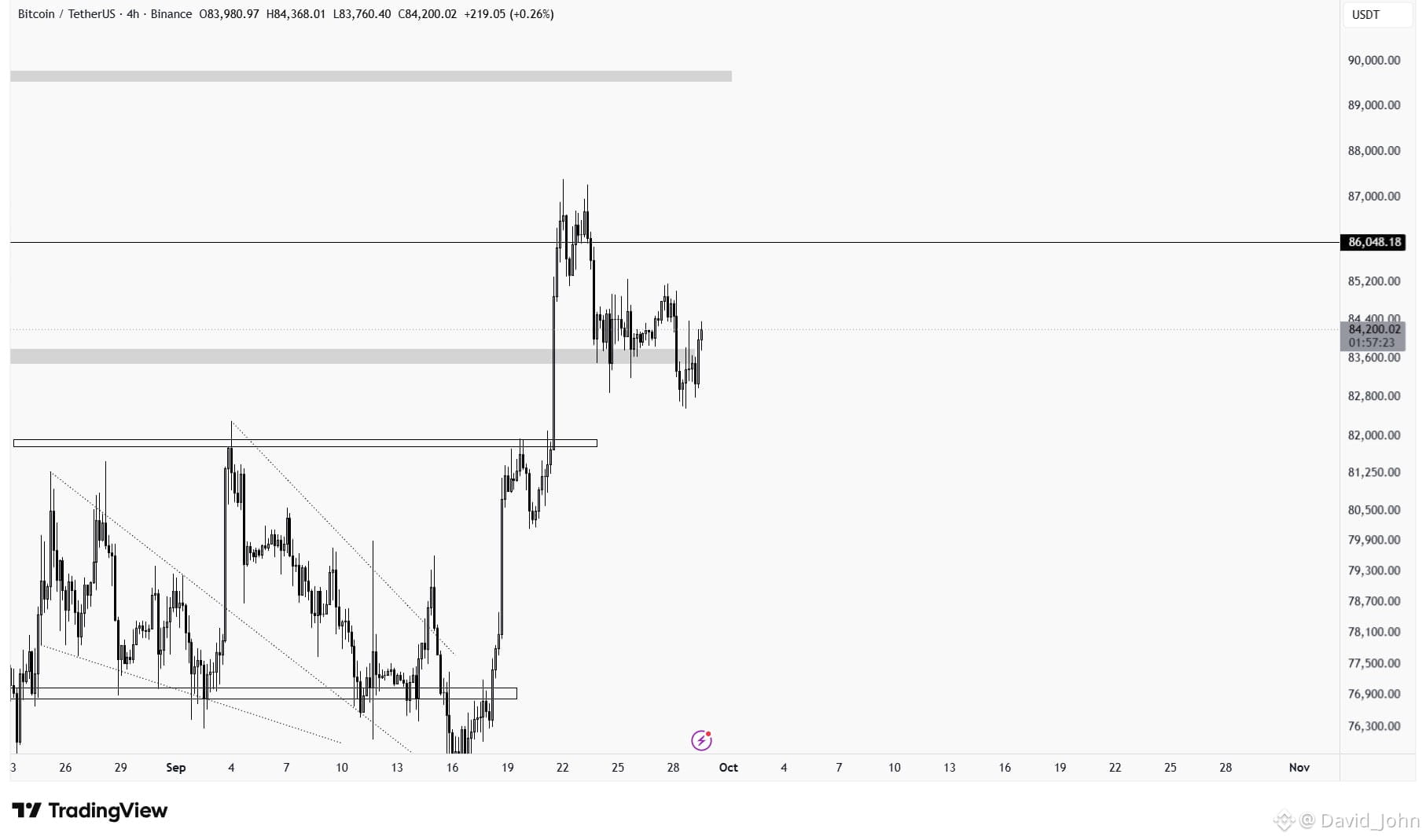
🚨 $BTC is loading for the next move!
BTC is trading around $84,200 on the 4H, holding above the key $83,600 support zone after a strong rally from $76,900.
🔥 Key Levels • Buy Zone: $83,600–$84,000
• TP1: $86,048
• TP2: $87,000
• TP3: $89,400–$90,000
• SL: $82,800
⚡ A clean 4H breakout above $86,048 could ignite the next expansion toward $87K → $89.4K+.
Lose $83.6K and BTC can retest $82K.
$BTC — volatility is building. Watch the breakout! 🚀
🚨 $BTC is loading for the next move!
BTC is trading around $84,200 on the 4H, holding above the key $83,600 support zone after a strong rally from $76,900.
🔥 Key Levels • Buy Zone: $83,600–$84,000
• TP1: $86,048
• TP2: $87,000
• TP3: $89,400–$90,000
• SL: $82,800
⚡ A clean 4H breakout above $86,048 could ignite the next expansion toward $87K → $89.4K+.
Lose $83.6K and BTC can retest $82K.
$BTC — volatility is building. Watch the breakout! 🚀
BTC is trading around $84,200 on the 4H, holding above the key $83,600 support zone after a strong rally from $76,900.
🔥 Key Levels • Buy Zone: $83,600–$84,000
• TP1: $86,048
• TP2: $87,000
• TP3: $89,400–$90,000
• SL: $82,800
⚡ A clean 4H breakout above $86,048 could ignite the next expansion toward $87K → $89.4K+.
Lose $83.6K and BTC can retest $82K.
$BTC — volatility is building. Watch the breakout! 🚀
2
286
·
--
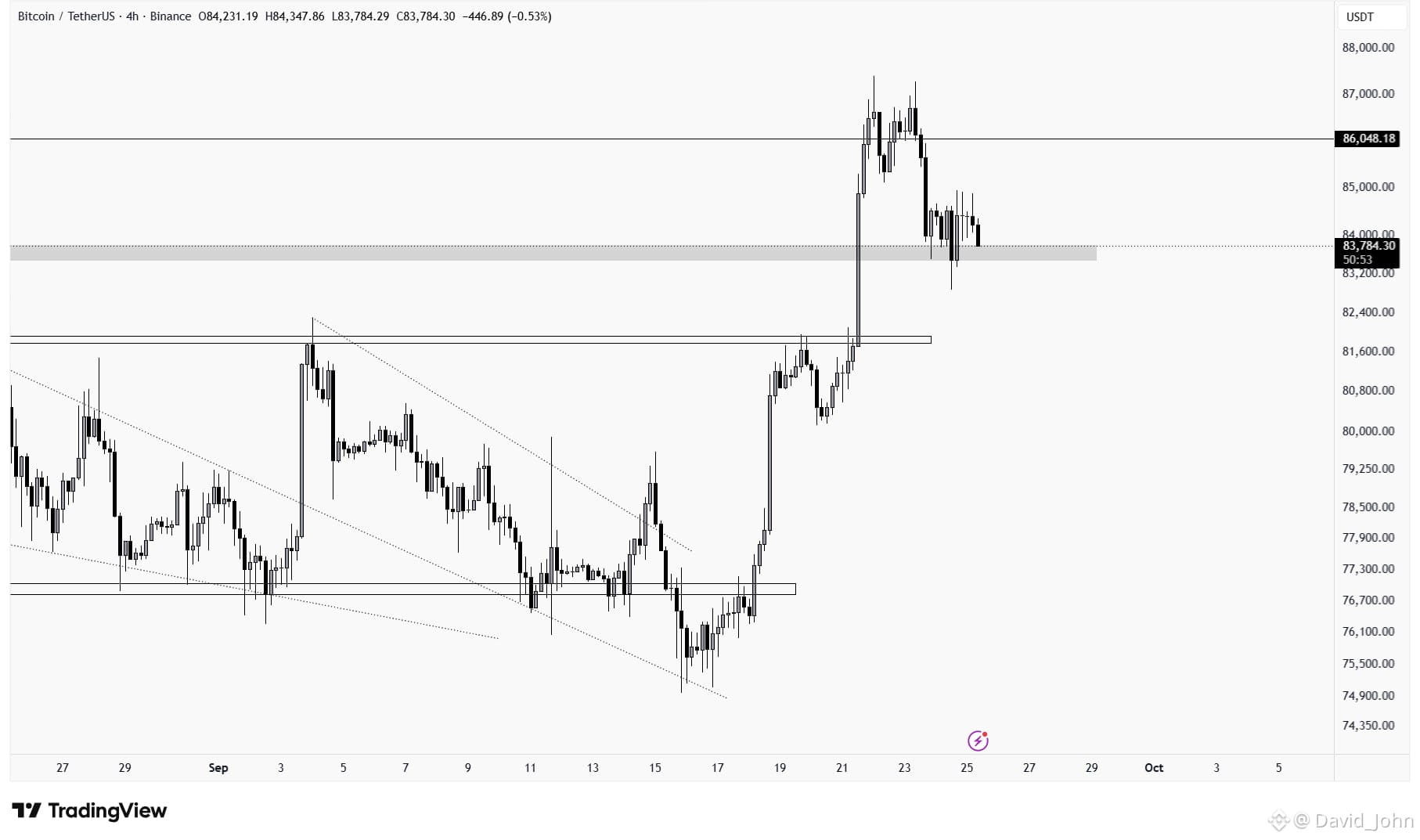
🚨 $BTC 4H SETUP — BIG MOVE LOADING?
Bitcoin is consolidating around $83,784 after a sharp breakout from the $81.6K area.
🟢 Key Support: $83.2K–$83.9K
🔥 Major Resistance: $86.05K
🎯 Breakout Levels: $87K → $88K
⚠️ Breakdown Risk: Below $83.2K could open a move toward $81.6K
The structure remains tight: hold support + reclaim $86.05K = momentum expansion setup.
Lose the grey zone, and the breakout structure gets challenged.
BTC is sitting at the decision zone. 👀⚡
#BTC #Bitcoin #Crypto #Trading #BTCUSDT
🚨 $BTC 4H SETUP — BIG MOVE LOADING?
Bitcoin is consolidating around $83,784 after a sharp breakout from the $81.6K area.
🟢 Key Support: $83.2K–$83.9K
🔥 Major Resistance: $86.05K
🎯 Breakout Levels: $87K → $88K
⚠️ Breakdown Risk: Below $83.2K could open a move toward $81.6K
The structure remains tight: hold support + reclaim $86.05K = momentum expansion setup.
Lose the grey zone, and the breakout structure gets challenged.
BTC is sitting at the decision zone. 👀⚡
#BTC #Bitcoin #Crypto #Trading #BTCUSDT
Bitcoin is consolidating around $83,784 after a sharp breakout from the $81.6K area.
🟢 Key Support: $83.2K–$83.9K
🔥 Major Resistance: $86.05K
🎯 Breakout Levels: $87K → $88K
⚠️ Breakdown Risk: Below $83.2K could open a move toward $81.6K
The structure remains tight: hold support + reclaim $86.05K = momentum expansion setup.
Lose the grey zone, and the breakout structure gets challenged.
BTC is sitting at the decision zone. 👀⚡
#BTC #Bitcoin #Crypto #Trading #BTCUSDT
3
922
·
--
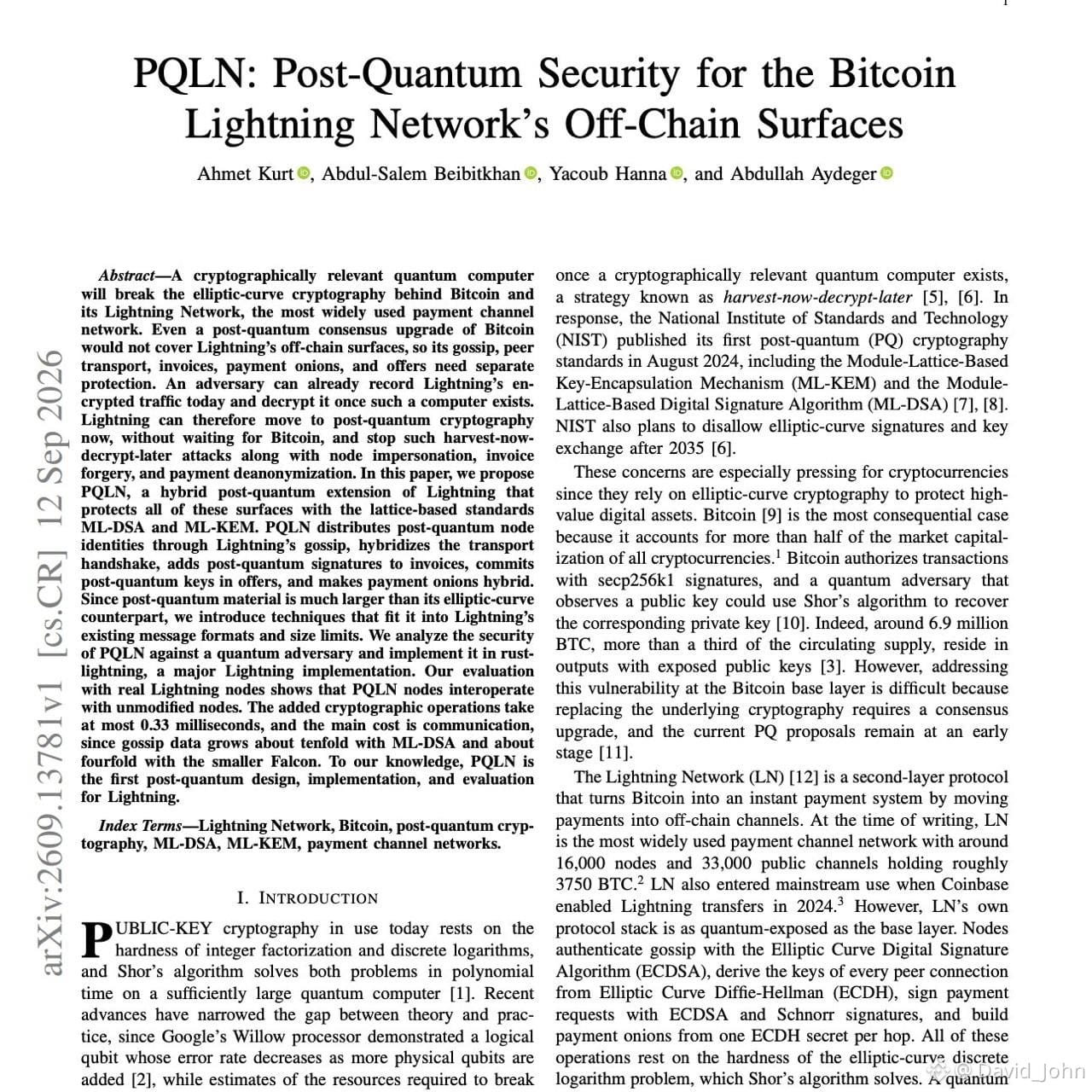
🚨 BITCOIN LIGHTNING JUST GOT A QUANTUM SHIELD ⚡️
A research team from East Texas A&M University has built PQLN, a post-quantum security layer designed to protect Bitcoin’s Lightning Network from future quantum attacks.
🔐 Uses ML-DSA + ML-KEM lattice-based cryptography
⚙️ ~11,000 lines added to rust-lightning
⚡ Cryptographic overhead: ≤0.33 ms per operation
🌐 Tested across 12 mixed-node scenarios with legacy + upgraded nodes
✅ Zero stuck payments in their interoperability tests
📡 Main trade-off: roughly 10× more gossip bandwidth with ML-DSA
And the wild part?
PQLN can run alongside existing Lightning nodes without changing Bitcoin’s base layer.
The catch: it protects Lightning’s off-chain surfaces, not Bitcoin’s underlying on-chain funds.
Quantum computing may still be years away — but Bitcoin’s Lightning Network is already preparing for it. 🔥🟠
#Bitcoin #BTC #LightningNetwork #QuantumComputing #Crypto
🚨 BITCOIN LIGHTNING JUST GOT A QUANTUM SHIELD ⚡️
A research team from East Texas A&M University has built PQLN, a post-quantum security layer designed to protect Bitcoin’s Lightning Network from future quantum attacks.
🔐 Uses ML-DSA + ML-KEM lattice-based cryptography
⚙️ ~11,000 lines added to rust-lightning
⚡ Cryptographic overhead: ≤0.33 ms per operation
🌐 Tested across 12 mixed-node scenarios with legacy + upgraded nodes
✅ Zero stuck payments in their interoperability tests
📡 Main trade-off: roughly 10× more gossip bandwidth with ML-DSA
And the wild part?
PQLN can run alongside existing Lightning nodes without changing Bitcoin’s base layer.
The catch: it protects Lightning’s off-chain surfaces, not Bitcoin’s underlying on-chain funds.
Quantum computing may still be years away — but Bitcoin’s Lightning Network is already preparing for it. 🔥🟠
#Bitcoin #BTC #LightningNetwork #QuantumComputing #Crypto
A research team from East Texas A&M University has built PQLN, a post-quantum security layer designed to protect Bitcoin’s Lightning Network from future quantum attacks.
🔐 Uses ML-DSA + ML-KEM lattice-based cryptography
⚙️ ~11,000 lines added to rust-lightning
⚡ Cryptographic overhead: ≤0.33 ms per operation
🌐 Tested across 12 mixed-node scenarios with legacy + upgraded nodes
✅ Zero stuck payments in their interoperability tests
📡 Main trade-off: roughly 10× more gossip bandwidth with ML-DSA
And the wild part?
PQLN can run alongside existing Lightning nodes without changing Bitcoin’s base layer.
The catch: it protects Lightning’s off-chain surfaces, not Bitcoin’s underlying on-chain funds.
Quantum computing may still be years away — but Bitcoin’s Lightning Network is already preparing for it. 🔥🟠
#Bitcoin #BTC #LightningNetwork #QuantumComputing #Crypto
1
270
·
--
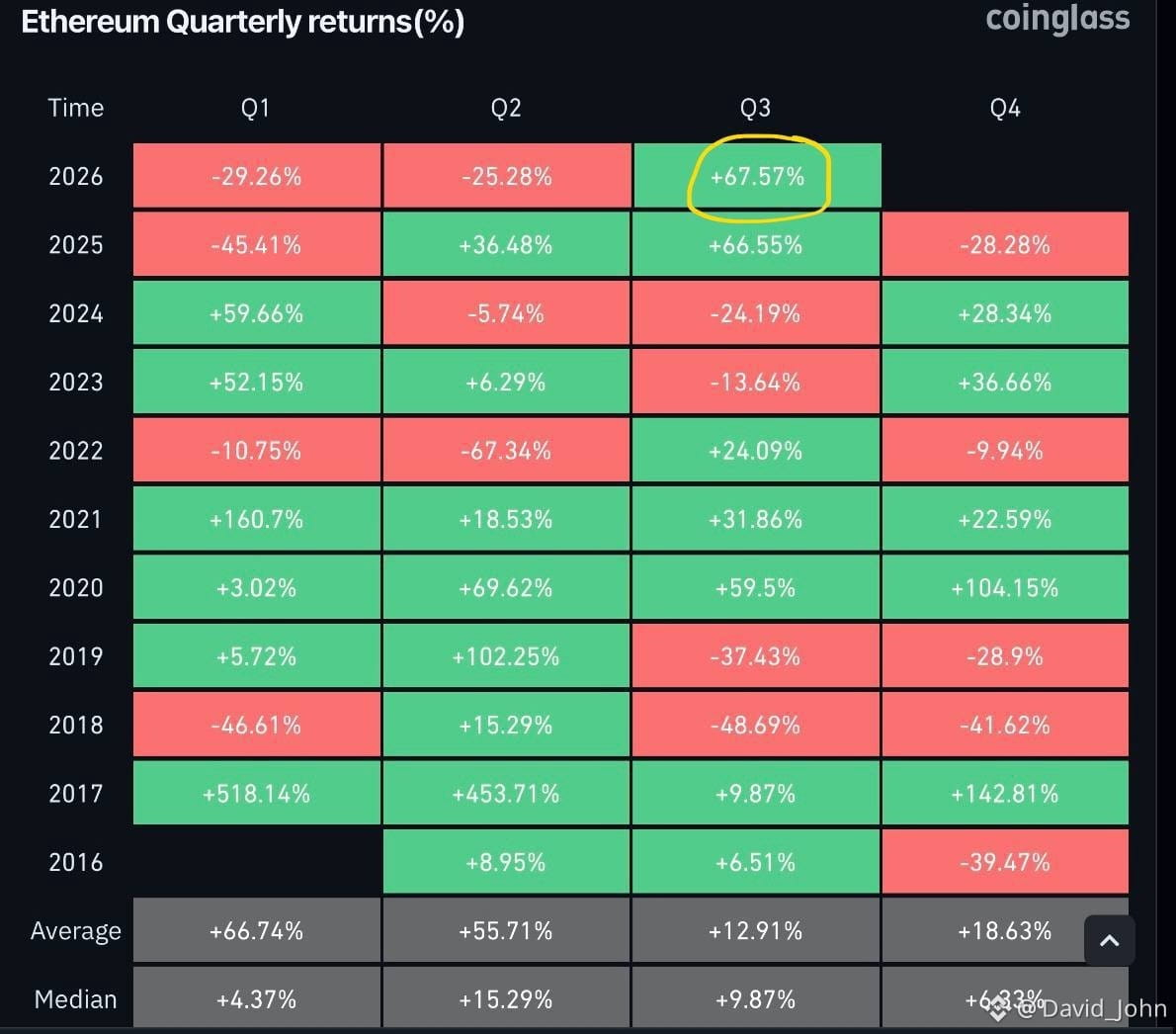
🚨 $ETH IS CLOSING IN ON HISTORY! 🚨
Ethereum has exploded roughly +64.8% in Q3 2026, pushing near $2,651 after starting the quarter around $1,609.
The wild part? ETH is now just ~1.1% away from matching its 66.55% Q3 record from 2025. 🔥
Institutional demand is adding fuel, with spot ETH ETFs attracting billions in capital, while Ethereum’s next major Glamsterdam upgrade continues moving through testing.
One more breakout… and ETH could be staring directly at a new Q3 milestone. 👀
$ETH 🚀🔥
{spot}(ETHUSDT)
🚨 $ETH IS CLOSING IN ON HISTORY! 🚨
Ethereum has exploded roughly +64.8% in Q3 2026, pushing near $2,651 after starting the quarter around $1,609.
The wild part? ETH is now just ~1.1% away from matching its 66.55% Q3 record from 2025. 🔥
Institutional demand is adding fuel, with spot ETH ETFs attracting billions in capital, while Ethereum’s next major Glamsterdam upgrade continues moving through testing.
One more breakout… and ETH could be staring directly at a new Q3 milestone. 👀
$ETH 🚀🔥
Ethereum has exploded roughly +64.8% in Q3 2026, pushing near $2,651 after starting the quarter around $1,609.
The wild part? ETH is now just ~1.1% away from matching its 66.55% Q3 record from 2025. 🔥
Institutional demand is adding fuel, with spot ETH ETFs attracting billions in capital, while Ethereum’s next major Glamsterdam upgrade continues moving through testing.
One more breakout… and ETH could be staring directly at a new Q3 milestone. 👀
$ETH 🚀🔥
4
2.4k
·
--
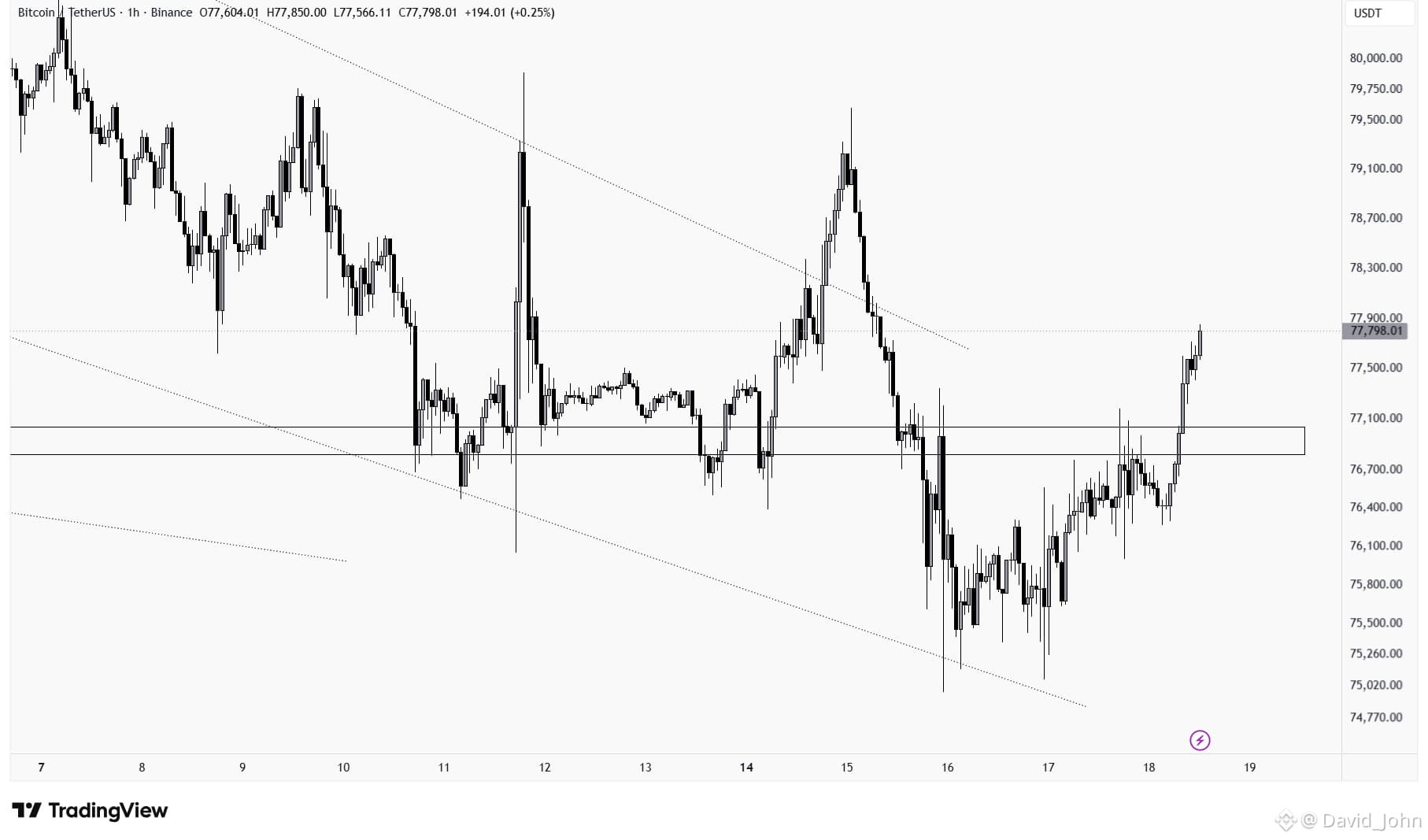
$BTC 🚀
$BTC is breaking higher on the 1H chart, reclaiming the $76,800–$77,100 resistance zone and pushing to $77,798.
📍 Buy Zone: $77,500–$77,800
🎯 TP1: $78,300
🎯 TP2: $78,700
🎯 TP3: $79,100
🛑 SL: $77,050
A clean hold above $77,100 could open the door toward $78.7K–$79.1K. Momentum is heating up — watch the breakout! ⚡
$BTC 🚀
$BTC is breaking higher on the 1H chart, reclaiming the $76,800–$77,100 resistance zone and pushing to $77,798.
📍 Buy Zone: $77,500–$77,800
🎯 TP1: $78,300
🎯 TP2: $78,700
🎯 TP3: $79,100
🛑 SL: $77,050
A clean hold above $77,100 could open the door toward $78.7K–$79.1K. Momentum is heating up — watch the breakout! ⚡
$BTC is breaking higher on the 1H chart, reclaiming the $76,800–$77,100 resistance zone and pushing to $77,798.
📍 Buy Zone: $77,500–$77,800
🎯 TP1: $78,300
🎯 TP2: $78,700
🎯 TP3: $79,100
🛑 SL: $77,050
A clean hold above $77,100 could open the door toward $78.7K–$79.1K. Momentum is heating up — watch the breakout! ⚡
3
293
Log in to explore more content
Join global crypto users on Binance Square
⚡️ Get latest and useful information about crypto.
💬 Trusted by the world’s largest crypto exchange.
👍 Discover real insights from verified creators.
Email / Phone number
Trending Topics
BinancePick
3.2M views
159,920 Discussing
Join #EarningsSeason: Predict Earnings on Binance Pick, Share Your Take on Binance Square!
Binance Square Official
·416 Likes
·344.3k views
EarningsSeason
5.4M views
26,433 Discussing
StrategySkipsBitcoinPurchasesSpends$205MOnSTRCBuybacks
0 views
0 Discussing