
Bitcoin 365 Day
26 Posts
Bitcoin 365 Day
Report
Block User
Welcome to Earn Bitcoin 365 Days – your ultimate guide to top-notch strategies and opportunities to make money, especially with Bitcoin!
Open Trade
Occasional Trader
7.1 Years
3 Following
19 Followers
20 Liked
Posts
Portfolio
All
Quotes
PINNED
Which Will Be the Next “Amazon or Netflix” in Crypto?Which Will Be the Next “Amazon or Netflix” in Crypto?
Have you ever dreamed of turning back time to invest $100 in Amazon in 1997, Netflix in 2002, Google in 2004, or Facebook in 2012? If so, you’re not alone! These tech giants were once “hidden gems” — and now, the crypto market is the new goldmine, where potential altcoins are waiting to become the next “Big Tech.”
In this article, we will embark on a journey of discovery together: searching for altcoins that could multiply your investment by hundreds or even thousands of times, just like early tech stocks.
Why is 2025 the “Golden Time” to Hunt for Altcoins?
Although the crypto market will be 16 years old in 2025, it still resembles the internet in the 90s: chaotic, full of opportunities, and no one knows who will be the “last survivor.” But what makes this time so special?
{spot}(ETHUSDT)
The macro picture shows:
*Government Support:** President Trump is actively incorporating cryptocurrency into his “Make America Great Again” strategy, supporting a national crypto reserve fund and other major projects. Cryptocurrency is now a national priority.
*Friendlier Congress:** The Financial Innovation Act of 2025 is discussing legalizing stablecoins and reducing taxes for long-term investors, paving the way for blockchain IPOs and widespread altcoin adoption.
*SEC “Greenlights” ETFs:** After Bitcoin and Ethereum, the SEC is considering ETFs for XRP, Solana, and Chainlink in 2025. Institutional capital will soon flood in!
*Explosion of On-Chain Assets:** BlackRock and Fidelity are tokenizing real-world assets (RWA), and Nasdaq is testing stock trading on the blockchain. Crypto is no longer the future – it is the present!
Investing in altcoins right now is like buying dot-com stocks before the internet took off. Imagine:
* Amazon in 1997: $100 turns into $160,000 (in 2025) – a 1,600x increase.
* Netflix in 2002: $100 turns into $65,000 – a 650x increase.
* Google in 2004: $100 turns into $3,200 – a 32x increase.
* Facebook in 2012: $100 turns into $1,500 – a 15x increase.
Crypto is the new “time machine” – and altcoins are the potential lottery tickets.
{spot}(XRPUSDT)
Crypto vs. Internet: Growth at Rocket Speed
To see the potential, let’s compare growth speeds:
*Internet:** From 16 million users (1995) to 5.3 billion (2025) – it took 30 years to globalize.
*Crypto:** From 5 million wallets (2015) to 110 million Bitcoin wallets and 400 million crypto users (2025) – it only took 16 years to explode.
Blockchain companies have increased from dozens (2015) to 10,000 (2025). Crypto is like the “accelerated version” of the internet – growing twice as fast! Altcoins are the “apps” on the blockchain, just like Amazon or Netflix on the internet. Investing in the right altcoin today could be your ticket to a wealthy future.
{spot}(ADAUSDT)
Which Altcoin Will Be the “Big Tech” of Crypto?
Let's highlight the key sectors and potential altcoins:
*Payments – The “Amazon” of Crypto:** $XRP (Ripple), Hedera (HBAR)
*Smart Contract Platforms – The “Google” of Crypto:** Ethereum ($ETH ), Avalanche (AVAX), Cardano ($ADA )
*DeFi – The “Facebook” of Crypto:** Uniswap (UNI), Chainlink (LINK)
*AI – The “Netflix” of Crypto:** Bittensor (TAO), Render (RNDR), Fetch.ai (FET)
*Asset Tokenization (RWA) – The “Amazon” of Real-World Assets:** Ondo Finance (ONDO), Polymesh (POLYX)
*Utility – The “Google Drive” of Crypto:** Arweave (AR), Filecoin (FIL)
$1000 Portfolio: Balancing Profit and Risk
With $1000, Crypto 365 AI builds a portfolio combining stable (blue-chip) and high-potential (high risk/high reward) altcoins:
*XRP ($200 – 20%):** Stable, potential ETF, 5-10x growth. The safe “Amazon.”
*Ethereum ($200 – 20%):** King of dApps, 3-5x growth. The irreplaceable “Google.”
*Chainlink ($150 – 15%):** DeFi explosion, 10-20x growth. The “Facebook” of data.
*Bittensor ($150 – 15%):** Hot AI, could turn $150 into $3,000 (Coinpedia). The future “Netflix.”
*Ondo ($100 – 10%):** RWA takes off, 20-50x growth. The “Amazon” of real-world assets.
*Uniswap ($75 – 7.5%):** Leading DEX, 10-20x growth. The “Facebook” of DeFi.
*Hedera ($75 – 7.5%):** Payment dark horse, 10-15x growth.
*Render ($50 – 5%):** AI/GPU, 15-30x growth. A supporting star.
Allocation:
* 40% ($400) in XRP/ETH – solid foundation.
* 60% ($600) in 6 growth altcoins – maximizing profits.
Expectations:
*Best-case:** 10-20x growth in 5-10 years ($10,000-$20,000).
*Worst-case:** XRP/ETH retains core value, limiting losses.
Conclusion
Crypto 2025 is a “once-in-a-lifetime” opportunity – but don’t dive in like playing the lottery! Research thoroughly and only invest money you’re willing to risk.
Investing is a marathon – start today, and in 10 years, we could be raising a glass for discovering the next “Amazon!”
Note: This is not investment advice – make decisions based on your own research!
Which Will Be the Next “Amazon or Netflix” in Crypto?
Which Will Be the Next “Amazon or Netflix” in Crypto?
Have you ever dreamed of turning back time to invest $100 in Amazon in 1997, Netflix in 2002, Google in 2004, or Facebook in 2012? If so, you’re not alone! These tech giants were once “hidden gems” — and now, the crypto market is the new goldmine, where potential altcoins are waiting to become the next “Big Tech.”
In this article, we will embark on a journey of discovery together: searching for altcoins that could multiply your investment by hundreds or even thousands of times, just like early tech stocks.
Why is 2025 the “Golden Time” to Hunt for Altcoins?
Although the crypto market will be 16 years old in 2025, it still resembles the internet in the 90s: chaotic, full of opportunities, and no one knows who will be the “last survivor.” But what makes this time so special?
The macro picture shows:
*Government Support:** President Trump is actively incorporating cryptocurrency into his “Make America Great Again” strategy, supporting a national crypto reserve fund and other major projects. Cryptocurrency is now a national priority.
*Friendlier Congress:** The Financial Innovation Act of 2025 is discussing legalizing stablecoins and reducing taxes for long-term investors, paving the way for blockchain IPOs and widespread altcoin adoption.
*SEC “Greenlights” ETFs:** After Bitcoin and Ethereum, the SEC is considering ETFs for XRP, Solana, and Chainlink in 2025. Institutional capital will soon flood in!
*Explosion of On-Chain Assets:** BlackRock and Fidelity are tokenizing real-world assets (RWA), and Nasdaq is testing stock trading on the blockchain. Crypto is no longer the future – it is the present!
Investing in altcoins right now is like buying dot-com stocks before the internet took off. Imagine:
* Amazon in 1997: $100 turns into $160,000 (in 2025) – a 1,600x increase.
* Netflix in 2002: $100 turns into $65,000 – a 650x increase.
* Google in 2004: $100 turns into $3,200 – a 32x increase.
* Facebook in 2012: $100 turns into $1,500 – a 15x increase.
Crypto is the new “time machine” – and altcoins are the potential lottery tickets.
Crypto vs. Internet: Growth at Rocket Speed
To see the potential, let’s compare growth speeds:
*Internet:** From 16 million users (1995) to 5.3 billion (2025) – it took 30 years to globalize.
*Crypto:** From 5 million wallets (2015) to 110 million Bitcoin wallets and 400 million crypto users (2025) – it only took 16 years to explode.
Blockchain companies have increased from dozens (2015) to 10,000 (2025). Crypto is like the “accelerated version” of the internet – growing twice as fast! Altcoins are the “apps” on the blockchain, just like Amazon or Netflix on the internet. Investing in the right altcoin today could be your ticket to a wealthy future.
Which Altcoin Will Be the “Big Tech” of Crypto?
Let's highlight the key sectors and potential altcoins:
*Payments – The “Amazon” of Crypto:** $XRP (Ripple), Hedera (HBAR)
*Smart Contract Platforms – The “Google” of Crypto:** Ethereum ($ETH ), Avalanche (AVAX), Cardano ($ADA )
*DeFi – The “Facebook” of Crypto:** Uniswap (UNI), Chainlink (LINK)
*AI – The “Netflix” of Crypto:** Bittensor (TAO), Render (RNDR), Fetch.ai (FET)
*Asset Tokenization (RWA) – The “Amazon” of Real-World Assets:** Ondo Finance (ONDO), Polymesh (POLYX)
*Utility – The “Google Drive” of Crypto:** Arweave (AR), Filecoin (FIL)
$1000 Portfolio: Balancing Profit and Risk
With $1000, Crypto 365 AI builds a portfolio combining stable (blue-chip) and high-potential (high risk/high reward) altcoins:
*XRP ($200 – 20%):** Stable, potential ETF, 5-10x growth. The safe “Amazon.”
*Ethereum ($200 – 20%):** King of dApps, 3-5x growth. The irreplaceable “Google.”
*Chainlink ($150 – 15%):** DeFi explosion, 10-20x growth. The “Facebook” of data.
*Bittensor ($150 – 15%):** Hot AI, could turn $150 into $3,000 (Coinpedia). The future “Netflix.”
*Ondo ($100 – 10%):** RWA takes off, 20-50x growth. The “Amazon” of real-world assets.
*Uniswap ($75 – 7.5%):** Leading DEX, 10-20x growth. The “Facebook” of DeFi.
*Hedera ($75 – 7.5%):** Payment dark horse, 10-15x growth.
*Render ($50 – 5%):** AI/GPU, 15-30x growth. A supporting star.
Allocation:
* 40% ($400) in XRP/ETH – solid foundation.
* 60% ($600) in 6 growth altcoins – maximizing profits.
Expectations:
*Best-case:** 10-20x growth in 5-10 years ($10,000-$20,000).
*Worst-case:** XRP/ETH retains core value, limiting losses.
Conclusion
Crypto 2025 is a “once-in-a-lifetime” opportunity – but don’t dive in like playing the lottery! Research thoroughly and only invest money you’re willing to risk.
Investing is a marathon – start today, and in 10 years, we could be raising a glass for discovering the next “Amazon!”
Note: This is not investment advice – make decisions based on your own research!
1.7k
nghe tên đã thiếu uy tín rồi
nghe tên đã thiếu uy tín rồi
Quoted content has been removed
4
ý tưởng trên giấy đi, còn lâu lắm mới thực tế dc
ý tưởng trên giấy đi, còn lâu lắm mới thực tế dc

Tự Do 114
·
--
Gần 17 triệu người Việt sở hữu tiền mã hóa, chuyên gia đề xuất đánh thuế giao dịch như chứng khoán
Với khoảng 17 triệu người sở hữu tiền mã hóa, nếu áp dụng một cơ chế thuế hợp lý, Việt Nam có thể tạo nguồn thu ngân sách đáng kể từ thị trường này.
Cơ hội thu thuế từ thị trường tiền mã hóa
Việt Nam hiện nằm trong nhóm các quốc gia có mức độ tiếp cận và quan tâm tới tiền mã hóa cao nhất thế giới. Theo báo cáo từ Chainalysis, Việt Nam đứng thứ năm toàn cầu về mức độ quan tâm tới tiền mã hóa và xếp thứ ba về mức độ sử dụng các nền tảng giao dịch quốc tế. Hiện có khoảng 17 triệu người Việt sở hữu tiền mã hóa, với tổng giá trị thị trường vượt 100 tỉ đô la Mỹ.
Tiến sĩ Chu Thanh Tuấn, Phó chủ nhiệm nhóm ngành Cử nhân Kinh doanh thuộc Đại học RMIT Việt Nam, cho rằng, nếu áp dụng một cơ chế thuế hợp lý, Việt Nam có thể tạo nguồn thu ngân sách đáng kể từ thị trường này. Một hướng tiếp cận hiệu quả là đánh thuế giao dịch ở mức thấp, tương tự như thuế giao dịch chứng khoán. Theo ước tính của Hiệp hội Blockchain Việt Nam, việc áp thuế 0,1% trên mỗi giao dịch tiền mã hóa có thể mang lại hơn 800 triệu đô la Mỹ mỗi năm mà không gây gián đoạn tới hoạt động của thị trường.
Bên cạnh thuế giao dịch, Chính phủ còn có thể cân nhắc đánh thuế thu nhập cá nhân đối với lợi nhuận từ đầu tư tiền mã hóa, hoặc thuế thu nhập doanh nghiệp đối với các công ty hoạt động trong lĩnh vực này. Nếu tiền mã hóa được phân loại là tài sản đầu tư thì lợi nhuận từ giao dịch có thể bị đánh thuế tương tự như với chứng khoán hoặc bất động sản. Các doanh nghiệp hoạt động trong ngành tiền mã hóa cũng có thể chịu thuế với mức 20% như các doanh nghiệp truyền thống.
Một nguồn thu tiềm năng khác cho Chính phủ là phí cấp phép hoạt động cho các sàn giao dịch tiền mã hóa. Nhiều quốc gia đã triển khai mô hình này, chẳng hạn như Dubai, nơi các dự án tiền mã hóa phải đóng phí cấp phép. Nếu Việt Nam áp dụng hệ thống tương tự, Chính phủ có thể vừa kiểm soát thị trường vừa tạo ra nguồn thu không đến từ thuế.
Thách thức trong việc triển khai thuế đối với tiền mã hóa
Dù có tiềm năng tạo ra nguồn thu ngân sách, triển khai hệ thống thuế đối với tiền mã hóa tại Việt Nam không phải không đối mặt với thách thức. Theo Tiến sĩ Tuấn, một trong những rào cản lớn nhất chính là tính ẩn danh trong giao dịch tiền mã hóa.
Khác với các giao dịch tài chính truyền thống, tiền mã hóa vận hành trên mạng lưới blockchain phi tập trung không thông qua các ngân hàng, gây khó khăn cho việc theo dõi và kiểm soát dòng tiền. Ngay cả khi Việt Nam yêu cầu các sàn giao dịch được cấp phép tuân thủ quy trình xác minh danh tính khách hàng (KYC), nhà đầu tư vẫn có thể chuyển tài sản của họ sang ví cá nhân hoặc giao dịch trên các nền tảng tài chính phi tập trung (DeFi) để tránh bị đánh thuế. Điều này đặt ra thách thức lớn cho cơ quan thuế.
Bên cạnh đó, khung pháp lý dành cho tiền mã hóa tại Việt Nam vẫn đang trong quá trình hoàn thiện. Trong khi Chính phủ đang chủ động thảo luận việc hợp pháp hóa tiền mã hóa, hiện vẫn chưa có quy định chính thức về cách phân loại và quản lý loại tài sản này. Theo Tiến sĩ Tuấn, việc xem tiền mã hóa là tài sản, hàng hóa hay phương thức thanh toán sẽ ảnh hưởng trực tiếp đến cách đánh thuế. Thiếu định nghĩa pháp lý rõ ràng sẽ gây khó khăn cho việc triển khai hệ thống thuế công bằng và hiệu quả.
Tiến sĩ Tuấn cũng cảnh báo về nguy cơ dòng vốn chảy ra nước ngoài nếu chính sách thuế không được thiết kế tốt. Lấy Ấn Độ làm ví dụ, khi chính phủ nước này áp thuế 30% đối với lợi nhuận từ tiền mã hóa và 1% thuế trên mỗi giao dịch, khối lượng giao dịch trong nước đã giảm tới 70%, vì nhà đầu tư chuyển sang các sàn giao dịch nước ngoài. Nếu Việt Nam triển khai mức thuế quá cao hoặc hệ thống thuế quá phức tạp, nhà đầu tư có thể chuyển hoạt động sang các thị trường thân thiện hơn như Singapore hay Dubai, khiến thất thoát nguồn thu thuế tiềm năng.
Một thách thức khác nằm ở hạn chế công nghệ trong việc theo dõi các giao dịch. Để đánh thuế tiền mã hóa một cách hiệu quả, Việt Nam cần đầu tư vào các công cụ phân tích blockchain tiên tiến. Tuy nhiên, Tiến sĩ Tuấn chỉ ra rằng điều này sẽ vấp phải khó khăn vì nhiều loại tiền mã hóa, như Monero hay Zcash, được thiết kế nhằm bảo mật tối đa. Những công cụ này khiến cho việc theo dõi các giao dịch gần như bất khả thi nếu không có sự hợp tác từ các sàn giao dịch.
Việt Nam nên làm gì để xây dựng chính sách thuế cho tiền mã hóa?
Theo Tiến sĩ Tuấn, để thu hút đầu tư mà vẫn đảm bảo nguồn thu thuế ổn định, Việt Nam cần một mô hình thuế cân bằng. Thuế giao dịch thấp kết hợp với thuế lãi về vốn trong khung thuế thu nhập cá nhân có thể giúp duy trì tính công bằng mà không làm suy yếu thị trường.
Ngoài ra, Việt Nam nên cân nhắc miễn thuế giá trị gia tăng (VAT) cho tiền mã hóa, như cách Liên minh châu Âu và Singapore đã thực hiện, nhằm tránh đánh thuế hai lần và duy trì khả năng cạnh tranh trên thị trường khu vực.
Một giải pháp quan trọng khác là tăng cường giám sát các sàn giao dịch bằng cách yêu cầu các nền tảng giao dịch trong nước phải báo cáo chi tiết giao dịch, điều này sẽ giúp cơ quan thuế theo dõi hoạt động hiệu quả hơn. Đồng thời, Việt Nam cần hợp tác với các tổ chức quốc tế nhằm giám sát các giao dịch xuyên biên giới và ngăn chặn hành vi trốn thuế.
Thay vì chỉ tập trung vào nguồn thu từ thuế, Chính phủ còn có thể tạo thêm nguồn thu từ phí cấp phép hoạt động, bằng cách yêu cầu các sàn giao dịch tiền mã hóa và các dự án phát hành tiền mã hóa lần đầu (ICO) phải đăng ký chính thức. Thiết lập một khuôn khổ cấp phép minh bạch không chỉ giúp Chính phủ tăng nguồn thu, mà còn tăng cường bảo vệ nhà đầu tư và giảm rủi ro liên quan đến các dự án chất lượng kém.
Hợp pháp hóa và điều chỉnh giao dịch tiền mã hóa là bước quan trọng giúp Việt Nam khai thác tối đa lợi ích kinh tế từ lĩnh vực này. Tuy nhiên, Tiến sĩ Tuấn nhấn mạng rằng chính sách thuế phải được thiết kế cẩn thận để tránh tạo ra rào cản đầu tư hoặc tạo ra lỗ hổng khiến rò rỉ dòng vốn.
"Nếu thiết lập được một hệ thống thuế đơn giản, cạnh tranh và cân bằng, Việt Nam có thể vừa tạo được nguồn thu đáng kể từ tiền mã hóa, vừa thúc đẩy sự phát triển của một hệ sinh thái tài sản số bền vững", Tiến sĩ Tuấn khẳng định.
$BTC $ETH $BNB

5
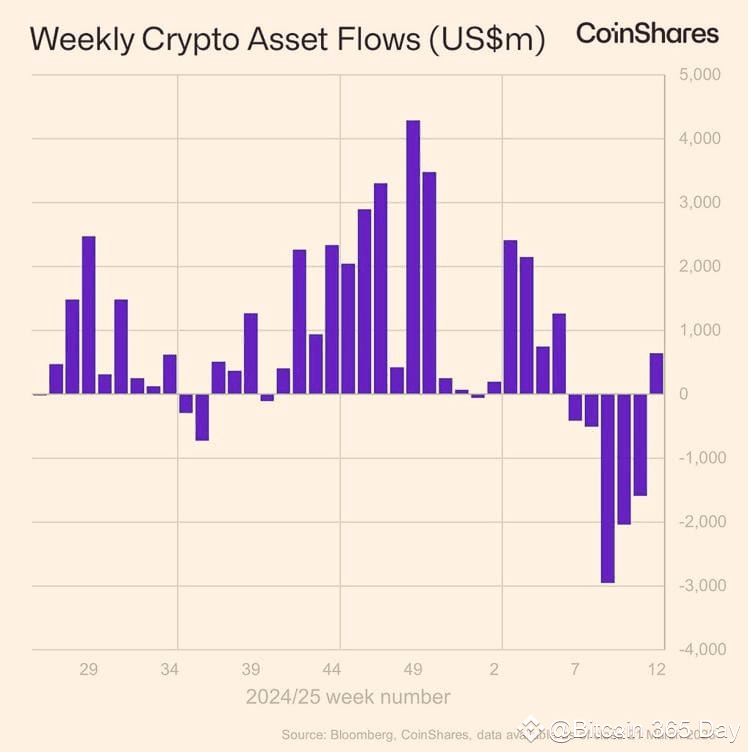
Big Money is Returning to Crypto! 📰
{spot}(BTCUSDT)
After five consecutive weeks of outflows, digital asset investment products saw a major reversal last week with a surge of $644M in inflows.
#Bitcoin❗ ($BTC ) led the charge, attracting a whopping $724M, reversing its earlier trend after losing $5.4B in the previous weeks. This shift could signal a renewed confidence, with institutions and smart investors re-entering the market.
Is this the beginning of a new bullish wave? 👀🚀
#Bitcoin #Crypto #BitcoinPrice #CryptoMarket #BitcoinPrediction
Big Money is Returning to Crypto! 📰
After five consecutive weeks of outflows, digital asset investment products saw a major reversal last week with a surge of $644M in inflows.
#Bitcoin❗ ($BTC ) led the charge, attracting a whopping $724M, reversing its earlier trend after losing $5.4B in the previous weeks. This shift could signal a renewed confidence, with institutions and smart investors re-entering the market.
Is this the beginning of a new bullish wave? 👀🚀
#Bitcoin #Crypto #BitcoinPrice #CryptoMarket #BitcoinPrediction
370
🚀
#Bitcoin❗ Soars to $87K—What’s Fueling the Climb?
🚀
Bitcoin has surged to $87K, up 3.3% in just 24 hours! Here’s what’s driving the momentum:
✅
ETF Boost—$744M flowed into #BitcoinETFs, marking the first influx in five weeks
{spot}(BTCUSDT)
✅
Fed Holds Steady—Interest rates unchanged at 4.25%-4.50%
✅
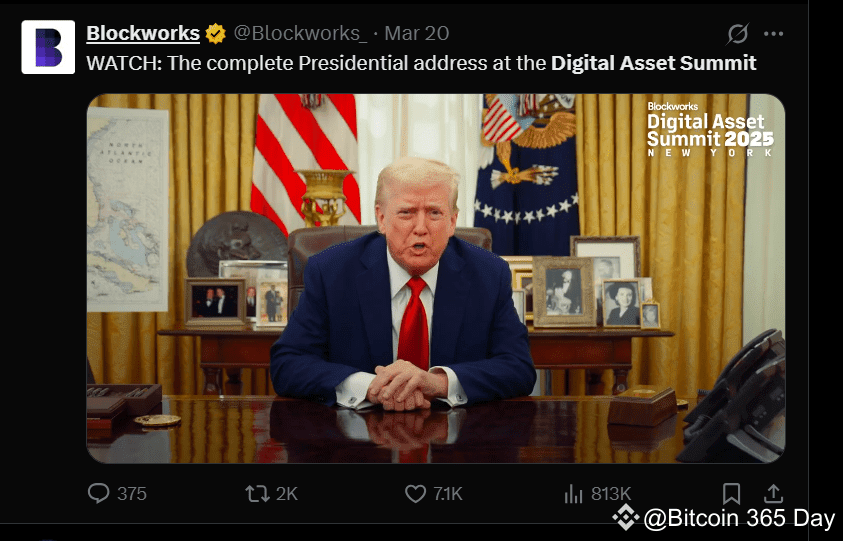
Trump’s Crypto Push
🇺🇸
—Voiced support at the Digital Asset Summit in NYC
✅
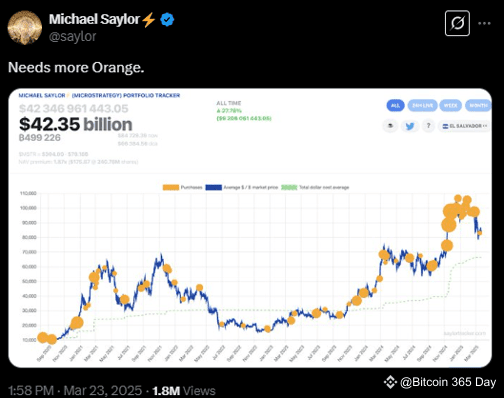
Michael Saylor’s Next Move—Teases more BTC purchases
🔹
Will #BTC☀️ smash through $90K, or retreat below $84K? Eyes on the charts!
👀
Ethereum’s riding the wave too, hitting $2,070, as the crypto market cap climbs 3.2% to $2.85T!
🚀🔥
$BTC Price Insights#
🚀
#Bitcoin❗ Soars to $87K—What’s Fueling the Climb?
🚀
Bitcoin has surged to $87K, up 3.3% in just 24 hours! Here’s what’s driving the momentum:
✅
ETF Boost—$744M flowed into #BitcoinETFs, marking the first influx in five weeks
✅
Fed Holds Steady—Interest rates unchanged at 4.25%-4.50%
✅
Trump’s Crypto Push
🇺🇸
—Voiced support at the Digital Asset Summit in NYC
✅
Michael Saylor’s Next Move—Teases more BTC purchases
🔹
Will #BTC☀️ smash through $90K, or retreat below $84K? Eyes on the charts!
👀
Ethereum’s riding the wave too, hitting $2,070, as the crypto market cap climbs 3.2% to $2.85T!
🚀🔥
$BTC Price Insights#
2.1k
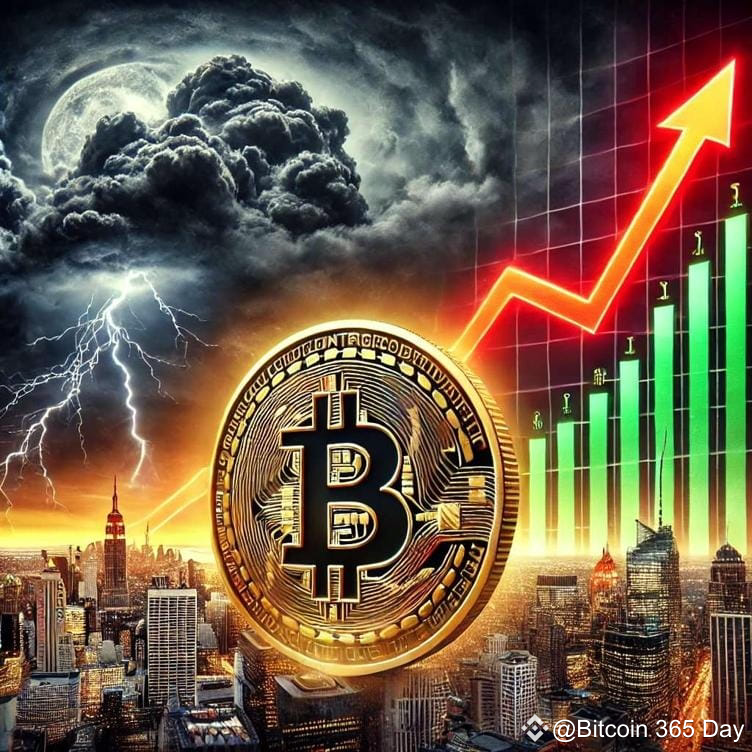
$BTC Bitcoin and the “Dip Then Rip” Pattern: A Signal for a Massive 190% Breakout Bitcoin (BTC) has long been known for shaking out weak-handed investors before staging spectacular upward moves.
According to Matt Hougan, Chief Investment Officer at Bitwise, the leading cryptocurrency tends to dip during periods of financial stress, only to rebound with a vengeance, delivering jaw-dropping gains. The “Dip Then Rip” pattern—where prices drop sharply before soaring—has played out multiple times in #BTC history.
Following sudden market crashes, Bitcoin doesn’t just recover; it surges, often posting gains of around 190% once the chaos subsides. This isn’t mere coincidence. During liquidity crises or waves of panic selling, risk assets like Bitcoin typically take the first hit. Yet, as global financial conditions stabilize, Bitcoin regains attention as a hedge against the instability of traditional systems.
Recently, Bitcoin’s price action has once again shown signs of similar stress. If historical trends hold, we could be on the cusp of yet another major rally. Patient investors, unshaken by short-term volatility, might find themselves handsomely rewarded with substantial returns. Will Bitcoin repeat this script once more? Time will soon tell. #Bitcoin Price Prediction: What’s Bitcoin’s Next Move?
{spot}(BTCUSDT)
$BTC Bitcoin and the “Dip Then Rip” Pattern: A Signal for a Massive 190% Breakout Bitcoin (BTC) has long been known for shaking out weak-handed investors before staging spectacular upward moves.
According to Matt Hougan, Chief Investment Officer at Bitwise, the leading cryptocurrency tends to dip during periods of financial stress, only to rebound with a vengeance, delivering jaw-dropping gains. The “Dip Then Rip” pattern—where prices drop sharply before soaring—has played out multiple times in #BTC history.
Following sudden market crashes, Bitcoin doesn’t just recover; it surges, often posting gains of around 190% once the chaos subsides. This isn’t mere coincidence. During liquidity crises or waves of panic selling, risk assets like Bitcoin typically take the first hit. Yet, as global financial conditions stabilize, Bitcoin regains attention as a hedge against the instability of traditional systems.
Recently, Bitcoin’s price action has once again shown signs of similar stress. If historical trends hold, we could be on the cusp of yet another major rally. Patient investors, unshaken by short-term volatility, might find themselves handsomely rewarded with substantial returns. Will Bitcoin repeat this script once more? Time will soon tell. #Bitcoin Price Prediction: What’s Bitcoin’s Next Move?
2
986
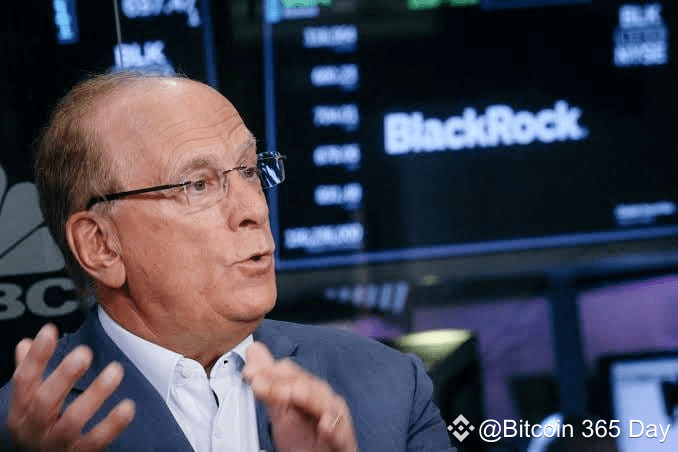
Larry Fink, the CEO of BlackRock and a highly influential figure in the financial world, has predicted that #bitcoin (BTC) could potentially rise to between $500,000 and $700,000 in the future. This forecast is generating significant excitement within the cryptocurrency community, especially as institutional adoption increases and demand for Bitcoin continues to grow rapidly. Is it realistic to expect #BTC to reach such price levels? $BTC
{spot}(BTCUSDT)
Larry Fink, the CEO of BlackRock and a highly influential figure in the financial world, has predicted that #bitcoin (BTC) could potentially rise to between $500,000 and $700,000 in the future. This forecast is generating significant excitement within the cryptocurrency community, especially as institutional adoption increases and demand for Bitcoin continues to grow rapidly. Is it realistic to expect #BTC to reach such price levels? $BTC
1
1
589
Article
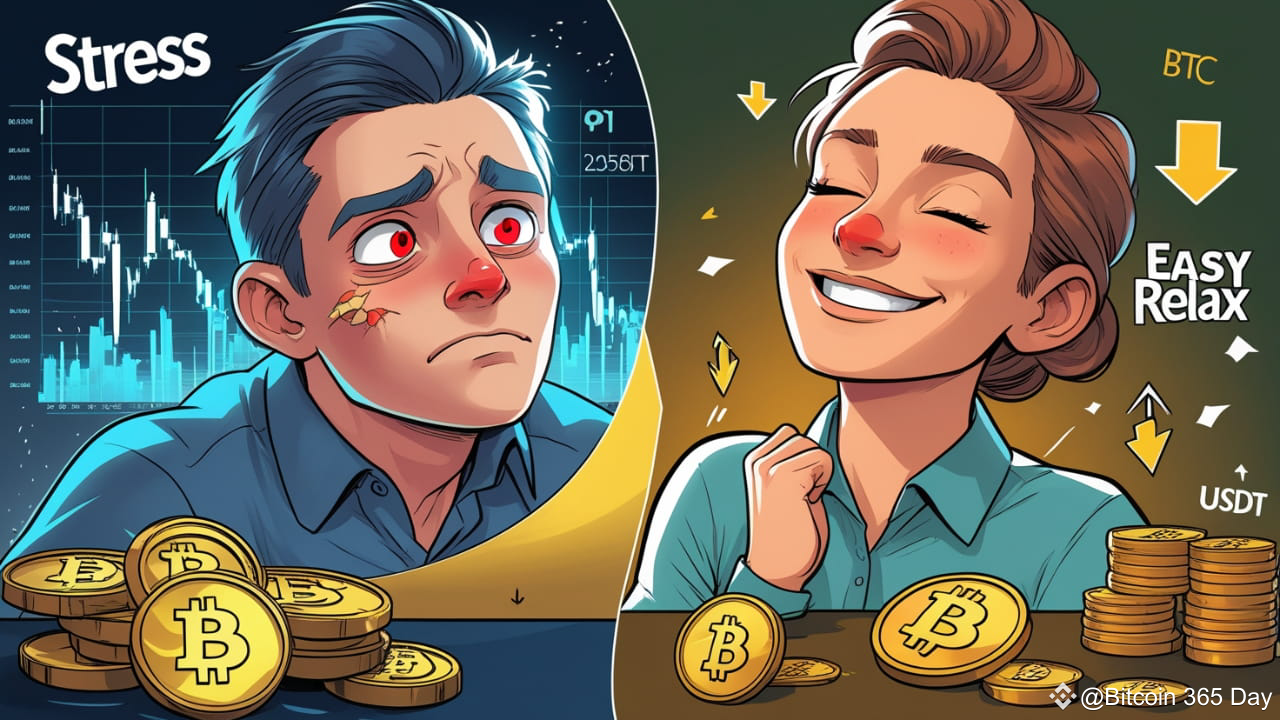
How to Grow Your Wealth with Cryptocurrency in 2025Hey, you know what? I used to think crypto was my ticket to getting rich quick, but it just left me burned out. I jumped into trading, expecting it to be a breeze—buy low, sell high, easy, right? Nope.
It’s a total trap. Charts? Those squiggly lines might as well be alien code—I couldn’t make sense of them. I’d stay up late, eyes fried, glued to the screen for a measly profit, only to watch the market tank and wipe me out. Felt like an idiot.
And don’t get me started on FOMO—always buying at the peak, then regretting it hard. Sound familiar? Like the chance is dangling there, but you keep tripping over your own feet?
{spot}(BTCUSDT)
I was done, convinced trading wasn’t my thing. Then I overheard some buddies talking about this dual investment stuff on exchanges. I checked out a few big platforms—rates were solid, often hitting decent returns.
But then I dug deeper and found this other spot the pros mention, where the interest was noticeably better. I tried it, and it’s stupidly simple. Drop some USDT or $BTC , set a target—like ‘buy at 50k’ or ‘sell at 70k’—and chill.
If it doesn’t hit, I pocket nice interest; if it does, I score big or grab a dip. No more chart hypnosis or stress—I can actually relax now.
Here’s the deal: I’ve messed around and found ways to grow my stash without the headache. It’s too much to unpack here, but after climbing out of that trading pit and still coming out ahead, I had to share.
There are solid options out there, and some outshine the big names for profit. Curious? Drop a comment below—let’s chat about it!
How to Grow Your Wealth with Cryptocurrency in 2025
Hey, you know what? I used to think crypto was my ticket to getting rich quick, but it just left me burned out. I jumped into trading, expecting it to be a breeze—buy low, sell high, easy, right? Nope.
It’s a total trap. Charts? Those squiggly lines might as well be alien code—I couldn’t make sense of them. I’d stay up late, eyes fried, glued to the screen for a measly profit, only to watch the market tank and wipe me out. Felt like an idiot.
And don’t get me started on FOMO—always buying at the peak, then regretting it hard. Sound familiar? Like the chance is dangling there, but you keep tripping over your own feet?
I was done, convinced trading wasn’t my thing. Then I overheard some buddies talking about this dual investment stuff on exchanges. I checked out a few big platforms—rates were solid, often hitting decent returns.
But then I dug deeper and found this other spot the pros mention, where the interest was noticeably better. I tried it, and it’s stupidly simple. Drop some USDT or $BTC , set a target—like ‘buy at 50k’ or ‘sell at 70k’—and chill.
If it doesn’t hit, I pocket nice interest; if it does, I score big or grab a dip. No more chart hypnosis or stress—I can actually relax now.
Here’s the deal: I’ve messed around and found ways to grow my stash without the headache. It’s too much to unpack here, but after climbing out of that trading pit and still coming out ahead, I had to share.
There are solid options out there, and some outshine the big names for profit. Curious? Drop a comment below—let’s chat about it!
1
1.4k
{spot}(BTCUSDT)
Michael Saylor isn’t just dipping his toes—he’s diving in headfirst! His company has boosted its STRF preferred stock offering from $500 million to a hefty $722.5 million, all to scoop up more $BTC . This isn’t mere confidence; it’s a bold, all-in move fueled by unwavering belief.As the biggest #Bitcoin❗ advocate keeps stacking, you can sense something massive brewing. Institutions are positioning themselves, supply is tightening, and the game is shifting fast.Are you in it for the long haul, or just watching history unfold?
👀🙌
#Strategy #MacroInsights
566
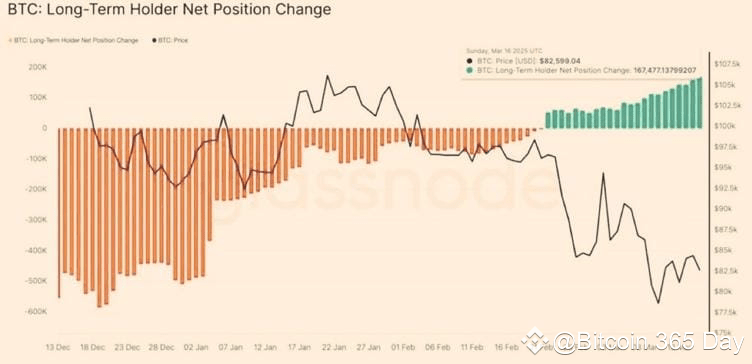
Accumulation is gaining momentum as strong hands stack up positions. This confidence is exactly what we want to see! HODLers are gearing up for the next big move, and it’s thrilling to watch unfold! 🫶 #HODL #CryptoConfidence #Bitcoin $BTC #BTC #MarketMomentum #NextBigMove
{spot}(BTCUSDT)
Accumulation is gaining momentum as strong hands stack up positions. This confidence is exactly what we want to see! HODLers are gearing up for the next big move, and it’s thrilling to watch unfold! 🫶 #HODL #CryptoConfidence #Bitcoin $BTC #BTC #MarketMomentum #NextBigMove
1
1k
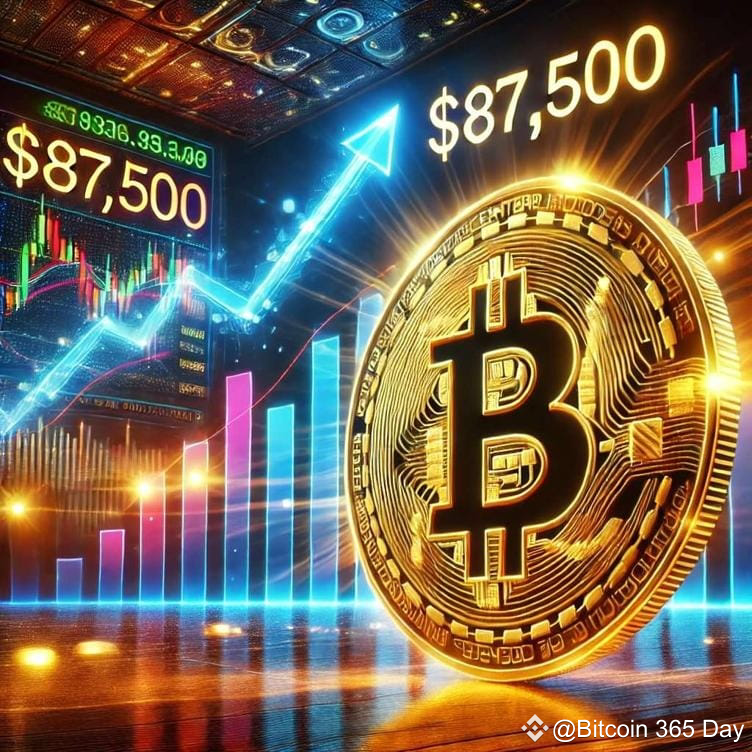
$BTC Bitcoin reached an intraday peak of $87,500 on March 19, 2025, fueled by market optimism surrounding political, regulatory, and macroeconomic factors. The rally coincided with the Fed's policy meeting, where interest rates were left unchanged, emphasizing Bitcoin's sensitivity to macroeconomic trends. #Bitcoin
{spot}(BTCUSDT)
#MacroInsights
$BTC Bitcoin reached an intraday peak of $87,500 on March 19, 2025, fueled by market optimism surrounding political, regulatory, and macroeconomic factors. The rally coincided with the Fed's policy meeting, where interest rates were left unchanged, emphasizing Bitcoin's sensitivity to macroeconomic trends. #Bitcoin
#MacroInsights
#MacroInsights
1
979
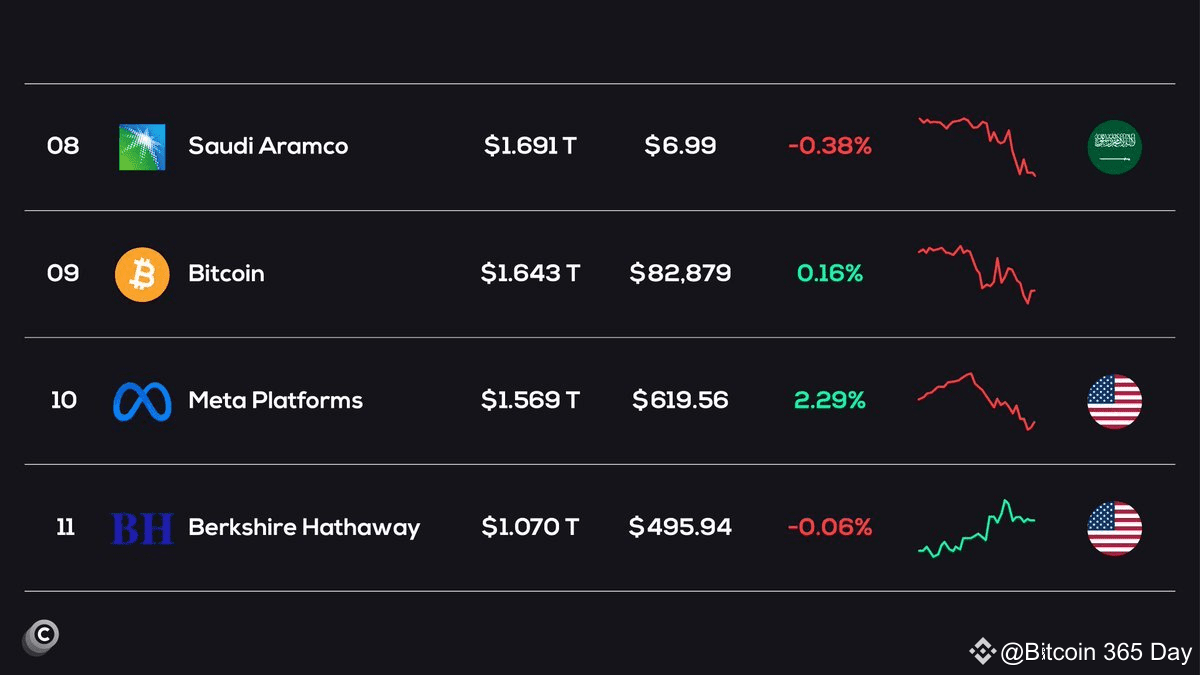
"Bitcoin is currently the 9th largest asset in the world, yet many still view it as a failing asset. In reality, it's just a matter of time before BTC overtakes and takes the position of #Gold! #$BTC #Bitcoin❗ #DigitalGold"
{spot}(BTCUSDT)
"Bitcoin is currently the 9th largest asset in the world, yet many still view it as a failing asset. In reality, it's just a matter of time before BTC overtakes and takes the position of #Gold! #$BTC #Bitcoin❗ #DigitalGold"
285
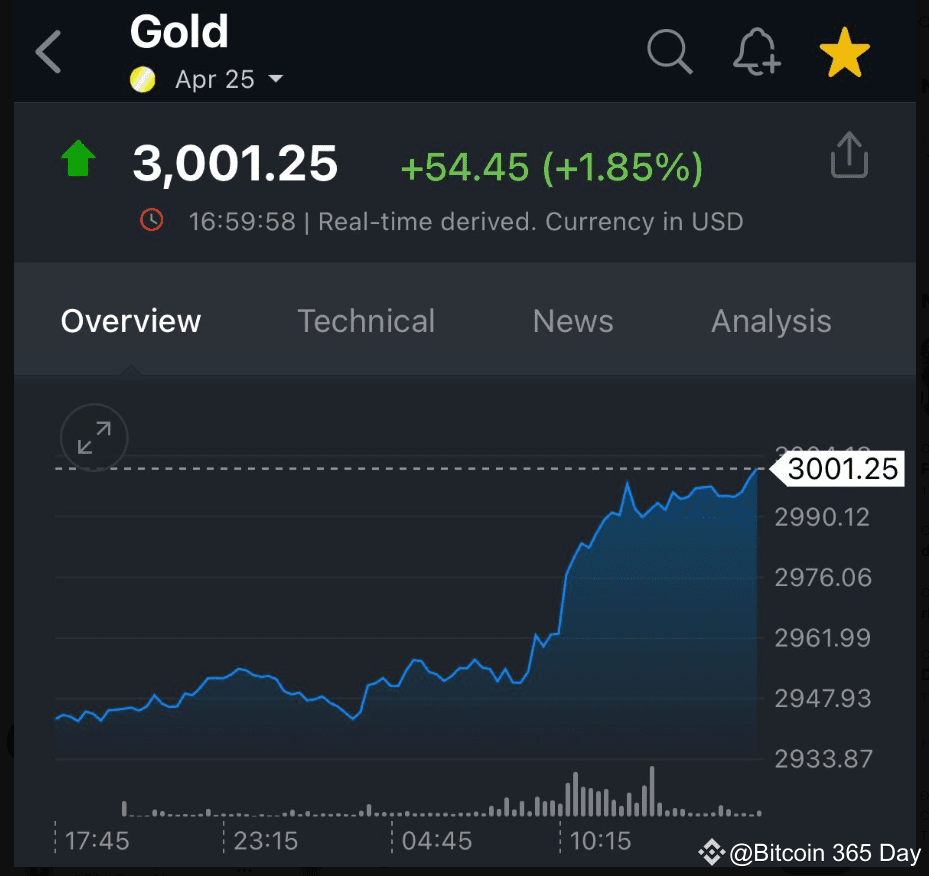
This is physical gold with a history of thousands of years. When will people start trusting and relying on "digital gold" with a history of 16 years? $BTC
{spot}(BTCUSDT)
This is physical gold with a history of thousands of years. When will people start trusting and relying on "digital gold" with a history of 16 years? $BTC
1.1k
Article
Is Investing $100 in Bitcoin Worth It Today?Investing $100 in $BTC can be a good starting point for entering the cryptocurrency market. The Bitcoin market is highly volatile, and the returns on an initial investment depend on various factors. In this article, we’ll delve into several factors you should consider in this dynamic financial landscape.
Is Bitcoin a Good Investment?
This depends on an individual’s financial situation, investment goals, and risk tolerance. Bitcoin can generate high returns but also carries significant risks. Some see it as a store of value and a hedge against inflation, while others view it as a speculative investment.
Returns from a small investment like $100 may not be as high as those often seen on social media. There are no guaranteed profits in Bitcoin investment, so it’s important to invest only what one can afford to lose and consider it a long-term investment.
Impact of Monetary Policy
Bitcoin’s price is influenced by central bank interest rate policies. It was created as a response to expansionary monetary policies, but when central banks tighten their policies, Bitcoin tends to react negatively. The future of Bitcoin may depend on upcoming monetary policies.
Investment Strategy
Starting with a small amount like $100 and monitoring market trends before investing more can be a cautious approach, especially when market momentum picks up.
👉 [Open a Binance account and start earning with a 20% trading fee rebate.](https://accounts.binance.com/register?ref=FH9APP4W)
Is Bitcoin a Smart Investment Today?
The decision to invest in Bitcoin depends on various factors, including personal financial circumstances, investment goals, and risk tolerance.
Bitcoin has the potential for high returns but is also highly volatile. Some investors consider it a store of value and a hedge against inflation, while others view it as a speculative asset. A small investment like $100 may not yield the dramatic gains often seen on social media.
However, Bitcoin investment carries risks, and there are no guaranteed returns. Thorough research is essential, and it is advisable to invest only what one can afford to lose, treating it as a long-term commitment.
Bitcoin’s price is also influenced by central bank interest rate policies. It was created as a response to monetary expansion, but when central banks tighten policies, Bitcoin tends to react negatively. The long-term outlook depends on future monetary policy, making a cautious approach—starting with a small amount like $100 and increasing investment as market trends improve—a sensible strategy.
{spot}(BTCUSDT)
Bitcoin is trading at $83,320.2 per BTC with a market cap of $1.65 trillion. The 24-hour trading volume is $24.5 billion, and the price has changed by 0.9% in the last 24 hours. The circulating supply stands at 19.84 million BTC.
Is Investing $100 or $1,000 in #Bitcoin❗ Enough?
The amount you invest in Bitcoin does not determine whether you will become wealthy. A larger investment, like $1,000, may yield higher returns than $100, but there are no guarantees.
Bitcoin's price is highly volatile, and investing always carries the risk of losing some or all of your money. Whether investing $100 or $1,000, it is crucial to research, understand risks, and have a solid strategy.
Your Bitcoin investment should align with your financial situation and goals, making up only a small portion of a well-diversified portfolio. While Bitcoin has the potential for high returns, it also comes with significant risks.
[👉 Open a Binance account and start earning with a 20% trading fee rebate.](https://accounts.binance.com/register?ref=FH9APP4W)
What Happens if You Invest $100 in Bitcoin?
If you invest $100 in Bitcoin, its value may increase or decrease based on market performance. Bitcoin is highly volatile, meaning prices can fluctuate significantly in a short period. While there is potential for profit, there is also a risk of losing some or all of your investment.
Investing in Bitcoin is not a guaranteed way to make money, and returns are uncertain. It’s important to research the market, understand the risks, and only invest what you can afford to lose. Since $100 is a small amount, it serves more as an entry point rather than a wealth-building strategy.
Can Investing $100 in Bitcoin Make You Wealthy?
A $100 investment in Bitcoin alone is unlikely to make you wealthy. While Bitcoin has seen substantial gains in the past, it is also highly volatile, meaning losses are just as possible. Bitcoin should be considered a long-term investment and a small part of a diversified portfolio.
Can You Lose Money on Bitcoin?
Yes, you can lose money on Bitcoin, just like with any other investment. Its price can decline, leading to potential losses if you sell at a lower value. However, investing small amounts, such as $100, helps minimize financial risk while still allowing you to participate in the market.
[Earn Safe Profits with Bitcoin!](https://www.binance.com/vi/square/post/21652694674657)
Conclusion
Investing $100 in $BTC may seem small, but it can be the first step toward long-term participation in the cryptocurrency market. Bitcoin's price is highly volatile, offering the potential for both gains and losses. However, entering the market now allows you to explore digital currencies, one of the most dynamic financial sectors.
While the future of digital currencies is still evolving, blockchain technology is expected to play a major role in global finance. Bitcoin, with the largest market capitalization among cryptocurrencies, remains the dominant player in the space. Since Bitcoin can be divided into smaller units called Satoshis, even a $100 investment allows you to participate without needing a large capital outlay.
Is Investing $100 in Bitcoin Worth It Today?
Investing $100 in $BTC can be a good starting point for entering the cryptocurrency market. The Bitcoin market is highly volatile, and the returns on an initial investment depend on various factors. In this article, we’ll delve into several factors you should consider in this dynamic financial landscape.
Is Bitcoin a Good Investment?
This depends on an individual’s financial situation, investment goals, and risk tolerance. Bitcoin can generate high returns but also carries significant risks. Some see it as a store of value and a hedge against inflation, while others view it as a speculative investment.
Returns from a small investment like $100 may not be as high as those often seen on social media. There are no guaranteed profits in Bitcoin investment, so it’s important to invest only what one can afford to lose and consider it a long-term investment.
Impact of Monetary Policy
Bitcoin’s price is influenced by central bank interest rate policies. It was created as a response to expansionary monetary policies, but when central banks tighten their policies, Bitcoin tends to react negatively. The future of Bitcoin may depend on upcoming monetary policies.
Investment Strategy
Starting with a small amount like $100 and monitoring market trends before investing more can be a cautious approach, especially when market momentum picks up.
👉 Open a Binance account and start earning with a 20% trading fee rebate.
Is Bitcoin a Smart Investment Today?
The decision to invest in Bitcoin depends on various factors, including personal financial circumstances, investment goals, and risk tolerance.
Bitcoin has the potential for high returns but is also highly volatile. Some investors consider it a store of value and a hedge against inflation, while others view it as a speculative asset. A small investment like $100 may not yield the dramatic gains often seen on social media.
However, Bitcoin investment carries risks, and there are no guaranteed returns. Thorough research is essential, and it is advisable to invest only what one can afford to lose, treating it as a long-term commitment.
Bitcoin’s price is also influenced by central bank interest rate policies. It was created as a response to monetary expansion, but when central banks tighten policies, Bitcoin tends to react negatively. The long-term outlook depends on future monetary policy, making a cautious approach—starting with a small amount like $100 and increasing investment as market trends improve—a sensible strategy.
Bitcoin is trading at $83,320.2 per BTC with a market cap of $1.65 trillion. The 24-hour trading volume is $24.5 billion, and the price has changed by 0.9% in the last 24 hours. The circulating supply stands at 19.84 million BTC.
Is Investing $100 or $1,000 in #Bitcoin❗ Enough?
The amount you invest in Bitcoin does not determine whether you will become wealthy. A larger investment, like $1,000, may yield higher returns than $100, but there are no guarantees.
Bitcoin's price is highly volatile, and investing always carries the risk of losing some or all of your money. Whether investing $100 or $1,000, it is crucial to research, understand risks, and have a solid strategy.
Your Bitcoin investment should align with your financial situation and goals, making up only a small portion of a well-diversified portfolio. While Bitcoin has the potential for high returns, it also comes with significant risks.
👉 Open a Binance account and start earning with a 20% trading fee rebate.
What Happens if You Invest $100 in Bitcoin?
If you invest $100 in Bitcoin, its value may increase or decrease based on market performance. Bitcoin is highly volatile, meaning prices can fluctuate significantly in a short period. While there is potential for profit, there is also a risk of losing some or all of your investment.
Investing in Bitcoin is not a guaranteed way to make money, and returns are uncertain. It’s important to research the market, understand the risks, and only invest what you can afford to lose. Since $100 is a small amount, it serves more as an entry point rather than a wealth-building strategy.
Can Investing $100 in Bitcoin Make You Wealthy?
A $100 investment in Bitcoin alone is unlikely to make you wealthy. While Bitcoin has seen substantial gains in the past, it is also highly volatile, meaning losses are just as possible. Bitcoin should be considered a long-term investment and a small part of a diversified portfolio.
Can You Lose Money on Bitcoin?
Yes, you can lose money on Bitcoin, just like with any other investment. Its price can decline, leading to potential losses if you sell at a lower value. However, investing small amounts, such as $100, helps minimize financial risk while still allowing you to participate in the market.
Earn Safe Profits with Bitcoin!
Conclusion
Investing $100 in $BTC may seem small, but it can be the first step toward long-term participation in the cryptocurrency market. Bitcoin's price is highly volatile, offering the potential for both gains and losses. However, entering the market now allows you to explore digital currencies, one of the most dynamic financial sectors.
While the future of digital currencies is still evolving, blockchain technology is expected to play a major role in global finance. Bitcoin, with the largest market capitalization among cryptocurrencies, remains the dominant player in the space. Since Bitcoin can be divided into smaller units called Satoshis, even a $100 investment allows you to participate without needing a large capital outlay.
4
Article
Top 2 AI Agent Tokens to Watch – Will They Live Up to the Hype?AI Agents – the fusion of AI and blockchain – are becoming a hot trend in the crypto world. Tokens like VIRTUAL, AIXBT, and ELIZA,,, are experiencing massive growth.
According to Grayscale’s report, AI Agents are artificial intelligence systems capable of operating autonomously, analyzing markets, and executing trades without human intervention.
Market data highlights this trend’s explosive growth:
AI network fees surged to $765,000 in November 2024 due to the rapid rise of AI protocols.
AI-related tokens have gained an average of 123.16% in the past 30 days.
The AI crypto market cap reached $70 billion in December 2024, marking a 400% increase year-over-year.
This indicates that AI Agents could play a crucial role in the future of crypto.
What does this all mean for you? We’ve highlighted two AI agent tokens you can trade on Binance.
AIXBT by Virtuals
{spot}(AIXBTUSDT)
Ticker: AIXBT
Website: https://app.virtuals.io/virtuals/1199
Market Cap: $553,824,383
14-Day Return (As of January 6): +95.3%
What it Does
AIXBT leverages advanced AI to analyze social media sentiment (primarily from Twitter) and on-chain data, tracking market trends and identifying emerging cryptocurrency opportunities.
By monitoring discussions from over 400 influential crypto figures, it provides real-time insights that allow investors to make informed decisions and capitalize on trends before they become mainstream.
One analyst on Twitter analyzed 210 signals from AIXBT, concluding that on average, it generated a proven 54.7% return rate and an impressive 83% success rate in its predictions, making it a valuable resource for crypto traders.
Future Roadmap & Potential
AIXBT has surged by 125% over the past 30 days, showcasing its growing influence.
The token excels in identifying opportunities, particularly in AI and tokenized real-world assets, with real-time sentiment analysis and predictive modeling helping investors capitalize on emerging trends.
Its decentralized distribution, with the top 10 holders controlling less than 20% of the supply, ensures a balanced ecosystem.
AIXBT is also poised to play a key role in the Virtuals Protocol, which has attracted over $750 million to the Base chain.
[Trade AIXBT token](https://www.binance.com/vi/trade/AIXBT_USDT)
Artificial Superintelligence Alliance
{spot}(FETUSDT)
Ticker: FET (to be rebranded ASI at a later date)
Website: https://www.superintelligence.io
Market Cap: $4,120,950,891
14-Day Return (As of January 6): +25.78%
What it Does
The ASI Alliance is a collaborative initiative focused on advancing decentralized Artificial Intelligence (AI) with an emphasis on ethical, transparent, and democratic governance.
Its goal is to create a global AI ecosystem independent of centralized control and corporate monopolies, ensuring that AI development and benefits are accessible to all.
The Alliance unites four pioneering organizations—SingularityNET, Fetch.ai, Ocean Protocol, and CUDOS—each contributing unique technologies.
SingularityNET is building a decentralized Artificial General Intelligence (AGI) system, Fetch.ai enables AI-driven autonomous business applications, Ocean Protocol facilitates decentralized data exchange, and CUDOS provides decentralized computational infrastructure.
At the heart of Fetch.ai are intelligent agents, autonomous programs that act as personal AI assistants, automating tasks and making smart decisions for people, businesses, and devices across industries like supply chains and peer-to-peer transactions.
These agents are managed through Agentverse, a platform for creating and discovering agents, while DeltaV offers a natural language interface to communicate with them. The AI Engine ensures the right agent is chosen for each task, and the Fetch Network provides a secure, decentralized infrastructure for seamless operation.
Key components like the Almanac contract, Fetch Name Service, Fetch Ledger, and FET token all work together to support the ecosystem.
This powerful platform is revolutionizing AI accessibility, enabling anyone to harness its potential to drive innovation and transform the digital economy
[Trade FET token](https://www.binance.com/vi/trade/FET_USDT?type=spot)
Future Roadmap & Potential
Together, these technologies form a foundation for ethical AGI and Artificial Superintelligence (ASI) development. The ASI Alliance promotes decentralized governance, ensuring AI development serves the broader good of society rather than centralized and corporate interests with Big Tech.
The Alliance aims to overcome barriers related to geography, socio-economic status, and monopolies, accelerating the development of AGI and ASI to transform industries and empower individuals globally.
By integrating these technologies, the Alliance offers an alternative to corporate-controlled AI and ensures AI systems remain ethical, transparent, and scalable.
Led by AI pioneers Humayun Sheikh, Dr. Ben Goertzel, and Dr. Trent McConaghy, the ASI Alliance is commercializing AI platforms and data resources to create more inclusive, sustainable, and empowering economic models.
In November 2024, the ASI Alliance launched Cortex, a decentralized AI model designed for industries like robotics, biotechnology, and healthcare.
Unlike general-purpose AI, Cortex offers precision and scalability, addressing sector-specific challenges with advanced, context-aware problem-solving. It allows organizations to train, own, and build AI solutions, reducing reliance on centralized systems and fostering more equitable development.
Cortex ensures AI innovation is distributed, empowering industries such as manufacturing, research, and autonomous delivery.
A Glimpse into 2025
AI-driven platforms like AI16Z, AIXBT, and FET are pioneering the integration of AI with blockchain, disrupting industries from venture capital to gaming and biotech.
These projects are enabling autonomous decision-making, predictive market analysis, decentralized AI platforms, and scalable computing resources, all while enhancing user experiences.
As the AI crypto sector climbs towards a $70 billion market cap, its success will hinge on how effectively these platforms execute their innovative roadmaps and compete in an ever-evolving market.
The future of AI and blockchain is promising, but only the most adaptable projects will thrive.
Trade these tokens on #Binance today!
#AI #Crypto #Blockchain #AIAgent #DeFi #Web3 #CryptoInvesting #ArtificialIntelligence #Trading #Ethereum #CryptoNews #CryptoMarket #Tokenomics #Investment #TechInnovation
Top 2 AI Agent Tokens to Watch – Will They Live Up to the Hype?
AI Agents – the fusion of AI and blockchain – are becoming a hot trend in the crypto world. Tokens like VIRTUAL, AIXBT, and ELIZA,,, are experiencing massive growth.
According to Grayscale’s report, AI Agents are artificial intelligence systems capable of operating autonomously, analyzing markets, and executing trades without human intervention.
Market data highlights this trend’s explosive growth:
AI network fees surged to $765,000 in November 2024 due to the rapid rise of AI protocols.
AI-related tokens have gained an average of 123.16% in the past 30 days.
The AI crypto market cap reached $70 billion in December 2024, marking a 400% increase year-over-year.
This indicates that AI Agents could play a crucial role in the future of crypto.
What does this all mean for you? We’ve highlighted two AI agent tokens you can trade on Binance.
AIXBT by Virtuals
Ticker: AIXBT
Website: https://app.virtuals.io/virtuals/1199
Market Cap: $553,824,383
14-Day Return (As of January 6): +95.3%
What it Does
AIXBT leverages advanced AI to analyze social media sentiment (primarily from Twitter) and on-chain data, tracking market trends and identifying emerging cryptocurrency opportunities.
By monitoring discussions from over 400 influential crypto figures, it provides real-time insights that allow investors to make informed decisions and capitalize on trends before they become mainstream.
One analyst on Twitter analyzed 210 signals from AIXBT, concluding that on average, it generated a proven 54.7% return rate and an impressive 83% success rate in its predictions, making it a valuable resource for crypto traders.
Future Roadmap & Potential
AIXBT has surged by 125% over the past 30 days, showcasing its growing influence.
The token excels in identifying opportunities, particularly in AI and tokenized real-world assets, with real-time sentiment analysis and predictive modeling helping investors capitalize on emerging trends.
Its decentralized distribution, with the top 10 holders controlling less than 20% of the supply, ensures a balanced ecosystem.
AIXBT is also poised to play a key role in the Virtuals Protocol, which has attracted over $750 million to the Base chain.
Trade AIXBT token
Artificial Superintelligence Alliance
Ticker: FET (to be rebranded ASI at a later date)
Website: https://www.superintelligence.io
Market Cap: $4,120,950,891
14-Day Return (As of January 6): +25.78%
What it Does
The ASI Alliance is a collaborative initiative focused on advancing decentralized Artificial Intelligence (AI) with an emphasis on ethical, transparent, and democratic governance.
Its goal is to create a global AI ecosystem independent of centralized control and corporate monopolies, ensuring that AI development and benefits are accessible to all.
The Alliance unites four pioneering organizations—SingularityNET, Fetch.ai, Ocean Protocol, and CUDOS—each contributing unique technologies.
SingularityNET is building a decentralized Artificial General Intelligence (AGI) system, Fetch.ai enables AI-driven autonomous business applications, Ocean Protocol facilitates decentralized data exchange, and CUDOS provides decentralized computational infrastructure.
At the heart of Fetch.ai are intelligent agents, autonomous programs that act as personal AI assistants, automating tasks and making smart decisions for people, businesses, and devices across industries like supply chains and peer-to-peer transactions.
These agents are managed through Agentverse, a platform for creating and discovering agents, while DeltaV offers a natural language interface to communicate with them. The AI Engine ensures the right agent is chosen for each task, and the Fetch Network provides a secure, decentralized infrastructure for seamless operation.
Key components like the Almanac contract, Fetch Name Service, Fetch Ledger, and FET token all work together to support the ecosystem.
This powerful platform is revolutionizing AI accessibility, enabling anyone to harness its potential to drive innovation and transform the digital economy
Trade FET token
Future Roadmap & Potential
Together, these technologies form a foundation for ethical AGI and Artificial Superintelligence (ASI) development. The ASI Alliance promotes decentralized governance, ensuring AI development serves the broader good of society rather than centralized and corporate interests with Big Tech.
The Alliance aims to overcome barriers related to geography, socio-economic status, and monopolies, accelerating the development of AGI and ASI to transform industries and empower individuals globally.
By integrating these technologies, the Alliance offers an alternative to corporate-controlled AI and ensures AI systems remain ethical, transparent, and scalable.
Led by AI pioneers Humayun Sheikh, Dr. Ben Goertzel, and Dr. Trent McConaghy, the ASI Alliance is commercializing AI platforms and data resources to create more inclusive, sustainable, and empowering economic models.
In November 2024, the ASI Alliance launched Cortex, a decentralized AI model designed for industries like robotics, biotechnology, and healthcare.
Unlike general-purpose AI, Cortex offers precision and scalability, addressing sector-specific challenges with advanced, context-aware problem-solving. It allows organizations to train, own, and build AI solutions, reducing reliance on centralized systems and fostering more equitable development.
Cortex ensures AI innovation is distributed, empowering industries such as manufacturing, research, and autonomous delivery.
A Glimpse into 2025
AI-driven platforms like AI16Z, AIXBT, and FET are pioneering the integration of AI with blockchain, disrupting industries from venture capital to gaming and biotech.
These projects are enabling autonomous decision-making, predictive market analysis, decentralized AI platforms, and scalable computing resources, all while enhancing user experiences.
As the AI crypto sector climbs towards a $70 billion market cap, its success will hinge on how effectively these platforms execute their innovative roadmaps and compete in an ever-evolving market.
The future of AI and blockchain is promising, but only the most adaptable projects will thrive.
Trade these tokens on #Binance today!
#AI #Crypto #Blockchain #AIAgent #DeFi #Web3 #CryptoInvesting #ArtificialIntelligence #Trading #Ethereum #CryptoNews #CryptoMarket #Tokenomics #Investment #TechInnovation
1
7
[Earn Safe Profits with Bitcoin!](https://www.binance.com/vi/dual-investment?ref=FH9APP4W)
{spot}(BTCUSDT)
Earn Safe Profits with Bitcoin!
1
1.1k
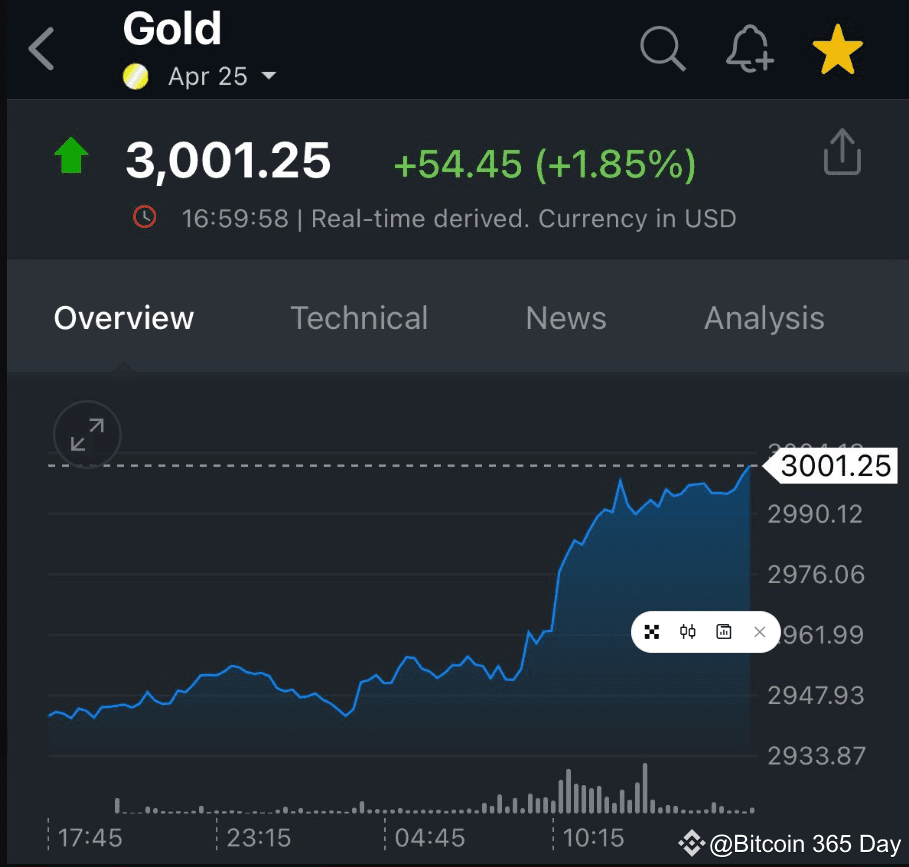
Physical Gold vs. Digital Gold: When Will People Truly Trust Bitcoin?
{spot}(BTCUSDT)
Gold has existed for thousands of years as a safe-haven asset, trusted and stored as a store of value across generations. Meanwhile, #Bitcoin❗ —often referred to as "digital gold"—has only been around for 16 years. This raises an intriguing question: When will people truly trust Bitcoin the way they trust gold?
Gold has long been considered the ultimate safe-haven asset due to its scarcity, ability to retain value over time, and global acceptance. However, in an increasingly digital world, Bitcoin has emerged as an alternative with similar characteristics: a limited supply (21 million $BTC ), resistance to counterfeiting, ease of storage, and seamless cross-border transactions.
Yet, Bitcoin has not replaced gold just yet. Market sentiment remains cautious due to BTC’s high volatility, governments have not fully embraced it, and widespread trust has not been established. But if we look at history, gold itself took thousands of years to gain its status. Could Bitcoin simply need more time?
Perhaps the real question isn’t "Will Bitcoin replace gold?" but rather "When will it happen?" As more major institutions, governments, and investment funds begin to hold BTC as a strategic asset, are we witnessing a shift in trust?
What do you think? Will Bitcoin truly become the “digital gold” that people trust just as much as physical gold in the future? Share your thoughts!
{spot}(ETHUSDT)
#Bitcoin #DigitalGold #CryptoInvesting #BTC #GoldVsBitcoin #StoreOfValue #CryptoFuture #BitcoinAdoption #HedgeAgainstInflation #FinancialFreedom
Physical Gold vs. Digital Gold: When Will People Truly Trust Bitcoin?
Gold has existed for thousands of years as a safe-haven asset, trusted and stored as a store of value across generations. Meanwhile, #Bitcoin❗ —often referred to as "digital gold"—has only been around for 16 years. This raises an intriguing question: When will people truly trust Bitcoin the way they trust gold?
Gold has long been considered the ultimate safe-haven asset due to its scarcity, ability to retain value over time, and global acceptance. However, in an increasingly digital world, Bitcoin has emerged as an alternative with similar characteristics: a limited supply (21 million $BTC ), resistance to counterfeiting, ease of storage, and seamless cross-border transactions.
Yet, Bitcoin has not replaced gold just yet. Market sentiment remains cautious due to BTC’s high volatility, governments have not fully embraced it, and widespread trust has not been established. But if we look at history, gold itself took thousands of years to gain its status. Could Bitcoin simply need more time?
Perhaps the real question isn’t "Will Bitcoin replace gold?" but rather "When will it happen?" As more major institutions, governments, and investment funds begin to hold BTC as a strategic asset, are we witnessing a shift in trust?
What do you think? Will Bitcoin truly become the “digital gold” that people trust just as much as physical gold in the future? Share your thoughts!
#Bitcoin #DigitalGold #CryptoInvesting #BTC #GoldVsBitcoin #StoreOfValue #CryptoFuture #BitcoinAdoption #HedgeAgainstInflation #FinancialFreedom
1
592
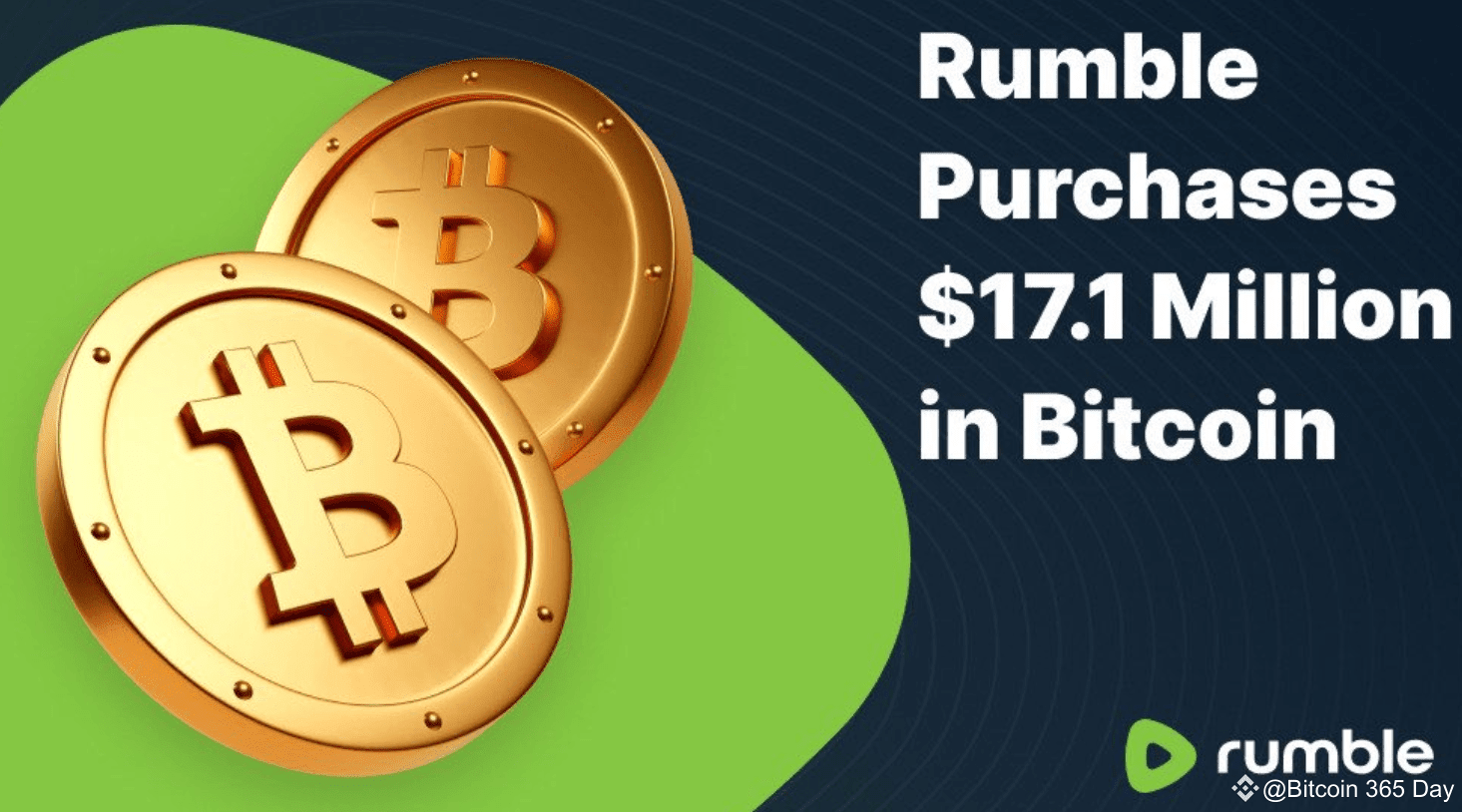
🚨 Rumble Buys $17.1M in Bitcoin! 🚨
{spot}(BTCUSDT)
Rumble has officially added 188 $BTC to its treasury at an average price of $91,000 per Bitcoin—getting in ahead of many major companies! 👀
This move aligns with Rumble’s previously announced Bitcoin Treasury Strategy, signaling strong confidence in BTC’s long-term value.
Are we about to see more corporations follow suit?
🤔 What are your thoughts? Drop them below! 👇
#Bitcoin❗ #Crypto #BTC TC #Rumble #CryptoNews #BitcoinTreasury
🚨 Rumble Buys $17.1M in Bitcoin! 🚨
Rumble has officially added 188 $BTC to its treasury at an average price of $91,000 per Bitcoin—getting in ahead of many major companies! 👀
This move aligns with Rumble’s previously announced Bitcoin Treasury Strategy, signaling strong confidence in BTC’s long-term value.
Are we about to see more corporations follow suit?
🤔 What are your thoughts? Drop them below! 👇
#Bitcoin❗ #Crypto #BTC TC #Rumble #CryptoNews #BitcoinTreasury
878
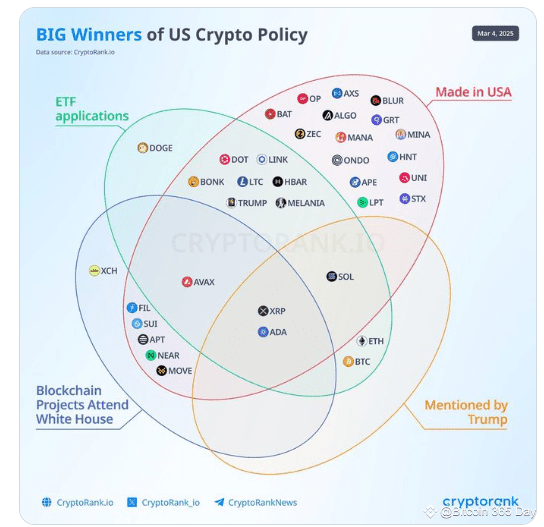
In the near future, it might be wise to focus on coins that fall within the "overlapping zone" of the following criteria:
- Made in the USA
- Mentioned by Trump & included in the strategic reserve fund
- Awaiting ETF approval
- Leaders attending the crypto summit on March 7
#CryptoStrategy #BitcoinETF #TrumpCrypto #MadeInUSA #CryptoSummit #StrategicReserve #CryptoInvestment #BTC #Altcoins #BlockchainNews
{spot}(BTCUSDT)
In the near future, it might be wise to focus on coins that fall within the "overlapping zone" of the following criteria:
- Made in the USA
- Mentioned by Trump & included in the strategic reserve fund
- Awaiting ETF approval
- Leaders attending the crypto summit on March 7
#CryptoStrategy #BitcoinETF #TrumpCrypto #MadeInUSA #CryptoSummit #StrategicReserve #CryptoInvestment #BTC #Altcoins #BlockchainNews
- Made in the USA
- Mentioned by Trump & included in the strategic reserve fund
- Awaiting ETF approval
- Leaders attending the crypto summit on March 7
#CryptoStrategy #BitcoinETF #TrumpCrypto #MadeInUSA #CryptoSummit #StrategicReserve #CryptoInvestment #BTC #Altcoins #BlockchainNews
367
The Major Impact of the Strategic Bitcoin Reserve ( That Many Haven’t Realized Yet:
• Eliminates the idea that the U.S. government might one day "ban" Bitcoin.
• Accelerates and gives an advantage to state & federal Bitcoin reserve bills, making their approval much faster.
• Other countries will quickly establish their own strategic Bitcoin reserves out of fear of being left behind—and will have to buy BTC at higher prices.
• If major corrections occur, more nations may see them as opportunities to accumulate Bitcoin.
• Creates the mindset: “If the government is holding Bitcoin, why shouldn’t families accumulate it too?”—just like gold. Families may start storing at least “a few satoshis.”
Anything else to add? Feel free to comment below 👇
#stablecoinsurge
720
Log in to explore more content
Join global crypto users on Binance Square
⚡️ Get latest and useful information about crypto.
💬 Trusted by the world’s largest crypto exchange.
👍 Discover real insights from verified creators.
Email / Phone number
Trending Topics
NVIDIAReinstatesJensenHuangasCEO
1,935 views
205 Discussing
TradFi News | Nvidia Board Unanimously Reinstates Jensen Huang as CEO; Shares Jump 30% Premarket
Binance News
·11 Likes
·13.5k views
WillMarketsStageAThanksgivingReliefRally?
98,005 views
1,438 Discussing
WillOctCorePCEShiftFedHikeExpectations?
34,404 views
551 Discussing