


__ D O G E __
KITE-048401 CRYPTO INVESTOR 📈 FOLLOW ME 💸
Open Trade
Frequent Trader
8.5 Months
109 Following
426 Followers
2.9K+ Liked
Posts
Portfolio
All
Quotes
Videos
Live
PINNED
Verified
👍 The model is viable
71%
💼 time will tell
0%
🚀 Promising tokenomics
29%
📉 Skeptical, too complicated
0%
7 votes • Voting closed
PINNED
T E S L A
·
--
BullishI keep coming back to a critical issue with AI—one that, for some reason, is rarely discussed in the crypto space. Let’s be blunt: we all want to see intelligent, autonomous AI agents capable of managing capital or analyzing data. But how can these models be trained on-chain without exposing proprietary algorithms and trade secrets to the entire market? Developers have hit a wall here.
On public blockchains, data is transparent. If your AI agent purchases specific datasets or utilizes proprietary APIs, competitors will spot it instantly via a network scanner. Total transparency effectively destroys corporate confidentiality.
My deep dive into the Kite architecture points to a feature that breaks this deadlock: secure data coordination and verification, facilitated by $KITE staking.
Consider the concept: Kite establishes payment rails that allow AI agents to securely exchange data and pay for services, all while keeping their internal logic private. The network’s smart contracts act as a safeguard—they verify the legitimacy of a transaction and the identity of the agent, without leaking its underlying algorithms to the public.
For large enterprises, this is the Holy Grail. They gain the benefits of Web3-based payments without relinquishing control over their intellectual property. In essence, Kite builds a discreet security infrastructure for AI.
While the masses chase hype-driven tokens, I’m focused on long-term, practical use cases. And this approach to data protection—pioneered by Kite—is the best I’ve seen in a long time. What’s your take on the concept of data privacy for AI agents?
#KiteBBW $KITE @KITE AI 中文

T E S L A MUSK
·
--
Bullish$MET 🔥 Ваш голос очень важен!
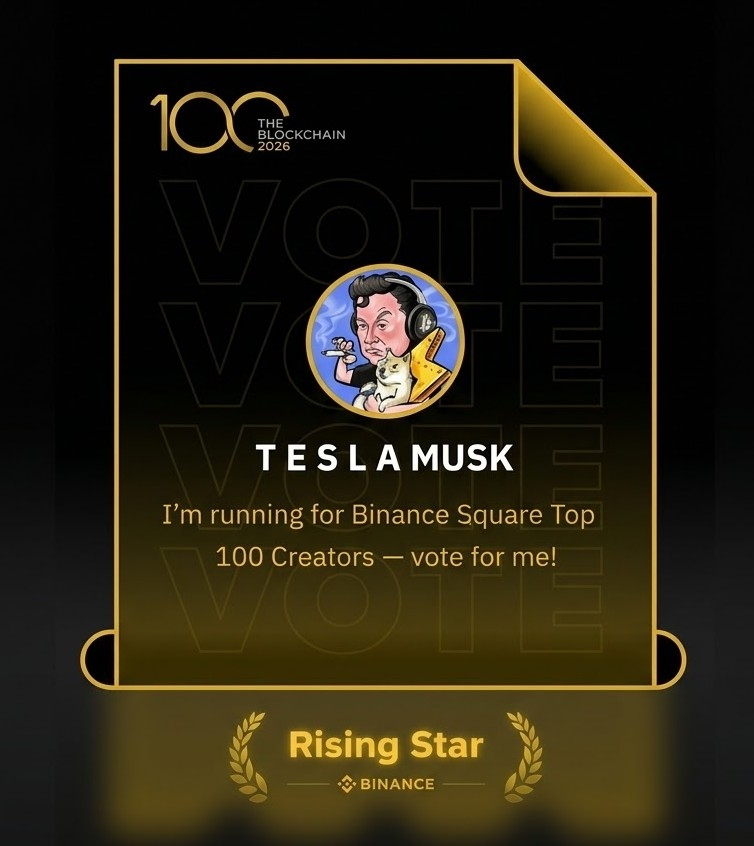
Голосуйте за T E S L A MUSK в категории Rising Star на Binance Square!
Заходите в профиль и жмите «Проголосовать»! Заранее всем спасибо! 🤝⚡
Голосовать можно каждый день! ☺️
$PHA
$ALT
#TESLAMUSKblockchein100risingstar
Голосуйте за T E S L A MUSK в категории Rising Star на Binance Square!
Заходите в профиль и жмите «Проголосовать»! Заранее всем спасибо! 🤝⚡
Голосовать можно каждый день! ☺️
$PHA
$ALT
#TESLAMUSKblockchein100risingstar
T E S L A MUSK
·
--
$SENTIS Привет, я хочу попросить карточку
Кто отправит мне эту карточку, тому я заплачу $10 🎁
Ваш Ай-ди будет у меня после отправки, для получения вознаграждения. 😘
Сюда отправлять карточку🙏💕
$AKE
$NB
Кто отправит мне эту карточку, тому я заплачу $10 🎁
Ваш Ай-ди будет у меня после отправки, для получения вознаграждения. 😘
Сюда отправлять карточку🙏💕
$AKE
$NB
T E S L A
·
--
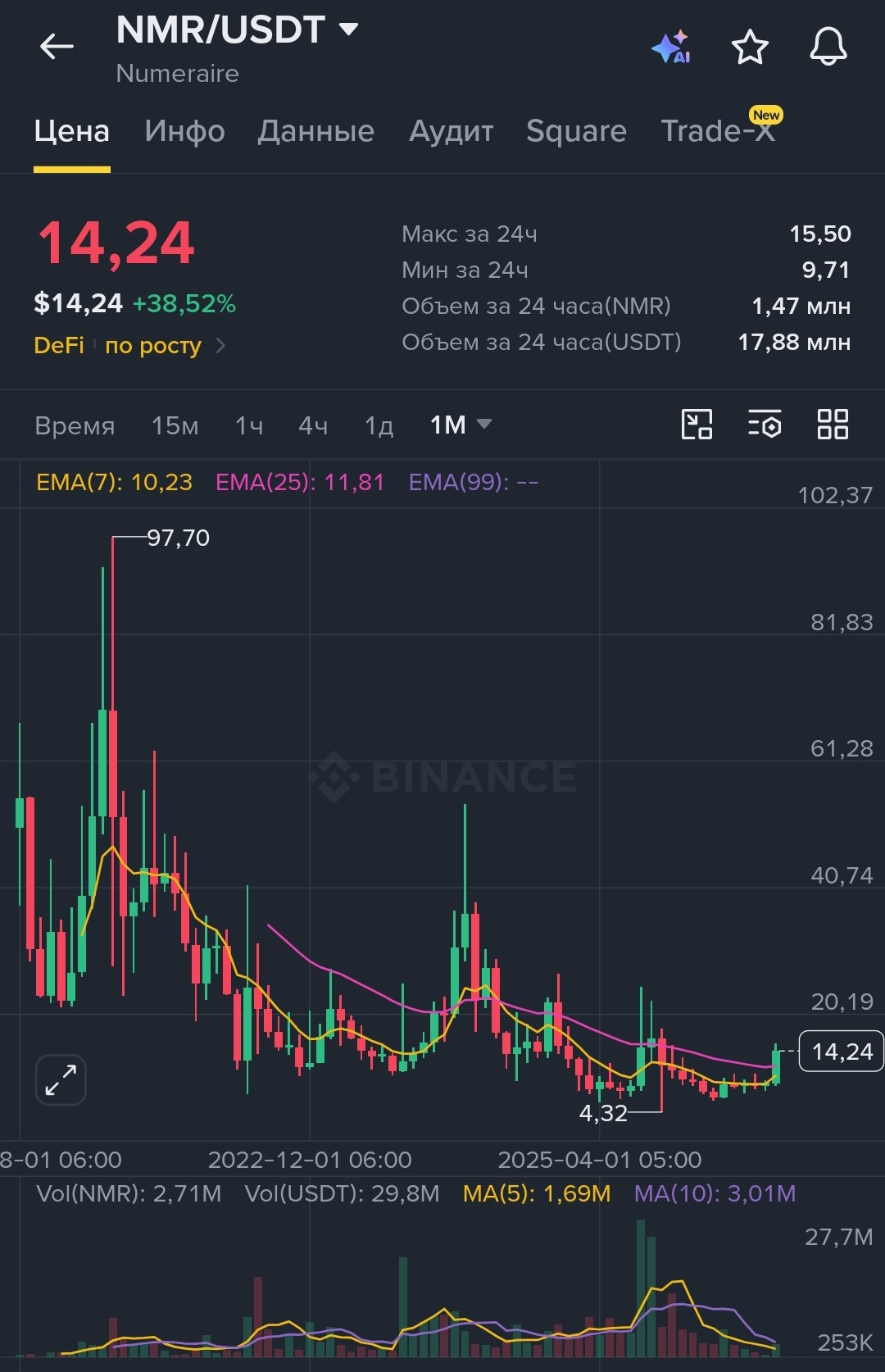
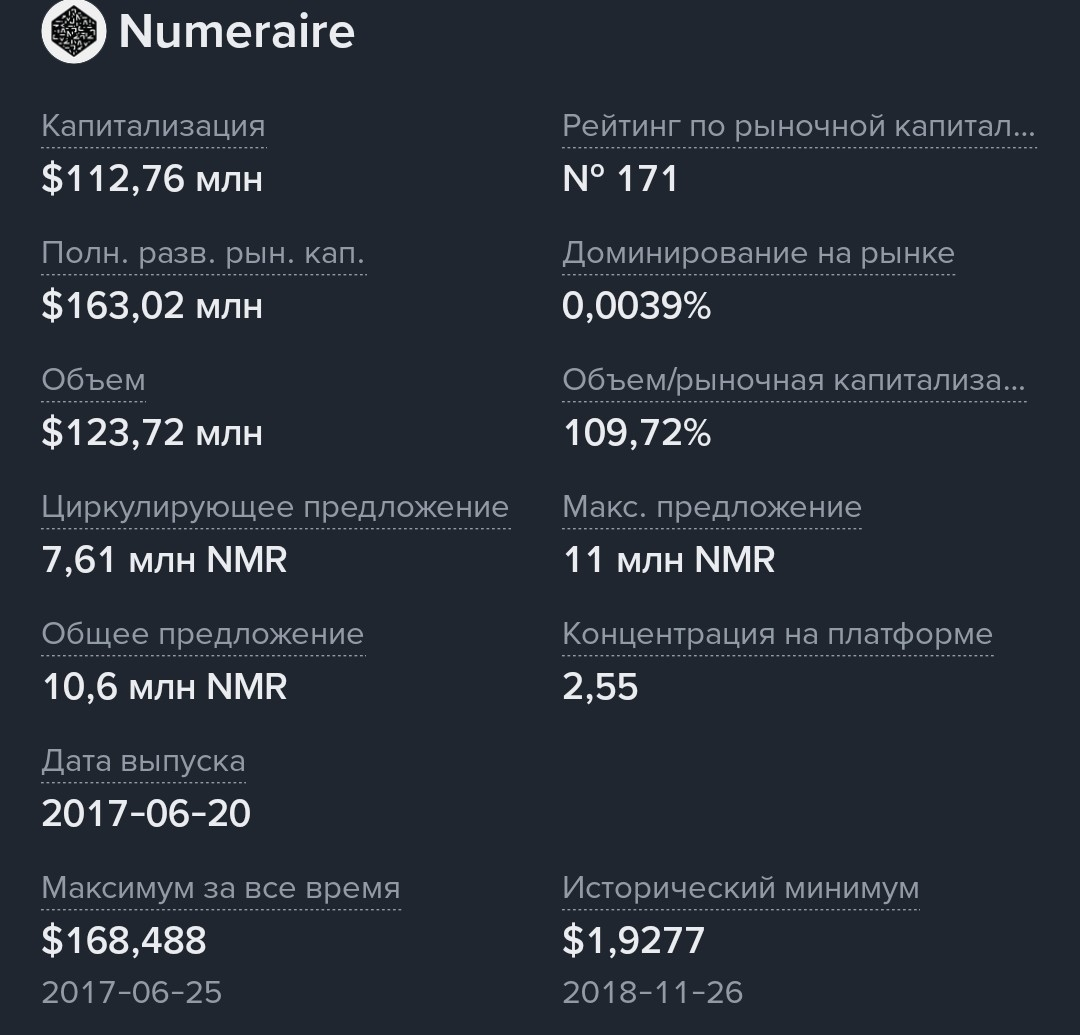
Bullishфинансы требуют порядка и точного контроля
T E S L A MUSK
·
--
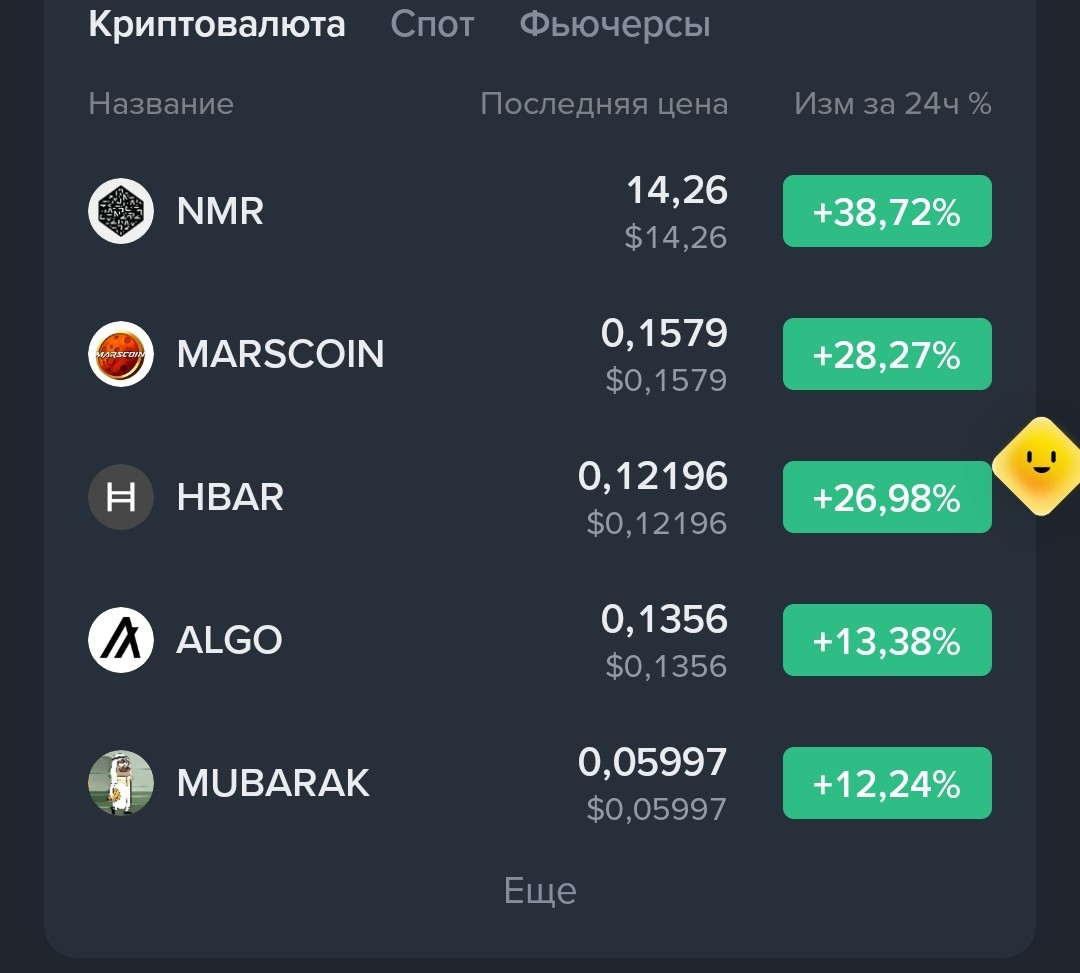
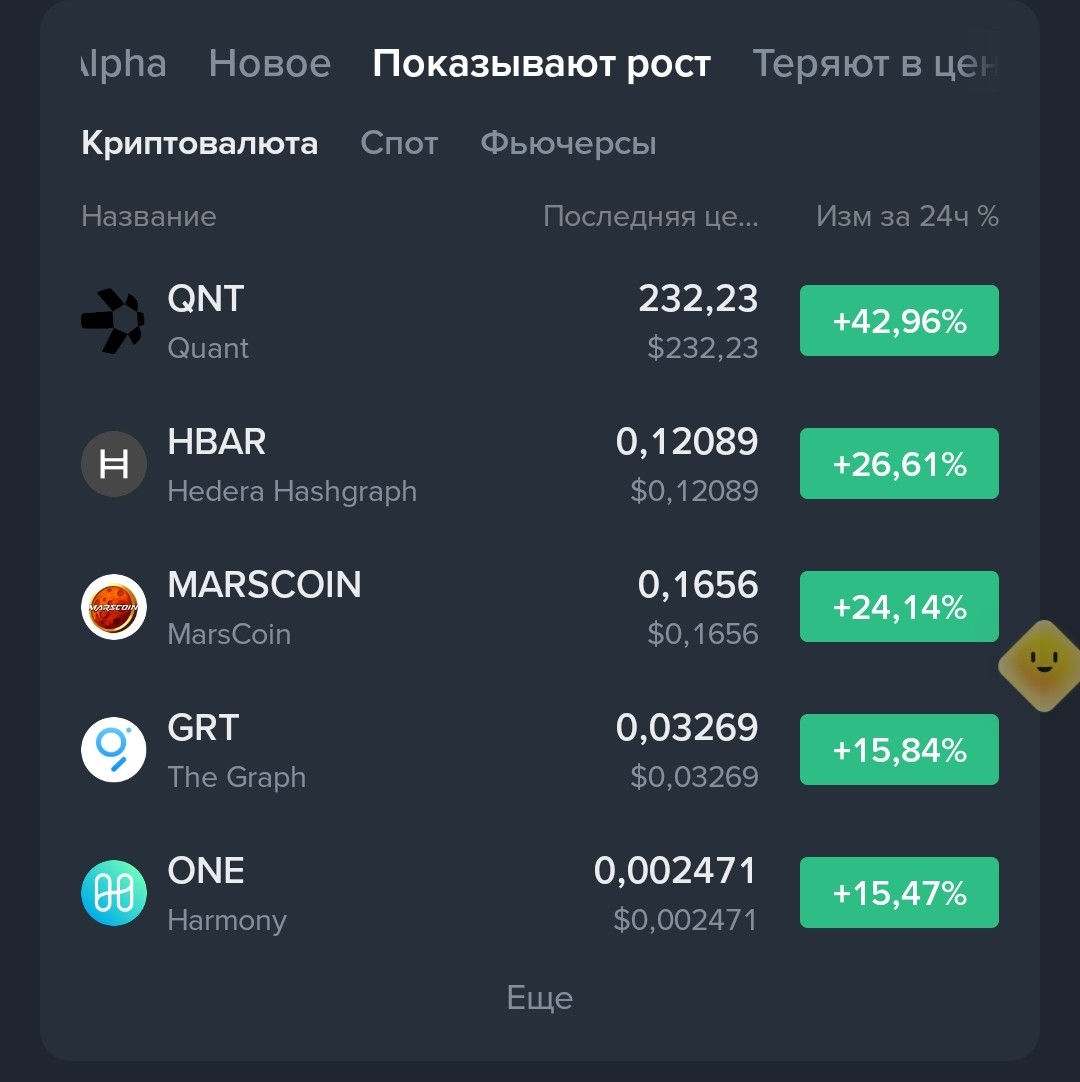
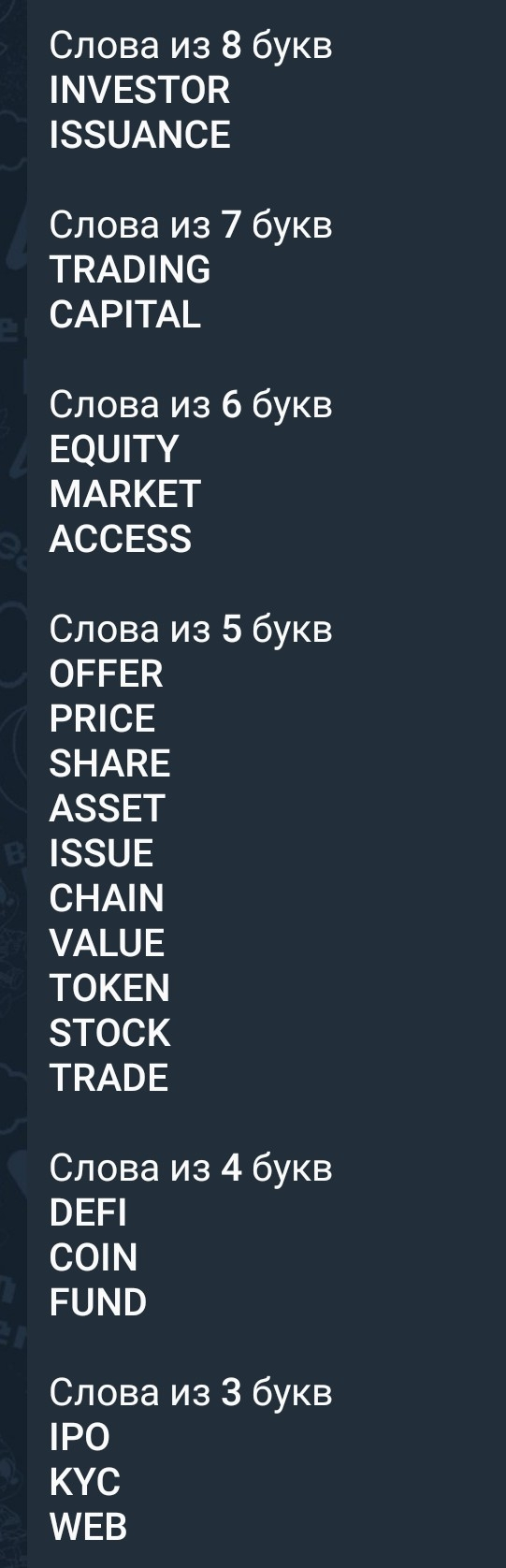
BullishТОП РОСТА 🔥🔥
T E S L A MUSK
·
--
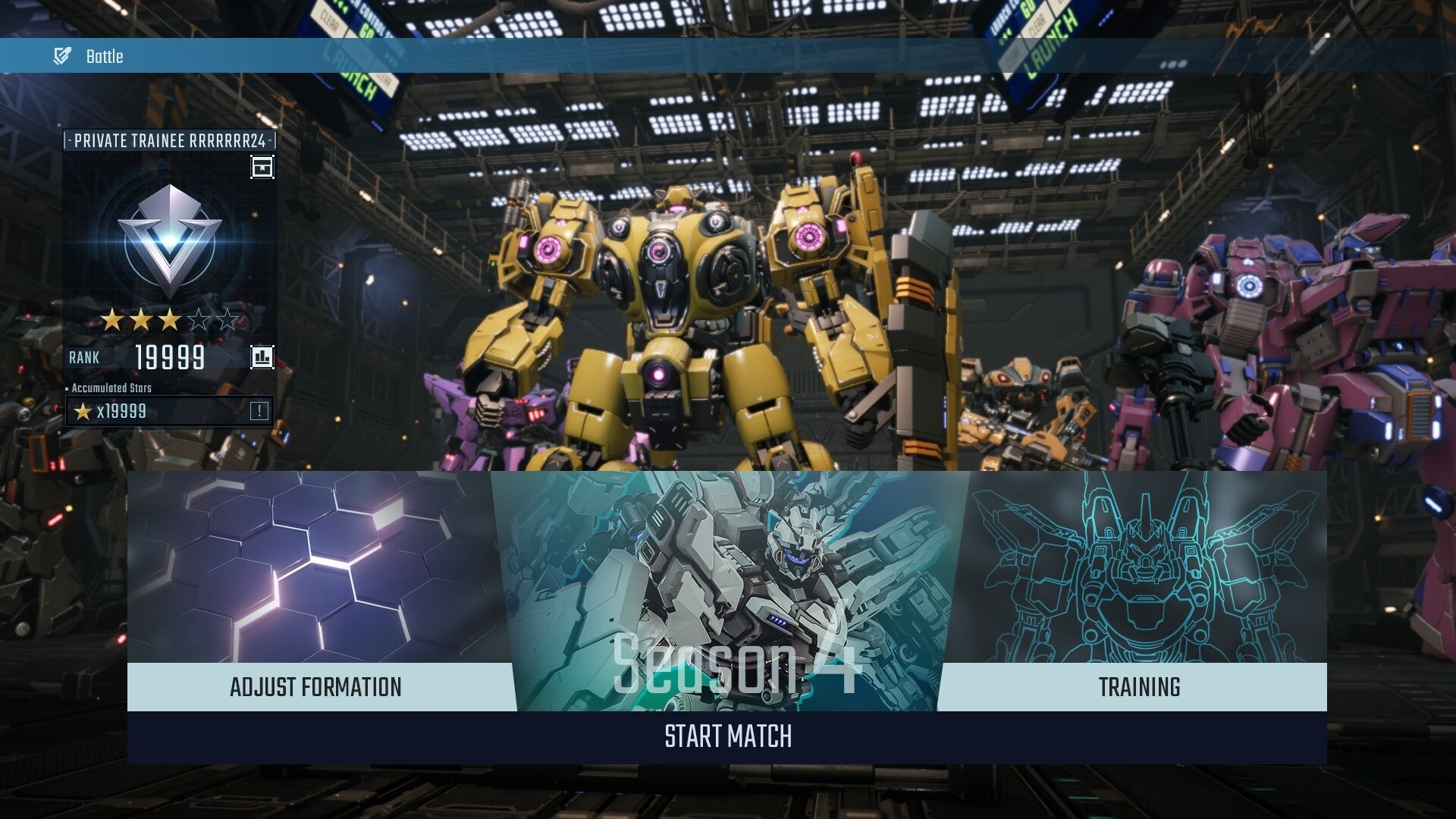
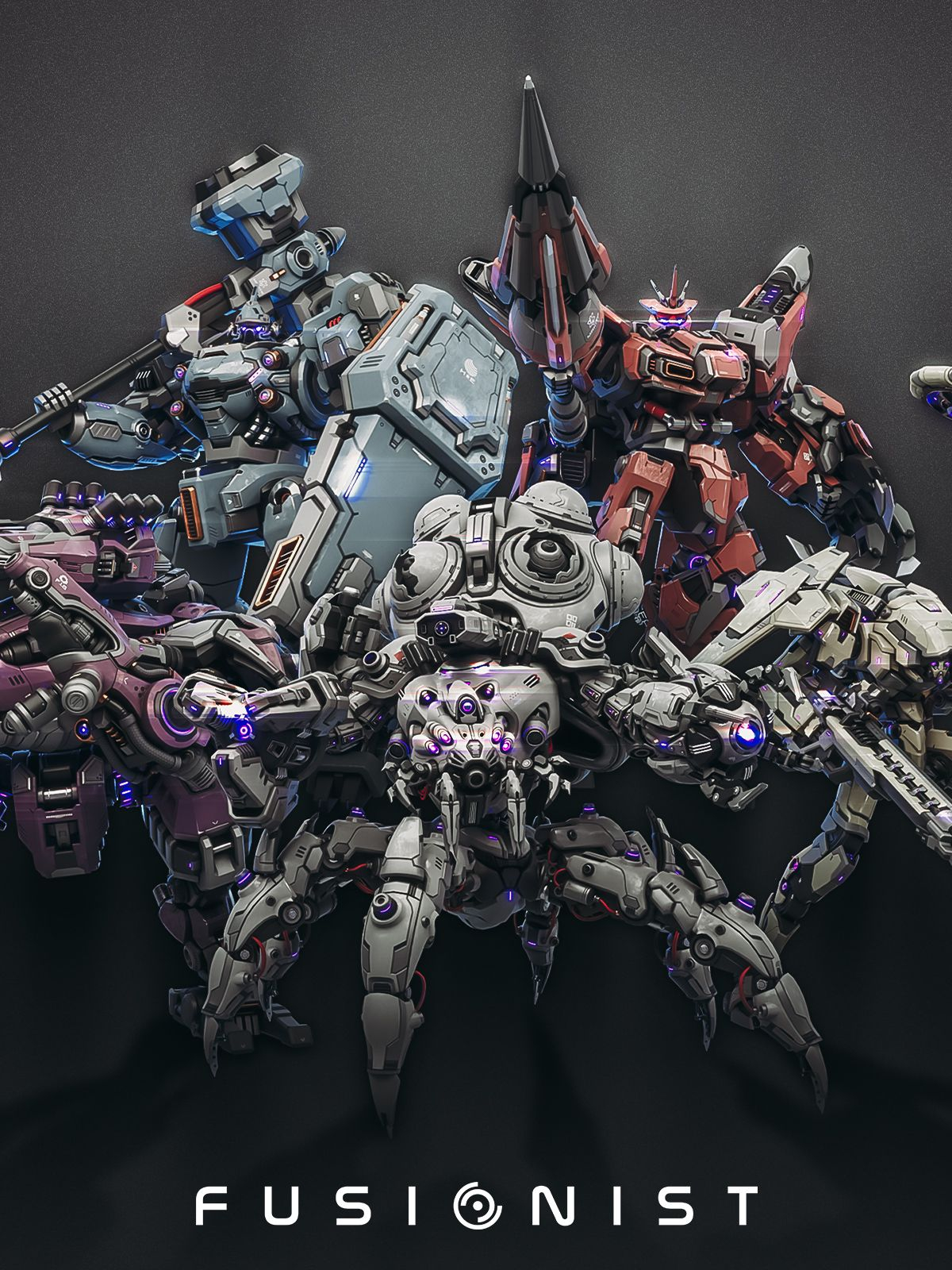
BullishFusionist $ACE — это многопользовательская стратегическая Web3-игра AAA-уровня в жанре научно-фантастических мех-сражений, работающая на собственном блокчейне.
Игровой процесс: Игроки выступают в роли командиров мехов, управляют планетами, собирают ресурсы, строят базы и участвуют в PvE- и PvP-сражениях.
Три модуля: Проект делится на направления Colonize (управление ресурсами), Conquer (тактические бои) и Unite (масштабная стратегия).
Технологии: Игра создана на движке Unity с использованием технологии HDRP для достижения графики высокого уровня.
Блокчейн и токен ACEСеть Endurance: Экосистема работает на собственном блокчейне, совместимом с Ethereum Virtual Machine (EVM).
Роль токена ACE: Является основным служебным и управляющим токеном. Используется для внутриигровых покупок, оплаты транзакций (газа) на платформе, стейкинга и в качестве наград для участников.
#ACE




T E S L A
·
--
Bullish$NIL Текущая цена — 0,06632 (+32,61%). Актив завершил долгое сползание, защитил уровень 0,02730 и технично вышел из затяжного боковика на огромных объемах в $12,17 млн.
Почему здесь заложен сильный импульс: Техника: Мы торгуемся значительно выше всех ключевых экспоненциальных средних. Пробой EMA(99) (0,04450) открывает дорогу к свободному росту, так как серьезных исторических стен продавцов вплоть до уровня 0,09470 просто нет.
Индикаторы: RSI(6) равен 88,87 — на дневке актив локально перегрет, но сильный приток ликвидности указывает на то, что это полноценный разворот тренда, а не временный отскок. Топливо для дальнейшего движения готово.
Торговая идея:
Покупка лесенкой от текущих цен (0,06632) до уровня 0,05900 на случай локального ретеста. Первая цель для сейва позиции — 0,07500. Основной ориентир для фиксации прибыли — 0,09400 (+41%). Стоп-лосс размещаем с запасом под динамическую поддержку — на 0,05300. $NIL
T E S L A MUSK
·
--
Bullish$PHA Что вижу сейчас: пружину сжали до предела, критический перегрев по индикаторам полностью снят. Переход проекта на Ethereum L2 и хайп вокруг децентрализованного ИИ (DeAI) создают мощнейший фундамент.Что предвижу: при фиксации над $0.06 открывается чистый технический вакуум. Жду импульсный выстрел на +68% с первой крупной целью в районе $0.10. ММ готов запустить вторую волну, шортистов будут брить без жалости. Работаю по ситуации.
$SEI вижу жесткий донный зажим, жду импульс на +50% к $0.09
$NIL вижу сильное донное, жду пробой $0.065 и импульс на +56% к целям около $0.10. Работаю по ситуации.
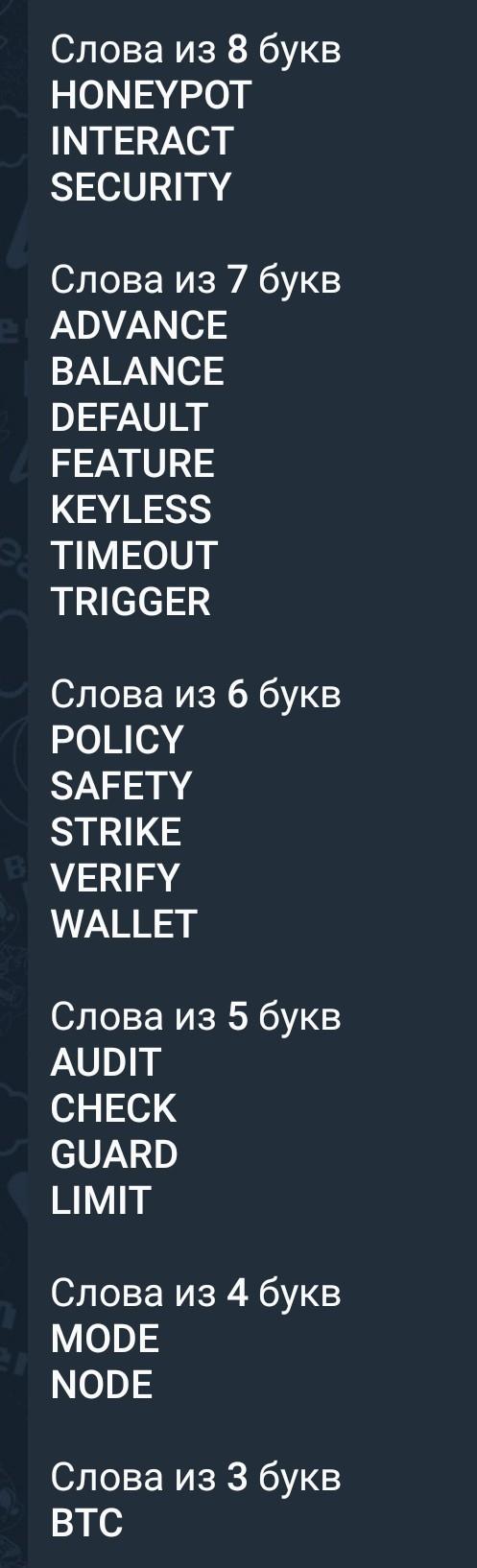
Crypto WODL Ответы на эту неделю 👇
$SEI вижу жесткий донный зажим, жду импульс на +50% к $0.09
$NIL вижу сильное донное, жду пробой $0.065 и импульс на +56% к целям около $0.10. Работаю по ситуации.
Crypto WODL Ответы на эту неделю 👇

Alisa_Trend
·
--
$AKE 🎁Давайте голосовать. Что нас ждёт утром. Заявки на продажу аж до 0.09 на покупки на 0.043002, 0.038 и 0.032 а ещё кто-то аж 16 дней хочет купить по 0.004 и 0.003 возможно, это тейки шортов
Что случиться за ночь и какая цена будет утром?
Просто к разлокам двигается и все, как мне кажется, разлок 21 кстати, получатели разлоков ничего не продали с прошлых разлоков, их баланс суммарно 201 миллион долларов.
Как начнут продавать я 🔔🔔🤫 Чтоб не пропустить, советую подписаться если вы не подписаны😊$F
👇$CGPT
Log in to explore more content