
Techgeeg 1
239 Posts

Techgeeg 1
Report
Block User
0 Following
1 Followers
10 Liked
Posts
·
--
An IPO is just the beginning of the market’s valuation journey.
With Anthropic’s reported $83 IPO price and approximately $1.5T valuation, the next big question is how the market will price the company after listing.
I’d be watching five things:
1. IPO price vs. actual market price.
2. Revenue growth vs. profitability.
3. Competition from other AI companies.
4. Investor demand and available shares.
5. Infrastructure costs and regulation.
These factors could shape how investors view Anthropic in its early days on Nasdaq.
Platforms like BingX may also provide exposure to Anthropic-related market developments through derivatives, but that’s different from owning actual Anthropic shares.
The real test begins after the IPO.
#IPO #Anthropic #Macro Insights# $ANTHROPIC

70
·
--
Having access to multiple markets is great, but what happens when it’s time to execute your trade? 👀
That’s where liquidity comes in.
Personally, I don’t just look at the number of assets a platform offers. I also want to know how deep the order book is, how competitive the spreads are and how smoothly orders get executed.
This is one thing I find interesting about BingX. It brings crypto and traditional markets like US stocks into one ecosystem while offering high liquidity across selected markets.
More market options are nice, but good execution matters just as much.
#BingXMultiAsset #BingXTradingEdge
$BTC

5
·
--
Market dips always get people’s attention. 😂
Some see red candles and panic, others start looking for potential entries. But honestly, buying the dip without a plan can be just as risky as chasing a pump.
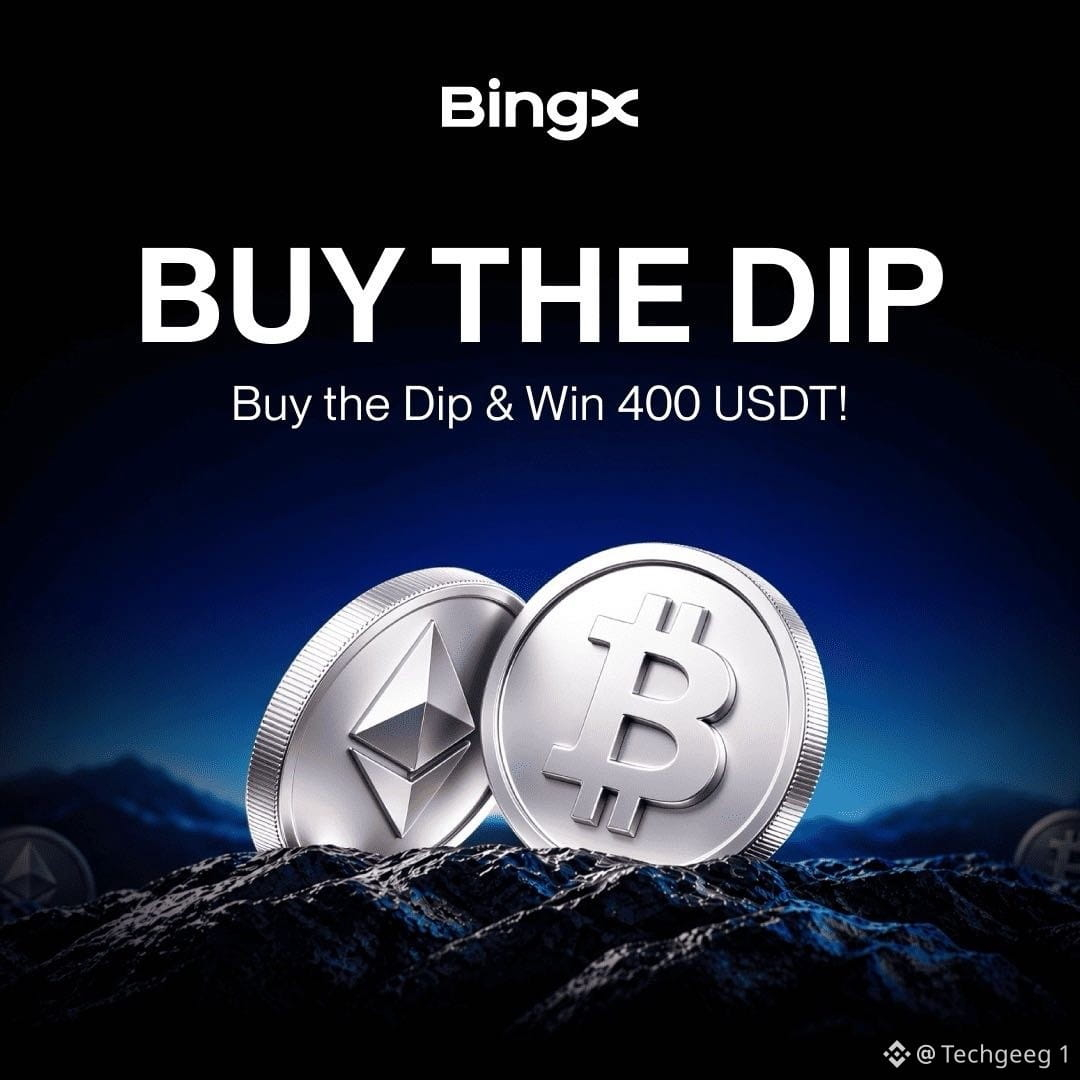
That’s why I find BingX’s Mainstream Coin Dip-Buying Event interesting.
There’s a 200,000 USDT prize pool, 50 USDT for new users after their first trade, 15 USDT daily rewards for active traders, and a chance to win up to 400 USDT.
If you’re already trading, it’s worth checking out. Just remember, a dip isn’t always the bottom.
#Crypto #BTC #BingX $BTC
·
--
Injective is quietly making some serious moves in the RWA space. 👀
Becoming an SEC-registered transfer agent is a big milestone, especially for a Layer 1.
But what I find more interesting is the work happening behind it. From POSCO and LG CNS exploring trade receivables to tokenized mortgages, equities and institutional infrastructure.
This is bigger than just putting assets onchain.
Injective is building the rails that could connect traditional finance with the onchain world.
And honestly, $INJ is becoming harder to ignore. 😂

63
·
--
Something interesting just happened in the US derivatives market.
The CFTC has approved a derivatives exchange and clearinghouse that runs on blockchain rails.
But what caught my attention isn’t just the approval. It’s the reasoning behind it.
The CFTC chairman basically made it clear that regulations should focus on standards, not the technology being used. Blockchain infrastructure should be held to the same standards as traditional financial markets.
And honestly, that’s a big deal.
I’ve been following Injective for a while, and this is a direction the ecosystem has been building towards.
Injective has operated fully onchain derivatives markets for five years, with over $85B cleared.
Now add $INJ staking exposure through the Nasdaq-listed $INJC ETF.
The interesting question is no longer whether blockchain can support serious financial markets.
It’s how quickly traditional finance will embrace it.
4
·
--
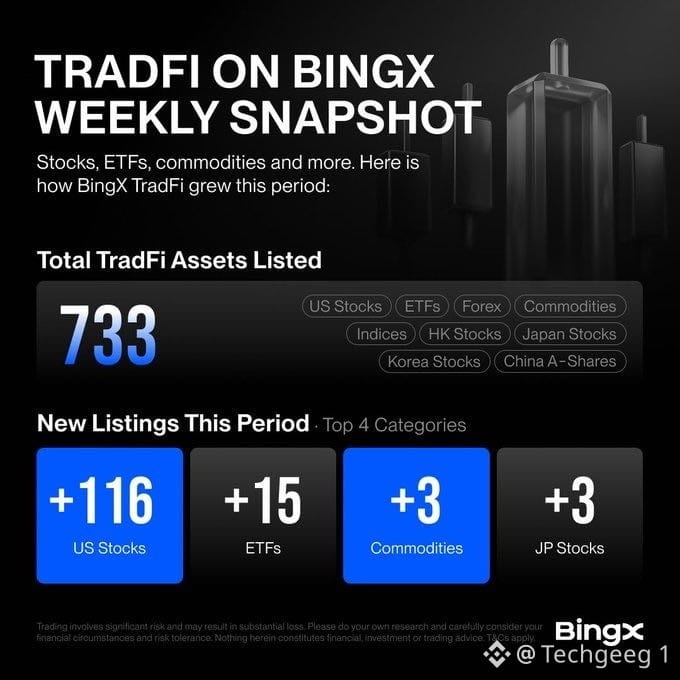
BingX continues to expand its multi-asset ecosystem with 730+ TradFi assets and 137 new listings.
What’s interesting is how this brings more traditional market opportunities, including stocks, commodities, indices and forex, into one platform.
The gap between crypto and traditional finance is gradually narrowing, and BingX is positioning itself around that shift.
#BingXTradFi
$BTC
What’s interesting is how this brings more traditional market opportunities, including stocks, commodities, indices and forex, into one platform.
The gap between crypto and traditional finance is gradually narrowing, and BingX is positioning itself around that shift.
#BingXTradFi
$BTC
1
·
--
Traditional markets are becoming more accessible through crypto platforms, but understanding the products matters.
BingX offers both TradFi Futures and CFDs, giving traders different ways to access traditional assets. However, contract structures, margin requirements and trading fees vary.
Understanding these differences helps traders make informed decisions and manage risk within the BingX TradFi ecosystem.
- #BingXTradFi
- #BingX
$BTC

2
·
--
NBIS is worth watching as demand for AI infrastructure continues to grow.
But beyond the asset itself, execution quality matters. Liquidity and order-book depth can influence how efficiently larger positions are opened or closed.
BingX reports NBIS order-book depth of 55.1K USDT at 10 bps, 382K at 50 bps and 1.12M at 100 bps. Useful metrics to examine before placing a trade.
#BingXTradingEdge
$AI

·
--
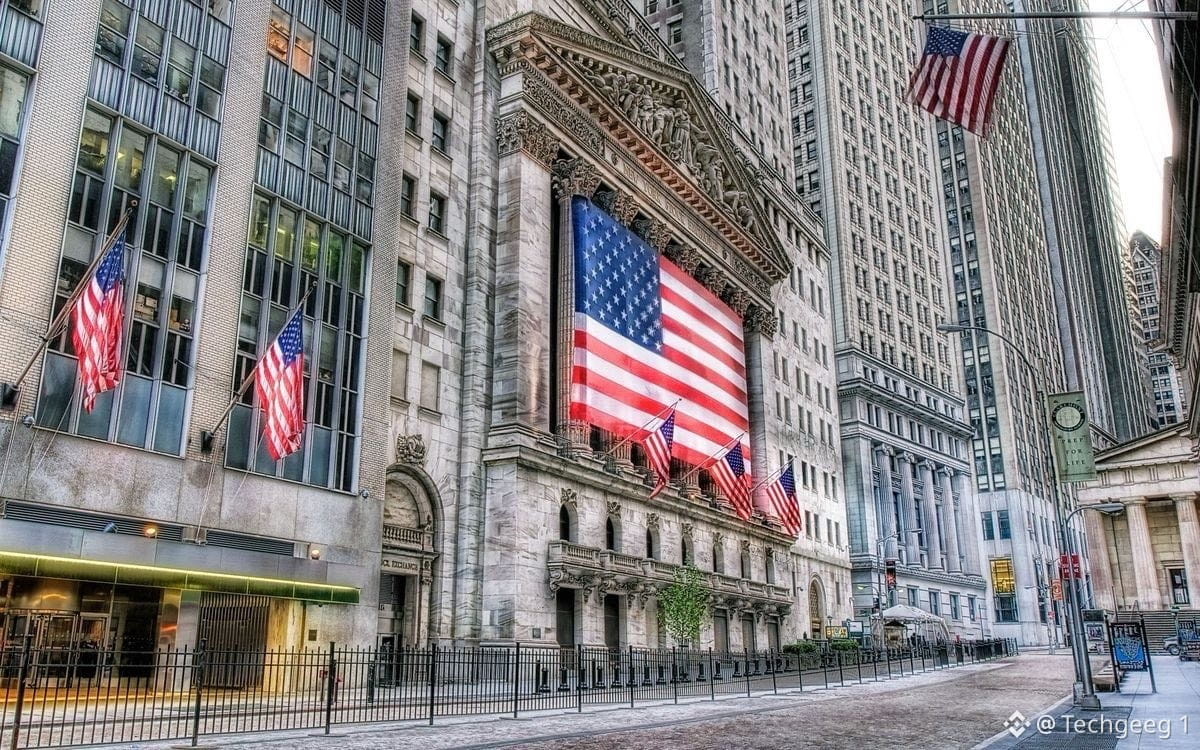
Something interesting is happening in finance. Wall Street is exploring blockchain, while crypto platforms are expanding into traditional markets.
I think this convergence makes sense. People want access to more markets without having to think in terms of separate financial worlds.
BingX is part of this shift, bringing crypto, stocks, forex, indices and commodities closer together.
Its MiCA licence from Austria’s FMA also marks an important step in its European expansion.
The future might not be TradFi versus DeFi. It might be both working together.
#BingXEU #BingXEUMica
$BTC
2
·
--
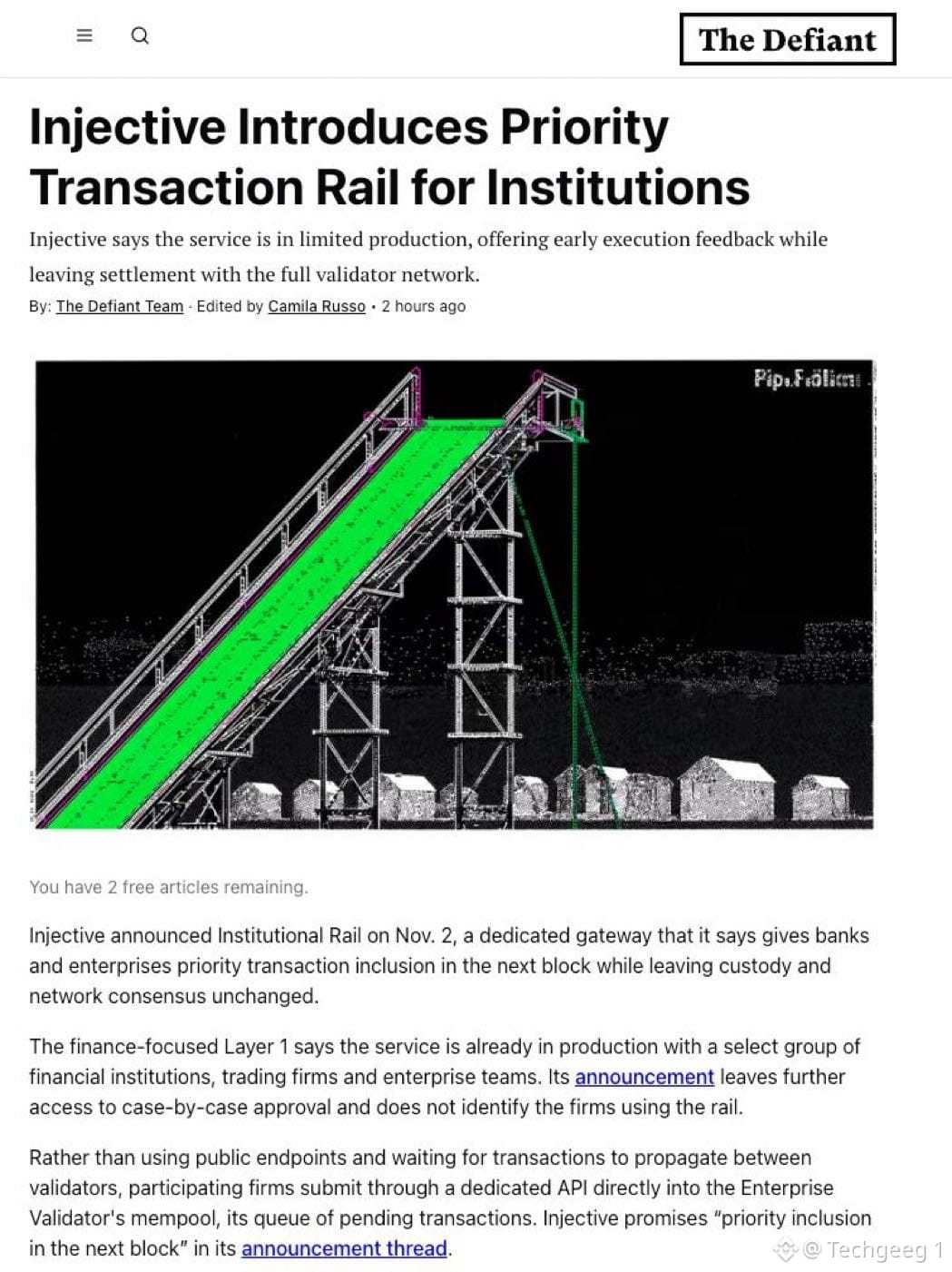
Speed alone isn’t enough for institutional finance. Banks need reliability, control and certainty.
That’s where Injective Institutional Rail comes in, giving institutions direct access to block production, next-block inclusion and custom permissions.
It’s another step towards making onchain finance more practical for traditional institutions.
The future isn’t just faster transactions. It’s infrastructure institutions can trust.
$INJ #Macro Insights#
70
·
--
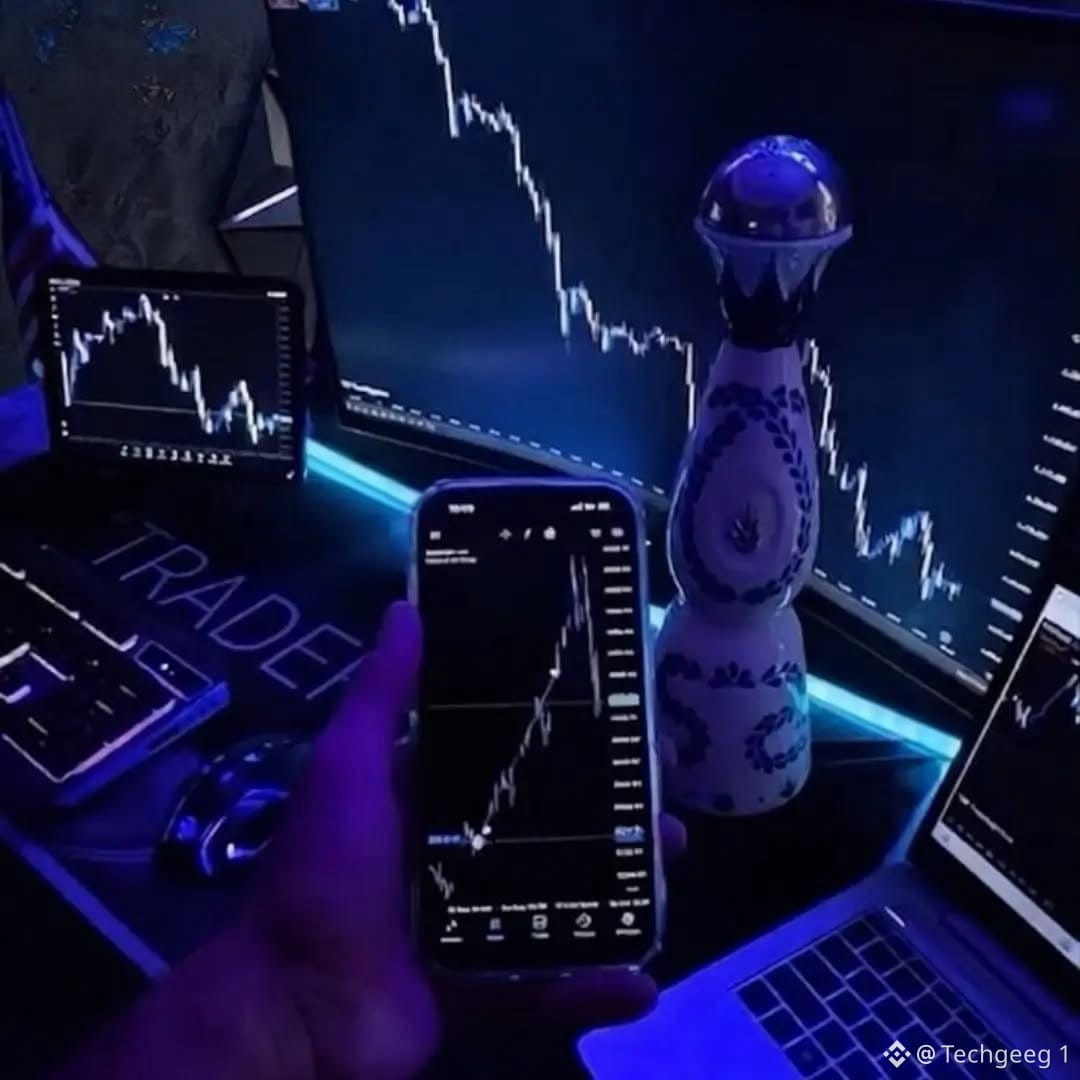
The interesting part of crypto adoption isn’t just bringing more people into digital assets. It’s watching crypto infrastructure expand into markets that have existed long before crypto itself.
USDT is already a major part of how people move value and trade across crypto markets. Now, using USDT as margin for perpetual futures tied to stocks, indices, commodities and forex introduces another layer of utility.
What makes this interesting is the shift in accessibility. Traders can use a familiar crypto-based settlement asset to gain price exposure to traditional markets without necessarily moving into conventional brokerage infrastructure.
For BingX, this is an example of how crypto-native trading infrastructure can connect different financial markets under one ecosystem.
The bigger question is: Are we moving towards a financial system where the boundaries between crypto and traditional markets matter less and less?
That’s a development worth watching.
#BingX #TradFi #Crypto
·
--
The AI race is expanding beyond technology and into financial markets.
Anthropic’s proposed IPO is creating fresh interest in the company’s valuation and future potential. Interestingly, BingX has already introduced an Anthropic Pre-IPO futures product, allowing eligible users to access synthetic price exposure before its anticipated public debut.
One important distinction: pre-IPO futures are not actual company shares. They offer derivative-based price exposure, not ownership or shareholder rights.
BingX also has an ongoing Pre-IPO Giveaway campaign, subject to eligibility and specific terms.
What’s interesting is how platforms like BingX are bringing private-market developments into the wider TradFi conversation.
Understanding what you’re trading matters just as much as the opportunity itself.
#BingX #Anthropic #PreIPO #TradFi
$ANTHROPIC
·
--
One thing I find interesting about global markets is how connected they really are.
Gold reacts to inflation fears and uncertainty. Oil responds to supply, demand and geopolitical tensions. Currencies move with interest rates and economic data, while stock indices reflect the broader health and expectations of entire markets.
Different assets, different drivers, but they all tell a piece of the same financial story.
This is where BingX CFD gets interesting. It brings exposure to multiple traditional asset categories, including gold, forex, stock indices and oil, into one platform.
For anyone trying to understand how different markets move and interact, having these markets accessible in one place creates an interesting opportunity to explore beyond crypto.
But accessibility is only one part of the equation. Understanding what drives each asset, the contract specifications, spreads, fees and leverage risks matters just as much.
The real edge isn’t simply having more markets to trade. It’s understanding why they move.
$OIL #CFD #Macro Insights#

·
--
Crypto is global, but the rules that shape its growth are becoming increasingly regional.
And I think this is one of the most interesting developments to watch in the industry.
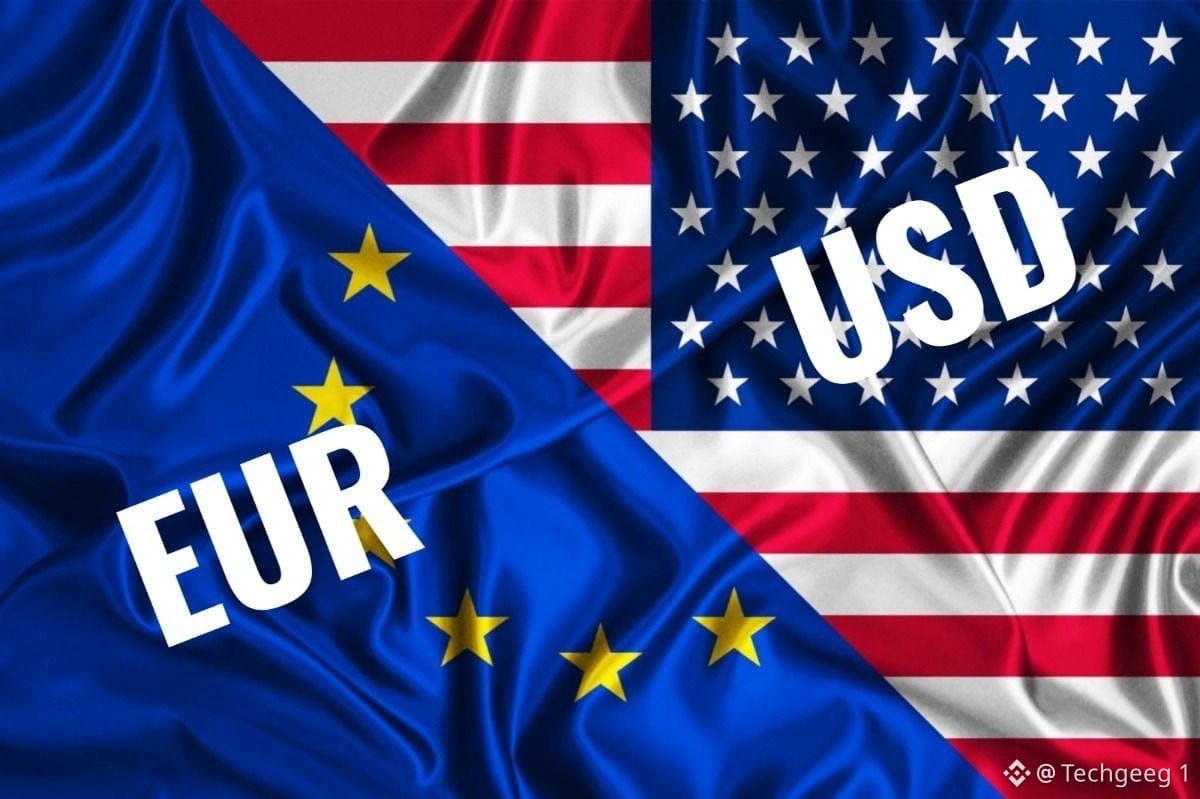
The US and EU are taking different approaches to crypto regulation. While the EU is building a unified framework through MiCA, the US continues to navigate a more fragmented system involving federal and state-level regulators.
For exchanges, this isn’t just about compliance. It affects market access, business expansion, product availability, institutional confidence and ultimately how users interact with crypto.
Take BingX EU, for example. Securing a MiCA licence from Austria’s Financial Market Authority is an important step towards establishing its presence in the European market.
But here’s what I find particularly interesting:
The next phase of crypto adoption may be shaped as much by regulatory positioning as by technology.
An exchange could have great products, deep liquidity and millions of users, but its ability to operate across major markets will also depend on how well it navigates local regulations.
MiCA offers a common regulatory framework across the EU, while the US presents a different set of regulatory and market conditions.
Both regions have opportunities and challenges.
The real question is no longer just who can attract the most traders, but who can build a sustainable business across different regulatory environments.
Do you think regulatory clarity will become one of the biggest competitive advantages for crypto exchanges?
$EURC $USDT #MiCA #Macro Insights#
75
·
--
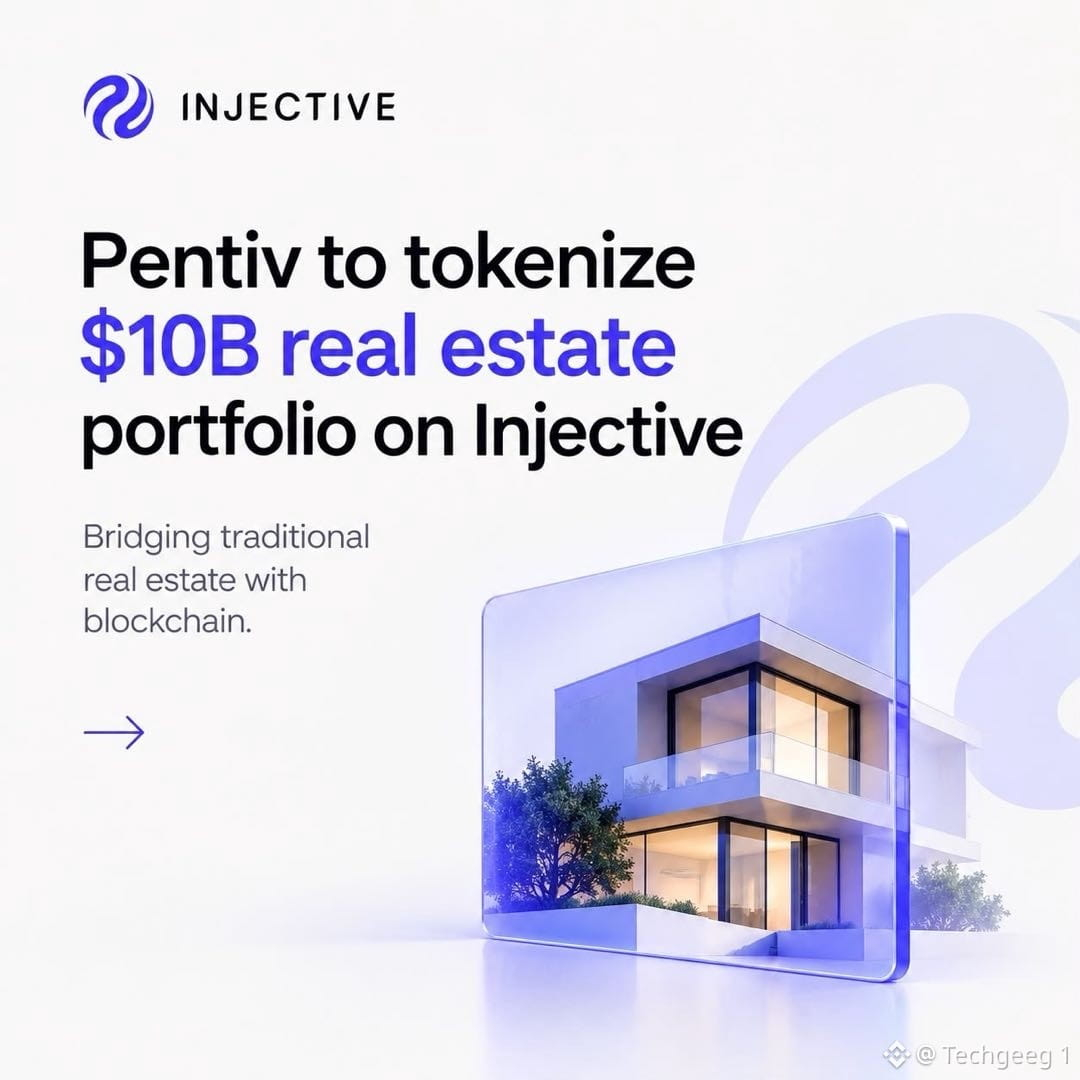
Real estate is becoming an interesting part of the RWA conversation, and Injective is right in the middle of it.
Pineapple Financial plans to tokenize its $10B real estate portfolio on Injective through Pentiv. The company has already tokenized $1B in residential mortgage records and aims to bring more than 29,000 mortgages onchain.
What I find interesting is the bigger picture.
We’re not just talking about putting assets on a blockchain. We’re seeing traditional finance explore new ways to manage real-world assets, while AI agents could help automate parts of the process.
Add the proposed Canary $INJ staking ETF and new USDC bridging routes, and Injective’s financial ecosystem keeps expanding.
The $10B portfolio plan is still ahead, so I’ll be watching how it develops.
Real estate, AI, and blockchain coming together? This is the kind of RWA use case worth paying attention to. 🔥
What do you think will drive RWA adoption the most: real estate, stocks, or commodities?
81
·
--
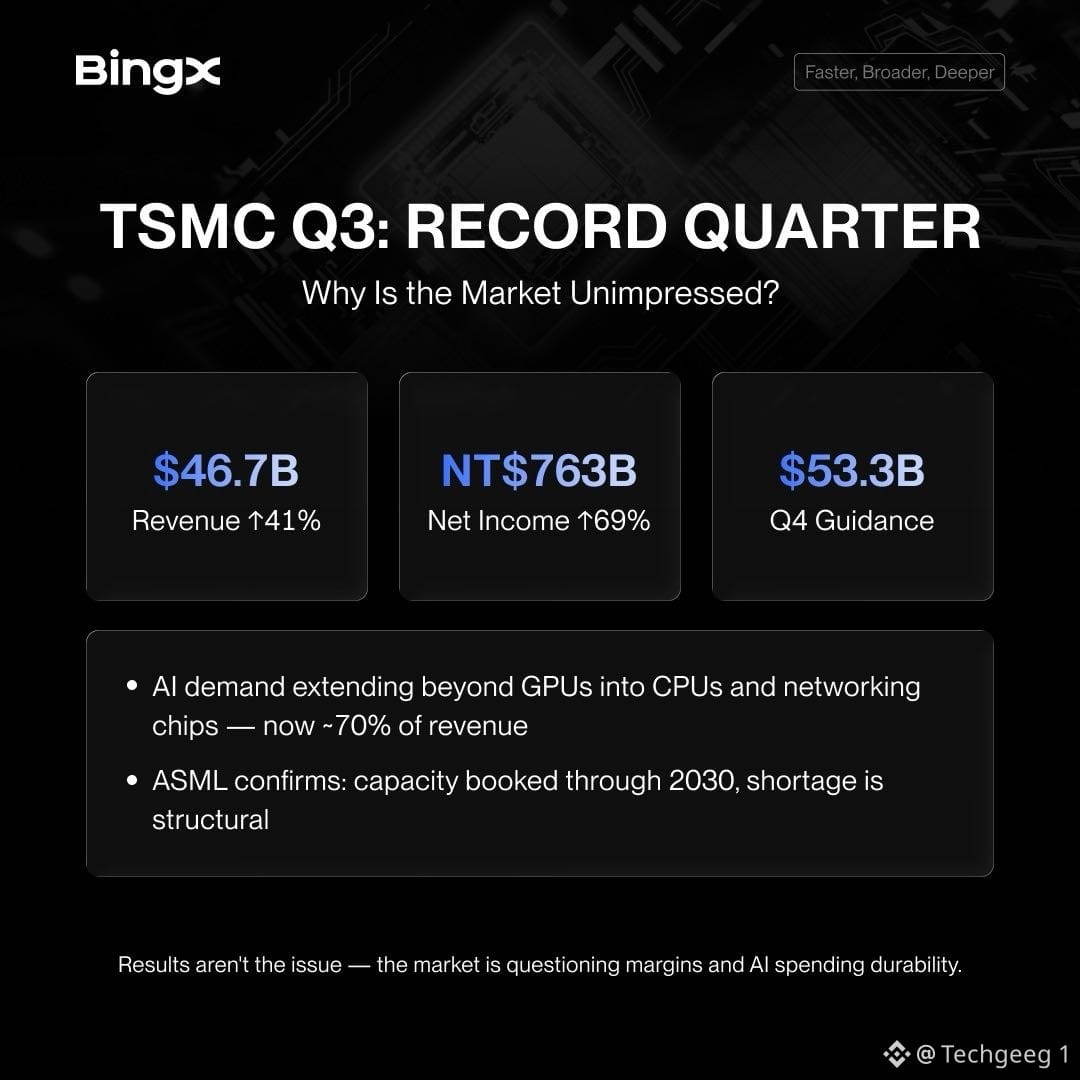
$TSMC is putting up some serious numbers.
Revenue up 41.2% and net income up 68.7%. AI demand is clearly creating huge opportunities for chipmakers.
But I think the bigger question is how sustainable this growth will be.
Building more capacity costs billions, and strong demand doesn’t automatically mean higher profits forever.
I’m watching how TSMC balances rising AI demand, production costs, and long-term margins.
The AI trade is still interesting, but the real test is turning all that demand into sustainable profits. $TSM
96
·
--
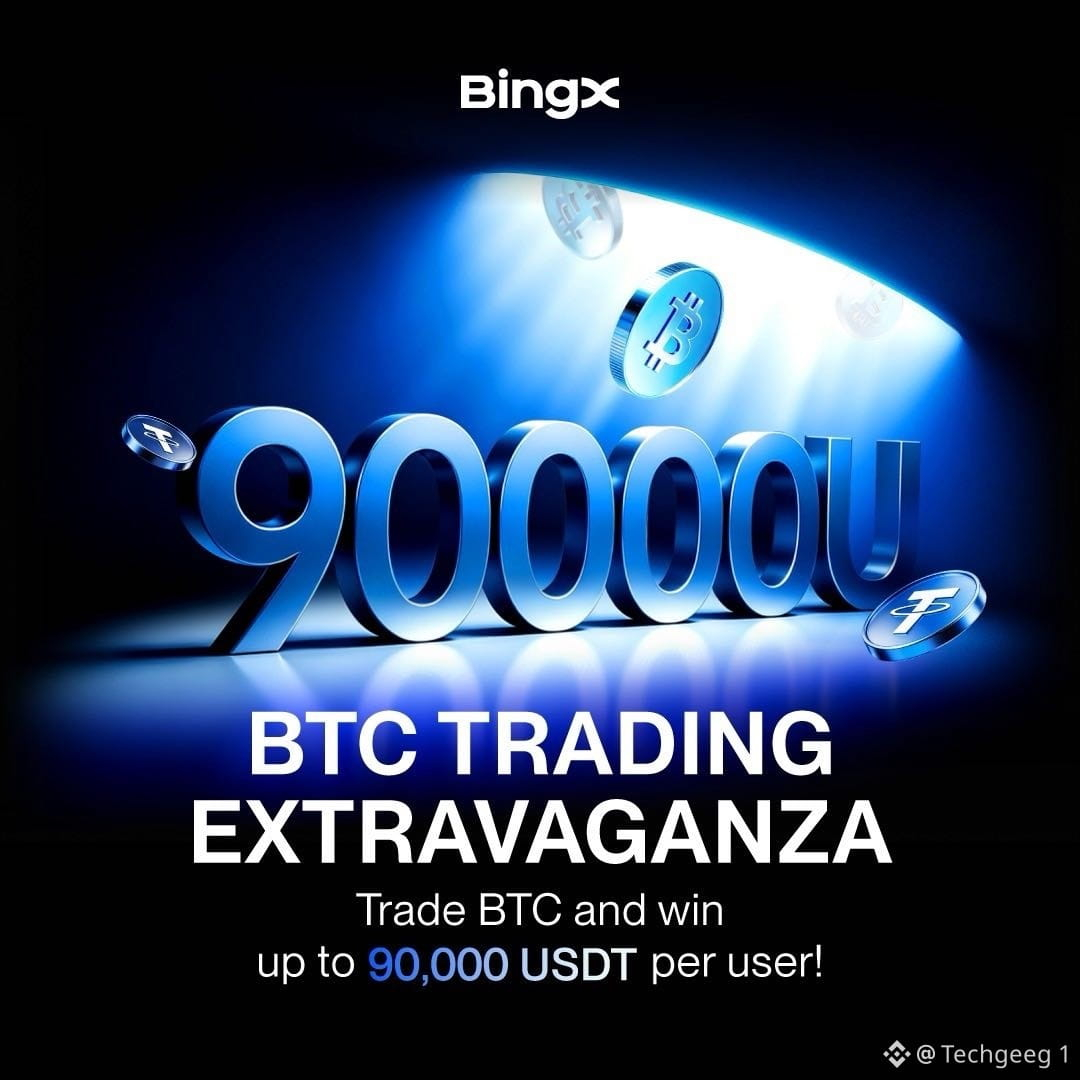
If you’re already trading BTC, getting extra rewards on top is worth looking into.
BingX has a BTC campaign with a $300K prize pool, up to 90,000 USDT for one winner, and daily trading rewards for eligible users.
Just make sure you understand the rules and requirements before joining.
#BTC #BingX
$BTC
BingX has a BTC campaign with a $300K prize pool, up to 90,000 USDT for one winner, and daily trading rewards for eligible users.
Just make sure you understand the rules and requirements before joining.
#BTC #BingX
$BTC
1
·
--
South Korea blocking 27 crypto exchanges is a reminder that access to your assets matters just as much as owning them.
What caught my attention is the withdrawal issue. If users can no longer access an exchange normally, getting their funds out could become a serious problem.
But I don’t think the biggest question is just which exchanges were blocked.
It’s what happens to the people who trusted those platforms with their money.
Three things I’m watching:
→ Whether affected users can still withdraw their funds.
→ Whether this creates selling pressure on certain tokens.
→ Whether other countries take similar action against unregistered exchanges.
One important thing to understand: a platform being blocked in South Korea doesn’t automatically mean its global operations have shut down or that users have lost their assets.
Still, this is a good reminder to check the regulatory status of the platforms you use and avoid keeping all your funds on a single exchange.
What’s your take? Is this mainly about protecting users or another sign of how much regulatory pressure crypto exchanges are facing?
$BTC #Altcoin Season#
65
·
--
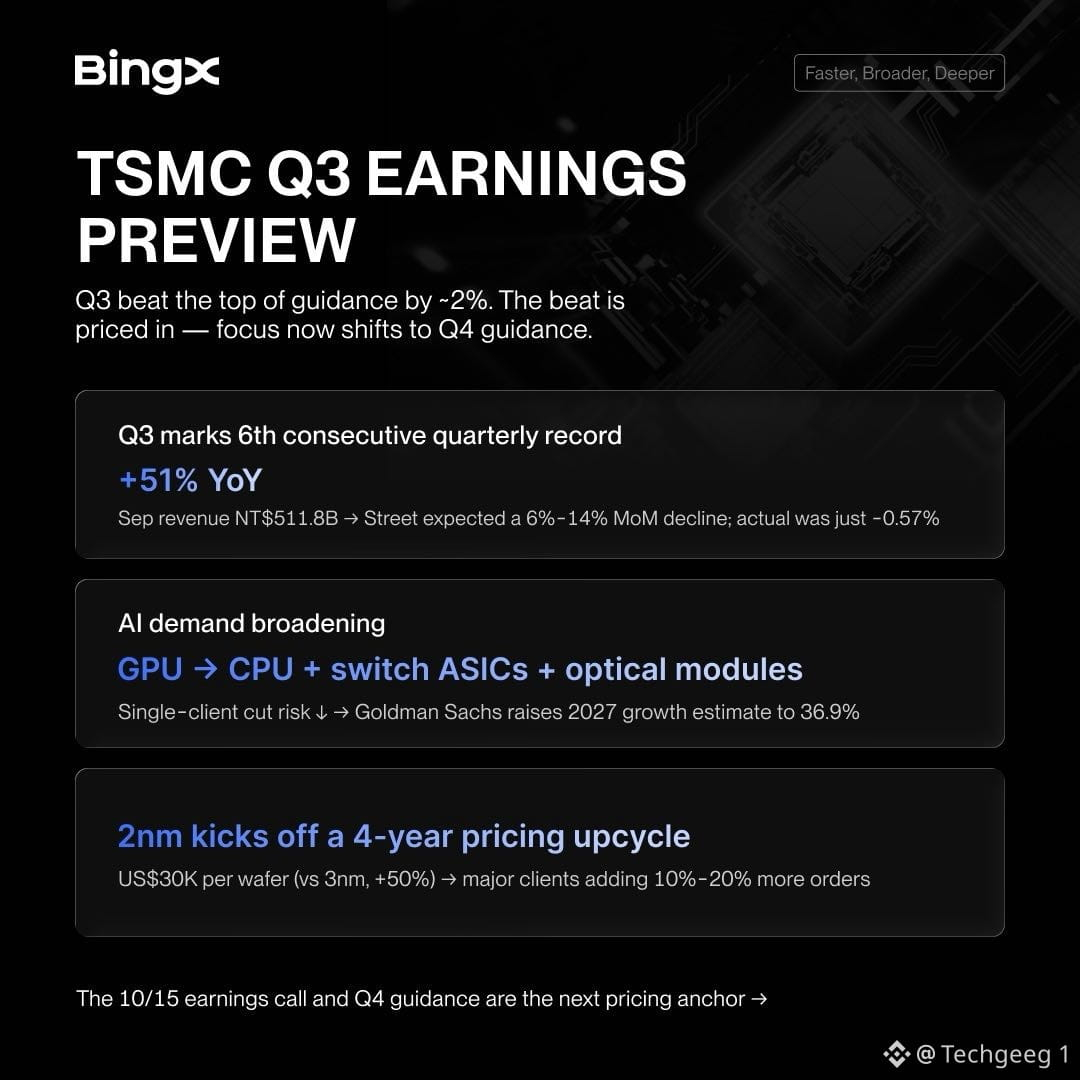
TSMC’s record revenue shows that AI chip demand is still strong, but I’m more interested in what comes next.
October 15 could be a big day for $TSM. Q4 guidance, profit margins, and management’s outlook will tell us more about whether this growth can continue.
I’m keeping $TSM on my watchlist through BingX TradFi and waiting for the numbers before making any moves. 👀
October 15 could be a big day for $TSM. Q4 guidance, profit margins, and management’s outlook will tell us more about whether this growth can continue.
I’m keeping $TSM on my watchlist through BingX TradFi and waiting for the numbers before making any moves. 👀
137
·
--
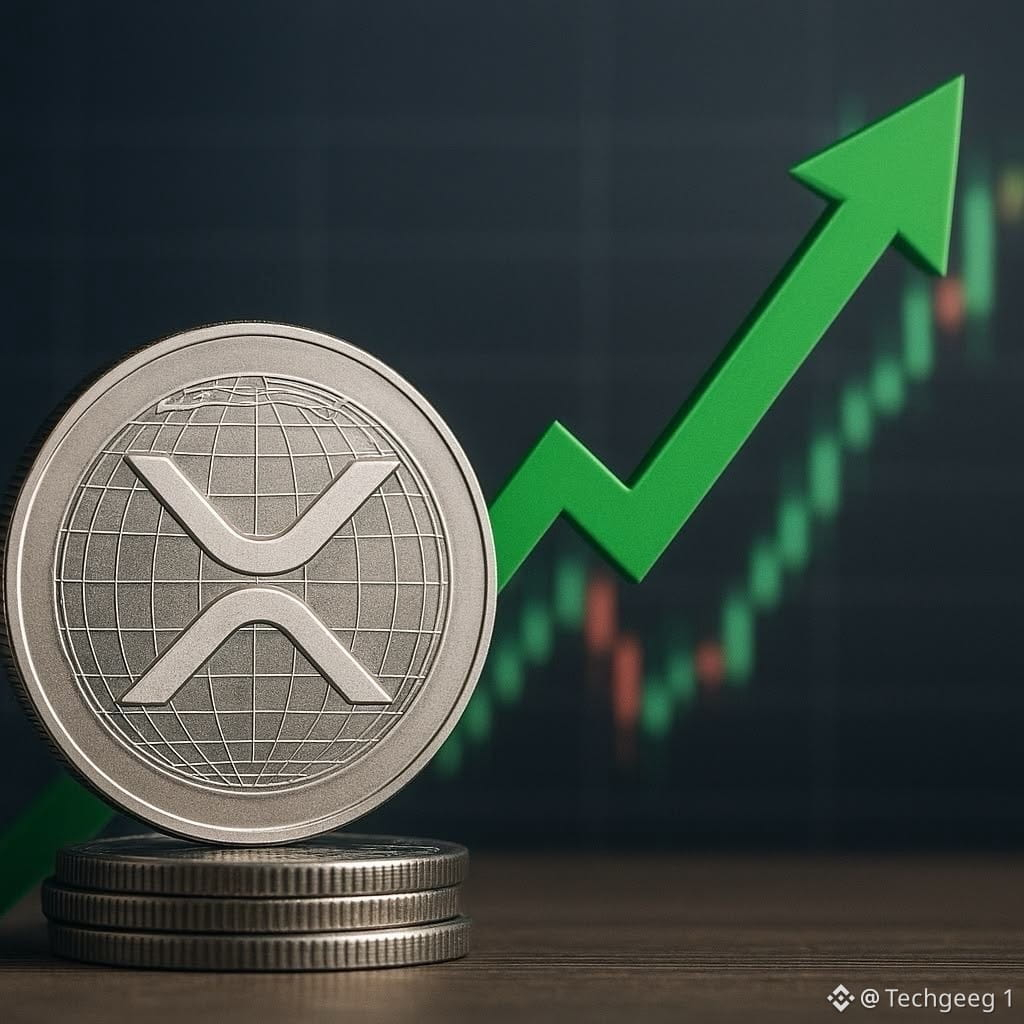
XRP’s ETF story is getting interesting.
Another $3.14M flowed into spot XRP ETFs on Oct. 6, pushing total inflows to around $1.79B.
Yet XRP still fell from $1.52 to $1.46.
Institutional demand is clearly there, but sellers are still in control short term. Worth watching which side wins next.
$XRP
XRP’s ETF story is getting interesting.
Another $3.14M flowed into spot XRP ETFs on Oct. 6, pushing total inflows to around $1.79B.
Yet XRP still fell from $1.52 to $1.46.
Institutional demand is clearly there, but sellers are still in control short term. Worth watching which side wins next.
$XRP
Another $3.14M flowed into spot XRP ETFs on Oct. 6, pushing total inflows to around $1.79B.
Yet XRP still fell from $1.52 to $1.46.
Institutional demand is clearly there, but sellers are still in control short term. Worth watching which side wins next.
$XRP
79
Log in to explore more content
Join global crypto users on Binance Square
⚡️ Get latest and useful information about crypto.
💬 Trusted by the world’s largest crypto exchange.
👍 Discover real insights from verified creators.
Email / Phone number
Trending Topics
NvidiaLoses$2.7TrillionInMonthAndAHalf
25,489 views
150 Discussing
Nvidia’s $2.7 Trillion Wipeout: When Narrative Overrides Numbers 📉
Crypto With Faisal
·7 Likes
·5.9k views
CanBTCReboundAfterFallingBelow60K?
819,593 views
3,075 Discussing
GlobalStocksFaceLongestLosingStreakSince2023
303,900 views
2,057 Discussing