

Kaan Kaya 1
429 Posts

Kaan Kaya 1
Report
Block User
Web3 strategist | On-chain analyst Building new projects, sharing smart money insights 📊 Open to collaborations with teams creating real value.
0 Following
1 Followers
17 Liked
Posts
·
--
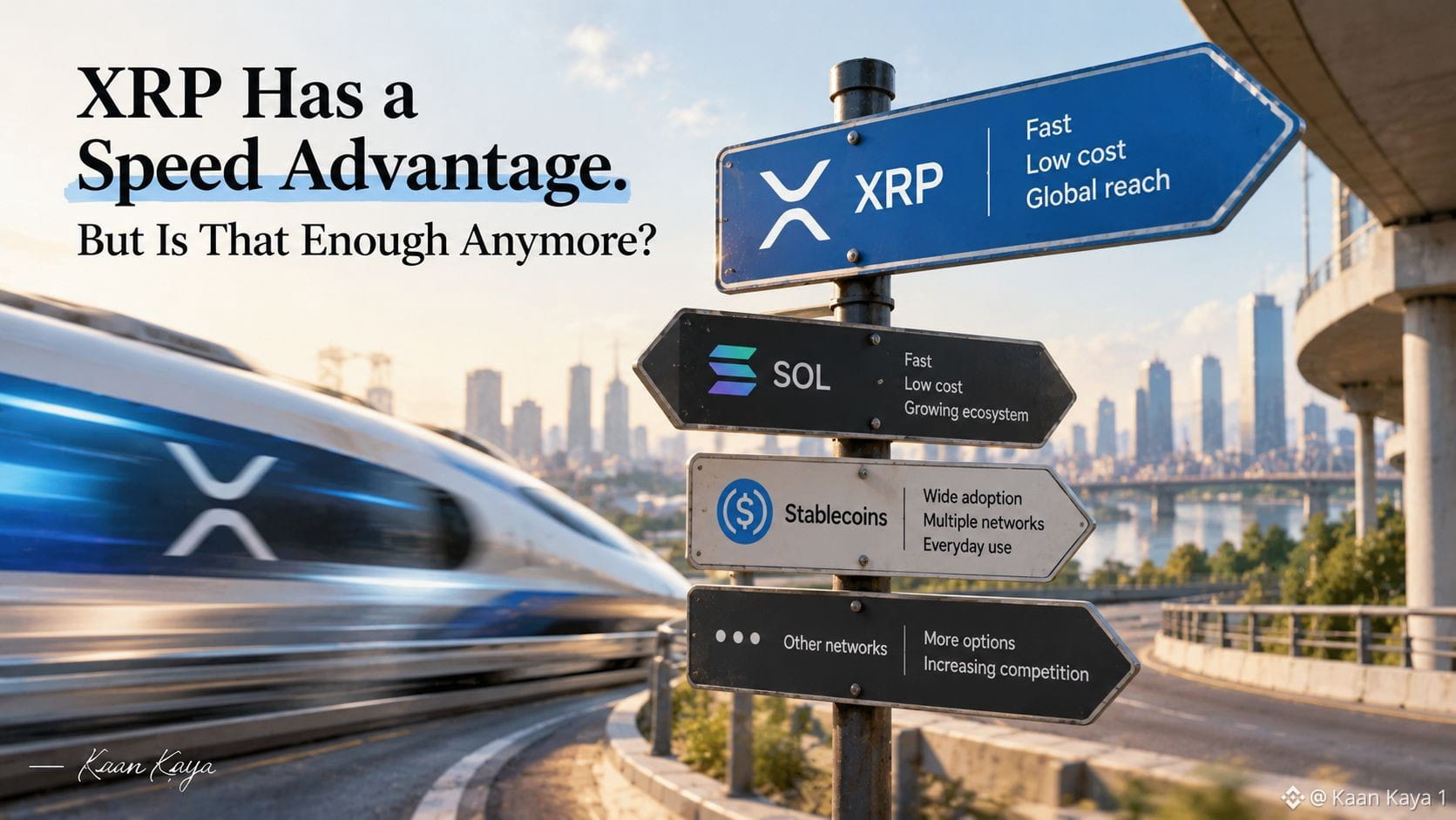
XRP Has a Speed Advantage. But Is That Enough Anymore? Remember when fast, cheap transfers were a huge selling point in crypto? That's basically been $XRP 's pitch for years. But now you've got $SOL , stablecoins on multiple networks, and plenty of other ways to move money without paying much. So I'm curious where XRP's biggest advantage actually sits today. Is it the technology, the payment partnerships, or simply being a name people already recognize? Not saying XRP is going anywhere. Just feels like the competition has caught up in some areas. Anyone still using XRP for transfers, or mostly holding it these days? #Macro Insights# #Altcoin Season#
XRP Has a Speed Advantage. But Is That Enough Anymore? Remember when fast, cheap transfers were a huge selling point in crypto? That's basically been $XRP 's pitch for years. But now you've got $SOL , stablecoins on multiple networks, and plenty of other ways to move money without paying much. So I'm curious where XRP's biggest advantage actually sits today. Is it the technology, the payment partnerships, or simply being a name people already recognize? Not saying XRP is going anywhere. Just feels like the competition has caught up in some areas. Anyone still using XRP for transfers, or mostly holding it these days? #Macro Insights# #Altcoin Season#
66
·
--
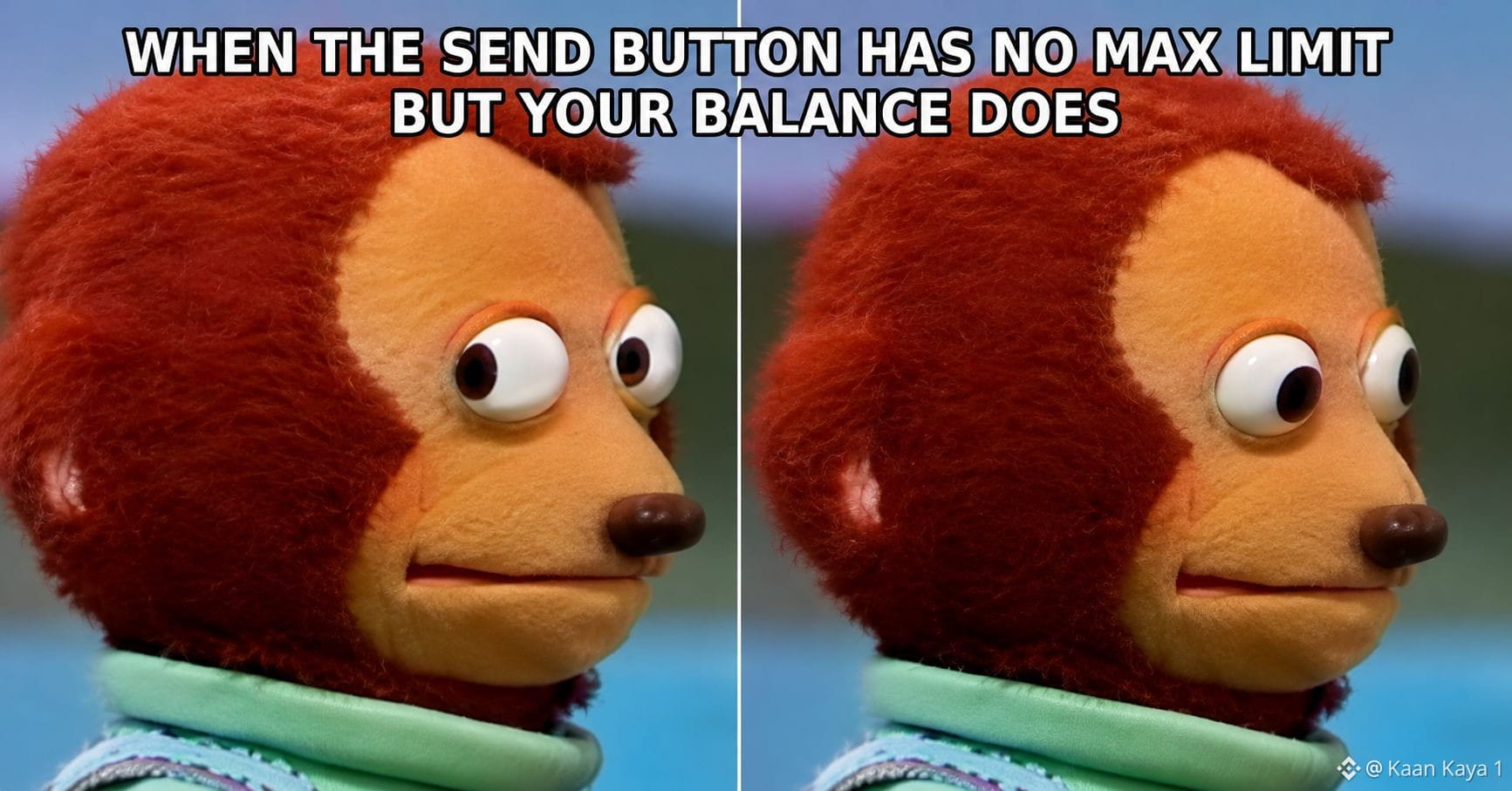
🔍 I Went Looking for Transfer Limit and Hit My Own Balance First I’ve used enough $BTC wallets and exchange apps to expect every “send” button to come with a catch. Usually it’s a minimum that makes small transfers pointless or a daily cap that kicks in right when you need to move more 🙃 So when I opened QuickSend in the WhiteBIT app, I did what I always do with a new transfer feature and went looking for the edges before sending anything real. https://bit.ly/4dBD8CM First I tried the smallest amount, and it went down to the equivalent of 1 USDT. Then I typed a number far bigger than anything I’d actually send and waited for the usual “limit exceeded” message. It never came, because QuickSend has no maximum limit, and the only thing that stopped me was my own balance 😅 The rest works the way you’d expect from a messenger. You pick the person by nickname or scan their QR code, the money arrives right away, and there are 10 seconds to cancel if you hit send by mistake. It made me look at the other transfer tools on my phone differently. Most of them quietly pick one job. Some are built for splitting lunch, with tiny amounts and low caps, and others for moving serious money, with minimums high enough that you’d never send a friend a few dollars through them. Here the same screen handles a coffee for a colleague and a much bigger transfer without switching apps. I spent a minute testing the limits and ended up thinking about how much those numbers say about who a tool is meant for. Next time I need to send someone a few dollars or move a larger amount, it’ll be the same button 🙂 Disclaimer: This is not financial or investment advice. Do your own research before making any decisions. Use at your own risk. #BTC Price Analysis# #Bitcoin Price Prediction: What is Bitcoins next move?#
🔍 I Went Looking for Transfer Limit and Hit My Own Balance First I’ve used enough $BTC wallets and exchange apps to expect every “send” button to come with a catch. Usually it’s a minimum that makes small transfers pointless or a daily cap that kicks in right when you need to move more 🙃 So when I opened QuickSend in the WhiteBIT app, I did what I always do with a new transfer feature and went looking for the edges before sending anything real. https://bit.ly/4dBD8CM First I tried the smallest amount, and it went down to the equivalent of 1 USDT. Then I typed a number far bigger than anything I’d actually send and waited for the usual “limit exceeded” message. It never came, because QuickSend has no maximum limit, and the only thing that stopped me was my own balance 😅 The rest works the way you’d expect from a messenger. You pick the person by nickname or scan their QR code, the money arrives right away, and there are 10 seconds to cancel if you hit send by mistake. It made me look at the other transfer tools on my phone differently. Most of them quietly pick one job. Some are built for splitting lunch, with tiny amounts and low caps, and others for moving serious money, with minimums high enough that you’d never send a friend a few dollars through them. Here the same screen handles a coffee for a colleague and a much bigger transfer without switching apps. I spent a minute testing the limits and ended up thinking about how much those numbers say about who a tool is meant for. Next time I need to send someone a few dollars or move a larger amount, it’ll be the same button 🙂 Disclaimer: This is not financial or investment advice. Do your own research before making any decisions. Use at your own risk. #BTC Price Analysis# #Bitcoin Price Prediction: What is Bitcoins next move?#
·
--
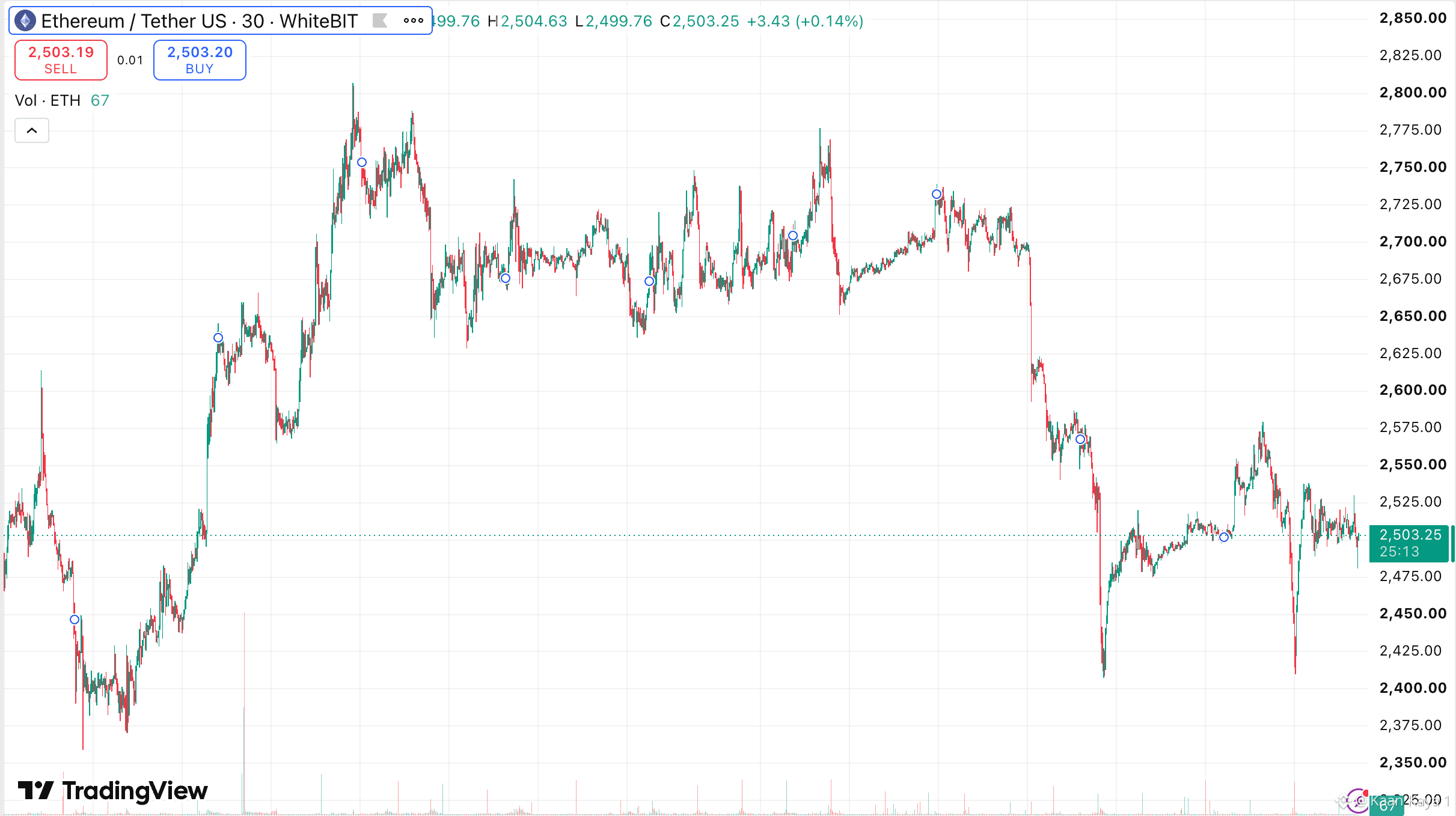
Everyone Wants the Next Altcoin Season. But Who's Actually Buying? Every time Bitcoin slows down for a few days, the altcoin season predictions start appearing again. Someone posts an ETH/BTC chart, someone else finds a forgotten 2021 pattern, and suddenly half the timeline is talking about a rotation. 😂 But there's one thing I'd want to see before getting excited: are people actually putting new money into altcoins, or just moving the same capital around? Imagine $BTC stays flat while $ETH gains 5%, then traders take profits and move into $SOL , which gains another 8%. A handful of charts look great, but that doesn't necessarily mean the overall market has attracted much fresh capital. And there's nothing wrong with rotations. They're part of how crypto markets work. I just think there's a difference between a few popular tokens outperforming and hundreds of smaller projects finding sustained demand. For now, I'd be watching whether trading volume broadens beyond the usual names and whether rallies hold up after the first wave of excitement. Because calling an altcoin season after three green candles is easy. Actually making money through one is a completely different experience. #BTC Price Analysis# #Bitcoin Price Prediction: What is Bitcoins next move?#
Everyone Wants the Next Altcoin Season. But Who's Actually Buying? Every time Bitcoin slows down for a few days, the altcoin season predictions start appearing again. Someone posts an ETH/BTC chart, someone else finds a forgotten 2021 pattern, and suddenly half the timeline is talking about a rotation. 😂 But there's one thing I'd want to see before getting excited: are people actually putting new money into altcoins, or just moving the same capital around? Imagine $BTC stays flat while $ETH gains 5%, then traders take profits and move into $SOL , which gains another 8%. A handful of charts look great, but that doesn't necessarily mean the overall market has attracted much fresh capital. And there's nothing wrong with rotations. They're part of how crypto markets work. I just think there's a difference between a few popular tokens outperforming and hundreds of smaller projects finding sustained demand. For now, I'd be watching whether trading volume broadens beyond the usual names and whether rallies hold up after the first wave of excitement. Because calling an altcoin season after three green candles is easy. Actually making money through one is a completely different experience. #BTC Price Analysis# #Bitcoin Price Prediction: What is Bitcoins next move?#
65
·
--
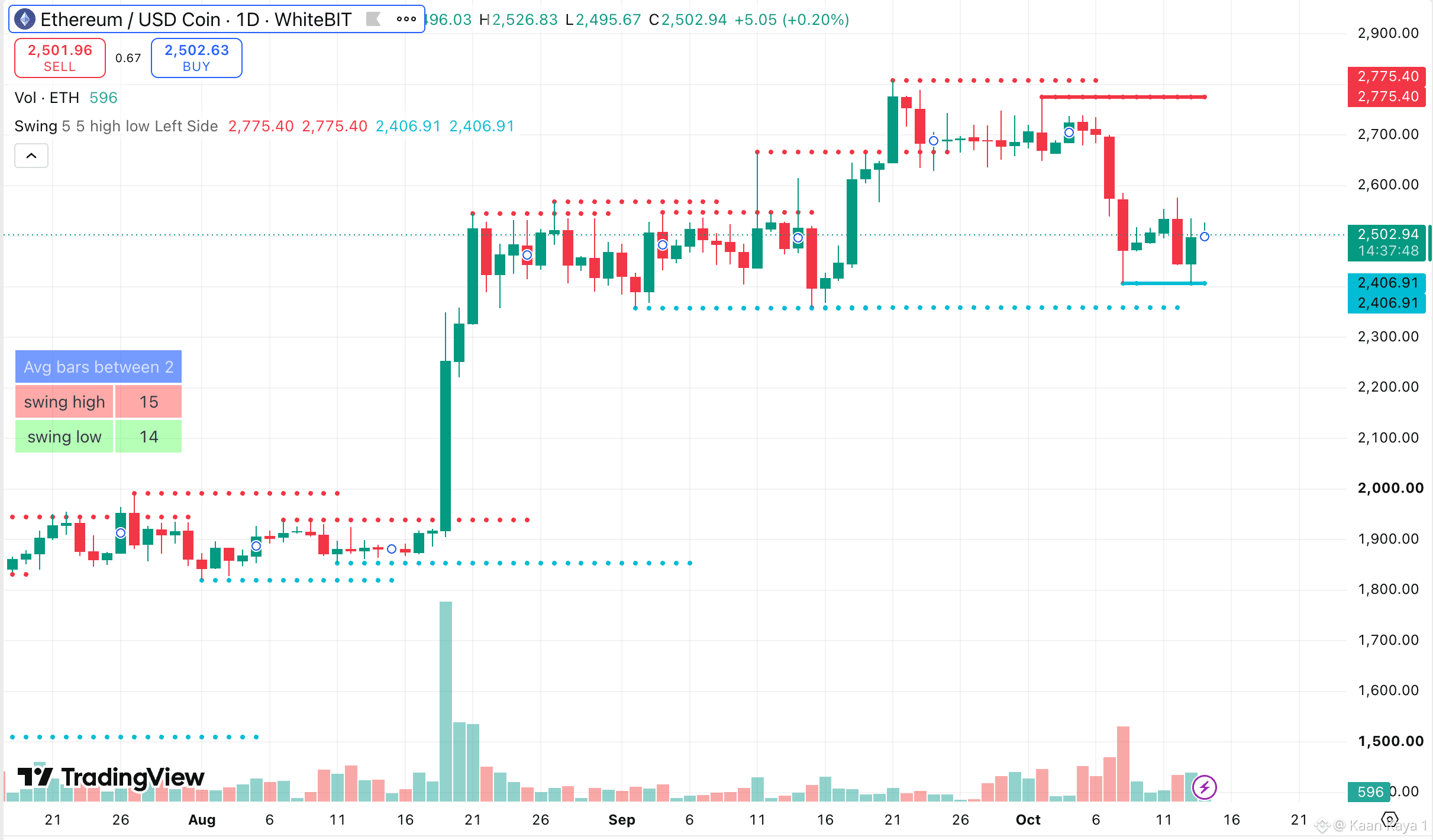
Everyone Wants the Next Altcoin Season. But Who's Actually Buying? Every time Bitcoin slows down for a few days, the altcoin season predictions start appearing again. Someone posts an ETH/BTC chart, someone else finds a forgotten 2021 pattern, and suddenly half the timeline is talking about a rotation. 😂 But there's one thing I'd want to see before getting excited: are people actually putting new money into altcoins, or just moving the same capital around? Imagine $BTC stays flat while $ETH gains 5%, then traders take profits and move into $SOL , which gains another 8%. A handful of charts look great, but that doesn't necessarily mean the overall market has attracted much fresh capital. And there's nothing wrong with rotations. They're part of how crypto markets work. I just think there's a difference between a few popular tokens outperforming and hundreds of smaller projects finding sustained demand. For now, I'd be watching whether trading volume broadens beyond the usual names and whether rallies hold up after the first wave of excitement. Because calling an altcoin season after three green candles is easy. Actually making money through one is a completely different experience. #ETHBlockchain #ETHFoundation
Everyone Wants the Next Altcoin Season. But Who's Actually Buying? Every time Bitcoin slows down for a few days, the altcoin season predictions start appearing again. Someone posts an ETH/BTC chart, someone else finds a forgotten 2021 pattern, and suddenly half the timeline is talking about a rotation. 😂 But there's one thing I'd want to see before getting excited: are people actually putting new money into altcoins, or just moving the same capital around? Imagine $BTC stays flat while $ETH gains 5%, then traders take profits and move into $SOL , which gains another 8%. A handful of charts look great, but that doesn't necessarily mean the overall market has attracted much fresh capital. And there's nothing wrong with rotations. They're part of how crypto markets work. I just think there's a difference between a few popular tokens outperforming and hundreds of smaller projects finding sustained demand. For now, I'd be watching whether trading volume broadens beyond the usual names and whether rallies hold up after the first wave of excitement. Because calling an altcoin season after three green candles is easy. Actually making money through one is a completely different experience. #ETHBlockchain #ETHFoundation

80
·
--
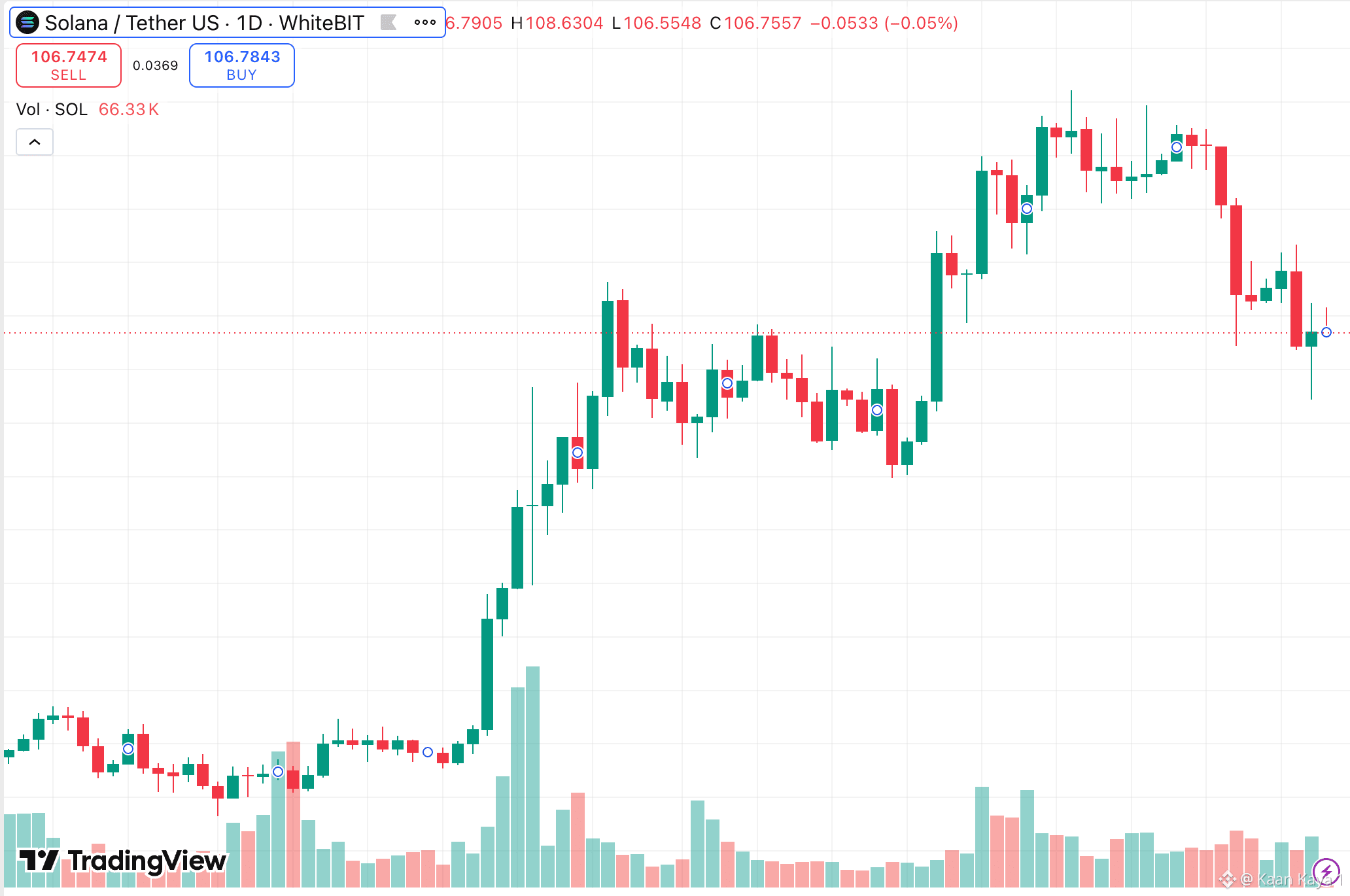
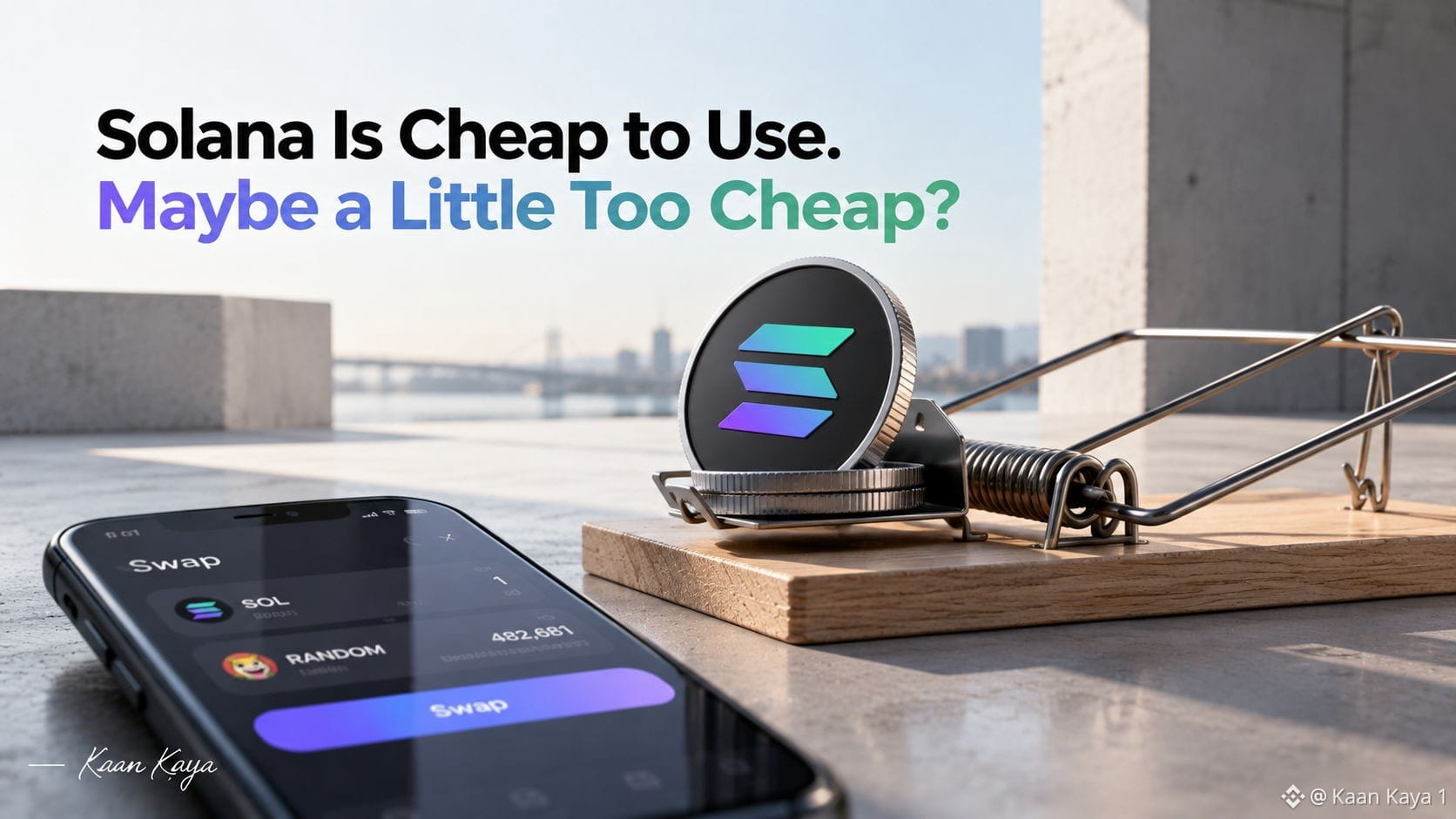
Solana Is Cheap to Use. Maybe a Little Too Cheap? 😉 One thing I find funny about $SOL is how easy it is to trade something you probably shouldn't. 😂 Fees are so low that making another swap barely feels like a decision. See a random token trending? Two clicks and you're in. That's great for adoption, but I'm curious how much activity comes from people actually using Solana versus traders jumping between meme coins all day. Not complaining about cheap transactions, obviously. Just wondering whether making trading easier also makes overtrading a little too tempting. Anyone else noticed this? #Macro Insights# #Altcoin Season#
Solana Is Cheap to Use. Maybe a Little Too Cheap? 😉 One thing I find funny about $SOL is how easy it is to trade something you probably shouldn't. 😂 Fees are so low that making another swap barely feels like a decision. See a random token trending? Two clicks and you're in. That's great for adoption, but I'm curious how much activity comes from people actually using Solana versus traders jumping between meme coins all day. Not complaining about cheap transactions, obviously. Just wondering whether making trading easier also makes overtrading a little too tempting. Anyone else noticed this? #Macro Insights# #Altcoin Season#
47
·
--
Dogecoin Has No Roadmap to World Domination. And That's Fine. It's funny how seriously people try to analyze $DOGE sometimes. 😂 You'll see ten-page breakdowns of tokenomics, adoption scenarios and long-term price targets for a coin that literally started as a joke. But maybe that's why Dogecoin has survived so long. It doesn't need to pretend it's reinventing finance. People know exactly what they're buying into. Not saying that makes it a good investment, obviously. Just that sometimes a strong community and a recognizable meme can keep a coin relevant longer than a fancy whitepaper. Would you still hold DOGE in 2030? #Macro Insights# #Altcoin Season#
Dogecoin Has No Roadmap to World Domination. And That's Fine. It's funny how seriously people try to analyze $DOGE sometimes. 😂 You'll see ten-page breakdowns of tokenomics, adoption scenarios and long-term price targets for a coin that literally started as a joke. But maybe that's why Dogecoin has survived so long. It doesn't need to pretend it's reinventing finance. People know exactly what they're buying into. Not saying that makes it a good investment, obviously. Just that sometimes a strong community and a recognizable meme can keep a coin relevant longer than a fancy whitepaper. Would you still hold DOGE in 2030? #Macro Insights# #Altcoin Season#

70
·
--
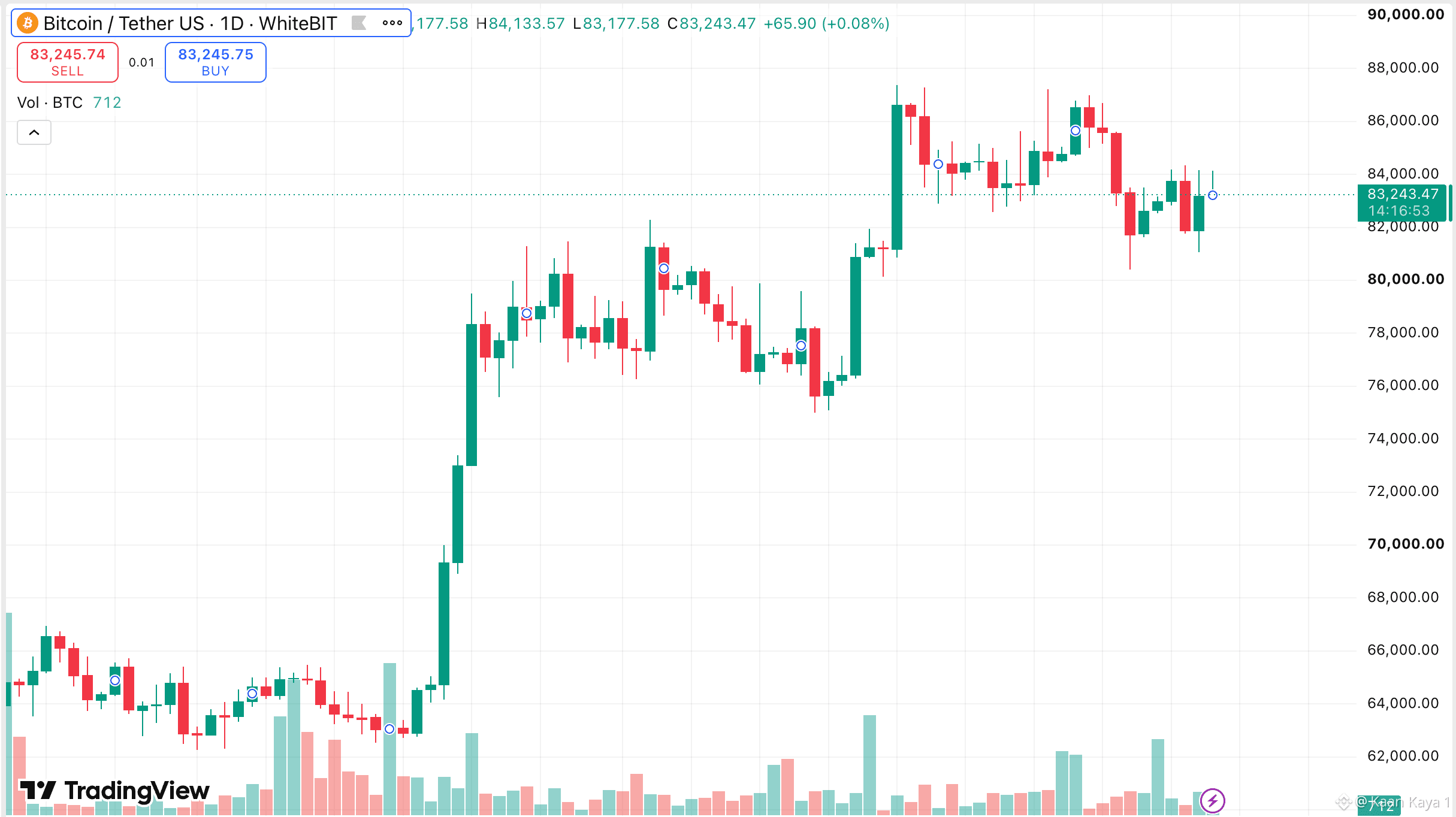
Bitcoin's Biggest Flex Might Be How Boring It's Becoming Remember when a 10% move in $BTC barely surprised anyone? Now traders spend hours debating a 2% candle like it's a historic event. 😂 Maybe that's what a more mature Bitcoin market looks like. More institutions, more long-term holders, and fewer people expecting every Tuesday to change their lives. Of course, Bitcoin can still surprise everyone when volatility returns. But I do wonder if some traders secretly miss the chaos more than they miss the profits. Would you rather have a calmer $BTC or the wild Bitcoin of 2021? #BTC Price Analysis# #Bitcoin Price Prediction: What is Bitcoins next move?#
Bitcoin's Biggest Flex Might Be How Boring It's Becoming Remember when a 10% move in $BTC barely surprised anyone? Now traders spend hours debating a 2% candle like it's a historic event. 😂 Maybe that's what a more mature Bitcoin market looks like. More institutions, more long-term holders, and fewer people expecting every Tuesday to change their lives. Of course, Bitcoin can still surprise everyone when volatility returns. But I do wonder if some traders secretly miss the chaos more than they miss the profits. Would you rather have a calmer $BTC or the wild Bitcoin of 2021? #BTC Price Analysis# #Bitcoin Price Prediction: What is Bitcoins next move?#

43
·
--
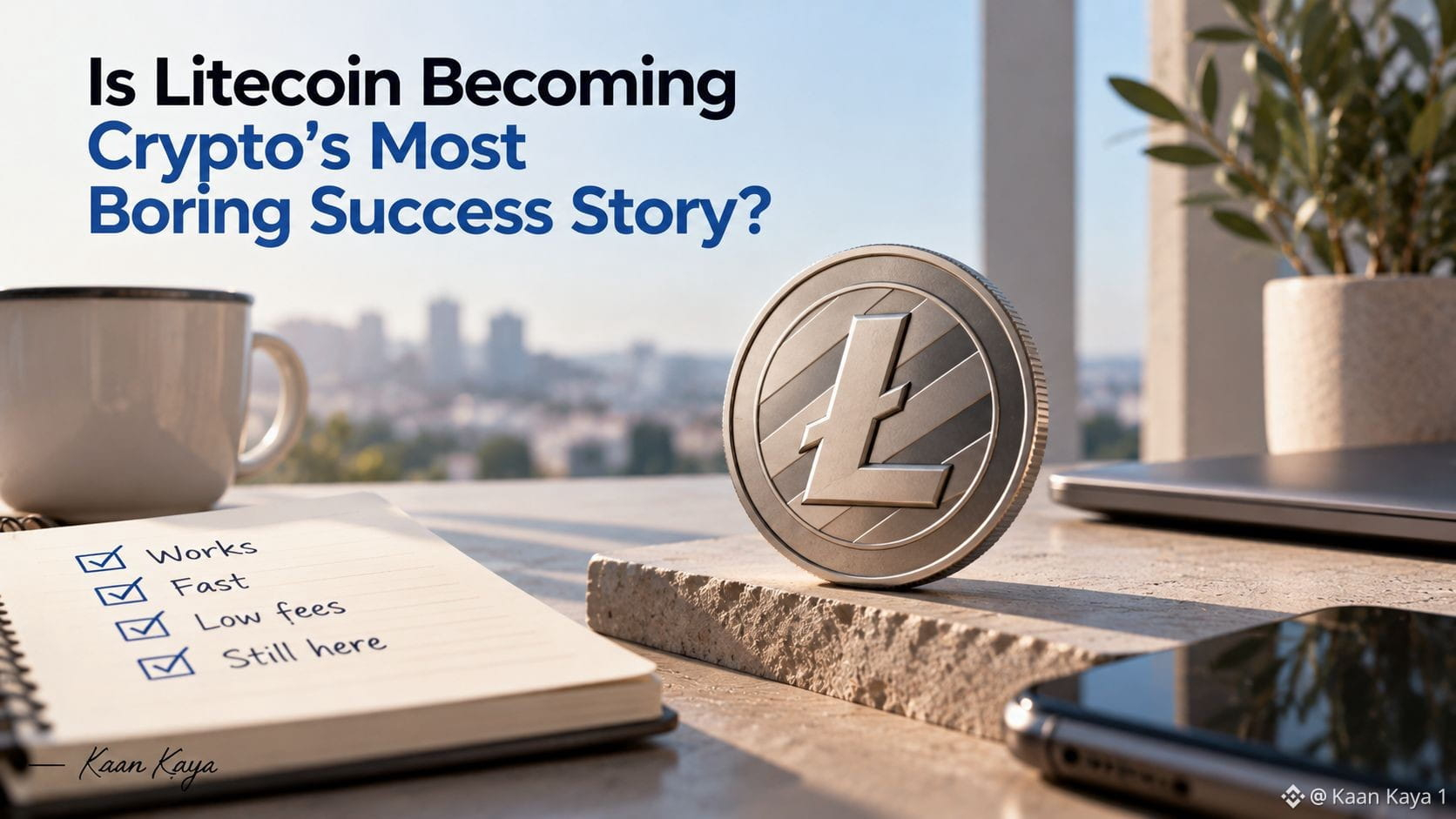
Is Litecoin Becoming Crypto's Most Boring Success Story? Nobody really talks about $LTC anymore, which is funny considering it's still around after all these years. 😅 No endless hype, no new narrative every week. Just a network people can use to move crypto. Sometimes I wonder if we've become so obsessed with finding the next 100x that we forget there's value in things simply working. Anyone here still using Litecoin, or has it completely disappeared from your radar? #Macro Insights# #Altcoin Season#
Is Litecoin Becoming Crypto's Most Boring Success Story? Nobody really talks about $LTC anymore, which is funny considering it's still around after all these years. 😅 No endless hype, no new narrative every week. Just a network people can use to move crypto. Sometimes I wonder if we've become so obsessed with finding the next 100x that we forget there's value in things simply working. Anyone here still using Litecoin, or has it completely disappeared from your radar? #Macro Insights# #Altcoin Season#
51
·
--
🚨 Adding Crypto to Your EMI? Don't Build the Backend From Scratch Picture this: your users keep asking for $BTC, $ETH, all the crypto, and someone suggests building your own custody and trading stack. Then the estimates arrive. Engineers, security audits, licensing in every market you touch, and a timeline measured in quarters. By the time it's finished, the market has moved on 😬 If you're looking for a shortcut, something like Notbank's Crypto as a Service could be worth a look. In theory, it lets a business embed crypto trading, custody, stablecoins and global money movement through a single API, with Python, Java and Node SDKs to speed things up 🌍 https://www.notbank.com/en/crypto-as-a-service?utm_source=coinmarketcap&utm_medium=caaaaskkk&utm_campaign=post Compliance teams would likely care most about the security side. Notbank is ISO/IEC 27001:2013 certified and works through regulated entities in Chile, Argentina, Brazil, Colombia and Peru, so an EMI could check how those approvals map to its own markets. 🛡 Requesting a demo would be a sensible first step to see how it could fit your setup 🚀 Disclaimer: This is not financial or investment advice. Do your own research before making any decisions. Use at your own risk. #BTC Price Analysis# #Bitcoin Price Prediction: What is Bitcoins next move?#
🚨 Adding Crypto to Your EMI? Don't Build the Backend From Scratch Picture this: your users keep asking for $BTC, $ETH, all the crypto, and someone suggests building your own custody and trading stack. Then the estimates arrive. Engineers, security audits, licensing in every market you touch, and a timeline measured in quarters. By the time it's finished, the market has moved on 😬 If you're looking for a shortcut, something like Notbank's Crypto as a Service could be worth a look. In theory, it lets a business embed crypto trading, custody, stablecoins and global money movement through a single API, with Python, Java and Node SDKs to speed things up 🌍 https://www.notbank.com/en/crypto-as-a-service?utm_source=coinmarketcap&utm_medium=caaaaskkk&utm_campaign=post Compliance teams would likely care most about the security side. Notbank is ISO/IEC 27001:2013 certified and works through regulated entities in Chile, Argentina, Brazil, Colombia and Peru, so an EMI could check how those approvals map to its own markets. 🛡 Requesting a demo would be a sensible first step to see how it could fit your setup 🚀 Disclaimer: This is not financial or investment advice. Do your own research before making any decisions. Use at your own risk. #BTC Price Analysis# #Bitcoin Price Prediction: What is Bitcoins next move?#

67
·
--
Uniswap Has a Bigger Challenge Than Finding the Next 10x Everyone's busy hunting for the next meme coin, but I'm more interested in whether people actually keep using the exchanges where they trade them. 😅 Take Uniswap. Most people swapping $ETH for USDC don't care about governance or fancy tech. They just want a good price, low fees and a transaction that works. And that's where things get interesting for $UNI . More trading volume doesn't automatically mean more value for the token. I'd rather see traders coming back every week than one massive volume spike because some random meme coin went viral. What do you think matters more for a DEX: trading volume or loyal users? #Macro Insights# #Altcoin Season#
Uniswap Has a Bigger Challenge Than Finding the Next 10x Everyone's busy hunting for the next meme coin, but I'm more interested in whether people actually keep using the exchanges where they trade them. 😅 Take Uniswap. Most people swapping $ETH for USDC don't care about governance or fancy tech. They just want a good price, low fees and a transaction that works. And that's where things get interesting for $UNI . More trading volume doesn't automatically mean more value for the token. I'd rather see traders coming back every week than one massive volume spike because some random meme coin went viral. What do you think matters more for a DEX: trading volume or loyal users? #Macro Insights# #Altcoin Season#

48
·
--
Lending or Holding? How a Treasury Team Might Choose Between Them Most board conversations about crypto treasury end in a shrug. "It depends." I wanted to see what the answer looks like when you actually write the rule down. So I put together a made-up but realistic case: a company with $10M in $BTC and stablecoins, a board that wants a clear buffer, and a treasury team that needs room to place the rest in deposit plans. The article walks through how the policy takes shape, where lending and staking fit, and why the person who can move the money matters as much as the number. Along the way I look at how WhiteBIT, BitGo and Kraken could fit into that picture. It's a short read, and the ending is deliberately dull. That's kind of the point. 👉 Read the full article: https://medium.com/coinmonks/ten-million-in-stablecoins-three-million-untouchable-now-what-1aea741787ab #BTC Price Analysis# #Bitcoin Price Prediction: What is Bitcoins next move?#
Lending or Holding? How a Treasury Team Might Choose Between Them Most board conversations about crypto treasury end in a shrug. "It depends." I wanted to see what the answer looks like when you actually write the rule down. So I put together a made-up but realistic case: a company with $10M in $BTC and stablecoins, a board that wants a clear buffer, and a treasury team that needs room to place the rest in deposit plans. The article walks through how the policy takes shape, where lending and staking fit, and why the person who can move the money matters as much as the number. Along the way I look at how WhiteBIT, BitGo and Kraken could fit into that picture. It's a short read, and the ending is deliberately dull. That's kind of the point. 👉 Read the full article: https://medium.com/coinmonks/ten-million-in-stablecoins-three-million-untouchable-now-what-1aea741787ab #BTC Price Analysis# #Bitcoin Price Prediction: What is Bitcoins next move?#

76
·
--
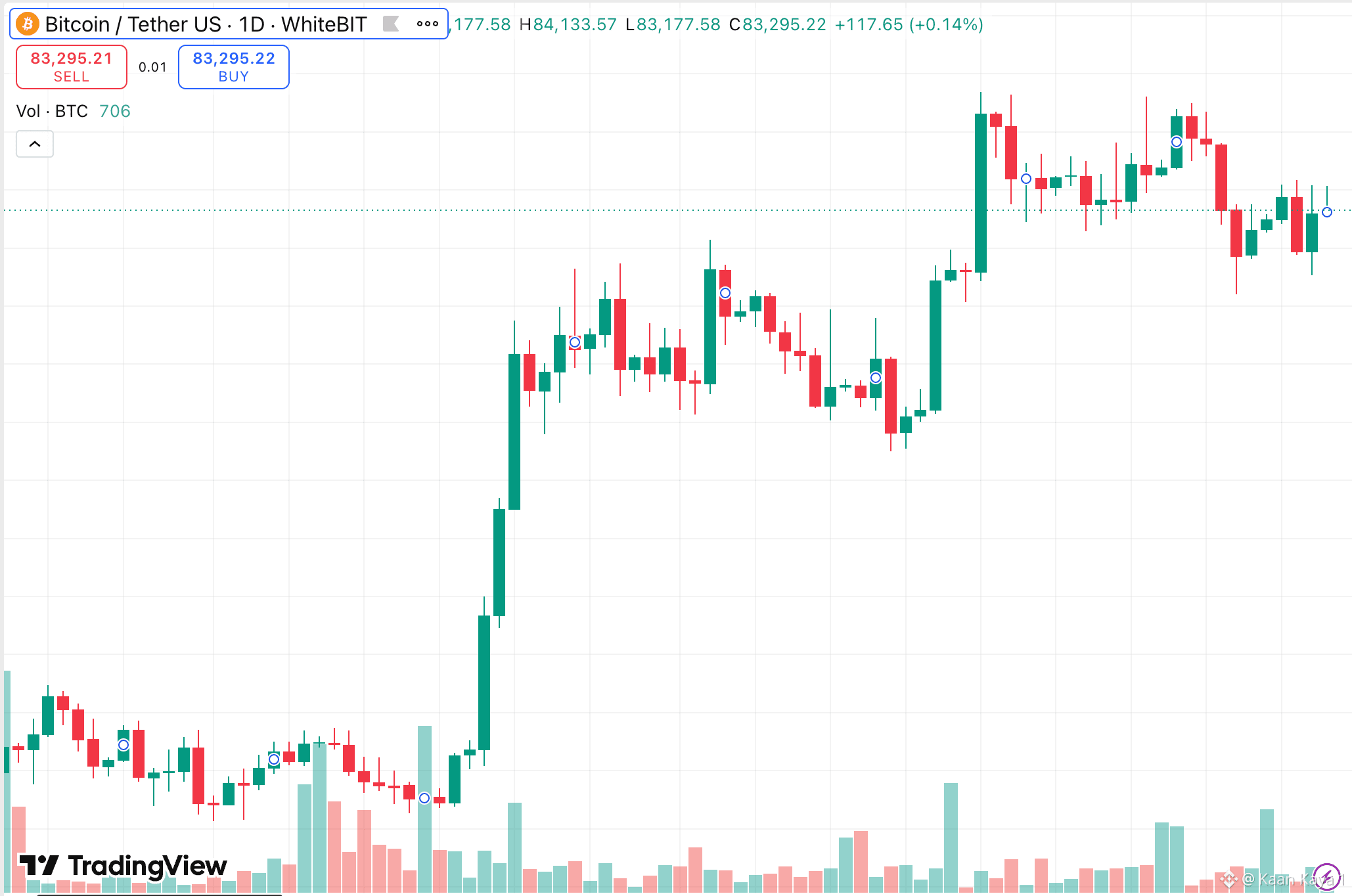
Bitcoin's Most Annoying Move Might Be No Move at All 👀 Everyone's waiting for Bitcoin to do something dramatic, but honestly, sideways markets can be more exhausting than actual crashes. 😅 You get a little pump, start thinking the breakout is finally here, and two hours later $BTC is right back where it started. The funny thing is, doing nothing is also a trading decision. You don't have to catch every tiny move just because the chart is open. I've definitely seen people lose more money trying to trade a boring market than they would've lost just waiting for a proper setup. Anyone else getting better at sitting on their hands, or are we all still pretending every green candle is the beginning of something? #BTC Price Analysis# #Bitcoin Price Prediction: What is Bitcoins next move?#
Bitcoin's Most Annoying Move Might Be No Move at All 👀 Everyone's waiting for Bitcoin to do something dramatic, but honestly, sideways markets can be more exhausting than actual crashes. 😅 You get a little pump, start thinking the breakout is finally here, and two hours later $BTC is right back where it started. The funny thing is, doing nothing is also a trading decision. You don't have to catch every tiny move just because the chart is open. I've definitely seen people lose more money trying to trade a boring market than they would've lost just waiting for a proper setup. Anyone else getting better at sitting on their hands, or are we all still pretending every green candle is the beginning of something? #BTC Price Analysis# #Bitcoin Price Prediction: What is Bitcoins next move?#

61
·
--
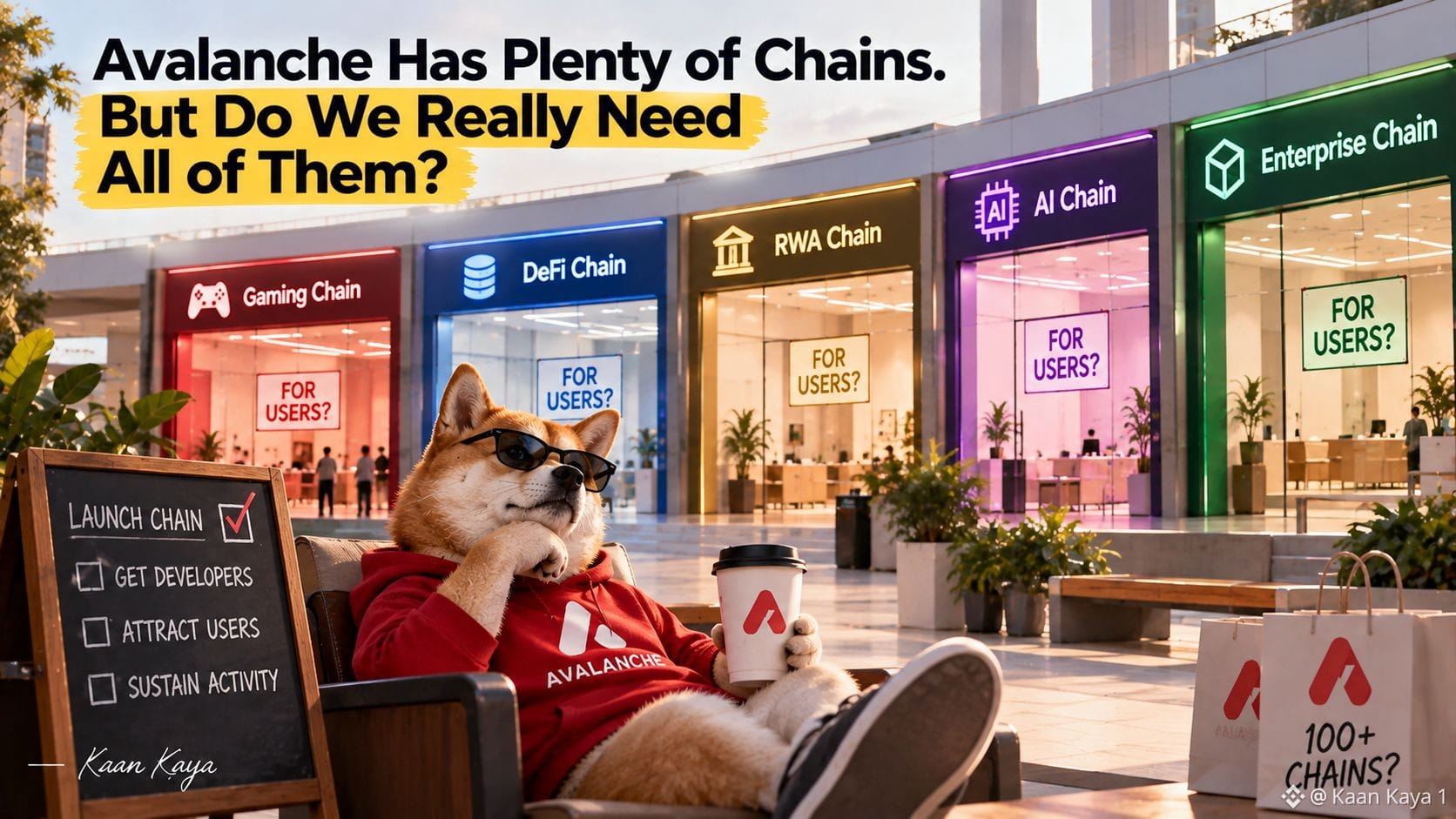
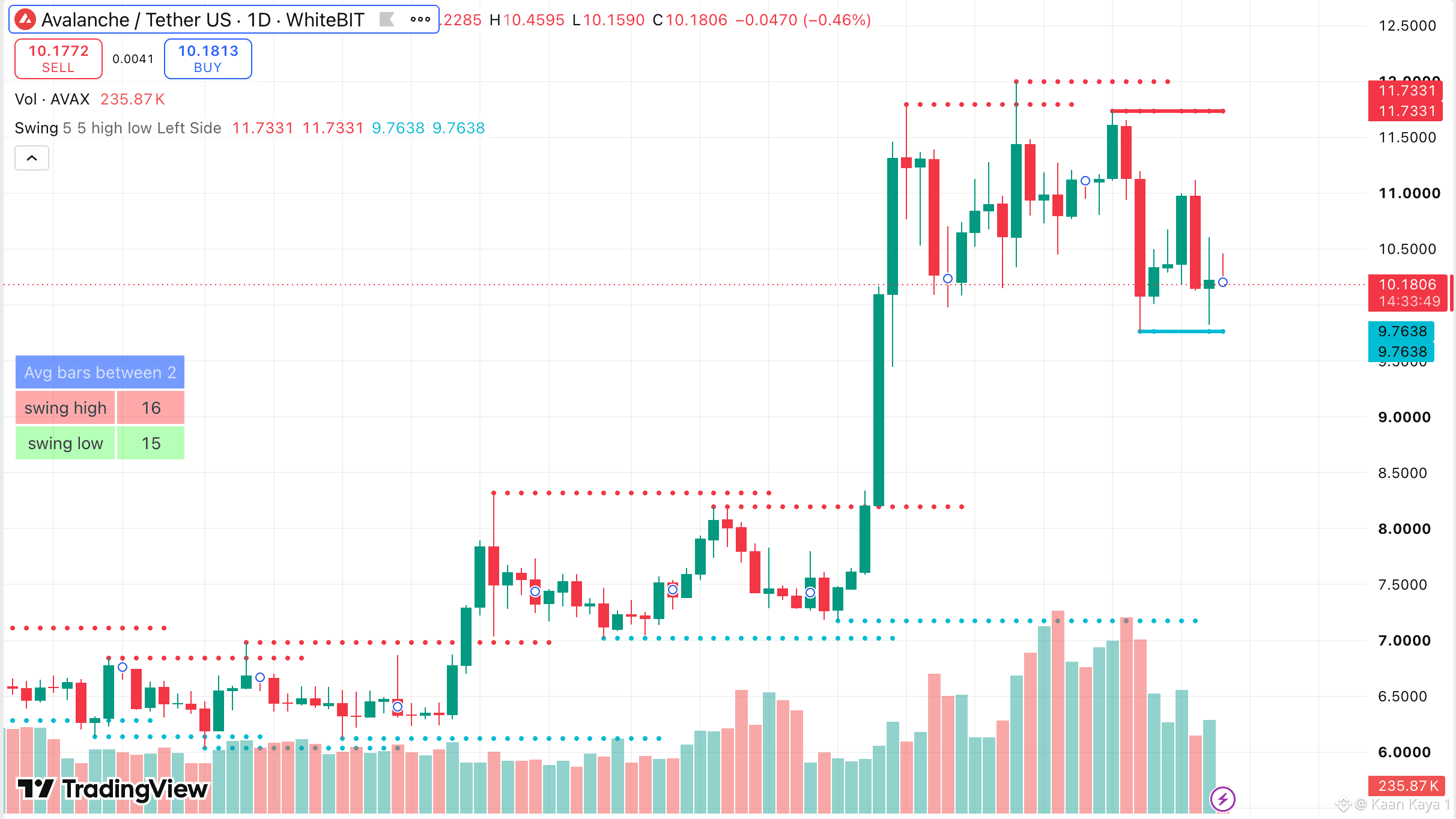
Avalanche Has Plenty of Chains. But Do We Really Need All of Them? Remember when every crypto project wanted its own token? Now it feels like everyone wants their own blockchain too. 😅 Avalanche has been pushing the idea that businesses, games and financial platforms can run dedicated networks instead of squeezing everything onto one shared chain. And I can see the appeal. A gaming company probably doesn't want its transactions competing with DeFi liquidations. A financial institution might need specific rules around validators, permissions and compliance. But here's where I get a little skeptical. Launching a blockchain is becoming easier. Giving people a reason to use it is still incredibly hard. A company can have its own validators, custom fees and a beautifully designed ecosystem. None of that guarantees developers will build there or users will show up. For $AVAX , I'd be watching whether these dedicated networks generate sustained activity, and how that activity translates into demand for the token. Counting launched chains alone doesn't tell us enough. It's a bit like opening fifty shopping malls. Sounds impressive until you visit on Saturday and realize most of the shops are empty. I'd rather see ten busy networks than a hundred that exist mainly in partnership announcements. #Macro Insights# #Altcoin Season#
Avalanche Has Plenty of Chains. But Do We Really Need All of Them? Remember when every crypto project wanted its own token? Now it feels like everyone wants their own blockchain too. 😅 Avalanche has been pushing the idea that businesses, games and financial platforms can run dedicated networks instead of squeezing everything onto one shared chain. And I can see the appeal. A gaming company probably doesn't want its transactions competing with DeFi liquidations. A financial institution might need specific rules around validators, permissions and compliance. But here's where I get a little skeptical. Launching a blockchain is becoming easier. Giving people a reason to use it is still incredibly hard. A company can have its own validators, custom fees and a beautifully designed ecosystem. None of that guarantees developers will build there or users will show up. For $AVAX , I'd be watching whether these dedicated networks generate sustained activity, and how that activity translates into demand for the token. Counting launched chains alone doesn't tell us enough. It's a bit like opening fifty shopping malls. Sounds impressive until you visit on Saturday and realize most of the shops are empty. I'd rather see ten busy networks than a hundred that exist mainly in partnership announcements. #Macro Insights# #Altcoin Season#
75
·
--
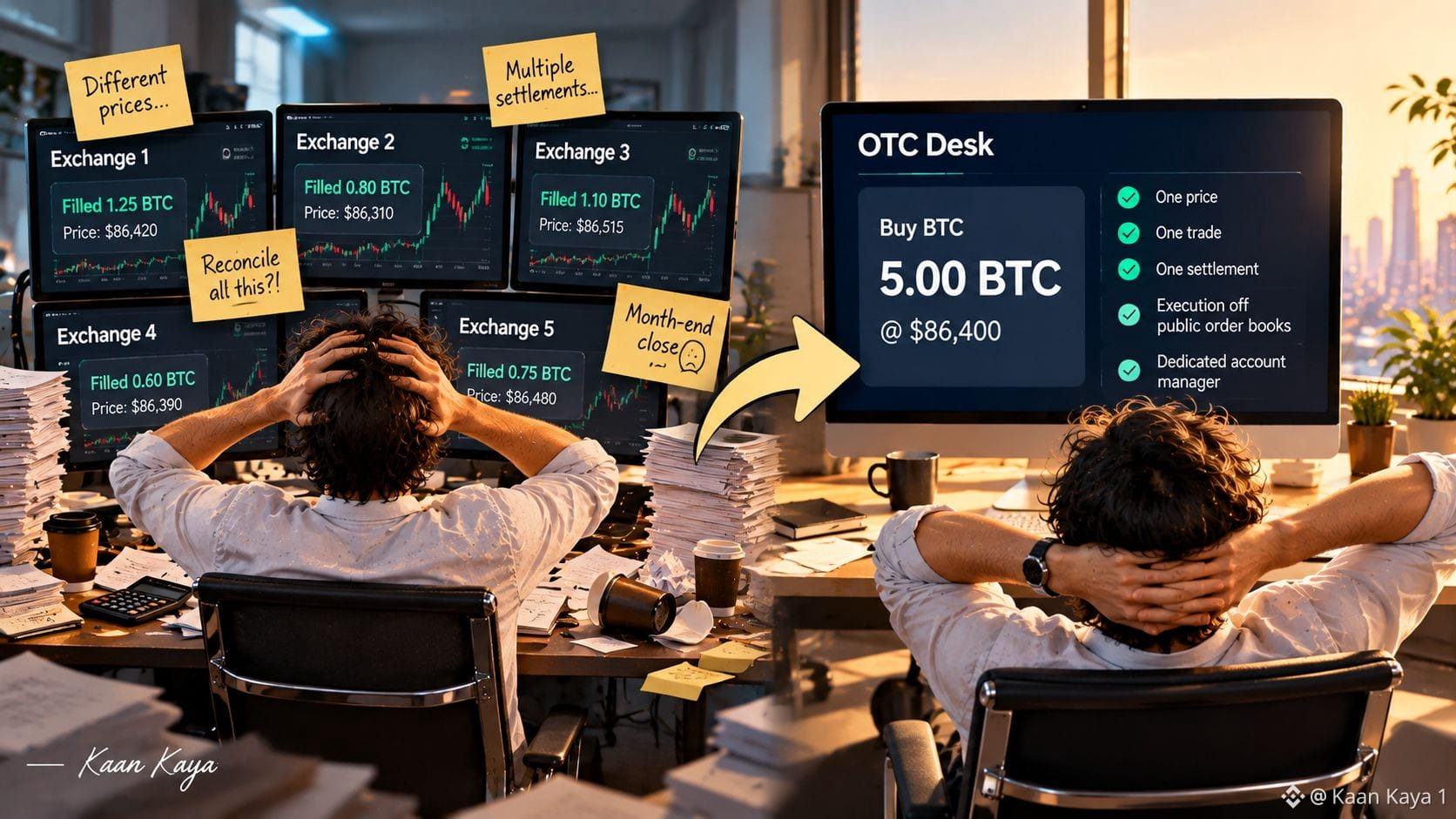
Your Big $BTC Order Is Getting Split Five Ways. Should It? Splitting a big order sounds smart until you're the one matching five accounts, five prices and five settlements at month-end 😩. Say you need to move a chunk of $BTC and no single exchange has the depth to take it all. That’s the kind of situation OTC desks are built for. They connect large buyers and sellers directly, so a big trade can often be handled in one go instead of in pieces. WhiteBIT’s desk is a good example of how it can work. It supports trades with no maximum cap, keeps execution private off public order books, and gives real-time quotes plus an account manager you can message directly. https://institutional.whitebit.com/otc?utm_source=coinmarketcap&utm_medium=otcdkkk&utm_campaign=post It could also cover USD, EUR, GBP, CHF, USDT and USDC, with a minimum that's usually around $100K. The usual alternative is to split the order. One piece goes to one venue, another to a second desk, a third somewhere else. Every fill has its own price and its own settlement, and then someone on the ops team has to line it all up afterwards. Anyone who has done a month-end close knows how that goes. One OTC trade looks much tidier. You agree on one price, sign off on one agreement, and end up with one record to file. If a desk can absorb the full amount, that could save a lot of headaches. Splitting still makes sense when no single venue can handle the size. So really, the question is how big your order is compared to what one desk can take 🤝. Disclaimer: This is not financial or investment advice. Do your own research before making any decisions. Use at your own risk. #BTC Price Analysis# #Bitcoin Price Prediction: What is Bitcoins next move?#
Your Big $BTC Order Is Getting Split Five Ways. Should It? Splitting a big order sounds smart until you're the one matching five accounts, five prices and five settlements at month-end 😩. Say you need to move a chunk of $BTC and no single exchange has the depth to take it all. That’s the kind of situation OTC desks are built for. They connect large buyers and sellers directly, so a big trade can often be handled in one go instead of in pieces. WhiteBIT’s desk is a good example of how it can work. It supports trades with no maximum cap, keeps execution private off public order books, and gives real-time quotes plus an account manager you can message directly. https://institutional.whitebit.com/otc?utm_source=coinmarketcap&utm_medium=otcdkkk&utm_campaign=post It could also cover USD, EUR, GBP, CHF, USDT and USDC, with a minimum that's usually around $100K. The usual alternative is to split the order. One piece goes to one venue, another to a second desk, a third somewhere else. Every fill has its own price and its own settlement, and then someone on the ops team has to line it all up afterwards. Anyone who has done a month-end close knows how that goes. One OTC trade looks much tidier. You agree on one price, sign off on one agreement, and end up with one record to file. If a desk can absorb the full amount, that could save a lot of headaches. Splitting still makes sense when no single venue can handle the size. So really, the question is how big your order is compared to what one desk can take 🤝. Disclaimer: This is not financial or investment advice. Do your own research before making any decisions. Use at your own risk. #BTC Price Analysis# #Bitcoin Price Prediction: What is Bitcoins next move?#
·
--
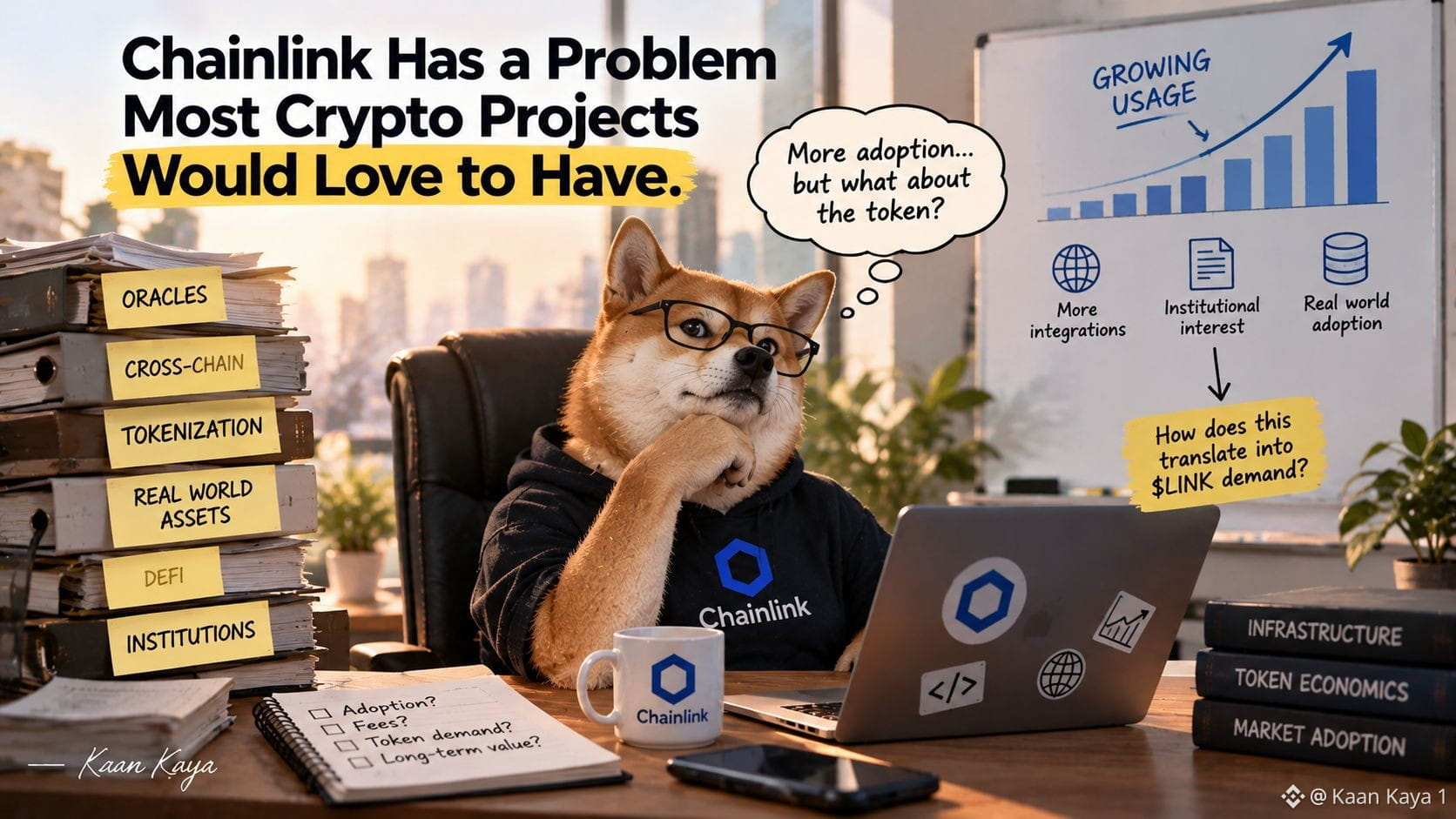
Chainlink Has a Problem Most Crypto Projects Would Love to Have Chainlink is one of those projects that doesn't get nearly as much attention as the latest meme coin, despite being involved in some pretty important parts of crypto infrastructure. Oracles, cross-chain messaging, tokenized assets... the list keeps growing. But here's something I've been thinking about: a project becoming more useful doesn't automatically mean its token becomes more valuable. Banks could integrate Chainlink technology, DeFi protocols could rely on its data feeds, and institutions could use its infrastructure to move tokenized assets between networks. Great for adoption. But what does that mean for someone holding $LINK ? That's where I'd spend more time looking at how network usage translates into token demand, fees and incentives rather than counting partnership announcements. Don't get me wrong, I think infrastructure adoption is worth following. I just find the economics behind it more interesting than another headline about a major institution experimenting with blockchain. A partnership announcement can get traders excited for a day. Sustainable demand is a much longer conversation. #Macro Insights# #Altcoin Season#
Chainlink Has a Problem Most Crypto Projects Would Love to Have Chainlink is one of those projects that doesn't get nearly as much attention as the latest meme coin, despite being involved in some pretty important parts of crypto infrastructure. Oracles, cross-chain messaging, tokenized assets... the list keeps growing. But here's something I've been thinking about: a project becoming more useful doesn't automatically mean its token becomes more valuable. Banks could integrate Chainlink technology, DeFi protocols could rely on its data feeds, and institutions could use its infrastructure to move tokenized assets between networks. Great for adoption. But what does that mean for someone holding $LINK ? That's where I'd spend more time looking at how network usage translates into token demand, fees and incentives rather than counting partnership announcements. Don't get me wrong, I think infrastructure adoption is worth following. I just find the economics behind it more interesting than another headline about a major institution experimenting with blockchain. A partnership announcement can get traders excited for a day. Sustainable demand is a much longer conversation. #Macro Insights# #Altcoin Season#
47
·
--
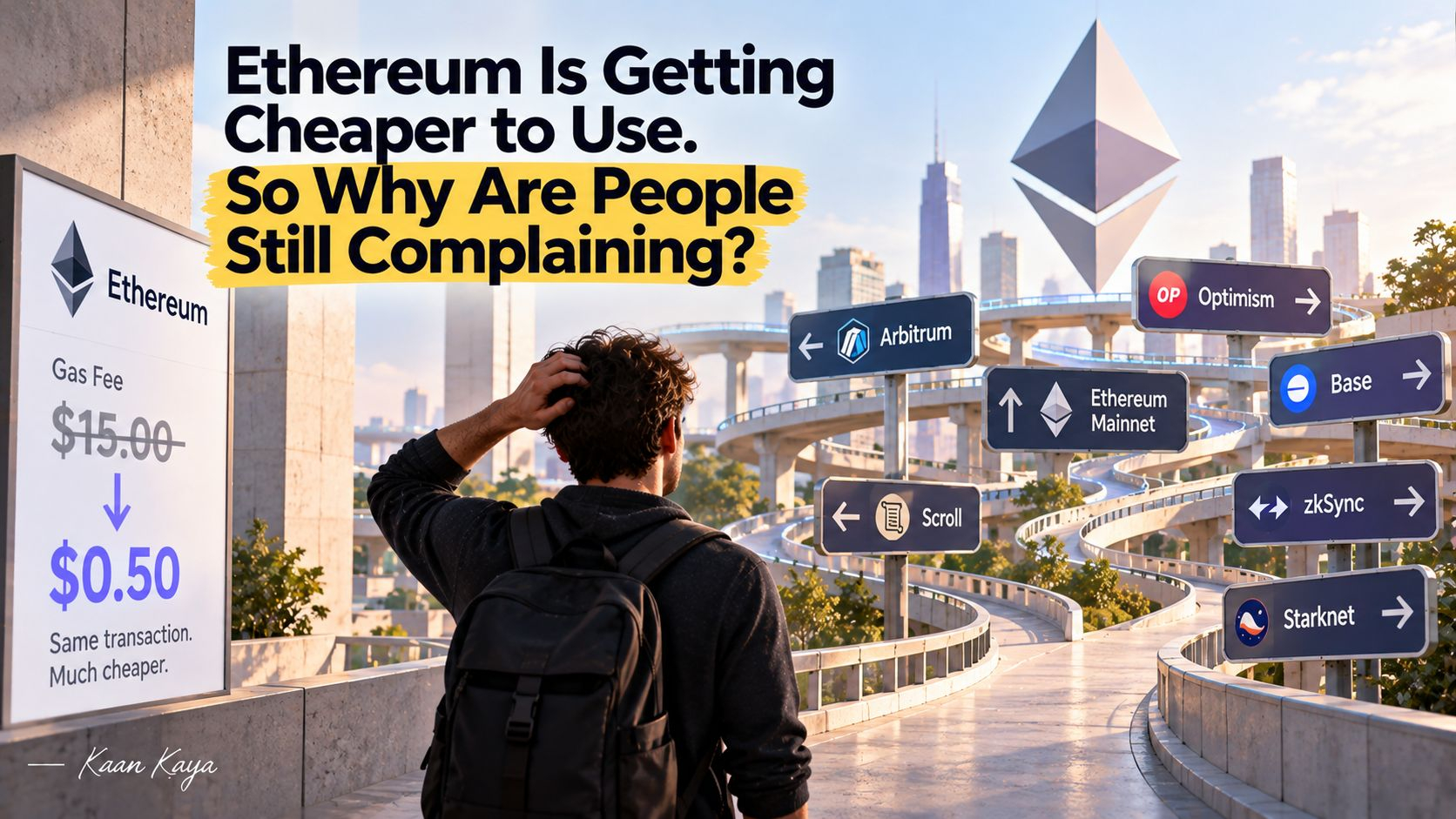
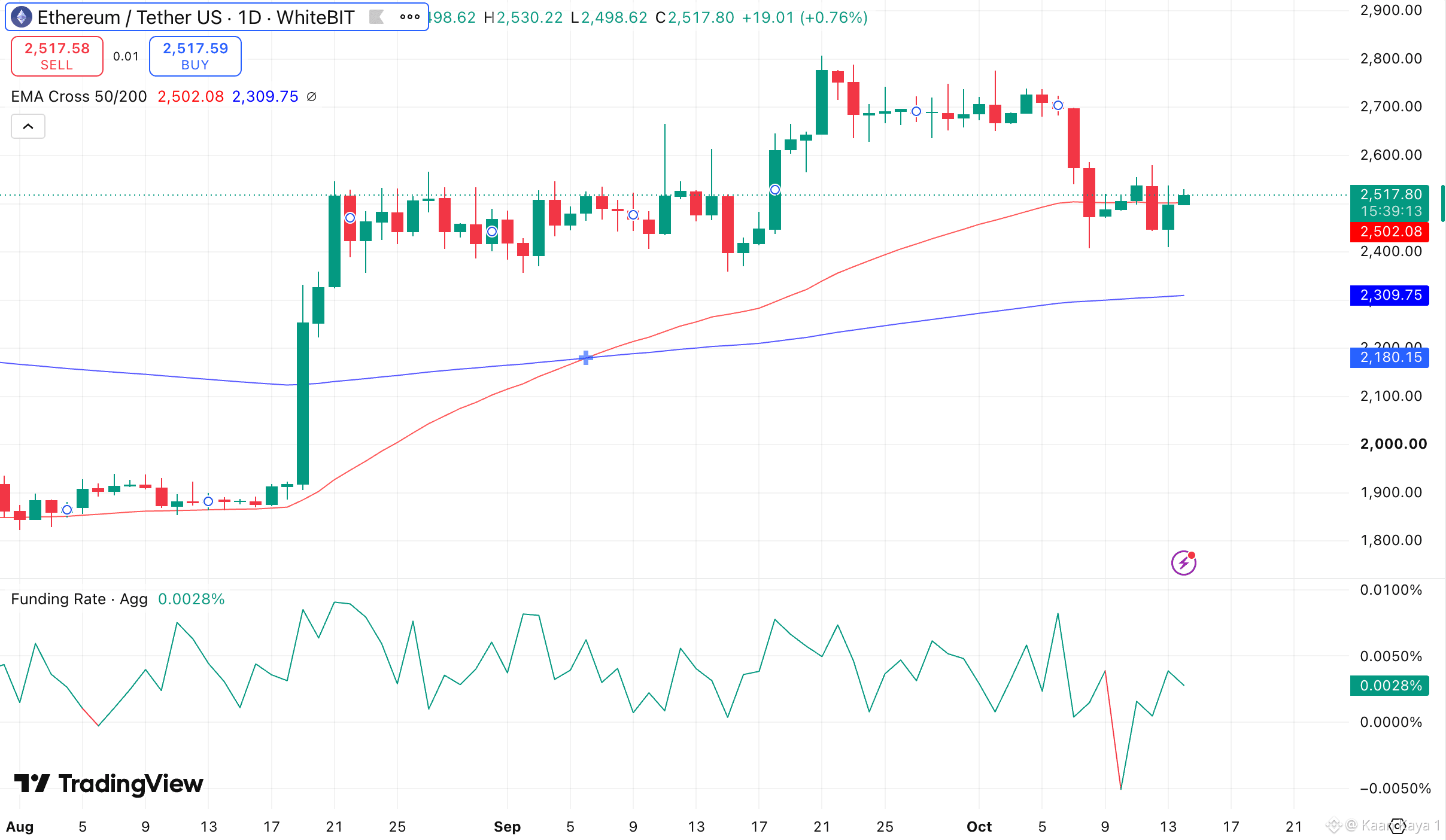
Ethereum Is Getting Cheaper to Use. So Why Are People Still Complaining? Remember when sending $20 worth of crypto could cost another $15 in gas? Ethereum has come a long way since then, especially if you're using Layer 2 networks. But here's something I keep noticing: people don't necessarily feel like crypto has become easier. You still have to figure out which network your funds are on, whether an exchange supports that network, and why the same token sometimes appears in five different places. And God forbid you send something over the wrong network 😅 That's the weird trade-off with Ethereum's scaling strategy. We've made transactions cheaper by spreading activity across different networks, but we've also made the experience more complicated for anyone who isn't already familiar with crypto. I don't think $ETH needs another impressive transaction-speed comparison to win over everyday users. It needs more apps where people can just send money, trade or pay for something without thinking about which chain is doing the work. Cheap transactions are great. Not having to explain them to your friends would be even better. #ETHBlockchain #ETHFoundation
Ethereum Is Getting Cheaper to Use. So Why Are People Still Complaining? Remember when sending $20 worth of crypto could cost another $15 in gas? Ethereum has come a long way since then, especially if you're using Layer 2 networks. But here's something I keep noticing: people don't necessarily feel like crypto has become easier. You still have to figure out which network your funds are on, whether an exchange supports that network, and why the same token sometimes appears in five different places. And God forbid you send something over the wrong network 😅 That's the weird trade-off with Ethereum's scaling strategy. We've made transactions cheaper by spreading activity across different networks, but we've also made the experience more complicated for anyone who isn't already familiar with crypto. I don't think $ETH needs another impressive transaction-speed comparison to win over everyday users. It needs more apps where people can just send money, trade or pay for something without thinking about which chain is doing the work. Cheap transactions are great. Not having to explain them to your friends would be even better. #ETHBlockchain #ETHFoundation
83
·
--
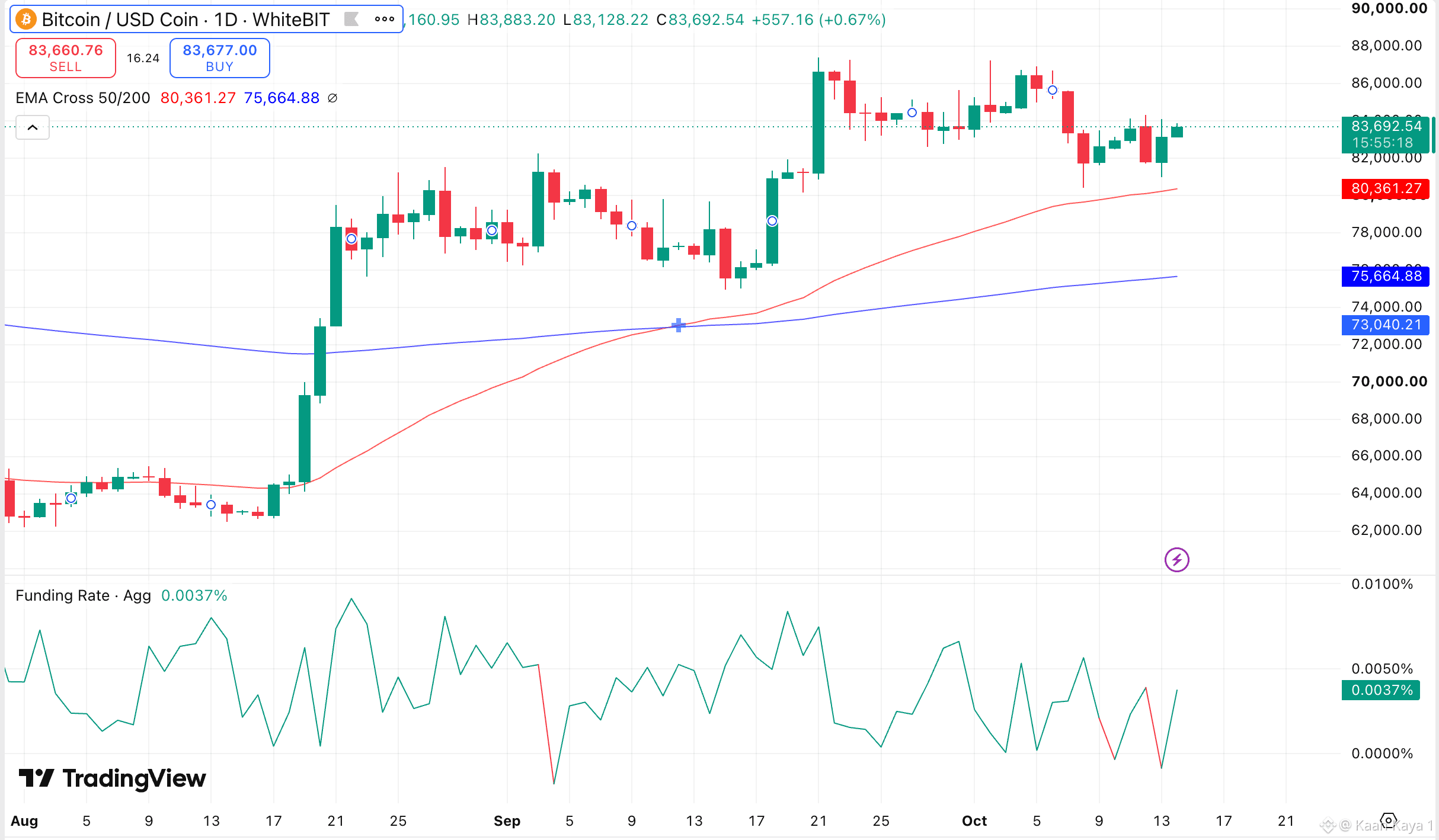
Everyone Wants Bitcoin to Move. Nobody Agrees on What Happens Next. Crypto Twitter is funny when Bitcoin starts moving sideways. Half the timeline is convinced a breakout is coming, the other half is already preparing for another dump. And somehow both sides have charts that look convincing 😂 I think the hardest part of trading $BTC right now isn't finding a possible setup. It's deciding which signals actually deserve your attention. A few green candles can make a resistance level look weak. A sudden red candle can make the whole market feel bearish again. Neither tells you much unless volume, liquidity and follow-through support the move. Personally, I'd rather miss the first 2% of a rally than spend the next three days defending an entry I made because everyone on X suddenly got excited. Curious how others are approaching this. Are you trading the smaller moves, or waiting for Bitcoin to pick a direction? #BTC Price Analysis# #Bitcoin Price Prediction: What is Bitcoins next move?#
Everyone Wants Bitcoin to Move. Nobody Agrees on What Happens Next. Crypto Twitter is funny when Bitcoin starts moving sideways. Half the timeline is convinced a breakout is coming, the other half is already preparing for another dump. And somehow both sides have charts that look convincing 😂 I think the hardest part of trading $BTC right now isn't finding a possible setup. It's deciding which signals actually deserve your attention. A few green candles can make a resistance level look weak. A sudden red candle can make the whole market feel bearish again. Neither tells you much unless volume, liquidity and follow-through support the move. Personally, I'd rather miss the first 2% of a rally than spend the next three days defending an entry I made because everyone on X suddenly got excited. Curious how others are approaching this. Are you trading the smaller moves, or waiting for Bitcoin to pick a direction? #BTC Price Analysis# #Bitcoin Price Prediction: What is Bitcoins next move?#

78
·
--
🔍 Strategy or Workaround? Auditing My Own Bot A few days ago I was cleaning up an old bot config - one of those “it works, don’t touch it” jobs. 😅 I noticed how many lines existed only to keep me under the API rate limit. I batched requests, polled the $BTC book less often, and skipped some approaches because the numbers didn’t work. For years, I called that good practice. Then my rate limit went up under the WhiteBIT VIP Program, and I started looking at those old rules differently. Was this actually part of the strategy or just a workaround? https://whitebit.com/vip-program?utm_source=coinmarketcap&utm_medium=post&utm_campaign=kaannViP Order timing was the easiest one to spot. I was spacing orders because of the request limit, then started treating that as part of my strategy. After a while, I completely forgot where the rule came from. ⚙️ The extended rate limit was what made me notice it. Simple API connectivity helps, lower trading fees - down to -0.001% depending on the VIP level and conditions - matter at scale, and personal support is useful once bots are running regularly. The funny part is that no single “big feature” changed everything. I just realized how much the old limit had been decided for me. Half of what I called my trading philosophy turned out to be working around a rate limit. Disclaimer: This is not financial or investment advice. Do your own research before making any decisions. Use at your own risk. #BTC Price Analysis# #Bitcoin Price Prediction: What is Bitcoins next move?#
🔍 Strategy or Workaround? Auditing My Own Bot A few days ago I was cleaning up an old bot config - one of those “it works, don’t touch it” jobs. 😅 I noticed how many lines existed only to keep me under the API rate limit. I batched requests, polled the $BTC book less often, and skipped some approaches because the numbers didn’t work. For years, I called that good practice. Then my rate limit went up under the WhiteBIT VIP Program, and I started looking at those old rules differently. Was this actually part of the strategy or just a workaround? https://whitebit.com/vip-program?utm_source=coinmarketcap&utm_medium=post&utm_campaign=kaannViP Order timing was the easiest one to spot. I was spacing orders because of the request limit, then started treating that as part of my strategy. After a while, I completely forgot where the rule came from. ⚙️ The extended rate limit was what made me notice it. Simple API connectivity helps, lower trading fees - down to -0.001% depending on the VIP level and conditions - matter at scale, and personal support is useful once bots are running regularly. The funny part is that no single “big feature” changed everything. I just realized how much the old limit had been decided for me. Half of what I called my trading philosophy turned out to be working around a rate limit. Disclaimer: This is not financial or investment advice. Do your own research before making any decisions. Use at your own risk. #BTC Price Analysis# #Bitcoin Price Prediction: What is Bitcoins next move?#

·
--
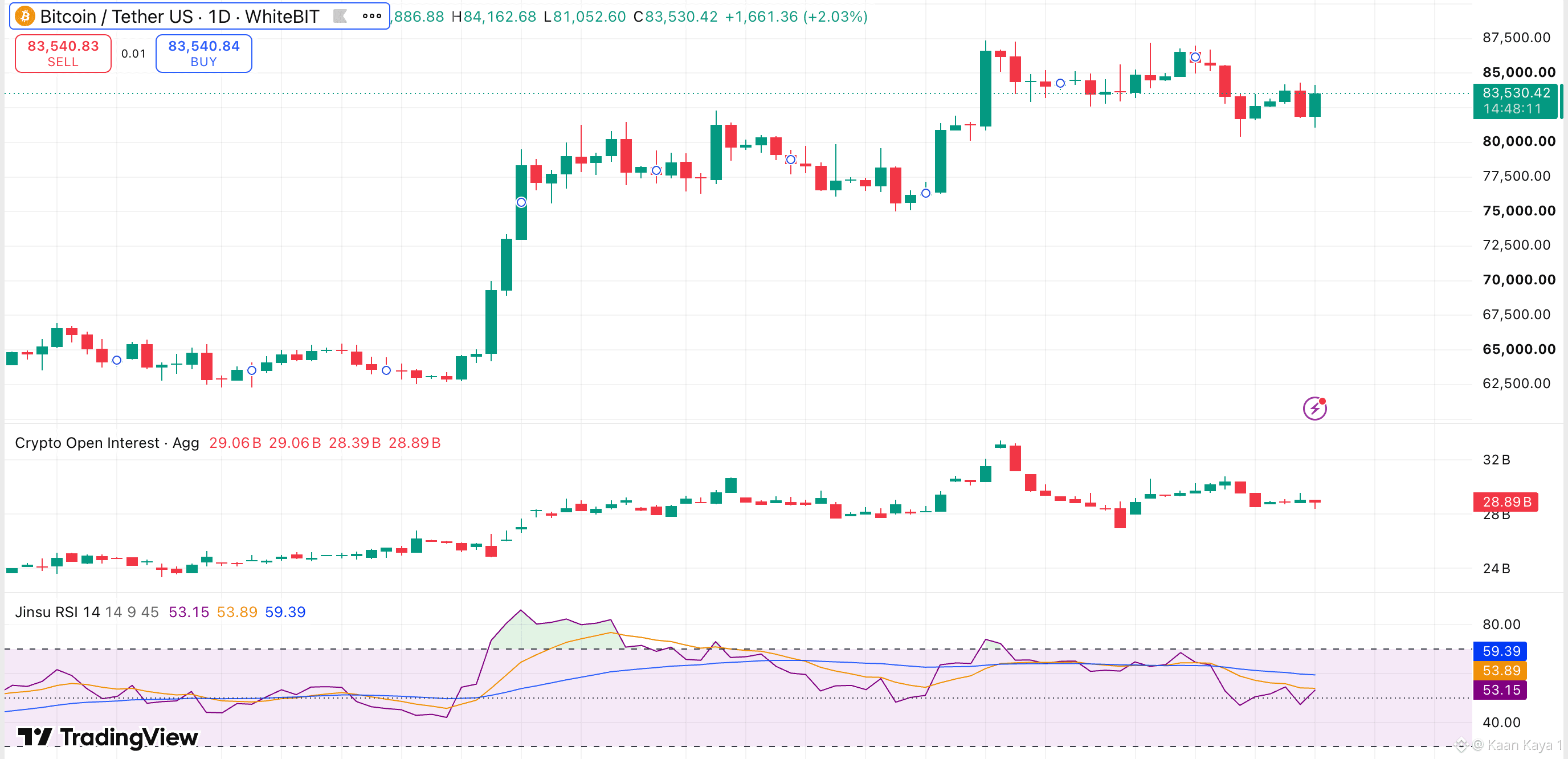
Bitcoin Doesn't Need Much to Get Traders Excited Again 👀 Funny how quickly the mood changes around $BTC . A couple of green candles and suddenly everyone starts talking about the next big breakout. But there's a difference between a quick bounce and a market that's actually ready to move higher. I'm more interested in whether buyers can keep showing up after the initial excitement fades. That's usually when you find out how much conviction is really behind a move. Anyone else watching Bitcoin but not feeling the urge to jump in just yet? #BTC Price Analysis# #Bitcoin Price Prediction: What is Bitcoins next move?#
Bitcoin Doesn't Need Much to Get Traders Excited Again 👀 Funny how quickly the mood changes around $BTC . A couple of green candles and suddenly everyone starts talking about the next big breakout. But there's a difference between a quick bounce and a market that's actually ready to move higher. I'm more interested in whether buyers can keep showing up after the initial excitement fades. That's usually when you find out how much conviction is really behind a move. Anyone else watching Bitcoin but not feeling the urge to jump in just yet? #BTC Price Analysis# #Bitcoin Price Prediction: What is Bitcoins next move?#

79
·
--
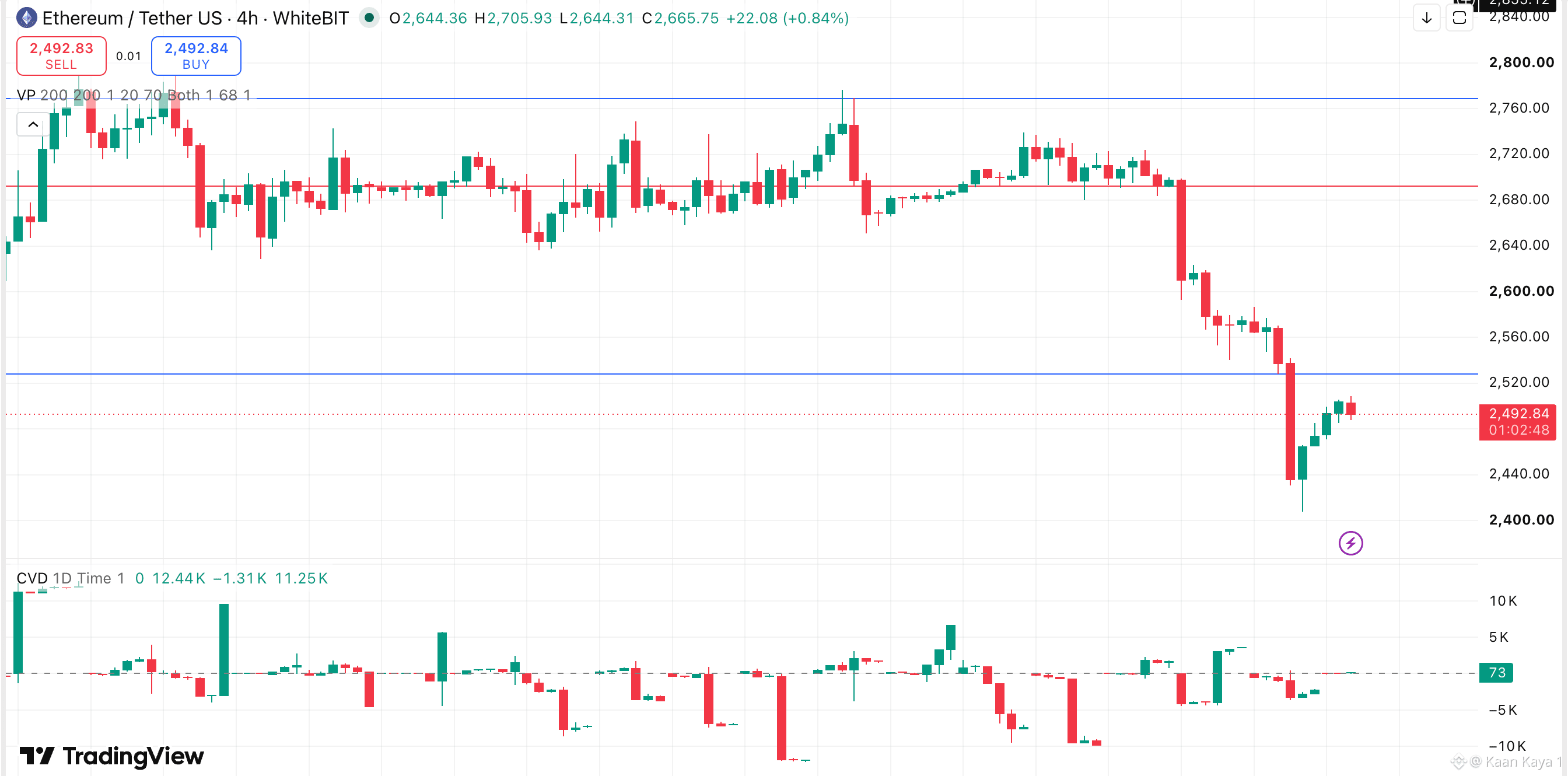
Ethereum's L2s Are Getting Cheaper. So Who Actually Makes Money? Remember when an $ETH transaction costing $30 was considered a pretty normal Tuesday? Now you can move funds on some Layer 2 networks for a few cents, sometimes less. Great for users. A slightly more awkward conversation for the businesses running those networks. Here's the thing: lower fees don't automatically mean better economics. An L2 can process millions of transactions, keep users happy and still struggle to generate meaningful revenue once infrastructure, data availability and ecosystem incentives are accounted for. And there's another wrinkle. If several networks offer basically the same cheap transfers and access to similar apps, why should anyone stick with one of them? We've spent years asking whether Ethereum can scale. Maybe the next question is whether all these scaling networks can build businesses worth maintaining. I wouldn't be surprised if the next big L2 competition is less about who has the lowest fees and more about who has users who actually come back without being paid to. #ETHBlockchain #ETHFoundation
Ethereum's L2s Are Getting Cheaper. So Who Actually Makes Money? Remember when an $ETH transaction costing $30 was considered a pretty normal Tuesday? Now you can move funds on some Layer 2 networks for a few cents, sometimes less. Great for users. A slightly more awkward conversation for the businesses running those networks. Here's the thing: lower fees don't automatically mean better economics. An L2 can process millions of transactions, keep users happy and still struggle to generate meaningful revenue once infrastructure, data availability and ecosystem incentives are accounted for. And there's another wrinkle. If several networks offer basically the same cheap transfers and access to similar apps, why should anyone stick with one of them? We've spent years asking whether Ethereum can scale. Maybe the next question is whether all these scaling networks can build businesses worth maintaining. I wouldn't be surprised if the next big L2 competition is less about who has the lowest fees and more about who has users who actually come back without being paid to. #ETHBlockchain #ETHFoundation

67
Log in to explore more content
Join global crypto users on Binance Square
⚡️ Get latest and useful information about crypto.
💬 Trusted by the world’s largest crypto exchange.
👍 Discover real insights from verified creators.
Email / Phone number