
Aniel Joshua 1
2.2k Posts

Aniel Joshua 1
Report
Block User
community moderator / ambassador | crypto enthusiast | passionate about AI, Cloud, web3, & blockchain technology
0 Following
227 Followers
126 Liked
Posts
Something worth understanding about the stock market is that an individual stock and a market index don't tell the same story. Take Apple, for example. Its stock could gain following strong earnings, but that doesn't automatically mean the S&P 500 will move in the same direction. Individual stocks reflect company-specific factors such as revenue, profitability, product demand and future expectations. Indices measure the performance of selected groups of companies. The S&P 500 offers a broader view of major US companies, while the NASDAQ 100 has significant exposure to technology and growth-oriented businesses. I find it useful to understand both perspectives rather than relying on one to judge the entire market. For anyone trading these markets, both individual stock-linked assets and major indices, including the S&P 500 and NASDAQ 100, are available through BingX TradFi. #BTC Price Analysis# $BTC $ETH #Bitcoin Price Prediction: What is Bitcoins next move?#
Something worth understanding about the stock market is that an individual stock and a market index don't tell the same story. Take Apple, for example. Its stock could gain following strong earnings, but that doesn't automatically mean the S&P 500 will move in the same direction. Individual stocks reflect company-specific factors such as revenue, profitability, product demand and future expectations. Indices measure the performance of selected groups of companies. The S&P 500 offers a broader view of major US companies, while the NASDAQ 100 has significant exposure to technology and growth-oriented businesses. I find it useful to understand both perspectives rather than relying on one to judge the entire market. For anyone trading these markets, both individual stock-linked assets and major indices, including the S&P 500 and NASDAQ 100, are available through BingX TradFi. #BTC Price Analysis# $BTC $ETH #Bitcoin Price Prediction: What is Bitcoins next move?#
2
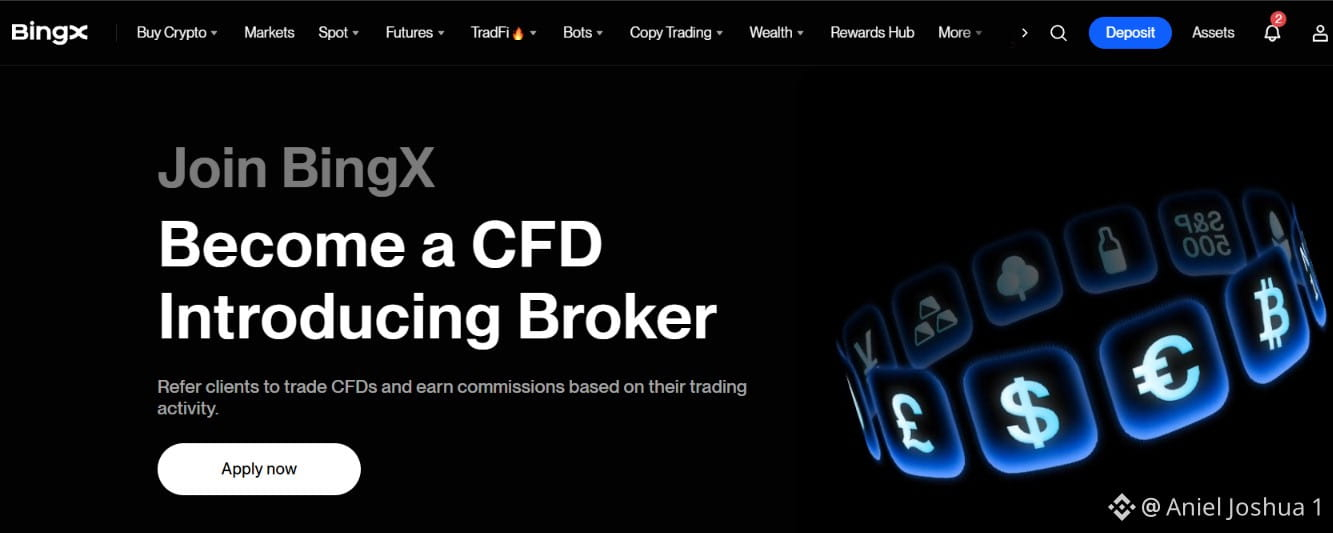
One thing I find interesting about referral partnerships is how much happens behind the referral link itself. People often focus on commissions, but tracking activity, accessing promotional resources and getting operational support are also important parts of running a partnership. I noticed BingX incorporates these elements into its CFD Introducing Broker programme. There are four main features worth understanding: Trading commissions based on qualifying referred-client activity. Referral data and commission performance tracking. Dedicated referral links and promotional resources. Account-manager support. The process follows three stages: Apply, receive approval and referral access, then earn commissions when the applicable conditions are met. Of course, commissions aren't guaranteed, and partnership terms determine eligibility. It's also worth remembering that CFDs are complex, leveraged products with substantial risk of loss. $KAVA $BTC #BTC Price Analysis# #Crypto# #Bitcoin Price Prediction: What is Bitcoins next move?#
One thing I find interesting about referral partnerships is how much happens behind the referral link itself. People often focus on commissions, but tracking activity, accessing promotional resources and getting operational support are also important parts of running a partnership. I noticed BingX incorporates these elements into its CFD Introducing Broker programme. There are four main features worth understanding: Trading commissions based on qualifying referred-client activity. Referral data and commission performance tracking. Dedicated referral links and promotional resources. Account-manager support. The process follows three stages: Apply, receive approval and referral access, then earn commissions when the applicable conditions are met. Of course, commissions aren't guaranteed, and partnership terms determine eligibility. It's also worth remembering that CFDs are complex, leveraged products with substantial risk of loss. $KAVA $BTC #BTC Price Analysis# #Crypto# #Bitcoin Price Prediction: What is Bitcoins next move?#
7
$KAVA
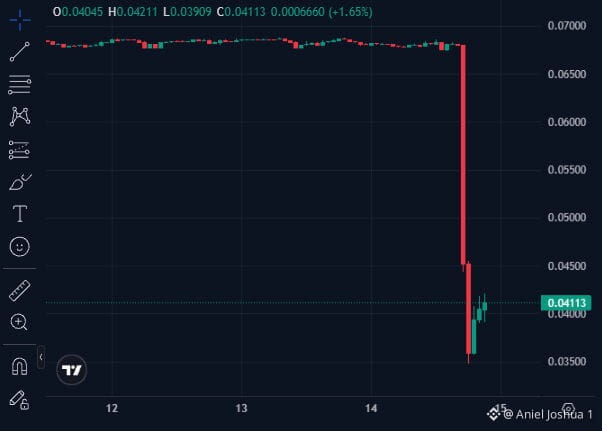
got cut nearly in half after someone bridged a pile of KAVA to BSC and dumped it, and the team says it's contained to Kava Lend and not an infinite mint............... what's happening in the space?
$KAVA
got cut nearly in half after someone bridged a pile of KAVA to BSC and dumped it, and the team says it's contained to Kava Lend and not an infinite mint............... what's happening in the space?
got cut nearly in half after someone bridged a pile of KAVA to BSC and dumped it, and the team says it's contained to Kava Lend and not an infinite mint............... what's happening in the space?
309
what's going on? $XRP
crashes under $0.95 for the first time since November 2024.
what's going on? $XRP
crashes under $0.95 for the first time since November 2024.
crashes under $0.95 for the first time since November 2024.
61
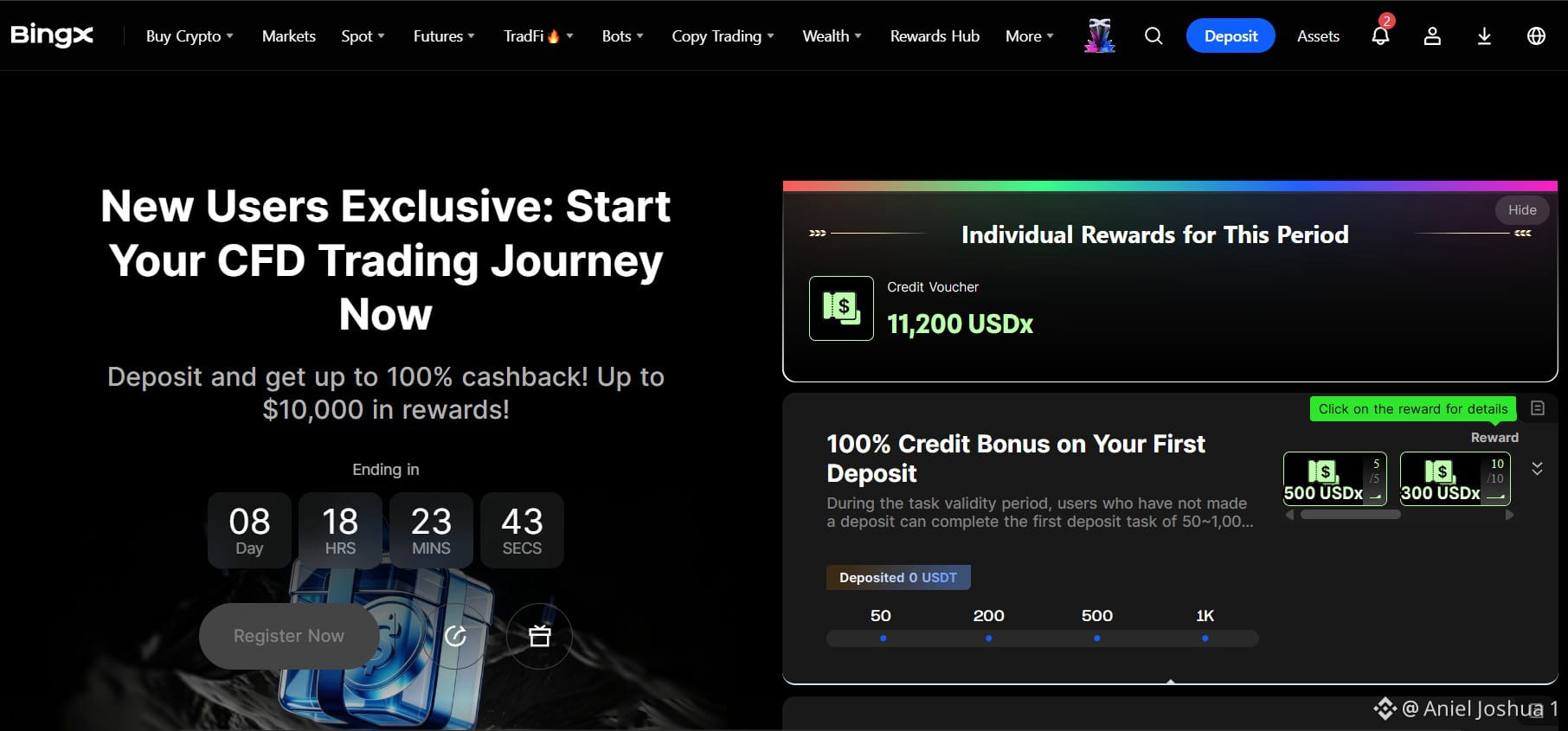
Something interesting about trading costs is that two platforms can advertise very different fee structures, yet comparing them isn't always as straightforward as it looks. Take commissions and spreads, for example. A commission is a separate charge on a trade, while the spread is the difference between the bid and ask price. Even without an additional commission, you're still dealing with a trading cost. I noticed BingX CFD approaches this through two options: Zero Fee Mode uses standard spreads without additional trading commission, while Ultra-Low Spread Mode offers narrower spreads with a fixed commission per lot. Neither is automatically cheaper. Your trading volume, market conditions and holding period matter, especially when overnight swaps apply. The bigger lesson? Compare the total cost, not just the advertised fee. Also, CFDs are leveraged products and can result in substantial losses. $KAVA #BTC Price Analysis# $BTC #Bitcoin Price Prediction: What is Bitcoins next move?#
Something interesting about trading costs is that two platforms can advertise very different fee structures, yet comparing them isn't always as straightforward as it looks. Take commissions and spreads, for example. A commission is a separate charge on a trade, while the spread is the difference between the bid and ask price. Even without an additional commission, you're still dealing with a trading cost. I noticed BingX CFD approaches this through two options: Zero Fee Mode uses standard spreads without additional trading commission, while Ultra-Low Spread Mode offers narrower spreads with a fixed commission per lot. Neither is automatically cheaper. Your trading volume, market conditions and holding period matter, especially when overnight swaps apply. The bigger lesson? Compare the total cost, not just the advertised fee. Also, CFDs are leveraged products and can result in substantial losses. $KAVA #BTC Price Analysis# $BTC #Bitcoin Price Prediction: What is Bitcoins next move?#
51
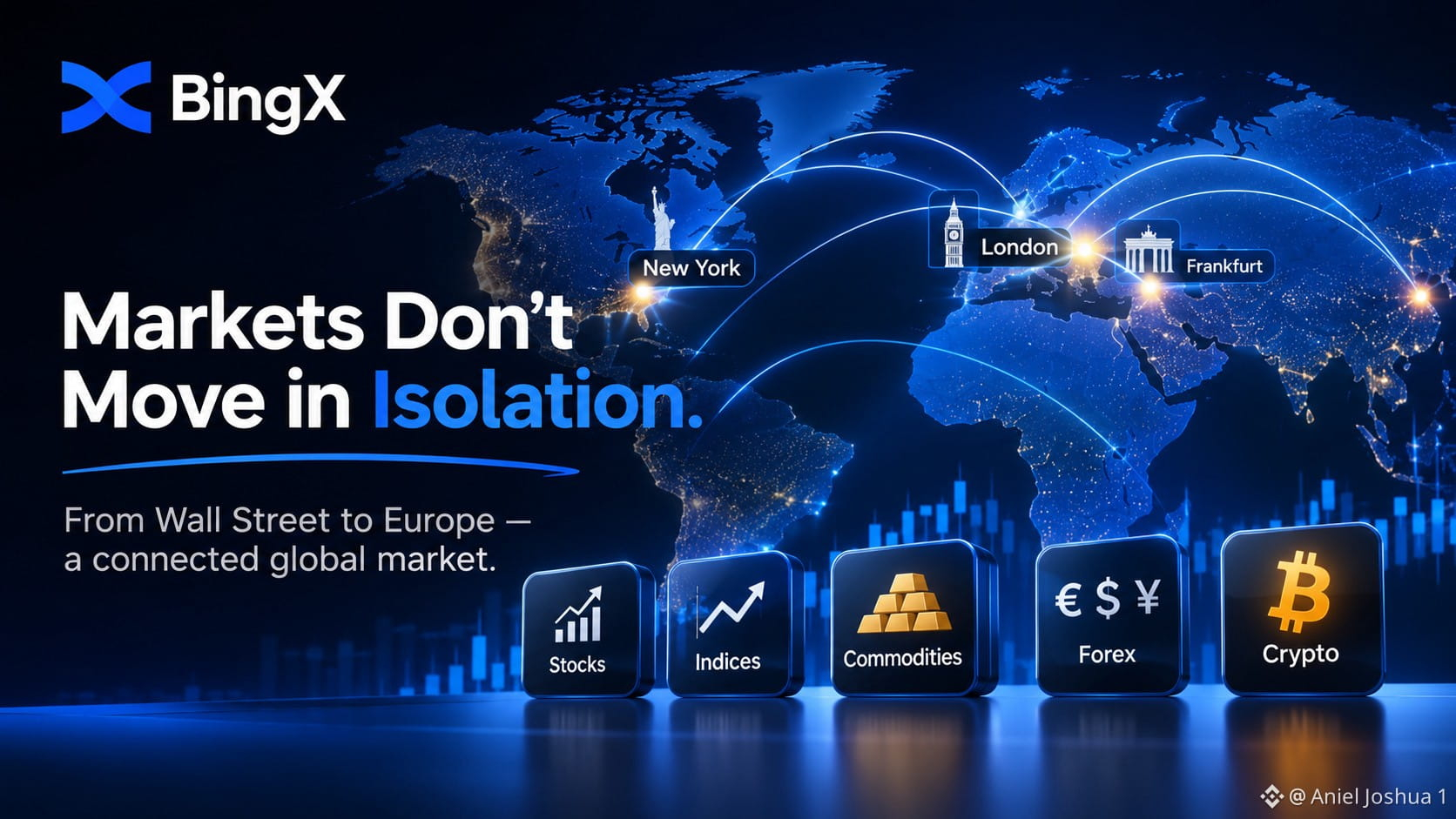
I've started looking at financial markets as connected pieces rather than separate charts. For example, a major move in the S&P 500 can influence investor sentiment in Europe. Fed decisions can affect the dollar and global liquidity, while oil and gold movements can shape inflation expectations. Crypto isn't completely isolated from these developments either. Liquidity, macroeconomic news and overall risk appetite can influence digital assets. What I find interesting is how BingX EU brings different market categories together, from crypto to stocks, indices, commodities, metals and forex instruments. For me, the real value of following multiple markets is understanding what's happening beyond one chart, not necessarily trading everything. Do you follow traditional markets alongside crypto? #Crypto# $BTC $ETH #Macro Insights# #BTC Price Analysis# #Bitcoin Price Prediction: What is Bitcoins next move?#
I've started looking at financial markets as connected pieces rather than separate charts. For example, a major move in the S&P 500 can influence investor sentiment in Europe. Fed decisions can affect the dollar and global liquidity, while oil and gold movements can shape inflation expectations. Crypto isn't completely isolated from these developments either. Liquidity, macroeconomic news and overall risk appetite can influence digital assets. What I find interesting is how BingX EU brings different market categories together, from crypto to stocks, indices, commodities, metals and forex instruments. For me, the real value of following multiple markets is understanding what's happening beyond one chart, not necessarily trading everything. Do you follow traditional markets alongside crypto? #Crypto# $BTC $ETH #Macro Insights# #BTC Price Analysis# #Bitcoin Price Prediction: What is Bitcoins next move?#
4
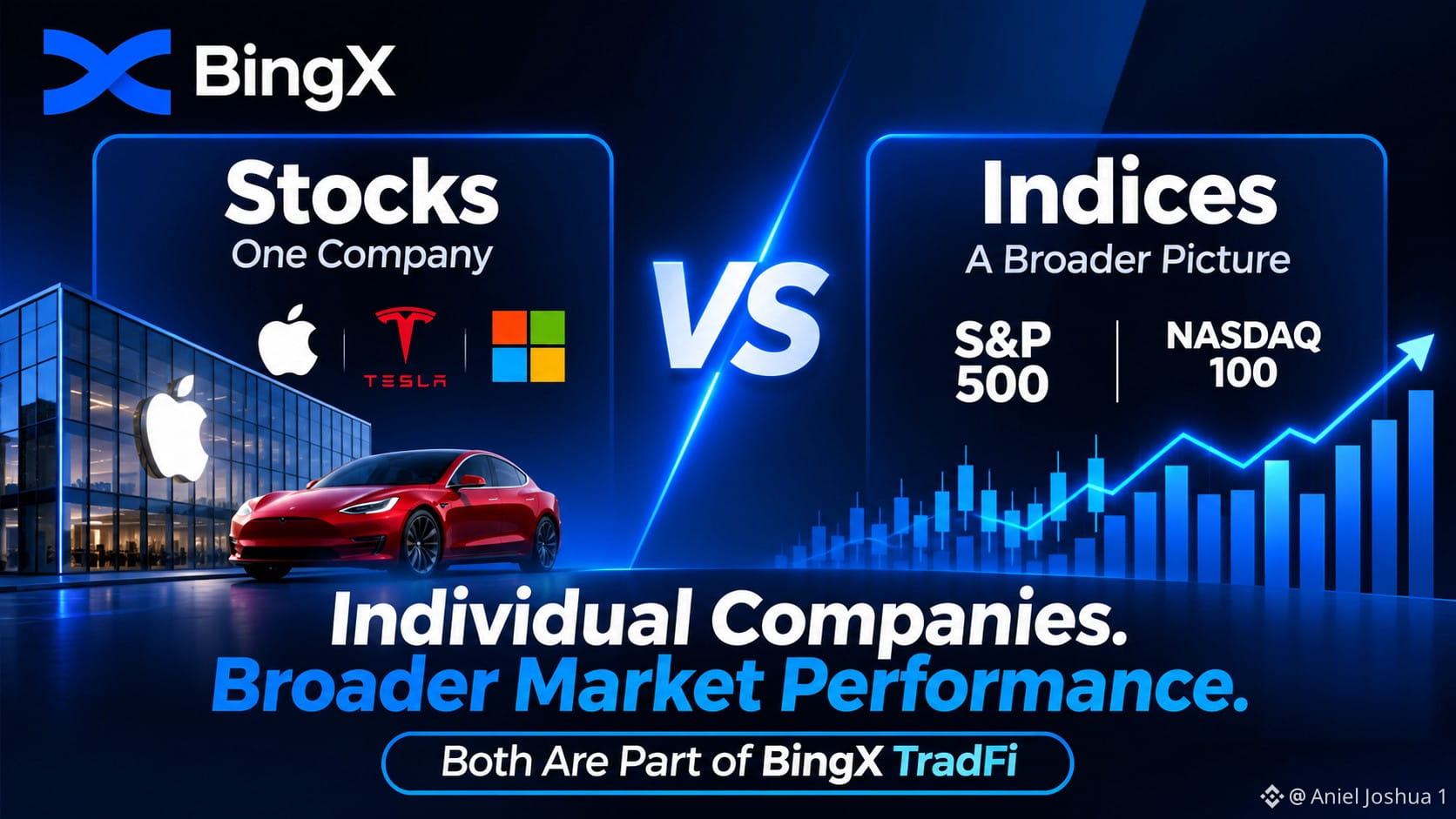
One thing I've learned from following financial markets is that a company's performance doesn't always tell the whole market story. For example, Apple could have a strong earnings report while other parts of the market struggle. That's why I find it useful to distinguish between individual stocks and indices. Stocks like AAPL and TSLA give us a closer look at specific businesses, while indices like the S&P 500 and NASDAQ 100 help us understand the performance of a broader group of companies. What's interesting is seeing both categories represented in BingX TradFi's market coverage. It gives a different perspective on how traditional markets are structured. Of course, its stock and index perpetual futures are derivatives, not ownership of the underlying assets. Do you pay more attention to individual stocks or the broader indices? $BTC $ETH #BTC Price Analysis# #Crypto# #Bitcoin Price Prediction: What is Bitcoins next move?#
One thing I've learned from following financial markets is that a company's performance doesn't always tell the whole market story. For example, Apple could have a strong earnings report while other parts of the market struggle. That's why I find it useful to distinguish between individual stocks and indices. Stocks like AAPL and TSLA give us a closer look at specific businesses, while indices like the S&P 500 and NASDAQ 100 help us understand the performance of a broader group of companies. What's interesting is seeing both categories represented in BingX TradFi's market coverage. It gives a different perspective on how traditional markets are structured. Of course, its stock and index perpetual futures are derivatives, not ownership of the underlying assets. Do you pay more attention to individual stocks or the broader indices? $BTC $ETH #BTC Price Analysis# #Crypto# #Bitcoin Price Prediction: What is Bitcoins next move?#
3
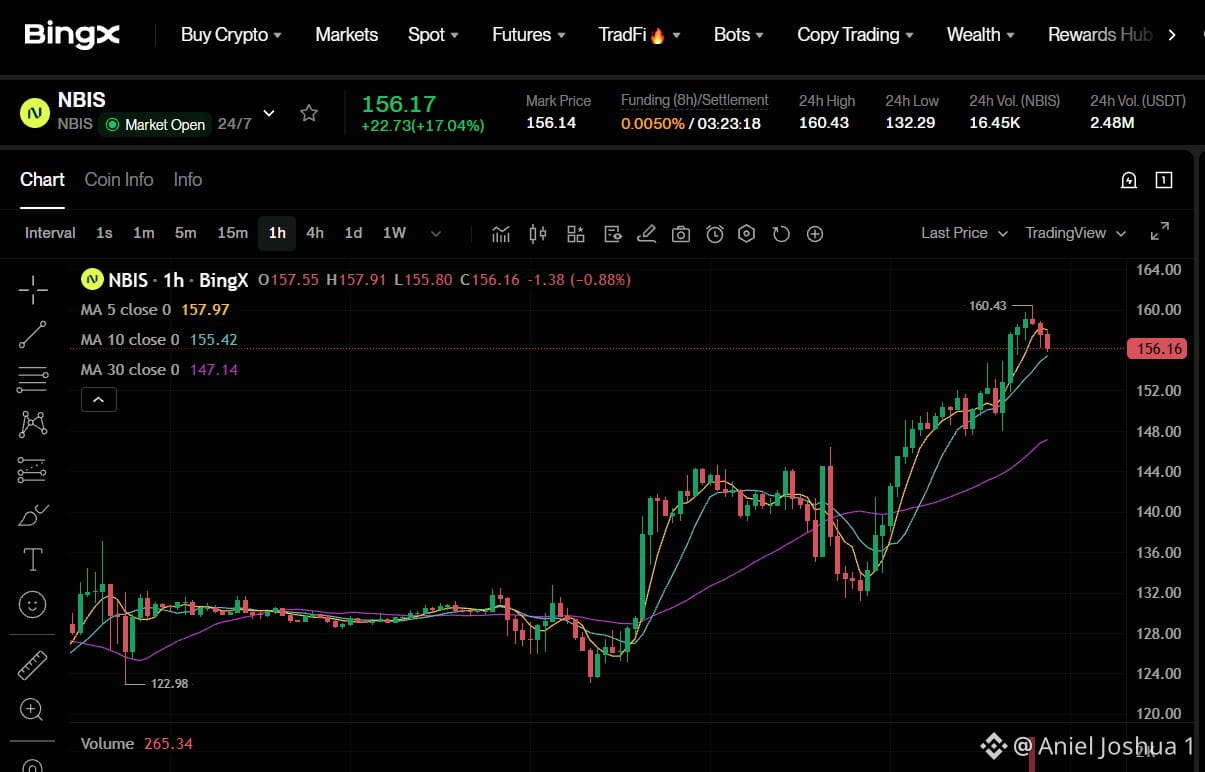
A good market to follow isn't always just about how much its price can move. Sometimes, what happens behind the price is just as interesting. I've been looking into Nebius Group ($NBIS ), a company focused on AI cloud infrastructure and GPU computing. With AI development requiring significant computing resources, it's an interesting sector to keep an eye on. But when it comes to trading an asset, liquidity is another detail I don't like overlooking. I came across the NBIS-USDT perpetual market on BingX and noticed these order book depth figures: 10 bps: 55.1K USDT 50 bps: 382K USDT 100 bps: 1.12M USDT It puts execution conditions into perspective. Order book depth can influence price impact, especially when larger orders are involved. #Altcoin Season# #BTC Price Analysis# #Crypto# #Bitcoin Price Prediction: What is Bitcoins next move?# $BTC $ZEC
A good market to follow isn't always just about how much its price can move. Sometimes, what happens behind the price is just as interesting. I've been looking into Nebius Group ($NBIS ), a company focused on AI cloud infrastructure and GPU computing. With AI development requiring significant computing resources, it's an interesting sector to keep an eye on. But when it comes to trading an asset, liquidity is another detail I don't like overlooking. I came across the NBIS-USDT perpetual market on BingX and noticed these order book depth figures: 10 bps: 55.1K USDT 50 bps: 382K USDT 100 bps: 1.12M USDT It puts execution conditions into perspective. Order book depth can influence price impact, especially when larger orders are involved. #Altcoin Season# #BTC Price Analysis# #Crypto# #Bitcoin Price Prediction: What is Bitcoins next move?# $BTC $ZEC
423
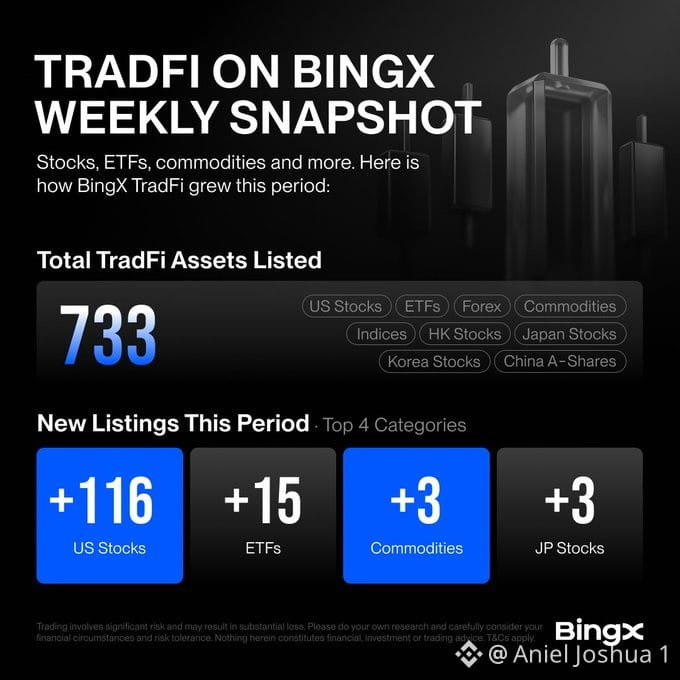
There was a time when I would check the stock market, look at forex movements and follow commodity prices as completely separate activities. Each market had its own conversations and economic drivers. That's why the growth of multi-asset platforms is an interesting development to me. I recently came across BingX's latest TradFi figures: 730+ available assets and 137 new listings, with US stocks contributing 116 of them. The coverage spans stocks, commodities, indices and forex. What I find interesting isn't just the number of listings, but the growing connection between different financial markets within one ecosystem. It makes me curious about how multi-asset trading platforms will continue to evolve. #BTC Price Analysis# #Bitcoin Price Prediction: What is Bitcoins next move?# $BTC
There was a time when I would check the stock market, look at forex movements and follow commodity prices as completely separate activities. Each market had its own conversations and economic drivers. That's why the growth of multi-asset platforms is an interesting development to me. I recently came across BingX's latest TradFi figures: 730+ available assets and 137 new listings, with US stocks contributing 116 of them. The coverage spans stocks, commodities, indices and forex. What I find interesting isn't just the number of listings, but the growing connection between different financial markets within one ecosystem. It makes me curious about how multi-asset trading platforms will continue to evolve. #BTC Price Analysis# #Bitcoin Price Prediction: What is Bitcoins next move?# $BTC
5
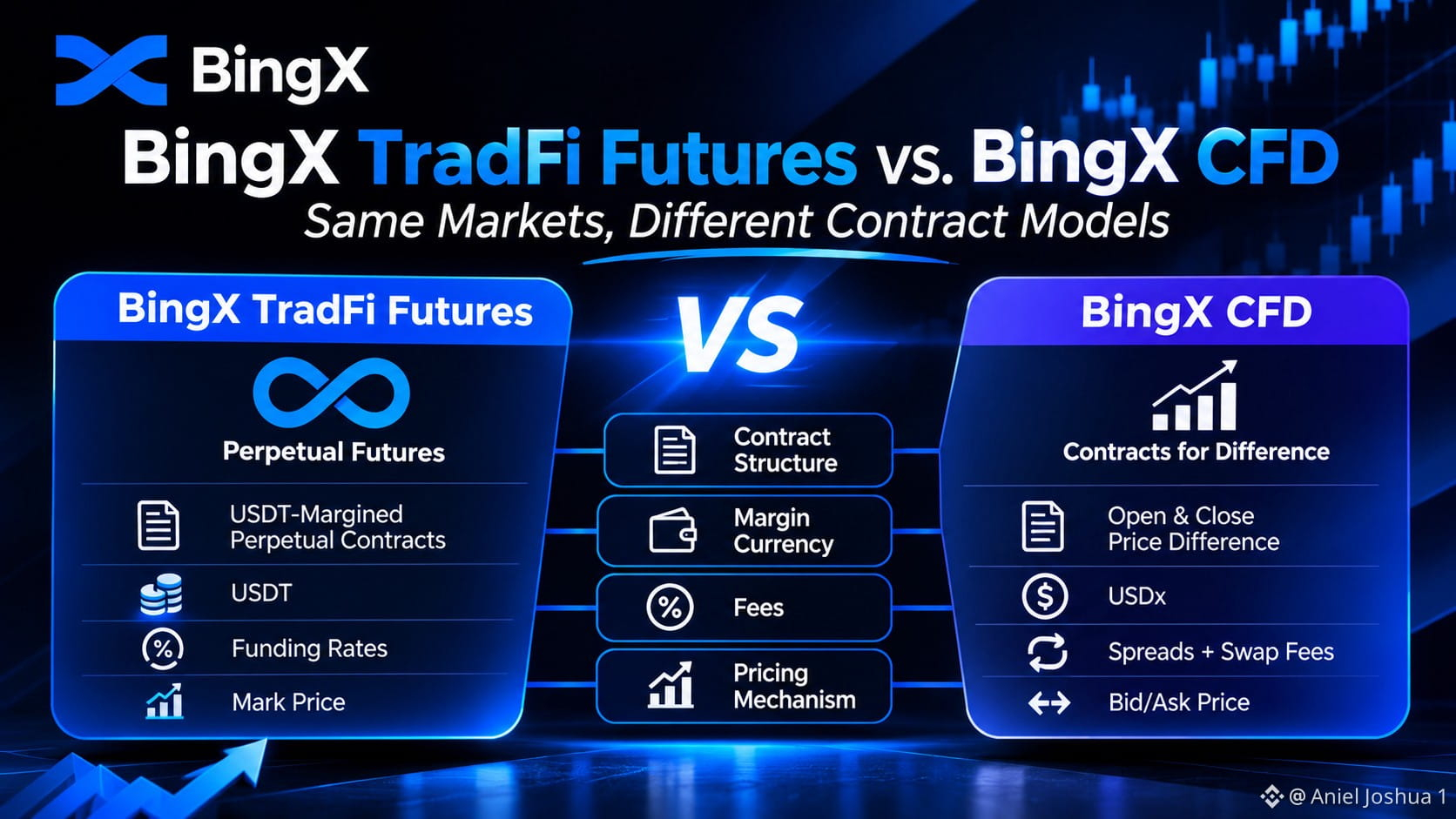
When I first got into crypto, most of my attention was on $BTC and $ETH . I was mainly interested in price movements, market cycles and what was driving the next move. But as I started exploring other markets, I realised that trading isn't just about which asset you choose. The structure of the product matters too. For instance, I noticed something interesting with BingX TradFi Futures and CFD. Both offer exposure to traditional markets, but they don't work the same way. TradFi Futures use USDT-margined perpetual contracts with funding rates, while CFDs use USDx margin with spread and swap charges. Their pricing mechanisms differ as well: mark price versus bid/ask pricing. It's a small distinction that can make a big difference in understanding trading costs and exposure. Not every derivative is built the same way, and leverage makes understanding those differences even more important #BTC Price Analysis# #Bitcoin Price Prediction: What is Bitcoins next move?# #Crypto#
When I first got into crypto, most of my attention was on $BTC and $ETH . I was mainly interested in price movements, market cycles and what was driving the next move. But as I started exploring other markets, I realised that trading isn't just about which asset you choose. The structure of the product matters too. For instance, I noticed something interesting with BingX TradFi Futures and CFD. Both offer exposure to traditional markets, but they don't work the same way. TradFi Futures use USDT-margined perpetual contracts with funding rates, while CFDs use USDx margin with spread and swap charges. Their pricing mechanisms differ as well: mark price versus bid/ask pricing. It's a small distinction that can make a big difference in understanding trading costs and exposure. Not every derivative is built the same way, and leverage makes understanding those differences even more important #BTC Price Analysis# #Bitcoin Price Prediction: What is Bitcoins next move?# #Crypto#
104
$BTC and $ETH have shown how digital assets can develop into an important part of the global financial conversation. But something equally interesting is happening on the traditional finance side. The relationship between crypto and traditional finance is gradually changing. Banks and asset managers are exploring tokenisation, blockchain-based settlement and digital payment infrastructure. At the same time, crypto platforms are expanding access to traditional markets. I see this as a shift from competition towards integration. BingX is one example through its multi-asset ecosystem, combining crypto with exposure to stocks, indices, commodities and forex. These products have different structures, though; trading a stock-based perpetual contract, for instance, doesn't mean owning the underlying shares. Europe is also taking steps towards clearer regulation through MiCA. BingX EU securing its licence from Austria's FMA is another interesting development. The bigger question isn't whether crypto will replace traditional finance, but how both systems will evolve together. #BTC Price Analysis# #Crypto# #Bitcoin Price Prediction: What is Bitcoins next move?#
$BTC and $ETH have shown how digital assets can develop into an important part of the global financial conversation. But something equally interesting is happening on the traditional finance side. The relationship between crypto and traditional finance is gradually changing. Banks and asset managers are exploring tokenisation, blockchain-based settlement and digital payment infrastructure. At the same time, crypto platforms are expanding access to traditional markets. I see this as a shift from competition towards integration. BingX is one example through its multi-asset ecosystem, combining crypto with exposure to stocks, indices, commodities and forex. These products have different structures, though; trading a stock-based perpetual contract, for instance, doesn't mean owning the underlying shares. Europe is also taking steps towards clearer regulation through MiCA. BingX EU securing its licence from Austria's FMA is another interesting development. The bigger question isn't whether crypto will replace traditional finance, but how both systems will evolve together. #BTC Price Analysis# #Crypto# #Bitcoin Price Prediction: What is Bitcoins next move?#

16
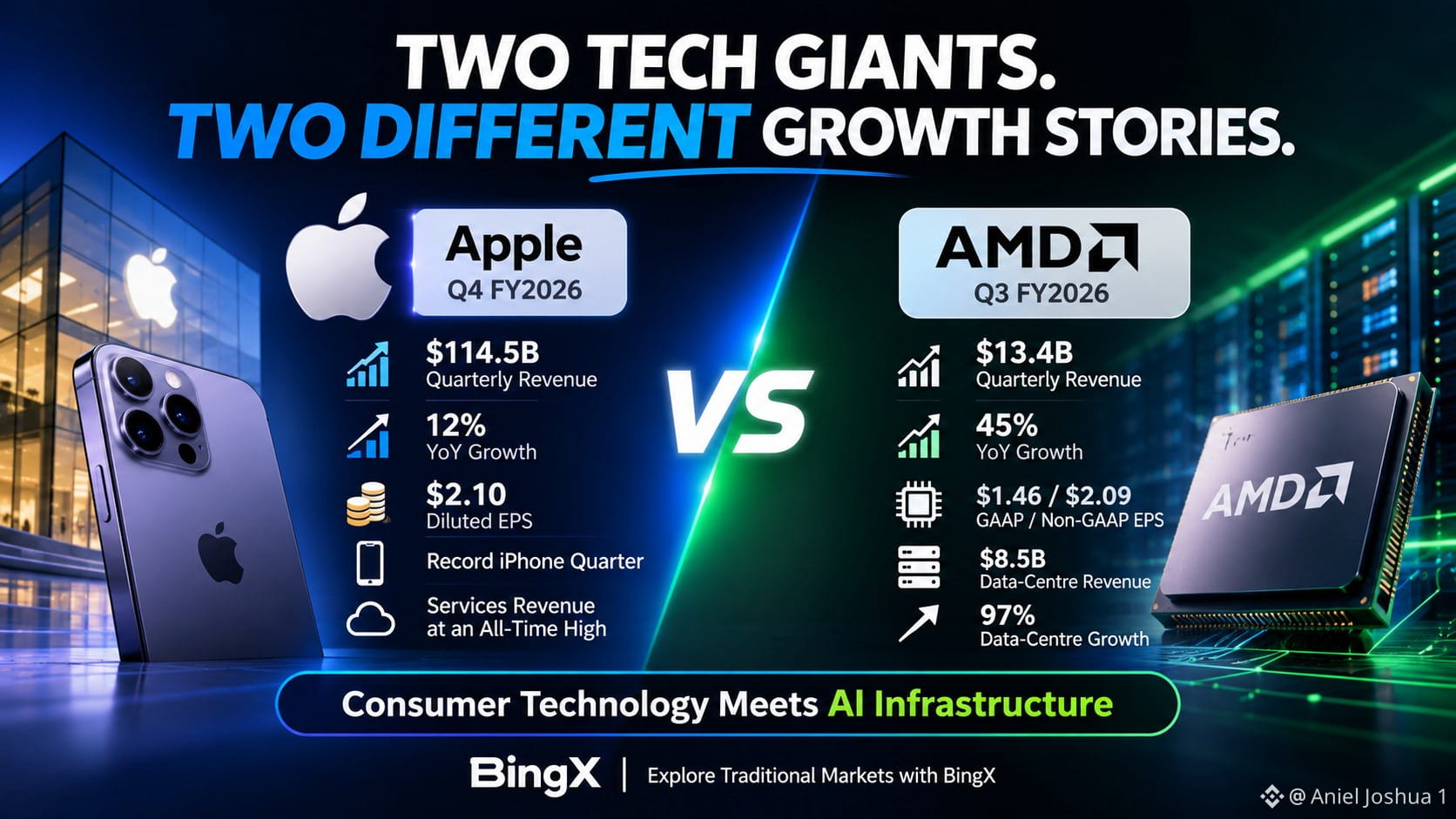
I've been looking at Apple's and AMD's latest earnings, and it's interesting how differently these two companies are benefiting from the tech boom. Apple reported $114.5B in revenue, up 12%, with strong iPhone and Services performance. AMD recorded $13.4B, growing 45% year over year. But what really stands out to me is its data-centre revenue, which jumped 97% to $8.5B. It makes you think about how much of the AI story depends on the infrastructure powering it, not just the applications people use. I've also noticed BingX bringing traditional stock-market exposure, including AAPL and AMD-related derivatives, into its wider ecosystem. Personally, I'm curious: would you rather follow the consumer tech story or the AI infrastructure story? #Crypto# $USDT $ETH $BTC #Macro Insights# #BTC Price Analysis#
I've been looking at Apple's and AMD's latest earnings, and it's interesting how differently these two companies are benefiting from the tech boom. Apple reported $114.5B in revenue, up 12%, with strong iPhone and Services performance. AMD recorded $13.4B, growing 45% year over year. But what really stands out to me is its data-centre revenue, which jumped 97% to $8.5B. It makes you think about how much of the AI story depends on the infrastructure powering it, not just the applications people use. I've also noticed BingX bringing traditional stock-market exposure, including AAPL and AMD-related derivatives, into its wider ecosystem. Personally, I'm curious: would you rather follow the consumer tech story or the AI infrastructure story? #Crypto# $USDT $ETH $BTC #Macro Insights# #BTC Price Analysis#
1
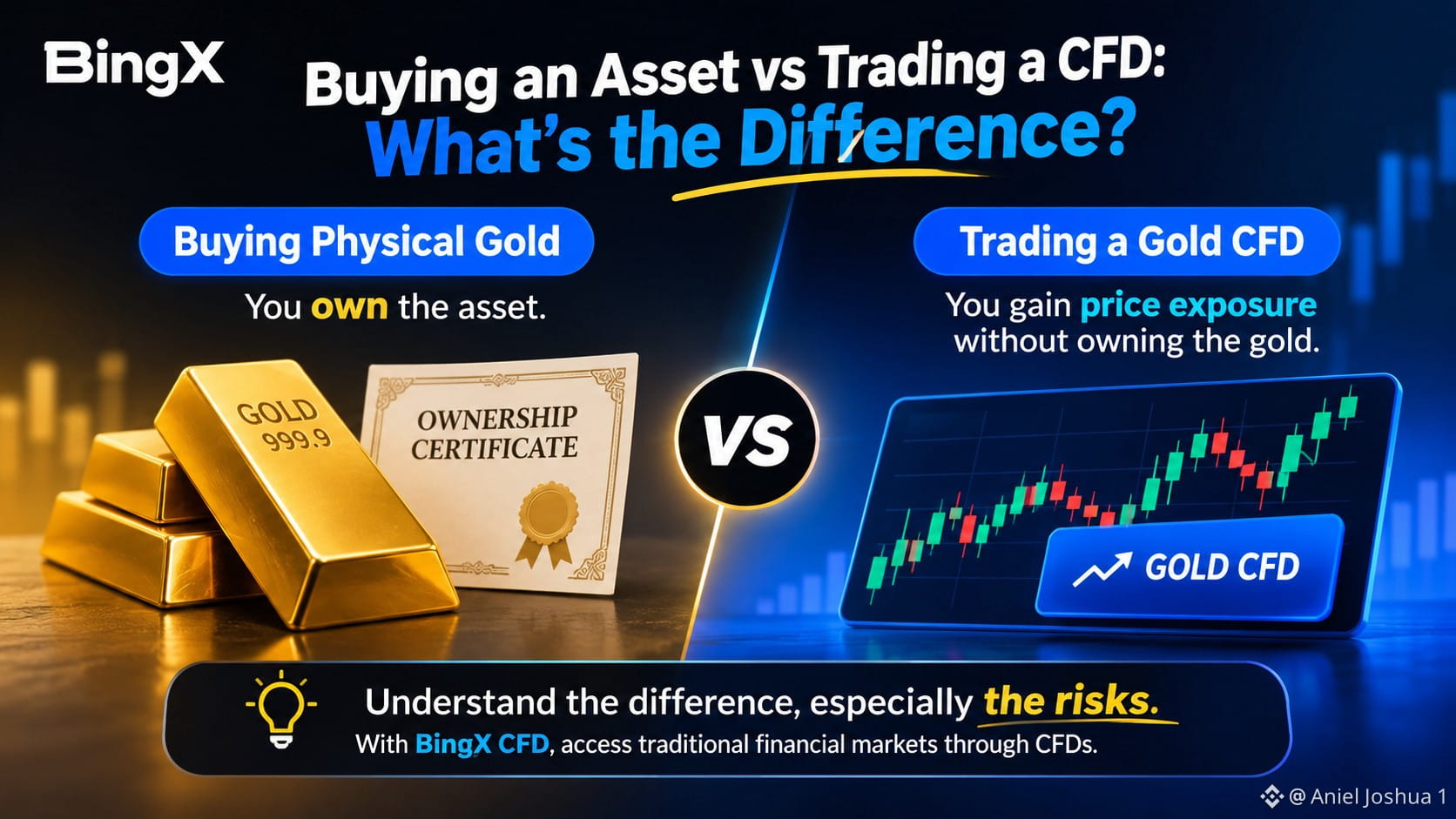
I used to think buying gold and trading gold were basically the same thing. After looking closer, there's an important difference. When you buy physical gold, you actually own the metal. You can keep it, store it or sell it later. A gold CFD works differently. You're trading a contract linked to gold's price movements, not buying the physical asset. The costs also differ. CFDs may involve spreads and overnight financing fees, and leverage can amplify both gains and losses. BingX CFD is one example of how traders can access price movements in supported traditional markets without owning the underlying assets. Interesting how much the structure matters, isn't it? #BingXCFD $BTC $ETH #Macro Insights# #Bitcoin Price Prediction: What is Bitcoins next move?# #BTC Price Analysis#
I used to think buying gold and trading gold were basically the same thing. After looking closer, there's an important difference. When you buy physical gold, you actually own the metal. You can keep it, store it or sell it later. A gold CFD works differently. You're trading a contract linked to gold's price movements, not buying the physical asset. The costs also differ. CFDs may involve spreads and overnight financing fees, and leverage can amplify both gains and losses. BingX CFD is one example of how traders can access price movements in supported traditional markets without owning the underlying assets. Interesting how much the structure matters, isn't it? #BingXCFD $BTC $ETH #Macro Insights# #Bitcoin Price Prediction: What is Bitcoins next move?# #BTC Price Analysis#
3
For a long time, I associated crypto platforms mainly with Bitcoin, Ethereum and other digital assets. But the financial landscape is gradually becoming more interconnected. BingX is an interesting example of this shift. Its ecosystem now covers 700+ TradFi perpetual futures across stocks, commodities, forex and indices, alongside access to 7,000+ US stocks and ETFs through its Alpaca integration. What's interesting is that these aren't all the same type of product. Perpetual futures provide price exposure, while the stock and ETF offering uses brokerage infrastructure. It makes me wonder: are we moving towards a future where crypto and traditional markets become increasingly connected? #BingXTradFi #Crypto# #Bitcoin #Bitcoin Price Prediction: What is Bitcoins next move?# $BTC
For a long time, I associated crypto platforms mainly with Bitcoin, Ethereum and other digital assets. But the financial landscape is gradually becoming more interconnected. BingX is an interesting example of this shift. Its ecosystem now covers 700+ TradFi perpetual futures across stocks, commodities, forex and indices, alongside access to 7,000+ US stocks and ETFs through its Alpaca integration. What's interesting is that these aren't all the same type of product. Perpetual futures provide price exposure, while the stock and ETF offering uses brokerage infrastructure. It makes me wonder: are we moving towards a future where crypto and traditional markets become increasingly connected? #BingXTradFi #Crypto# #Bitcoin #Bitcoin Price Prediction: What is Bitcoins next move?# $BTC
1
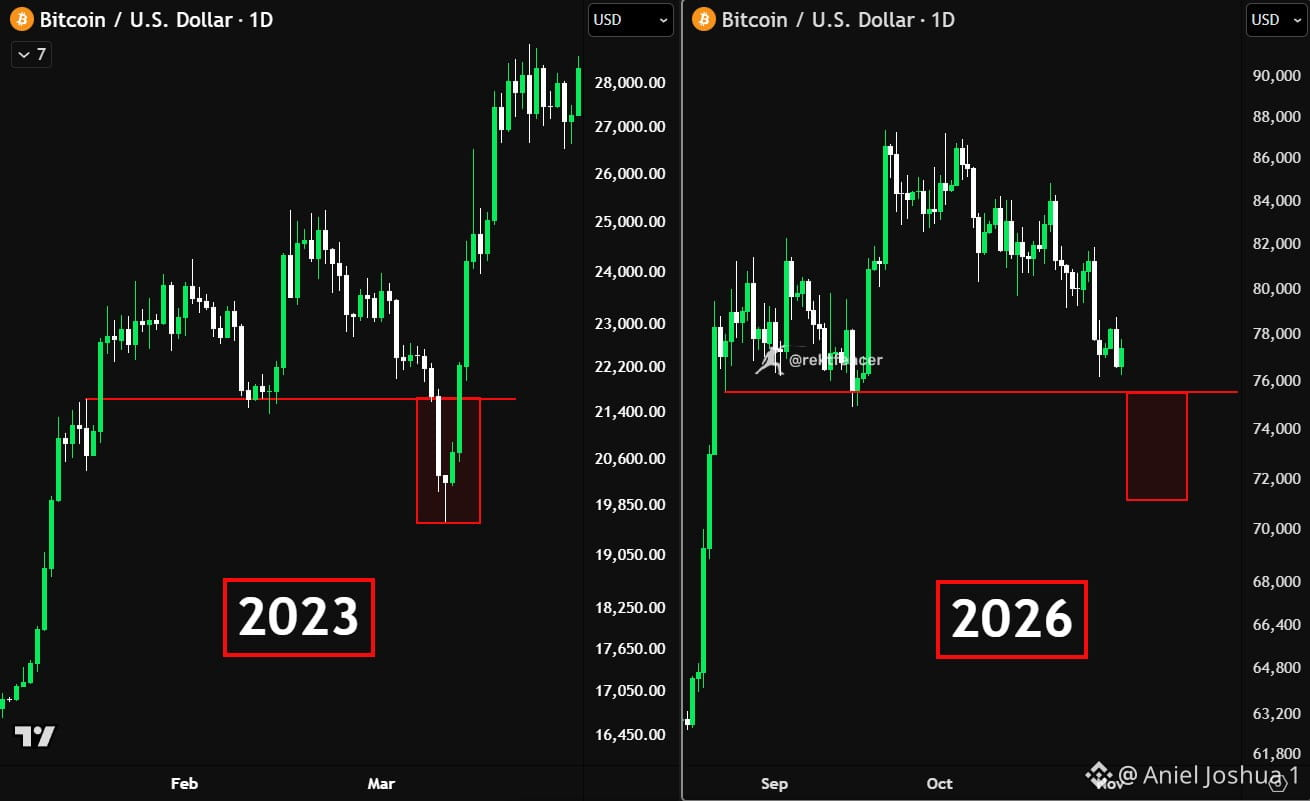
Bitcoin dropping to $75,600 on early Democratic midterm sweep results before bouncing past $80,000 shows how crypto often reacts to market structure over political headlines. The initial dip was a short-squeeze leverage flush driven by fear of legislative friction, particularly around stalled bills like the CLARITY Act and tougher committee leadership. However, spot buyers quickly absorbed the sell-off. While a Democratic Congress presents short-term regulatory hurdles for domestic crypto firms, Bitcoin’s macro thesis remains tied to global liquidity, fiscal expansion, and rising national debt rather than Washington politics. #Bitcoin #BTC
#BTC Price Analysis# #Crypto# $BTC #Bitcoin Price Prediction: What is Bitcoins next move?#
#BTC Price Analysis# #Crypto# $BTC #Bitcoin Price Prediction: What is Bitcoins next move?#
84
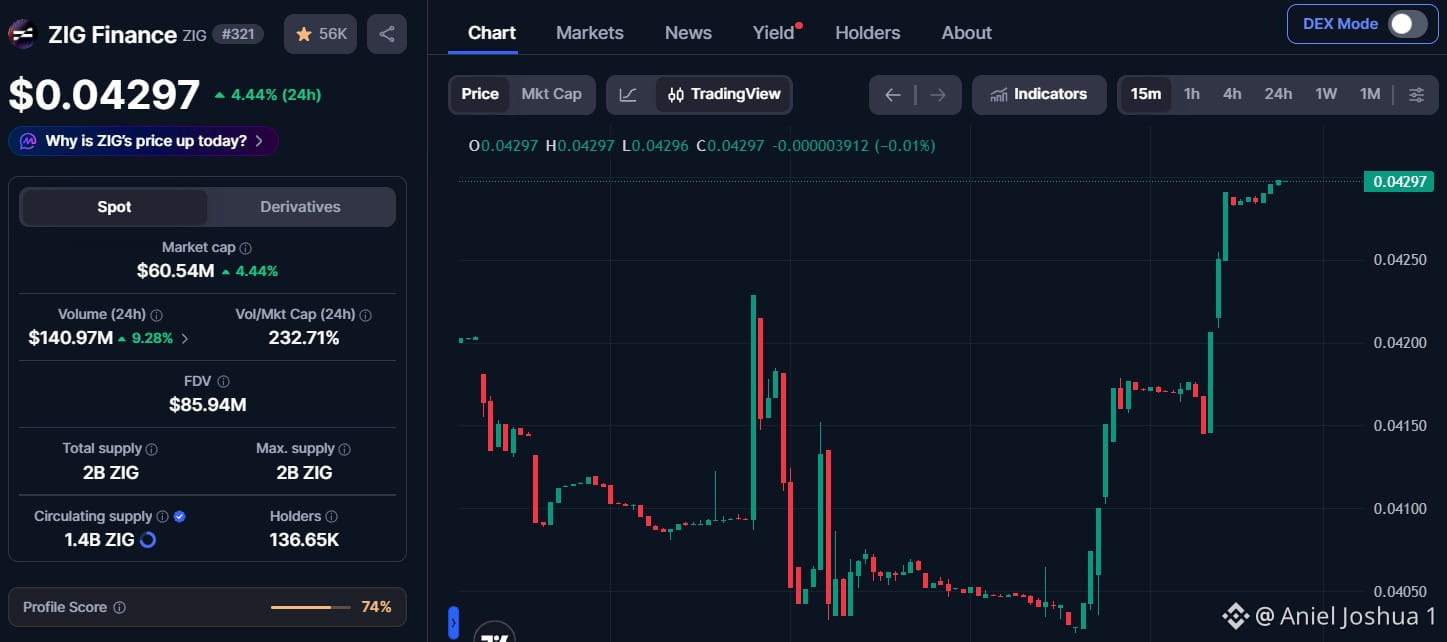
$ZIG is pushing again.
Price is up 4.44% to $0.04297, with market cap sitting at $60.54M.
Quick tip: Don't just watch the price. Watch the volume too. It helps you understand how much activity is behind a move.
And $ZIG's 24h volume is already at $140.97M, over 2.3x its market cap.
That's a metric worth keeping an eye on.
67
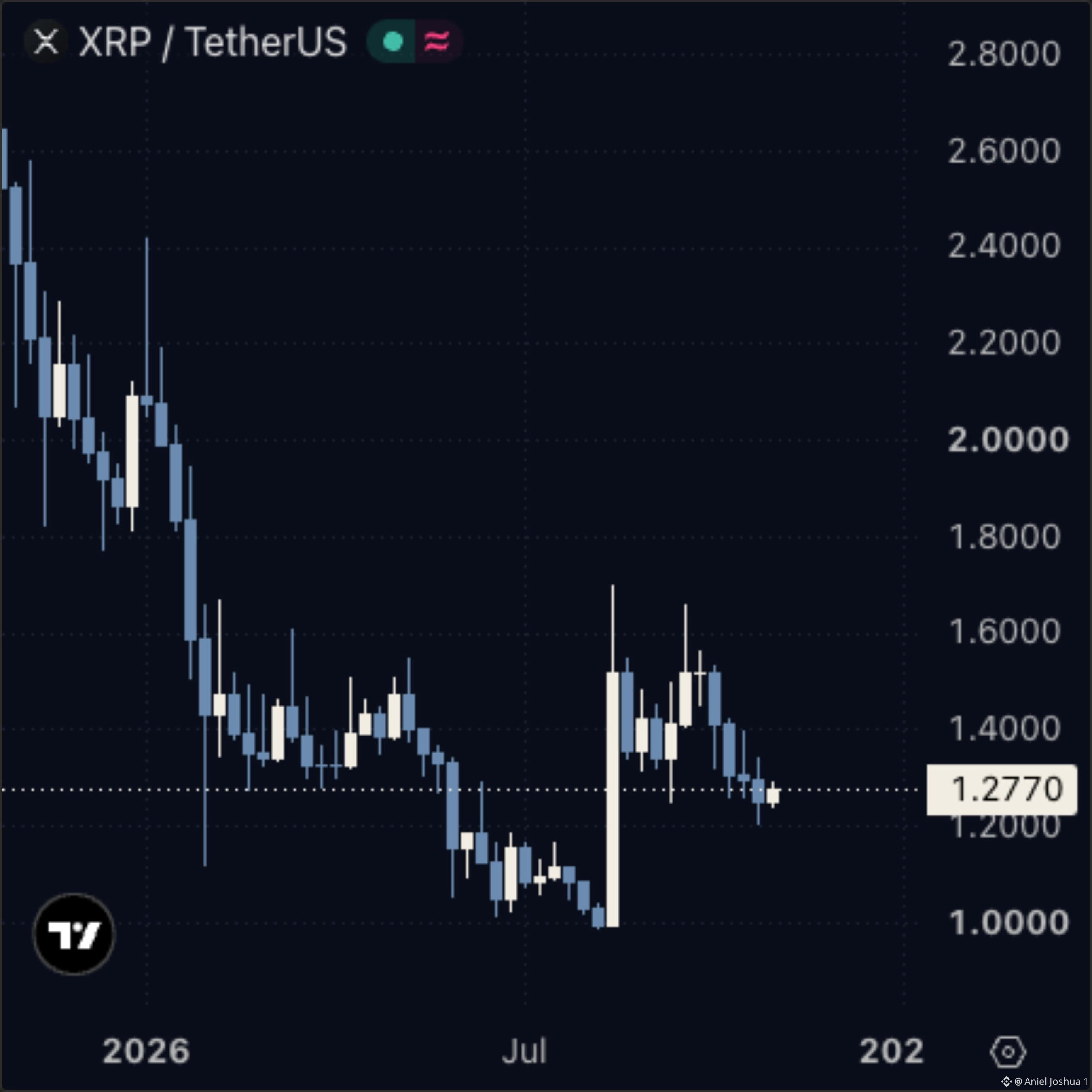
I still think the low on
$XRP is in at $1.
The Binance hacker still holds some
$XRP and it can't be frozen, so it could get dumped. That could mean a deeper dip and a longer sideways stretch, maybe $1.10 instead of $1.20. Fine by me, I hold it
I still think the low on
$XRP is in at $1.
The Binance hacker still holds some
$XRP and it can't be frozen, so it could get dumped. That could mean a deeper dip and a longer sideways stretch, maybe $1.10 instead of $1.20. Fine by me, I hold it
$XRP is in at $1.
The Binance hacker still holds some
$XRP and it can't be frozen, so it could get dumped. That could mean a deeper dip and a longer sideways stretch, maybe $1.10 instead of $1.20. Fine by me, I hold it
63
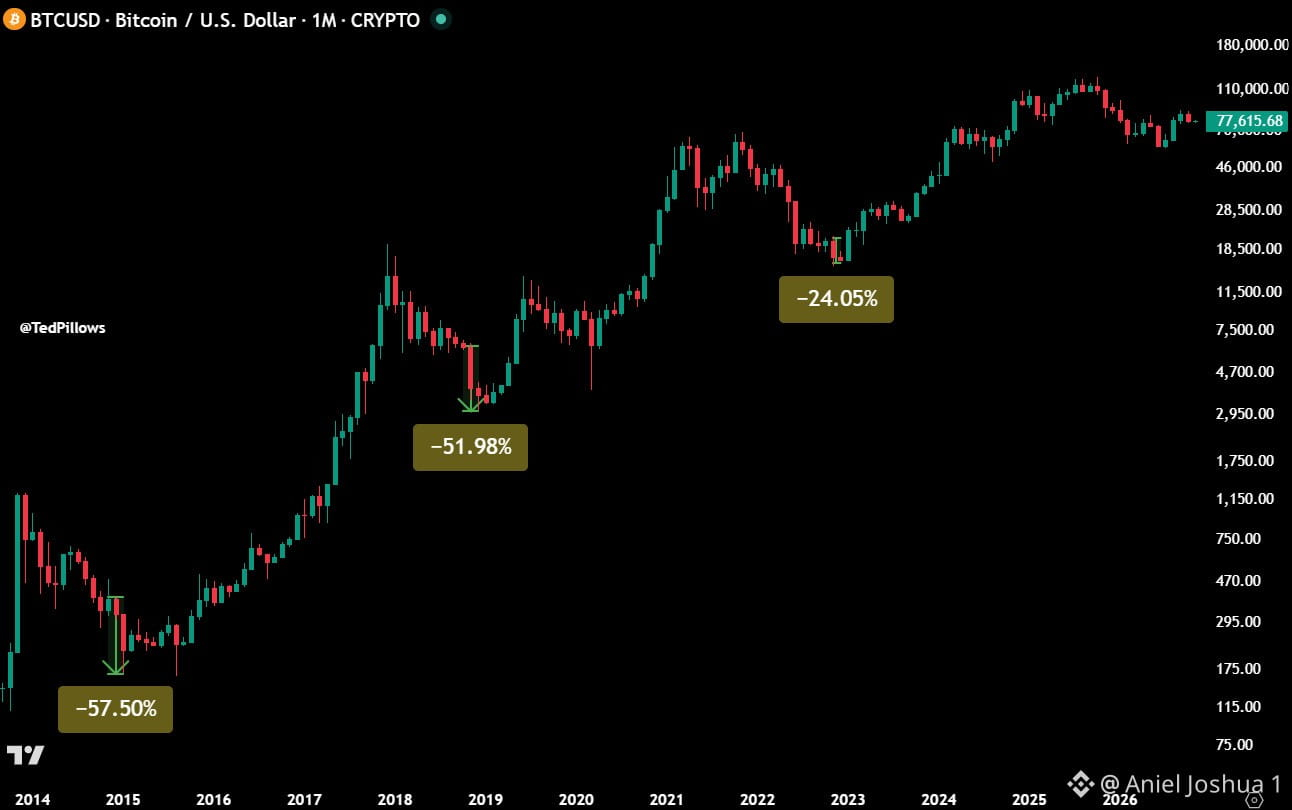
In the last 3 midterm elections,
$BTC experienced 20%-50% corrections.
Also, Bitcoin didn't bottom before midterm elections, which isn't the case now.
I think a correction could happen from here, but not to a new cycle low. #BTC Price Analysis# #Bitcoin Price Prediction: What is Bitcoins next move?#
$BTC experienced 20%-50% corrections.
Also, Bitcoin didn't bottom before midterm elections, which isn't the case now.
I think a correction could happen from here, but not to a new cycle low. #BTC Price Analysis# #Bitcoin Price Prediction: What is Bitcoins next move?#
49
Bitcoin just refuses to die.
- $6.3B hack
- Huge ETF outflows
- Midterms
And
$BTC
s still trading around $77K.
Bears are running out of bullets. #BTC Price Analysis# #Bitcoin Price Prediction: What is Bitcoins next move?#
Bitcoin just refuses to die.
- $6.3B hack
- Huge ETF outflows
- Midterms
And
$BTC
s still trading around $77K.
Bears are running out of bullets. #BTC Price Analysis# #Bitcoin Price Prediction: What is Bitcoins next move?#
- $6.3B hack
- Huge ETF outflows
- Midterms
And
$BTC
s still trading around $77K.
Bears are running out of bullets. #BTC Price Analysis# #Bitcoin Price Prediction: What is Bitcoins next move?#
86
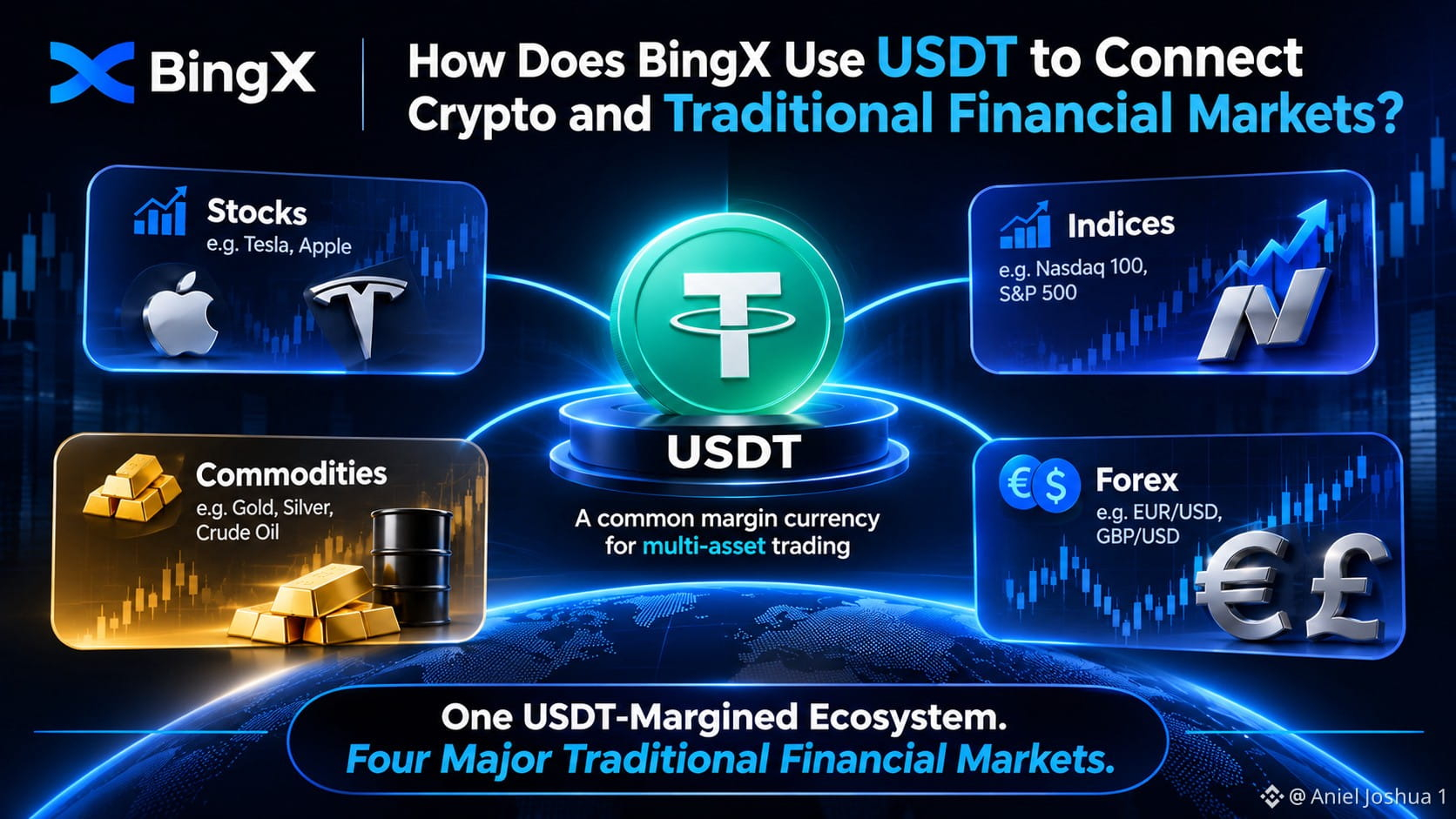
One development worth paying attention to in finance is how stablecoin infrastructure is gradually connecting with traditional markets. $USDT has become familiar to crypto traders, mainly as a dollar-denominated asset for trading and settlement. But there's another interesting application: using it as margin for derivatives referencing traditional financial instruments. BingX is an example of this through its USDT-margined TradFi perpetual futures, covering stocks, indices, commodities and forex. What makes this interesting isn't simply the number of markets available. It's the infrastructure connecting them. However, price exposure shouldn't be confused with asset ownership. A USDT-margined contract referencing gold or a stock doesn't mean you own either. Could stablecoin-based infrastructure become a bigger bridge between crypto and traditional finance? $BTC #BTC Price Analysis# #Bitcoin Price Prediction: What is Bitcoins next move?#
One development worth paying attention to in finance is how stablecoin infrastructure is gradually connecting with traditional markets. $USDT has become familiar to crypto traders, mainly as a dollar-denominated asset for trading and settlement. But there's another interesting application: using it as margin for derivatives referencing traditional financial instruments. BingX is an example of this through its USDT-margined TradFi perpetual futures, covering stocks, indices, commodities and forex. What makes this interesting isn't simply the number of markets available. It's the infrastructure connecting them. However, price exposure shouldn't be confused with asset ownership. A USDT-margined contract referencing gold or a stock doesn't mean you own either. Could stablecoin-based infrastructure become a bigger bridge between crypto and traditional finance? $BTC #BTC Price Analysis# #Bitcoin Price Prediction: What is Bitcoins next move?#
2
Log in to explore more content
Join global crypto users on Binance Square
⚡️ Get latest and useful information about crypto.
💬 Trusted by the world’s largest crypto exchange.
👍 Discover real insights from verified creators.
Email / Phone number
Trending Topics
IsAnthropic’s$1.5TMarketCapJustified?
62,775 views
308 Discussing
Anthropic Set to Open at $105 in Record Nasdaq Debut
Binance News
·16 Likes
·18.7k views
BTCBelow$62KAmidHikeFearsAndShiftToAnthropic
20,381 views
112 Discussing
NvidiaBoardReportedlySplitOverHuang’sReturn
258,674 views
2,035 Discussing