
Iyaryirishman420
11.6k Posts

Iyaryirishman420
Report
Block User
756817377 🎁🎁🎁
Open Trade
Frequent Trader
3.2 Years
2.9K+ Following
357 Followers
53 Liked
Posts
Portfolio
All
Quotes
Live
PINNED
Hello everyone this is 'Luna' 🤗❤️🍀
Told you I'm rescuing a pitbull pup. 🤗😎
I just would like to give most sincerest thanks for all the people who contributed towards the '1c_SaveAPup' movement I got going on.
Truly from the bottom of my heart❤️
Remember that every cent can save a life.
#RescuePitbul #756817377
Hello everyone this is 'Luna' 🤗❤️🍀
Told you I'm rescuing a pitbull pup. 🤗😎
I just would like to give most sincerest thanks for all the people who contributed towards the '1c_SaveAPup' movement I got going on.
Truly from the bottom of my heart❤️
Remember that every cent can save a life.
#RescuePitbul #756817377
Told you I'm rescuing a pitbull pup. 🤗😎
I just would like to give most sincerest thanks for all the people who contributed towards the '1c_SaveAPup' movement I got going on.
Truly from the bottom of my heart❤️
Remember that every cent can save a life.
#RescuePitbul #756817377

5
136
$ETH
Ever wondered why everyone in the blockchain and cryptocurrency world seems to be talking about Ethereum? It’s not just a buzzword; Ethereum is a game-changer in the digital landscape. But what makes it so special? By unraveling the benefits of Ethereum, you will understand why it is a focal point for developers, investors, and tech enthusiasts alike.
Perhaps you’ve heard of Bitcoin and are wondering how Ethereum compares. While both are based on blockchain technology and allow digital currency transactions, Ethereum offers much more than just a medium for currency exchange. Where Bitcoin is primarily a store of value, Ethereum provides a platform for building an entire digital world on blockchain.
$ETH
Ever wondered why everyone in the blockchain and cryptocurrency world seems to be talking about Ethereum? It’s not just a buzzword; Ethereum is a game-changer in the digital landscape. But what makes it so special? By unraveling the benefits of Ethereum, you will understand why it is a focal point for developers, investors, and tech enthusiasts alike.
Perhaps you’ve heard of Bitcoin and are wondering how Ethereum compares. While both are based on blockchain technology and allow digital currency transactions, Ethereum offers much more than just a medium for currency exchange. Where Bitcoin is primarily a store of value, Ethereum provides a platform for building an entire digital world on blockchain.
Ever wondered why everyone in the blockchain and cryptocurrency world seems to be talking about Ethereum? It’s not just a buzzword; Ethereum is a game-changer in the digital landscape. But what makes it so special? By unraveling the benefits of Ethereum, you will understand why it is a focal point for developers, investors, and tech enthusiasts alike.
Perhaps you’ve heard of Bitcoin and are wondering how Ethereum compares. While both are based on blockchain technology and allow digital currency transactions, Ethereum offers much more than just a medium for currency exchange. Where Bitcoin is primarily a store of value, Ethereum provides a platform for building an entire digital world on blockchain.
90
Newton makes onchain finance safer by checking whether a transaction should be allowed before it actually happens.
Fair enough. That sounds like a good thing.
But there’s one part of the idea that keeps nagging at me: what if the authorization process becomes slower than the blockchain itself?
We normally blame the chain when something takes too long. The network is congested. Gas is too low. The sequencer is delayed. The transaction is stuck.
With Newton, though, the waiting can begin before the transaction even reaches that stage.
A user clicks a button and sees one action on the screen. Behind that button, an intent may need to be created, sent to a gateway, checked against a policy, evaluated by several operators, compared with outside data, signed by enough participants and packaged into something a smart contract can verify.
Then the real transaction starts.
So from the user’s point of view, it still looks like one transaction.
Underneath, it is closer to one distributed system asking another distributed system for permission.
That difference matters.
Authorization is usually presented as a security feature. And it is. A protocol can enforce spending limits, wallet permissions, identity conditions or risk controls directly at the contract level instead of trusting a frontend to behave properly.
That is genuinely useful.
But authorization is also a delay.
It has network calls. It has timeouts. It has operators that may respond at different speeds. It may rely on external data providers. It has to reach some kind of agreement before anything can move forward.
And finance is not especially patient.
Picture an automated agent trying to rebalance a position while the market is dropping. It finds a route, checks the available liquidity and prepares the trade. But before executing, it needs authorization.
Now the system has to gather the required information and get enough operators to approve the action.
By the time that happens, is the route still available?
Has the price moved outside the slippage limit?
Has someone else already taken the opportunity?
Newton makes onchain finance safer by checking whether a transaction should be allowed before it actually happens.
Fair enough. That sounds like a good thing.
But there’s one part of the idea that keeps nagging at me: what if the authorization process becomes slower than the blockchain itself?
We normally blame the chain when something takes too long. The network is congested. Gas is too low. The sequencer is delayed. The transaction is stuck.
With Newton, though, the waiting can begin before the transaction even reaches that stage.
A user clicks a button and sees one action on the screen. Behind that button, an intent may need to be created, sent to a gateway, checked against a policy, evaluated by several operators, compared with outside data, signed by enough participants and packaged into something a smart contract can verify.
Then the real transaction starts.
So from the user’s point of view, it still looks like one transaction.
Underneath, it is closer to one distributed system asking another distributed system for permission.
That difference matters.
Authorization is usually presented as a security feature. And it is. A protocol can enforce spending limits, wallet permissions, identity conditions or risk controls directly at the contract level instead of trusting a frontend to behave properly.
That is genuinely useful.
But authorization is also a delay.
It has network calls. It has timeouts. It has operators that may respond at different speeds. It may rely on external data providers. It has to reach some kind of agreement before anything can move forward.
And finance is not especially patient.
Picture an automated agent trying to rebalance a position while the market is dropping. It finds a route, checks the available liquidity and prepares the trade. But before executing, it needs authorization.
Now the system has to gather the required information and get enough operators to approve the action.
By the time that happens, is the route still available?
Has the price moved outside the slippage limit?
Has someone else already taken the opportunity?
Fair enough. That sounds like a good thing.
But there’s one part of the idea that keeps nagging at me: what if the authorization process becomes slower than the blockchain itself?
We normally blame the chain when something takes too long. The network is congested. Gas is too low. The sequencer is delayed. The transaction is stuck.
With Newton, though, the waiting can begin before the transaction even reaches that stage.
A user clicks a button and sees one action on the screen. Behind that button, an intent may need to be created, sent to a gateway, checked against a policy, evaluated by several operators, compared with outside data, signed by enough participants and packaged into something a smart contract can verify.
Then the real transaction starts.
So from the user’s point of view, it still looks like one transaction.
Underneath, it is closer to one distributed system asking another distributed system for permission.
That difference matters.
Authorization is usually presented as a security feature. And it is. A protocol can enforce spending limits, wallet permissions, identity conditions or risk controls directly at the contract level instead of trusting a frontend to behave properly.
That is genuinely useful.
But authorization is also a delay.
It has network calls. It has timeouts. It has operators that may respond at different speeds. It may rely on external data providers. It has to reach some kind of agreement before anything can move forward.
And finance is not especially patient.
Picture an automated agent trying to rebalance a position while the market is dropping. It finds a route, checks the available liquidity and prepares the trade. But before executing, it needs authorization.
Now the system has to gather the required information and get enough operators to approve the action.
By the time that happens, is the route still available?
Has the price moved outside the slippage limit?
Has someone else already taken the opportunity?
21

ok
ok

中村 joel
·
--
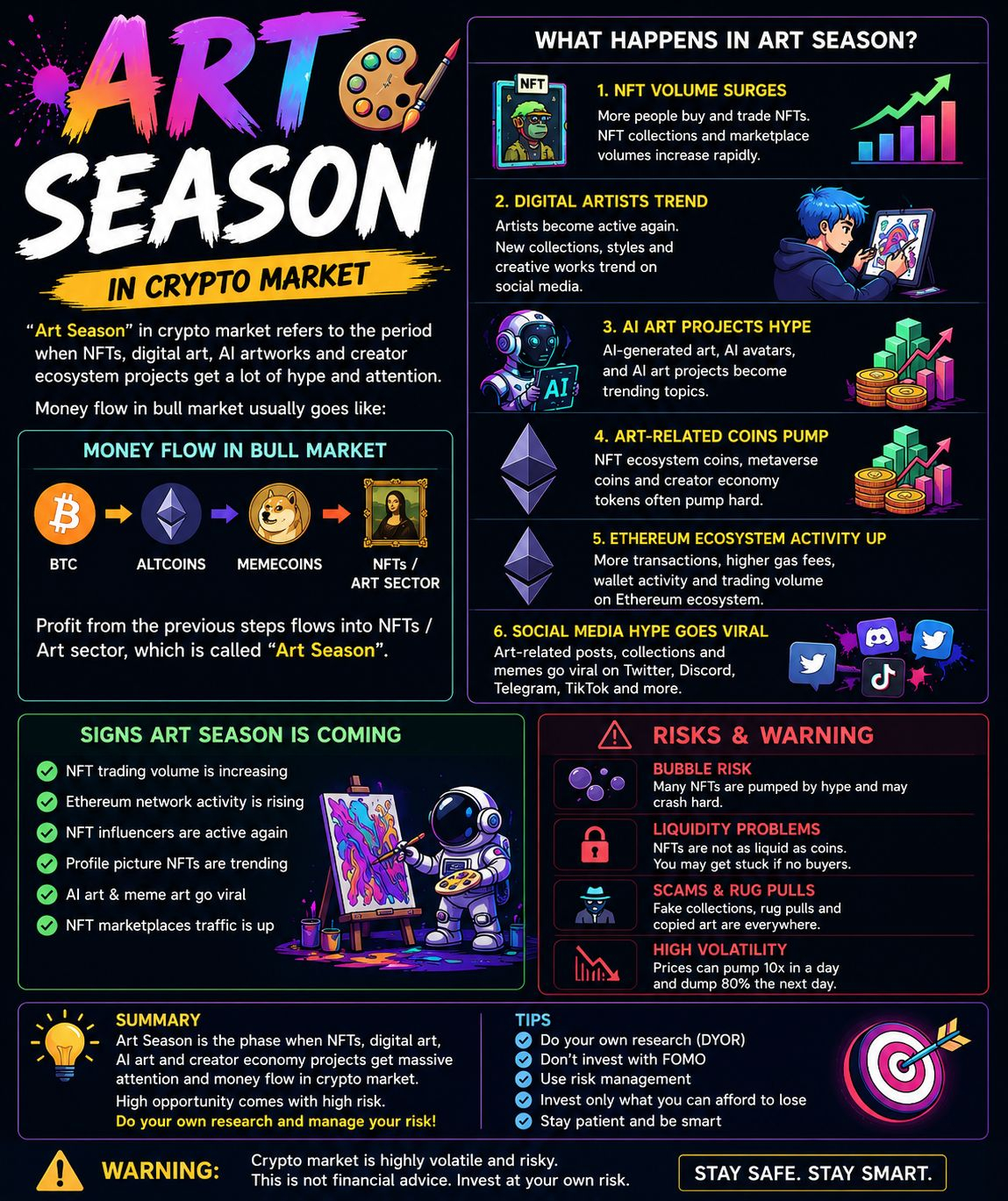
💞💞💞 Hello Everyone 💞💞💞
🙏🙏🙏 Please Support & Follow 🙏🙏🙏
Answer => ok
$BNB $PAXG $UNI
#BinanceExchange
#BinanceSquareFamily
#DoYourOwnResearch
🙏🙏🙏 Please Support & Follow 🙏🙏🙏
Answer => ok
$BNB $PAXG $UNI
#BinanceExchange
#BinanceSquareFamily
#DoYourOwnResearch
3
Sign up using my referral link and complete the tasks to receive a $1,000 WAL Earn Trial Fund + $2–$5 in WAL token rewards (limited). https://www.binance.com/activity/trading-competition/apr-referral-ranking?ref=756817377
Sign up using my referral link and complete the tasks to receive a $1,000 WAL Earn Trial Fund + $2–$5 in WAL token rewards (limited). https://www.binance.com/activity/trading-competition/apr-referral-ranking?ref=756817377
Sign up using my referral link and complete the tasks to receive a $1,000 WAL Earn Trial Fund + $2–$5 in WAL token rewards (limited). https://www.binance.com/activity/trading-competition/apr-referral-ranking?ref=756817377
Sign up using my referral link and complete the tasks to receive a $1,000 WAL Earn Trial Fund + $2–$5 in WAL token rewards (limited). https://www.binance.com/activity/trading-competition/apr-referral-ranking?ref=756817377
2


Coin_Bull
·
--
BullishWait wait… this looks ugly now 👀📉
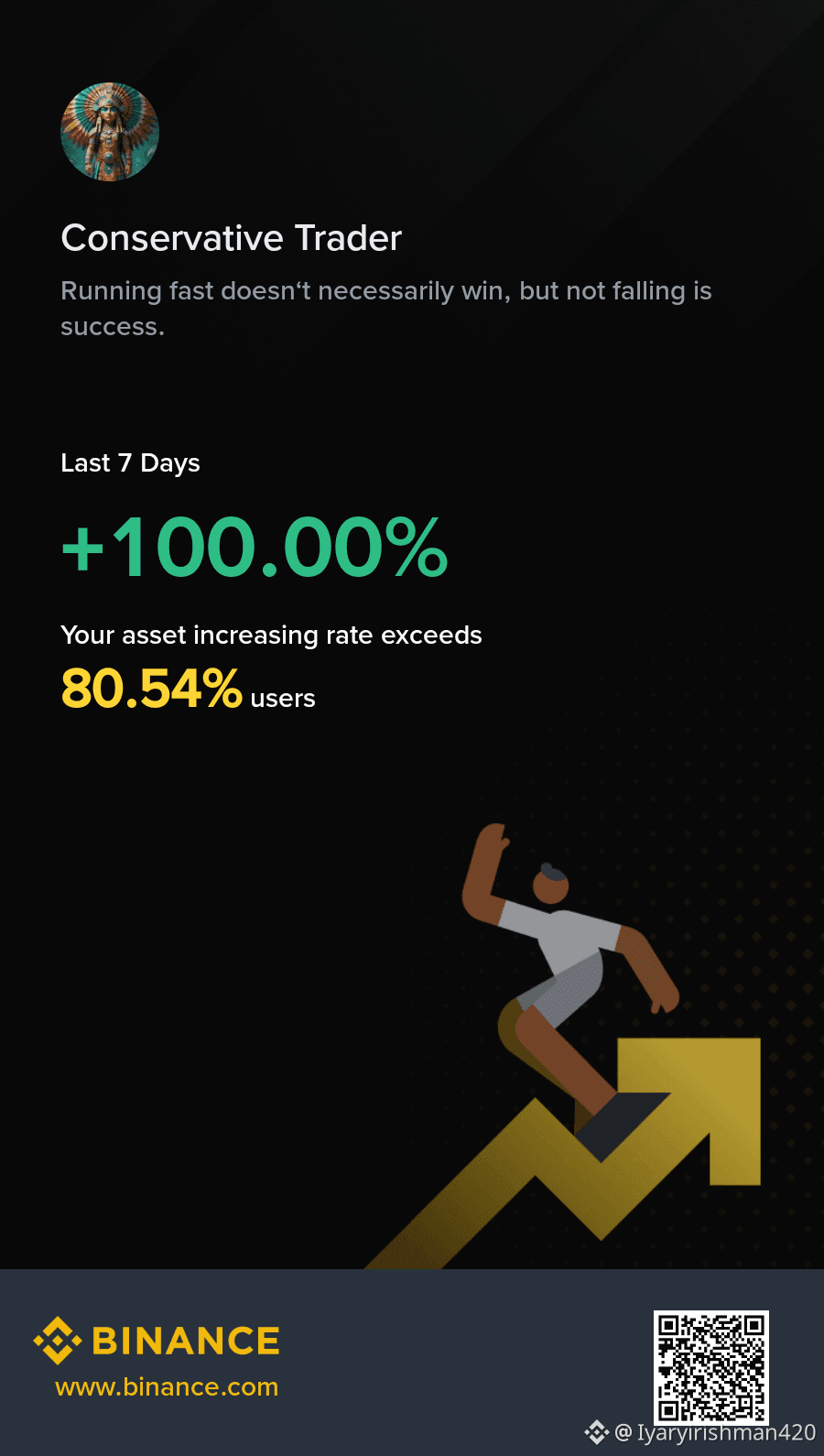
$STO is starting to lose momentum after that crazy pump, and this setup is looking like a clean dump move from here 💀
I’m watching this for a short because once hype cools down, these candles can fall fast.
Short $STO now
🎯 TP: $0.185
🛑 SL: $0.255
Trade here 👇🏻
STOUSDT
This one can bleed hard if sellers take control… don’t say I didn’t warn you 😮💨
$STO
$STO is starting to lose momentum after that crazy pump, and this setup is looking like a clean dump move from here 💀
I’m watching this for a short because once hype cools down, these candles can fall fast.
Short $STO now
🎯 TP: $0.185
🛑 SL: $0.255
Trade here 👇🏻
STOUSDT
This one can bleed hard if sellers take control… don’t say I didn’t warn you 😮💨
$STO
👑
👑
Coin_Bull
·
--
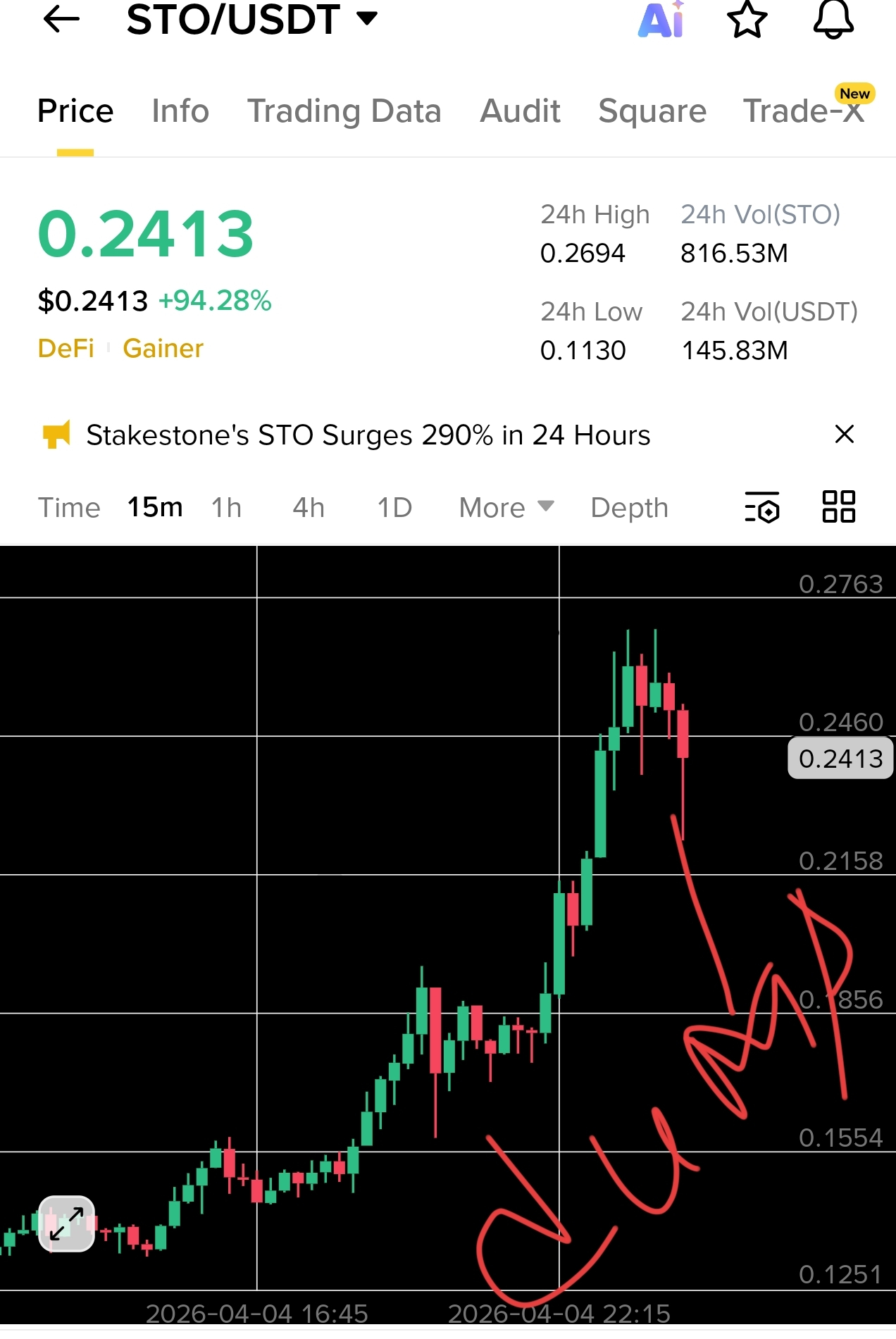
Got some insider news — $SIREN is going to dump hard to $0.1 again 💀👀
So what are you waiting for?
Open a short on SIREN now
🎯 TP: 0.1
🛑 SL: 0.65
trade here 👇🏻
And thank me later 😉
So what are you waiting for?
Open a short on SIREN now
🎯 TP: 0.1
🛑 SL: 0.65
trade here 👇🏻
And thank me later 😉
3
Sol
Sol

假装在抄底
·
--
Bullish涨跌都只是暂时的风景,
不必因为一时波动,否定所有坚持。
慢慢来,稳住心,
时间会善待每一个认真且温柔的人。
$KERNEL $MOVE $SKL
#币安钱包将推出预测市场 #谷歌量子AI警示加密安全 #Bitmine新增质押ETH
不必因为一时波动,否定所有坚持。
慢慢来,稳住心,
时间会善待每一个认真且温柔的人。
$KERNEL $MOVE $SKL
#币安钱包将推出预测市场 #谷歌量子AI警示加密安全 #Bitmine新增质押ETH


I’m looking at this sIgn protocol produce an audIt package thIng, and honestly i lIke the idea and exucation but only if it stays real and not excessIve to me it is sImple i sIgn somethIng, and it should leave behind a clean trail not so many tools disorganized logs Just a tIght package manIfest settlement refs and the rule version that was used that is it.
The manIfest should show what happened, plaIn and clear and no estimation. The settlement refs? That’s your proof thIngs actually closed not just in progress forever and the rule versIon matters more than people think. If rules change later i stIll want to know what rules were used at the tIme no old rewriting history.....
I’ve seen systems where this stuff gets scattered then when somethIng breaks everyone is poInting fingers. That is why I am into the package idea everything is bundled together in the package....
The package idea is what I lIke because it has everything, in the package., signed, and locked i don not argue with it i just check it.
But i'm also careful if it changes heavy process or slow approvals, it kIlls the whole poInt. This should be fast, automatic, and borIng in a good way i should not even thInk about it unless something goes wrong.
I’m into it but only if it stays lean and honest no extra layers, just proof that holds up.....
i keep tech related thing sImple bundle everything and don’t trust anything that can’t prove itself later and keep learning understand the basIc of tech and don't forget to educate your self and others...
@SignOfficial#signdigitalsovereigninfra $SIGN
I’m looking at this sIgn protocol produce an audIt package thIng, and honestly i lIke the idea and exucation but only if it stays real and not excessIve to me it is sImple i sIgn somethIng, and it should leave behind a clean trail not so many tools disorganized logs Just a tIght package manIfest settlement refs and the rule version that was used that is it.
The manIfest should show what happened, plaIn and clear and no estimation. The settlement refs? That’s your proof thIngs actually closed not just in progress forever and the rule versIon matters more than people think. If rules change later i stIll want to know what rules were used at the tIme no old rewriting history.....
I’ve seen systems where this stuff gets scattered then when somethIng breaks everyone is poInting fingers. That is why I am into the package idea everything is bundled together in the package....
The package idea is what I lIke because it has everything, in the package., signed, and locked i don not argue with it i just check it.
But i'm also careful if it changes heavy process or slow approvals, it kIlls the whole poInt. This should be fast, automatic, and borIng in a good way i should not even thInk about it unless something goes wrong.
I’m into it but only if it stays lean and honest no extra layers, just proof that holds up.....
i keep tech related thing sImple bundle everything and don’t trust anything that can’t prove itself later and keep learning understand the basIc of tech and don't forget to educate your self and others...
@SignOfficial#signdigitalsovereigninfra $SIGN
The manIfest should show what happened, plaIn and clear and no estimation. The settlement refs? That’s your proof thIngs actually closed not just in progress forever and the rule versIon matters more than people think. If rules change later i stIll want to know what rules were used at the tIme no old rewriting history.....
I’ve seen systems where this stuff gets scattered then when somethIng breaks everyone is poInting fingers. That is why I am into the package idea everything is bundled together in the package....
The package idea is what I lIke because it has everything, in the package., signed, and locked i don not argue with it i just check it.
But i'm also careful if it changes heavy process or slow approvals, it kIlls the whole poInt. This should be fast, automatic, and borIng in a good way i should not even thInk about it unless something goes wrong.
I’m into it but only if it stays lean and honest no extra layers, just proof that holds up.....
i keep tech related thing sImple bundle everything and don’t trust anything that can’t prove itself later and keep learning understand the basIc of tech and don't forget to educate your self and others...
@SignOfficial#signdigitalsovereigninfra $SIGN
1
1
4
Signed sealed delivered #signdigitalsovereigninfra $SIGN
Signed sealed delivered #signdigitalsovereigninfra $SIGN
8


我是历史
我是历史

我是历史 甘肃社区
·
--
大佬都说了要实干,要正心正念做事,这样历史会铭记你,历史才不会辜负你,你才会成就伟大历史!我是历史社区一直在坚定不移贯彻落实这一伟大目标,欢迎有识之士加入我们一起建设:我是历史!我是历史必将是2026年中文模因币最大的黑马,必将一飞冲天!#X移除加密禁令 #比特币2026年价格预测


1

X
X

Nick武松
·
--
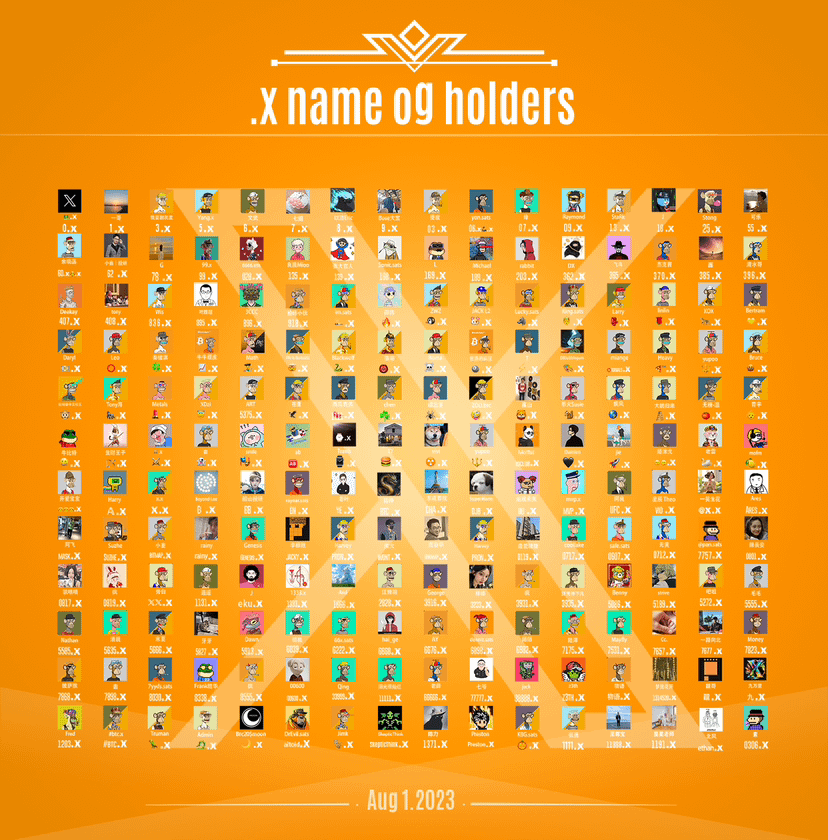
【币圈社群建设回忆录】 Xname域名
OG合影时间📊2023.08.01
一群因铭文相识,喜欢域名的伙伴,使用了单字母X将自己喜欢的数字/名字/表情配上.x铭刻在比特链,合影图不同类型的共识群体众多,感受到了高共识的去中心化社区魅力!#X #武松
OG合影时间📊2023.08.01
一群因铭文相识,喜欢域名的伙伴,使用了单字母X将自己喜欢的数字/名字/表情配上.x铭刻在比特链,合影图不同类型的共识群体众多,感受到了高共识的去中心化社区魅力!#X #武松

7
Bnb
Bnb
姓赵不宣
·
--
🚀🚀美以大力打击你伊朗,全球局势升级!
👍从而影响了加密货币圈,暴跌暴涨回弹在一瞬间!
💪2026新年的最后一天结束!
🚀全力投入工作,开启牛马生涯!
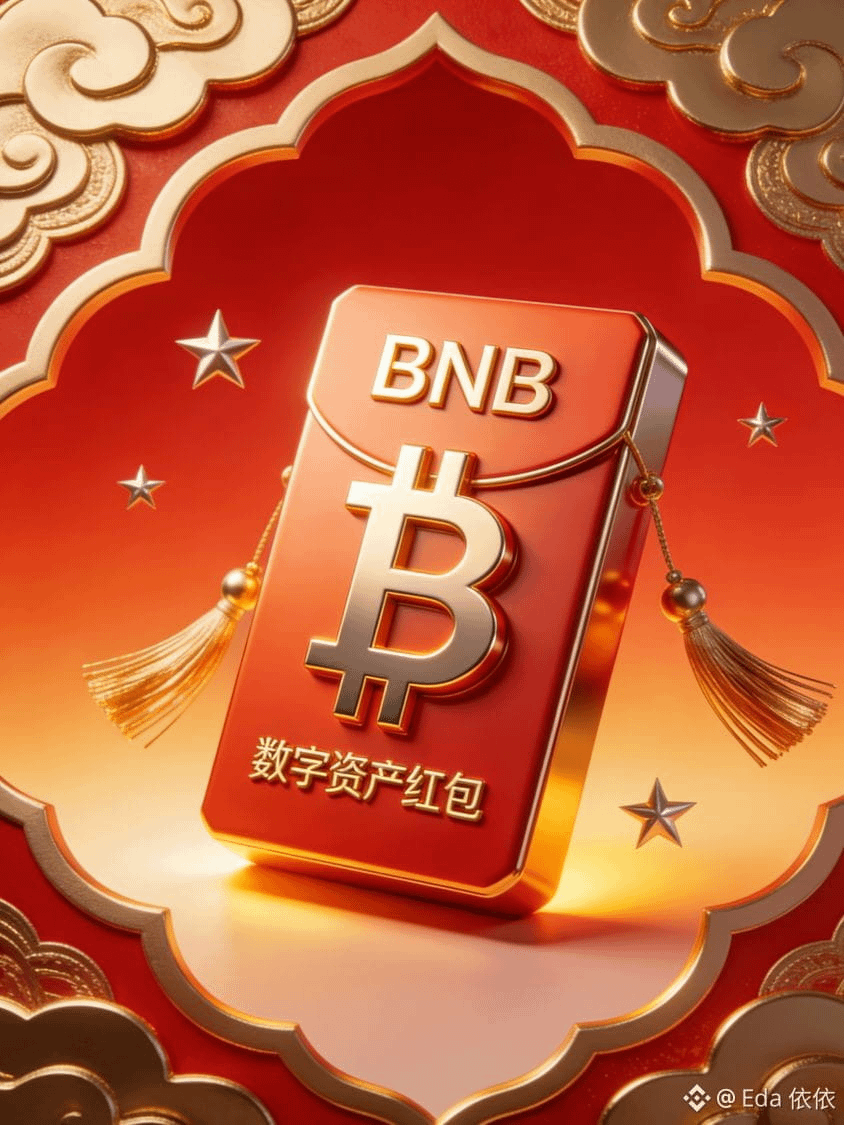
准备了$BNB 的大红包🧧🧧🧧🧧888发发发!
愿:大家都关注我领红包福利!
👍从而影响了加密货币圈,暴跌暴涨回弹在一瞬间!
💪2026新年的最后一天结束!
🚀全力投入工作,开启牛马生涯!
准备了$BNB 的大红包🧧🧧🧧🧧888发发发!
愿:大家都关注我领红包福利!


5
Log in to explore more content
Join global crypto users on Binance Square
⚡️ Get latest and useful information about crypto.
💬 Trusted by the world’s largest crypto exchange.
👍 Discover real insights from verified creators.
Email / Phone number
Trending Topics
USAugustPPIRisesLessThanExpected
62,695 views
895 Discussing
🚨 US AUG PPI: Rises LESS Than Expected! Bullish for Crypto? 🚀
PPI +0.4% MoM as expected, but CORE PPI only +0.2% vs +0.3% expected - cooling!
What it means:
• Wholesale inflation softer than feared
• Fed rate hike chance now 62% - but dovish signals coming
• Core PCE revisions expected downward - bullish
• BTC usually pumps on softer PPI
Fed meeting Sep 15-16 - Market now expects pause, not hike?
Is this the green light for Q4 rally?
#Bitcoin #PPI #Fed #CryptoNews #BTC#usaugustppiriseslessthanexpected
True News
·1 Likes
·1.4k views
SECApprovesNasdaqTexasCommodityTrustRule
33,038 views
625 Discussing
ECBRaisesRatesSecondTimeTo2.5%
29,713 views
449 Discussing