

Bullish_Storm
6.1k Posts

Bullish_Storm
Report
Block User
Open Trade
High-Frequency Trader
4.5 Months
865 Following
16.1K+ Followers
6.3K+ Liked
Posts
Portfolio
All
Live
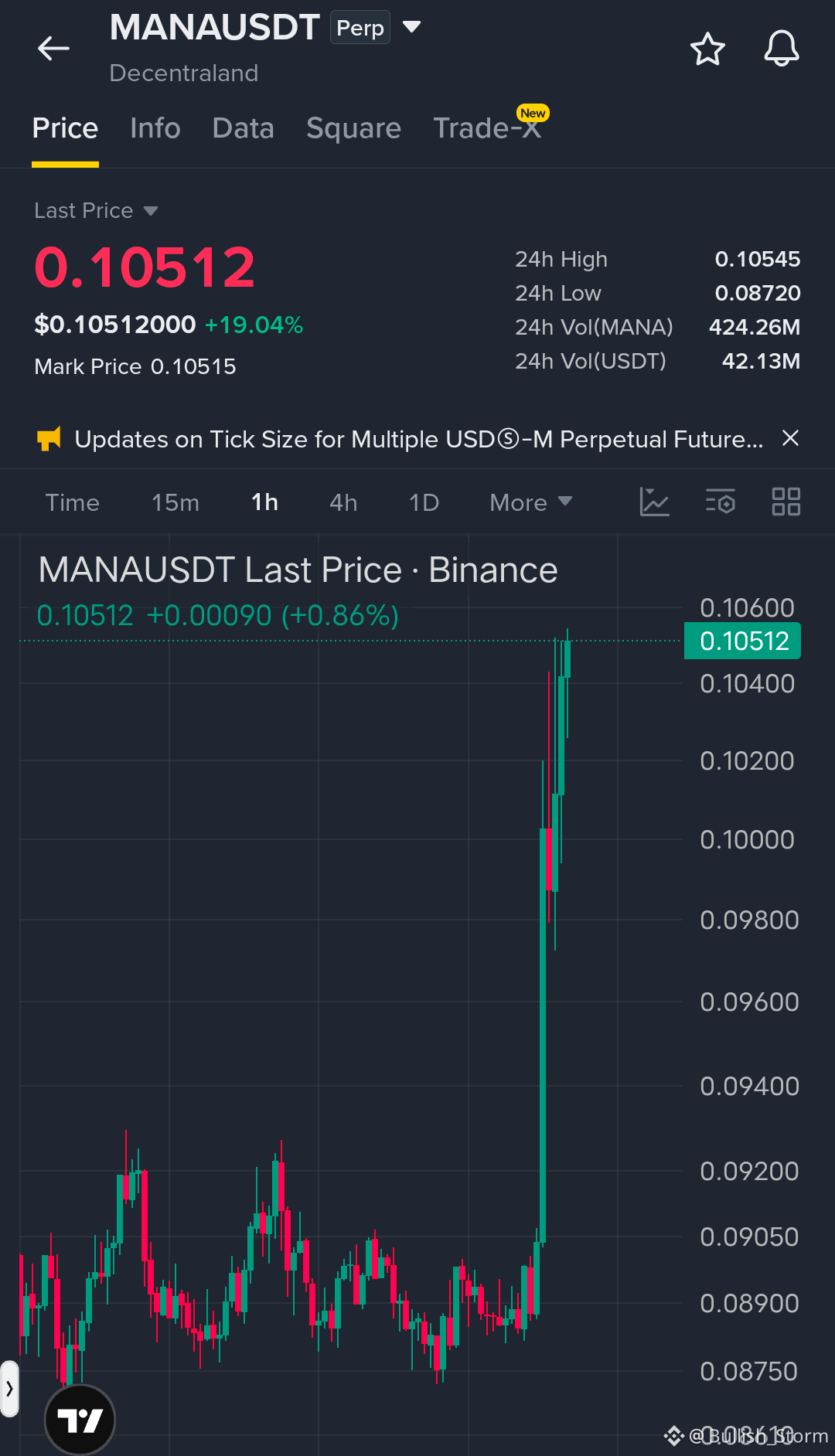
🚨 $MANA JUST WENT PARABOLIC!
From the $0.089 area to $0.105+, MANA has ripped nearly 20% in 24H and just smashed through the previous range with explosive momentum. Buyers are fully awake — now the key is whether $0.104–$0.105 can turn into support.
🔥 MANA LONG WATCH Entry: $0.1015–$0.1040
🎯 TP1: $0.1080
🎯 TP2: $0.1120
🎯 TP3: $0.1180
🛑 SL: $0.0975
I wouldn’t chase a vertical candle blindly. A clean pullback + reclaim around the breakout zone would be the confirmation I’d want.
MANA is moving FAST. Who’s riding this breakout? 👀🔥
{future}(MANAUSDT)
#EvernorthPlansNasdaqListingOct8 #SECProposesCryptoCustodyFramework #XRPPostsFirstThreeGreenMonthsInQ3 #ZcashFalls21%FromSeptemberPeak #NFPWatch
🚨 $MANA JUST WENT PARABOLIC!
From the $0.089 area to $0.105+, MANA has ripped nearly 20% in 24H and just smashed through the previous range with explosive momentum. Buyers are fully awake — now the key is whether $0.104–$0.105 can turn into support.
🔥 MANA LONG WATCH Entry: $0.1015–$0.1040
🎯 TP1: $0.1080
🎯 TP2: $0.1120
🎯 TP3: $0.1180
🛑 SL: $0.0975
I wouldn’t chase a vertical candle blindly. A clean pullback + reclaim around the breakout zone would be the confirmation I’d want.
MANA is moving FAST. Who’s riding this breakout? 👀🔥
#EvernorthPlansNasdaqListingOct8 #SECProposesCryptoCustodyFramework #XRPPostsFirstThreeGreenMonthsInQ3 #ZcashFalls21%FromSeptemberPeak #NFPWatch
From the $0.089 area to $0.105+, MANA has ripped nearly 20% in 24H and just smashed through the previous range with explosive momentum. Buyers are fully awake — now the key is whether $0.104–$0.105 can turn into support.
🔥 MANA LONG WATCH Entry: $0.1015–$0.1040
🎯 TP1: $0.1080
🎯 TP2: $0.1120
🎯 TP3: $0.1180
🛑 SL: $0.0975
I wouldn’t chase a vertical candle blindly. A clean pullback + reclaim around the breakout zone would be the confirmation I’d want.
MANA is moving FAST. Who’s riding this breakout? 👀🔥
#EvernorthPlansNasdaqListingOct8 #SECProposesCryptoCustodyFramework #XRPPostsFirstThreeGreenMonthsInQ3 #ZcashFalls21%FromSeptemberPeak #NFPWatch
189
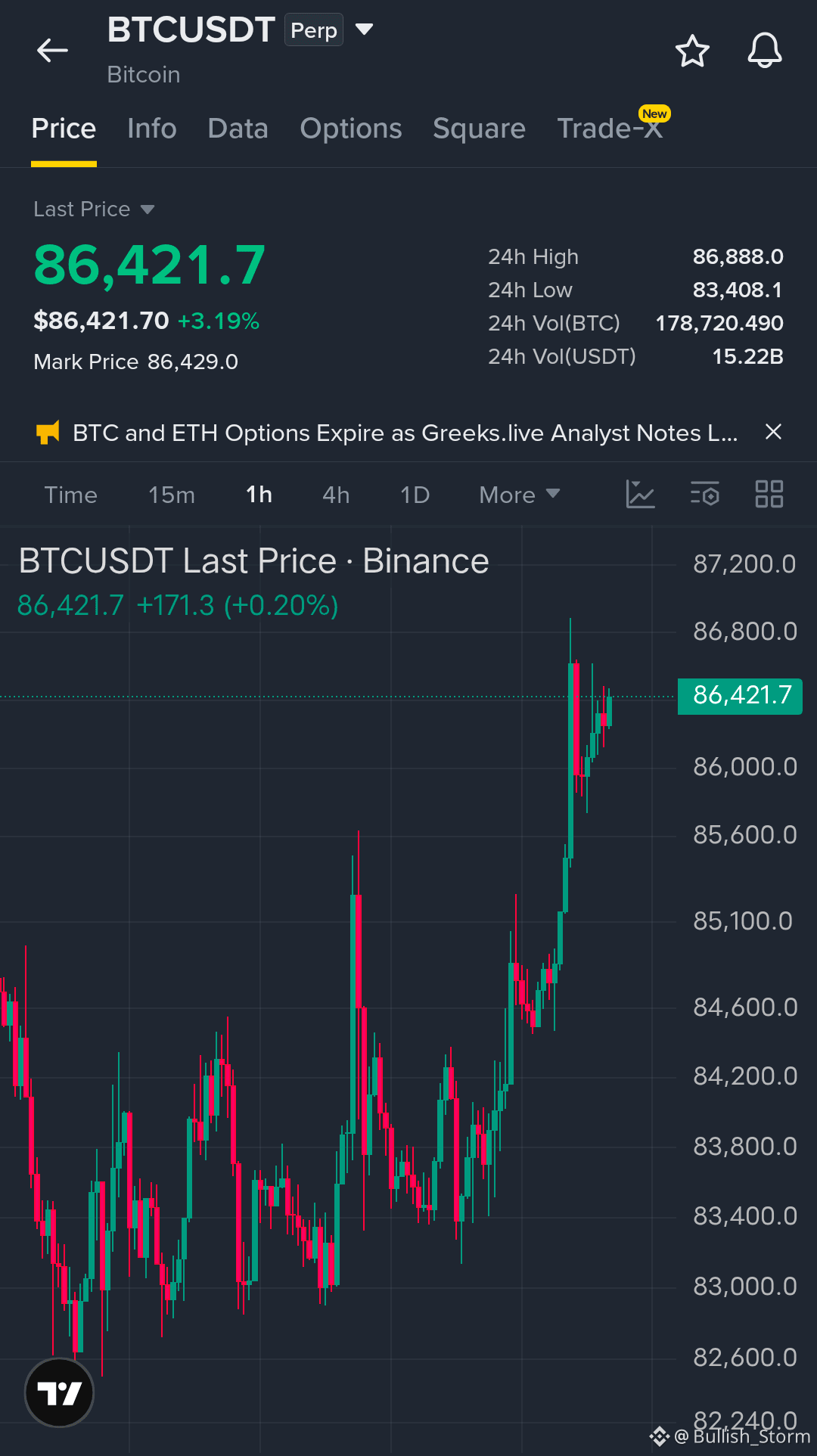
🚨 BTC BREAKOUT MODE!
Guys, $BTC is pushing hard after reclaiming the $86K zone and buyers are clearly stepping back in. The 1H structure is turning bullish, with price holding above the breakout area after that sharp move.
📈 LONG $BTC Entry: $86,200 – $86,450
🎯 TP1: $86,800
🎯 TP2: $87,200
🎯 TP3: $88,000
🛑 SL: $85,750
I’m watching for BTC to hold $86K as support. If buyers defend this zone, another push toward the recent high becomes possible.
Let’s ride the move — but manage risk. 👀🔥
{future}(BTCUSDT)
#SECProposesCryptoCustodyFramework #EthereumFoundationLaunchesZkAPIOnMainnet #ZcashFalls21%FromSeptemberPeak #SECProposesCryptoCustodyFramework #NFPWatch
🚨 BTC BREAKOUT MODE!
Guys, $BTC is pushing hard after reclaiming the $86K zone and buyers are clearly stepping back in. The 1H structure is turning bullish, with price holding above the breakout area after that sharp move.
📈 LONG $BTC Entry: $86,200 – $86,450
🎯 TP1: $86,800
🎯 TP2: $87,200
🎯 TP3: $88,000
🛑 SL: $85,750
I’m watching for BTC to hold $86K as support. If buyers defend this zone, another push toward the recent high becomes possible.
Let’s ride the move — but manage risk. 👀🔥
#SECProposesCryptoCustodyFramework #EthereumFoundationLaunchesZkAPIOnMainnet #ZcashFalls21%FromSeptemberPeak #SECProposesCryptoCustodyFramework #NFPWatch
Guys, $BTC is pushing hard after reclaiming the $86K zone and buyers are clearly stepping back in. The 1H structure is turning bullish, with price holding above the breakout area after that sharp move.
📈 LONG $BTC Entry: $86,200 – $86,450
🎯 TP1: $86,800
🎯 TP2: $87,200
🎯 TP3: $88,000
🛑 SL: $85,750
I’m watching for BTC to hold $86K as support. If buyers defend this zone, another push toward the recent high becomes possible.
Let’s ride the move — but manage risk. 👀🔥
#SECProposesCryptoCustodyFramework #EthereumFoundationLaunchesZkAPIOnMainnet #ZcashFalls21%FromSeptemberPeak #SECProposesCryptoCustodyFramework #NFPWatch
117
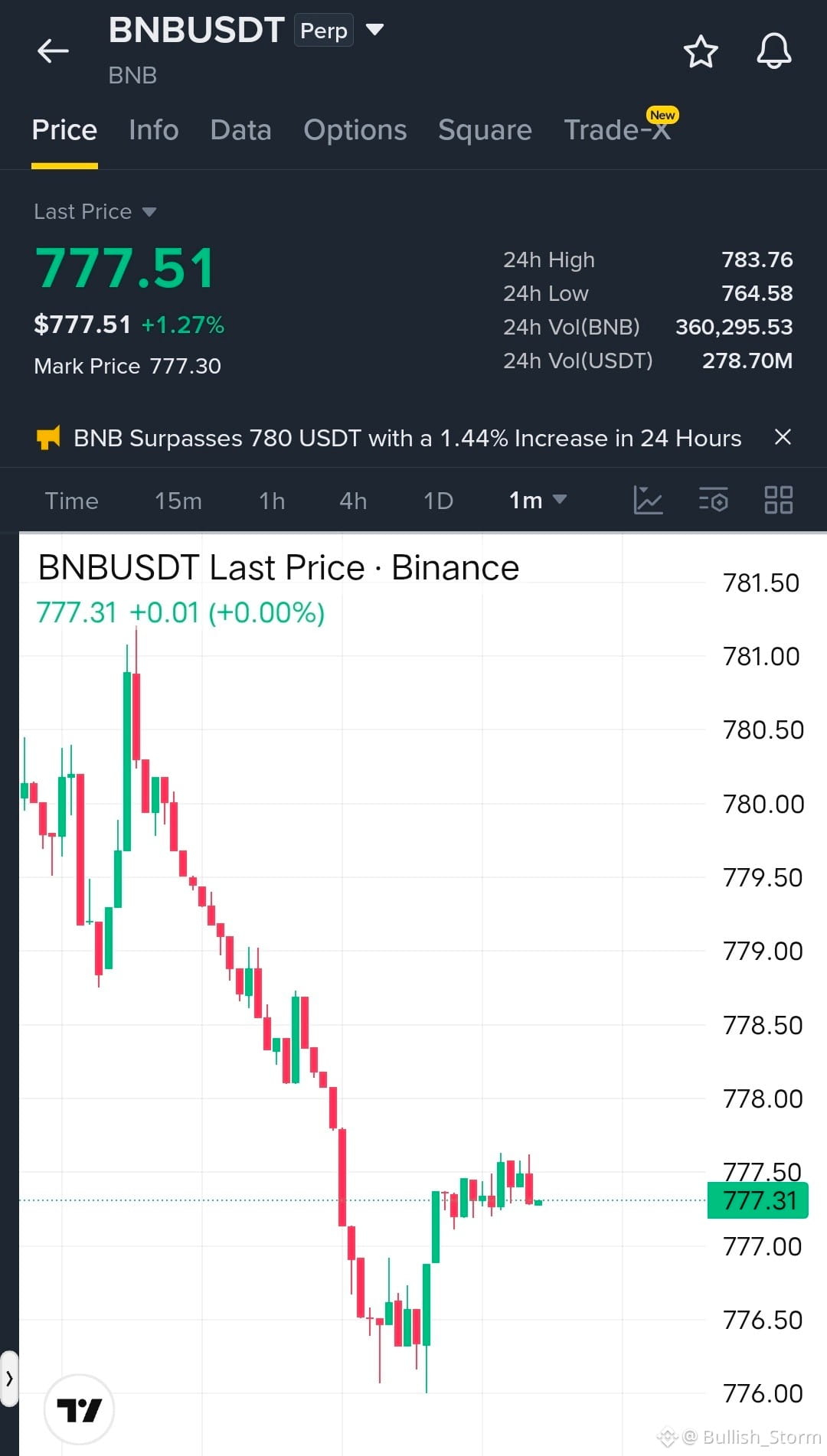
I’m LONG on $BNB — small scalp only**
TP1: $790
TP2: $800
SL: $765
Chart is showing solid bullish momentum right now.
Keep the size small, respect the SL & TPs. Don’t FOMO in heavy.
{future}(BNBUSDT)
I’m LONG on $BNB — small scalp only**
TP1: $790
TP2: $800
SL: $765
Chart is showing solid bullish momentum right now.
Keep the size small, respect the SL & TPs. Don’t FOMO in heavy.
TP1: $790
TP2: $800
SL: $765
Chart is showing solid bullish momentum right now.
Keep the size small, respect the SL & TPs. Don’t FOMO in heavy.
111
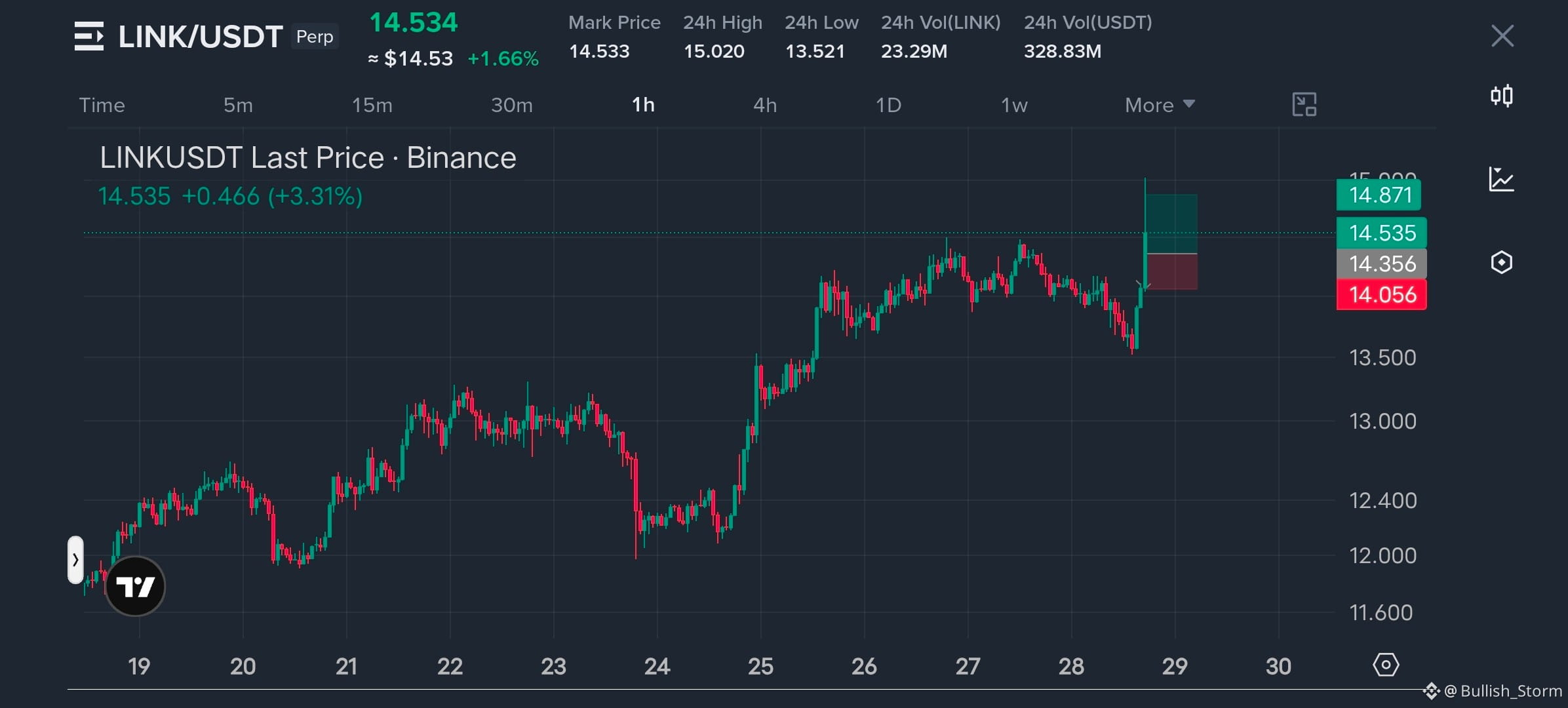
$LINK IS SHOWING BUYERS ARE BACK
LINK has bounced strongly from the $13.47 low and reclaimed the $14.30 area with solid short-term momentum.
Now I’m watching $14.34–$14.37 closely. A clean breakout and hold above this resistance could give buyers room for another push higher.
The recovery from the lows is encouraging, but I’d want confirmation before chasing the move.
Trade on $LINK
{future}(LINKUSDT)
#QNTFallsOver40%FromMorningHigh
$LINK IS SHOWING BUYERS ARE BACK
LINK has bounced strongly from the $13.47 low and reclaimed the $14.30 area with solid short-term momentum.
Now I’m watching $14.34–$14.37 closely. A clean breakout and hold above this resistance could give buyers room for another push higher.
The recovery from the lows is encouraging, but I’d want confirmation before chasing the move.
Trade on $LINK
#QNTFallsOver40%FromMorningHigh
LINK has bounced strongly from the $13.47 low and reclaimed the $14.30 area with solid short-term momentum.
Now I’m watching $14.34–$14.37 closely. A clean breakout and hold above this resistance could give buyers room for another push higher.
The recovery from the lows is encouraging, but I’d want confirmation before chasing the move.
Trade on $LINK
#QNTFallsOver40%FromMorningHigh
78
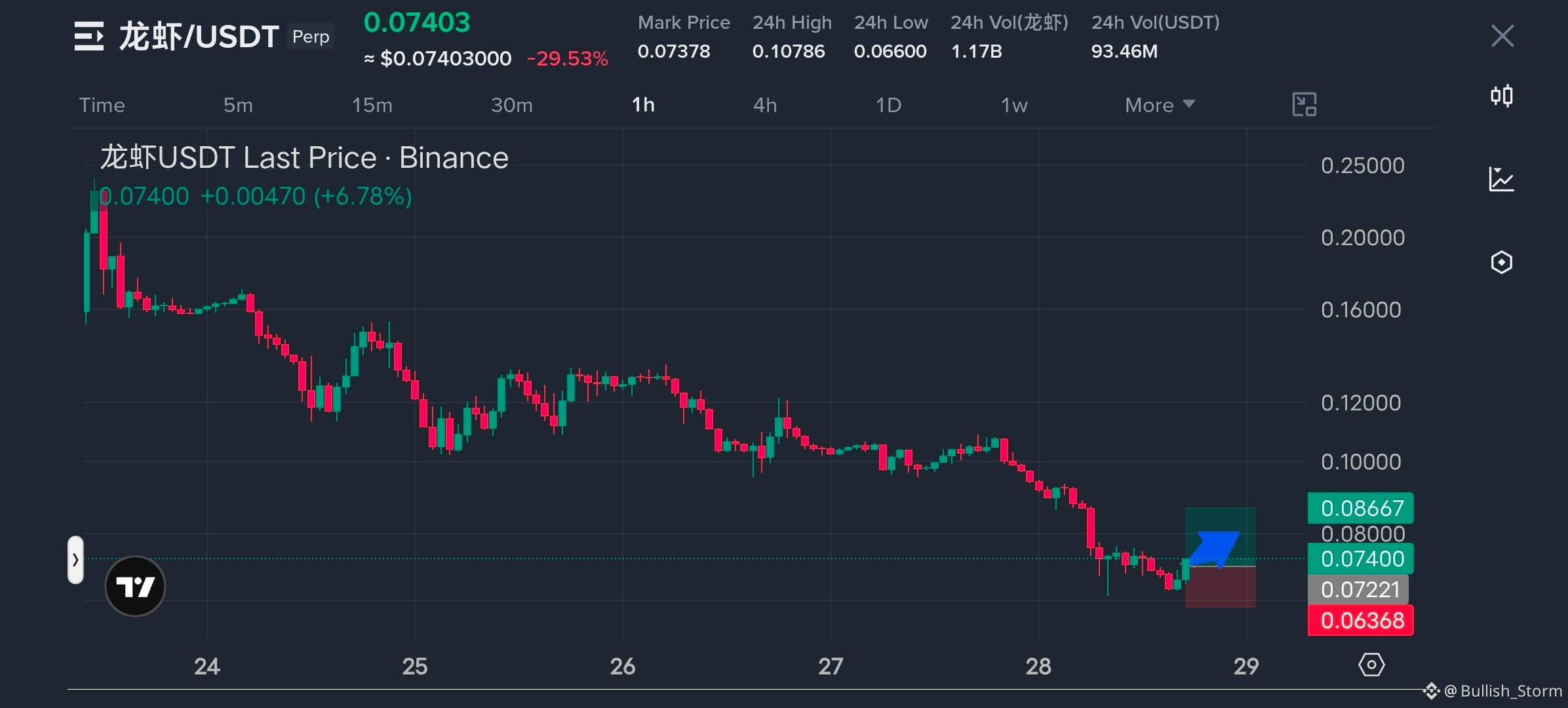
$龙虾 setup is starting to look interesting after the sharp sell-off.
Price dropped from above $0.10 to around $0.066, then started forming a small base near the lows. I’m watching the reclaim around $0.074 because holding this area could open room toward the nearby resistance levels.
Trade Plan
Entry Zone: $0.0722 – $0.0745
Target 1: $0.0785
Target 2: $0.0820
Target 3: $0.0867
Stop Loss: $0.0637
Why this setup works:
I’m looking for a bounce from the recent low after sellers pushed price aggressively lower. The key is whether buyers can hold the $0.072 area and build higher lows. A clean break above $0.0785 would strengthen the recovery and expose the next resistance zones around $0.082 and $0.0867.
If price loses $0.072 and starts moving back toward the recent low, I’d stay out rather than force the trade.
{future}(龙虾USDT)
#ChinaMayLetAlibabaByteDanceBuyNvidiaChips #FedProposesPaymentStablecoinRules #KospiFalls2.7%SamsungSKHynixDropOver5%
$龙虾 setup is starting to look interesting after the sharp sell-off.
Price dropped from above $0.10 to around $0.066, then started forming a small base near the lows. I’m watching the reclaim around $0.074 because holding this area could open room toward the nearby resistance levels.
Trade Plan
Entry Zone: $0.0722 – $0.0745
Target 1: $0.0785
Target 2: $0.0820
Target 3: $0.0867
Stop Loss: $0.0637
Why this setup works:
I’m looking for a bounce from the recent low after sellers pushed price aggressively lower. The key is whether buyers can hold the $0.072 area and build higher lows. A clean break above $0.0785 would strengthen the recovery and expose the next resistance zones around $0.082 and $0.0867.
If price loses $0.072 and starts moving back toward the recent low, I’d stay out rather than force the trade.
#ChinaMayLetAlibabaByteDanceBuyNvidiaChips #FedProposesPaymentStablecoinRules #KospiFalls2.7%SamsungSKHynixDropOver5%
Price dropped from above $0.10 to around $0.066, then started forming a small base near the lows. I’m watching the reclaim around $0.074 because holding this area could open room toward the nearby resistance levels.
Trade Plan
Entry Zone: $0.0722 – $0.0745
Target 1: $0.0785
Target 2: $0.0820
Target 3: $0.0867
Stop Loss: $0.0637
Why this setup works:
I’m looking for a bounce from the recent low after sellers pushed price aggressively lower. The key is whether buyers can hold the $0.072 area and build higher lows. A clean break above $0.0785 would strengthen the recovery and expose the next resistance zones around $0.082 and $0.0867.
If price loses $0.072 and starts moving back toward the recent low, I’d stay out rather than force the trade.
#ChinaMayLetAlibabaByteDanceBuyNvidiaChips #FedProposesPaymentStablecoinRules #KospiFalls2.7%SamsungSKHynixDropOver5%
522
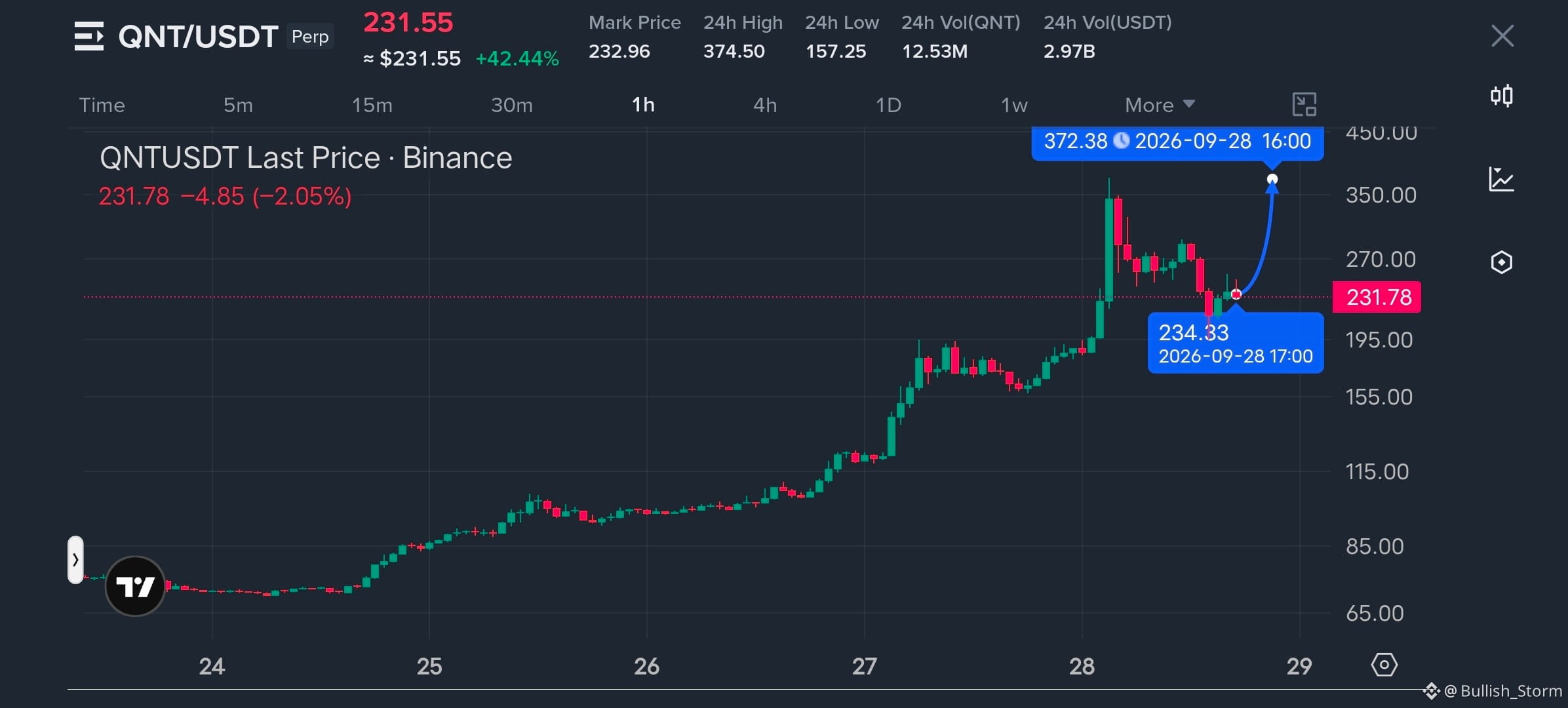
🚀 $QNT EXPLOSION INCOMING? DON'T BLINK! 🔥
$QNT just pulled off a massive run from $157.25 to $374.50 (+42.44% gain) before catching its breath around $231.78! 📊⚡
💥 Key Market Stats:
* 🎯 24h High: $374.50
* 🛡️ 24h Low: $157.25
* 📈 24h Volume: 12.53M QNT ($2.97B USDT)
With liquidity pumping hard ($2.97B in USDT volume!), this slight consolidation around the $234 level looks like the ultimate setup before the next potential moonshot vectoring back toward $372+!
Are you holding the line or waiting on the sidelines? Let's go! 🌕🚀
#QNT
#QNTFallsOver40%FromMorningHigh
#BitgetDetailsSecurityIncidentTimeline
#ChinaMayLetAlibabaByteDanceBuyNvidiaChips
🚀 $QNT EXPLOSION INCOMING? DON'T BLINK! 🔥
$QNT just pulled off a massive run from $157.25 to $374.50 (+42.44% gain) before catching its breath around $231.78! 📊⚡
💥 Key Market Stats:
* 🎯 24h High: $374.50
* 🛡️ 24h Low: $157.25
* 📈 24h Volume: 12.53M QNT ($2.97B USDT)
With liquidity pumping hard ($2.97B in USDT volume!), this slight consolidation around the $234 level looks like the ultimate setup before the next potential moonshot vectoring back toward $372+!
Are you holding the line or waiting on the sidelines? Let's go! 🌕🚀
#QNT
#QNTFallsOver40%FromMorningHigh
#BitgetDetailsSecurityIncidentTimeline
#ChinaMayLetAlibabaByteDanceBuyNvidiaChips
$QNT just pulled off a massive run from $157.25 to $374.50 (+42.44% gain) before catching its breath around $231.78! 📊⚡
💥 Key Market Stats:
* 🎯 24h High: $374.50
* 🛡️ 24h Low: $157.25
* 📈 24h Volume: 12.53M QNT ($2.97B USDT)
With liquidity pumping hard ($2.97B in USDT volume!), this slight consolidation around the $234 level looks like the ultimate setup before the next potential moonshot vectoring back toward $372+!
Are you holding the line or waiting on the sidelines? Let's go! 🌕🚀
#QNT
#QNTFallsOver40%FromMorningHigh
#BitgetDetailsSecurityIncidentTimeline
#ChinaMayLetAlibabaByteDanceBuyNvidiaChips
289
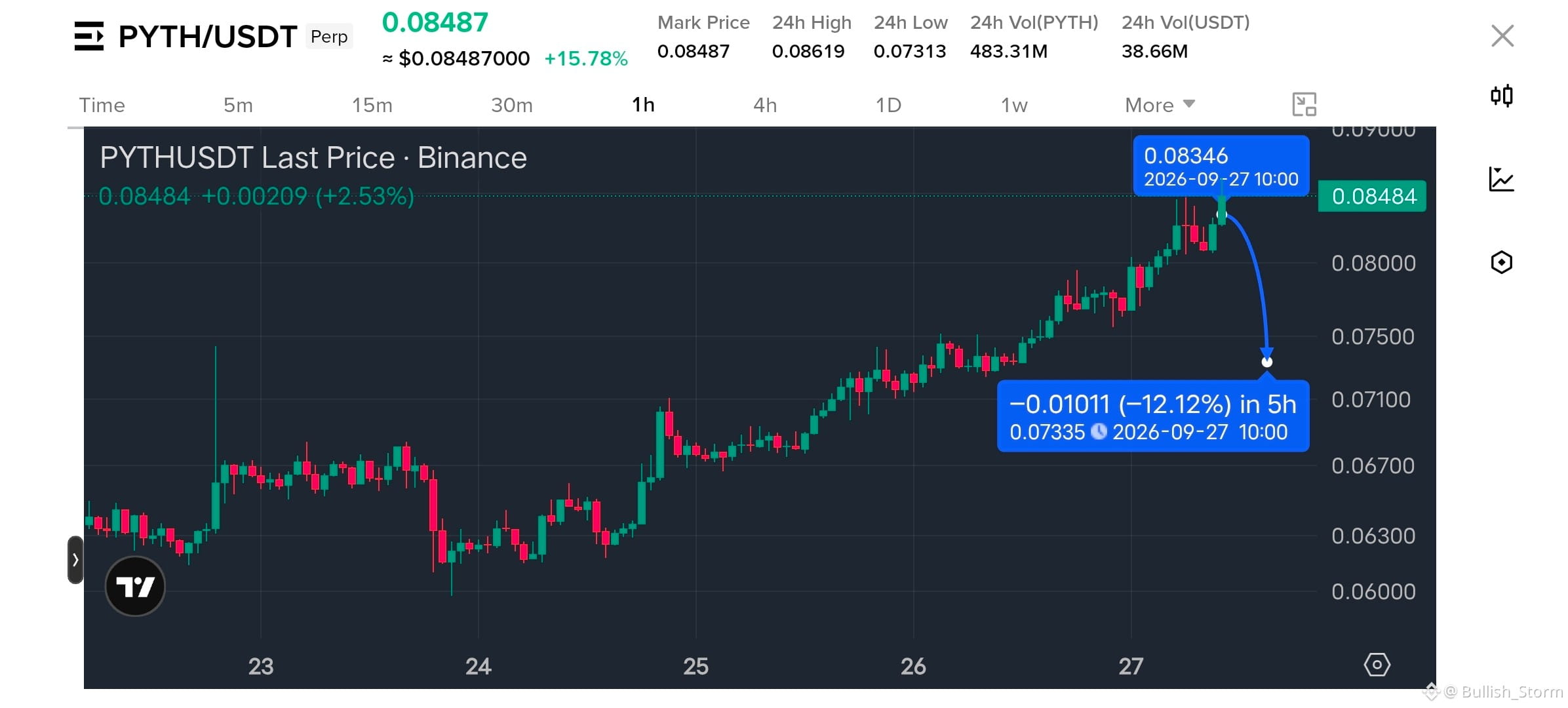
$PYTH IS MOVING FAST ⚡
PYTH is up strongly, pushing into the $0.085 area after a clean series of higher highs and higher lows. Buyers clearly have momentum right now, but after this sharp run, I’m watching for either a breakout above $0.0862 or a healthy pullback before the next move.
The key zone is simple: $0.080–$0.082. Holding that area keeps the bullish structure intact; losing it could trigger a deeper retracement.
Momentum is hot — now the question is whether buyers can turn this surge into a real breakout. 👀
Are you watching $0.0862 for the next move?
{future}(PYTHUSDT)
$QNT
{future}(QNTUSDT)
$Q
{future}(QUSDT)
#PolymarketBankFailureBetsDrawFDICConcern #CoinMarketCapCompletesCoinglassAcquisition #CircleTetherFreezeBitgetHackerWallet #TrumpRejectsIranHormuzReopening #StrategyStriveAdd2305BitcoinThisWeek
$PYTH IS MOVING FAST ⚡
PYTH is up strongly, pushing into the $0.085 area after a clean series of higher highs and higher lows. Buyers clearly have momentum right now, but after this sharp run, I’m watching for either a breakout above $0.0862 or a healthy pullback before the next move.
The key zone is simple: $0.080–$0.082. Holding that area keeps the bullish structure intact; losing it could trigger a deeper retracement.
Momentum is hot — now the question is whether buyers can turn this surge into a real breakout. 👀
Are you watching $0.0862 for the next move?
$QNT
$Q
#PolymarketBankFailureBetsDrawFDICConcern #CoinMarketCapCompletesCoinglassAcquisition #CircleTetherFreezeBitgetHackerWallet #TrumpRejectsIranHormuzReopening #StrategyStriveAdd2305BitcoinThisWeek
PYTH is up strongly, pushing into the $0.085 area after a clean series of higher highs and higher lows. Buyers clearly have momentum right now, but after this sharp run, I’m watching for either a breakout above $0.0862 or a healthy pullback before the next move.
The key zone is simple: $0.080–$0.082. Holding that area keeps the bullish structure intact; losing it could trigger a deeper retracement.
Momentum is hot — now the question is whether buyers can turn this surge into a real breakout. 👀
Are you watching $0.0862 for the next move?
$QNT
$Q
#PolymarketBankFailureBetsDrawFDICConcern #CoinMarketCapCompletesCoinglassAcquisition #CircleTetherFreezeBitgetHackerWallet #TrumpRejectsIranHormuzReopening #StrategyStriveAdd2305BitcoinThisWeek
449
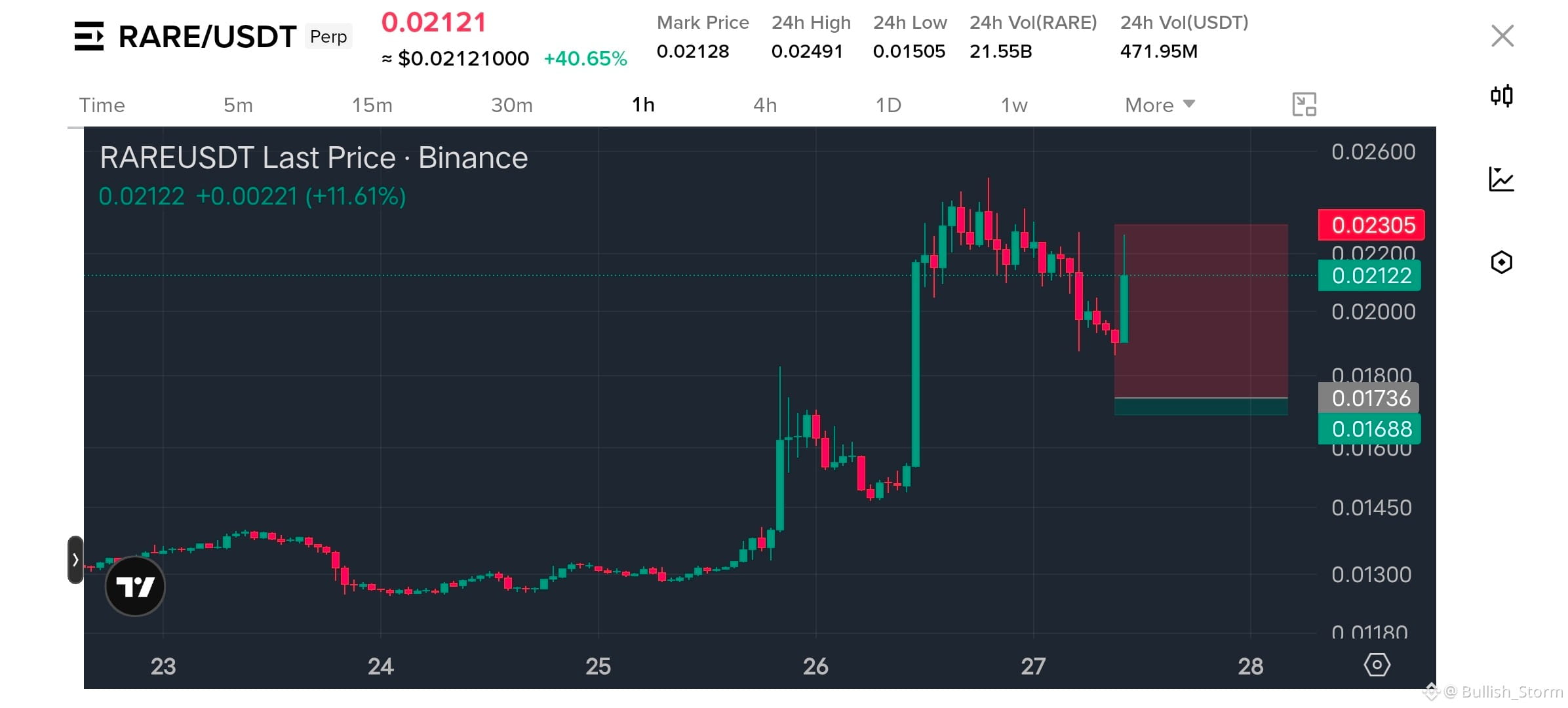
$RARE is heating up fast! ⚡️
Price just ripped higher after the pullback, with buyers stepping back in around the $0.0200 area. If momentum holds, the next move could get explosive.
I’m watching $0.0230 closely — a clean break could open the door for another push. 👀
$RARE
{future}(RAREUSDT)
#CoinMarketCapCompletesCoinglassAcquisition #CircleTetherFreezeBitgetHackerWallet #StrategyStriveAdd2305BitcoinThisWeek
$RARE is heating up fast! ⚡️
Price just ripped higher after the pullback, with buyers stepping back in around the $0.0200 area. If momentum holds, the next move could get explosive.
I’m watching $0.0230 closely — a clean break could open the door for another push. 👀
$RARE
#CoinMarketCapCompletesCoinglassAcquisition #CircleTetherFreezeBitgetHackerWallet #StrategyStriveAdd2305BitcoinThisWeek
Price just ripped higher after the pullback, with buyers stepping back in around the $0.0200 area. If momentum holds, the next move could get explosive.
I’m watching $0.0230 closely — a clean break could open the door for another push. 👀
$RARE
#CoinMarketCapCompletesCoinglassAcquisition #CircleTetherFreezeBitgetHackerWallet #StrategyStriveAdd2305BitcoinThisWeek
216
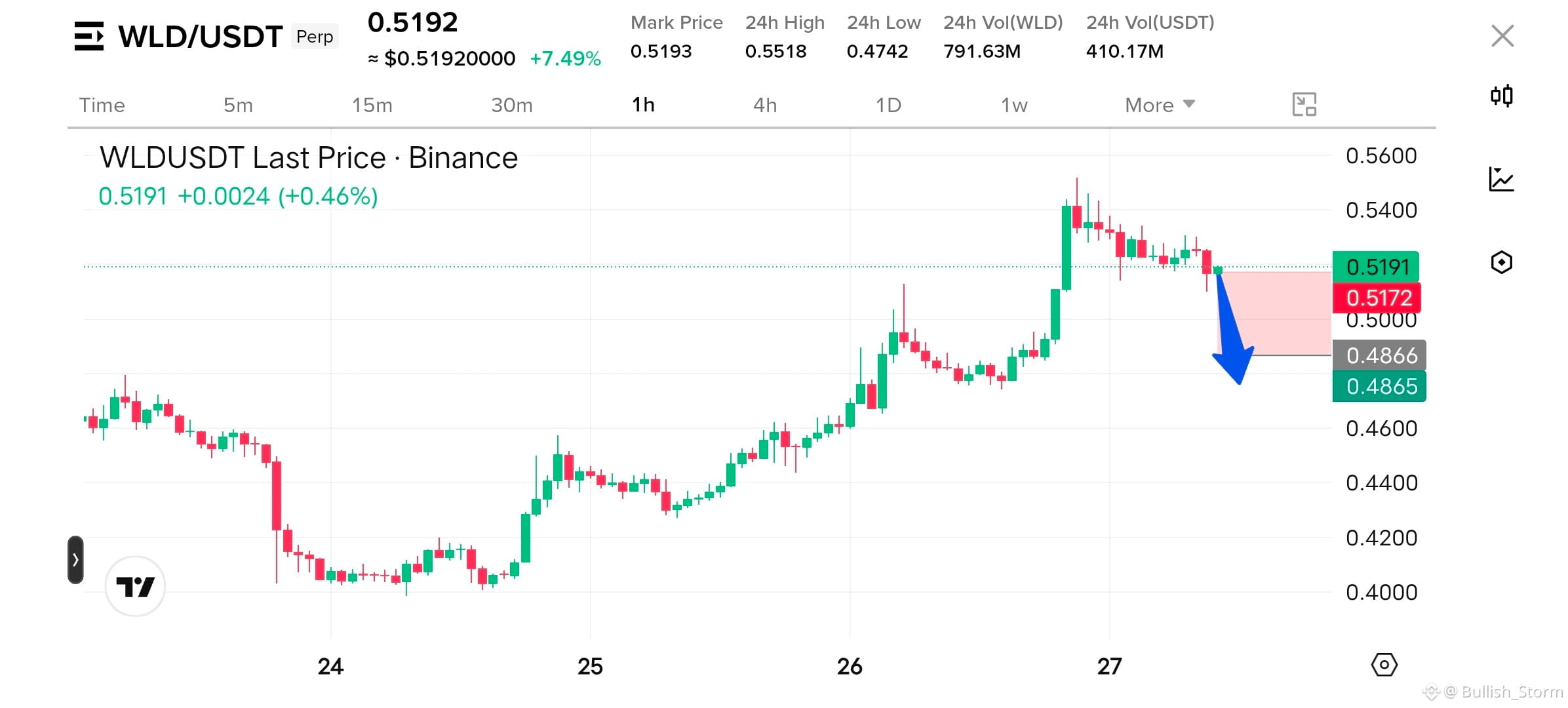
$WLD — Sellers are starting to take control after the sharp rally.
WLD pushed into the $0.54 area, got rejected, and is now printing lower highs around $0.52. I’m watching for a breakdown below the current support before entering.
Trade Setup — SHORT
Entry Zone: $0.515–$0.522
Target 1: $0.505
Target 2: $0.495
Target 3: $0.4865
Stop Loss: $0.5420
Why this setup works:
The 1H chart shows momentum cooling after the strong move higher. I’m looking for a clean rejection around $0.52 or a confirmed break below $0.515. If sellers gain control, the next downside area is around $0.4865.
If WLD reclaims and holds above $0.54, I’d avoid the short.
$WLD
{future}(WLDUSDT)
#SECSaysTokenBuybacksNotAutoSecurities #CircleMints500MUSDCOnSolana #TrumpRejectsIranHormuzReopening #StrategyStriveAdd2305BitcoinThisWeek #BitwiseFilesToListNEARETFOnNYSEArca
$WLD — Sellers are starting to take control after the sharp rally.
WLD pushed into the $0.54 area, got rejected, and is now printing lower highs around $0.52. I’m watching for a breakdown below the current support before entering.
Trade Setup — SHORT
Entry Zone: $0.515–$0.522
Target 1: $0.505
Target 2: $0.495
Target 3: $0.4865
Stop Loss: $0.5420
Why this setup works:
The 1H chart shows momentum cooling after the strong move higher. I’m looking for a clean rejection around $0.52 or a confirmed break below $0.515. If sellers gain control, the next downside area is around $0.4865.
If WLD reclaims and holds above $0.54, I’d avoid the short.
$WLD
#SECSaysTokenBuybacksNotAutoSecurities #CircleMints500MUSDCOnSolana #TrumpRejectsIranHormuzReopening #StrategyStriveAdd2305BitcoinThisWeek #BitwiseFilesToListNEARETFOnNYSEArca
WLD pushed into the $0.54 area, got rejected, and is now printing lower highs around $0.52. I’m watching for a breakdown below the current support before entering.
Trade Setup — SHORT
Entry Zone: $0.515–$0.522
Target 1: $0.505
Target 2: $0.495
Target 3: $0.4865
Stop Loss: $0.5420
Why this setup works:
The 1H chart shows momentum cooling after the strong move higher. I’m looking for a clean rejection around $0.52 or a confirmed break below $0.515. If sellers gain control, the next downside area is around $0.4865.
If WLD reclaims and holds above $0.54, I’d avoid the short.
$WLD
#SECSaysTokenBuybacksNotAutoSecurities #CircleMints500MUSDCOnSolana #TrumpRejectsIranHormuzReopening #StrategyStriveAdd2305BitcoinThisWeek #BitwiseFilesToListNEARETFOnNYSEArca

1
378
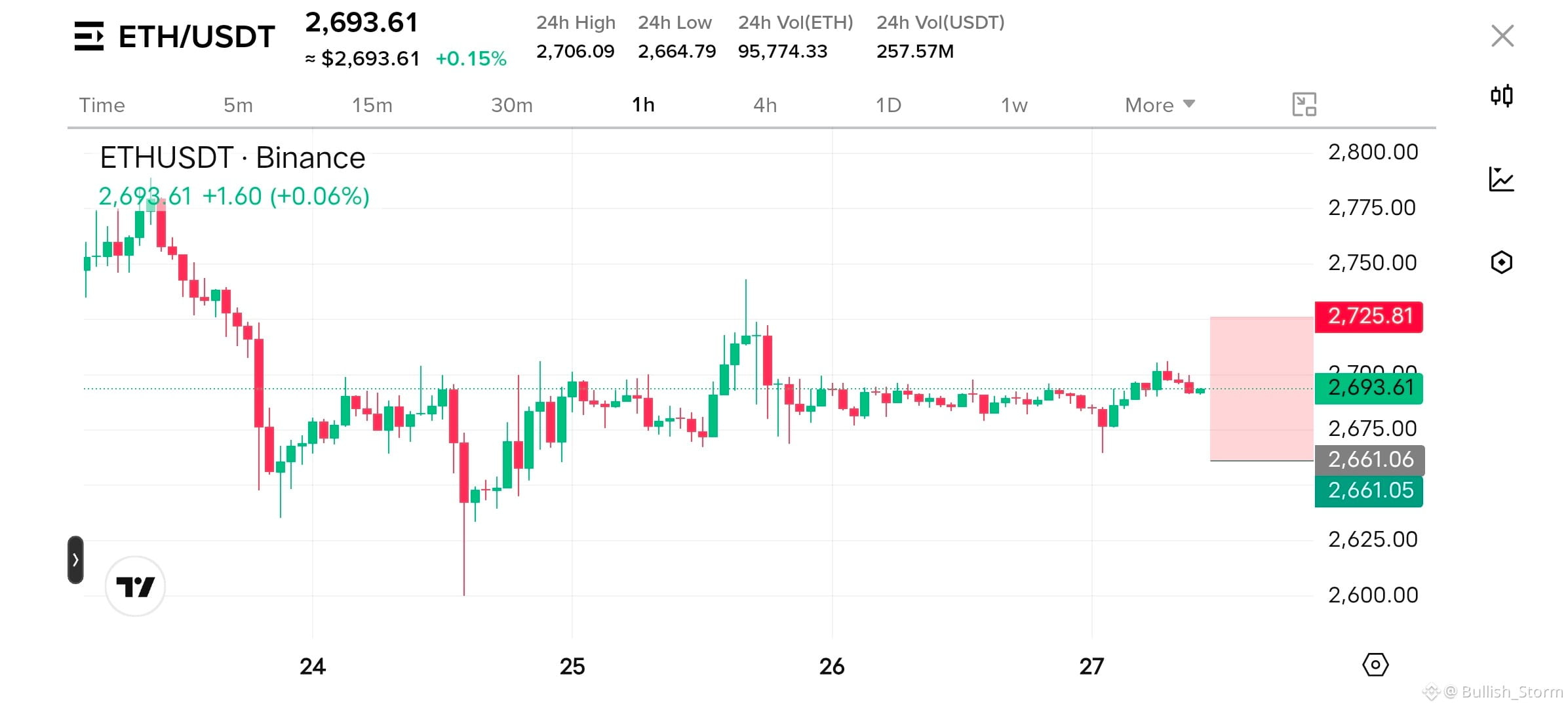
$ETH — Range-bound with sellers defending the $2,700 area.
ETH is moving sideways around $2,690 after repeated rejection near $2,700–$2,710. I’m watching for another rejection here, with $2,661 acting as the key downside level.
Trade Setup — SHORT
Entry Zone: $2,695–$2,705
Target 1: $2,680
Target 2: $2,670
Target 3: $2,661
Stop Loss: $2,725.81
Why this setup works:
The 1H chart is stuck in a range, and buyers have struggled to push through the $2,700 resistance area. I’m looking for a clear bearish rejection before entering. If sellers regain control, the range low around $2,661 becomes the main target.
If ETH breaks and holds above $2,710–$2,725, I’d stay out of the short.
{future}(ETHUSDT)
$BNB
{future}(BNBUSDT)
$SOL
{future}(SOLUSDT)
#StrategyStriveAdd2305BitcoinThisWeek
#TrumpRejectsIranHormuzReopening
#CircleTetherFreezeBitgetHackerWallet
#CoinMarketCapCompletesCoinglassAcquisition
#BlackRockBuildsTokenizedPortfoliosForOndo
$ETH — Range-bound with sellers defending the $2,700 area.
ETH is moving sideways around $2,690 after repeated rejection near $2,700–$2,710. I’m watching for another rejection here, with $2,661 acting as the key downside level.
Trade Setup — SHORT
Entry Zone: $2,695–$2,705
Target 1: $2,680
Target 2: $2,670
Target 3: $2,661
Stop Loss: $2,725.81
Why this setup works:
The 1H chart is stuck in a range, and buyers have struggled to push through the $2,700 resistance area. I’m looking for a clear bearish rejection before entering. If sellers regain control, the range low around $2,661 becomes the main target.
If ETH breaks and holds above $2,710–$2,725, I’d stay out of the short.
$BNB
$SOL
#StrategyStriveAdd2305BitcoinThisWeek
#TrumpRejectsIranHormuzReopening
#CircleTetherFreezeBitgetHackerWallet
#CoinMarketCapCompletesCoinglassAcquisition
#BlackRockBuildsTokenizedPortfoliosForOndo
ETH is moving sideways around $2,690 after repeated rejection near $2,700–$2,710. I’m watching for another rejection here, with $2,661 acting as the key downside level.
Trade Setup — SHORT
Entry Zone: $2,695–$2,705
Target 1: $2,680
Target 2: $2,670
Target 3: $2,661
Stop Loss: $2,725.81
Why this setup works:
The 1H chart is stuck in a range, and buyers have struggled to push through the $2,700 resistance area. I’m looking for a clear bearish rejection before entering. If sellers regain control, the range low around $2,661 becomes the main target.
If ETH breaks and holds above $2,710–$2,725, I’d stay out of the short.
$BNB
$SOL
#StrategyStriveAdd2305BitcoinThisWeek
#TrumpRejectsIranHormuzReopening
#CircleTetherFreezeBitgetHackerWallet
#CoinMarketCapCompletesCoinglassAcquisition
#BlackRockBuildsTokenizedPortfoliosForOndo
127
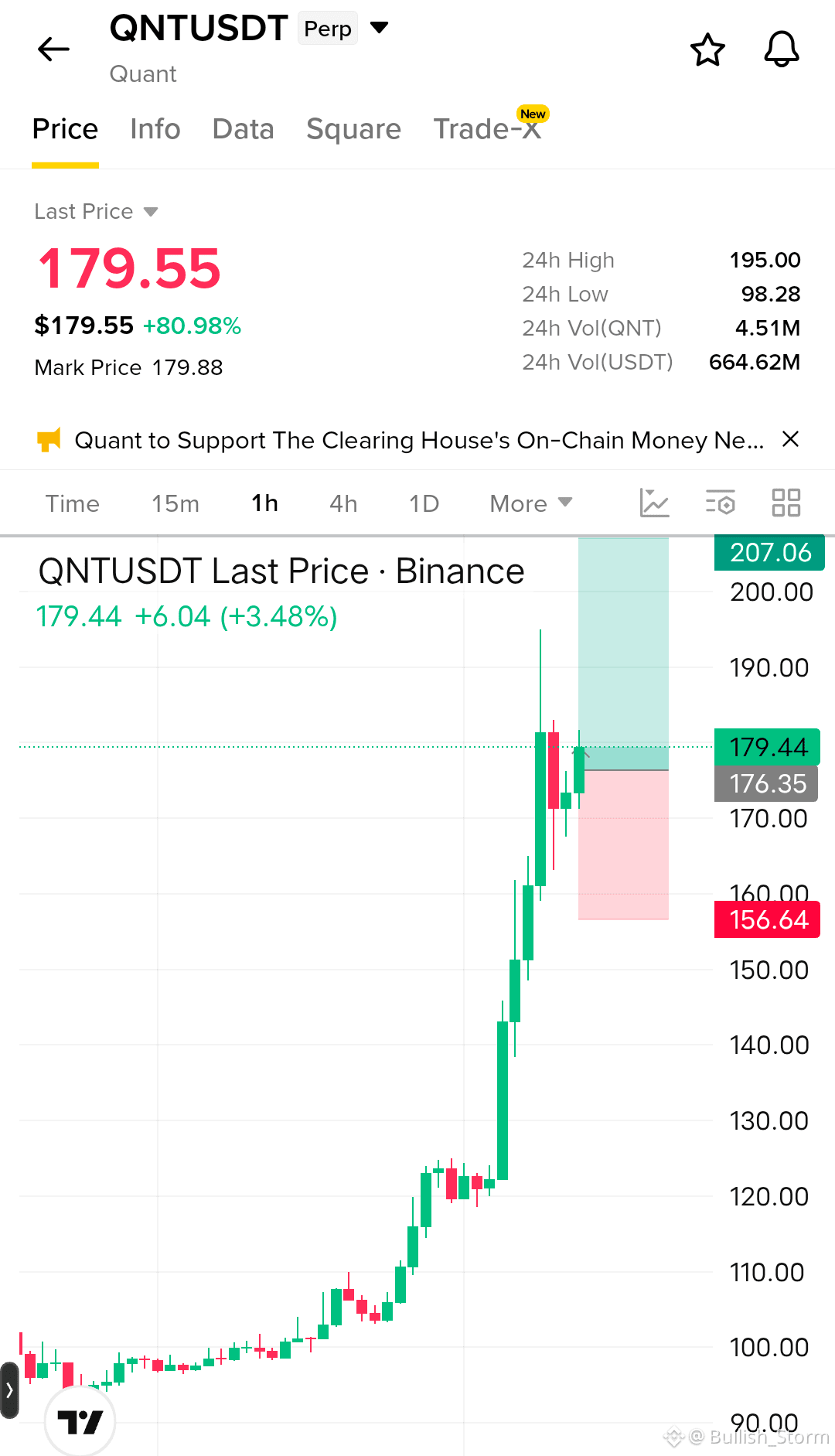
$QNT — Strong breakout, but I’m watching the pullback.
QNT has pushed aggressively from the $120 area to $195 before cooling off. Price is now around $179.55, holding above the $176.35 area. I’m looking for this level to act as support before considering continuation.
Trade Setup — LONG
Entry Zone: $176.35–$179.50
Target 1: $190
Target 2: $200
Target 3: $207.06
Stop Loss: $156.64
Why this setup works:
The 1H structure remains strongly bullish after the breakout and sharp move higher. I’m watching $176.35 as the key retest zone; holding it would keep the higher-high structure intact and give buyers room toward $190–$207. I’d wait for a bullish reaction around the entry zone rather than chasing the spike.
If $176.35 fails decisively, I’d stay out and respect the $156.64 invalidation.
$QNT
{future}(QNTUSDT)
#TrumpRejectsIranHormuzReopening
#CircleTetherFreezeBitgetHackerWallet
#SECSaysTokenBuybacksNotAutoSecurities
#CoinMarketCapCompletesCoinglassAcquisition
#CircleMints500MUSDCOnSolana
$QNT — Strong breakout, but I’m watching the pullback.
QNT has pushed aggressively from the $120 area to $195 before cooling off. Price is now around $179.55, holding above the $176.35 area. I’m looking for this level to act as support before considering continuation.
Trade Setup — LONG
Entry Zone: $176.35–$179.50
Target 1: $190
Target 2: $200
Target 3: $207.06
Stop Loss: $156.64
Why this setup works:
The 1H structure remains strongly bullish after the breakout and sharp move higher. I’m watching $176.35 as the key retest zone; holding it would keep the higher-high structure intact and give buyers room toward $190–$207. I’d wait for a bullish reaction around the entry zone rather than chasing the spike.
If $176.35 fails decisively, I’d stay out and respect the $156.64 invalidation.
$QNT
#TrumpRejectsIranHormuzReopening
#CircleTetherFreezeBitgetHackerWallet
#SECSaysTokenBuybacksNotAutoSecurities
#CoinMarketCapCompletesCoinglassAcquisition
#CircleMints500MUSDCOnSolana
QNT has pushed aggressively from the $120 area to $195 before cooling off. Price is now around $179.55, holding above the $176.35 area. I’m looking for this level to act as support before considering continuation.
Trade Setup — LONG
Entry Zone: $176.35–$179.50
Target 1: $190
Target 2: $200
Target 3: $207.06
Stop Loss: $156.64
Why this setup works:
The 1H structure remains strongly bullish after the breakout and sharp move higher. I’m watching $176.35 as the key retest zone; holding it would keep the higher-high structure intact and give buyers room toward $190–$207. I’d wait for a bullish reaction around the entry zone rather than chasing the spike.
If $176.35 fails decisively, I’d stay out and respect the $156.64 invalidation.
$QNT
#TrumpRejectsIranHormuzReopening
#CircleTetherFreezeBitgetHackerWallet
#SECSaysTokenBuybacksNotAutoSecurities
#CoinMarketCapCompletesCoinglassAcquisition
#CircleMints500MUSDCOnSolana
149
🌕💛 Who said moon cakes can’t have a Binance vibe?
I gave the classic Mid-Autumn moon cake my own Binance-inspired twist — simple, clean, and made with a little extra creativity. 🥮✨
Now I’m ready to see what everyone else creates!
#BinanceMidAutumn #BinanceSquareTG
$PHA
{future}(PHAUSDT)
$ARK
{future}(ARKUSDT)
$ZEC
{future}(ZECUSDT)
🌕💛 Who said moon cakes can’t have a Binance vibe?
I gave the classic Mid-Autumn moon cake my own Binance-inspired twist — simple, clean, and made with a little extra creativity. 🥮✨
Now I’m ready to see what everyone else creates!
#BinanceMidAutumn #BinanceSquareTG
$PHA
$ARK
$ZEC
I gave the classic Mid-Autumn moon cake my own Binance-inspired twist — simple, clean, and made with a little extra creativity. 🥮✨
Now I’m ready to see what everyone else creates!
#BinanceMidAutumn #BinanceSquareTG
$PHA
$ARK
$ZEC

514
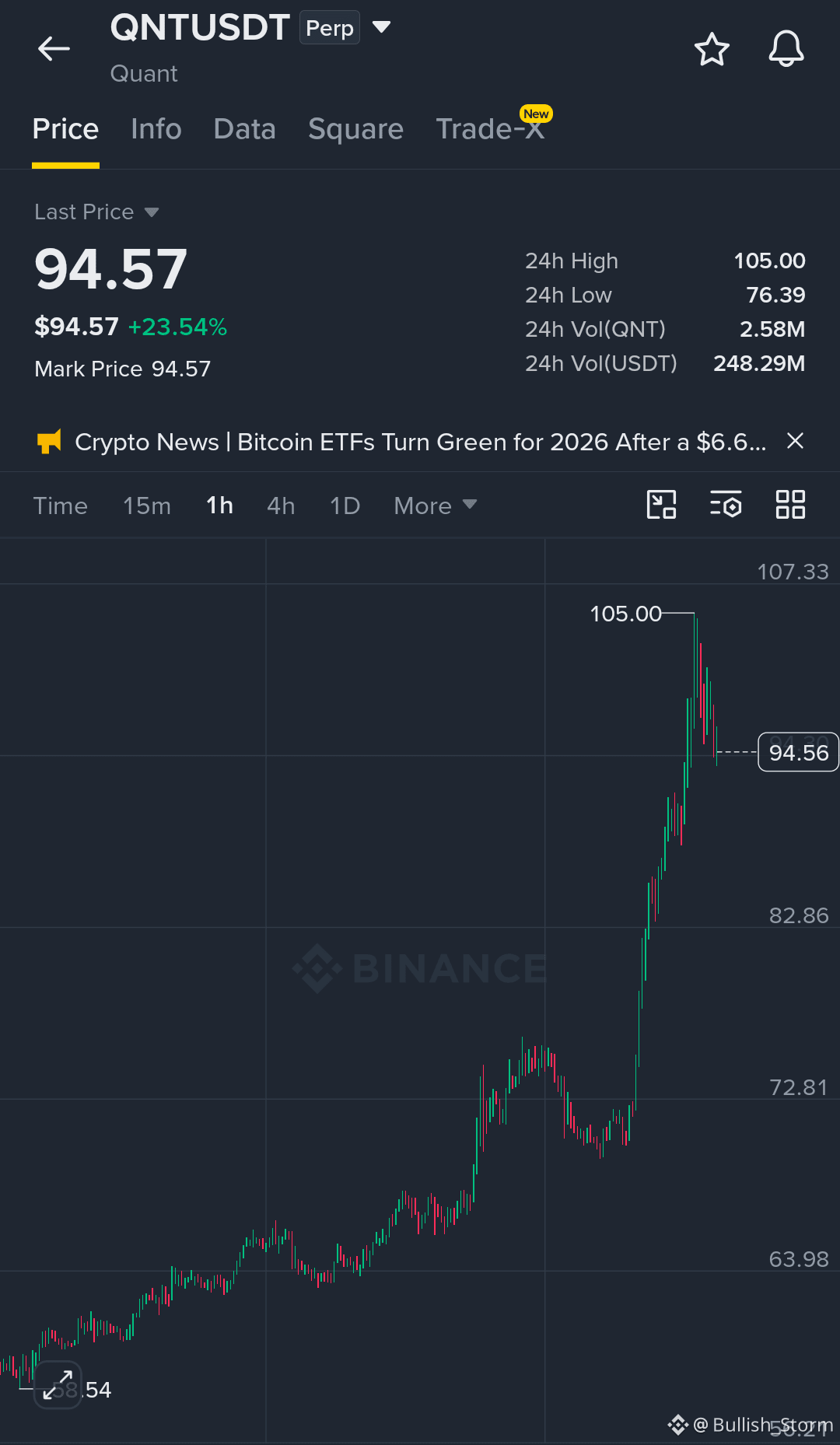
$QNT is holding strong after a sharp breakout from the $72.80 area. Price pushed to $105.00 before pulling back, so I’m waiting for confirmation instead of chasing the move.
Trade Setup
- Entry Zone: $88.00–$91.00
- Target 1: $97.00
- Target 2: $105.00
- Target 3: $112.00
- Stop Loss: $84.50
I’m looking for price to retest the $88.00–$91.00 zone and hold it as support. A strong bounce from this area could send QNT back toward $105.00 and possibly higher.
This setup works because the previous resistance near $72.80 has already broken, and the chart is forming a strong higher-high structure. The pullback entry offers better risk control than buying directly after the vertical move.
If price closes below $84.50, I’m exiting because the breakout momentum is weakening. Avoid entering if price remains extended above the entry zone.
{future}(QNTUSDT)
$NIL
{future}(NILUSDT)
$XPL
{future}(XPLUSDT)
#QNTRises39%
#BitgetBreachForgedRequestsNotStolenKeys
#BitcoinSpotETFsTurnNetPositiveYTD
#CFTCUpdatesGuidanceOnTokenizedAssets
#BinanceWillListHyperliquid(HYPE)
$QNT is holding strong after a sharp breakout from the $72.80 area. Price pushed to $105.00 before pulling back, so I’m waiting for confirmation instead of chasing the move.
Trade Setup
- Entry Zone: $88.00–$91.00
- Target 1: $97.00
- Target 2: $105.00
- Target 3: $112.00
- Stop Loss: $84.50
I’m looking for price to retest the $88.00–$91.00 zone and hold it as support. A strong bounce from this area could send QNT back toward $105.00 and possibly higher.
This setup works because the previous resistance near $72.80 has already broken, and the chart is forming a strong higher-high structure. The pullback entry offers better risk control than buying directly after the vertical move.
If price closes below $84.50, I’m exiting because the breakout momentum is weakening. Avoid entering if price remains extended above the entry zone.
$NIL
$XPL
#QNTRises39%
#BitgetBreachForgedRequestsNotStolenKeys
#BitcoinSpotETFsTurnNetPositiveYTD
#CFTCUpdatesGuidanceOnTokenizedAssets
#BinanceWillListHyperliquid(HYPE)
Trade Setup
- Entry Zone: $88.00–$91.00
- Target 1: $97.00
- Target 2: $105.00
- Target 3: $112.00
- Stop Loss: $84.50
I’m looking for price to retest the $88.00–$91.00 zone and hold it as support. A strong bounce from this area could send QNT back toward $105.00 and possibly higher.
This setup works because the previous resistance near $72.80 has already broken, and the chart is forming a strong higher-high structure. The pullback entry offers better risk control than buying directly after the vertical move.
If price closes below $84.50, I’m exiting because the breakout momentum is weakening. Avoid entering if price remains extended above the entry zone.
$NIL
$XPL
#QNTRises39%
#BitgetBreachForgedRequestsNotStolenKeys
#BitcoinSpotETFsTurnNetPositiveYTD
#CFTCUpdatesGuidanceOnTokenizedAssets
#BinanceWillListHyperliquid(HYPE)
502
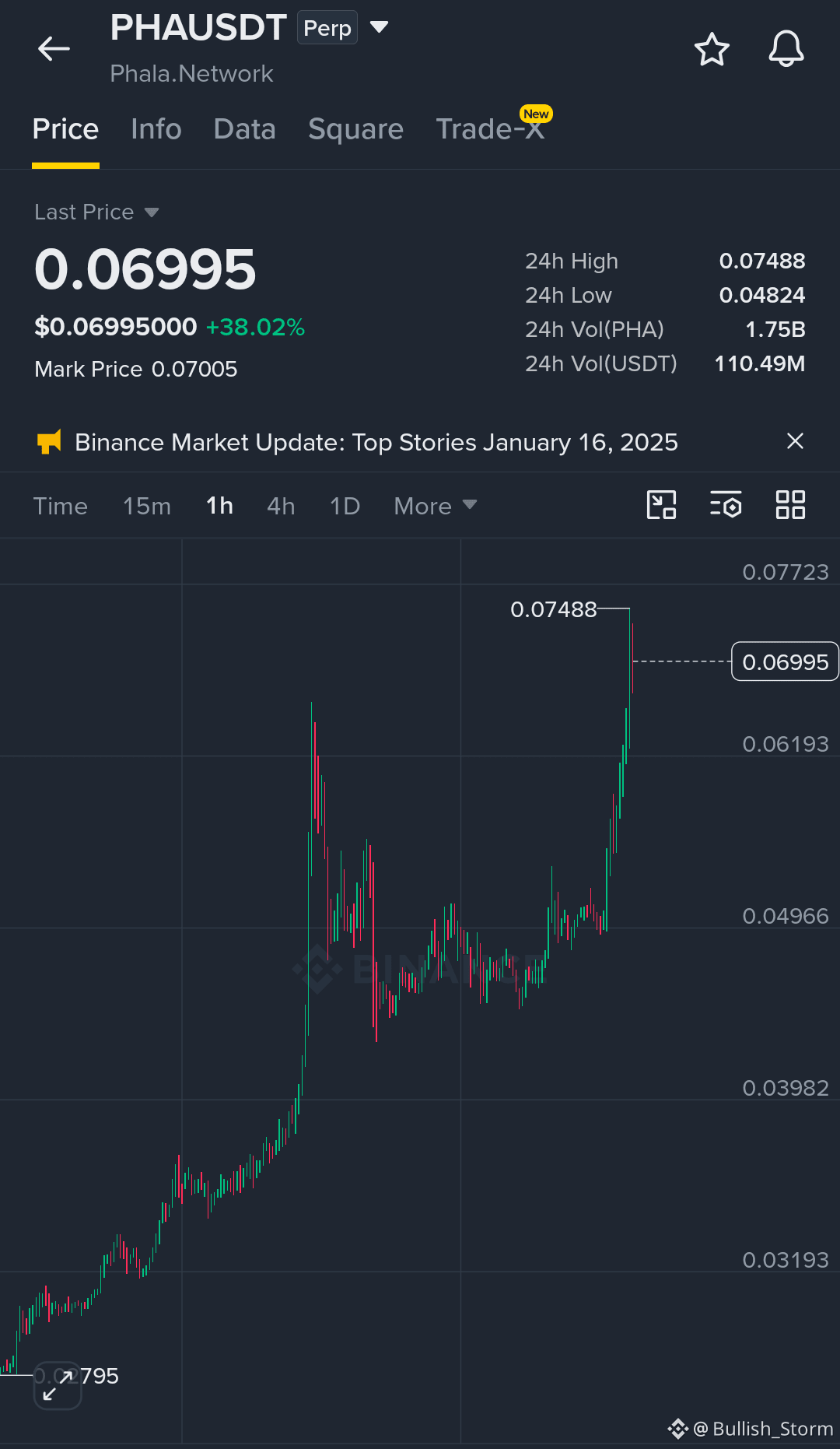
$PHA is showing strong momentum after breaking above the $0.0490–$0.0500 resistance zone. Price is now near $0.0700 after reaching $0.07488, so I’m not chasing the move at the top.
Trade Setup**
- Entry Zone: $0.0630–$0.0660
- Target 1: $0.0700
- Target 2:** $0.0748
- Target 3:** $0.0800
- Stop Loss:** $0.0590
I’m looking for a pullback into the entry zone, followed by a bullish reaction. If price breaks and holds above $0.0748 with strong volume, the move toward $0.0800 becomes more likely.
This setup works because the market has created a strong higher-high structure and buyers are defending the breakout area. The entry zone gives a better risk-to-reward ratio than buying after the vertical pump. If price closes below $0.0590, the bullish structure weakens and I’m out of the trade.
Manage risk carefully and avoid entering if price moves sharply above the target levels without a retest.
$ARK
{future}(ARKUSDT)
$PHA
{future}(PHAUSDT)
$PHA is showing strong momentum after breaking above the $0.0490–$0.0500 resistance zone. Price is now near $0.0700 after reaching $0.07488, so I’m not chasing the move at the top.
Trade Setup**
- Entry Zone: $0.0630–$0.0660
- Target 1: $0.0700
- Target 2:** $0.0748
- Target 3:** $0.0800
- Stop Loss:** $0.0590
I’m looking for a pullback into the entry zone, followed by a bullish reaction. If price breaks and holds above $0.0748 with strong volume, the move toward $0.0800 becomes more likely.
This setup works because the market has created a strong higher-high structure and buyers are defending the breakout area. The entry zone gives a better risk-to-reward ratio than buying after the vertical pump. If price closes below $0.0590, the bullish structure weakens and I’m out of the trade.
Manage risk carefully and avoid entering if price moves sharply above the target levels without a retest.
$ARK
$PHA
Trade Setup**
- Entry Zone: $0.0630–$0.0660
- Target 1: $0.0700
- Target 2:** $0.0748
- Target 3:** $0.0800
- Stop Loss:** $0.0590
I’m looking for a pullback into the entry zone, followed by a bullish reaction. If price breaks and holds above $0.0748 with strong volume, the move toward $0.0800 becomes more likely.
This setup works because the market has created a strong higher-high structure and buyers are defending the breakout area. The entry zone gives a better risk-to-reward ratio than buying after the vertical pump. If price closes below $0.0590, the bullish structure weakens and I’m out of the trade.
Manage risk carefully and avoid entering if price moves sharply above the target levels without a retest.
$ARK
$PHA
279
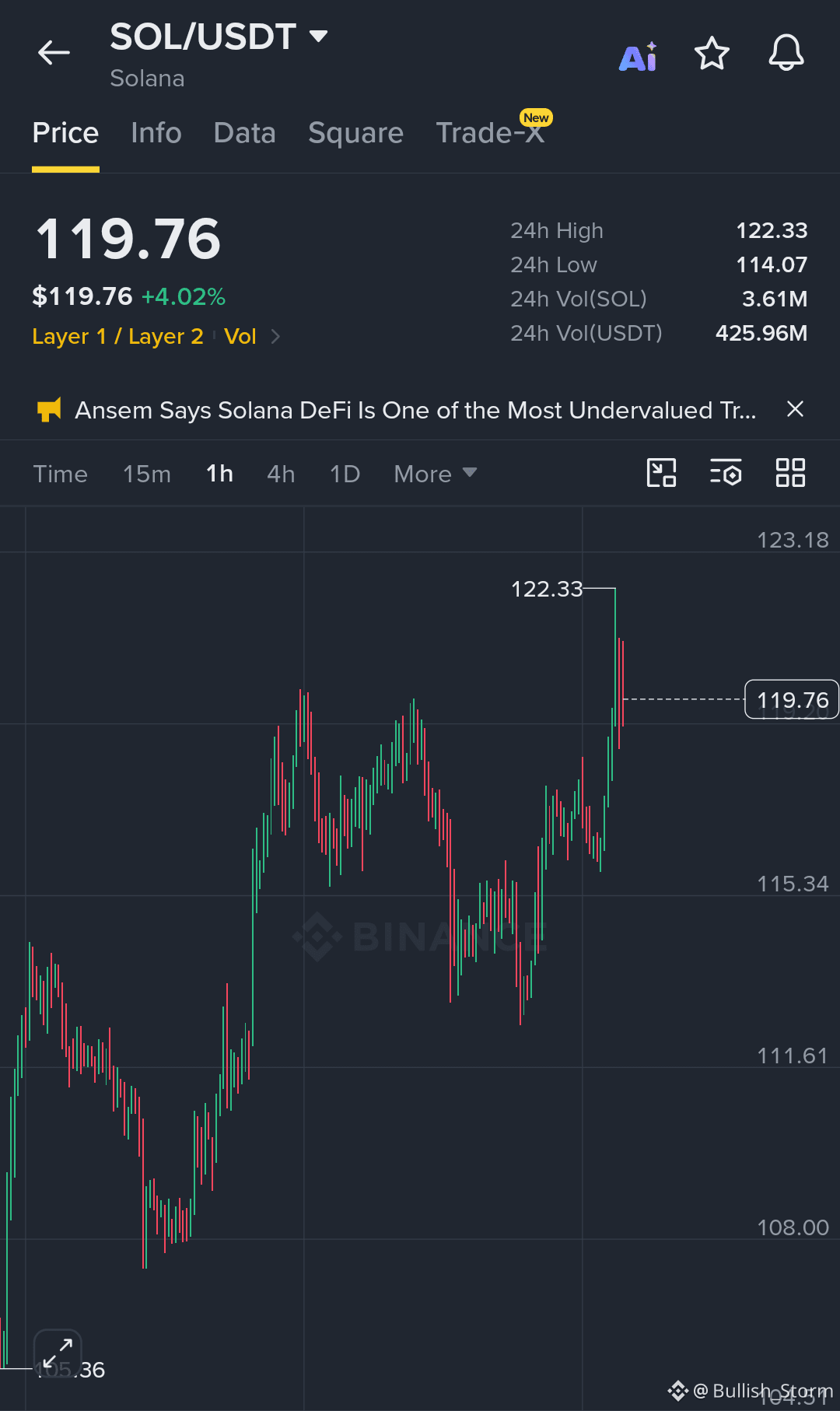
$SOL is making noise! 🚀
Up 4% and testing the $122.33 high—one strong push could send bulls into overdrive. Breakout or pullback? The battle is on! ⚡📈
{future}(SOLUSDT)
#QNTRises39%
$SOL is making noise! 🚀
Up 4% and testing the $122.33 high—one strong push could send bulls into overdrive. Breakout or pullback? The battle is on! ⚡📈
#QNTRises39%
Up 4% and testing the $122.33 high—one strong push could send bulls into overdrive. Breakout or pullback? The battle is on! ⚡📈
#QNTRises39%
142
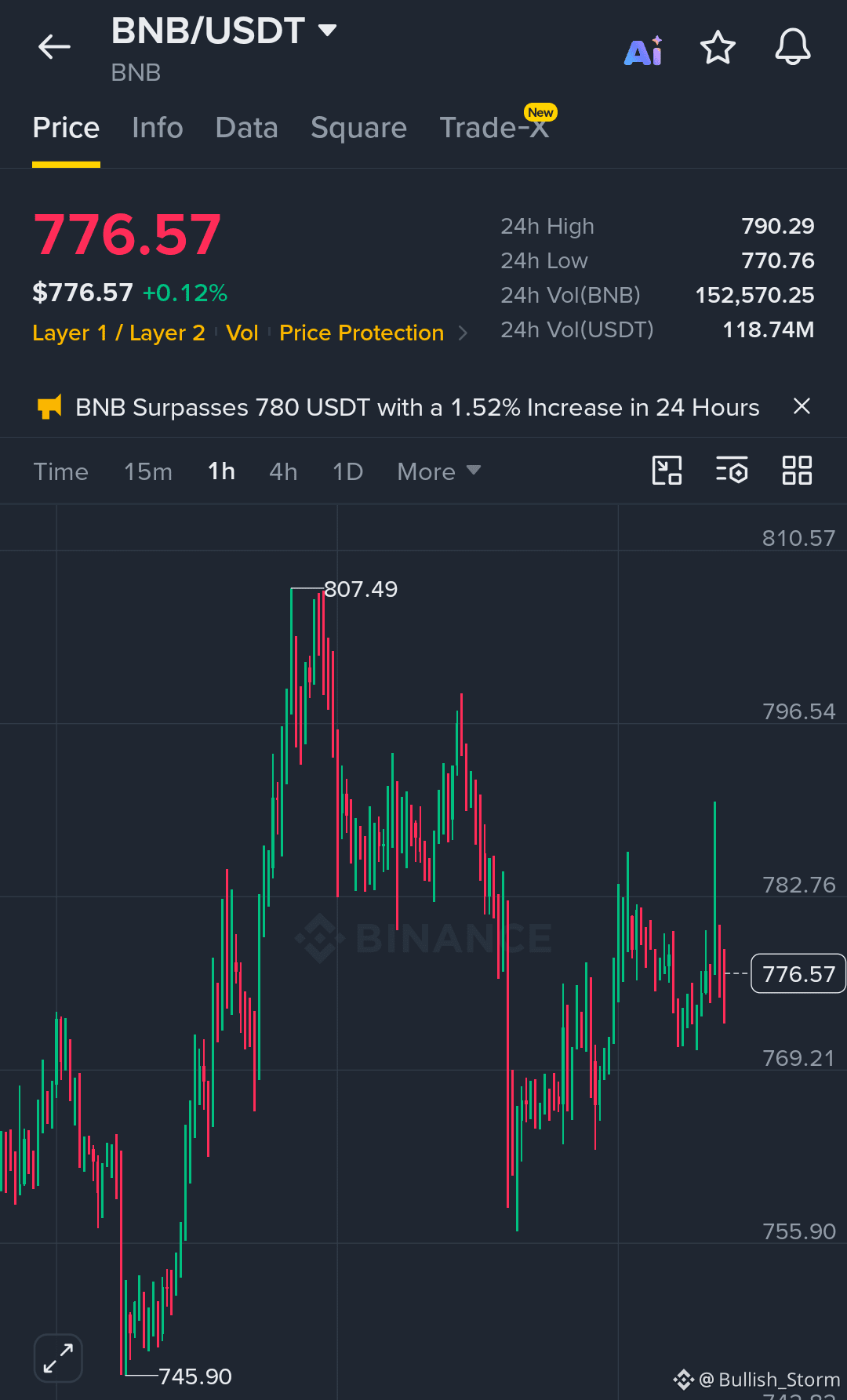
$BNB is heating up 🔥
After bouncing from $745, bulls are eyeing the $780 resistance. Breakout next—or another rejection? 👀📈
$BNB
{future}(BNBUSDT)
#BinanceWillListHyperliquid(HYPE)
#CFTCUpdatesGuidanceOnTokenizedAssets
#BitcoinSpotETFsTurnNetPositiveYTD
#BitgetBreachForgedRequestsNotStolenKeys
#QNTRises39%
$BNB is heating up 🔥
After bouncing from $745, bulls are eyeing the $780 resistance. Breakout next—or another rejection? 👀📈
$BNB
#BinanceWillListHyperliquid(HYPE)
#CFTCUpdatesGuidanceOnTokenizedAssets
#BitcoinSpotETFsTurnNetPositiveYTD
#BitgetBreachForgedRequestsNotStolenKeys
#QNTRises39%
After bouncing from $745, bulls are eyeing the $780 resistance. Breakout next—or another rejection? 👀📈
$BNB
#BinanceWillListHyperliquid(HYPE)
#CFTCUpdatesGuidanceOnTokenizedAssets
#BitcoinSpotETFsTurnNetPositiveYTD
#BitgetBreachForgedRequestsNotStolenKeys
#QNTRises39%
88
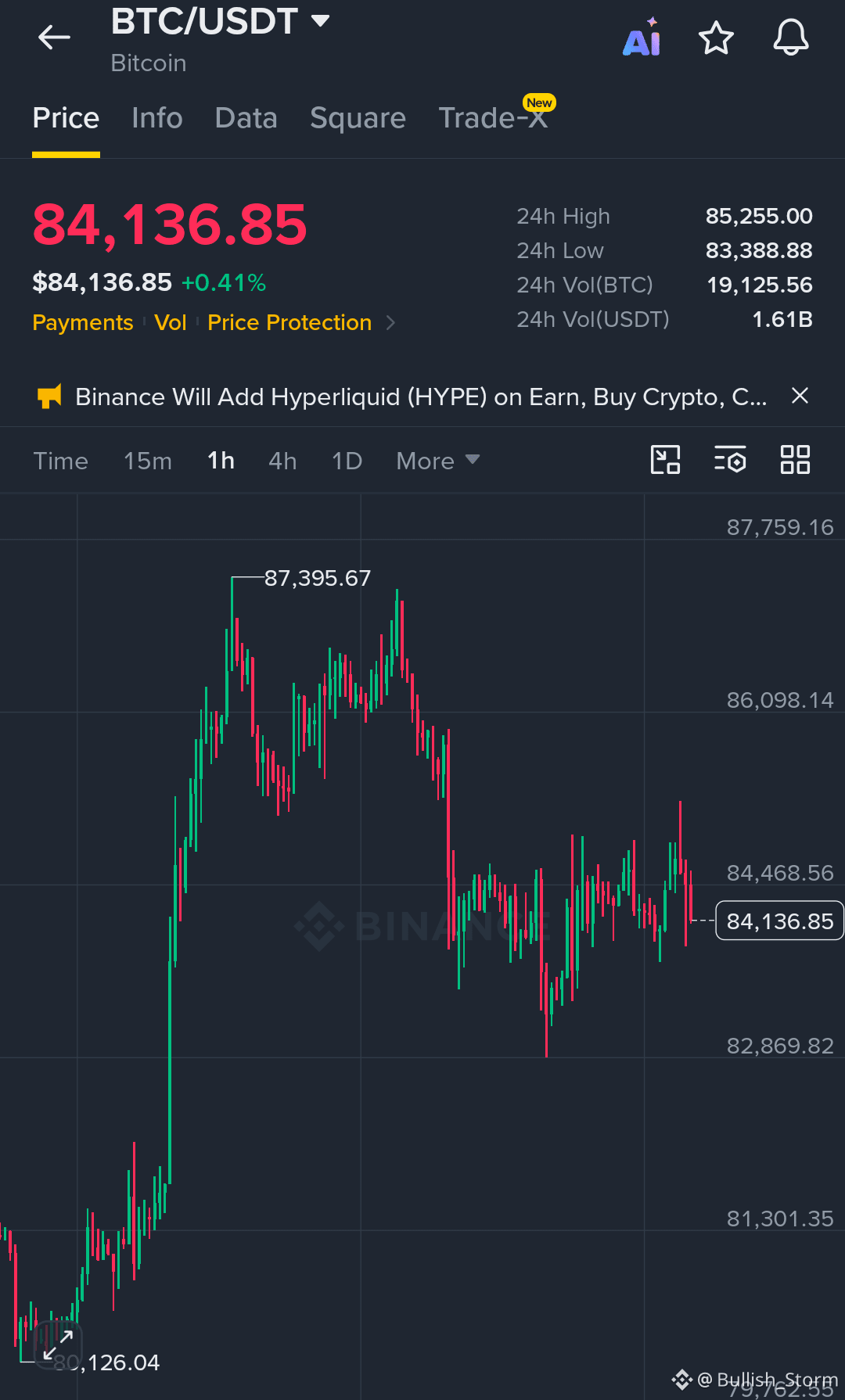
⚡ $BTC /USDT 1H — Bitcoin at a Critical Range!
BTC is trading around $84,136.85, consolidating after rejection from $87,395.67. The 1H chart shows a tight battle around $84K, with buyers defending the lower range and sellers controlling the higher levels. 👀
🟢 Support Levels
$83,388–$82,870
$81,301
$80,126
🔴 Resistance Levels
$84,468
$85,255
$86,098
$87,395–$87,759
📊 Technical Analysis
Price remains range-bound after the sharp rejection from $87.4K. 24H volume is around 19,125 BTC / $1.61B USDT. RSI, MACD and SuperTrend values are not visible in the provided chart, so they cannot be reliably classified.
⚠️ Market Outlook
🔥 A break above $85,255 could open the way toward $86,098 and the $87.4K area.
⚠️ Losing $82,870 could bring $81,301 and potentially $80,126 into focus.
Trade with a defined invalidation level, controlled leverage, and proper risk management.
{future}(BTCUSDT)
$BNB
{future}(BNBUSDT)
$SOL
{future}(SOLUSDT)
⚡ $BTC /USDT 1H — Bitcoin at a Critical Range!
BTC is trading around $84,136.85, consolidating after rejection from $87,395.67. The 1H chart shows a tight battle around $84K, with buyers defending the lower range and sellers controlling the higher levels. 👀
🟢 Support Levels
$83,388–$82,870
$81,301
$80,126
🔴 Resistance Levels
$84,468
$85,255
$86,098
$87,395–$87,759
📊 Technical Analysis
Price remains range-bound after the sharp rejection from $87.4K. 24H volume is around 19,125 BTC / $1.61B USDT. RSI, MACD and SuperTrend values are not visible in the provided chart, so they cannot be reliably classified.
⚠️ Market Outlook
🔥 A break above $85,255 could open the way toward $86,098 and the $87.4K area.
⚠️ Losing $82,870 could bring $81,301 and potentially $80,126 into focus.
Trade with a defined invalidation level, controlled leverage, and proper risk management.
$BNB
$SOL
BTC is trading around $84,136.85, consolidating after rejection from $87,395.67. The 1H chart shows a tight battle around $84K, with buyers defending the lower range and sellers controlling the higher levels. 👀
🟢 Support Levels
$83,388–$82,870
$81,301
$80,126
🔴 Resistance Levels
$84,468
$85,255
$86,098
$87,395–$87,759
📊 Technical Analysis
Price remains range-bound after the sharp rejection from $87.4K. 24H volume is around 19,125 BTC / $1.61B USDT. RSI, MACD and SuperTrend values are not visible in the provided chart, so they cannot be reliably classified.
⚠️ Market Outlook
🔥 A break above $85,255 could open the way toward $86,098 and the $87.4K area.
⚠️ Losing $82,870 could bring $81,301 and potentially $80,126 into focus.
Trade with a defined invalidation level, controlled leverage, and proper risk management.
$BNB
$SOL
124
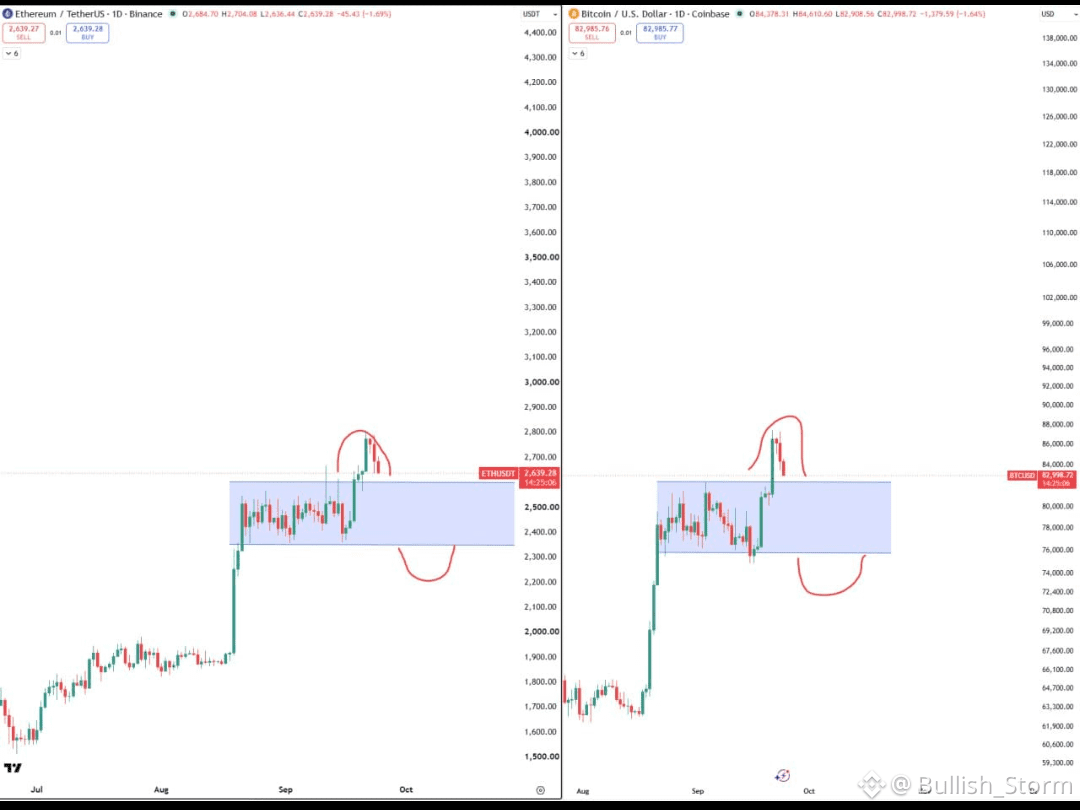
🚨 BTC & ETH ARE AT A CRITICAL MOMENT!
Both $BTC and $ETH are showing a very similar structure — a powerful breakout from a long consolidation zone, followed by a sharp rejection near the highs. 👀
The big question now: Is this just a healthy pullback… or the start of a deeper retracement?
🔵 BTC: The $76K–$82K area remains the key zone to watch.
🟣 ETH: The $2.35K–$2.60K region is acting as an important structure.
If these zones hold, buyers could attempt another push toward the recent highs. But if support breaks decisively, the market could revisit lower liquidity zones before the next major move.
⚡ Same structure. Same tension. Different price levels.
The next few candles could reveal whether bulls are preparing for another breakout or simply distributing into strength.
Don’t chase the move — watch the levels. 📊🔥
#BTC #ETH #Crypto #bitcoin #Ethereum
🚨 BTC & ETH ARE AT A CRITICAL MOMENT!
Both $BTC and $ETH are showing a very similar structure — a powerful breakout from a long consolidation zone, followed by a sharp rejection near the highs. 👀
The big question now: Is this just a healthy pullback… or the start of a deeper retracement?
🔵 BTC: The $76K–$82K area remains the key zone to watch.
🟣 ETH: The $2.35K–$2.60K region is acting as an important structure.
If these zones hold, buyers could attempt another push toward the recent highs. But if support breaks decisively, the market could revisit lower liquidity zones before the next major move.
⚡ Same structure. Same tension. Different price levels.
The next few candles could reveal whether bulls are preparing for another breakout or simply distributing into strength.
Don’t chase the move — watch the levels. 📊🔥
#BTC #ETH #Crypto #bitcoin #Ethereum
Both $BTC and $ETH are showing a very similar structure — a powerful breakout from a long consolidation zone, followed by a sharp rejection near the highs. 👀
The big question now: Is this just a healthy pullback… or the start of a deeper retracement?
🔵 BTC: The $76K–$82K area remains the key zone to watch.
🟣 ETH: The $2.35K–$2.60K region is acting as an important structure.
If these zones hold, buyers could attempt another push toward the recent highs. But if support breaks decisively, the market could revisit lower liquidity zones before the next major move.
⚡ Same structure. Same tension. Different price levels.
The next few candles could reveal whether bulls are preparing for another breakout or simply distributing into strength.
Don’t chase the move — watch the levels. 📊🔥
#BTC #ETH #Crypto #bitcoin #Ethereum
129
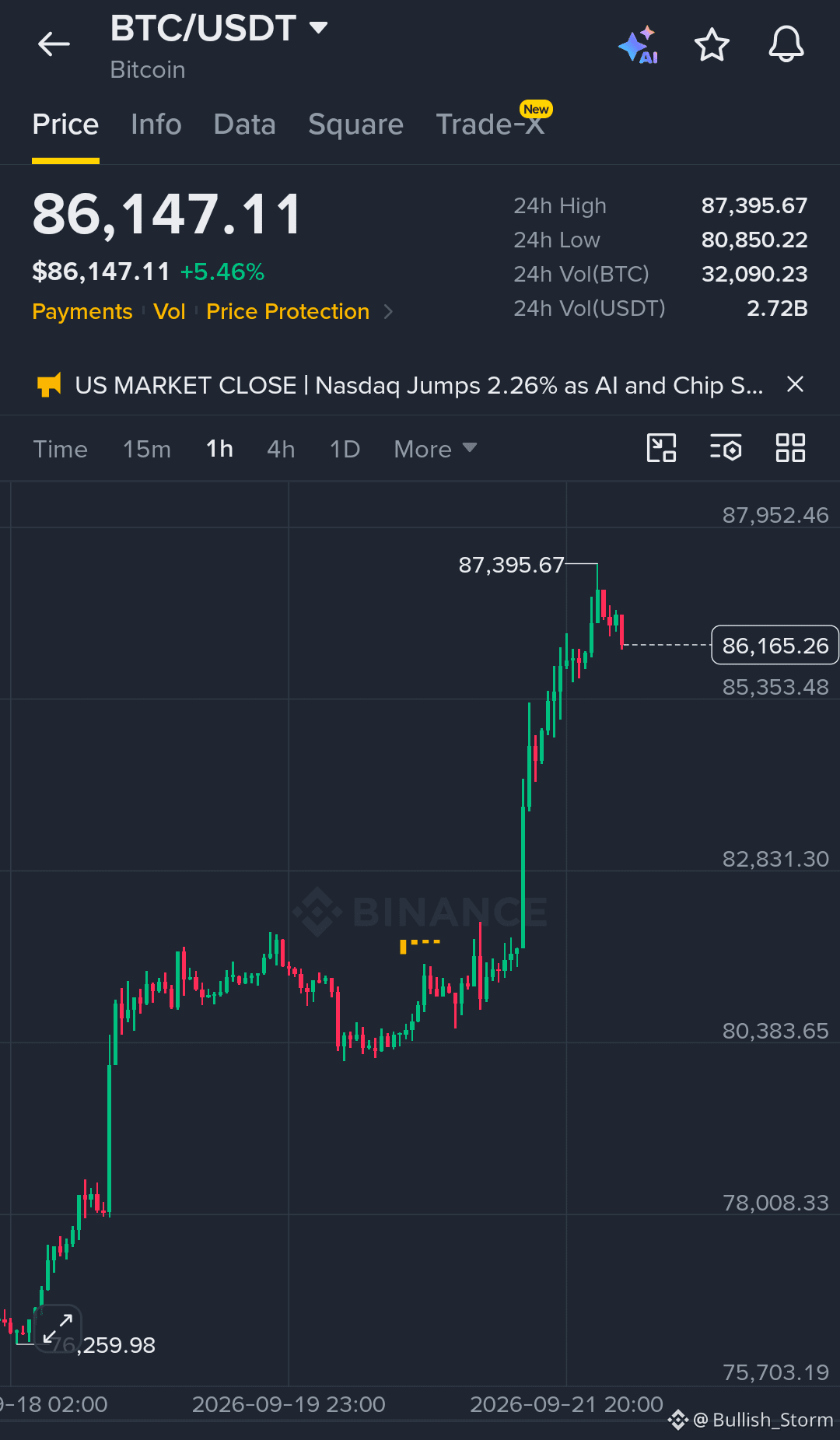
🔥 BITCOIN IS BACK ABOVE $85K!
For the first time in months, $BTC is once again trading above the $85,000 zone — and this move doesn’t feel like a random candle. 👀
Bitcoin pushed from around $80K to $87.4K, showing serious momentum as buyers stepped in aggressively. The chart is now sitting near $86K, after briefly touching $87,395. 🚀
But here’s where it gets interesting…
The market spent days building around the $80K–$82K area, then suddenly exploded higher. That kind of move can completely change short-term market structure.
📍 $85K is now a level worth watching closely.
If BTC can hold above it, traders may start watching the $87.4K high and the psychological $90K area.
But if the breakout loses momentum and price falls back below the breakout zone, a deeper retest could happen.
No chasing. No FOMO.
Let Bitcoin show the next move. 🧠📈
After months of waiting…
BTC finally looks alive again. 🔥
$BTC
{future}(BTCUSDT)
#NEARRisesNearly80%InAWeek
#ZetaChainVotesToMigrateZETAToSolana
🔥 BITCOIN IS BACK ABOVE $85K!
For the first time in months, $BTC is once again trading above the $85,000 zone — and this move doesn’t feel like a random candle. 👀
Bitcoin pushed from around $80K to $87.4K, showing serious momentum as buyers stepped in aggressively. The chart is now sitting near $86K, after briefly touching $87,395. 🚀
But here’s where it gets interesting…
The market spent days building around the $80K–$82K area, then suddenly exploded higher. That kind of move can completely change short-term market structure.
📍 $85K is now a level worth watching closely.
If BTC can hold above it, traders may start watching the $87.4K high and the psychological $90K area.
But if the breakout loses momentum and price falls back below the breakout zone, a deeper retest could happen.
No chasing. No FOMO.
Let Bitcoin show the next move. 🧠📈
After months of waiting…
BTC finally looks alive again. 🔥
$BTC
#NEARRisesNearly80%InAWeek
#ZetaChainVotesToMigrateZETAToSolana
For the first time in months, $BTC is once again trading above the $85,000 zone — and this move doesn’t feel like a random candle. 👀
Bitcoin pushed from around $80K to $87.4K, showing serious momentum as buyers stepped in aggressively. The chart is now sitting near $86K, after briefly touching $87,395. 🚀
But here’s where it gets interesting…
The market spent days building around the $80K–$82K area, then suddenly exploded higher. That kind of move can completely change short-term market structure.
📍 $85K is now a level worth watching closely.
If BTC can hold above it, traders may start watching the $87.4K high and the psychological $90K area.
But if the breakout loses momentum and price falls back below the breakout zone, a deeper retest could happen.
No chasing. No FOMO.
Let Bitcoin show the next move. 🧠📈
After months of waiting…
BTC finally looks alive again. 🔥
$BTC
#NEARRisesNearly80%InAWeek
#ZetaChainVotesToMigrateZETAToSolana
1
170
GOOD MORNING TRADERS ☀️📈
The market is waking up with serious momentum today! 🔥
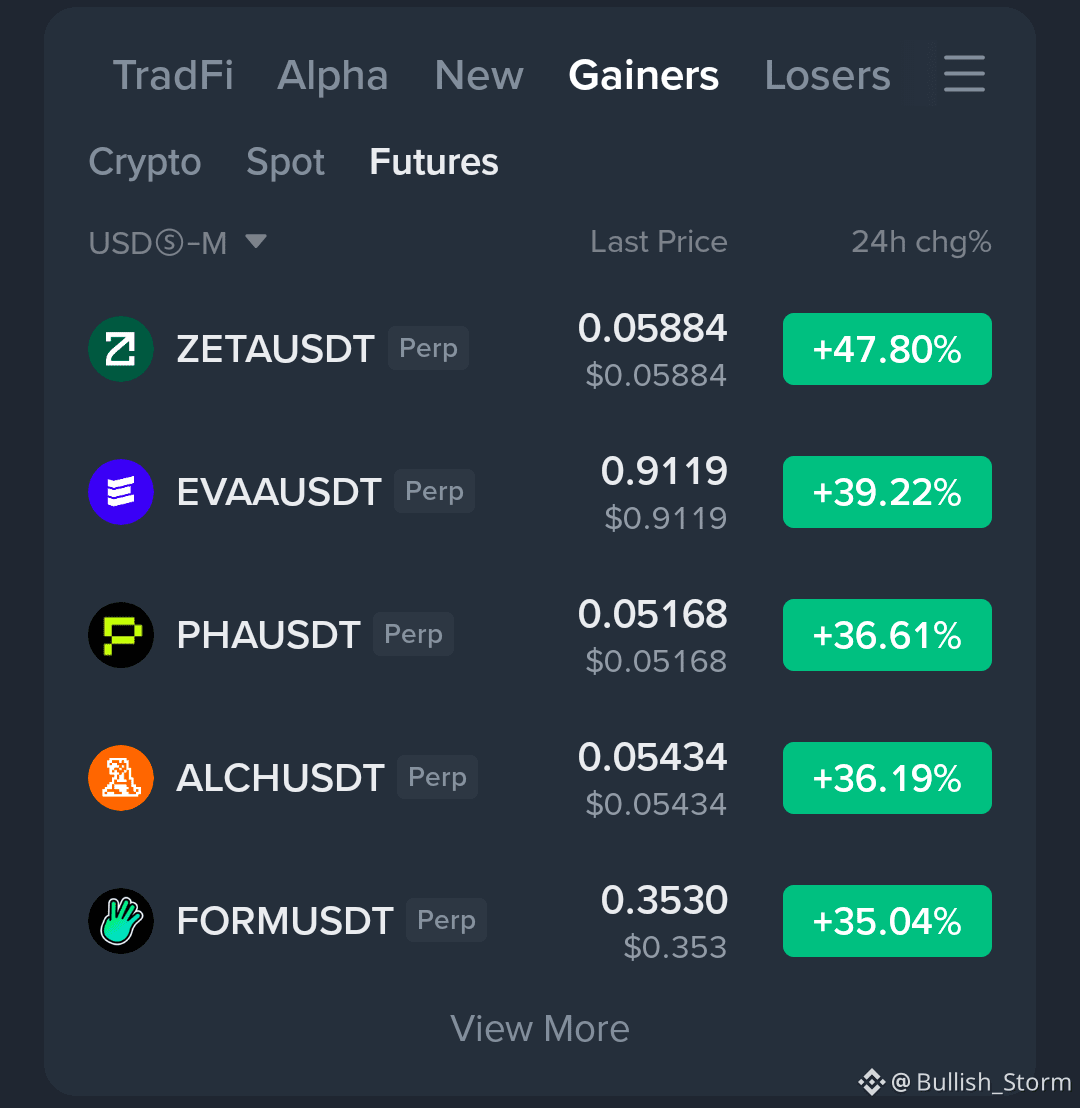
The Futures Gainers board is lighting up, and some altcoins are making absolutely massive moves in just 24 hours:
🚀 ZETA — +47.80%
⚡ $EVAA — +39.22%
🔥 $PHA — +36.61%
🟠 $ALCH — +36.19%
💚 $FORM — +35.04%
These numbers show just how quickly momentum can rotate through the crypto market. One sector slows down, another suddenly explodes. That’s why keeping an eye on volume, volatility, liquidity, and market structure matters more than simply chasing the biggest green candle.
But remember: a huge 24H gain doesn’t automatically mean the next move will be higher. 📊
After a strong pump, traders may face: ➡️ Profit-taking
➡️ Sharp pullbacks
➡️ Liquidity sweeps
➡️ Volatility spikes
➡️ Breakout continuation if buyers remain active
The real question isn’t “Which coin pumped the most?”
The better question is:
“Can the momentum hold after the first wave of excitement?” 👀
Trade with a plan. Watch your entries, manage leverage carefully, and never let FOMO make the decision for you. 🧠💯
New day. New charts. New opportunities. 🚀
Stay focused, Traders. Let the market show the setup before you make the move.
$ZETA
{future}(ZETAUSDT)
#NEARRisesNearly80%InAWeek
#CircleLaunchesInstitutionalBTCBackedBorrowing
#SouthAfricaProposesCryptoExchangeControls
#CanaryFilesSecondAmendmentForStakedSEIETF
GOOD MORNING TRADERS ☀️📈
The market is waking up with serious momentum today! 🔥
The Futures Gainers board is lighting up, and some altcoins are making absolutely massive moves in just 24 hours:
🚀 ZETA — +47.80%
⚡ $EVAA — +39.22%
🔥 $PHA — +36.61%
🟠 $ALCH — +36.19%
💚 $FORM — +35.04%
These numbers show just how quickly momentum can rotate through the crypto market. One sector slows down, another suddenly explodes. That’s why keeping an eye on volume, volatility, liquidity, and market structure matters more than simply chasing the biggest green candle.
But remember: a huge 24H gain doesn’t automatically mean the next move will be higher. 📊
After a strong pump, traders may face: ➡️ Profit-taking
➡️ Sharp pullbacks
➡️ Liquidity sweeps
➡️ Volatility spikes
➡️ Breakout continuation if buyers remain active
The real question isn’t “Which coin pumped the most?”
The better question is:
“Can the momentum hold after the first wave of excitement?” 👀
Trade with a plan. Watch your entries, manage leverage carefully, and never let FOMO make the decision for you. 🧠💯
New day. New charts. New opportunities. 🚀
Stay focused, Traders. Let the market show the setup before you make the move.
$ZETA
#NEARRisesNearly80%InAWeek
#CircleLaunchesInstitutionalBTCBackedBorrowing
#SouthAfricaProposesCryptoExchangeControls
#CanaryFilesSecondAmendmentForStakedSEIETF
The market is waking up with serious momentum today! 🔥
The Futures Gainers board is lighting up, and some altcoins are making absolutely massive moves in just 24 hours:
🚀 ZETA — +47.80%
⚡ $EVAA — +39.22%
🔥 $PHA — +36.61%
🟠 $ALCH — +36.19%
💚 $FORM — +35.04%
These numbers show just how quickly momentum can rotate through the crypto market. One sector slows down, another suddenly explodes. That’s why keeping an eye on volume, volatility, liquidity, and market structure matters more than simply chasing the biggest green candle.
But remember: a huge 24H gain doesn’t automatically mean the next move will be higher. 📊
After a strong pump, traders may face: ➡️ Profit-taking
➡️ Sharp pullbacks
➡️ Liquidity sweeps
➡️ Volatility spikes
➡️ Breakout continuation if buyers remain active
The real question isn’t “Which coin pumped the most?”
The better question is:
“Can the momentum hold after the first wave of excitement?” 👀
Trade with a plan. Watch your entries, manage leverage carefully, and never let FOMO make the decision for you. 🧠💯
New day. New charts. New opportunities. 🚀
Stay focused, Traders. Let the market show the setup before you make the move.
$ZETA
#NEARRisesNearly80%InAWeek
#CircleLaunchesInstitutionalBTCBackedBorrowing
#SouthAfricaProposesCryptoExchangeControls
#CanaryFilesSecondAmendmentForStakedSEIETF
516
Log in to explore more content
Join global crypto users on Binance Square
⚡️ Get latest and useful information about crypto.
💬 Trusted by the world’s largest crypto exchange.
👍 Discover real insights from verified creators.
Email / Phone number