

cryptoJet 1
353 Posts

cryptoJet 1
Report
Block User
Simply here to share a crypto story, tale, news, or alpha.
0 Following
7 Followers
48 Liked
Posts
·
--
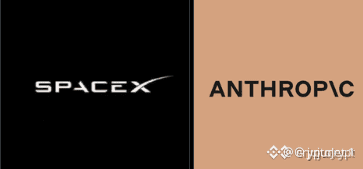
The AI compute race is getting wild. Anthropic has disclosed an agreement that could involve up to $84.5B in Nvidia-based computing capacity through 2029. That’s almost double the roughly $45B figure SpaceX disclosed earlier this year. The bigger story here isn’t just the size of the deal. AI companies are locking in huge amounts of computing power because demand for AI keeps growing, and Nvidia’s chips are still at the center of much of that infrastructure. For $NVDA , this is another reminder of how much money is being committed to AI infrastructure. The numbers are getting harder to ignore. $XRP $SOL
The AI compute race is getting wild. Anthropic has disclosed an agreement that could involve up to $84.5B in Nvidia-based computing capacity through 2029. That’s almost double the roughly $45B figure SpaceX disclosed earlier this year. The bigger story here isn’t just the size of the deal. AI companies are locking in huge amounts of computing power because demand for AI keeps growing, and Nvidia’s chips are still at the center of much of that infrastructure. For $NVDA , this is another reminder of how much money is being committed to AI infrastructure. The numbers are getting harder to ignore. $XRP $SOL
67
·
--
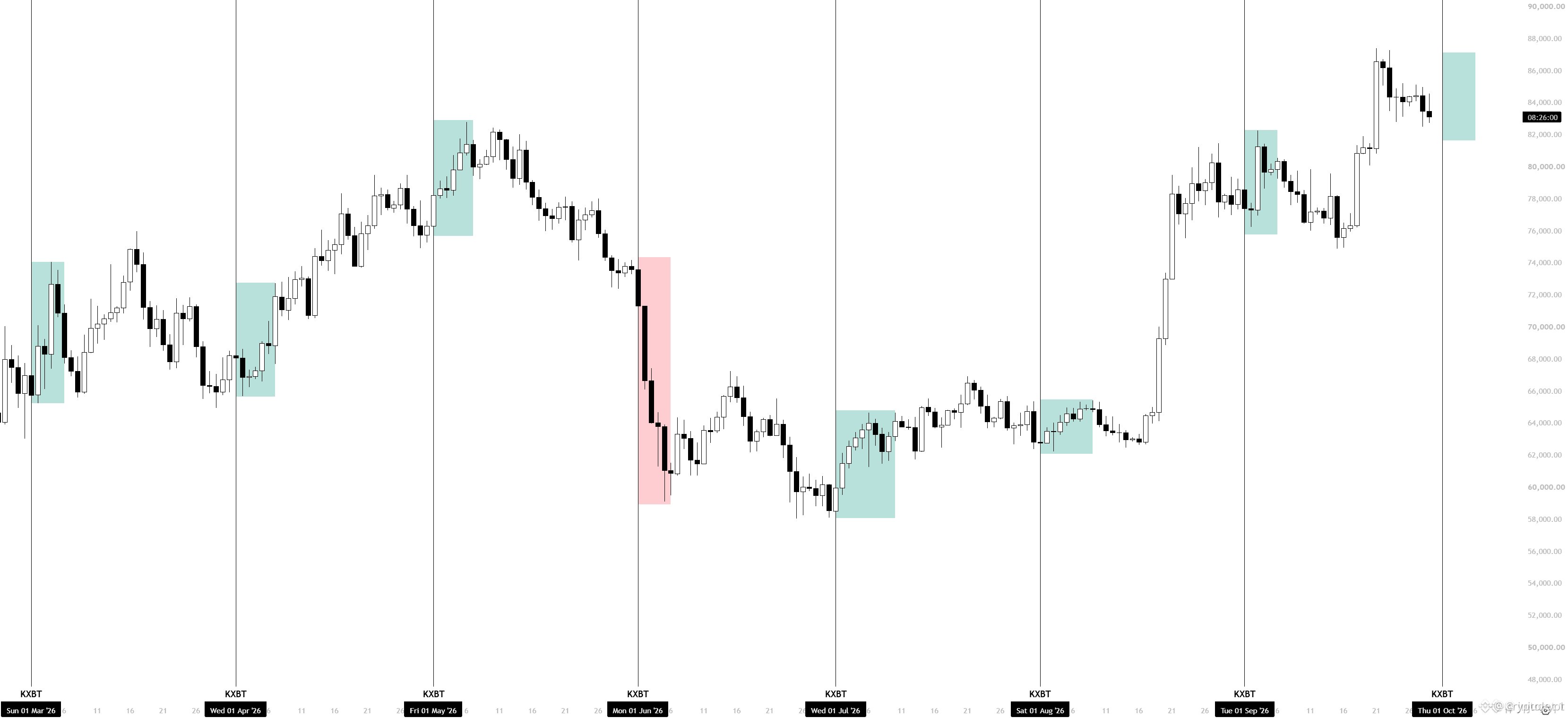
There’s a good chance the next $BTC move up could be a big one. $XRP
There’s a good chance the next $BTC move up could be a big one. $XRP
69
·
--
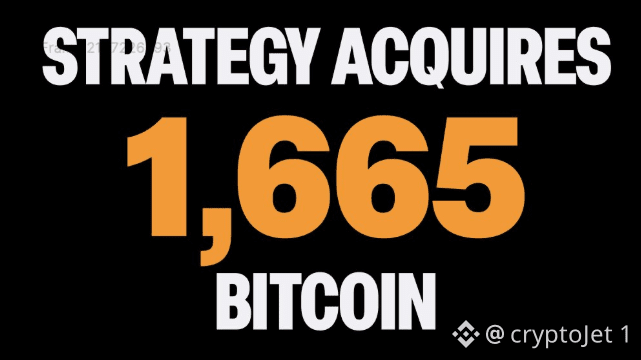
Big names are still buying $BTC . 👀 Michael Saylor just announced that Strategy added another 1,665 BTC, taking its total holdings to 847,666 BTC. The company also repurchased around $152M worth of STRC, while holding about $6.02B in USD assets. Strategy clearly isn’t slowing down on its Bitcoin strategy. With institutions and large players continuing to add BTC, I’m watching closely to see how the market reacts from here. $ZEC
Big names are still buying $BTC . 👀 Michael Saylor just announced that Strategy added another 1,665 BTC, taking its total holdings to 847,666 BTC. The company also repurchased around $152M worth of STRC, while holding about $6.02B in USD assets. Strategy clearly isn’t slowing down on its Bitcoin strategy. With institutions and large players continuing to add BTC, I’m watching closely to see how the market reacts from here. $ZEC
95
·
--
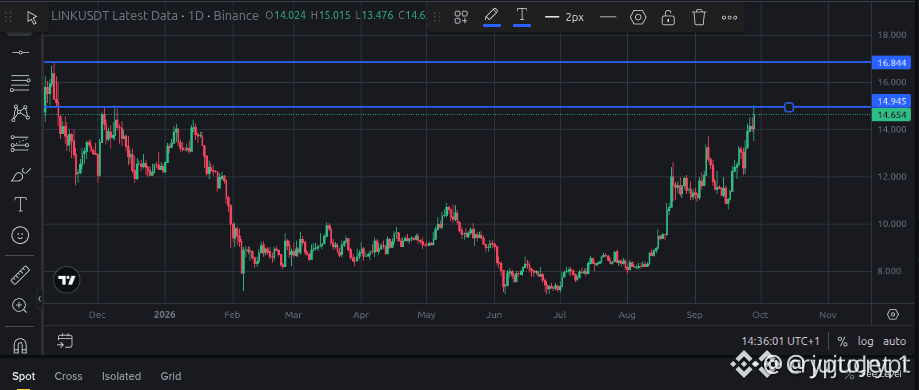
$LINK just got another interesting update. Chainlink has launched CCIP 2.0, adding more verification, security and compliance options for institutions moving tokenized assets across different blockchains. What caught my attention is the bigger picture. Cross-chain technology is slowly moving from **“how do I move my tokens?” to “how do we make different blockchains work together?”** And this is where I think STON.fi is interesting too. With Omniston, you can swap across TON, Ethereum, Base, $BNB Chain, Polygon, Avalanche and other networks through one flow, without having to manually figure out every bridge or liquidity source. So the technology is moving in an interesting direction: **More chains → more fragmentation → better cross-chain infrastructure → easier access to liquidity.** Chainlink is approaching that problem from the institutional side, while STON.fi is tackling it from the DeFi/user side. Different approaches, but the same bigger idea: **make blockchain networks feel less like separate islands.** That’s probably the part of cross-chain tech I’m most interested in watching.
$LINK just got another interesting update. Chainlink has launched CCIP 2.0, adding more verification, security and compliance options for institutions moving tokenized assets across different blockchains. What caught my attention is the bigger picture. Cross-chain technology is slowly moving from **“how do I move my tokens?” to “how do we make different blockchains work together?”** And this is where I think STON.fi is interesting too. With Omniston, you can swap across TON, Ethereum, Base, $BNB Chain, Polygon, Avalanche and other networks through one flow, without having to manually figure out every bridge or liquidity source. So the technology is moving in an interesting direction: **More chains → more fragmentation → better cross-chain infrastructure → easier access to liquidity.** Chainlink is approaching that problem from the institutional side, while STON.fi is tackling it from the DeFi/user side. Different approaches, but the same bigger idea: **make blockchain networks feel less like separate islands.** That’s probably the part of cross-chain tech I’m most interested in watching.
35
·
--
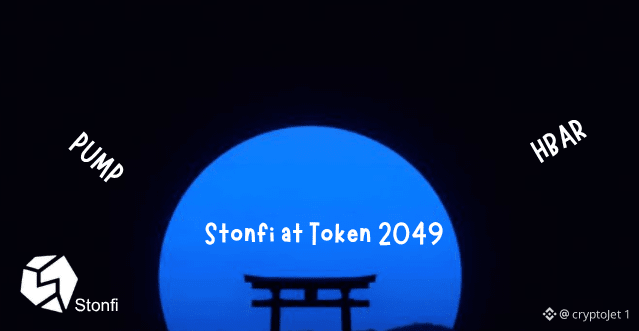
Some alts I’ve got on watch right now $PUMP is probably at the top of my list, followed by $HBAR . The market still feels like it’s waiting for that bigger rotation where alts start making some serious moves across the board. Obviously, nobody knows exactly when that happens, but I’m keeping my watchlist ready instead of chasing every green candle. Meanwhile, on the @ston_fi side, there’s quite a bit coming up too. The team is heading to Korea Blockchain Week in Seoul on Sept. 30–Oct. 1, followed by TOKEN2049 Singapore on Oct. 7–8. Andrey Fedorov, STON.fi’s CMO & CBDO, is also speaking at HSC Conference Seoul on Oct. 1 about “Beyond Chain Boundaries: The Next Layer of DeFi.” Ethan Clime, Head of DevRel, will be there as well for networking and conversations around cross-chain DeFi. I like seeing this side of things because while I’m watching the charts for the next alt move, STON.fi is still out there building and talking about where cross-chain DeFi is heading. Different things on the radar, but I’m watching both. #Altcoin Season#
Some alts I’ve got on watch right now $PUMP is probably at the top of my list, followed by $HBAR . The market still feels like it’s waiting for that bigger rotation where alts start making some serious moves across the board. Obviously, nobody knows exactly when that happens, but I’m keeping my watchlist ready instead of chasing every green candle. Meanwhile, on the @ston_fi side, there’s quite a bit coming up too. The team is heading to Korea Blockchain Week in Seoul on Sept. 30–Oct. 1, followed by TOKEN2049 Singapore on Oct. 7–8. Andrey Fedorov, STON.fi’s CMO & CBDO, is also speaking at HSC Conference Seoul on Oct. 1 about “Beyond Chain Boundaries: The Next Layer of DeFi.” Ethan Clime, Head of DevRel, will be there as well for networking and conversations around cross-chain DeFi. I like seeing this side of things because while I’m watching the charts for the next alt move, STON.fi is still out there building and talking about where cross-chain DeFi is heading. Different things on the radar, but I’m watching both. #Altcoin Season#
43
·
--
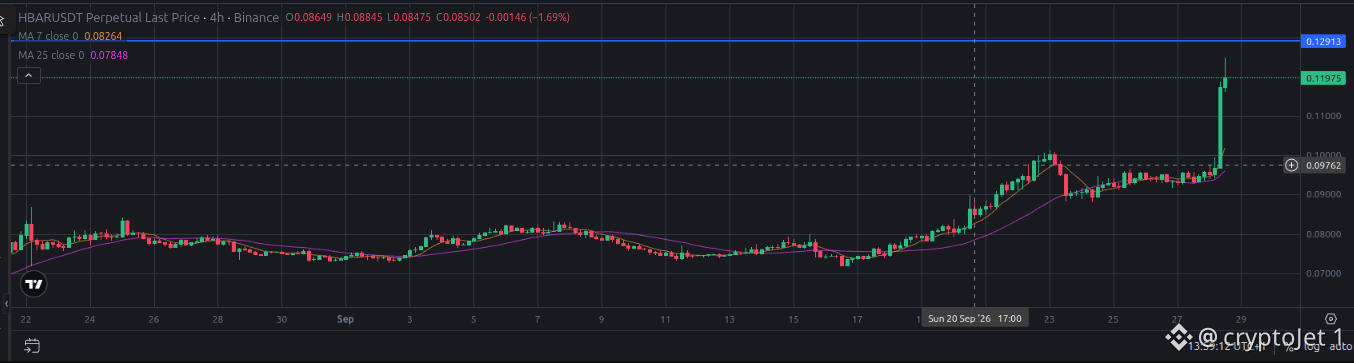
$HBAR is back on the chart and starting to get a good flow around $0.122. $ONDO is moving nicely too, so there’s definitely some interesting action across the market right now. Then I noticed $GEMSTON had a pretty good pump yesterday. Man literally cancelled 2 zeros. That one caught my attention because I’ve been following what’s happening around STON.fi for a while now, and GEMSTON has become one of those smaller ecosystem tokens I keep checking. I’m not saying every pump means it’s time to chase. Crypto can move fast in both directions, so I’m still watching the volume and how it holds after the move. But seeing GEMSTON start getting this kind of attention while @ston_fi continues building is interesting. The protocol has been expanding beyond simple swaps, with more focus on liquidity, cross-chain movement and the wider TON DeFi ecosystem. So yeah, $HBAR and $ONDO are on my radar... But after that GEMSTON move, I’m definitely paying a little more attention to what’s happening on the STONfi side too. Still watching. Still researching.
$HBAR is back on the chart and starting to get a good flow around $0.122. $ONDO is moving nicely too, so there’s definitely some interesting action across the market right now. Then I noticed $GEMSTON had a pretty good pump yesterday. Man literally cancelled 2 zeros. That one caught my attention because I’ve been following what’s happening around STON.fi for a while now, and GEMSTON has become one of those smaller ecosystem tokens I keep checking. I’m not saying every pump means it’s time to chase. Crypto can move fast in both directions, so I’m still watching the volume and how it holds after the move. But seeing GEMSTON start getting this kind of attention while @ston_fi continues building is interesting. The protocol has been expanding beyond simple swaps, with more focus on liquidity, cross-chain movement and the wider TON DeFi ecosystem. So yeah, $HBAR and $ONDO are on my radar... But after that GEMSTON move, I’m definitely paying a little more attention to what’s happening on the STONfi side too. Still watching. Still researching.
49
·
--
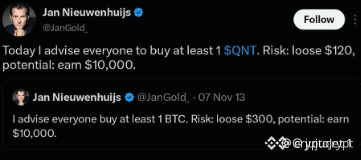
$QNT is really getting my attention right now. I just saw a KOL who called $BTC very early also talking about QNT, so I’m definitely keeping it on my radar. After the recent move, the pullback we’re seeing could simply be some profit-taking. Still, I want to see how price reacts from here before getting too excited. On the other side, I’m still keeping my hands on @ston_fi . One thing I’ve started to appreciate about Omniston is how simple the idea becomes when you strip away the technical stuff. You want to move an asset from one chain to another. Choose → get a quote → confirm → receive. Behind the scenes, Omniston finds liquidity through resolvers and coordinates the swap across both chains. The assets are secured on both sides, so the swap either completes or can be refunded through the HTLC setup. No need to manually figure out the bridge or deal with wrapped assets in the middle. Different things on my radar right now, but I’m keeping an eye on both.
$QNT is really getting my attention right now. I just saw a KOL who called $BTC very early also talking about QNT, so I’m definitely keeping it on my radar. After the recent move, the pullback we’re seeing could simply be some profit-taking. Still, I want to see how price reacts from here before getting too excited. On the other side, I’m still keeping my hands on @ston_fi . One thing I’ve started to appreciate about Omniston is how simple the idea becomes when you strip away the technical stuff. You want to move an asset from one chain to another. Choose → get a quote → confirm → receive. Behind the scenes, Omniston finds liquidity through resolvers and coordinates the swap across both chains. The assets are secured on both sides, so the swap either completes or can be refunded through the HTLC setup. No need to manually figure out the bridge or deal with wrapped assets in the middle. Different things on my radar right now, but I’m keeping an eye on both.
84
·
--
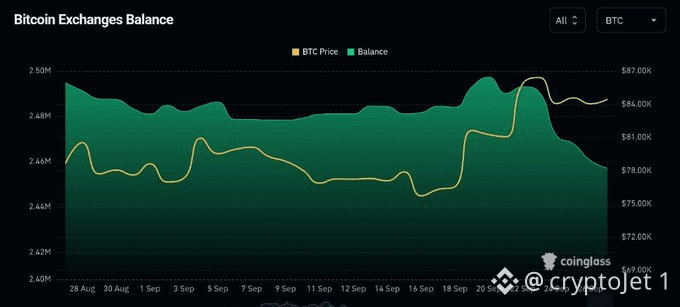
More liquidity coming out of exchanges, I guess. Around 30,000 $BTC flowed out of centralized exchanges over the past 7 days, according to CoinGlass. That’s roughly $2.52B worth of BTC leaving exchanges in just one week. I’m watching to see where this liquidity goes next and what it means for the market. $SOL
More liquidity coming out of exchanges, I guess. Around 30,000 $BTC flowed out of centralized exchanges over the past 7 days, according to CoinGlass. That’s roughly $2.52B worth of BTC leaving exchanges in just one week. I’m watching to see where this liquidity goes next and what it means for the market. $SOL
·
--
$BGB feels similar to $ZEC a while back before it had the massive pump it best to pay attention to it charts
$BGB feels similar to $ZEC a while back before it had the massive pump it best to pay attention to it charts
3
·
--
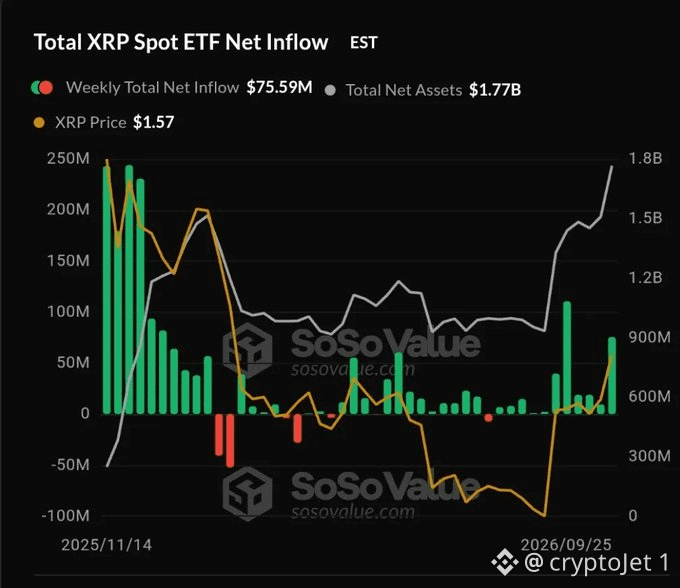
Spot $XRP ETFs just had their strongest week since late August. They pulled in around $76M in net inflows, pushing total AUM to roughly $1.77B, while the products now hold about 1.8% of the total $XRP supply. That’s a pretty noticeable amount of capital flowing into XRP exposure through traditional market products. Meanwhile, on the DeFi side, **Arc Network is now live on @ston_fi cross-chain swaps. This means $USDC on Arc can now be moved to and from TON and other supported networks through the cross-chain flow. What I find interesting is what this means for users. You don't have to manually figure out how to move assets between Arc and TON, find a separate bridge, or jump between multiple platforms. You select the source network, choose where you want to go, review the quote and confirm. Arc → TON → other supported chains, all through one cross-chain flow. As more networks launch, making them easy to connect becomes just as important as launching the network itself. #Altcoin Season#
Spot $XRP ETFs just had their strongest week since late August. They pulled in around $76M in net inflows, pushing total AUM to roughly $1.77B, while the products now hold about 1.8% of the total $XRP supply. That’s a pretty noticeable amount of capital flowing into XRP exposure through traditional market products. Meanwhile, on the DeFi side, **Arc Network is now live on @ston_fi cross-chain swaps. This means $USDC on Arc can now be moved to and from TON and other supported networks through the cross-chain flow. What I find interesting is what this means for users. You don't have to manually figure out how to move assets between Arc and TON, find a separate bridge, or jump between multiple platforms. You select the source network, choose where you want to go, review the quote and confirm. Arc → TON → other supported chains, all through one cross-chain flow. As more networks launch, making them easy to connect becomes just as important as launching the network itself. #Altcoin Season#
18
·
--
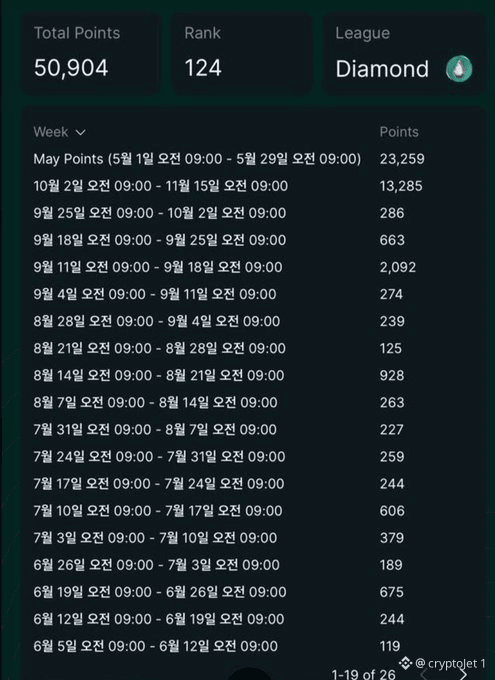
Thought I was having a bad day… then I remembered someone completely forgot to register for the HyperliquidX airdrop. 😭 Total loss: 260K+ $HYPE , worth around **$24M today. Yeah… suddenly my day doesn’t look so bad anymore. #Altcoin Season# $ZEC
Thought I was having a bad day… then I remembered someone completely forgot to register for the HyperliquidX airdrop. 😭 Total loss: 260K+ $HYPE , worth around **$24M today. Yeah… suddenly my day doesn’t look so bad anymore. #Altcoin Season# $ZEC
1
·
--
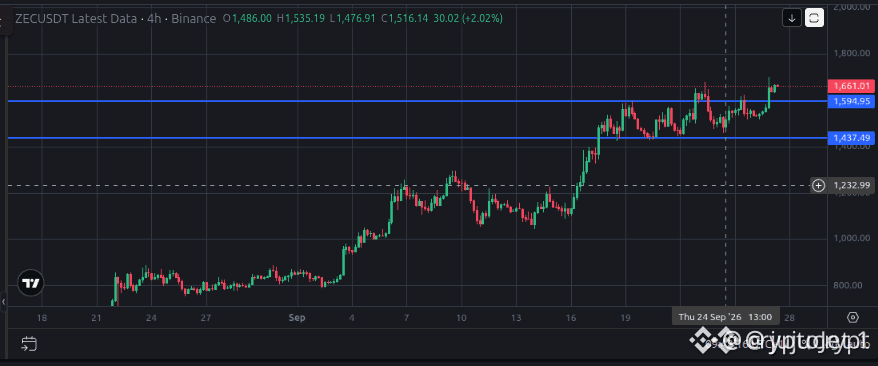
$ZEC is still catching my attention. At this point, I’m watching the chart closely to see if it can make a run toward $2K. $PAID is getting quite the attention too definitely one of those **“all eyes on me”** moments. Meanwhile, Omniston just crossed **$7.5M in total cross-chain volume**, more than 2x the $3M it reached earlier this month. Last week alone, it did $1.8M, up 26% from the previous week. The busiest route was BNB Chain → TON, accounting for 78% of the volume. A lot happening across different parts of crypto right now. I’m mostly watching which of these trends actually keep building. #Altcoin Season#
$ZEC is still catching my attention. At this point, I’m watching the chart closely to see if it can make a run toward $2K. $PAID is getting quite the attention too definitely one of those **“all eyes on me”** moments. Meanwhile, Omniston just crossed **$7.5M in total cross-chain volume**, more than 2x the $3M it reached earlier this month. Last week alone, it did $1.8M, up 26% from the previous week. The busiest route was BNB Chain → TON, accounting for 78% of the volume. A lot happening across different parts of crypto right now. I’m mostly watching which of these trends actually keep building. #Altcoin Season#
25
·
--
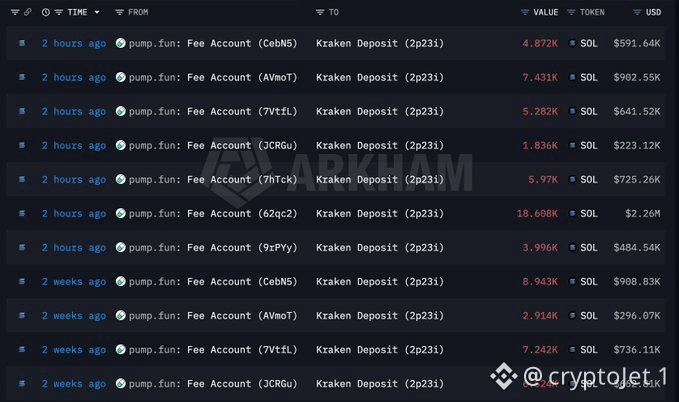
here's new update on what up on $SOL Pumpfun just sold another 47,994 SOL, worth around $5.83M. That brings its total sales to roughly 5.24M SOL, worth about $848M, at an average price of around $162. That’s a lot of SOL being sold into the market. I’m watching to see how SOL reacts to these sales and whether the market can absorb the selling pressure. $PUMP #Altcoin Season#
here's new update on what up on $SOL Pumpfun just sold another 47,994 SOL, worth around $5.83M. That brings its total sales to roughly 5.24M SOL, worth about $848M, at an average price of around $162. That’s a lot of SOL being sold into the market. I’m watching to see how SOL reacts to these sales and whether the market can absorb the selling pressure. $PUMP #Altcoin Season#
27
·
--
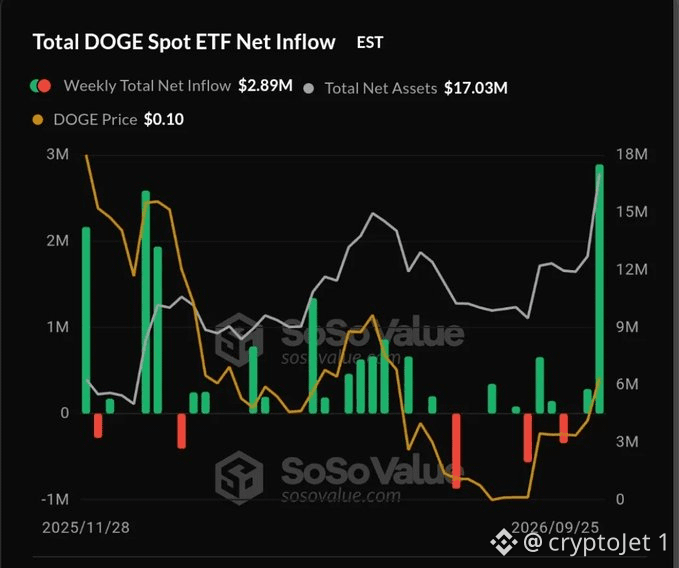
Spot $DOGE ETFs just had their strongest week ever, pulling in about $2.89M in net inflows, beating the previous weekly high of $2.59M from January. Seeing more #ETF activity around altcoins is honestly making me pay more attention to the broader market. Could this bring more attention to $DOGE and other alts? Maybe. I’m watching the flows before jumping to conclusions. But it also makes me more interested in the ecosystems building around these assets. I’ve been watching GRAM and the TON ecosystem more closely lately, especially with DEXs like @ston_fi continuing to expand their cross-chain and DeFi infrastructure. And STON has been holding up well through all of this too. For me, the interesting part isn't just the ETF narrative. It’s watching how more money and attention around altcoins eventually flows into the ecosystems, apps and infrastructure supporting them. The assets get the headlines. The infrastructure gets built in the background. $GRAM
Spot $DOGE ETFs just had their strongest week ever, pulling in about $2.89M in net inflows, beating the previous weekly high of $2.59M from January. Seeing more #ETF activity around altcoins is honestly making me pay more attention to the broader market. Could this bring more attention to $DOGE and other alts? Maybe. I’m watching the flows before jumping to conclusions. But it also makes me more interested in the ecosystems building around these assets. I’ve been watching GRAM and the TON ecosystem more closely lately, especially with DEXs like @ston_fi continuing to expand their cross-chain and DeFi infrastructure. And STON has been holding up well through all of this too. For me, the interesting part isn't just the ETF narrative. It’s watching how more money and attention around altcoins eventually flows into the ecosystems, apps and infrastructure supporting them. The assets get the headlines. The infrastructure gets built in the background. $GRAM
37
·
--
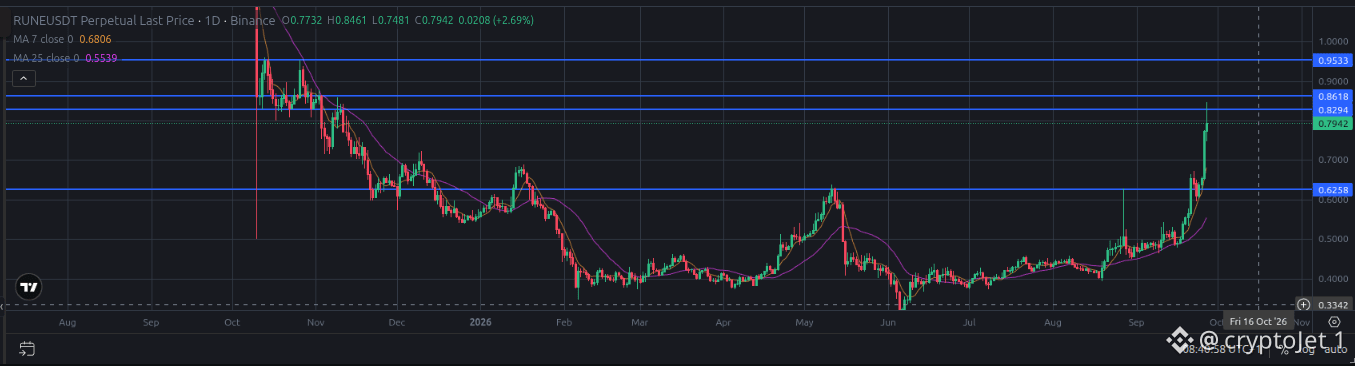
$RUNE looks at a good zone so far, I am expecting a down move from here but a break of this level might mean more up move too.. $HYPE
$RUNE looks at a good zone so far, I am expecting a down move from here but a break of this level might mean more up move too.. $HYPE
54
·
--
$PI Network is gearing up for another Mainnet upgrade. Protocol v28 is scheduled to roll out on October 16, 2026. I always find upgrades like this interesting because they show how networks keep improving behind the scenes while most of the market is focused on price. And that got me thinking about @ston_fi too. A lot of what the Platformi has been building lately is also about improving the infrastructure around moving assets especially with cross-chain swaps and Omniston. Different side of the ecosystem, but the idea is similar: The networks keep upgrading, and the infrastructure around them has to keep up. $ZEC #Altcoin Season#
$PI Network is gearing up for another Mainnet upgrade. Protocol v28 is scheduled to roll out on October 16, 2026. I always find upgrades like this interesting because they show how networks keep improving behind the scenes while most of the market is focused on price. And that got me thinking about @ston_fi too. A lot of what the Platformi has been building lately is also about improving the infrastructure around moving assets especially with cross-chain swaps and Omniston. Different side of the ecosystem, but the idea is similar: The networks keep upgrading, and the infrastructure around them has to keep up. $ZEC #Altcoin Season#
71
·
--
Just in for anyone worried about their funds on Bitget. they has shared a detailed withdrawal schedule and confirmed that full operations will resume gradually. The current schedule: → Sep 28, 08:00 UTC: BTC → Sep 29, 08:00 UTC: $ETH → Sep 30, 08:00 UTC: $USDT → Oct 2, 08:00 UTC: Other tokens, fiat & P2P Yesterday was definitely a rough day for the CEX, but at least there’s now a clear timeline for withdrawals and the return to normal operations.
Just in for anyone worried about their funds on Bitget. they has shared a detailed withdrawal schedule and confirmed that full operations will resume gradually. The current schedule: → Sep 28, 08:00 UTC: BTC → Sep 29, 08:00 UTC: $ETH → Sep 30, 08:00 UTC: $USDT → Oct 2, 08:00 UTC: Other tokens, fiat & P2P Yesterday was definitely a rough day for the CEX, but at least there’s now a clear timeline for withdrawals and the return to normal operations.
37
·
--
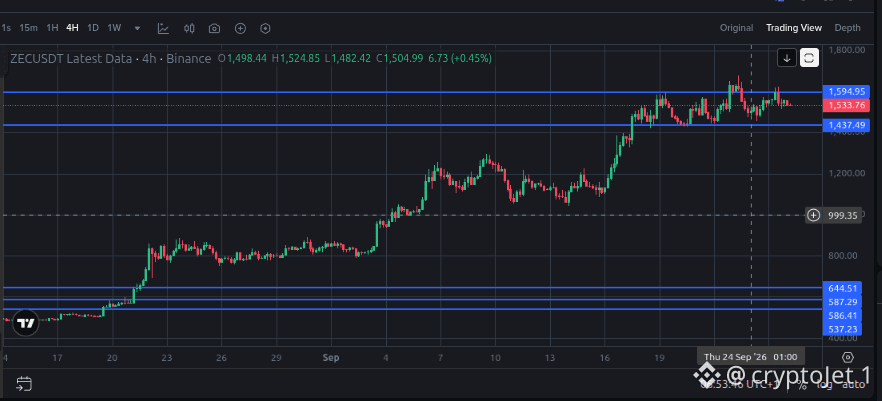
Most people who got into $ZEC early are still in profit. ZEC has been one of the big performers this year, and $NEAR is starting to look like another strong one. Both are definitely on my watchlist right now.
Most people who got into $ZEC early are still in profit. ZEC has been one of the big performers this year, and $NEAR is starting to look like another strong one. Both are definitely on my watchlist right now.
49
·
--
420
·
--
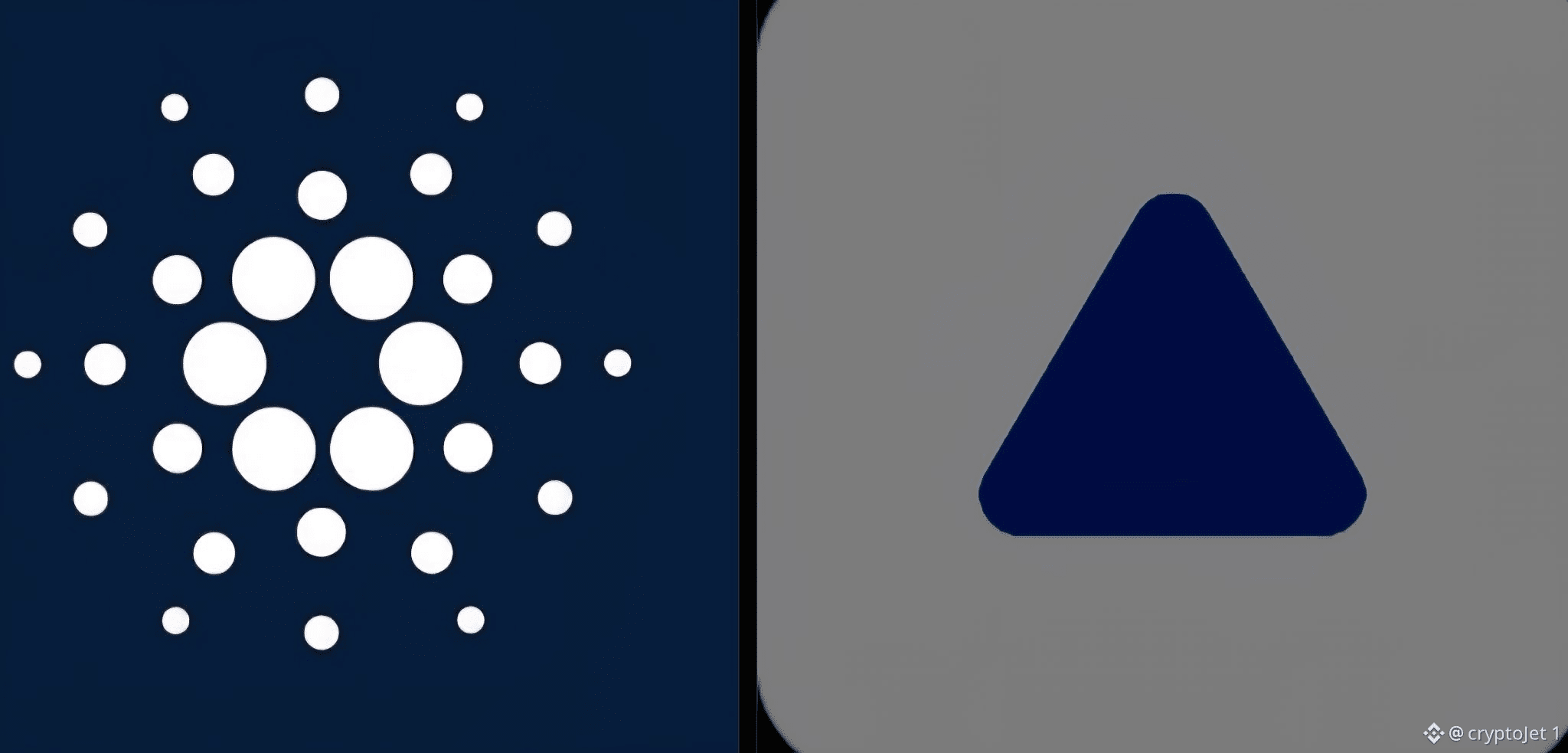
Cardano $ADA native tokens are coming to Fireblocks. The integration will allow banks, exchanges and fintechs using Fireblocks to **custody, send and receive Cardano native tokens under the same policy controls they already use for other supported assets. This is the kind of infrastructure development I like seeing. The more assets that become easier for institutions to custody and move, the more useful the wider onchain ecosystem becomes. And on the @ston_fi side, I’m seeing a similar direction with cross-chain swaps. You can move supported assets between $GRAM and other networks without having to manually figure out the bridge or route yourself. Choose the asset → check the quote → confirm → receive. Different products, but the same bigger trend: **More assets becoming easier to move and actually use onchain.
Cardano $ADA native tokens are coming to Fireblocks. The integration will allow banks, exchanges and fintechs using Fireblocks to **custody, send and receive Cardano native tokens under the same policy controls they already use for other supported assets. This is the kind of infrastructure development I like seeing. The more assets that become easier for institutions to custody and move, the more useful the wider onchain ecosystem becomes. And on the @ston_fi side, I’m seeing a similar direction with cross-chain swaps. You can move supported assets between $GRAM and other networks without having to manually figure out the bridge or route yourself. Choose the asset → check the quote → confirm → receive. Different products, but the same bigger trend: **More assets becoming easier to move and actually use onchain.
27
Log in to explore more content
Join global crypto users on Binance Square
⚡️ Get latest and useful information about crypto.
💬 Trusted by the world’s largest crypto exchange.
👍 Discover real insights from verified creators.
Email / Phone number
Trending Topics
BitcoinClears$85200
210 views
56 Discussing
We got the move, and $BTC is standing exactly where we were before the data. That’s what actual patience for a trade looks like.
The data came in mixed but with some important numbers. ADP Non-Farm Employment Change came at 90K vs 73K forecast, while Core PCE came in at 0.2% vs 0.3% expected. Final GDP was also stronger at 2.2% vs 1.5% forecast, while Personal Spending came in at 0.9% vs 0.8% expected. At the same time, Personal Income missed at 0.2% vs 0.5% forecast.
BTC initially surged to $85,600 and is now back where it needs to be. I’m still looking toward the lower ranges at $82,759 and the $80,000 liquidity, because the overhead liquidity is done and dusted.
We had a live session during the data, and during that session we saw the market at $83,800, then $85,600, and then back toward $83,000 and we still didn’t enter a trade.
That’s what patience is.
We can’t force an entry when the market has no clear direction. The same range is still in focus, and we’ll wait for the market to give us the setup.
Let me know, guys, how was the session? And should we have more regular sessions with our respected members so we can have proper discussions regarding the market?
#BitcoinClears$85200 #AltcoinSeasonIndexHoldsAbove60For5Days #USADPAdds90000JobsInSeptember #BitcoinSlipsBelow$84000 #SECToClarifyOnChainFundraisingRules
Crypto_LUX
·2 Likes
·188 views
AltcoinSeasonIndexHoldsAbove60For5Days
3,869 views
365 Discussing
BitcoinSlipsBelow$84000
1,416 views
79 Discussing