
CryptoCeek 1
525 Posts
CryptoCeek 1
Report
Block User
🦾 Builder | Whale-Watcher | Web3 Operator💰 Angel Backer • Token Alpha Hunter📊 Crypto Ops & Strategy
0 Following
11 Followers
6 Liked
Posts
·
--
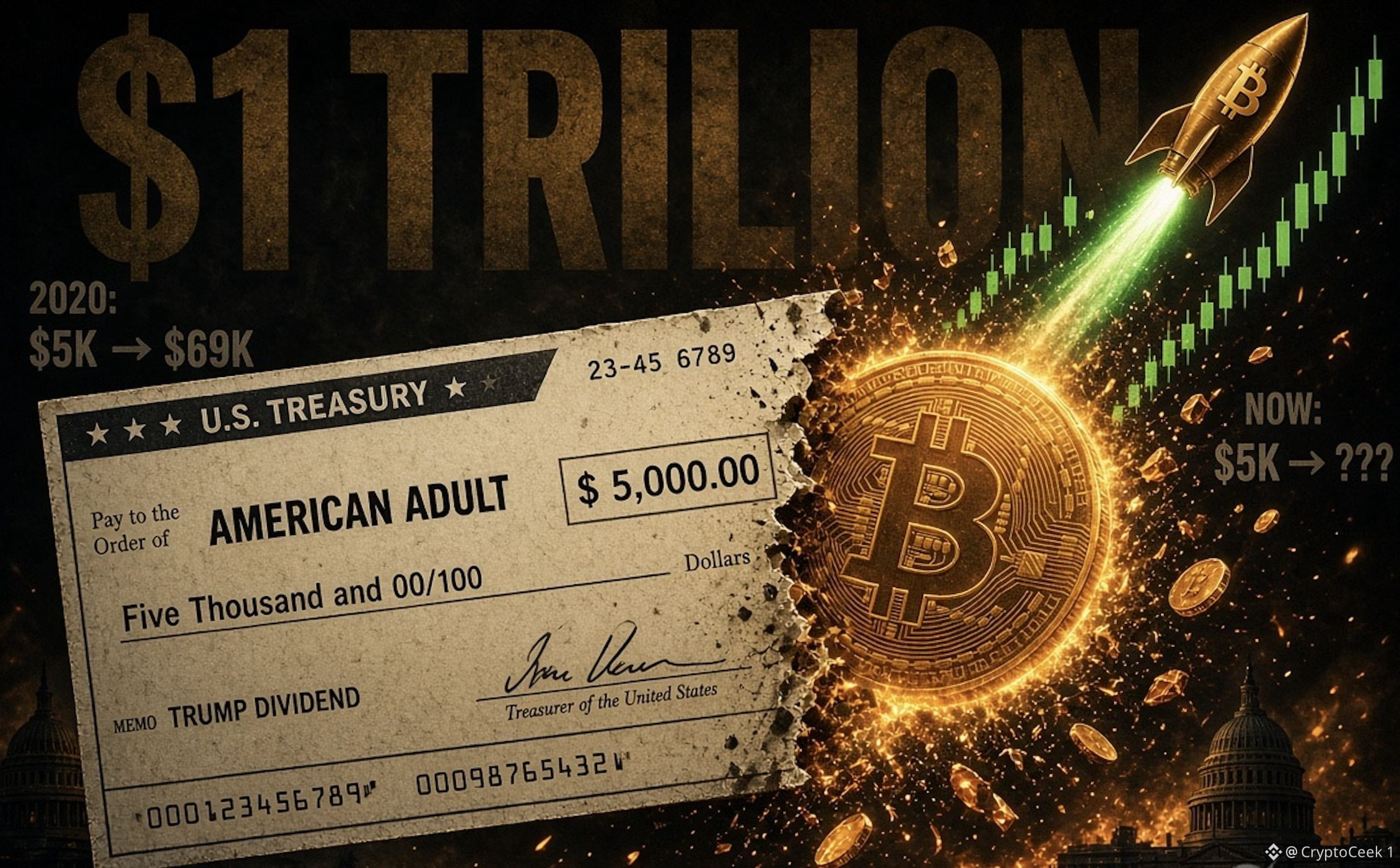
THE NEXT $BTC CATALYST COULD BE POLITICAL A proposed '$5,000 payment' to American adults could put more than '$1 TRILLION' into consumers' hands. And crypto traders remember 2020. Stimulus hit. Liquidity exploded. Bitcoin eventually went: $5K → $69K But here's the catch: The new proposal isn't approved. It needs Congress. And today's economy isn't 2020. So what's your call? -> $1T stimulus = BTC moon -> Inflation/debt = BTC gets hurt -> No meaningful impact -- 2020 replay or false narrative? #BTC #Bitcoin #BullMarket #Stimulus
THE NEXT $BTC CATALYST COULD BE POLITICAL A proposed '$5,000 payment' to American adults could put more than '$1 TRILLION' into consumers' hands. And crypto traders remember 2020. Stimulus hit. Liquidity exploded. Bitcoin eventually went: $5K → $69K But here's the catch: The new proposal isn't approved. It needs Congress. And today's economy isn't 2020. So what's your call? -> $1T stimulus = BTC moon -> Inflation/debt = BTC gets hurt -> No meaningful impact -- 2020 replay or false narrative? #BTC #Bitcoin #BullMarket #Stimulus
160
·
--
$SOXLB is one of the more interesting, under-discussed assets in the bStocks universe: a tokenized, 3x long exposure to a semiconductor ETF. Instead of picking individual chip stocks, this instrument gives amplified exposure to the entire semiconductor sector — a key backbone of AI, data centers, gaming, and high-performance computing. Why does this matter for crypto traders? First, semis are tightly correlated with the AI and hardware narratives that also drive many crypto projects. When semiconductor demand surges, it often signals stronger capex into GPUs, ASICs, and infrastructure that benefits mining, AI-on-chain, and high-throughput networks. $SOXLB lets traders express a bullish view on that entire complex in a single token, with built-in leverage. Second, tokenizing a leveraged ETF like this onto blockchain rails shows how traditional structured products can become DeFi building blocks. Imagine using $SOXLB as collateral in a lending protocol, or building options and yield strategies around it. That’s the long-term vision: traditional ETFs and leveraged products becoming composable, on-chain instruments that interact with the rest of the crypto ecosystem. For investors who already believe in the AI and hardware supercycle, $SOXLB offers a way to align their crypto trading with that macro view. Instead of only chasing AI-themed altcoins, you can also take a direct, leveraged position on the underlying chip ecosystem that powers AI globally. If you see AI and semiconductors as a core theme for the next few years, the question becomes: do you want that exposure only through stocks and ETFs, or also through tokenized instruments that live in your crypto portfolio?
$SOXLB is one of the more interesting, under-discussed assets in the bStocks universe: a tokenized, 3x long exposure to a semiconductor ETF. Instead of picking individual chip stocks, this instrument gives amplified exposure to the entire semiconductor sector — a key backbone of AI, data centers, gaming, and high-performance computing. Why does this matter for crypto traders? First, semis are tightly correlated with the AI and hardware narratives that also drive many crypto projects. When semiconductor demand surges, it often signals stronger capex into GPUs, ASICs, and infrastructure that benefits mining, AI-on-chain, and high-throughput networks. $SOXLB lets traders express a bullish view on that entire complex in a single token, with built-in leverage. Second, tokenizing a leveraged ETF like this onto blockchain rails shows how traditional structured products can become DeFi building blocks. Imagine using $SOXLB as collateral in a lending protocol, or building options and yield strategies around it. That’s the long-term vision: traditional ETFs and leveraged products becoming composable, on-chain instruments that interact with the rest of the crypto ecosystem. For investors who already believe in the AI and hardware supercycle, $SOXLB offers a way to align their crypto trading with that macro view. Instead of only chasing AI-themed altcoins, you can also take a direct, leveraged position on the underlying chip ecosystem that powers AI globally. If you see AI and semiconductors as a core theme for the next few years, the question becomes: do you want that exposure only through stocks and ETFs, or also through tokenized instruments that live in your crypto portfolio?
24
·
--
$TSLAB brings one of the most talked-about stocks in the world onto crypto rails: Tesla. Instead of needing a traditional brokerage account, crypto-native traders can now get synthetic exposure to Tesla’s price action through a tokenized bStock on-chain. This matters because it blurs the line between “crypto portfolio” and “stock portfolio,” letting users manage both from the same wallet environment. Tesla itself sits at the intersection of several mega-trends: electric vehicles, energy storage, AI/robotics, and autonomous driving. For crypto traders, that makes $TSLAB more than just a “stock token.” It’s a way to express a view on the future of transport, energy, and AI without leaving the crypto ecosystem. When Tesla moves on earnings, product announcements, or macro news, that volatility can now be traded alongside your alt positions, creating new hedging and diversification strategies. Tokenized bStocks like $TSLAB also highlight a bigger shift: traditional equities are becoming composable DeFi primitives. In the future, we could see lending markets, options, or structured products built around tokenized stocks, not just tokens like ETH or SOL. That would deepen liquidity and create entirely new yield and trading strategies. If you believe the next phase of crypto is about connecting traditional finance and on-chain markets, then paying attention to tokenized equities like $TSLAB is essential. The real question is: do you want to keep stocks and crypto in separate silos, or start treating them as parts of one unified, on-chain portfolio?
$TSLAB brings one of the most talked-about stocks in the world onto crypto rails: Tesla. Instead of needing a traditional brokerage account, crypto-native traders can now get synthetic exposure to Tesla’s price action through a tokenized bStock on-chain. This matters because it blurs the line between “crypto portfolio” and “stock portfolio,” letting users manage both from the same wallet environment. Tesla itself sits at the intersection of several mega-trends: electric vehicles, energy storage, AI/robotics, and autonomous driving. For crypto traders, that makes $TSLAB more than just a “stock token.” It’s a way to express a view on the future of transport, energy, and AI without leaving the crypto ecosystem. When Tesla moves on earnings, product announcements, or macro news, that volatility can now be traded alongside your alt positions, creating new hedging and diversification strategies. Tokenized bStocks like $TSLAB also highlight a bigger shift: traditional equities are becoming composable DeFi primitives. In the future, we could see lending markets, options, or structured products built around tokenized stocks, not just tokens like ETH or SOL. That would deepen liquidity and create entirely new yield and trading strategies. If you believe the next phase of crypto is about connecting traditional finance and on-chain markets, then paying attention to tokenized equities like $TSLAB is essential. The real question is: do you want to keep stocks and crypto in separate silos, or start treating them as parts of one unified, on-chain portfolio?
43
·
--
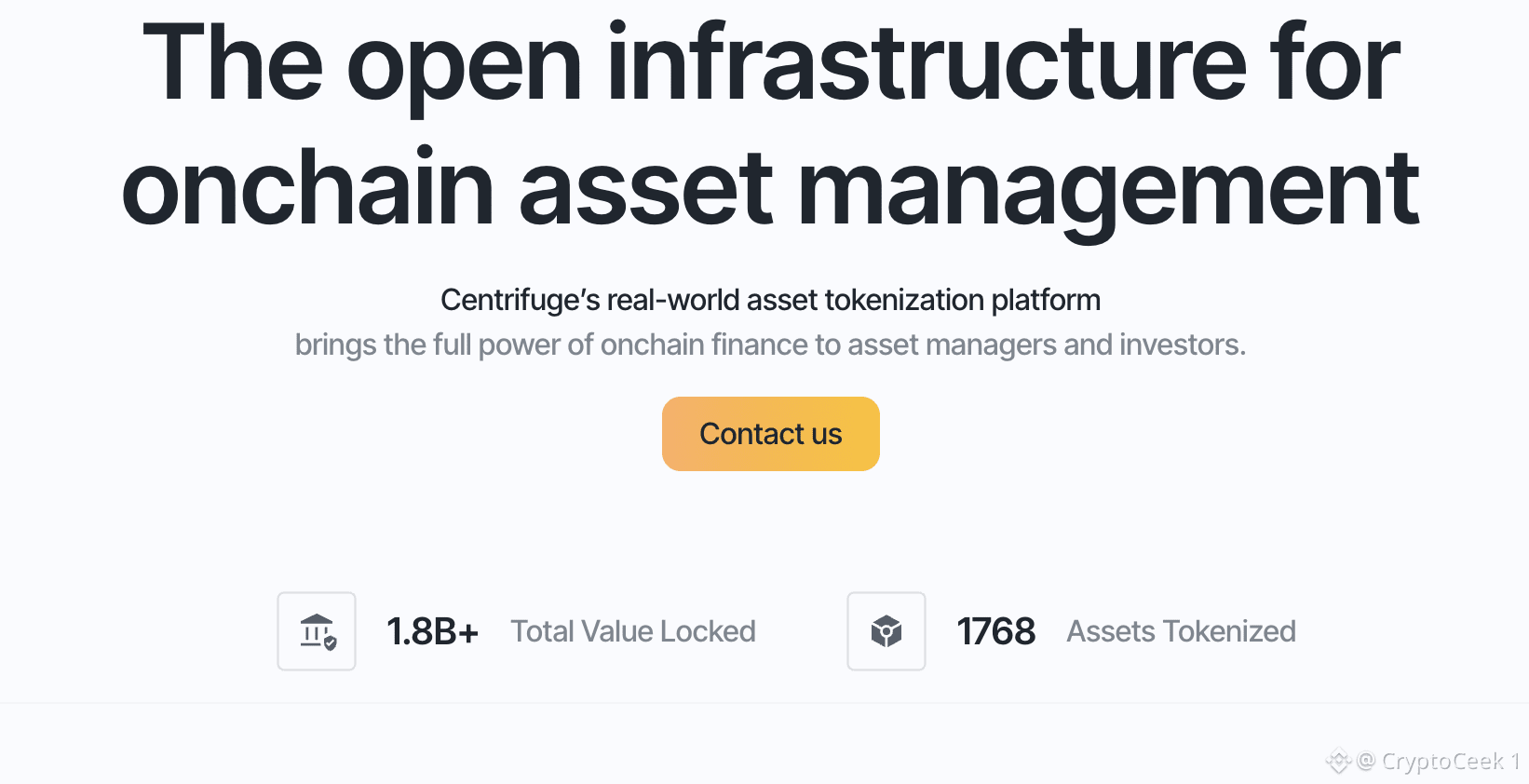
$CFG — The RWA Infrastructure Play Connecting Private Markets to DeFi - Centrifuge is building open infrastructure for tokenizing real-world assets onchain - Its focus includes private credit, invoices, real estate, U.S. Treasuries, structured products, and other traditionally difficult-to-access markets - The important part is not simply putting an asset on a blockchain - Centrifuge is designed to connect asset managers, fintech companies, institutions, investors, and DeFi applications through a transparent settlement layer - Recent activity around tokenized funds and bond products shows why the RWA narrative is becoming more practical - A tokenized US high-yield bond fund launched through Centrifuge is using an institutional settlement process, highlighting the protocol’s role beyond retail speculation - Another major discussion is governance proposal CP172, which explores whether eligible CFG holders could convert their tokens into equity exposure connected to Centrifuge Inc. - This proposal is still subject to governance and legal conditions, so it should not be treated as confirmed - The bullish case is simple: if trillions of dollars of private-market assets move onchain, infrastructure providers may become extremely valuable - The risks include regulation, credit risk, liquidity limitations, smart-contract risk, and uncertain token value capture - $CFG is worth watching if you believe RWA tokenization will become one of crypto’s biggest institutional growth markets #Centrifuge #CFG #RWA #RealWorldAssets #Tokenization
$CFG — The RWA Infrastructure Play Connecting Private Markets to DeFi - Centrifuge is building open infrastructure for tokenizing real-world assets onchain - Its focus includes private credit, invoices, real estate, U.S. Treasuries, structured products, and other traditionally difficult-to-access markets - The important part is not simply putting an asset on a blockchain - Centrifuge is designed to connect asset managers, fintech companies, institutions, investors, and DeFi applications through a transparent settlement layer - Recent activity around tokenized funds and bond products shows why the RWA narrative is becoming more practical - A tokenized US high-yield bond fund launched through Centrifuge is using an institutional settlement process, highlighting the protocol’s role beyond retail speculation - Another major discussion is governance proposal CP172, which explores whether eligible CFG holders could convert their tokens into equity exposure connected to Centrifuge Inc. - This proposal is still subject to governance and legal conditions, so it should not be treated as confirmed - The bullish case is simple: if trillions of dollars of private-market assets move onchain, infrastructure providers may become extremely valuable - The risks include regulation, credit risk, liquidity limitations, smart-contract risk, and uncertain token value capture - $CFG is worth watching if you believe RWA tokenization will become one of crypto’s biggest institutional growth markets #Centrifuge #CFG #RWA #RealWorldAssets #Tokenization
63
·
--
$TRAC — The Verifiable AI Infrastructure Most People Are Still Ignoring - OriginTrail is building a Decentralized Knowledge Graph for trusted, verifiable data - The idea is powerful: connect real-world information, supply-chain data, products, and AI systems in a way that can be checked instead of blindly trusted - OriginTrail already has real-world use cases across supply chains, healthcare, product information, and digital identity - Its SCAN network has been used to verify thousands of factory audits, showing that this is more than a narrative token - The next major development is especially interesting: proposed paid inference and node-settlement mechanisms could require TRAC for network queries and AI services - That could create a stronger connection between actual usage and token demand - OriginTrail is also scheduled to appear at DKGcon 2026, where the project is expected to highlight verifiable AI and protection against impersonation and misinformation - The biggest opportunity is the combination of AI, trusted data, and enterprise adoption - The biggest risks are slower-than-expected adoption, token concentration, competition, and the fact that the proposed tokenomics changes are not guaranteed - If AI needs reliable information, projects like OriginTrail could become increasingly important #OriginTrail #TRAC #AI #VerifiableAI #KnowledgeGraph
$TRAC — The Verifiable AI Infrastructure Most People Are Still Ignoring - OriginTrail is building a Decentralized Knowledge Graph for trusted, verifiable data - The idea is powerful: connect real-world information, supply-chain data, products, and AI systems in a way that can be checked instead of blindly trusted - OriginTrail already has real-world use cases across supply chains, healthcare, product information, and digital identity - Its SCAN network has been used to verify thousands of factory audits, showing that this is more than a narrative token - The next major development is especially interesting: proposed paid inference and node-settlement mechanisms could require TRAC for network queries and AI services - That could create a stronger connection between actual usage and token demand - OriginTrail is also scheduled to appear at DKGcon 2026, where the project is expected to highlight verifiable AI and protection against impersonation and misinformation - The biggest opportunity is the combination of AI, trusted data, and enterprise adoption - The biggest risks are slower-than-expected adoption, token concentration, competition, and the fact that the proposed tokenomics changes are not guaranteed - If AI needs reliable information, projects like OriginTrail could become increasingly important #OriginTrail #TRAC #AI #VerifiableAI #KnowledgeGraph

78
·
--
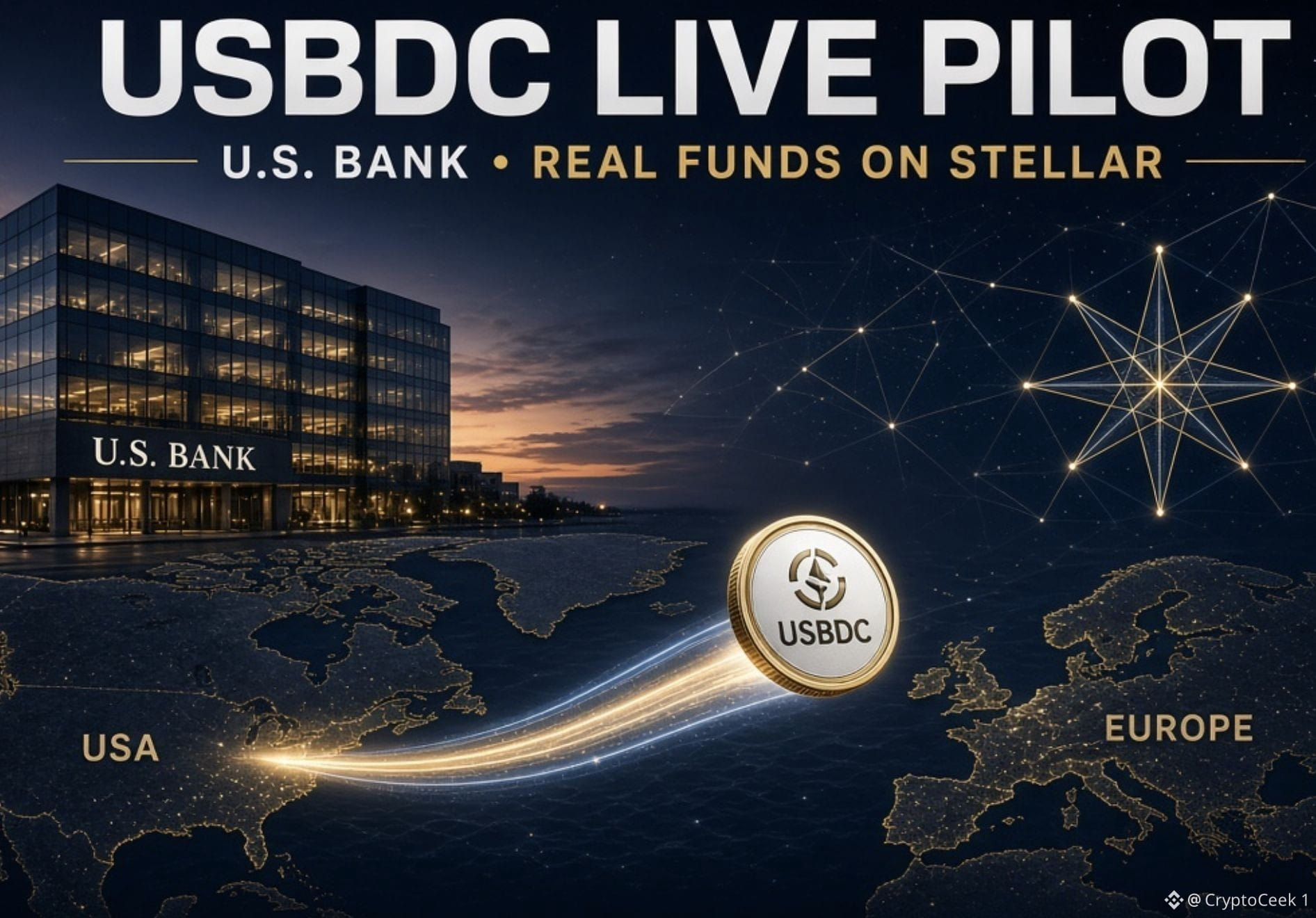
$XLM U.S. Bank has completed the first live pilot of its USBDC stablecoin, moving real funds between its U.S. and European branches over the public Stellar (XLM) network. This isn’t a testnet demo. This is real capital on open rails. Key points: U.S. Bank deliberately used a public blockchain instead of a private, closed network — proving large-scale, compliant transfers can run on open infrastructure. USBDC includes freeze and clawback functions: if a payment goes to the wrong address or triggers compliance alerts, the bank can freeze or reverse funds with a single click. The system is fully integrated into U.S. Bank’s internal risk and compliance stack, addressing regulatory concerns head-on. Goal: move capital between continents 24/7, at near-zero cost, bypassing traditional intermediaries and slow interbank reconciliations. Stellar Development Foundation CEO Denelle Dixon called it a major precedent: a regulated U.S. bank using Stellar’s speed and open architecture for secure, compliant cross-border settlement. While many banks are still promising interbank tokens by 2027, U.S. Bank has already tested a working solution on a public chain. For $XLM, this is more than a headline. It’s proof that institutional stablecoins + public blockchains are moving from theory to production. Are you sleeping on Stellar’s real-world adoption story? #XLM #Stellar #Stablecoins #Banking #Fintech
$XLM U.S. Bank has completed the first live pilot of its USBDC stablecoin, moving real funds between its U.S. and European branches over the public Stellar (XLM) network. This isn’t a testnet demo. This is real capital on open rails. Key points: U.S. Bank deliberately used a public blockchain instead of a private, closed network — proving large-scale, compliant transfers can run on open infrastructure. USBDC includes freeze and clawback functions: if a payment goes to the wrong address or triggers compliance alerts, the bank can freeze or reverse funds with a single click. The system is fully integrated into U.S. Bank’s internal risk and compliance stack, addressing regulatory concerns head-on. Goal: move capital between continents 24/7, at near-zero cost, bypassing traditional intermediaries and slow interbank reconciliations. Stellar Development Foundation CEO Denelle Dixon called it a major precedent: a regulated U.S. bank using Stellar’s speed and open architecture for secure, compliant cross-border settlement. While many banks are still promising interbank tokens by 2027, U.S. Bank has already tested a working solution on a public chain. For $XLM, this is more than a headline. It’s proof that institutional stablecoins + public blockchains are moving from theory to production. Are you sleeping on Stellar’s real-world adoption story? #XLM #Stellar #Stablecoins #Banking #Fintech
·
--
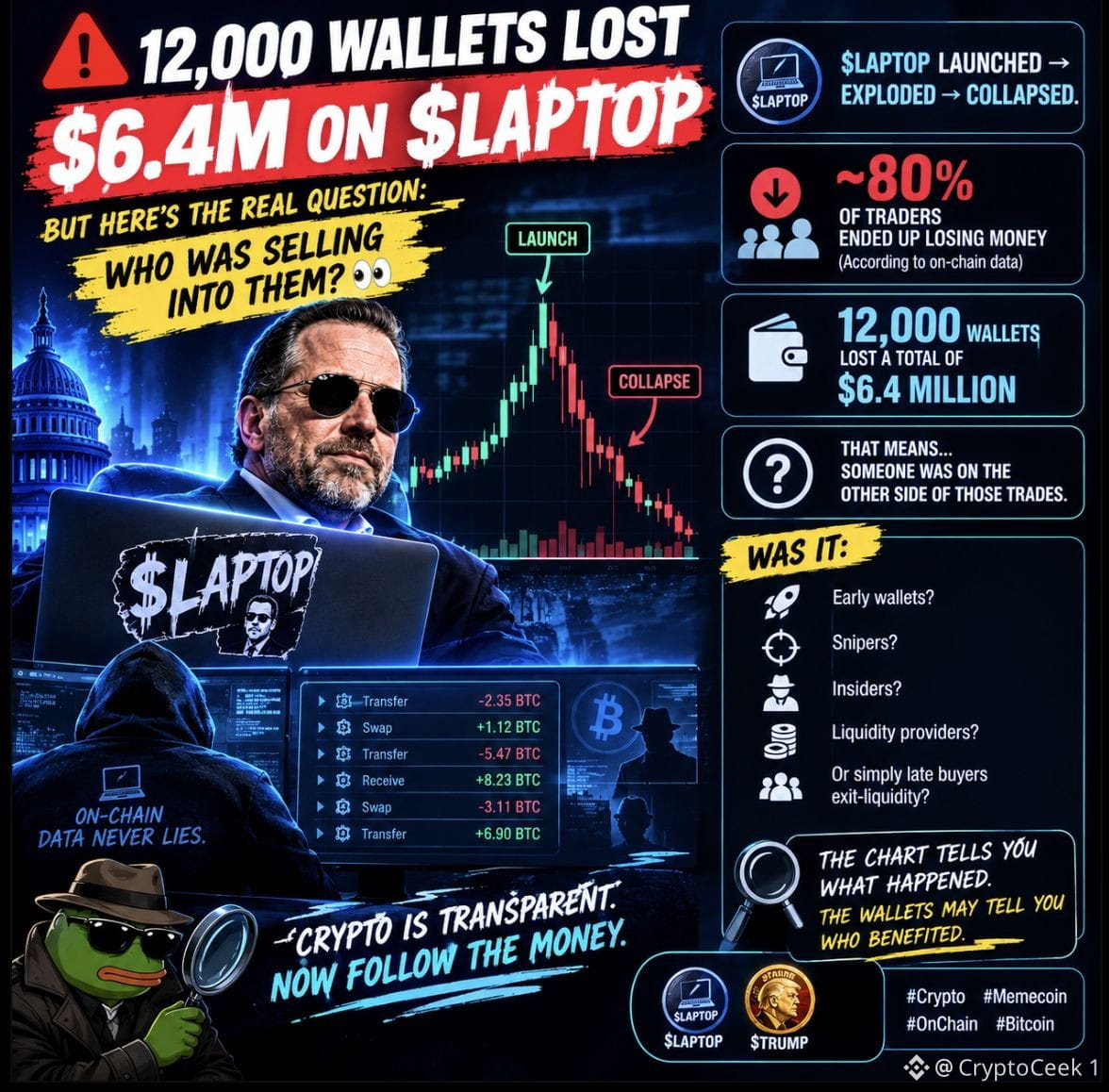
$LAPTOP --> 12,000 WALLETS LOST $6.4M ON $LAPTOP But here’s the real question: **WHO WAS SELLING INTO THEM? 👀** $LAPTOP launched → exploded → collapsed. Meanwhile, on-chain data reportedly shows ~80% of traders ended up losing money. That means somebody was on the other side of those trades. Was it: -> Early wallets? -> Snipers? -> Insiders? -> Liquidity providers? -> Or simply late buyers exit-liquidity? The chart tells you **what happened.** The wallets may tell you -- who benefited. -> Crypto is transparent. Now follow the money. $LAPTOP $TRUMP #Memecoin #OnChain #Bitcoin
$LAPTOP --> 12,000 WALLETS LOST $6.4M ON $LAPTOP But here’s the real question: **WHO WAS SELLING INTO THEM? 👀** $LAPTOP launched → exploded → collapsed. Meanwhile, on-chain data reportedly shows ~80% of traders ended up losing money. That means somebody was on the other side of those trades. Was it: -> Early wallets? -> Snipers? -> Insiders? -> Liquidity providers? -> Or simply late buyers exit-liquidity? The chart tells you **what happened.** The wallets may tell you -- who benefited. -> Crypto is transparent. Now follow the money. $LAPTOP $TRUMP #Memecoin #OnChain #Bitcoin
3
·
--
$BTC 🇩🇪 Germany plans a 25% tax on crypto gains starting in 2027. This ends the famous 1‑year tax‑free holding rule for new purchases. Crypto bought after Dec 31, 2026 will be taxed like stocks: 25% + solidarity surcharge, with automatic withholding from 2028. #Germany #BTC #tax #Bitcoin
$BTC 🇩🇪 Germany plans a 25% tax on crypto gains starting in 2027. This ends the famous 1‑year tax‑free holding rule for new purchases. Crypto bought after Dec 31, 2026 will be taxed like stocks: 25% + solidarity surcharge, with automatic withholding from 2028. #Germany #BTC #tax #Bitcoin
·
--
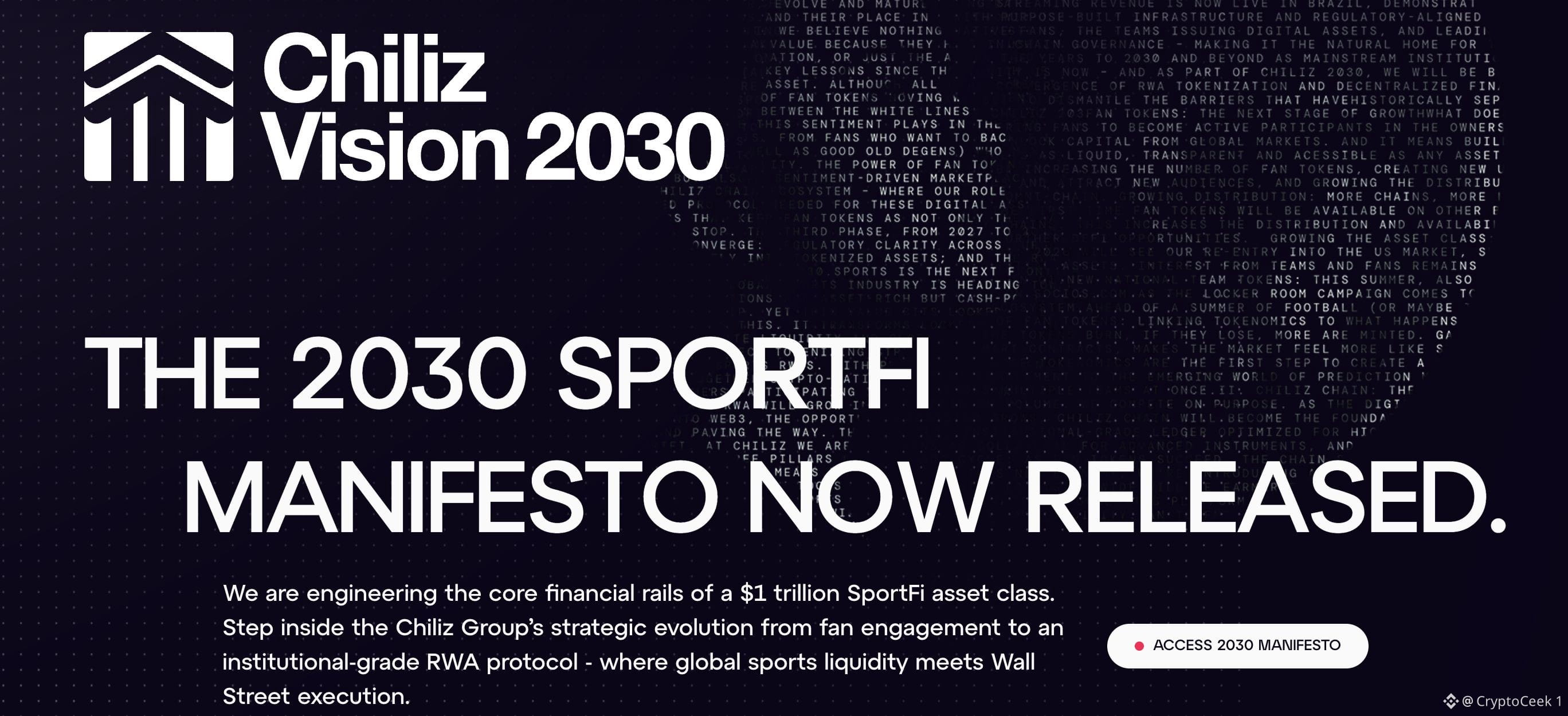
$CHZ — The Sports + Fan Tokens Infrastructure Play - Chiliz powers fan tokens for major sports clubs including Barcelona, Juventus, PSG, and Arsenal - Socios Dot Com platform has millions of users engaging with teams through voting, rewards, and NFTs - Token utility: staking rewards, fan token purchases, voting on club decisions, and exclusive access - Strong sports narrative: bridging traditional sports fans into crypto through fan engagement - Recent catalyst: new club partnerships, growing fan token adoption, sports betting integration - Unique value prop: only blockchain combining sports + fan tokens + real-world club partnerships - Revenue model: fan token sales, transaction fees, staking rewards, and partnership deals - Strategic positioning: essential infrastructure for sports teams entering Web3 - Long-term thesis: sports fan tokenization could onboard millions of traditional sports fans to crypto - Technical setup: consolidating near key support, building base for sports narrative breakout - Risk/reward: asymmetric upside if sports + fan tokens narrative strengthens in next cycle - Watch this if you believe sports fan engagement + tokenization is the next big consumer theme #Chiliz #CHZ #FanTokens #Sports #Soccer
$CHZ — The Sports + Fan Tokens Infrastructure Play - Chiliz powers fan tokens for major sports clubs including Barcelona, Juventus, PSG, and Arsenal - Socios Dot Com platform has millions of users engaging with teams through voting, rewards, and NFTs - Token utility: staking rewards, fan token purchases, voting on club decisions, and exclusive access - Strong sports narrative: bridging traditional sports fans into crypto through fan engagement - Recent catalyst: new club partnerships, growing fan token adoption, sports betting integration - Unique value prop: only blockchain combining sports + fan tokens + real-world club partnerships - Revenue model: fan token sales, transaction fees, staking rewards, and partnership deals - Strategic positioning: essential infrastructure for sports teams entering Web3 - Long-term thesis: sports fan tokenization could onboard millions of traditional sports fans to crypto - Technical setup: consolidating near key support, building base for sports narrative breakout - Risk/reward: asymmetric upside if sports + fan tokens narrative strengthens in next cycle - Watch this if you believe sports fan engagement + tokenization is the next big consumer theme #Chiliz #CHZ #FanTokens #Sports #Soccer
126
·
--
$NEO — The Chinese Ethereum + Smart Contracts Infrastructure - Neo is often called the "Chinese Ethereum" — one of the earliest smart contract platforms - Built for digital assets, digital identity, and smart contracts with regulatory compliance focus - Token utility: staking for GAS rewards, governance voting, and network security - Strong DeFi narrative: growing ecosystem of DEXs, lending protocols, and yield farming - Recent catalyst: Neo X EVM-compatible sidechain gaining traction, developer activity increasing - Unique value prop: only major smart contract platform with strong Asian institutional backing - Revenue model: GAS generation from Neo staking, transaction fees, and enterprise deployments - Strategic partnerships: major Chinese tech companies, government blockchain initiatives - Long-term thesis: Asian smart contract adoption could drive significant NEO demand - Technical setup: consolidating above $1.80 support, building base for smart contract narrative breakout - Risk/reward: asymmetric upside if Asian DeFi + smart contract narrative strengthens - Watch this if you believe Asian smart contract infrastructure + DeFi is the next big theme #NEO #SmartContracts #DeFi #China #AsianCrypto
$NEO — The Chinese Ethereum + Smart Contracts Infrastructure - Neo is often called the "Chinese Ethereum" — one of the earliest smart contract platforms - Built for digital assets, digital identity, and smart contracts with regulatory compliance focus - Token utility: staking for GAS rewards, governance voting, and network security - Strong DeFi narrative: growing ecosystem of DEXs, lending protocols, and yield farming - Recent catalyst: Neo X EVM-compatible sidechain gaining traction, developer activity increasing - Unique value prop: only major smart contract platform with strong Asian institutional backing - Revenue model: GAS generation from Neo staking, transaction fees, and enterprise deployments - Strategic partnerships: major Chinese tech companies, government blockchain initiatives - Long-term thesis: Asian smart contract adoption could drive significant NEO demand - Technical setup: consolidating above $1.80 support, building base for smart contract narrative breakout - Risk/reward: asymmetric upside if Asian DeFi + smart contract narrative strengthens - Watch this if you believe Asian smart contract infrastructure + DeFi is the next big theme #NEO #SmartContracts #DeFi #China #AsianCrypto
30
·
--
$XRP is back in the spotlight — but this time it’s not about hype. It’s about $13 trillion. Ripple Treasury (linked with SWIFT, JPMorgan, Goldman Sachs) is nearing $13T in settlements, according to XRP Ledger validator Grape. Key points: Ripple’s platform handled ~$13T in corporate payments last year for 1,100+ clients (Coca‑Cola, American Airlines, Stanley Black & Decker, etc.). Ripple Treasury will be showcased at SWIFT’s Sibos 2026 (Miami, Sep 28–Oct 1), one of the biggest banking conferences in the world. Ripple bought GTreasury for ~$1B and launched Digital Asset Accounts so firms can hold fiat, XRP, and RLUSD in one dashboard. Architecture maps show SWIFT + JPMorgan + Goldman integrated into Ripple’s enterprise ecosystem. Grape’s line says it all: “Thirteen trillion, and the price chart never noticed.” While traders watch candles, institutions are wiring the future of finance — on XRPL. Are you sleeping on XRP’s real use case? #XRP #Fintech #JPMorgan #SWIFT #GoldmanSachs
$XRP is back in the spotlight — but this time it’s not about hype. It’s about $13 trillion. Ripple Treasury (linked with SWIFT, JPMorgan, Goldman Sachs) is nearing $13T in settlements, according to XRP Ledger validator Grape. Key points: Ripple’s platform handled ~$13T in corporate payments last year for 1,100+ clients (Coca‑Cola, American Airlines, Stanley Black & Decker, etc.). Ripple Treasury will be showcased at SWIFT’s Sibos 2026 (Miami, Sep 28–Oct 1), one of the biggest banking conferences in the world. Ripple bought GTreasury for ~$1B and launched Digital Asset Accounts so firms can hold fiat, XRP, and RLUSD in one dashboard. Architecture maps show SWIFT + JPMorgan + Goldman integrated into Ripple’s enterprise ecosystem. Grape’s line says it all: “Thirteen trillion, and the price chart never noticed.” While traders watch candles, institutions are wiring the future of finance — on XRPL. Are you sleeping on XRP’s real use case? #XRP #Fintech #JPMorgan #SWIFT #GoldmanSachs
33
·
--
$ETH BitMine Immersion Technologies just added 28,086 ETH (~$70M) in a single week. Total stash: 5.93M ETH → 4.9% of all Ethereum. They’re 97% done with their “Alchemy of 5%” plan. Key numbers: $14.8B ETH treasury 85% staked → ~$330M/yr projected yield BMNR stock: +99% this quarter (4th best in Russell 1000) Tom Lee’s thesis: Tokenization + AI agents = next ETH supercycle ETH already Q3’s best macro asset, beating S&P 500 by 5,430 bps Institutions are watching. The “digital oil” narrative is back. Are you accumulating ETH too, or waiting for a dip? #Ethereum #BitMine #TomLee #ETH #Web3
$ETH BitMine Immersion Technologies just added 28,086 ETH (~$70M) in a single week. Total stash: 5.93M ETH → 4.9% of all Ethereum. They’re 97% done with their “Alchemy of 5%” plan. Key numbers: $14.8B ETH treasury 85% staked → ~$330M/yr projected yield BMNR stock: +99% this quarter (4th best in Russell 1000) Tom Lee’s thesis: Tokenization + AI agents = next ETH supercycle ETH already Q3’s best macro asset, beating S&P 500 by 5,430 bps Institutions are watching. The “digital oil” narrative is back. Are you accumulating ETH too, or waiting for a dip? #Ethereum #BitMine #TomLee #ETH #Web3

45
·
--
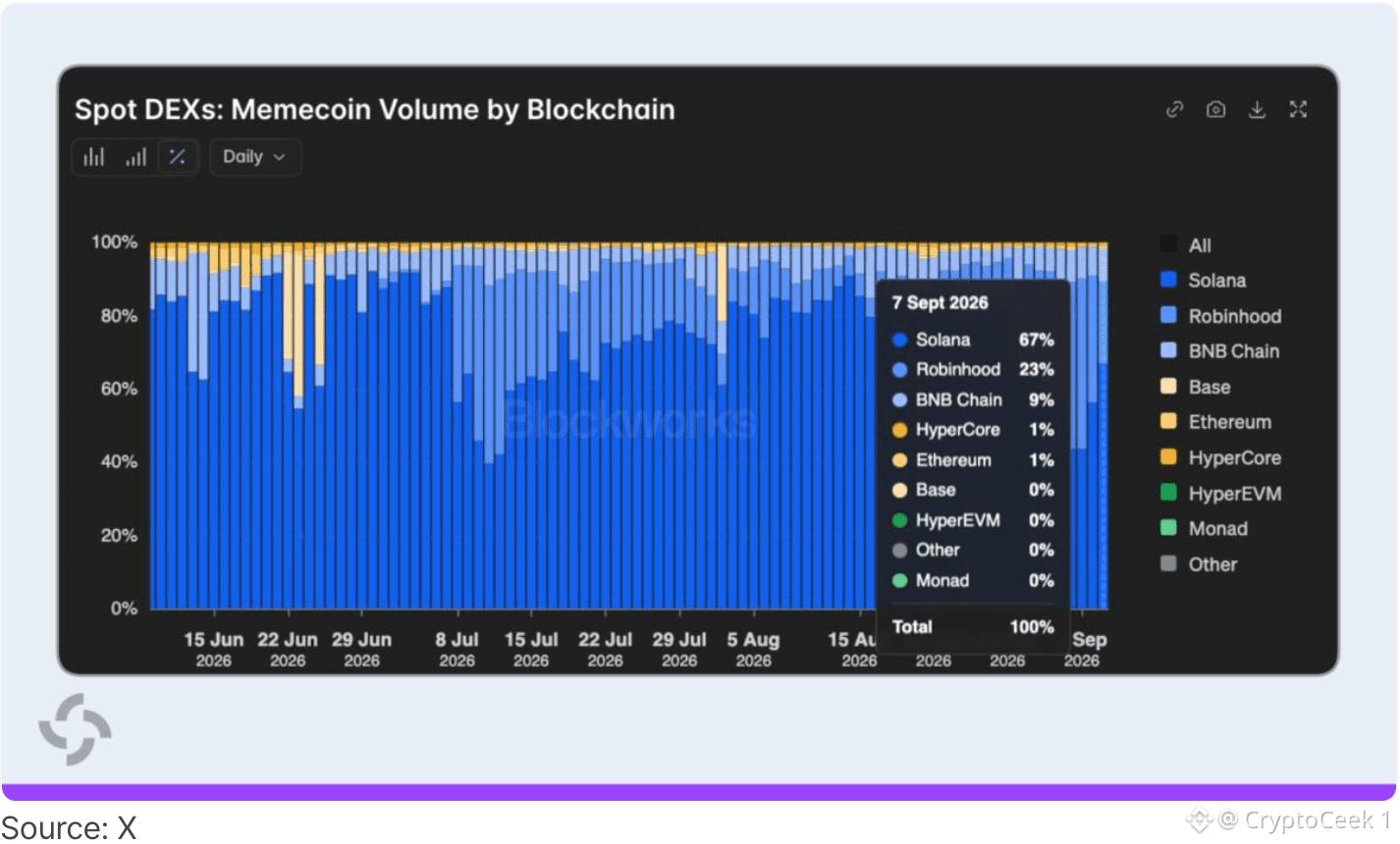
$SOL Solana just printed its first green monthly candle in 10 months — and the fundamentals behind it are louder than the chart. August was Solana’s first green monthly close after nearly a year of red, with the monthly MACD nearing a bullish crossover and the monthly RSI breaking a ~2‑year downtrend. Solana’s RWA ecosystem hit a new ATH at $4.35B in total value, with 420,000+ RWA holders — putting SOL among the top chains for tokenized assets alongside Ethereum. On the meme front, Solana captured about 67% of multichain memecoin spot DEX volume on Sept 7, roughly 3x Robinhood Chain’s 23% share, with BNB Chain at ~9%. Why this combo matters: Price finally catching a breath after 10 months of pressure, but still well below prior highs — one green candle isn’t a full trend flip, yet it gives bulls something to build on. RWAs = real yield-bearing assets and institutional interest settling on Solana, not just hype. Memecoins = insane on-chain activity, fees, and liquidity, which has always been one of Solana’s strongest moats. Big picture: If SOL can hold above key supports (around $100) and keep this RWA + meme activity flowing, the setup starts to look like a genuine mid-cycle turnaround, not just a relief bounce. One green candle doesn’t guarantee “to the moon,” but paired with record RWA TVL and dominant meme volume, it’s one of the more convincing “Solana might be back” signals we’ve seen in a while. #Solana #SOL #RWA #Memecoins
$SOL Solana just printed its first green monthly candle in 10 months — and the fundamentals behind it are louder than the chart. August was Solana’s first green monthly close after nearly a year of red, with the monthly MACD nearing a bullish crossover and the monthly RSI breaking a ~2‑year downtrend. Solana’s RWA ecosystem hit a new ATH at $4.35B in total value, with 420,000+ RWA holders — putting SOL among the top chains for tokenized assets alongside Ethereum. On the meme front, Solana captured about 67% of multichain memecoin spot DEX volume on Sept 7, roughly 3x Robinhood Chain’s 23% share, with BNB Chain at ~9%. Why this combo matters: Price finally catching a breath after 10 months of pressure, but still well below prior highs — one green candle isn’t a full trend flip, yet it gives bulls something to build on. RWAs = real yield-bearing assets and institutional interest settling on Solana, not just hype. Memecoins = insane on-chain activity, fees, and liquidity, which has always been one of Solana’s strongest moats. Big picture: If SOL can hold above key supports (around $100) and keep this RWA + meme activity flowing, the setup starts to look like a genuine mid-cycle turnaround, not just a relief bounce. One green candle doesn’t guarantee “to the moon,” but paired with record RWA TVL and dominant meme volume, it’s one of the more convincing “Solana might be back” signals we’ve seen in a while. #Solana #SOL #RWA #Memecoins
48
·
--
$TRUMP TRUMP BAGHOLDERS JUST GOT AN UNEXPECTED SECOND CHANCE. Hunter Biden is launching **$LAPTOP** on September 9. And here's the wild part: 20% of the 1B-token supply is earmarked for airdrops One target group? People who lost money on $TRUMP. Yes — the new Biden-linked meme coin is reportedly planning to send tokens to wallets sitting on losses from Trump's memecoin. The rest of the story gets even crazier: -> Hunter Biden's community is included -> Up to 30% of supply may be burned depending on future outcomes -> Launching on Base -> September 9 Crypto has officially entered: “Lost money on Trump's coin? Here's a Biden coin.” The political meme-coin war just found a new battlefield. Who gets your degen vote: $TRUMP or $LAPTOP ? #LAPTOP #TRUMP #Bitcoin #Memecoin #Airdrop
$TRUMP TRUMP BAGHOLDERS JUST GOT AN UNEXPECTED SECOND CHANCE. Hunter Biden is launching **$LAPTOP** on September 9. And here's the wild part: 20% of the 1B-token supply is earmarked for airdrops One target group? People who lost money on $TRUMP. Yes — the new Biden-linked meme coin is reportedly planning to send tokens to wallets sitting on losses from Trump's memecoin. The rest of the story gets even crazier: -> Hunter Biden's community is included -> Up to 30% of supply may be burned depending on future outcomes -> Launching on Base -> September 9 Crypto has officially entered: “Lost money on Trump's coin? Here's a Biden coin.” The political meme-coin war just found a new battlefield. Who gets your degen vote: $TRUMP or $LAPTOP ? #LAPTOP #TRUMP #Bitcoin #Memecoin #Airdrop

24
·
--
$XLM Stellar just quietly won a huge RWA battle that almost nobody noticed. Stellar now holds roughly $490M in tokenized non‑US government debt, more than any other blockchain, and has led this category since February. That includes Mexican CETES, Brazilian Tesouro bonds (via Etherfuse), euro T‑bills (Spiko’s fund grew from ~$520M to ~$970M in a year), South Korean Treasuries, and the Marshall Islands’ digital sovereign bond. Stellar’s total tokenized RWA market (ex‑stablecoins) has exploded from ~$500M in early 2025 to nearly $4B by late August 2026 — about a 360% jump this year alone. Why this matters: Ethereum still leads in US Treasuries and total RWA value, but most of the world’s governments and businesses don’t operate in dollars. Stellar is becoming the default chain for non‑USD sovereign debt and euro‑denominated products, with institutions like U.S. Bank, Amundi, Société Générale, Kenanga, and Marketnode (SGX/Temasek) actively engaging. Stablecoin payment volume on Stellar hit $5.5B in Q1 2026, up 72% YoY, with transaction velocity up 75% — real usage backing the balance sheet growth. Big picture: This isn’t just “another altcoin pump.” It’s real-world yield-bearing assets settling on-chain, at scale, outside the US dollar system. If RWAs are the next major crypto narrative, Stellar is carving out a very specific, very large niche: the global, non‑USD government debt layer. XLM might be “old gen” to some, but the RWA data says institutions are already using it like critical infrastructure. #Stellar #XLM #RWA #Tokenization
$XLM Stellar just quietly won a huge RWA battle that almost nobody noticed. Stellar now holds roughly $490M in tokenized non‑US government debt, more than any other blockchain, and has led this category since February. That includes Mexican CETES, Brazilian Tesouro bonds (via Etherfuse), euro T‑bills (Spiko’s fund grew from ~$520M to ~$970M in a year), South Korean Treasuries, and the Marshall Islands’ digital sovereign bond. Stellar’s total tokenized RWA market (ex‑stablecoins) has exploded from ~$500M in early 2025 to nearly $4B by late August 2026 — about a 360% jump this year alone. Why this matters: Ethereum still leads in US Treasuries and total RWA value, but most of the world’s governments and businesses don’t operate in dollars. Stellar is becoming the default chain for non‑USD sovereign debt and euro‑denominated products, with institutions like U.S. Bank, Amundi, Société Générale, Kenanga, and Marketnode (SGX/Temasek) actively engaging. Stablecoin payment volume on Stellar hit $5.5B in Q1 2026, up 72% YoY, with transaction velocity up 75% — real usage backing the balance sheet growth. Big picture: This isn’t just “another altcoin pump.” It’s real-world yield-bearing assets settling on-chain, at scale, outside the US dollar system. If RWAs are the next major crypto narrative, Stellar is carving out a very specific, very large niche: the global, non‑USD government debt layer. XLM might be “old gen” to some, but the RWA data says institutions are already using it like critical infrastructure. #Stellar #XLM #RWA #Tokenization

27
·
--
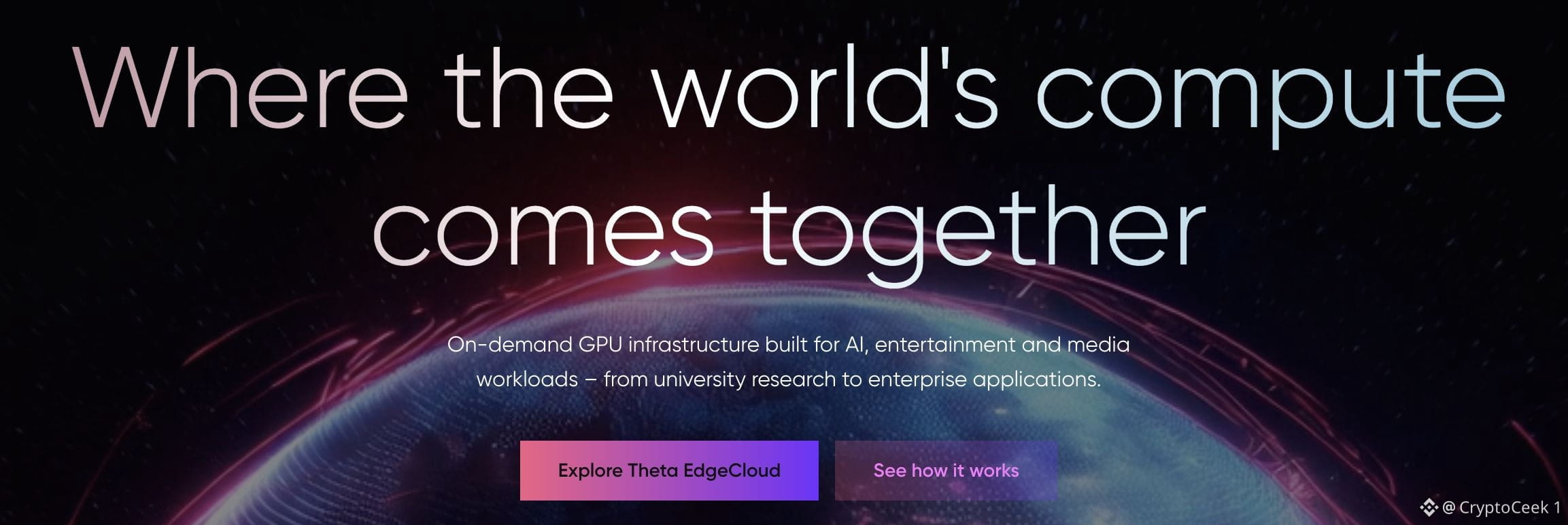
$THETA — The Video Streaming + AI Infrastructure Play - Theta Network is the leading decentralized video streaming and delivery infrastructure - Powers video delivery for major platforms including Samsung VR, Sony, and MGM Studios - Token utility: staking for validator nodes, governance voting, and payment for video relay - Strong AI narrative: decentralized GPU network for AI video processing and transcoding - Recent catalyst: growing enterprise adoption, partnerships with major streaming platforms - Unique value prop: only blockchain combining video delivery + edge computing + AI infrastructure - Revenue model: transaction fees for video relay, staking rewards, and enterprise contracts - Strategic partnerships: Samsung, Sony, MGM, CAA, and major content delivery networks - Long-term thesis: decentralized video + AI infrastructure could capture significant streaming market - Technical setup: consolidating above key support, building base for streaming narrative breakout - Risk/reward: asymmetric upside if video streaming + AI infrastructure narrative strengthens - Watch this if you believe decentralized video + AI infrastructure is the next big theme #ThetaNetwork #THETA #VideoStreaming #AI #EdgeComputing
$THETA — The Video Streaming + AI Infrastructure Play - Theta Network is the leading decentralized video streaming and delivery infrastructure - Powers video delivery for major platforms including Samsung VR, Sony, and MGM Studios - Token utility: staking for validator nodes, governance voting, and payment for video relay - Strong AI narrative: decentralized GPU network for AI video processing and transcoding - Recent catalyst: growing enterprise adoption, partnerships with major streaming platforms - Unique value prop: only blockchain combining video delivery + edge computing + AI infrastructure - Revenue model: transaction fees for video relay, staking rewards, and enterprise contracts - Strategic partnerships: Samsung, Sony, MGM, CAA, and major content delivery networks - Long-term thesis: decentralized video + AI infrastructure could capture significant streaming market - Technical setup: consolidating above key support, building base for streaming narrative breakout - Risk/reward: asymmetric upside if video streaming + AI infrastructure narrative strengthens - Watch this if you believe decentralized video + AI infrastructure is the next big theme #ThetaNetwork #THETA #VideoStreaming #AI #EdgeComputing
36
·
--
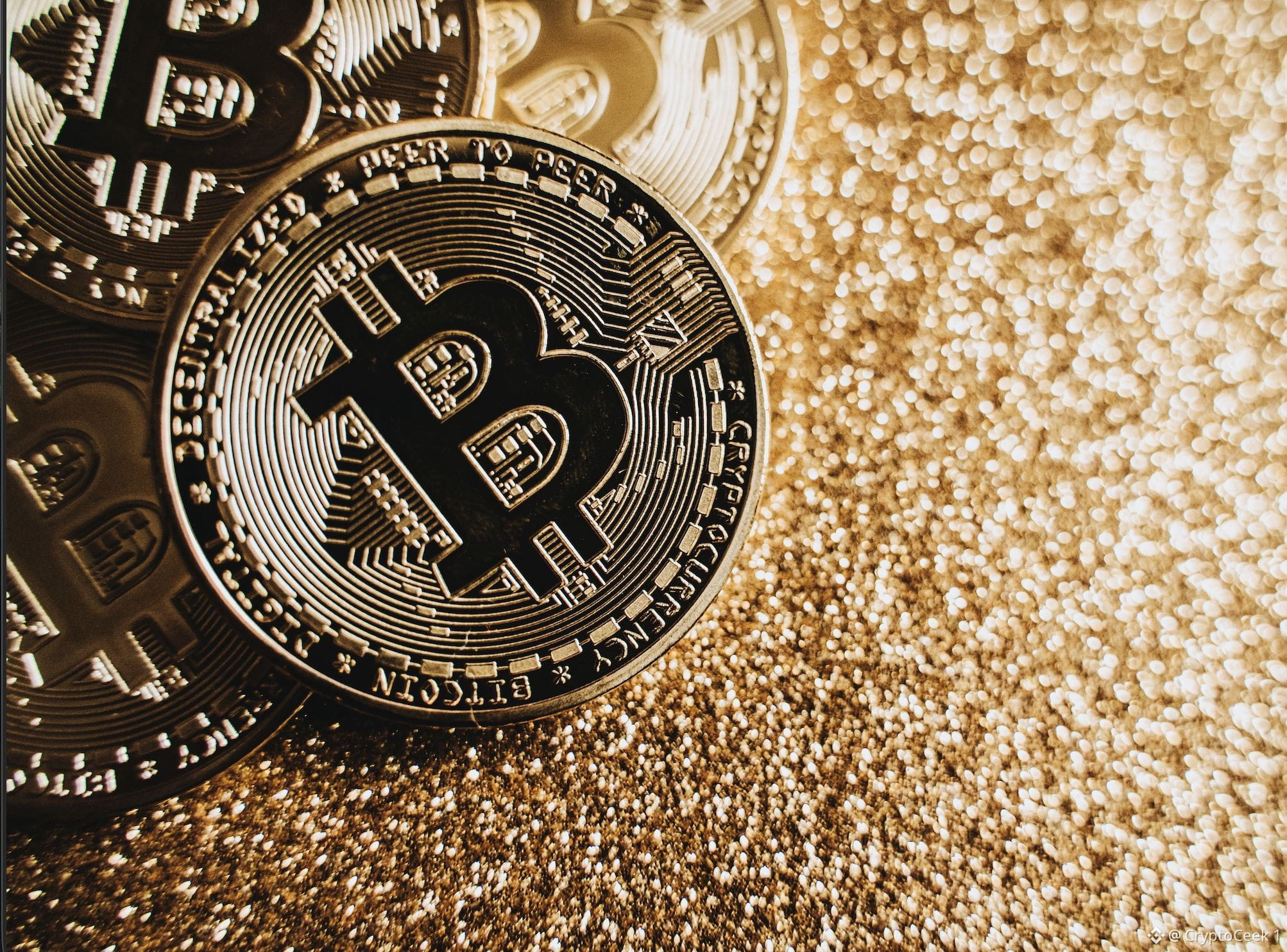
$BTC Bitcoin is sitting right under a key wall, and ETFs are trying to push it through. BTC is trading above $79,000 after US spot ETFs pulled in roughly $730M in a single day last week — the second-largest daily inflow of 2026. Analysts at CryptoRus frame this as a bullish test of $82,000, not a confirmed breakout yet. In the background, ~$554M in crypto positions were liquidated in 24h, with ~$471M from shorts and ~$277M from BTC shorts alone — a leverage reset that can accelerate moves but doesn’t guarantee follow-through. Key levels: A 4h close above $82,000 and a successful retest = stronger confirmation. Losing $79,000 weakens the immediate bullish case and puts ~$78,000 liquidity back in play. Translation: ETF demand is strong, but $82K is the real boss fight. Until that breaks and holds, this is a test, not a victory lap. #Bitcoin #BTC #ETF
$BTC Bitcoin is sitting right under a key wall, and ETFs are trying to push it through. BTC is trading above $79,000 after US spot ETFs pulled in roughly $730M in a single day last week — the second-largest daily inflow of 2026. Analysts at CryptoRus frame this as a bullish test of $82,000, not a confirmed breakout yet. In the background, ~$554M in crypto positions were liquidated in 24h, with ~$471M from shorts and ~$277M from BTC shorts alone — a leverage reset that can accelerate moves but doesn’t guarantee follow-through. Key levels: A 4h close above $82,000 and a successful retest = stronger confirmation. Losing $79,000 weakens the immediate bullish case and puts ~$78,000 liquidity back in play. Translation: ETF demand is strong, but $82K is the real boss fight. Until that breaks and holds, this is a test, not a victory lap. #Bitcoin #BTC #ETF
·
--
$XLM Stellar just quietly won a huge RWA battle that almost nobody noticed. Stellar now holds roughly $490M in tokenized non‑US government debt, more than any other blockchain, and has led this category since February. That includes Mexican CETES, Brazilian Tesouro bonds (via Etherfuse), euro T‑bills (Spiko’s fund grew from ~$520M to ~$970M in a year), South Korean Treasuries, and the Marshall Islands’ digital sovereign bond. Stellar’s total tokenized RWA market (ex‑stablecoins) has exploded from ~$500M in early 2025 to nearly $4B by late August 2026 — about a 360% jump this year alone. Why this matters: Ethereum still leads in US Treasuries and total RWA value, but most of the world’s governments and businesses don’t operate in dollars. Stellar is becoming the default chain for non‑USD sovereign debt and euro‑denominated products, with institutions like U.S. Bank, Amundi, Société Générale, Kenanga, and Marketnode (SGX/Temasek) actively engaging. Stablecoin payment volume on Stellar hit $5.5B in Q1 2026, up 72% YoY, with transaction velocity up 75% — real usage backing the balance sheet growth. Big picture: This isn’t just “another altcoin pump.” It’s real-world yield-bearing assets settling on-chain, at scale, outside the US dollar system. If RWAs are the next major crypto narrative, Stellar is carving out a very specific, very large niche: the global, non‑USD government debt layer. XLM might be “old gen” to some, but the RWA data says institutions are already using it like critical infrastructure. #Stellar #XLM #RWA #Tokenization
$XLM Stellar just quietly won a huge RWA battle that almost nobody noticed. Stellar now holds roughly $490M in tokenized non‑US government debt, more than any other blockchain, and has led this category since February. That includes Mexican CETES, Brazilian Tesouro bonds (via Etherfuse), euro T‑bills (Spiko’s fund grew from ~$520M to ~$970M in a year), South Korean Treasuries, and the Marshall Islands’ digital sovereign bond. Stellar’s total tokenized RWA market (ex‑stablecoins) has exploded from ~$500M in early 2025 to nearly $4B by late August 2026 — about a 360% jump this year alone. Why this matters: Ethereum still leads in US Treasuries and total RWA value, but most of the world’s governments and businesses don’t operate in dollars. Stellar is becoming the default chain for non‑USD sovereign debt and euro‑denominated products, with institutions like U.S. Bank, Amundi, Société Générale, Kenanga, and Marketnode (SGX/Temasek) actively engaging. Stablecoin payment volume on Stellar hit $5.5B in Q1 2026, up 72% YoY, with transaction velocity up 75% — real usage backing the balance sheet growth. Big picture: This isn’t just “another altcoin pump.” It’s real-world yield-bearing assets settling on-chain, at scale, outside the US dollar system. If RWAs are the next major crypto narrative, Stellar is carving out a very specific, very large niche: the global, non‑USD government debt layer. XLM might be “old gen” to some, but the RWA data says institutions are already using it like critical infrastructure. #Stellar #XLM #RWA #Tokenization
·
--
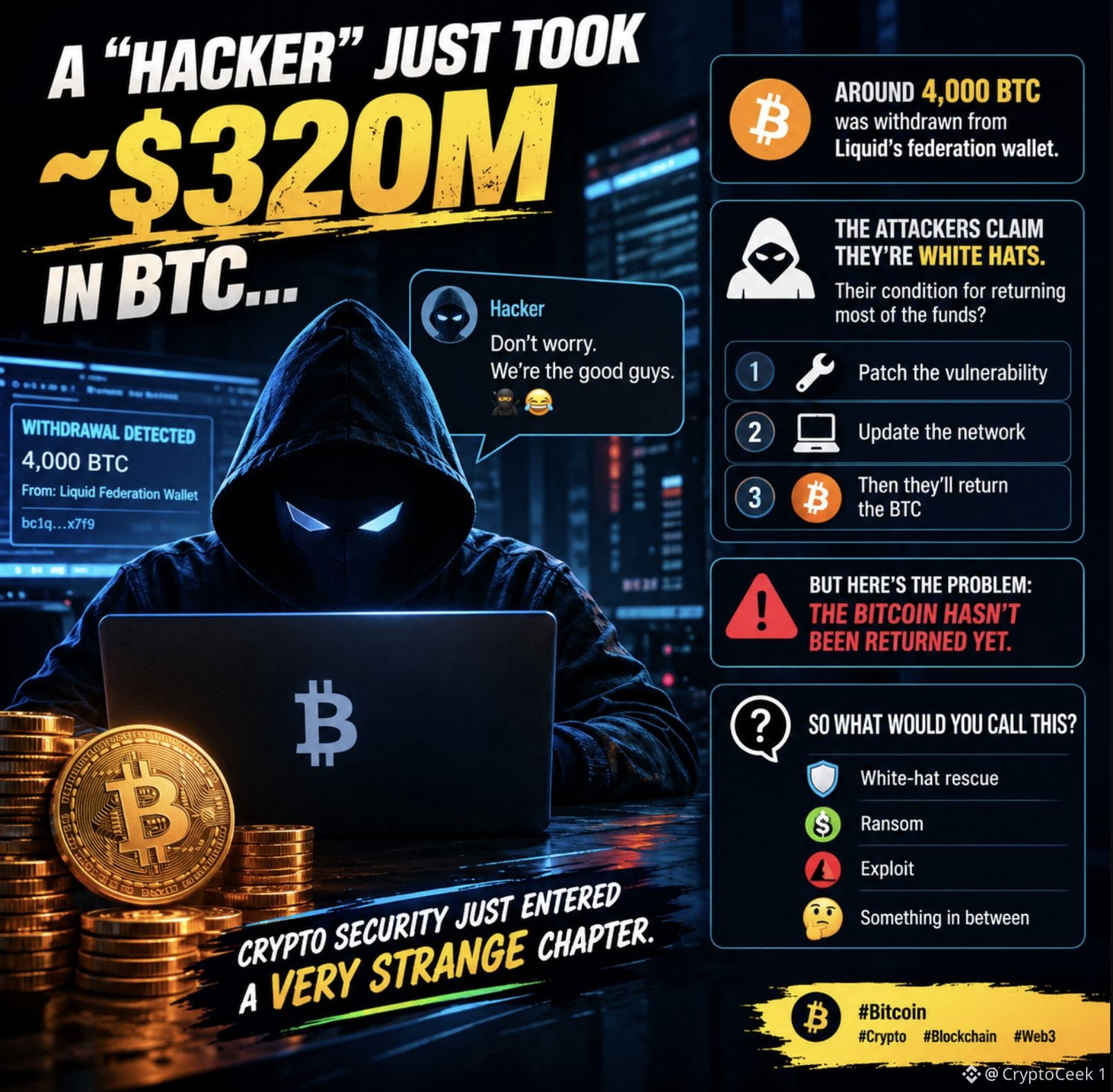
$BTC A “HACKER” JUST TOOK ~$320M IN BTC... Then basically said: “Don't worry. We're the good guys.” Around **4,000 BTC** was withdrawn from Liquid's federation wallet. The attackers claim they're white hats. Their condition for returning most of the funds? -> Patch the vulnerability -> Update the network -> Then they'll return the BTC But here's the problem: The Bitcoin hasn't been returned yet. So what would YOU call this? -> White-hat rescue -> Ransom -> Exploit -> Something in between Crypto security just entered a very strange chapter. #Bitcoin #BTC #Blockchain #Hacker #Web3
$BTC A “HACKER” JUST TOOK ~$320M IN BTC... Then basically said: “Don't worry. We're the good guys.” Around **4,000 BTC** was withdrawn from Liquid's federation wallet. The attackers claim they're white hats. Their condition for returning most of the funds? -> Patch the vulnerability -> Update the network -> Then they'll return the BTC But here's the problem: The Bitcoin hasn't been returned yet. So what would YOU call this? -> White-hat rescue -> Ransom -> Exploit -> Something in between Crypto security just entered a very strange chapter. #Bitcoin #BTC #Blockchain #Hacker #Web3
19
·
--
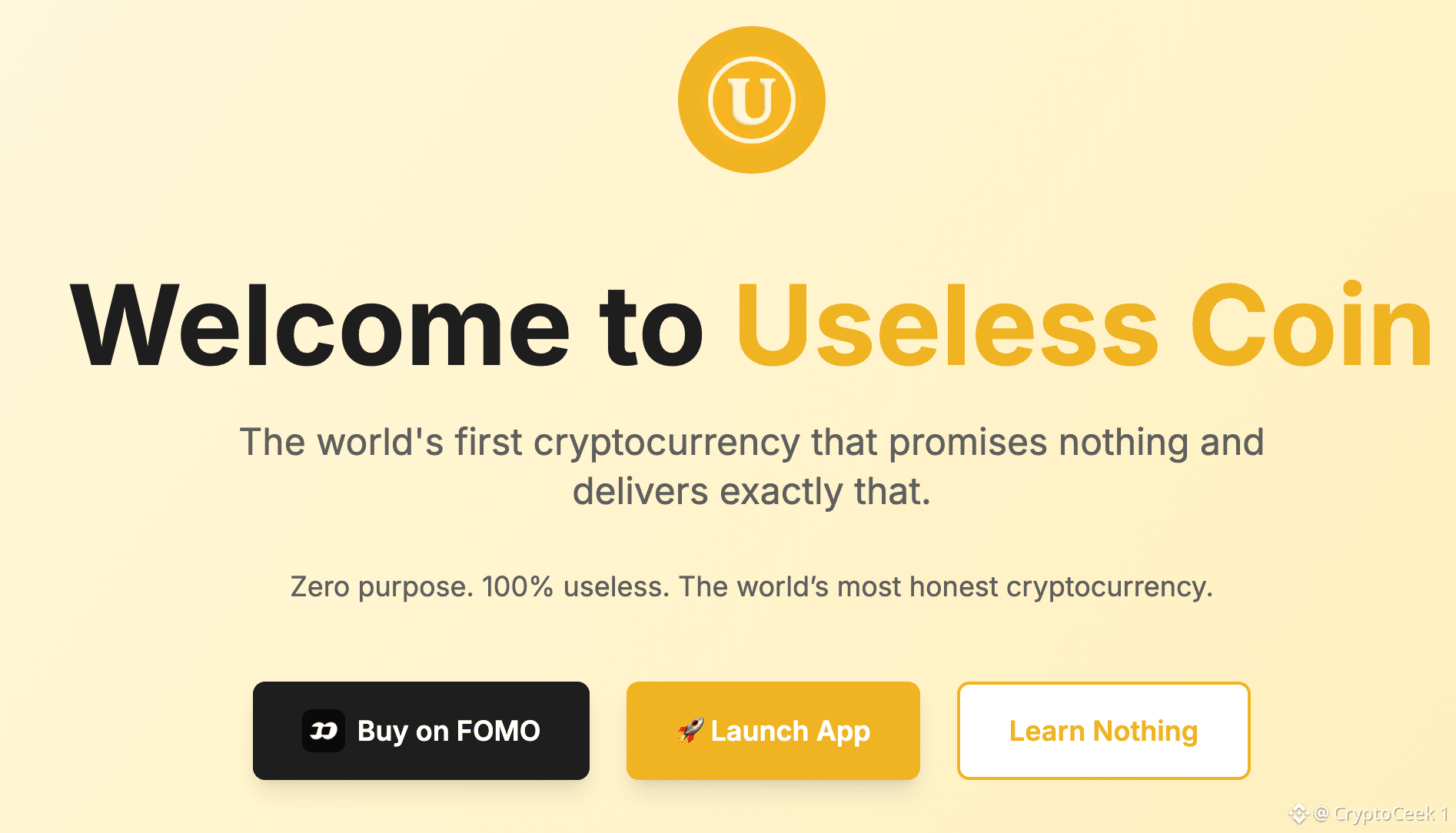
$USELESS “Useless” Coin just did the most useful thing in crypto: printed a 300% week and a 10‑month high. $USELESS ripped from ~$0.06 to a high near $0.286 in one week, then pulled back ~12% in 24h as derivatives cooled and open interest dropped ~20%. The rally added ~5,000 new holders, with aggressive spot buying and heavy derivatives activity driving the move. On-chain/technical signals show intense buying pressure (CMF at multi‑month highs, OBV trending up), but momentum looks overextended and due for a breather. Key levels traders are watching: Support zones: $0.213, $0.176, and the deeper $0.130 area if the retracement gets ugly. Upside: a reclaim and hold above recent highs opens the door toward $0.30+, but memecoins can also give back the entire move if sentiment flips. The playbook most are discussing: Don’t try to catch the exact top. Consider taking partial profits into strength. Wait for a clean pullback into demand zones before thinking about new longs, with tight risk management. Moral of the story: in memeland, “useless” can outperform everything for a week… until it doesn’t. Respect the pump, respect the dump, and never marry the ticker. #USELESS #Memecoins #Trading
$USELESS “Useless” Coin just did the most useful thing in crypto: printed a 300% week and a 10‑month high. $USELESS ripped from ~$0.06 to a high near $0.286 in one week, then pulled back ~12% in 24h as derivatives cooled and open interest dropped ~20%. The rally added ~5,000 new holders, with aggressive spot buying and heavy derivatives activity driving the move. On-chain/technical signals show intense buying pressure (CMF at multi‑month highs, OBV trending up), but momentum looks overextended and due for a breather. Key levels traders are watching: Support zones: $0.213, $0.176, and the deeper $0.130 area if the retracement gets ugly. Upside: a reclaim and hold above recent highs opens the door toward $0.30+, but memecoins can also give back the entire move if sentiment flips. The playbook most are discussing: Don’t try to catch the exact top. Consider taking partial profits into strength. Wait for a clean pullback into demand zones before thinking about new longs, with tight risk management. Moral of the story: in memeland, “useless” can outperform everything for a week… until it doesn’t. Respect the pump, respect the dump, and never marry the ticker. #USELESS #Memecoins #Trading
25
Log in to explore more content
Join global crypto users on Binance Square
⚡️ Get latest and useful information about crypto.
💬 Trusted by the world’s largest crypto exchange.
👍 Discover real insights from verified creators.
Email / Phone number
Trending Topics
CPIWatch
86.4M views
500,740 Discussing
Share & Win Traffic Reward in our Trending Hashtag Campaign
✨Topic: Will CPI Trigger Rate Hike?
👉How to Join:
Publish a short post or article with hashtag #CPIWatch
Create content based on the below two angles:
- Nonfarm payrolls beat expectations and CPI is around the corner, do you think the Fed will hike or hold the rate?
- Bullish or bearish? Share your take and showcase your stocks or gold trade/holdings with our trade sharing widget.
🚀Campaign Period:
- 2026-09-11 3:00 - 2026-09-12 9:00 UTC
🎁Reward:
- Qualified posts that comply with the above guidelines and contain more than 100 words will be reviewed and may receive a random traffic boost of 500 to 3,000 views. You will receive a notification from your feed secretary if your post is selected.
- Get a chance to have your article featured on Binance Square Official
Need ideas for your post? Visit the topic page #CPIWatch or the Square Guide on How to Post for Better Reach.
Binance Square Official
·364 Likes
·766.7k views
BitcoinFallsTo$77KAfterGoldenCross
730 views
36 Discussing
OracleJumpsOver6%OnEarningsBeat
3,402 views
184 Discussing