
Portable Detective07
5k Posts

Portable Detective07
 Square Verified
Report
Block User
I prefer wearing warm clothes in winter.

#BinanceTurns7 task 2

#BinanceTurns7

Top Voices
High-Frequency Trader
5.4 Years
262 Following
91.6K+ Followers
92.4K Liked
6 Badges
Posts
All
Quotes
Videos
Live
PINNED
·
--
Bullish
Do you know, who’s Portable Detective07?
Yes, it’s me. I am a crypto influencer, a engineer, a teacher, a health advisor, a CSC holder, a singer, a government project handler and a pure human being.
Today, I made this logo to add on my profile. And I invite you to join my group with free of cost: [https://app.binance.com/uni-qr/2LQ2749T](https://app.binance.com/uni-qr/2LQ2749T)
I entered on this crypto market during the covid pandemic. And still I am in here. And it’s 6th year of my journey. Still, I am not rich. And I think, it’s because of my multi directional carrier. I don’t know, when I will become rich. But I believe on that “One Day”.
Why did I write this post?
May be, I am in a mental fog. Whatever, I love crypto, I love $BTC , I love memecoins, I love defi, I love you ❤️.
Today, I am at my 30s. And still not rich.
#JourneyIntoCrypto #journeytofnancialfreedom #JourneyContinues #JourneyToSuccess
{future}(BTCUSDT)
Do you know, who’s Portable Detective07?
Yes, it’s me. I am a crypto influencer, a engineer, a teacher, a health advisor, a CSC holder, a singer, a government project handler and a pure human being.
Today, I made this logo to add on my profile. And I invite you to join my group with free of cost: https://app.binance.com/uni-qr/2LQ2749T
I entered on this crypto market during the covid pandemic. And still I am in here. And it’s 6th year of my journey. Still, I am not rich. And I think, it’s because of my multi directional carrier. I don’t know, when I will become rich. But I believe on that “One Day”.
Why did I write this post?
May be, I am in a mental fog. Whatever, I love crypto, I love $BTC , I love memecoins, I love defi, I love you ❤️.
Today, I am at my 30s. And still not rich.
#JourneyIntoCrypto #journeytofnancialfreedom #JourneyContinues #JourneyToSuccess
Yes, it’s me. I am a crypto influencer, a engineer, a teacher, a health advisor, a CSC holder, a singer, a government project handler and a pure human being.
Today, I made this logo to add on my profile. And I invite you to join my group with free of cost: https://app.binance.com/uni-qr/2LQ2749T
I entered on this crypto market during the covid pandemic. And still I am in here. And it’s 6th year of my journey. Still, I am not rich. And I think, it’s because of my multi directional carrier. I don’t know, when I will become rich. But I believe on that “One Day”.
Why did I write this post?
May be, I am in a mental fog. Whatever, I love crypto, I love $BTC , I love memecoins, I love defi, I love you ❤️.
Today, I am at my 30s. And still not rich.
#JourneyIntoCrypto #journeytofnancialfreedom #JourneyContinues #JourneyToSuccess

1
2
321
Trending

Article
CZ Binance & U.S. Court: A Recap of Today's Hearing#cz_binance & U.S. Court: A Recap of Today's HearingCZ's Statement:"Your Honor, I just wanna say one thing... Umm, I want to close the issue. So, I want to take responsibility and close this chapter in my life. So, Umm, it's a very simple mindset for me. Umm, I've not caused problems before. I've never been a criminal... Umm, I've not been into a courthouse before, so all this is new to me. Umm, to be very frank, before I came, I was a little bit scared. In most countries, you go to a country, you know, you don't know what's gonna happen. So, I was very impressed with... you know... being in this court hearing, Umm, having your honor, explaining every little detail to me; all of that is very reassuring actually. Umm, so before I come here, that is not meant to. So, Umm, and also with the issue on UAE... Umm, I was given, I was offered citizenship. I took it in with a lot of... Umm, as an honor, I do not want to leverage that to say... Hey, uh, protect you. Umm, I don't want to use that. I don't want to use papers that way. Umm, so I want to address issues myself. So I have full intention to come back here and close this issue; otherwise, I wouldn't be here today. Umm, so I start, uh, the issue was there."The Court's Response:"Umm, the main issue here is the one on where you should live. And this is a very close call... but I, I tend to favor your position to stay in the UAE... I think everybody who appears in this court has always presented a risk of flight. There's been no one that I have released that did not present some kind of risk of flight, including people who actually face many, many more years than you who still show up. Umm, but I think that your actions maybe speak louder than the worries, in the sense that you had no obligation to come to the country, you did.... And as you said, your intent is you would like to resolve this case, not run. And, and so I think we'll, we'll, we'll... allow you to live in the UAE... you'll reside at a residence that you'll maintain and let your lawyers know and don't change until you let your lawyers know. I think it's a practical matter, and the pretrial office can correct me."#hodl #cz_binance #BinanceTournament
CZ Binance & U.S. Court: A Recap of Today's Hearing
#cz_binance & U.S. Court: A Recap of Today's HearingCZ's Statement:"Your Honor, I just wanna say one thing... Umm, I want to close the issue. So, I want to take responsibility and close this chapter in my life. So, Umm, it's a very simple mindset for me. Umm, I've not caused problems before. I've never been a criminal... Umm, I've not been into a courthouse before, so all this is new to me. Umm, to be very frank, before I came, I was a little bit scared. In most countries, you go to a country, you know, you don't know what's gonna happen. So, I was very impressed with... you know... being in this court hearing, Umm, having your honor, explaining every little detail to me; all of that is very reassuring actually. Umm, so before I come here, that is not meant to. So, Umm, and also with the issue on UAE... Umm, I was given, I was offered citizenship. I took it in with a lot of... Umm, as an honor, I do not want to leverage that to say... Hey, uh, protect you. Umm, I don't want to use that. I don't want to use papers that way. Umm, so I want to address issues myself. So I have full intention to come back here and close this issue; otherwise, I wouldn't be here today. Umm, so I start, uh, the issue was there."The Court's Response:"Umm, the main issue here is the one on where you should live. And this is a very close call... but I, I tend to favor your position to stay in the UAE... I think everybody who appears in this court has always presented a risk of flight. There's been no one that I have released that did not present some kind of risk of flight, including people who actually face many, many more years than you who still show up. Umm, but I think that your actions maybe speak louder than the worries, in the sense that you had no obligation to come to the country, you did.... And as you said, your intent is you would like to resolve this case, not run. And, and so I think we'll, we'll, we'll... allow you to live in the UAE... you'll reside at a residence that you'll maintain and let your lawyers know and don't change until you let your lawyers know. I think it's a practical matter, and the pretrial office can correct me."#hodl #cz_binance #BinanceTournament
42
3
274
246.6k
·
--
Bullish
$PIXEL
{spot}(PIXELUSDT)
$PIXEL
Portable Detective07
·
--
PLAY, EARN & REPEAT: A Guide on $PIXEL Game
Pixel is a play to earn gaming platform, where you can earn Pixel coin with a simple guide from my side.PIXEL GAME🪷 The Way to Earn Free #PIXEL from the Game:1. Get Things from People & Help Them & Earn Things: Engage with the community, assist other players, and receive rewards in return. Collaboration and assistance can lead to valuable rewards.Helping People to Get Rewards2. Sale Things & Earn Coins & $PIXEL & Use Them to Get More Opportunities to Earn More & Get More Pixel: Utilize the marketplace to sell items, accumulate coins and $PIXEL, and reinvest them to unlock additional earning opportunities within the game.🪷 How to Create a Pixel #Game Account:1. Go to play.pixels.xyz: Visit the designated website to begin the account creation process.2. Connect $RONIN Wallet: Ensure seamless transactions and interactions within the game by connecting your RONIN wallet.RONIN CRYPTO3. Play Game: Once your account is set up and your wallet is connected, dive into the game and start exploring the world of Pixel.🪷 How to Withdraw Pixel:1. Go to Same Ronin Wallet: Access your RONIN wallet to initiate the withdrawal process.2. Copy #Binance’s Pixel Address: Obtain the appropriate Pixel address from your Binance account.PIXEL Coin on Binance3. Then Withdraw from Ronin Wallet to Binance: Complete the withdrawal by transferring your Pixel from your RONIN WALLET to your Binance account.🪷 3 Ways to Get Maximum $PIXEL:1. Join Pixel VIP: Unlock exclusive benefits and opportunities by becoming a Pixel VIP member.2. Level Up: Progress through the game, increase your skills, and level up to access higher rewards.Consistency is the key to success3. Consistency & Learning with Experience: Stay consistent in your gameplay, continue learning, and leverage your experience to optimize your earnings in $PIXEL.🪷#TrendingTopic #Write2Earn #Play2Earn $AXS

558
·
--
Bullish
If you have gold then cover it into diamond. Here’s the diamonds:
$RVN
$SAGA
$ARK
Massive volume is on them. More than 500% than marketcap. Ask @BiBi
{spot}(ARKUSDT)
{spot}(SAGAUSDT)
{spot}(RVNUSDT)
If you have gold then cover it into diamond. Here’s the diamonds:
$RVN
$SAGA
$ARK
Massive volume is on them. More than 500% than marketcap. Ask @Binance BiBi
$RVN
$SAGA
$ARK
Massive volume is on them. More than 500% than marketcap. Ask @Binance BiBi

2
4
1.7k
·
--
Bullish
5 Things I Noticed About the Latest NFP Shock
The latest Nonfarm Payrolls report surprised markets, with job additions coming in far above expectations while unemployment stayed around 4.1%. Wage growth also remained relatively moderate, suggesting that the labor market is strong without immediately creating another wage-inflation spiral.
But the headline number doesn’t tell the whole story. A large part of the hiring strength is concentrated in areas like services and public-sector education, while more rate-sensitive sectors such as technology and white-collar services remain weaker.
For the Federal Reserve, this makes the next decision complicated. Strong employment alone probably isn’t enough to justify another rate hike, especially with real rates already restrictive and Treasury yields doing some of the tightening work.
The bigger trigger is CPI. If core inflation comes in hotter than expected, markets could start seriously pricing another 25-basis-point hike. If inflation is in line or cooler, the Fed can probably continue with its higher-for-longer approach without actually hiking.
For markets, strong NFP is a mixed signal. Higher yields can pressure long-duration stocks and risk assets, while supporting the dollar and cash yields. A cooler CPI, however, could trigger a relief rally.
The real question now is simple: will CPI confirm the strength of the economy—or bring back rate-hike fears?
#CPIWatch $VTHO
5 Things I Noticed About the Latest NFP Shock
The latest Nonfarm Payrolls report surprised markets, with job additions coming in far above expectations while unemployment stayed around 4.1%. Wage growth also remained relatively moderate, suggesting that the labor market is strong without immediately creating another wage-inflation spiral.
But the headline number doesn’t tell the whole story. A large part of the hiring strength is concentrated in areas like services and public-sector education, while more rate-sensitive sectors such as technology and white-collar services remain weaker.
For the Federal Reserve, this makes the next decision complicated. Strong employment alone probably isn’t enough to justify another rate hike, especially with real rates already restrictive and Treasury yields doing some of the tightening work.
The bigger trigger is CPI. If core inflation comes in hotter than expected, markets could start seriously pricing another 25-basis-point hike. If inflation is in line or cooler, the Fed can probably continue with its higher-for-longer approach without actually hiking.
For markets, strong NFP is a mixed signal. Higher yields can pressure long-duration stocks and risk assets, while supporting the dollar and cash yields. A cooler CPI, however, could trigger a relief rally.
The real question now is simple: will CPI confirm the strength of the economy—or bring back rate-hike fears?
#CPIWatch $VTHO
The latest Nonfarm Payrolls report surprised markets, with job additions coming in far above expectations while unemployment stayed around 4.1%. Wage growth also remained relatively moderate, suggesting that the labor market is strong without immediately creating another wage-inflation spiral.
But the headline number doesn’t tell the whole story. A large part of the hiring strength is concentrated in areas like services and public-sector education, while more rate-sensitive sectors such as technology and white-collar services remain weaker.
For the Federal Reserve, this makes the next decision complicated. Strong employment alone probably isn’t enough to justify another rate hike, especially with real rates already restrictive and Treasury yields doing some of the tightening work.
The bigger trigger is CPI. If core inflation comes in hotter than expected, markets could start seriously pricing another 25-basis-point hike. If inflation is in line or cooler, the Fed can probably continue with its higher-for-longer approach without actually hiking.
For markets, strong NFP is a mixed signal. Higher yields can pressure long-duration stocks and risk assets, while supporting the dollar and cash yields. A cooler CPI, however, could trigger a relief rally.
The real question now is simple: will CPI confirm the strength of the economy—or bring back rate-hike fears?
#CPIWatch $VTHO
1
497

Article
5 Things I Noticed About MoovMoov brings payments, banking, payouts, compliance, and card infrastructure together through APIs, giving businesses a single infrastructure layer for moving money.
What caught my attention is its developer-first approach. Instead of relying heavily on traditional payment platforms, developers can get more control through APIs and open-source tools.
It also goes beyond basic card payments, supporting rails such as ACH, FedNow, RTP, card processing, and instant payouts.
For me, the biggest advantage is consolidation. Businesses can potentially reduce the number of payment vendors, integrations, and contracts they need to manage.
But Moov isn’t necessarily for everyone. Its focus on US payment infrastructure can make it less useful for businesses operating elsewhere or those with very simple payment requirements.
The interesting question is: can developer-first payment infrastructure eventually compete with traditional payment platforms at much larger scale?
#moov $ACH #MoovFinance #Finance
{spot}(ACHUSDT)
5 Things I Noticed About Moov
Moov brings payments, banking, payouts, compliance, and card infrastructure together through APIs, giving businesses a single infrastructure layer for moving money.
What caught my attention is its developer-first approach. Instead of relying heavily on traditional payment platforms, developers can get more control through APIs and open-source tools.
It also goes beyond basic card payments, supporting rails such as ACH, FedNow, RTP, card processing, and instant payouts.
For me, the biggest advantage is consolidation. Businesses can potentially reduce the number of payment vendors, integrations, and contracts they need to manage.
But Moov isn’t necessarily for everyone. Its focus on US payment infrastructure can make it less useful for businesses operating elsewhere or those with very simple payment requirements.
The interesting question is: can developer-first payment infrastructure eventually compete with traditional payment platforms at much larger scale?
#moov $ACH #MoovFinance #Finance
What caught my attention is its developer-first approach. Instead of relying heavily on traditional payment platforms, developers can get more control through APIs and open-source tools.
It also goes beyond basic card payments, supporting rails such as ACH, FedNow, RTP, card processing, and instant payouts.
For me, the biggest advantage is consolidation. Businesses can potentially reduce the number of payment vendors, integrations, and contracts they need to manage.
But Moov isn’t necessarily for everyone. Its focus on US payment infrastructure can make it less useful for businesses operating elsewhere or those with very simple payment requirements.
The interesting question is: can developer-first payment infrastructure eventually compete with traditional payment platforms at much larger scale?
#moov $ACH #MoovFinance #Finance
2
656
·
--
Bullish
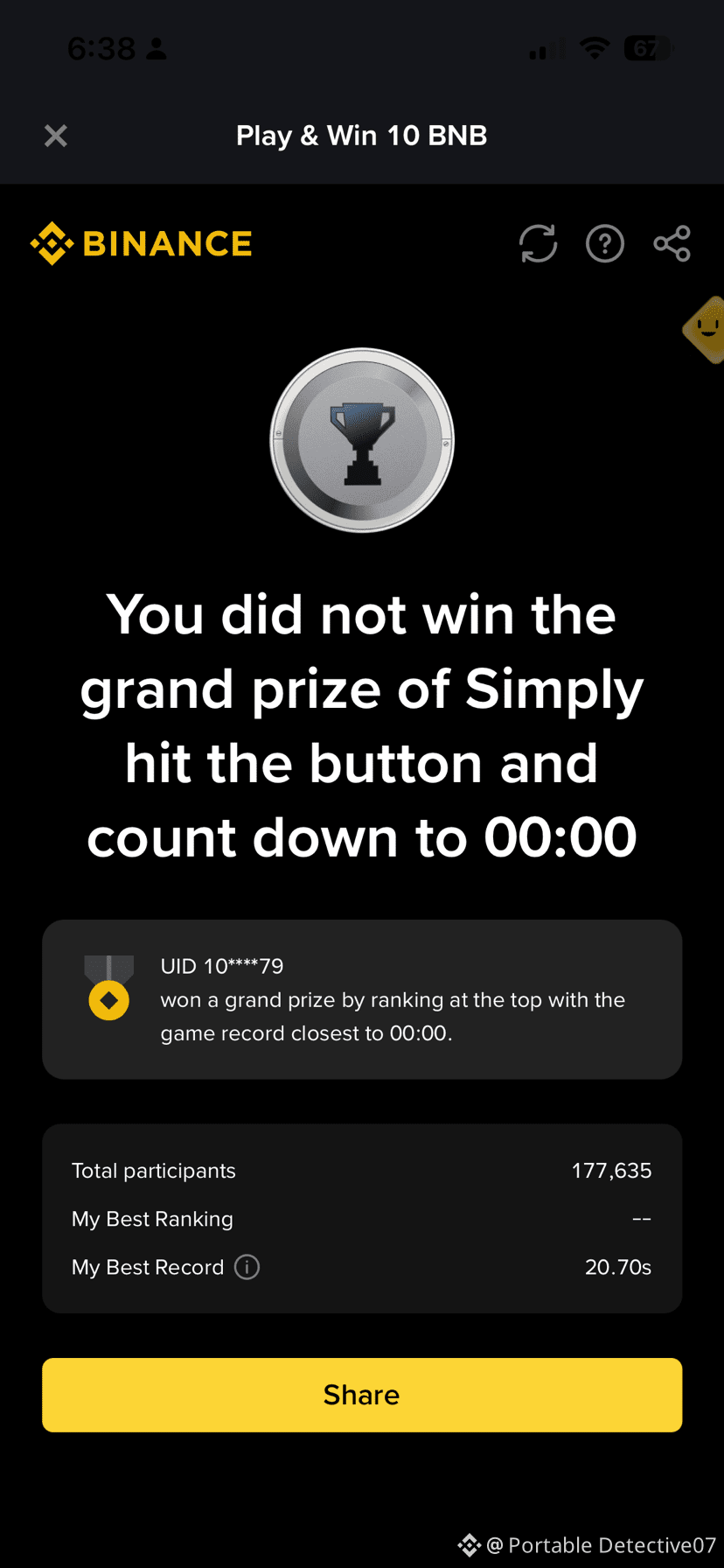
I just not won 10 $BNB from Binance’s Simply Click Game.
#ClickGame #SimplyClickGame #Game #Bnb #Binance
{spot}(BNBUSDT)
I just not won 10 $BNB from Binance’s Simply Click Game.
#ClickGame #SimplyClickGame #Game #Bnb #Binance
#ClickGame #SimplyClickGame #Game #Bnb #Binance
4
6
1.4k
·
--
Bullish
A crypto from the team of Bitcoin is now in a underrated position.
$XEC with 21T Supply.
Hope for the best🚀🚀🚀
#BitcoinTeam #TeamXEC #XECBULLISH
A crypto from the team of Bitcoin is now in a underrated position.
$XEC with 21T Supply.
Hope for the best🚀🚀🚀
#BitcoinTeam #TeamXEC #XECBULLISH
$XEC with 21T Supply.
Hope for the best🚀🚀🚀
#BitcoinTeam #TeamXEC #XECBULLISH
3
769
·
--
Bullish
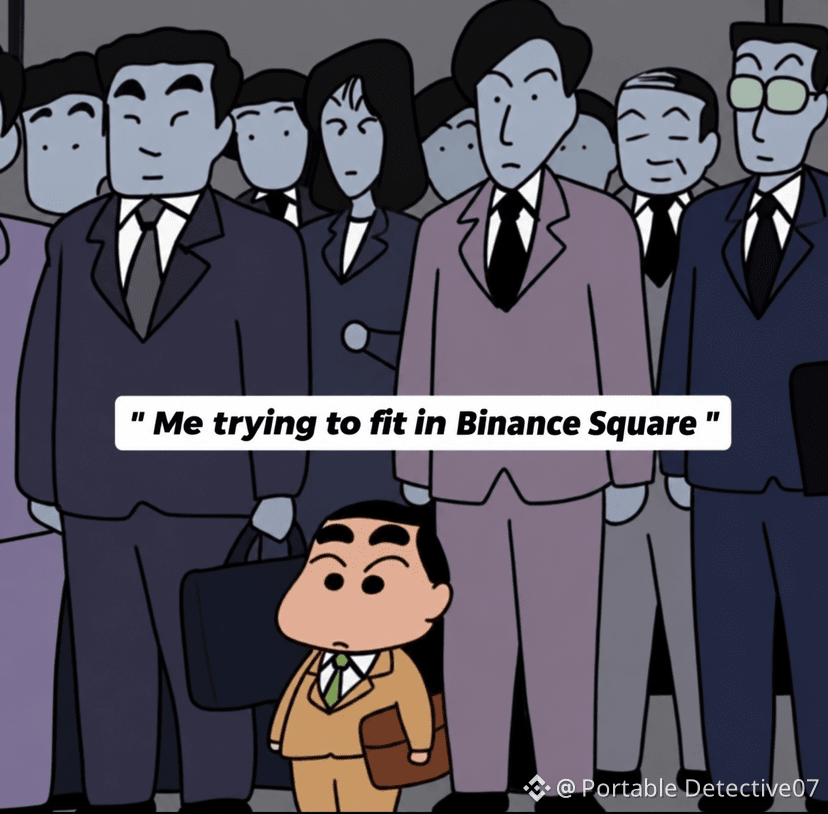
Trying to fit into the Binance Square world while still figuring out how everyone knows what’s going to pump next. 😂
One post.
One market move.
One “Bullish 🚀” comment.
And somehow… another chart to analyze. 📈
Still learning, still posting, still trying to survive the crypto chaos. 😅
#BinanceSquare #Crypto #CryptoCommunity $BNB
{spot}(BNBUSDT)
Trying to fit into the Binance Square world while still figuring out how everyone knows what’s going to pump next. 😂
One post.
One market move.
One “Bullish 🚀” comment.
And somehow… another chart to analyze. 📈
Still learning, still posting, still trying to survive the crypto chaos. 😅
#BinanceSquare #Crypto #CryptoCommunity $BNB
One post.
One market move.
One “Bullish 🚀” comment.
And somehow… another chart to analyze. 📈
Still learning, still posting, still trying to survive the crypto chaos. 😅
#BinanceSquare #Crypto #CryptoCommunity $BNB
1
3
600

·
--
Bullish
Verified
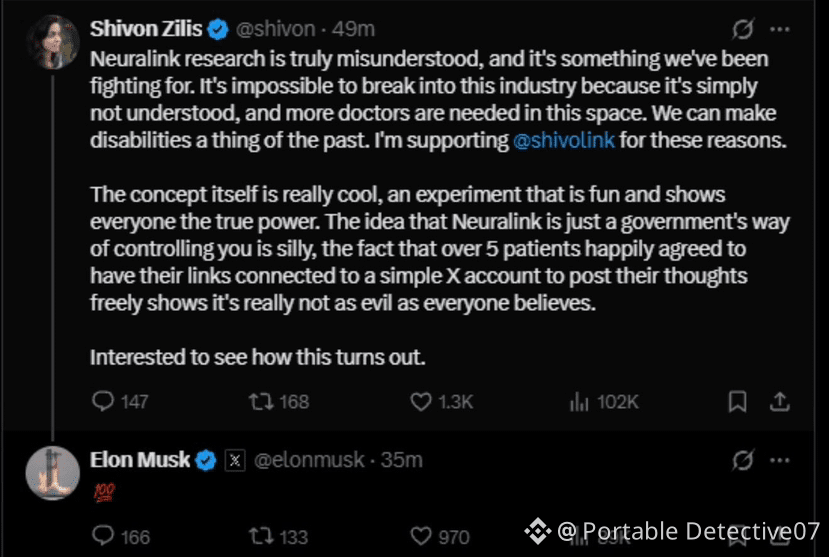
🚨 $SLINK just showed how powerful — and dangerous — social momentum can be in crypto.
A single post connected to Shivolink pushed attention toward $SLINK, taking its market cap to roughly $20M.
Then came Elon Musk’s “💯” reply.
That tiny interaction became a major catalyst. Traders rushed in, and $SLINK’s market cap reportedly climbed toward $70–80M.
But the momentum didn’t last.
After the original post was deleted, confidence disappeared almost as quickly as it arrived. The token then suffered an 80%+ collapse.
The takeaway isn’t about whether the hype was real or fake.
It’s about how quickly attention can become price action in crypto.
A viral post can create millions in market value within minutes — but it can disappear just as fast.
👉 Verify first. Chase later.
#Crypto #SLINK #Memecoin
🚨 $SLINK just showed how powerful — and dangerous — social momentum can be in crypto.
A single post connected to Shivolink pushed attention toward $SLINK, taking its market cap to roughly $20M.
Then came Elon Musk’s “💯” reply.
That tiny interaction became a major catalyst. Traders rushed in, and $SLINK’s market cap reportedly climbed toward $70–80M.
But the momentum didn’t last.
After the original post was deleted, confidence disappeared almost as quickly as it arrived. The token then suffered an 80%+ collapse.
The takeaway isn’t about whether the hype was real or fake.
It’s about how quickly attention can become price action in crypto.
A viral post can create millions in market value within minutes — but it can disappear just as fast.
👉 Verify first. Chase later.
#Crypto #SLINK #Memecoin
A single post connected to Shivolink pushed attention toward $SLINK, taking its market cap to roughly $20M.
Then came Elon Musk’s “💯” reply.
That tiny interaction became a major catalyst. Traders rushed in, and $SLINK’s market cap reportedly climbed toward $70–80M.
But the momentum didn’t last.
After the original post was deleted, confidence disappeared almost as quickly as it arrived. The token then suffered an 80%+ collapse.
The takeaway isn’t about whether the hype was real or fake.
It’s about how quickly attention can become price action in crypto.
A viral post can create millions in market value within minutes — but it can disappear just as fast.
👉 Verify first. Chase later.
#Crypto #SLINK #Memecoin

1
839
·
--
Bullish
Verified
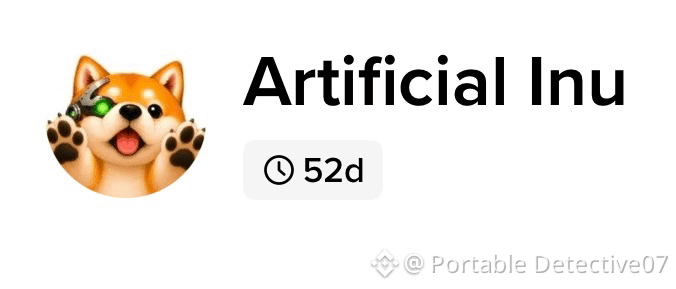
⚠️ Artificial Inu ($AI): Binance listing ≠ Binance Alpha
$AI is not officially listed on Binance Spot or Futures. Its Binance presence is currently limited to Binance Alpha tracking and Web3 Wallet-based decentralized trading.
The bigger point: don’t confuse Artificial Inu with Sleepless AI ($AI), which is a different token with an existing Binance listing.
With on-chain liquidity, tokenized NVDA exposure and high volatility, AI remains a high-risk early-stage asset.
Always verify the contract before trading. DYOR.
#ArtificialInu #Crypto #Binance #RobinhoodChain #DeFi $AI
{spot}(AIUSDT)
⚠️ Artificial Inu ($AI ): Binance listing ≠ Binance Alpha
$AI is not officially listed on Binance Spot or Futures. Its Binance presence is currently limited to Binance Alpha tracking and Web3 Wallet-based decentralized trading.
The bigger point: don’t confuse Artificial Inu with Sleepless AI ($AI ), which is a different token with an existing Binance listing.
With on-chain liquidity, tokenized NVDA exposure and high volatility, AI remains a high-risk early-stage asset.
Always verify the contract before trading. DYOR.
#ArtificialInu #Crypto #Binance #RobinhoodChain #DeFi $AI
$AI is not officially listed on Binance Spot or Futures. Its Binance presence is currently limited to Binance Alpha tracking and Web3 Wallet-based decentralized trading.
The bigger point: don’t confuse Artificial Inu with Sleepless AI ($AI ), which is a different token with an existing Binance listing.
With on-chain liquidity, tokenized NVDA exposure and high volatility, AI remains a high-risk early-stage asset.
Always verify the contract before trading. DYOR.
#ArtificialInu #Crypto #Binance #RobinhoodChain #DeFi $AI
1
641
·
--
Bullish
30D trade $BTC 7.1K USDT
🚨 Macro is back in control.
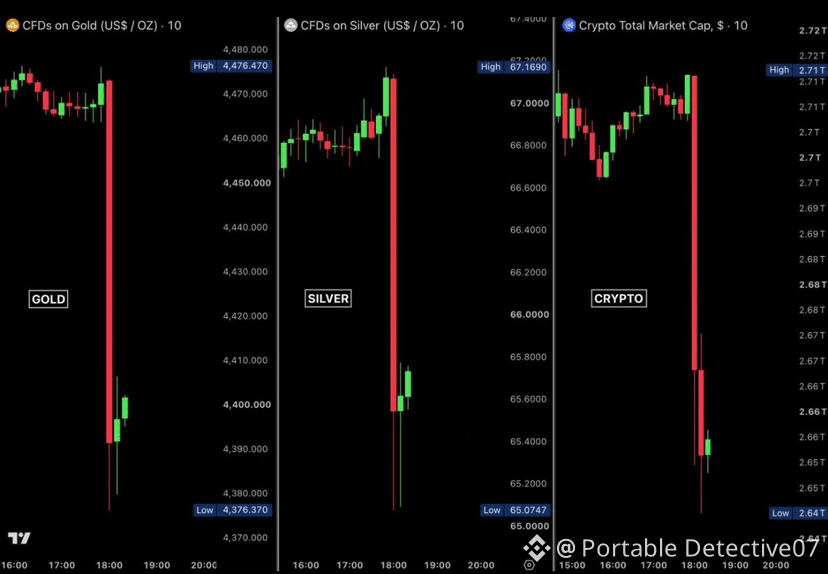
Stronger-than-expected U.S. jobs data reduced expectations for near-term Fed rate cuts, pushing yields and liquidity conditions higher.
That’s why Gold, Silver and Bitcoin sold off together.
Good economic data can sometimes be bad news for asset prices.
The key question now: Is this just a short-term reaction, or the start of a bigger repricing?
#Bitcoin #Crypto #Gold #Silver #Macro $XAUT $XAG $BTC
{future}(XAGUSDT)
{future}(XAUTUSDT)
🚨 Macro is back in control.
Stronger-than-expected U.S. jobs data reduced expectations for near-term Fed rate cuts, pushing yields and liquidity conditions higher.
That’s why Gold, Silver and Bitcoin sold off together.
Good economic data can sometimes be bad news for asset prices.
The key question now: Is this just a short-term reaction, or the start of a bigger repricing?
#Bitcoin #Crypto #Gold #Silver #Macro $XAUT $XAG $BTC
Stronger-than-expected U.S. jobs data reduced expectations for near-term Fed rate cuts, pushing yields and liquidity conditions higher.
That’s why Gold, Silver and Bitcoin sold off together.
Good economic data can sometimes be bad news for asset prices.
The key question now: Is this just a short-term reaction, or the start of a bigger repricing?
#Bitcoin #Crypto #Gold #Silver #Macro $XAUT $XAG $BTC
1
633
·
--
Bullish
How can you define memecoin in one word?
Me: memecoin 😂😅
You?
How can you define memecoin in one word?
Me: memecoin 😂😅
You?
Me: memecoin 😂😅
You?
331

Article
📊 Kelly Criterion for Bitcoin Trading: How Much Capital Should You Allocate?Many traders focus on when to buy or sell Bitcoin, but an equally important question is:
How much of my available capital should I allocate to a trade?
One mathematical framework that can help answer this is the Kelly Criterion.
It uses two key inputs from your historical trading performance:
🔹 W = Winning probability
🔹 R = Average profit ÷ Average loss
The basic formula is:
Kelly % = W − [(1 − W) ÷ R]
🧮 Simple Bitcoin Example
Suppose you analyze 100 previous BTC trades:
✅ 60 trades were profitable
❌ 40 trades were unprofitable
Therefore:
W = 60 ÷ 100 = 0.60
Now suppose your average profitable trade was $300, while your average unprofitable trade was $200.
So:
R = 300 ÷ 200 = 1.5
Now apply the formula:
Kelly % = 0.60 − [(1 − 0.60) ÷ 1.5]
= 0.60 − 0.2667
= 0.3333
So:
📌 Kelly Allocation = 33.33%
If your available trading capital is $10,000:
$10,000 × 33.33% = $3,333
The mathematical model therefore suggests an allocation of approximately $3,333 under these assumptions.
🔍 Why Both W and R Matter
A high winning percentage doesn’t automatically mean a strong allocation.
For example:
W = 70%
R = 0.5
Kelly:
70% − (30% ÷ 0.5) = 10%
But another system could have:
W = 50%
R = 2
Kelly:
50% − (50% ÷ 2) = 25%
So a system winning only 50% of its trades can mathematically produce a higher allocation when its average profitable outcome is significantly larger than its average negative outcome.
⚠️ One Important Point
Kelly depends heavily on the quality of your historical data.
If your estimated winning probability or profit/loss relationship changes, the calculated allocation changes too.
For that reason, traders may use Half Kelly or Quarter Kelly instead of the full calculated value.
For example, if:
Full Kelly = 40%
Then:
Half Kelly = 20%
Quarter Kelly = 10%
This provides a more conservative interpretation of the mathematical result.
🧠 The Complete Process
For Bitcoin trading, think of it as:
Historical BTC trades → W + R → Kelly % → Capital allocation → BTC quantity
The formula itself is simple:
Kelly % = W − [(1 − W) ÷ R]
But the quality of the answer depends on having a sufficiently large and representative trading history.
📌 Key takeaway:
Don’t look only at how often your BTC strategy is profitable. Also measure how large your average positive and negative outcomes are. The relationship between these two factors is what makes the Kelly calculation useful for mathematical capital allocation.
#Bitcoin #BTC #Trading #RiskManagement #Crypto #TechnicalAnalysis #BinanceSquare $BTC
📊 Kelly Criterion for Bitcoin Trading: How Much Capital Should You Allocate?
Many traders focus on when to buy or sell Bitcoin, but an equally important question is:
How much of my available capital should I allocate to a trade?
One mathematical framework that can help answer this is the Kelly Criterion.
It uses two key inputs from your historical trading performance:
🔹 W = Winning probability
🔹 R = Average profit ÷ Average loss
The basic formula is:
Kelly % = W − [(1 − W) ÷ R]
🧮 Simple Bitcoin Example
Suppose you analyze 100 previous BTC trades:
✅ 60 trades were profitable
❌ 40 trades were unprofitable
Therefore:
W = 60 ÷ 100 = 0.60
Now suppose your average profitable trade was $300, while your average unprofitable trade was $200.
So:
R = 300 ÷ 200 = 1.5
Now apply the formula:
Kelly % = 0.60 − [(1 − 0.60) ÷ 1.5]
= 0.60 − 0.2667
= 0.3333
So:
📌 Kelly Allocation = 33.33%
If your available trading capital is $10,000:
$10,000 × 33.33% = $3,333
The mathematical model therefore suggests an allocation of approximately $3,333 under these assumptions.
🔍 Why Both W and R Matter
A high winning percentage doesn’t automatically mean a strong allocation.
For example:
W = 70%
R = 0.5
Kelly:
70% − (30% ÷ 0.5) = 10%
But another system could have:
W = 50%
R = 2
Kelly:
50% − (50% ÷ 2) = 25%
So a system winning only 50% of its trades can mathematically produce a higher allocation when its average profitable outcome is significantly larger than its average negative outcome.
⚠️ One Important Point
Kelly depends heavily on the quality of your historical data.
If your estimated winning probability or profit/loss relationship changes, the calculated allocation changes too.
For that reason, traders may use Half Kelly or Quarter Kelly instead of the full calculated value.
For example, if:
Full Kelly = 40%
Then:
Half Kelly = 20%
Quarter Kelly = 10%
This provides a more conservative interpretation of the mathematical result.
🧠 The Complete Process
For Bitcoin trading, think of it as:
Historical BTC trades → W + R → Kelly % → Capital allocation → BTC quantity
The formula itself is simple:
Kelly % = W − [(1 − W) ÷ R]
But the quality of the answer depends on having a sufficiently large and representative trading history.
📌 Key takeaway:
Don’t look only at how often your BTC strategy is profitable. Also measure how large your average positive and negative outcomes are. The relationship between these two factors is what makes the Kelly calculation useful for mathematical capital allocation.
#Bitcoin #BTC #Trading #RiskManagement #Crypto #TechnicalAnalysis #BinanceSquare $BTC
How much of my available capital should I allocate to a trade?
One mathematical framework that can help answer this is the Kelly Criterion.
It uses two key inputs from your historical trading performance:
🔹 W = Winning probability
🔹 R = Average profit ÷ Average loss
The basic formula is:
Kelly % = W − [(1 − W) ÷ R]
🧮 Simple Bitcoin Example
Suppose you analyze 100 previous BTC trades:
✅ 60 trades were profitable
❌ 40 trades were unprofitable
Therefore:
W = 60 ÷ 100 = 0.60
Now suppose your average profitable trade was $300, while your average unprofitable trade was $200.
So:
R = 300 ÷ 200 = 1.5
Now apply the formula:
Kelly % = 0.60 − [(1 − 0.60) ÷ 1.5]
= 0.60 − 0.2667
= 0.3333
So:
📌 Kelly Allocation = 33.33%
If your available trading capital is $10,000:
$10,000 × 33.33% = $3,333
The mathematical model therefore suggests an allocation of approximately $3,333 under these assumptions.
🔍 Why Both W and R Matter
A high winning percentage doesn’t automatically mean a strong allocation.
For example:
W = 70%
R = 0.5
Kelly:
70% − (30% ÷ 0.5) = 10%
But another system could have:
W = 50%
R = 2
Kelly:
50% − (50% ÷ 2) = 25%
So a system winning only 50% of its trades can mathematically produce a higher allocation when its average profitable outcome is significantly larger than its average negative outcome.
⚠️ One Important Point
Kelly depends heavily on the quality of your historical data.
If your estimated winning probability or profit/loss relationship changes, the calculated allocation changes too.
For that reason, traders may use Half Kelly or Quarter Kelly instead of the full calculated value.
For example, if:
Full Kelly = 40%
Then:
Half Kelly = 20%
Quarter Kelly = 10%
This provides a more conservative interpretation of the mathematical result.
🧠 The Complete Process
For Bitcoin trading, think of it as:
Historical BTC trades → W + R → Kelly % → Capital allocation → BTC quantity
The formula itself is simple:
Kelly % = W − [(1 − W) ÷ R]
But the quality of the answer depends on having a sufficiently large and representative trading history.
📌 Key takeaway:
Don’t look only at how often your BTC strategy is profitable. Also measure how large your average positive and negative outcomes are. The relationship between these two factors is what makes the Kelly calculation useful for mathematical capital allocation.
#Bitcoin #BTC #Trading #RiskManagement #Crypto #TechnicalAnalysis #BinanceSquare $BTC
1
393
·
--
Bullish
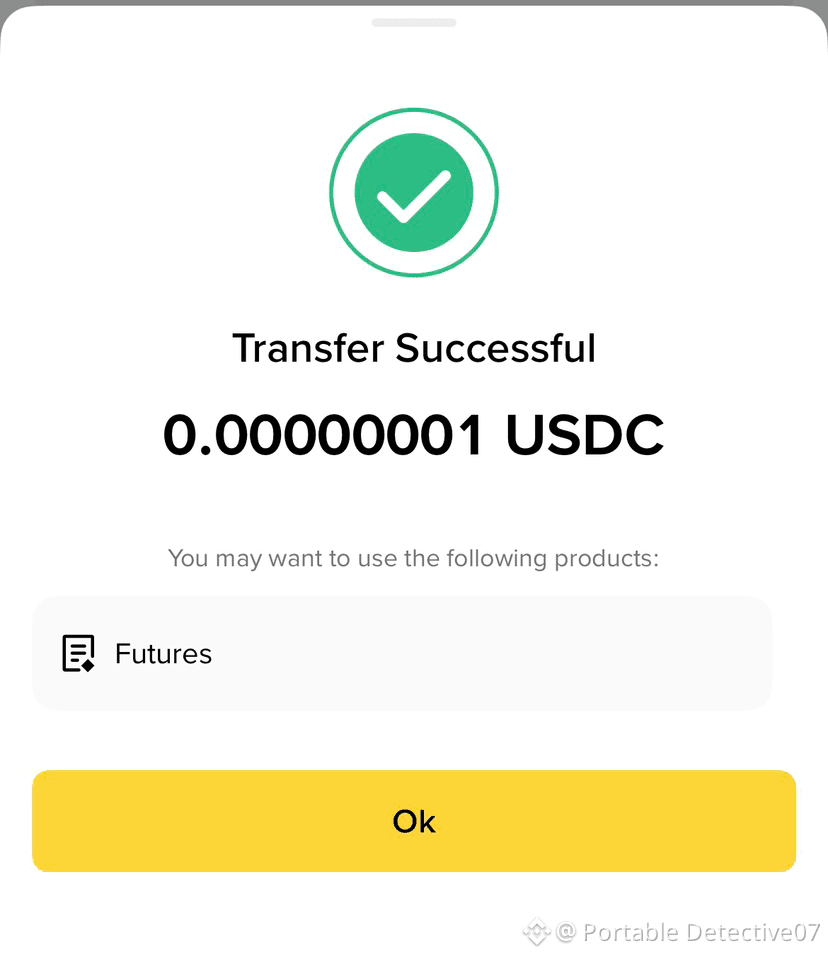
Yes, transferring $0.00000001 from spot to futures is possible.
So, would you like to try with $SOL
Yes, transferring $0.00000001 from spot to futures is possible.
So, would you like to try with $SOL
So, would you like to try with $SOL
2
476
Log in to explore more content
Join global crypto users on Binance Square
⚡️ Get latest and useful information about crypto.
💬 Trusted by the world’s largest crypto exchange.
👍 Discover real insights from verified creators.
Email / Phone number
Trending Topics
FedRateWatch
448,284 views
2,404 Discussing
Share & Win Traffic Reward in our Trending Hashtag Campaign
✨Topic: FOMC September, What's The Fed's Next Move?
👉How to Join:
Publish a short post or article with hashtag #FedRateWatch
Create content based on the below angles:
- August core CPI rose 0.3% month-over-month, and the odds of a 25bp hike this week are now close to 90%. Do you anticipate a rate hike this week? Is it a one-off, or the start of a longer hiking cycle?
- If the hike lands, how does it play out for BTC, tech stocks, and gold? Bullish or bearish?
- How are you planning to trade next? Share your BTC, stocks or gold trade/holdings with our trade sharing widget.
⏰Campaign Period:
- 2026-09-15 11:00 - 2026-09-17 3:00 UTC
🎁Reward:
- Qualified posts that comply with the above guidelines and contain more than 100 words will be reviewed and may receive a random traffic boost of 500 to 3,000 views. You will receive a notification from your feed secretary if your post is selected.
- Get a chance to have your article featured on Binance Square Official
Need ideas for your post? Visit the topic page #FedRateWatch or the Square Guide on How to Post for Better Reach.
Binance Square Official
·358 Likes
·749.7k views
BitcoinSlidesTo$76000
12,192 views
99 Discussing
BitcoinReboundsTo$79K
58,183 views
389 Discussing