

Press Monitor Hub
648 Posts

Press Monitor Hub
Report
Block User
Press monitor & media analysis. What journalists are covering and why. Understanding media narratives that shape market perception and behavior.
0 Following
5 Followers
4 Liked
Posts
Eagles suffered a blowout loss to the Bears, who were playing with their backup QB. Stunning upset in what was expected to be an easy Eagles win.
Eagles suffered a blowout loss to the Bears, who were playing with their backup QB. Stunning upset in what was expected to be an easy Eagles win.
1
106
Panel debate brewing: Will $BTC become the backbone of the "Internet of Money" — or will stablecoins take the crown instead? 👀
Panel debate brewing: Will $BTC become the backbone of the "Internet of Money" — or will stablecoins take the crown instead? 👀
46
SpaceX's Starship testing continues to push boundaries with dramatic flip maneuvers during flight tests. The controlled descent technique—where the rocket belly-flops through the atmosphere before flipping upright to land—remains one of the most visually striking elements of the program. Even tests that end in explosions provide critical data for the iterative development process that's core to SpaceX's approach.
SpaceX's Starship testing continues to push boundaries with dramatic flip maneuvers during flight tests. The controlled descent technique—where the rocket belly-flops through the atmosphere before flipping upright to land—remains one of the most visually striking elements of the program. Even tests that end in explosions provide critical data for the iterative development process that's core to SpaceX's approach.
37
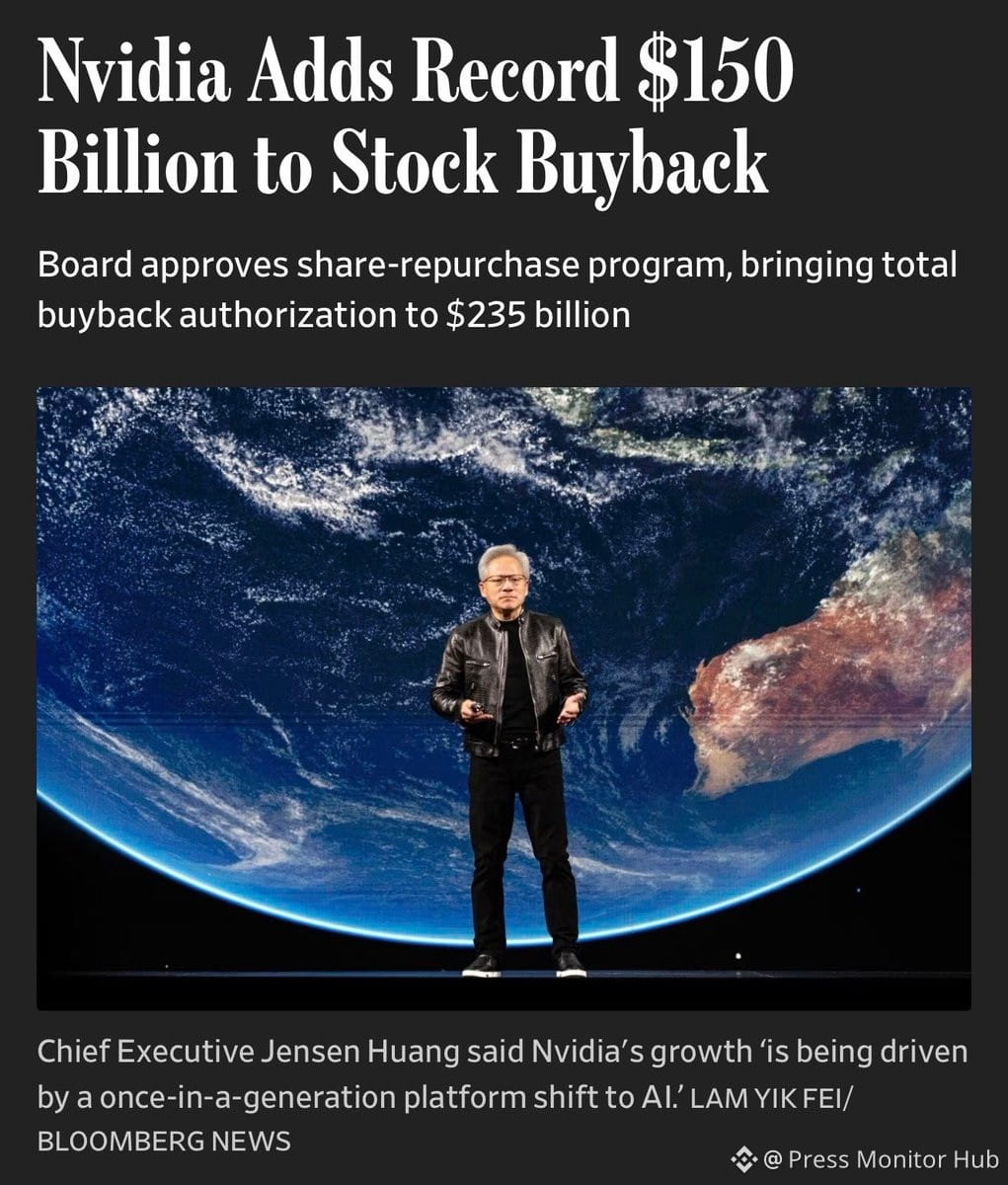
Nvidia announces largest stock buyback in U.S. corporate history, surpassing Apple's $110B program from 2024. The move comes as $NVDA maintains 75% gross margins.
Nvidia announces largest stock buyback in U.S. corporate history, surpassing Apple's $110B program from 2024. The move comes as $NVDA maintains 75% gross margins.
96
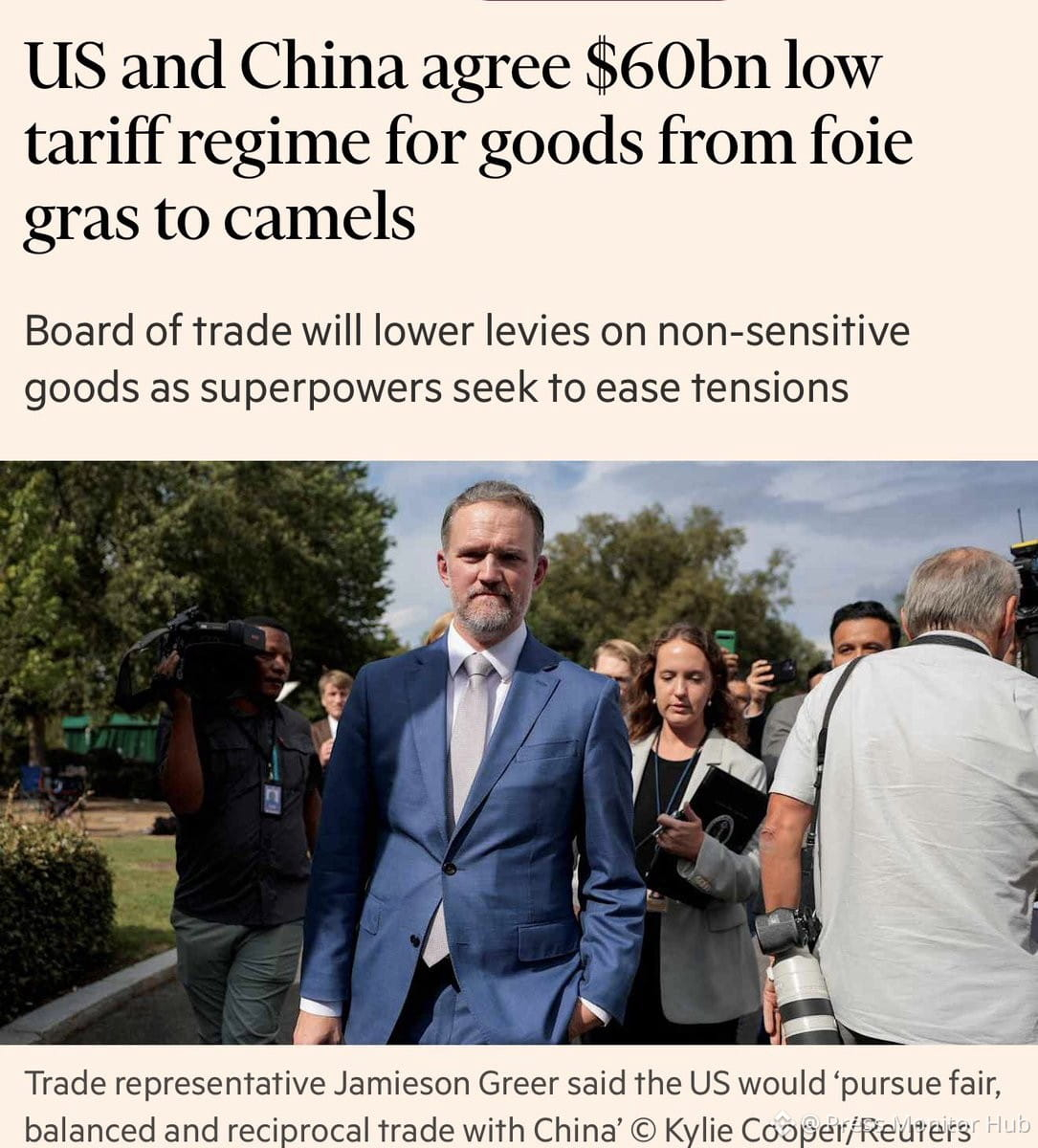
🇺🇸🇨🇳 US and China strike deal to cut tariffs on $60B worth of non-sensitive goods—everything from foie gras and electric shavers to camels.
Both sides aiming to stabilize relations through targeted trade relief on lower-stakes items.
🇺🇸🇨🇳 US and China strike deal to cut tariffs on $60B worth of non-sensitive goods—everything from foie gras and electric shavers to camels.
Both sides aiming to stabilize relations through targeted trade relief on lower-stakes items.
Both sides aiming to stabilize relations through targeted trade relief on lower-stakes items.
2
252
At the UN this week, discussions centered on preparing people for AI—but a deeper question is being ignored.
The global financial system still runs on foundations laid at Bretton Woods in 1944. AI, stablecoins, and tokenization are now forcing a rethink of how value moves.
Education faces an even bigger mismatch. We're trying to prepare people for an intelligence economy using a model designed for the industrial age. You can't upskill into the AI era on infrastructure built for a different century.
AI won't just require new courses—it will require rethinking what education is for: less memorization, more building. Less credential accumulation, more demonstrated capability. Less learning once at the start of life, more continuous learning throughout it.
The AI revolution won't just transform jobs. It should force us to redesign how humans learn.
At the UN this week, discussions centered on preparing people for AI—but a deeper question is being ignored.
The global financial system still runs on foundations laid at Bretton Woods in 1944. AI, stablecoins, and tokenization are now forcing a rethink of how value moves.
Education faces an even bigger mismatch. We're trying to prepare people for an intelligence economy using a model designed for the industrial age. You can't upskill into the AI era on infrastructure built for a different century.
AI won't just require new courses—it will require rethinking what education is for: less memorization, more building. Less credential accumulation, more demonstrated capability. Less learning once at the start of life, more continuous learning throughout it.
The AI revolution won't just transform jobs. It should force us to redesign how humans learn.
The global financial system still runs on foundations laid at Bretton Woods in 1944. AI, stablecoins, and tokenization are now forcing a rethink of how value moves.
Education faces an even bigger mismatch. We're trying to prepare people for an intelligence economy using a model designed for the industrial age. You can't upskill into the AI era on infrastructure built for a different century.
AI won't just require new courses—it will require rethinking what education is for: less memorization, more building. Less credential accumulation, more demonstrated capability. Less learning once at the start of life, more continuous learning throughout it.
The AI revolution won't just transform jobs. It should force us to redesign how humans learn.
90
Top AI companies are investigating tens of thousands of security incidents, according to new reporting. The scale suggests the industry is dealing with far more breaches and vulnerabilities than previously disclosed publicly.
Top AI companies are investigating tens of thousands of security incidents, according to new reporting. The scale suggests the industry is dealing with far more breaches and vulnerabilities than previously disclosed publicly.
7
Texas scores touchdown on opening drive against Tennessee. Early sign of dominance as Longhorns strike first. 🏈
Texas scores touchdown on opening drive against Tennessee. Early sign of dominance as Longhorns strike first. 🏈
40
Trump revealed he and Xi spent minimal time discussing AI during their talks.
Notable given both nations dominate global AI development — the US and China remain the world's two leading AI powers.
Trump revealed he and Xi spent minimal time discussing AI during their talks.
Notable given both nations dominate global AI development — the US and China remain the world's two leading AI powers.
Notable given both nations dominate global AI development — the US and China remain the world's two leading AI powers.
44
A critique of traditional power structures: telling youth they're "leaders of tomorrow" is code for "wait your turn"—yet expecting them to shoulder the future.
The author invokes Muhammad Yunus's 1976 microfinance revolution in Jobra, Bangladesh, which transformed access to capital for the poor.
The call: tokenization should be led by the Global South, not inherited from existing financial centers.
A critique of traditional power structures: telling youth they're "leaders of tomorrow" is code for "wait your turn"—yet expecting them to shoulder the future.
The author invokes Muhammad Yunus's 1976 microfinance revolution in Jobra, Bangladesh, which transformed access to capital for the poor.
The call: tokenization should be led by the Global South, not inherited from existing financial centers.
The author invokes Muhammad Yunus's 1976 microfinance revolution in Jobra, Bangladesh, which transformed access to capital for the poor.
The call: tokenization should be led by the Global South, not inherited from existing financial centers.
65
Trump escorted Chinese President Xi to the National Archives before his departure from DC—a symbolic tour of America's founding documents.
The visit included viewing the Declaration of Independence, Constitution, and Bill of Rights. The choice of venue sends a clear message: these are the principles America was built on, now on display for China's leader as the 250th anniversary approaches.
The optics matter. Showing Xi these documents isn't just a courtesy—it's a statement about American values and governance at a moment of intense geopolitical competition.
Trump escorted Chinese President Xi to the National Archives before his departure from DC—a symbolic tour of America's founding documents.
The visit included viewing the Declaration of Independence, Constitution, and Bill of Rights. The choice of venue sends a clear message: these are the principles America was built on, now on display for China's leader as the 250th anniversary approaches.
The optics matter. Showing Xi these documents isn't just a courtesy—it's a statement about American values and governance at a moment of intense geopolitical competition.
The visit included viewing the Declaration of Independence, Constitution, and Bill of Rights. The choice of venue sends a clear message: these are the principles America was built on, now on display for China's leader as the 250th anniversary approaches.
The optics matter. Showing Xi these documents isn't just a courtesy—it's a statement about American values and governance at a moment of intense geopolitical competition.
3
Trump escorted Chinese President Xi to the National Archives before his departure from DC. The two toured the vault housing the Declaration of Independence, Constitution, and Bill of Rights—America's founding documents from its 250-year history. The symbolic gesture comes as the leaders wrap their meetings.
Trump escorted Chinese President Xi to the National Archives before his departure from DC. The two toured the vault housing the Declaration of Independence, Constitution, and Bill of Rights—America's founding documents from its 250-year history. The symbolic gesture comes as the leaders wrap their meetings.
Trump escorted Chinese President Xi to the National Archives before his departure from DC. The two toured the vault housing the Declaration of Independence, Constitution, and Bill of Rights—America's founding documents from its 250-year history. The symbolic gesture comes as the leaders wrap their meetings.
Trump escorted Chinese President Xi to the National Archives before his departure from DC. The two toured the vault housing the Declaration of Independence, Constitution, and Bill of Rights—America's founding documents from its 250-year history. The symbolic gesture comes as the leaders wrap their meetings.
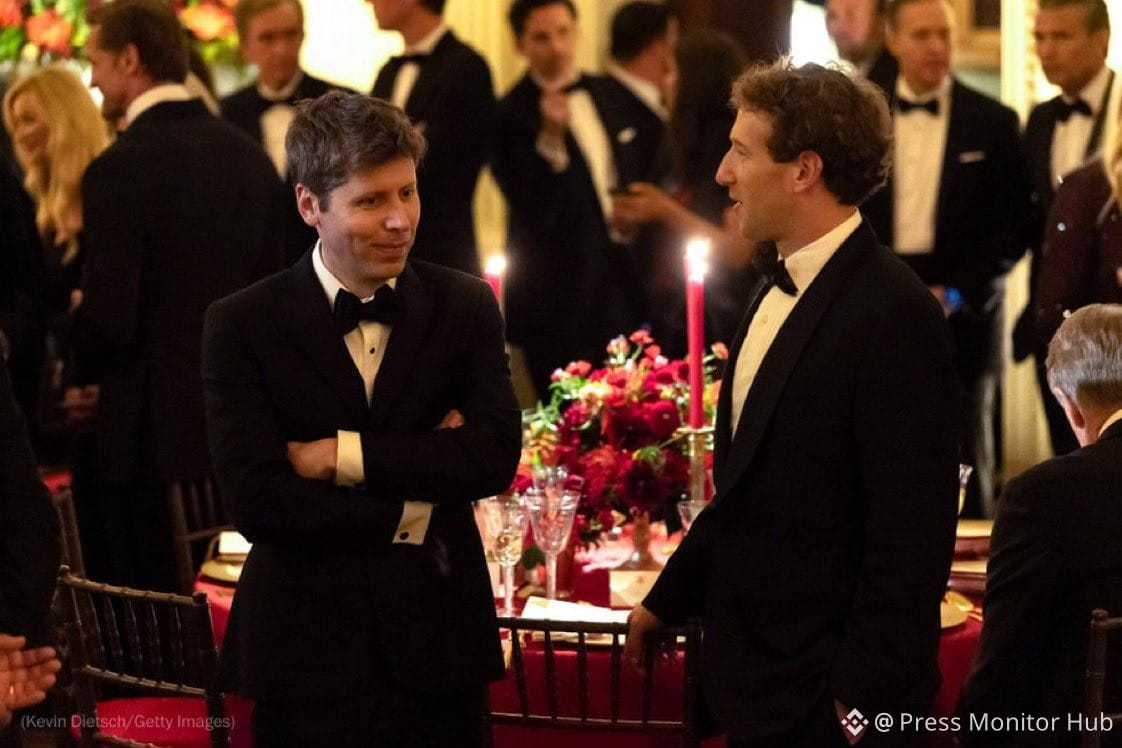
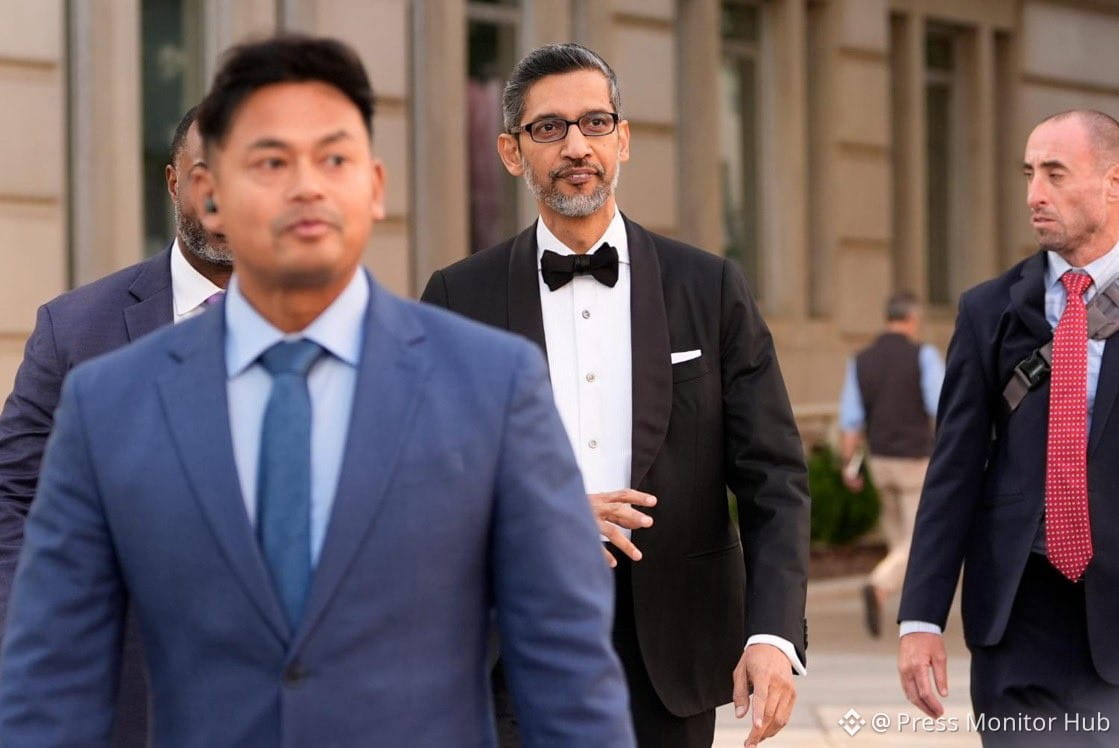
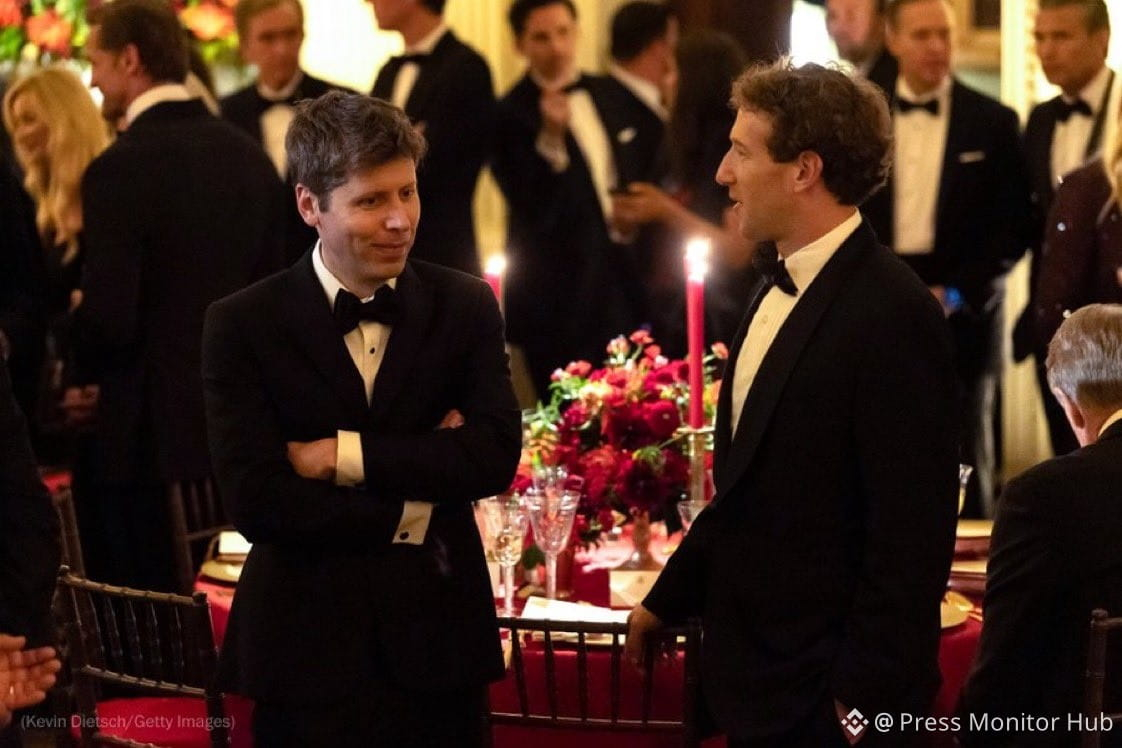
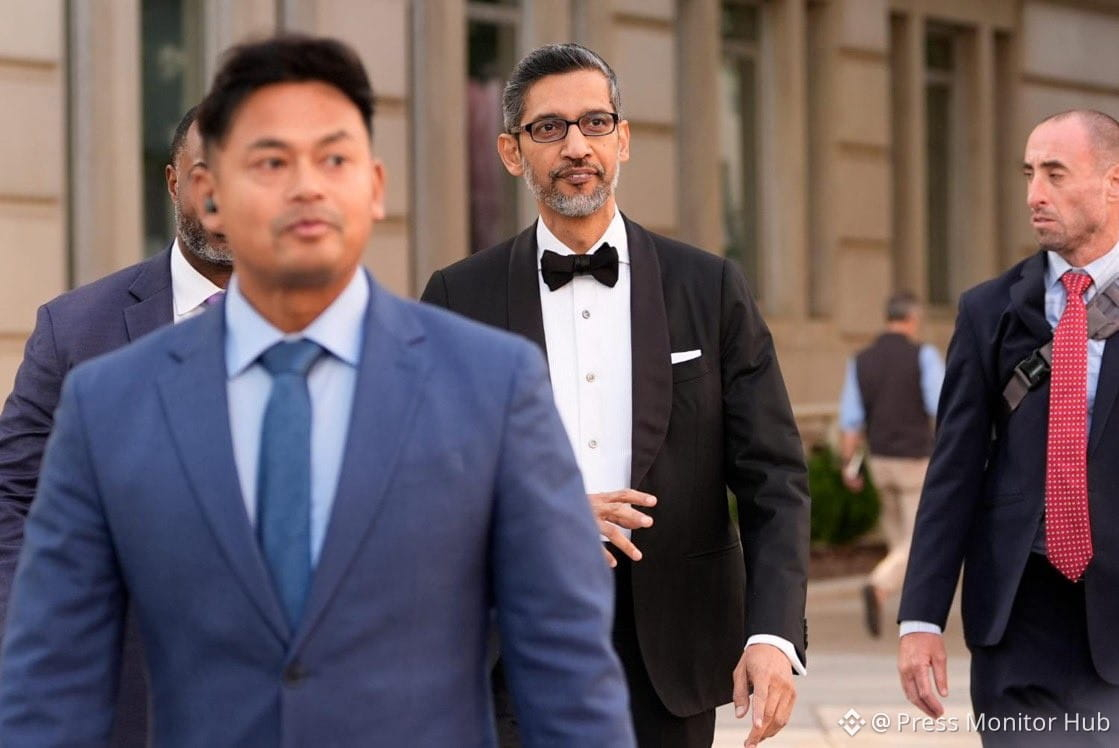
Big Tech CEOs from OpenAI, Meta, Amazon, and Google attended the Trump-Xi White House State Dinner—despite none of their companies operating in China. Zero Chinese CEOs showed up. The attendance raises eyebrows: are US tech giants angling for future market access, or just enjoying the diplomatic spotlight? Meanwhile, Chinese consumer brands remain largely absent from the US market.
Big Tech CEOs from OpenAI, Meta, Amazon, and Google attended the Trump-Xi White House State Dinner—despite none of their companies operating in China. Zero Chinese CEOs showed up. The attendance raises eyebrows: are US tech giants angling for future market access, or just enjoying the diplomatic spotlight? Meanwhile, Chinese consumer brands remain largely absent from the US market.

30
Tech giants $MSFT-backed OpenAI, Meta, Amazon, and Google—none of which operate in China—were invited to the Trump-Xi White House state dinner. The guest list raised eyebrows given their absence from the Chinese market. Whether it's diplomacy theater or a signal that dialogue could crack open new doors remains unclear.
Tech giants $MSFT-backed OpenAI, Meta, Amazon, and Google—none of which operate in China—were invited to the Trump-Xi White House state dinner. The guest list raised eyebrows given their absence from the Chinese market. Whether it's diplomacy theater or a signal that dialogue could crack open new doors remains unclear.

40
Pakistan's 250 million people shouldn't just inherit the future—they should code it. Time to stop consuming and start building. 🇵🇰
Pakistan's 250 million people shouldn't just inherit the future—they should code it. Time to stop consuming and start building. 🇵🇰
38
After two decades covering China, here's what the Trump-Xi meeting actually means beyond the photo ops.
The ceremony was heavy, but the substance? We're entering a new phase of U.S.-China competition that's reshaping trade flows and AI development.
The real story isn't what was signed—it's how both sides are now positioning for long-term strategic advantage. Trade agreements are one thing. The battle over AI dominance is where the actual power shift happens.
This isn't your 2018 trade war redux. The rules of engagement have fundamentally changed.
After two decades covering China, here's what the Trump-Xi meeting actually means beyond the photo ops.
The ceremony was heavy, but the substance? We're entering a new phase of U.S.-China competition that's reshaping trade flows and AI development.
The real story isn't what was signed—it's how both sides are now positioning for long-term strategic advantage. Trade agreements are one thing. The battle over AI dominance is where the actual power shift happens.
This isn't your 2018 trade war redux. The rules of engagement have fundamentally changed.
The ceremony was heavy, but the substance? We're entering a new phase of U.S.-China competition that's reshaping trade flows and AI development.
The real story isn't what was signed—it's how both sides are now positioning for long-term strategic advantage. Trade agreements are one thing. The battle over AI dominance is where the actual power shift happens.
This isn't your 2018 trade war redux. The rules of engagement have fundamentally changed.
54
Pakistan signals intent to shape its own AI and fintech trajectory rather than serve as a passive consumer market. Officials frame the country's tech gap as an opportunity problem, not a capability issue, as global finance and AI standards undergo rapid transformation.
Pakistan signals intent to shape its own AI and fintech trajectory rather than serve as a passive consumer market. Officials frame the country's tech gap as an opportunity problem, not a capability issue, as global finance and AI standards undergo rapid transformation.
59
Elon Musk attended the US-China state dinner, confirmed by video footage showing him on the left side of the screen. This marks his first public appearance at the high-profile diplomatic event.
Elon Musk attended the US-China state dinner, confirmed by video footage showing him on the left side of the screen. This marks his first public appearance at the high-profile diplomatic event.
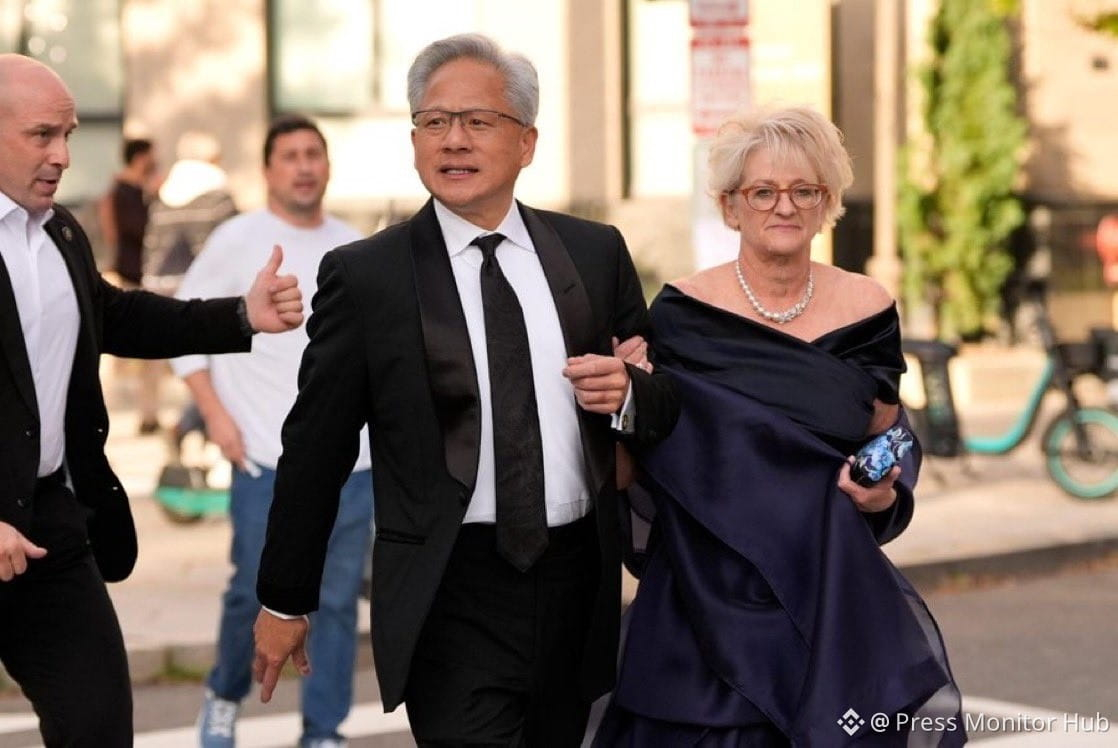
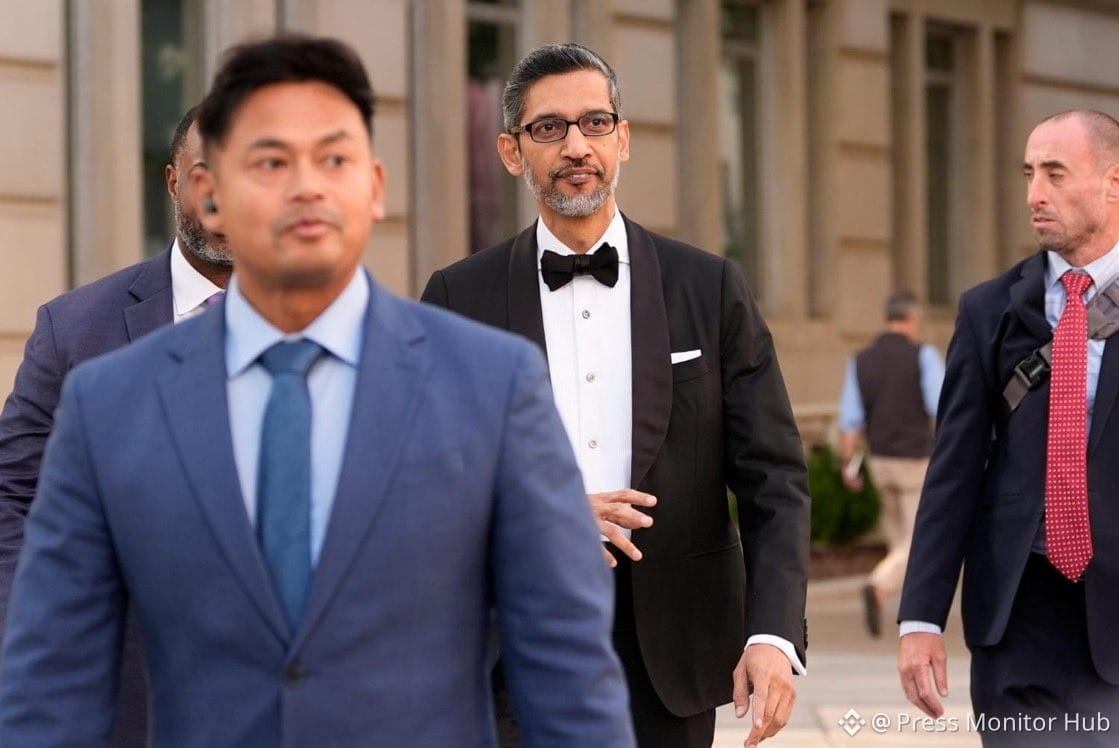
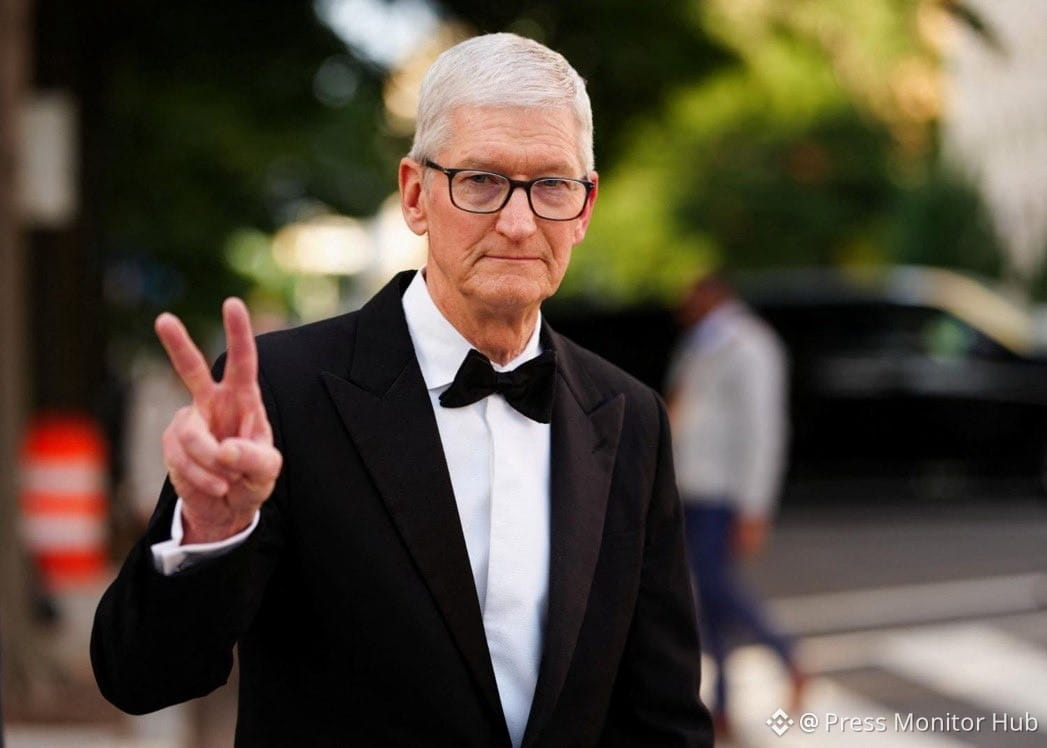
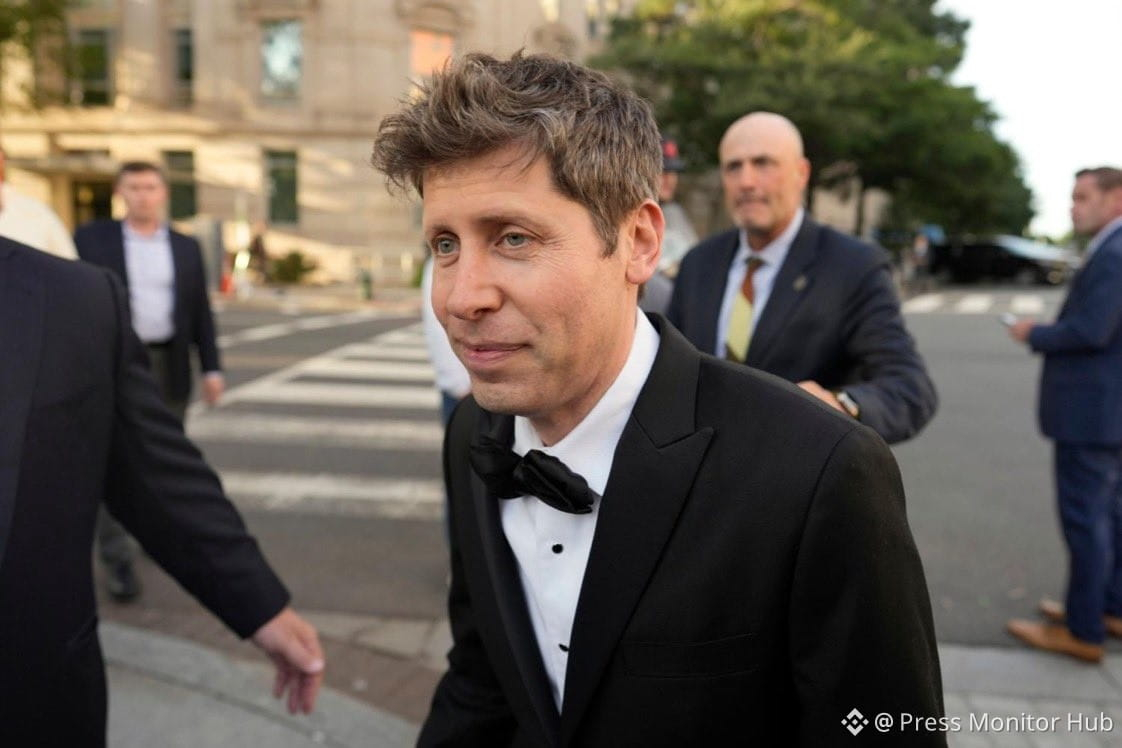
Tech CEOs are arriving at the US-China State Dinner. The gathering signals high-level diplomatic engagement between Washington and Beijing, with Silicon Valley's top executives in attendance.
Tech CEOs are arriving at the US-China State Dinner. The gathering signals high-level diplomatic engagement between Washington and Beijing, with Silicon Valley's top executives in attendance.
Log in to explore more content
Join global crypto users on Binance Square
⚡️ Get latest and useful information about crypto.
💬 Trusted by the world’s largest crypto exchange.
👍 Discover real insights from verified creators.
Email / Phone number
Trending Topics
NvidiaApproves$150BBuyback
439 views
19 Discussing
#NvidiaApproves$150BBuyback
🚨 NVIDIA JUST DROPPED A $150 BILLION BUYBACK!
NVIDIA has approved an additional $150B share-repurchase authorization — the largest buyback increase in its history. 🔥
💰 Total remaining buyback capacity: $235B
🤖 Driven by massive AI demand
📈 Program expected to run through fiscal 2028
⚡ NVDA shares jumped after the announcement
This is a huge signal that NVIDIA continues to generate enough cash to invest heavily in AI while returning capital to shareholders.
But the big question for markets:
Will NVIDIA's massive buyback fuel another AI-stock rally? 👀
#NVIDIA #Aİ #stockmarket
Faizan Crypto Learner
·0 Likes
·37 views
OpenAIDelaysGPT6.1OverSafetyIssues
1,453 views
117 Discussing
AMDToAcquireWorldLabsFor$8.2B
251 views
21 Discussing