Here's a story I think gets less attention than it deserves, because the market is busy watching Asian stocks bleed.
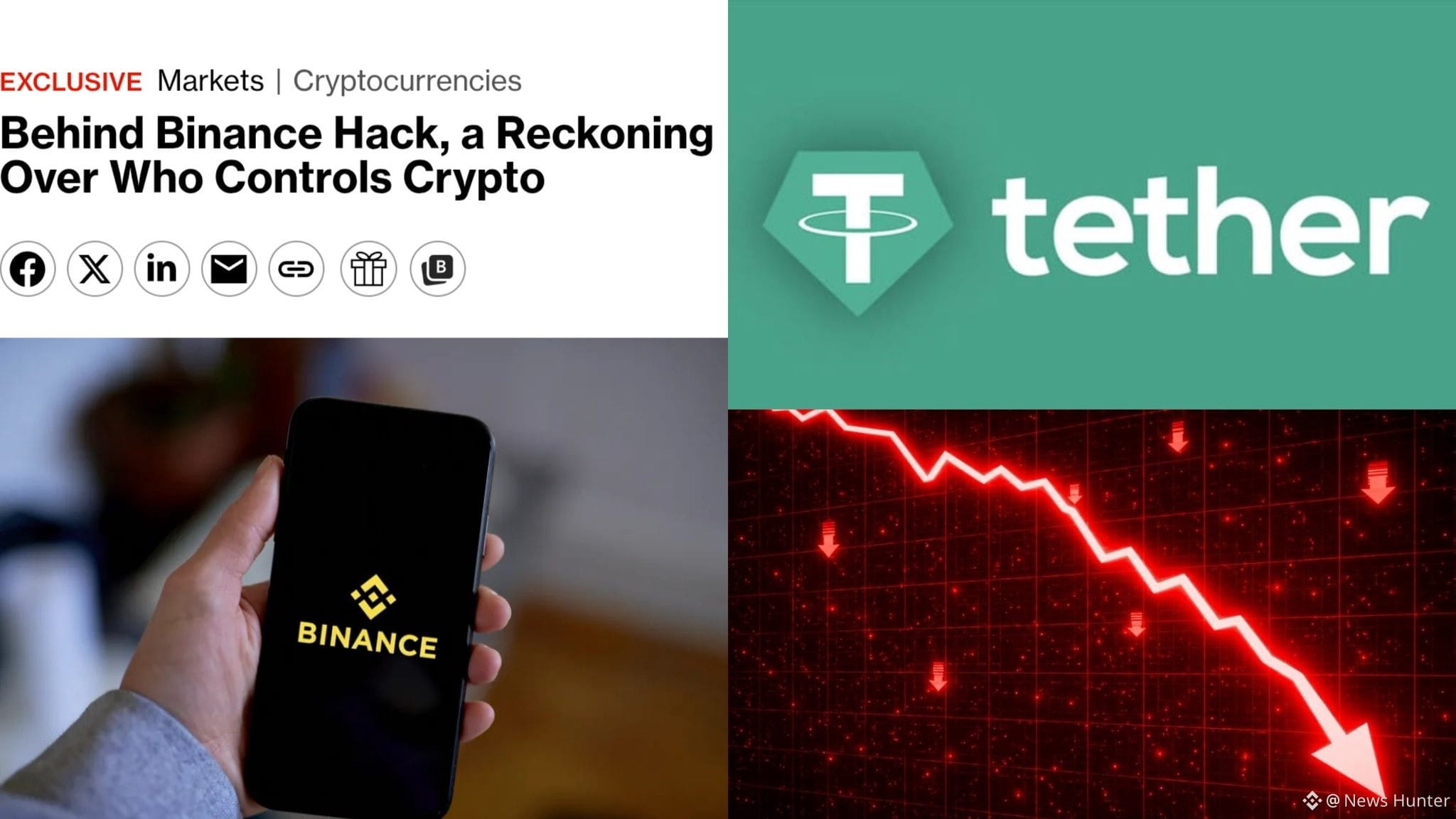
Bloomberg reports that Tether has sought fees of up to 20% from some hack victims who wanted their frozen $USDT back. Frozen, so the tokens can't move, and the victim still has to pay to get them reissued. Tether says it has reissued $1.2B so far and that the fees cover recovery and legal costs. Singapore's Bittok lost $50M in a 2020 hack and, per the report, still hasn't recovered its frozen USDT five years later.
I'm not here to pile on. Reissuing tokens in civil disputes carries real legal risk, and Ardoino says the process is staged for exactly that reason. Fair enough. But the bigger lesson is quieter.
USDT and USDC make up roughly 86% of the stablecoin market. That means a handful of compliance desks decide who gets frozen, who gets paid back, how fast and at what price. There's no public rulebook for it. I've watched traditional finance spend decades writing those rules after the damage was done.
When you hold a dollar token, you hold a claim plus a policy you probably never read. Worth reading it.
Do you think issuers should publish a fixed recovery schedule?
#Tether #Stablecoins #USDT #CryptoNews #BinanceSquare
Not financial advice. DYOR.