

With the Federal Reserve holding its target range around 3.75%–4.00% after a September hike—and markets pricing in a strong chance of another tightening move in December amid sticky inflation—tracking Fed policy comes down to three indicator clusters: inflation gauges, Treasury yields & rate expectations, and oil/Hormuz supply metrics.
1. Inflation Indicators That Shape the Fed's Next Move
Because energy shocks start in fuel and freight and can spill into broader prices, policymakers watch both headline and underlying price pressures closely:
PCE Price Index (Headline & Core): The Fed’s preferred inflation gauge. A hot monthly or year-over-year print—especially Core PCE (excluding food and energy)—reinforces the hawkish case for keeping policy tight or hiking further.
CPI & Core CPI: Monthly consumer price changes show how fast pump prices, airfare, and goods costs are hitting households. Watch whether "supercore" (core services excluding housing) re-accelerates from freight and wage pass-through.
PPI (Producer Price Index): An early pipeline signal. Elevated PPI readings—particularly in transportation, warehousing, and refined products—often warn of margin pressure or future consumer price pass-through.
Fed Beige Book & Inflation Expectations: Anecdotal reports from businesses on pricing power and input costs, paired with market-based breakeven inflation rates, show whether consumers and firms treat oil spikes as temporary or permanent.
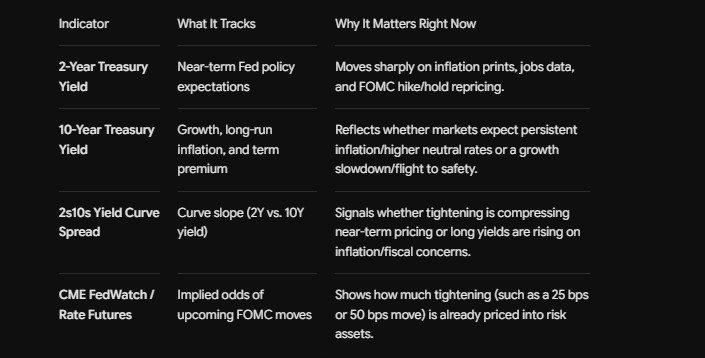
2. Treasury Yield & Rate-Pricing Indicators
Bond yields and rate futures translate macro data into real-time financial conditions:
3. Oil Market & Strait of Hormuz Indicators
Even when headline crude dips on diplomatic headlines or supply adjustments, structural choke points keep inflation risk alive:
Brent vs. WTI Crude Prices: Brent captures global seaborne and Persian Gulf risk, while WTI reflects North American supply/demand dynamics. Sustained rallies keep energy inflation alive; sharp pullbacks ease immediate cost pressure.
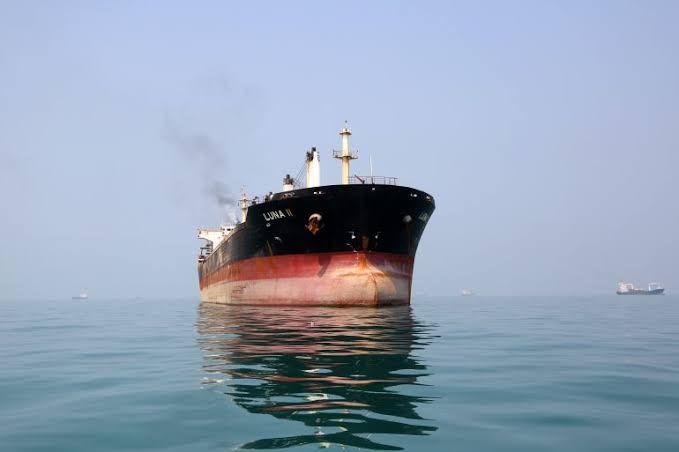
Strait of Hormuz Tanker Flows & Incident Reports: Daily shipping volumes through the strait, mine/drone/cyber incidents, and naval blockade or diplomatic headlines dictate whether risk premiums expand or contract.
Crude & Refined Product Inventories (EIA / API & Global Stocks): Commercial crude stocks, diesel/distillate inventories, and global stock deficits show whether the market has enough buffer to absorb a disruption without price spikes.
Freight & War-Risk Insurance Costs: Elevated tanker rates and refined-product cracks (like diesel) can keep inflation sticky even if raw crude fluctuates.