
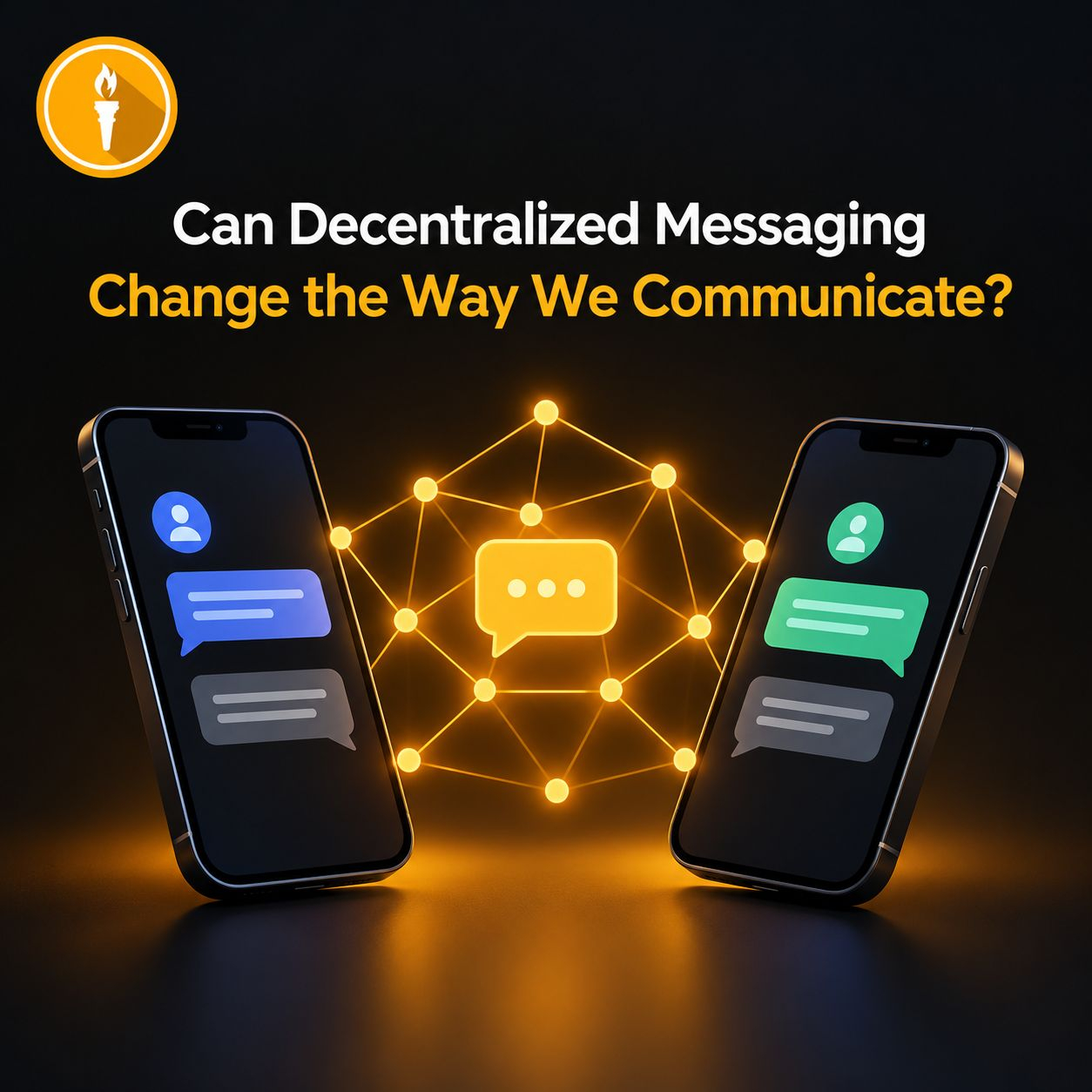
The internet has made communication easier than ever, but it has also created new challenges around privacy, ownership, and control. Many people rely on centralized platforms without realizing how much power these companies have over their digital experiences.
This is why decentralized communication deserves more attention.
Unlike traditional platforms that depend on centralized infrastructure and control, decentralized projects aim to create systems where users have greater control over their interactions. The goal is to make communication more open, resilient, and less dependent on a single organization.
Liberdus is one project exploring this direction.
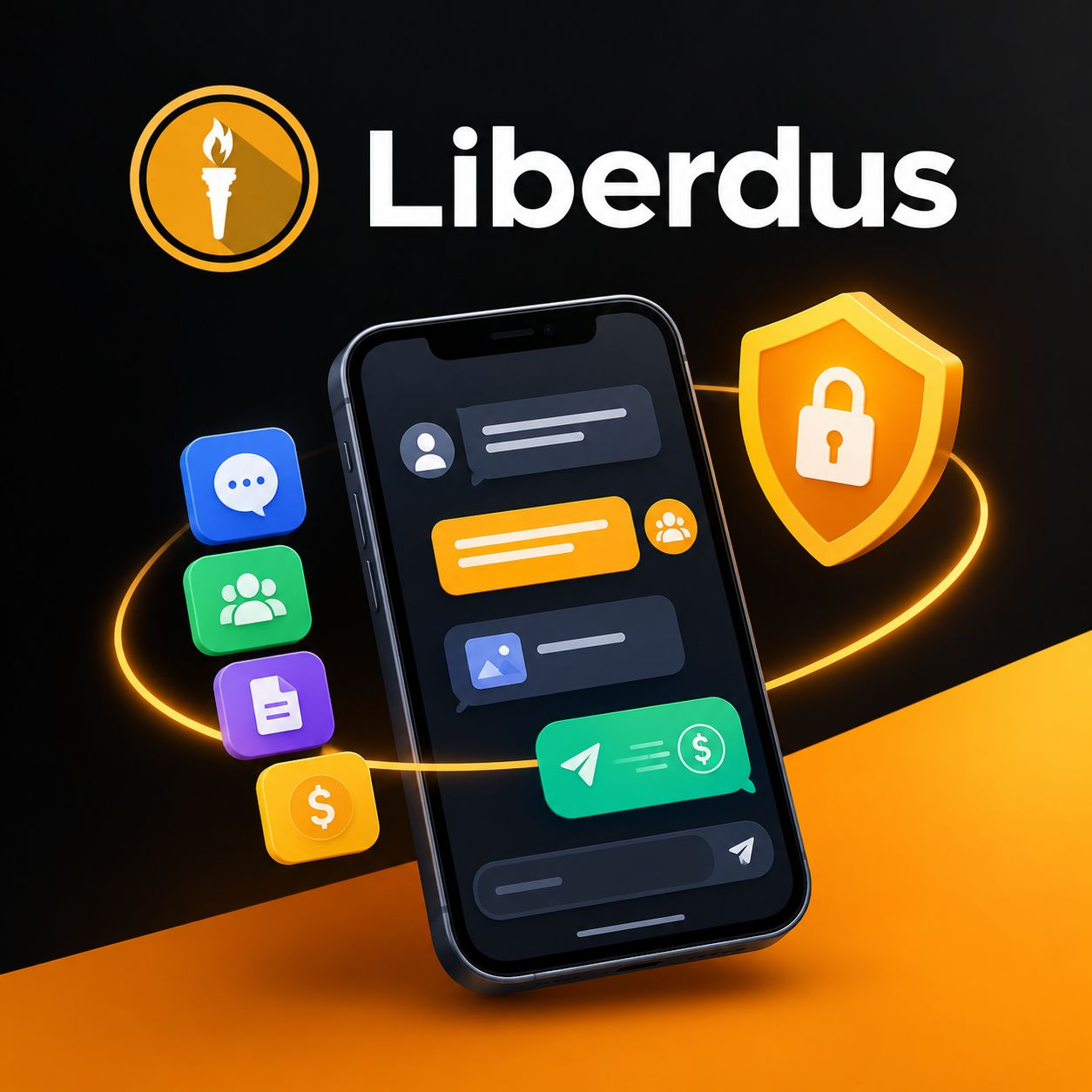
Its platform combines private messaging and digital payments within a decentralized ecosystem. Users can send messages, participate in group chats, share files, and explore payments without needing to register with a phone number or email address.
Another interesting aspect is the role of the LIB token in supporting network activity. Rather than focusing only on speculation, the ecosystem connects the token to the platform's functionality.
Of course, decentralization alone does not guarantee success. A project still needs a reliable product, a simple user experience, strong security, and a community that continues to grow.
That is why real adoption matters more than temporary hype.
I believe the future of Web3 will depend partly on whether decentralized applications can solve everyday problems better while giving people more control over their digital lives.
Liberdus is worth watching as this space develops.
The next stage of the internet should not only connect people. It should also give them more control
over how they connect.
$BTC $XRP $BNB #BinancePick #EarningsSeason