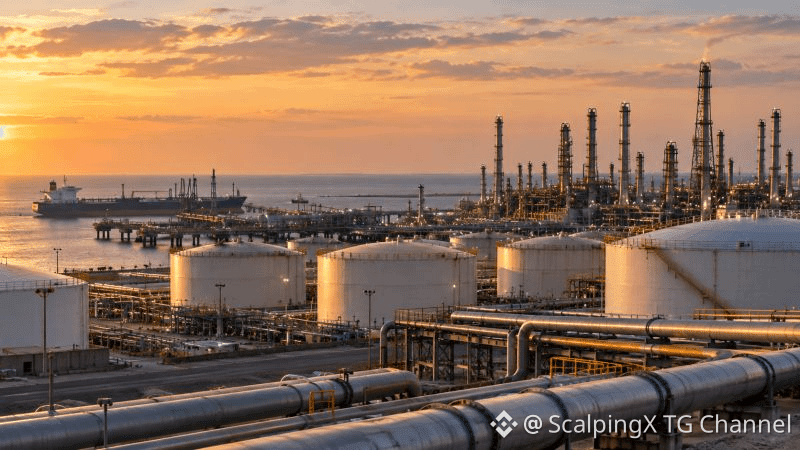
Crude supply is recovering, but the diesel bottleneck remains unresolved
🛢 Brent ended the week above $102 per barrel, while WTI fell about 1.4% from the previous Friday. Middle East crude exports have recovered to nearly 98% of pre-conflict levels, suggesting physical crude supply is gradually normalizing.
⛽ The main stress remains in refining and finished products. Around 3 million barrels per day of Middle East refining capacity is still offline, while regional diesel exports are only about 25% of pre-conflict levels. Russia is also maintaining diesel export restrictions through the end of October.
📉 U.S. distillate inventories stand at 105.2 million barrels, around 14% below the five-year average. Diesel cracks remain exceptionally elevated, indicating that the market is pricing a shortage of refined products more than a shortage of crude oil itself.
🇨🇳 China has not approved exports of diesel, gasoline or jet fuel for October, further reducing alternative supply to the international market. In the opposite direction, Europe and other G7 members are considering the use of emergency diesel reserves to ease market pressure.
🚢 Hormuz continues to keep a risk premium embedded in seaborne oil as insurance and shipping costs remain elevated. The recovery in Gulf crude exports therefore does not mean the energy shock is over; the bottleneck has increasingly shifted toward refining capacity, transportation and diesel availability.
#EnergyMarkets $CL $NATGAS
🛢 Brent ended the week above $102 per barrel, while WTI fell about 1.4% from the previous Friday. Middle East crude exports have recovered to nearly 98% of pre-conflict levels, suggesting physical crude supply is gradually normalizing.
⛽ The main stress remains in refining and finished products. Around 3 million barrels per day of Middle East refining capacity is still offline, while regional diesel exports are only about 25% of pre-conflict levels. Russia is also maintaining diesel export restrictions through the end of October.
📉 U.S. distillate inventories stand at 105.2 million barrels, around 14% below the five-year average. Diesel cracks remain exceptionally elevated, indicating that the market is pricing a shortage of refined products more than a shortage of crude oil itself.
🇨🇳 China has not approved exports of diesel, gasoline or jet fuel for October, further reducing alternative supply to the international market. In the opposite direction, Europe and other G7 members are considering the use of emergency diesel reserves to ease market pressure.
🚢 Hormuz continues to keep a risk premium embedded in seaborne oil as insurance and shipping costs remain elevated. The recovery in Gulf crude exports therefore does not mean the energy shock is over; the bottleneck has increasingly shifted toward refining capacity, transportation and diesel availability.
#EnergyMarkets $CL $NATGAS