
#tradingcommunity
tradingcommunity
18.6M views
41,847 Discussing
Hot
Latest


·
--
What members say ⭐️⭐️⭐️⭐️⭐️
5.0 rating from 29 reviews, straight from Telegram and X.
Been trading with us? Share your honest experience: wins, losses, what helped, what we can do better.
It takes 1 minute and helps new traders know what to expect 🐸
The review page is on cryptojobs3.com, in the Performance section.
What has been your best trade with the community so far? 👇
#TradingCommunity #CryptoTrading #traderlife

2
7
4k

🚀 LET’S LEARN & GROW TOGETHER! 📈
My goal is to reach 1,000 followers so I can build a trading community where we can Learn, Share & Earn Together! 🤝
💡 Share knowledge
📊 Analyze the market together
📚 Learn trading step by step
I may know the basics, but together we can learn much more! ❤️
Support me by following and joining this journey! 🔥
⚠️ Disclaimer: Trading involves risk. Profits are not guaranteed. Learn first, manage risk, and DYOR.
#LearnAndEarn #TradingCommunity #CryptoLearning #Write2Earn! #RedPacketMission

2
150

·
--
Binance después del trabajo: ¿el trading es una segunda actividad para la mayoría?Cuando pensamos en Binance, muchas veces imaginamos traders que pasan todo el día frente a una pantalla, analizando gráficos, buscando oportunidades y ejecutando operaciones.
Pero ¿realmente esa es la realidad de la mayoría de sus usuarios?
Mi percepción, a partir de lo que he investigado y observado en el ecosistema, es que una parte importante de las personas que utilizan Binance no se dedica exclusivamente al trading.
Hay inversionistas, estudiantes, aficionados a las criptomonedas y personas que simplemente quieren conocer o aprovechar las herramientas, productos y servicios que ofrece la plataforma.
Y aquí aparece una diferencia importante: no todos los usuarios de Binance son traders, y no todos los traders viven del trading.
Spot: la puerta de entrada para muchos usuarios
Binance ofrece diferentes formas de participar en el mercado, pero Spot representa una alternativa que puede resultar más sencilla de comprender para quienes comienzan.
En Spot, una persona puede comprar y vender criptomonedas sin utilizar necesariamente apalancamiento ni asumir la complejidad adicional de los contratos de futuros.
También existen usuarios que prefieren mantener sus activos, aprender sobre proyectos, explorar herramientas o simplemente seguir la evolución del mercado.
He encontrado referencias y conversaciones que me hacen pensar que Spot concentra una parte muy importante de la actividad de los usuarios de Binance. Incluso he considerado la posibilidad de que supere el 80 % de participación, aunque ese porcentaje necesitaría datos oficiales para confirmarse.
Lo importante es comprender que el ecosistema de Binance es mucho más amplio que el trading de futuros.
El mercado también tiene una vida después del trabajo
Otra observación que me parece interesante es el horario en el que muchas personas parecen acercarse al trading.
Para quienes tienen un empleo, estudian o desarrollan una actividad durante el día, las horas de la noche pueden convertirse en el momento disponible para revisar el mercado.
Después de terminar sus responsabilidades, algunas personas abren Binance, consultan los precios, estudian gráficos, revisan noticias, investigan criptomonedas o realizan alguna operación.
En ese sentido, el trading puede convertirse en una segunda actividad: algo que se desarrolla después del trabajo, durante el tiempo libre o como parte de un proceso de aprendizaje.
No necesariamente porque esas personas quieran convertirse en traders profesionales, sino porque sienten curiosidad por los mercados y desean participar en el mundo de las criptomonedas.
Además, Binance es una plataforma global. Mientras en un país es de noche, en otro puede ser de mañana o de tarde. Por eso, el mercado nunca debe interpretarse desde el horario de un solo país.
¿Cuántas personas realmente viven del trading?
Aquí encontramos otra diferencia importante.
Una cosa es comprar criptomonedas, realizar operaciones ocasionales o estudiar el mercado durante algunas horas al día.
Otra muy distinta es convertir el trading en la principal fuente de ingresos.
Vivir del trading exige mucho más que conocer indicadores o identificar oportunidades.
Requiere metodología, estadísticas, gestión del riesgo, capital suficiente, disciplina y capacidad para soportar periodos de pérdidas sin comprometer la estabilidad financiera.
Además, los ingresos no son constantes ni están garantizados.
Por eso, considero que debemos distinguir entre tres perfiles:
1. El usuario inversionista: participa en el mercado, compra activos, mantiene posiciones y utiliza herramientas del ecosistema.
2. El trader de tiempo parcial: tiene otras responsabilidades y dedica determinadas horas a estudiar y operar.
3. El trader profesional: considera el trading una actividad económica principal y desarrolla un sistema de trabajo alrededor de ella.
Estos perfiles pueden coincidir en una misma persona, pero no representan necesariamente el mismo nivel de dedicación ni los mismos objetivos.
Binance no es solamente para quienes viven del trading
Una de las cosas que debemos entender sobre el ecosistema cripto es que cada persona puede tener una relación diferente con el mercado.
Algunos quieren invertir a largo plazo. Otros quieren aprender. Algunos buscan nuevas oportunidades financieras y otros simplemente sienten interés por la tecnología y los activos digitales.
También están quienes utilizan productos como Earn, exploran diferentes herramientas o participan en comunidades para aprender de otros usuarios.
No todos necesitan operar todos los días para formar parte de este ecosistema.
Y tampoco todos necesitan convertir su afición por las criptomonedas en una profesión.
Una oportunidad para comprender mejor a la comunidad
Si esta observación se confirma con datos, podría tener implicaciones interesantes para quienes creamos contenido en Binance Square.
No deberíamos dirigirnos únicamente al trader que permanece conectado durante todo el día.
También debemos pensar en la persona que llega a casa después de trabajar, abre Binance desde su teléfono y dispone de una o dos horas para aprender, investigar o revisar sus inversiones.
Ese usuario también necesita contenido claro, práctico y educativo.
Necesita comprender cómo funcionan los productos, qué riesgos existen, cómo interpretar el mercado y cómo evitar decisiones impulsivas.
Quizás la oportunidad no esté solamente en enseñar a operar, sino en ayudar a las personas a comprender el ecosistema financiero digital al que se están incorporando.
Conclusión: no todos quieren vivir del trading
Mi hipótesis es que para una parte importante de la comunidad, las criptomonedas y el trading representan una actividad complementaria a su vida cotidiana.
Personas que trabajan, estudian, tienen familias, desarrollan negocios y encuentran en Binance un espacio para invertir, aprender o explorar nuevas posibilidades.
Y aunque existen traders que se dedican profesionalmente a los mercados, no debemos asumir que esa es la realidad de todos los usuarios.
El trading puede ser una profesión para algunos, una segunda actividad para otros y una experiencia de aprendizaje para muchos más.
Comprender esa diferencia también nos ayuda a entender mejor a la comunidad que participa en Binance.
Pregunta para la comunidad:
¿Tú cómo utilizas Binance? ¿Te dedicas al trading a tiempo completo, operas después de tu trabajo o utilizas principalmente Spot para invertir y mantener tus criptomonedas?
#trading #TradingTales #TradingCommunity #TradingSignals #Nomadacripto
$QI
{spot}(QIUSDT)
$SOPH
{spot}(SOPHUSDT)
$CYBER
{spot}(CYBERUSDT)
Binance después del trabajo: ¿el trading es una segunda actividad para la mayoría?
Cuando pensamos en Binance, muchas veces imaginamos traders que pasan todo el día frente a una pantalla, analizando gráficos, buscando oportunidades y ejecutando operaciones.
Pero ¿realmente esa es la realidad de la mayoría de sus usuarios?
Mi percepción, a partir de lo que he investigado y observado en el ecosistema, es que una parte importante de las personas que utilizan Binance no se dedica exclusivamente al trading.
Hay inversionistas, estudiantes, aficionados a las criptomonedas y personas que simplemente quieren conocer o aprovechar las herramientas, productos y servicios que ofrece la plataforma.
Y aquí aparece una diferencia importante: no todos los usuarios de Binance son traders, y no todos los traders viven del trading.
Spot: la puerta de entrada para muchos usuarios
Binance ofrece diferentes formas de participar en el mercado, pero Spot representa una alternativa que puede resultar más sencilla de comprender para quienes comienzan.
En Spot, una persona puede comprar y vender criptomonedas sin utilizar necesariamente apalancamiento ni asumir la complejidad adicional de los contratos de futuros.
También existen usuarios que prefieren mantener sus activos, aprender sobre proyectos, explorar herramientas o simplemente seguir la evolución del mercado.
He encontrado referencias y conversaciones que me hacen pensar que Spot concentra una parte muy importante de la actividad de los usuarios de Binance. Incluso he considerado la posibilidad de que supere el 80 % de participación, aunque ese porcentaje necesitaría datos oficiales para confirmarse.
Lo importante es comprender que el ecosistema de Binance es mucho más amplio que el trading de futuros.
El mercado también tiene una vida después del trabajo
Otra observación que me parece interesante es el horario en el que muchas personas parecen acercarse al trading.
Para quienes tienen un empleo, estudian o desarrollan una actividad durante el día, las horas de la noche pueden convertirse en el momento disponible para revisar el mercado.
Después de terminar sus responsabilidades, algunas personas abren Binance, consultan los precios, estudian gráficos, revisan noticias, investigan criptomonedas o realizan alguna operación.
En ese sentido, el trading puede convertirse en una segunda actividad: algo que se desarrolla después del trabajo, durante el tiempo libre o como parte de un proceso de aprendizaje.
No necesariamente porque esas personas quieran convertirse en traders profesionales, sino porque sienten curiosidad por los mercados y desean participar en el mundo de las criptomonedas.
Además, Binance es una plataforma global. Mientras en un país es de noche, en otro puede ser de mañana o de tarde. Por eso, el mercado nunca debe interpretarse desde el horario de un solo país.
¿Cuántas personas realmente viven del trading?
Aquí encontramos otra diferencia importante.
Una cosa es comprar criptomonedas, realizar operaciones ocasionales o estudiar el mercado durante algunas horas al día.
Otra muy distinta es convertir el trading en la principal fuente de ingresos.
Vivir del trading exige mucho más que conocer indicadores o identificar oportunidades.
Requiere metodología, estadísticas, gestión del riesgo, capital suficiente, disciplina y capacidad para soportar periodos de pérdidas sin comprometer la estabilidad financiera.
Además, los ingresos no son constantes ni están garantizados.
Por eso, considero que debemos distinguir entre tres perfiles:
1. El usuario inversionista: participa en el mercado, compra activos, mantiene posiciones y utiliza herramientas del ecosistema.
2. El trader de tiempo parcial: tiene otras responsabilidades y dedica determinadas horas a estudiar y operar.
3. El trader profesional: considera el trading una actividad económica principal y desarrolla un sistema de trabajo alrededor de ella.
Estos perfiles pueden coincidir en una misma persona, pero no representan necesariamente el mismo nivel de dedicación ni los mismos objetivos.
Binance no es solamente para quienes viven del trading
Una de las cosas que debemos entender sobre el ecosistema cripto es que cada persona puede tener una relación diferente con el mercado.
Algunos quieren invertir a largo plazo. Otros quieren aprender. Algunos buscan nuevas oportunidades financieras y otros simplemente sienten interés por la tecnología y los activos digitales.
También están quienes utilizan productos como Earn, exploran diferentes herramientas o participan en comunidades para aprender de otros usuarios.
No todos necesitan operar todos los días para formar parte de este ecosistema.
Y tampoco todos necesitan convertir su afición por las criptomonedas en una profesión.
Una oportunidad para comprender mejor a la comunidad
Si esta observación se confirma con datos, podría tener implicaciones interesantes para quienes creamos contenido en Binance Square.
No deberíamos dirigirnos únicamente al trader que permanece conectado durante todo el día.
También debemos pensar en la persona que llega a casa después de trabajar, abre Binance desde su teléfono y dispone de una o dos horas para aprender, investigar o revisar sus inversiones.
Ese usuario también necesita contenido claro, práctico y educativo.
Necesita comprender cómo funcionan los productos, qué riesgos existen, cómo interpretar el mercado y cómo evitar decisiones impulsivas.
Quizás la oportunidad no esté solamente en enseñar a operar, sino en ayudar a las personas a comprender el ecosistema financiero digital al que se están incorporando.
Conclusión: no todos quieren vivir del trading
Mi hipótesis es que para una parte importante de la comunidad, las criptomonedas y el trading representan una actividad complementaria a su vida cotidiana.
Personas que trabajan, estudian, tienen familias, desarrollan negocios y encuentran en Binance un espacio para invertir, aprender o explorar nuevas posibilidades.
Y aunque existen traders que se dedican profesionalmente a los mercados, no debemos asumir que esa es la realidad de todos los usuarios.
El trading puede ser una profesión para algunos, una segunda actividad para otros y una experiencia de aprendizaje para muchos más.
Comprender esa diferencia también nos ayuda a entender mejor a la comunidad que participa en Binance.
Pregunta para la comunidad:
¿Tú cómo utilizas Binance? ¿Te dedicas al trading a tiempo completo, operas después de tu trabajo o utilizas principalmente Spot para invertir y mantener tus criptomonedas?
#trading #TradingTales #TradingCommunity #TradingSignals #Nomadacripto
$QI
$SOPH
$CYBER
1
113
·
--
El trader que sabe cuándo dejar de operar tiene una ventaja que muchos ignoran:En trading, una de las habilidades más importantes no consiste en encontrar oportunidades para entrar al mercado, sino en reconocer cuándo ha llegado el momento de dejar de operar.
¿Por qué?
Porque el trading no es un juego de certezas. Es un ejercicio de probabilidades.
Por muy experimentado que sea un trader, por muy estudiado que tenga su método y por muy buena que parezca una operación, nunca puede garantizar que el precio subirá o bajará después de entrar.
Toda metodología tiene operaciones ganadoras y perdedoras. Incluso una estrategia rentable puede atravesar rachas negativas.
Y aquí aparece una diferencia importante entre un trader que simplemente ejecuta operaciones y uno que realmente comprende su metodología.
El mercado no siempre ofrece las mismas condiciones
Una estrategia puede funcionar muy bien bajo determinadas condiciones del mercado y perder efectividad cuando esas condiciones cambian.
Hay momentos en los que la volatilidad, la estructura del precio, el volumen y el comportamiento de los participantes favorecen las señales de una metodología.
Pero también existen momentos en los que el mercado se comporta de una manera que dificulta su ejecución.
El mercado es dinámico, especulativo y está influenciado por múltiples participantes e intereses. Sus condiciones cambian constantemente y no siempre podemos anticipar esos cambios.
Por eso, un buen método no significa que todas las entradas sean buenas.
Significa que existen reglas para identificar oportunidades, gestionar el riesgo y evaluar cuándo las condiciones dejan de ser favorables.
La racha negativa también comunica información
Imagina que un trader comienza a ejecutar su estrategia y observa que varias operaciones consecutivas terminan en pérdidas.
Una pérdida aislada forma parte de la estadística. Dos o tres pérdidas tampoco demuestran automáticamente que el método haya dejado de funcionar.
Sin embargo, cuando los resultados empiezan a mostrar que las condiciones actuales no favorecen la metodología, el trader debe detenerse y evaluar.
¿Está entrando en señales de baja calidad?
¿Cambió la estructura del mercado?
¿La volatilidad está afectando su estrategia?
¿Está operando por disciplina o simplemente por querer recuperar lo perdido?
La respuesta a estas preguntas puede evitar que una racha desfavorable termine convirtiéndose en un daño mayor para su capital.
Saber detenerse también es ejecutar una estrategia
Muchos traders estudian cómo entrar, dónde colocar sus objetivos y cómo gestionar una posición, pero dedican muy poco tiempo a establecer cuándo deben dejar de operar.
Y esa decisión también debería formar parte del método.
Un trader puede establecer límites de pérdidas, condiciones mínimas de entrada, criterios para identificar cambios de régimen y reglas para volver a operar.
La pausa no significa abandonar el trading ni renunciar a una estrategia.
Significa esperar hasta que vuelvan a presentarse condiciones compatibles con ella.
No se trata de detenerse cada vez que aparece una pérdida, ni de intentar adivinar cuándo el mercado volverá a favorecer nuestra metodología. Se trata de tomar decisiones basadas en evidencia y reglas previamente definidas.
El objetivo no es operar más, sino operar cuando tiene sentido
Existe una idea equivocada en el trading: pensar que mientras más operaciones se realizan, mayores son las oportunidades de ganar.
Pero operar más también puede significar exponerse más veces a condiciones desfavorables, pagar más comisiones y cometer más errores.
La rentabilidad sostenible no depende únicamente de encontrar buenas entradas. También depende de controlar las pérdidas, respetar los límites y evitar operaciones cuando no existe una ventaja estadística demostrable.
Un trader profesional no necesita estar permanentemente dentro del mercado.
Puede observar, analizar, esperar y mantenerse fuera de una operación cuando su método no encuentra condiciones adecuadas.
Porque conservar el capital también es parte del negocio.
La verdadera experiencia está en saber cuándo participar y cuándo esperar
El mercado siempre estará ahí. Las oportunidades volverán a aparecer.
Pero el capital, la disciplina y la capacidad de tomar decisiones racionales deben protegerse.
Un trader puede tener un método sólido y aun así atravesar momentos difíciles. La diferencia está en reconocer que ninguna estrategia funciona con la misma efectividad en todas las condiciones del mercado.
Saber cuándo entrar es una habilidad. Saber cuándo salir del mercado y cuándo no volver a entrar todavía es otra.
Y quizás una de las señales más claras de madurez en el trading sea comprender que no todas las oportunidades merecen nuestro dinero.
Pregunta para la comunidad:
¿Tienes una regla definida para detener tus operaciones cuando tu metodología empieza a mostrar resultados desfavorables, o sigues operando hasta intentar recuperar las pérdidas?
#trading #TrendingTopic #TradingCommunity #TrendingPredictions #Nomadacripto $BTC $ETH $PEPE
El trader que sabe cuándo dejar de operar tiene una ventaja que muchos ignoran:
En trading, una de las habilidades más importantes no consiste en encontrar oportunidades para entrar al mercado, sino en reconocer cuándo ha llegado el momento de dejar de operar.
¿Por qué?
Porque el trading no es un juego de certezas. Es un ejercicio de probabilidades.
Por muy experimentado que sea un trader, por muy estudiado que tenga su método y por muy buena que parezca una operación, nunca puede garantizar que el precio subirá o bajará después de entrar.
Toda metodología tiene operaciones ganadoras y perdedoras. Incluso una estrategia rentable puede atravesar rachas negativas.
Y aquí aparece una diferencia importante entre un trader que simplemente ejecuta operaciones y uno que realmente comprende su metodología.
El mercado no siempre ofrece las mismas condiciones
Una estrategia puede funcionar muy bien bajo determinadas condiciones del mercado y perder efectividad cuando esas condiciones cambian.
Hay momentos en los que la volatilidad, la estructura del precio, el volumen y el comportamiento de los participantes favorecen las señales de una metodología.
Pero también existen momentos en los que el mercado se comporta de una manera que dificulta su ejecución.
El mercado es dinámico, especulativo y está influenciado por múltiples participantes e intereses. Sus condiciones cambian constantemente y no siempre podemos anticipar esos cambios.
Por eso, un buen método no significa que todas las entradas sean buenas.
Significa que existen reglas para identificar oportunidades, gestionar el riesgo y evaluar cuándo las condiciones dejan de ser favorables.
La racha negativa también comunica información
Imagina que un trader comienza a ejecutar su estrategia y observa que varias operaciones consecutivas terminan en pérdidas.
Una pérdida aislada forma parte de la estadística. Dos o tres pérdidas tampoco demuestran automáticamente que el método haya dejado de funcionar.
Sin embargo, cuando los resultados empiezan a mostrar que las condiciones actuales no favorecen la metodología, el trader debe detenerse y evaluar.
¿Está entrando en señales de baja calidad?
¿Cambió la estructura del mercado?
¿La volatilidad está afectando su estrategia?
¿Está operando por disciplina o simplemente por querer recuperar lo perdido?
La respuesta a estas preguntas puede evitar que una racha desfavorable termine convirtiéndose en un daño mayor para su capital.
Saber detenerse también es ejecutar una estrategia
Muchos traders estudian cómo entrar, dónde colocar sus objetivos y cómo gestionar una posición, pero dedican muy poco tiempo a establecer cuándo deben dejar de operar.
Y esa decisión también debería formar parte del método.
Un trader puede establecer límites de pérdidas, condiciones mínimas de entrada, criterios para identificar cambios de régimen y reglas para volver a operar.
La pausa no significa abandonar el trading ni renunciar a una estrategia.
Significa esperar hasta que vuelvan a presentarse condiciones compatibles con ella.
No se trata de detenerse cada vez que aparece una pérdida, ni de intentar adivinar cuándo el mercado volverá a favorecer nuestra metodología. Se trata de tomar decisiones basadas en evidencia y reglas previamente definidas.
El objetivo no es operar más, sino operar cuando tiene sentido
Existe una idea equivocada en el trading: pensar que mientras más operaciones se realizan, mayores son las oportunidades de ganar.
Pero operar más también puede significar exponerse más veces a condiciones desfavorables, pagar más comisiones y cometer más errores.
La rentabilidad sostenible no depende únicamente de encontrar buenas entradas. También depende de controlar las pérdidas, respetar los límites y evitar operaciones cuando no existe una ventaja estadística demostrable.
Un trader profesional no necesita estar permanentemente dentro del mercado.
Puede observar, analizar, esperar y mantenerse fuera de una operación cuando su método no encuentra condiciones adecuadas.
Porque conservar el capital también es parte del negocio.
La verdadera experiencia está en saber cuándo participar y cuándo esperar
El mercado siempre estará ahí. Las oportunidades volverán a aparecer.
Pero el capital, la disciplina y la capacidad de tomar decisiones racionales deben protegerse.
Un trader puede tener un método sólido y aun así atravesar momentos difíciles. La diferencia está en reconocer que ninguna estrategia funciona con la misma efectividad en todas las condiciones del mercado.
Saber cuándo entrar es una habilidad. Saber cuándo salir del mercado y cuándo no volver a entrar todavía es otra.
Y quizás una de las señales más claras de madurez en el trading sea comprender que no todas las oportunidades merecen nuestro dinero.
Pregunta para la comunidad:
¿Tienes una regla definida para detener tus operaciones cuando tu metodología empieza a mostrar resultados desfavorables, o sigues operando hasta intentar recuperar las pérdidas?
#trading #TrendingTopic #TradingCommunity #TrendingPredictions #Nomadacripto $BTC $ETH $PEPE
1
216

·
--
News
Top 3 Price Predictions: Bitcoin, Ethereum, Ripple – Bears in control, with next support at BT09 Nov 2026, 03:24:49
Bitcoin trades around $75,530 on Monday, having closed below key EMAs, with next support at $70,000.
Ethereum is around $2,155 after correcting over 6.5% last week, as bears target the psychological $2,000 level.
XRP trades around $1.11 on Monday after correcting over 10% last week, with the next key zone around $1.
Bitcoin (BTC), Ethereum (ETH) and Ripple (XRP) bears remain in control, with the top three cryptocurrencies correcting over 4%, 6% and 10%, respectively, last week and marking their fifth consecutive weeks of losses. BTC trades around $75,530 on Monday after closing below key Exponential Moving Averages (EMAs), leaving the $70,000 level as its next major support. Meanwhile, ETH hovers near $2,155, while XRP trades around $1.11, with both altcoins facing downside risks toward $2,000 and $1, respectively.
Bitcoin closes below major supports
Bitcoin price trades at $75,530 on Monday, maintaining a bearish near-term tone as it holds below key Exponential Moving Averages (EMAs). The 200-day EMA at $76,463 acts as the first overhead cap, followed higher by the 100-day EMA at $77,635 and the 50-day EMA near $79,327, all reinforcing a structure of persistent topside supply.
Momentum conditions remain soft, with the Relative Strength Index (RSI) hovering in the high-30s and the Moving Average Convergence Divergence (MACD) stuck in negative territory, hinting that selling pressure still outweighs dip-buying interest.
On the topside, immediate resistance is located at the 200-day EMA around $76,463, ahead of a secondary barrier at the 100-day EMA near $77,635 and a deeper recovery hurdle at the 50-day EMA close to $79,327. Further up, a horizontal resistance line at $85,000 marks a stronger bullish validation level where buyers would need to reclaim ground to challenge the broader bearish bias.
On the downside, the absence of nearby mapped support suggests that any break lower from current levels would send BTC toward the psychological support zone around $70,000 before stabilizing.
BTC/USDT daily chart
Ethereum bears eye $2,000 mark
Ethereum price trades at $2,155 on Monday, maintaining a bearish near-term bias as it remains well below the 200-day EMA at $2,311, the 100-day EMA at $2,337, and the 50-day EMA at $2,372. The loss of the previously upward-sloping support trendline, now broken around $2,432, reinforces a corrective tone, while the RSI hovering near 35 and the MACD in negative territory suggest lingering downside momentum rather than outright capitulation.
On the topside, initial resistance is seen at the 200-day EMA near $2,311, followed by the 100-day EMA at $2,337 and the 50-day EMA at $2,372, with a more notable horizontal barrier at $2,400 and the former rising trendline break zone around $2,432 capping any stronger rebound.
On the downside, the next meaningful support sits around the key $2,000 level ahead of the prior horizontal base around $1,823, where buyers would be expected to show more robust interest if the current decline extends.
ETH/USDT daily chart
XRP bears aiming for next key support
XRP price trades at $1.119 on Monday, extending a bearish near-term tone as it holds well below the 50-day, 100-day and 200-day EMAs clustered between roughly $1.303 and $1.368.
The Relative Strength Index (RSI) at 28 sits in oversold territory. At the same time, the Moving Average Convergence Divergence (MACD) indicator remains negative, which together hint at persistent downside pressure even as the market risks a short-term pause or modest bounce from depressed levels.
On the topside, initial resistance appears at $1.160, ahead of a stronger cap near $1.300 and the nearby EMA cluster between the 50-day EMA at $1.303 and the 100-day EMA at $1.308; beyond that, the 200-day EMA at $1.368 and horizontal levels at $1.540 and $1.900 define higher barriers.
On the downside, the nearest meaningful support is located at the psychological $1.000 handle, where a break would likely expose the pair to a deeper bearish extension in the sessions ahead.
XRP/USDT daily chart
(The technical analysis of this story was written with the help of an AI tool. Know more.)
Cryptocurrency prices FAQs
How do new token launches or listings affect cryptocurrency prices?
Token launches influence demand and adoption among market participants. Listings on crypto exchanges deepen the liquidity for an asset and add new participants to an asset’s network. This is typically bullish for a digital asset.
How do hacks affect cryptocurrency prices?
How do macroeconomic releases and events affect cryptocurrency prices?
How do major crypto upgrades like halvings, hard forks affect cryptocurrency prices?
#BitcoinFiveWeeklyLosses #ETHETFsApproved #TradingCommunity
Source:Fxstreet
News Top 3 Price Predictions: Bitcoin, Ethereum, Ripple – Bears in control, with next support at BT
09 Nov 2026, 03:24:49
Bitcoin trades around $75,530 on Monday, having closed below key EMAs, with next support at $70,000.
Ethereum is around $2,155 after correcting over 6.5% last week, as bears target the psychological $2,000 level.
XRP trades around $1.11 on Monday after correcting over 10% last week, with the next key zone around $1.
Bitcoin (BTC), Ethereum (ETH) and Ripple (XRP) bears remain in control, with the top three cryptocurrencies correcting over 4%, 6% and 10%, respectively, last week and marking their fifth consecutive weeks of losses. BTC trades around $75,530 on Monday after closing below key Exponential Moving Averages (EMAs), leaving the $70,000 level as its next major support. Meanwhile, ETH hovers near $2,155, while XRP trades around $1.11, with both altcoins facing downside risks toward $2,000 and $1, respectively.
Bitcoin closes below major supports
Bitcoin price trades at $75,530 on Monday, maintaining a bearish near-term tone as it holds below key Exponential Moving Averages (EMAs). The 200-day EMA at $76,463 acts as the first overhead cap, followed higher by the 100-day EMA at $77,635 and the 50-day EMA near $79,327, all reinforcing a structure of persistent topside supply.
Momentum conditions remain soft, with the Relative Strength Index (RSI) hovering in the high-30s and the Moving Average Convergence Divergence (MACD) stuck in negative territory, hinting that selling pressure still outweighs dip-buying interest.
On the topside, immediate resistance is located at the 200-day EMA around $76,463, ahead of a secondary barrier at the 100-day EMA near $77,635 and a deeper recovery hurdle at the 50-day EMA close to $79,327. Further up, a horizontal resistance line at $85,000 marks a stronger bullish validation level where buyers would need to reclaim ground to challenge the broader bearish bias.
On the downside, the absence of nearby mapped support suggests that any break lower from current levels would send BTC toward the psychological support zone around $70,000 before stabilizing.
BTC/USDT daily chart
Ethereum bears eye $2,000 mark
Ethereum price trades at $2,155 on Monday, maintaining a bearish near-term bias as it remains well below the 200-day EMA at $2,311, the 100-day EMA at $2,337, and the 50-day EMA at $2,372. The loss of the previously upward-sloping support trendline, now broken around $2,432, reinforces a corrective tone, while the RSI hovering near 35 and the MACD in negative territory suggest lingering downside momentum rather than outright capitulation.
On the topside, initial resistance is seen at the 200-day EMA near $2,311, followed by the 100-day EMA at $2,337 and the 50-day EMA at $2,372, with a more notable horizontal barrier at $2,400 and the former rising trendline break zone around $2,432 capping any stronger rebound.
On the downside, the next meaningful support sits around the key $2,000 level ahead of the prior horizontal base around $1,823, where buyers would be expected to show more robust interest if the current decline extends.
ETH/USDT daily chart
XRP bears aiming for next key support
XRP price trades at $1.119 on Monday, extending a bearish near-term tone as it holds well below the 50-day, 100-day and 200-day EMAs clustered between roughly $1.303 and $1.368.
The Relative Strength Index (RSI) at 28 sits in oversold territory. At the same time, the Moving Average Convergence Divergence (MACD) indicator remains negative, which together hint at persistent downside pressure even as the market risks a short-term pause or modest bounce from depressed levels.
On the topside, initial resistance appears at $1.160, ahead of a stronger cap near $1.300 and the nearby EMA cluster between the 50-day EMA at $1.303 and the 100-day EMA at $1.308; beyond that, the 200-day EMA at $1.368 and horizontal levels at $1.540 and $1.900 define higher barriers.
On the downside, the nearest meaningful support is located at the psychological $1.000 handle, where a break would likely expose the pair to a deeper bearish extension in the sessions ahead.
XRP/USDT daily chart
(The technical analysis of this story was written with the help of an AI tool. Know more.)
Cryptocurrency prices FAQs
How do new token launches or listings affect cryptocurrency prices?
Token launches influence demand and adoption among market participants. Listings on crypto exchanges deepen the liquidity for an asset and add new participants to an asset’s network. This is typically bullish for a digital asset.
How do hacks affect cryptocurrency prices?
How do macroeconomic releases and events affect cryptocurrency prices?
How do major crypto upgrades like halvings, hard forks affect cryptocurrency prices?
#BitcoinFiveWeeklyLosses #ETHETFsApproved #TradingCommunity
Source:Fxstreet
1
199

#TradingCommunity que tal si me comkenzan ha seguir pars poder hacer live y asi hablar acerca de que mone3ds opersr y compartie nuestras opiniones y adi crear una comunidad grande donde podamos ganarles s las ballenas se que su3na loco pero algo ssi fue el poder de los centavos
#TradingCommunity que tal si me comkenzan ha seguir pars poder hacer live y asi hablar acerca de que mone3ds opersr y compartie nuestras opiniones y adi crear una comunidad grande donde podamos ganarles s las ballenas se que su3na loco pero algo ssi fue el poder de los centavos
109
·
--
Article
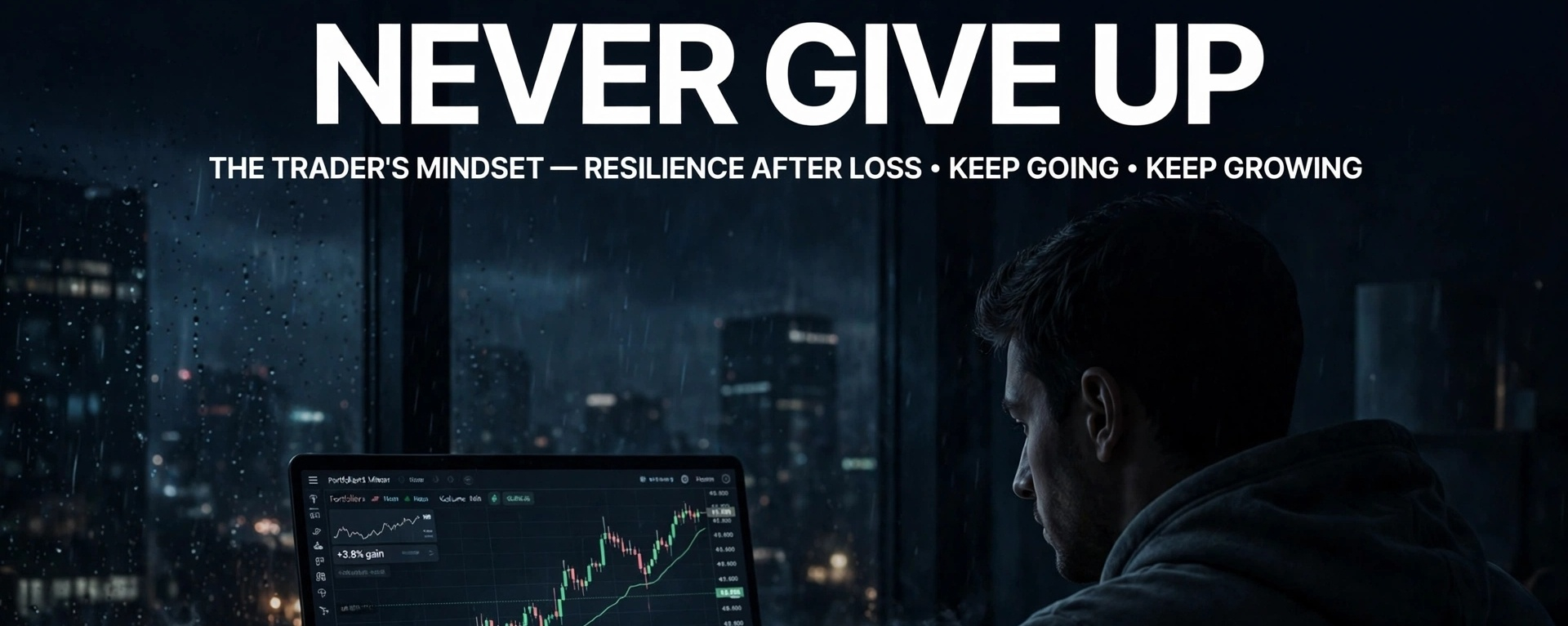
NEVER GIVE UP: The Trader's MindsetEvery trader knows this feeling.
You did the analysis. You waited for the entry. You followed the plan. And still, the market hit your stop loss.
At that moment, two voices speak to you. One says, "Quit, this is not for you." The other whispers, "One more time, but smarter."
Winners listen to the second voice.
Loss is not failure. Quitting is.
Look at any chart. It never goes straight up. It goes up, pulls back, consolidates, shakes out weak hands, and then rises again. Your journey is exactly like that chart.
Your loss was not a loss. It was tuition. It taught you what not to do. It taught you patience. It taught you risk management.
The trader who lost 5 times and learned 5 lessons is far more dangerous than the trader who won once by luck.
So tonight, if you are sitting alone with a red P&L, remember this:
You did not come this far to only come this far.
Take a break. Review your trade. Fix one mistake. And come back tomorrow - calmer, sharper, stronger.
Because the market rewards those who stay.
Losses -> Lessons -> Growth
Keep Going. Keep Growing.
#TradingCommunity #MotivationInCrypto
NEVER GIVE UP: The Trader's Mindset
Every trader knows this feeling.
You did the analysis. You waited for the entry. You followed the plan. And still, the market hit your stop loss.
At that moment, two voices speak to you. One says, "Quit, this is not for you." The other whispers, "One more time, but smarter."
Winners listen to the second voice.
Loss is not failure. Quitting is.
Look at any chart. It never goes straight up. It goes up, pulls back, consolidates, shakes out weak hands, and then rises again. Your journey is exactly like that chart.
Your loss was not a loss. It was tuition. It taught you what not to do. It taught you patience. It taught you risk management.
The trader who lost 5 times and learned 5 lessons is far more dangerous than the trader who won once by luck.
So tonight, if you are sitting alone with a red P&L, remember this:
You did not come this far to only come this far.
Take a break. Review your trade. Fix one mistake. And come back tomorrow - calmer, sharper, stronger.
Because the market rewards those who stay.
Losses -> Lessons -> Growth
Keep Going. Keep Growing.
#TradingCommunity #MotivationInCrypto
96

·
--
Bullish
THE MARKET DOESN'T REWARD THE MOST ACTIVE TRADER. IT REWARDS THE BEST DECISIONS.
One of the biggest misconceptions in crypto is that more trades mean more opportunities.
$$BTC
{future}(BTCUSDT)
$ETH
{future}(ETHUSDT)
$SOL
{future}(SOLUSDT)
But think about this:
📉 Every trade carries risk.
💸 Every transaction has a cost.
🧠 Every decision requires a reason.
Sometimes, the smartest move is doing absolutely nothing.
A professional mindset means understanding three things:
1. Opportunity: Not every price movement deserves your attention.
2. Risk: Protecting capital matters more than chasing temporary profits.
3. Discipline: Your strategy should control your emotions, not the other way around.
Here's something worth remembering:
You don't have to participate in every market move to become a better trader.
The ability to stay out of a bad trade is also a trading skill.
🔥 One question for the community:
If you had to choose, would you prefer:
A) 10 trades with small profits and occasional losses
B) 2 carefully selected trades with clear risk management
I'd choose quality over quantity. What's your approach?
#BinanceSquare #TradingMindset #CryptoTrading #RiskManagement #TradingCommunity
THE MARKET DOESN'T REWARD THE MOST ACTIVE TRADER. IT REWARDS THE BEST DECISIONS.
One of the biggest misconceptions in crypto is that more trades mean more opportunities.
$$BTC
$ETH
$SOL
But think about this:
📉 Every trade carries risk.
💸 Every transaction has a cost.
🧠 Every decision requires a reason.
Sometimes, the smartest move is doing absolutely nothing.
A professional mindset means understanding three things:
1. Opportunity: Not every price movement deserves your attention.
2. Risk: Protecting capital matters more than chasing temporary profits.
3. Discipline: Your strategy should control your emotions, not the other way around.
Here's something worth remembering:
You don't have to participate in every market move to become a better trader.
The ability to stay out of a bad trade is also a trading skill.
🔥 One question for the community:
If you had to choose, would you prefer:
A) 10 trades with small profits and occasional losses
B) 2 carefully selected trades with clear risk management
I'd choose quality over quantity. What's your approach?
#BinanceSquare #TradingMindset #CryptoTrading #RiskManagement #TradingCommunity
101
·
--
Any chart request for today? Drop the ticker below 👇
Free analyses some days, and the chat is open for support. Trading community right [here.](https://app.binance.com/uni-qr/BTJf2GHP)
#TradingCommunity
Any chart request for today? Drop the ticker below 👇
Free analyses some days, and the chat is open for support. Trading community right here.
#TradingCommunity
Free analyses some days, and the chat is open for support. Trading community right here.
#TradingCommunity
doc_cryptooo:
Trump
7
4
1.1k

Trading chart 📉📈 Analysis by combining RSI and VolumeCombining Volume and the Relative Strength Index (RSI) gives you a powerful way to filter out fake market moves and confirm high-probability trading setups.
Here is how to read and use them together for technical analysis:
1. Understanding RSI (Relative Strength Index)
RSI is a momentum oscillator measured on a scale from 0 to 100. It measures the speed and change of price movements:
* Overbought (Above 70): The asset has risen very quickly and might be due for a pullback or price correction.
* Oversold (Below 30): The asset has dropped very quickly and might be due for a bounce.
* Midline (50): Acts as a trend divider. Above 50 generally indicates bullish momentum; below 50 indicates bearish momentum.
2. Reading Volume and RSI Together (The Workflow)
When analyzing a chart, use Volume to measure market participation and RSI to measure momentum.
Scenario A: Confirming a Breakout
* The Setup: Price breaks above a key resistance level or out of a Bollinger Band squeeze.
* Volume Check: Look down at the volume bars. A high volume spike confirms that big players/institutions are driving the move.
* RSI Check: RSI should be moving up strongly (crossing above 50 or heading toward 60–70), showing that bullish momentum is backing the breakout.
* Trading Read: This is a strong, valid breakout. If volume is low during the breakout, it’s likely a "fakeout."
Scenario B: Spotting Reversals using Divergence
Divergence happens when the price and RSI move in opposite directions. This is one of the most reliable signals for a trend reversal, and Volume acts as your final filter:
* Bullish Divergence (Price dropping, RSI rising):
* Price makes a lower low, but RSI makes a higher low. This means selling pressure is fading.
* Volume Check: Look for volume to shrink as price makes that final drop, followed by a surge of green volume on the bounce.
* Bearish Divergence (Price rising, RSI falling):
* Price makes a higher high, but RSI makes a lower high. This means buying momentum is dying.
* Volume Check: Notice that volume is getting progressively lower on the recent price highs, signaling exhaustion.
Scenario C: Confirming Overbought/Oversold Conditions
Just because RSI hits 70 doesn't mean you should immediately short, and just because it hits 30 doesn't mean you should immediately buy. Strong trends can keep an asset overbought or oversold for a long time.
* Volume Filter: If RSI hits 70 (Overbought) accompanied by declining volume, it means the rally is losing steam, making a correction very likely. However, if volume remains massive and heavy, the trend might keep roaring upward despite the high RSI.
Summary Checklist for a Trade
* Identify the Trend / Setup (e.g., Bounce from a support level or Bollinger Band).
* Check RSI: Is it coming out of oversold territory (< 30) or crossing the 50 line?
* Check Volume: Is there an increase in buying/selling volume supporting this move?
* Execute: Enter only when price action, RSI momentum, and volume alignment support each other.
$SOXSB
{spot}(SOXSBUSDT)
$JKHY.US
{stock_us}(JKHY.US)
$BTC
{spot}(BTCUSDT)
#TradingCommunity #TrendingTopic
Trading chart 📉📈 Analysis by combining RSI and Volume
Combining Volume and the Relative Strength Index (RSI) gives you a powerful way to filter out fake market moves and confirm high-probability trading setups.
Here is how to read and use them together for technical analysis:
1. Understanding RSI (Relative Strength Index)
RSI is a momentum oscillator measured on a scale from 0 to 100. It measures the speed and change of price movements:
* Overbought (Above 70): The asset has risen very quickly and might be due for a pullback or price correction.
* Oversold (Below 30): The asset has dropped very quickly and might be due for a bounce.
* Midline (50): Acts as a trend divider. Above 50 generally indicates bullish momentum; below 50 indicates bearish momentum.
2. Reading Volume and RSI Together (The Workflow)
When analyzing a chart, use Volume to measure market participation and RSI to measure momentum.
Scenario A: Confirming a Breakout
* The Setup: Price breaks above a key resistance level or out of a Bollinger Band squeeze.
* Volume Check: Look down at the volume bars. A high volume spike confirms that big players/institutions are driving the move.
* RSI Check: RSI should be moving up strongly (crossing above 50 or heading toward 60–70), showing that bullish momentum is backing the breakout.
* Trading Read: This is a strong, valid breakout. If volume is low during the breakout, it’s likely a "fakeout."
Scenario B: Spotting Reversals using Divergence
Divergence happens when the price and RSI move in opposite directions. This is one of the most reliable signals for a trend reversal, and Volume acts as your final filter:
* Bullish Divergence (Price dropping, RSI rising):
* Price makes a lower low, but RSI makes a higher low. This means selling pressure is fading.
* Volume Check: Look for volume to shrink as price makes that final drop, followed by a surge of green volume on the bounce.
* Bearish Divergence (Price rising, RSI falling):
* Price makes a higher high, but RSI makes a lower high. This means buying momentum is dying.
* Volume Check: Notice that volume is getting progressively lower on the recent price highs, signaling exhaustion.
Scenario C: Confirming Overbought/Oversold Conditions
Just because RSI hits 70 doesn't mean you should immediately short, and just because it hits 30 doesn't mean you should immediately buy. Strong trends can keep an asset overbought or oversold for a long time.
* Volume Filter: If RSI hits 70 (Overbought) accompanied by declining volume, it means the rally is losing steam, making a correction very likely. However, if volume remains massive and heavy, the trend might keep roaring upward despite the high RSI.
Summary Checklist for a Trade
* Identify the Trend / Setup (e.g., Bounce from a support level or Bollinger Band).
* Check RSI: Is it coming out of oversold territory (< 30) or crossing the 50 line?
* Check Volume: Is there an increase in buying/selling volume supporting this move?
* Execute: Enter only when price action, RSI momentum, and volume alignment support each other.
$SOXSB
$JKHY.US
$BTC
#TradingCommunity #TrendingTopic
161

·
--
Bullish
😂 Which Crypto Trader Are You?
1️⃣ The Chart Wizard 📈 draws 47 lines and still gets liquidated
2️⃣ The HODLer 💎 hasn't opened the app since 2021
3️⃣ The FOMO Buyer 🚀 buys the top, then asks "is this normal?"
4️⃣ The Dip Hunter 🛒 says "buying the dip" at every candle
5️⃣ The Memecoin Gambler 🐸 only trades what has a funny logo
My honest answer? Probably #4. 😅
💬 Which one are you? Reply with a number 👇
Just for fun. Not financial advice.
$BTC $BNB #cryptouniverseofficial #BinanceSquareTalks #crypto #TradingCommunity
82

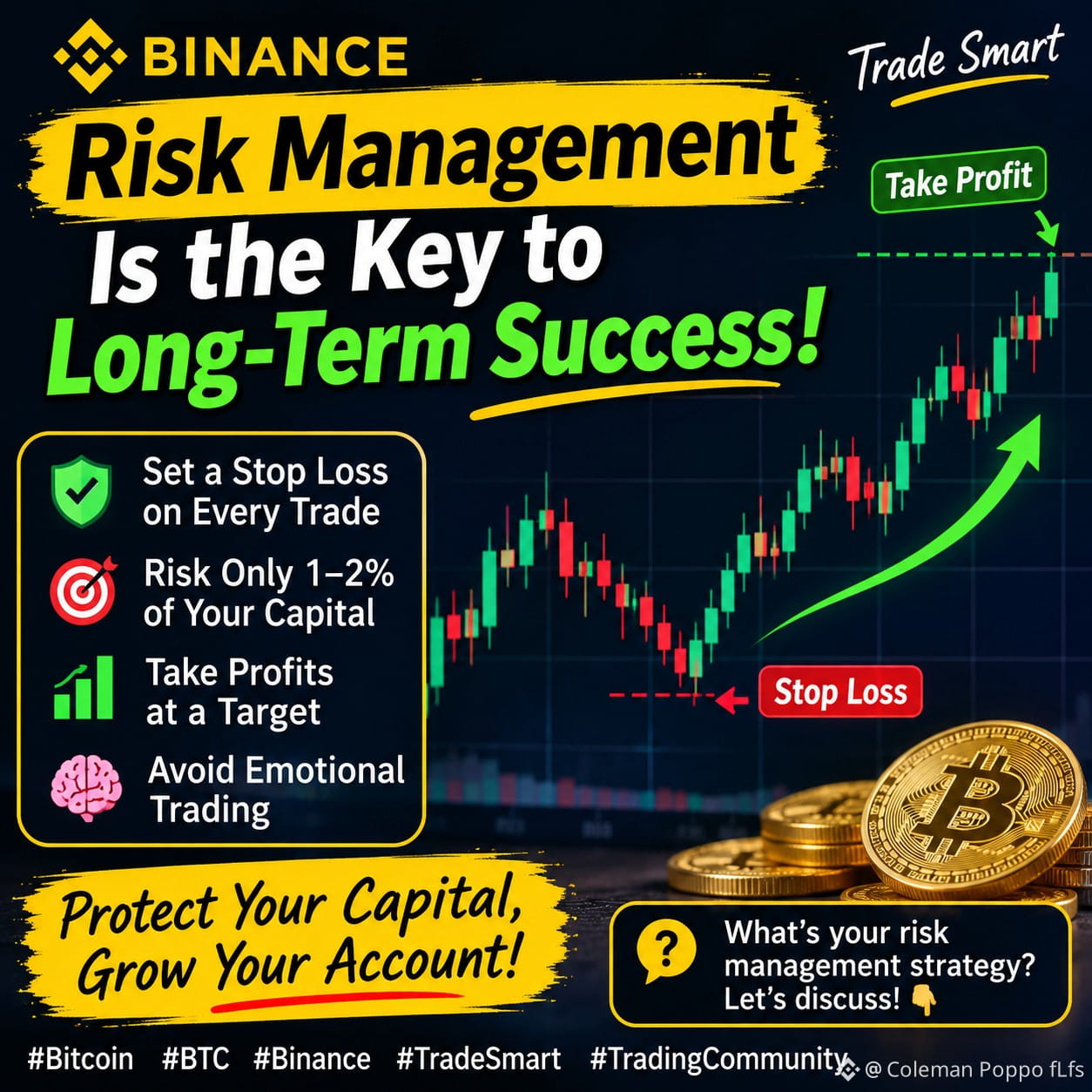
📊 Risk Management: The Secret Behind Long-Term Trading Success!
Many traders focus only on making profits, but successful trading starts with protecting capital.
A smart trader knows that managing risk is just as important as finding a good entry.
Here are 4 important rules:
🔹 Always set a Stop Loss.
🔹 Avoid risking more than 1–2% of your capital on a single trade.
🔹 Set realistic Take Profit targets.
🔹 Never let emotions control your decisions.
Remember: You don't need to win every trade. You need to manage losses wisely and stay consistent.
💬 Question for the trading community:
What is more important for long-term success: a perfect entry or proper risk management?
Share your thoughts below! 👇
$BTC $Bitcoin
#Bitcoin #BTC #Binance #TradeSmart #TradingCommunity
90
·
--
🎯 هدفنا القادم: 1,000 متابع!
بدأنا هذه الرحلة بمجتمع صغير من المهتمين بالعملات الرقمية والتداول.
أريد أن يكون هذا الحساب مساحة نتشارك فيها: 📊 تحليلات السوق. 📉 تجارب الخسارة والتعلم منها. 📈 فرص التداول ومخاطرها. 🧠 أسرار إدارة رأس المال.
هدفي ليس جمع أرقام المتابعين فقط، بل بناء مجتمع يتعلم ويتطور معاً.
وعندما نصل إلى 1,000 متابع، ستكون هناك مفاجأة احتفالية . 🎁
شكراً لكل شخص يقرأ ويناقش ويساهم في تطوير هذا المجتمع ❤️
#followfor #Crypto #TradingCommunity
5
59

·
--
🎯 كيف تفتح أسبوعك التداولي بذكاء؟
مع بداية كل أسبوع، يقع معظم المتداولين في فخ التخمين والتسرع. التداول الناجح ليس حظاً، بل إدارة مخاطر محكمة.
إليك 3 قواعد أتبعها دائماً عند افتتاح الشمعة الأسبوعية:
1️⃣ لا تتسرع في الدخول فجراً: اترك حركة صانع السوق تتضح بعد افتتاح الجلسات الأمريكية والأوروبية.
2️⃣ حدد مستويات الدعم والمقاومة الأسبوعية: التداول في المنتصف منطقة عالية الخطورة.
3️⃣ احفظ سيولتك: احتفظ دائماً بـ 30% من محفظتك كسيولة $USDT لفرص الانعكاس المفاجئة.
👇 سؤال اليوم: هل تفضل التداول المباشر (Spot) أم العقود الآجلة (Futures) مع بداية الأسبوع؟ شاركنا رايك!
#TradingCommunity #BinanceSquareFamily #CryptoNewss #RiskManagement
89

·
--
🎯 Learning crypto is better when we grow together!
Live trading is a great way to share your market insights, explain your strategies, and help others understand how trades work.
Share your analysis, discuss entry and exit points, and let your audience learn from your trading journey.
Real knowledge. Real strategies. Continuous growth! 🚀
$BTC $BNB $ETH
#LiveTrading #CryptoTrading #Bitcoin #Binance #TradingCommunity
2
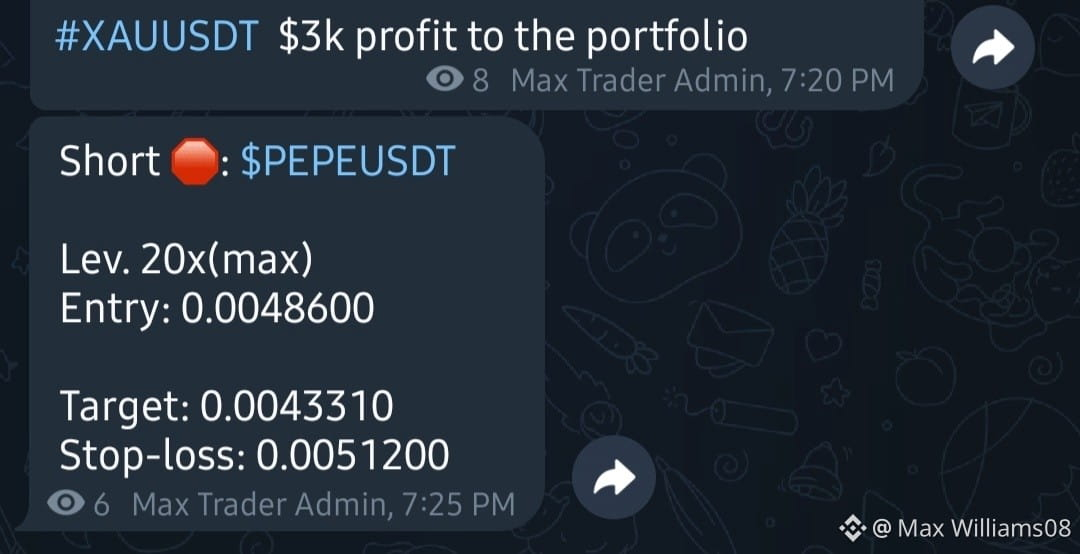
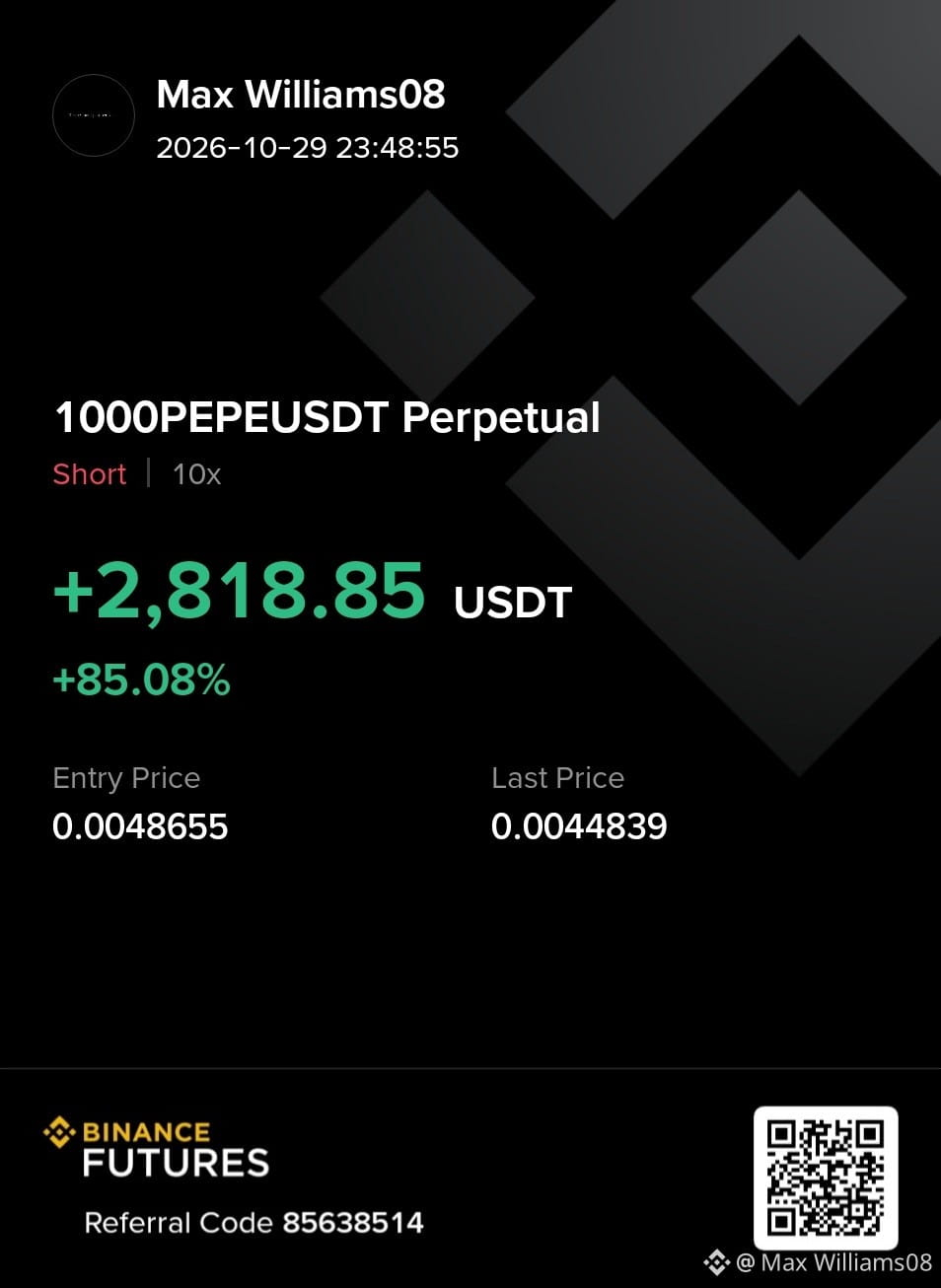
some people in the community close this trade on #PEPE thinking we hit Stop-loss but here is it with $3k profit from Entry.
#HotTrends #viralpost #TrendingTopic #tradingcommunity
some people in the community close this trade on #PEPE thinking we hit Stop-loss but here is it with $3k profit from Entry.
#HotTrends #viralpost #TrendingTopic #tradingcommunity
#HotTrends #viralpost #TrendingTopic #tradingcommunity
51

·
--
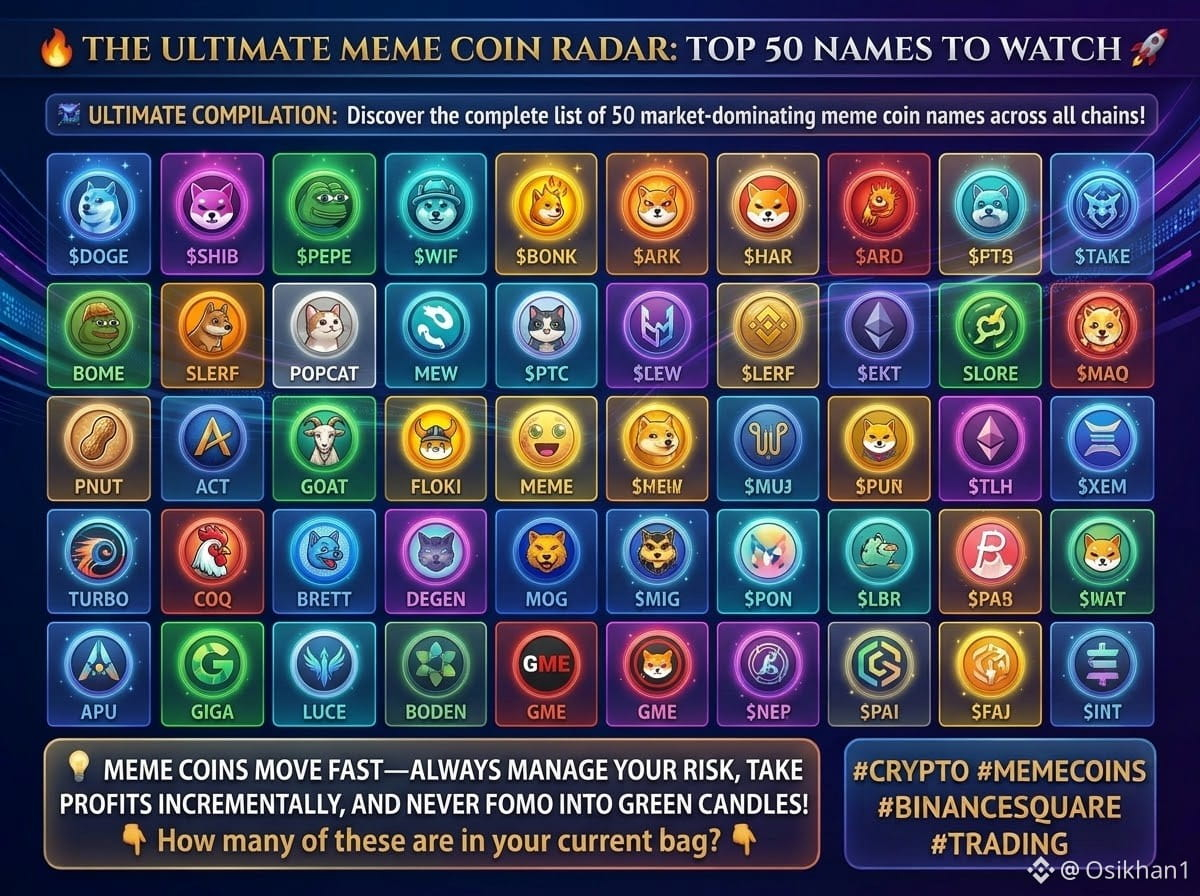
🔥 TOP 50 TRADING COINS RADAR 🚀
👑 Majors & L1 Anchors
$BTC - Digital gold 🪙
$ETH - Smart contracts 💎
$BNB - Exchange utility 🟡
$SOL - Speed leader ⚡
$XRP - Cross-border 🌊
$ADA - PoS pioneer 🟢
$TRX - Network transfers 🔴
$AVAX - Subnets 🔺
$SUI - L1 growth 🌊
$DOT - Multichain 🌐
⚡ High-Beta & Infrastructure
$LINK - RWA & Oracles 🔗
$NEAR - AI Compute 🧠
$APT - Move L1 ⚡
$INJ - Finance L1 📈
$POL - ETH Scaling 💜
$SEI - Speed trading ⚡
$RUNE - Cross-chain 🔄
$TIA - Modular DA 🧩
$FTM - DAG speed ⚡
$ATOM - Cosmos Hub ⚛️
🤖 AI & DePIN Leaders
$TAO - Decentralized AI 🤖
$FET - AI Agents 🌐
$RENDER - GPU Compute 🎨
$FIL - Data Storage 💾
$AKT - Cloud Compute ☁️
$IO - GPU Grids 💻
$WLD - Digital Identity 👁️
$GRT - Web3 Indexing 🔍
$ROSE - Privacy Tech 🌹
$HNT - Telecom Grid 📡
🏛️ DeFi & RWA Giants
$ONDO - RWA Leader 🏛️
$UNI - DEX Pioneer 🦄
$AAVE - Lending Hub 🏦
$PENDLE - Yield Trading 📊
$ENA - Yield Engine 💵
$JUP - Solana DEX 🪐
$PYTH - Oracle Feeds 🔮
$MKR - Stablecoins ⚖️
$CRV - Liquidity Pool 🔄
$LDO - Liquid Staking 🪙
🐸 Top Meme Coin Drivers
$DOGE - Original King 🐕
$PEPE - Volatility Magnet 🐸
$SHIB - Community Power 🦊
$WIF - Solana Proxy 🎩
$BONK - Solana Meme ⚡
$FLOKI - Viking Runner 🛡️
$BOME - Art Archive 📚
$POPCAT - Viral Cat 🐱
$PNUT - Trend Mascot 🥜
$GOAT - AI Terminal 🐐
💡 Trade smart, manage risk, & protect your portfolio!
👇 Which coins are in your active trading bag? 👇
#BinanceSquare #trading #TradingCommunity #Web3 #FOMCWatch
4
2k


Article
📈 How to Grow as a Trader 🚀📈 How to Grow as a Trader 🚀
Trading is not just about making money; it's about learning, patience, and discipline. 💡
If you want to grow as a trader, follow these 5 important rules:
📚 1. Learn Before You Trade
Understand market trends, price action, and risk management before investing your money.
📊 2. Follow a Trading Strategy
Don't trade randomly. Build a strategy and stick to it.
🛡️ 3. Manage Your Risk
Never risk money you cannot afford to lose. Protecting your capital is more important than chasing profits.
🧠 4. Control Your Emotions
Avoid📈 5. Learn From Every Trade Review your wins and losses. Keep improving your knowledge and skills every day. 🔥 Remember: Successful trading is not about getting rich overnight. It's about making informed decisions, managing risks, and staying consistent over time. 💬 What's your biggest challenge in trading? Share your thoughts in the comments! #Binance #CryptoTrading #TradingTips #RiskManagement #CryptoEducation #TradingJourney ⚠️ Disclaimer: Cryptocurrency trading involves significant risk. Profits are never guaranteed. Always do your own research (DYOR). FOMO, panic selling, and revenge trading. Make decisions based on research, not emotions.#FOMCWatch #EarningsSeason #TradingCommunity $BTC $PEPE
{spot}(BTCUSDT)
{spot}(ETHUSDT)
$NVDAB
📈 How to Grow as a Trader 🚀
📈 How to Grow as a Trader 🚀
Trading is not just about making money; it's about learning, patience, and discipline. 💡
If you want to grow as a trader, follow these 5 important rules:
📚 1. Learn Before You Trade
Understand market trends, price action, and risk management before investing your money.
📊 2. Follow a Trading Strategy
Don't trade randomly. Build a strategy and stick to it.
🛡️ 3. Manage Your Risk
Never risk money you cannot afford to lose. Protecting your capital is more important than chasing profits.
🧠 4. Control Your Emotions
Avoid📈 5. Learn From Every Trade Review your wins and losses. Keep improving your knowledge and skills every day. 🔥 Remember: Successful trading is not about getting rich overnight. It's about making informed decisions, managing risks, and staying consistent over time. 💬 What's your biggest challenge in trading? Share your thoughts in the comments! #Binance #CryptoTrading #TradingTips #RiskManagement #CryptoEducation #TradingJourney ⚠️ Disclaimer: Cryptocurrency trading involves significant risk. Profits are never guaranteed. Always do your own research (DYOR). FOMO, panic selling, and revenge trading. Make decisions based on research, not emotions.#FOMCWatch #EarningsSeason #TradingCommunity $BTC $PEPE
$NVDAB
2
77

·
--
Guys, let's talk honestly for a minute❗What's more valuable to you: giveaways or trading insights that can actually help you make better decisions? I want your honest answer. When I started dropping Red Packets, I received so many messages asking, “When's the next Red Packet?” And that's completely fine! Who doesn't love a little gift? But I want you guys to understand one thing. Red Packets are small gifts for this community but my bigger goal is to help you become a smarter trader. Can collecting small giveaways really be your entire plan for making money in #crypto ? If you want to grow, focus on understanding the market, finding good setups, managing risk and having patience. Trading comes with risks. No signal is guaranteed and even experienced traders take losses. I do too. What matters is how you handle them. Don't lose confidence or jump into another trade just to recover your losses. Step back, review what went wrong, manage your risk and wait for a setup that makes sense. FOMO might push you into a trade, but discipline helps you stick to your plan. And yes I'll keep dropping Red Packets as promised. Those little gifts aren't going anywhere. But I want us to build something bigger: a community where we share insights, discuss setups, learn from mistakes and grow together. Have questions about market trends, LONG or SHORT setups, entries, exits, or risk management? Feel free to ask. I'll do my best to share useful insights. Just remember: never follow signals blindly. Understand the setup, know your risk and make informed decisions. Let's not just collect rewards. Let's build skills, trade smarter and grow together.
$APR #CryptoCommunity $QNT #BinanceSquare $ETC #TradingCommunity
$APR #CryptoCommunity $QNT #BinanceSquare $ETC #TradingCommunity
1
209

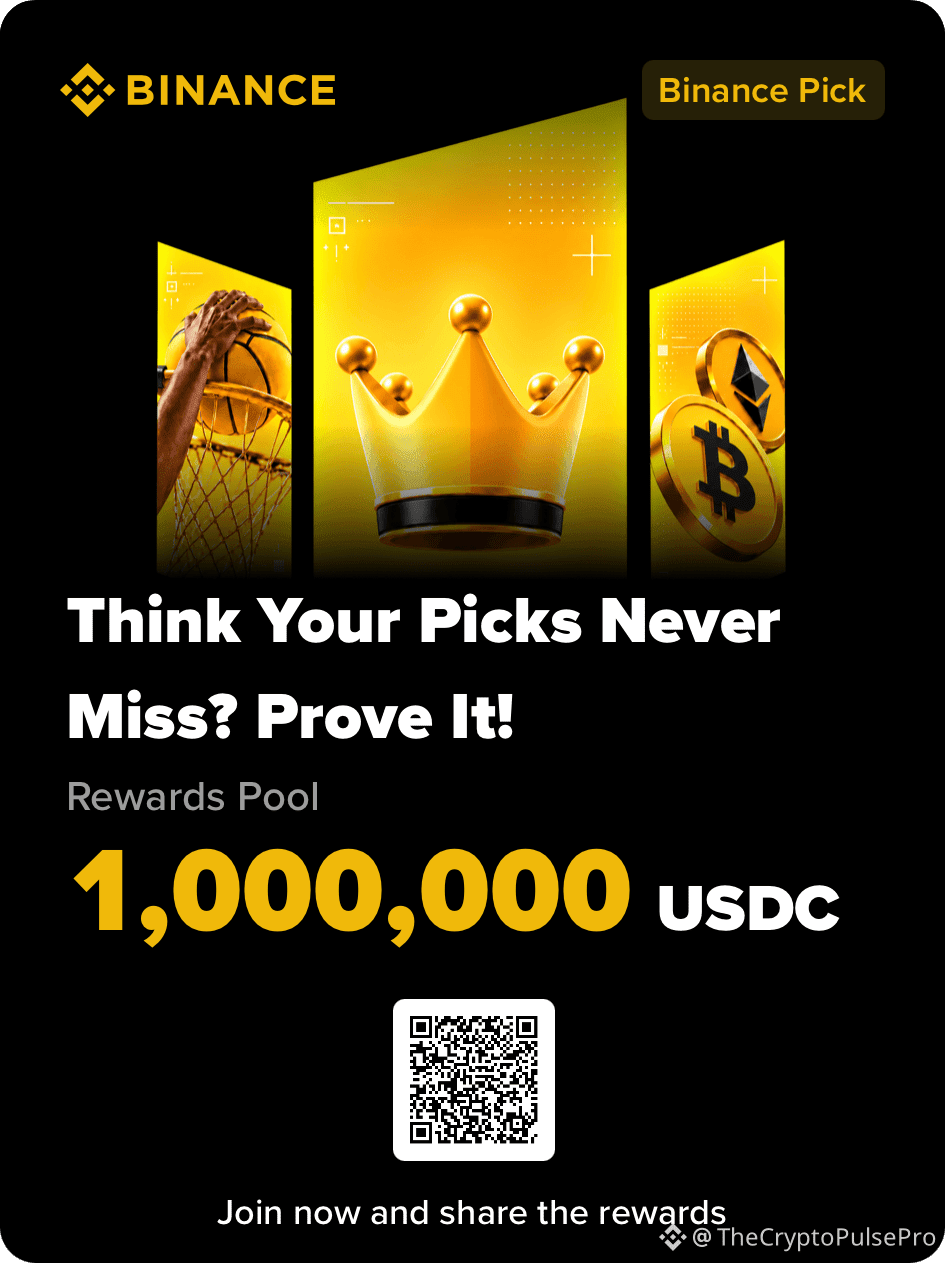
#BinancePick 🔍 LOOKING BEYOND THE SURFACE IN CRYPTO!
In this fast-moving market, I’ve realized that real growth comes from deep research rather than just following the crowd. Whether it’s analyzing support levels, tracking token utility, or making strategic market predictions, consistency is key to staying ahead. 📈
Binance Pick has been an amazing way to test market intuition, explore different angles, and engage with brilliant minds in the community. It’s not just about the scores; it’s about sharpening our analytical skills every single day. 🎯💡
What’s your primary strategy when analyzing a new market trend or token? Drop your thoughts below—let’s learn and grow together! 🤝🚀
#BinancePick #CryptoAnalysis #TradingCommunity #BNB
123
Log in to explore more content
Join global crypto users on Binance Square
⚡️ Get latest and useful information about crypto.
💬 Trusted by the world’s largest crypto exchange.
👍 Discover real insights from verified creators.
Email / Phone number
Trending Topics
1
#HuangRisksOusterOverReportedAffairWithSubordinate
24,197 views
422 Discussing
2
#AnthropicRejectsIPODelayValuationinQuestion
465,449 views
3,884 Discussing
3
#CoreWeaveJumps10%On168%RevenueGrowth
62,216 views
852 Discussing
4
#ZcashFallsBelow$1000ForFirstTimeSinceSeptember
35,095 views
183 Discussing
5
#MSCIRemovalMayCurbStrategy’sBitcoinBuying
309 views
27 Discussing
6
#CanNvidiaEarningsEaseMarketConcerns?
172,276 views
1,788 Discussing
7
#SouthKoreaToLetExchangesSuspendWithdrawalsOnSuspectedHacks
0 views
0 Discussing
8
#PythAddsNYSERealTimeDataToMarketplace
377 views
26 Discussing
9
#SolanaCompanyReports$3.4MQ3Revenue
872 views
21 Discussing
10
#tZEROWinsCFTCApprovalForRegulatedDerivativesExchange
651 views
11 Discussing