
#googlestudyoncryptosecuritychallenges
googlestudyoncryptosecuritychallenges
2.7M views
20,233 Discussing
Hot
Latest


Why War Is a Nightmare for the Middle East
War in the Middle East doesn't stay in one place.
It spreads. Fast.
One missile hits a ship in the Strait of Hormuz. Twenty percent of the world's oil stops moving. Global prices double overnight.
Egypt cuts power at 9pm. Pakistan slashes government salaries. Turkey burns through $30 billion defending its currency. All because of a conflict hundreds of miles away.
Here's what people don't understand.
The Middle East is a web. Iran touches Iraq. Iraq touches Syria. Syria touches Lebanon. Lebanon touches Israel. Every border is a fuse.
When one country burns, the smoke chokes its neighbors.
Supply chains snap. Food prices explode. Currencies collapse. Jobs disappear. Not in months. In days.
The 1973 oil embargo lasted weeks. The economic pain lasted a decade.
The 2026 Iran war is already reshaping everything. Gold spiked to $5,300 then crashed. Oil went to $110 and is still volatile. Stock markets shed trillions.
But the real nightmare isn't the markets.
It's the families in Gaza with no electricity. The truck drivers stranded at closed borders. The small business owners who watched their life savings evaporate because their currency lost half its value in a month.
War doesn't announce itself with a single explosion.
It announces itself with empty shelves. Closed schools. Bank withdrawal limits. And governments quietly telling their citizens to stay inside.
$RIVER $GOOGL #CLARITYActHitAnotherRoadblock #BitmineIncreasesETHStake #GoogleStudyOnCryptoSecurityChallenges
Why War Is a Nightmare for the Middle East
War in the Middle East doesn't stay in one place.
It spreads. Fast.
One missile hits a ship in the Strait of Hormuz. Twenty percent of the world's oil stops moving. Global prices double overnight.
Egypt cuts power at 9pm. Pakistan slashes government salaries. Turkey burns through $30 billion defending its currency. All because of a conflict hundreds of miles away.
Here's what people don't understand.
The Middle East is a web. Iran touches Iraq. Iraq touches Syria. Syria touches Lebanon. Lebanon touches Israel. Every border is a fuse.
When one country burns, the smoke chokes its neighbors.
Supply chains snap. Food prices explode. Currencies collapse. Jobs disappear. Not in months. In days.
The 1973 oil embargo lasted weeks. The economic pain lasted a decade.
The 2026 Iran war is already reshaping everything. Gold spiked to $5,300 then crashed. Oil went to $110 and is still volatile. Stock markets shed trillions.
But the real nightmare isn't the markets.
It's the families in Gaza with no electricity. The truck drivers stranded at closed borders. The small business owners who watched their life savings evaporate because their currency lost half its value in a month.
War doesn't announce itself with a single explosion.
It announces itself with empty shelves. Closed schools. Bank withdrawal limits. And governments quietly telling their citizens to stay inside.
$RIVER $GOOGL #CLARITYActHitAnotherRoadblock #BitmineIncreasesETHStake #GoogleStudyOnCryptoSecurityChallenges
War in the Middle East doesn't stay in one place.
It spreads. Fast.
One missile hits a ship in the Strait of Hormuz. Twenty percent of the world's oil stops moving. Global prices double overnight.
Egypt cuts power at 9pm. Pakistan slashes government salaries. Turkey burns through $30 billion defending its currency. All because of a conflict hundreds of miles away.
Here's what people don't understand.
The Middle East is a web. Iran touches Iraq. Iraq touches Syria. Syria touches Lebanon. Lebanon touches Israel. Every border is a fuse.
When one country burns, the smoke chokes its neighbors.
Supply chains snap. Food prices explode. Currencies collapse. Jobs disappear. Not in months. In days.
The 1973 oil embargo lasted weeks. The economic pain lasted a decade.
The 2026 Iran war is already reshaping everything. Gold spiked to $5,300 then crashed. Oil went to $110 and is still volatile. Stock markets shed trillions.
But the real nightmare isn't the markets.
It's the families in Gaza with no electricity. The truck drivers stranded at closed borders. The small business owners who watched their life savings evaporate because their currency lost half its value in a month.
War doesn't announce itself with a single explosion.
It announces itself with empty shelves. Closed schools. Bank withdrawal limits. And governments quietly telling their citizens to stay inside.
$RIVER $GOOGL #CLARITYActHitAnotherRoadblock #BitmineIncreasesETHStake #GoogleStudyOnCryptoSecurityChallenges
WILL WAR OVER SOON
50%
IT WILL BRING ANOTHER DROP
50%
4 votes • Voting closed
5
2k

أهمية مشروع Sign في تعزيز السيادة الرقمية والنمو الاقتصادييعتبر مشروع @SignOfficial واحد من أهم المشاريع الحالية اللي بتقدم حلول حقيقية في مجال البنية التحتية للسيادة الرقمية وتأمين البيانات. أنا بتابع تطورات عملة $SIGN بقالي فترة وشايف إن المشروع ده بيقدم رؤية واضحة لمستقبل الويب 3 في منطقة الشرق الأوسط والعالم كله. السيادة الرقمية مش مجرد رفاهية، دي ضرورة لكل مستخدم عشان يحمي هويته وبياناته من المركزية. هاشتاج الحملة ##GoogleStudyOnCryptoSecurityChallenges بيوضح قد إيه الفريق مهتم ببناء قاعدة قوية ومستدامة. أنا بنصح الكل يقرأ أكتر عن المشروع ده ويشوف إزاي التقنيات دي ممكن تغير شكل الإنترنت اللي بنستخدمه كل يوم وتخليه أكثر أماناً وحرية للجميع. بالتوفيق لفريق العمل في هذه الخطوات العظيمة."
أهمية مشروع Sign في تعزيز السيادة الرقمية والنمو الاقتصادي
يعتبر مشروع @SignOfficial واحد من أهم المشاريع الحالية اللي بتقدم حلول حقيقية في مجال البنية التحتية للسيادة الرقمية وتأمين البيانات. أنا بتابع تطورات عملة $SIGN بقالي فترة وشايف إن المشروع ده بيقدم رؤية واضحة لمستقبل الويب 3 في منطقة الشرق الأوسط والعالم كله. السيادة الرقمية مش مجرد رفاهية، دي ضرورة لكل مستخدم عشان يحمي هويته وبياناته من المركزية. هاشتاج الحملة ##GoogleStudyOnCryptoSecurityChallenges بيوضح قد إيه الفريق مهتم ببناء قاعدة قوية ومستدامة. أنا بنصح الكل يقرأ أكتر عن المشروع ده ويشوف إزاي التقنيات دي ممكن تغير شكل الإنترنت اللي بنستخدمه كل يوم وتخليه أكثر أماناً وحرية للجميع. بالتوفيق لفريق العمل في هذه الخطوات العظيمة."
4
31


·
--
Google Study On Crypto Security ChallengesA March 2026 whitepaper and subsequent studies from Google Quantum AI, along with threat intelligence from Mandiant, have highlighted critical and emerging security challenges facing the cryptocurrency industry. The findings warn that the cryptographic foundations of Bitcoin and Ethereum are more vulnerable to quantum attacks than previously thought, with the timeline for potential "breaks" moving closer to 2029.
Here is an analysis of Google’s findings on security issues:
1. Quantum Threats: The "20x Lower" Threshold
Google’s research shows that the computational power required to break the 256-bit elliptic curve cryptography (ECDLP-256) securing major blockchains is significantly lower than previously assumed.
Reduced Qubit Requirements: Previously, it was believed millions of qubits were needed to break this encryption. Google researchers found it may be achievable with fewer than 500,000 physical qubits, a 20x reduction.The "9-Minute Hack": The study suggests a future quantum computer could extract a private key from an active transaction ("on-spend" attack) in as little as nine minutes.Immediate Risks: Dormant wallets, which contain massive amounts of old Bitcoin (roughly 6.9 million BTC), are at highest risk of being drained once this technology matures.Timeline: While not an immediate threat, these findings put the risk timeline closer to 2029-2030 rather than the mid-2030s.
2. Operational & Infrastructure Security (Mandiant Findings)
According to Google Cloud’s Mandiant unit, operational compromises are driving massive losses, surpassing smart contract bugs as the primary threat vector.
Targeting "On-Chain" Infrastructure: Hackers are increasingly moving their own infrastructure onto public blockchains to make command centers nearly impossible for authorities to take down.Compromised Keys and Wallets: Attackers are moving up the stack to target operational infrastructure, keys, wallets, and control planes, rather than just exploiting smart contract code.Social Engineering/AI Vishing: Hackers are employing "agentic" AI, using Autonomous AI Agents to conduct real-time vishing (voice phishing) to impersonate exchange staff and steal credentials.Supply Chain Attacks: Attackers, particularly North Korean groups (e.g., Lazarus Group), are infiltrating developer systems to compromise signing infrastructure.
3. Phishing and Fraud Trends
Credential Harvesting: The primary entry vector remains the theft of credentials via phishing, with phishing targeting Web3 platforms increasing significantly.Address Poisoning: Carnegie Mellon Researchers (working with Google data) identified hundreds of millions of address poisoning attempts, where attackers dust wallets with similar-looking addresses to trick users into sending funds to the wrong address.AI-Enabled Scams: AI-powered social engineering has demonstrated drastically higher profitability, with scam losses increasing substantially in 2025.
4. Recommendations for Mitigation
Google urges the crypto community to prepare immediately for a post-quantum future.
Migrate to PQC: Transition to Post-Quantum Cryptography (PQC) standards immediately.Improve Key Hygiene: Stop reusing addresses/keys and minimize the exposure of public keys to reduce the window of vulnerability.Implement Hardware Security: Use physical security keys (e.g., YubiKeys) for all critical accounts, as traditional MFA is no longer sufficient against sophisticated AI-simulated logins.Hybrid Defenses: Use hybrid signing methods that combine traditional and PQC signatures.
Disclaimer: This analysis is based on research published as of April 2026.
#GoogleStudyOnCryptoSecurityChallenges
Google Study On Crypto Security Challenges
A March 2026 whitepaper and subsequent studies from Google Quantum AI, along with threat intelligence from Mandiant, have highlighted critical and emerging security challenges facing the cryptocurrency industry. The findings warn that the cryptographic foundations of Bitcoin and Ethereum are more vulnerable to quantum attacks than previously thought, with the timeline for potential "breaks" moving closer to 2029.
Here is an analysis of Google’s findings on security issues:
1. Quantum Threats: The "20x Lower" Threshold
Google’s research shows that the computational power required to break the 256-bit elliptic curve cryptography (ECDLP-256) securing major blockchains is significantly lower than previously assumed.
Reduced Qubit Requirements: Previously, it was believed millions of qubits were needed to break this encryption. Google researchers found it may be achievable with fewer than 500,000 physical qubits, a 20x reduction.The "9-Minute Hack": The study suggests a future quantum computer could extract a private key from an active transaction ("on-spend" attack) in as little as nine minutes.Immediate Risks: Dormant wallets, which contain massive amounts of old Bitcoin (roughly 6.9 million BTC), are at highest risk of being drained once this technology matures.Timeline: While not an immediate threat, these findings put the risk timeline closer to 2029-2030 rather than the mid-2030s.
2. Operational & Infrastructure Security (Mandiant Findings)
According to Google Cloud’s Mandiant unit, operational compromises are driving massive losses, surpassing smart contract bugs as the primary threat vector.
Targeting "On-Chain" Infrastructure: Hackers are increasingly moving their own infrastructure onto public blockchains to make command centers nearly impossible for authorities to take down.Compromised Keys and Wallets: Attackers are moving up the stack to target operational infrastructure, keys, wallets, and control planes, rather than just exploiting smart contract code.Social Engineering/AI Vishing: Hackers are employing "agentic" AI, using Autonomous AI Agents to conduct real-time vishing (voice phishing) to impersonate exchange staff and steal credentials.Supply Chain Attacks: Attackers, particularly North Korean groups (e.g., Lazarus Group), are infiltrating developer systems to compromise signing infrastructure.
3. Phishing and Fraud Trends
Credential Harvesting: The primary entry vector remains the theft of credentials via phishing, with phishing targeting Web3 platforms increasing significantly.Address Poisoning: Carnegie Mellon Researchers (working with Google data) identified hundreds of millions of address poisoning attempts, where attackers dust wallets with similar-looking addresses to trick users into sending funds to the wrong address.AI-Enabled Scams: AI-powered social engineering has demonstrated drastically higher profitability, with scam losses increasing substantially in 2025.
4. Recommendations for Mitigation
Google urges the crypto community to prepare immediately for a post-quantum future.
Migrate to PQC: Transition to Post-Quantum Cryptography (PQC) standards immediately.Improve Key Hygiene: Stop reusing addresses/keys and minimize the exposure of public keys to reduce the window of vulnerability.Implement Hardware Security: Use physical security keys (e.g., YubiKeys) for all critical accounts, as traditional MFA is no longer sufficient against sophisticated AI-simulated logins.Hybrid Defenses: Use hybrid signing methods that combine traditional and PQC signatures.
Disclaimer: This analysis is based on research published as of April 2026.
#GoogleStudyOnCryptoSecurityChallenges
Here is an analysis of Google’s findings on security issues:
1. Quantum Threats: The "20x Lower" Threshold
Google’s research shows that the computational power required to break the 256-bit elliptic curve cryptography (ECDLP-256) securing major blockchains is significantly lower than previously assumed.
Reduced Qubit Requirements: Previously, it was believed millions of qubits were needed to break this encryption. Google researchers found it may be achievable with fewer than 500,000 physical qubits, a 20x reduction.The "9-Minute Hack": The study suggests a future quantum computer could extract a private key from an active transaction ("on-spend" attack) in as little as nine minutes.Immediate Risks: Dormant wallets, which contain massive amounts of old Bitcoin (roughly 6.9 million BTC), are at highest risk of being drained once this technology matures.Timeline: While not an immediate threat, these findings put the risk timeline closer to 2029-2030 rather than the mid-2030s.
2. Operational & Infrastructure Security (Mandiant Findings)
According to Google Cloud’s Mandiant unit, operational compromises are driving massive losses, surpassing smart contract bugs as the primary threat vector.
Targeting "On-Chain" Infrastructure: Hackers are increasingly moving their own infrastructure onto public blockchains to make command centers nearly impossible for authorities to take down.Compromised Keys and Wallets: Attackers are moving up the stack to target operational infrastructure, keys, wallets, and control planes, rather than just exploiting smart contract code.Social Engineering/AI Vishing: Hackers are employing "agentic" AI, using Autonomous AI Agents to conduct real-time vishing (voice phishing) to impersonate exchange staff and steal credentials.Supply Chain Attacks: Attackers, particularly North Korean groups (e.g., Lazarus Group), are infiltrating developer systems to compromise signing infrastructure.
3. Phishing and Fraud Trends
Credential Harvesting: The primary entry vector remains the theft of credentials via phishing, with phishing targeting Web3 platforms increasing significantly.Address Poisoning: Carnegie Mellon Researchers (working with Google data) identified hundreds of millions of address poisoning attempts, where attackers dust wallets with similar-looking addresses to trick users into sending funds to the wrong address.AI-Enabled Scams: AI-powered social engineering has demonstrated drastically higher profitability, with scam losses increasing substantially in 2025.
4. Recommendations for Mitigation
Google urges the crypto community to prepare immediately for a post-quantum future.
Migrate to PQC: Transition to Post-Quantum Cryptography (PQC) standards immediately.Improve Key Hygiene: Stop reusing addresses/keys and minimize the exposure of public keys to reduce the window of vulnerability.Implement Hardware Security: Use physical security keys (e.g., YubiKeys) for all critical accounts, as traditional MFA is no longer sufficient against sophisticated AI-simulated logins.Hybrid Defenses: Use hybrid signing methods that combine traditional and PQC signatures.
Disclaimer: This analysis is based on research published as of April 2026.
#GoogleStudyOnCryptoSecurityChallenges
2
181

$goldcoin • Daily Token Improvement Report • 3.31.2026
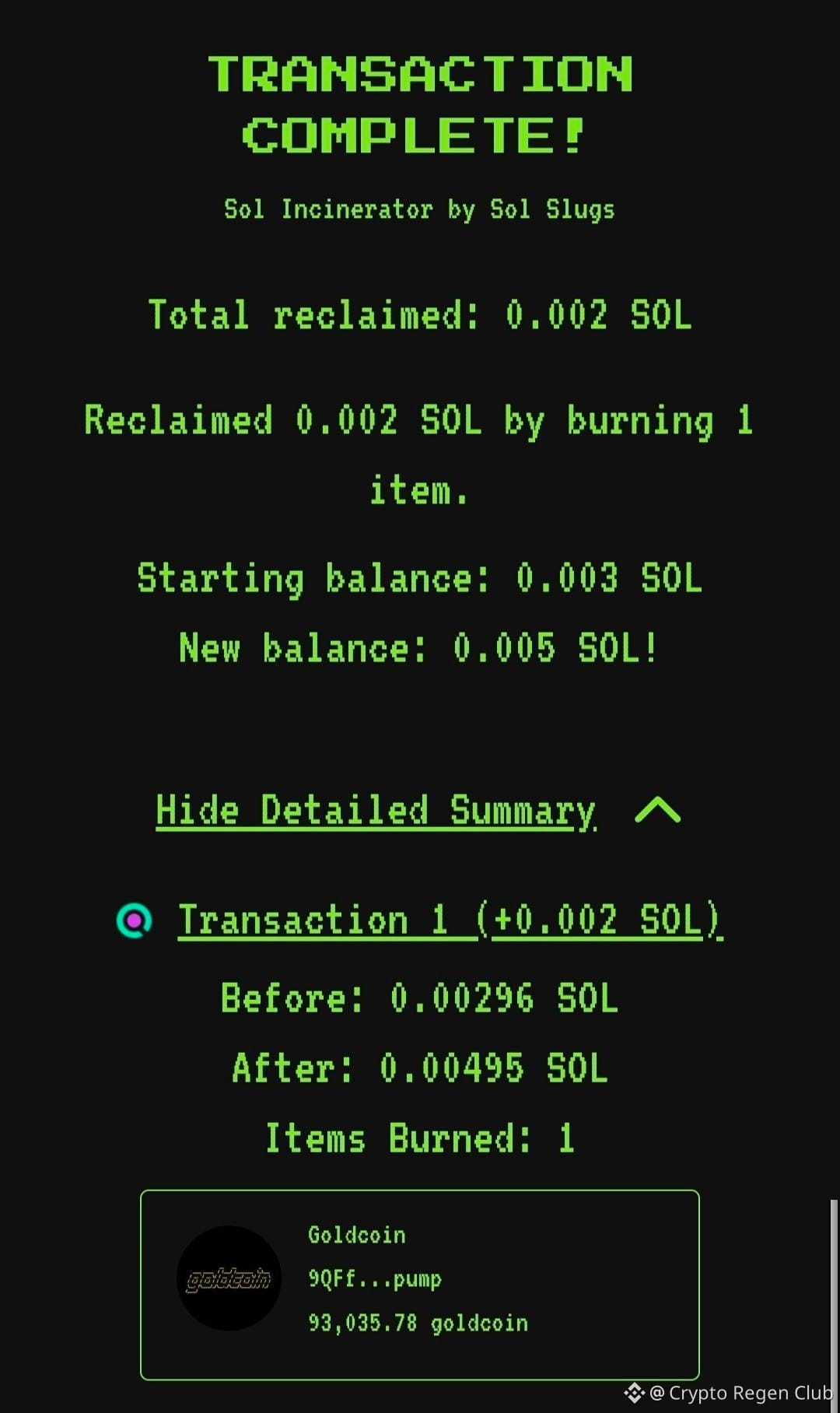
93k $goldcoin daily buyback + burn today 🔥
29.57% supply burned total 🔥
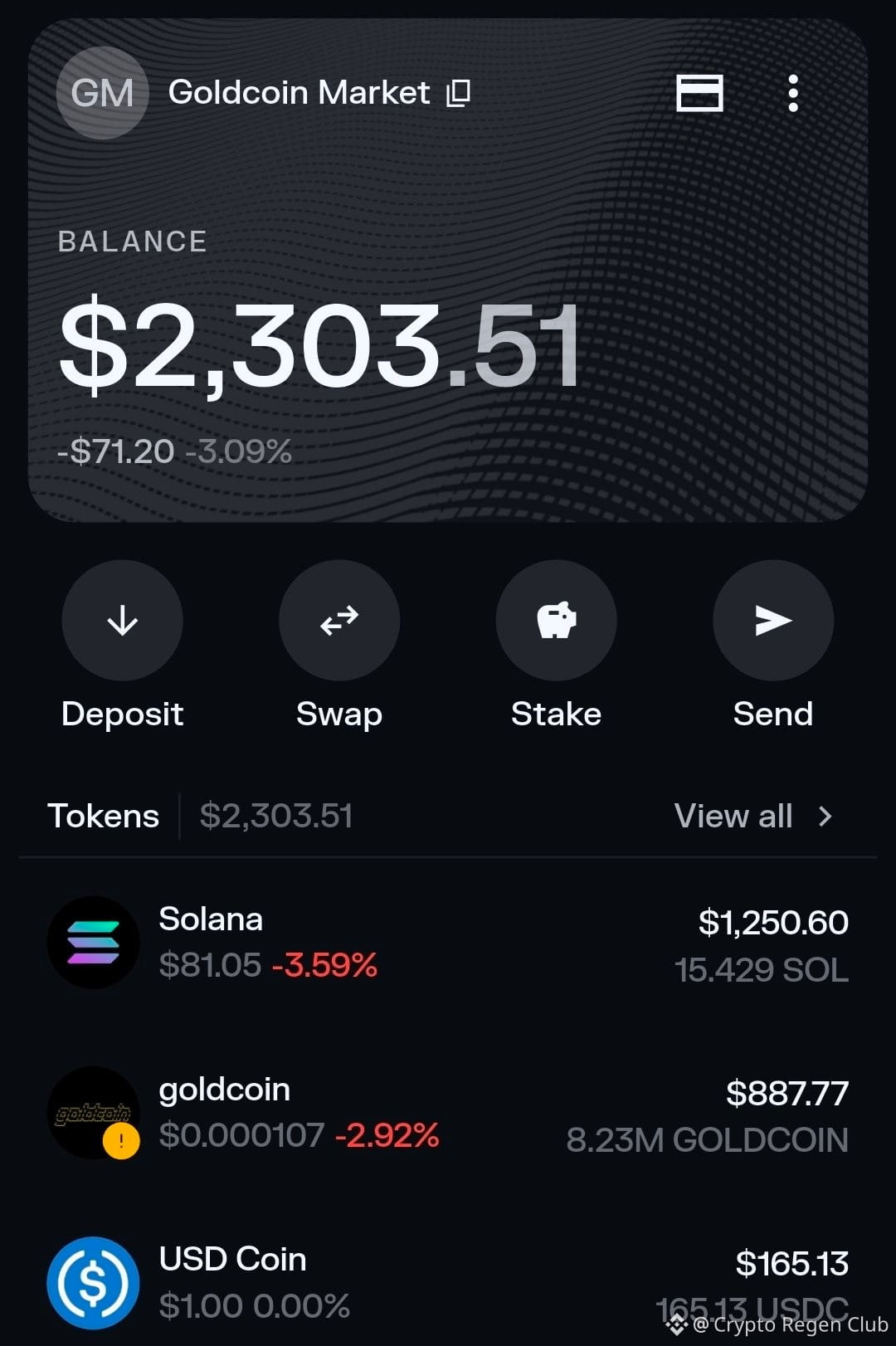
Allocation to marketing wallet, balance ~ $2300
New 1m $goldcoin giveaway + big burn coming very soon!
Learn more: goldcoinhq.com
ca: 9QFfgxdSqH5zT7j6rZb1y6SZhw2aFtcQu2r6BuYpump
#GoogleStudyOnCryptoSecurityChallenges $NEIRO
$goldcoin • Daily Token Improvement Report • 3.31.2026
93k $goldcoin daily buyback + burn today 🔥
29.57% supply burned total 🔥
Allocation to marketing wallet, balance ~ $2300
New 1m $goldcoin giveaway + big burn coming very soon!
Learn more: goldcoinhq.com
ca: 9QFfgxdSqH5zT7j6rZb1y6SZhw2aFtcQu2r6BuYpump
#GoogleStudyOnCryptoSecurityChallenges $NEIRO
93k $goldcoin daily buyback + burn today 🔥
29.57% supply burned total 🔥
Allocation to marketing wallet, balance ~ $2300
New 1m $goldcoin giveaway + big burn coming very soon!
Learn more: goldcoinhq.com
ca: 9QFfgxdSqH5zT7j6rZb1y6SZhw2aFtcQu2r6BuYpump
#GoogleStudyOnCryptoSecurityChallenges $NEIRO
241

·
--
Bullish
$GPS
{spot}(GPSUSDT)
Ignition Mode Activated 🚀
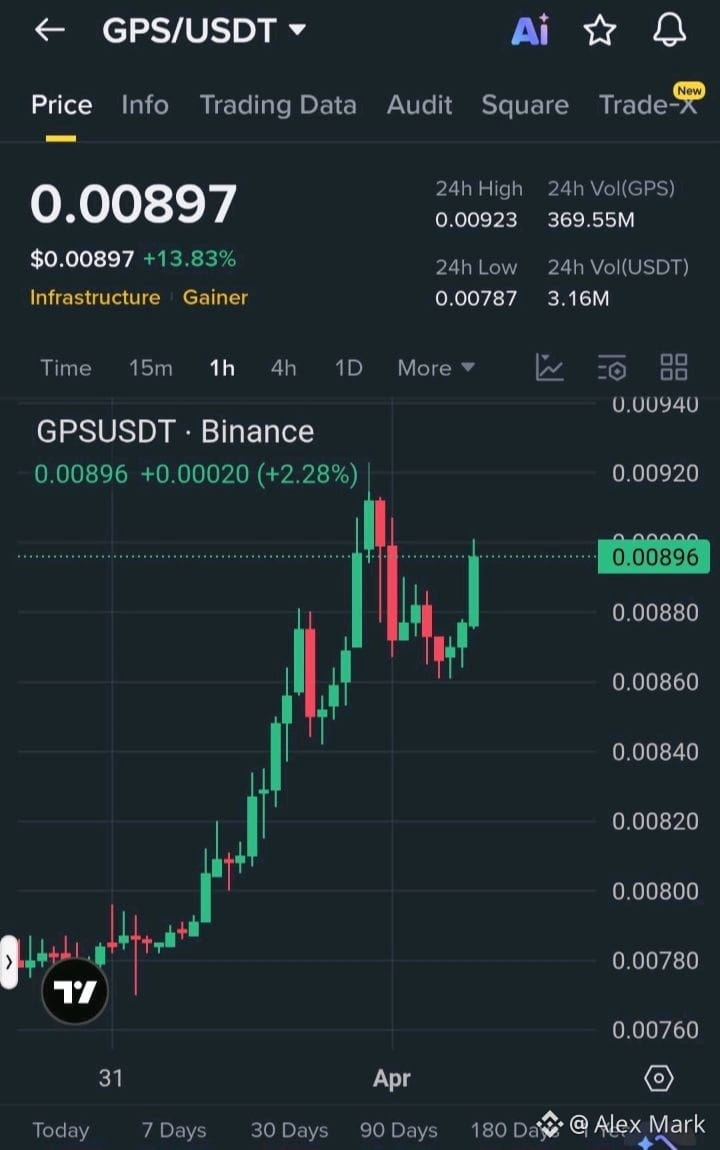
After a clean accumulation phase, $GPS is now showing a powerful momentum shift. Structure is bullish, price is printing higher highs & higher lows, and the recent breakout followed by a controlled pullback signals continuation strength.
Buyers are defending the $0.0086 zone aggressively — as long as this level holds, upside pressure remains strong and expansion looks likely.
$GPS LONG Setup Entry: $0.0086 – $0.0090
Stop Loss: $0.0081
Targets 🎯 $0.0096
🎯 $0.0105
🎯 $0.0115
#GoogleStudyOnCryptoSecurityChallenges
#BitmineIncreasesETHStake
#AsiaStocksPlunge
#USNoKingsProtests
#BTCETFFeeRace
$GPS
Ignition Mode Activated 🚀
After a clean accumulation phase, $GPS is now showing a powerful momentum shift. Structure is bullish, price is printing higher highs & higher lows, and the recent breakout followed by a controlled pullback signals continuation strength.
Buyers are defending the $0.0086 zone aggressively — as long as this level holds, upside pressure remains strong and expansion looks likely.
$GPS LONG Setup Entry: $0.0086 – $0.0090
Stop Loss: $0.0081
Targets 🎯 $0.0096
🎯 $0.0105
🎯 $0.0115
#GoogleStudyOnCryptoSecurityChallenges
#BitmineIncreasesETHStake
#AsiaStocksPlunge
#USNoKingsProtests
#BTCETFFeeRace
Ignition Mode Activated 🚀
After a clean accumulation phase, $GPS is now showing a powerful momentum shift. Structure is bullish, price is printing higher highs & higher lows, and the recent breakout followed by a controlled pullback signals continuation strength.
Buyers are defending the $0.0086 zone aggressively — as long as this level holds, upside pressure remains strong and expansion looks likely.
$GPS LONG Setup Entry: $0.0086 – $0.0090
Stop Loss: $0.0081
Targets 🎯 $0.0096
🎯 $0.0105
🎯 $0.0115
#GoogleStudyOnCryptoSecurityChallenges
#BitmineIncreasesETHStake
#AsiaStocksPlunge
#USNoKingsProtests
#BTCETFFeeRace
1
87

Article
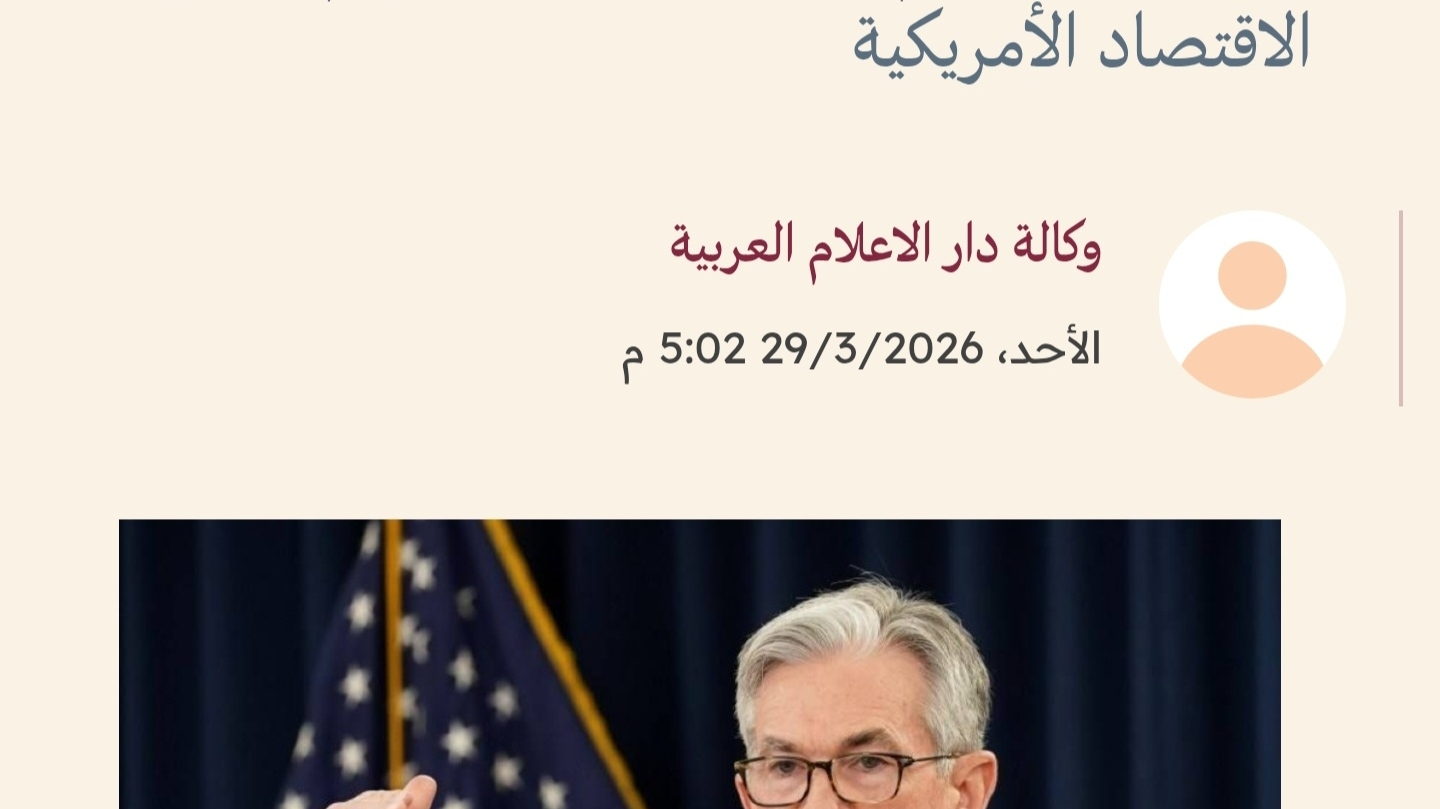
كلمة باول وقفزة أسعار النفط تخطف أنظار مستثمري «وول ستريت»$SIGN #signdigitalsovereigninfra
{spot}(SIGNUSDT)
$ETH
{spot}(ETHUSDT)
$SLP
{spot}(SLPUSDT)
prayer-time
يتصدر تقرير التوظيف الأمريكي المرتقب الأسبوع الجاري، مشهد البيانات الاقتصادية الجديدة التي ينتظرها مستثمرو الأسهم، والذين يتابعون أيضاً عن كثب تطورات الحرب مع إيران، التي تدخل الآن شهرها الثاني، بحسب تقرير رويترز الأسبوعي للأسهم الأمريكية.
من المتوقع أن يُلقي جيروم باول رئيس مجلس الاحتياطي الفيدرالي، كلمة خلال هذا الأسبوع، في أول ظهور له بعد اجتماع الفيدرالي الأخير. حيث سيتحدث في جامعة هارفارد، ضمن نقاش حول الأوضاع الاقتصادية الحالية.
وتأتي هذه الكلمة في وقت حساس للأسواق، بعد أن قرر الاحتياطي الفيدرالي تثبيت أسعار الفائدة خلال اجتماع مارس، مع الإشارة إلى استمرار الضغوط التضخمية، وارتفاع حالة عدم اليقين بسبب التوترات الجيوسياسية، وارتفاع أسعار الطاقة.
ويراقب المستثمرون تصريحات باول عن كثب، بحثاً عن أي إشارات جديدة بشأن مسار أسعار الفائدة خلال الفترة المقبلة، خاصة في ظل استمرار التضخم فوق المستهدف، ومن المتوقع أن تكون مؤثرة للأسواق، لأنها قد تعطي تلميحات جديدة بعد اجتماع الفيدرالي الأخير.
وتواصل الأسواق تركيزها الشديد على تداعيات الصراع في الشرق الأوسط على أسعار الطاقة، بعدما تسببت الحرب في قطع جزء كبير من إمدادات النفط.
وقفز الخام الأمريكي بأكثر من 70 % منذ بداية العام، ليصل إلى نحو 100 دولار للبرميل، ما رفع أسعار البنزين في الولايات المتحدة إلى متوسط يقارب 4 دولارات للجالون، ما قد يؤدي بدوره إلى كبح الإنفاق الاستهلاكي.
ومع تزايد قلق المستثمرين بشأن التضخم، قفزت عوائد سندات الخزانة القياسية إلى أعلى مستوياتها منذ الصيف الماضي، ما خلق نقطة ضغط محتملة على تقييمات الأسهم.
وتراجع مؤشر «ستاندرد آند بورز 500» للأسبوع الخامس على التوالي، مسجلاً انخفاضاً بنسبة تتجاوز 7 % منذ الضربات العسكرية الأمريكية الإسرائيلية على إيران في أواخر فبراير.
وأكد مؤشرا «ناسداك المجمع» و«داو جونز الصناعي» هذا الأسبوع، دخولهما في مرحلة تصحيح، حيث أنهى كلاهما التداولات بانخفاض لا يقل عن 10 % عن أعلى مستوياتهما على الإطلاق.
وخلال الأسبوع الماضي، أدت المؤشرات المتضاربة حول احتمال وقف التصعيد، إلى تقلبات حادة في أسعار الأصول.
وقال جيم بيرد كبير مسؤولي الاستثمار في شركة «بلانت موران» للمستشارين الماليين، إنه من المرجح أن تظل الأسهم «رهينة العناوين الإخبارية» في الأيام المقبلة.
وأضاف بيرد: «إن أي بوادر لانفراجات إيجابية في ما يتعلق بالمناقشات مع إيران، ووقف الصراع هناك، ستسهم بشكل كبير في طمأنة المستثمرين وتعزيز المعنويات، أما أي إشارات تدل على أن هذه الأزمة قد تصبح طويلة الأمد وممتدة، فستنعكس سلباً على معنويات المستثمرين، وتضغط بالتأكيد على السوق».
ويشهد الثلاثاء نهاية ربع أول قاسٍ للأسهم الأمريكية في عام 2026، فإلى جانب الصراع مع إيران، أدت المخاوف بشأن اضطرابات الأعمال الناجمة عن الذكاء الاصطناعي والضعف في سوق الائتمان الخاص إلى إرباك الأسهم.
وانخفض مؤشر «ستاندرد آند بورز 500» بنحو 7 % حتى الآن هذا العام، بعد ثلاث سنوات متتالية من المكاسب القوية المكونة من رقمين.
وقال جيمس راغان مدير أبحاث إدارة الاستثمار في شركة «دي إيه ديفيدسون»: «هناك حالة كبيرة من عدم اليقين في المشهد العام، لذا، مع دخولنا الأيام الأخيرة من الربع السنوي، أعتقد أننا قد نرى معنويات السوق تميل نحو التراجع قليلاً».
ومن المتوقع أن يظهر تقرير الرواتب لشهر مارس، زيادة تقدر بنحو 55 ألف وظيفة، ومعدل بطالة بنسبة 4.4 %، وفقاً لبيانات رويترز حتى يوم الجمعة، ومن المقرر صدور التقرير في 3 أبريل، وهو اليوم الذي ستكون فيه أسواق الأسهم الأمريكية مغلقة بمناسبة عطلة الجمعة العظيمة.
وكان التقرير السابق لشهر فبراير ضعيفاً بشكل مفاجئ، حيث أظهر انخفاضاً قدره 92 ألف وظيفة.
وأشار راغان إلى أنه نظراً لأن تقريرين من التقارير الثلاثة الأخيرة أظهرا نمواً سلبياً للوظائف، فإن «أي رقم إيجابي سيكون جيداً للسوق على الأرجح».
كما ستصدر الأسبوع الجاري بيانات مبيعات التجزئة لشهر فبراير، وتقارير عن نشاط التصنيع والخدمات.
وقد دفعت المخاوف من تدهور سوق العمل، مجلس الاحتياطي الاتحادي إلى خفض أسعار الفائدة العام الماضي، لكن البنك المركزي الأمريكي سيجد نفسه في مأزق، إذا ظهرت مخاوف أكثر حدة بشأن التوظيف.
وكان التضخم بالفعل فوق مستهدف الاحتياطي الاتحادي، لذا، فإن ارتفاع أسعار الطاقة يشكل عائقاً أمام إجراء المزيد من خفض الفائدة.
والآن، بدأت الأسواق في استبعاد حدوث أي تخفيضات إضافية للفائدة هذا العام، بل إن العقود الآجلة لأموال الاحتياطي الاتحادي تسعر حالياً احتمالاً ضئيلاً لرفع الفائدة في عام 2026، وفقاً لبيانات مجموعة لندن للأوراق المالية LSEG.
وفي الوقت نفسه، صعد عائد سندات الخزانة القياسية لأجل 10 سنوات إلى أكثر من 4.4 %، مقارنة بحوالي 4 % قبل اندلاع الحرب.
وقال ديفيد بيانكو كبير مسؤولي الاستثمار للأمريكتين في شركة «دي دبليو إس»: «سوق الأسهم تراقب بدقة شديدة هذا الارتفاع في العوائد»، مشيراً إلى أن ذلك يؤثر في ملفات عديدة، بما في ذلك القروض العقارية، واستدامة ديون الحكومة الأمريكية، والتقييم العادل لمكرر الربحية.
وبالفعل، تراجعت تقييمات السوق في الأسابيع الأخيرة، حيث انخفض مكرر الربحية لمؤشر «ستاندرد آند بورز 500»، بناءً على تقديرات الأرباح للأشهر الاثني عشر المقبلة، إلى ما دون 20، بعد أن كان فوق 22 في بداية العام، ومع ذلك، لا يزال هذا المكرر أعلى بكثير من متوسطه التاريخي طويل الأمد البالغ 16.
ويسعى المستثمرون حالياً لفهم تداعيات الحرب، والقفزة الناتجة في أسعار الطاقة على أرباح الشركات.
ورغم ارتفاع تكاليف الوقود والنفقات الأخرى، أصدرت شركات مثل «دلتا إيرلاينز» و«فيديكس»، مؤخراً، تقارير أداء شجعت المستثمرين.
وستعلن شركة «نايكي» نتائجها الفصلية يوم الثلاثاء، بينما سيتم الإعلان عن الجزء الأكبر من نتائج الربع الأول بعد أسبوعين.
واختتم بيانكو حديثه قائلاً: «أعتقد أن الاقتصاد الأمريكي لا يزال على مسافة آمنة من الركود. يمكننا مناقشة ارتفاع احتمالات الركود مع صعود أسعار النفط، لكنني لا أزال أعتقد أننا بعيدون عن كونه احتمالاً وشيكاً».
الاثنين 30 مارس:
حديث رئيس مجلس الاحتياطي الفيدرالي، جيروم باول
حديث رئيس بنك الاحتياطي الفيدرالي في نيويورك، جون وليامز
الثلاثاء 31 مارس
مؤشر «ستاندرد آند بورز كيس-شيلر» لأسعار المنازل
مؤشر شيكاغو لمديري المشتريات
تقرير الوظائف
ثقة المستهلك
حديث رئيس بنك الاحتياطي الفيدرالي في شيكاغو، أوستن غولسبي
حديث عضو مجلس محافظي الاحتياطي الفيدرالي، مايكل بار
حديث نائبة رئيس الاحتياطي الفيدرالي لشؤون الرقابة، ميشيل بومان
الأربعاء 1 أبريل
مبيعات التجزئة الأمريكية
تقرير إيه دي بي للتوظيف في القطاع الخاص
حديث رئيس بنك الاحتياطي الفيدرالي في سانت لويس، ألبرتو مسالم
حديث عضو مجلس محافظي الاحتياطي الفيدرالي، مايكل بار
مؤشر مديري المشتريات الصناعي النهائي
مؤشر معهد إدارة التوريدات (ISM) للتصنيع
المخزونات التجارية
الخميس 2 أبريل
طلبات إعانة البطالة الأولية
العجز التجاري الأمريكي
الجمعة 3 أبريل
تقرير التوظيف الأمريكي
معدل البطالة في الولايات المتحدة
متوسط الأجور في الساعة
مؤشر مديري المشتريات الخدمي النهائي
#GoogleStudyOnCryptoSecurityChallenges #BitmineIncreasesETHStake #OilRisesAbove$116 #BTCETFFeeRace
ما هو مشروع Sign Protocol@SignOfficial ؟
بروتوكول Sign يعمل على بناء بنية تحتية للتحقق من الهوية الرقمية على البلوكشين. فمع توسع استخدام البلوكشين وتبنيه من قبل الحكومات والمؤسسات، يلزم وجود طريقة للتحقق من هوية المحافظ لضمان معايير الأمان والسلامة.
لذلك، بروتوكول Sign يعمل على بناء البنية التحتية التي تتيح هذا الأمر بكل سهولة وسلاسة لهذه المؤسسات والمشاريع.
منتجات رئيسية منها:
Sign Protocol: للتوثيق الموثوق وتوقيع البيانات.
EthSign: بديل لامركزي لمنصات التوقيع الإلكتروني التقليدية.
TokenTable: إدارة توزيع الرموز المميزة (Airdrops) وتخصيصها.
SignPass: للتحقق من الهوية على السلسلة.
الاستخدام (Token Utility): تُستخدم عملة SIGN للمشاركة في الحوكمة، ودفع رسوم الخدمات، والعمل كرمز تشغيلي داخل تطبيقات هذا النظام البيئي
كلمة باول وقفزة أسعار النفط تخطف أنظار مستثمري «وول ستريت»
$SIGN #signdigitalsovereigninfra
$ETH
$SLP
prayer-time
يتصدر تقرير التوظيف الأمريكي المرتقب الأسبوع الجاري، مشهد البيانات الاقتصادية الجديدة التي ينتظرها مستثمرو الأسهم، والذين يتابعون أيضاً عن كثب تطورات الحرب مع إيران، التي تدخل الآن شهرها الثاني، بحسب تقرير رويترز الأسبوعي للأسهم الأمريكية.
من المتوقع أن يُلقي جيروم باول رئيس مجلس الاحتياطي الفيدرالي، كلمة خلال هذا الأسبوع، في أول ظهور له بعد اجتماع الفيدرالي الأخير. حيث سيتحدث في جامعة هارفارد، ضمن نقاش حول الأوضاع الاقتصادية الحالية.
وتأتي هذه الكلمة في وقت حساس للأسواق، بعد أن قرر الاحتياطي الفيدرالي تثبيت أسعار الفائدة خلال اجتماع مارس، مع الإشارة إلى استمرار الضغوط التضخمية، وارتفاع حالة عدم اليقين بسبب التوترات الجيوسياسية، وارتفاع أسعار الطاقة.
ويراقب المستثمرون تصريحات باول عن كثب، بحثاً عن أي إشارات جديدة بشأن مسار أسعار الفائدة خلال الفترة المقبلة، خاصة في ظل استمرار التضخم فوق المستهدف، ومن المتوقع أن تكون مؤثرة للأسواق، لأنها قد تعطي تلميحات جديدة بعد اجتماع الفيدرالي الأخير.
وتواصل الأسواق تركيزها الشديد على تداعيات الصراع في الشرق الأوسط على أسعار الطاقة، بعدما تسببت الحرب في قطع جزء كبير من إمدادات النفط.
وقفز الخام الأمريكي بأكثر من 70 % منذ بداية العام، ليصل إلى نحو 100 دولار للبرميل، ما رفع أسعار البنزين في الولايات المتحدة إلى متوسط يقارب 4 دولارات للجالون، ما قد يؤدي بدوره إلى كبح الإنفاق الاستهلاكي.
ومع تزايد قلق المستثمرين بشأن التضخم، قفزت عوائد سندات الخزانة القياسية إلى أعلى مستوياتها منذ الصيف الماضي، ما خلق نقطة ضغط محتملة على تقييمات الأسهم.
وتراجع مؤشر «ستاندرد آند بورز 500» للأسبوع الخامس على التوالي، مسجلاً انخفاضاً بنسبة تتجاوز 7 % منذ الضربات العسكرية الأمريكية الإسرائيلية على إيران في أواخر فبراير.
وأكد مؤشرا «ناسداك المجمع» و«داو جونز الصناعي» هذا الأسبوع، دخولهما في مرحلة تصحيح، حيث أنهى كلاهما التداولات بانخفاض لا يقل عن 10 % عن أعلى مستوياتهما على الإطلاق.
وخلال الأسبوع الماضي، أدت المؤشرات المتضاربة حول احتمال وقف التصعيد، إلى تقلبات حادة في أسعار الأصول.
وقال جيم بيرد كبير مسؤولي الاستثمار في شركة «بلانت موران» للمستشارين الماليين، إنه من المرجح أن تظل الأسهم «رهينة العناوين الإخبارية» في الأيام المقبلة.
وأضاف بيرد: «إن أي بوادر لانفراجات إيجابية في ما يتعلق بالمناقشات مع إيران، ووقف الصراع هناك، ستسهم بشكل كبير في طمأنة المستثمرين وتعزيز المعنويات، أما أي إشارات تدل على أن هذه الأزمة قد تصبح طويلة الأمد وممتدة، فستنعكس سلباً على معنويات المستثمرين، وتضغط بالتأكيد على السوق».
ويشهد الثلاثاء نهاية ربع أول قاسٍ للأسهم الأمريكية في عام 2026، فإلى جانب الصراع مع إيران، أدت المخاوف بشأن اضطرابات الأعمال الناجمة عن الذكاء الاصطناعي والضعف في سوق الائتمان الخاص إلى إرباك الأسهم.
وانخفض مؤشر «ستاندرد آند بورز 500» بنحو 7 % حتى الآن هذا العام، بعد ثلاث سنوات متتالية من المكاسب القوية المكونة من رقمين.
وقال جيمس راغان مدير أبحاث إدارة الاستثمار في شركة «دي إيه ديفيدسون»: «هناك حالة كبيرة من عدم اليقين في المشهد العام، لذا، مع دخولنا الأيام الأخيرة من الربع السنوي، أعتقد أننا قد نرى معنويات السوق تميل نحو التراجع قليلاً».
ومن المتوقع أن يظهر تقرير الرواتب لشهر مارس، زيادة تقدر بنحو 55 ألف وظيفة، ومعدل بطالة بنسبة 4.4 %، وفقاً لبيانات رويترز حتى يوم الجمعة، ومن المقرر صدور التقرير في 3 أبريل، وهو اليوم الذي ستكون فيه أسواق الأسهم الأمريكية مغلقة بمناسبة عطلة الجمعة العظيمة.
وكان التقرير السابق لشهر فبراير ضعيفاً بشكل مفاجئ، حيث أظهر انخفاضاً قدره 92 ألف وظيفة.
وأشار راغان إلى أنه نظراً لأن تقريرين من التقارير الثلاثة الأخيرة أظهرا نمواً سلبياً للوظائف، فإن «أي رقم إيجابي سيكون جيداً للسوق على الأرجح».
كما ستصدر الأسبوع الجاري بيانات مبيعات التجزئة لشهر فبراير، وتقارير عن نشاط التصنيع والخدمات.
وقد دفعت المخاوف من تدهور سوق العمل، مجلس الاحتياطي الاتحادي إلى خفض أسعار الفائدة العام الماضي، لكن البنك المركزي الأمريكي سيجد نفسه في مأزق، إذا ظهرت مخاوف أكثر حدة بشأن التوظيف.
وكان التضخم بالفعل فوق مستهدف الاحتياطي الاتحادي، لذا، فإن ارتفاع أسعار الطاقة يشكل عائقاً أمام إجراء المزيد من خفض الفائدة.
والآن، بدأت الأسواق في استبعاد حدوث أي تخفيضات إضافية للفائدة هذا العام، بل إن العقود الآجلة لأموال الاحتياطي الاتحادي تسعر حالياً احتمالاً ضئيلاً لرفع الفائدة في عام 2026، وفقاً لبيانات مجموعة لندن للأوراق المالية LSEG.
وفي الوقت نفسه، صعد عائد سندات الخزانة القياسية لأجل 10 سنوات إلى أكثر من 4.4 %، مقارنة بحوالي 4 % قبل اندلاع الحرب.
وقال ديفيد بيانكو كبير مسؤولي الاستثمار للأمريكتين في شركة «دي دبليو إس»: «سوق الأسهم تراقب بدقة شديدة هذا الارتفاع في العوائد»، مشيراً إلى أن ذلك يؤثر في ملفات عديدة، بما في ذلك القروض العقارية، واستدامة ديون الحكومة الأمريكية، والتقييم العادل لمكرر الربحية.
وبالفعل، تراجعت تقييمات السوق في الأسابيع الأخيرة، حيث انخفض مكرر الربحية لمؤشر «ستاندرد آند بورز 500»، بناءً على تقديرات الأرباح للأشهر الاثني عشر المقبلة، إلى ما دون 20، بعد أن كان فوق 22 في بداية العام، ومع ذلك، لا يزال هذا المكرر أعلى بكثير من متوسطه التاريخي طويل الأمد البالغ 16.
ويسعى المستثمرون حالياً لفهم تداعيات الحرب، والقفزة الناتجة في أسعار الطاقة على أرباح الشركات.
ورغم ارتفاع تكاليف الوقود والنفقات الأخرى، أصدرت شركات مثل «دلتا إيرلاينز» و«فيديكس»، مؤخراً، تقارير أداء شجعت المستثمرين.
وستعلن شركة «نايكي» نتائجها الفصلية يوم الثلاثاء، بينما سيتم الإعلان عن الجزء الأكبر من نتائج الربع الأول بعد أسبوعين.
واختتم بيانكو حديثه قائلاً: «أعتقد أن الاقتصاد الأمريكي لا يزال على مسافة آمنة من الركود. يمكننا مناقشة ارتفاع احتمالات الركود مع صعود أسعار النفط، لكنني لا أزال أعتقد أننا بعيدون عن كونه احتمالاً وشيكاً».
الاثنين 30 مارس:
حديث رئيس مجلس الاحتياطي الفيدرالي، جيروم باول
حديث رئيس بنك الاحتياطي الفيدرالي في نيويورك، جون وليامز
الثلاثاء 31 مارس
مؤشر «ستاندرد آند بورز كيس-شيلر» لأسعار المنازل
مؤشر شيكاغو لمديري المشتريات
تقرير الوظائف
ثقة المستهلك
حديث رئيس بنك الاحتياطي الفيدرالي في شيكاغو، أوستن غولسبي
حديث عضو مجلس محافظي الاحتياطي الفيدرالي، مايكل بار
حديث نائبة رئيس الاحتياطي الفيدرالي لشؤون الرقابة، ميشيل بومان
الأربعاء 1 أبريل
مبيعات التجزئة الأمريكية
تقرير إيه دي بي للتوظيف في القطاع الخاص
حديث رئيس بنك الاحتياطي الفيدرالي في سانت لويس، ألبرتو مسالم
حديث عضو مجلس محافظي الاحتياطي الفيدرالي، مايكل بار
مؤشر مديري المشتريات الصناعي النهائي
مؤشر معهد إدارة التوريدات (ISM) للتصنيع
المخزونات التجارية
الخميس 2 أبريل
طلبات إعانة البطالة الأولية
العجز التجاري الأمريكي
الجمعة 3 أبريل
تقرير التوظيف الأمريكي
معدل البطالة في الولايات المتحدة
متوسط الأجور في الساعة
مؤشر مديري المشتريات الخدمي النهائي
#GoogleStudyOnCryptoSecurityChallenges #BitmineIncreasesETHStake #OilRisesAbove$116 #BTCETFFeeRace
ما هو مشروع Sign Protocol@SignOfficial ؟
بروتوكول Sign يعمل على بناء بنية تحتية للتحقق من الهوية الرقمية على البلوكشين. فمع توسع استخدام البلوكشين وتبنيه من قبل الحكومات والمؤسسات، يلزم وجود طريقة للتحقق من هوية المحافظ لضمان معايير الأمان والسلامة.
لذلك، بروتوكول Sign يعمل على بناء البنية التحتية التي تتيح هذا الأمر بكل سهولة وسلاسة لهذه المؤسسات والمشاريع.
منتجات رئيسية منها:
Sign Protocol: للتوثيق الموثوق وتوقيع البيانات.
EthSign: بديل لامركزي لمنصات التوقيع الإلكتروني التقليدية.
TokenTable: إدارة توزيع الرموز المميزة (Airdrops) وتخصيصها.
SignPass: للتحقق من الهوية على السلسلة.
الاستخدام (Token Utility): تُستخدم عملة SIGN للمشاركة في الحوكمة، ودفع رسوم الخدمات، والعمل كرمز تشغيلي داخل تطبيقات هذا النظام البيئي
$ETH
$SLP
prayer-time
يتصدر تقرير التوظيف الأمريكي المرتقب الأسبوع الجاري، مشهد البيانات الاقتصادية الجديدة التي ينتظرها مستثمرو الأسهم، والذين يتابعون أيضاً عن كثب تطورات الحرب مع إيران، التي تدخل الآن شهرها الثاني، بحسب تقرير رويترز الأسبوعي للأسهم الأمريكية.
من المتوقع أن يُلقي جيروم باول رئيس مجلس الاحتياطي الفيدرالي، كلمة خلال هذا الأسبوع، في أول ظهور له بعد اجتماع الفيدرالي الأخير. حيث سيتحدث في جامعة هارفارد، ضمن نقاش حول الأوضاع الاقتصادية الحالية.
وتأتي هذه الكلمة في وقت حساس للأسواق، بعد أن قرر الاحتياطي الفيدرالي تثبيت أسعار الفائدة خلال اجتماع مارس، مع الإشارة إلى استمرار الضغوط التضخمية، وارتفاع حالة عدم اليقين بسبب التوترات الجيوسياسية، وارتفاع أسعار الطاقة.
ويراقب المستثمرون تصريحات باول عن كثب، بحثاً عن أي إشارات جديدة بشأن مسار أسعار الفائدة خلال الفترة المقبلة، خاصة في ظل استمرار التضخم فوق المستهدف، ومن المتوقع أن تكون مؤثرة للأسواق، لأنها قد تعطي تلميحات جديدة بعد اجتماع الفيدرالي الأخير.
وتواصل الأسواق تركيزها الشديد على تداعيات الصراع في الشرق الأوسط على أسعار الطاقة، بعدما تسببت الحرب في قطع جزء كبير من إمدادات النفط.
وقفز الخام الأمريكي بأكثر من 70 % منذ بداية العام، ليصل إلى نحو 100 دولار للبرميل، ما رفع أسعار البنزين في الولايات المتحدة إلى متوسط يقارب 4 دولارات للجالون، ما قد يؤدي بدوره إلى كبح الإنفاق الاستهلاكي.
ومع تزايد قلق المستثمرين بشأن التضخم، قفزت عوائد سندات الخزانة القياسية إلى أعلى مستوياتها منذ الصيف الماضي، ما خلق نقطة ضغط محتملة على تقييمات الأسهم.
وتراجع مؤشر «ستاندرد آند بورز 500» للأسبوع الخامس على التوالي، مسجلاً انخفاضاً بنسبة تتجاوز 7 % منذ الضربات العسكرية الأمريكية الإسرائيلية على إيران في أواخر فبراير.
وأكد مؤشرا «ناسداك المجمع» و«داو جونز الصناعي» هذا الأسبوع، دخولهما في مرحلة تصحيح، حيث أنهى كلاهما التداولات بانخفاض لا يقل عن 10 % عن أعلى مستوياتهما على الإطلاق.
وخلال الأسبوع الماضي، أدت المؤشرات المتضاربة حول احتمال وقف التصعيد، إلى تقلبات حادة في أسعار الأصول.
وقال جيم بيرد كبير مسؤولي الاستثمار في شركة «بلانت موران» للمستشارين الماليين، إنه من المرجح أن تظل الأسهم «رهينة العناوين الإخبارية» في الأيام المقبلة.
وأضاف بيرد: «إن أي بوادر لانفراجات إيجابية في ما يتعلق بالمناقشات مع إيران، ووقف الصراع هناك، ستسهم بشكل كبير في طمأنة المستثمرين وتعزيز المعنويات، أما أي إشارات تدل على أن هذه الأزمة قد تصبح طويلة الأمد وممتدة، فستنعكس سلباً على معنويات المستثمرين، وتضغط بالتأكيد على السوق».
ويشهد الثلاثاء نهاية ربع أول قاسٍ للأسهم الأمريكية في عام 2026، فإلى جانب الصراع مع إيران، أدت المخاوف بشأن اضطرابات الأعمال الناجمة عن الذكاء الاصطناعي والضعف في سوق الائتمان الخاص إلى إرباك الأسهم.
وانخفض مؤشر «ستاندرد آند بورز 500» بنحو 7 % حتى الآن هذا العام، بعد ثلاث سنوات متتالية من المكاسب القوية المكونة من رقمين.
وقال جيمس راغان مدير أبحاث إدارة الاستثمار في شركة «دي إيه ديفيدسون»: «هناك حالة كبيرة من عدم اليقين في المشهد العام، لذا، مع دخولنا الأيام الأخيرة من الربع السنوي، أعتقد أننا قد نرى معنويات السوق تميل نحو التراجع قليلاً».
ومن المتوقع أن يظهر تقرير الرواتب لشهر مارس، زيادة تقدر بنحو 55 ألف وظيفة، ومعدل بطالة بنسبة 4.4 %، وفقاً لبيانات رويترز حتى يوم الجمعة، ومن المقرر صدور التقرير في 3 أبريل، وهو اليوم الذي ستكون فيه أسواق الأسهم الأمريكية مغلقة بمناسبة عطلة الجمعة العظيمة.
وكان التقرير السابق لشهر فبراير ضعيفاً بشكل مفاجئ، حيث أظهر انخفاضاً قدره 92 ألف وظيفة.
وأشار راغان إلى أنه نظراً لأن تقريرين من التقارير الثلاثة الأخيرة أظهرا نمواً سلبياً للوظائف، فإن «أي رقم إيجابي سيكون جيداً للسوق على الأرجح».
كما ستصدر الأسبوع الجاري بيانات مبيعات التجزئة لشهر فبراير، وتقارير عن نشاط التصنيع والخدمات.
وقد دفعت المخاوف من تدهور سوق العمل، مجلس الاحتياطي الاتحادي إلى خفض أسعار الفائدة العام الماضي، لكن البنك المركزي الأمريكي سيجد نفسه في مأزق، إذا ظهرت مخاوف أكثر حدة بشأن التوظيف.
وكان التضخم بالفعل فوق مستهدف الاحتياطي الاتحادي، لذا، فإن ارتفاع أسعار الطاقة يشكل عائقاً أمام إجراء المزيد من خفض الفائدة.
والآن، بدأت الأسواق في استبعاد حدوث أي تخفيضات إضافية للفائدة هذا العام، بل إن العقود الآجلة لأموال الاحتياطي الاتحادي تسعر حالياً احتمالاً ضئيلاً لرفع الفائدة في عام 2026، وفقاً لبيانات مجموعة لندن للأوراق المالية LSEG.
وفي الوقت نفسه، صعد عائد سندات الخزانة القياسية لأجل 10 سنوات إلى أكثر من 4.4 %، مقارنة بحوالي 4 % قبل اندلاع الحرب.
وقال ديفيد بيانكو كبير مسؤولي الاستثمار للأمريكتين في شركة «دي دبليو إس»: «سوق الأسهم تراقب بدقة شديدة هذا الارتفاع في العوائد»، مشيراً إلى أن ذلك يؤثر في ملفات عديدة، بما في ذلك القروض العقارية، واستدامة ديون الحكومة الأمريكية، والتقييم العادل لمكرر الربحية.
وبالفعل، تراجعت تقييمات السوق في الأسابيع الأخيرة، حيث انخفض مكرر الربحية لمؤشر «ستاندرد آند بورز 500»، بناءً على تقديرات الأرباح للأشهر الاثني عشر المقبلة، إلى ما دون 20، بعد أن كان فوق 22 في بداية العام، ومع ذلك، لا يزال هذا المكرر أعلى بكثير من متوسطه التاريخي طويل الأمد البالغ 16.
ويسعى المستثمرون حالياً لفهم تداعيات الحرب، والقفزة الناتجة في أسعار الطاقة على أرباح الشركات.
ورغم ارتفاع تكاليف الوقود والنفقات الأخرى، أصدرت شركات مثل «دلتا إيرلاينز» و«فيديكس»، مؤخراً، تقارير أداء شجعت المستثمرين.
وستعلن شركة «نايكي» نتائجها الفصلية يوم الثلاثاء، بينما سيتم الإعلان عن الجزء الأكبر من نتائج الربع الأول بعد أسبوعين.
واختتم بيانكو حديثه قائلاً: «أعتقد أن الاقتصاد الأمريكي لا يزال على مسافة آمنة من الركود. يمكننا مناقشة ارتفاع احتمالات الركود مع صعود أسعار النفط، لكنني لا أزال أعتقد أننا بعيدون عن كونه احتمالاً وشيكاً».
الاثنين 30 مارس:
حديث رئيس مجلس الاحتياطي الفيدرالي، جيروم باول
حديث رئيس بنك الاحتياطي الفيدرالي في نيويورك، جون وليامز
الثلاثاء 31 مارس
مؤشر «ستاندرد آند بورز كيس-شيلر» لأسعار المنازل
مؤشر شيكاغو لمديري المشتريات
تقرير الوظائف
ثقة المستهلك
حديث رئيس بنك الاحتياطي الفيدرالي في شيكاغو، أوستن غولسبي
حديث عضو مجلس محافظي الاحتياطي الفيدرالي، مايكل بار
حديث نائبة رئيس الاحتياطي الفيدرالي لشؤون الرقابة، ميشيل بومان
الأربعاء 1 أبريل
مبيعات التجزئة الأمريكية
تقرير إيه دي بي للتوظيف في القطاع الخاص
حديث رئيس بنك الاحتياطي الفيدرالي في سانت لويس، ألبرتو مسالم
حديث عضو مجلس محافظي الاحتياطي الفيدرالي، مايكل بار
مؤشر مديري المشتريات الصناعي النهائي
مؤشر معهد إدارة التوريدات (ISM) للتصنيع
المخزونات التجارية
الخميس 2 أبريل
طلبات إعانة البطالة الأولية
العجز التجاري الأمريكي
الجمعة 3 أبريل
تقرير التوظيف الأمريكي
معدل البطالة في الولايات المتحدة
متوسط الأجور في الساعة
مؤشر مديري المشتريات الخدمي النهائي
#GoogleStudyOnCryptoSecurityChallenges #BitmineIncreasesETHStake #OilRisesAbove$116 #BTCETFFeeRace
ما هو مشروع Sign Protocol@SignOfficial ؟
بروتوكول Sign يعمل على بناء بنية تحتية للتحقق من الهوية الرقمية على البلوكشين. فمع توسع استخدام البلوكشين وتبنيه من قبل الحكومات والمؤسسات، يلزم وجود طريقة للتحقق من هوية المحافظ لضمان معايير الأمان والسلامة.
لذلك، بروتوكول Sign يعمل على بناء البنية التحتية التي تتيح هذا الأمر بكل سهولة وسلاسة لهذه المؤسسات والمشاريع.
منتجات رئيسية منها:
Sign Protocol: للتوثيق الموثوق وتوقيع البيانات.
EthSign: بديل لامركزي لمنصات التوقيع الإلكتروني التقليدية.
TokenTable: إدارة توزيع الرموز المميزة (Airdrops) وتخصيصها.
SignPass: للتحقق من الهوية على السلسلة.
الاستخدام (Token Utility): تُستخدم عملة SIGN للمشاركة في الحوكمة، ودفع رسوم الخدمات، والعمل كرمز تشغيلي داخل تطبيقات هذا النظام البيئي
4
226

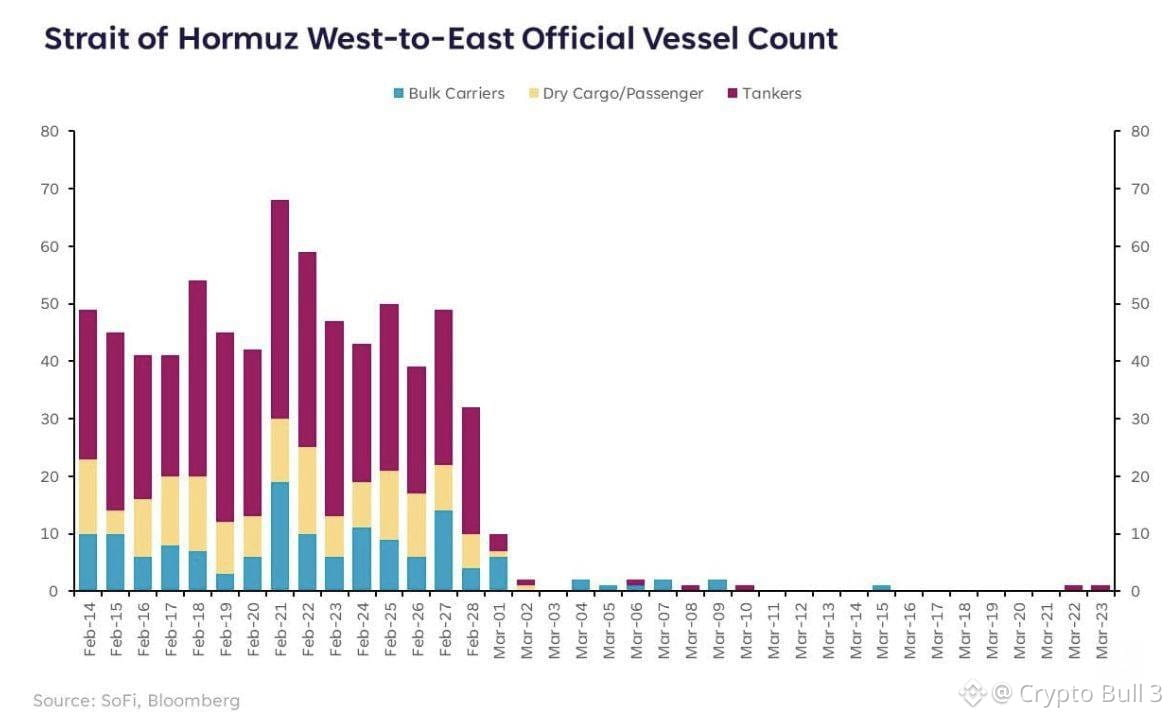
📊 Strait of Hormuz Vessel Traffic has plummeted.
$BTC #BitmineIncreasesETHStake #GoogleStudyOnCryptoSecurityChallenges OilRisesAbove$116 #USNoKingsProtests
$ETH
📊 Strait of Hormuz Vessel Traffic has plummeted.
$BTC #BitmineIncreasesETHStake #GoogleStudyOnCryptoSecurityChallenges OilRisesAbove$116 #USNoKingsProtests
$ETH
$BTC #BitmineIncreasesETHStake #GoogleStudyOnCryptoSecurityChallenges OilRisesAbove$116 #USNoKingsProtests
$ETH
1
188
·
--
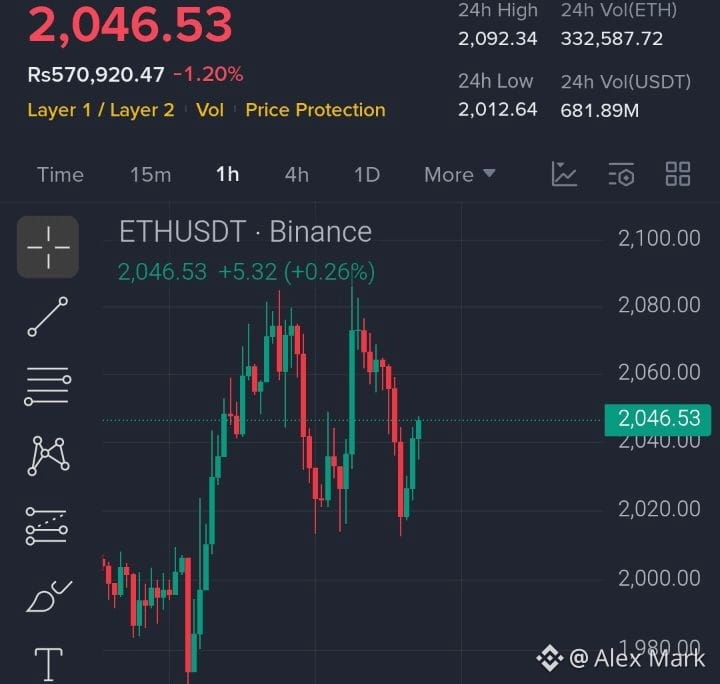
$ETH bouncing clean off support… momentum loading for the next leg 🚀
$ETH LONG SETUP
Entry: 2020 – 2050
Stop Loss: 1980
Targets:
🎯 2090
🎯 2150
🎯 2220
#GoogleStudyOnCryptoSecurityChallenges
#BTCETFFeeRace
#USNoKingsProtests
#AsiaStocksPlunge
#BitcoinPrices
$ETH bouncing clean off support… momentum loading for the next leg 🚀
$ETH LONG SETUP
Entry: 2020 – 2050
Stop Loss: 1980
Targets:
🎯 2090
🎯 2150
🎯 2220
#GoogleStudyOnCryptoSecurityChallenges
#BTCETFFeeRace
#USNoKingsProtests
#AsiaStocksPlunge
#BitcoinPrices
$ETH LONG SETUP
Entry: 2020 – 2050
Stop Loss: 1980
Targets:
🎯 2090
🎯 2150
🎯 2220
#GoogleStudyOnCryptoSecurityChallenges
#BTCETFFeeRace
#USNoKingsProtests
#AsiaStocksPlunge
#BitcoinPrices
1
69
·
--
Bullish
Latest International News (April 1, 2026)
Middle East Conflict Developments: Tensions in the Middle East remain a focal point. An Iranian drone attack targeted fuel tanks at Kuwait's international airport, causing a large fire but no casualties. Meanwhile, Iranian Foreign Minister Abbas Araghchi stated there are no grounds for negotiations with the United States regarding a reported 15-point proposal to end the conflict.
U.S. Troop Withdrawal Signal: U.S. President Donald Trump announced that American forces will leave Iran within "two to three weeks," signaling a potential end to ongoing U.S. military operations in the region.
Space Exploration Milestone: The Canadian Space Agency and NASA are preparing for the historic launch of the Artemis II mission, the first crewed mission to the Moon in over 50 years, with a launch window opening today.
How These Events Are Affecting Bitcoin (BTC)
The geopolitical developments, particularly the signals of easing tensions in the Middle East, are having a direct impact on cryptocurrency markets today.
Price Rebound: Following a period of ETF outflows and weakening demand that put downward pressure on the market in late March, Bitcoin is currently experiencing a recovery, climbing back near the $69,000 mark.
Risk-On Sentiment: President Trump's comments suggesting an end to U.S. attacks in Iran have helped ease some of the broader market anxiety. As geopolitical war tensions appear to cool slightly, risk appetite among investors is improving. This "risk-on" sentiment generally benefits volatile assets like Bitcoin, leading to renewed institutional demand and consecutive days of positive inflows into U.S.-listed spot Bitcoin ETFs$BTC
{spot}(BTCUSDT)
#GoogleStudyOnCryptoSecurityChallenges #BitmineIncreasesETHStake #AsiaStocksPlunge OilRisesAbove$116#USNoKingsProtests #BTCETFFeeRace
Latest International News (April 1, 2026)
Middle East Conflict Developments: Tensions in the Middle East remain a focal point. An Iranian drone attack targeted fuel tanks at Kuwait's international airport, causing a large fire but no casualties. Meanwhile, Iranian Foreign Minister Abbas Araghchi stated there are no grounds for negotiations with the United States regarding a reported 15-point proposal to end the conflict.
U.S. Troop Withdrawal Signal: U.S. President Donald Trump announced that American forces will leave Iran within "two to three weeks," signaling a potential end to ongoing U.S. military operations in the region.
Space Exploration Milestone: The Canadian Space Agency and NASA are preparing for the historic launch of the Artemis II mission, the first crewed mission to the Moon in over 50 years, with a launch window opening today.
How These Events Are Affecting Bitcoin (BTC)
The geopolitical developments, particularly the signals of easing tensions in the Middle East, are having a direct impact on cryptocurrency markets today.
Price Rebound: Following a period of ETF outflows and weakening demand that put downward pressure on the market in late March, Bitcoin is currently experiencing a recovery, climbing back near the $69,000 mark.
Risk-On Sentiment: President Trump's comments suggesting an end to U.S. attacks in Iran have helped ease some of the broader market anxiety. As geopolitical war tensions appear to cool slightly, risk appetite among investors is improving. This "risk-on" sentiment generally benefits volatile assets like Bitcoin, leading to renewed institutional demand and consecutive days of positive inflows into U.S.-listed spot Bitcoin ETFs$BTC
#GoogleStudyOnCryptoSecurityChallenges #BitmineIncreasesETHStake #AsiaStocksPlunge OilRisesAbove$116#USNoKingsProtests #BTCETFFeeRace
Middle East Conflict Developments: Tensions in the Middle East remain a focal point. An Iranian drone attack targeted fuel tanks at Kuwait's international airport, causing a large fire but no casualties. Meanwhile, Iranian Foreign Minister Abbas Araghchi stated there are no grounds for negotiations with the United States regarding a reported 15-point proposal to end the conflict.
U.S. Troop Withdrawal Signal: U.S. President Donald Trump announced that American forces will leave Iran within "two to three weeks," signaling a potential end to ongoing U.S. military operations in the region.
Space Exploration Milestone: The Canadian Space Agency and NASA are preparing for the historic launch of the Artemis II mission, the first crewed mission to the Moon in over 50 years, with a launch window opening today.
How These Events Are Affecting Bitcoin (BTC)
The geopolitical developments, particularly the signals of easing tensions in the Middle East, are having a direct impact on cryptocurrency markets today.
Price Rebound: Following a period of ETF outflows and weakening demand that put downward pressure on the market in late March, Bitcoin is currently experiencing a recovery, climbing back near the $69,000 mark.
Risk-On Sentiment: President Trump's comments suggesting an end to U.S. attacks in Iran have helped ease some of the broader market anxiety. As geopolitical war tensions appear to cool slightly, risk appetite among investors is improving. This "risk-on" sentiment generally benefits volatile assets like Bitcoin, leading to renewed institutional demand and consecutive days of positive inflows into U.S.-listed spot Bitcoin ETFs$BTC
#GoogleStudyOnCryptoSecurityChallenges #BitmineIncreasesETHStake #AsiaStocksPlunge OilRisesAbove$116#USNoKingsProtests #BTCETFFeeRace
1
55

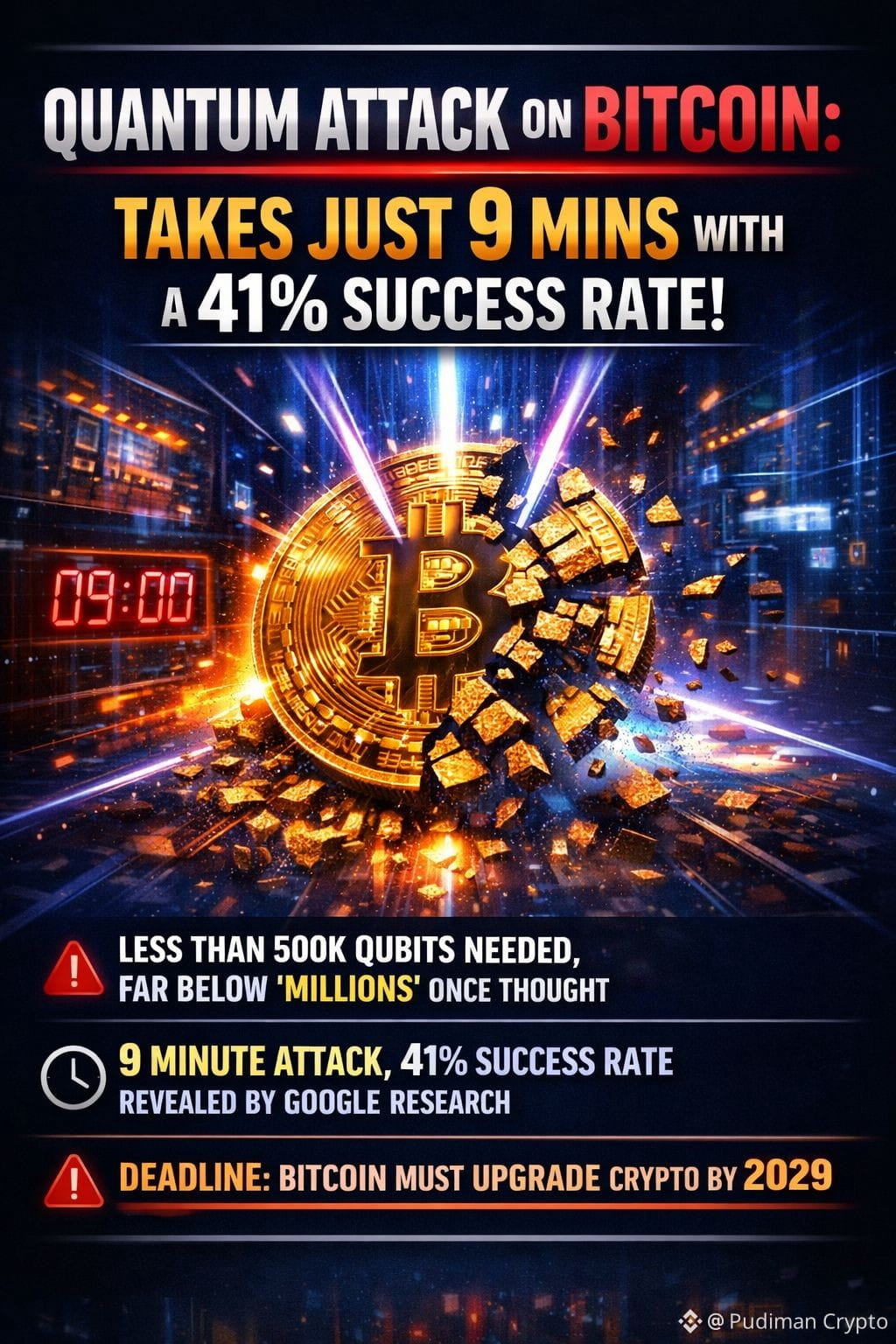
⚠️ GOOGLE WARNS: A QUANTUM ATTACK ON BITCOIN COULD TAKE JUST 9 MINUTES
Google’s quantum research team suggests that breaking Bitcoin’s cryptography may require fewer than 500,000 qubits, far less than the millions previously believed necessary.
New research indicates that a quantum attack could be completed in around 9 minutes, which is faster than Bitcoin’s average 10-minute block confirmation time. This would give attackers an estimated 41% chance of success.
Because of this growing risk, Google has identified 2029 as a critical deadline for Bitcoin to upgrade its cryptographic systems before quantum computers become a real and practical threat.
#GoogleStudyOnCryptoSecurityChallenges
⚠️ GOOGLE WARNS: A QUANTUM ATTACK ON BITCOIN COULD TAKE JUST 9 MINUTES
Google’s quantum research team suggests that breaking Bitcoin’s cryptography may require fewer than 500,000 qubits, far less than the millions previously believed necessary.
New research indicates that a quantum attack could be completed in around 9 minutes, which is faster than Bitcoin’s average 10-minute block confirmation time. This would give attackers an estimated 41% chance of success.
Because of this growing risk, Google has identified 2029 as a critical deadline for Bitcoin to upgrade its cryptographic systems before quantum computers become a real and practical threat.
#GoogleStudyOnCryptoSecurityChallenges
Google’s quantum research team suggests that breaking Bitcoin’s cryptography may require fewer than 500,000 qubits, far less than the millions previously believed necessary.
New research indicates that a quantum attack could be completed in around 9 minutes, which is faster than Bitcoin’s average 10-minute block confirmation time. This would give attackers an estimated 41% chance of success.
Because of this growing risk, Google has identified 2029 as a critical deadline for Bitcoin to upgrade its cryptographic systems before quantum computers become a real and practical threat.
#GoogleStudyOnCryptoSecurityChallenges
3
1.4k

·
--
Bearish
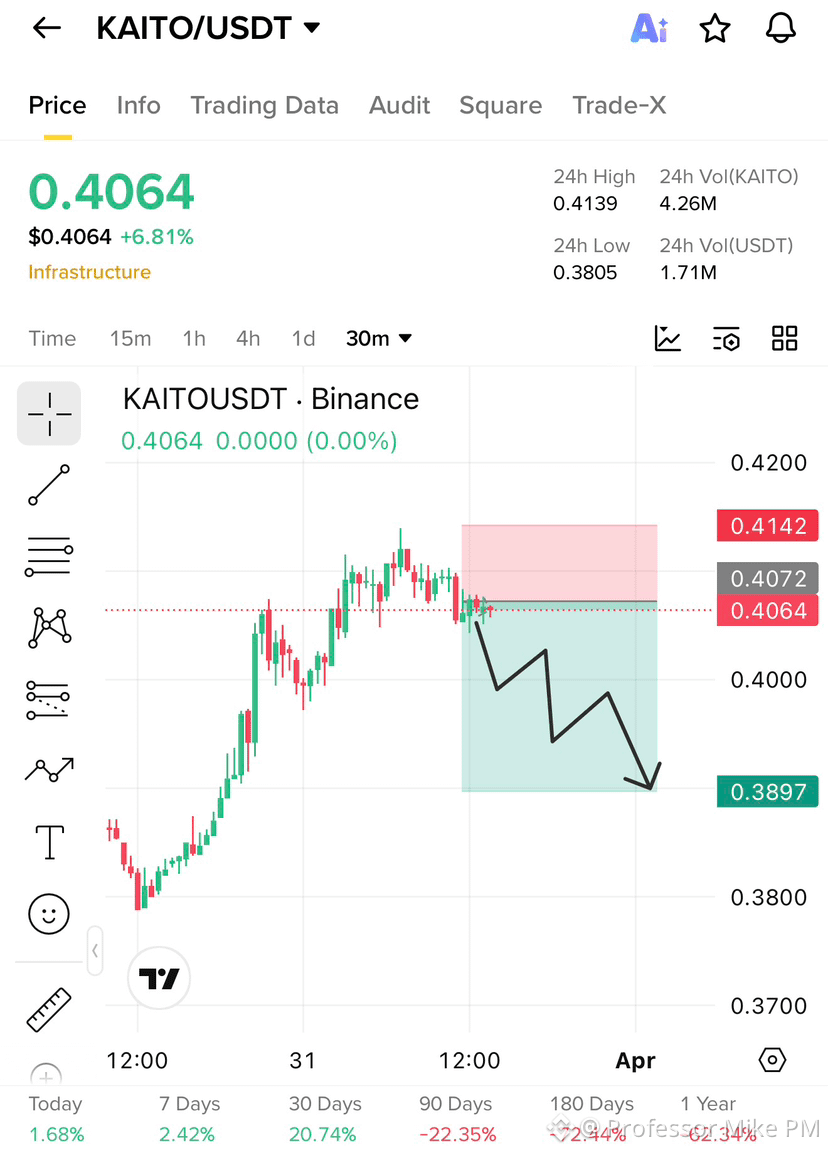
Rejection at Supply Zone on $KAITO /USDT !!!
Short KAITO/USDT
Entry: 0.4060 & 0.4080
SL: 0.4145
TP1: 0.4000
TP2: 0.3950
TP3: 0.3895
#KAİTO is facing strong rejection from a local supply zone after a steady bullish move, with price failing to sustain above resistance and starting to print lower highs. The structure suggests weakening bullish momentum, and a breakdown below the current range can trigger further downside continuation toward lower liquidity zones.
#GoogleStudyOnCryptoSecurityChallenges
Rejection at Supply Zone on $KAITO /USDT !!!
Short KAITO/USDT
Entry: 0.4060 & 0.4080
SL: 0.4145
TP1: 0.4000
TP2: 0.3950
TP3: 0.3895
#KAİTO is facing strong rejection from a local supply zone after a steady bullish move, with price failing to sustain above resistance and starting to print lower highs. The structure suggests weakening bullish momentum, and a breakdown below the current range can trigger further downside continuation toward lower liquidity zones.
#GoogleStudyOnCryptoSecurityChallenges
Short KAITO/USDT
Entry: 0.4060 & 0.4080
SL: 0.4145
TP1: 0.4000
TP2: 0.3950
TP3: 0.3895
#KAİTO is facing strong rejection from a local supply zone after a steady bullish move, with price failing to sustain above resistance and starting to print lower highs. The structure suggests weakening bullish momentum, and a breakdown below the current range can trigger further downside continuation toward lower liquidity zones.
#GoogleStudyOnCryptoSecurityChallenges
3
703

·
--
Bearish
🚨
Crypto is evolving fast… but so are the risks.
A recent study highlights major security challenges in the crypto space:
⚠️ Phishing attacks
⚠️ Smart contract vulnerabilities
⚠️ Exchange breaches
⚠️ Social engineering scams
The truth?
Most losses don’t happen because of the market… they happen because of poor security habits.
As traders, we focus on charts, entries & profits…
But real pros focus equally on security & protection of capital.
🔐 Use 2FA on your Binance account
🔐 Never share private keys or OTPs
🔐 Double-check wallet addresses before transactions
🔐 Avoid clicking unknown links
💡 Smart trading = Profits + Protection
Stay sharp. Stay secure.
Follow me for real trading insights, risk management & smarter crypto moves.
#GoogleStudyOnCryptoSecurityChallenges
🚨
Crypto is evolving fast… but so are the risks.
A recent study highlights major security challenges in the crypto space:
⚠️ Phishing attacks
⚠️ Smart contract vulnerabilities
⚠️ Exchange breaches
⚠️ Social engineering scams
The truth?
Most losses don’t happen because of the market… they happen because of poor security habits.
As traders, we focus on charts, entries & profits…
But real pros focus equally on security & protection of capital.
🔐 Use 2FA on your Binance account
🔐 Never share private keys or OTPs
🔐 Double-check wallet addresses before transactions
🔐 Avoid clicking unknown links
💡 Smart trading = Profits + Protection
Stay sharp. Stay secure.
Follow me for real trading insights, risk management & smarter crypto moves.
#GoogleStudyOnCryptoSecurityChallenges
Crypto is evolving fast… but so are the risks.
A recent study highlights major security challenges in the crypto space:
⚠️ Phishing attacks
⚠️ Smart contract vulnerabilities
⚠️ Exchange breaches
⚠️ Social engineering scams
The truth?
Most losses don’t happen because of the market… they happen because of poor security habits.
As traders, we focus on charts, entries & profits…
But real pros focus equally on security & protection of capital.
🔐 Use 2FA on your Binance account
🔐 Never share private keys or OTPs
🔐 Double-check wallet addresses before transactions
🔐 Avoid clicking unknown links
💡 Smart trading = Profits + Protection
Stay sharp. Stay secure.
Follow me for real trading insights, risk management & smarter crypto moves.
#GoogleStudyOnCryptoSecurityChallenges
1
14
·
--
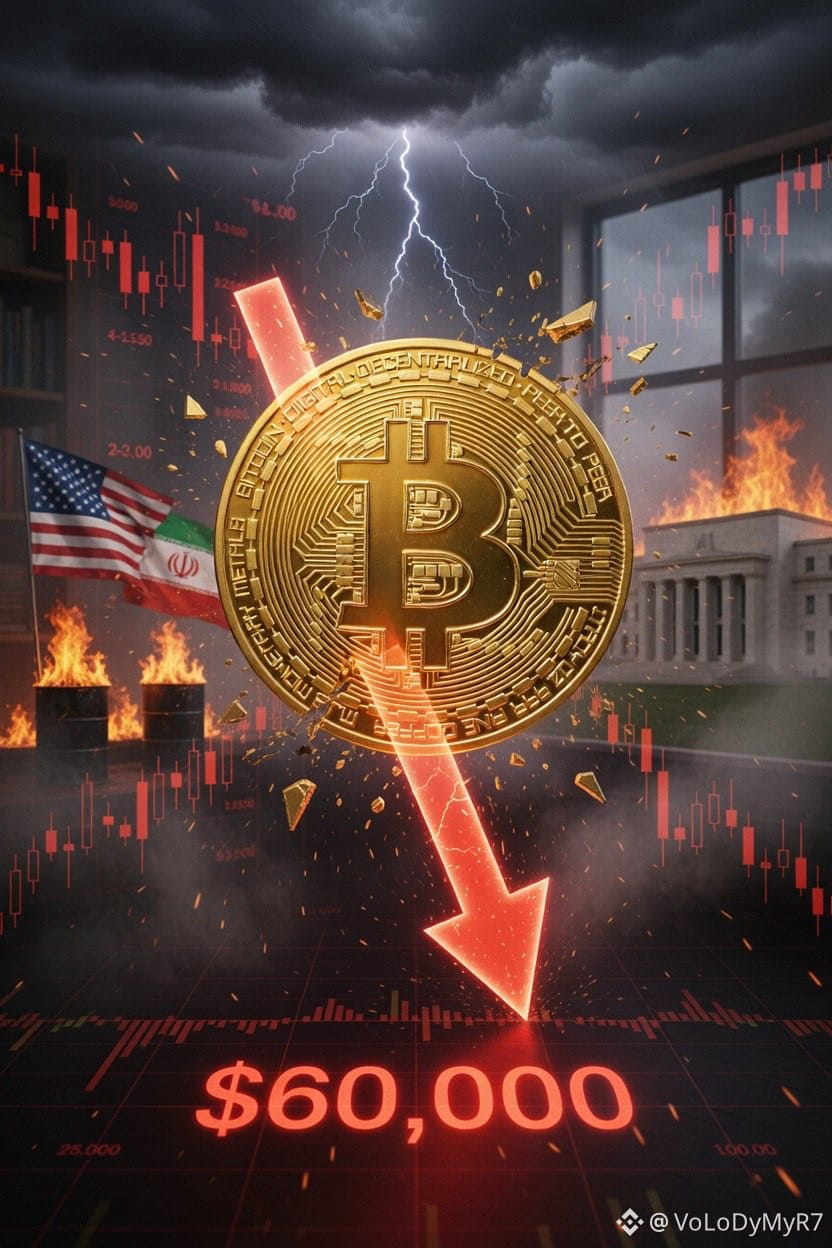
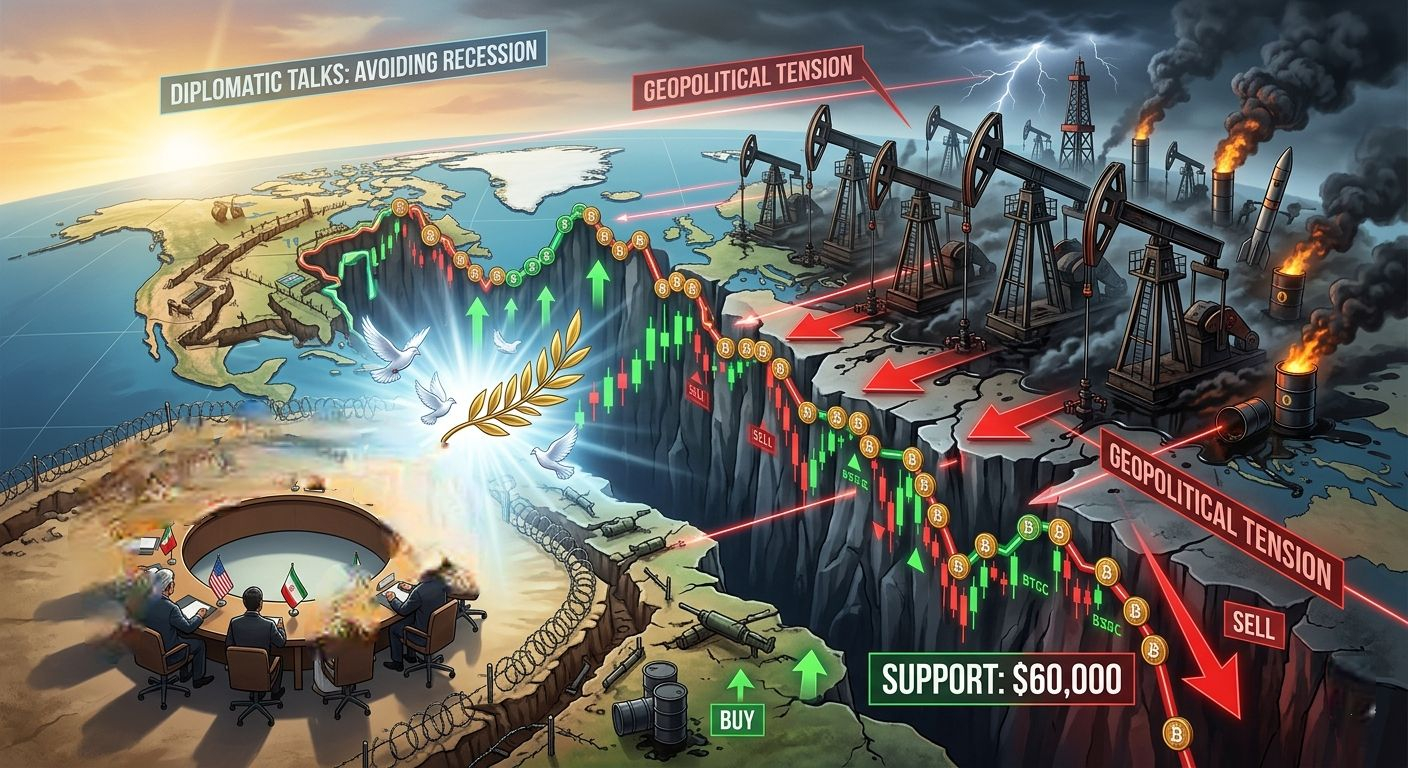
🚨 ВІЙНА, НАФТА ТА $60,000: ЧИ ВИТРИМАЄ BITCOIN ГЕОПОЛІТИЧНИЙ УДАР? 📉🌋
Джефф Мей (COO BTSE) видав серйозне попередження: якщо напруженість між США та Іраном зростатиме, Bitcoin може відкотитися до критичної позначки $60,000. 🏛️⚖️
Чому ринок у небезпеці:
Інфляційне паливо: Ріст цін на нафту та газ роздмухує інфляцію. Це зв'язує руки ФРС — про зниження ставок у таких умовах можна забути. ⛽🔥
Макро-невизначеність: Страх перед ескалацією вбиває впевненість інвесторів, провокуючи короткострокову волатильність та вихід у кеш. 🛑💸
Рівні підтримки: Попри довгостроковий бичачий тренд, Мей наголошує: затяжний конфлікт неминуче штовхне ціну до ключових рівнів підтримки.
Геополітика зараз — головний маркетмейкер. Поки інфраструктурні проекти ($LINK , $ZRO ) продовжують будуватися, спекулятивний капітал дуже чутливий до новин про нафту та ракети. $60,000 — це реальна зона перевірки нашої витримки. 🧘♂️🧱🛡️
👇 Чи вважаєте ви $60k "дном" для закупу, чи вірите, що Трамп розрулить ситуацію раніше?
#GoogleStudyOnCryptoSecurityChallenges
#BitmineIncreasesETHStake
#BitcoinPrices $BTC
🚨 ВІЙНА, НАФТА ТА $60,000: ЧИ ВИТРИМАЄ BITCOIN ГЕОПОЛІТИЧНИЙ УДАР? 📉🌋
Джефф Мей (COO BTSE) видав серйозне попередження: якщо напруженість між США та Іраном зростатиме, Bitcoin може відкотитися до критичної позначки $60,000. 🏛️⚖️
Чому ринок у небезпеці:
Інфляційне паливо: Ріст цін на нафту та газ роздмухує інфляцію. Це зв'язує руки ФРС — про зниження ставок у таких умовах можна забути. ⛽🔥
Макро-невизначеність: Страх перед ескалацією вбиває впевненість інвесторів, провокуючи короткострокову волатильність та вихід у кеш. 🛑💸
Рівні підтримки: Попри довгостроковий бичачий тренд, Мей наголошує: затяжний конфлікт неминуче штовхне ціну до ключових рівнів підтримки.
Геополітика зараз — головний маркетмейкер. Поки інфраструктурні проекти ($LINK , $ZRO ) продовжують будуватися, спекулятивний капітал дуже чутливий до новин про нафту та ракети. $60,000 — це реальна зона перевірки нашої витримки. 🧘♂️🧱🛡️
👇 Чи вважаєте ви $60k "дном" для закупу, чи вірите, що Трамп розрулить ситуацію раніше?
#GoogleStudyOnCryptoSecurityChallenges
#BitmineIncreasesETHStake
#BitcoinPrices $BTC
Джефф Мей (COO BTSE) видав серйозне попередження: якщо напруженість між США та Іраном зростатиме, Bitcoin може відкотитися до критичної позначки $60,000. 🏛️⚖️
Чому ринок у небезпеці:
Інфляційне паливо: Ріст цін на нафту та газ роздмухує інфляцію. Це зв'язує руки ФРС — про зниження ставок у таких умовах можна забути. ⛽🔥
Макро-невизначеність: Страх перед ескалацією вбиває впевненість інвесторів, провокуючи короткострокову волатильність та вихід у кеш. 🛑💸
Рівні підтримки: Попри довгостроковий бичачий тренд, Мей наголошує: затяжний конфлікт неминуче штовхне ціну до ключових рівнів підтримки.
Геополітика зараз — головний маркетмейкер. Поки інфраструктурні проекти ($LINK , $ZRO ) продовжують будуватися, спекулятивний капітал дуже чутливий до новин про нафту та ракети. $60,000 — це реальна зона перевірки нашої витримки. 🧘♂️🧱🛡️
👇 Чи вважаєте ви $60k "дном" для закупу, чи вірите, що Трамп розрулить ситуацію раніше?
#GoogleStudyOnCryptoSecurityChallenges
#BitmineIncreasesETHStake
#BitcoinPrices $BTC
12
40
332

·
--
Bullish
Feliz como una lombriz 1200 seguidores en 2 días y aumentando la cuenta, reclamen más obsequios gracias $BTC $ETH $BCH #AnthropicBansOpenClawFromClaude #BCH/USD #GoogleStudyOnCryptoSecurityChallenges #VenezolanosenBinance #VenezolanoEnCripto
Feliz como una lombriz 1200 seguidores en 2 días y aumentando la cuenta, reclamen más obsequios gracias $BTC $ETH $BCH #AnthropicBansOpenClawFromClaude #BCH/USD #GoogleStudyOnCryptoSecurityChallenges #VenezolanosenBinance #VenezolanoEnCripto
1.3k
22
94
1.3k

·
--
Bullish
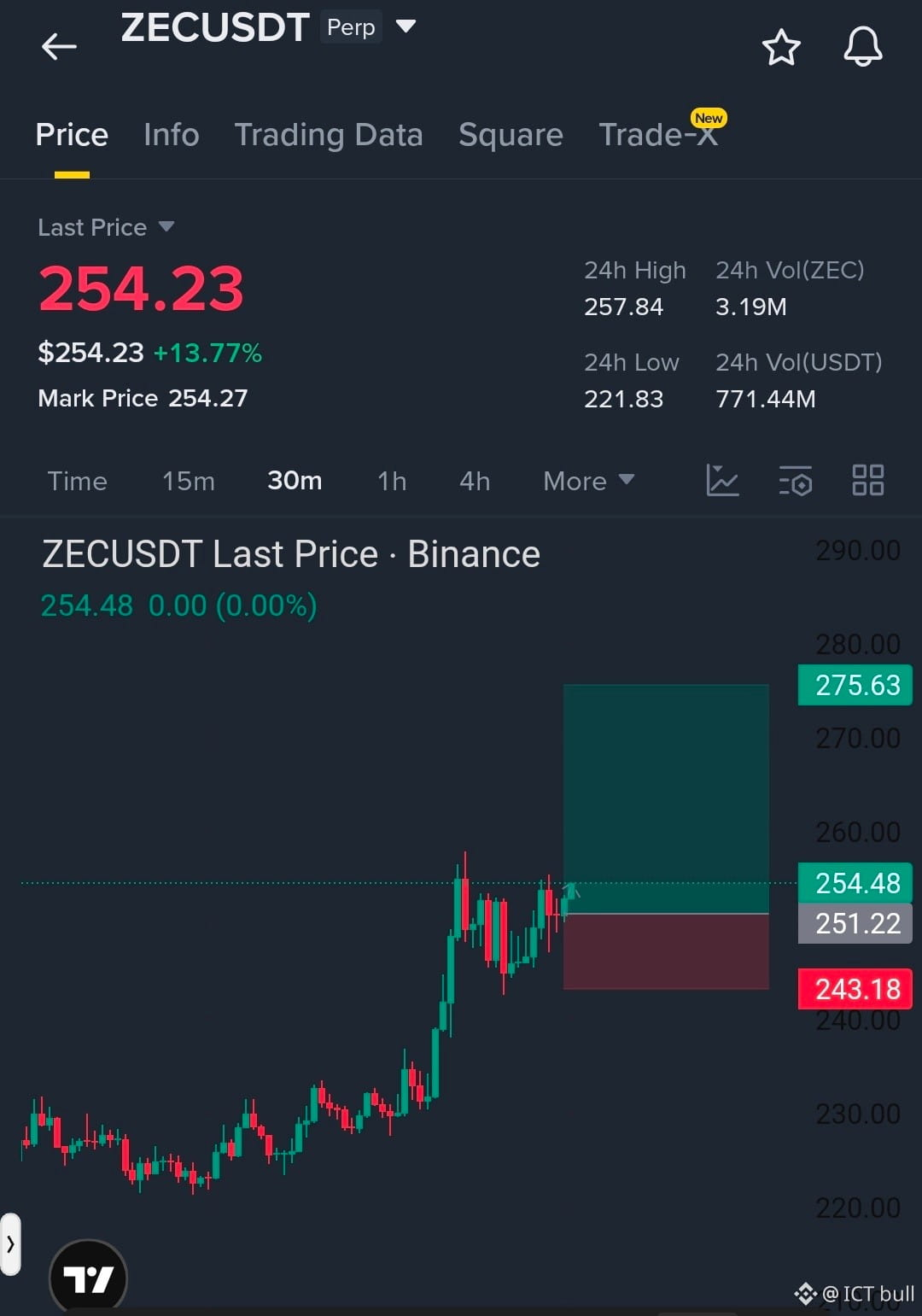
$ZEC USDT LONG SETUP
Strong impulsive move followed by tight consolidation under resistance — clear bullish continuation structure.
Entry: 252 – 255
Stop Loss: 243
TP1: 265
TP2: 275
TP3: 285
Price is holding above the breakout zone after a liquidity sweep and forming higher lows. As long as 250 holds, continuation toward 270+ remains likely.
#GoogleStudyOnCryptoSecurityChallenges #BitmineIncreasesETHStake OilRisesAbove$116OilRisesAbove$116
$ZEC USDT LONG SETUP
Strong impulsive move followed by tight consolidation under resistance — clear bullish continuation structure.
Entry: 252 – 255
Stop Loss: 243
TP1: 265
TP2: 275
TP3: 285
Price is holding above the breakout zone after a liquidity sweep and forming higher lows. As long as 250 holds, continuation toward 270+ remains likely.
#GoogleStudyOnCryptoSecurityChallenges #BitmineIncreasesETHStake OilRisesAbove$116OilRisesAbove$116
Strong impulsive move followed by tight consolidation under resistance — clear bullish continuation structure.
Entry: 252 – 255
Stop Loss: 243
TP1: 265
TP2: 275
TP3: 285
Price is holding above the breakout zone after a liquidity sweep and forming higher lows. As long as 250 holds, continuation toward 270+ remains likely.
#GoogleStudyOnCryptoSecurityChallenges #BitmineIncreasesETHStake OilRisesAbove$116OilRisesAbove$116
2
455

·
--
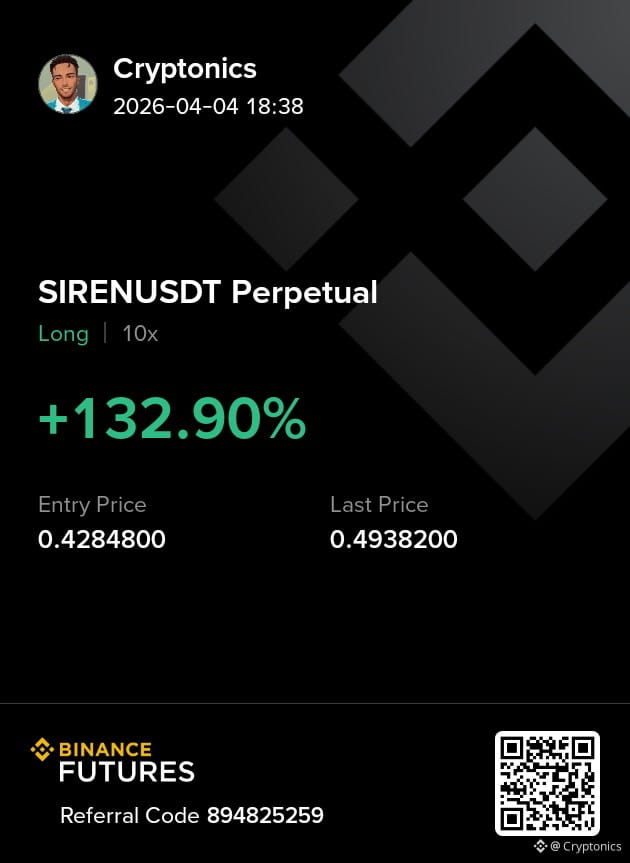
$SIREN long setup
scalping momentum technique
$XRP
$STO
#USJoblessClaimsNearTwo-YearLow
#GoogleStudyOnCryptoSecurityChallenges
$SIREN long setup
scalping momentum technique
$XRP
$STO
#USJoblessClaimsNearTwo-YearLow
#GoogleStudyOnCryptoSecurityChallenges
scalping momentum technique
$XRP
$STO
#USJoblessClaimsNearTwo-YearLow
#GoogleStudyOnCryptoSecurityChallenges
276

·
--
شهدت أسواق الأصول المرجحة بالمخاطر نموًا بمقدار خمسة أضعاف منذ مارس 2025. وارتفعت أسعار السلع المُرمّزة بمقدار ستة أضعاف خلال عام واحد.
RWA markets have grown 5x since March 2025. Tokenized commodities are up 6x in a year.
Traders want speed, access, and no boundaries, Binance's TradFi perpetuals are built exactly for that.$ETH #GoogleStudyOnCryptoSecurityChallenges
يرغب المتداولون في السرعة وسهولة الوصول والتداول بلا حدود، وقد صُممت عقود التداول الدائمة TradFi من Binance خصيصًا لتلبية هذه الاحتياجات
شهدت أسواق الأصول المرجحة بالمخاطر نموًا بمقدار خمسة أضعاف منذ مارس 2025. وارتفعت أسعار السلع المُرمّزة بمقدار ستة أضعاف خلال عام واحد.
RWA markets have grown 5x since March 2025. Tokenized commodities are up 6x in a year.
Traders want speed, access, and no boundaries, Binance's TradFi perpetuals are built exactly for that.$ETH #GoogleStudyOnCryptoSecurityChallenges
يرغب المتداولون في السرعة وسهولة الوصول والتداول بلا حدود، وقد صُممت عقود التداول الدائمة TradFi من Binance خصيصًا لتلبية هذه الاحتياجات
RWA markets have grown 5x since March 2025. Tokenized commodities are up 6x in a year.
Traders want speed, access, and no boundaries, Binance's TradFi perpetuals are built exactly for that.$ETH #GoogleStudyOnCryptoSecurityChallenges
يرغب المتداولون في السرعة وسهولة الوصول والتداول بلا حدود، وقد صُممت عقود التداول الدائمة TradFi من Binance خصيصًا لتلبية هذه الاحتياجات
1
1
69

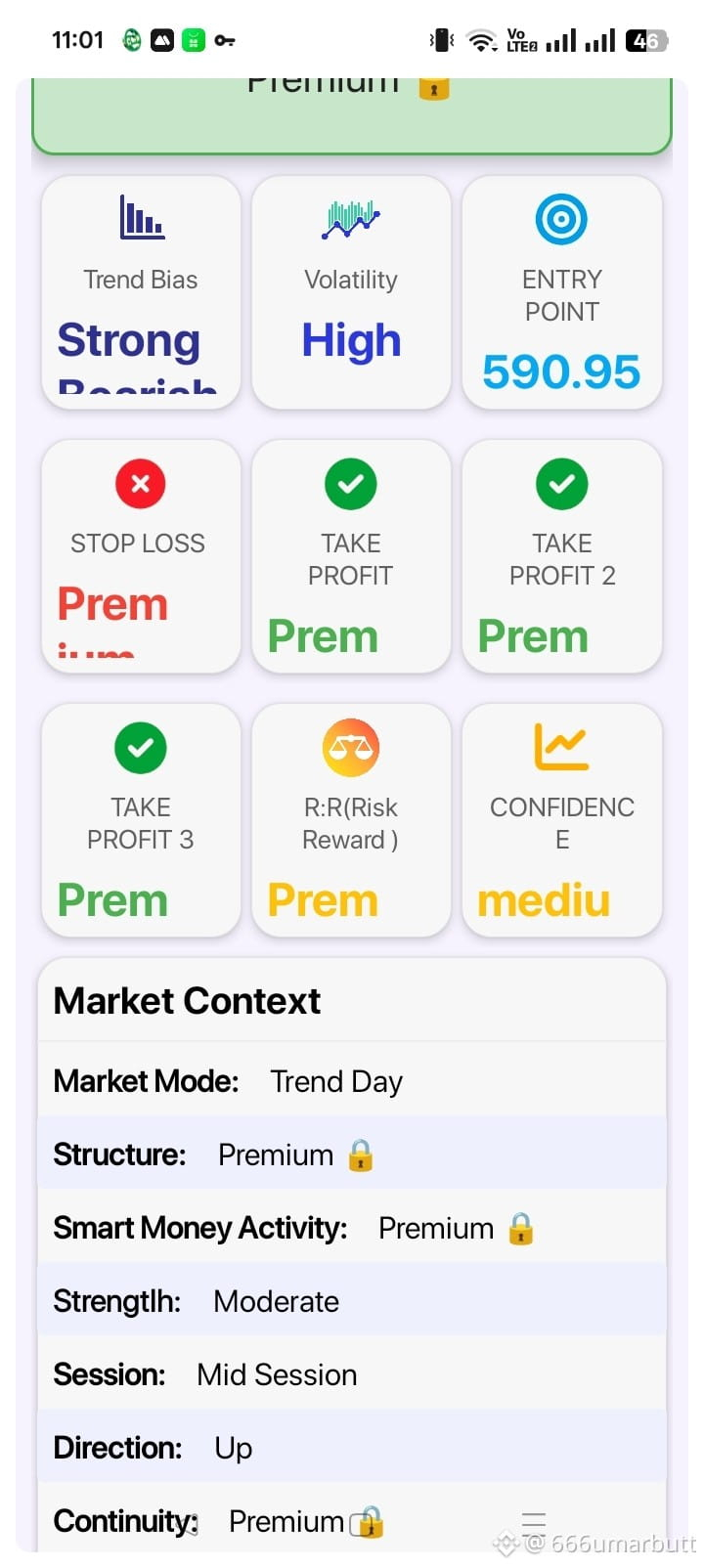
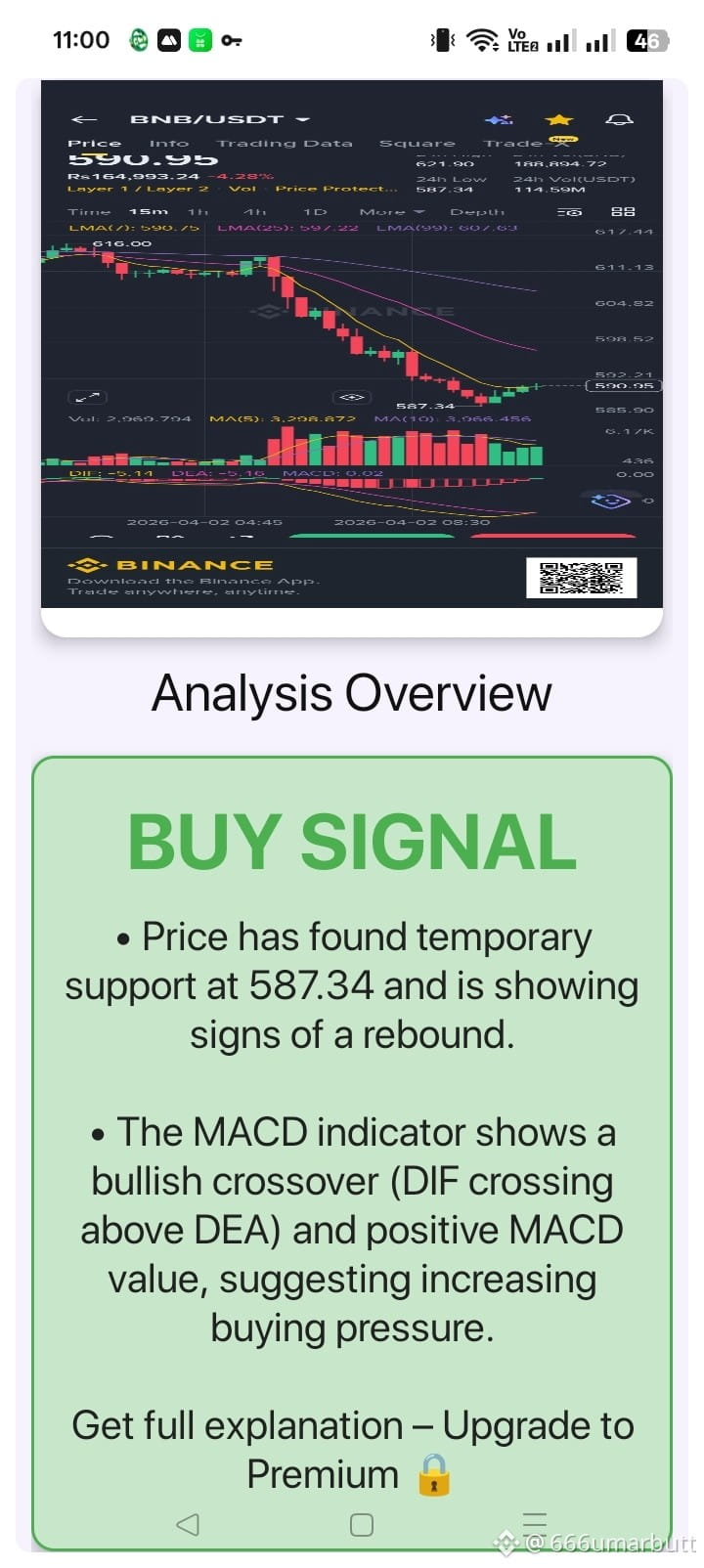
BNBUSDT
Current Situation:
💰 Price: 591
🔻 24h Change: -4.24%
📉 EMA(7) < EMA(25) < EMA(99) → Strong downtrend
📉 MACD is negative → Selling pressure is active
⚠️ Recent sharp dump (strong red candles)
🔴 Short (Sell) Strategy:
👉 If price pulls back to 595 – 600
→ This is a good short entry zone
🎯 Targets:
587
580
575
🛑 Stop Loss:
Above 605
🟢 When to Buy (Long)?
❌ Avoid buying right now (risky)
✅ Consider buying only if:
Price breaks above 600 strongly
Volume increases (strong buying confirmation)
🎯 Target:
608 – 615
⚡ Simple Decision:
👉 Best move: Wait for pullback → then short
👉 Avoid FOMO buying (market is weak)
#DriftProtocolExploited #GoogleStudyOnCryptoSecurityChallenges OilRisesAbove$116#BitcoinPrices
BNBUSDT
Current Situation:
💰 Price: 591
🔻 24h Change: -4.24%
📉 EMA(7) < EMA(25) < EMA(99) → Strong downtrend
📉 MACD is negative → Selling pressure is active
⚠️ Recent sharp dump (strong red candles)
🔴 Short (Sell) Strategy:
👉 If price pulls back to 595 – 600
→ This is a good short entry zone
🎯 Targets:
587
580
575
🛑 Stop Loss:
Above 605
🟢 When to Buy (Long)?
❌ Avoid buying right now (risky)
✅ Consider buying only if:
Price breaks above 600 strongly
Volume increases (strong buying confirmation)
🎯 Target:
608 – 615
⚡ Simple Decision:
👉 Best move: Wait for pullback → then short
👉 Avoid FOMO buying (market is weak)
#DriftProtocolExploited #GoogleStudyOnCryptoSecurityChallenges OilRisesAbove$116#BitcoinPrices
Current Situation:
💰 Price: 591
🔻 24h Change: -4.24%
📉 EMA(7) < EMA(25) < EMA(99) → Strong downtrend
📉 MACD is negative → Selling pressure is active
⚠️ Recent sharp dump (strong red candles)
🔴 Short (Sell) Strategy:
👉 If price pulls back to 595 – 600
→ This is a good short entry zone
🎯 Targets:
587
580
575
🛑 Stop Loss:
Above 605
🟢 When to Buy (Long)?
❌ Avoid buying right now (risky)
✅ Consider buying only if:
Price breaks above 600 strongly
Volume increases (strong buying confirmation)
🎯 Target:
608 – 615
⚡ Simple Decision:
👉 Best move: Wait for pullback → then short
👉 Avoid FOMO buying (market is weak)
#DriftProtocolExploited #GoogleStudyOnCryptoSecurityChallenges OilRisesAbove$116#BitcoinPrices
30

·
--
What makes Sign more interesting to me is that it’s not really just a registry.
That sounds too passive.
The bigger thing is that it lets trust travel. A proof gets signed once, then other apps or chains can use it without making everyone go through the same verification ritual again. That makes the whole system feel less repetitive and a lot less dumb.
That’s the good part.
The uncomfortable part is where the risk moves next.
Because once trust becomes portable, issuers matter a lot more. A weak issuer doesn’t just make one bad attestation. It can poison a whole chain of downstream decisions. And then there’s the time problem. Something can be valid once and still look trustworthy long after it should’ve expired.
That’s the tension I keep coming back to.
Sign can make cross-chain trust cleaner and more reusable.
But reusable trust only works if the issuer stays credible and the proof doesn’t outlive the truth it was supposed to prove.
@SignOfficial #SignDigitalSovereignInfra $SIGN
#DriftProtocolExploited #ADPJobsSurge #GoogleStudyOnCryptoSecurityChallenges
$SIREN
What makes Sign more interesting to me is that it’s not really just a registry.
That sounds too passive.
The bigger thing is that it lets trust travel. A proof gets signed once, then other apps or chains can use it without making everyone go through the same verification ritual again. That makes the whole system feel less repetitive and a lot less dumb.
That’s the good part.
The uncomfortable part is where the risk moves next.
Because once trust becomes portable, issuers matter a lot more. A weak issuer doesn’t just make one bad attestation. It can poison a whole chain of downstream decisions. And then there’s the time problem. Something can be valid once and still look trustworthy long after it should’ve expired.
That’s the tension I keep coming back to.
Sign can make cross-chain trust cleaner and more reusable.
But reusable trust only works if the issuer stays credible and the proof doesn’t outlive the truth it was supposed to prove.
@SignOfficial #SignDigitalSovereignInfra $SIGN
#DriftProtocolExploited #ADPJobsSurge #GoogleStudyOnCryptoSecurityChallenges
$SIREN
That sounds too passive.
The bigger thing is that it lets trust travel. A proof gets signed once, then other apps or chains can use it without making everyone go through the same verification ritual again. That makes the whole system feel less repetitive and a lot less dumb.
That’s the good part.
The uncomfortable part is where the risk moves next.
Because once trust becomes portable, issuers matter a lot more. A weak issuer doesn’t just make one bad attestation. It can poison a whole chain of downstream decisions. And then there’s the time problem. Something can be valid once and still look trustworthy long after it should’ve expired.
That’s the tension I keep coming back to.
Sign can make cross-chain trust cleaner and more reusable.
But reusable trust only works if the issuer stays credible and the proof doesn’t outlive the truth it was supposed to prove.
@SignOfficial #SignDigitalSovereignInfra $SIGN
#DriftProtocolExploited #ADPJobsSurge #GoogleStudyOnCryptoSecurityChallenges
$SIREN
71
Log in to explore more content
Join global crypto users on Binance Square
⚡️ Get latest and useful information about crypto.
💬 Trusted by the world’s largest crypto exchange.
👍 Discover real insights from verified creators.
Email / Phone number
Trending Topics
1
#BitcoinHoldsAbove$77000
277 views
38 Discussing
2
#FedHikeOddsRiseTo89%
335 views
62 Discussing
3
#BitcoinCrosses$78000
2,425 views
131 Discussing
4
#AvalancheIntegratesIntoUAEPassDigitalVault
11,993 views
335 Discussing
5
#UKSeeksViewsOnTokenizingGold
7,867 views
243 Discussing
6
#AnthropicCEOCallsForAISlowdown
163,976 views
2,690 Discussing
7
#RevolutDataLeakReportedlyPostedAttackersThreatenDailyReleases
2,715 views
68 Discussing
8
#BrazilCentralBankRaisesVASPCapitalRequirements
18,043 views
506 Discussing
9
#BitcoinThirdSingleBlockReorgInFourWeeks
53,437 views
1,234 Discussing
10
#EthereumFallsBelow$2500
5,296 views
91 Discussing